14 Powerful Small Closet Organization Tricks Designers Use
Small closet organization often looks fine at first but quickly falls apart once real daily use begins. I have seen closets that seemed perfectly arranged slowly turn into cluttered spaces simply because the system did not match how people actually live.
Most people assume the problem is lack of space, but in reality it is usually about layout, flow, and how items are used throughout the day. Once you shift your focus from storage to function, even a very small closet can start to feel calm, efficient, and surprisingly spacious.
Small closet organization works best when layout, access, and visual balance are designed around real daily habits rather than just adding more storage.
Why Small Closet Organization Improves Daily Routine and Reduces Stress
A well organized small closet organization system changes how your day starts in a subtle but powerful way. Instead of searching, shifting, and rearranging items every morning, everything feels easy to reach and visually clear, which reduces mental clutter before your day even begins.
What I have noticed in real homes is that the biggest difference in small closet organization is not how much you store, but how easily you can move through the space. When your closet supports your routine instead of slowing it down, it creates a sense of control that carries into the rest of your day.
Smart Small Closet Organization Ideas That Actually Work in Real Life
A Clear Entry Zone That Makes Your Small Closet Feel Instantly Organized
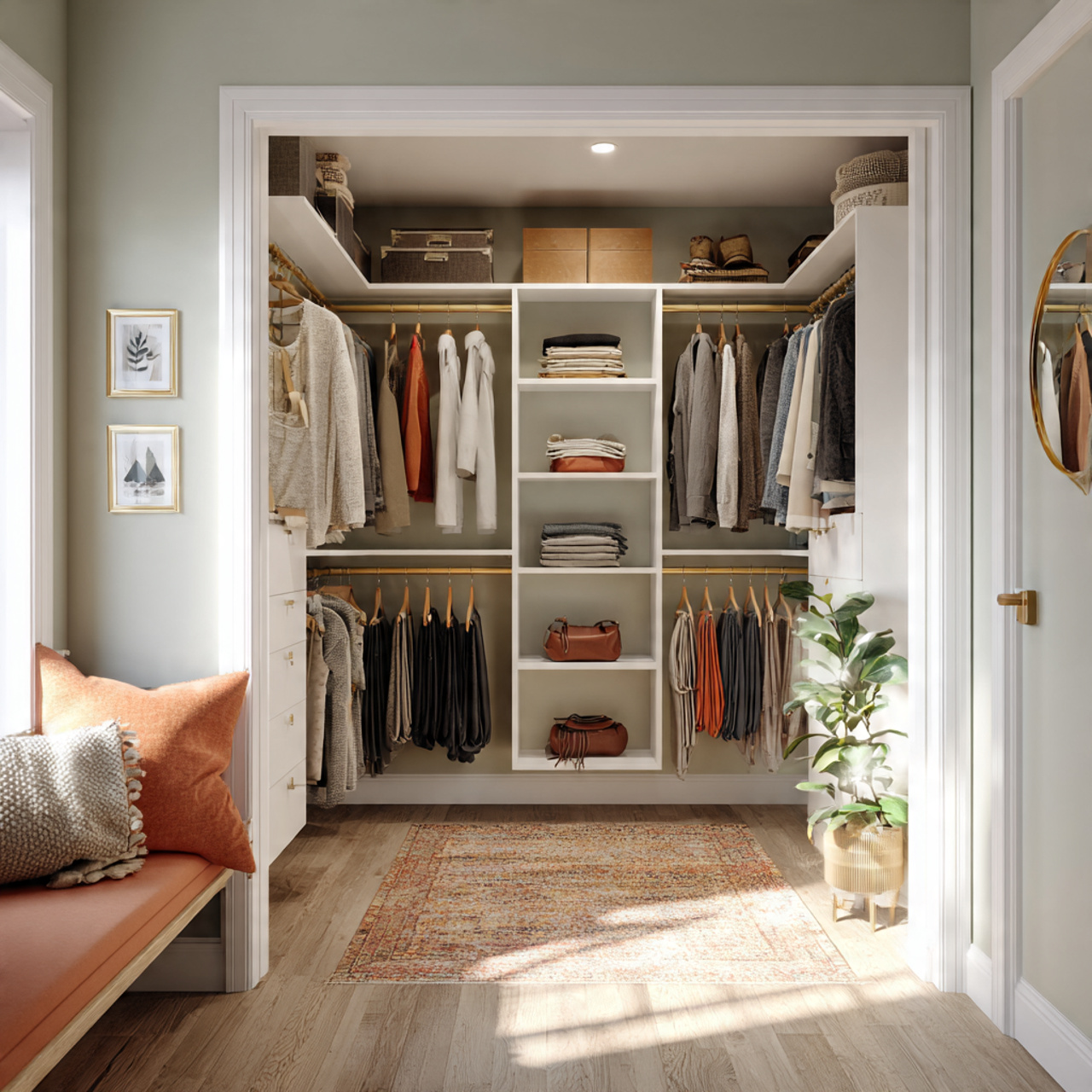
The moment you open a small closet, the first few inches set the tone for everything else. When that entry area is cluttered, the entire space feels chaotic even if the rest is organized. A clean, open entry zone with just a few intentional pieces creates an immediate sense of calm and control.
This works because your brain reads the closet from the front first. If the entry feels light and structured, it tricks the space into feeling larger and more manageable. I once filled that front area with extra hangers thinking it was efficient, but it made the whole closet feel heavy and frustrating to use.
Start by clearing the first visible section completely, then reintroduce only daily essentials. Keep spacing between items instead of packing tightly. That small visual breathing room changes how the entire closet feels.
Tip: Keep at least a hand-width gap in your entry zone so the space never feels blocked.
Vertical Layering That Turns Dead Space Into Functional Storage
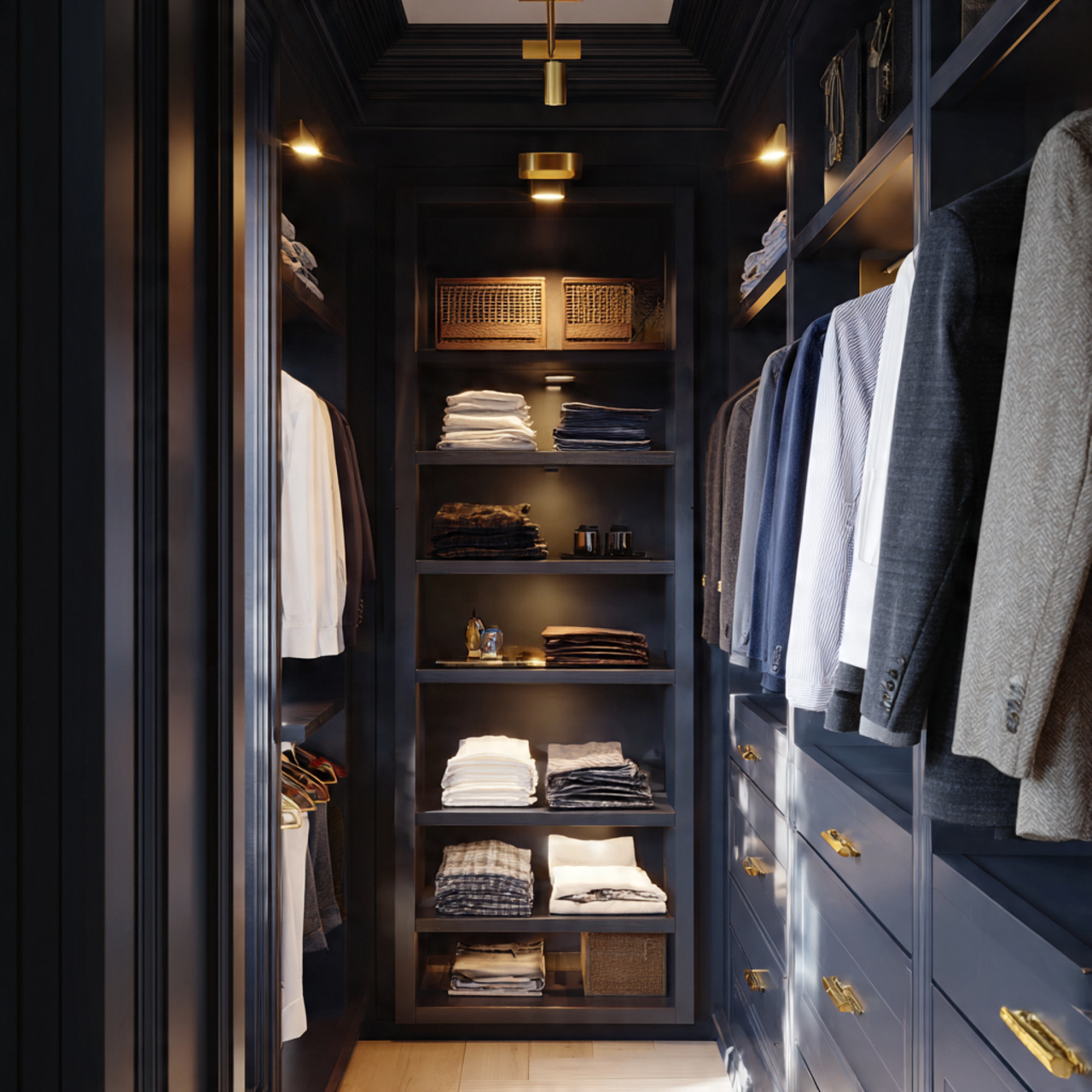
Look closely at most small closets and you will notice empty vertical gaps that are never used properly. There is often space above, below, or between sections that could hold more without making things feel crowded. When layered correctly, the closet suddenly feels taller and more capable.
This approach works because it follows natural stacking behavior instead of forcing everything into one level. After trying single-level storage for months, I realized items kept piling up unevenly and creating visual clutter. Vertical layering distributes items in a more balanced way.
Use different heights intentionally instead of repeating the same spacing. Mix shorter sections for folded items with taller sections for hanging clothes. The variation makes the closet feel structured rather than cramped.
Tip: Think in levels instead of rows to unlock hidden space.
A Daily-Use Zone That Makes Getting Dressed Faster and Easier
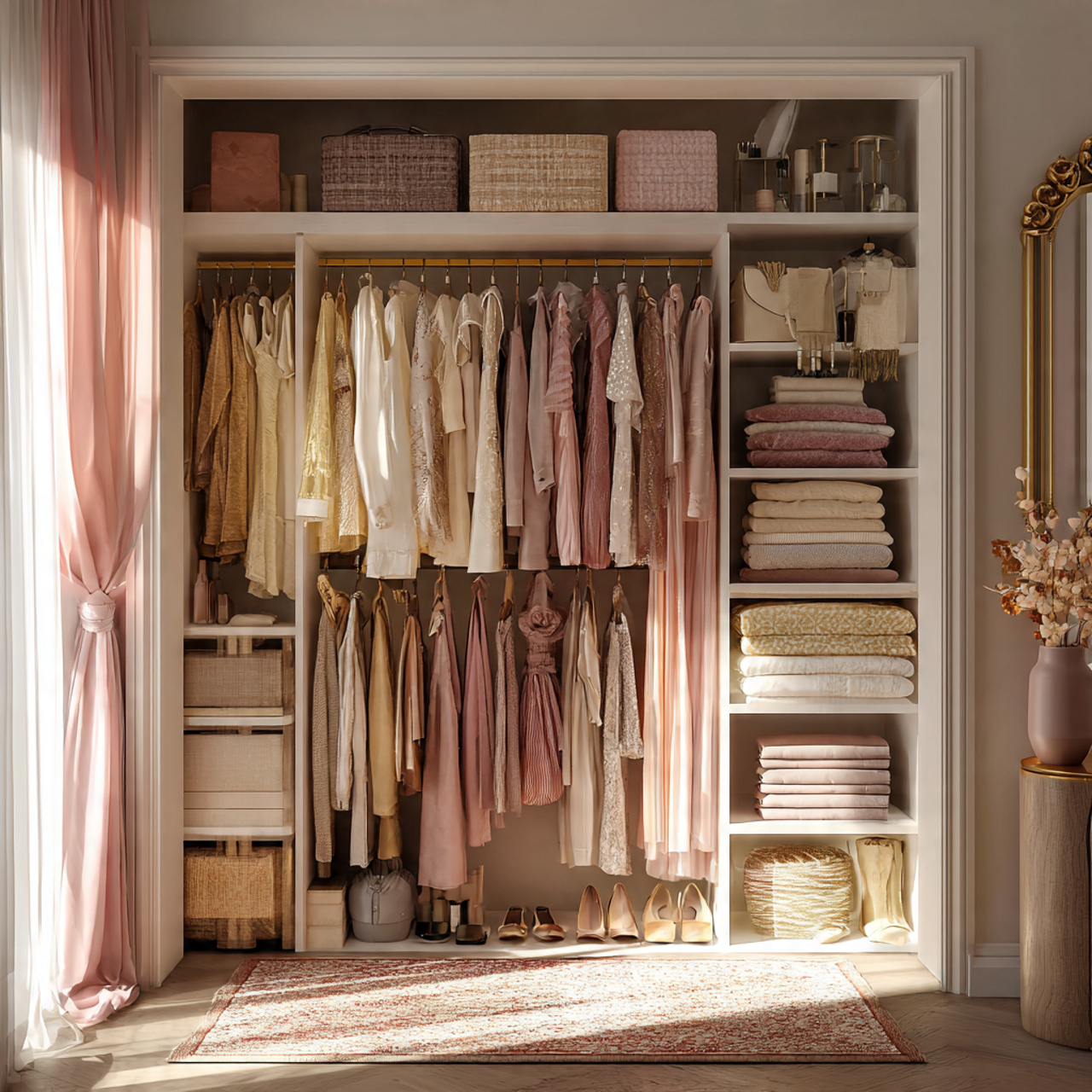
Picture reaching for your most worn pieces without shifting anything around. A dedicated daily-use zone creates that smooth experience where everything you need is already within easy reach. It feels less like searching and more like selecting.
This works because it aligns with how you actually use your wardrobe. Most people wear the same rotation regularly, yet they mix those items with everything else. I noticed my mornings became slower simply because my most-used clothes were buried among occasional pieces.
Group your frequently worn items together at eye level or arm reach. Keep this section simple and uncluttered so it stays functional over time.
Tip: If you wear something weekly, it deserves a front-facing spot.
Hidden Corner Storage That Fixes Wasted Closet Angles
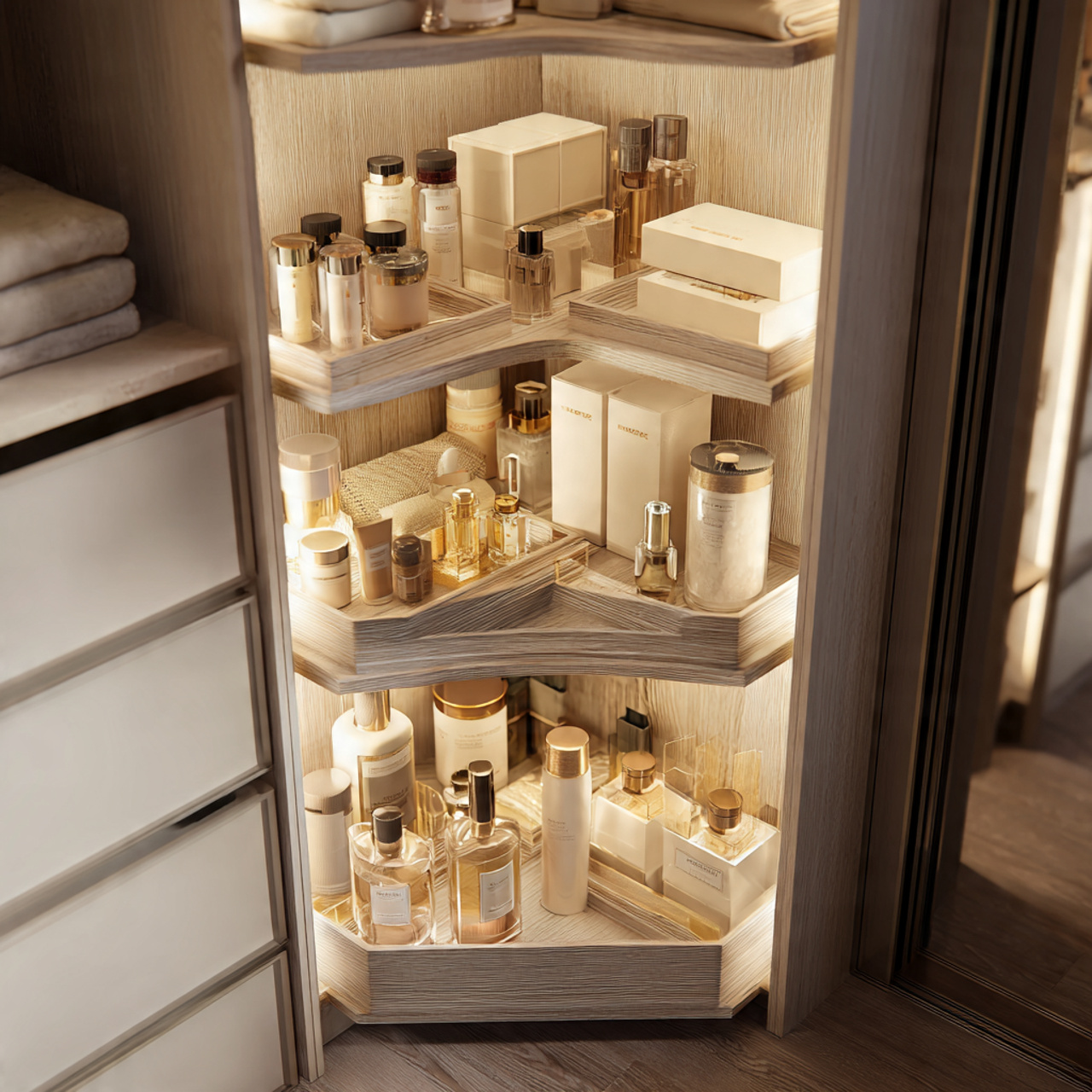
Corners in small closets often become dead zones where items disappear or get ignored. With the right setup, those awkward angles can turn into surprisingly useful storage areas that feel intentional instead of wasted.
The reason this works is because corners naturally hold depth that most people do not use. I once ignored a corner entirely, assuming it was too inconvenient, but it turned out to be perfect for storing items I did not need daily but still wanted accessible.
Use angled placement or corner-friendly storage that follows the shape of the space. Instead of forcing straight alignment, let the corner guide how items sit.
Tip: Store less-used items in corners so they stay accessible but out of the way.
Sliding Storage Solutions That Prevent Tight Closet Frustration
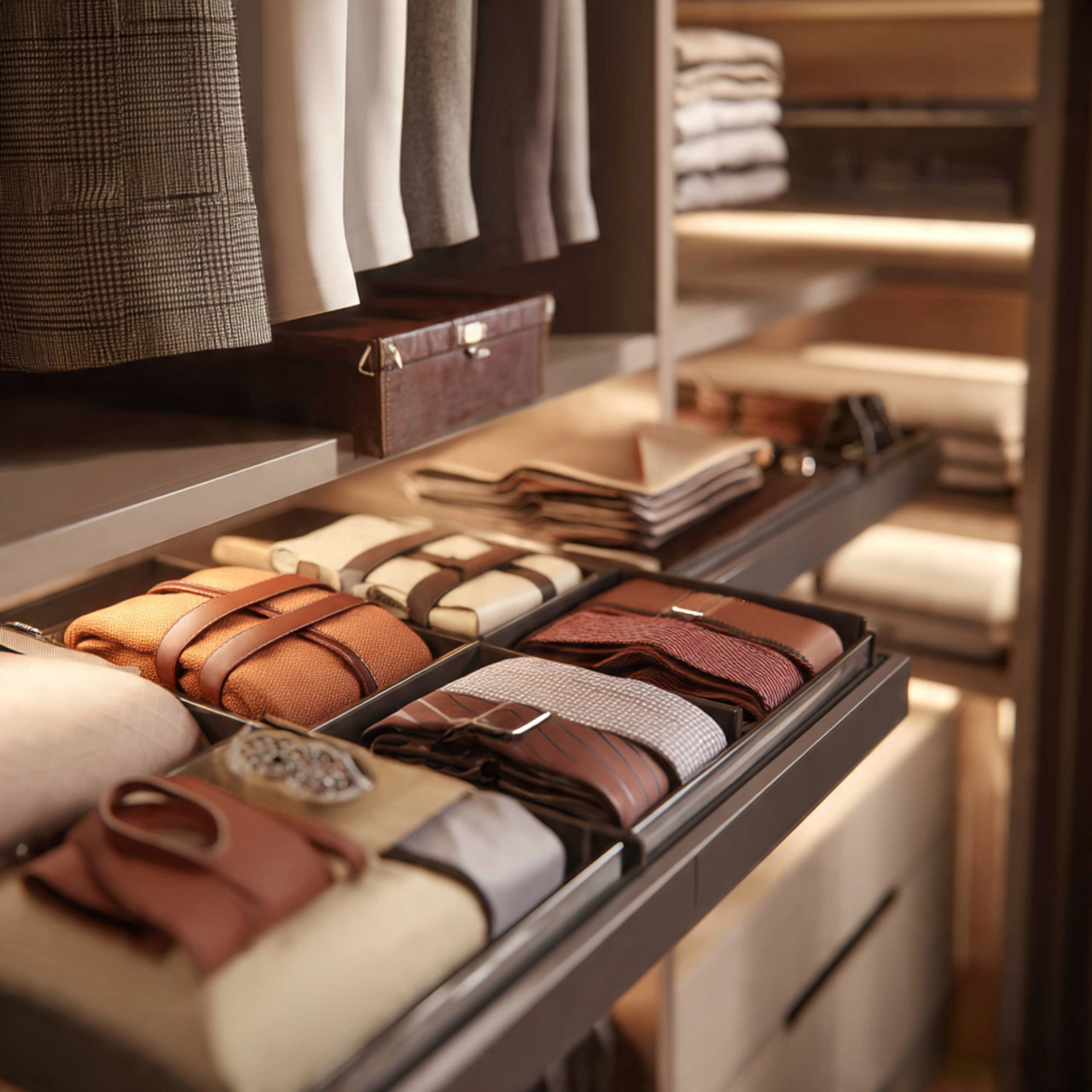
In a small closet, movement matters just as much as storage. When everything is fixed in place, it becomes difficult to access items without shifting others. Sliding elements create a smoother, more flexible experience.
This works because it reduces friction in tight spaces. I used to struggle reaching items behind others until I switched to movable storage, and the difference was immediate. It felt like the closet finally adapted to me instead of the other way around.
Introduce sliding components where possible so sections can move instead of block each other. This keeps access easy even when space is limited.
Tip: If you have to move three things to reach one, the system needs adjusting.
A Visual Balance System That Keeps Your Closet From Feeling Overcrowded
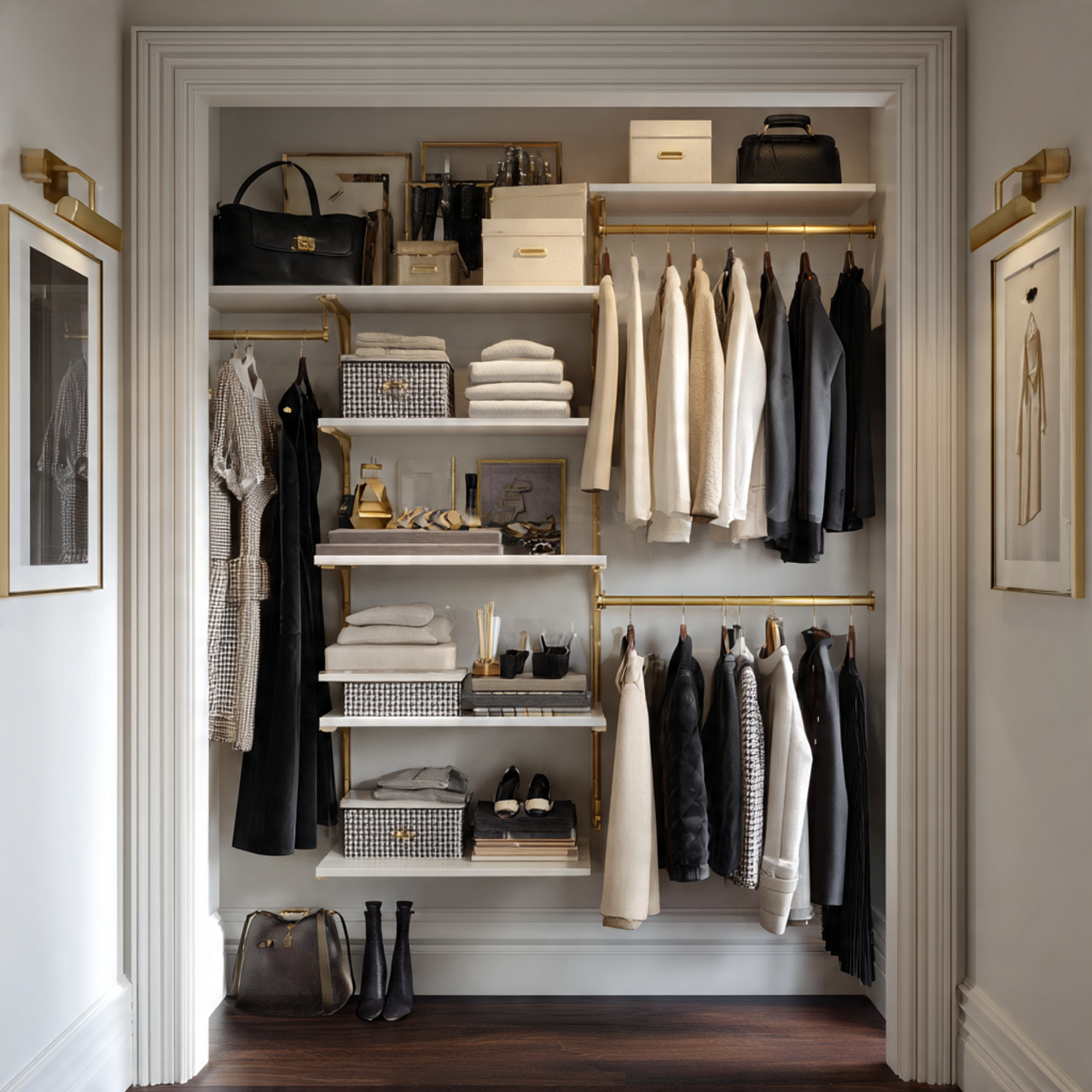
Even a well-organized closet can feel overwhelming if everything looks too dense. Visual balance is what makes a small space feel calm rather than packed. It is less about removing items and more about how they are distributed.
This works because the eye naturally seeks patterns and spacing. When everything is tightly grouped, the space feels heavier than it actually is. I learned this after organizing everything perfectly but still feeling uncomfortable opening the closet.
Create small gaps, vary heights, and avoid placing similar items all in one cluster. The result feels lighter without reducing what you own.
Tip: Leave small visual breaks between sections to reduce visual pressure.
Wall Depth Utilization That Adds Storage Without Expanding Space
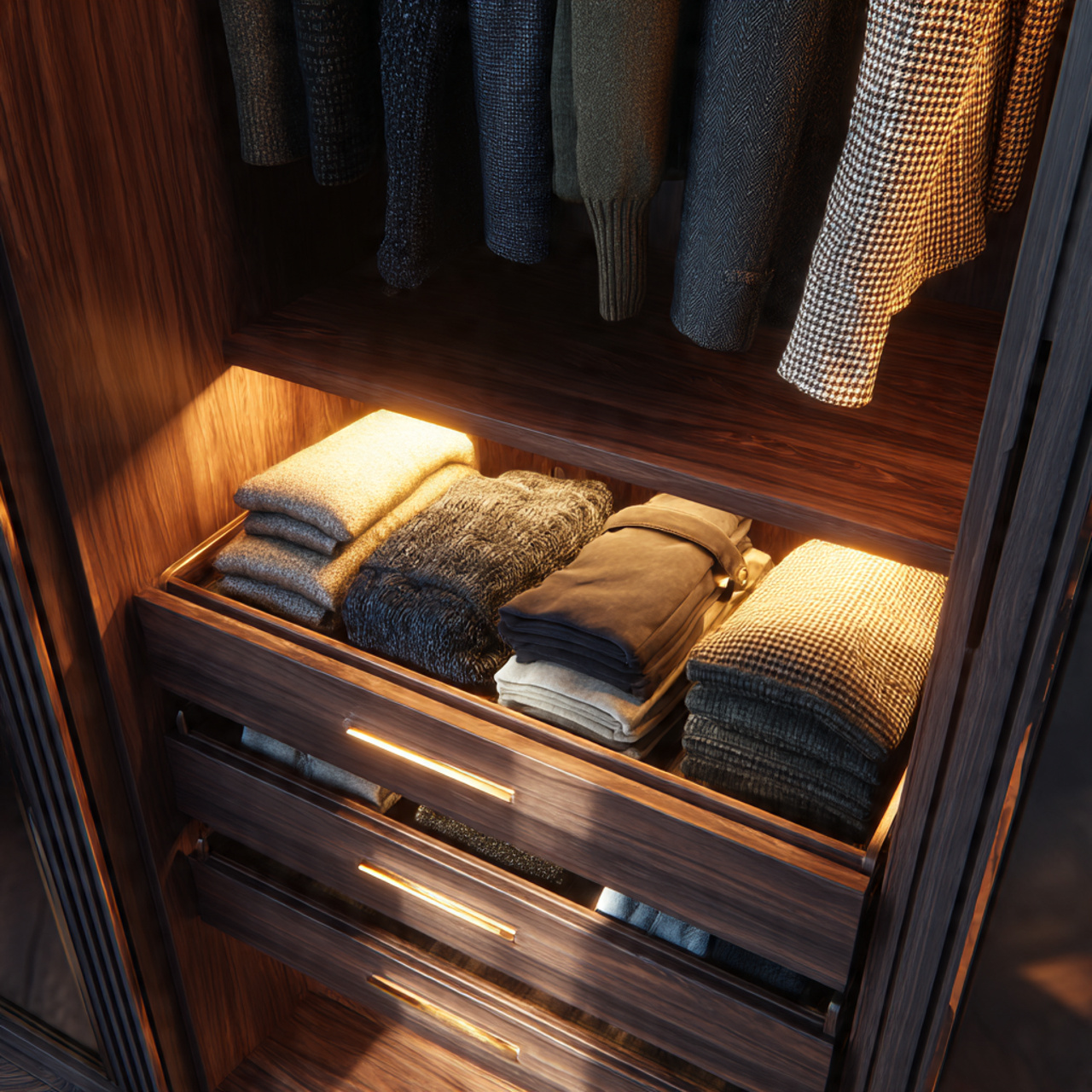
Most people only use the front layer of their closet, leaving depth unused. When you start thinking in terms of depth instead of just width, the space begins to feel more capable without adding anything physically.
This works because it uses the full dimension of the closet rather than just the visible part. I used to keep everything at the front for convenience, but it created unnecessary crowding.
Place less frequently used items slightly deeper while keeping everyday items forward. This creates a natural flow from front to back.
Tip: Use depth for rotation, not for hiding items completely.
A Grab-and-Go Section That Simplifies Busy Mornings
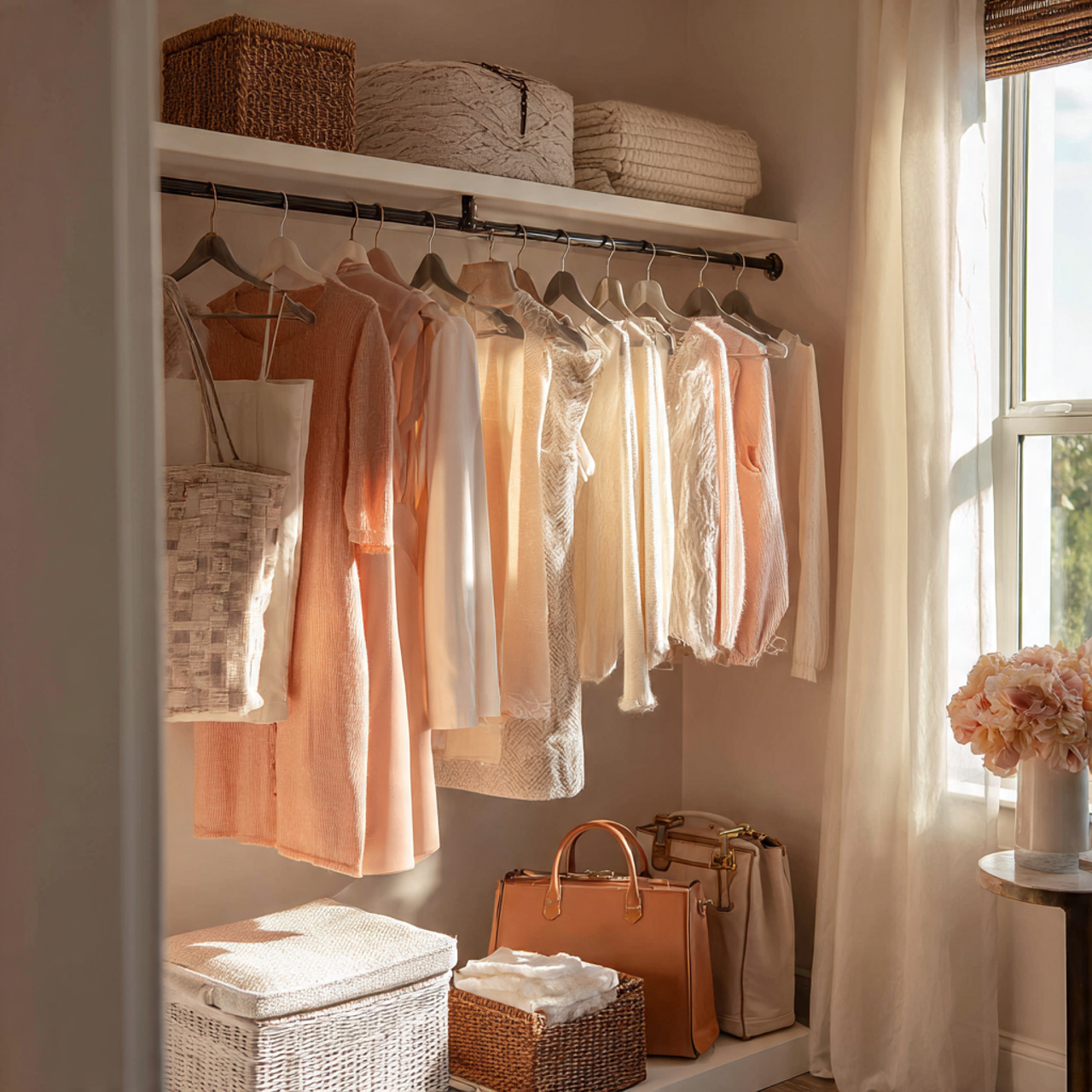
There is something powerful about having a small section that is always ready. A grab-and-go area removes decision fatigue and makes rushed mornings feel manageable instead of stressful.
This works because it reduces the number of choices you need to make. I noticed that when I had a few ready combinations, getting dressed became faster and less frustrating.
Keep a small area reserved for quick picks or pre-planned outfits. This turns your closet into a functional system rather than just storage.
Tip: Keep this section refreshed weekly so it stays relevant.
Multi-Level Shoe Storage That Stops Floor Clutter Permanently
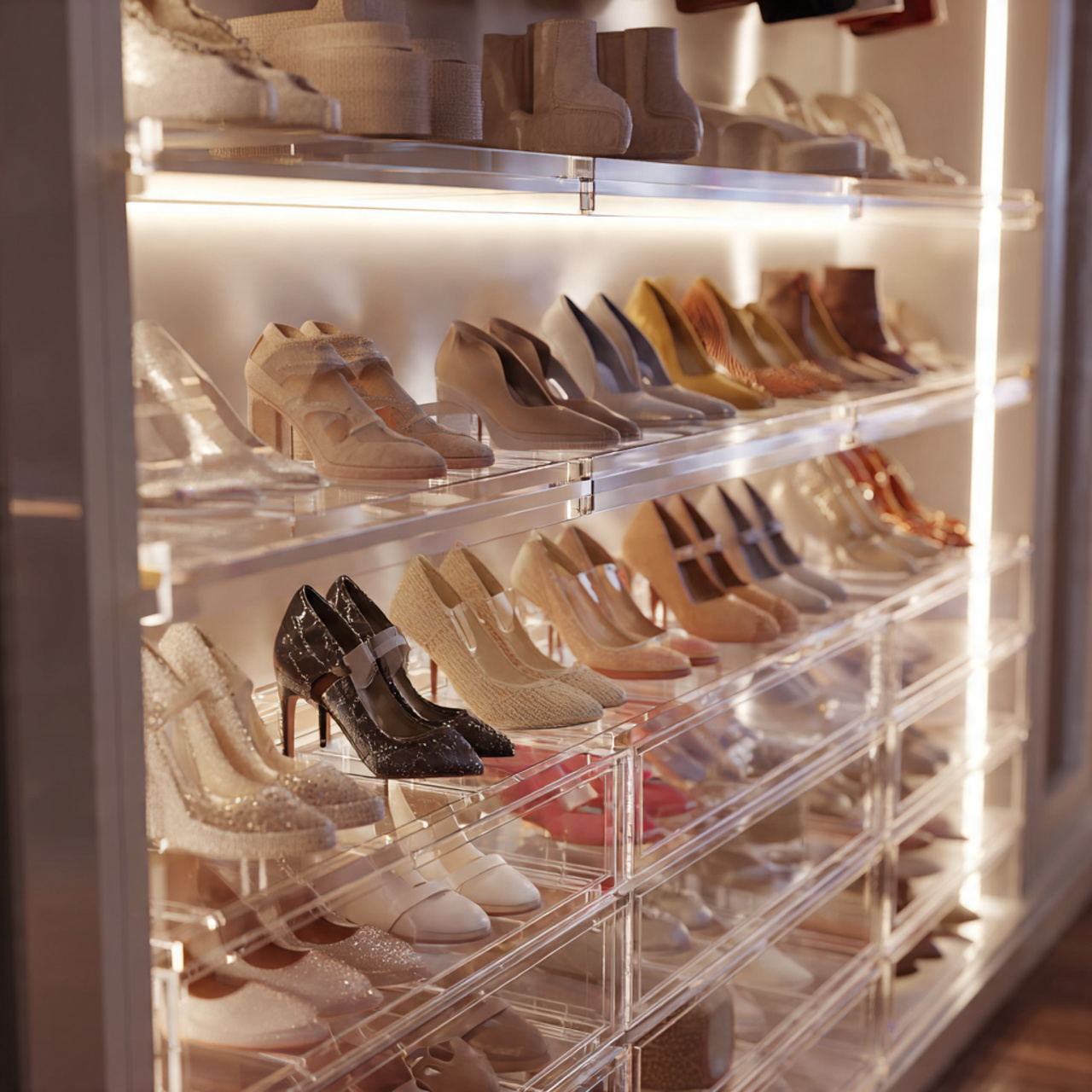
Shoes often end up scattered at the bottom, making the closet feel messy no matter how organized everything else is. A multi-level approach transforms that space into something structured and clean.
This works because it separates items instead of stacking them in one pile. I once kept all shoes on the floor and constantly had to rearrange them, which made the closet feel disorganized even when it was not.
Create levels for shoes so each pair has its own space. This keeps the floor clear and makes everything easier to find.
Tip: If shoes overlap, you need more levels, not more space.
A Texture and Color System That Makes Small Closets Feel Visually Calm
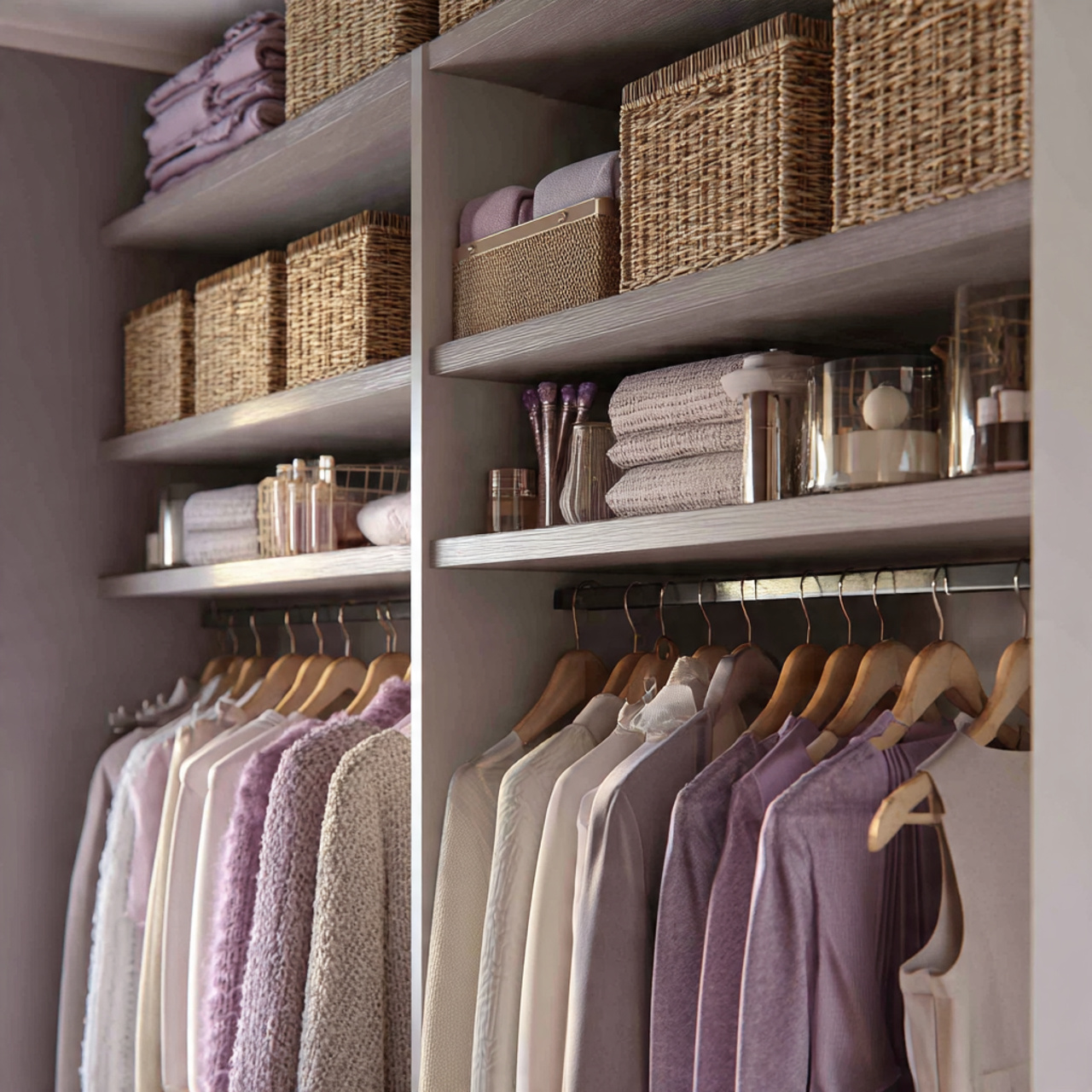
A closet is not just functional, it is also visual. When colors and textures are scattered, the space feels busier than it actually is. A simple visual system can completely change that feeling.
This works because consistent tones create a sense of calm and order. I once mixed everything randomly and it made the closet feel overwhelming even when it was tidy.
Group similar tones together and keep textures balanced. This creates a softer, more cohesive look that feels easier to maintain.
Tip: Keep similar colors close to reduce visual noise.
Flexible Storage Zones That Adapt as Your Wardrobe Changes
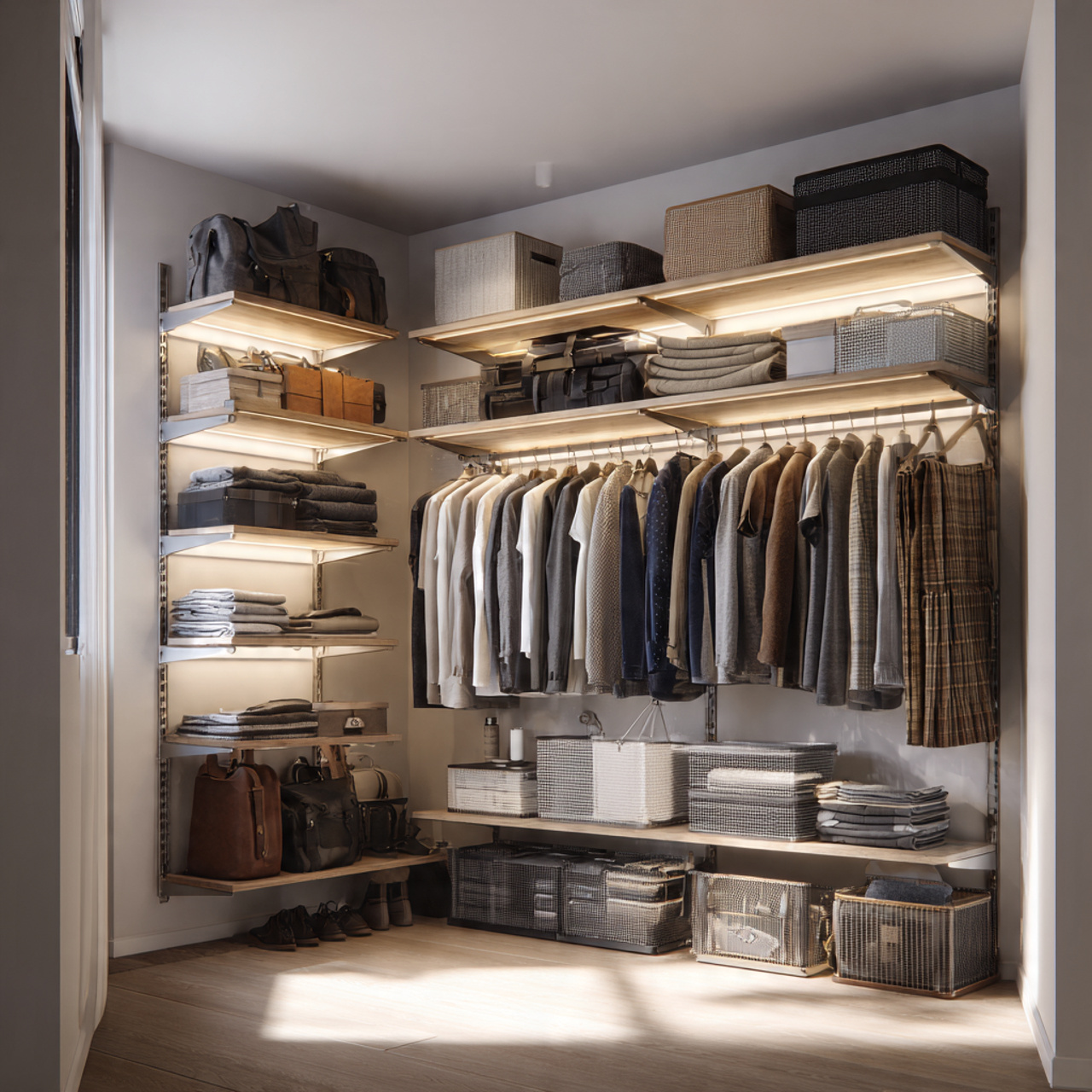
What works today may not work in a few months. A rigid system often breaks down as your wardrobe evolves. Flexibility keeps your closet functional long term.
This works because it allows adjustment without starting over. I made the mistake of setting a fixed system once, and it quickly became frustrating when my needs changed.
Create zones that can shift slightly instead of staying locked. This makes updates easier and keeps the system relevant.
Tip: Leave a little room for change instead of filling every inch.
Visit Also: Vanity Table
A Maintenance Reset System That Keeps Your Closet Organized Long Term
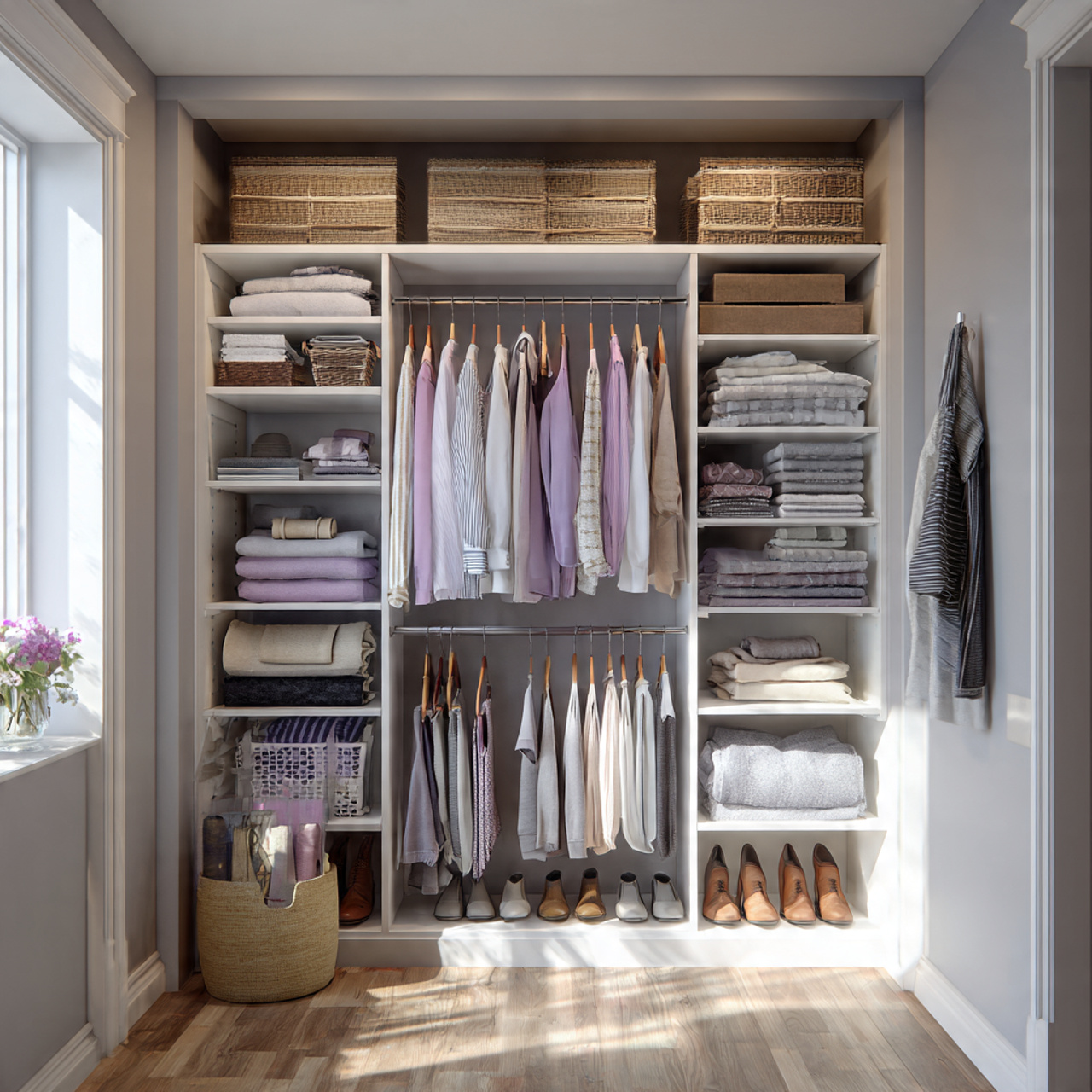
Even the best setup can slowly fall apart without maintenance. A simple reset habit keeps everything in place without requiring a full reorganization each time.
This works because small corrections prevent bigger problems. I noticed that when I ignored small messes, they quickly turned into full clutter again.
Set a regular reset moment where you realign items and adjust anything that has shifted. This keeps the system working without effort building up.
Tip: A quick weekly reset saves hours of future reorganizing.
A Real Small Closet Organization Layout That Feels Balanced
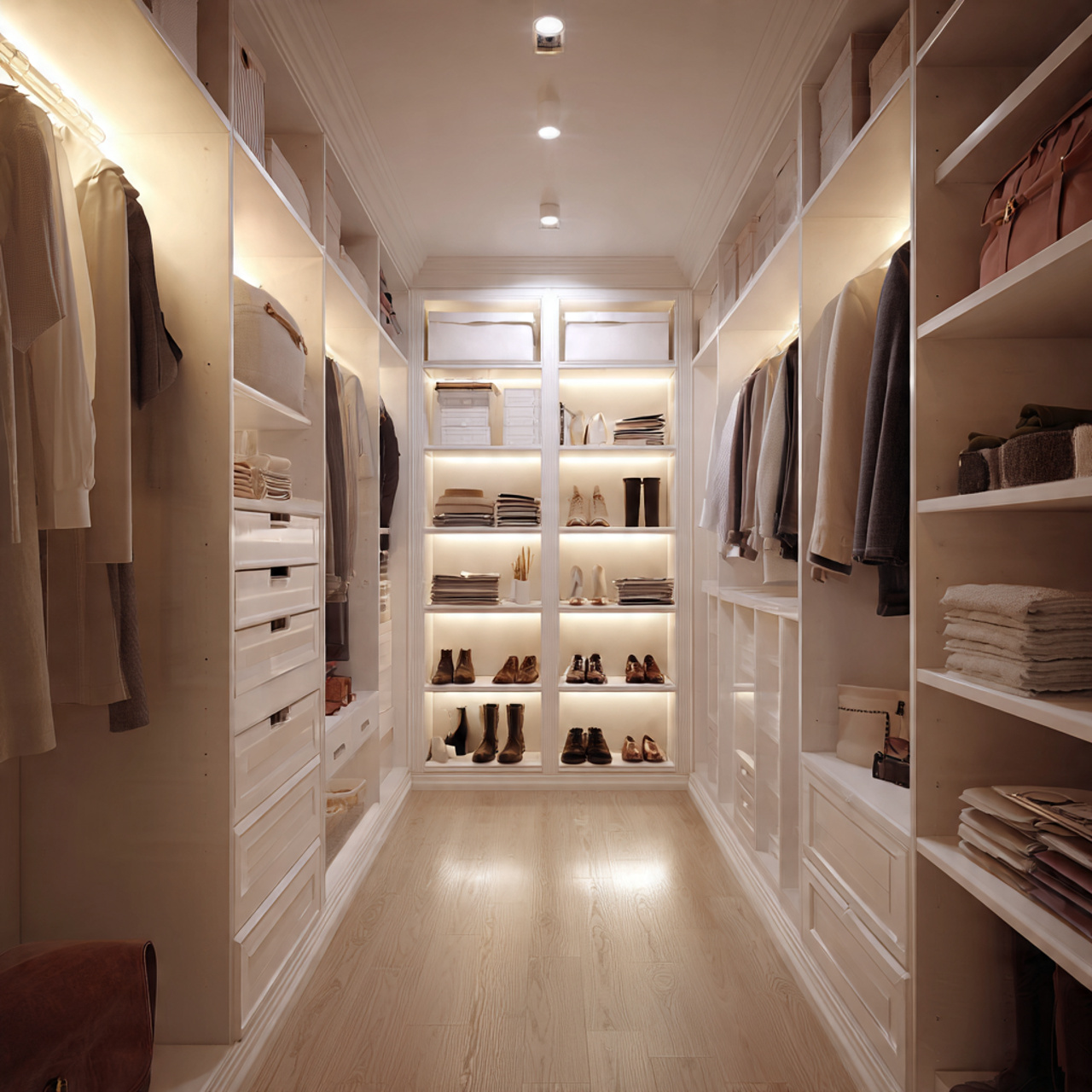
Soft morning light filters into a small closet organization layout where everything feels calm instead of crowded. The first section opens with a clean entry space, a few neatly spaced hangers, and a sense of breathing room that immediately sets the tone. You can see layers of clothing arranged at different heights, with shoes aligned below and a small section ready for quick outfits.
The layout feels effortless because this small closet organization system gives every zone a purpose without looking forced. Daily items sit within easy reach, while less-used pieces are placed slightly deeper, creating a natural flow from front to back. Nothing overlaps or fights for space, and the closet feels quiet, functional, and easy to move through even during a rushed morning.
Color And Material Authority For Small Closet Organization
Warm Soft White (#F4F1EC)
Works well on walls and surrounding surfaces to reflect light and open up the space. It creates a calm, airy mood and pairs beautifully with light wood tones and soft fabric textures.
Muted Sand Beige (#D8CFC4)
Ideal for bins, storage layers, or background elements where you want subtle warmth without heaviness. It brings a grounded, relaxed feeling and works best with woven materials and matte finishes.
Natural Oak Wood (#C8A97E)
Perfect for shelving accents or structural elements that need warmth and depth. It adds a natural, lived-in character and pairs well with soft neutrals and cotton or linen fabrics.
Soft Charcoal Gray (#5C5C5C)
Best used in small touches like hooks or structural details to add contrast. It sharpens the overall look without overwhelming the space and works well with metal finishes or darker fabric accents.
Room Size And Lighting Guide For Small Closet Organization
Small Closets With Limited Natural Light
Use lighter tones and keep spacing visible so the closet does not feel compressed. Add soft layered lighting to prevent shadows from building in corners.
Small Closets With Good Natural Light
Let natural light highlight structure by keeping sections clean and slightly spaced apart. Avoid blocking light with heavy storage so the closet stays open and breathable.
Narrow And Deep Closets
Keep frequently used items toward the front and allow depth to hold secondary pieces. Use soft lighting inside deeper sections so nothing feels hidden or forgotten.
Shared Or Multi-Use Closets
Divide the space into clear zones so each section feels intentional rather than mixed. Balanced lighting helps maintain clarity when multiple areas are used at once.
Common Mistakes In Small Closet Organization That Cause Clutter
Overcrowding The Space
Most people try to fit everything inside a small closet, assuming more storage means better organization. Over time this creates visual pressure and makes it harder to access anything without shifting items around.
Reduce density instead of increasing it, and allow small gaps so the space can breathe.
Ignoring Daily Usage Patterns
Closets are often arranged based on categories instead of how items are actually used during the week. This leads to constant rearranging and frustration, especially during busy mornings.
Place frequently used items at easy reach and let less-used pieces move slightly out of the way.
Using Fixed Systems That Cannot Adapt
A rigid setup might look perfect at first but quickly becomes inconvenient as your wardrobe changes. This creates imbalance and forces you to work against your own system.
Keep zones flexible so you can adjust placement without needing a full reset.
Letting Small Messes Build Up Over Time
It is easy to ignore small shifts in organization, thinking they do not matter in the moment. Over time those small changes turn into clutter that feels overwhelming to fix.
Do quick resets regularly so the system stays consistent without requiring major effort later.
Frequently Asked Questions About Small Closet Organization
How do I make small closet organization look less crowded?
Start by reducing visual density rather than removing everything. Keep small gaps between sections and avoid stacking items too tightly so the space feels lighter. When your eye can move easily across the closet, it naturally feels more open and calm.
What is the best layout for small closet organization?
The best layout follows your daily routine, not just categories. Keep frequently used items at eye level and within reach, while less-used pieces can sit deeper or higher. This creates a smooth flow that makes the closet easier to use every day.
How do I keep small closet organization from getting messy again?
Most clutter comes back when there is no simple reset habit. A quick weekly adjustment keeps everything aligned before it builds into a bigger problem. Small corrections over time are much easier than full reorganizing.
Can small closet organization work without adding more storage?
Yes, and in many cases it works better this way. The key is using space more intentionally instead of adding more items that increase crowding. When layout and flow improve, the closet starts to feel bigger without changing its size.
What is the biggest mistake in small closet organization?
The biggest mistake is trying to store everything in the same way. Not all items need equal access, and treating them the same creates clutter. Once you separate daily-use items from occasional ones, the space becomes much easier to manage.
Final Thoughts on Small Closet Organization That Actually Works
Small closet organization becomes easier when the space is designed around how you actually live instead of how it looks at first glance. Once you focus on flow, access, and visual balance, even a tight closet can start to feel calm, functional, and surprisingly manageable.
What matters most is consistency rather than perfection. A few simple adjustments and regular resets keep everything working over time, and that is what truly makes a small closet feel organized in real life.