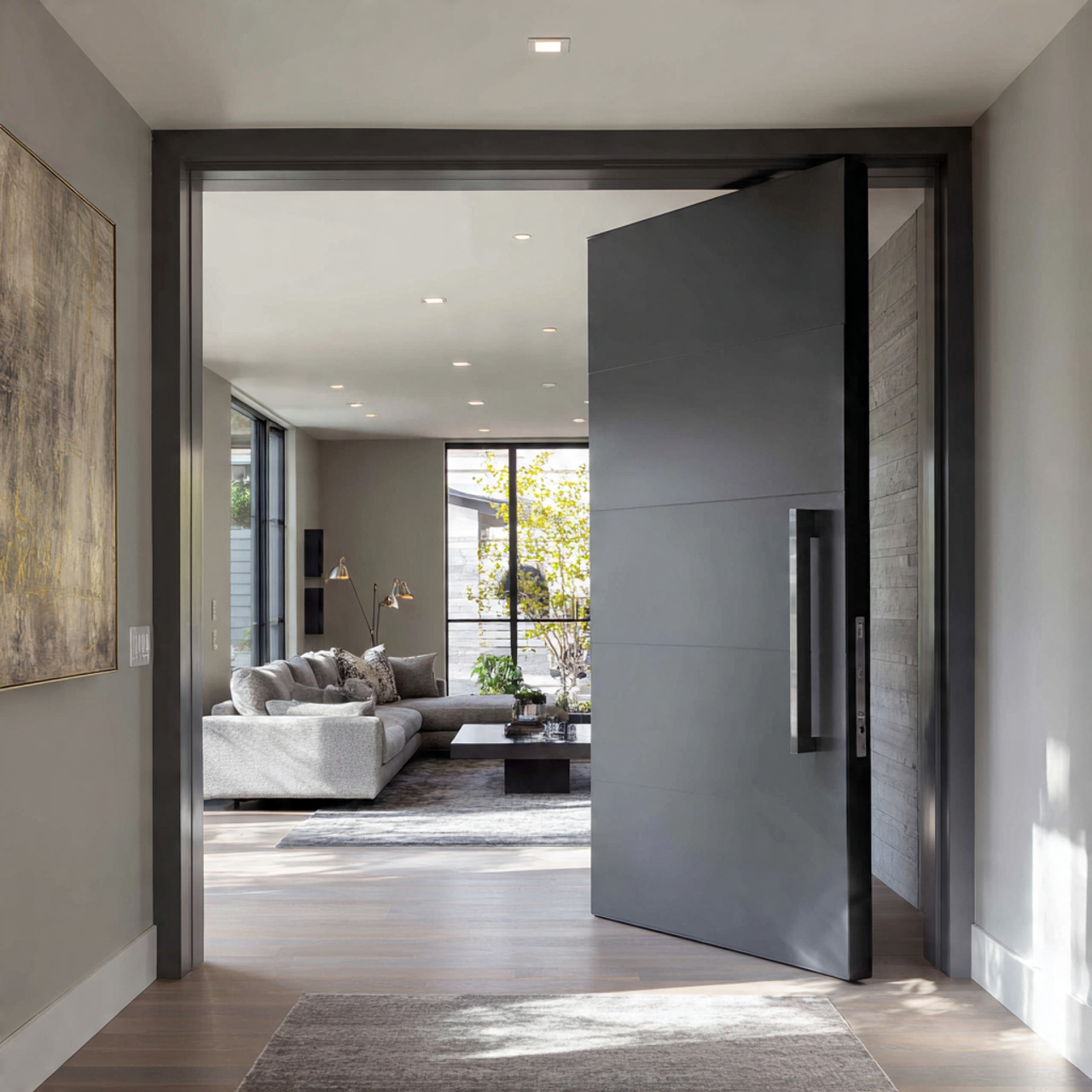
14 Bold Front Door Trends Redefining Modern Home Design
The front door is one of those details you pass every day without thinking, yet it quietly shapes how your home feels the moment you arrive. I have seen homes that looked perfectly fine from a distance but felt slightly off as soon as you stepped closer. In most cases, it was not the house itself, it was the entry that lacked intention.
Over time, I started noticing how a well-thought-out front door changes daily experience in a subtle but consistent way. Coming home feels calmer, more complete, and oddly more personal. When the entry is neglected, even a beautiful home can feel unfinished in a way that is hard to explain.
Front door ideas work best when lighting, entry layout, and surrounding details come together to create a space that feels welcoming, balanced, and naturally inviting.
Why Front Door Design Changes the Way Your Home Feels Every Day
The front door is the first moment of contact with your home, and that moment sets the tone for everything that follows. It is not just about appearance, but about how the space makes you feel when you walk toward it and step inside. A thoughtful entry creates a quiet sense of arrival that builds over time.
In real homes, this is where small changes make the biggest difference. I have noticed that even simple adjustments like better lighting or a clearer entry layout can shift the entire mood of the house. When the front door area feels intentional, the rest of the home starts to feel more connected and complete.
Front Door Ideas That Transform Your Entry Into a Memorable First Impression
A Warm Light Entry Moment That Instantly Feels Welcoming
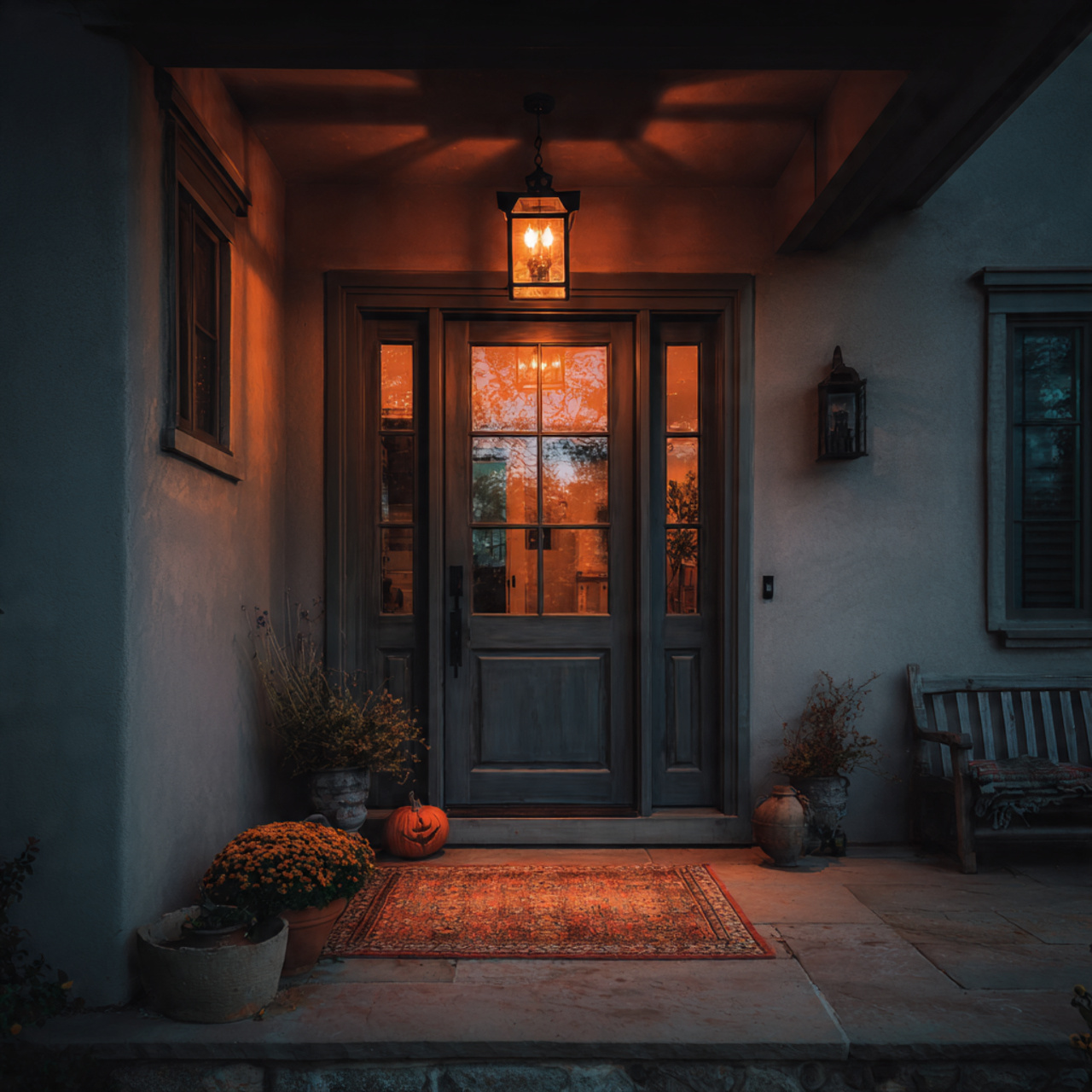
You walk up in the evening and a soft warm glow spills across the floor near your front door, catching the texture of the wall and the edge of a simple plant pot. The light feels calm, not harsh, and it gently pulls you toward the entry without trying too hard. It is the kind of scene that makes the home feel alive even before the door opens.
Warm lighting works because it softens everything around it and removes that flat, empty feeling most entries have at night. In my experience, even a simple light change can make a home feel more expensive and thoughtfully designed. Most people rely on one overhead light, which usually creates shadows and uneven brightness.
You can achieve this by layering one main light with a lower side light or wall fixture that creates depth. Place lighting where it highlights textures instead of just brightness, especially near walls or planters. Keep the tone warm so it feels natural and welcoming every time you arrive.
Tip: Use two light sources instead of one to instantly make your entry feel more intentional.
Framed Front Door Entry That Creates a Designed Architectural Look
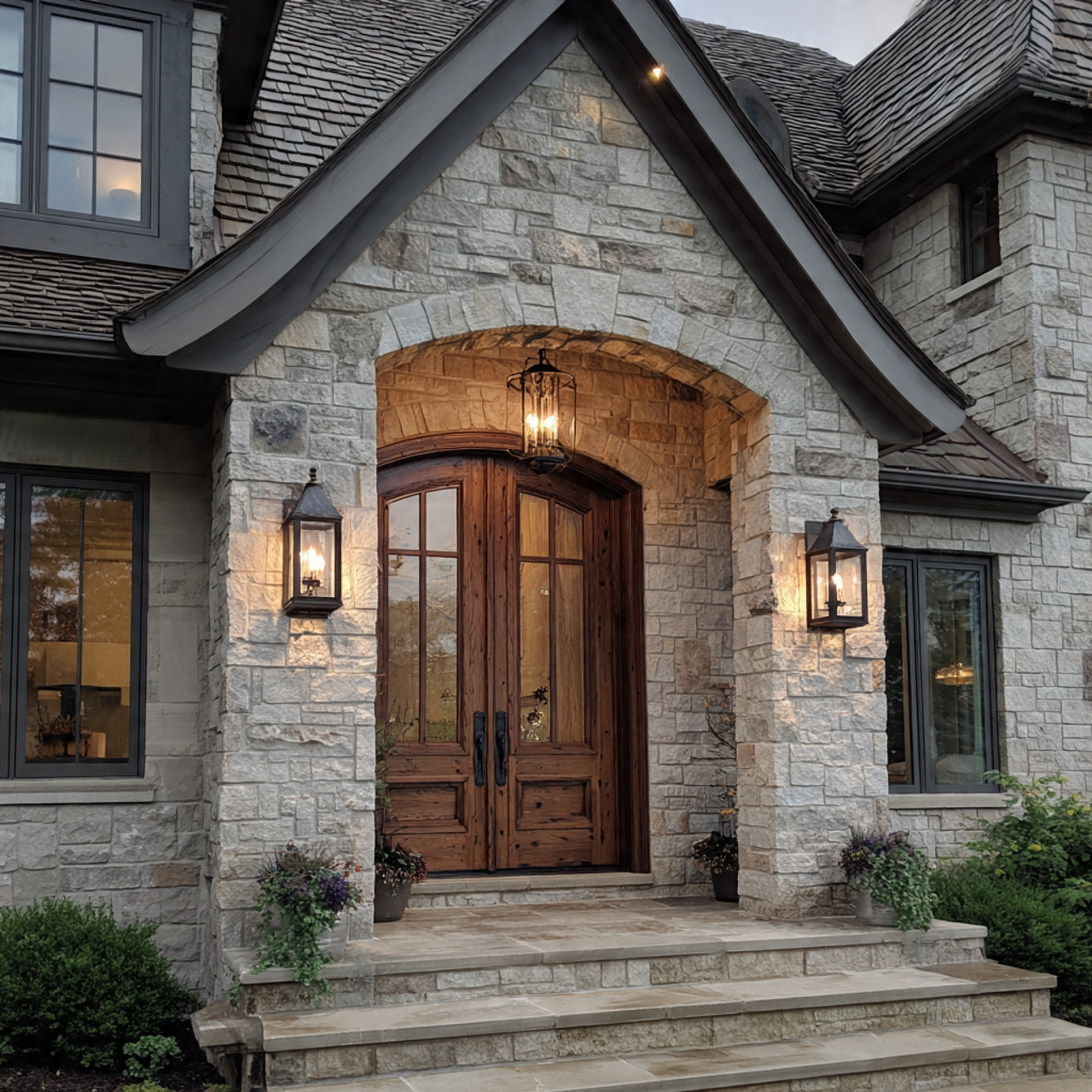
Some entries feel complete the moment you see them, and it is often because the front door is visually framed by surrounding elements. Think of subtle wall extensions, tall planters, or vertical panels that guide your eye toward the center. It creates a sense of structure that feels calm and balanced.
Framing works because it gives the door context instead of leaving it floating on a blank wall. I noticed in many homes that once the entry is framed, the entire exterior feels more finished without major changes. Without this, even a beautiful door can look disconnected.
You can create this effect using symmetry, vertical lines, or even contrasting wall textures around the door. Add height with plants or panels so the eye naturally focuses on the entry. Keep it clean and intentional so it feels designed rather than decorated.
Tip: Use vertical elements on both sides to naturally draw attention to your entry.
A Layered Entry Path That Builds Anticipation Before the Door
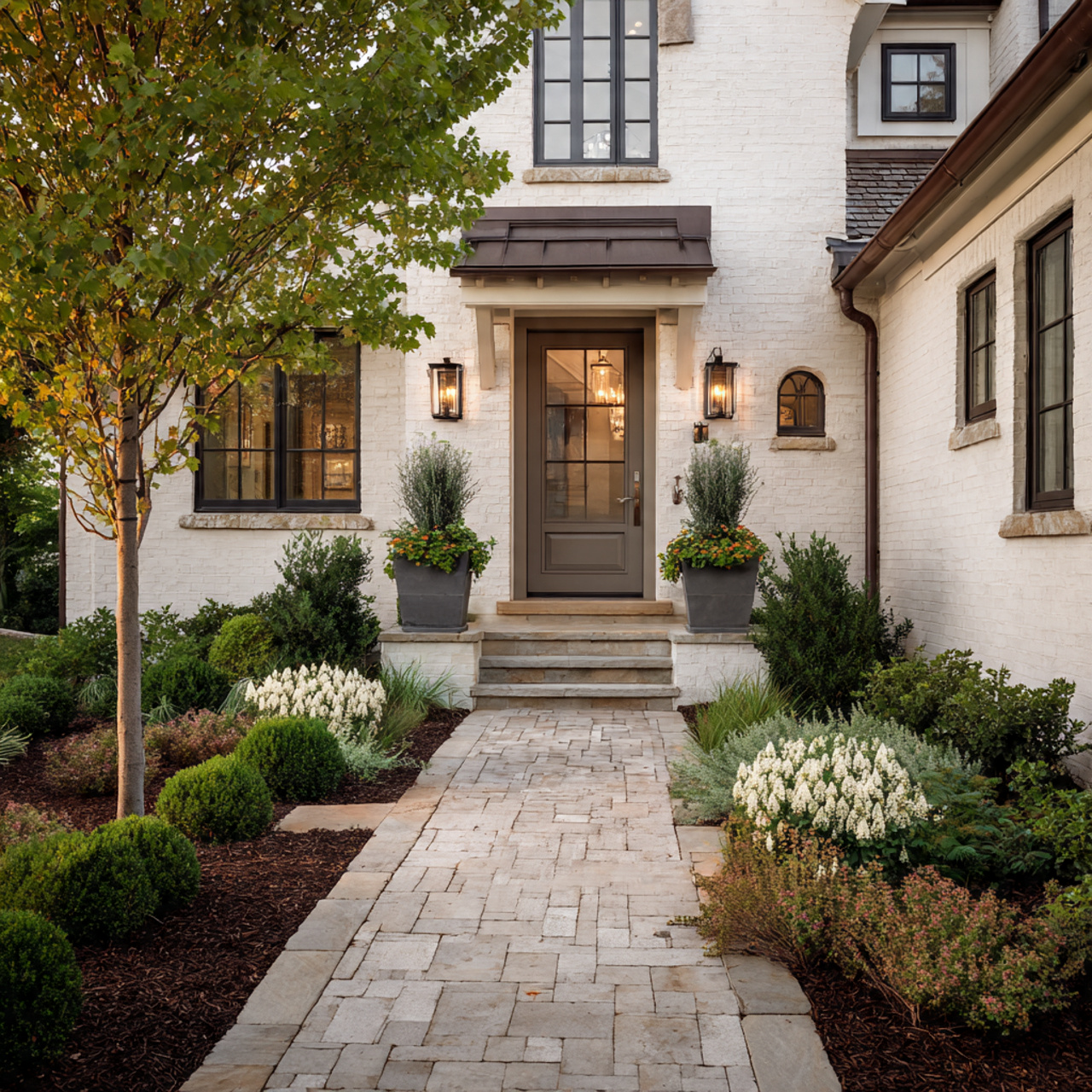
Instead of walking straight to the door, imagine a path that slowly leads you in, with subtle changes in texture or direction. Each step feels like part of a small journey rather than a quick transition. It creates a quiet sense of anticipation before reaching the front door.
Layered paths work because they stretch the entry experience and make it feel more intentional. I once thought a straight path was always best, but softer transitions often feel more inviting. Small shifts in material or spacing make a big difference over time.
You can create this by mixing stone, concrete, or stepping patterns that guide movement naturally. Add slight curves or spacing changes to break monotony. Keep the path clean but interesting enough to feel like a designed approach.
Tip: Use spacing or texture changes in your walkway to create a subtle sense of movement.
A Front Door Color Strategy That Feels Intentional Not Random
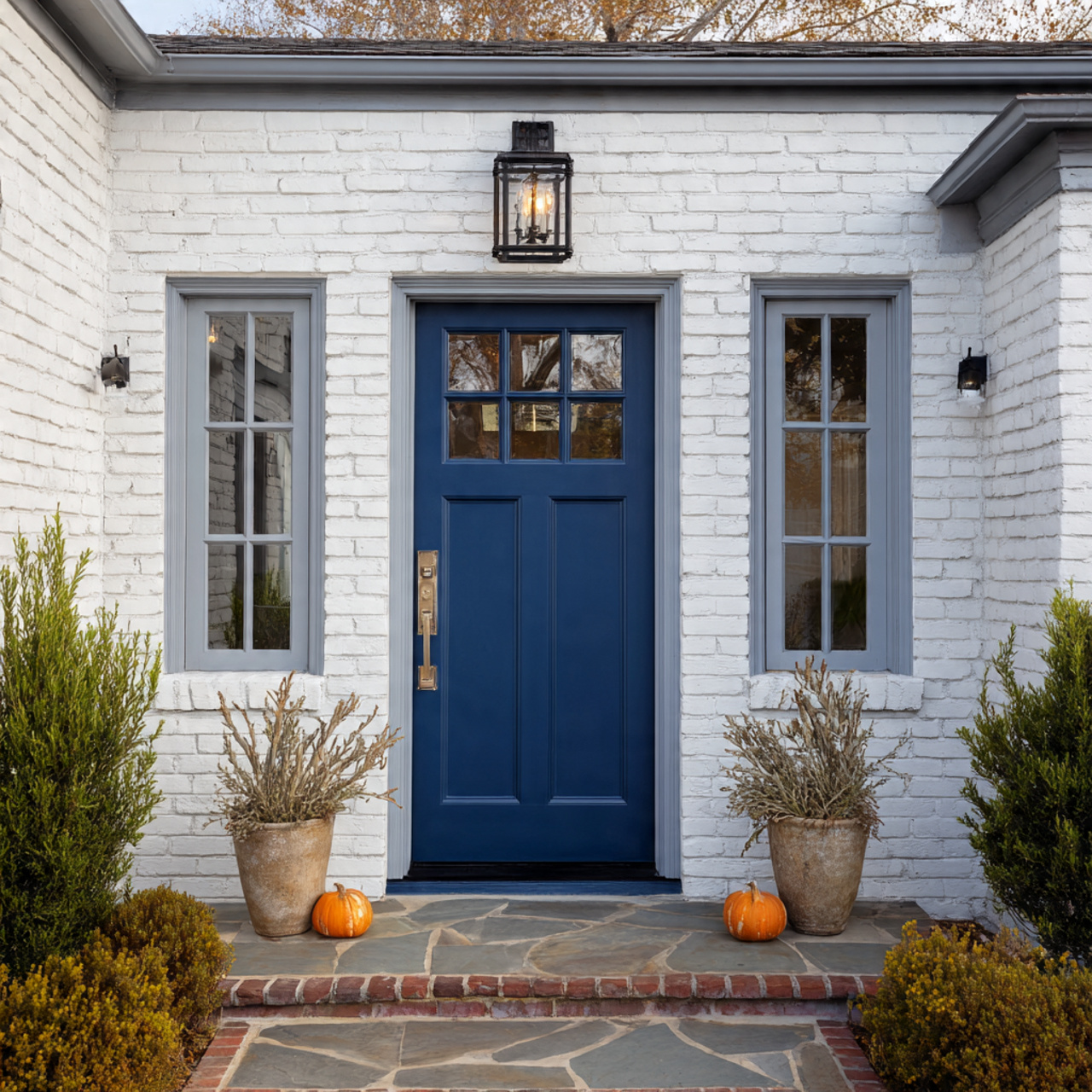
Some front doors stand out in the best way, while others feel like an afterthought even if the color is nice. The difference usually comes down to how the color interacts with the surrounding walls and materials. When done right, the door feels like part of a complete visual plan.
Color works best when it creates contrast without clashing or overpowering the space. In real homes, I have seen bold colors fail simply because they were chosen in isolation. The door should connect with nearby tones, not compete with them.
Choose a color that either complements or intentionally contrasts the exterior palette. Look at your walls, flooring, and surroundings before deciding. Test how the color looks in both daylight and evening light to avoid surprises.
Tip: Always check your door color in natural and evening light before finalizing.
A Covered Entry That Feels Like a Soft Transition Into the Home
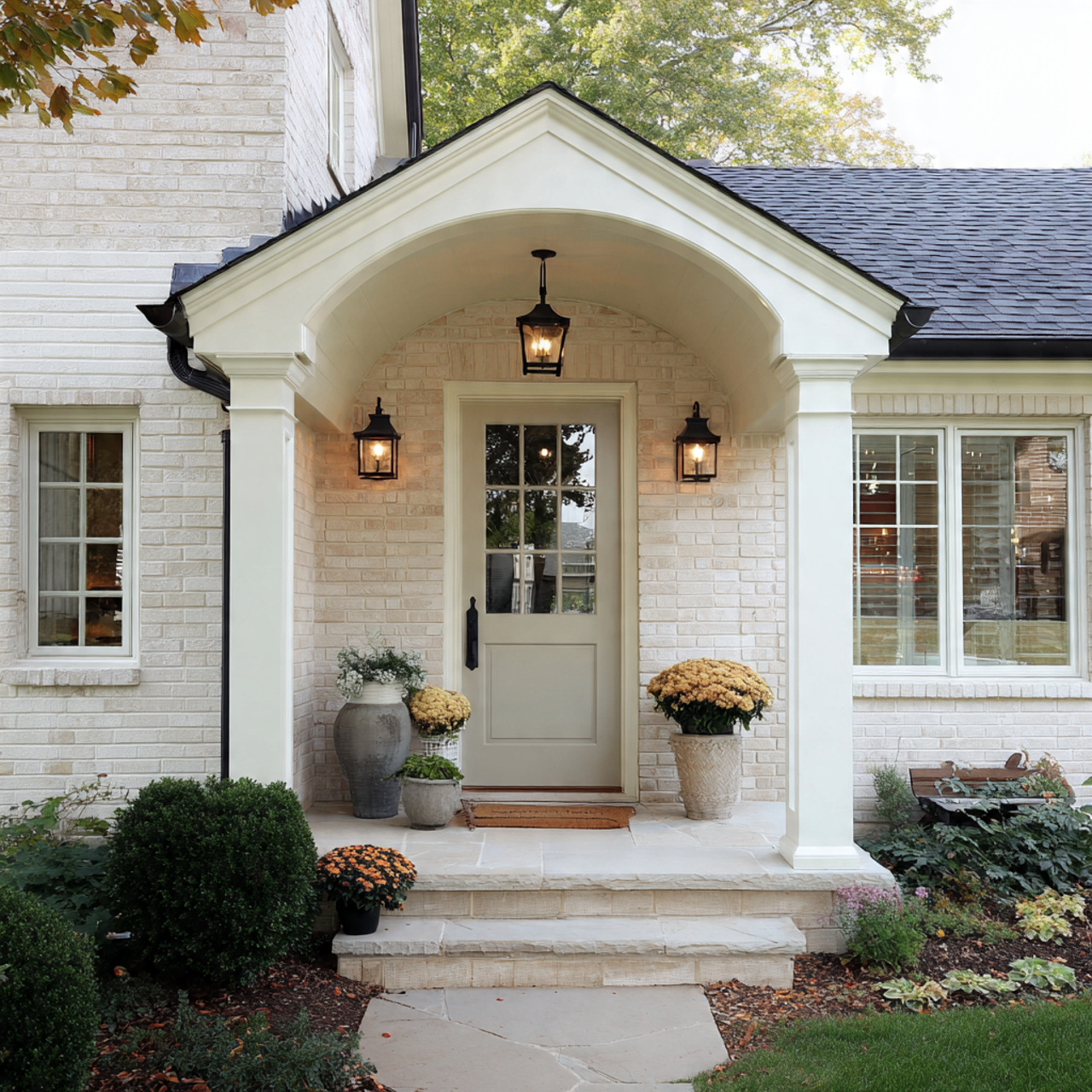
A slightly covered entry changes everything about how the front door feels. Even a small overhead structure creates a sense of shelter and pause before stepping inside. It turns a quick entry into a moment of transition.
This works because it adds depth and protection, both visually and functionally. I noticed that homes with even minimal coverage feel more comfortable during different weather conditions. Without it, the entry can feel exposed and rushed.
You can add a simple overhang, pergola, or extended roof detail to create this effect. Keep the design aligned with your home so it feels integrated. Even a small addition can make the entry feel more complete.
Tip: Add a subtle overhead element to instantly create a sense of arrival.
A Symmetrical Entry Setup That Creates Visual Calm and Balance
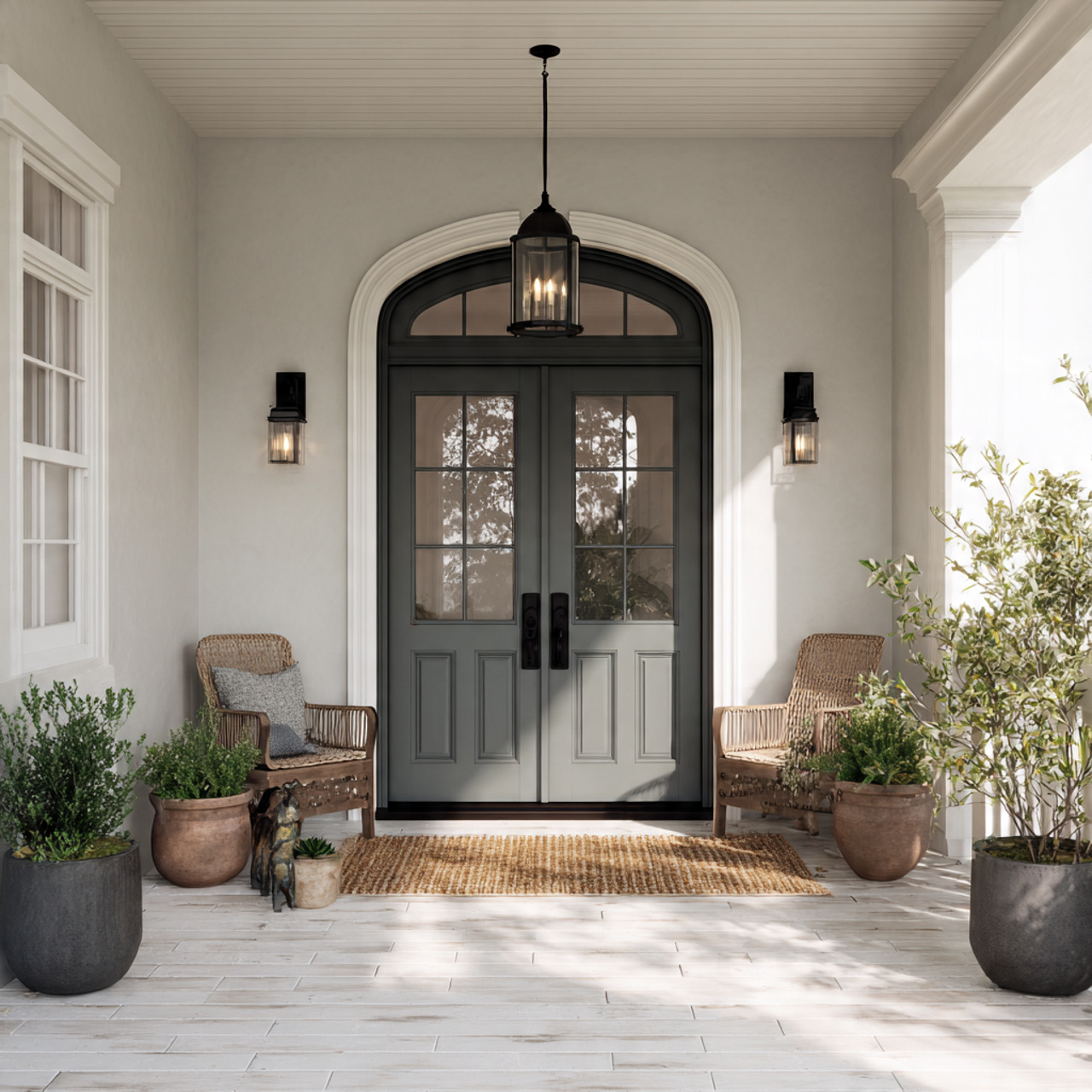
There is something instantly satisfying about a balanced entry where both sides mirror each other. Matching plants, lights, or decor pieces create a calm and grounded feeling. It feels organized without trying too hard.
Symmetry works because the eye naturally reads it as stable and complete. In many homes, I have seen clutter disappear visually just by aligning elements evenly. Without balance, the entry can feel slightly chaotic without a clear reason.
You can achieve this by placing similar elements on both sides of the door. Keep spacing equal and proportions consistent. Avoid overfilling the space so the symmetry remains clean.
Tip: Use pairs of elements to create an instant sense of balance.
A Textured Surround That Makes the Front Door Feel Premium
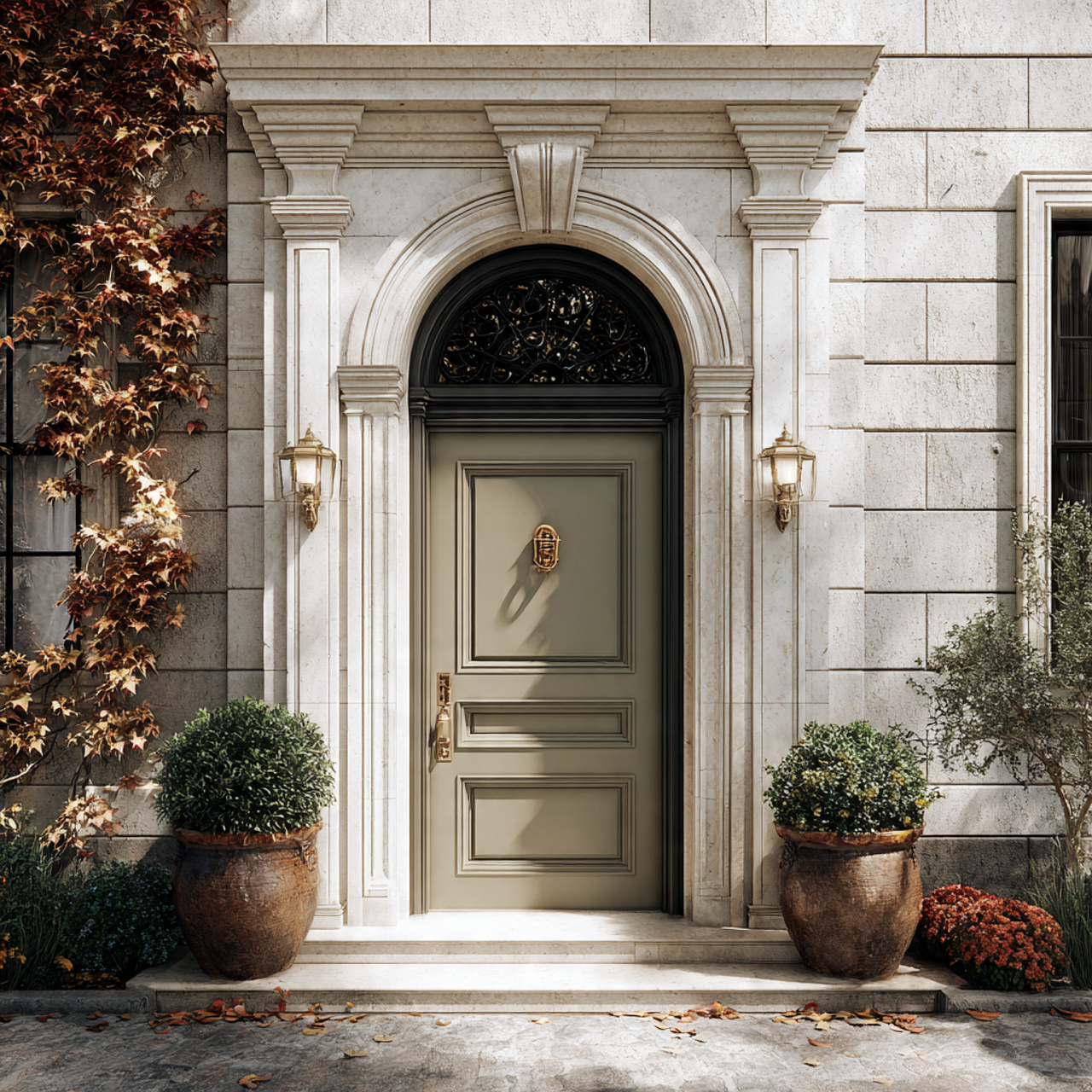
A flat wall around the front door often feels unfinished, even if everything else is well designed. Adding texture changes how light interacts with the space and makes the entry feel richer. It creates depth without adding clutter.
Texture works because it catches light differently throughout the day, adding subtle variation. I have seen plain entries completely transform with just one textured wall treatment. Smooth surfaces alone often feel too simple.
You can use stone, wood panels, or layered finishes to create this effect. Keep the texture controlled so it enhances rather than overwhelms. Focus on one strong material to maintain clarity.
Tip: Add one textured surface near the door to instantly elevate the space.
A Nighttime Entry Glow That Changes How Your Home Feels After Sunset
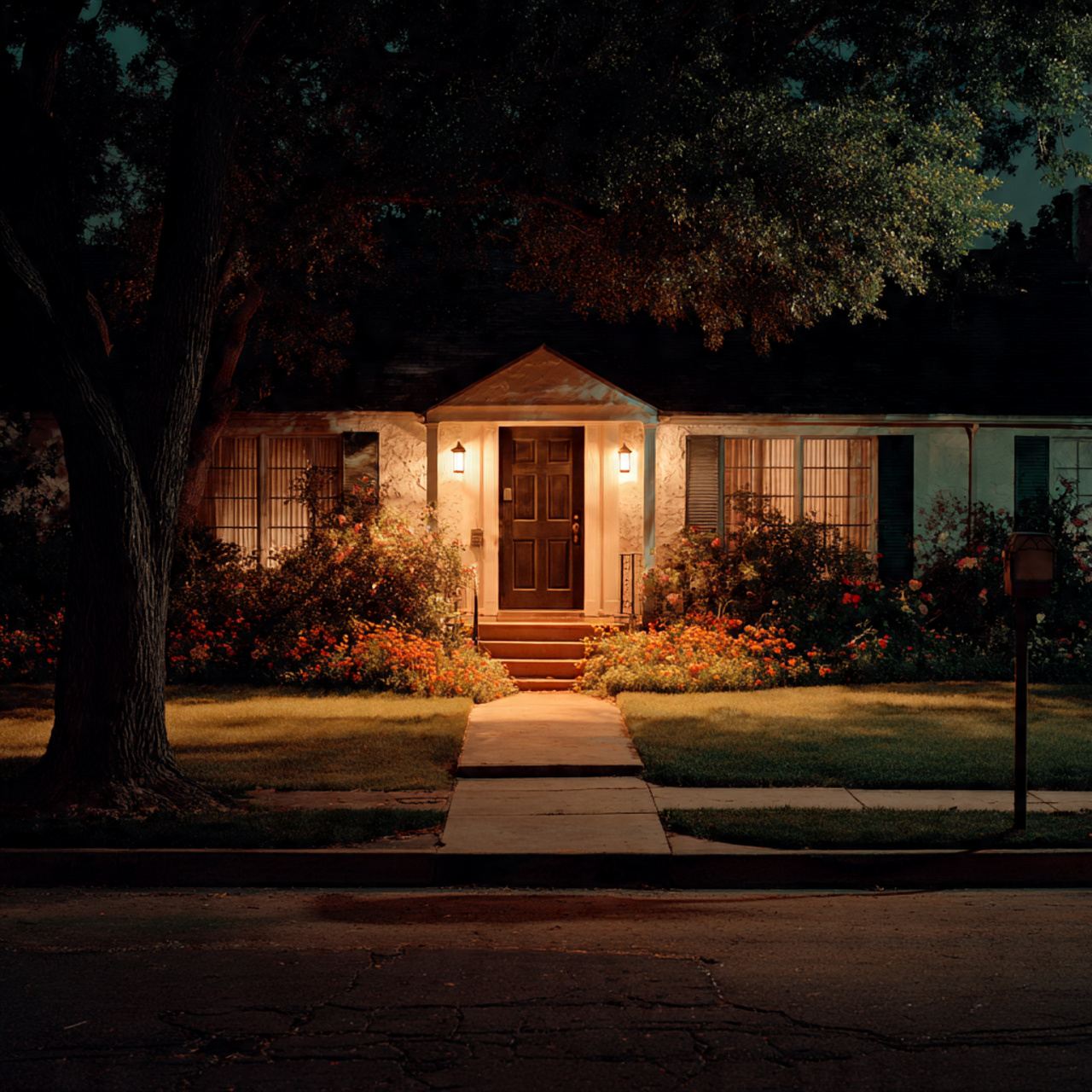
At night, a well-lit entry can feel calm, warm, and inviting instead of dark and forgotten. Light reflecting softly on surfaces creates a peaceful mood that feels completely different from daytime. It turns the front door into a quiet focal point.
Night lighting works because it defines the space when natural light disappears. I have noticed that poorly lit entries feel unwelcoming even if they look fine during the day. The right glow changes how you experience coming home at night.
Use layered lighting that highlights walls, steps, or nearby elements. Avoid overly bright lights that flatten everything. Keep it soft so the entry feels comfortable and relaxed.
Tip: Use warm low-intensity lighting to create a calm evening atmosphere.
A Front Door Hardware Choice That Feels Solid and Intentional
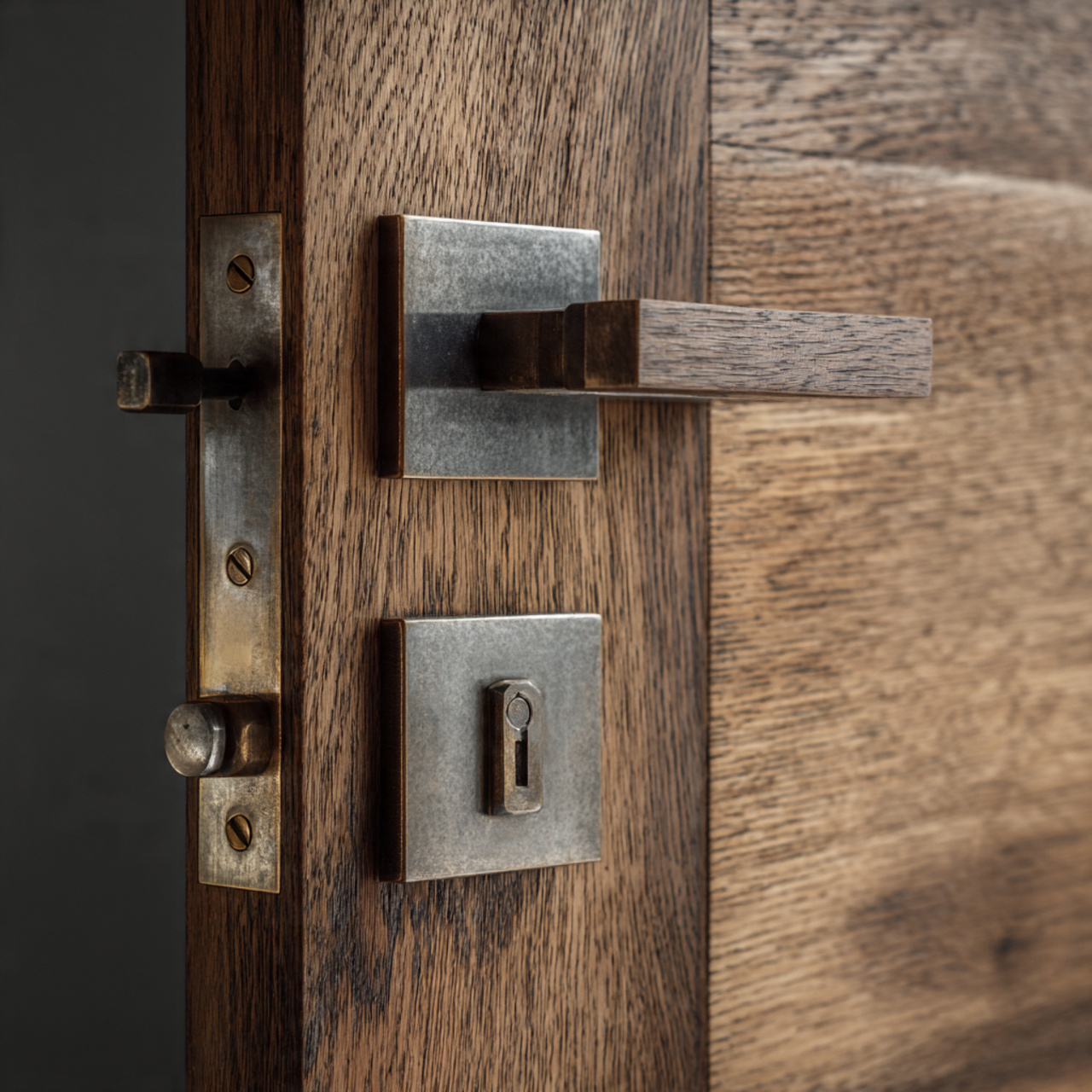
The moment you touch the handle, you notice whether it feels thoughtful or forgettable. A solid, well-chosen handle adds a quiet sense of quality that most people underestimate. It is a small detail that leaves a lasting impression.
Hardware works because it connects you physically to the space. I once overlooked this and later realized how much it affects the overall feel of the entry. Cheap or mismatched hardware can subtly reduce the impact of the whole design.
Choose hardware that feels sturdy and matches the overall style of your home. Keep finishes consistent with nearby elements. Focus on simplicity and quality over decorative complexity.
Tip: Choose a handle that feels solid in your hand, not just looks good.
A Seasonal Entry Styling System That Keeps Your Door Fresh Year Round
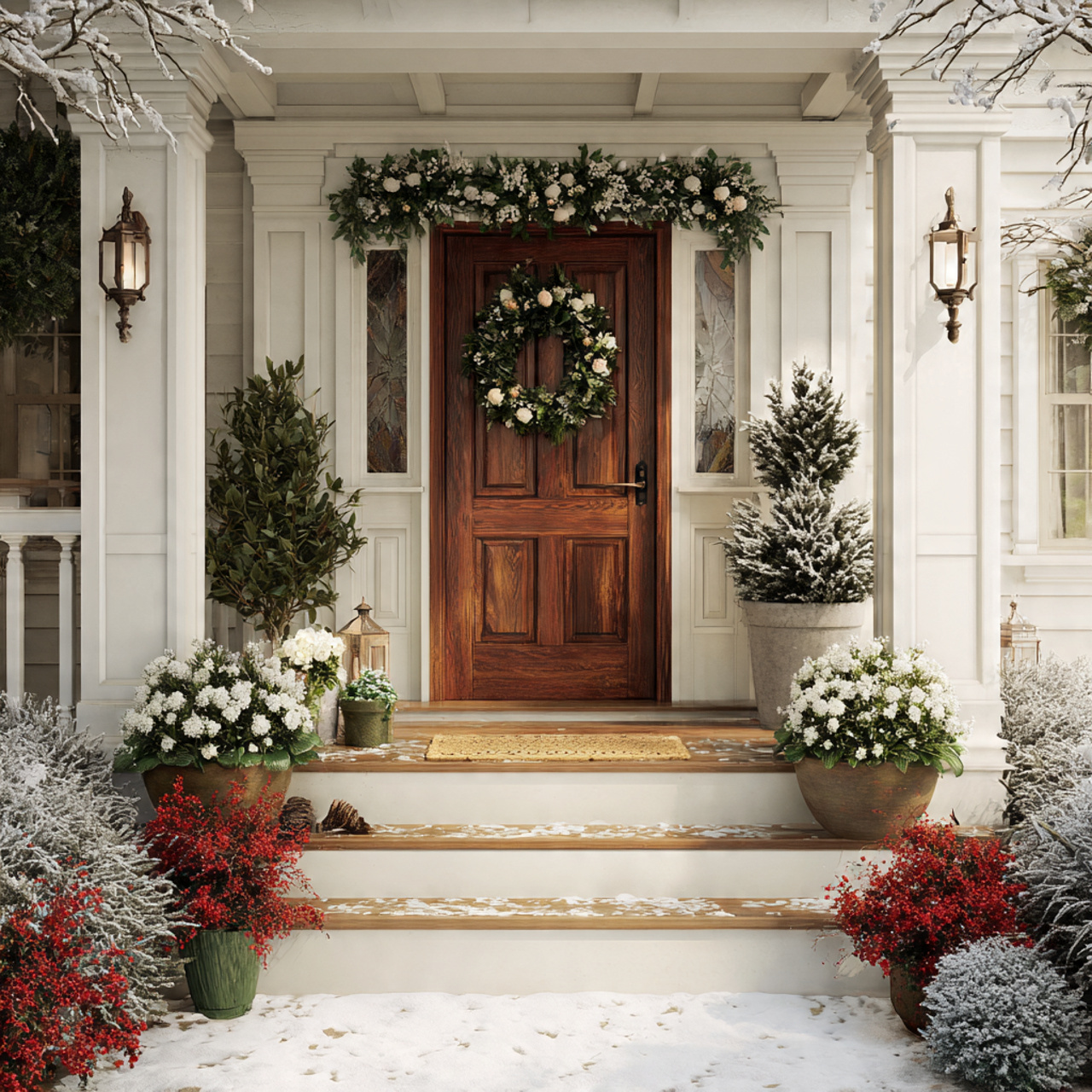
Instead of redecorating randomly, imagine a simple system that adapts your entry with small seasonal changes. It keeps the space feeling fresh without constant effort. The entry evolves naturally with time.
This works because it prevents the space from feeling stale or forgotten. I noticed that homes with small seasonal shifts always feel more alive. Without a system, changes often feel inconsistent or rushed.
You can rotate simple elements like plants, mats, or small decor pieces based on the season. Keep a base setup and adjust just a few items. This keeps the entry consistent but never boring.
Tip: Change one or two elements each season instead of redesigning everything.
A Minimal Entry Setup That Feels Clean Without Looking Empty
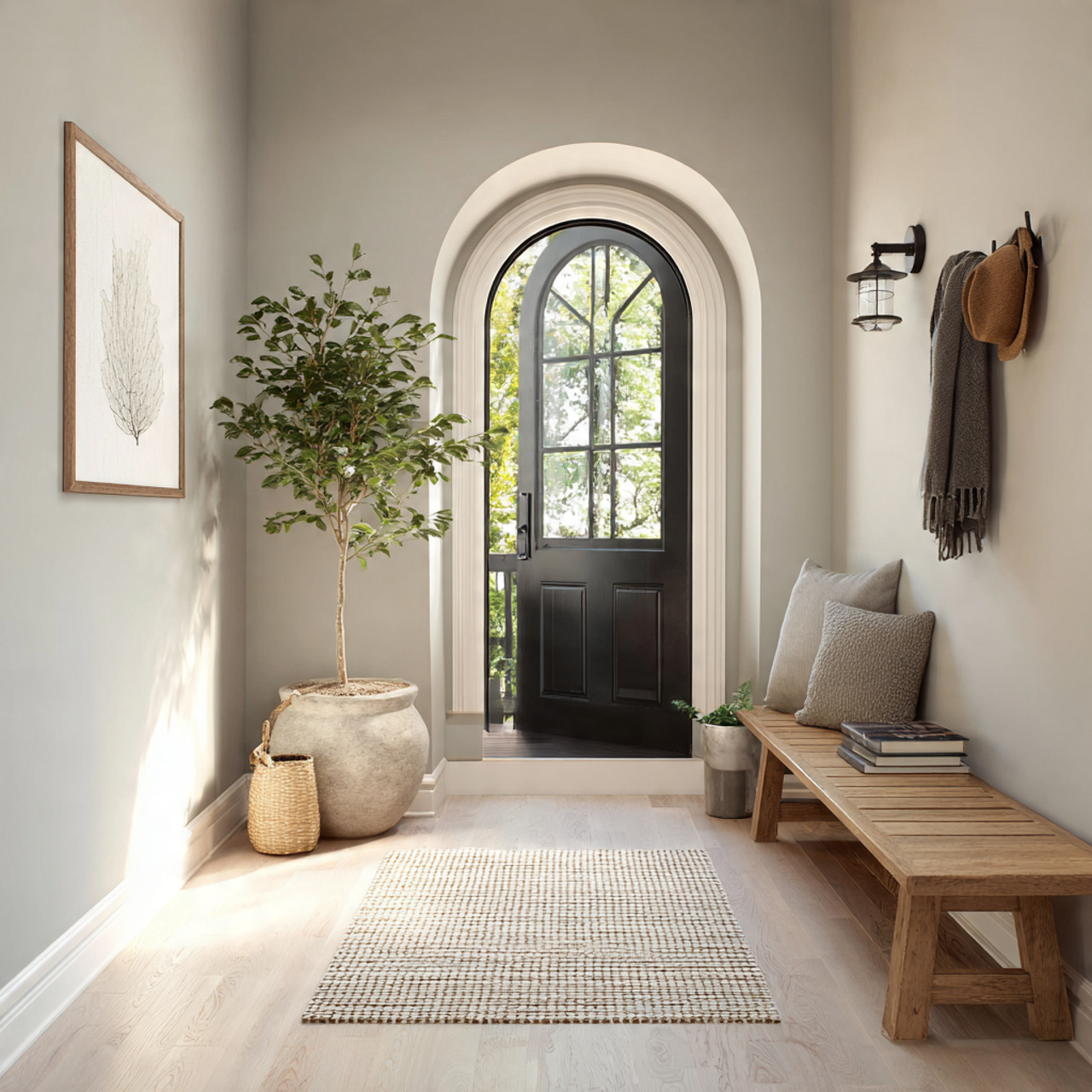
A clean entry can feel peaceful, but if done wrong, it quickly becomes cold or unfinished. The key is keeping only what matters while still creating a sense of presence. It should feel intentional, not lacking.
Minimal setups work when each element has a purpose and visual weight. In real homes, I have seen people remove too much and lose warmth in the process. Balance is what makes minimal design feel complete.
Choose a few strong elements like a plant, light, or simple decor piece. Leave space around them so they stand out. Avoid adding extras just to fill gaps.
Tip: Focus on fewer elements but make each one visually meaningful.
A Bold Contrast Entry That Creates a Strong First Impression
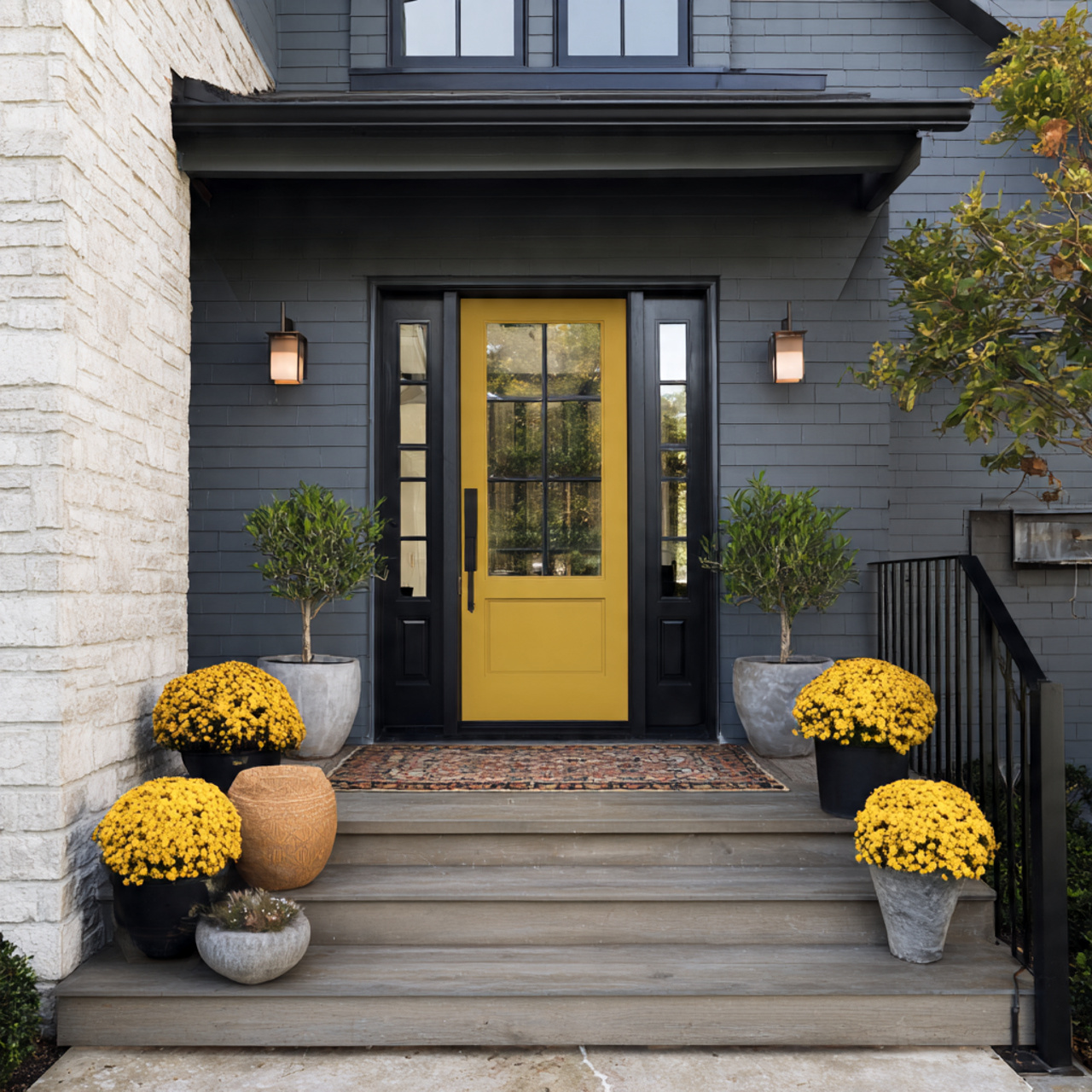
Some entries immediately stand out because they use contrast in a smart way. Light against dark, smooth against rough, or soft against sharp creates visual interest. It makes the front door feel intentional and bold.
Contrast works because it highlights differences that catch the eye naturally. I have seen entries feel flat simply because everything blends too much. A little contrast can change that instantly.
Use contrasting materials or tones around the entry to create depth. Keep it controlled so it feels designed rather than chaotic. Focus on one strong contrast instead of many.
Tip: Introduce one clear contrast element to make your entry stand out.
A Soft Natural Entry That Feels Calm and Relaxing Every Day
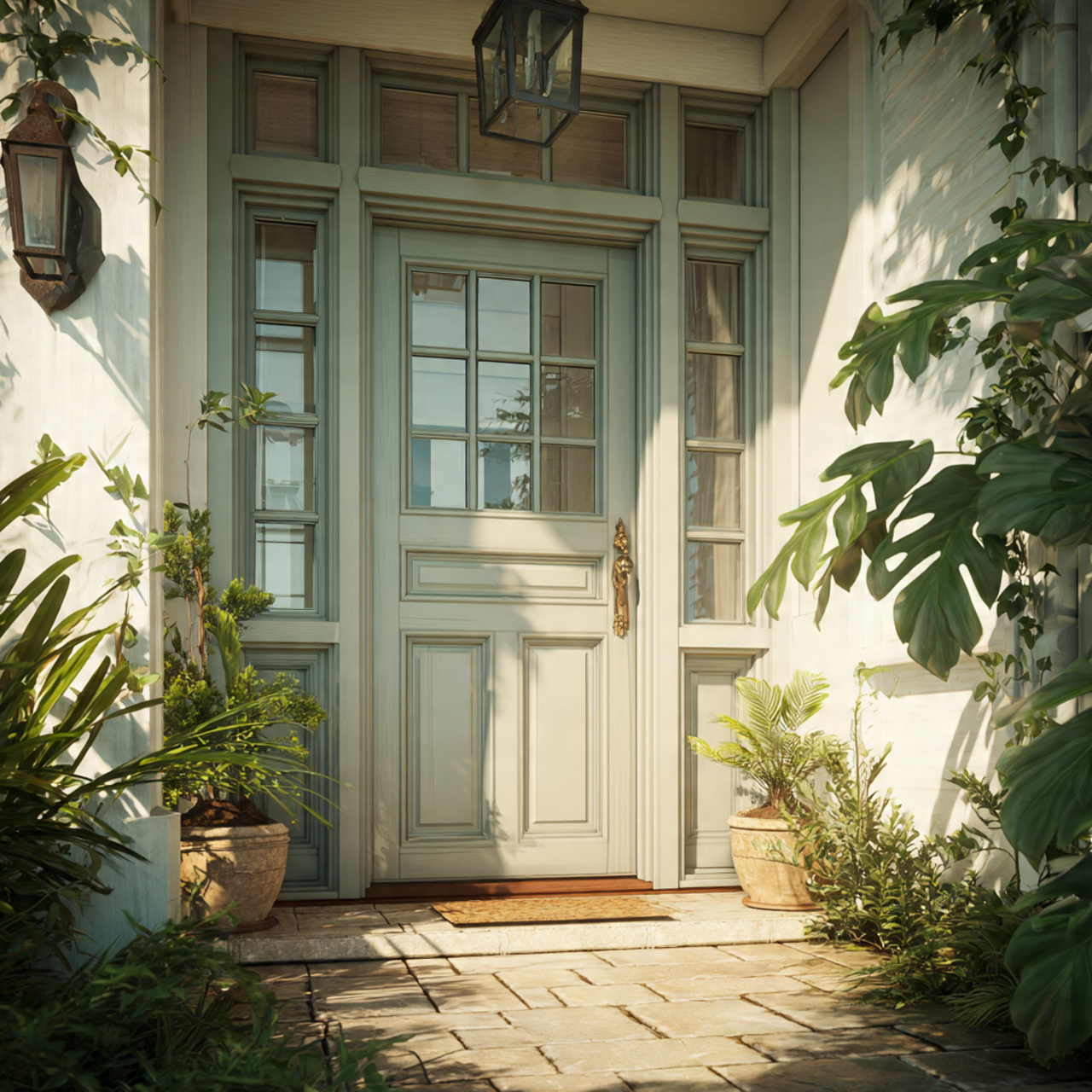
An entry with natural elements feels calm in a way that is hard to replicate with decor alone. Soft greenery, natural textures, and gentle tones create a relaxed atmosphere. It feels easy and lived in.
Natural elements work because they soften hard surfaces and bring balance. In many homes, I have noticed that even one plant changes the entire mood of the entry. Without it, the space can feel slightly rigid.
Add plants, natural materials, or soft textures to create this effect. Keep the arrangement simple so it feels effortless. Let the natural elements do most of the work.
Tip: Add one natural element to instantly soften your entry.
Visit Also: Outdoor Patio Ideas
A Personalized Entry Detail That Makes Your Home Feel Lived In
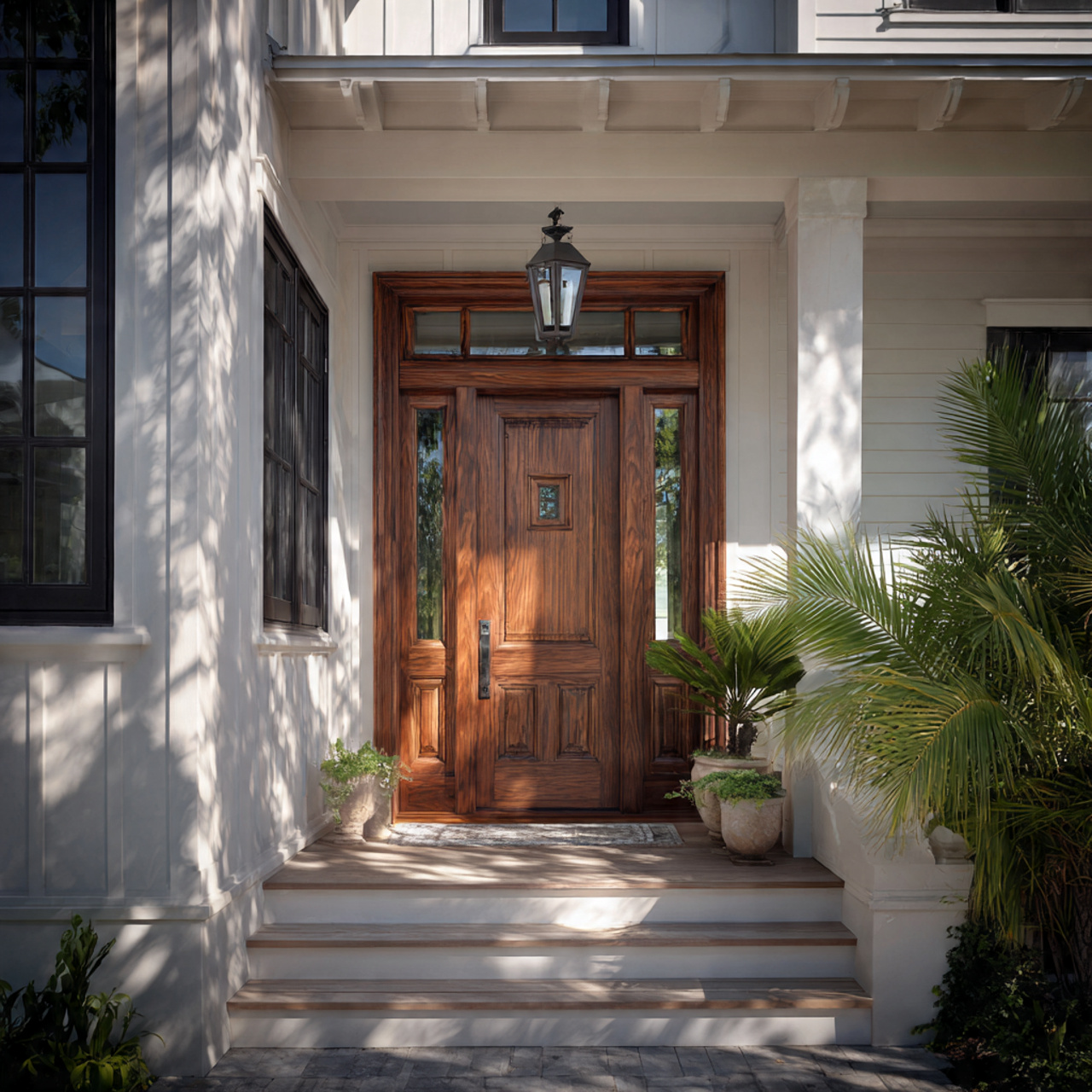
The most memorable entries always include a small personal detail that feels real. It could be a simple bench, a unique mat, or something that reflects daily life. These details make the space feel authentic.
Personal touches work because they add character beyond design rules. I have seen perfectly styled entries feel empty until something personal is added. It creates a connection that standard decor cannot.
Choose one element that reflects how you use the space daily. Keep it subtle so it blends naturally with the overall design. Let it feel like part of your routine rather than decoration.
Tip: Add one personal item that reflects how you actually use your entry space.
A Real Front Door Entry That Feels Calm and Naturally Balanced
You walk up just as the light starts to soften in the evening.
A gentle glow touches the wall near the front door, and the space feels quiet instead of empty.
Nothing looks overdone, but everything feels placed with intention.
After living with this kind of setup, you start noticing something subtle.
Coming home feels calmer, almost like a small reset before stepping inside.
The entry is simple, but it feels complete in a way that builds over time.
Front Door Colors and Materials That Feel Effortless and Timeless
Warm White (#F5F3EF)
Works best on surrounding walls where you want softness without harsh brightness.
It reflects light gently and pairs easily with wood and natural textures.
Charcoal Black (#2E2E2E)
Feels strong and grounded on the front door without looking aggressive.
It holds its look over time and works well with metal and stone.
Muted Olive Green (#7A8450)
Brings in a natural tone through plants or small accents near the entry.
It feels calm and blends smoothly with warm lighting and organic materials.
Soft Oak Brown (#A47551)
Adds warmth through wood details like panels or a small bench.
It creates a lived-in feeling that makes the entry feel more real.
Room Size and Lighting Guide for a Balanced Front Door Entry
Small Entry Spaces
Use lighter tones around the front door to keep the area feeling open and breathable. Add soft layered lighting so the space does not fall into shadows or feel cramped.
Large Entry Spaces
Break the area into subtle lighting zones so the space does not feel empty or disconnected. Use warm lighting to bring everything together and avoid a cold or distant feeling.
North Facing Entry
Light can feel flat and slightly cool throughout the day, especially near the front door. Use warmer bulbs and soft textures to bring back balance and make the entry feel more inviting.
South Facing Entry
Natural light is usually strong and consistent, which can sometimes feel too bright or sharp. Balance it with softer materials and controlled lighting so the space stays comfortable.
Common Front Door Mistakes That Quietly Ruin the Entry Experience
Overcrowding The Entry Area
This usually happens when trying to make the front door look styled with too many elements at once. The space starts to feel tight and visually heavy, even if each item looks good on its own.
Keep only a few meaningful pieces and allow space around them so the entry feels open and calm.
Using Harsh Or Single Source Lighting
Most entries rely on one bright light, thinking it is enough to illuminate the area. This creates hard shadows and makes the front door feel flat instead of inviting.
Layer two softer light sources so the space feels warm and evenly lit.
Ignoring The Surrounding Walls And Surfaces
People often focus only on the front door and forget the walls and textures around it. This leaves the entry feeling unfinished and slightly disconnected.
Add one subtle texture or material around the door to give the space depth.
Choosing Style Over Real Use
Sometimes the entry looks good in photos but does not match how the space is used daily. Over time, it becomes inconvenient and loses its appeal.
Choose elements that fit your daily routine so the entry stays both practical and visually comfortable.
Front Door FAQ That Helps You Make Better Design Decisions
How can I make my front door look more inviting?
Start by focusing on lighting and small surrounding details instead of changing everything at once. In many homes, just adding warm light and one balanced element nearby makes a noticeable difference.
What is the easiest way to upgrade a front door without replacing it?
Simple changes like updating hardware or adjusting the color can shift the entire look. I have seen even a small contrast change make the entry feel more intentional almost instantly.
Does front door color really affect first impression?
Yes, but only when it works with the surrounding tones and materials. A color that feels connected to the space will always look better than something chosen on its own.
How do I keep my front door area looking clean and not cluttered?
Limit the number of elements and focus on spacing instead of filling every corner. When each item has room to breathe, the entry feels calmer and more put together.
What should I avoid when styling a front door entry?
Avoid relying on one strong element without supporting details around it. In real homes, imbalance is what usually makes an entry feel slightly off over time.
Front Door Design That Brings Everything Together Naturally
Front door design works best when every element around it supports a calm, welcoming first impression instead of competing for attention. It is not about adding more but about choosing what truly belongs in that space and letting it settle naturally over time.
Start small and focus on one change that improves how your entry feels when you arrive home. Once that shift happens, the rest becomes easier because the space begins to guide your decisions instead of the other way around.