19 Door Design Ideas for Privacy, Light and Home Comfort
In real homes, doors are often chosen at the very end, when attention has shifted to paint colors and furniture. That late decision quietly shapes how rooms sound, how light moves, and how private everyday moments actually feel.
If parts of your home feel louder than expected or less settled than you imagined, door design is often the missing link. Understanding how different door choices behave over time helps you decide calmly now, instead of fixing regrets later.
Why Door Design Matters in Modern Homes
Modern homes are no longer static spaces. Rooms shift between work, rest, storage, and social use, which makes the way spaces open and close more important than surface decoration alone.
Door design has evolved from a purely visual detail into a functional design decision. Homeowners return to thoughtful door choices because they help manage noise, light, and privacy, creating homes that feel calmer, more flexible, and comfortable to live in over the long term.
Color & Material Authority
Color and material choices of door design decide whether doors feel calm or visually intrusive. In real homes, finishes must handle fingerprints, changing daylight, and daily use without becoming distracting.
Soft Warm White (#F4F1EC)
Ideal for small or low-light homes. The warm undertone reflects light gently and works best in matte or eggshell finishes with linen or cotton textures nearby.
Greige Stone (#B6B0A6)
A flexible neutral for bedrooms and shared spaces. The balanced undertone adapts well as interiors change and pairs naturally with wool and soft upholstery.
Charcoal Ash (#3C3C3C)
Best for transition or feature doors. It adds depth without heaviness, especially in matte finishes alongside textured fabrics.
Soft Black (#1F1F1F)
Use selectively for contrast. Matte finishes keep it grounded and prevent harsh reflections, balanced with lighter walls.
Walnut Brown (#6A4A3C)
Suited to wood or veneer doors. Visible grain adds warmth that ages well, with satin finishes pairing naturally with leather and wool.
Muted Olive (#7C8468)
A subtle choice for secondary doors. The earthy undertone adds character without visual noise and works well with natural materials.
The finishes of door design that absorbs light slightly feel calmer in everyday use. Linen, cotton, and wool soften door areas visually, while satin is best reserved for high-touch doors.
Room Size & Lighting Quick Guide
| Space Type | Door Approach | Light Handling Tip |
|---|---|---|
| Small rooms | Light-toned or flush doors | Use warmer whites in north light |
| Large rooms | Paneled or darker doors | South light supports contrast |
| Narrow spaces | Sliding or pocket doors | Avoid glossy finishes |
| Open layouts | Glass or framed doors | Matte finishes soften west light |
Door Design Ideas
Solid Core Doors That Create Quieter, More Restful Rooms
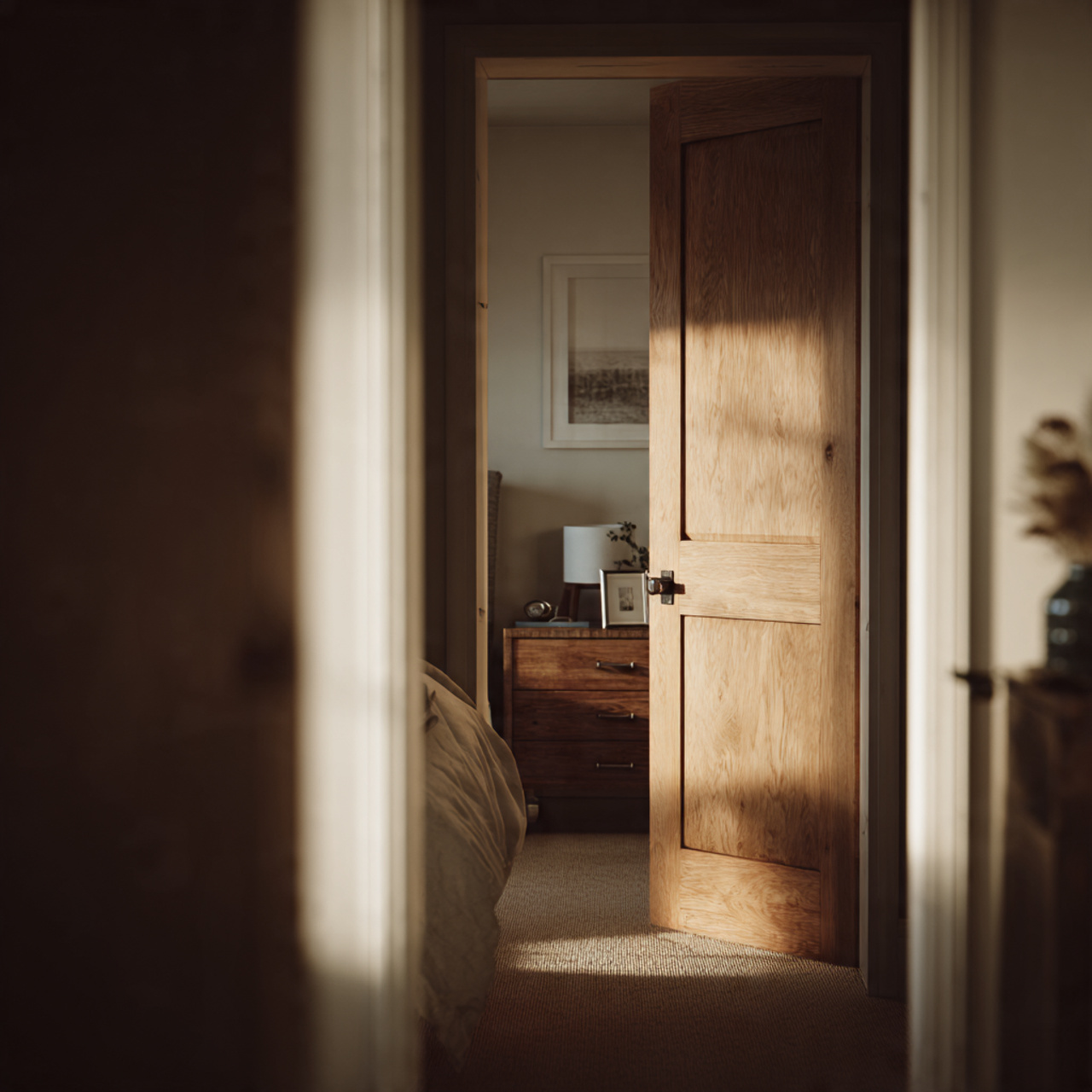
Solid core doors feel heavier the moment you use them. Visually they may resemble standard doors, but the internal density changes how sound behaves once the door is closed.
Over time, this weight translates into emotional comfort. Bedrooms feel more private, conversations stay contained, and everyday household noise no longer drifts where it disrupts rest.
In real homes, solid core doors work best for bedrooms, bathrooms, and home offices. Installing them selectively keeps budgets realistic while solving one of the most common long-term comfort complaints.
Flush Doors That Let Walls and Furniture Lead Visually
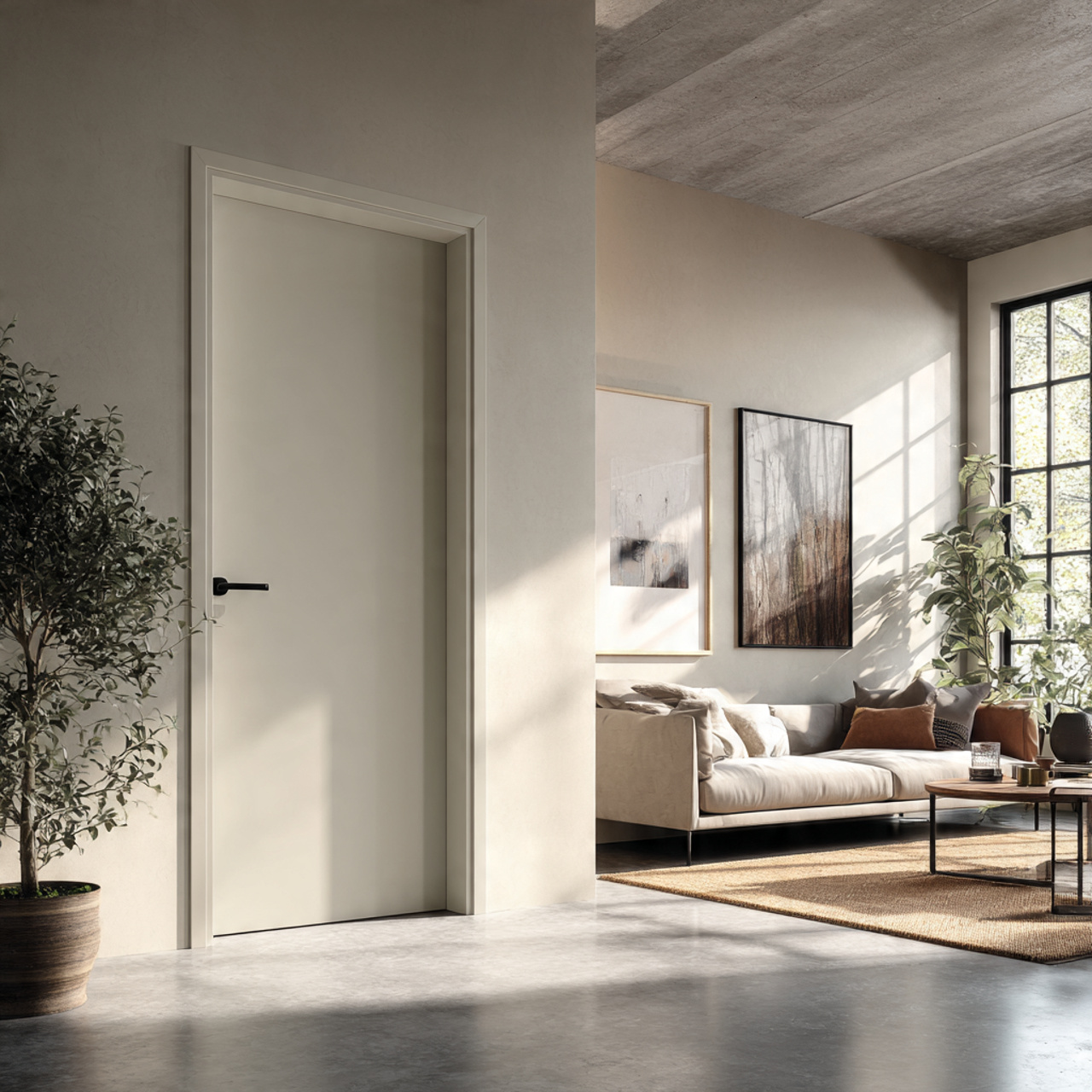
Flush doors sit flat within the wall plane, allowing finishes, lighting, and furniture to take visual priority. They quietly support the room instead of competing for attention.
Living with them often feels easier over time. Even as décor styles change, flush doors rarely feel outdated or visually intrusive.
They are also practical for budgets. Paired with simple hardware and neutral paint, flush doors deliver a clean result without custom costs or visual overload.
Glass Panel Doors That Share Light Without Losing Separation
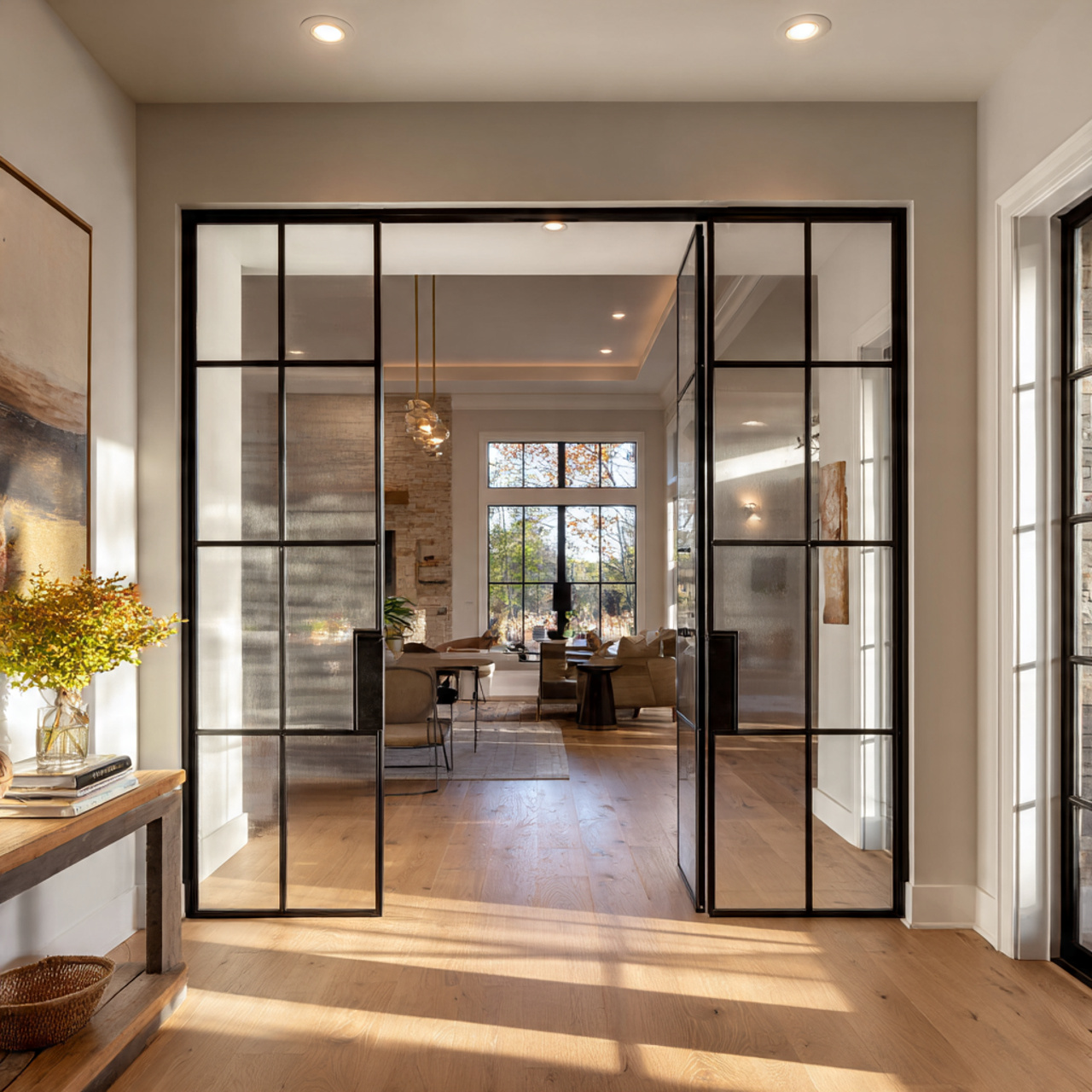
Glass panel doors allow daylight to move deeper into the home, softening dark hallways and interior rooms. The space feels brighter without becoming fully open.
Over time, this balance changes how rooms are used. Spaces feel connected while still offering definition, which supports both privacy and flow.
Textured or frosted glass is usually the smarter option. It protects privacy while avoiding the constant exposure that clear glass can create.
Sliding Barn Doors That Solve Tight Layout Challenges
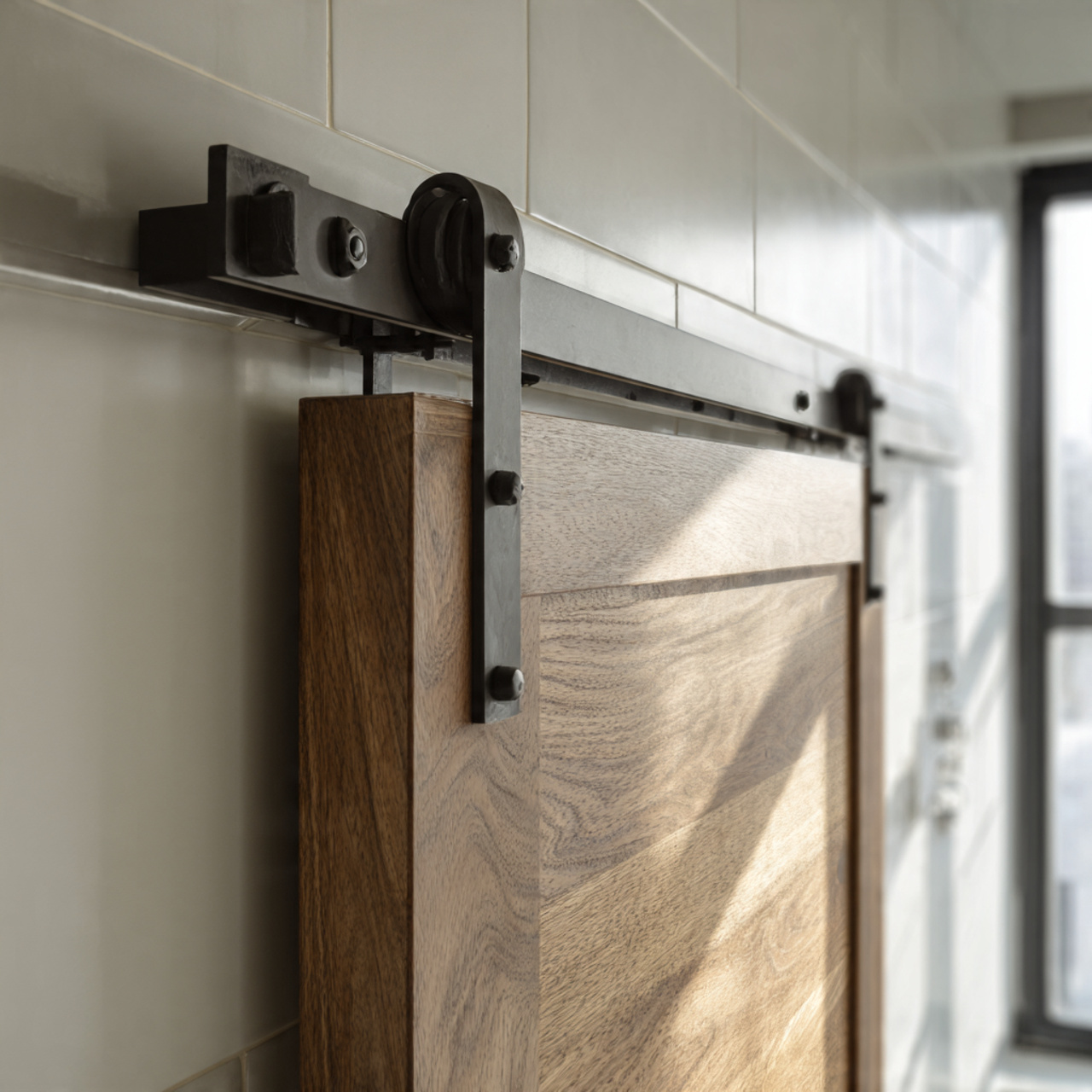
Barn doors slide along the wall rather than swinging into the room. This immediately frees up floor space and prevents conflicts with furniture.
Living with them highlights flexibility. If a room’s function changes, the door can be replaced or removed more easily than built-in alternatives.
Soft-close hardware is essential here. Without it, noise and wear quickly outweigh the space-saving benefit.
Paneled Doors That Add Subtle Architectural Character
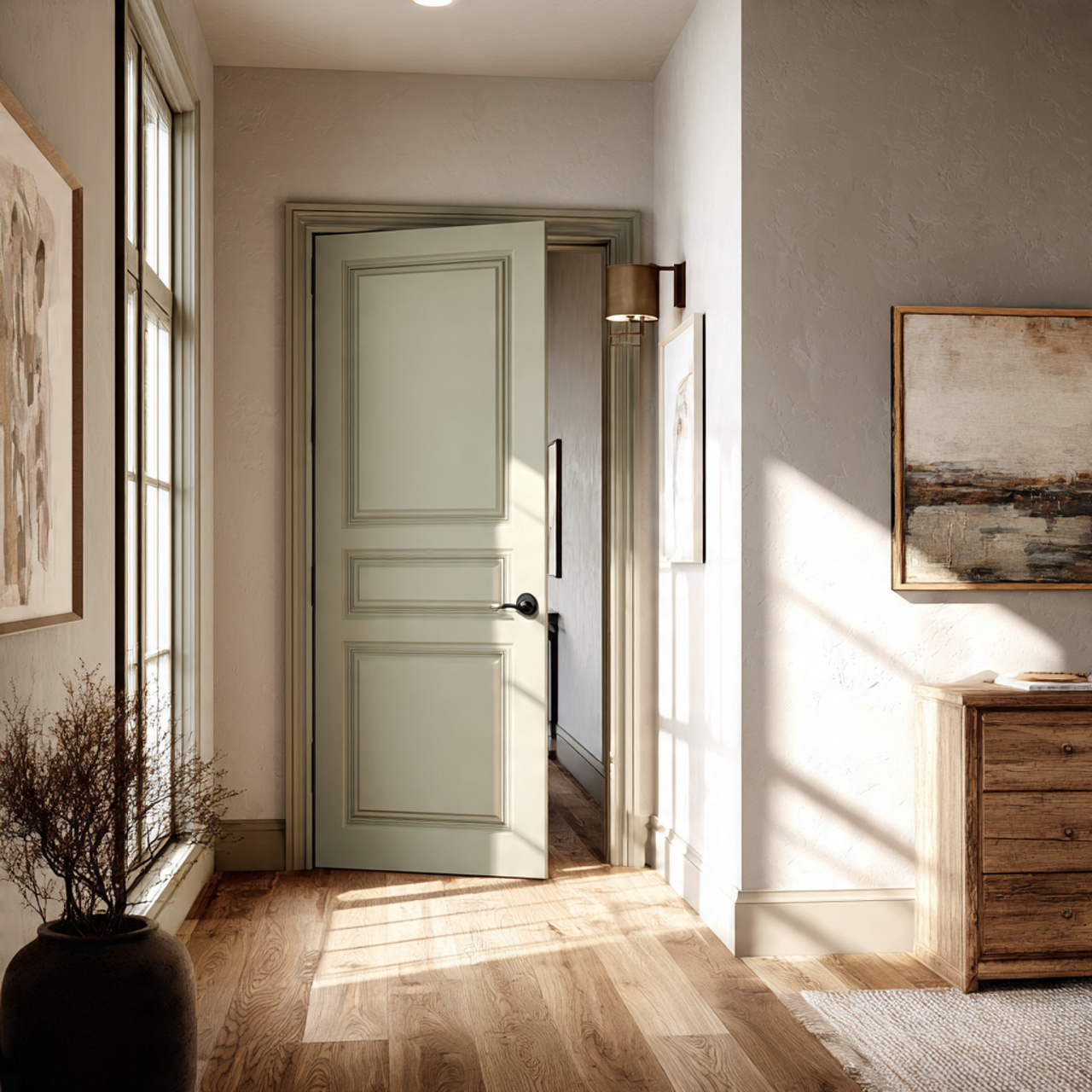
Paneled doors add depth and shadow, giving rooms a finished look without heavy decoration. Even simple panel layouts introduce structure that plain doors lack.
Over time, they feel familiar rather than trendy. Many homeowners associate paneled doors with solid, well-built homes that age gracefully.
Two-panel or shallow panel door design suits modern and transitional interiors best, keeping the look refined rather than traditional.
Pocket Doors That Disappear When Space Is Needed Most
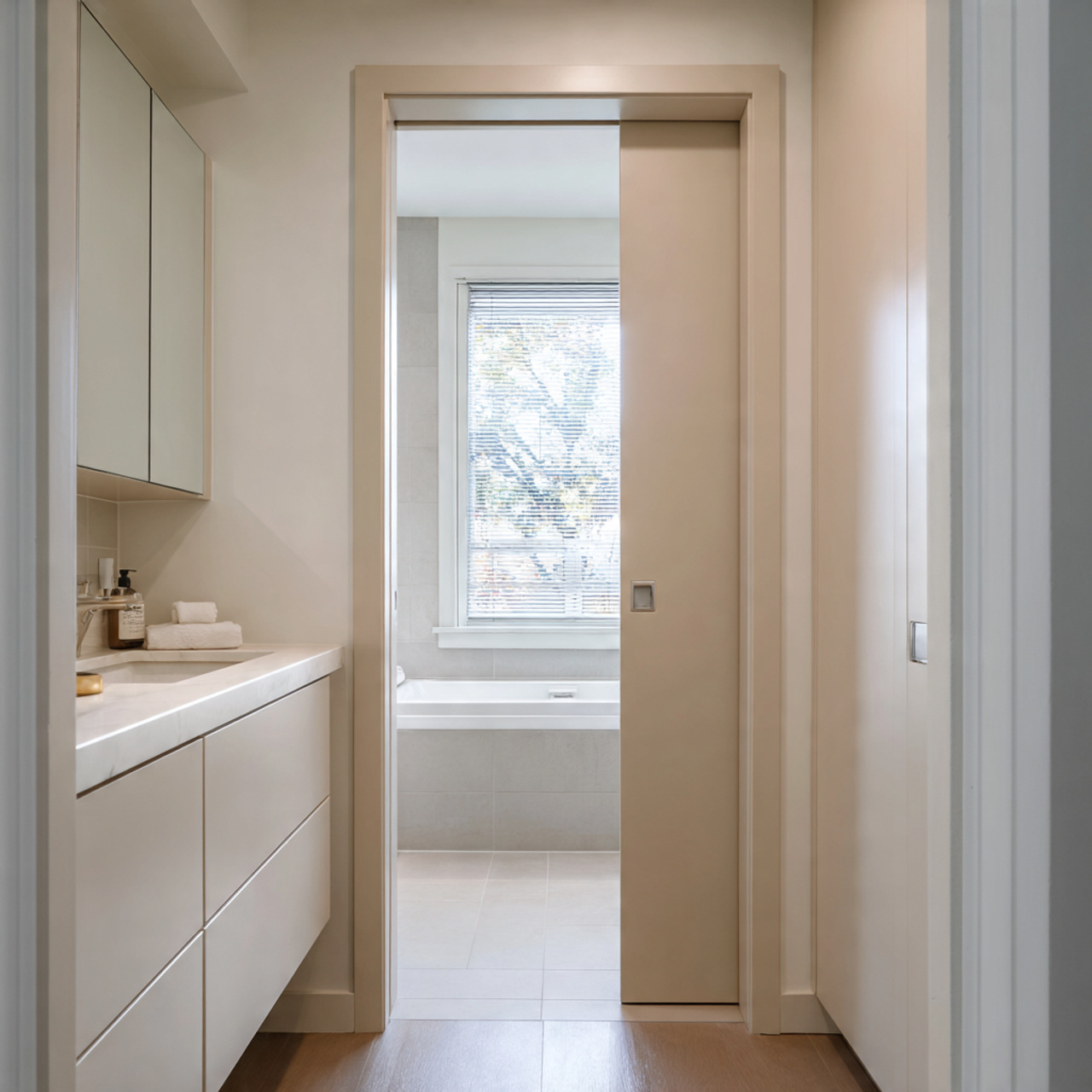
Pocket doors slide fully into the wall, leaving no visual footprint when open. In compact homes, this immediately improves movement and overall usability.
Living with them often feels relieving in tight bathrooms or pantries. Door swings stop causing daily frustration and circulation feels less cramped.
They work best when planned early during renovation. This avoids later structural limitations or awkward compromises.
Dark Interior Doors That Ground Open-Plan Homes
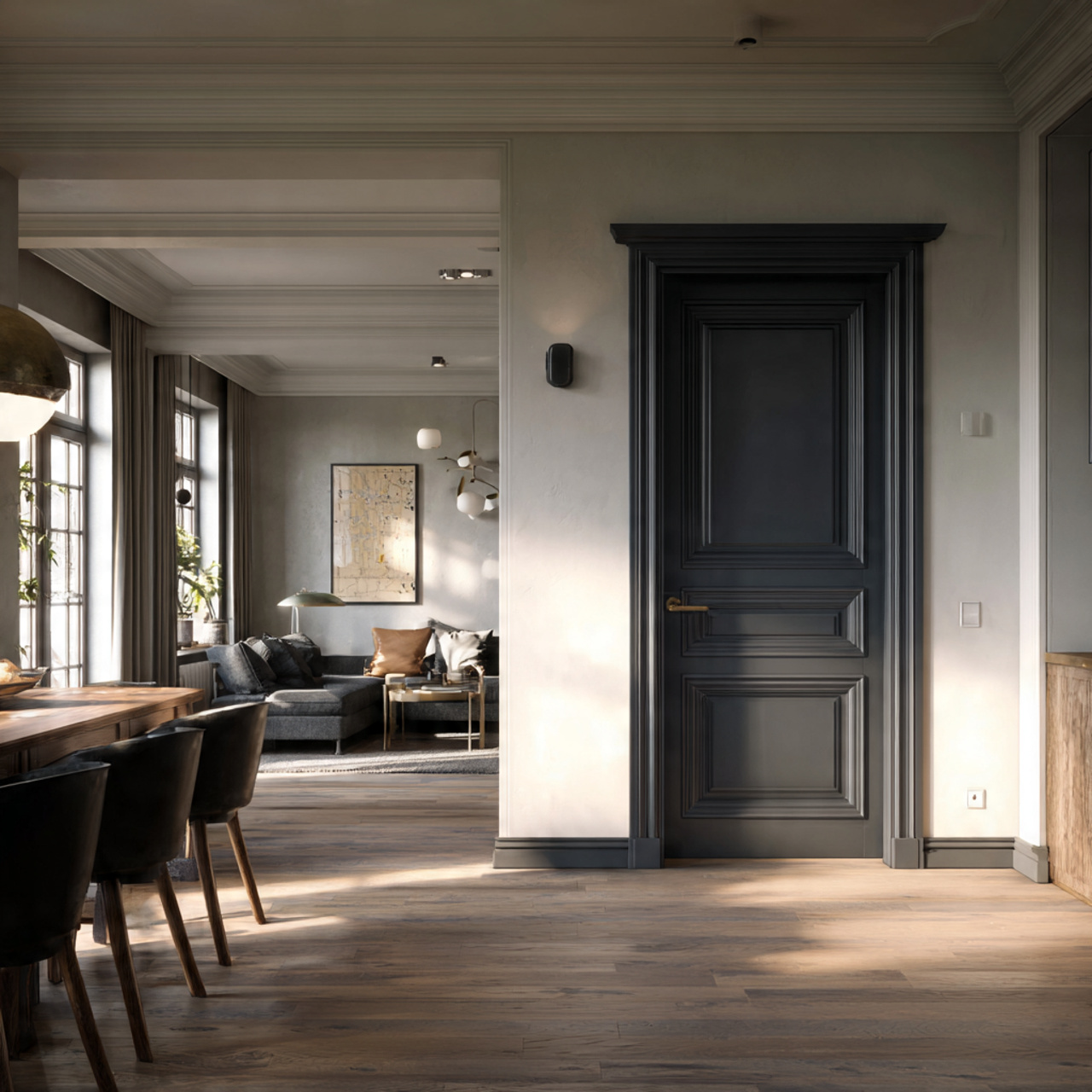
Dark interior doors introduce contrast that helps define space within open layouts. They visually anchor lighter walls and surrounding flooring.
Over time, this contrast prevents rooms from feeling washed out. This is especially noticeable in bright or minimalist homes.
Limiting darker tones to key doors keeps balance intact. Matte finishes also help reduce glare and fingerprints.
Double Doors That Adapt as Rooms Change Function
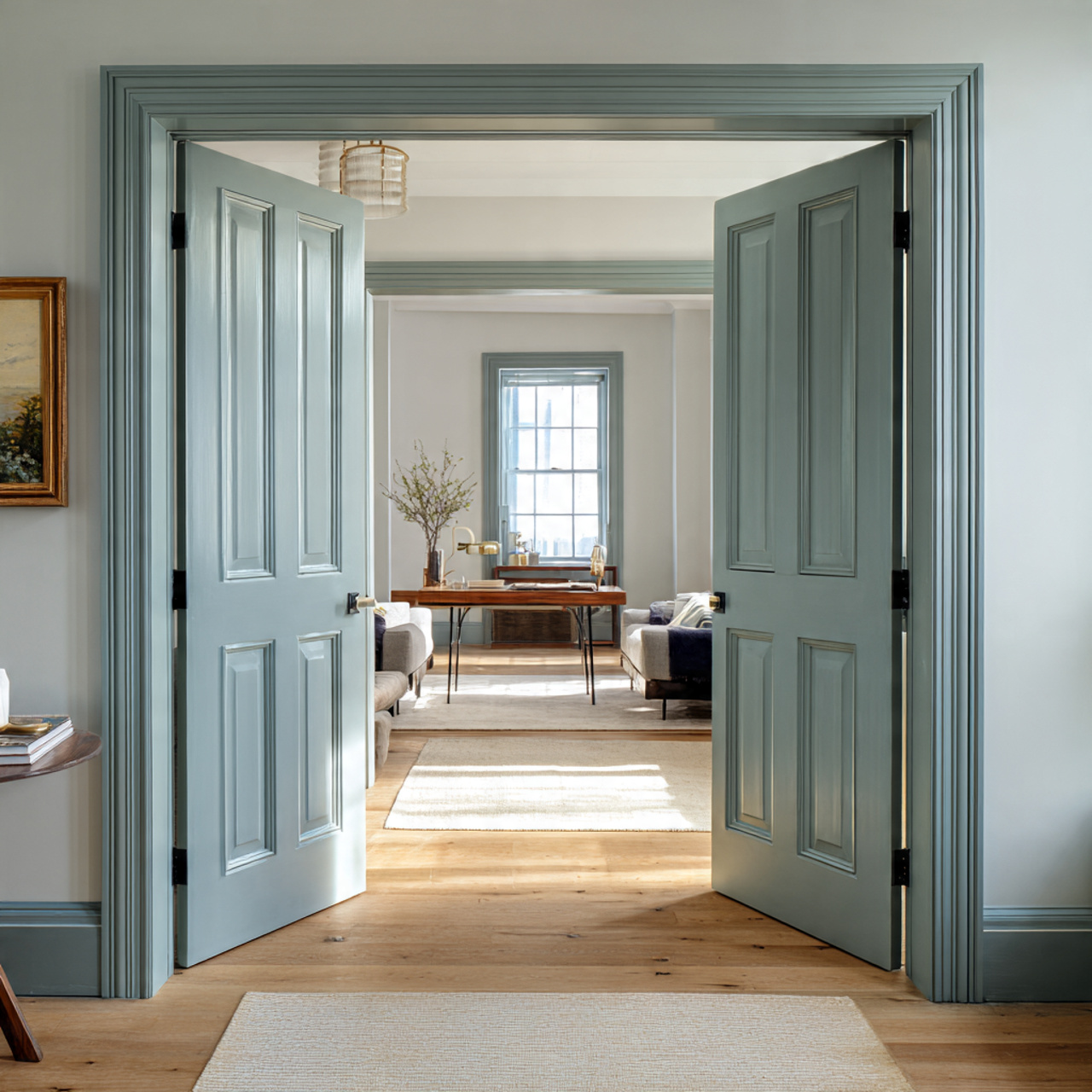
Double doors create wider openings that feel generous and flexible. When open, they invite flow between spaces.
When closed, they provide privacy without feeling heavy. This balance becomes valuable as household needs change.
They work best in larger openings where proportions feel natural. Adequate swing clearance keeps daily use comfortable.
Reeded Glass Doors That Balance Privacy and Connection
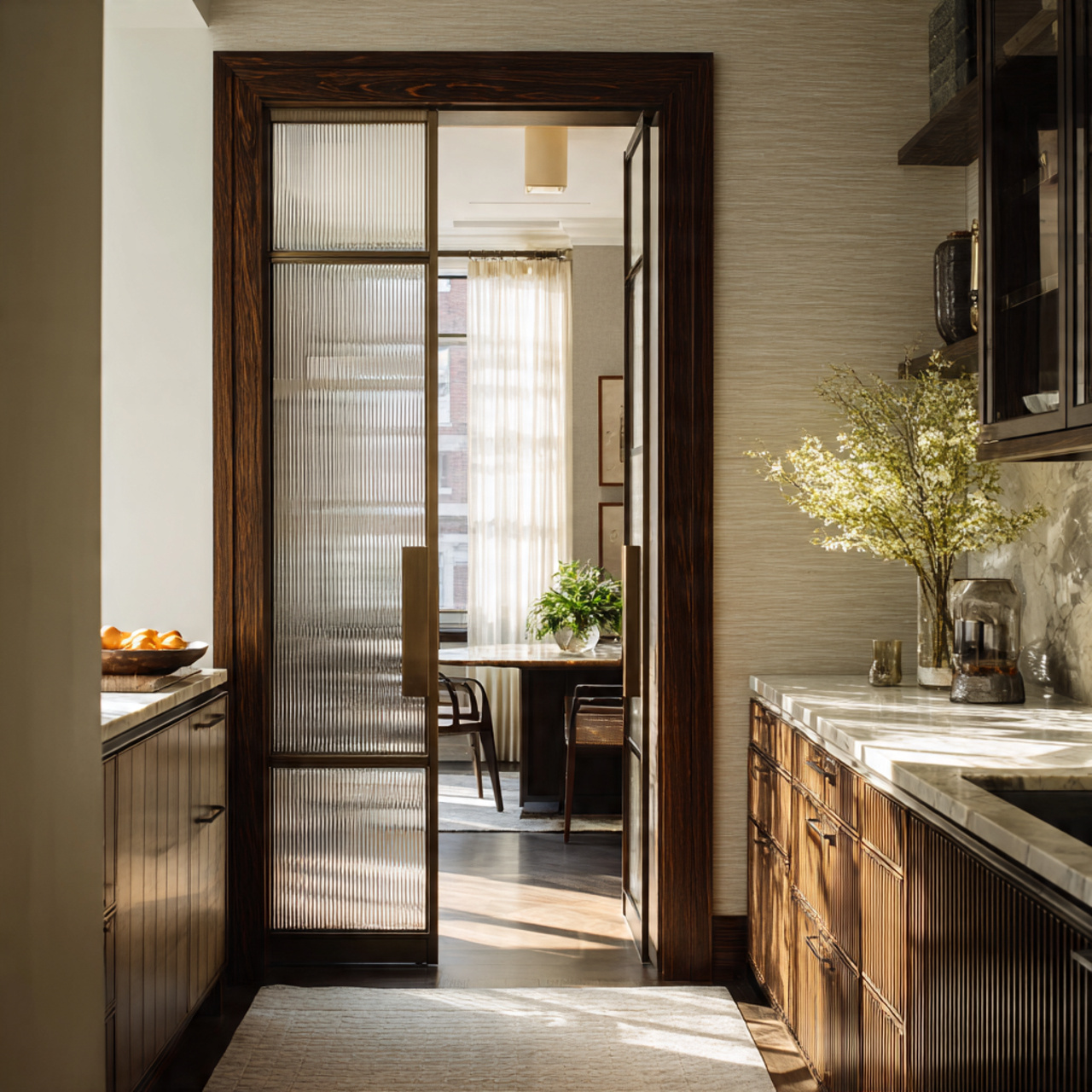
Reeded glass doors soften visibility while still allowing light to pass. Movement blurs rather than becoming fully exposed.
Living with this balance often feels calmer over time. This is especially true in shared or work-from-home spaces.
Proper framing and glass thickness are important. These details help prevent rattling and maintain a solid feel.
Wood Grain Doors That Add Warmth and Natural Texture
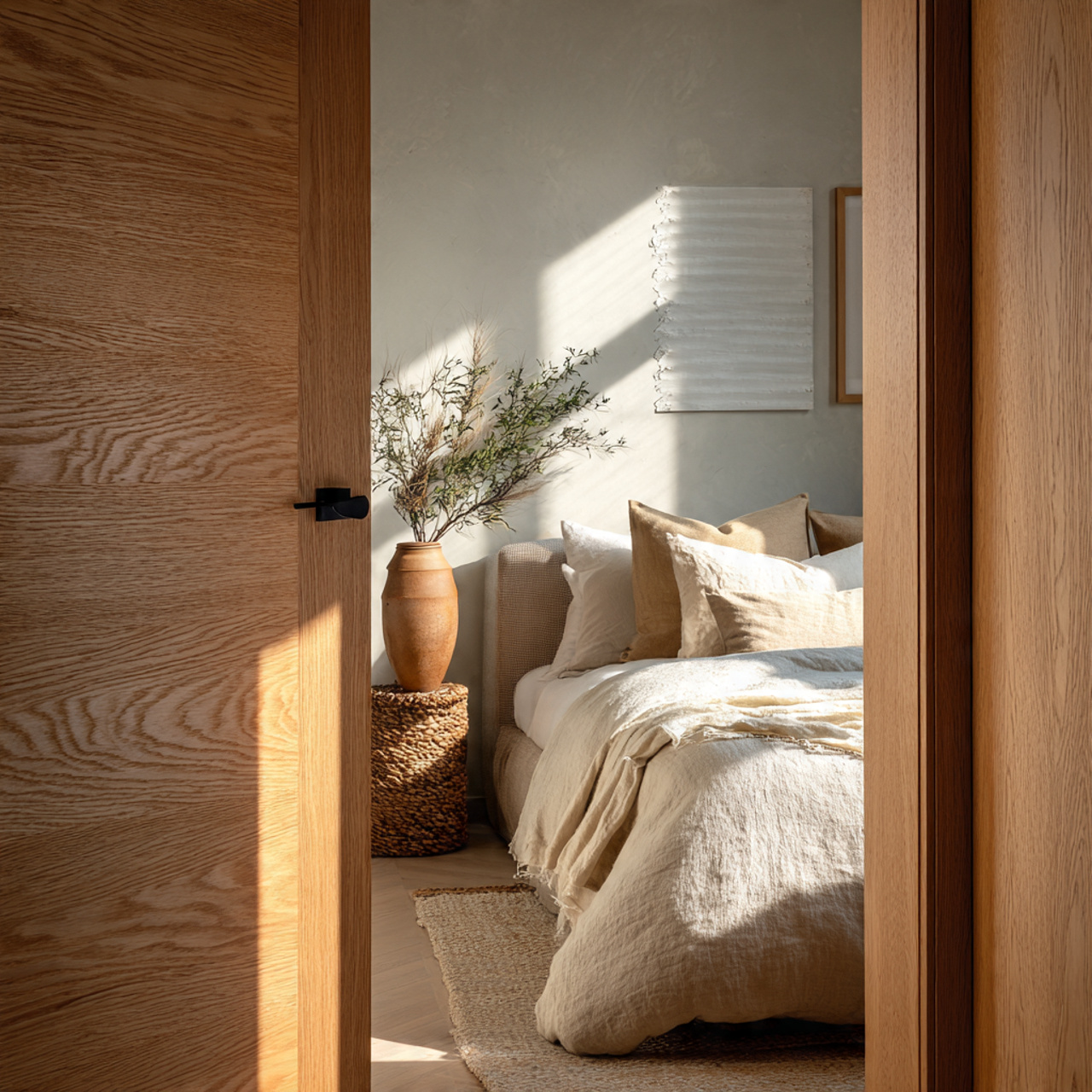
Wood grain doors introduce texture that painted finishes cannot replicate. Natural variation adds quiet richness to a space.
Over the years, these doors tend to gain character. They age gracefully instead of losing relevance.
They perform best in dry areas of the home. Proper sealing helps protect the grain long term.
Minimal Hardware That Stays Relevant Over Time
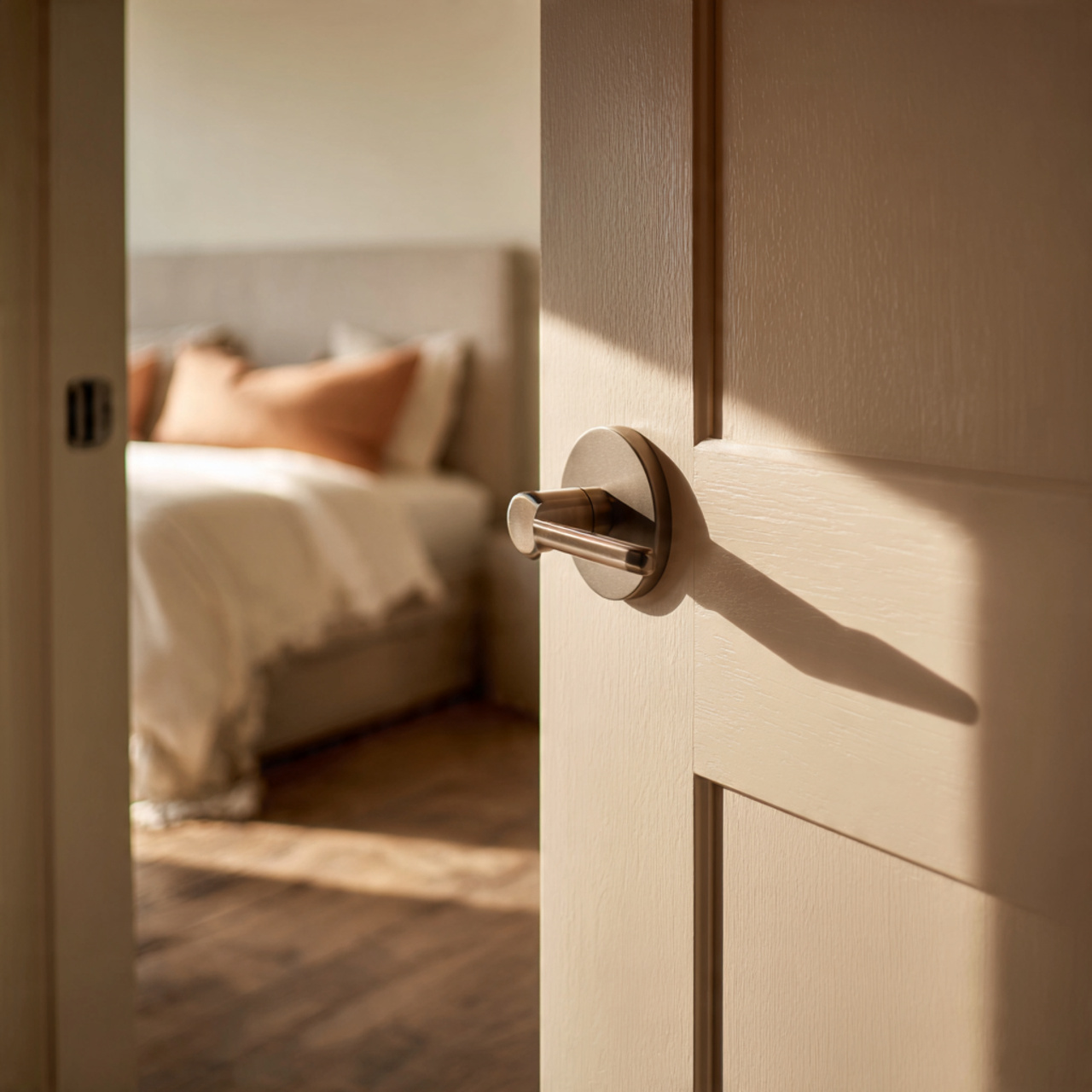
Minimal hardware keeps doors visually quiet and restrained. This allows architecture and finishes to lead instead.
Clean handles rarely draw attention to themselves. This restraint prevents regret as trends fade.
Matte black or brushed metal finishes hide wear well. They are also easy to update later if needed.
Arched Doors That Soften Rigid Architecture
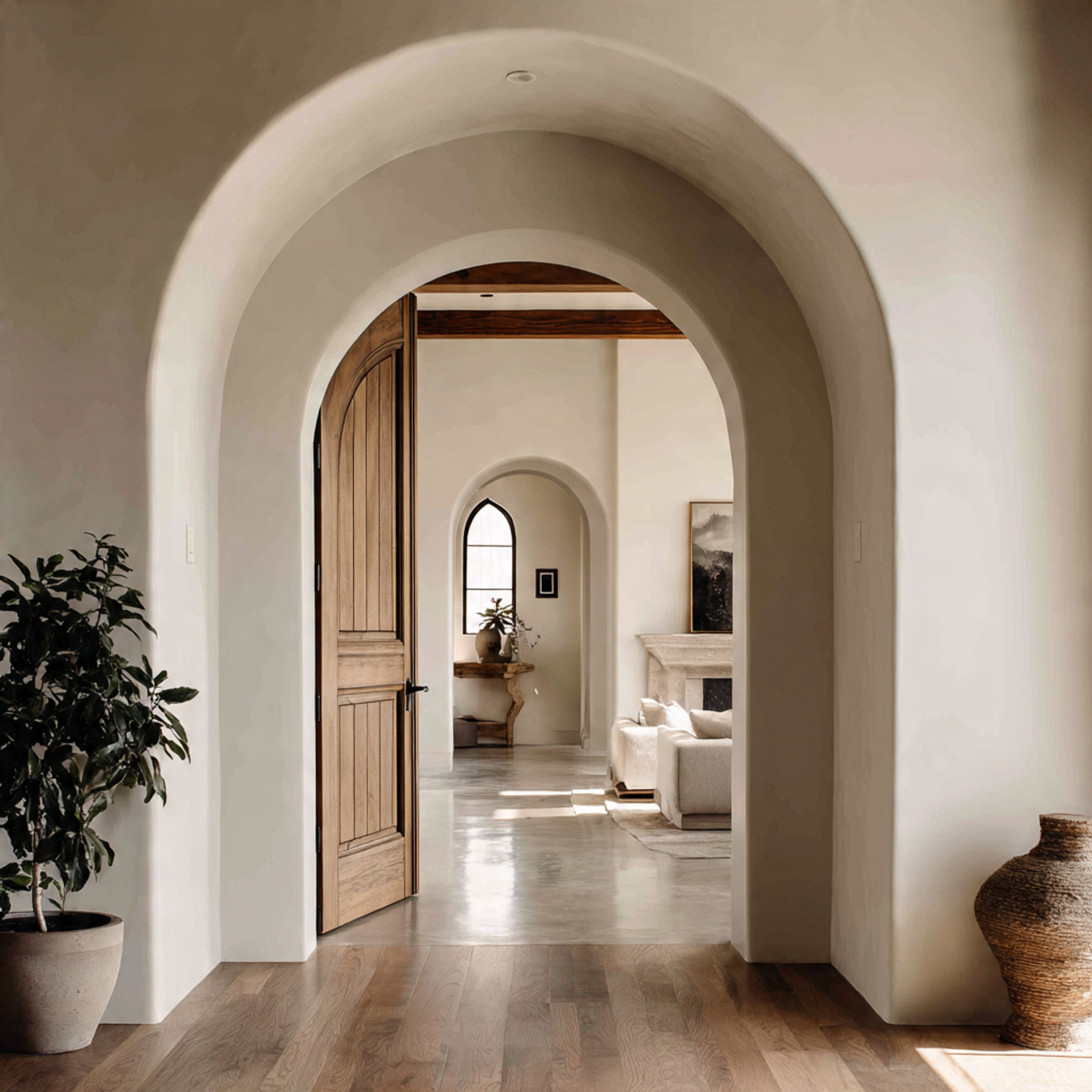
Arched doors introduce curves into straight-lined spaces. This immediately softens the overall feel of a home.
Living with curved openings often feels calmer over time. Spaces read as more considered and less rigid.
They work best when used selectively. This allows the shape to feel intentional rather than decorative.
Hidden Doors That Maintain Visual Flow
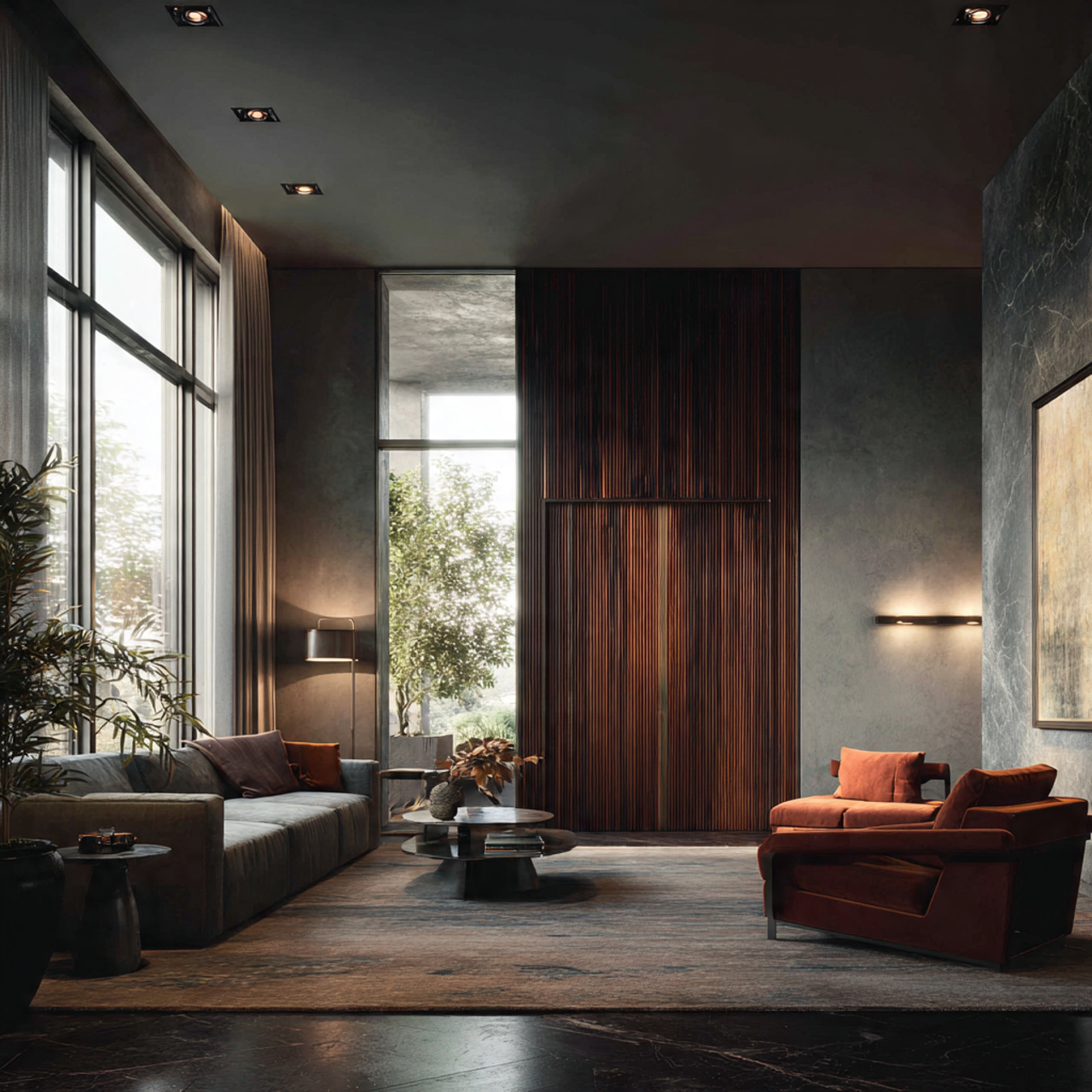
Hidden doors blend into wall panels or cabinetry. Visual interruptions are reduced and surfaces feel continuous.
Over time, this continuity makes spaces feel calmer. Rooms can also feel more expansive.
Precision installation is essential for this effect. Visible gaps quickly break the illusion.
Louvered Doors That Improve Air Circulation
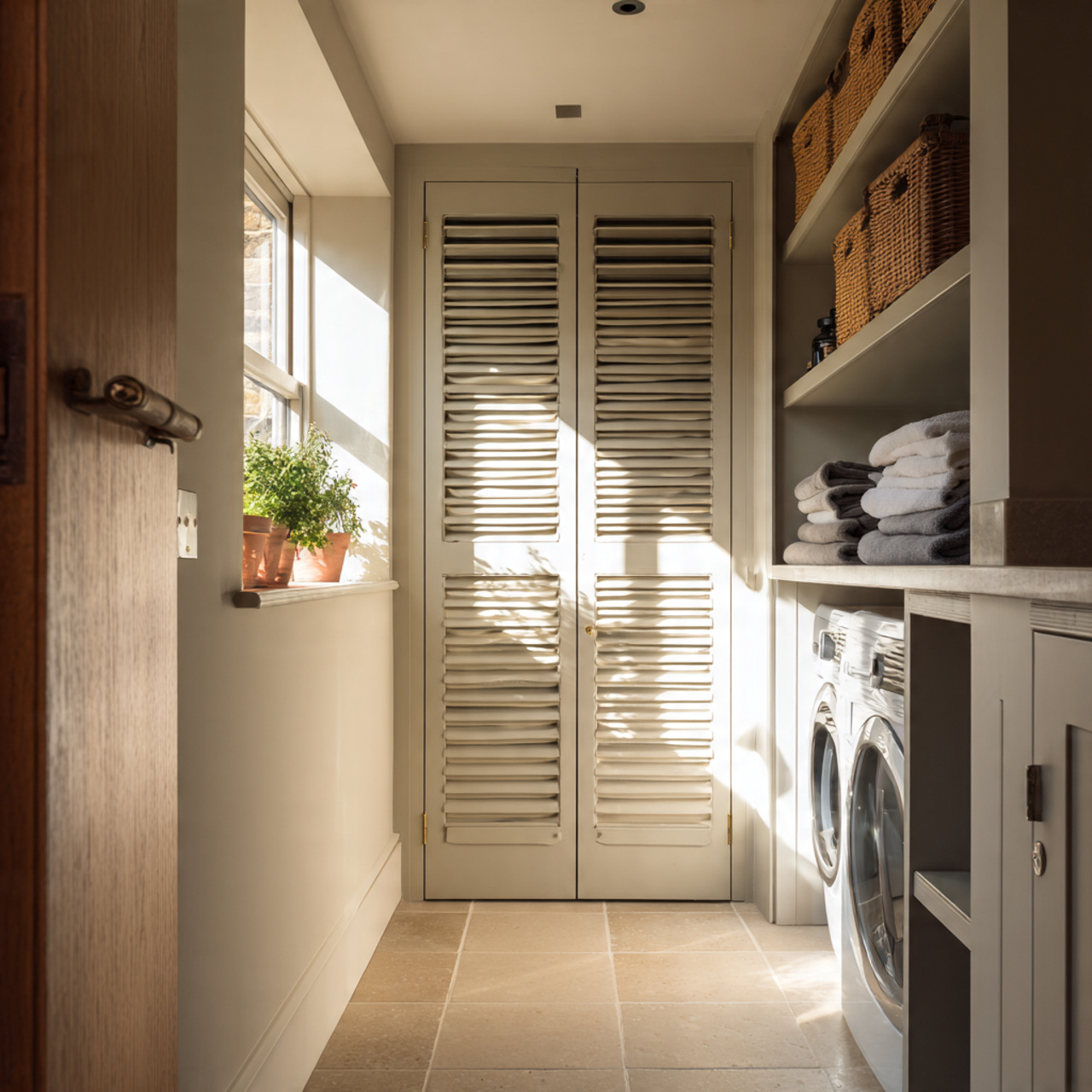
Louvered doors allow airflow while still closing off a space. Their design clearly signals function.
Better airflow reduces moisture buildup over time. Lingering odors are also less likely.
They are best reserved for utility areas. Closets and laundry rooms benefit most.
Metal-Framed Glass Doors That Add Structure Without Heaviness
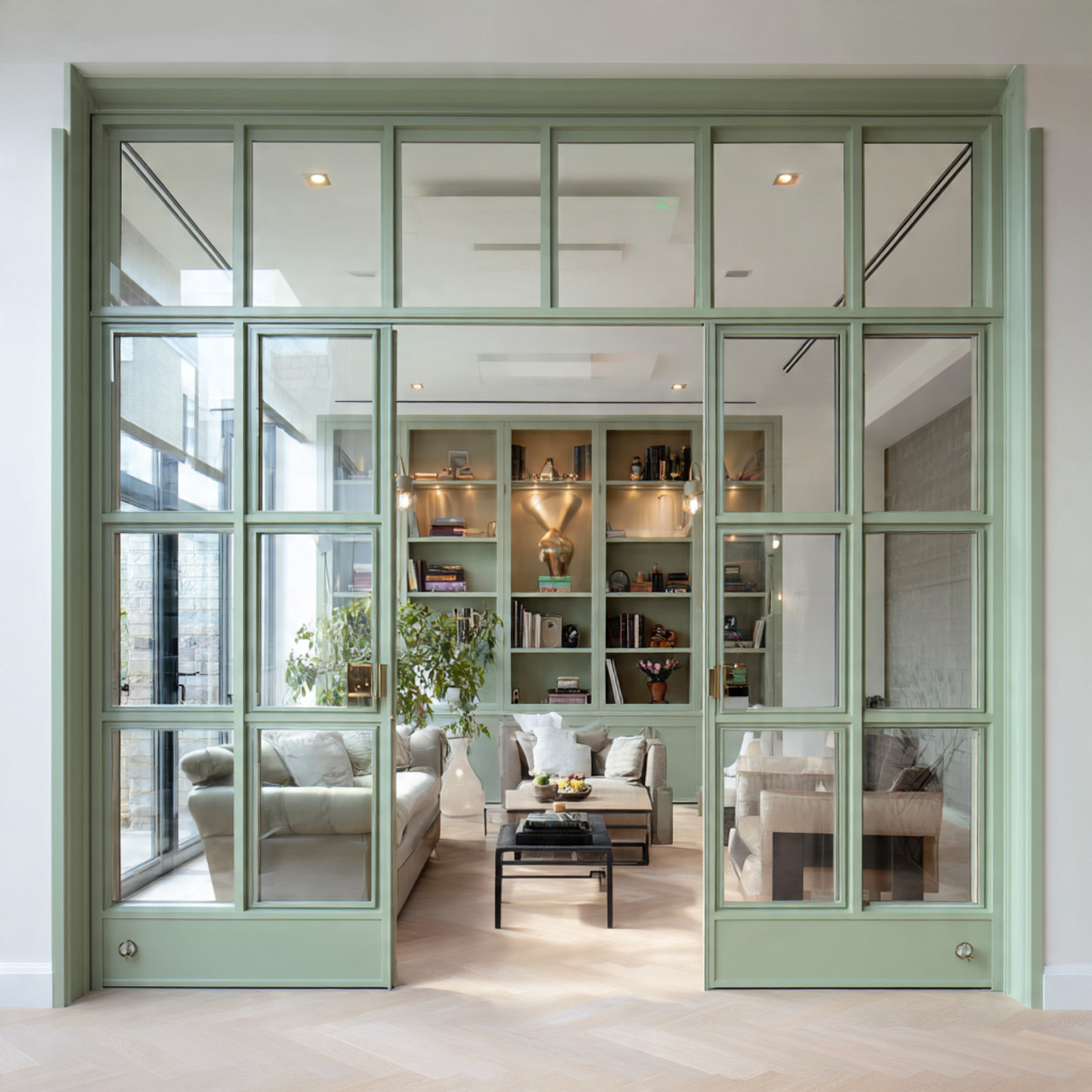
Metal-framed glass doors define space while keeping sightlines open. Slim frames add structure without blocking light.
Living with them often brings clarity to open layouts. Spaces feel more organized and intentional.
Limiting their use keeps the look architectural. Overuse can make the style feel overwhelming.
Soft-Close Hinges That Improve Everyday Ease
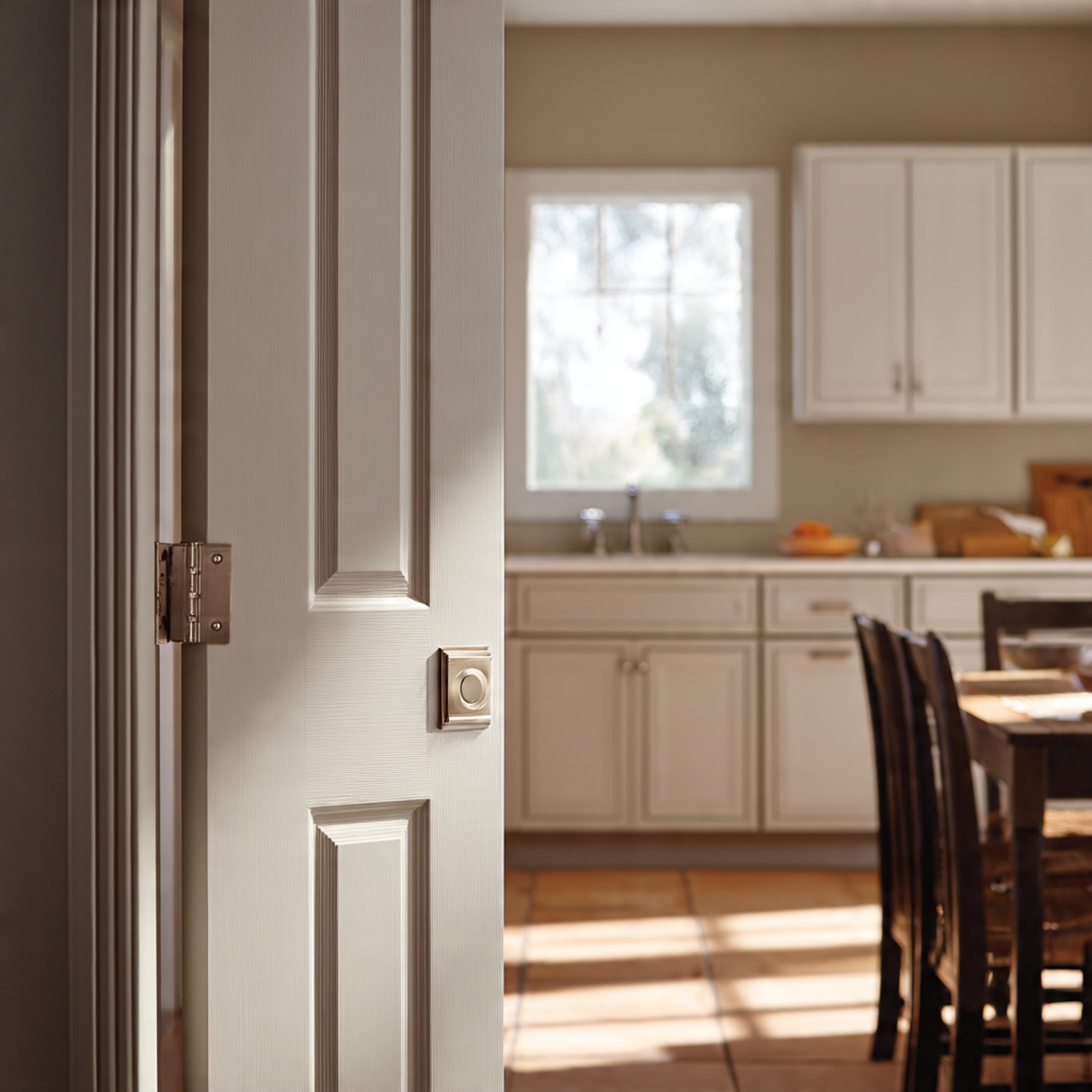
Soft-close hinges prevent slamming and reduce wear on doors. The improvement is felt immediately.
Over time, quieter operation lowers daily stress. This is especially noticeable in busy households.
They are a simple upgrade to install. The long-term payoff is strong.
Visit Also: Door Design Modern
Accent-Colored Doors That Introduce Personality Without Overload
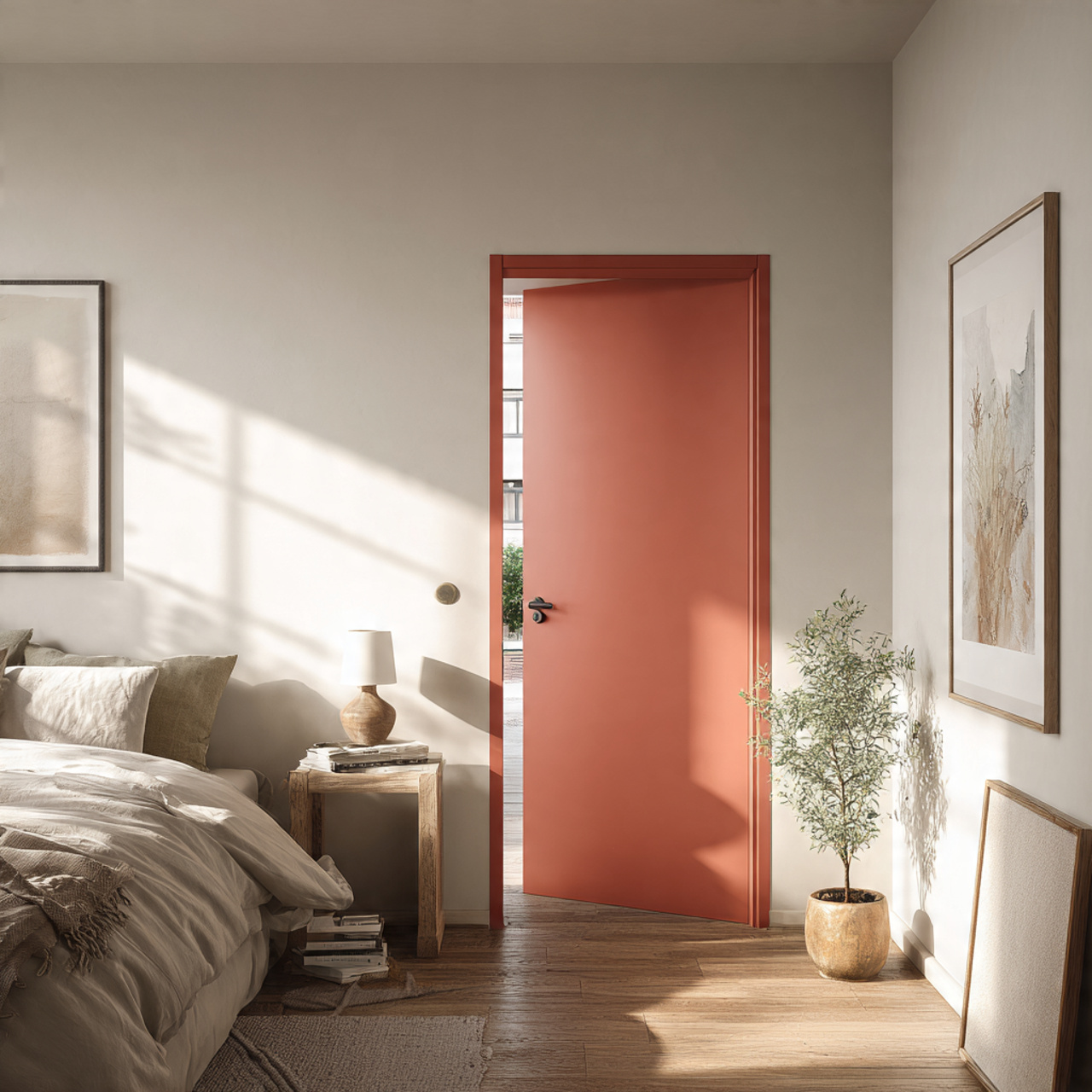
Accent-colored doors add character without dominating a room. They create a focal point without visual noise.
Living with one often feels personal rather than decorative. The choice reflects taste without excess.
Neutral surrounding walls keep the look flexible. This allows changes later without repainting everything.
Frosted Bathroom Doors That Feel Lighter and More Open
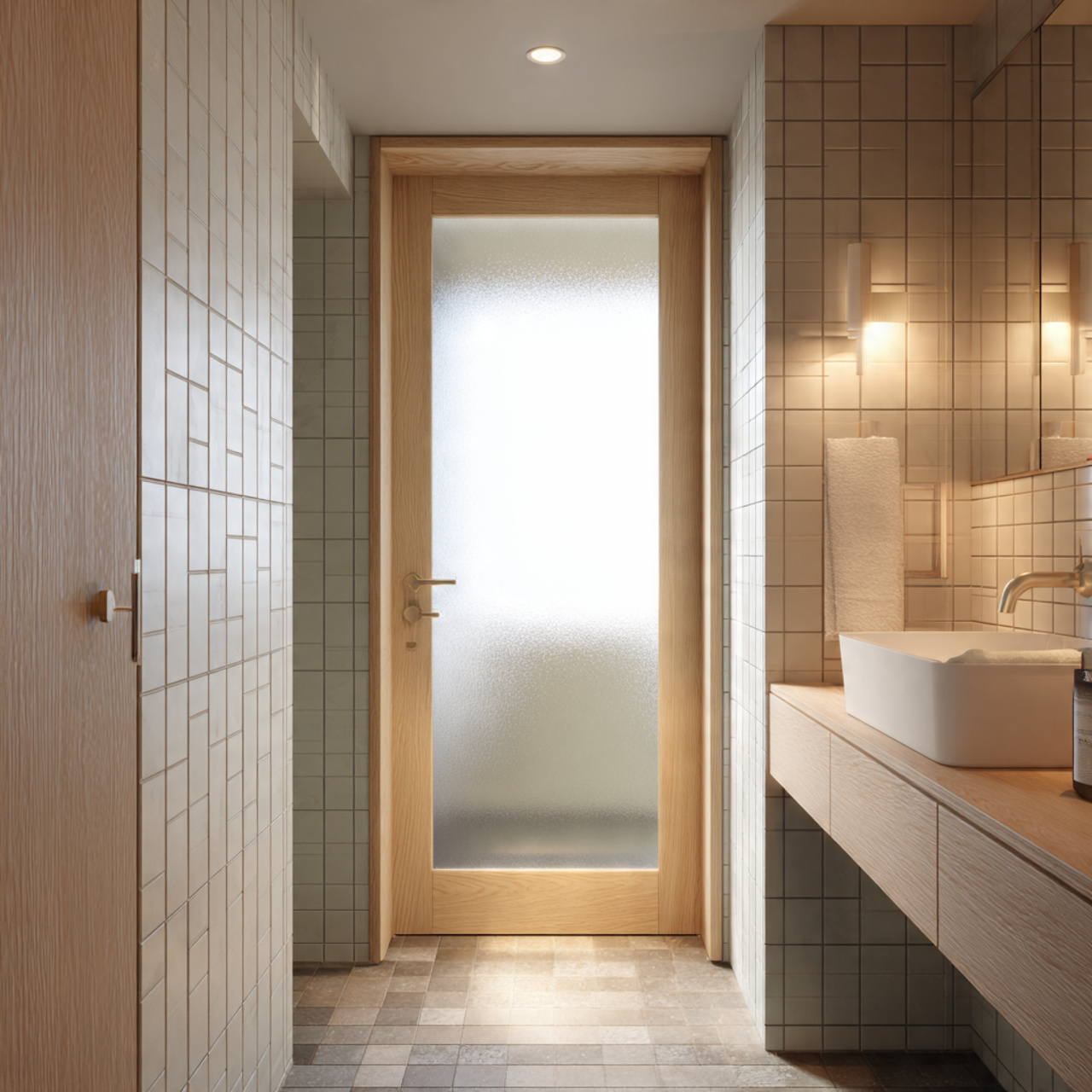
Frosted doors allow light to pass while maintaining privacy. Bathrooms feel brighter and less enclosed.
This openness improves daily comfort over time. It is especially helpful in homes with limited daylight.
Durable frames and quality glass matter here. They preserve performance through years of use.
Visit Also: Front Door
Traditional Front Doors Paired With Modern Hardware
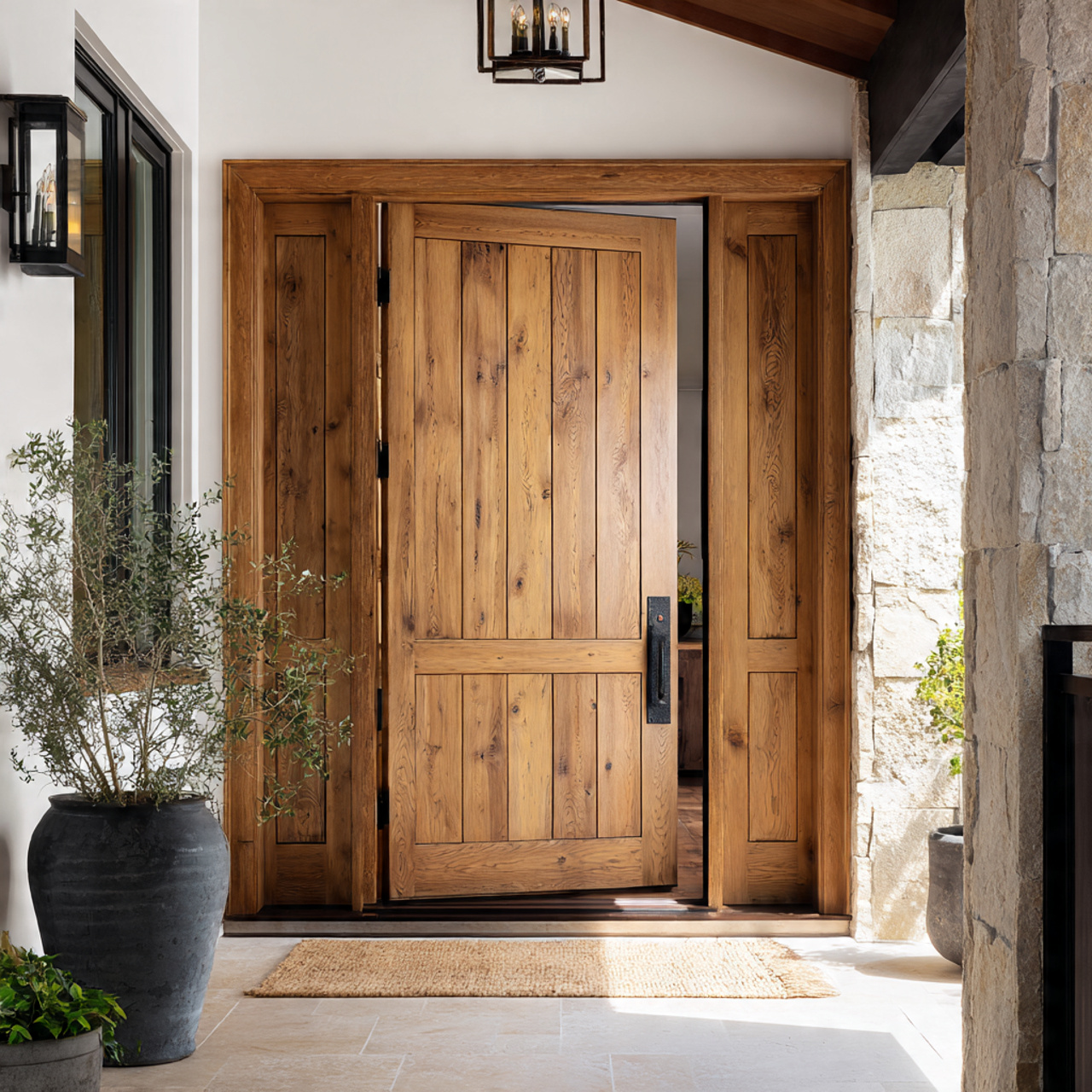
Traditional door profiles bring familiarity and balance to a home’s exterior. The look feels grounded and timeless.
Paired with modern hardware, they avoid feeling dated. The contrast keeps the design current.
Hardware can change over time if needed. The door itself remains relevant for decades.
Common Door Design Mistakes
Choosing Hollow Doors Everywhere
Hollow doors are often chosen to save money, but they allow noise to travel freely. Over time, this creates daily frustration.
Upgrading selectively from the start prevents costly replacements later.
Ignoring Door Swing and Clearance
Poor swing planning leads to doors colliding with furniture or blocking walkways. The inconvenience never truly disappears.
Testing swing paths early avoids long-term layout problems.
Overcommitting to Trend-Driven Hardware
Trendy finishes date quickly and make doors feel older than they are. Replacement becomes inevitable.
Neutral hardware keeps doors adaptable.
Skipping Finish and Color Testing
Lighting changes how colors appear. Without testing, doors can feel mismatched once installed.
Samples prevent long-term visual regret.
Frequently Asked Questions
Are solid core doors worth the extra cost?
Yes, especially in bedrooms and offices. The improvement in privacy and quiet is noticeable daily.
Can dark doors work in small homes?
They can when used selectively and balanced with light walls. Overuse is what creates heaviness.
When do pocket doors make the most sense?
During renovations when walls are already open. Retrofitting later is disruptive and costly.
Are glass doors practical for families?
Textured or frosted glass works well, sharing light without sacrificing privacy.
How long should interior doors last?
Quality doors last decades. Replacement usually comes from poor initial choices, not wear.
Final Thought
Good door design is less about trends and more about how a home feels over time. When doors are chosen for sound control, light flow, and daily movement, spaces become easier to live in and less demanding to manage. Thoughtful decisions made once continue to pay off quietly, making door design a long-term foundation for comfort and balance.