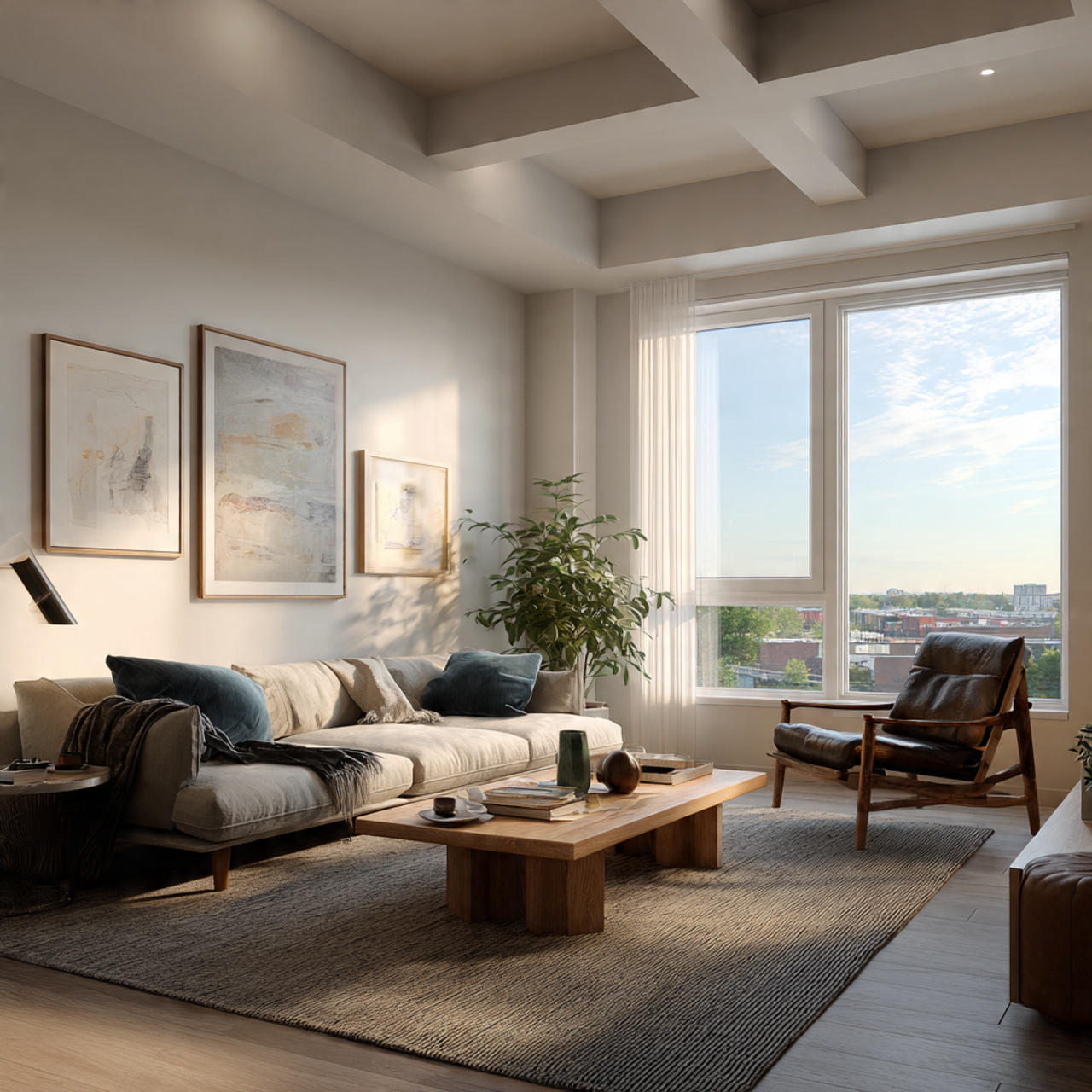
12 Best Kitchen Flooring Choices Designers Secretly Prefer
Most people think choosing the best kitchen flooring is just about looks, but that’s rarely how it plays out in real homes. I’ve seen beautiful floors start to feel frustrating within weeks simply because they didn’t match how the kitchen was actually used. The truth is, flooring shapes how your kitchen feels every single day.
In real spaces, spills happen, chairs scrape, and sunlight changes how everything looks throughout the day. The best kitchen flooring isn’t just stylish, it quietly supports your routine without creating extra work. Once you notice that difference, it completely changes how you choose.
Best kitchen flooring works best when durability, easy maintenance, and warm visual balance come together in a way that suits real daily use.
Why Best Kitchen Flooring Improves Everyday Kitchen Living
The floor is one of the first things your feet touch every morning, yet it’s often the last decision people make. That small oversight can affect comfort, cleaning habits, and even how welcoming the kitchen feels over time. A well chosen floor quietly supports everything else in the space.
In my experience, the right flooring doesn’t draw attention to itself, it simply makes the kitchen easier to live in. It handles mess, reflects light in a soft way, and connects visually with cabinets and countertops. When those elements align, the whole room feels calm and complete.
Core Kitchen Flooring Ideas That Feel Beautiful and Work in Real Life
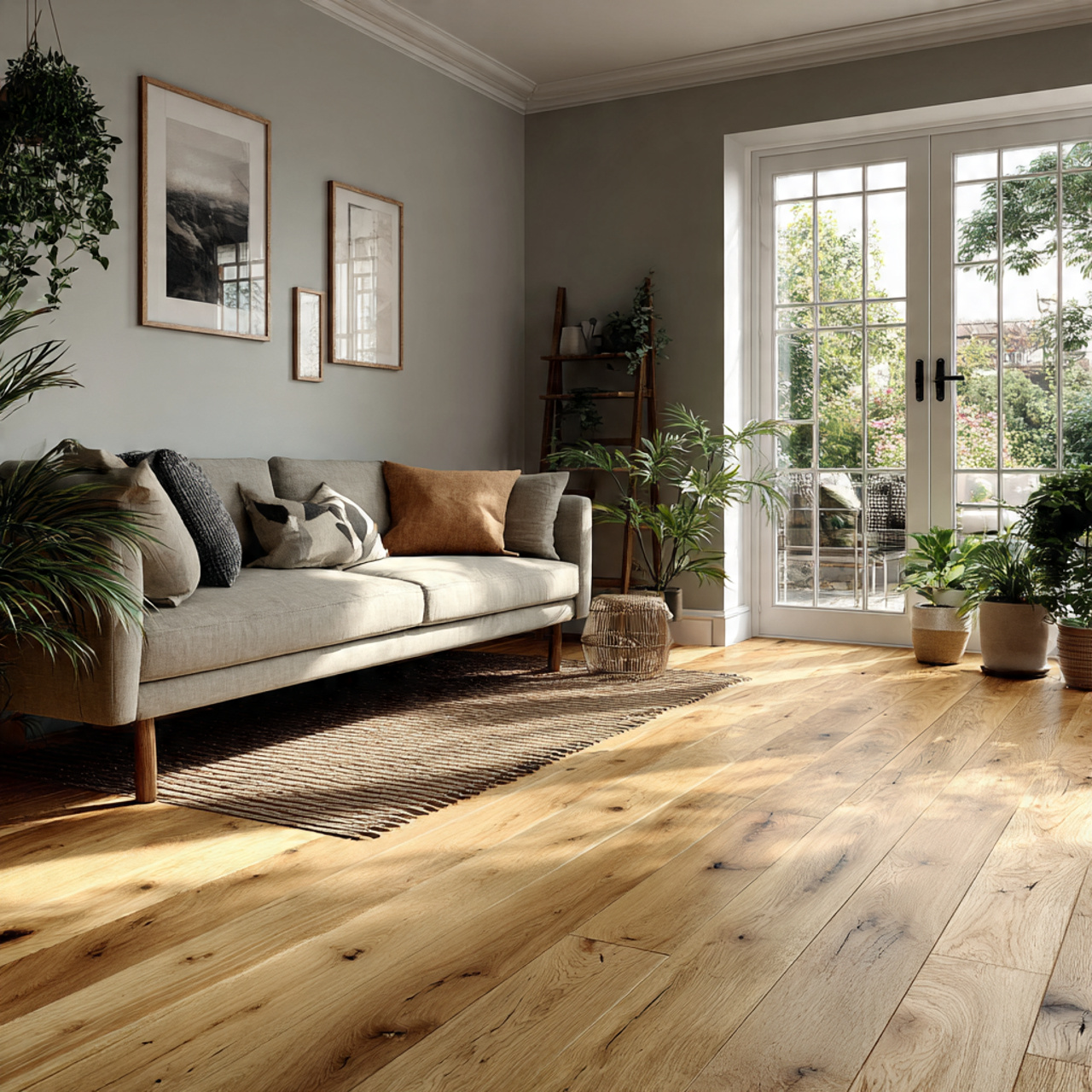
Light Oak Kitchen Flooring That Feels Warm From Morning to Evening
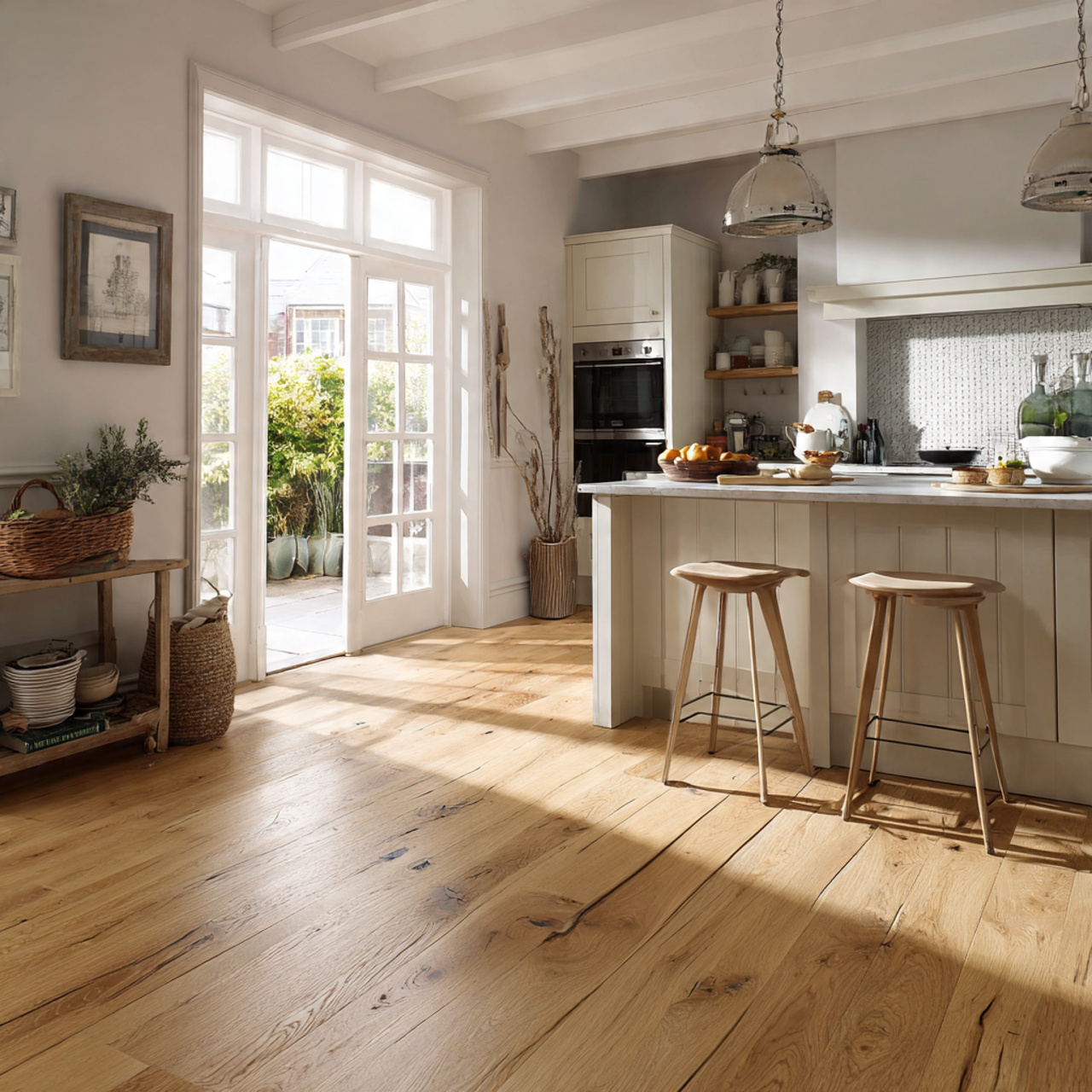
Morning light spreads softly across a light oak kitchen floor, making the whole space feel calm and open. The grain shows just enough texture without overwhelming the room, especially when paired with white cabinets and simple decor. It creates that quiet, cozy feeling you notice during slow breakfasts.
This works because lighter tones reflect natural light instead of absorbing it. In real homes, this makes kitchens look bigger and cleaner even on busy days. One thing I have noticed is that light oak hides dust better than darker floors, which most people do not expect.
To apply this, choose wide plank finishes with a matte texture rather than glossy ones. Keep surrounding colors neutral so the flooring stays the base instead of competing for attention. It works especially well in open plan spaces where continuity matters.
Tip: Choose matte finish oak tones to avoid glare and keep the look natural.
Beige Tile Kitchen Flooring That Keeps the Kitchen Visually Calm
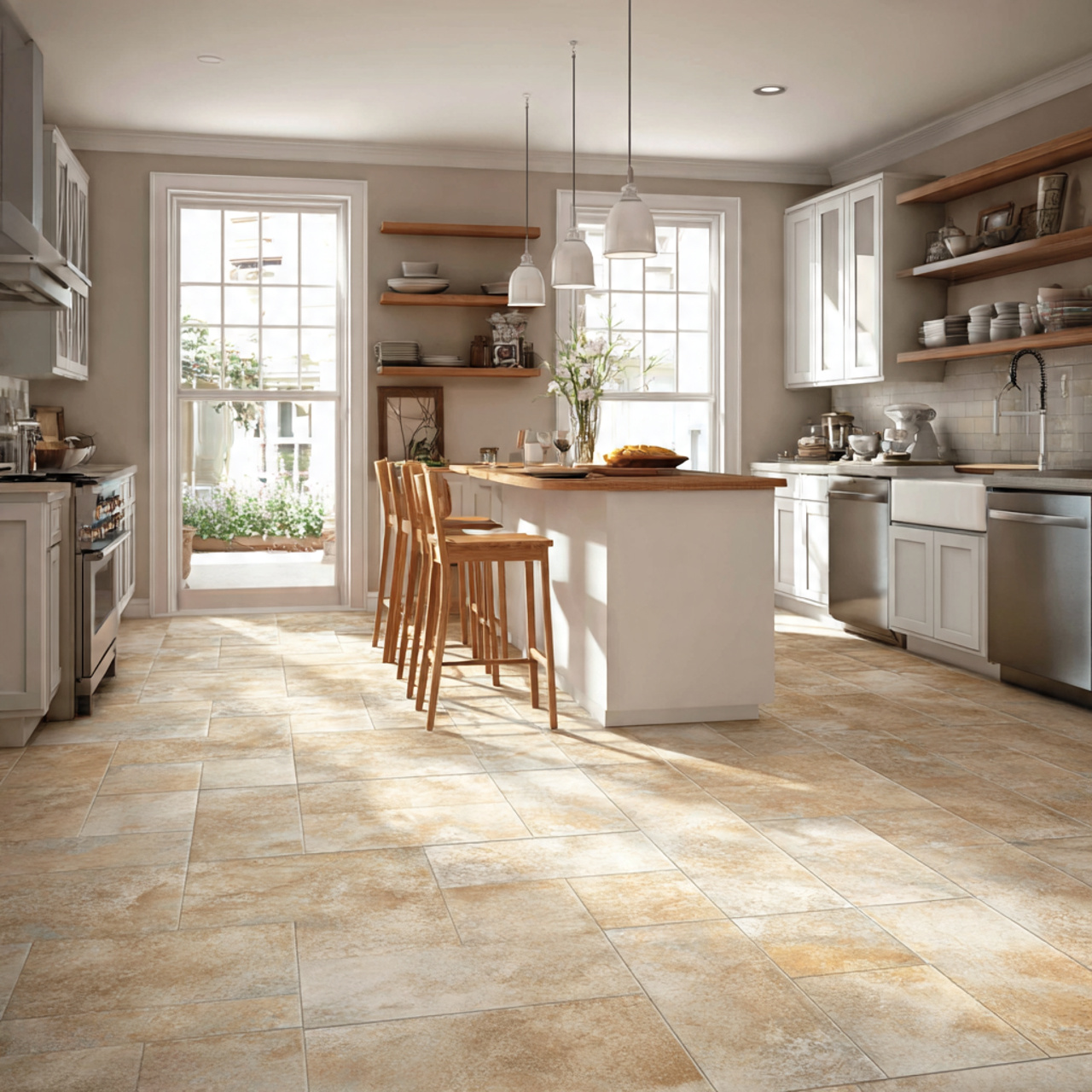
A soft beige tile floor paired with warm cabinets creates a grounded and balanced kitchen. The color feels subtle, but it ties everything together, especially when sunlight hits it in the afternoon. It gives the space a relaxed, lived in charm.
Beige works because it sits between warm and neutral tones, making it easy to style around. In my experience, this color ages better than trendy shades and does not feel outdated quickly. It also hides everyday marks better than pure white flooring.
Use medium sized tiles with minimal grout contrast to keep the surface looking seamless. Avoid overly patterned beige tiles if the goal is calmness, and instead let texture do the work.
Tip: Match grout color closely to tile to create a smoother visual flow.
Checkerboard Kitchen Flooring That Adds Personality Without Clutter
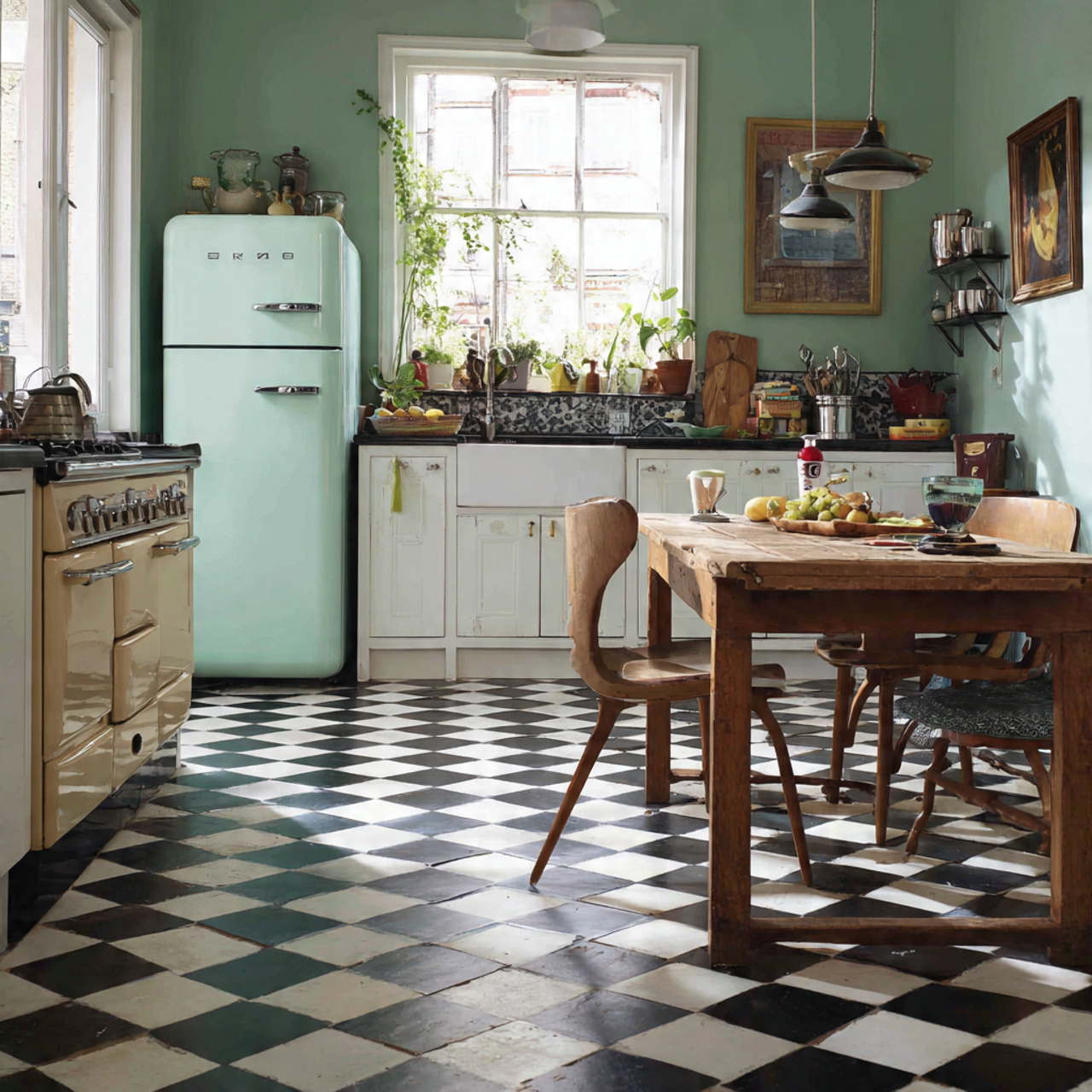
A black and white checkerboard floor instantly catches the eye the moment you walk into the kitchen. It creates a bold base while the rest of the space can stay simple and uncluttered. The contrast feels playful yet structured.
This works because strong patterns draw attention downward, reducing the need for busy decor elsewhere. I once assumed this would feel overwhelming, but in real homes it often simplifies styling decisions instead of complicating them.
To make it work, keep cabinets and walls neutral so the floor becomes the focal point. Softer versions with beige and cream tones also work if you want less contrast.
Tip: Use larger checker tiles to avoid making the space feel too busy.
Wood Look Tile That Gives Warmth Without Worry
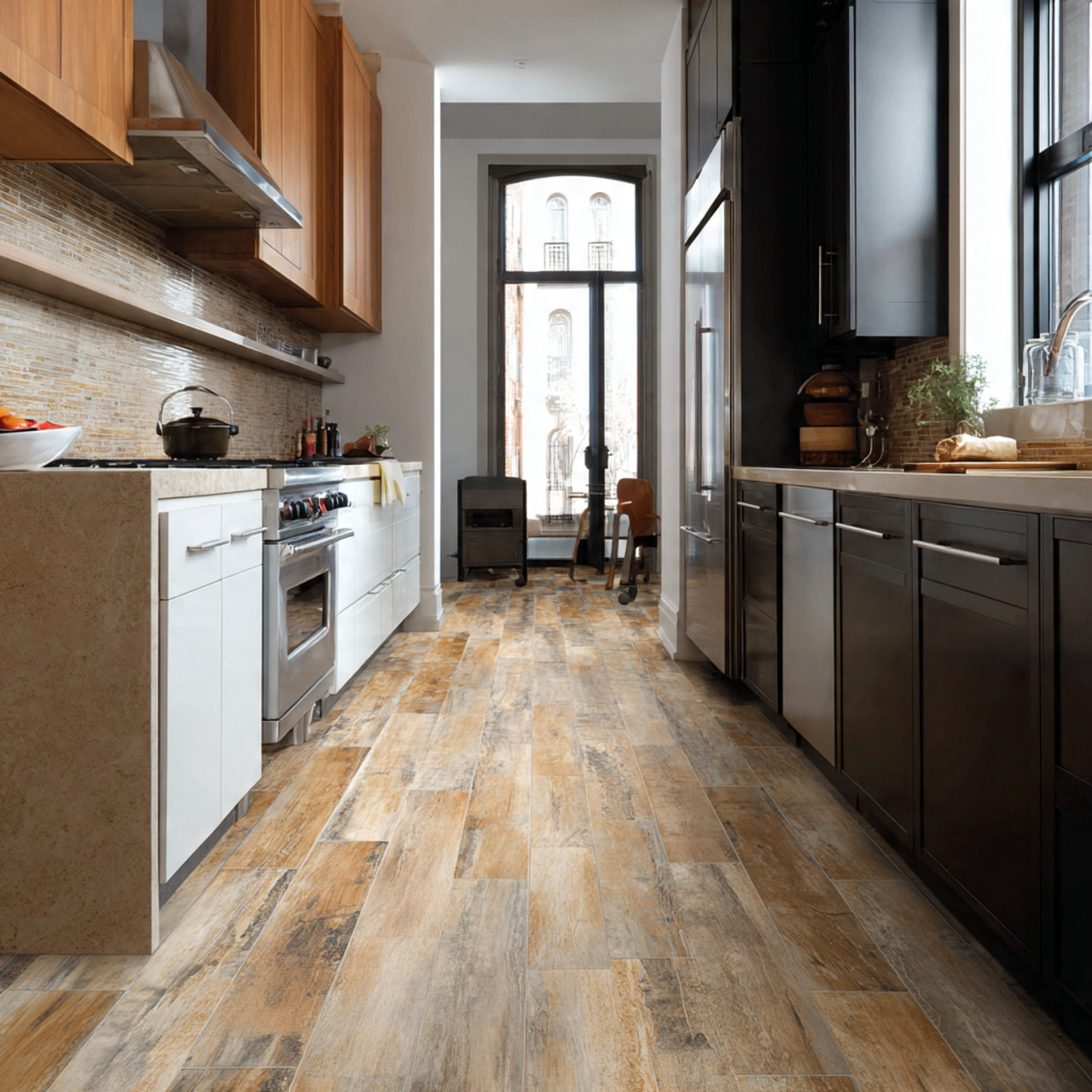
From a distance, it looks like real wood, but it handles water and spills far better. The surface stays consistent even in high traffic areas, making it ideal for kitchens that see daily use. It creates a warm and practical foundation.
This works because it combines the aesthetic of wood with the durability of tile. After living with similar flooring, I noticed it required far less maintenance than traditional wood. That alone makes it a strong long term choice.
Choose planks with subtle grain variation and avoid overly glossy finishes. Lay them in a straight or herringbone pattern depending on how much visual interest you want.
Tip: Go for textured finishes to make the surface feel more natural.
Cream Tile Flooring That Softens the Entire Space
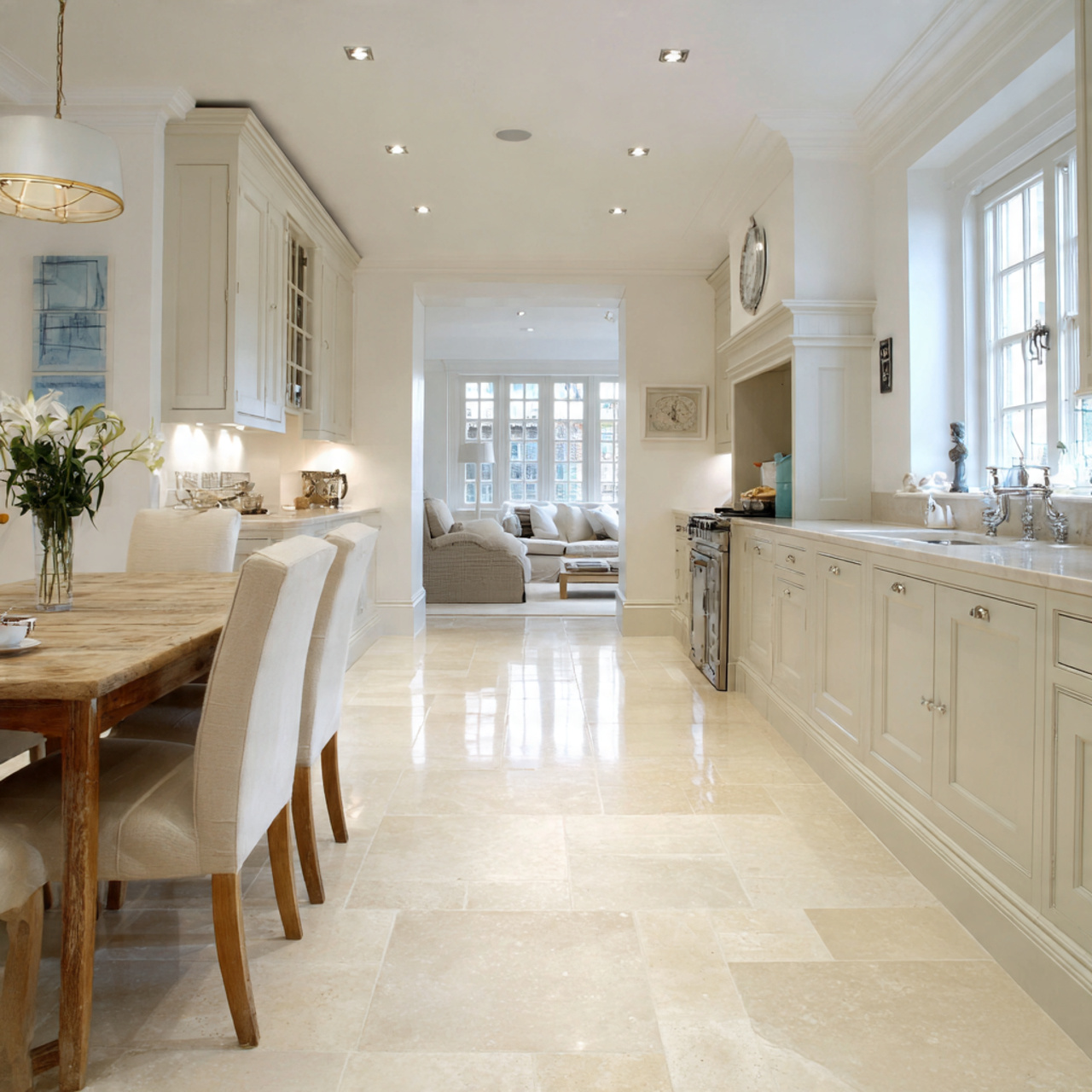
Cream toned tiles create a soft and welcoming base that feels gentle on the eyes. When paired with warm lighting, the floor almost glows in the evening, making the kitchen feel more inviting.
This works because cream tones reduce harsh contrast and blend smoothly with most cabinet colors. In real homes, this creates a more relaxed atmosphere compared to stark white flooring.
Use larger tiles to reduce grout lines and keep the look clean. Pair with warm metallic accents like brass or bronze for added depth.
Tip: Avoid cool lighting if you want to keep the cream tone warm and cozy.
Patterned Tile Kitchen Flooring That Becomes the Room’s Centerpiece
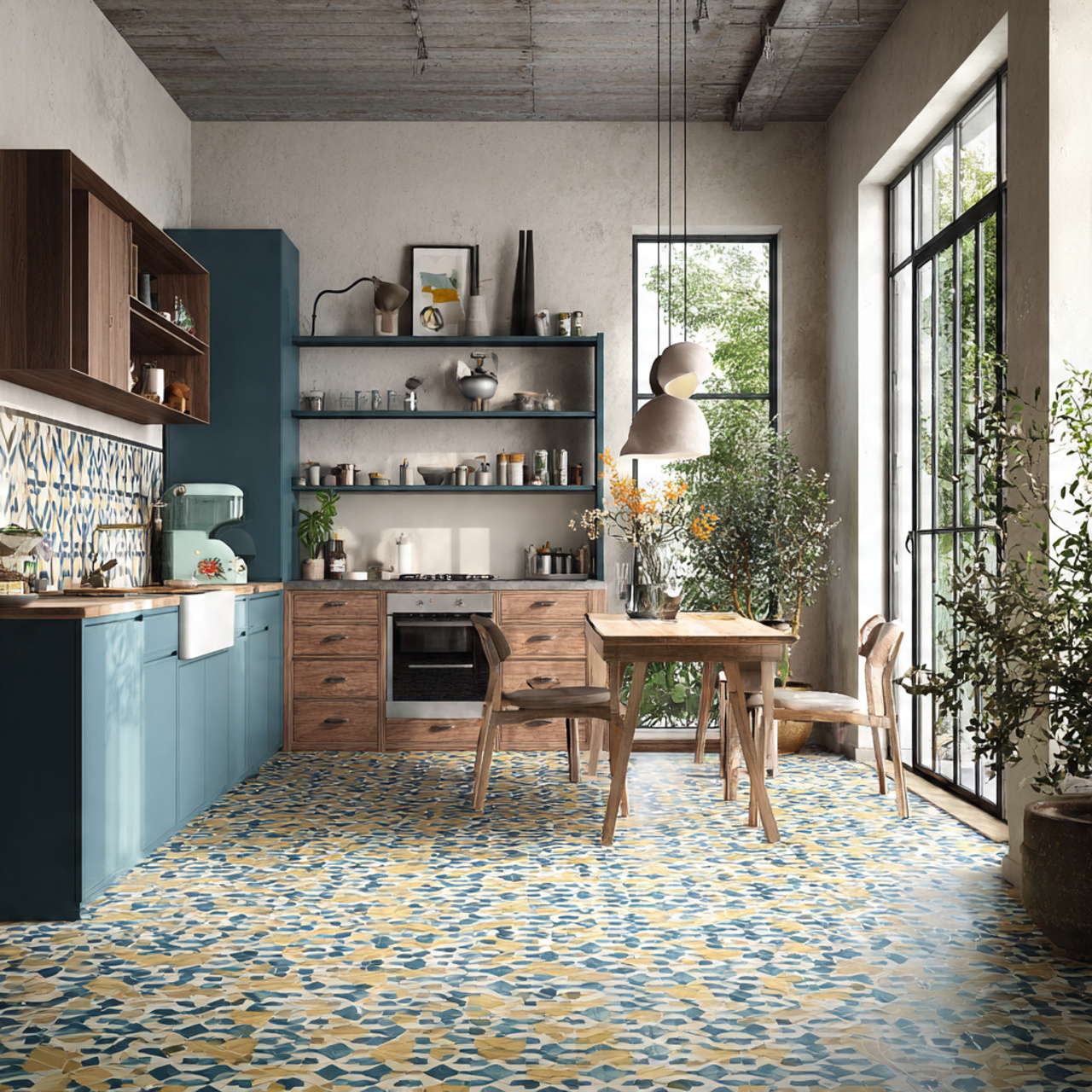
A patterned tile floor instantly transforms a simple kitchen into something memorable. The design draws your attention and gives the space character without needing extra decoration.
This works because the floor becomes the visual anchor. Most people assume they need more decor, but a strong floor pattern often replaces that need completely.
Keep surrounding elements simple so the pattern can stand out. Choose colors that connect with cabinets or countertops to keep everything cohesive.
Tip: Use patterns in smaller kitchens to create a strong visual identity.
Vinyl Kitchen Flooring That Handles Real Life Without Stress
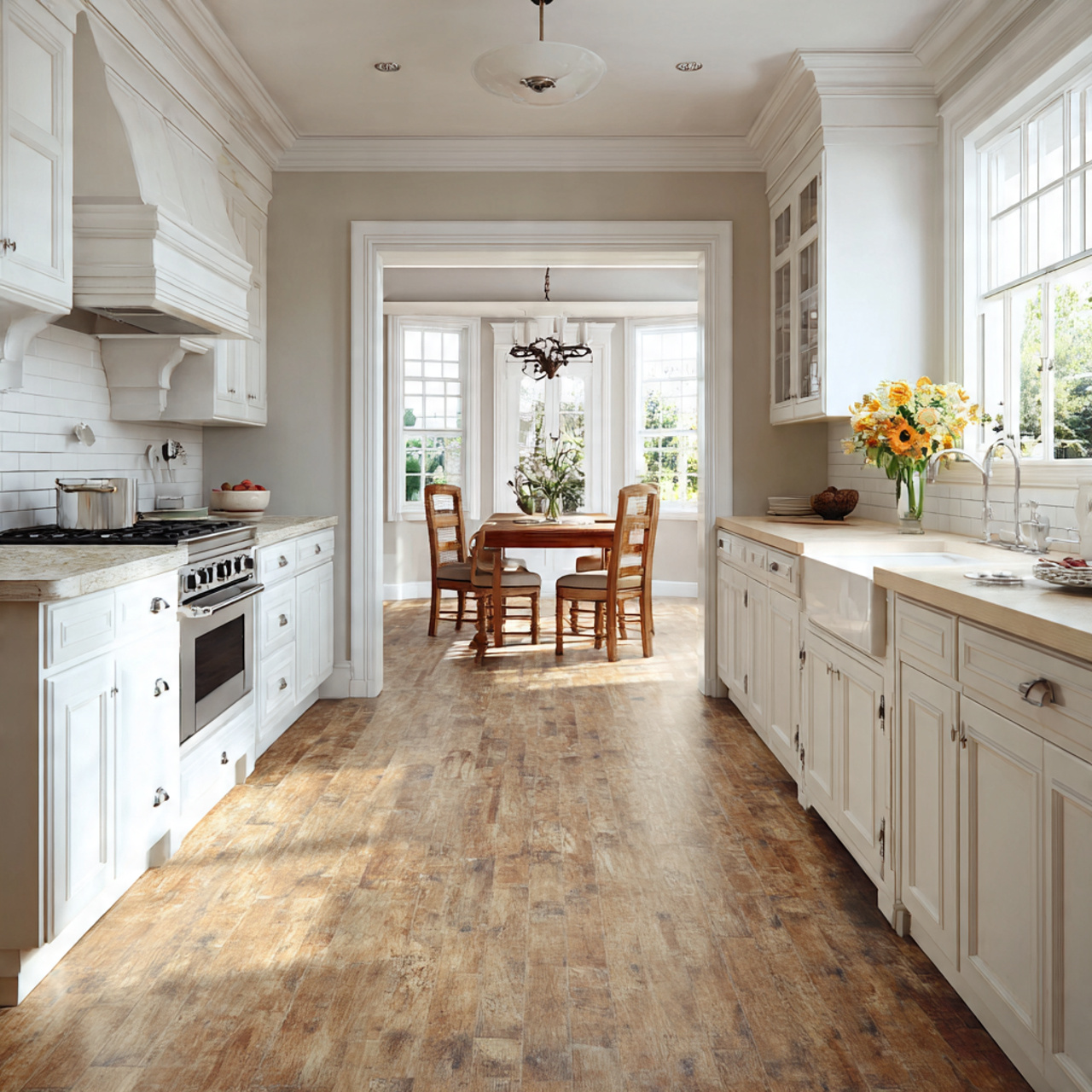
A clean vinyl floor with a subtle wood look creates a practical and comfortable kitchen. It feels softer underfoot, which you notice during longer cooking sessions or busy mornings.
This works because vinyl is both water resistant and forgiving. In my experience, it reduces the stress of spills and daily wear, especially in family kitchens.
Choose high quality vinyl with realistic textures and avoid overly artificial finishes. Neutral tones work best for long term flexibility.
Tip: Go for thicker vinyl planks for better durability and comfort.
Stone Kitchen Flooring That Feels Grounded and Timeless
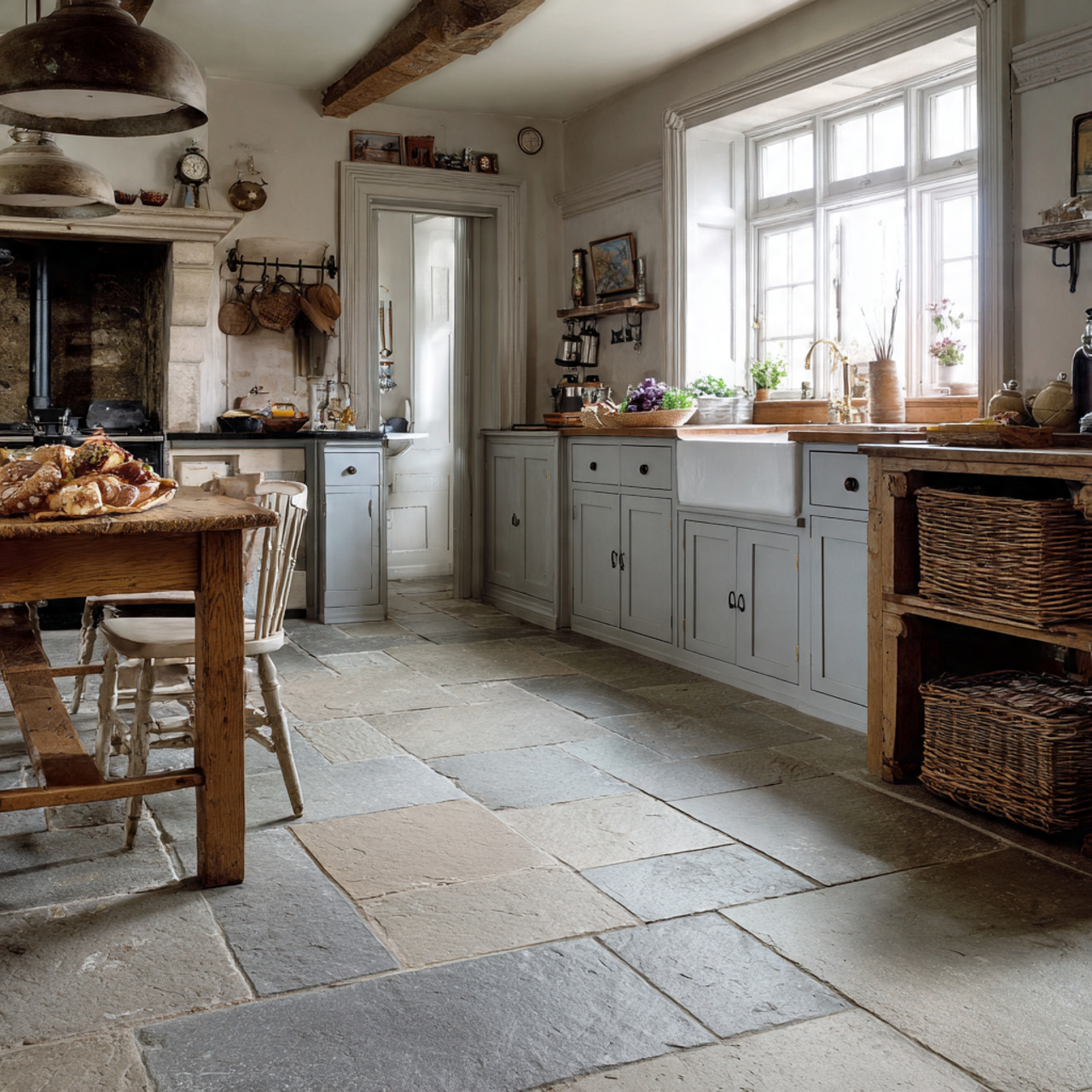
Natural stone floors bring a sense of weight and permanence to the kitchen. The texture feels slightly uneven in a way that adds character rather than imperfection.
This works because stone ages beautifully over time instead of wearing out. One thing I noticed is that small marks often blend into the natural texture, making it look better with age.
Seal the surface properly and pair with warm lighting to soften the look. It works especially well in larger kitchens.
Tip: Use rugs in key areas to balance the hardness underfoot.
Small Scale Tile Kitchen Flooring That Defines Compact Kitchens
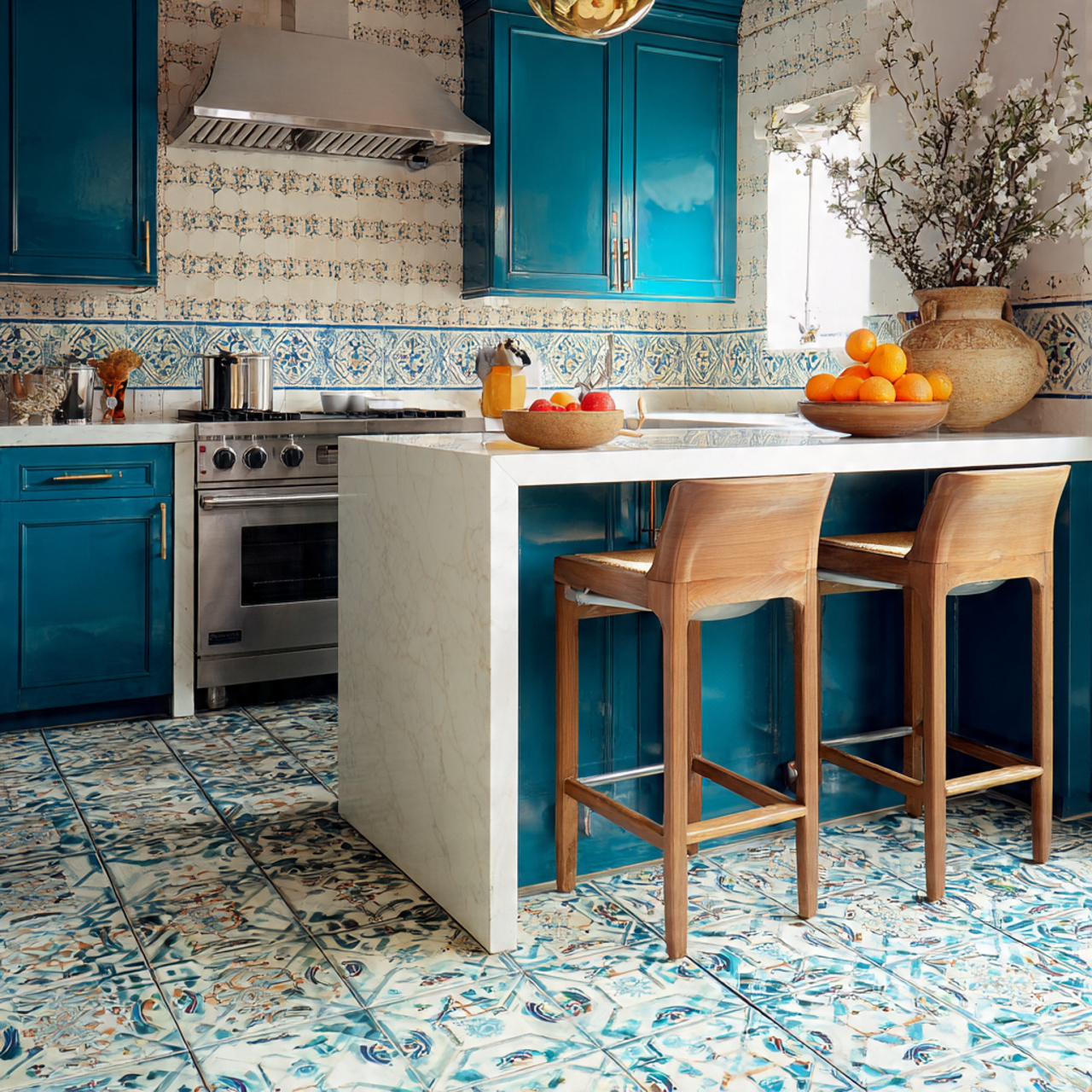
In a small kitchen, carefully chosen tiles create structure without overwhelming the space. The pattern guides your eye and makes the layout feel intentional rather than cramped.
This works because scale matters more in smaller spaces. Smaller tiles can add detail without making the room feel crowded if used thoughtfully.
Choose simple patterns and light tones to maintain openness. Avoid heavy contrast which can break visual flow.
Tip: Use consistent tile layout to make the space feel more organized.
Open Plan Flooring That Connects Kitchen and Living Areas
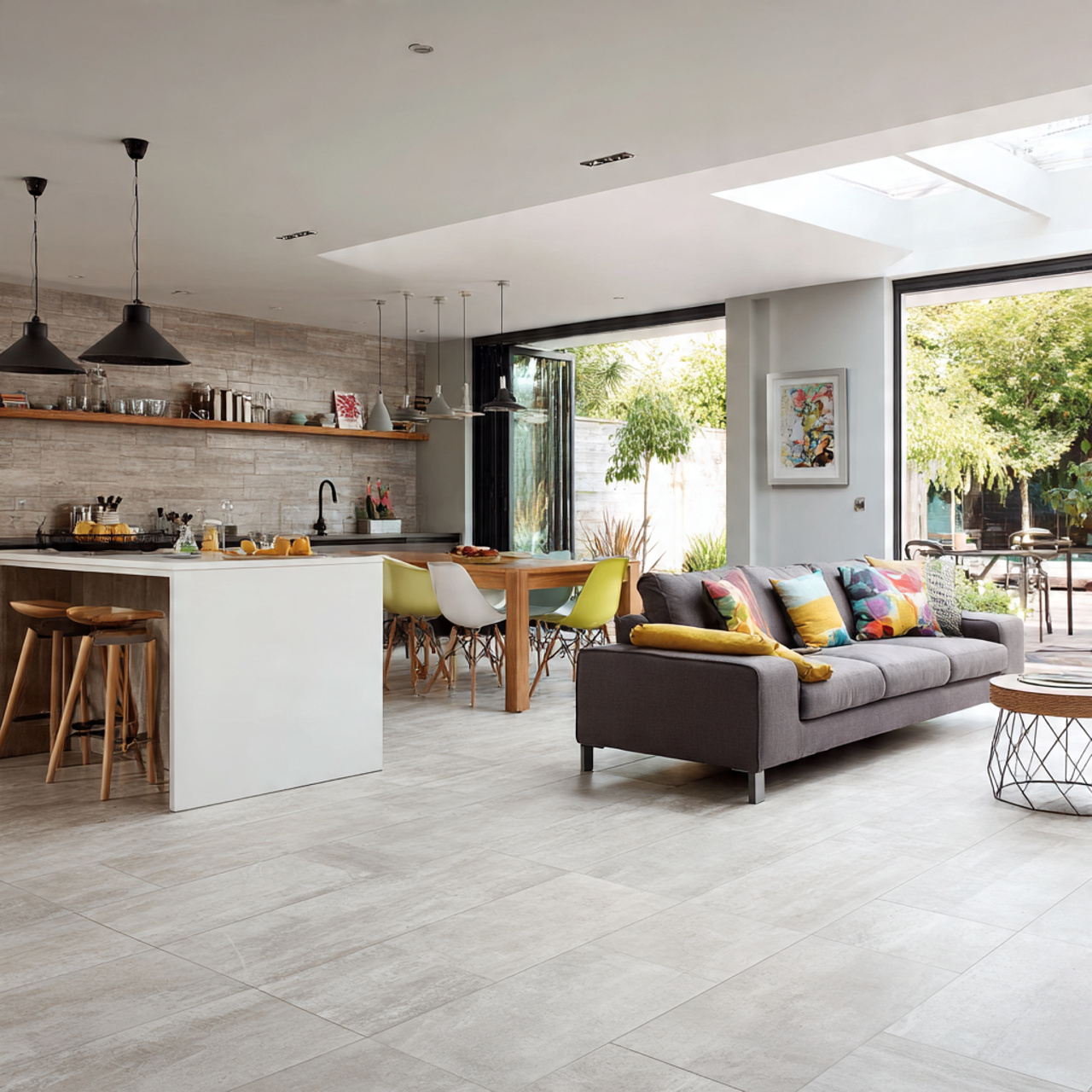
A continuous floor running from kitchen into living space creates a seamless visual experience. It makes the entire area feel larger and more connected.
This works because fewer transitions reduce visual breaks. In real homes, this creates a smoother flow and makes cleaning easier too.
Use the same material throughout or very closely matched tones. Keep finishes consistent to avoid visual disruption.
Tip: Avoid mixing too many flooring types in open layouts.
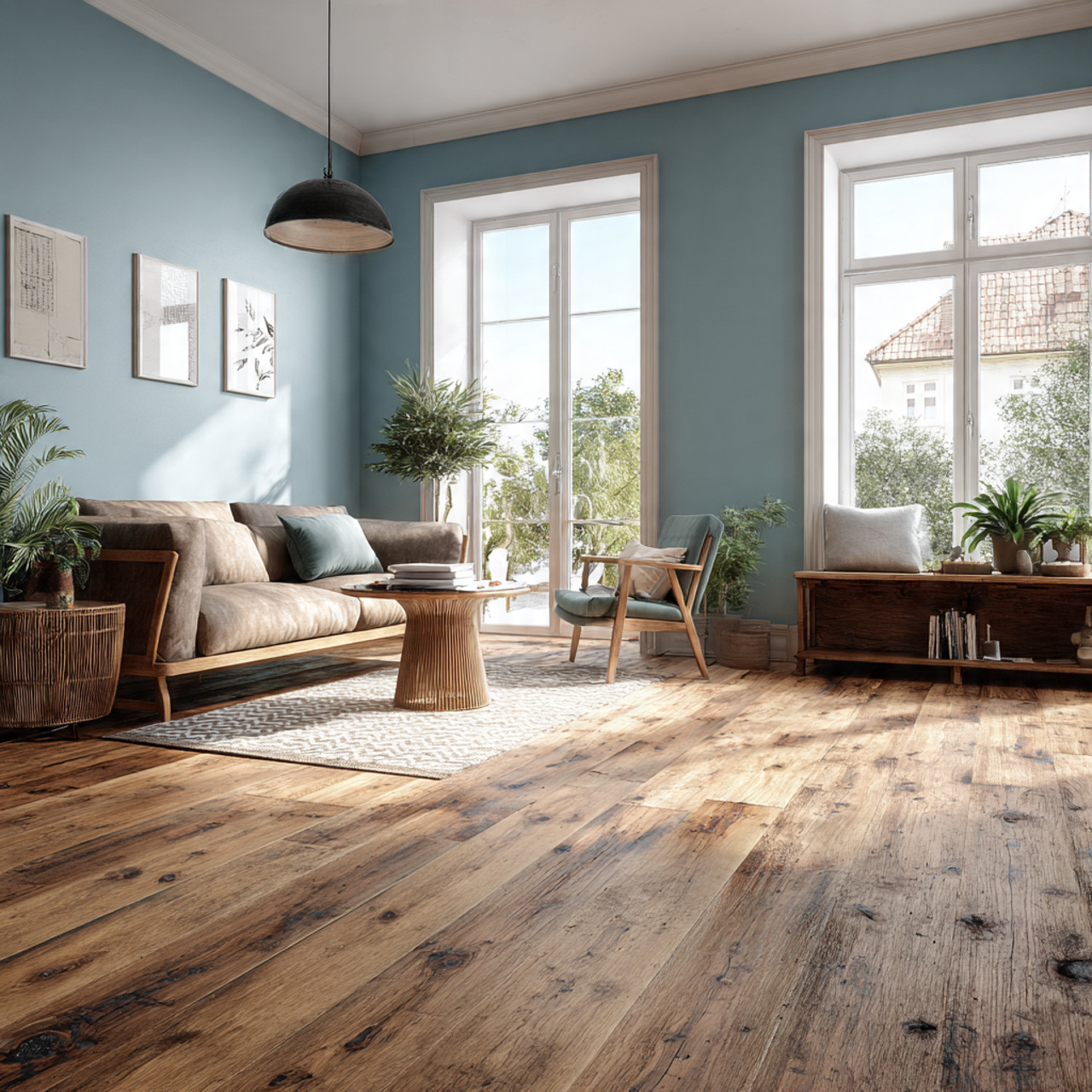
Reclaimed Wood Kitchen Flooring That Adds Character Over Time
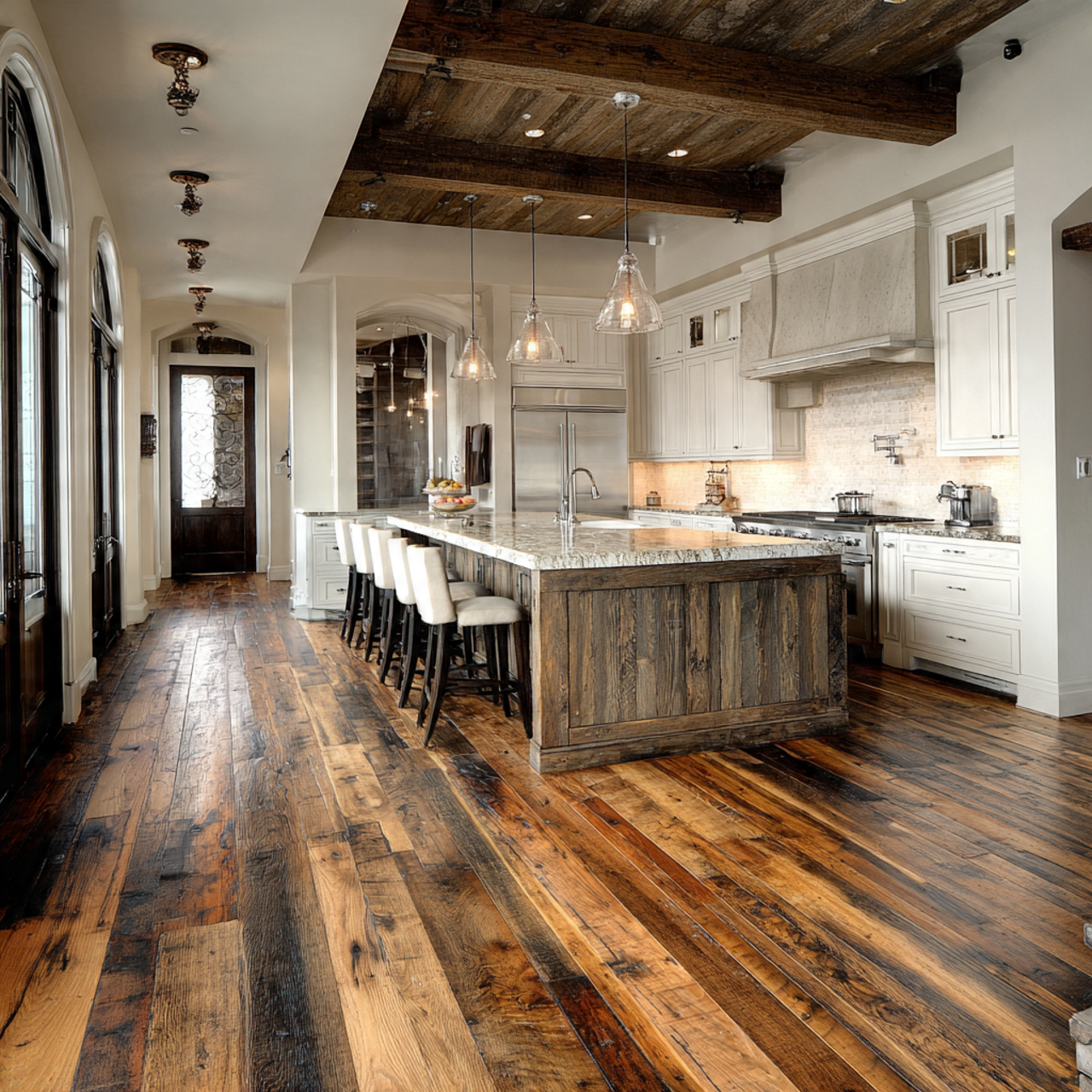
Reclaimed wood floors bring a sense of history into the kitchen. Each plank has small imperfections that make the space feel lived in and authentic.
This works because imperfections create warmth and personality. After seeing it in real homes, it often feels more inviting than perfectly polished surfaces.
Seal the wood properly and balance it with modern elements so it does not feel too heavy. It pairs well with neutral palettes.
Tip: Choose lightly finished reclaimed wood to keep the space from feeling dark.
Mixed Flooring Zones That Define Functional Areas
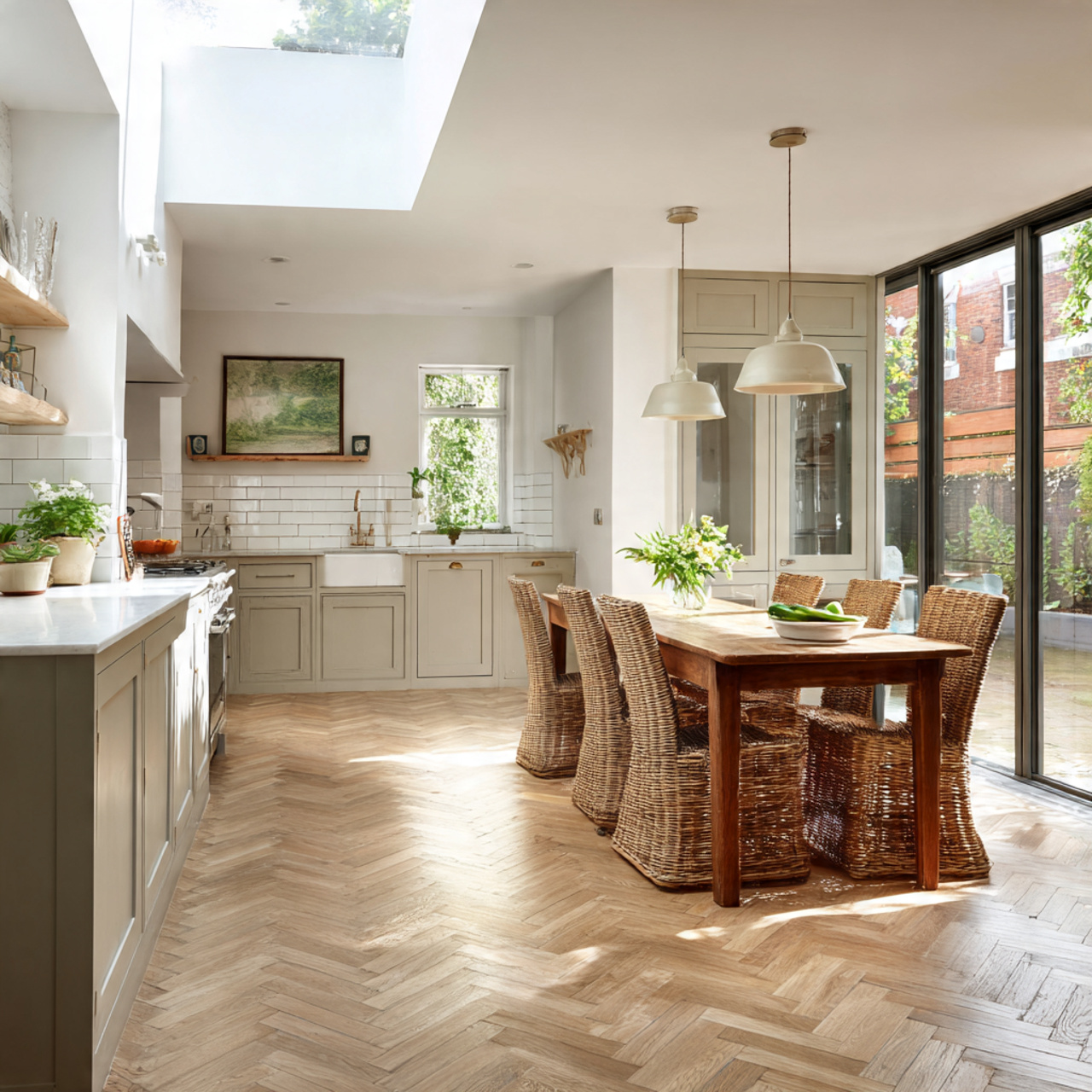
Using different flooring in zones can subtly define cooking and dining areas. It creates structure without needing walls or dividers.
This works because visual boundaries help organize space naturally. Most people overlook this, but it can improve both function and layout clarity.
Keep colors coordinated so transitions feel intentional. Use one dominant material and one supporting material.
Tip: Keep transitions clean and minimal to avoid a cluttered look.
A Real Best Kitchen Flooring Layout That Feels Calm and Lived In
Morning light falls gently across a soft beige tile floor, reflecting just enough warmth to make the kitchen feel inviting. You can almost picture a quiet coffee moment, with sunlight stretching across the surface and subtle textures catching the light. Nothing feels harsh or overly polished, just balanced and easy to live with.
The layout flows smoothly from the cooking area into a small dining corner without any visual breaks. Cabinets, flooring, and countertops all feel connected rather than competing for attention. The space feels calm, functional, and comfortable, like a kitchen that has been adjusted over time to truly work for everyday life.
Color and Material Combinations That Make Kitchen Flooring Feel Complete
Warm Beige (#E8DCCF)
Works beautifully on floor tiles and connects easily with most cabinet colors. It creates a soft and grounded mood that feels calm throughout the day. Pairs well with natural wood, matte stone, and brushed brass accents.
Cream White (#F5F1EA)
Ideal for kitchens that need brightness without feeling stark or cold. It creates a gentle, welcoming mood and reflects light in a softer way than pure white. Works best with oak wood, linen textures, and light marble surfaces.
Soft Greige (#D6D0C8)
Perfect for modern kitchens where you want a neutral base with a bit more depth. It creates a balanced mood that feels neither too warm nor too cool. Pairs nicely with concrete finishes, black metal, and warm wood tones.
Natural Oak (#C9A47E)
Best used through wood look flooring or real wood finishes to add warmth. It creates a cozy and lived in feeling that works across many styles. Combines well with white cabinetry, stone countertops, and soft woven textures.
Room Size and Lighting Guide for Kitchen Flooring That Feels Balanced
Small Kitchens That Need Openness
Use light flooring tones to reflect natural light and make the space feel wider. Keep finishes matte so the room feels soft instead of visually sharp.
Large Open Kitchens That Need Warmth
Layer flooring tones with warm undertones to avoid the space feeling empty or cold. Add soft lighting zones so the floor does not look flat in the evening.
North Facing Kitchens That Feel Cooler
Choose warm flooring shades like beige or oak to balance the lack of sunlight. Use layered lighting to bring back warmth and avoid a dull look.
South Facing Kitchens With Strong Sunlight
Go for neutral or slightly muted flooring tones to prevent glare. Matte finishes help control brightness and keep the space comfortable.
Common Kitchen Flooring Mistakes That Affect Real Homes
Choosing Flooring Only Based on Looks
Many people focus on how the floor looks in photos without thinking about daily use. This often leads to frustration when spills, scratches, or cleaning become difficult.
Instead, choose flooring that balances appearance with durability so it still works after months of use.
Using Dark Floors in Busy Kitchens
Dark floors seem stylish at first but quickly show dust, crumbs, and marks throughout the day. This makes the kitchen feel messier even when it is clean.
Switch to mid tone or light finishes that hide everyday wear more naturally.
Ignoring Flooring Flow in Open Spaces
Different flooring types placed next to each other can break the visual flow of the space. This makes the layout feel disconnected and smaller than it actually is.
Use consistent flooring or closely matched tones to create a smoother transition.
Choosing Glossy Finishes That Reflect Too Much
Glossy floors reflect light harshly and can feel uncomfortable in bright kitchens. Over time, they also highlight scratches and imperfections more than expected.
Go for matte or satin finishes to keep the look softer and more forgiving.
Frequently Asked Questions About Best Kitchen Flooring
How do I choose the best kitchen flooring for daily use?
Start by thinking about how your kitchen is actually used, not just how you want it to look. In busy homes, durability and easy cleaning matter more than perfect aesthetics. A good choice should handle spills, foot traffic, and still feel comfortable over time.
What flooring works best for small kitchens?
Lighter tones and seamless finishes usually work best in small kitchens. They reflect light and make the space feel more open than it really is. Avoid heavy patterns that can visually break the room into smaller sections.
Is vinyl flooring a good option for kitchens?
Vinyl flooring is one of the most practical choices for real homes. It handles water well, feels softer underfoot, and is easier to maintain compared to many other materials. In my experience, it reduces stress in kitchens that are used constantly.
Do tile floors make a kitchen feel cold?
Tile can feel cold if the color and lighting are not balanced properly. Warmer tones and layered lighting can completely change how the space feels. Adding small rugs in key areas also helps soften the experience.
What is the most low maintenance kitchen flooring?
Flooring that hides marks and cleans easily is usually the best long term choice. Mid tone tiles and quality vinyl tend to perform well in everyday conditions. They require less effort to keep looking clean compared to very light or very dark surfaces.
Final Thoughts on Choosing the Best Kitchen Flooring for Real Homes
Best kitchen flooring is not about chasing trends but about choosing something that quietly supports how your space is used every day. When the floor works well, everything else in the kitchen starts to feel easier and more natural.
Take a moment to think about your routine, your lighting, and how much wear your kitchen sees. Small choices like finish, tone, and material can make a bigger difference than most people expect, especially over time.