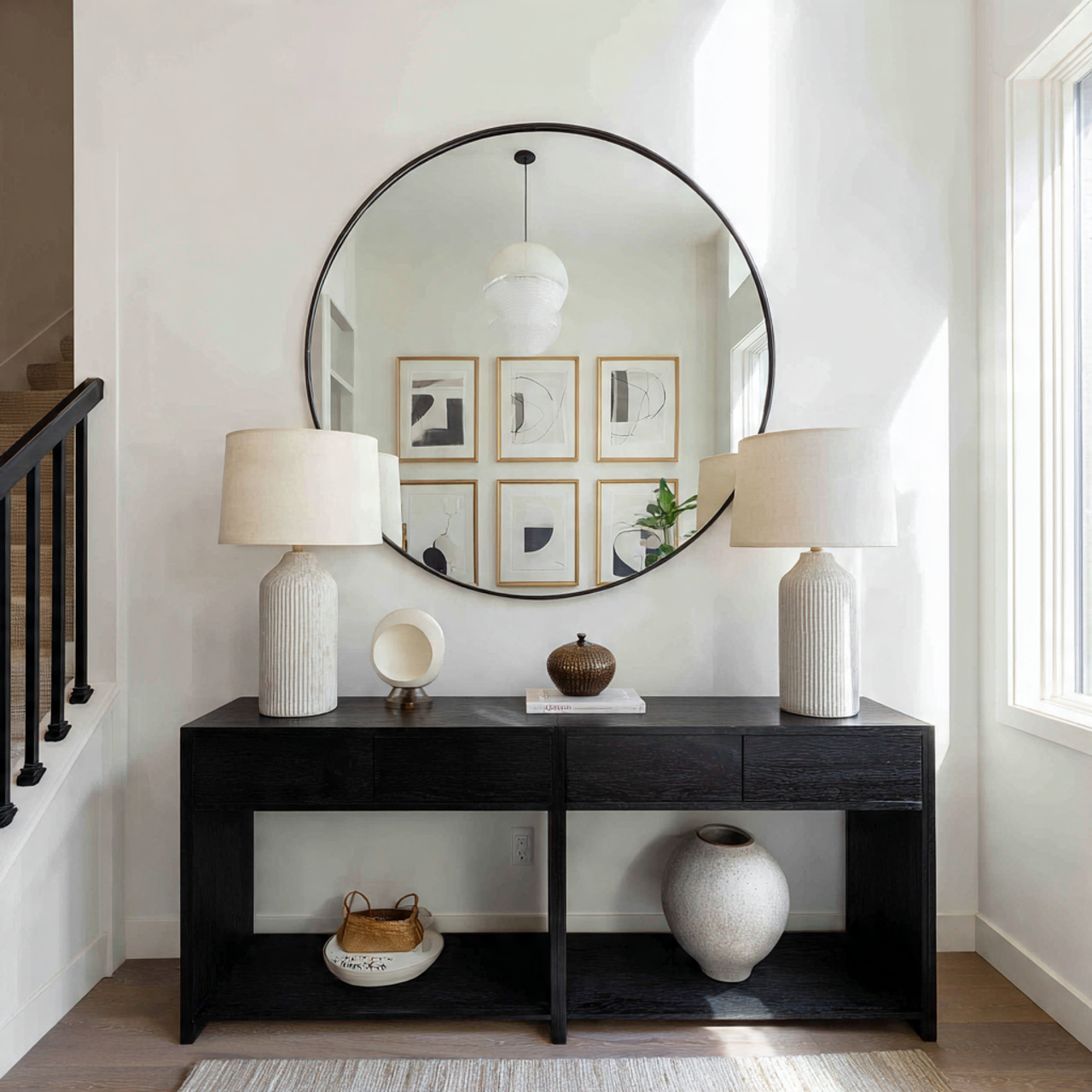
13 Genius Hallway Decorating Ideas Designers Never Reveal
Hallway decorating is often overlooked, yet it quietly shapes how your entire home feels from the moment you walk through the door. Many hallways end up feeling empty, narrow, or disconnected from the rest of the space, which can make even well decorated rooms feel incomplete. In my experience, thoughtful hallway decorating can instantly make a home feel more cohesive, warm, and intentionally styled.
One common problem is that hallways are treated as purely functional walkways rather than design opportunities. Long or narrow hallways often feel awkward, dark, or unfinished, especially when walls are left blank and lighting is minimal. With the right hallway decorating approach, these spaces can become calm transitions that add character and make the home feel more connected.
Hallway decorating works best when lighting, wall styling, and layered textures come together to create a space that feels welcoming, balanced, and naturally connected to the rest of the home.
Why Hallway Decorating Makes Your Home Feel More Welcoming and Connected
Hallway decorating helps create a natural flow between rooms, yet these spaces are often left empty or overlooked. When hallways feel unfinished, even well designed rooms can seem disconnected and less inviting. Thoughtful hallway decorating brings balance and makes the home feel more cohesive.
In many homes, small hallway decorating changes like soft lighting or subtle wall styling can shift the entire atmosphere. These simple updates help transform hallways from basic walkways into calm, connected spaces that enhance the overall home.
Hallway Decorating Ideas That Transform Empty Spaces Into Styled Moments
Statement Ceiling Detail That Draws the Eye Through the Hallway
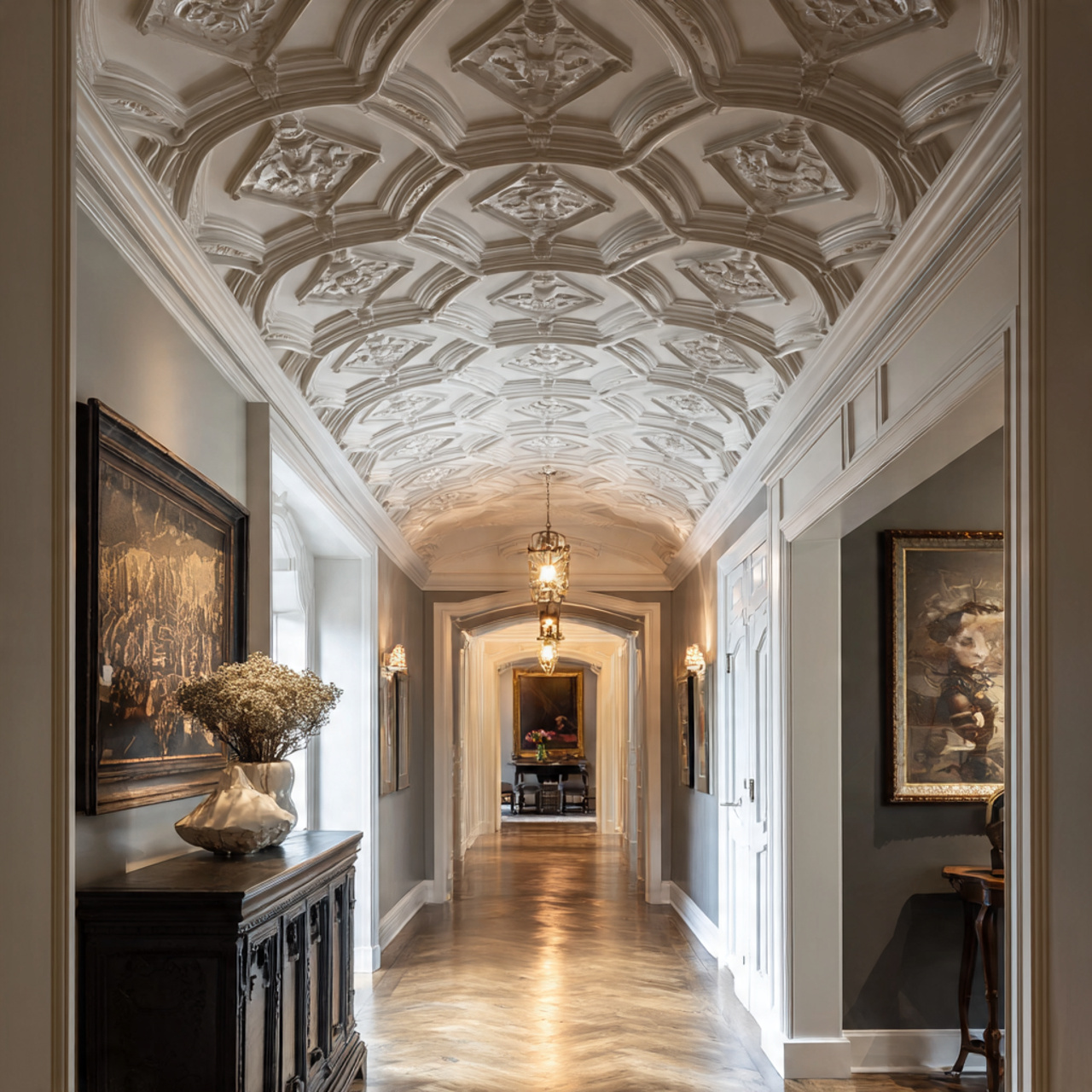
A hallway with subtle ceiling detail instantly feels more designed, even before you notice the walls or decor. Soft wood beams, painted trim, or gentle contrast color across the ceiling creates a visual path that guides the eye forward. In the evening, warm ceiling lighting reflecting across this detail creates a calm and layered atmosphere.
This works because hallways often lack natural focal points. Adding interest above eye level prevents the space from feeling flat or unfinished. It also makes narrow hallways feel taller and more visually balanced.
You can apply this with painted trim, subtle paneling, or even a slightly darker ceiling tone. Keep the rest of the hallway simple so the ceiling detail becomes the main feature.
Tip: Choose soft contrast instead of bold colors to keep the hallway calm and cohesive.
Soft Wall Sconce Lighting That Creates a Warm Evening Atmosphere
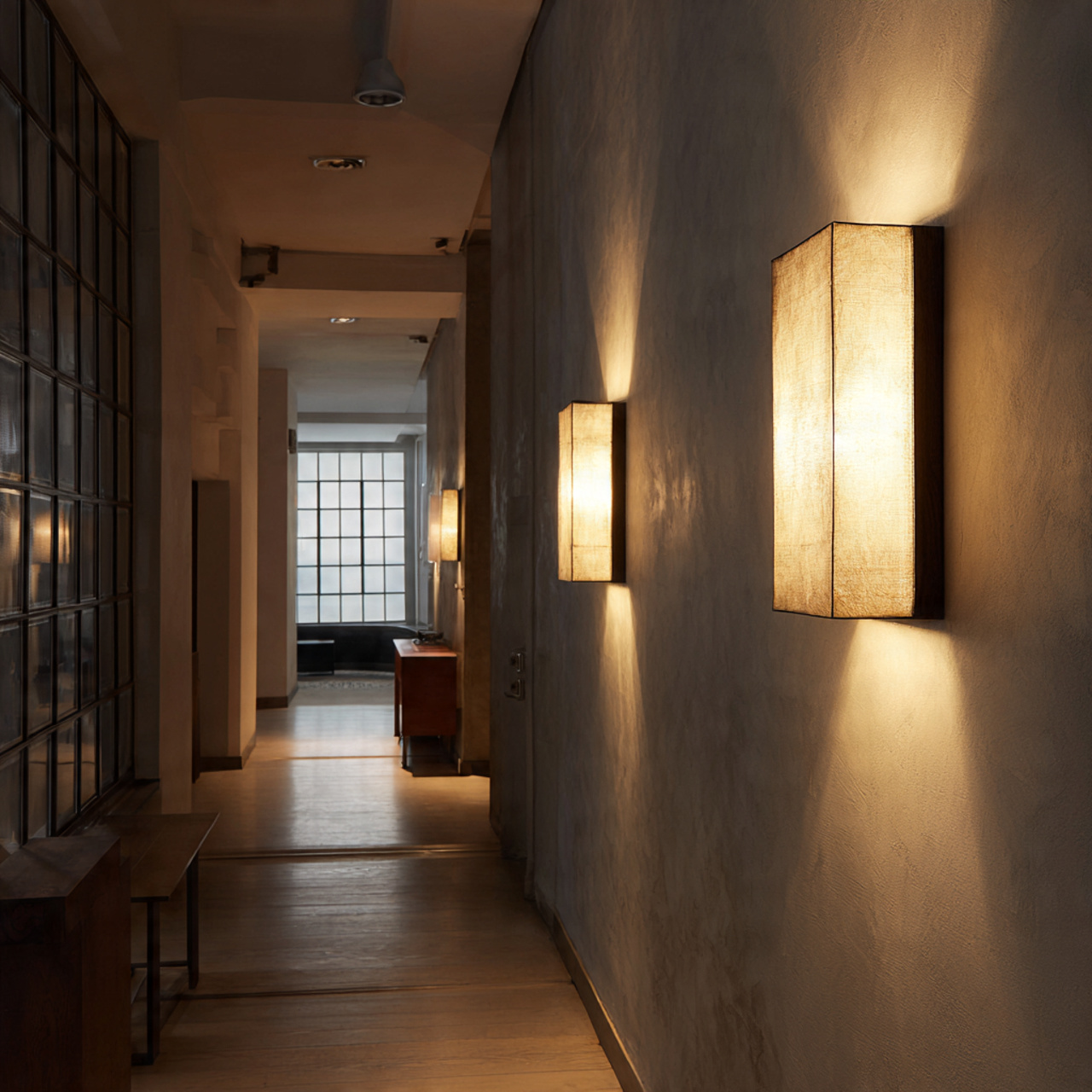
Walking through a hallway with soft wall lighting feels noticeably calmer than harsh overhead lighting. Gentle wall sconces create warm pools of light that add depth and texture across the walls. In the evening, this lighting creates a relaxed transition between rooms.
This works because layered lighting adds dimension and reduces shadows. Hallways often rely on one overhead light, which can feel flat and uninviting. Wall lighting creates a more comfortable and lived in atmosphere.
Install slim modern sconces spaced evenly along the hallway. Choose warm bulbs and neutral finishes so the lighting blends naturally with your decor.
Tip: Warm white bulbs create the most welcoming hallway atmosphere.
Vertical Wall Paneling That Adds Height and Architectural Interest
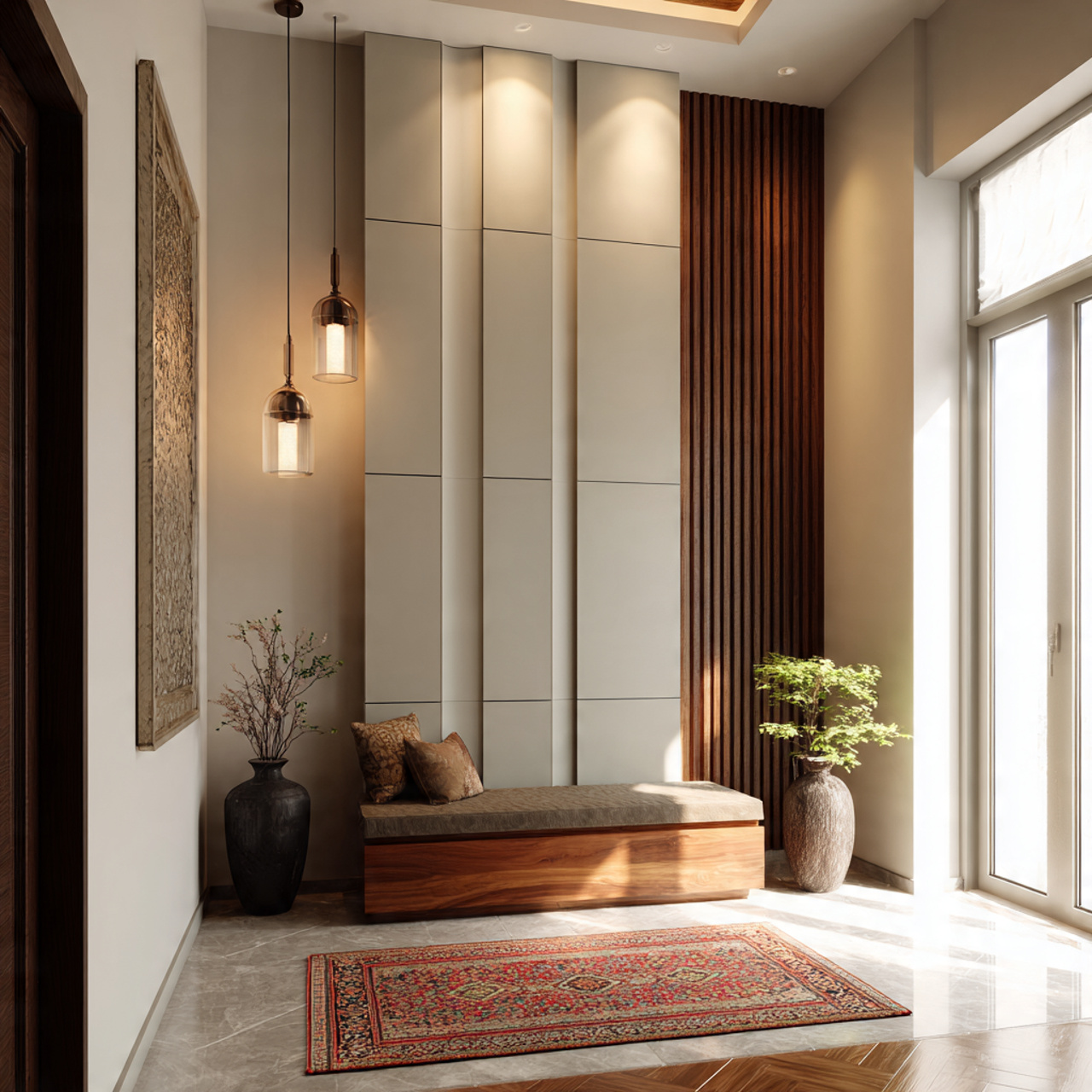
Tall vertical paneling instantly makes a hallway feel more structured and intentional. Soft neutral paneling paired with simple trim creates subtle texture without overwhelming the space. Natural light moving across the panels adds gentle visual movement throughout the day.
This works because vertical lines visually stretch the hallway height. It also introduces architectural detail that makes even simple homes feel custom designed.
Use soft neutrals like warm white, taupe, or light greige for a calm finish. Keep panel spacing even and minimal for a modern feel.
Tip: Narrow panel spacing works best in smaller hallways.
Large Statement Artwork That Anchors the Hallway
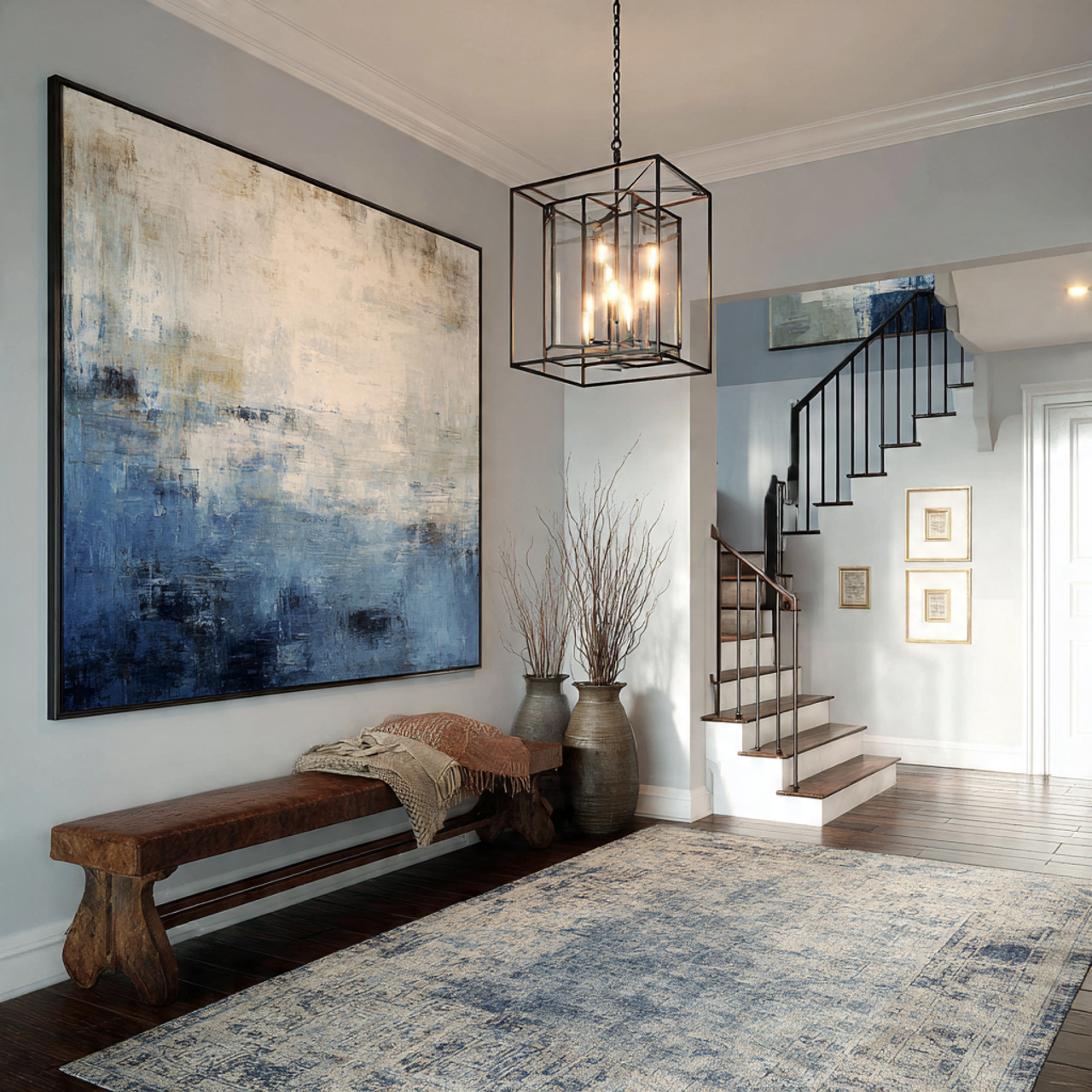
A single oversized artwork can completely transform an empty hallway wall. A calm landscape, abstract painting, or soft textured art adds personality without clutter. The hallway begins to feel more like a designed space rather than a transition area.
This works because one large focal point simplifies visual clutter. Multiple small frames can sometimes feel busy in narrow hallways, while one large piece keeps the space calm.
Choose artwork with soft tones that connect with nearby rooms. Center the piece at eye level to maintain balance.
Tip: Oversized art works especially well in longer hallways.
Mixed Material Wall Styling for a Collected Home Feel
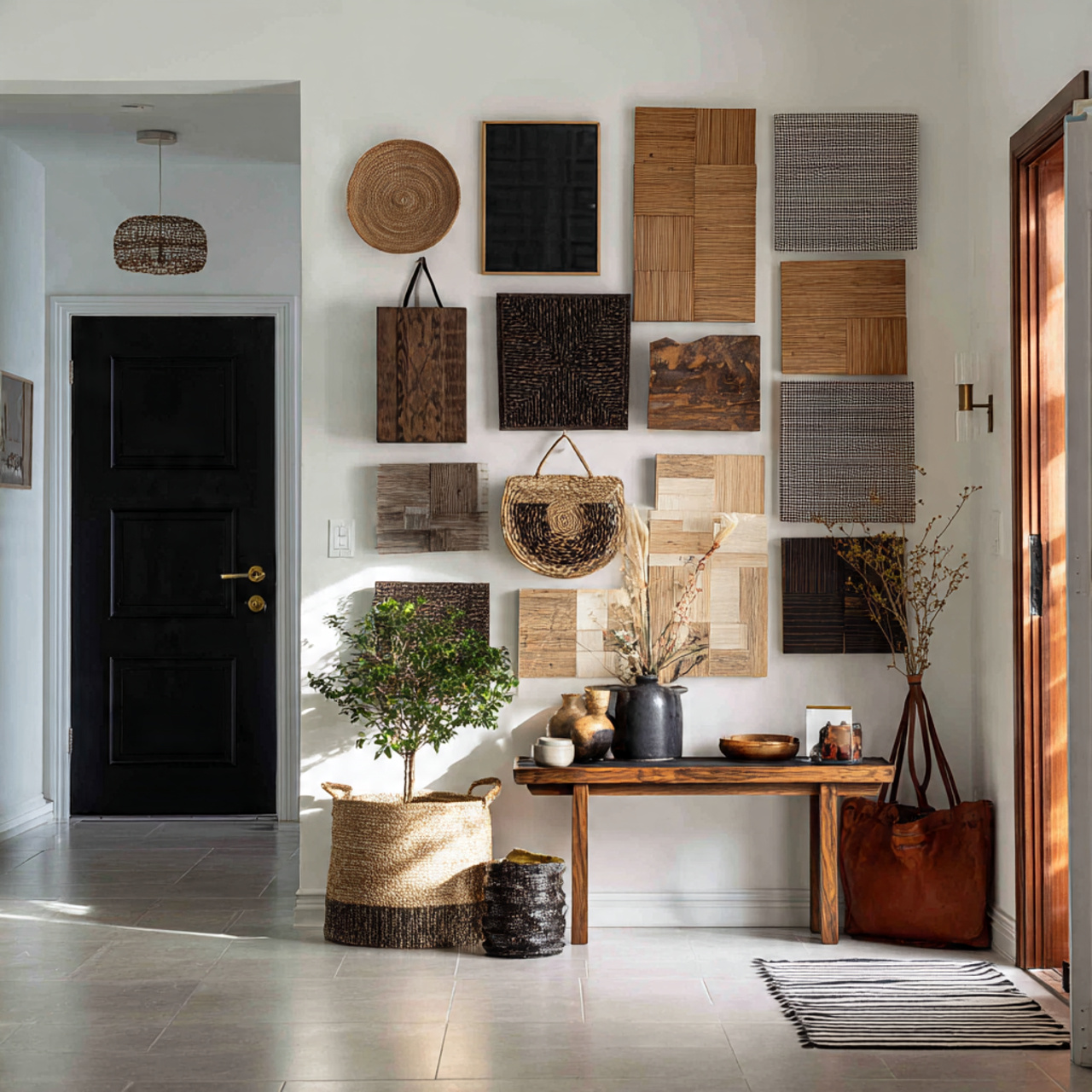
Combining wood accents, soft paint tones, and subtle texture creates a layered hallway look. For example, wood trim paired with painted walls and minimal decor creates depth without adding clutter. This layered styling feels natural and lived in.
This works because mixed materials add richness while keeping the palette calm. It also prevents hallways from looking too minimal or overly styled.
Use one or two natural materials such as wood, linen, or soft stone finishes. Keep colors neutral to maintain cohesion.
Tip: Limit materials to two or three for a clean look.
Soft Neutral Color Blocking That Creates Visual Movement
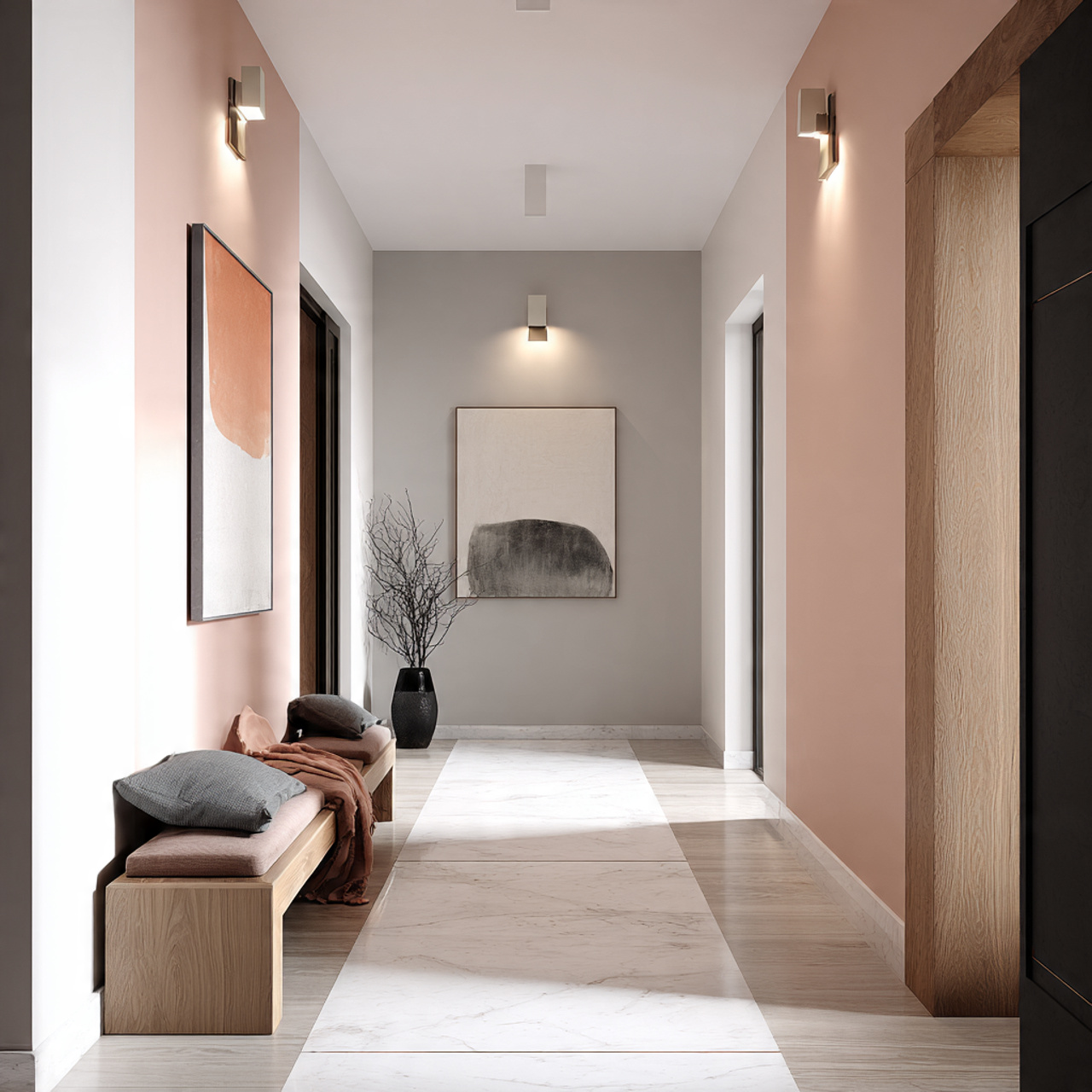
Subtle color blocking across hallway walls adds gentle contrast without overwhelming the space. A lower half in warm taupe with a soft cream upper wall creates a calm layered look. Light shifts across these tones throughout the day.
This works because color blocking adds visual interest while keeping the hallway calm. It also helps break up long walls that may otherwise feel empty.
Choose neutral tones that blend softly together. Keep the transition line simple and clean.
Tip: Mid height color blocking works well for most hallway sizes.
Built In Wall Niches That Create Decorative Moments
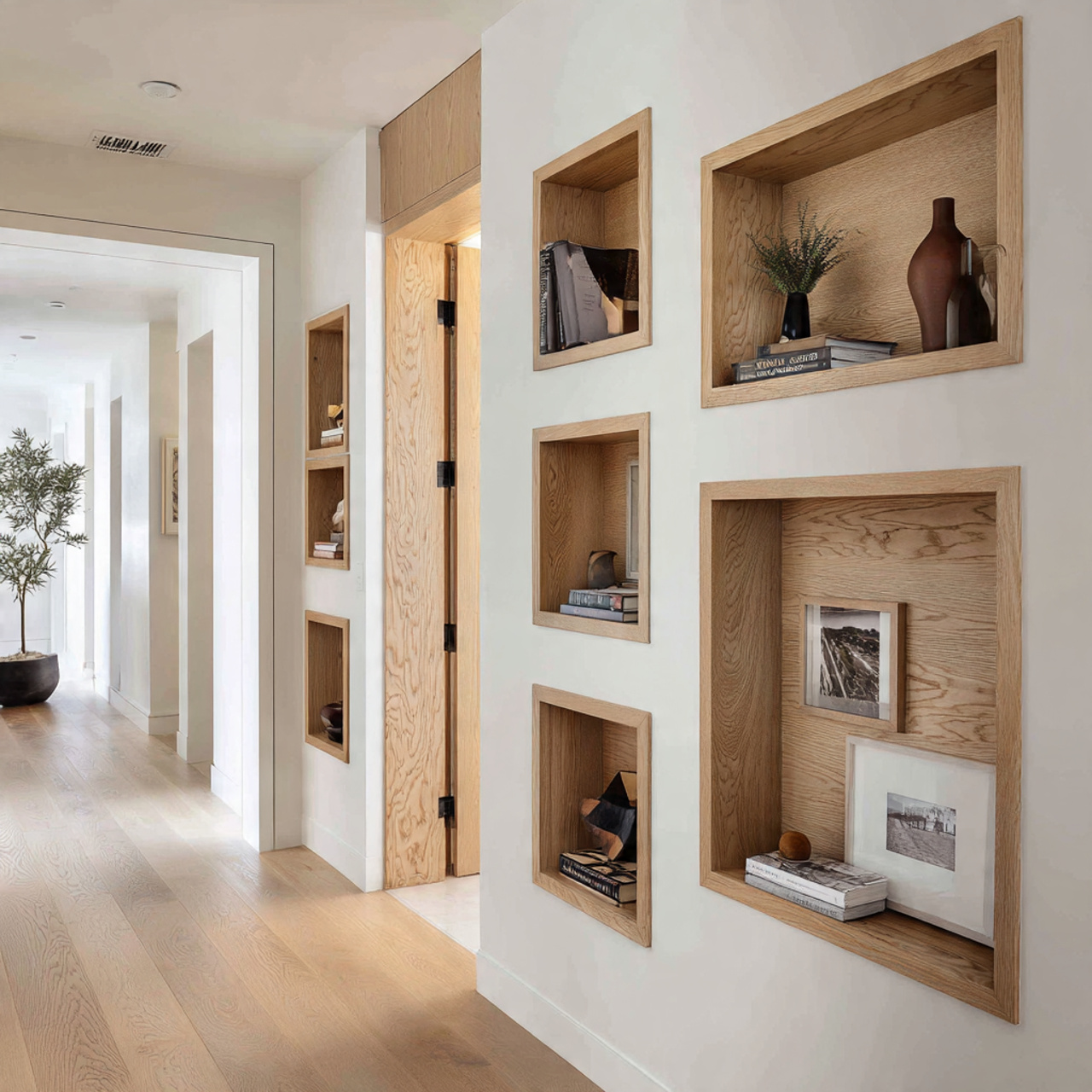
Small built in niches along a hallway wall create natural styling spots. A simple vase, small sculpture, or greenery adds personality without needing furniture. These small moments make the hallway feel thoughtfully designed.
This works because niches create built in focal points. They also keep the hallway uncluttered while adding decor opportunities.
Use shallow niches and keep styling minimal. Choose objects with simple shapes and neutral tones.
Tip: One or two niches are enough to keep the hallway balanced.
Textured Wallpaper Accent That Adds Subtle Depth
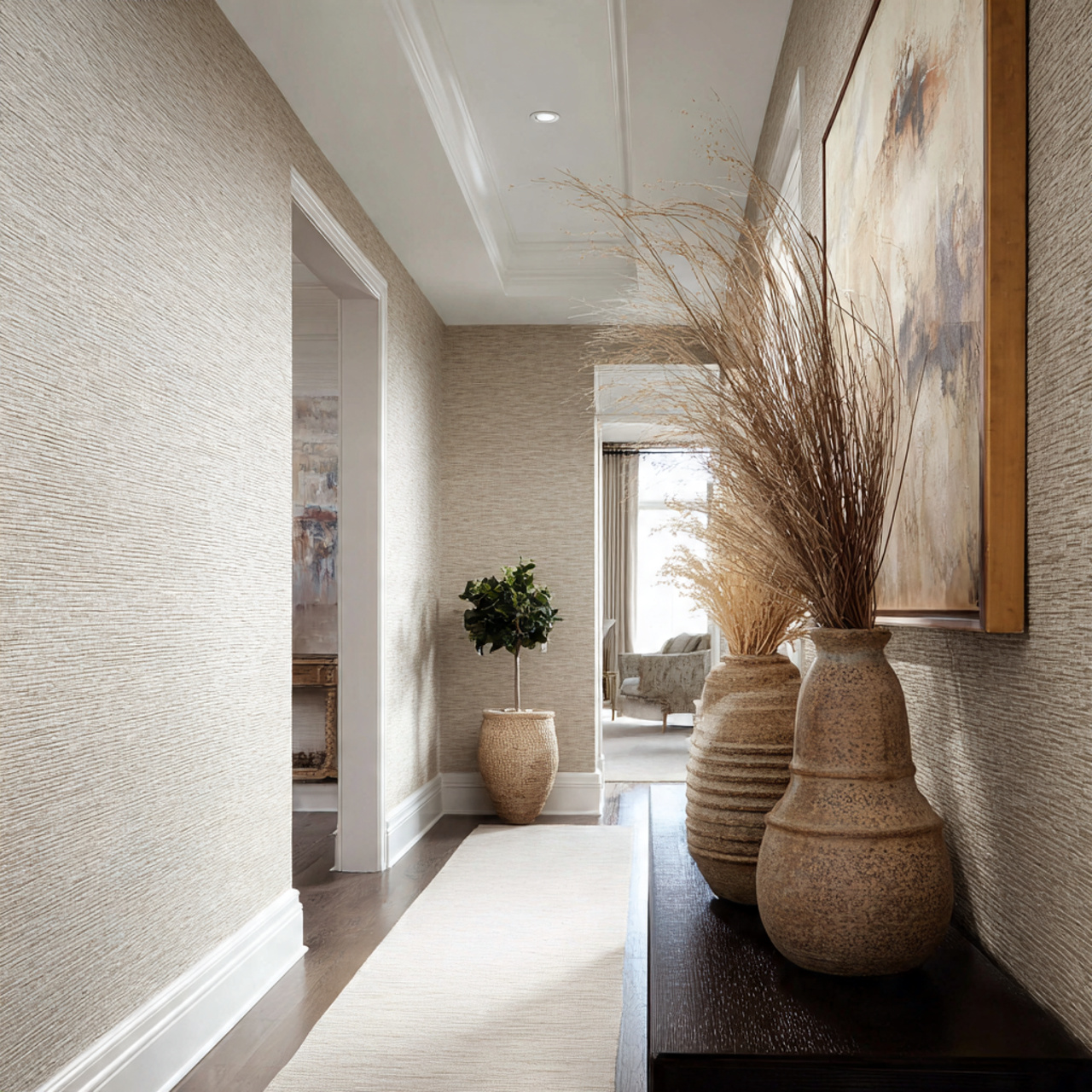
A softly textured wallpaper can quietly transform a hallway without overwhelming the space. Linen textures, plaster inspired finishes, or subtle grasscloth create gentle movement across the walls as light shifts throughout the day. The hallway begins to feel layered and thoughtfully styled rather than plain.
This works because texture adds dimension without relying on bold colors or heavy decor. In long hallways, subtle texture keeps the eye engaged while maintaining a calm atmosphere. It also helps walls feel less flat and more architectural.
Choose soft neutral textured wallpaper and apply it to one side or the entire hallway. Keep surrounding decor minimal so the texture becomes the quiet focal point.
Tip: Subtle texture works better than bold patterns in narrow hallways.
Slim Console Styling That Feels Light and Functional
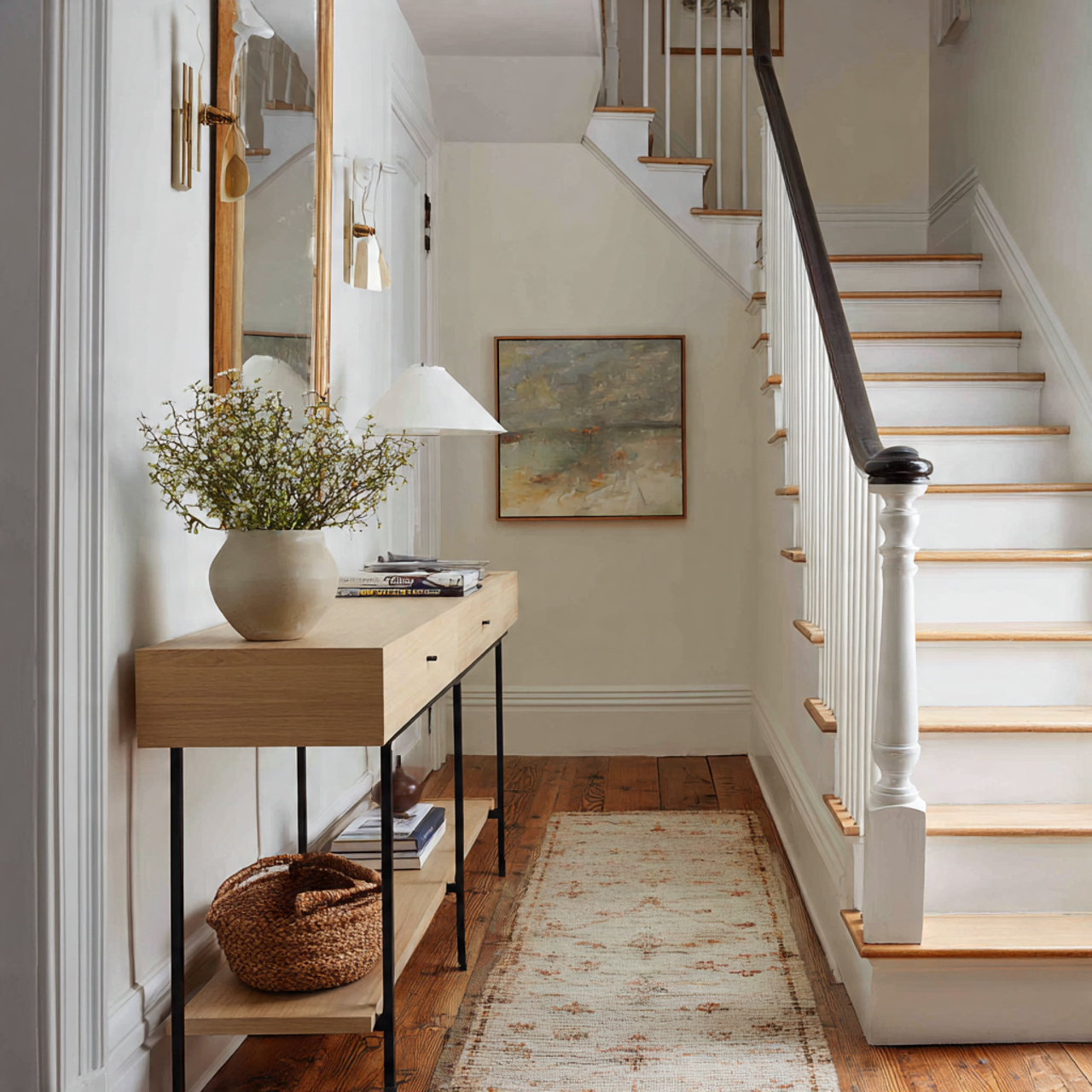
A narrow console table styled with minimal decor can add function without crowding the hallway. A small lamp, ceramic bowl, or single vase creates a simple yet welcoming moment. This makes the hallway feel intentional and lived in.
This works because slim furniture adds utility while preserving walkway space. It also introduces height variation that makes the hallway feel more balanced.
Choose floating or narrow leg consoles to maintain openness. Keep decor minimal and cohesive with nearby rooms.
Tip: Choose light colored furniture to keep the hallway airy.
Soft Runner Layering That Adds Warmth and Movement
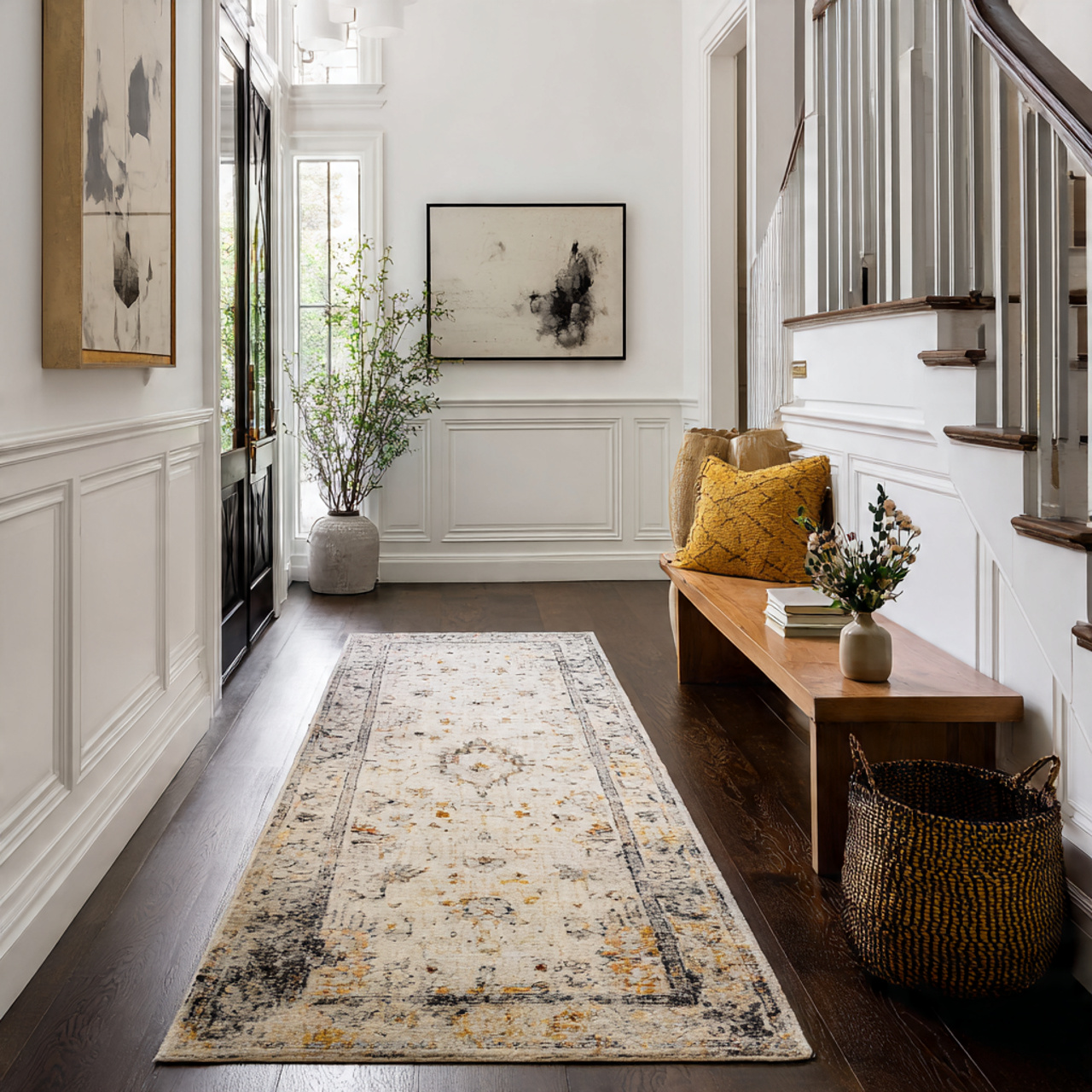
A textured runner softens the hallway and adds warmth underfoot. Neutral patterns and soft woven textures create gentle movement across long floors. The hallway begins to feel more comfortable and connected to the rest of the home.
This works because runners visually guide the eye and soften hard flooring surfaces. They also reduce echo and create a more relaxed atmosphere.
Choose runners with subtle patterns and natural materials. Ensure the runner length complements the hallway size.
Tip: Longer runners create a more balanced look.
Minimal Sculptural Decor That Creates a Luxury Feel
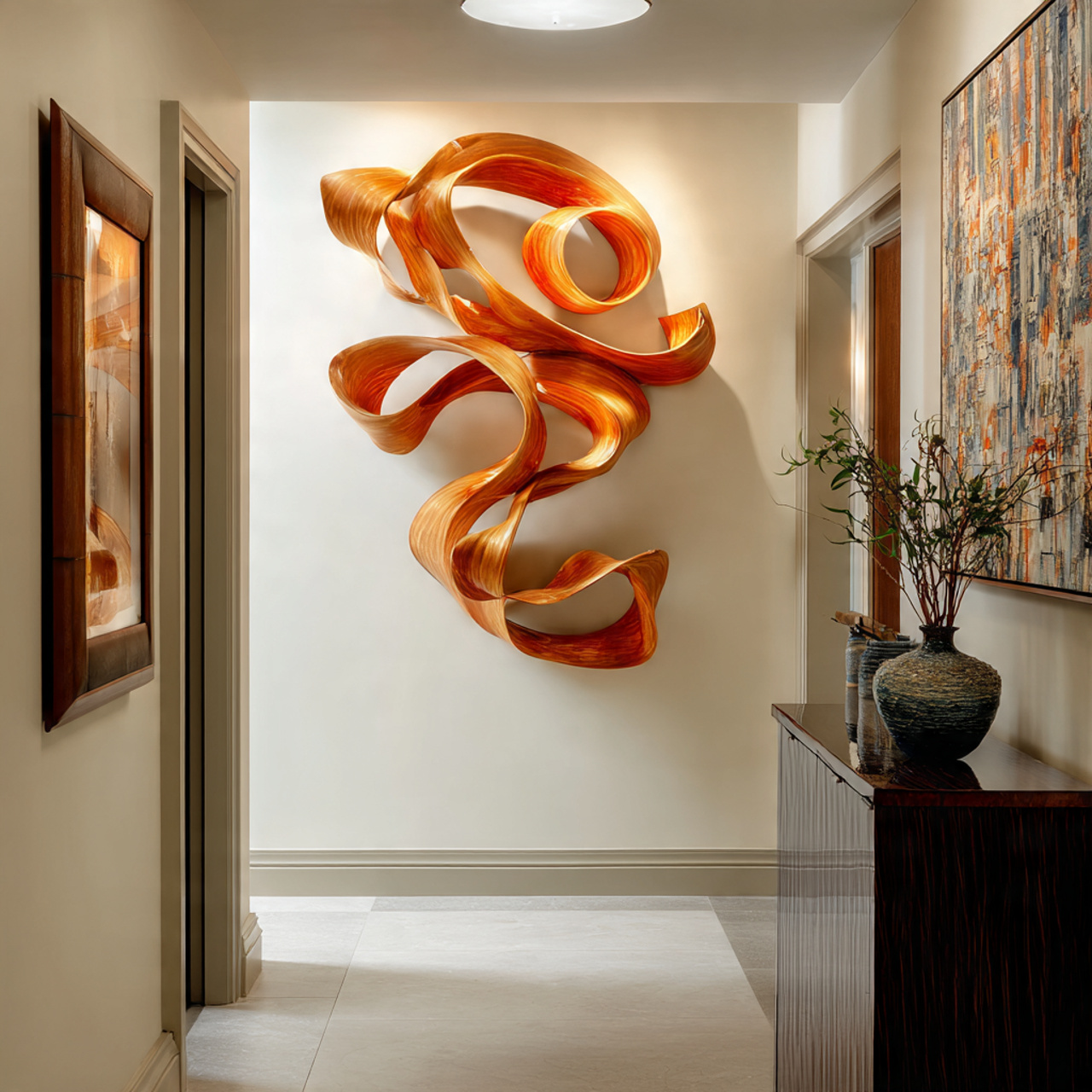
A small sculptural piece placed on a wall ledge or console can add quiet sophistication. Organic shapes, ceramic forms, or simple stone pieces create visual interest without clutter. This gives the hallway a curated and refined atmosphere.
This works because sculptural decor introduces visual interest without needing multiple items. It also creates a designer inspired look with minimal effort.
Choose one or two sculptural pieces with neutral finishes. Keep surrounding styling simple to maintain focus.
Tip: Avoid overcrowding to keep the look refined.
Dark Moody Wall Color That Creates Depth
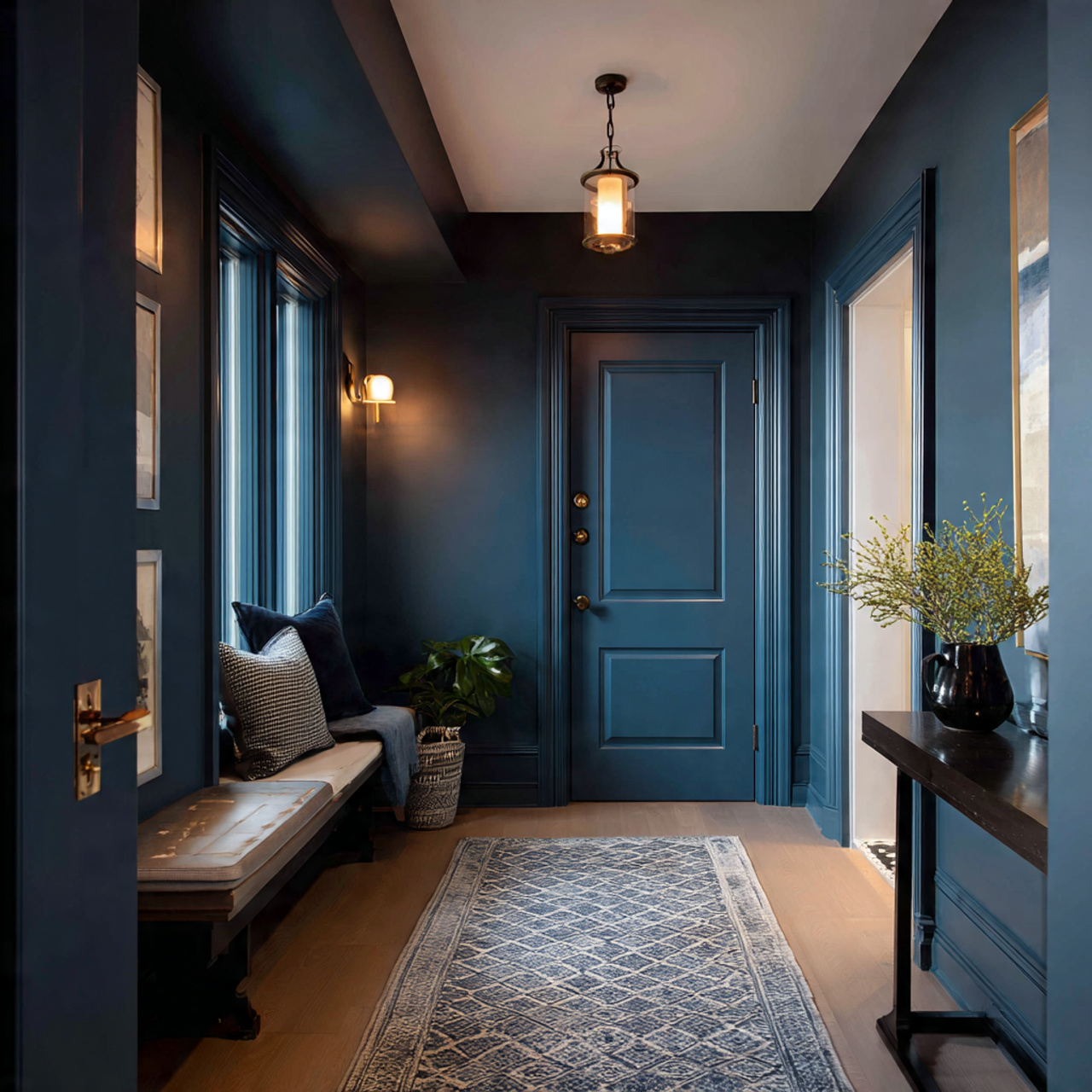
A deeper hallway color such as forest green, warm charcoal, or muted navy can create a dramatic yet calm atmosphere. Soft lighting against darker walls creates a cozy transition between rooms. This styling feels modern and elevated.
This works because darker tones add depth and create contrast with nearby spaces. It also helps artwork and lighting stand out more clearly.
Use warm toned dark colors and pair them with light flooring or trim. Balance darker walls with soft lighting.
Tip: Use warm lighting to soften darker hallway colors.
Visit Also: Cottage Bedroom
Light Wood Accents That Create Scandinavian Calm
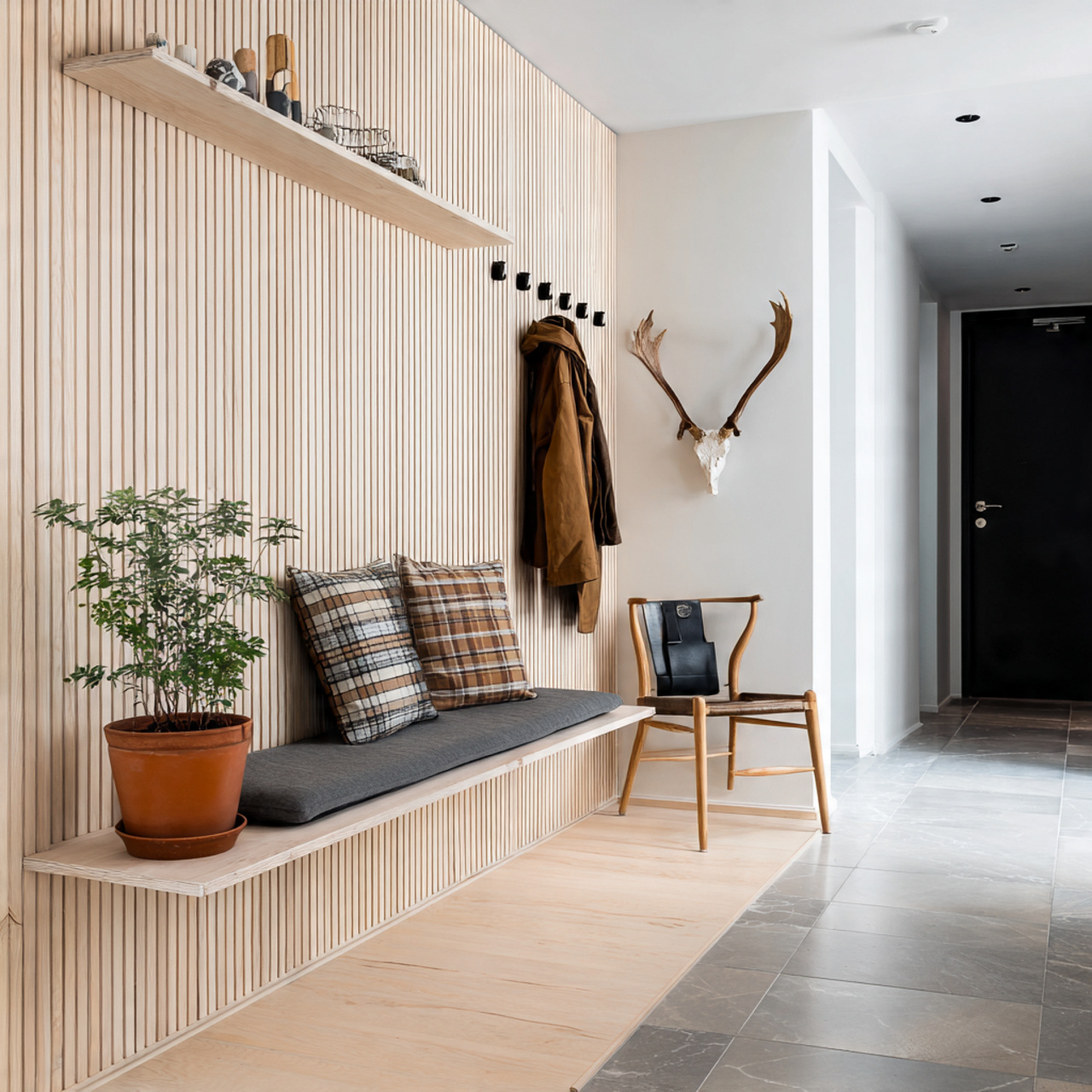
Light wood trim, slim shelving, or minimal frames create a relaxed Scandinavian inspired hallway. Natural wood tones combined with soft white walls feel clean and welcoming. Morning light reflecting on wood surfaces creates a gentle calm atmosphere.
This works because light wood adds warmth without visual heaviness. It also complements neutral color palettes naturally.
Use oak or light toned wood accents sparingly. Keep decor minimal to maintain the Scandinavian feel.
Tip: Combine wood accents with soft neutral walls.
A Real Hallway Decorating Layout That Feels Calm and Cohesive
Morning light reflects softly across paneled walls and warm wood accents, creating a calm and inviting hallway decorating atmosphere. A textured runner and soft wall sconce add warmth, helping the hallway decorating feel layered and intentionally styled.
A slim console near the entrance and large artwork at the end anchor the hallway decorating layout. Soft neutral colors connect surrounding rooms, creating a cohesive flow that turns hallway decorating into a relaxed and welcoming part of the home.
Hallway Decorating Color and Material Combinations That Feel Timeless
Warm White (#F5F3EF)
Works beautifully on hallway walls and trim, creating brightness without feeling stark. This color reflects natural light and helps narrow hallways feel more open. Pair with light wood, linen textures, and matte ceramic decor for a calm and welcoming atmosphere.
Soft Greige (#D8D2C8)
Ideal for paneling, accent walls, or subtle color blocking. This tone adds warmth while maintaining a neutral and timeless feel. It pairs well with oak wood, brushed brass accents, and textured fabrics.
Forest Green (#2F3E34)
Works well as a feature wall, paneling, or lower wall color. This deeper tone adds depth and a refined atmosphere without overwhelming the hallway. Pair with warm lighting, natural wood, and soft cream accents for balance.
Light Natural Oak (#D6C6A5)
Perfect for consoles, trim, frames, or shelving. This wood tone adds warmth and softness while keeping the hallway bright. It pairs naturally with neutral walls, woven textures, and subtle metallic finishes.
Room Size and Lighting Guide for Hallway Decorating
Small Hallways
Use lighter wall tones and minimal decor to prevent visual clutter. Layer soft wall lighting instead of relying only on overhead lights to avoid shadows.
Long Hallways
Break up long walls using paneling, artwork, or subtle color variation. Add evenly spaced lighting to create rhythm and visual balance.
Narrow Hallways
Choose slim furniture and vertical decor to maintain walking space. Soft wall lighting helps widen the hallway visually and reduce harsh shadows.
Dark Hallways
Use warm lighting and reflective surfaces to brighten the space naturally. Lighter wall colors and subtle textures help prevent the hallway from feeling enclosed.
Common Hallway Decorating Mistakes That Make Spaces Feel Unfinished
Overcrowding The Hallway
Many people try to add too much decor to make the hallway feel styled. This often makes the space feel tight and visually cluttered instead of calm.
Keep styling minimal and focus on one or two focal points. Allow negative space so the hallway feels open and balanced.
Using Only Overhead Lighting
Hallways often rely on a single ceiling light for illumination. This creates flat lighting and harsh shadows that make the space feel uninviting.
Add wall sconces or layered lighting to create warmth. Soft lighting instantly improves the hallway atmosphere.
Ignoring Wall Texture And Depth
Plain hallway walls can make the space feel unfinished or temporary. Without texture, long hallways especially can feel visually empty.
Introduce paneling, subtle wallpaper, or layered decor. Even small texture changes add depth and interest.
Choosing Dark Colors Without Proper Lighting
Dark hallway colors can feel heavy when lighting is limited. This often makes the hallway appear smaller and less welcoming.
Balance darker colors with warm lighting and lighter accents. This keeps the hallway cozy rather than closed in.
Frequently Asked Questions About Hallway Decorating
How do I make hallway decorating look more stylish without clutter?
Focus on one or two strong visual elements instead of adding too many small items. A statement artwork, soft lighting, or subtle wall texture can make a hallway feel styled without overwhelming the space.
What colors work best for hallway decorating?
Soft neutrals like warm white, greige, and muted earth tones usually work best. These colors reflect light well and create a calm transition between rooms.
How can I decorate a long hallway without making it feel repetitive?
Break up the space using lighting, paneling, or subtle decor variations. This creates visual rhythm and keeps the hallway interesting without feeling busy.
Is hallway decorating important for small homes?
Hallways play a big role in how small homes feel connected and cohesive. Thoughtful styling can make the entire space feel more intentional and comfortable.
What is the easiest way to improve hallway decorating quickly?
Adding warm lighting and one focal point often creates the biggest impact. Even small changes like a runner or artwork can quickly transform the hallway.
Hallway Decorating Ideas That Create a Calm and Connected Home
Hallway decorating ideas can transform overlooked spaces into calm, welcoming transitions that connect your home more naturally. When lighting, texture, and thoughtful styling work together, even simple hallways begin to feel intentional instead of empty or purely functional. These small design decisions often make the biggest difference in how the entire home feels.
Start with one small hallway decorating idea, such as adding soft lighting, subtle paneling, or a simple focal point, then build gradually over time. In real homes, hallway decorating evolves naturally as you live in the space, and these thoughtful adjustments often create the most cohesive and inviting atmosphere.