13 Farmhouse Decor Mistakes That Make Your Home Look Cheap
Farmhouse decor can feel warm, inviting, and timeless when done right, but small missteps can quickly make a space feel flat or outdated. Many homes start with the right intention, yet something still feels off after everything is styled. That usually comes down to a few overlooked details that quietly affect the overall atmosphere.
In real homes, farmhouse decor works best when it balances warmth, texture, and lived-in character instead of chasing a perfectly styled look. Once you understand what commonly goes wrong, it becomes much easier to create a space that actually feels cozy and authentic.
Farmhouse decor looks best when warm tones, natural textures, balanced lighting, and lived-in styling are layered thoughtfully instead of forced or overly matched.
Why farmhouse decor sometimes looks cheap instead of cozy
Farmhouse decor often fails not because of the style itself, but because of how it is applied. Many people follow surface-level trends like white walls or rustic signs without understanding how lighting, materials, and proportions affect the final result.
What I have noticed in real homes is that the difference between a beautiful farmhouse decor space and a cheap-looking one is usually subtle. It comes down to undertones, layering, and how the space feels to live in day to day rather than how it looks in a single photo.
Farmhouse Decor Mistakes That Ruin Your Cozy Home Look
Ignoring warm undertones that make farmhouse decor feel cold and flat
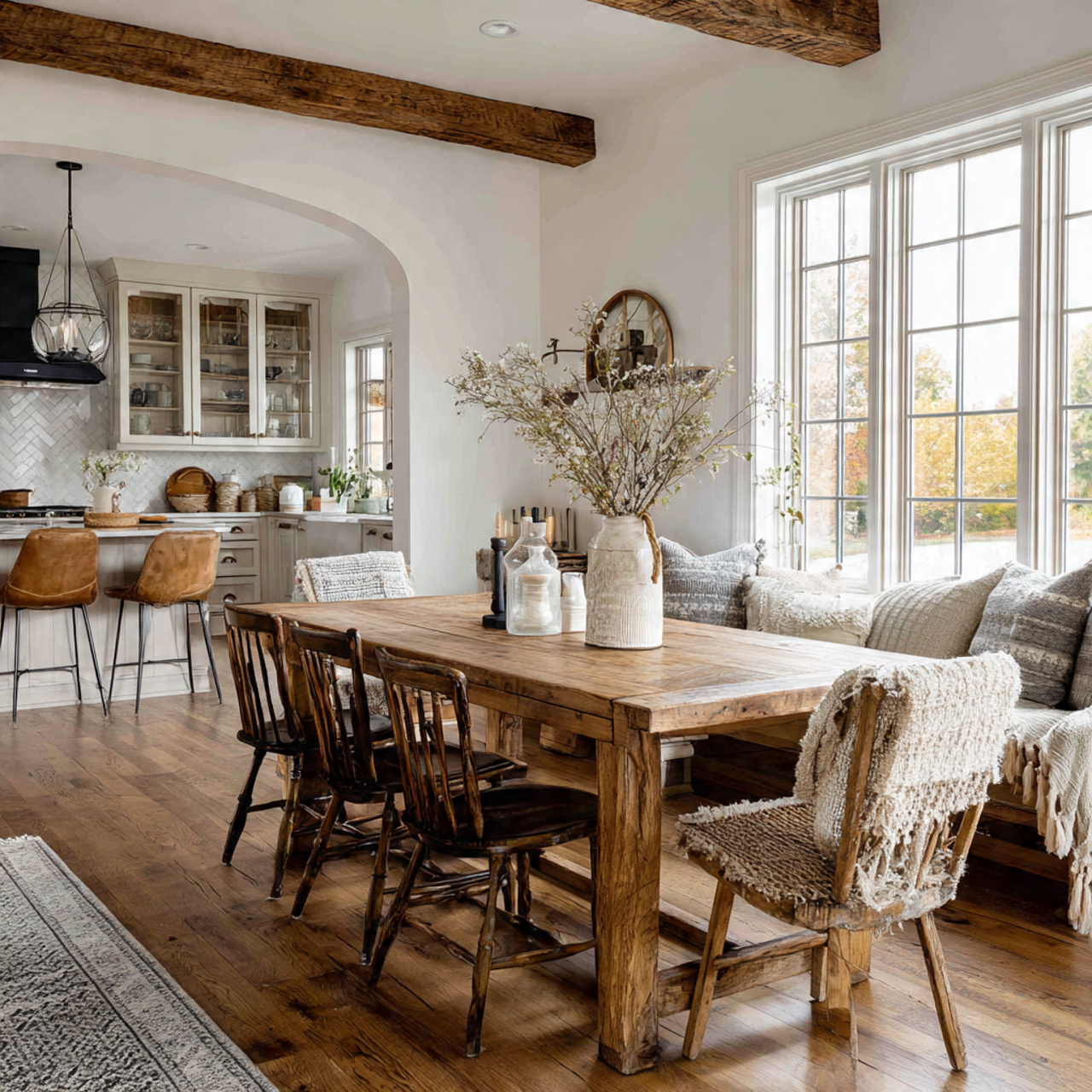
A room might look farmhouse on the surface with white walls and wood accents, but something still feels slightly uncomfortable. The space can feel cold during the day and dull in the evening, even when everything technically matches the theme.
This usually happens when undertones clash. Cool whites, grayish woods, and blue-based neutrals cancel out the warmth farmhouse decor depends on. In my experience, this mistake often goes unnoticed because everything looks fine individually but disconnected together.
The fix is to shift toward warm undertones like creamy whites, honey wood tones, and soft beige layers. Even small changes like switching a rug or throw can instantly soften the entire room.
Tip: Always compare materials in the same lighting before finalizing your color palette.
Overusing pure white without texture that removes depth and warmth
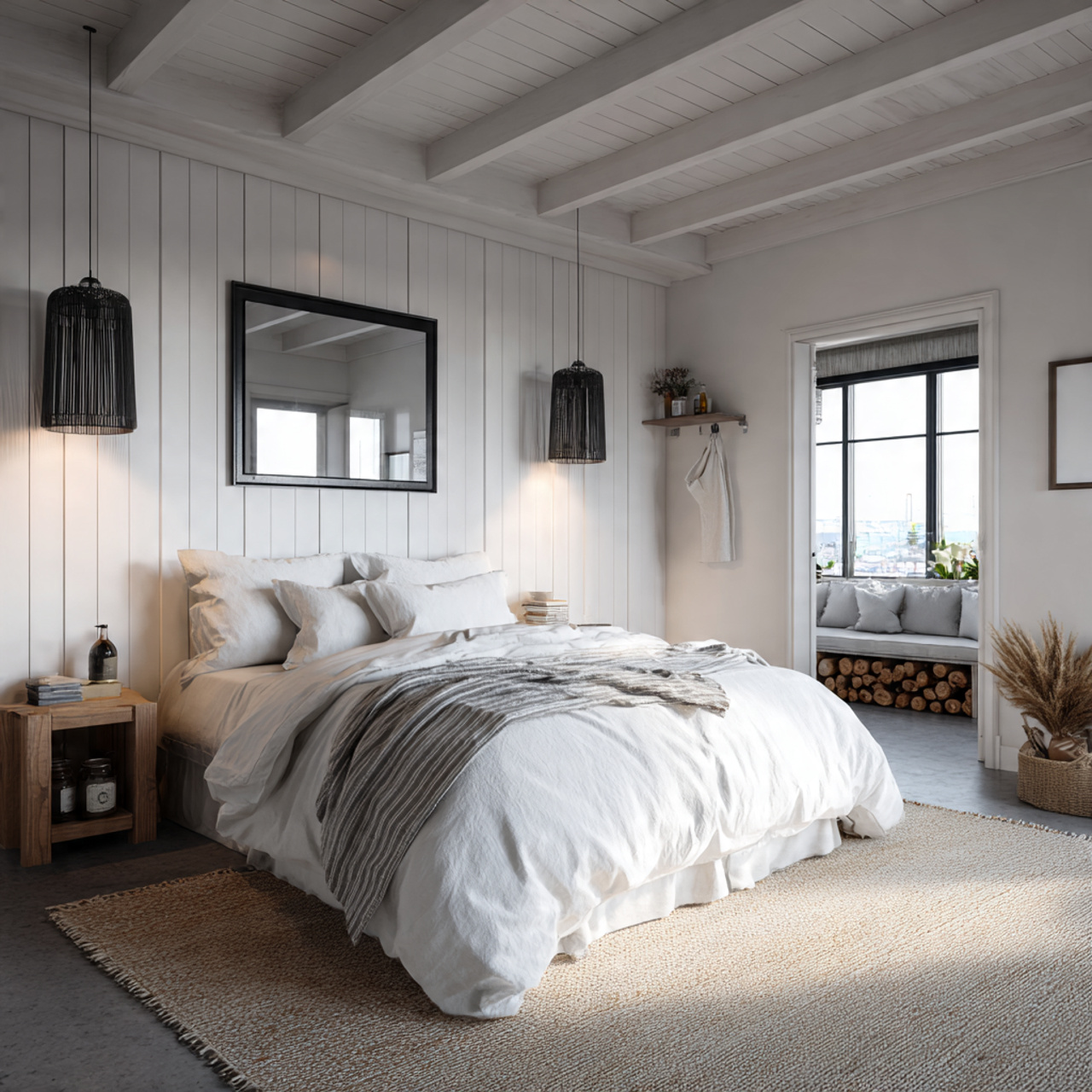
A fully white farmhouse room can look clean at first, but after a few days it often starts to feel empty and lifeless. There is no visual weight to hold the space together, especially in natural daylight.
Pure white lacks depth unless it is layered with texture. Flat walls, smooth furniture, and minimal contrast create a washed-out look that feels more sterile than cozy. I made this mistake once, and the room felt more like a showroom than a home.
To fix it, introduce texture through linen curtains, woven baskets, wood grain, and soft layered fabrics. These elements break the flatness and create visual warmth.
Tip: If everything is white, add at least three different textures to create depth.
Choosing cool lighting that destroys the cozy farmhouse atmosphere
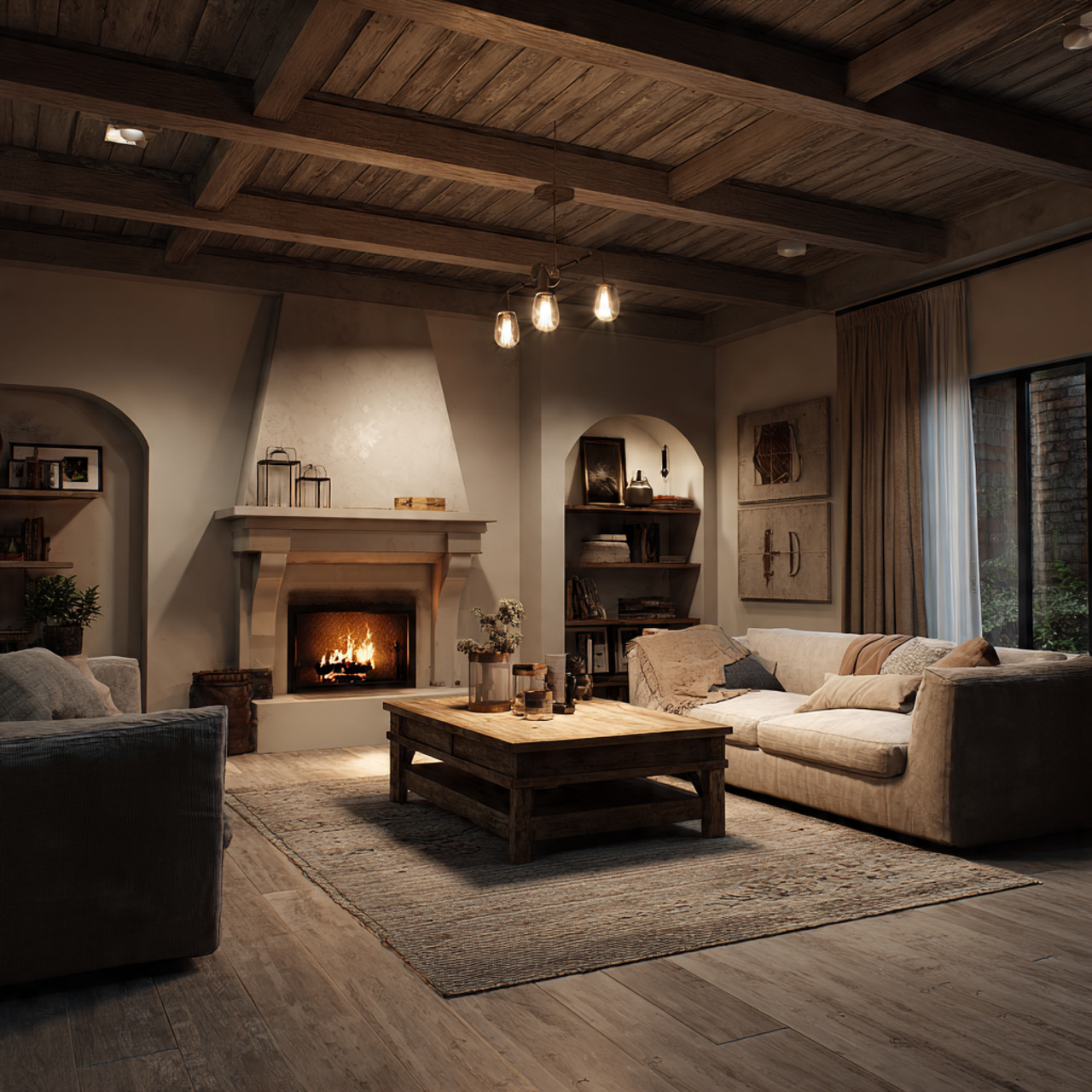
You can have the perfect furniture and decor, but if the lighting is wrong, the entire room feels off. Cool white bulbs make farmhouse interiors feel harsh and uninviting, especially at night.
Lighting temperature plays a bigger role than most people expect. Cool lighting cancels out warm wood tones and makes neutral palettes feel gray. One thing I noticed in real homes is how dramatically lighting changes the mood after sunset.
Switching to warm bulbs and adding layered lighting like table lamps and wall lights creates a soft evening glow. This instantly transforms the space into something comfortable and relaxing.
Tip: Use warm bulbs around 2700K for a true farmhouse feel.
Using fake wood finishes that instantly make the space look cheap
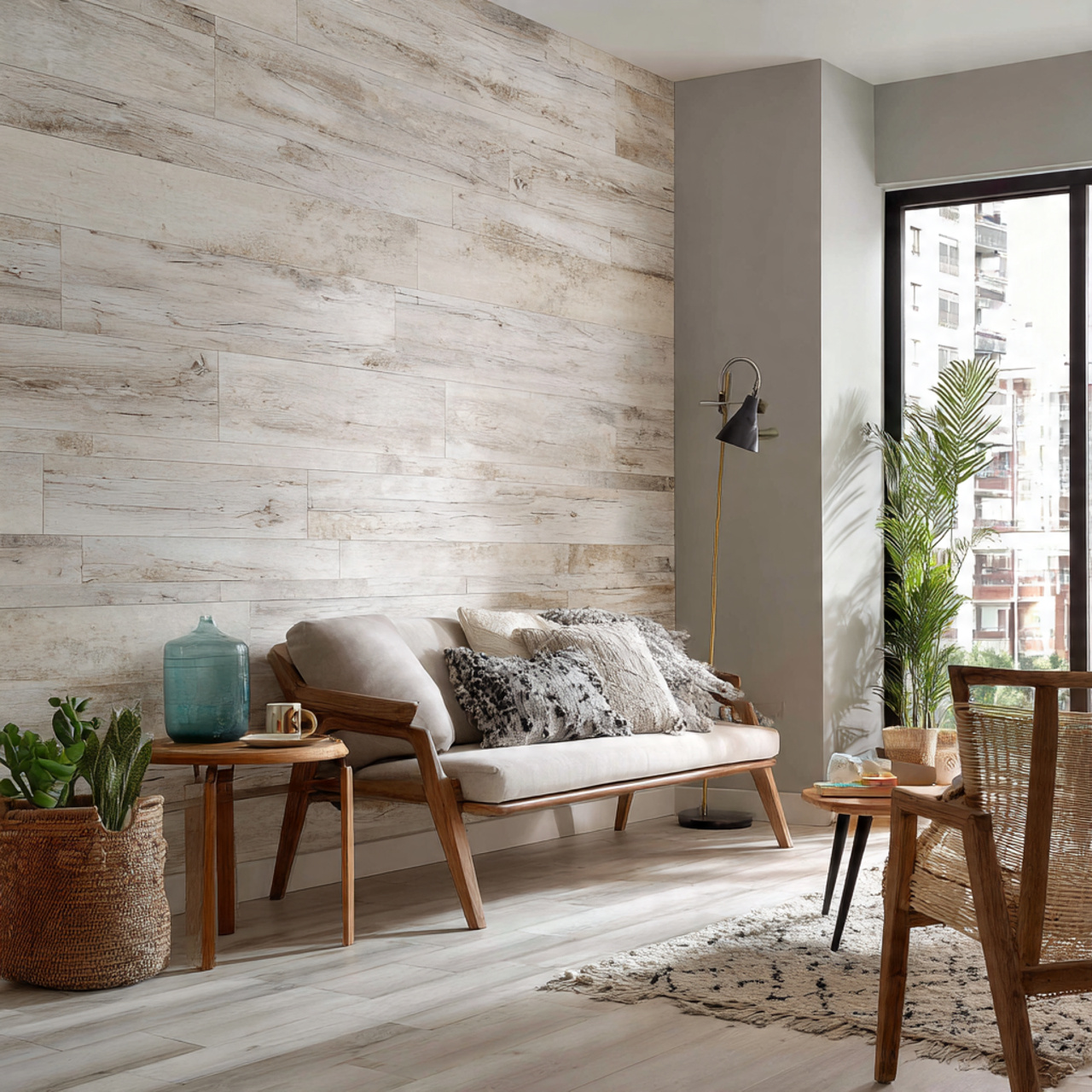
At first glance, faux wood furniture or laminate finishes can seem like a good budget option. But over time, the lack of authenticity becomes noticeable, especially in natural light.
Fake wood often has repetitive patterns and unnatural tones that clash with real materials. This creates a visual disconnect that makes the entire room feel less intentional. In my experience, even one low-quality piece can affect the overall look.
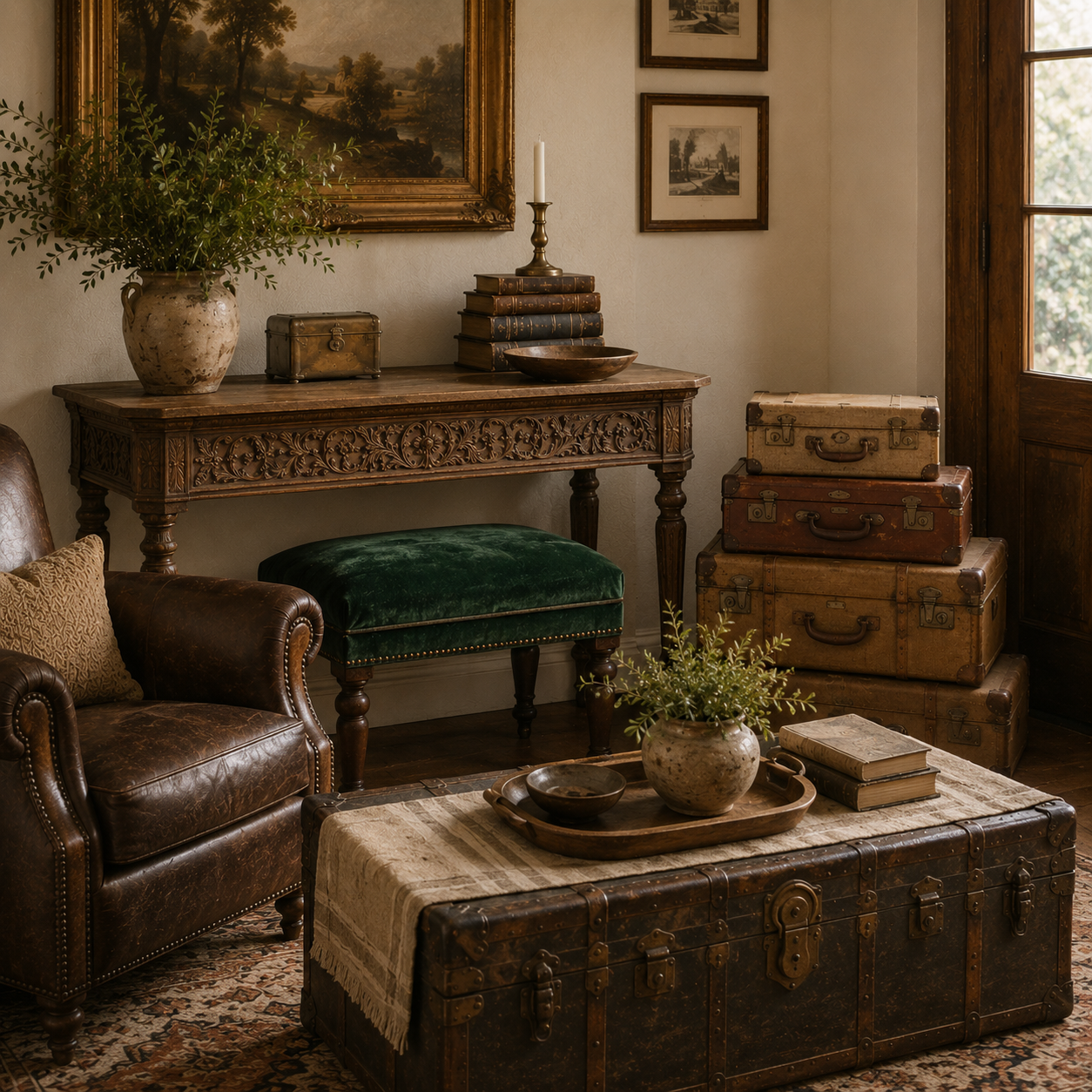
Instead, mix in at least one or two real wood elements, even if they are small like a side table or shelf. Real materials bring depth and character that artificial finishes cannot replicate.
Tip: Prioritize real wood for focal pieces where the eye naturally lands.
Decorating everything to match instead of creating a lived-in feel
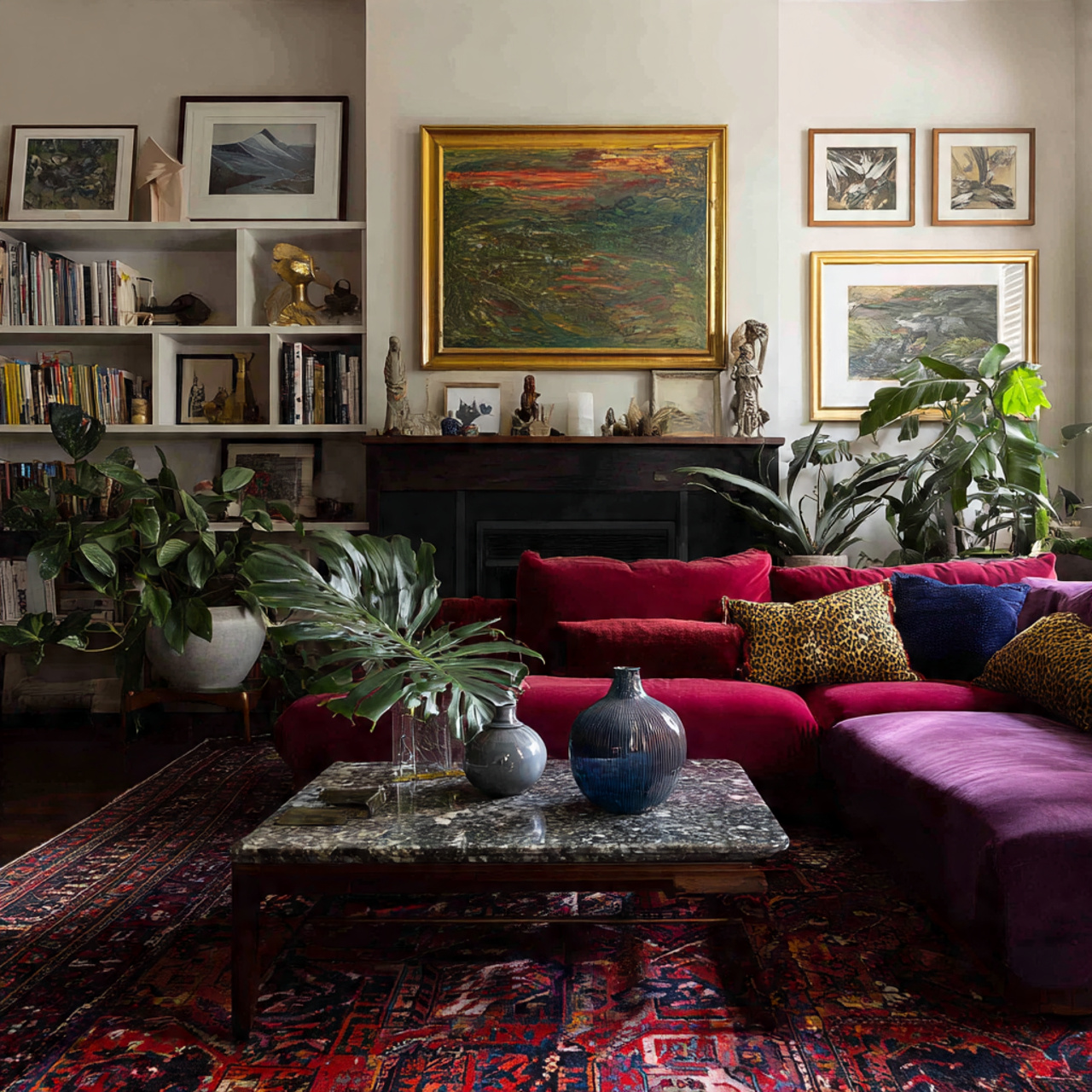
A perfectly matched farmhouse room might look good in photos, but it often feels unnatural in everyday life. Everything aligns too precisely, leaving no room for personality.
Farmhouse style works best when it feels collected over time rather than purchased all at once. Matching sets remove that layered, lived-in charm. I have seen rooms where everything matched, yet they felt surprisingly empty.
Break the pattern by mixing materials, finishes, and slightly different tones. This creates a more relaxed and authentic environment.
Tip: Add at least one contrasting piece to avoid a showroom effect.
Overloading rustic signs that make the space feel outdated
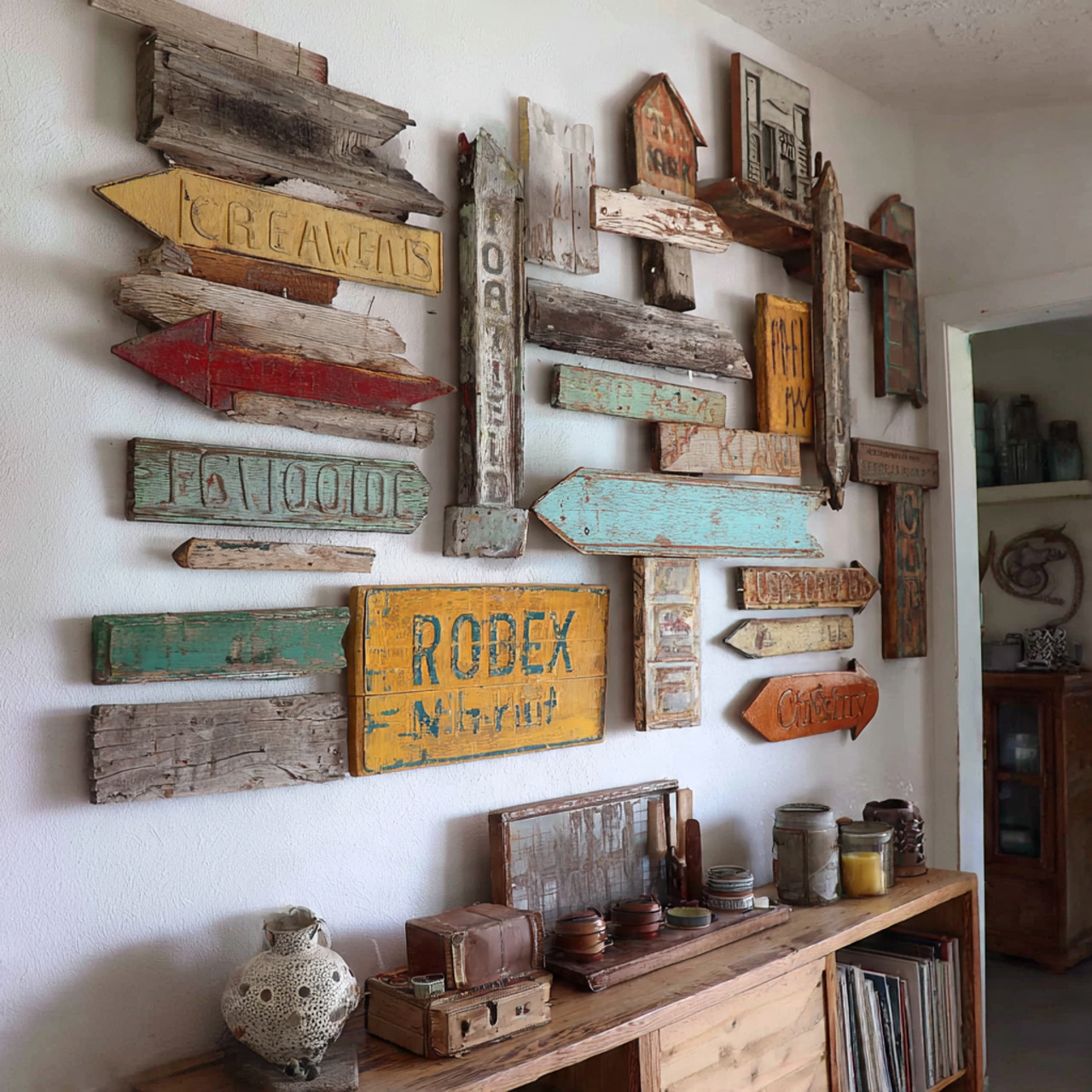
Rustic signs were once a defining feature of farmhouse decor, but overusing them now makes a space feel dated. Walls filled with text-based decor quickly lose visual interest.
The problem is not the signs themselves but the lack of balance. Too many signs compete for attention and reduce the impact of each piece. Over time, this creates visual clutter rather than charm.
Replace some signs with framed art, textured wall decor, or subtle landscape pieces. This keeps the farmhouse feel while making the space more timeless.
Tip: Limit word-based decor to one or two meaningful pieces.
Ignoring scale and proportion which makes furniture feel awkward
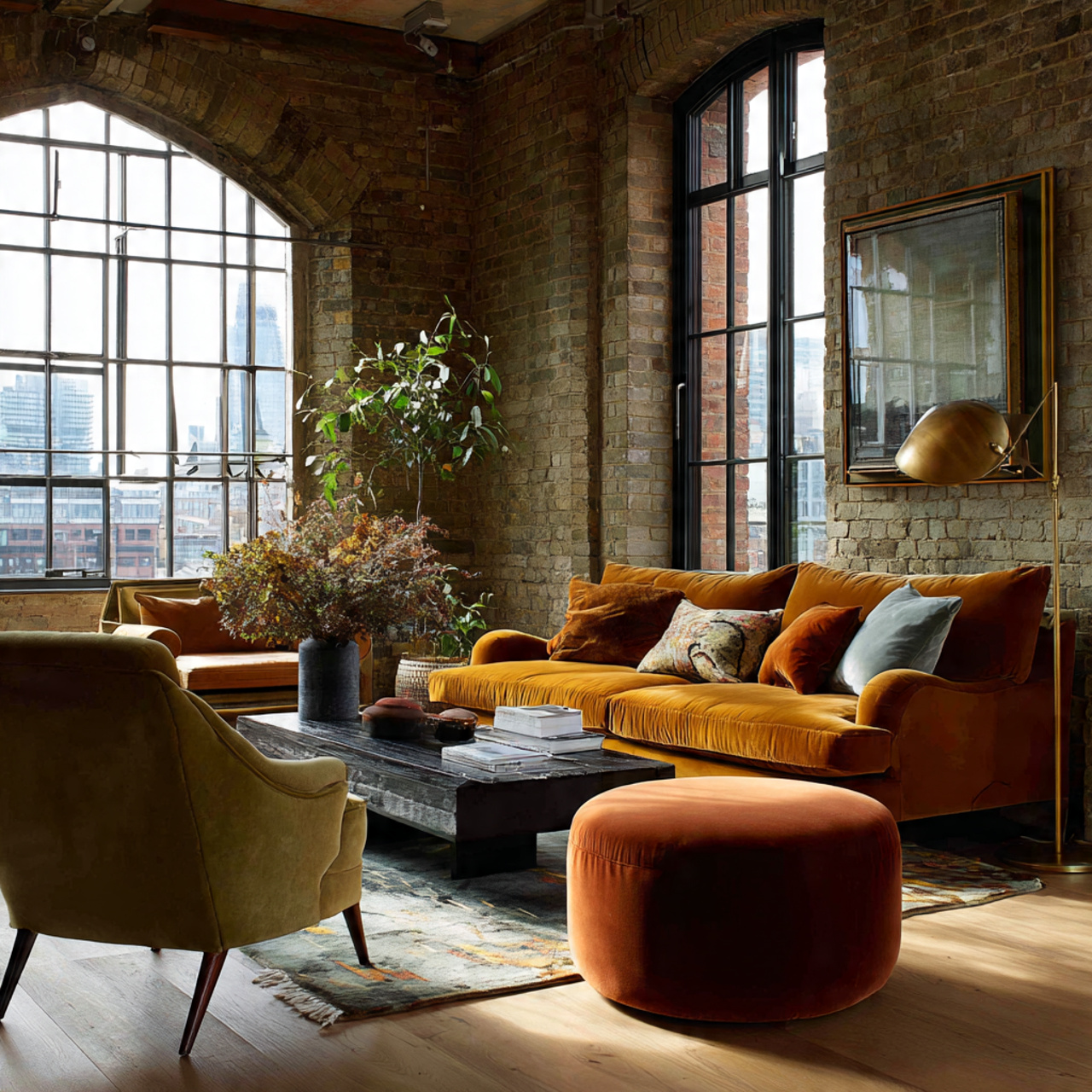
Sometimes a room feels off even when all the elements are correct. Furniture might look too small, too large, or oddly placed without an obvious reason.
This usually comes down to scale and proportion. Oversized sofas in small rooms or tiny decor in large spaces disrupt balance. I have noticed this especially in living rooms where layout decisions are rushed.
To fix this, step back and assess how each piece relates to the room size. Adjust spacing, swap oversized items, or group smaller pieces together for better visual balance.
Tip: Use rugs and lighting to anchor furniture and define scale.
Pushing all furniture against walls that kills natural flow and comfort
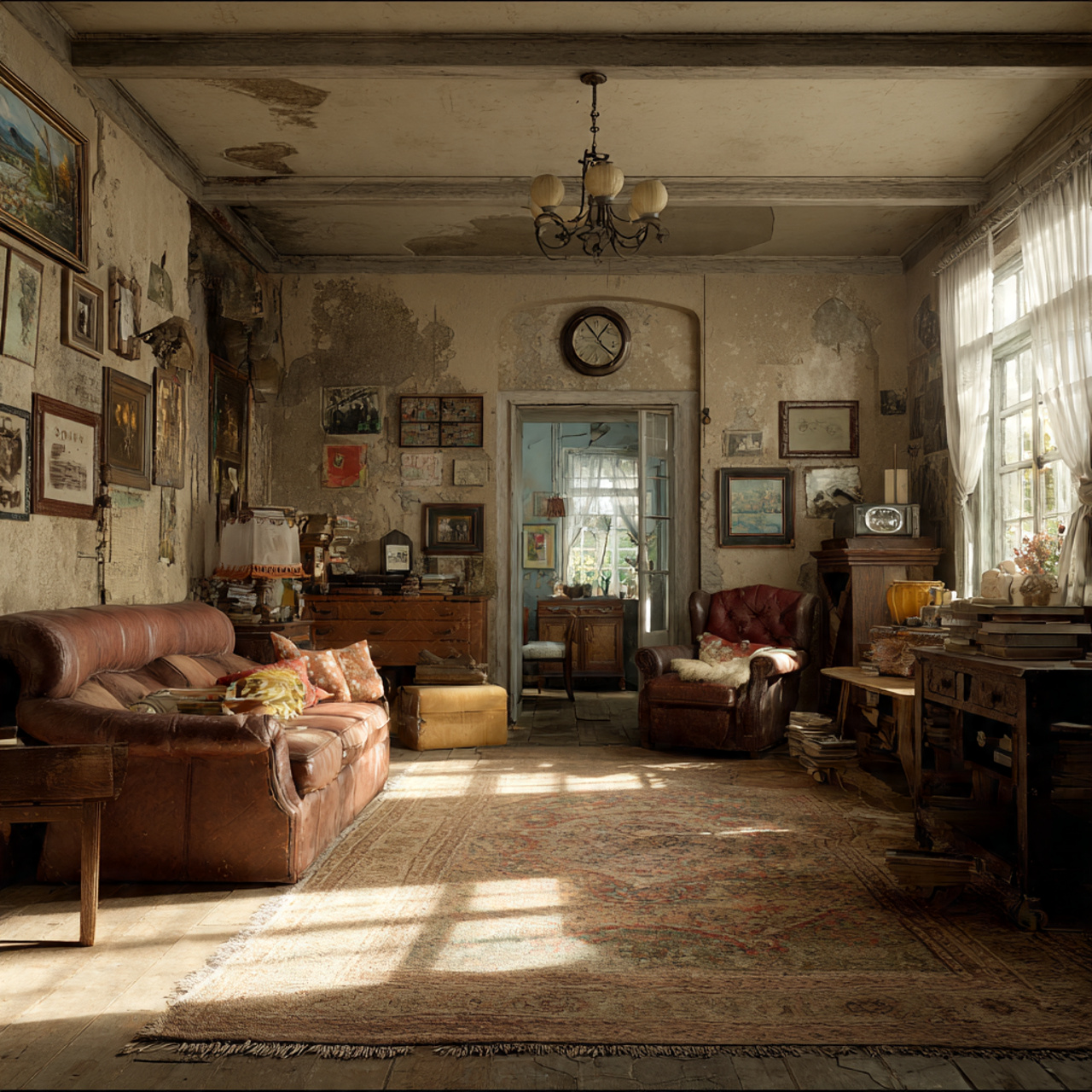
Many people assume pushing furniture against walls makes a room feel bigger, but it often has the opposite effect. The space can feel disconnected and less inviting.
This layout removes intimacy and breaks conversation zones. After living with this setup for a while, it often feels less functional than expected.
Pull furniture slightly inward to create a central area. This improves flow and makes the room feel more cohesive and comfortable.
Tip: Leave small gaps behind furniture to create breathing space.
Forgetting layered textures which leaves farmhouse decor feeling flat
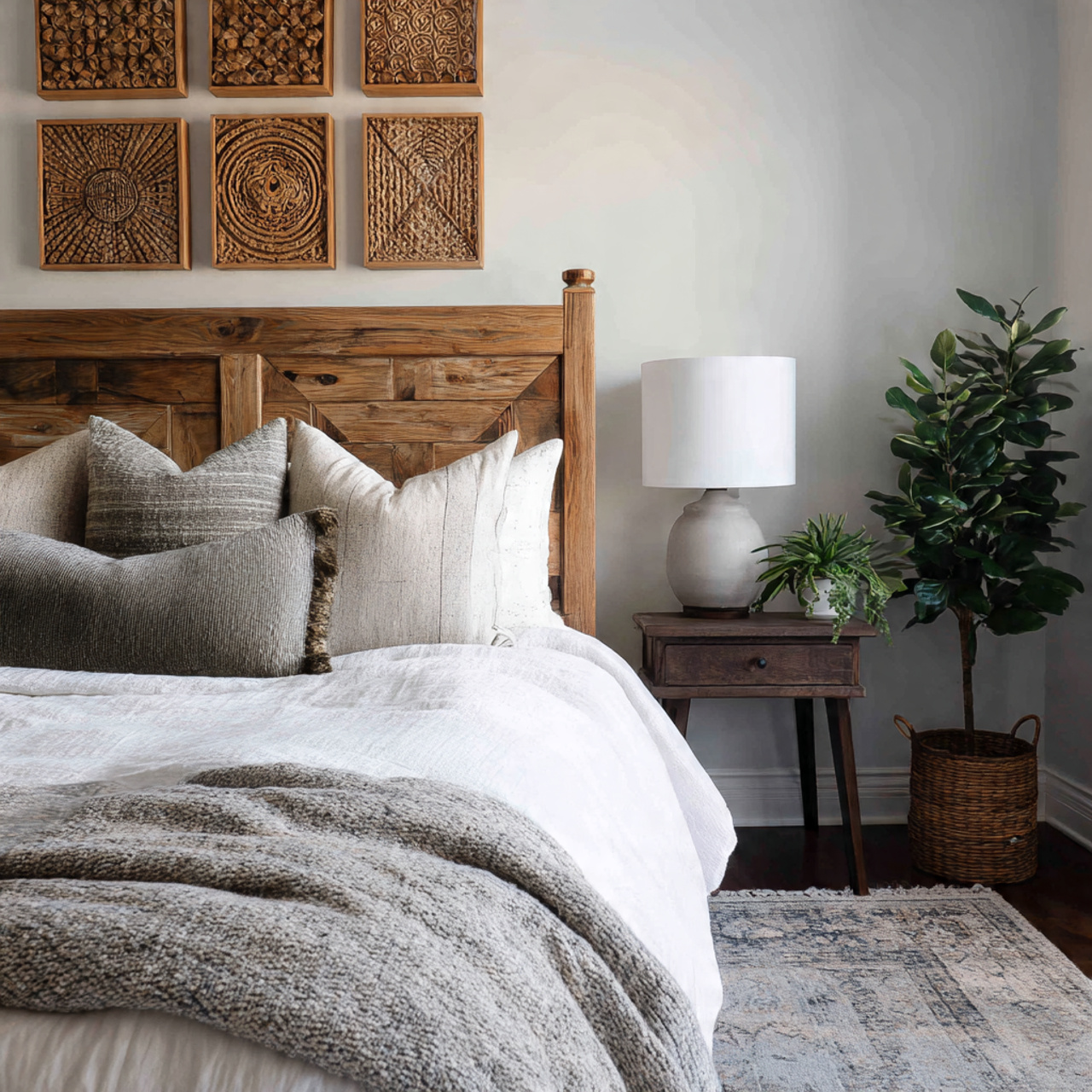
A farmhouse space without texture often looks incomplete. Even with the right colors and furniture, something feels missing.
Texture adds depth and warmth that color alone cannot provide. Soft fabrics, rough wood, woven materials, and subtle patterns all contribute to a richer look. I have seen simple rooms transform just by adding layered textiles.
Start with a base layer like a rug, then build with throws, cushions, and natural materials. This creates a cozy and inviting atmosphere.
Tip: Combine at least three textures in every main area.
Mixing too many wood tones without balance that creates visual chaos
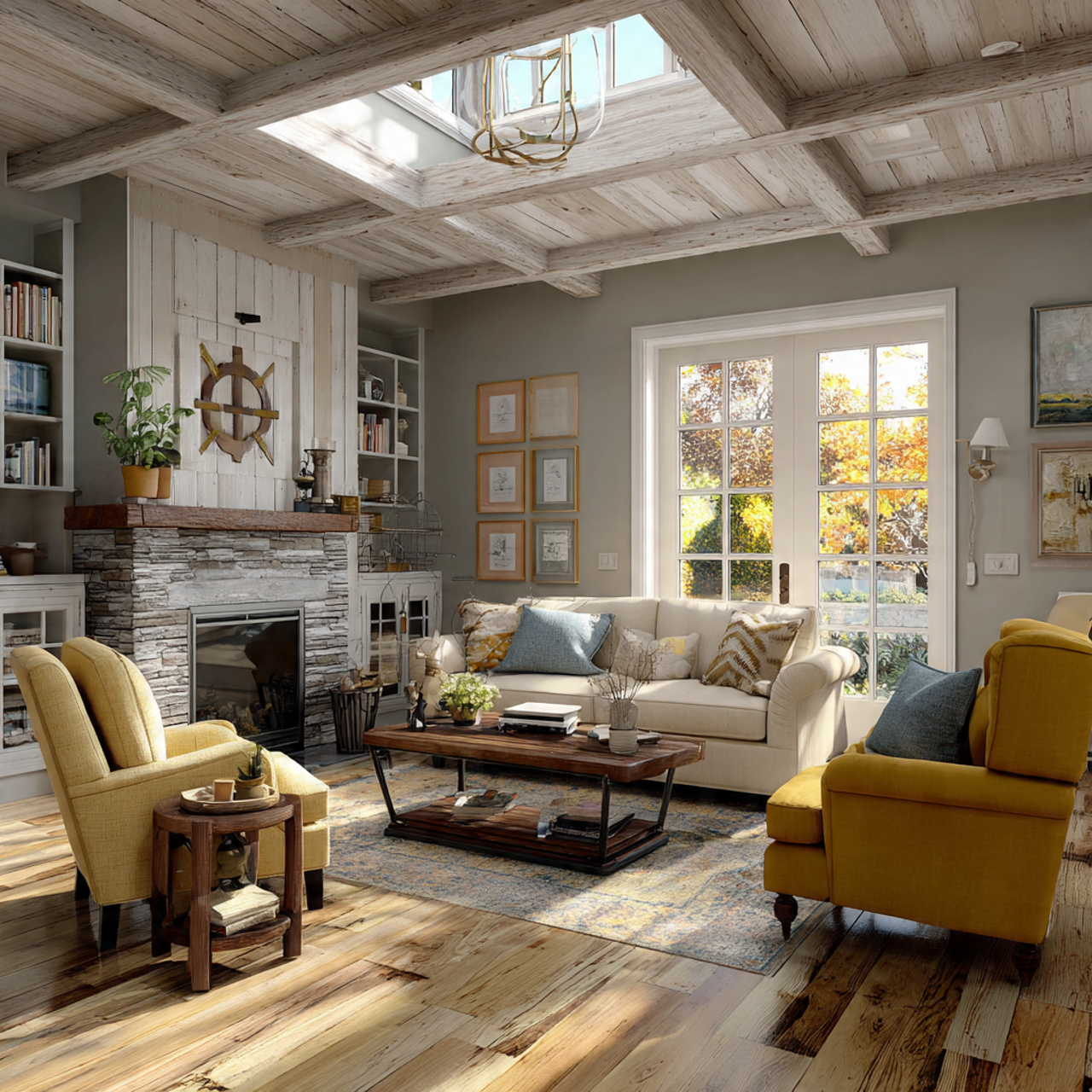
Wood is essential in farmhouse decor, but too many conflicting tones can feel overwhelming. The room starts to look uncoordinated instead of layered.
The issue is not variety but lack of balance. Different undertones fight each other visually, especially under natural light. This mistake becomes more noticeable over time.
Choose one dominant wood tone and support it with one or two complementary tones. This creates harmony while keeping the space interesting.
Tip: Match undertones rather than exact colors when mixing wood.
Following outdated farmhouse trends that no longer feel relevant
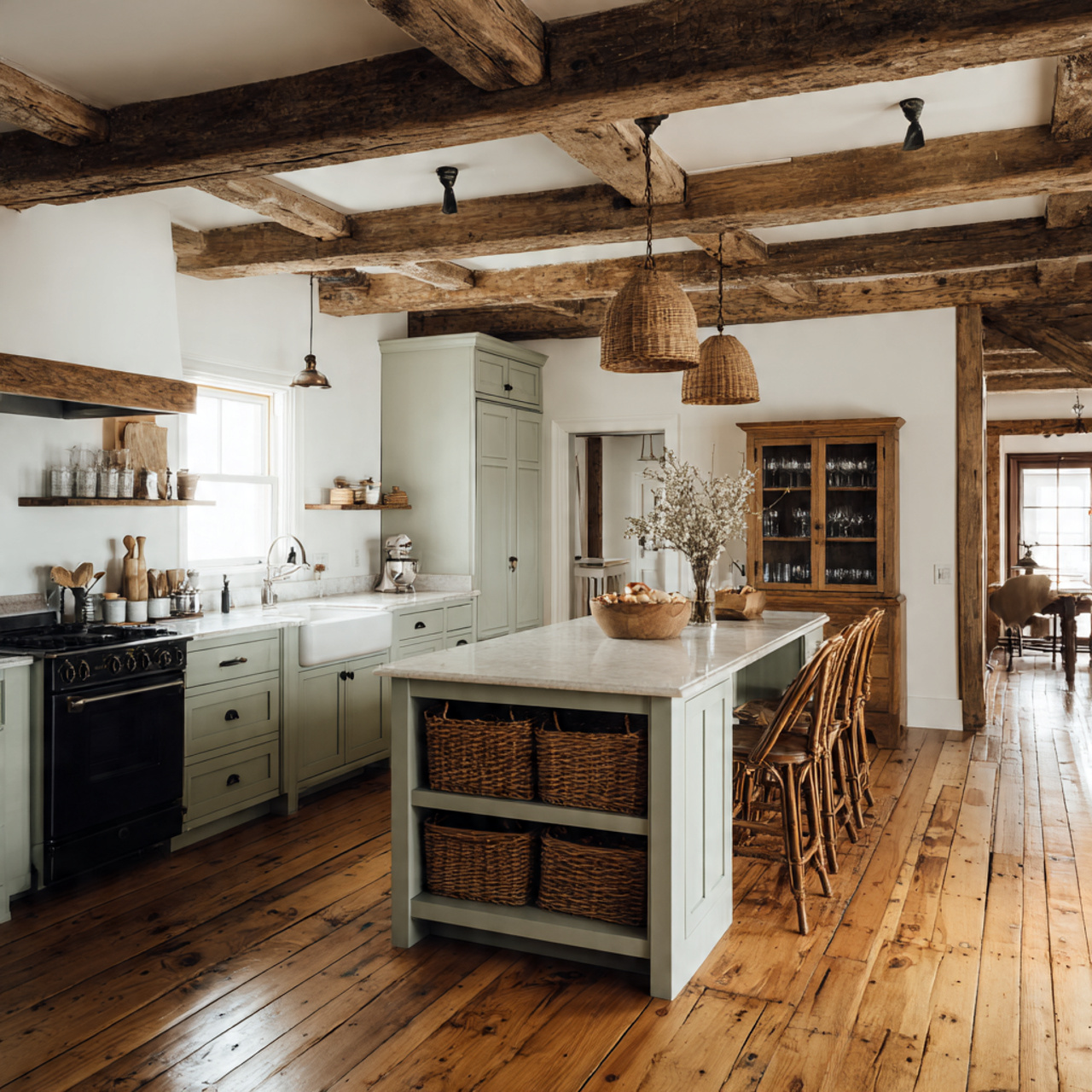
Farmhouse style has evolved, but many spaces still follow trends from years ago. This creates a dated look that lacks freshness.
Elements like overly distressed finishes or excessive signage no longer reflect modern farmhouse aesthetics. Most people assume these are essential, but the reality has shifted.
Update your space with cleaner lines, softer palettes, and subtle rustic touches. This keeps the style current while maintaining its charm.
Tip: Replace heavy decor with lighter, more refined pieces.
Ignoring natural light direction that makes spaces feel dull or heavy
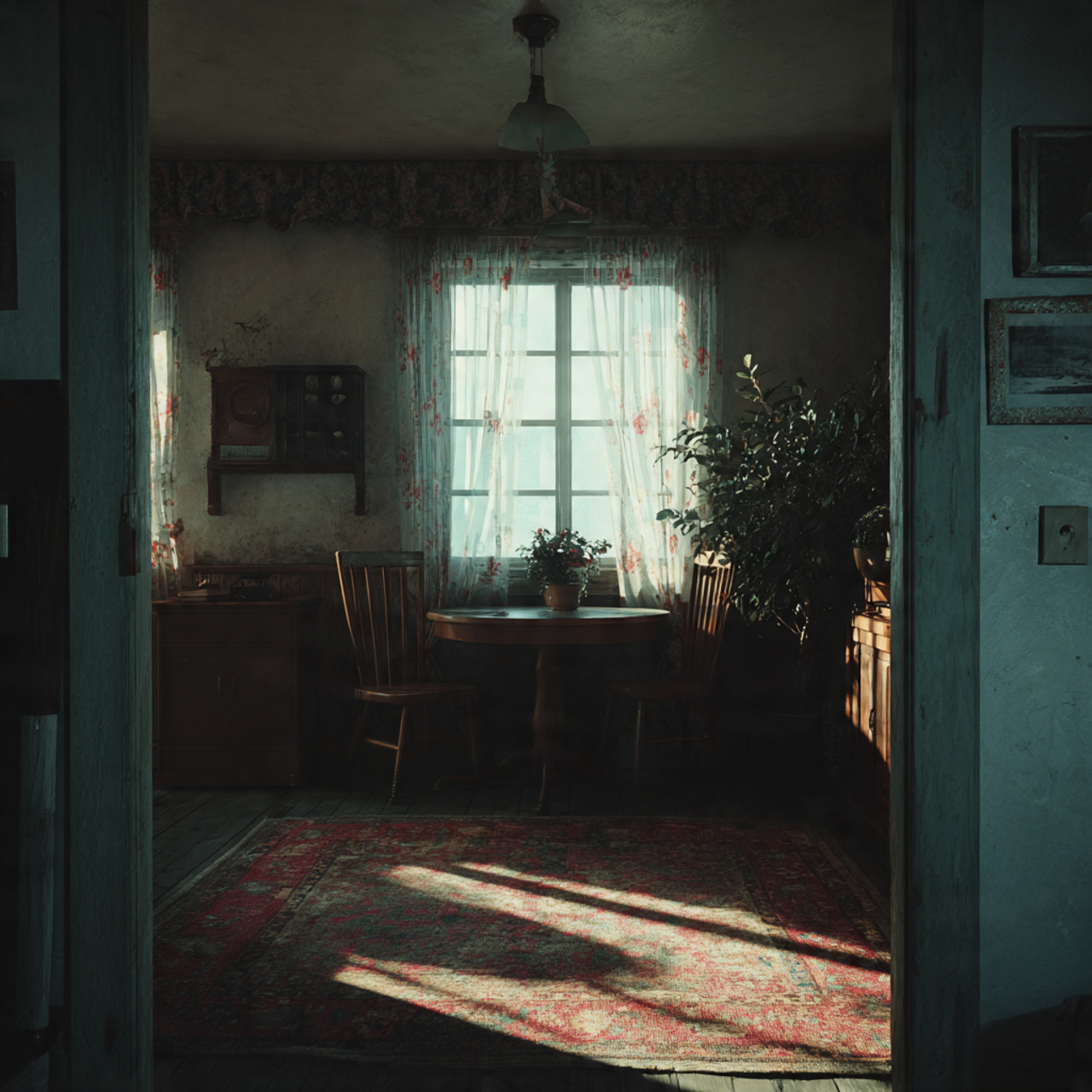
A room can feel completely different depending on how light enters it. Ignoring this factor often leads to poor color and material choices.
North-facing rooms tend to feel cooler, while south-facing rooms feel warmer. I have seen the same decor look completely different just by changing placement.
Adjust colors and materials based on light direction. Use warmer tones in cooler spaces and balance brightness where sunlight is strong.
Tip: Observe your room at different times of day before decorating.
Visit Also: Modern Farmhouse Living Room
Styling for photos instead of real living which breaks long term comfort
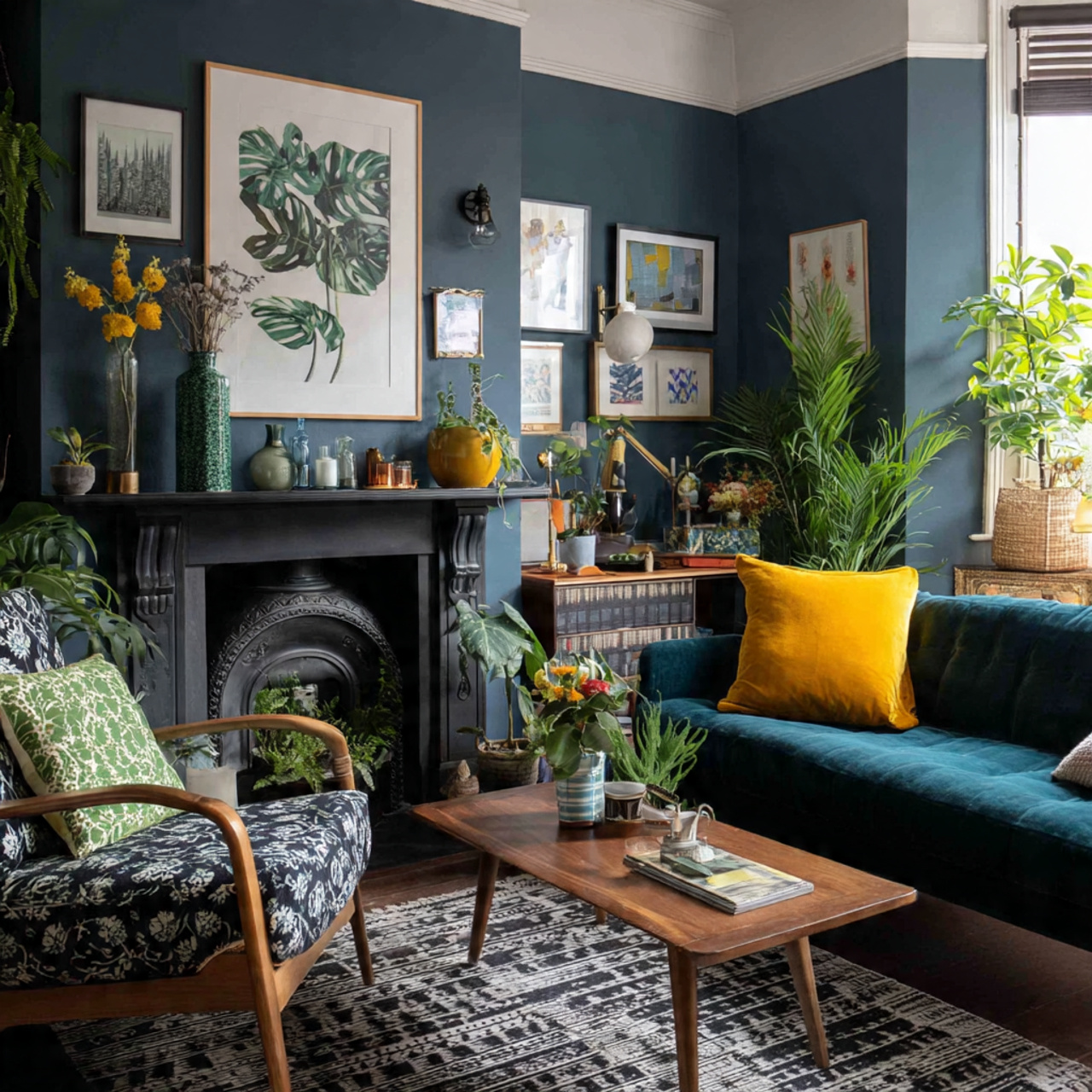
Some spaces look perfect in photos but feel uncomfortable in daily life. Furniture may be impractical, or decor may get in the way of normal routines.
This happens when styling is prioritized over functionality. At first, it feels satisfying, but over time it becomes frustrating. I learned this after creating a setup that looked great but was inconvenient to use.
Focus on how the space supports your lifestyle. Keep pathways clear, use practical furniture, and allow room for everyday activities.
Tip: Always test your layout in real use before finalizing it.
A Real Farmhouse Decor That Feels Balanced and Comfortably Lived In
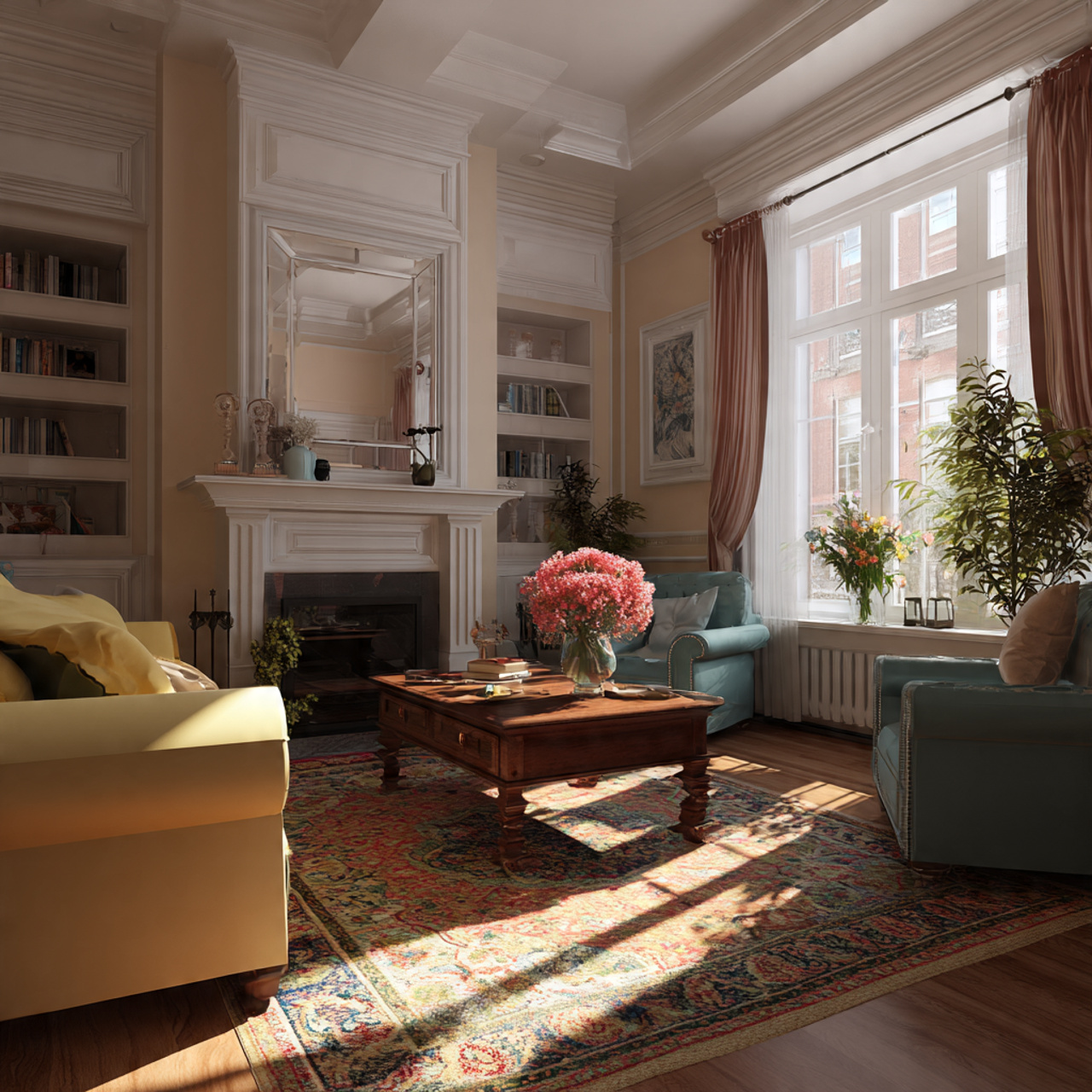
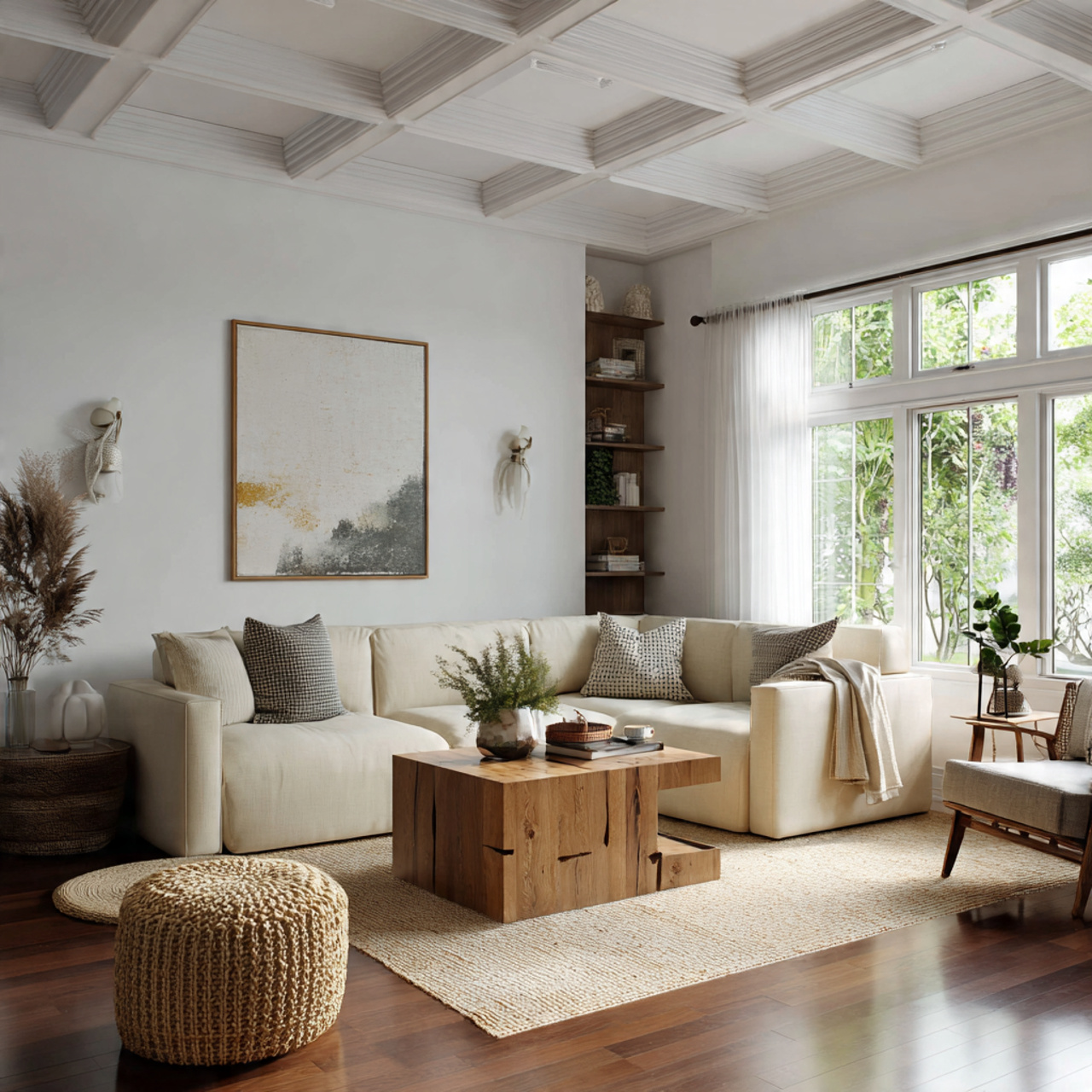
Soft afternoon light moves gently across a warm wood coffee table layered with a simple tray, a candle, and a small stack of books. The sofa sits slightly pulled away from the wall, with textured cushions and a woven throw that looks casually placed rather than styled. Nothing feels overly arranged, yet everything works together naturally.
What makes this space feel right is the balance between structure and softness. The wood tones are consistent without matching perfectly, and the lighting shifts beautifully from day to evening without making the room feel harsh or dull. In my experience, this kind of balance is what separates a styled room from a space that actually feels good to live in.
Farmhouse Color Palette That Creates Warmth and Depth
Soft Cream White (#F5F1E8)
A warm base for walls that avoids a cold, flat look. Works best with linen, cotton, and light wood.
Warm Oak Brown (#A47551)
Adds depth through furniture and wood accents. Pairs well with jute, leather, and natural textures.
Muted Sage Green (#A3B18A)
A soft, calming accent that blends easily into farmhouse decor. Ideal for textiles, plants, or small decor.
Charcoal Soft Black (#3A3A3A)
Used in small details like lighting or frames to add contrast. Keeps the space balanced without overpowering it.
Room Size and Lighting Guide for Better Farmhouse Decor
Small Rooms
Use lighter tones and avoid heavy furniture so the space feels open yet cozy. Warm lighting helps prevent shadows and keeps the room from feeling flat.
Large Rooms
Layer lighting and define zones with rugs or furniture placement to avoid an empty feel. This creates structure while maintaining comfort.
North and South Facing Rooms
North-facing spaces need warmer tones and soft lighting to balance the coolness. South-facing rooms can handle deeper shades without losing brightness.
East and West Facing Rooms
Light changes throughout the day, so flexible lighting like lamps keeps the mood consistent. This helps the space feel comfortable from morning to evening.
Common Farmhouse Decor Mistakes That Still Affect Real Homes
Chasing Trends Instead of Long Term Comfort
Focusing too much on trends often leads to constant changes and wasted effort over time. The space starts to feel inconsistent instead of calm and settled.
Ignoring Material Quality
Low quality materials may look fine at first but quickly begin to feel cheap in daily use. Investing in a few solid pieces creates a stronger and more lasting foundation.
Relying on a Single Light Source
Using only one light source flattens the entire room and removes depth. Layered lighting brings warmth and makes the space feel more complete.
Over Decorating Every Surface
Filling every surface removes breathing space and creates visual clutter. Leaving some areas minimal helps the room feel balanced and relaxed.
Farmhouse Decor Mistakes FAQ That Most Homeowners Ask
Why does my farmhouse decor feel cold instead of cozy?
This usually happens due to cool undertones or harsh lighting. Switching to warmer tones and adding texture can quickly improve the atmosphere.
How do I fix a farmhouse room that looks cheap?
Focus on better material choices, layered lighting, and balanced styling. Even small upgrades like real wood accents can make a noticeable difference.
Can farmhouse decor still look modern today?
Yes, modern farmhouse blends clean lines with warm natural materials. Avoid outdated trends and focus on simple, balanced styling.
What is the biggest mistake in farmhouse decor?
Over-matching decor is a common mistake that removes the lived-in feel. Farmhouse style works best when it feels collected and slightly varied.
How can I decorate farmhouse style on a budget?
Start with key elements like lighting and textiles to build a strong base. Mix affordable decor with a few quality pieces for a balanced look.
Final Thoughts on Fixing Farmhouse Decor Mistakes
Farmhouse decor works best when it feels natural, warm, and easy to live in rather than overly styled or forced. These farmhouse decor mistakes often go unnoticed at first, but they can quietly affect how the space feels over time.
Start with one small change like adjusting lighting or adding texture, then build gradually as you notice what improves the space. With a few thoughtful updates, farmhouse decor begins to feel more balanced, comfortable, and genuinely lived in without losing its charm.