14 Cozy Farmhouse Decor Ideas That Instantly Warm Any Home
Farmhouse style has a quiet warmth that people notice the moment they walk into a room. Natural wood, soft fabrics, and simple furniture create spaces that feel relaxed rather than perfectly styled. That comfortable atmosphere is one of the main reasons farmhouse interiors continue to feel timeless.
In my experience, the most beautiful farmhouse homes rarely look brand new or overly coordinated. They feel layered with pieces collected slowly over time, like an old table paired with fresh linen curtains. That balance between rustic and simple is what gives farmhouse spaces their charm.
Why Farmhouse Style Still Feels Comfortable in Modern Homes
One thing I have noticed in real homes is that farmhouse interiors rely more on texture than decoration. Wood grain, woven fabrics, and slightly aged finishes quietly shape the character of a room. When these materials work together, the space begins to feel calm and grounded.
Most people assume farmhouse decorating requires a full renovation, but small changes often make the biggest difference. A reclaimed wood table, soft neutral textiles, or warm lighting can shift the entire mood of a room. Over time those details create a home that feels welcoming, relaxed, and naturally lived in.
The ideas below explore simple ways to bring farmhouse character into everyday spaces. Some focus on furniture while others highlight textures, lighting, and layout choices. Together they show how farmhouse decor can transform ordinary rooms into places that feel warm and comfortable.
Another thing I have learned over time is that farmhouse interiors rarely feel finished all at once. Many of the most comfortable homes develop slowly as furniture moves around and new textures are added. That gradual evolution often creates the relaxed character people associate with farmhouse spaces.
Cozy Farmhouse Decor Ideas That Bring Warmth Into Everyday Spaces
Farmhouse style works best when natural materials and simple furniture come together in a relaxed way. These ideas show practical ways to add warmth, texture, and character so your home feels comfortable and naturally lived in.
Reclaimed Wood Coffee Tables That Anchor a Cozy Farmhouse Living Room
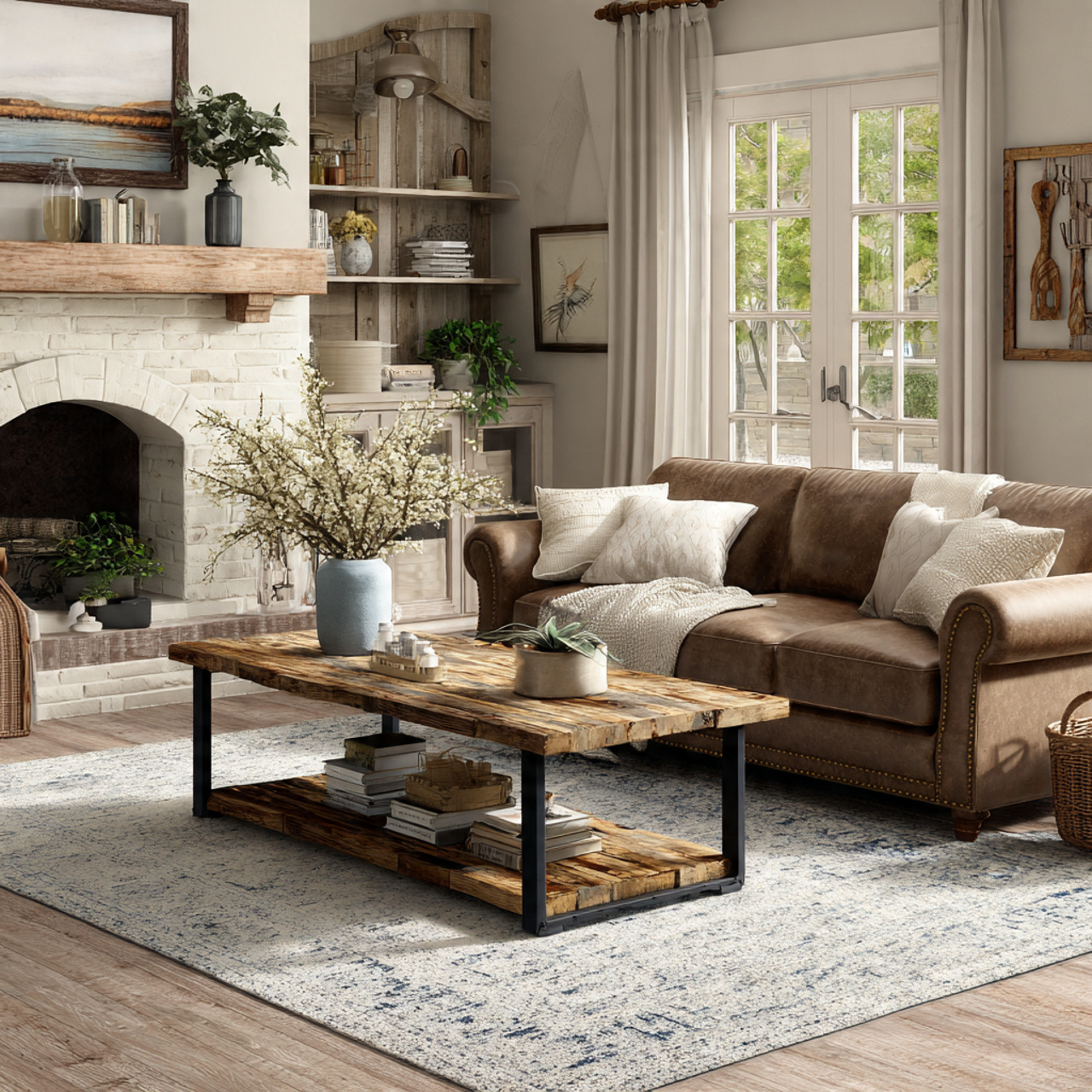
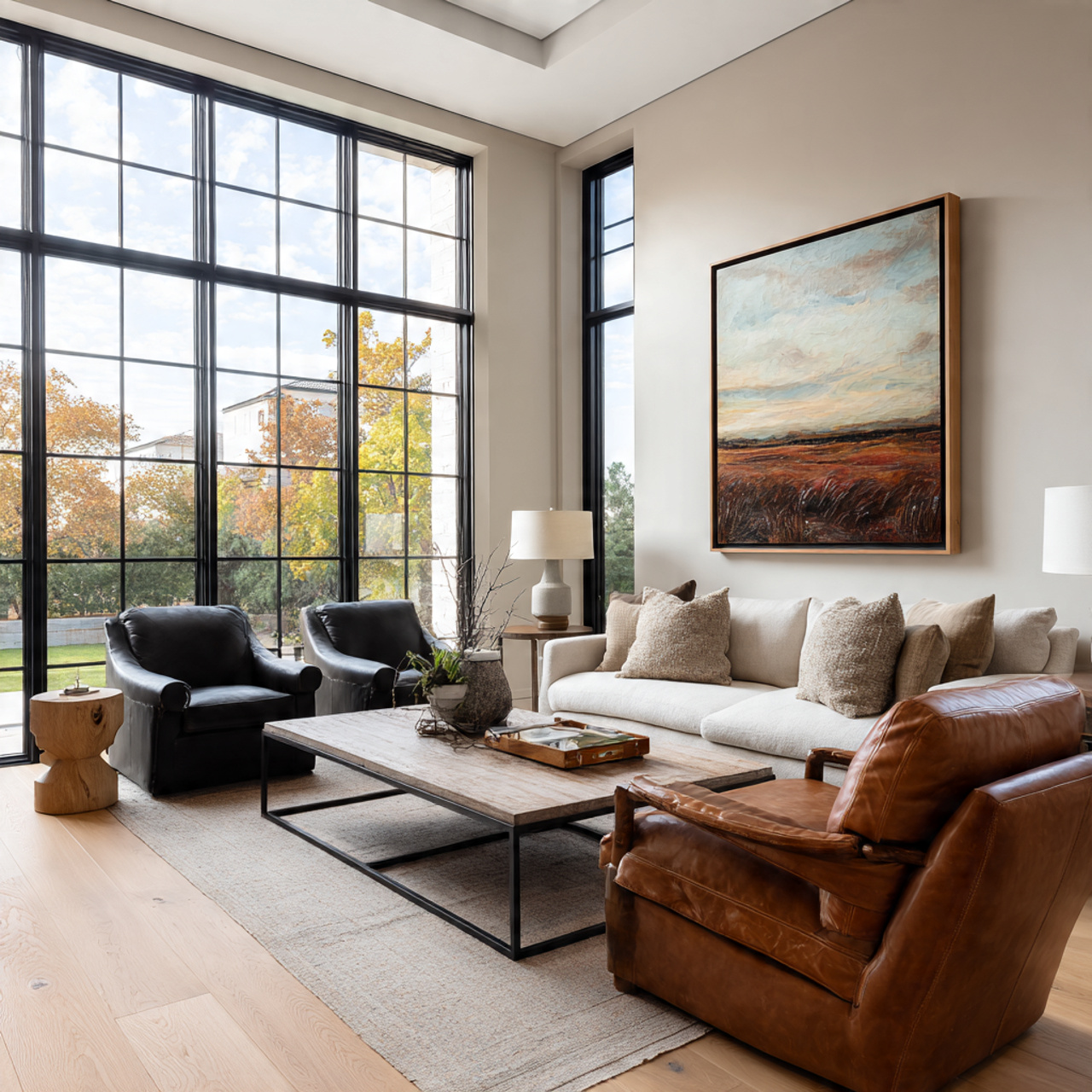
A reclaimed wood coffee table often becomes the quiet centerpiece of a farmhouse living room. The deep grain and slightly worn edges immediately make the space feel warmer. When morning light touches the wood surface, the whole seating area feels relaxed and grounded.
In my experience, reclaimed wood tables give a room a sense of history that new furniture rarely creates. Small dents, knots, and grain lines keep the living room from feeling overly styled. Those imperfections are often what make farmhouse interiors feel authentic.
To recreate this look, choose a sturdy table with visible grain and natural texture. Pair it with a neutral sofa and a soft woven rug so the wood becomes the visual anchor of the room. Keeping the surrounding decor simple allows the table to stand out naturally.
Tip: Slightly weathered wood tones usually feel more authentic than perfectly polished finishes.
Linen Sofas That Create a Calm and Relaxed Farmhouse Lounge
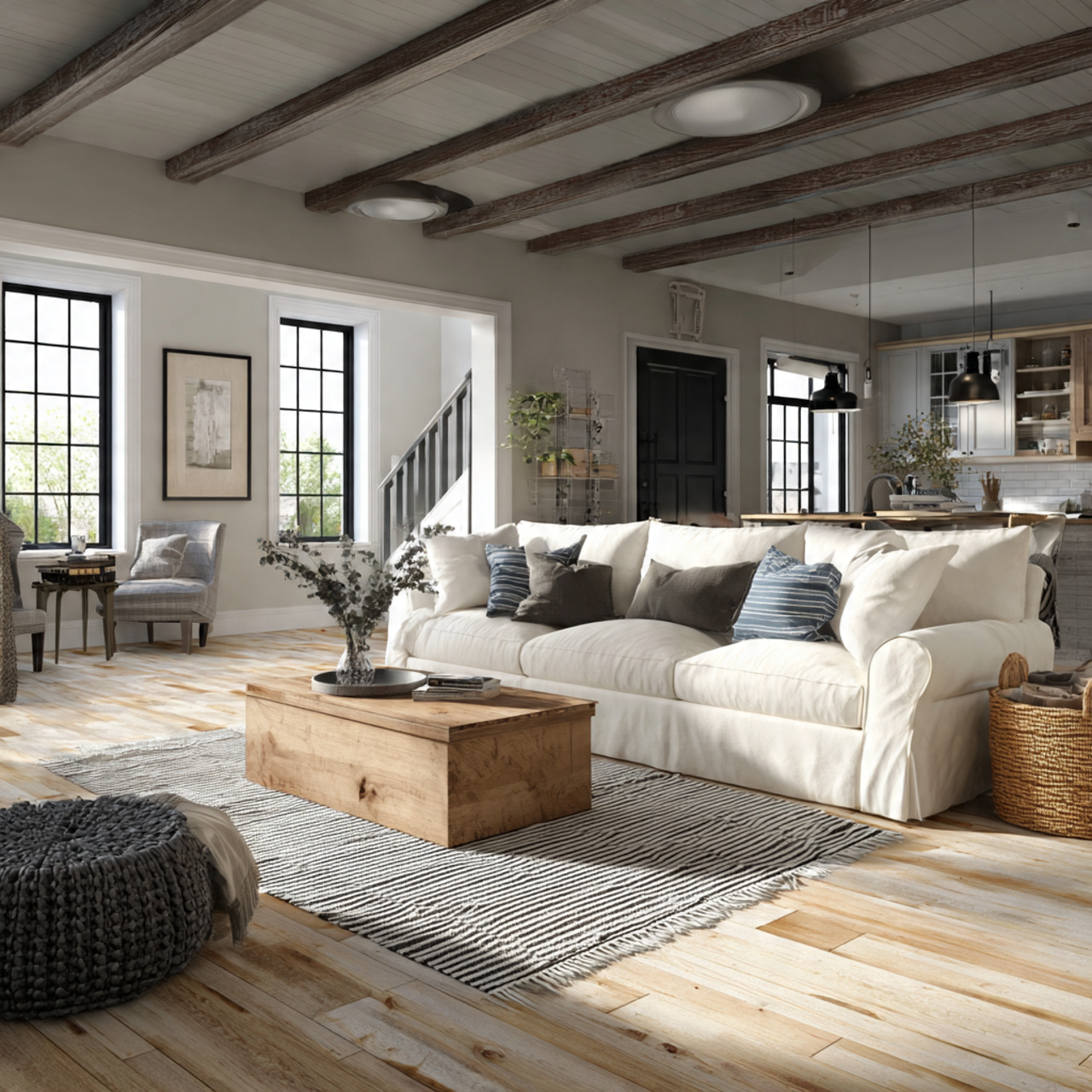
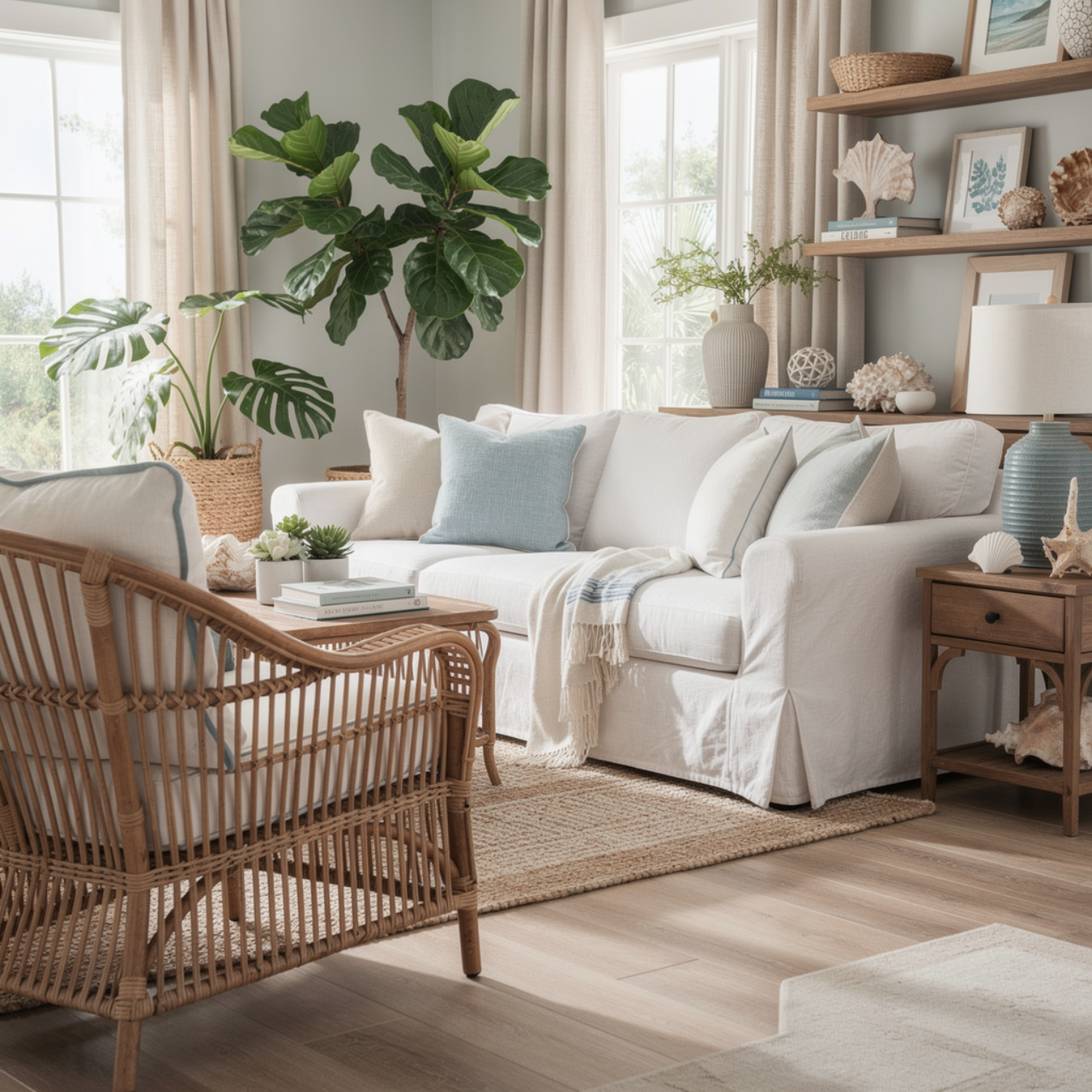
A linen sofa instantly softens the mood of a farmhouse living room. The fabric catches light gently and creates a calm, relaxed atmosphere. Even a simple room begins to feel more welcoming when linen upholstery is present.
After living with linen seating for several years, I noticed it changes character in a good way over time. The fabric develops a comfortable look that fits perfectly with farmhouse style. Instead of looking worn out, it gradually begins to feel lived in.
If you want to recreate this feeling, choose neutral shades such as warm white, soft beige, or pale gray. Add a textured throw blanket and a few natural pillows for depth. The goal is comfort rather than perfect styling.
Tip: Linen slipcover sofas work especially well because they keep the room feeling casual and relaxed.
Exposed Wood Beam Ceilings That Bring Authentic Farmhouse Character
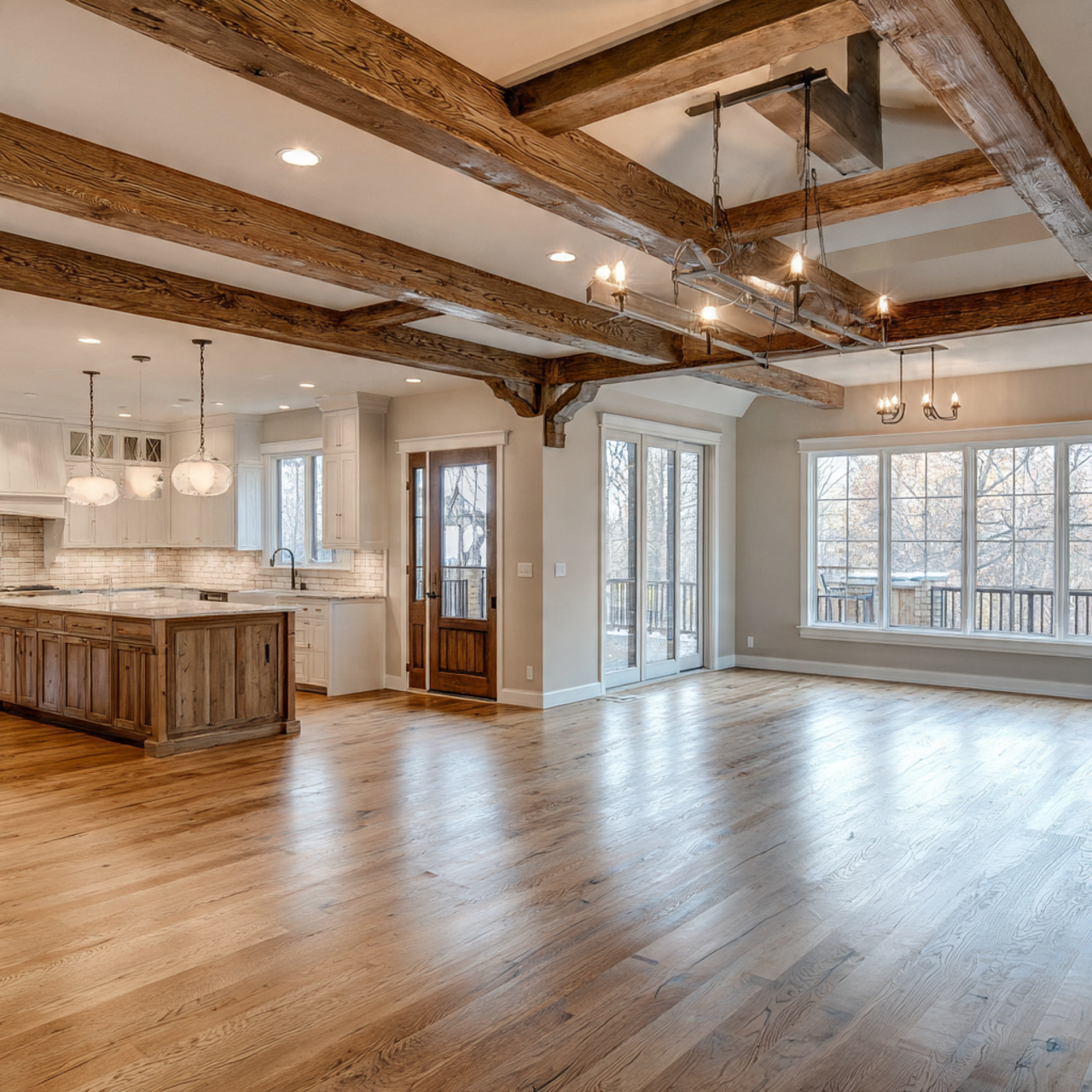
Walking into a room with exposed wood beams immediately creates a farmhouse impression. The beams add depth to the ceiling and guide the eye across the room. Even a simple living space begins to feel more architectural once natural wood appears overhead.
Many people assume beams require major construction, but that is not always true. In several homes I have visited, decorative beams were added later to introduce warmth. When the wood tones connect with the flooring or furniture, the space feels balanced.
If you want to try this idea, choose wood beams with natural grain rather than heavily stained finishes. The subtle texture helps maintain the relaxed farmhouse look. Soft lighting nearby will highlight the wood and enhance the cozy atmosphere.
Tip: Warm oak or reclaimed pine beams often work best in farmhouse interiors.
Large Farmhouse Dining Tables That Invite Long Gatherings
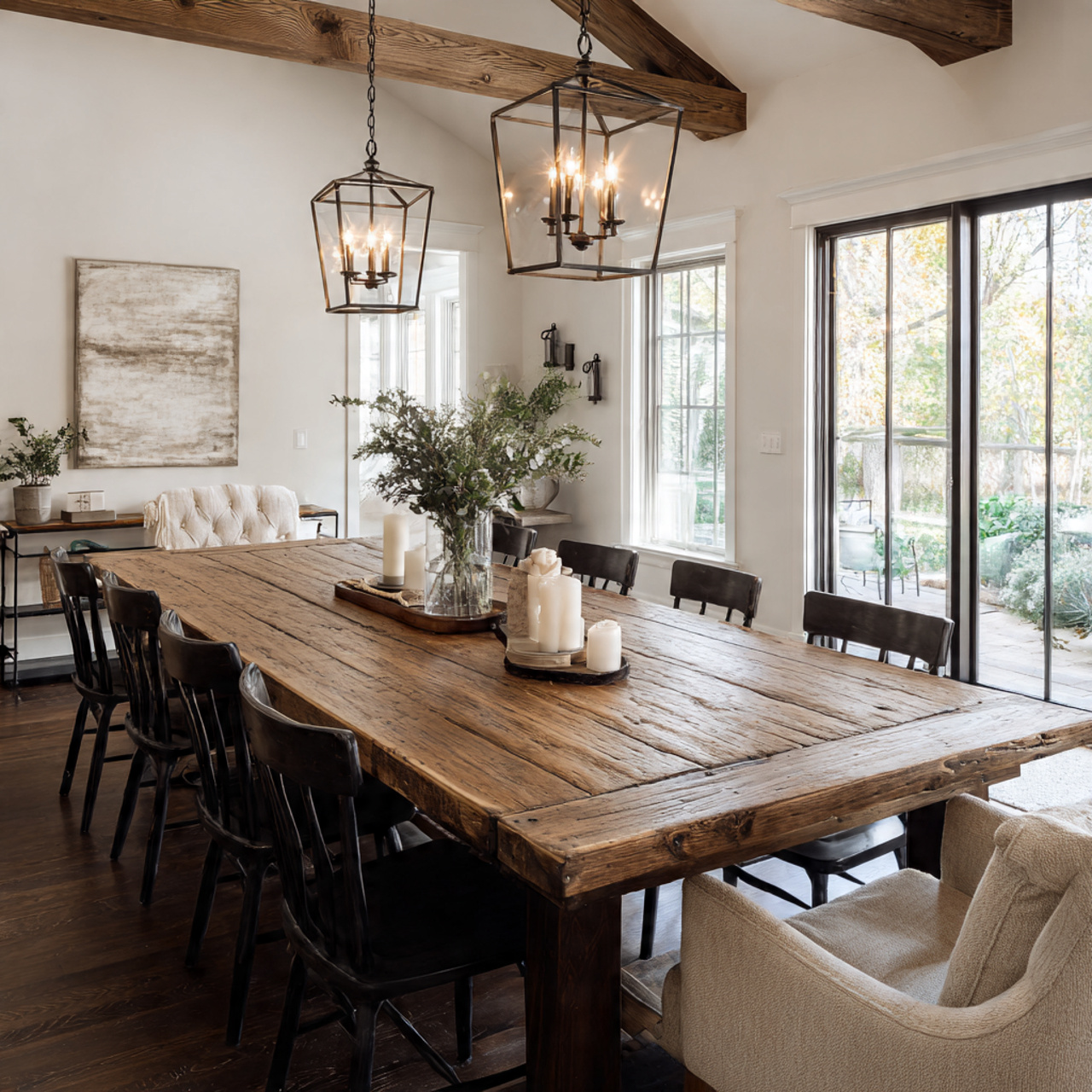
A long wooden dining table often becomes the center of daily life in a farmhouse home. The large surface invites people to sit, talk, and stay long after the meal ends. It creates a space where the family naturally gathers.
From what I have seen in real homes, farmhouse dining tables feel best when they are sturdy and slightly rustic. Smooth glossy finishes can make the room feel formal. Thick wooden planks with visible grain create a more welcoming atmosphere.
To recreate this setting, choose a solid wood table with simple legs or trestle supports. Surround it with wooden chairs or a bench to keep the look relaxed. A linen runner or a bowl of fruit can add a small finishing detail.
Tip: Oversized wooden tables instantly make farmhouse dining rooms feel more inviting.
Vintage Kitchen Shelving That Feels Collected Over Time
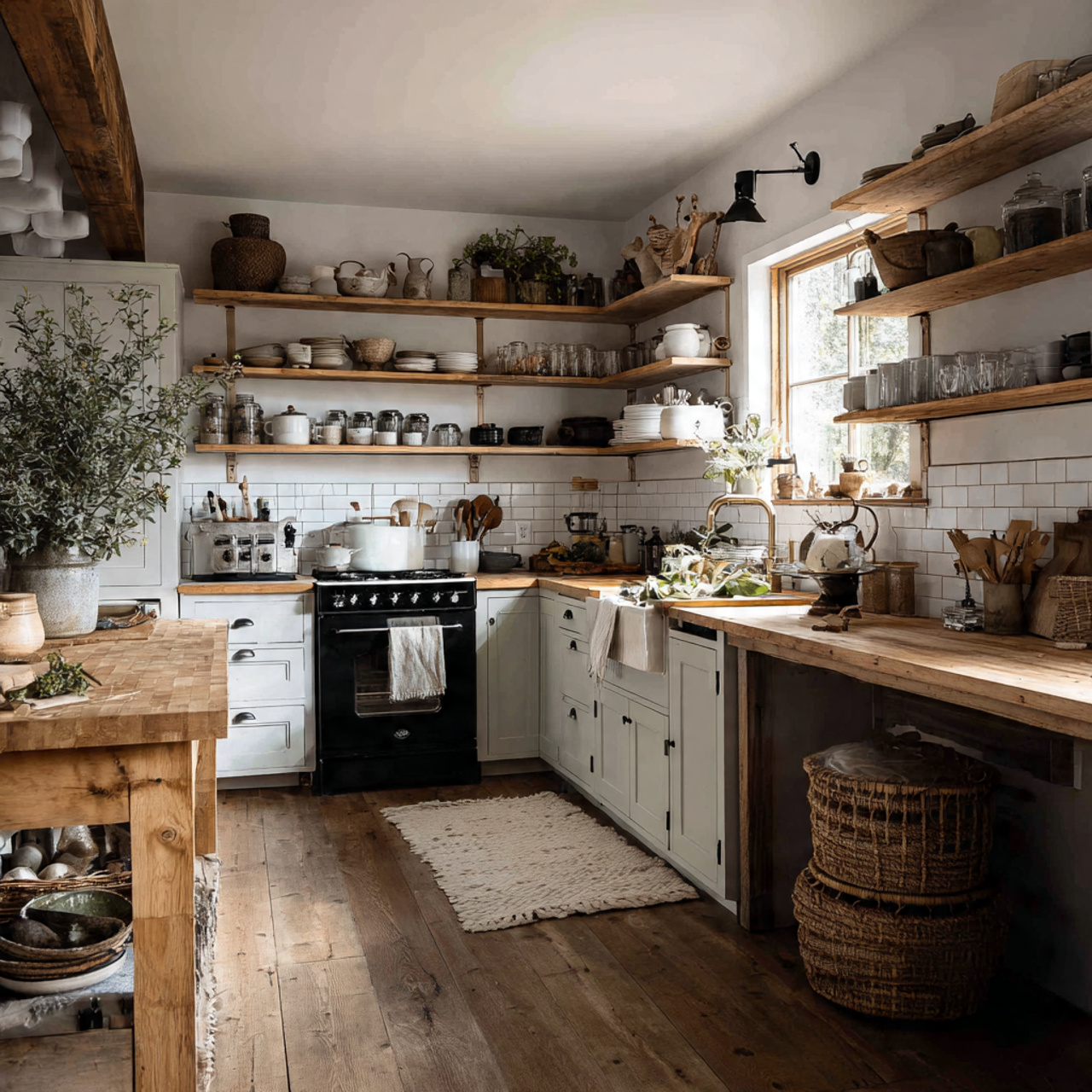
Open shelving gives farmhouse kitchens a relaxed and personal character. Wooden shelves filled with dishes, jars, and bowls make the room feel lived in. Instead of hiding everything behind cabinets, the kitchen becomes part of everyday life.
In many homes I have seen, these shelves slowly fill with objects collected over time. Mixing ceramic plates, glass jars, and wooden utensils creates quiet visual texture. The display feels natural rather than carefully styled.
If you want this effect, install a few simple wood shelves on an open wall. Place everyday dishes and kitchen tools where they are easy to reach. Leaving some empty space keeps the shelves calm and balanced.
Tip: Mixing vintage finds with everyday kitchen items makes open shelving feel authentic.
Soft Neutral Bedrooms That Feel Peaceful and Restful
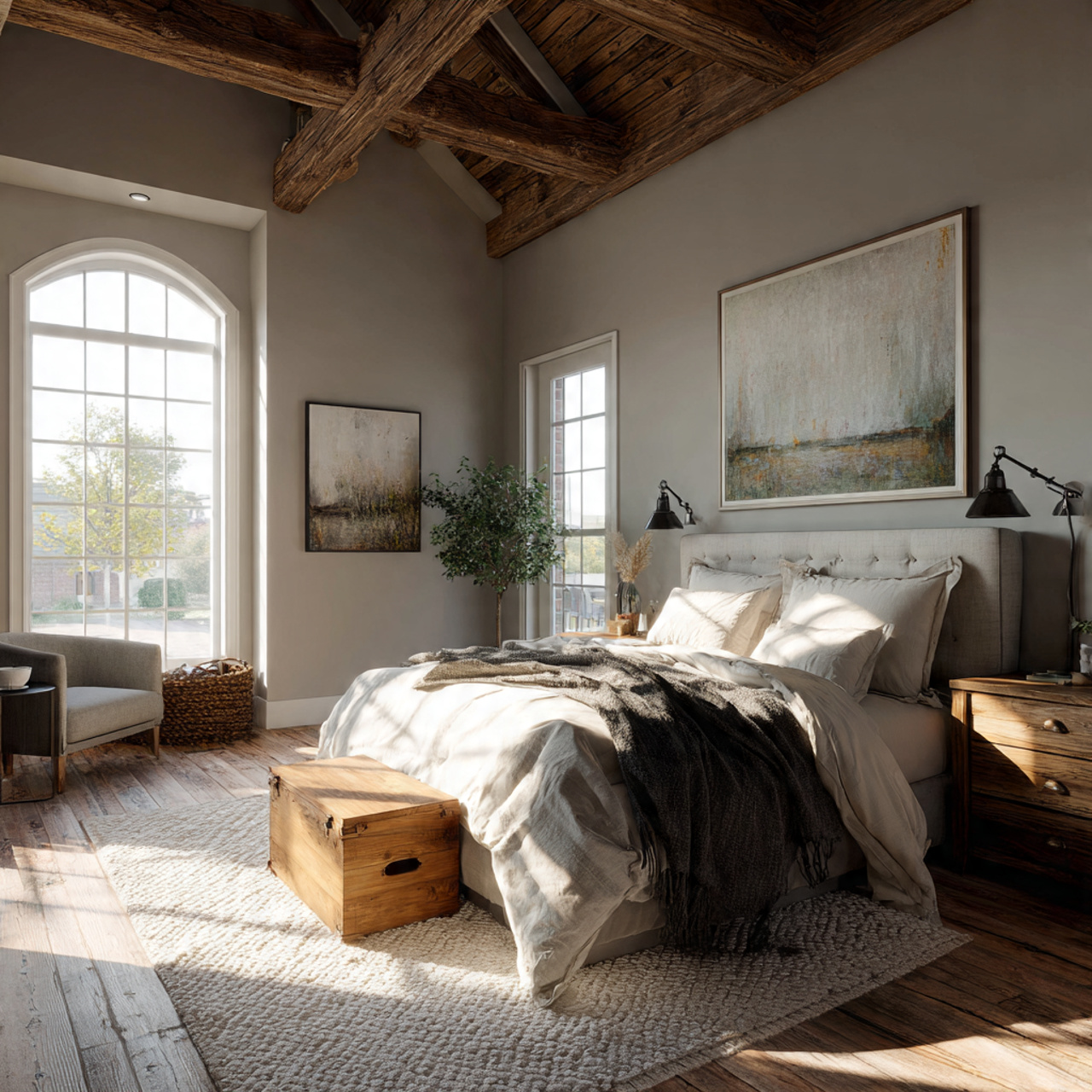
A farmhouse bedroom often feels calm as soon as you enter the room. Neutral bedding, soft textures, and natural wood furniture create a peaceful atmosphere. The space feels designed for rest rather than decoration.
After experimenting with many bedroom color schemes, I noticed neutral palettes last much longer. Whites, warm beiges, and light grays allow fabrics and textures to stand out quietly. Linen bedding and woven blankets add comfort without visual noise.
To recreate this look, start with simple bedding and wooden bedside tables. Add soft lighting and one meaningful piece of wall art. Keeping the room uncluttered helps maintain the calm farmhouse mood.
Tip: Layering linen sheets with textured blankets creates a cozy farmhouse bedroom.
Warm Farmhouse Entryways That Welcome Guests Naturally
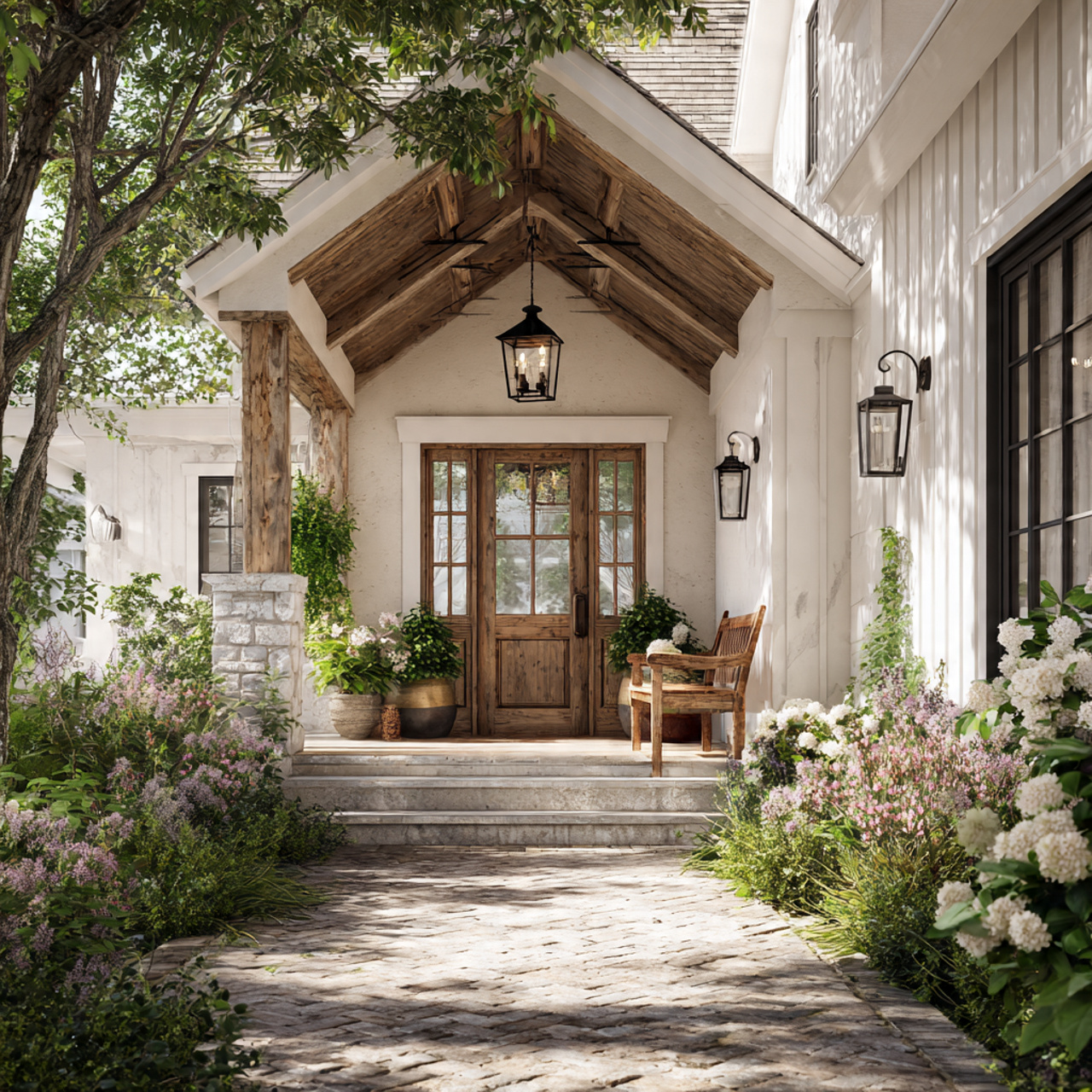
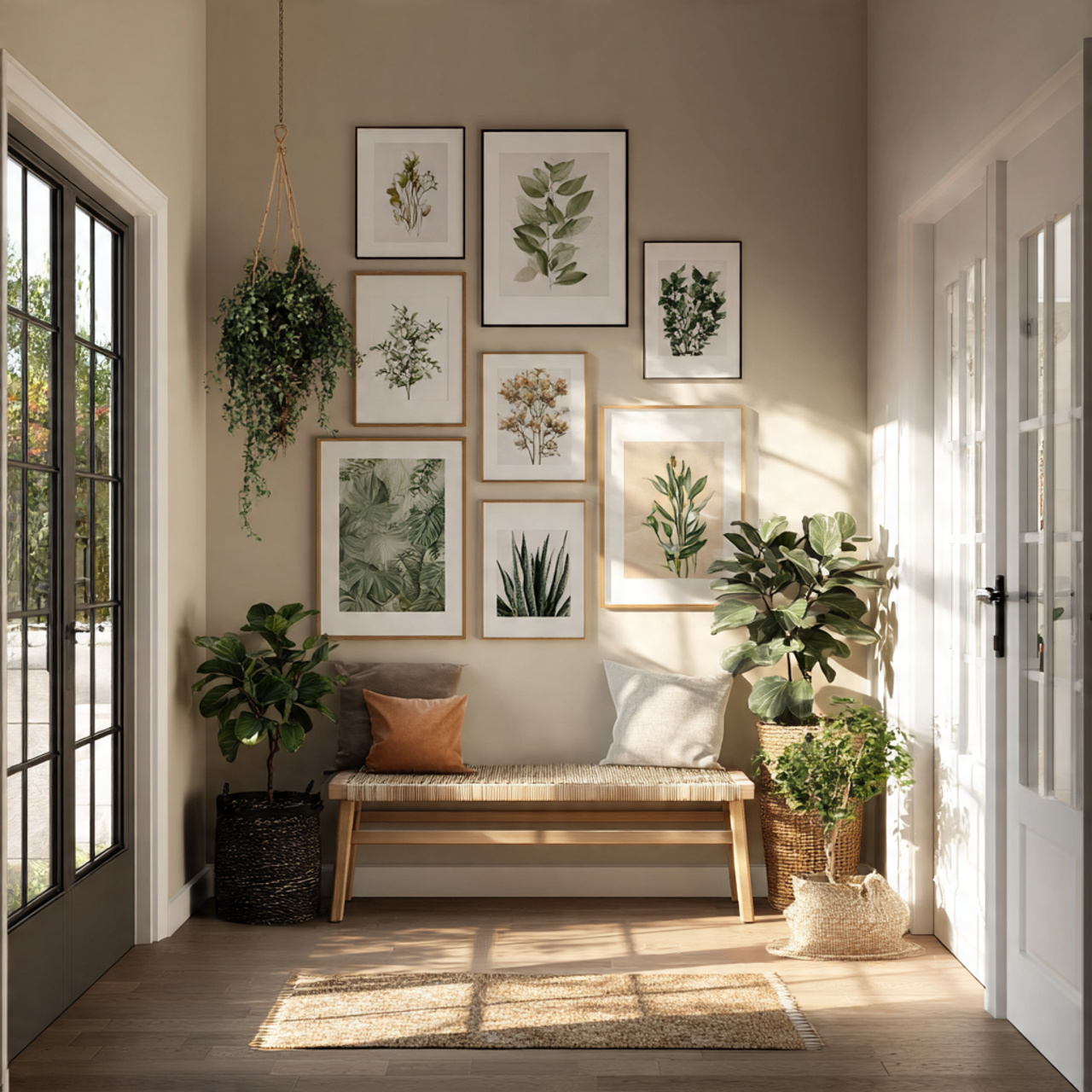
The entryway quietly introduces the style of the entire farmhouse home. A wooden bench, woven baskets, and simple wall hooks immediately make the space feel welcoming. Even small entryways can feel warm with the right materials.
One thing I learned while redesigning an entry space is how important texture becomes here. Hard surfaces alone can make the area feel cold, but wood and woven materials soften the atmosphere. These small details help guests feel comfortable right away.
To recreate this look, place a wooden bench near the door and add baskets underneath for storage. Wall hooks keep coats organized while adding visual interest. A simple woven rug can anchor the entry area.
Tip: A wooden bench often becomes the most useful piece in a farmhouse entryway.
Layered Textiles That Add Cozy Farmhouse Texture
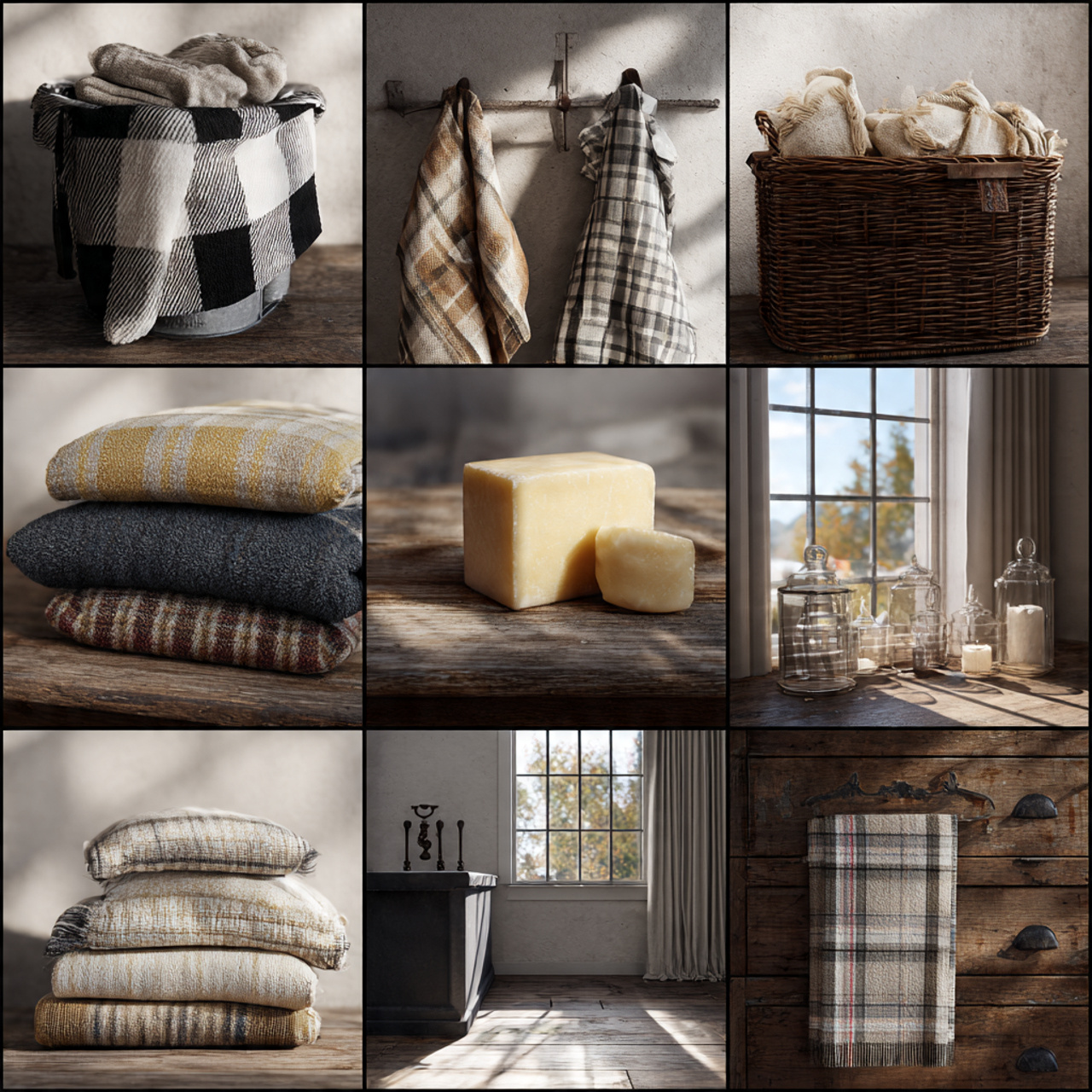
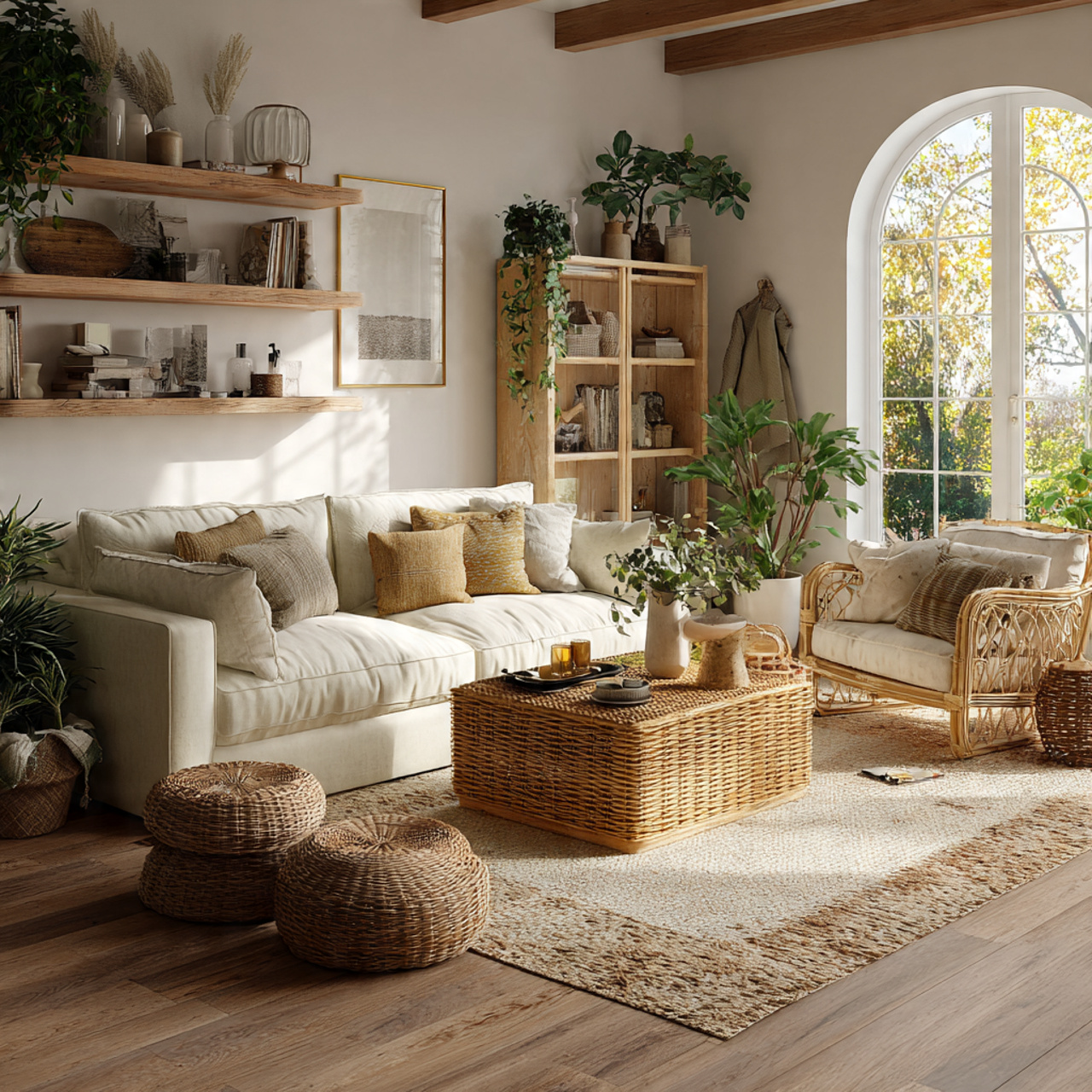
Soft linen pillows stacked against the sofa and a chunky knit blanket draped across the arm instantly warm a farmhouse living room. These layered textiles add quiet depth without making the space feel crowded. Even a simple neutral room begins to feel more inviting once different textures appear.
In my experience, texture plays a bigger role in farmhouse interiors than color alone. I once tried styling a living room using only neutral tones without adding textiles, and the space felt strangely flat. Adding woven blankets and linen pillows immediately fixed the problem.
To recreate this look, start with a neutral sofa or chair and add a few textured pillows. A soft throw blanket folded across the arm of the seat adds warmth and visual softness. Keeping the palette neutral allows the textures to stand out.
Tip: Mixing linen, cotton, and woven fabrics creates the most natural farmhouse layering.
Rustic Pendant Lighting That Creates a Warm Evening Atmosphere
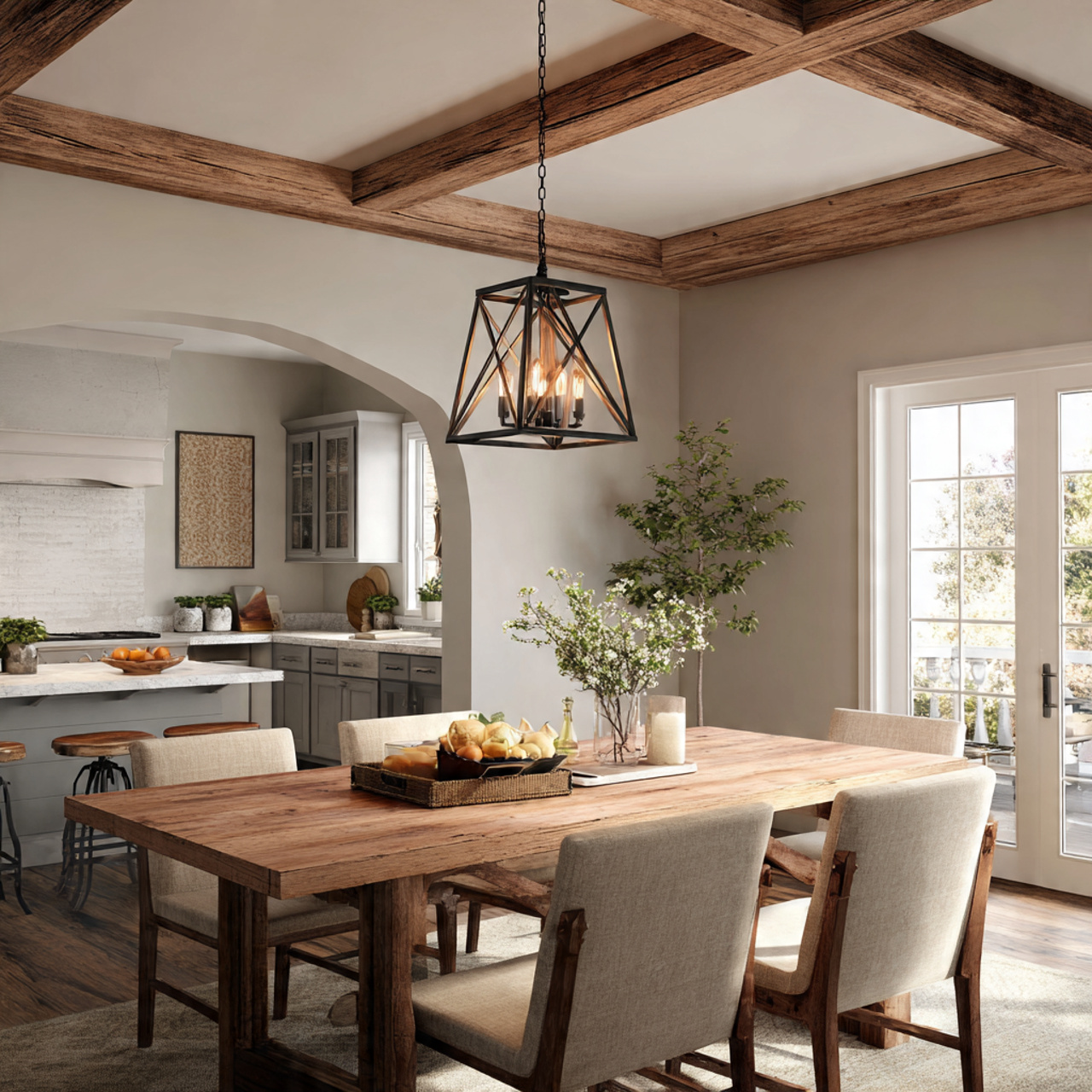
Rustic pendant lights often become a focal point in farmhouse kitchens and dining spaces. When warm light spreads across wood surfaces in the evening, the room instantly feels calmer. Lighting like this can change the entire atmosphere of the space.
After living with several lighting styles, I noticed farmhouse interiors feel best with warmer light tones. Bright white lighting can make the room feel sterile, while warm bulbs create a comfortable evening glow. The lighting begins to feel part of the room rather than just a utility.
Choose pendant lights with metal, wood, or aged finishes to maintain the farmhouse style. Hanging them above a dining table or kitchen island creates a balanced focal point. Simple shapes usually work better than overly decorative fixtures.
Tip: Warm light bulbs around 2700K create the most inviting farmhouse atmosphere.
Farmhouse Wall Art That Brings Personality to Simple Walls
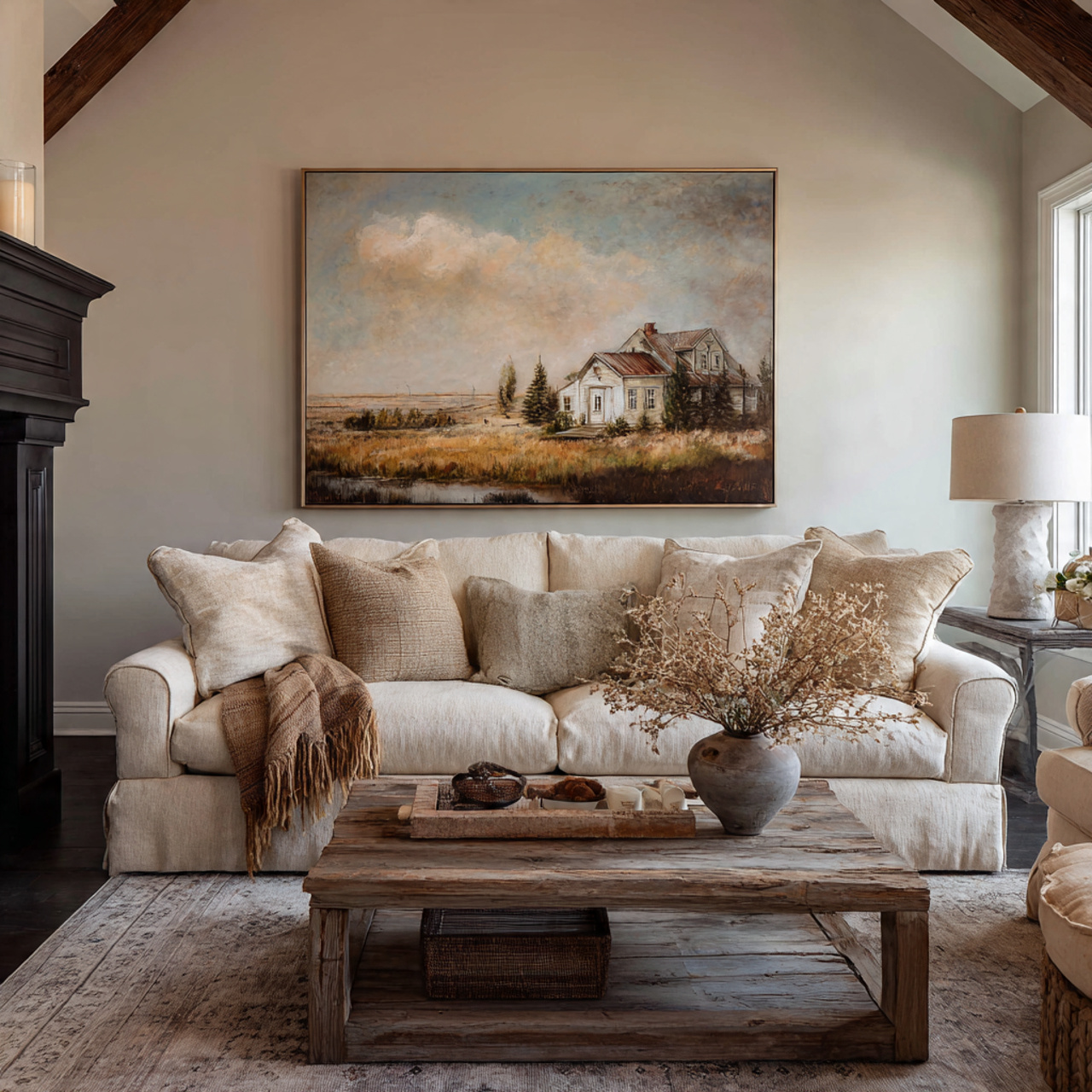
A pair of simple framed prints hanging above a wooden console table can quietly transform an empty farmhouse wall. The artwork adds personality while still allowing the room to feel calm and balanced. Even small pieces of art can change the atmosphere of the space.
One decorating mistake I made early on was filling an entire wall with too many frames. The arrangement ended up feeling busy instead of relaxed, which broke the farmhouse mood. Leaving space between frames actually made the artwork stand out more.
If you want to recreate this look, choose a few meaningful prints and simple wooden frames. Hanging them at eye level keeps the wall balanced and calm. Leaving some empty wall space prevents the arrangement from feeling crowded.
Tip: Natural wood frames usually blend best with farmhouse interiors.
Visit Also: farmhouse kitchen
Kitchen Islands That Become the Heart of a Farmhouse Home
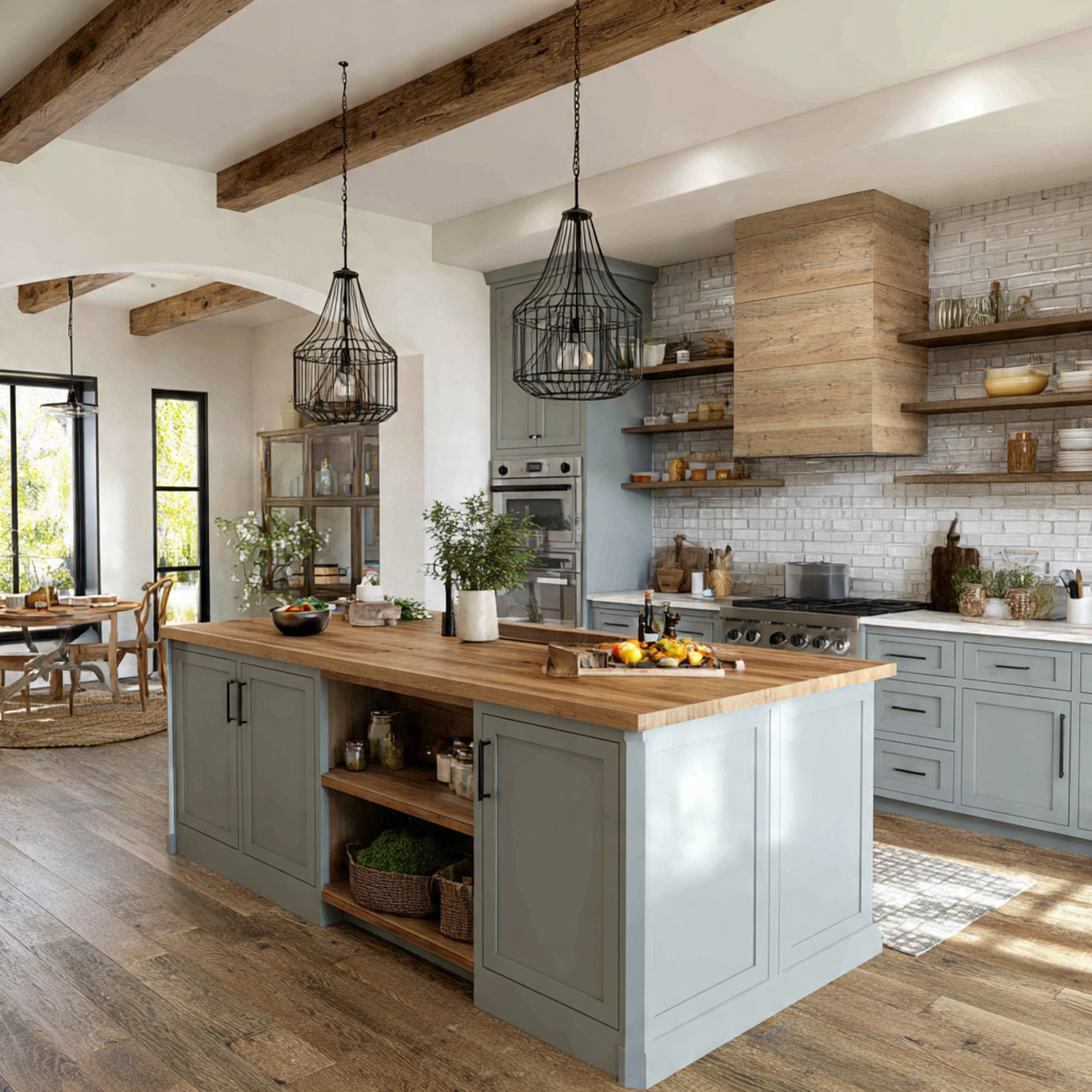
A farmhouse kitchen island often becomes the busiest place in the home. It serves as a workspace, dining spot, and gathering area throughout the day. The island quietly anchors the entire kitchen layout.
In many homes I have visited, the kitchen island becomes the place where people naturally gather. Morning coffee, meal preparation, and casual conversations often happen there. This makes the island feel less like furniture and more like a daily meeting point.
To create this effect, choose a sturdy island with a natural wood or painted base. Adding simple stools encourages people to sit and stay for a while. Keeping the countertop uncluttered allows the surface to remain functional.
Tip: A slightly larger island often improves both function and visual balance.
Natural Wood Floors That Make Farmhouse Rooms Feel Warm and Authentic
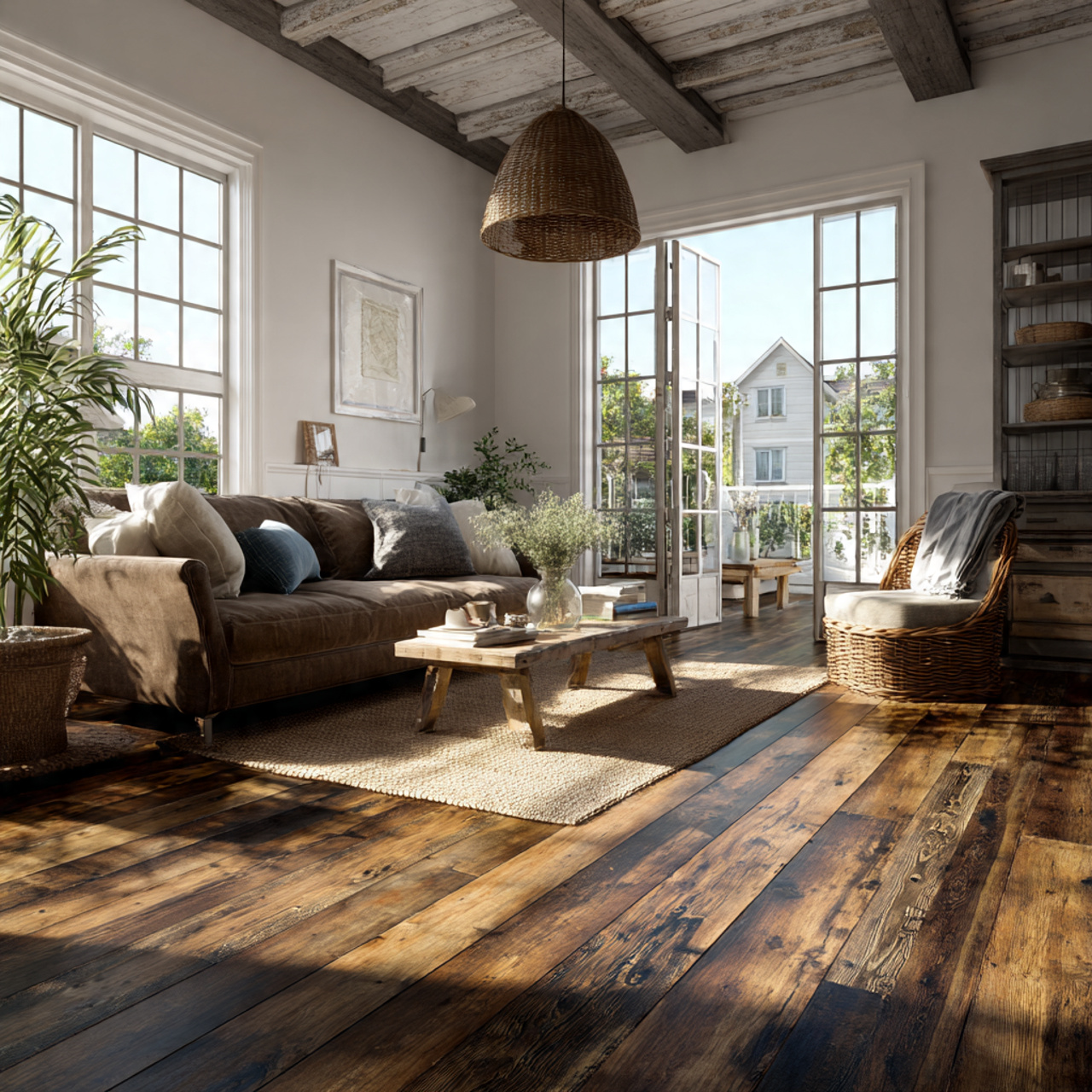
Wood floors often provide the foundation of farmhouse interiors. The natural grain adds warmth that carpets or synthetic materials rarely achieve. Even a simple room feels more grounded once wood flooring is present.
From what I have seen, farmhouse homes look best when wood floors show natural variation. Perfectly uniform boards can feel artificial, while subtle grain patterns add character. Over time the floor develops a soft patina that improves the space.
I once tried replacing natural wood flooring with a darker synthetic material thinking it would look more dramatic. Instead the room lost much of its warmth and started to feel colder than before. Returning to natural wood tones immediately restored the farmhouse atmosphere.
To recreate this look, choose oak, pine, or other natural wood tones with matte finishes. Avoid overly glossy coatings that remove the organic appearance. The goal is a floor that feels durable and authentic.
Tip: Matte finishes help wood floors maintain their natural farmhouse look.
Antique Storage Pieces That Add Character and History
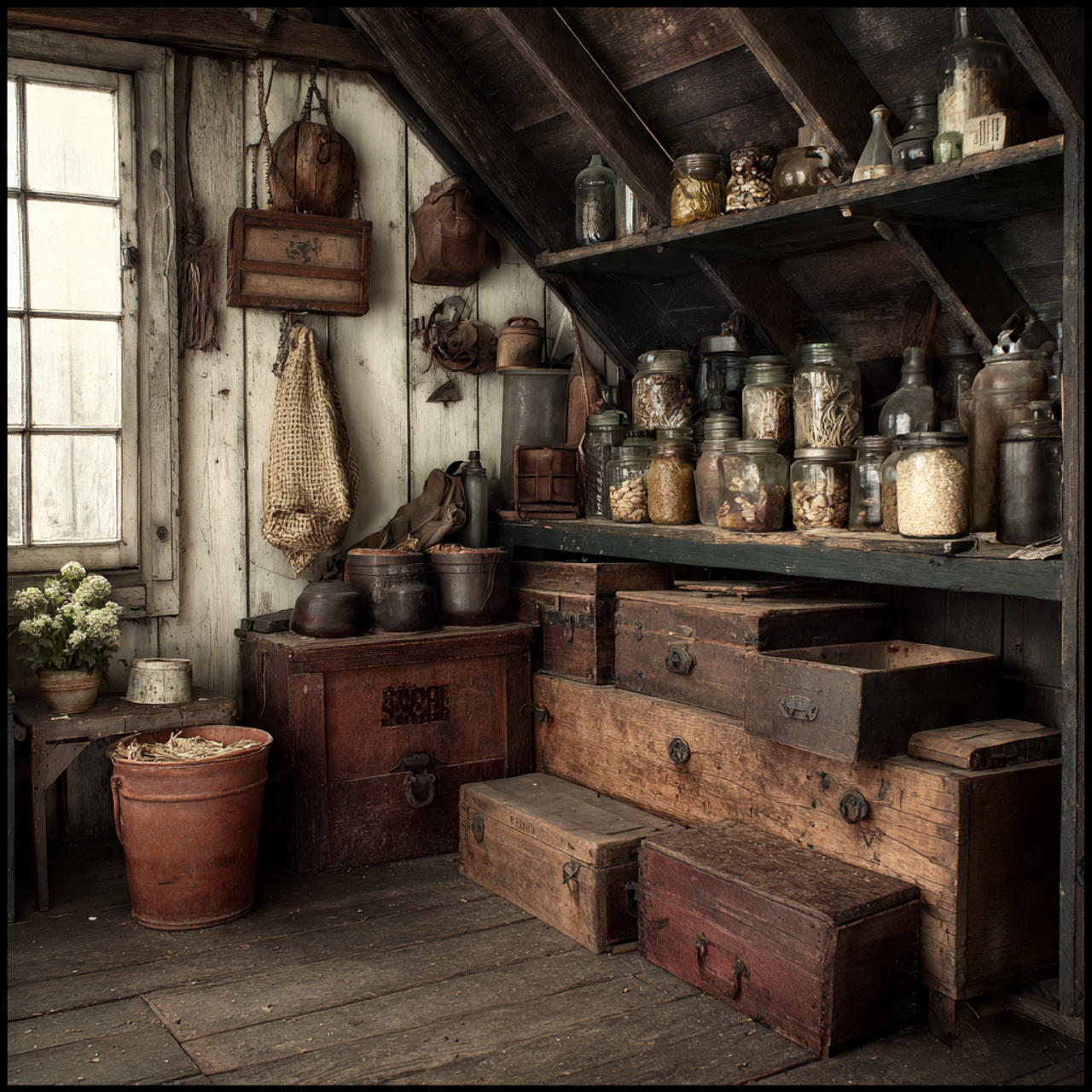
An antique wooden cabinet placed against a quiet wall instantly introduces history into a farmhouse room. The worn handles, uneven wood tones, and subtle scratches give the piece character that new furniture rarely has. Even a simple living room begins to feel more established when a vintage piece appears.
In many farmhouse interiors I have seen, vintage furniture prevents the room from feeling newly decorated. The aged wood tones and worn edges add quiet history. Even a single antique piece can balance newer furniture.
If you want to try this idea, look for wooden cabinets or dressers with visible grain and solid construction. Place them against a simple wall so the piece becomes a focal point. Minimal styling allows the furniture itself to stand out.
Tip: Antique storage pieces work well when paired with simple modern decor.
Visit Also: Dopamine Decor
Cozy Reading Corners That Create Quiet Farmhouse Moments
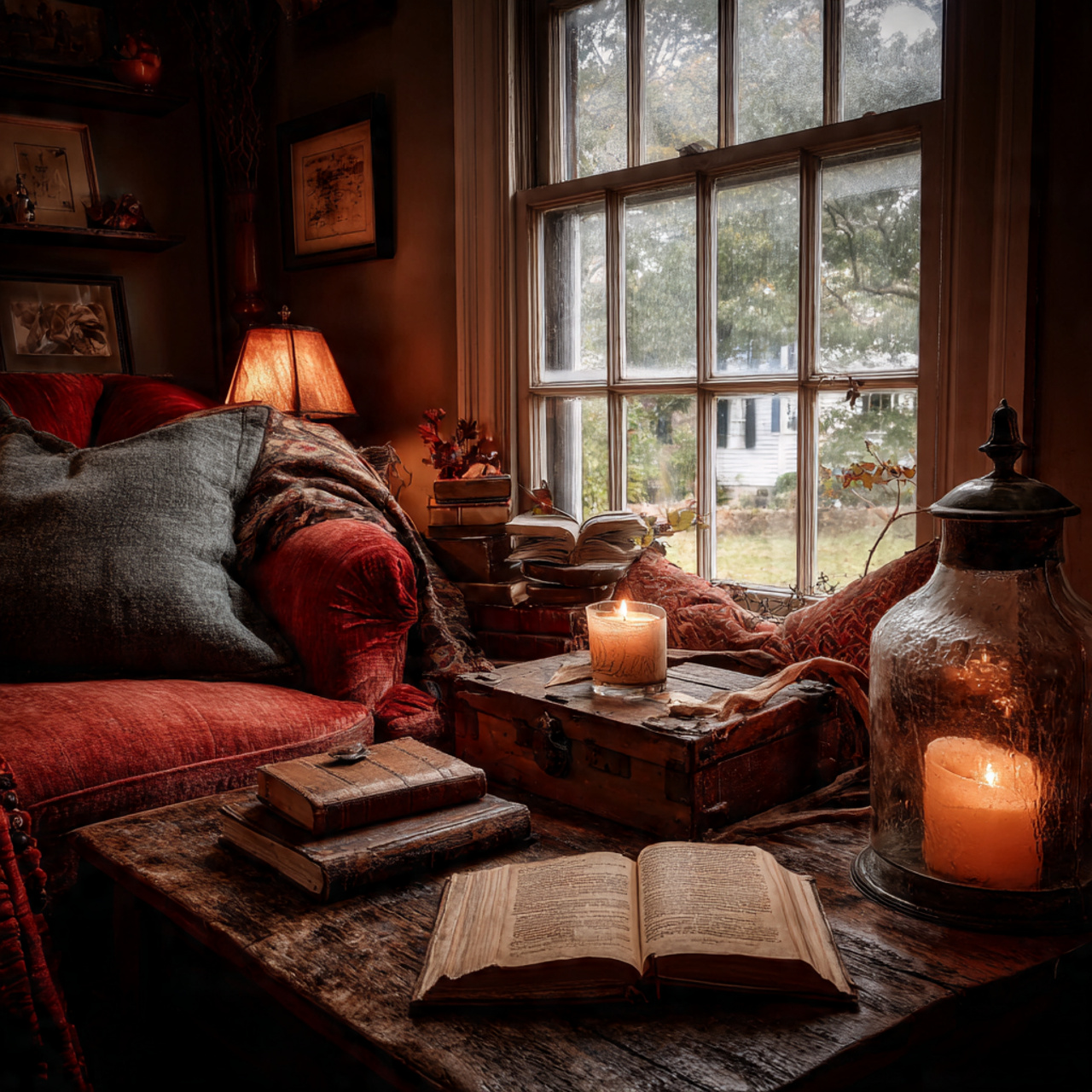
A small reading corner often becomes one of the most peaceful places in a farmhouse home. A comfortable chair, soft blanket, and warm lamp create a quiet retreat. Even a small corner of a room can become a relaxing space.
In my experience, reading corners are most successful when they feel slightly tucked away. Natural light during the day and a warm lamp in the evening create two different moods. The corner slowly becomes a personal refuge.
To recreate this idea, place a comfortable chair near a window or wall lamp. Add a soft throw blanket and a small side table for books. Keeping the space simple helps maintain the calm atmosphere.
Tip: Position reading chairs near natural light whenever possible.
A Real Farmhouse Living Room Example That Brings These Ideas Together
One farmhouse living room I visited recently showed how these ideas naturally work together in a real space. Wide wooden floors stretched across the room while a reclaimed wood coffee table quietly anchored the seating area. A linen sofa and woven pillows added soft texture without making the room feel busy.
Late afternoon sunlight slowly moved across the wood surfaces and softened the entire space. A simple reading chair near the window created a quiet corner beside a small bookshelf. The room felt comfortable rather than styled, which is often the moment farmhouse decor works best.
Farmhouse Color and Material Combinations That Always Work
Warm White (#F5F1EA) → works beautifully on farmhouse walls and cabinetry because it reflects light softly and keeps the space calm → pairs well with oak wood, linen fabrics, and woven baskets.
Soft Greige (#D8D3CB) → ideal for furniture or accent walls where a slightly warmer neutral helps the room feel balanced → pairs well with reclaimed wood, stone textures, and aged metal hardware.
Natural Oak (#C9A87C) → commonly used in floors, beams, and tables where the warm grain brings natural depth into the room → pairs well with ceramics, cotton textiles, and vintage wood finishes.
Deep Iron (#4A4A4A) → often used in lighting fixtures and metal accents to add contrast without overpowering farmhouse interiors → pairs well with warm wood, neutral walls, and soft woven textures.
Room Size and Lighting Guide for Farmhouse Interiors
Small Rooms
Use lighter farmhouse colors and fewer furniture pieces to keep the room feeling open. Soft linen fabrics and natural wood textures help the space feel calm instead of crowded.
Large Rooms
Larger farmhouse rooms benefit from stronger visual anchors like oversized dining tables or large sofas. Exposed beams or wide wood floors help balance the scale of the space.
North Facing Rooms
North facing spaces usually receive cooler daylight throughout the day. Warmer wood tones and soft lighting help prevent the room from feeling flat or gray.
South Facing Rooms
South facing rooms receive strong natural sunlight that brightens wood and neutral colors. Layered textures like woven rugs and linen curtains keep the brightness comfortable.
Common Farmhouse Decorating Mistakes That Can Make Rooms Feel Flat
Filling Every Corner With Rustic Decor
Many people assume farmhouse style means adding more rustic objects everywhere. When every shelf and table holds decorative pieces, the room begins to feel crowded instead of calm. Farmhouse spaces usually look best when a few natural materials are allowed to stand out.
In real homes I have seen, empty space often improves the room more than extra decor. A wooden table or vintage cabinet becomes much more beautiful when it is not surrounded by too many objects.
Choosing Overly Dark Wood Everywhere
Dark wood can add warmth to farmhouse interiors, but covering every surface with deep tones can make a room feel heavy. Floors, beams, and furniture in the same dark finish often remove the brightness farmhouse spaces need.
Balancing darker wood with lighter fabrics or neutral walls usually solves the problem. The contrast helps natural textures remain visible while keeping the room comfortable and open.
Buying Perfectly Matching Furniture Sets
Perfectly matching furniture sets often make farmhouse interiors feel less authentic. Real farmhouse homes usually develop slowly with pieces collected over time rather than purchased together.
Mixing older furniture with newer items often creates more character. A vintage cabinet next to a modern sofa can make the room feel layered and natural.
Ignoring Natural Texture Layers
Some rooms try to achieve farmhouse style using only color. Without texture the room can look flat even if the palette is neutral.
Wood grain, woven fabrics, linen curtains, and ceramic objects help introduce the softness farmhouse interiors need. Layering these materials is often what transforms a simple room into a warm farmhouse space.
Frequently Asked Questions About Farmhouse Decor
What makes a home feel truly farmhouse style?
Farmhouse style usually combines natural materials, relaxed furniture, and simple textures. Wood, linen, cotton, and vintage elements often create the warm atmosphere associated with farmhouse homes. The goal is comfort and authenticity rather than perfectly styled rooms.
Can farmhouse decor work in small homes or apartments?
Yes, farmhouse decor can work well in smaller homes when the styling stays simple. Light neutral colors and natural wood textures help small spaces feel brighter and more open. Many apartments successfully use farmhouse details without needing large rustic furniture.
Is modern farmhouse different from traditional farmhouse style?
Modern farmhouse style blends rustic materials with cleaner lines and brighter interiors. Traditional farmhouse spaces usually include more vintage furniture and heavier wood textures. Both styles focus on warmth, comfort, and natural materials.
What colors work best in farmhouse interiors?
Soft neutral colors usually work best for farmhouse spaces. Warm whites, light beiges, muted greens, and gentle grays help highlight wood textures and natural fabrics. These colors also keep rooms feeling calm and welcoming.
Do farmhouse homes always need reclaimed wood?
Reclaimed wood is common in farmhouse decor but it is not required. New wood furniture can create the same warm atmosphere when the finish looks natural and slightly textured. The most important element is choosing materials that feel authentic rather than overly polished.
Creating a Farmhouse Home That Feels Warm and Lived In
Farmhouse style continues to resonate because it focuses on comfort, natural materials, and rooms that feel genuinely lived in. Wood textures, linen fabrics, and simple furniture arrangements quietly shape the atmosphere of a farmhouse home. Over time these materials develop character, which is often what makes the style feel timeless.
If you want to bring farmhouse style into your own home, begin with one simple change instead of trying to transform everything at once. A reclaimed wood table, softer lighting, or a comfortable reading corner can shift the mood of a room almost immediately. Small thoughtful decisions made gradually usually create the most authentic farmhouse interiors.