17 Top Coffee Table Ideas That Transform Your Living Room
Most people realize their coffee table doesn’t work about three months in. It looked perfect in the store or on Pinterest, but now it’s either too big, too small, covered in clutter, or just feels wrong every time you walk past it. The problem isn’t taste, it’s that coffee tables get chosen for how they look in isolation, not for how they’ll function in the specific room where you actually live.
These ideas come from years of watching what works long-term and what people quietly regret. They’re about choosing a coffee table that fits your actual life, the way you use your living room, the flow of traffic, how you relax, and what you need within arm’s reach. What follows isn’t about trends. It’s about making a choice you’ll still feel good about two years from now.
Why Coffee Tables Matter More Than People Expect
The coffee table sits in the center of how you use your living room. When it’s wrong, you notice it constantly. When it’s right, it disappears into the rhythm of your day. The current interest in coffee tables isn’t about design movements, it’s about people realizing their living rooms don’t feel as comfortable or functional as they should, and the coffee table is often the piece causing quiet, daily frustration.
Color & Material Authority
Warm Oak (HEX #C19A6B) in matte oil finish works in almost any room. Pair with linen and cotton. Cool undertones feel Scandinavian; warm ones lean traditional.
Charcoal Steel (HEX #36454F) in matte powder coat adds structure without harshness. Best with warm floors or cream walls. Pair with wool textiles.
Soft White Oak (HEX #F5F3EE) in lime wash keeps rooms light without coldness. Best in south-facing spaces. Pair with natural linen and jute.
Black Walnut (HEX #3D2817) in satin adds richness. Pairs with jewel tones and brass. Best in high-ceiling or well-lit rooms.
Cream Travertine (HEX #E8DCC4) honed (never polished) brings texture and permanence. Use with whites, deep browns, or soft grays, not beige.
Aged Brass (HEX #B5A642) as frame accent adds warmth. Use with dark woods or marble. Avoid mixing with chrome.
Room Size & Lighting Quick Guide
| Room Type | Best Table Size | Lighting Consideration | What to Avoid |
|---|---|---|---|
| Small (under 150 sq ft) | 30–36″ round or square | North light: stick to light woods | Oversized rectangular tables |
| Medium (150–250 sq ft) | 40–48″ rectangular or oval | East light: warm woods glow in morning | Tables blocking walkways |
| Large (250+ sq ft) | 48–54″ or two smaller tables | South light: any finish works | Single small table |
| Open plan | Nesting or modular options | West light: avoid high-gloss | Tables that don’t relate to seating |
Foundation: Scale and Proportion That Feels Right
A Coffee Table That Sits Two-Thirds the Length of Your Sofa
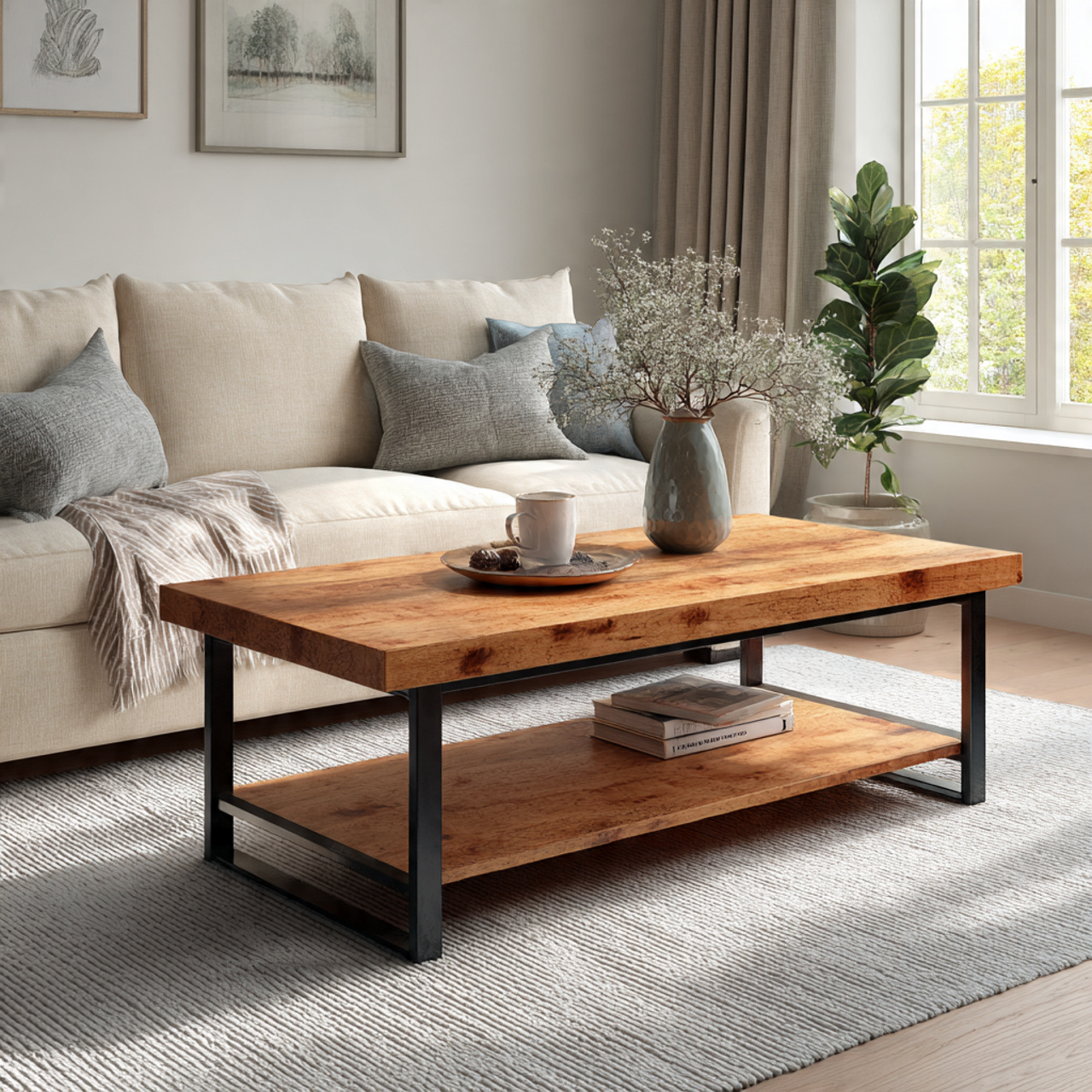
Most coffee tables are either too small or too large, and the mistake shows up immediately in how the room feels. A table that’s two-thirds the length of your sofa creates balance, it anchors the seating without dominating the space or looking like an afterthought. A table that’s too small creates visual instability, while one that’s too long blocks sightlines and makes the room feel crowded.
Measure your sofa before you shop, not after. This one measurement prevents more regret than any other single decision.
TIP: If your sofa is a sectional, measure the longest straight section and use that as your guide, not the total length.
Height That Matches Your Sofa Seat or Goes One Inch Lower
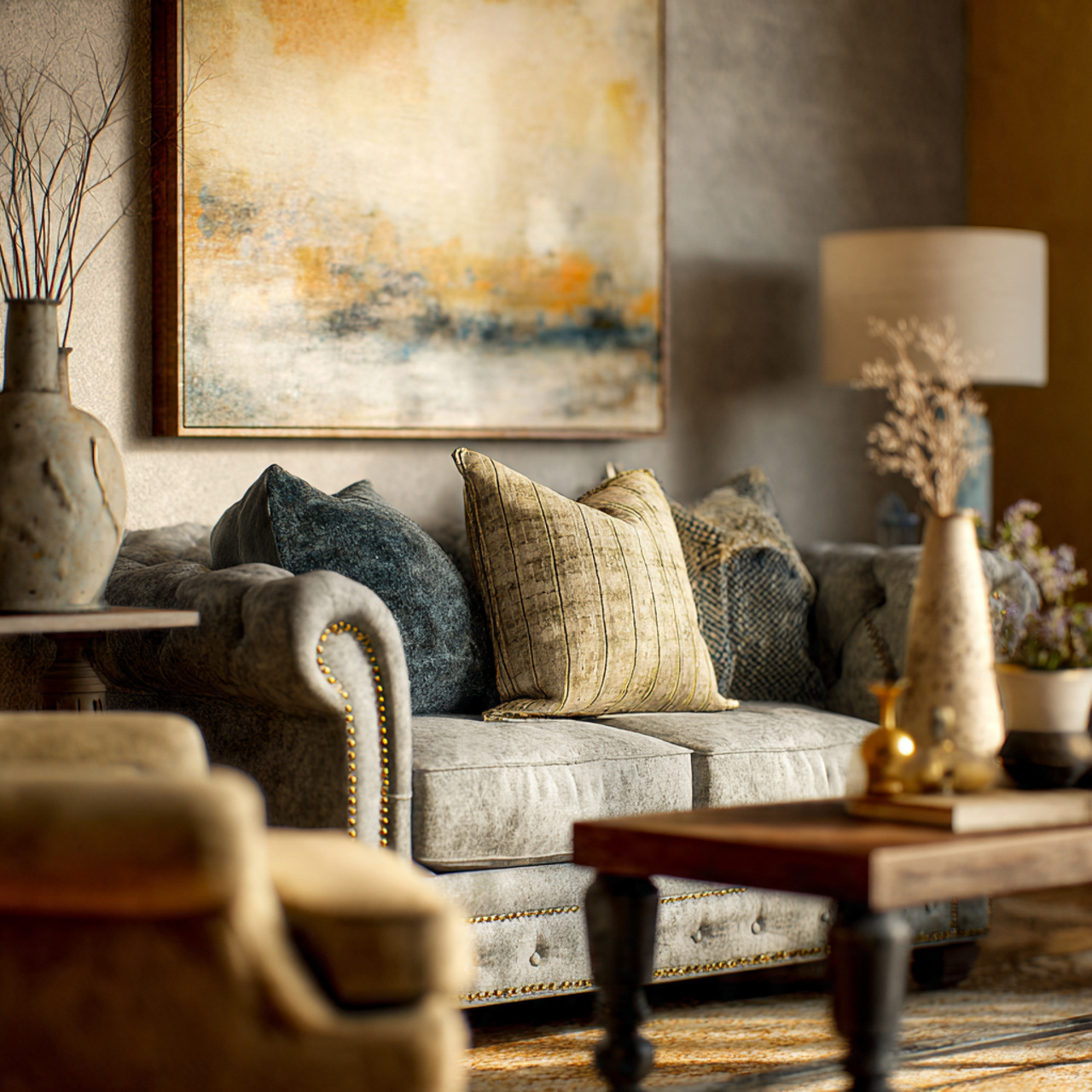
Coffee table height dictates comfort every single day. The ideal height is equal to your sofa seat cushion or one inch lower, usually 16 to 18 inches. This lets you reach for a drink or set down a plate without stretching or hunching. Tables that sit too low force you to lean forward awkwardly. Tables that sit too high block the view across the room and make everything on the surface feel intrusive.
Measure your sofa seat from the floor to the top of the cushion while someone is sitting on it and cushions compress.
TIP: If you’re between two heights, go lower. It’s easier to reach down than to lift your arms repeatedly throughout the day.
Clearance of 14 to 18 Inches Between Table Edge and Sofa
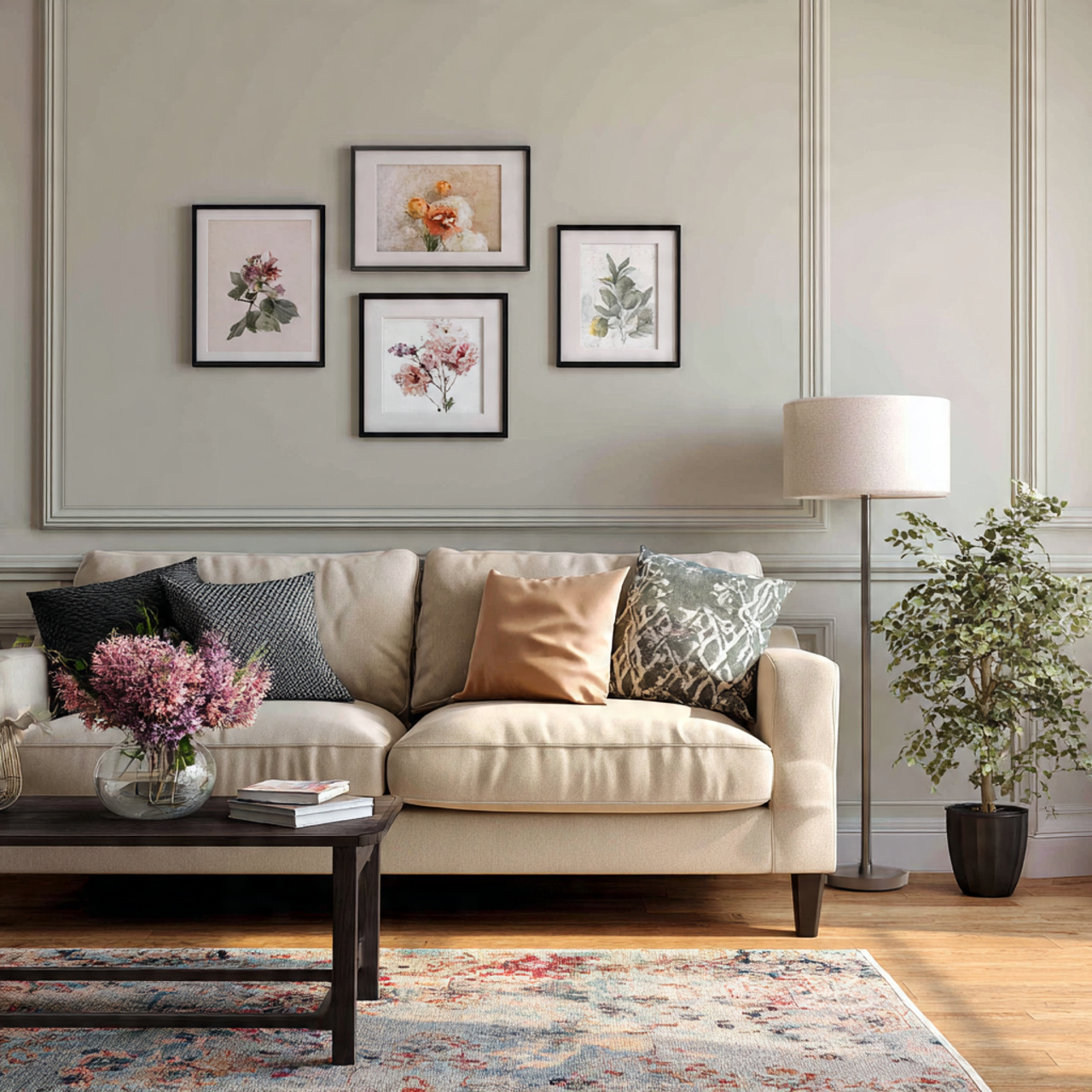
The space between your coffee table and your sofa determines whether the room feels open or cramped. Fourteen to eighteen inches is the range where you can comfortably sit down, stand up, and set something on the table without feeling squeezed. This distance also controls traffic flow when the table sits too close to the sofa, visitors instinctively slow down or angle their bodies sideways, and the room starts to feel smaller than it is.
If your room is tight, consider a narrower table or an oval shape instead of fighting for space with an oversized rectangular piece.
TIP: Use painter’s tape to mark the footprint of a table on your floor before you buy, live with it for a few days to see if the spacing actually works.
Material Choices That Hold Up
Solid Wood with a Sealed Finish for Daily Durability
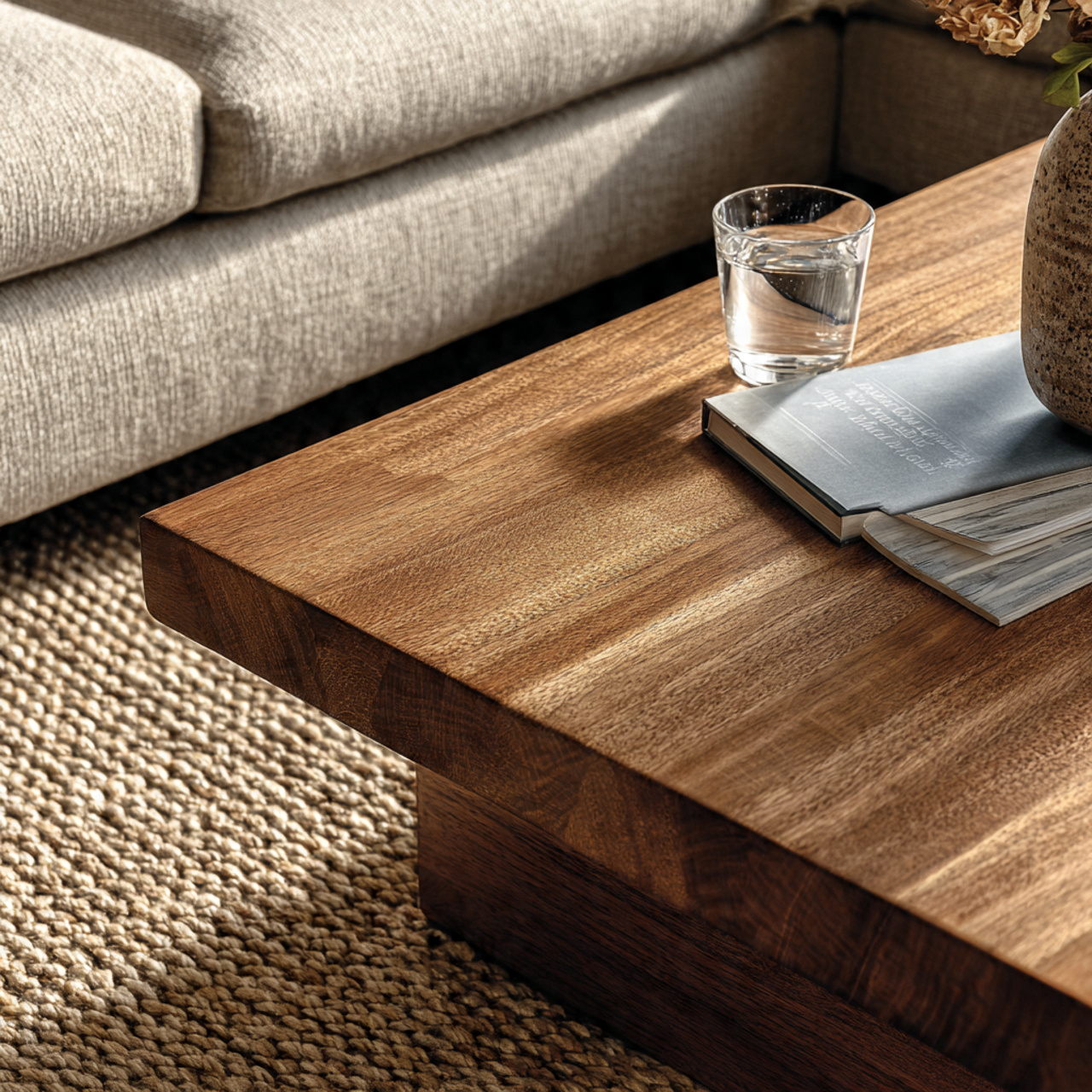
Solid wood coffee tables last decades if they’re finished properly, but unfinished or poorly sealed wood shows every water ring, scratch, and spill within the first month. A sealed finish, whether oil-based polyurethane, hard wax oil, or conversion varnish, protects the surface while still letting the grain show through. Wood that’s labeled “natural” or “raw” might look beautiful in a showroom, but it requires constant maintenance and stains easily.
Look for hardwoods like oak, walnut, or maple. Avoid soft woods like pine for a coffee table. They dent and scratch too easily in a high-use spot.
TIP: Test the finish by gently dragging your fingernail across an underside edge, it leaves a mark, the finish isn’t durable enough for a coffee table.
Stone or Concrete for Weight and Presence Without Upkeep
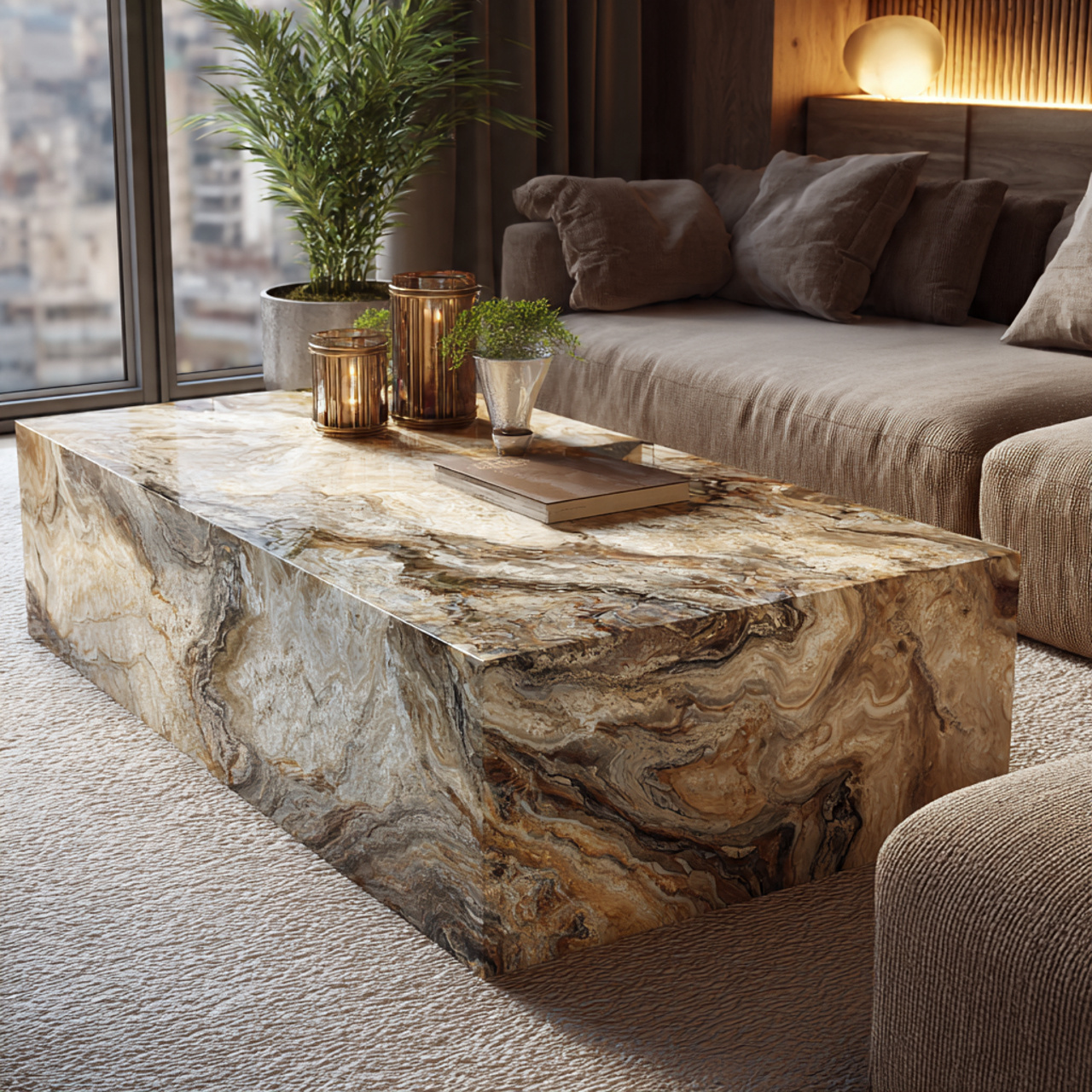
Stone and concrete tables bring a sense of permanence that lighter materials can’t match. They anchor a room and feel solid without requiring maintenance. Marble, travertine, limestone, and concrete all work, but the finish matters, honed or matte surfaces hide water spots better than polished stone, which shows everything.
The weight is an advantage. A heavy table doesn’t shift when you bump it and doesn’t feel flimsy. But that same weight means you can’t easily move it to vacuum or rearrange, so placement needs to be right the first time.
TIP: If you love the look of marble but worry about etching, choose a honed finish in a gray or cream tone where subtle marks will blend in over time.
Metal Frames with Wood or Stone Tops for Mixed Texture
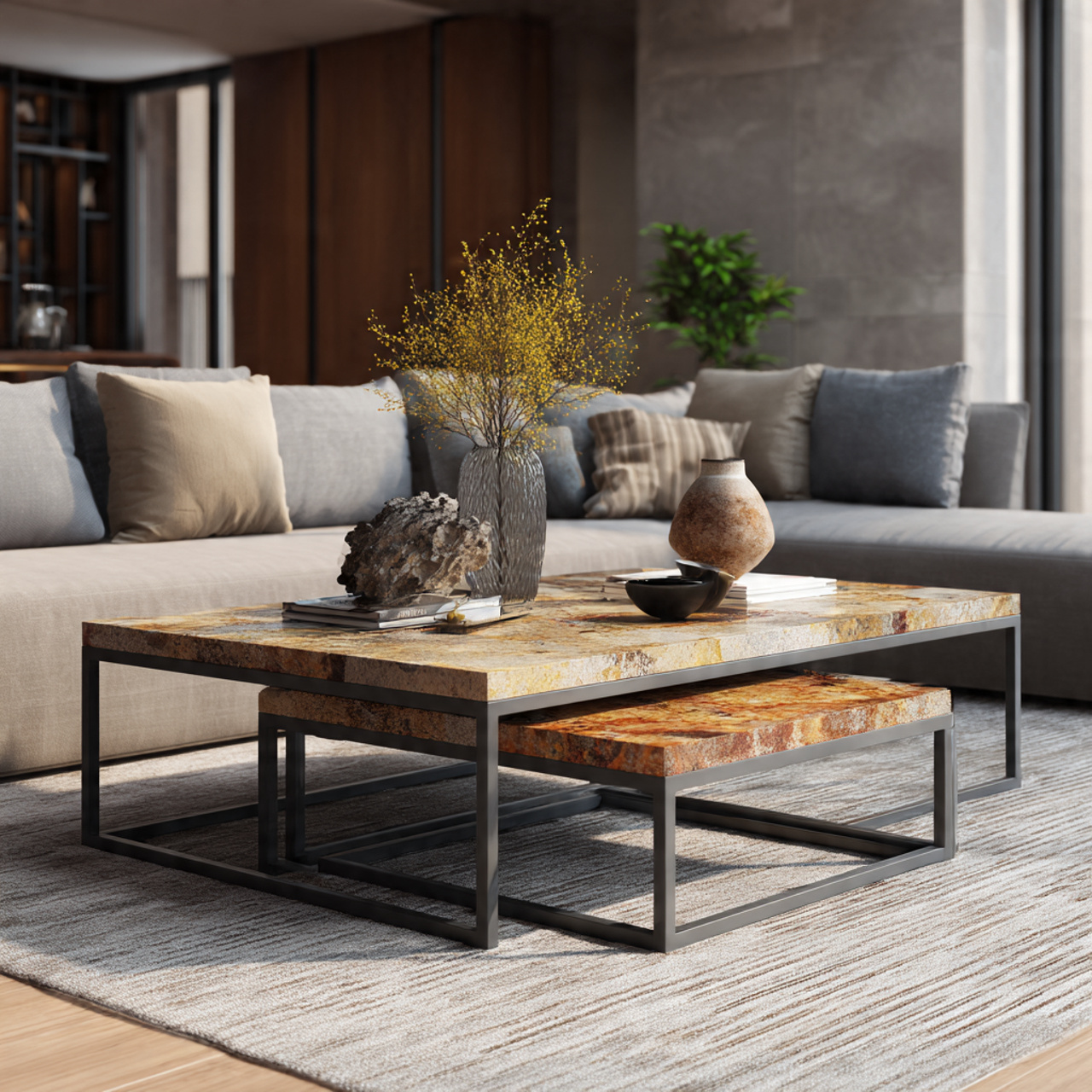
A coffee table with a metal frame and a wood or stone top gives you the warmth of natural material with the clean lines and durability of metal. This combination works especially well in rooms that would feel too heavy with all wood or too cold with all metal. The frame provides structure, the top provides softness.
Black steel reads modern and industrial but works in traditional spaces if the top is warm wood. Brass feels elegant and slightly vintage, especially with marble or walnut tops.
TIP: Avoid chrome or shiny metals for coffee table frames, they show fingerprints and scratches too easily and feel dated faster than matte finishes.
Color and Contrast Decisions
A Dark Table in a Light Room for Grounding Weight
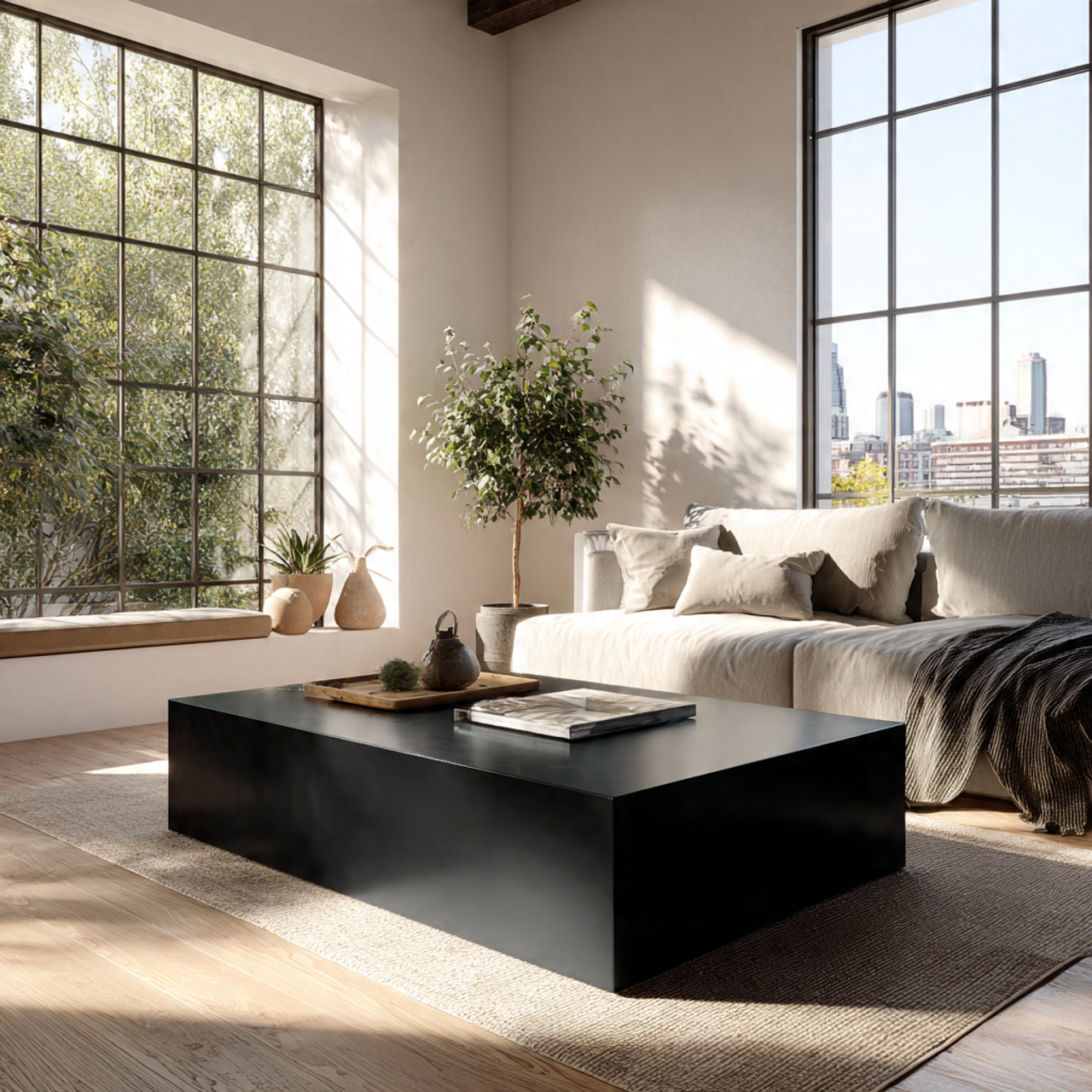
Dark coffee tables, deep walnut, charcoal steel, black lacquer, create a visual anchor in light, airy rooms that might otherwise feel unmoored. If your walls, floors, and upholstery are all in the cream-to-white range, a dark table adds necessary contrast without requiring bold color elsewhere. The risk is that they can make small or dim rooms feel smaller. This works best in rooms with abundant natural light or high ceilings.
Dark finishes also show dust more than light ones, but they hide scratches and wear better than pale wood.
TIP: If you’re worried a dark table will feel too heavy, choose one with an open base or visible legs rather than a solid block. It keeps the floor visible.
A Light Table in a Dark Room for Breathing Space
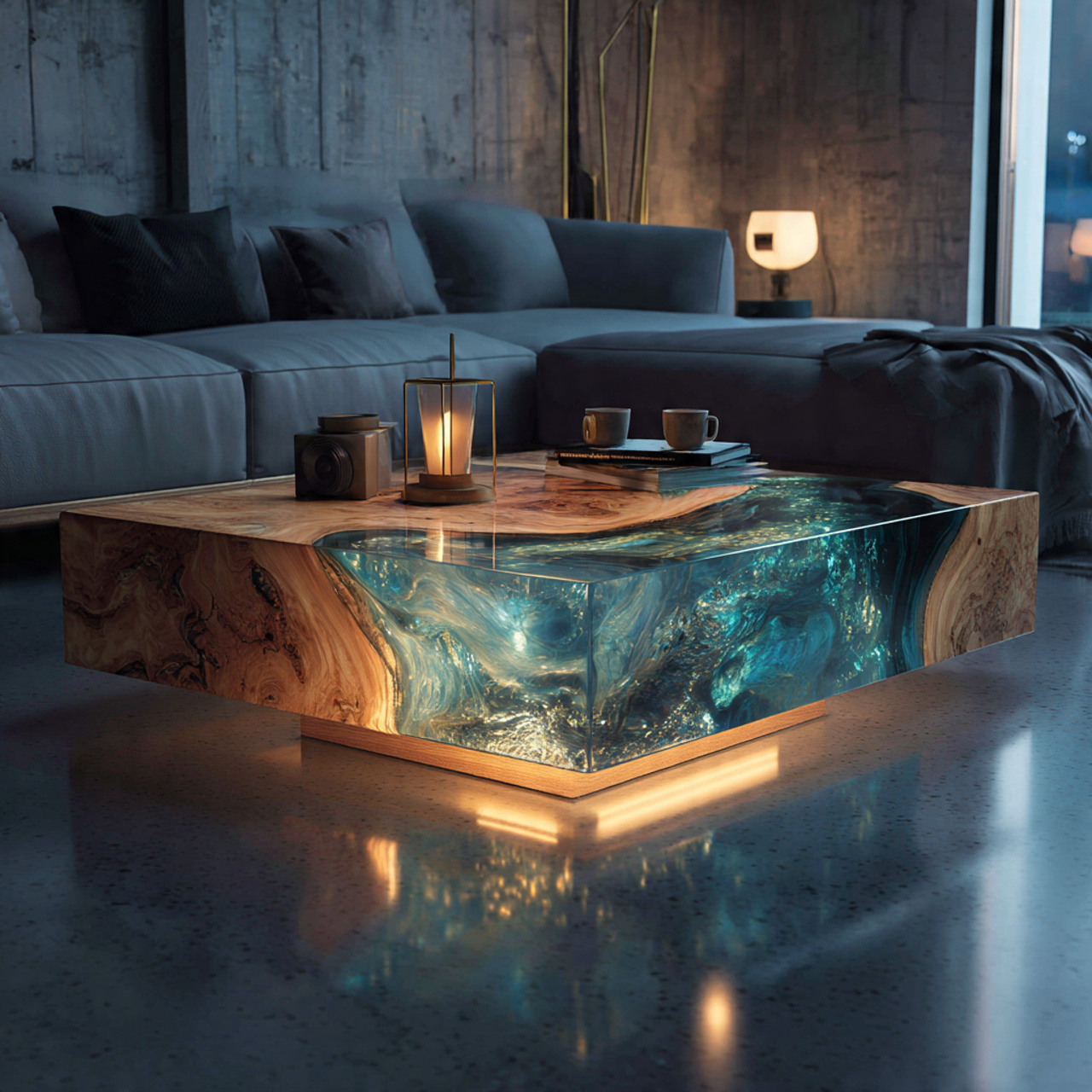
Light wood or pale stone coffee tables lift the mood in rooms with dark walls, floors, or heavy upholstery. They create a visual break and make the space feel less enclosed. If you’ve committed to moody interiors, deep greens, charcoals, or navy, a light table prevents the room from tipping into cave-like territory.
The challenge is that they show spills and scratches more readily than dark finishes. White oak and pale travertine patina over time, which can look beautiful if you embrace it.
TIP: Choose light tables with warm undertones (cream, honey, soft beige) rather than cool grays or pure white, which can feel sterile in dark rooms.
Bold Focal Choices (Use Sparingly)
A Round Table in a Room Full of Rectangular Furniture
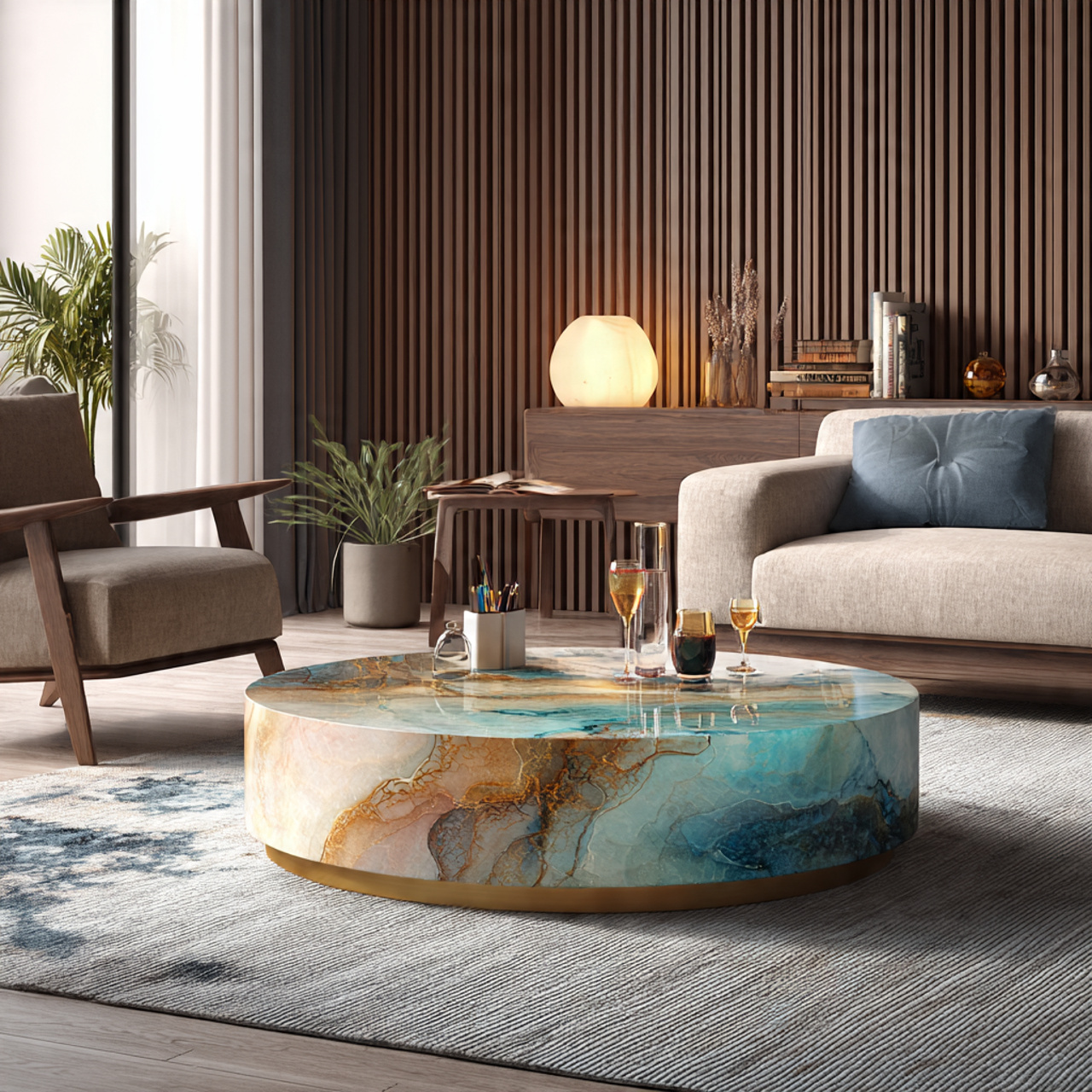
Round coffee tables break up the visual monotony of rectangular sofas, rugs, and windows, and they solve a specific functional problem, no sharp corners to navigate in tight spaces. If your living room is narrow or you have young kids, a round table means fewer bruised shins and more graceful movement.
But round tables don’t maximize surface area the way rectangular ones do. They’re harder to style with stacks of books or trays.
TIP: If you love the idea of a round table but need more surface area, look for one with a lower shelf or a nesting ottoman that can slide underneath.
A Sculptural Table as the Room’s Unexpected Centerpiece
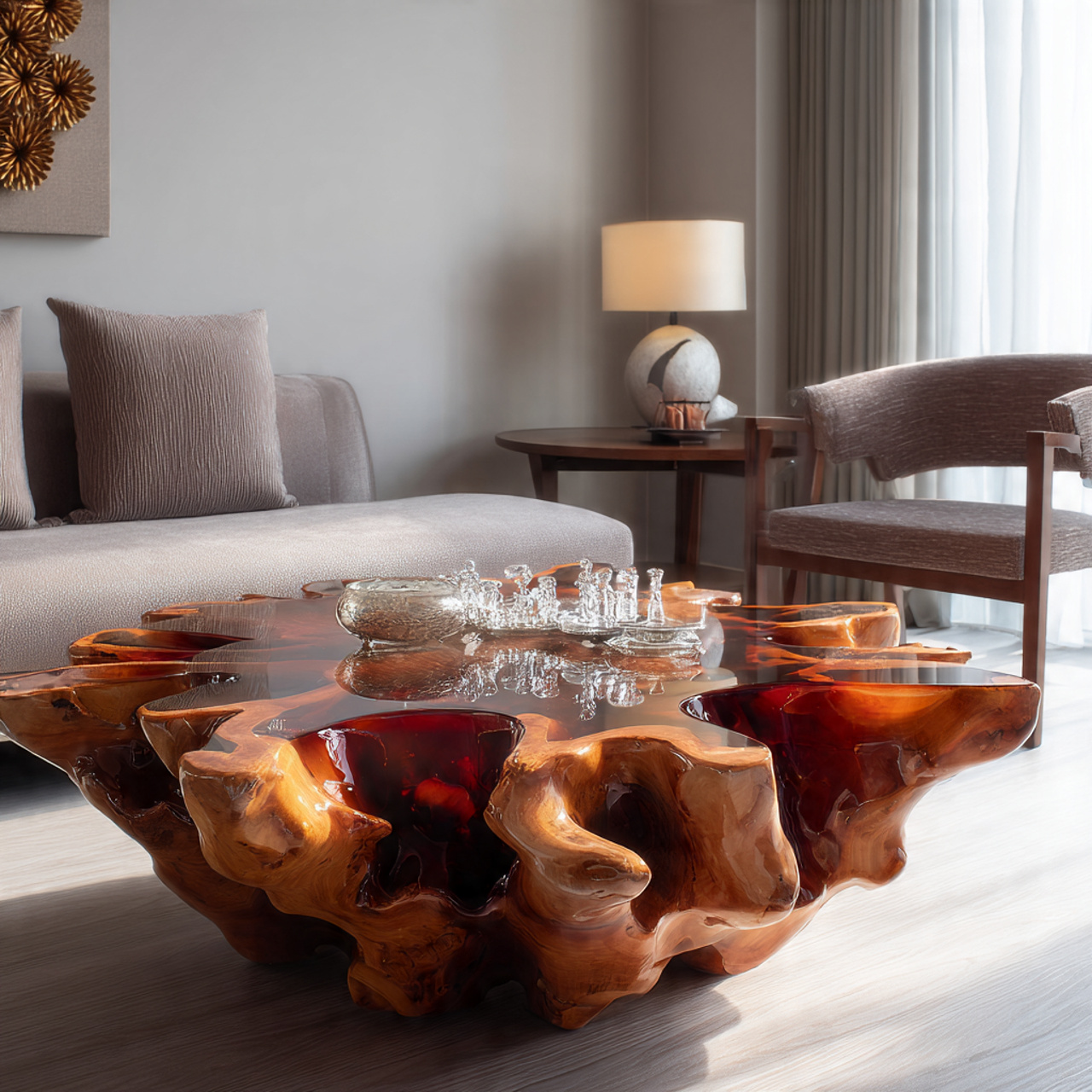
Some coffee tables are designed to be noticed—organic shapes, unexpected materials, dramatic bases. These work when the rest of the room is relatively restrained and you want the table to become a focal point. A sculptural table can replace the need for bold art or a statement rug because it commands attention on its own.
The challenge is that sculptural tables often sacrifice function for form. Uneven surfaces or unusual heights can make daily use awkward.
TIP: Style sculptural tables minimally, one or two carefully chosen objects at most. Overloading them competes with their form.
A Trunk or Vintage Piece That Doubles as Storage
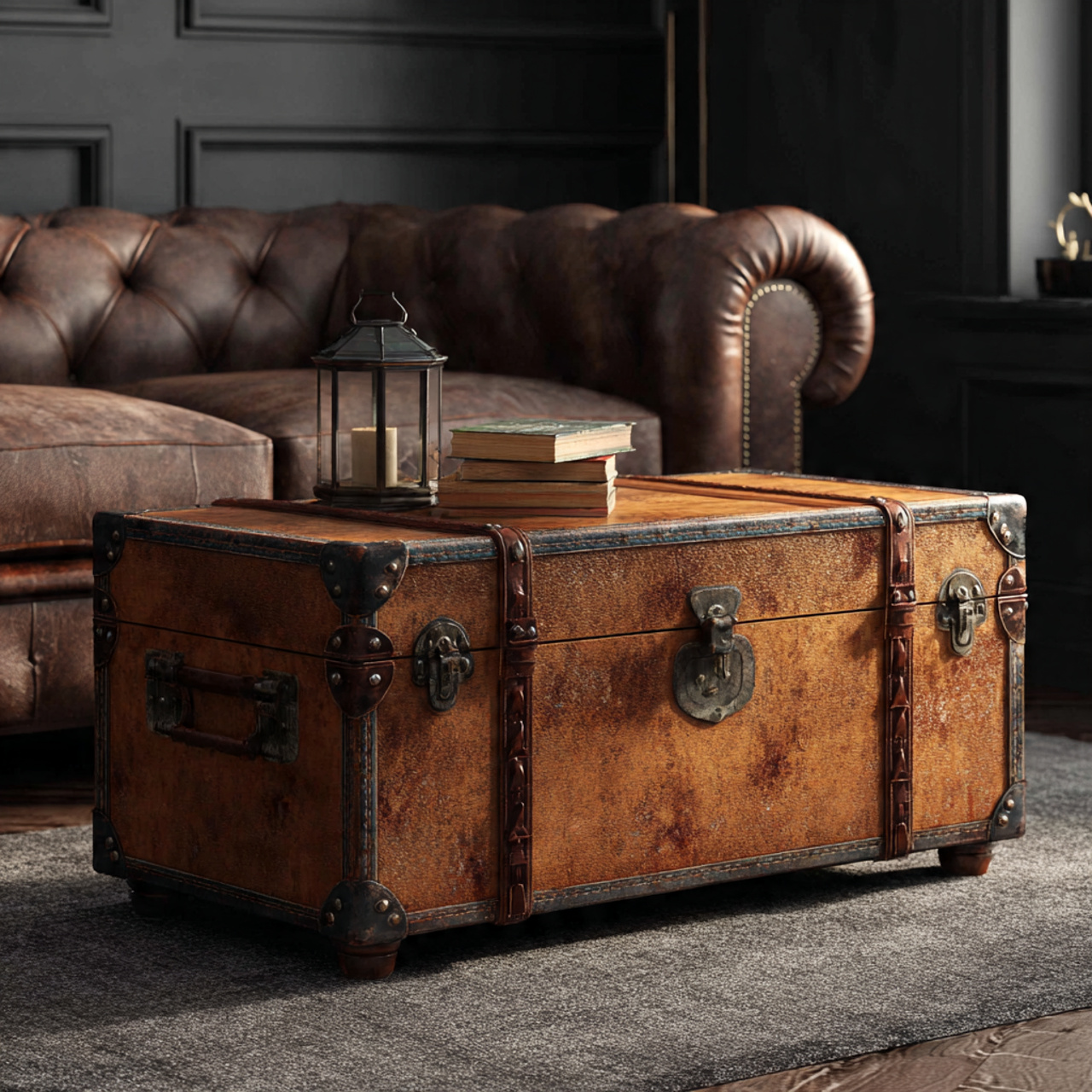
Trunks and vintage pieces bring history and function in one move. They provide closed storage for blankets, toys, or anything you want out of sight, and they add texture and character that new furniture rarely delivers. This works especially well in eclectic or layered interiors.
The trade-off is practicality. Trunks sit higher than most coffee tables, which can make them awkward to reach from a sofa. Their surfaces aren’t always flat or stable.
TIP: If you go with a trunk, line the interior with fabric or felt to protect whatever you’re storing and to keep the lid from slamming.
Finishing and Functional Layers
A Lower Shelf for Books and Visual Weight Without Clutter
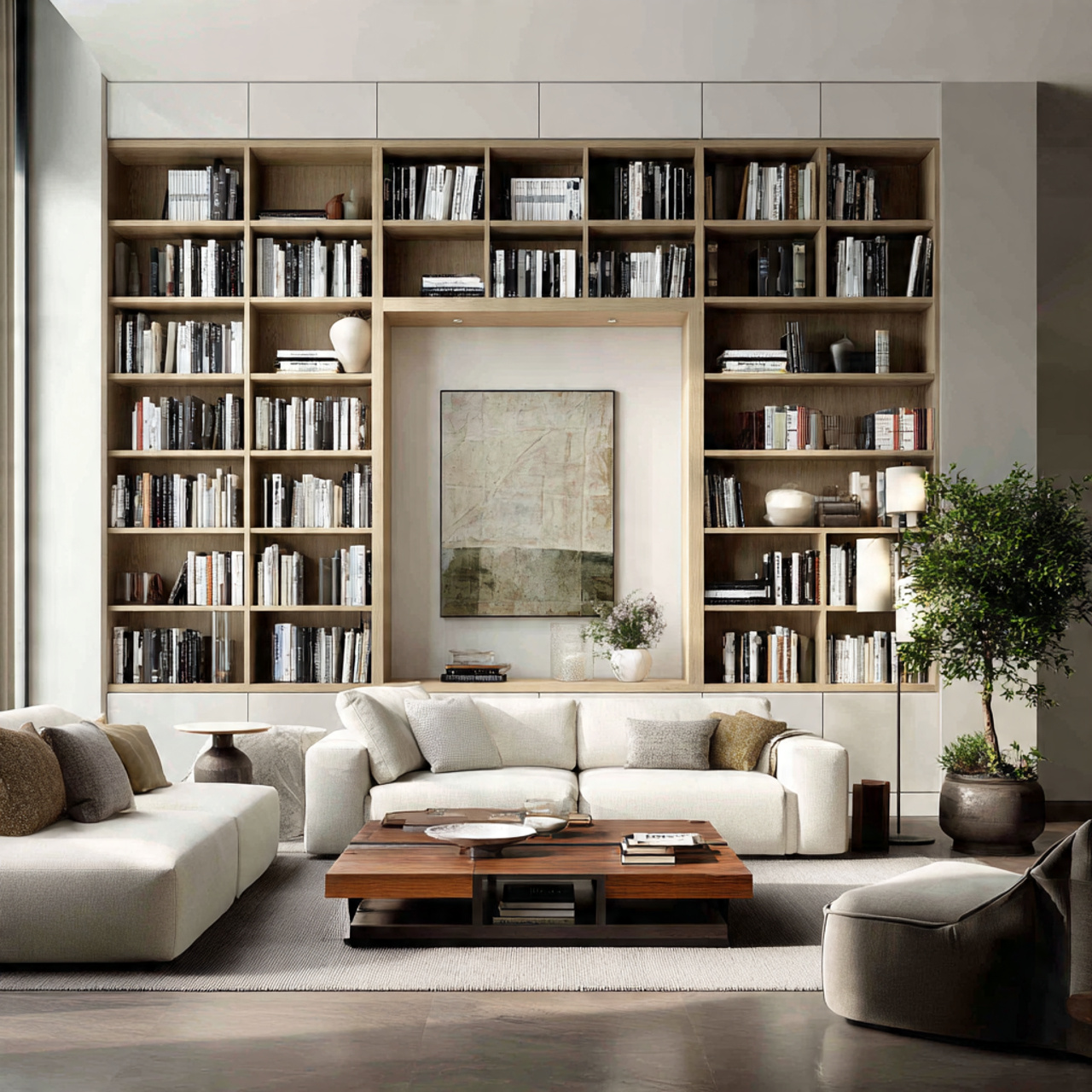
Coffee tables with a lower shelf give you extra storage and visual grounding without adding upper-level clutter. The shelf creates a place for books, magazines, baskets, or decorative objects that would otherwise pile up on the main surface. Lower shelves work best when they’re styled intentionally but not overstuffed.
The downside is that lower shelves collect dust and require regular tidying.
TIP: Keep the lower shelf to 60% full at most, it should feel intentional, not packed.
Rounded Edges for Safety and Softer Visuals
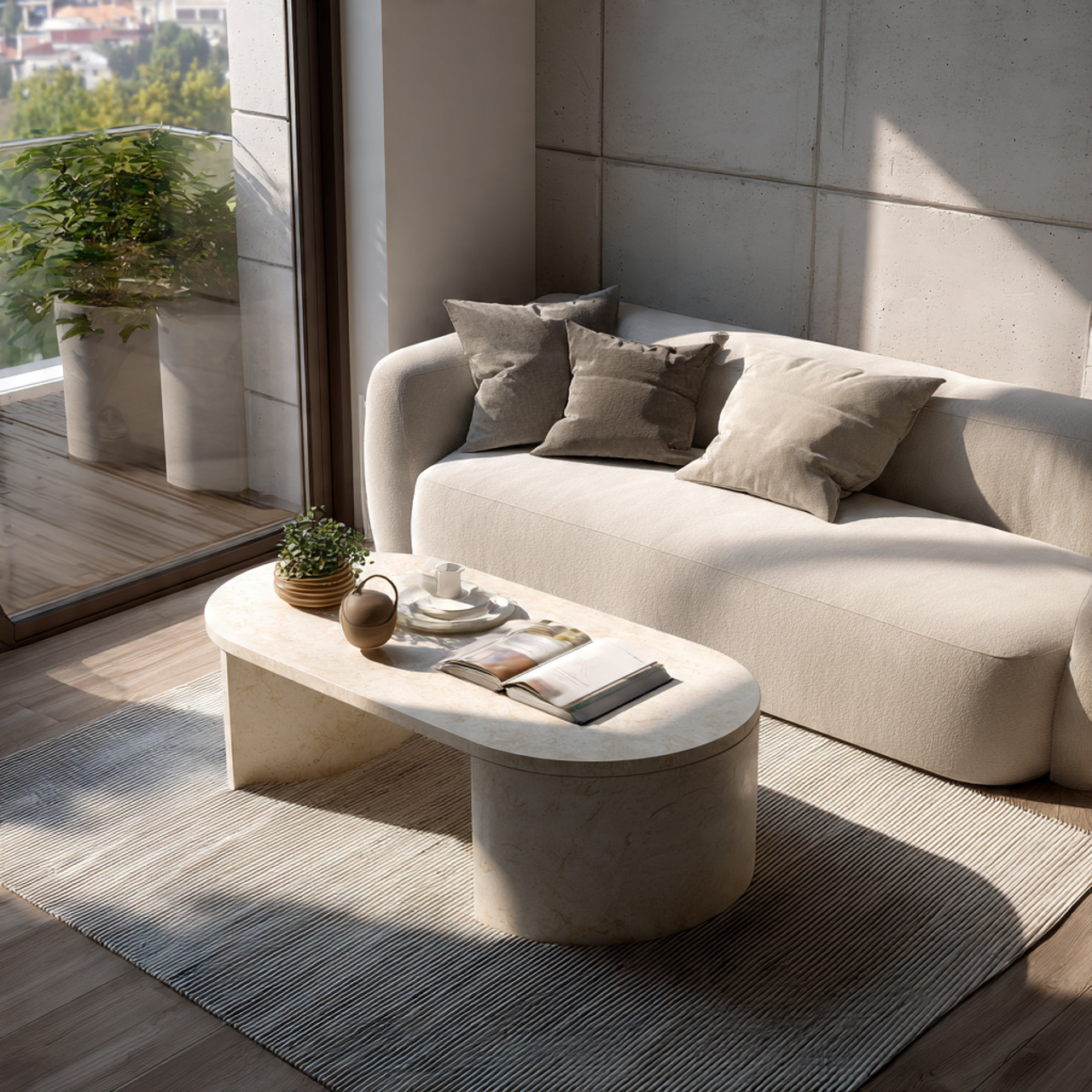
Rounded or beveled edges on a coffee table reduce the risk of painful collisions and make the piece feel less rigid. This matters if you have young children, but it also affects how the room feels overall. Sharp corners create visual tension; rounded edges feel gentler and more welcoming.
Rounded doesn’t mean bulky. A table with a slightly eased edge or a chamfered corner still reads as clean and modern.
TIP: Run your hand along the edge of a table before you buy it, if it feels sharp or uncomfortable, you’ll notice it every day.
Nesting Tables for Flexibility When You Need More Surface
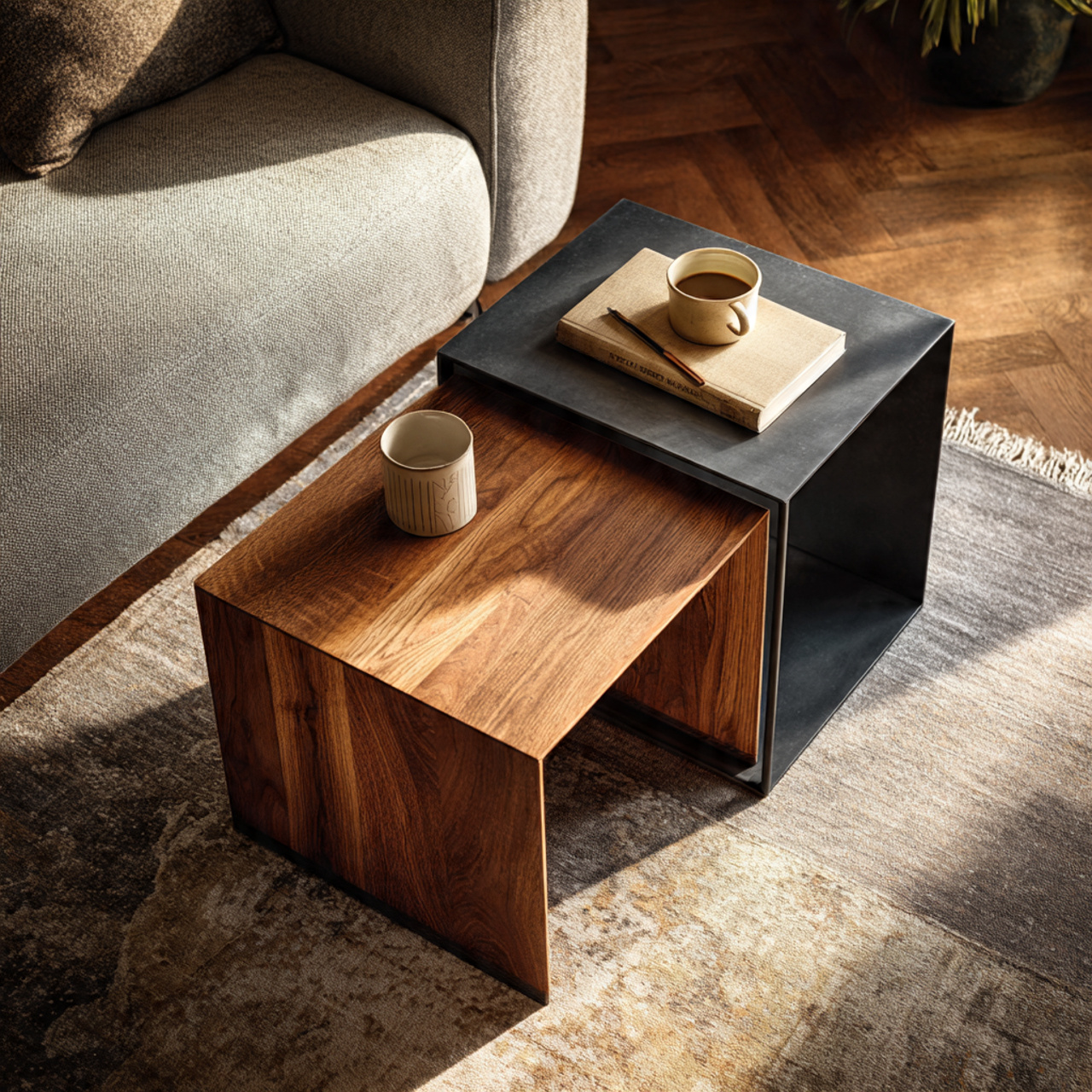
Nesting coffee tables give you surface area when you need it and openness when you don’t. The smaller tables tuck underneath the main one and pull out for drinks, plates, or extra seating during gatherings. This works especially well in small spaces or multipurpose rooms.
The challenge is that they can look cluttered or indecisive if styled poorly. They work best when you actually use them as intended, most of the time nested.
TIP: Use the smallest nesting table as a movable side table near an armchair when you don’t need it at the sofa, keeps the set useful.
Visit Also: Coffee Table Decor
Personalization Without Overcrowding
A Single Tray to Contain Daily Essentials
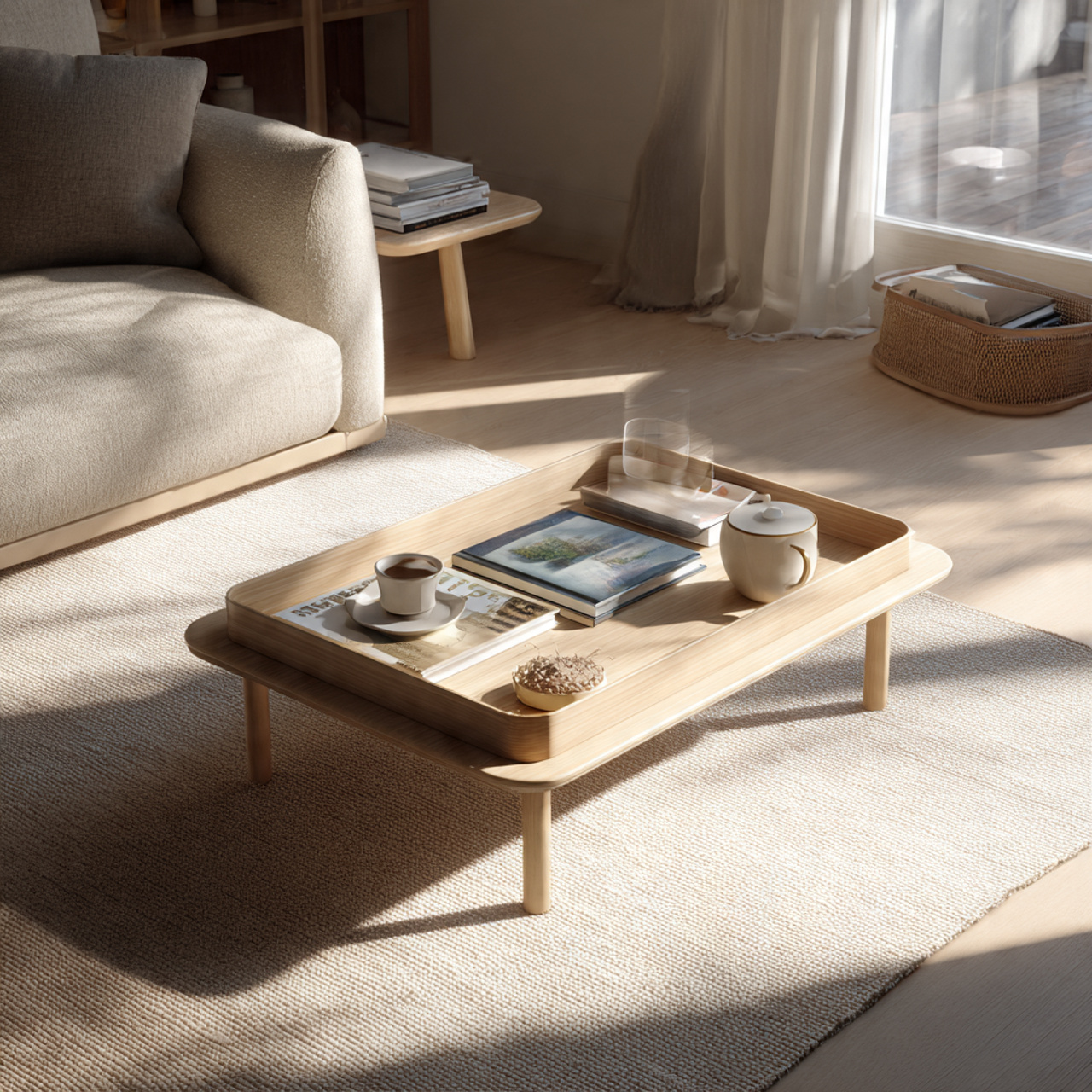
A tray on a coffee table creates a designated zone for remotes, coasters, and small daily objects that would otherwise scatter across the surface. It makes the table look intentional even when it’s covered in functional clutter. The tray acts as a boundary everything inside it is fair game for daily use, everything outside it is decorative.
Trays work best when they’re large enough to be useful but not so large that they dominate the table.
TIP: Choose a tray with low sides or handles, It’s easier to access what’s inside and simpler to lift and clean underneath.
A Few Books Stacked by Size, Not by Color
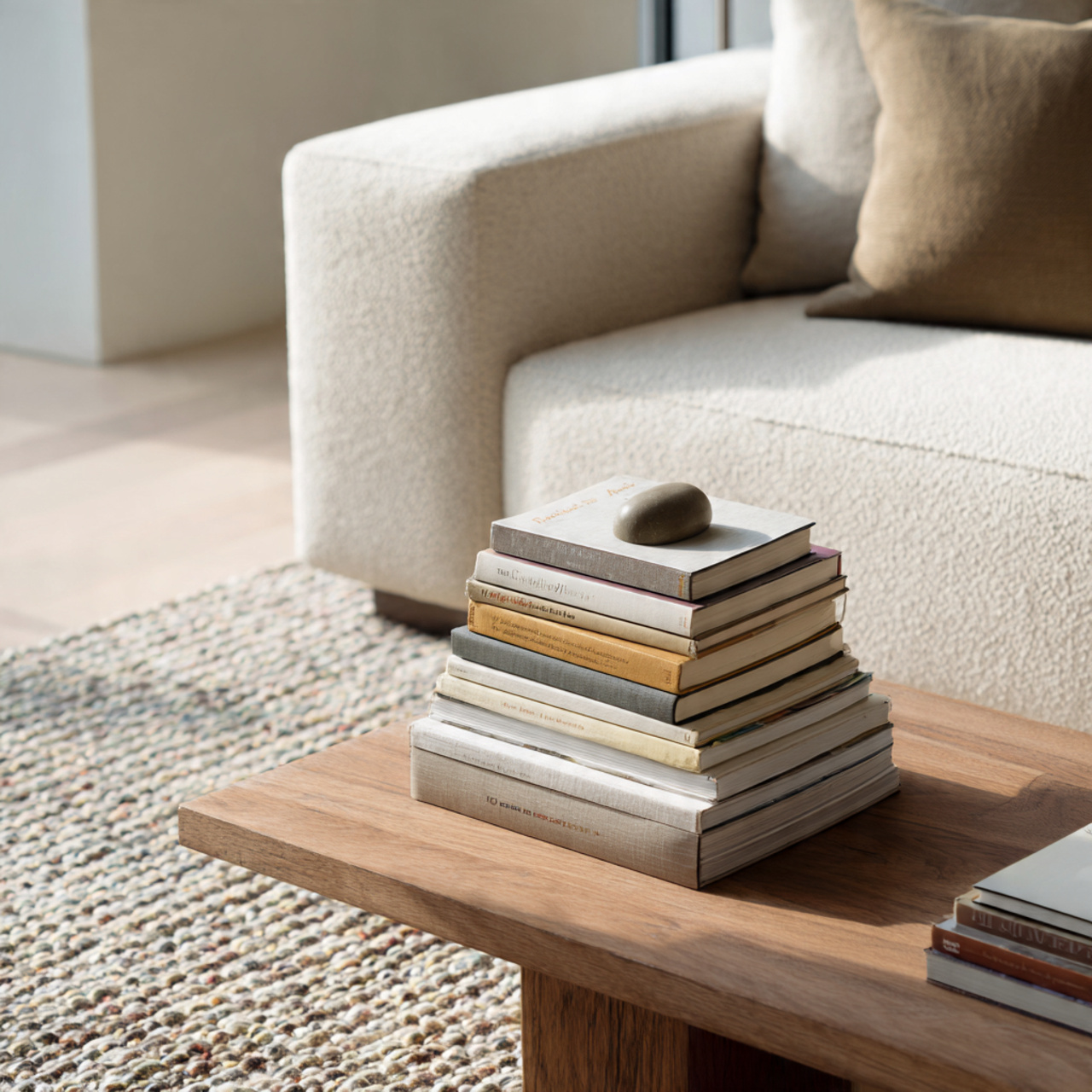
Stacking books on a coffee table adds personality and gives the surface height variation, but organizing them by color rarely looks as good in real life as it does in photos. Books stacked by size, largest on the bottom, smallest on top, feel balanced and intentional without looking overly styled.
Choose books you actually care about or have read. Three to five books is usually enough, more than that and the stack starts to look precarious.
TIP: Stack books horizontally, not vertically, horizontal stacks feel more settled and can support other small objects on top.
Live Plants or Greenery for Softness and Life
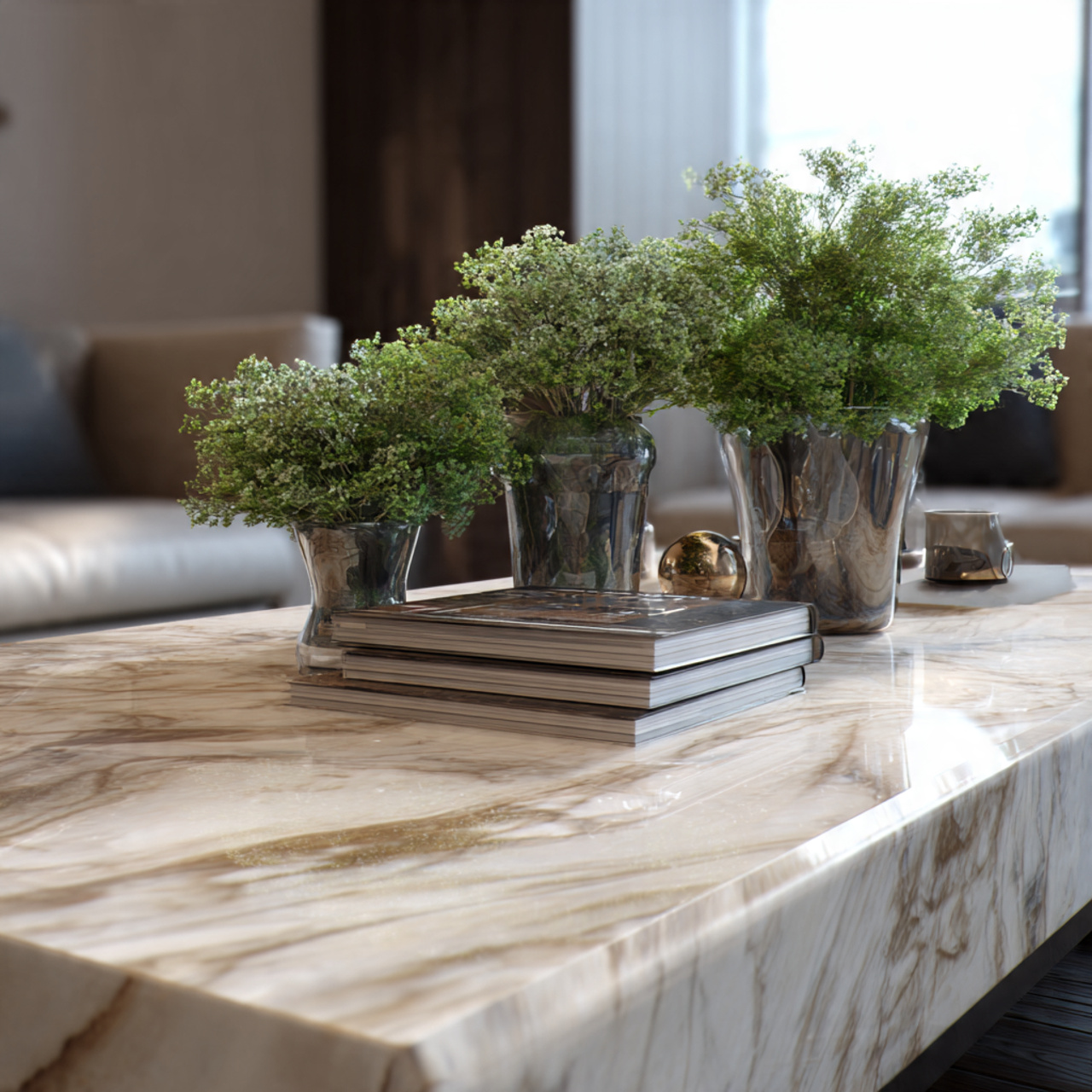
A plant on a coffee table, whether a small potted succulent, a low bowl of moss, or a trailing vine, adds life and softness to hard surfaces. The key is choosing plants that stay low and don’t block sightlines across the table or room.
Choose plants that tolerate neglect, pothos, snake plants, succulents, or even high-quality faux plants if your room doesn’t get enough light.
TIP: Use a shallow, wide planter rather than a tall one, it keeps the plant low and stable, reducing the risk of it tipping over.
Common Mistakes People Make with Coffee Tables
Choosing a Table That’s Too Large for the Room
The most common mistake is buying a coffee table that overwhelms the space. It looks fine in the store, but once it’s home, it blocks walking paths and crowds the sofa. People underestimate how much physical and visual space a coffee table takes up. Over time, an oversized table creates daily friction, you bump into it constantly and the room never feels comfortable.
The fix is straightforward but requires letting go of the look you imagined, swap for a smaller table or a narrower shape like an oval.
Ignoring Storage When You Actually Need It
Many people choose open, minimalist coffee tables because they look clean and modern, then realize three months later that they have nowhere to put remotes, coasters, magazines, or kids’ toys. The table becomes a clutter magnet, or they spend their evenings moving things off the table before guests arrive.
The consequence is either constant visual clutter or constant tidying. Neither is sustainable long-term.
Prioritizing Style Over Durability with High-Use Surfaces
Glass coffee tables look elegant in showrooms but show every fingerprint, smudge, and water ring within days. Unfinished wood looks organic but stains instantly. People choose these finishes because they love the initial look, then spend years trying to keep the table pristine.
The consequence is resentment toward a piece of furniture that’s supposed to make life easier. Choose durable finishes from the start, matte, sealed, forgiving materials.
Frequently Asked Questions
What’s the ideal distance between a coffee table and sofa?
Fourteen to eighteen inches is the functional range that allows you to sit comfortably, stand up without maneuvering, and reach the table without stretching. Less than fourteen inches feels cramped and blocks movement. More than eighteen inches makes the table hard to use and defeats its purpose.
Should a coffee table be higher or lower than the sofa seat?
A coffee table should sit at the same height as your sofa seat cushion or one inch lower, typically 16 to 18 inches from the floor. This height lets you reach for items comfortably without hunching or stretching. Measure while someone is sitting on the sofa, cushions compress under weight.
How do I choose between a round or rectangular coffee table?
Choose a round table if your room is small, has tight walkways, or you want to soften a space filled with angular furniture. Round tables have no sharp corners, which makes them safer. Choose a rectangular table if you need maximum surface area, have a long sofa, or want the table to define the seating zone clearly.
What coffee table material is most durable for daily use?
Solid wood with a sealed finish (polyurethane, hard wax oil, or conversion varnish) offers the best balance of durability, warmth, and appearance for daily use. It resists water rings and scratches better than unsealed wood, and it ages gracefully. Stone like honed travertine or sealed concrete is nearly indestructible but feels cold to the touch.
Can I use a coffee table without a rug underneath?
Yes, but the table needs to visually relate to the room’s other elements through color, material, or scale. Without a rug, the table can feel unmoored, especially on large expanses of hardwood. If you skip the rug, make sure the table has enough visual weight to anchor the seating area on its own.
Making the Choice That Lasts
The right coffee table disappears into your daily life. You stop noticing it because it works, the height feels natural, the size fits the flow of the room, the surface handles spills without complaint. Start by measuring your sofa and the space around it. Walk through your living room and notice where you naturally move, where you sit most often, and what you actually need from the table. Let function lead, and style will follow.