12 Calm Wall Painting Ideas That Feel Right Long-Term
Most people choose wall paint in a rushed moment, standing in a store aisle or scrolling late at night, trying to picture how a room might feel. What’s harder to see in that moment is how those choices actually behave over time—through changing light, daily routines, and the quiet reality of living with them.
This guide to wall painting ideas is written for that later stage. It focuses on choices that continue to feel calm, balanced, and easy to live with once the furniture settles in, the initial excitement fades, and the room becomes part of everyday life.
Why Wall Painting Choices Feel Different
Paint is one of the few design decisions you see constantly, not occasionally. A color that looks beautiful once a week can feel heavy or distracting when you live with it every day, especially in rooms where light shifts throughout the day.
Over time, people tend to regret paint that was chosen for impact rather than balance. The best wall painting ideas tend to be quieter, more responsive to light, and better aligned with how the room is actually used, not how it looked in a single photo.
Color, Finish, and Material Choices of Wall Painting Ideas
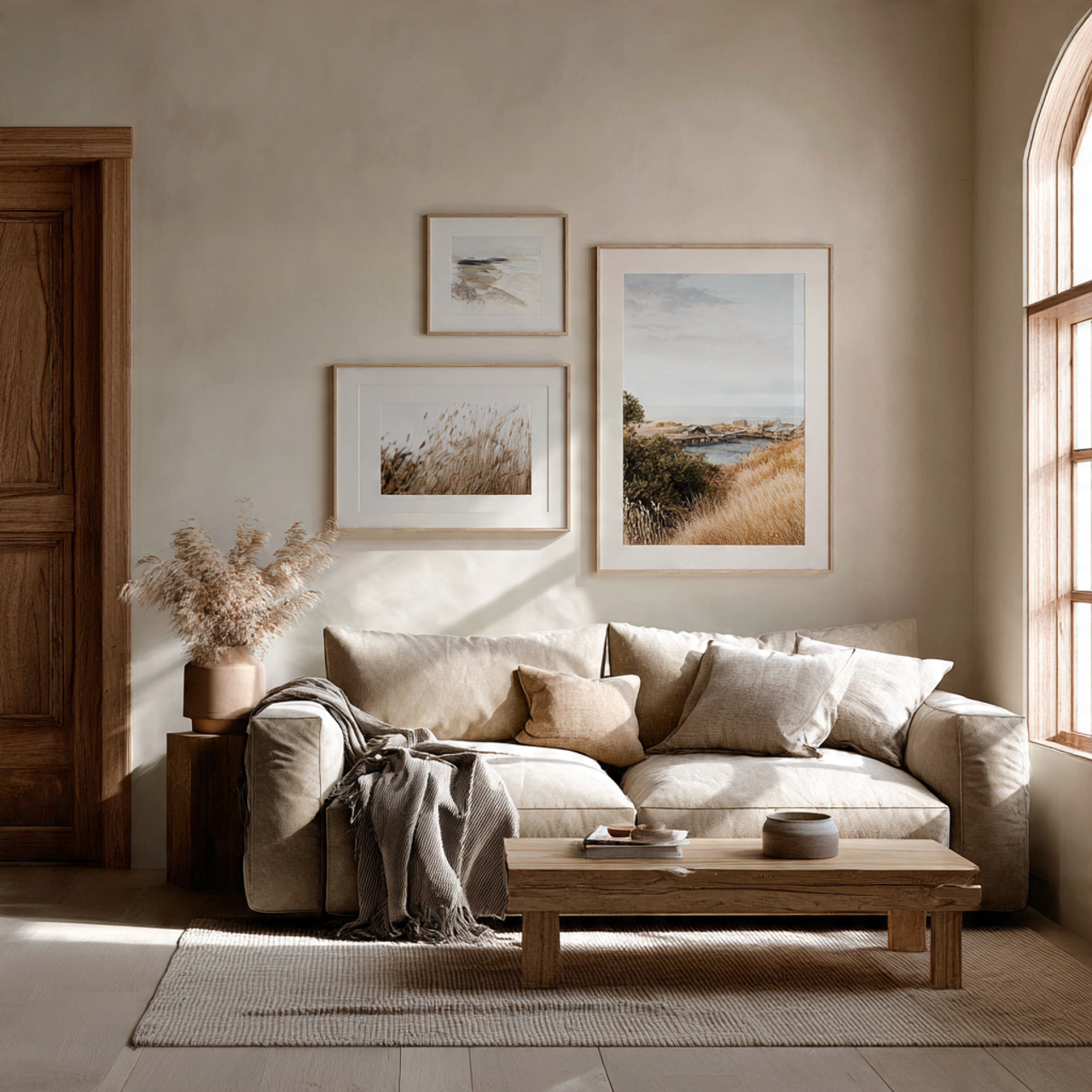
Soft Clay Beige (#D6C6B8) works well in living rooms and bedrooms where warmth matters. It has a gentle warm undertone that stays steady in both daylight and evening light. A matte or eggshell finish prevents glare, and it pairs naturally with linen curtains or cotton upholstery.
Muted Stone Grey (#B8B8B2) suits transitional spaces like hallways or open-plan areas. Its neutral-cool balance avoids feeling cold while still sharpening edges. Satin finishes here handle scuffs better, especially alongside wool rugs or textured runners.
Dusty Sage Green (#A8B2A2) is often chosen for bedrooms and reading corners because it calms visual noise. The undertone leans slightly cool, so it benefits from warm wood nearby. Matte finishes keep it grounded, especially with linen or light wool textiles.
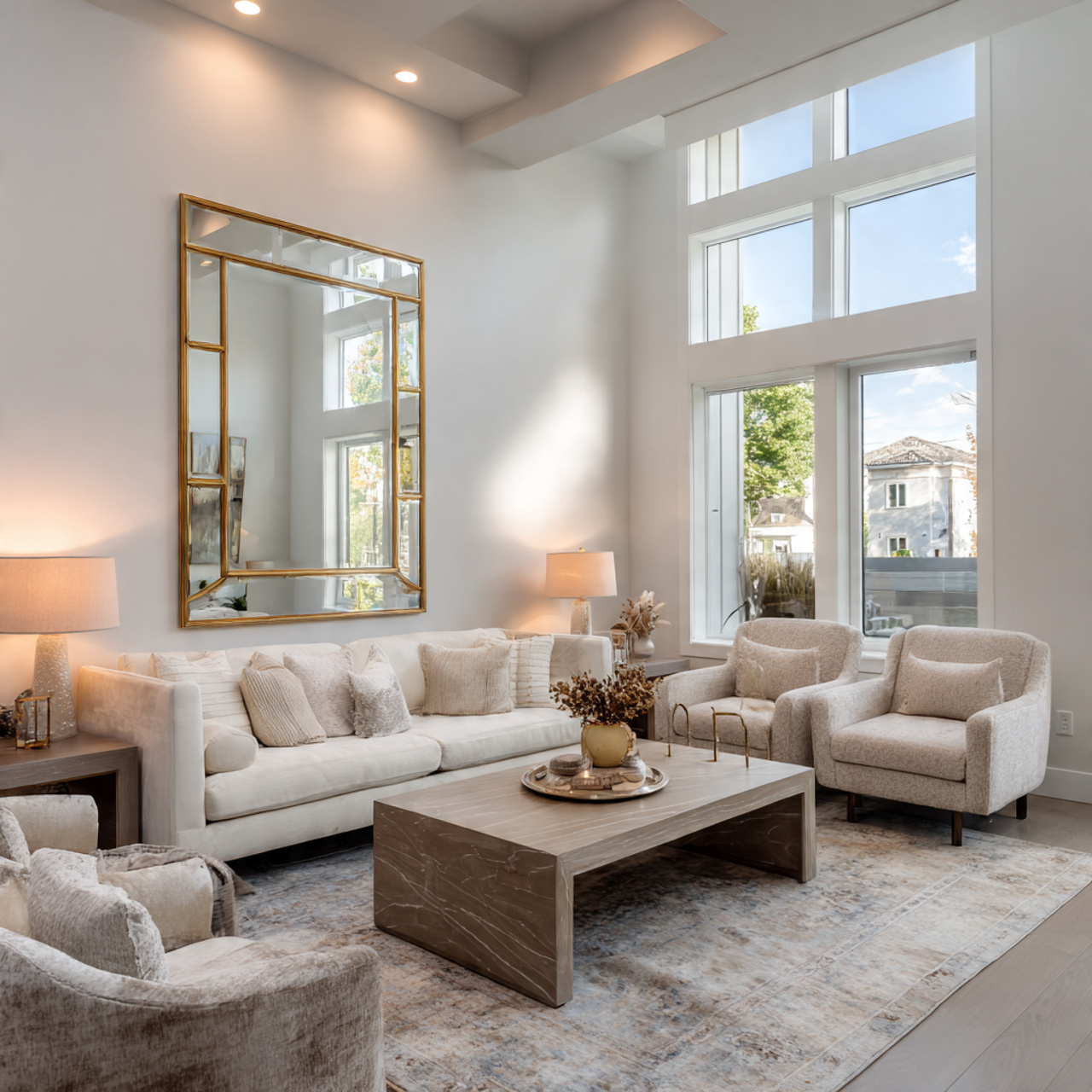
Warm Chalk White (#F4F1EC) performs best in low-light rooms where pure white feels stark. Its creamy base softens shadows and reflects light evenly. Eggshell finishes add durability without shine, working well with cotton and natural blends.
Soft Charcoal Blue (#4E5D6C) is a deeper option that holds up when used selectively. It has a cool base but reads balanced under warm lighting. Satin finishes help maintain depth, particularly when paired with wool throws or heavier fabrics.
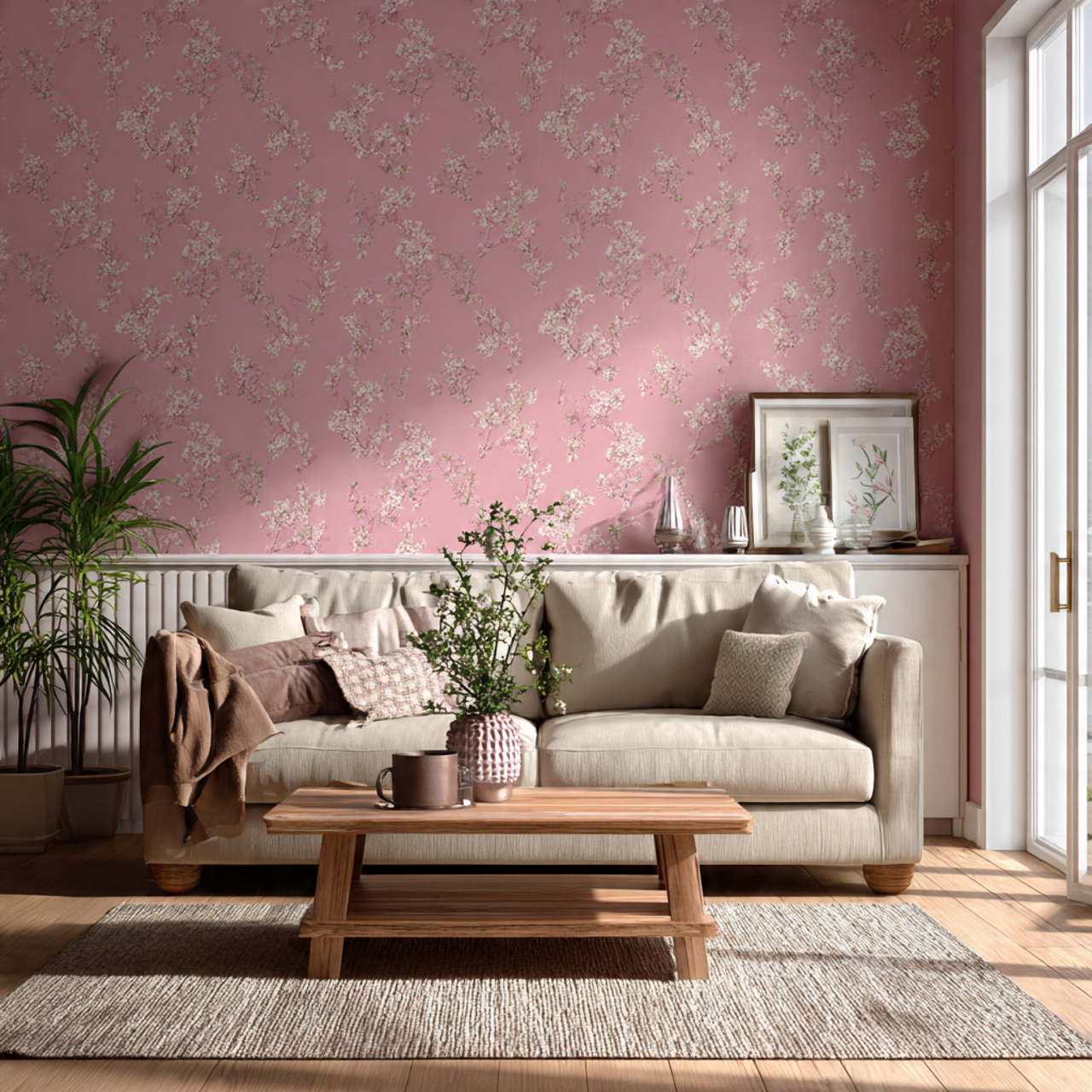
Terracotta Blush (#C98E7F) adds warmth without overpowering a space when used thoughtfully. The undertone is clearly warm, so it suits north-facing rooms. Matte finishes reduce visual weight and pair beautifully with raw cotton and textured linens.
Room Size and Natural Light
| Room Type | Natural Light Direction | What Works Best | What to Avoid |
|---|---|---|---|
| Small rooms | North-facing | Warm neutrals, low contrast | Cool greys, sharp whites |
| Small rooms | South-facing | Soft mid-tones, matte finishes | High-gloss, dark ceilings |
| Large rooms | East-facing | Balanced neutrals, layered tones | Flat whites without depth |
| Large rooms | West-facing | Muted colors with warm undertones | Cool blues that turn harsh |
In smaller rooms, paint that looks subtle on a swatch can quickly dominate once all walls are covered. Larger rooms are more forgiving but can feel empty if the color lacks depth. Light direction matters more than room size, and ignoring it is one of the most common reasons people repaint sooner than planned.
Wall Painting Ideas That Age Well
Soft Tonal Layers That Make Rooms Feel Finished, Not Flat
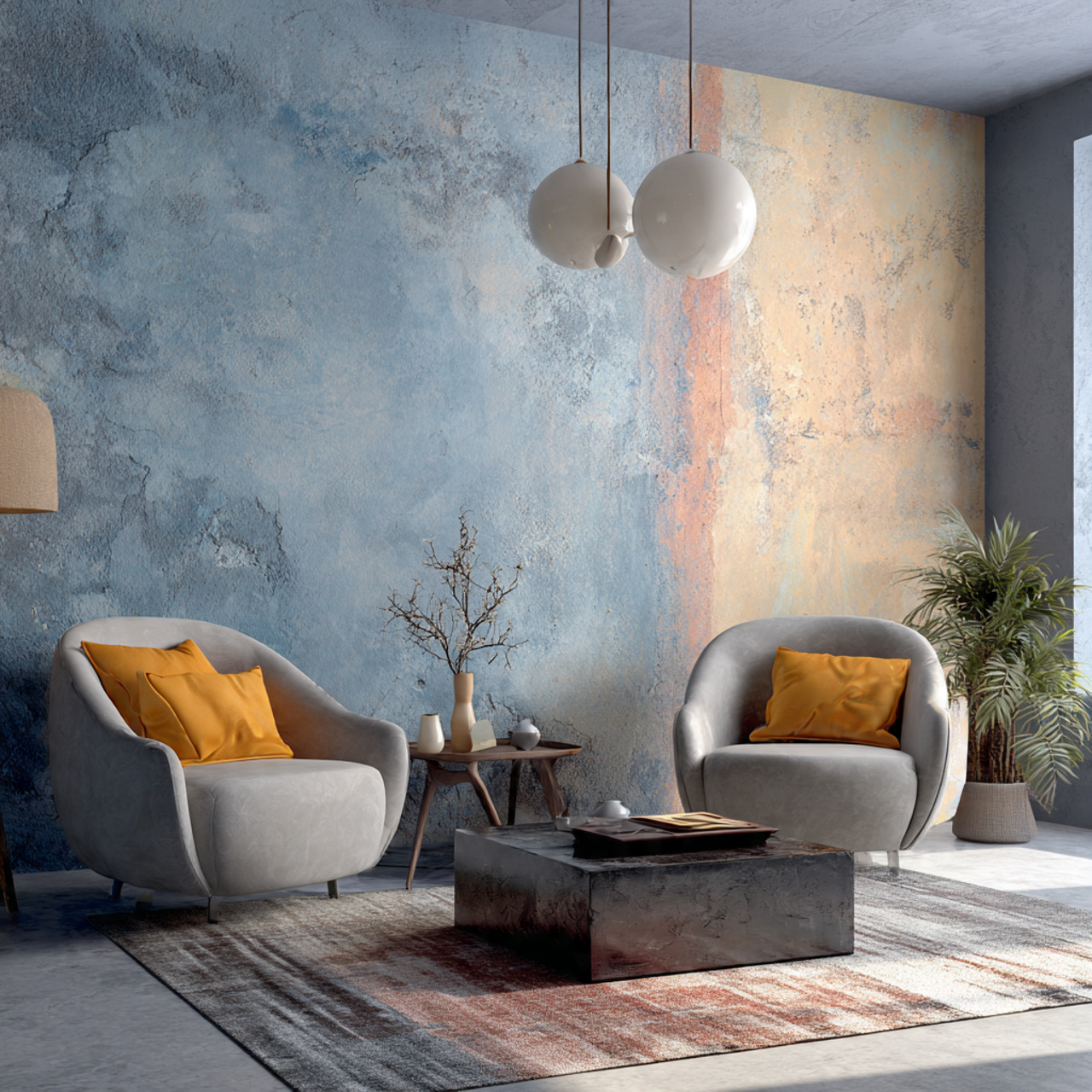
Rooms painted in a single shade often feel thinner once real life moves in. Furniture, shadows, and artwork reveal how flat one-note walls can feel over time.
Soft tonal layering solves this quietly. Using two closely related shades creates depth that feels settled rather than styled, which is why people rarely repaint these rooms quickly.
Choose tones one to two steps apart within the same color family. The lighter shade can cover most walls, with the deeper tone on a shorter wall or recess, adding about one extra hour of work and a small increase in paint cost.
TIP: Always test both tones together on a wide section of wall; tonal balance only shows at real scale.
Muted Accent Walls That Don’t Hijack the Space
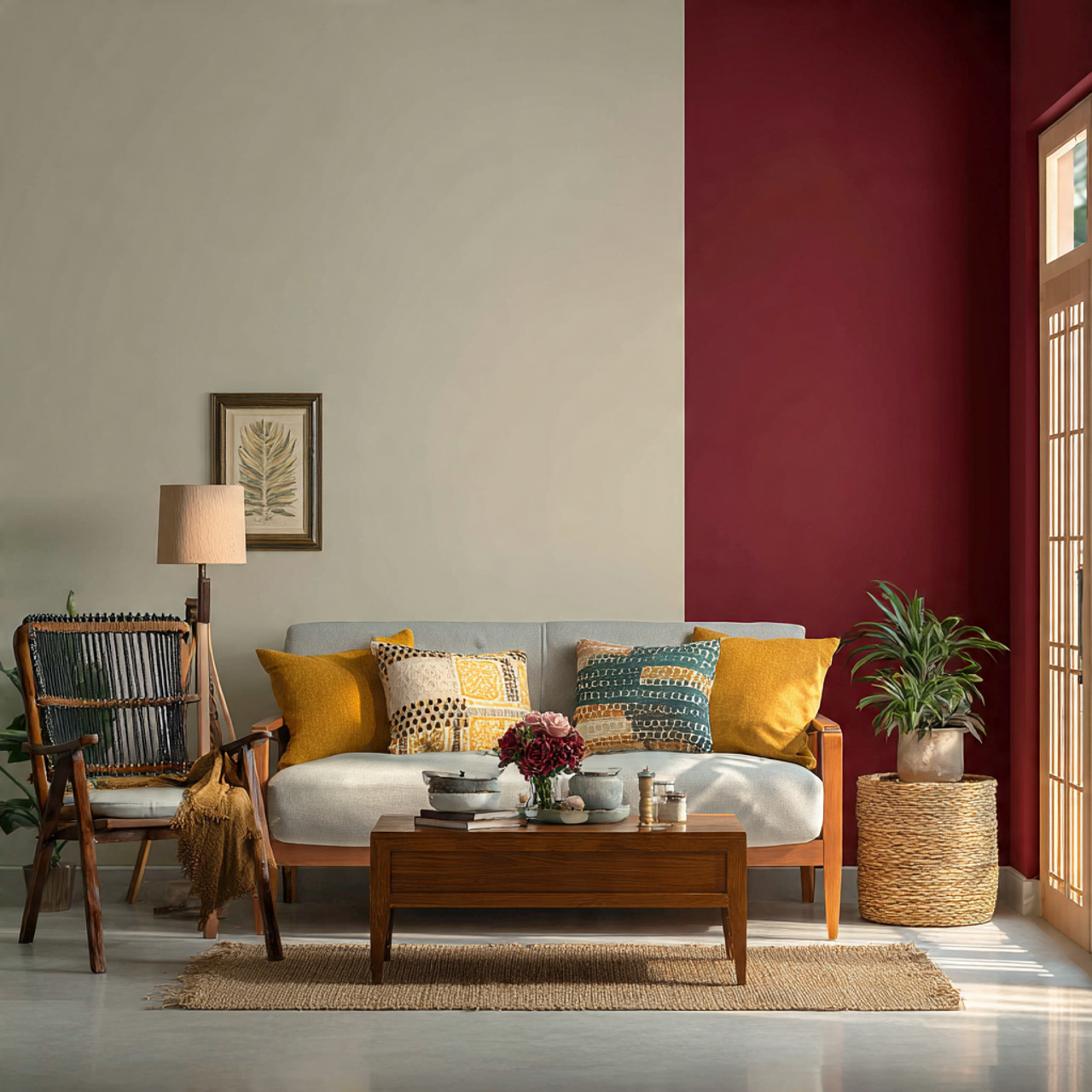
Bold accent walls often become the first thing people notice, and later, the first thing they tire of. Over time, that intensity can start to feel distracting rather than expressive.
Muted accent walls behave differently. They give the room a center of gravity without pulling attention away from furniture, light, or daily movement.
Keep the accent shade within 20–25% depth of the surrounding walls. Repainting one wall usually takes half a day and costs far less than correcting a too-strong contrast later.
TIP: If an accent still feels heavy at night, change the finish to matte before changing the color.
Vertical Color Blocking That Quietly Corrects Proportions
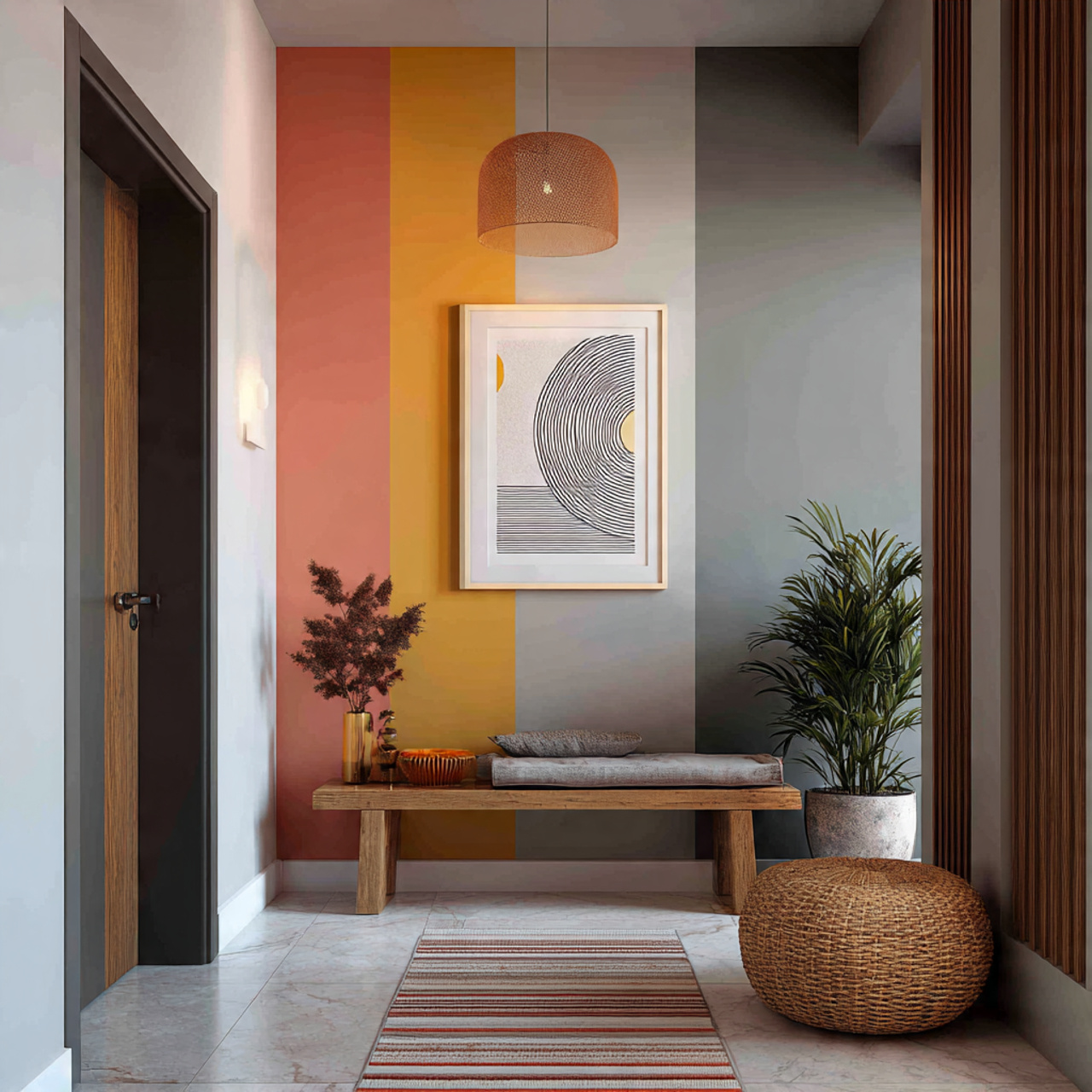
Low ceilings are often emphasized unintentionally by horizontal paint breaks. These lines stop the eye and make rooms feel shorter than they are.
Vertical color blocking shifts that perception gently. The eye travels upward, and the room feels taller without any obvious design statement.
A common approach keeps the lower 60–70% lighter, with a slightly deeper tone above. This requires extra masking but no additional paint, and usually adds only 30 minutes of prep time.
TIP: Align the transition with door frames or furniture height so the line feels intentional, not decorative.
Warm Neutrals That Stay Inviting in All Seasons
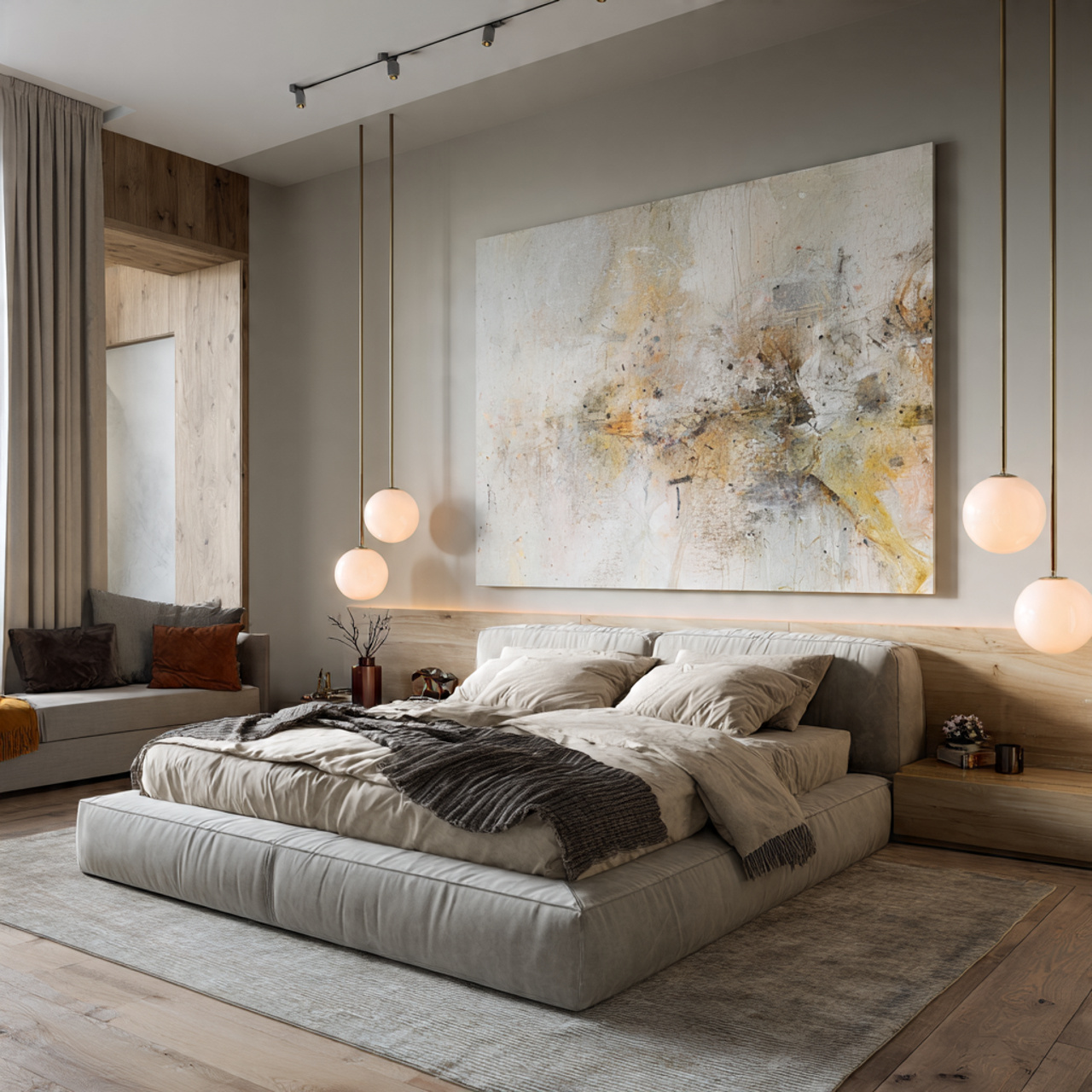
Cool neutrals can feel crisp in daylight but distant in the evenings or colder months. Many homeowners repaint them sooner than expected for that reason.
Warm neutrals adapt better to changing light and seasonal shifts. They stay comfortable year-round and work with evolving décor rather than fighting it.
Look for neutrals with clay, beige, or soft red undertones instead of yellow. Two coats in one day is usually enough, and these colors rarely need early correction.
TIP: Check warm neutrals under artificial light after sunset; that’s when undertones become honest.
Low-Contrast Murals That Feel Architectural, Not Decorative
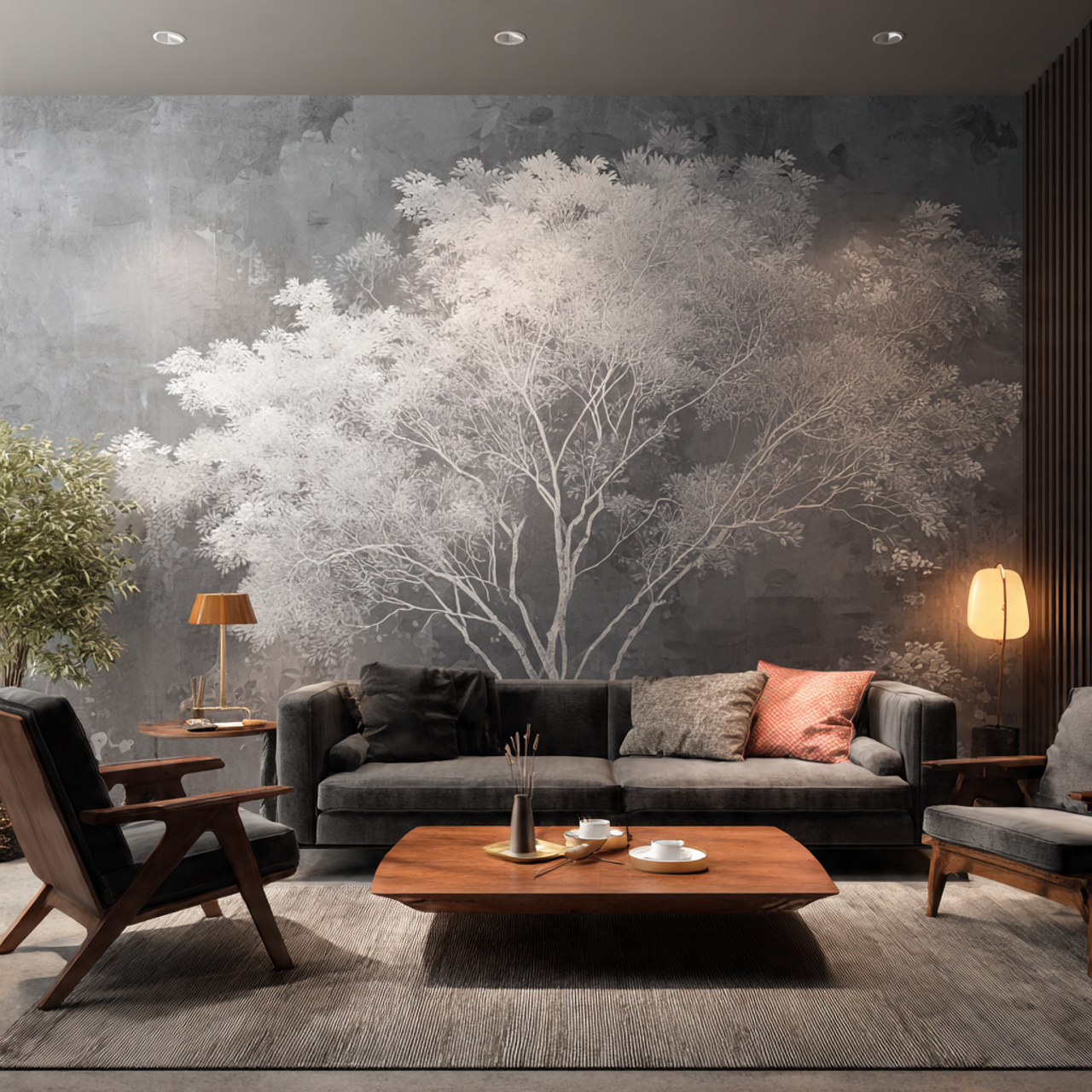
Large murals often feel exciting at first and overwhelming later. In everyday living, strong imagery can compete with furniture, light, and movement in ways people don’t anticipate.
Low-contrast murals behave more like built-in architecture. They add interest without demanding attention, which is why homeowners tend to live with them comfortably for years.
Keep contrast within the same tonal family and avoid sharp outlines. Most low-contrast murals take one extra day to complete and cost moderately more than standard painting, but far less than removing a high-impact mural later.
TIP: Step back at least three meters while testing; murals should disappear slightly from close range.
Ceiling-Connected Paint Transitions That Reduce Visual Weight
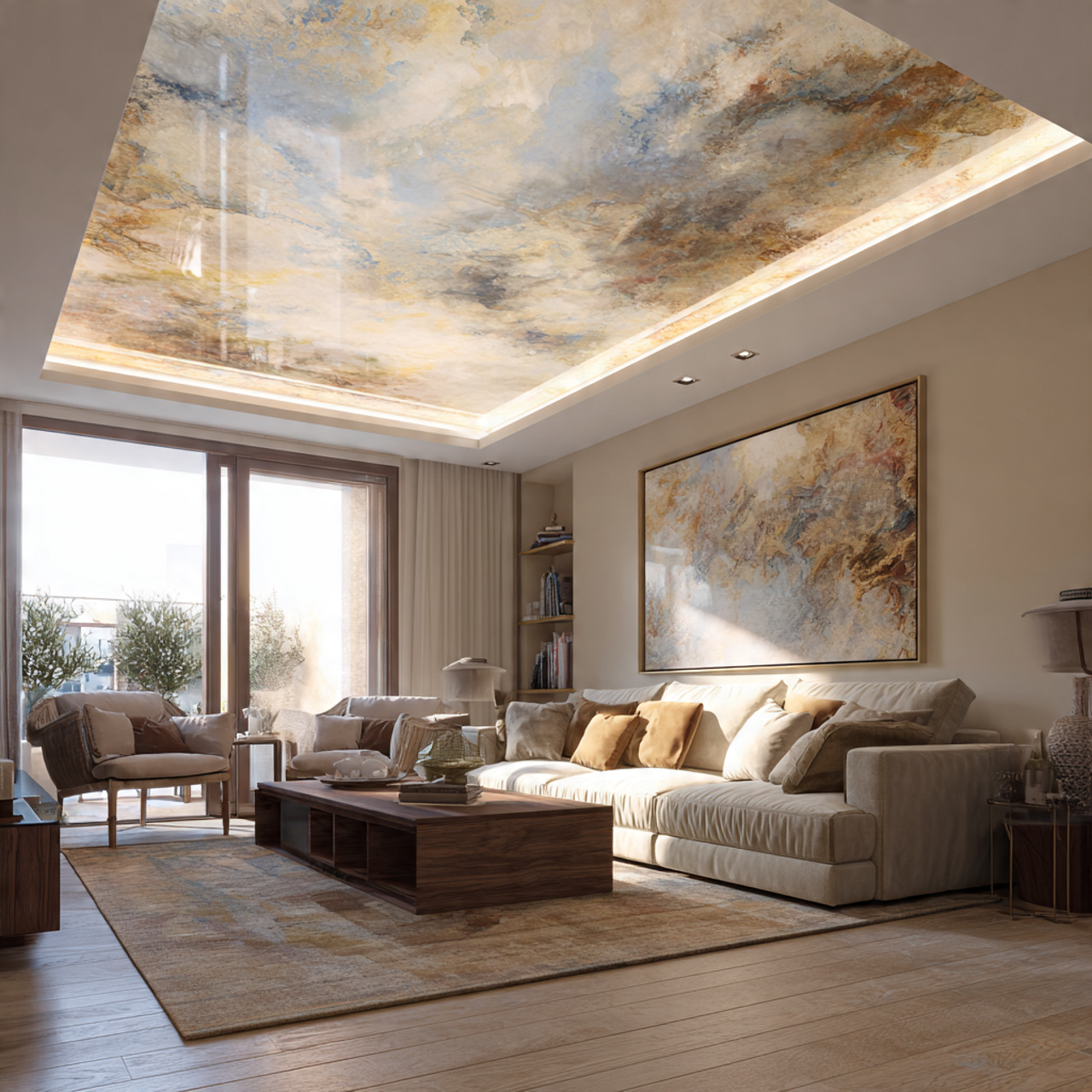
Rooms with dark or heavily furnished lower halves can feel visually compressed. The walls carry too much weight, making the space feel shorter than it is.
Extending a wall color slightly onto the ceiling softens that boundary. The eye reads the room as lighter and more open, even without changing furniture or layout.
A 10–20 cm ceiling extension is usually enough. This adds minimal time to the job and no extra material, but it often changes how the entire room is perceived.
TIP: Use the same finish on wall and ceiling for a seamless effect; mixed finishes reveal the transition too clearly.
Earth-Toned Paint Choices That Ground Open Spaces
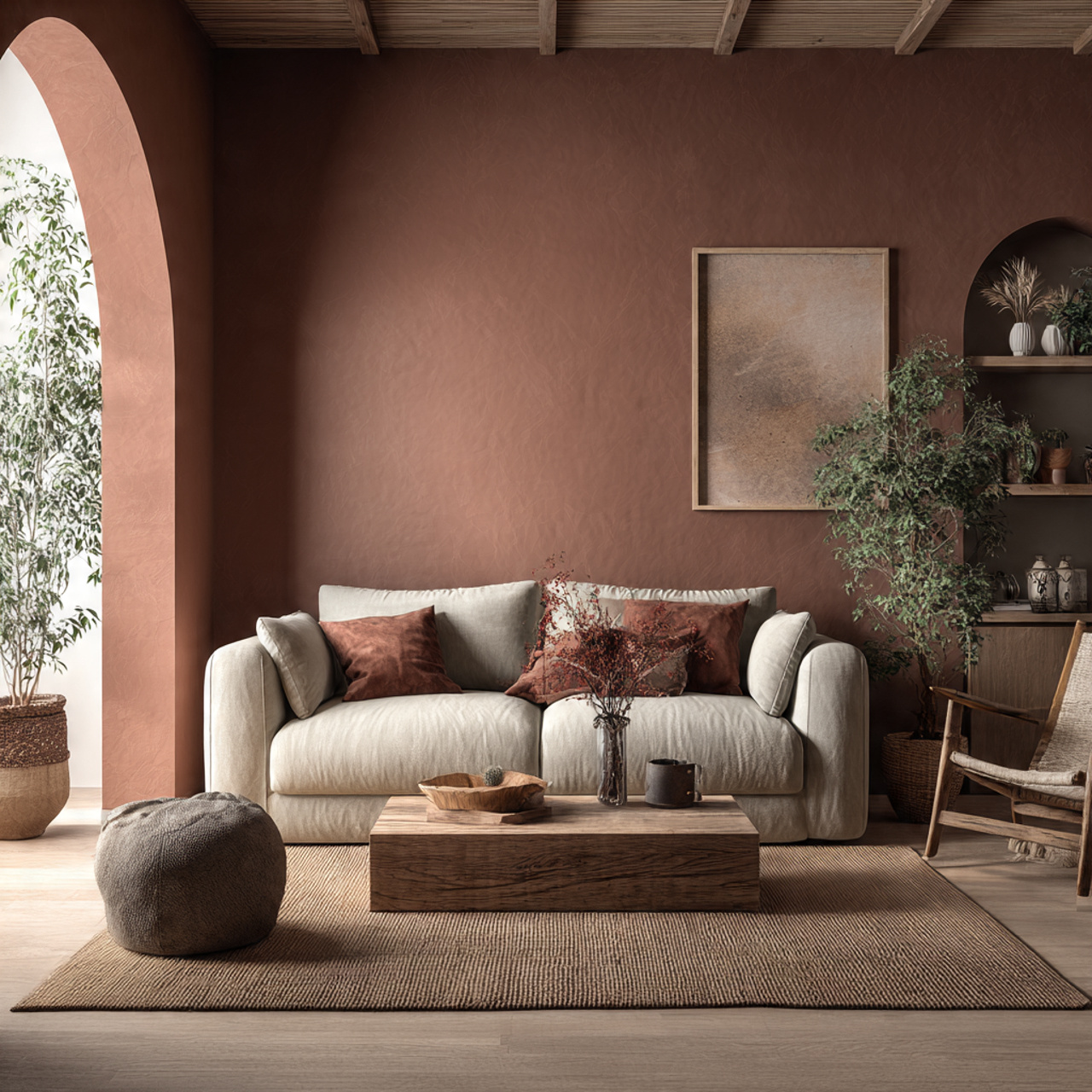
Open-plan rooms often struggle to feel settled. Without defined boundaries, paint can either feel too weak or overly dominant.
Earth-toned walls bring visual grounding without closing the space in. These tones absorb light gently, helping large rooms feel calmer and more intentional.
Clay, soft brown, or muted ochre tones work best when balanced with lighter ceilings. Expect two full days for larger areas, but fewer repaints later because these colors age gracefully.
TIP: Pair earth tones with lighter flooring or rugs to prevent the space from feeling heavy.
Subtle Textured Paint Effects That Replace Wall Art
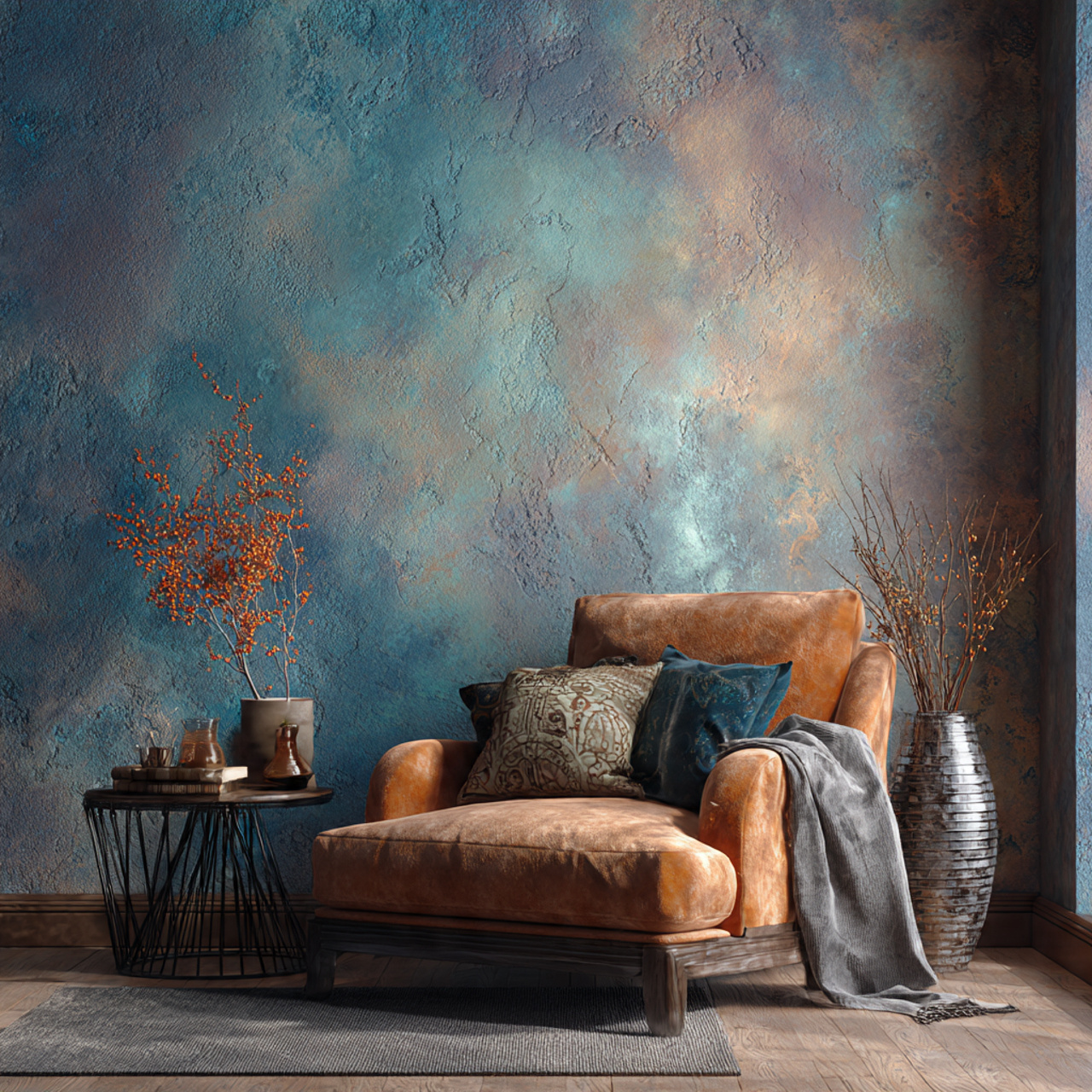
Bare walls often lead to overdecorating with frames and accessories. This can clutter the space and still leave walls feeling unfinished.
Subtle texture adds interest without adding objects. Limewash-style finishes or soft brushed effects create movement that feels calm rather than busy.
These finishes usually cost more upfront and take an extra day to apply. However, many homeowners find they need less wall décor afterward, balancing the investment over time.
TIP: Keep texture consistent across one main wall only; too much variation reduces the calming effect.
Deep Colors Used Only Where the Eye Naturally Rests
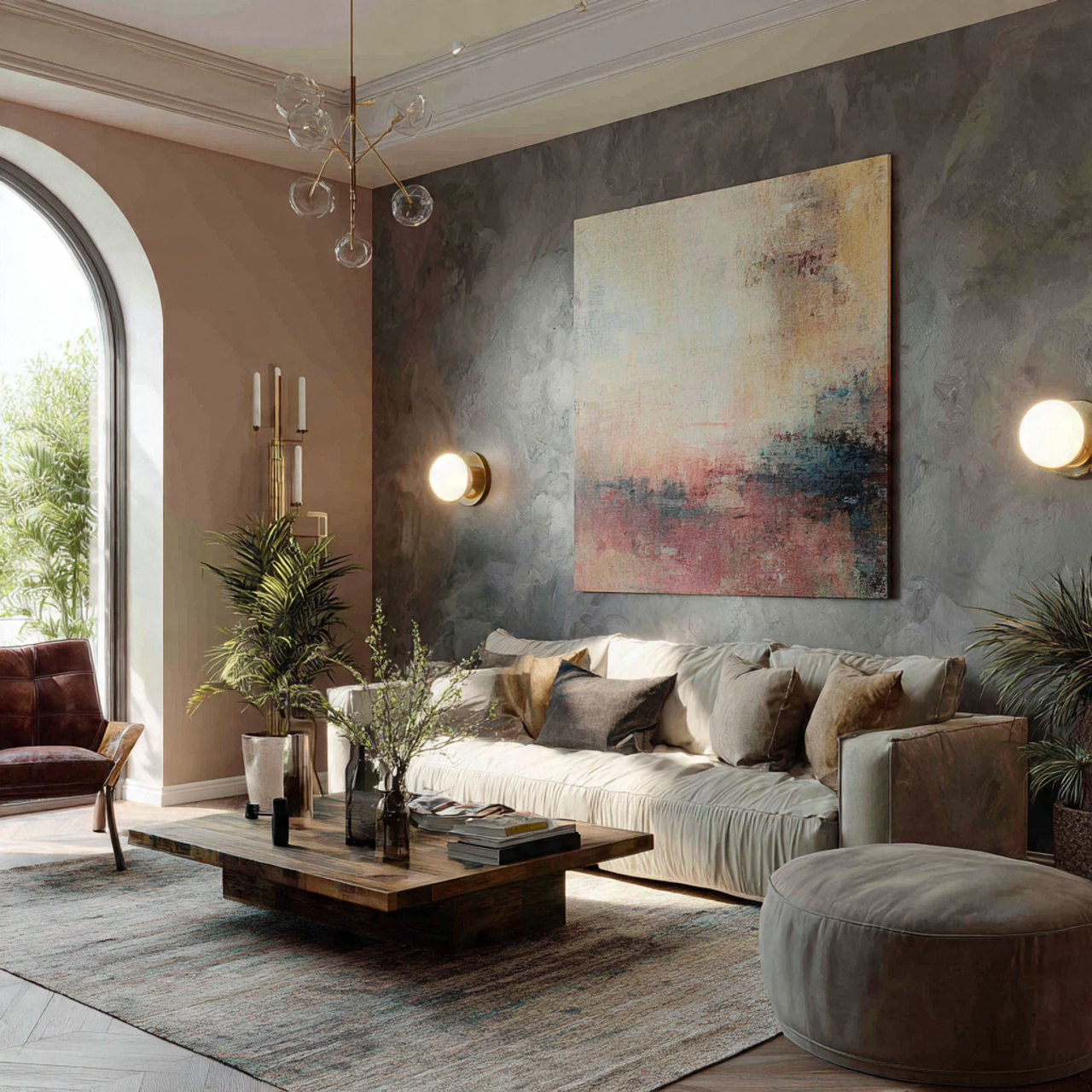
Dark paint often fails because it’s used too generously. When every wall competes for attention, the room can start to feel smaller and more demanding than expected.
Used selectively, deep colors feel intentional and calming. Placing them where the eye naturally settles creates focus without overwhelming the space.
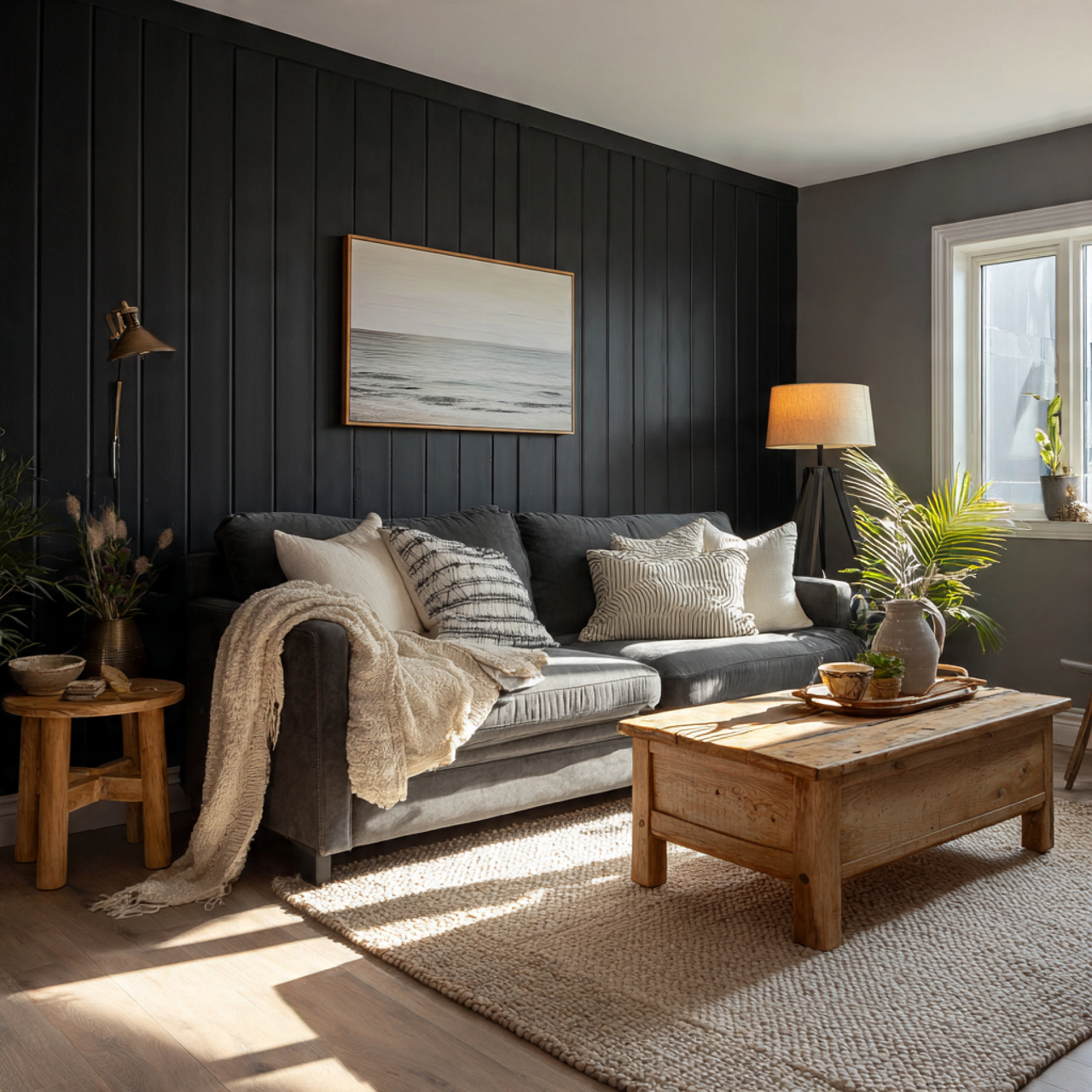
This usually works best behind a bed, sofa, or dining table. Painting one controlled zone takes a few hours and uses less paint, while delivering a more balanced result than full-room dark colors.
TIP: Sit in the room at different times of day and notice where your gaze pauses; that’s the safest place for depth.
Painted Panels That Add Structure Without Construction
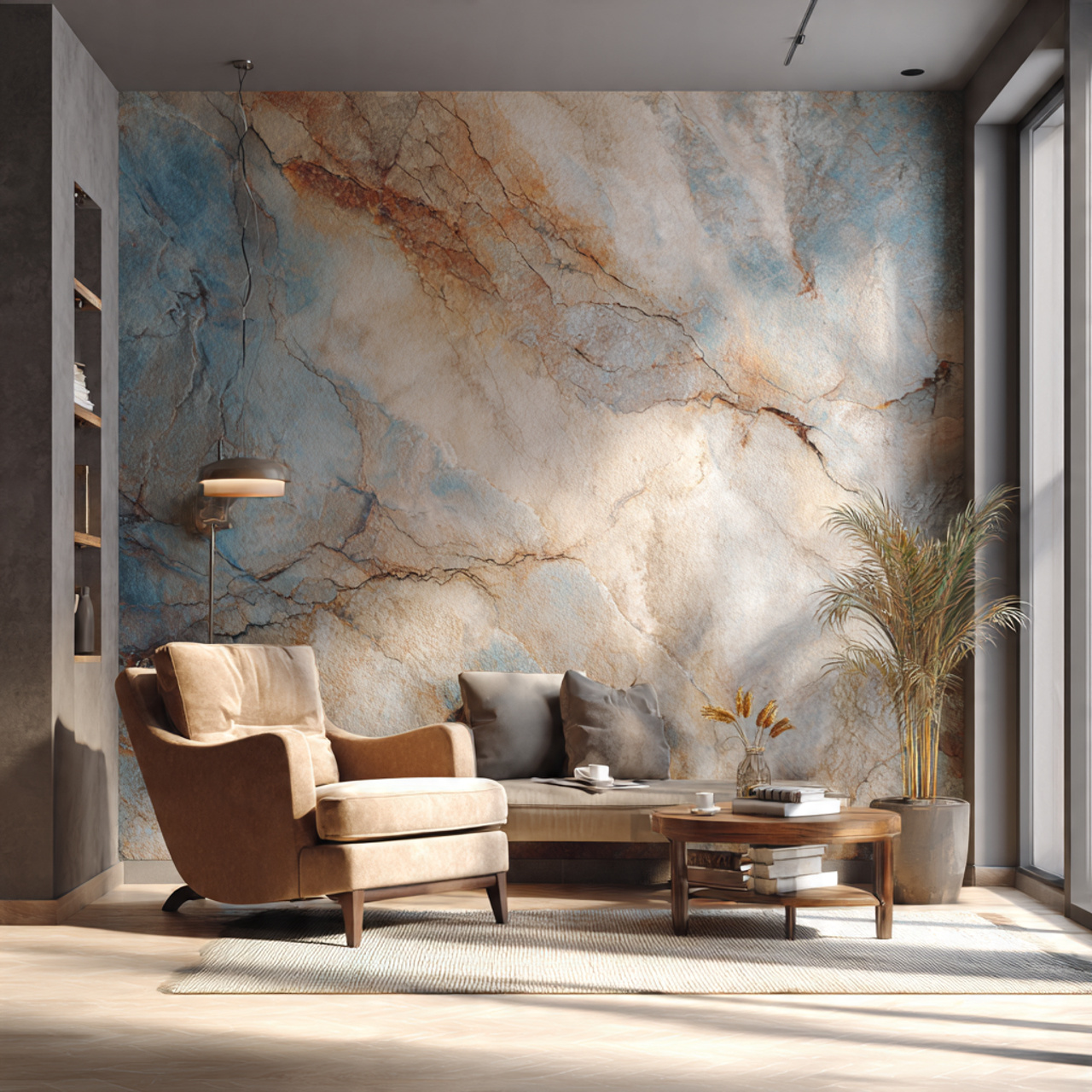
Many rooms lack architectural detail, which makes walls feel unfinished even after painting. Adding trim isn’t always practical or budget-friendly.
Painted panels create the illusion of structure using color placement alone. They introduce rhythm and order without altering the walls themselves.
Simple panel outlines can be taped and painted in a single day. Costs stay low, but the result often feels like a permanent upgrade rather than a decorative layer.
TIP: Keep panel colors close to the wall color; contrast should suggest form, not decoration.
Two-Tone Walls That Separate Function Without Dividing Rooms
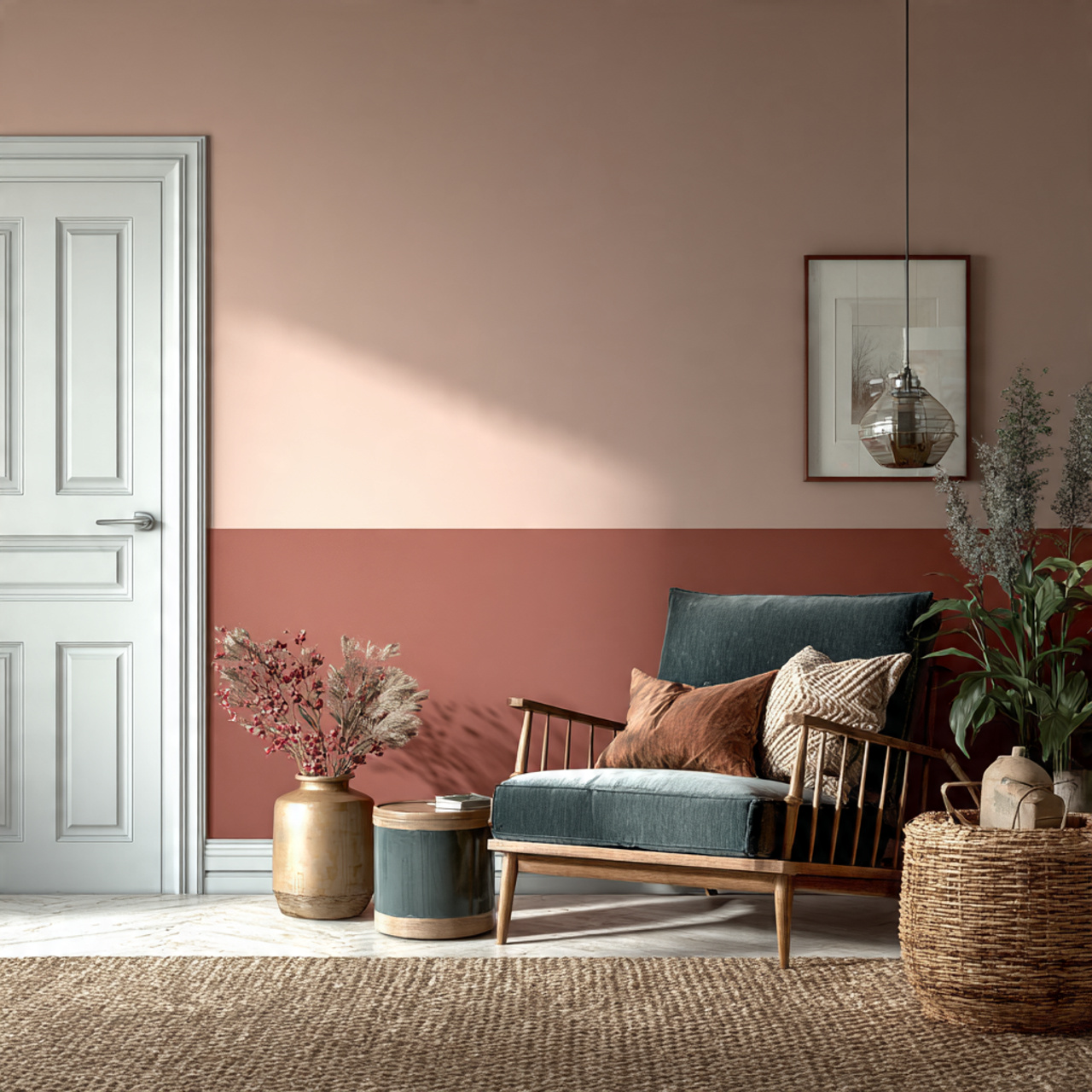
In shared spaces, one wall color can blur different uses together. Dining, lounging, and working areas may start to feel visually confused.
Two-tone walls help the eye understand function without adding partitions. The shift in color creates subtle zoning while keeping the room open.
Most two-tone applications use a horizontal division at 90–110 cm height. This adds a bit of measuring time but rarely increases paint costs significantly.
TIP: Choose the calmer color for the larger section; balance matters more than contrast.
Soft Color Wraps That Make Corners Feel Intentional
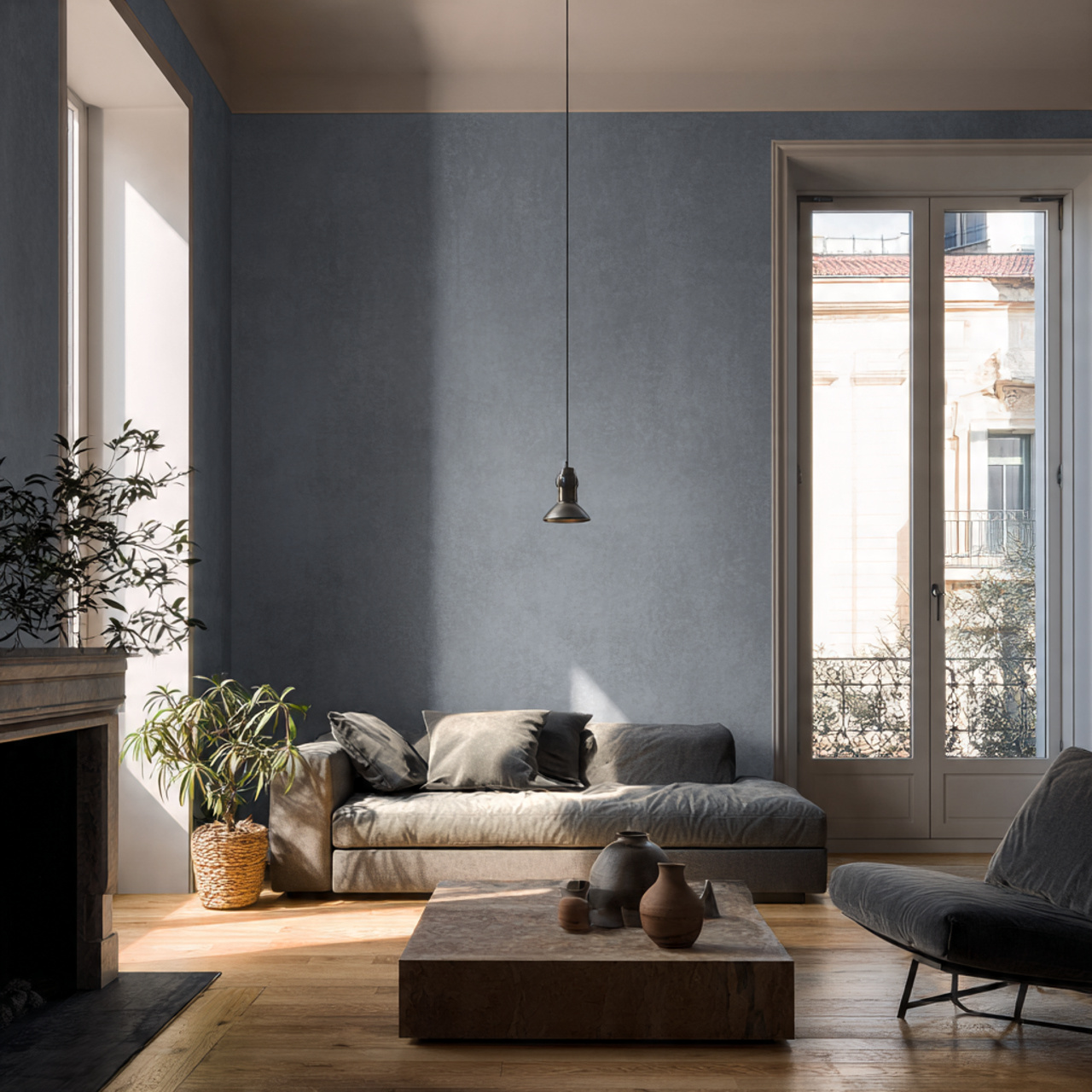
Corners are often where paint choices feel unresolved. Abrupt color stops can make rooms feel chopped rather than cohesive.
Wrapping a color slightly around corners softens transitions. The room feels more continuous, even when different areas serve different purposes.
A wrap of 20–30 cm is usually enough and adds almost no extra time. This small adjustment often removes the need for additional décor to fix awkward corners.
TIP: Use wraps in rooms with open doorways; they guide the eye naturally between spaces.
How These Wall Painting Ideas Work Together Over Time
When people repaint sooner than planned, it’s rarely because one idea failed. It’s because several small decisions didn’t speak to each other once the room was fully lived in.
The ideas above are meant to layer quietly rather than compete. A softened accent, a wrapped corner, or a controlled deep tone works best when the surrounding choices leave space for it to breathe.
In real homes, the most successful paint schemes feel slightly understated at first. Over time, that restraint becomes the reason the room still feels settled months and years later.
Wall Paint Ideas Mistakes People End Up Fixing Later
Choosing Paint Only Under Store Lighting
Paint that looks balanced in a store often shifts at home. Natural and artificial light reveal undertones that weren’t obvious before.
Testing paint on real walls and observing it for a full day prevents quick regret and unnecessary repainting.
Using High-Contrast Colors Too Early
Strong contrast feels exciting in an empty room but often becomes tiring once furniture and daily clutter move in.
Building contrast gradually through tone depth keeps the space flexible and easier to live with long-term.
Ignoring Finish Until the End
Finish changes how color behaves more than most people expect. Shiny surfaces exaggerate flaws and light reflections.
Choosing finish early helps the color settle naturally into the room instead of fighting it.
Painting Every Wall the Same Way
Uniform walls can feel flat over time, especially in larger or shared spaces. The room lacks visual hierarchy.
Subtle variation through panels, wraps, or tonal shifts adds depth without visual noise.
Frequently Asked Questions About Wall Painting Ideas
How do I know if a wall color will feel tiring over time?
Colors that rely on high contrast or sharp undertones tend to feel exhausting after daily exposure. Shades with softer undertones and balanced depth usually remain comfortable long-term.
Is it better to repaint the whole room or adjust one area?
In many cases, adjusting one wall, finish, or transition is enough. Small, targeted changes often correct the problem without restarting the entire room.
How much does repainting usually cost if I get it wrong?
For an average room, repainting can cost 30–50% more than the original job once labor, prep, and materials are repeated. This is why slower decisions often save money.
Do darker paints make rooms harder to live with?
Only when they’re overused. Dark colors work best in controlled areas where the eye naturally rests, rather than across every wall.
When is the best time to choose wall paint during furnishing?
After major furniture pieces are selected. Paint should support the room’s weight and layout, not compete with it.
A Calmer Way to Choose Correct Wall Paint Ideas
Wall painting ideas work best when they’re chosen for how a room is lived in, not just how it looks on day one. Colors that respond well to light, furniture, and daily movement tend to stay satisfying longer. By focusing on balance, undertone, and placement, paint becomes a quiet foundation rather than a constant decision. That calm consistency is usually what makes a home feel finished.