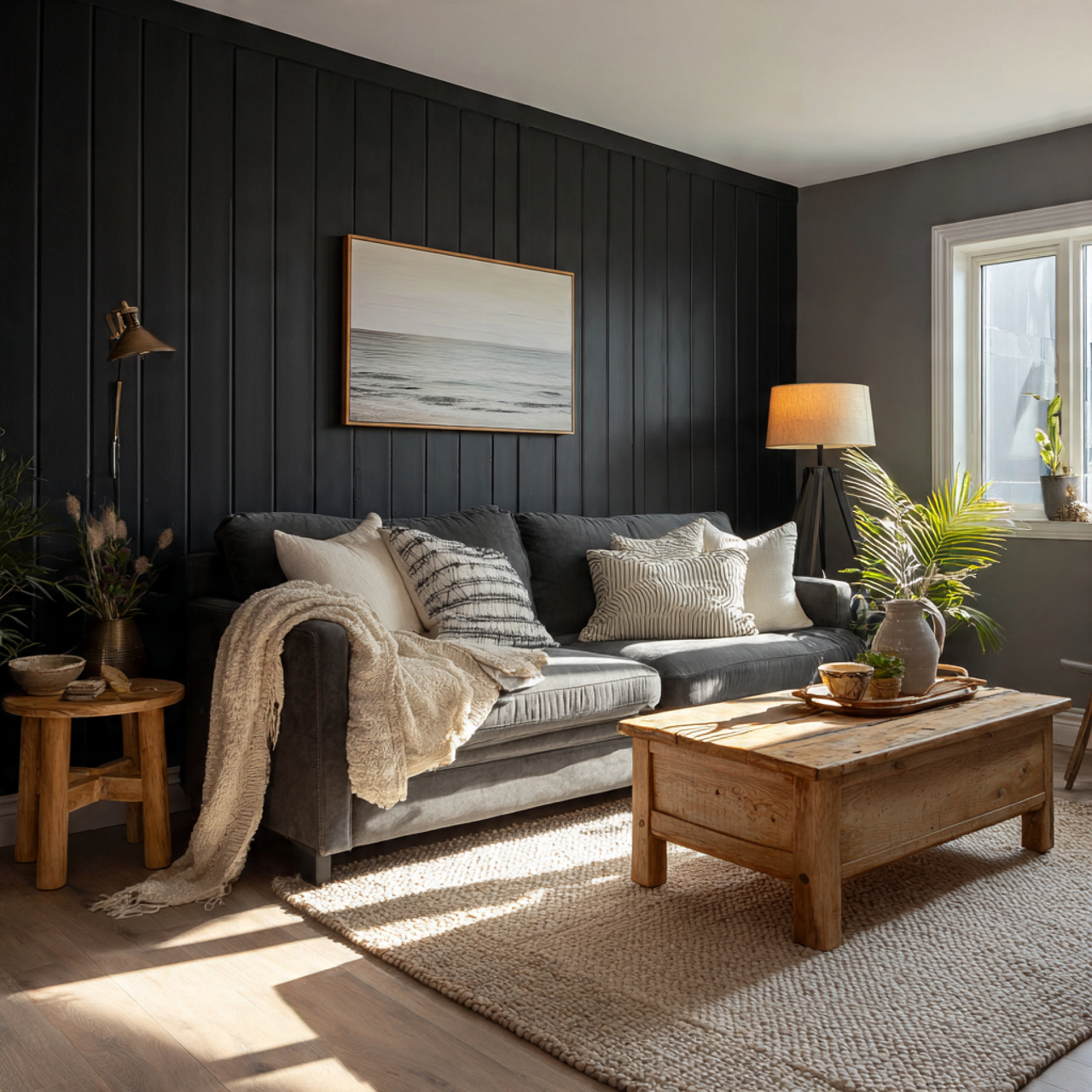
14 Wall Painting Ideas That Make Plain Walls Look Stunning
A wall painting can completely change how a room feels without replacing furniture or redesigning the entire space. Simple patterns, thoughtful color combinations, and balanced layouts often create a look that feels intentional and visually calm. In many homes, a well planned wall painting quietly becomes the focal point while still blending naturally with everyday decor.
In my experience, wall painting works especially well when a room feels flat or lacks personality. Even subtle painted shapes, patterns, or accents can add depth, movement, and structure without overwhelming the space. Over time, I have noticed that carefully planned wall painting ideas tend to feel more timeless than overly bold or heavily styled designs.
Wall painting works best when colors, patterns, and placement create a space that feels balanced, visually interesting, and comfortable for everyday living.
Why Wall Painting Creates Visual Impact
Many rooms feel unfinished because walls remain blank while furniture carries all the visual weight. Wall painting helps distribute visual interest across the room, making the space feel more balanced and thoughtfully designed. Even subtle wall painting ideas can create depth that makes a room feel more layered and complete.
One thing I have noticed in real homes is that wall painting adapts easily to different styles, from modern apartments to cozy bedrooms. Whether using soft patterns, bold accents, or simple painted shapes, wall painting allows flexibility without permanent structural changes. This makes it one of the easiest ways to refresh a room while keeping the design timeless and adaptable.
Creative Ideas That Transform Your Space
Floral Wall Painting That Adds A Soft Natural Feel
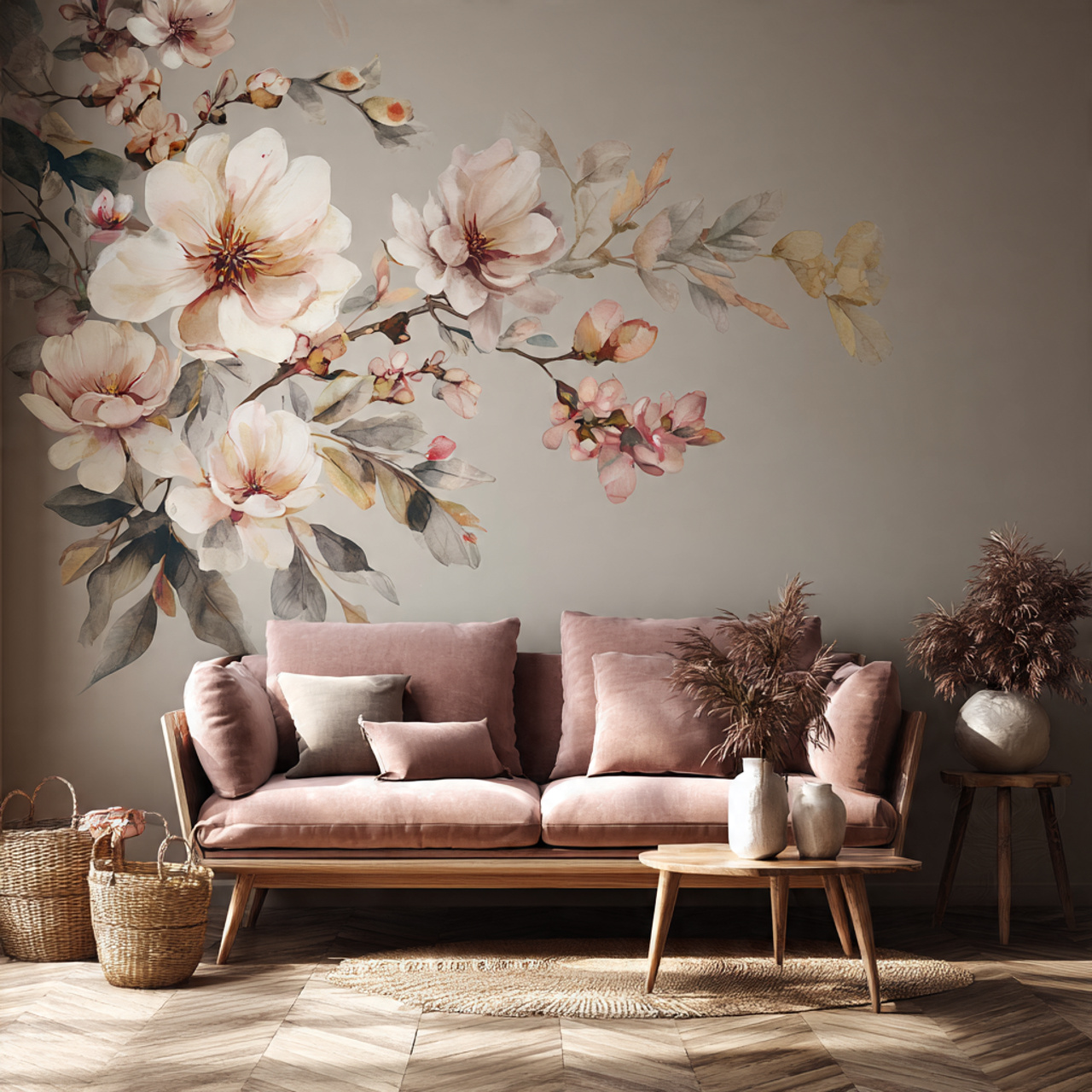
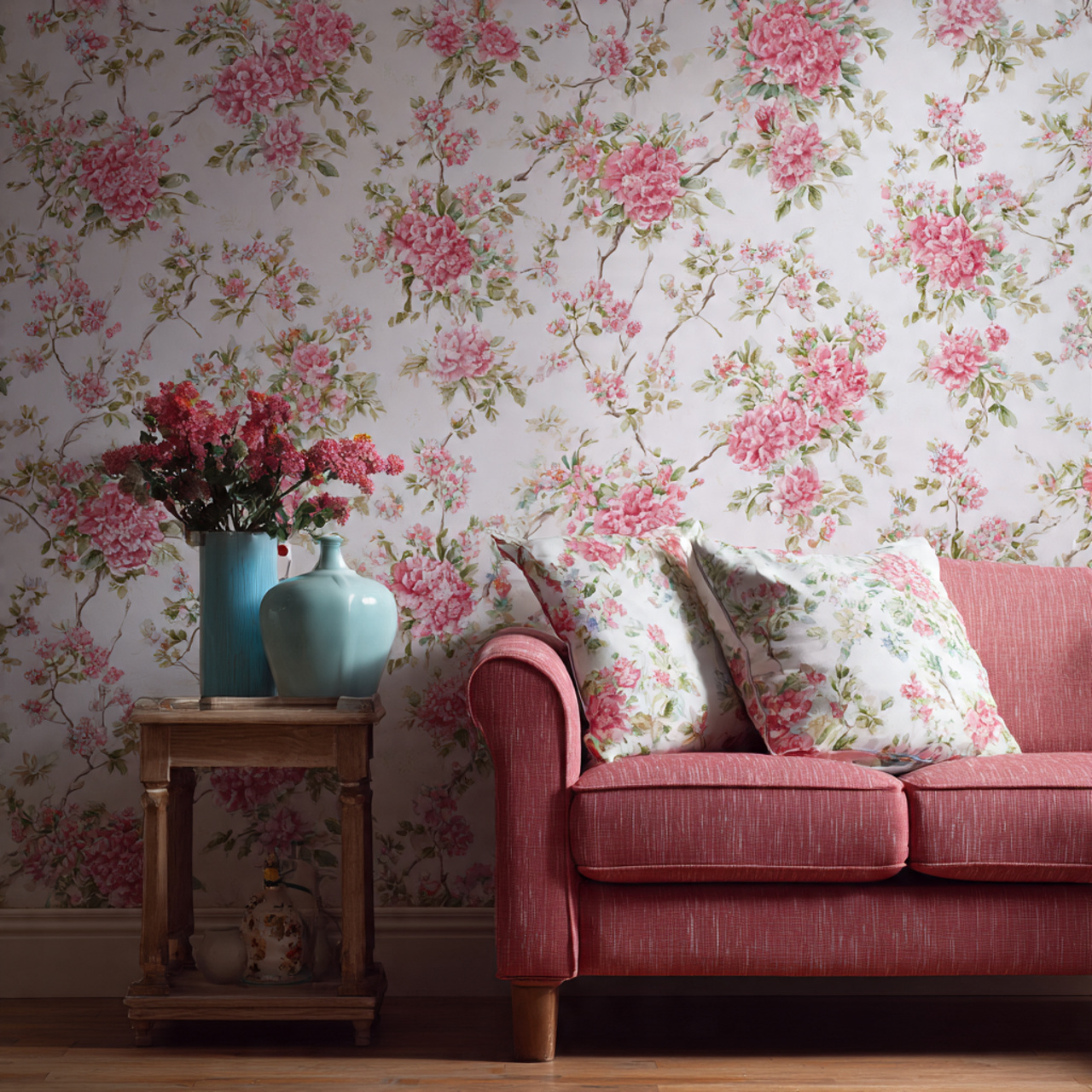
A soft floral wall painting behind a bed or sofa creates a welcoming atmosphere that immediately makes the room feel more relaxed. Gentle botanical shapes in muted tones look especially beautiful when natural light moves across the wall during the day. Even simple floral elements can make a space feel calm and thoughtfully styled.
This works because floral wall painting introduces organic shapes that soften straight furniture lines. In my experience, rooms filled with hard edges often feel rigid until softer visual elements are added. Floral patterns create balance while still keeping the design light and timeless.
You can apply this idea on one feature wall using muted greens, warm neutrals, or soft pastels. Keep the design simple and spaced to avoid visual clutter. This helps the wall remain stylish while still feeling calm.
Tip: Use muted floral tones instead of bright colors for a timeless look.
Geometric Wall Painting That Creates A Modern Focal Point
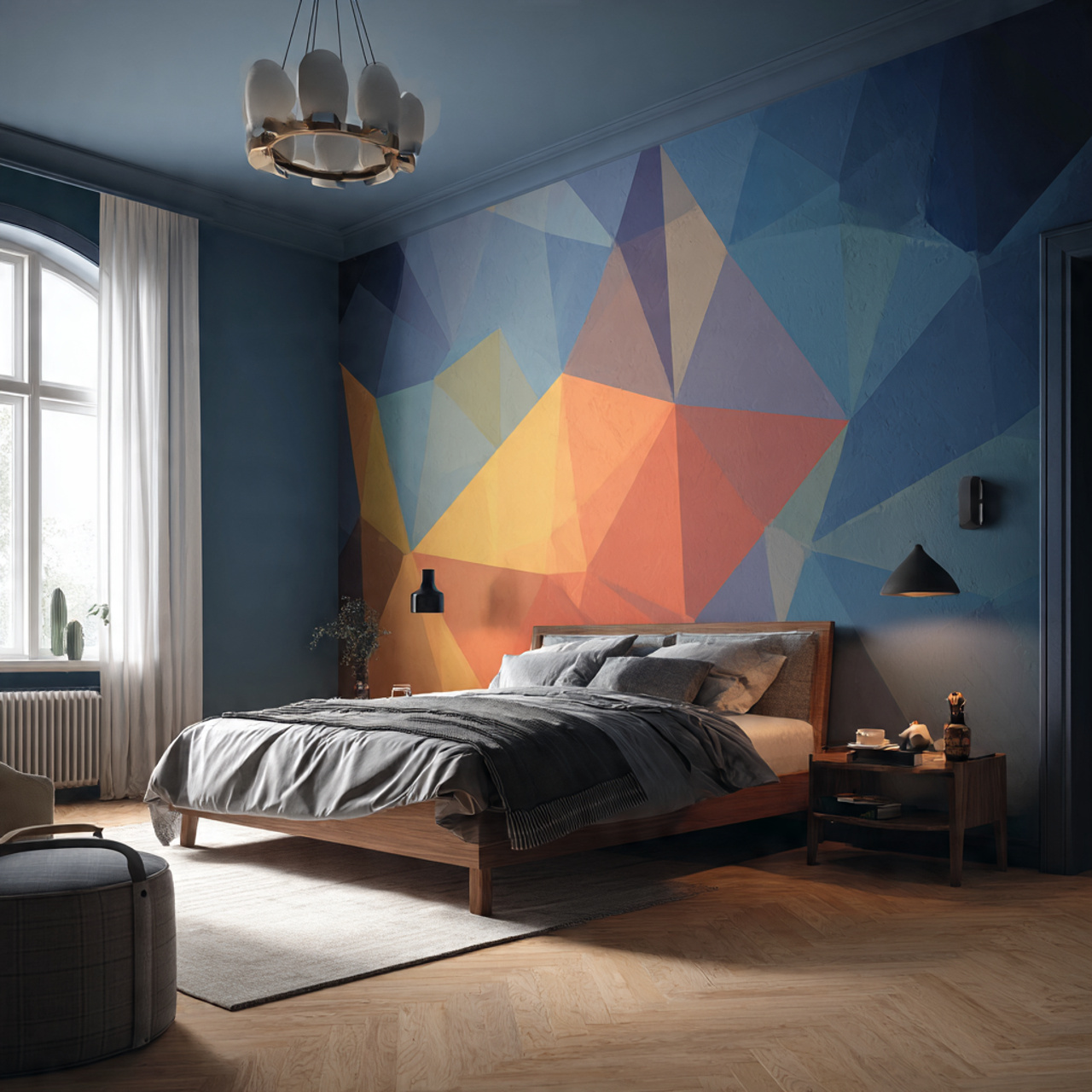
A geometric wall painting behind a sofa or bed creates a strong focal point that feels modern and structured. Clean angled shapes naturally draw attention while still blending with neutral furniture. As sunlight shifts throughout the day, the geometric shapes create subtle layered shadows.
This works because geometric wall painting introduces structure without adding extra decor. One thing I noticed in real homes is that simple geometric shapes often feel more timeless than detailed patterns. The clean lines help the room feel organized and intentional.
You can create this look using painter’s tape and two or three complementary tones. Keep shapes larger to avoid visual clutter. This keeps the wall balanced and modern.
Tip: Limit geometric colors to two tones for a cleaner result.
Aesthetic Wall Painting For Calm And Stylish Bedrooms
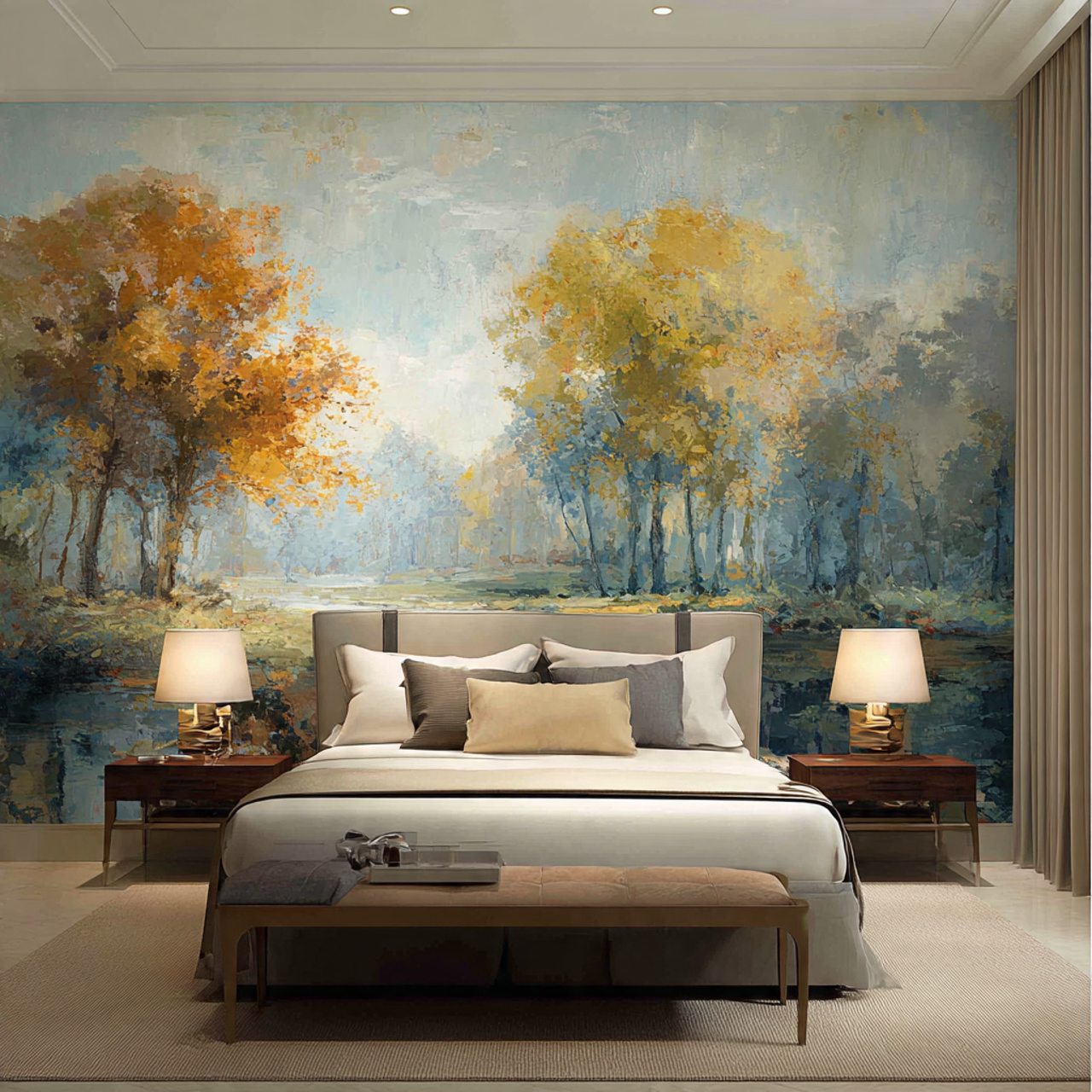
Aesthetic wall painting using soft tones can turn a bedroom into a calm and relaxing retreat. Subtle shapes or gentle color transitions create a smooth visual flow. Morning light across the painted wall enhances the peaceful atmosphere.
This works because aesthetic wall painting avoids strong contrast and heavy visual weight. In many homes, bold walls become tiring over time. Soft aesthetic designs remain comfortable and flexible.
You can apply this behind the bed using muted sage, beige, or dusty blue tones. Keep shapes minimal to maintain a calm environment. This helps the bedroom feel balanced and inviting.
Tip: Choose warm neutral tones to create a cozy aesthetic feel.
Color Block Wall Painting That Adds Bold Visual Interest
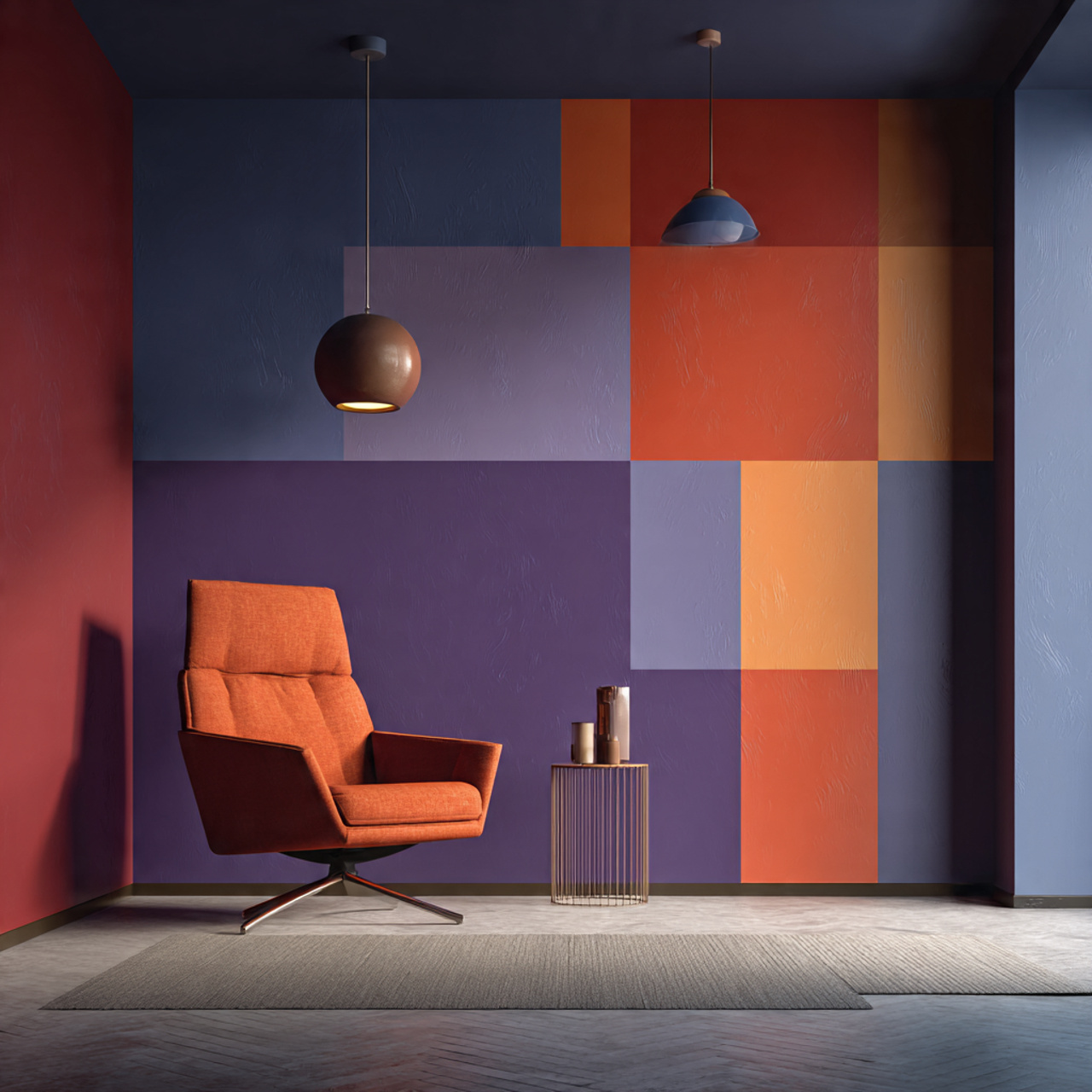
Color block wall painting introduces bold contrast that energizes a space. Large painted sections create depth and movement across the wall. Evening lighting often highlights the contrast beautifully.
This works because color blocking breaks up blank walls without adding clutter. I once tried filling a wall with decor pieces, but color blocking created a cleaner and more modern solution. The wall becomes the main visual anchor.
You can paint large blocks behind seating areas or desks using two or three colors. Keep lines clean and shapes simple. This helps maintain a balanced look.
Tip: Use larger color blocks to avoid visual clutter.
Pattern Wall Painting That Feels Decorative Yet Balanced
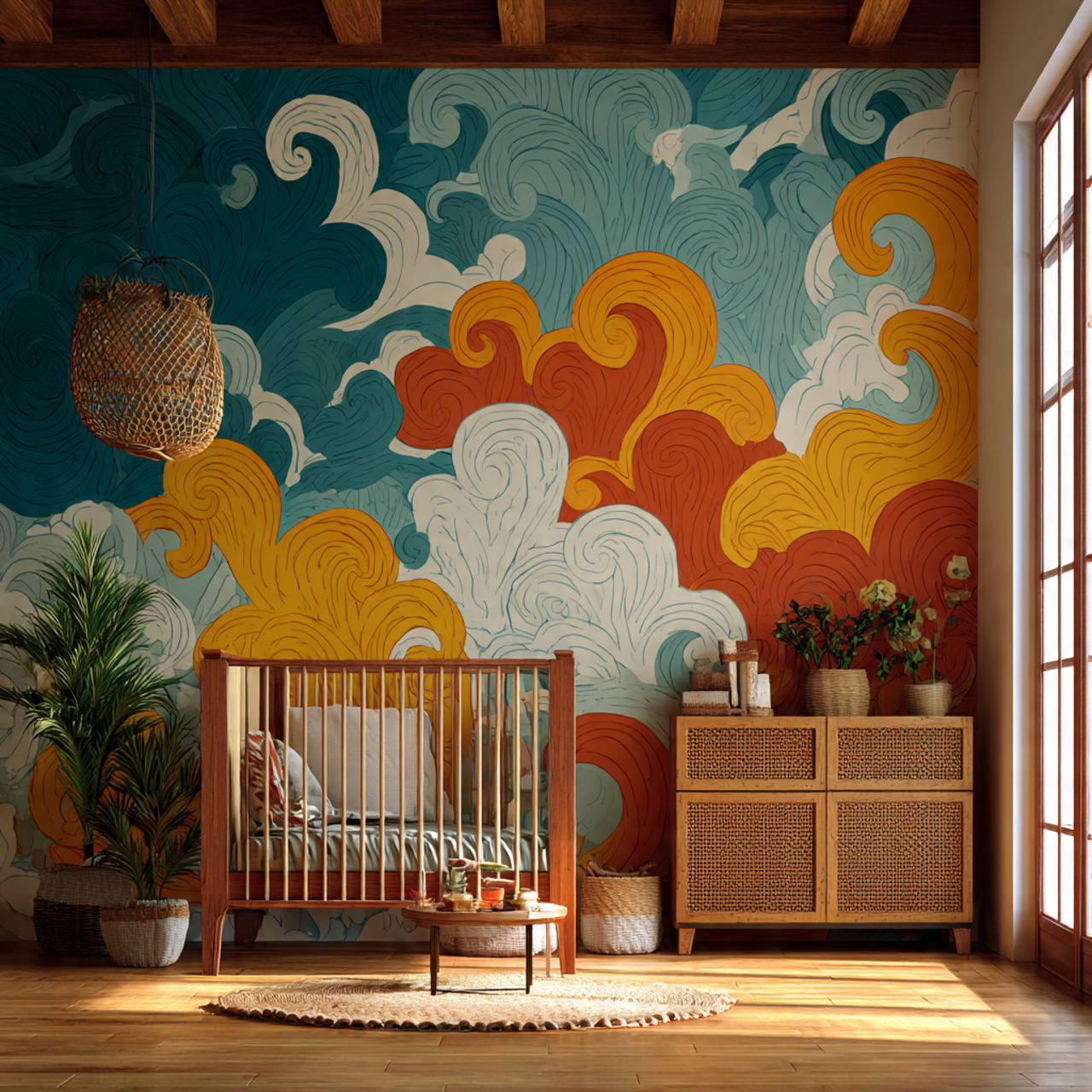
Pattern wall painting adds subtle rhythm and visual movement across the room. Repeating shapes create interest while still feeling calm. Soft lighting enhances the layered effect.
This works because patterns add texture without needing physical materials. In real homes, patterned walls often make spaces feel more finished. Subtle patterns also age better than bold designs.
You can apply repeating shapes using painter’s tape and soft tones. Keep spacing consistent for balance. This helps maintain visual harmony.
Tip: Choose low contrast colors for a softer pattern effect.
Arch Wall Painting That Softens The Room Layout
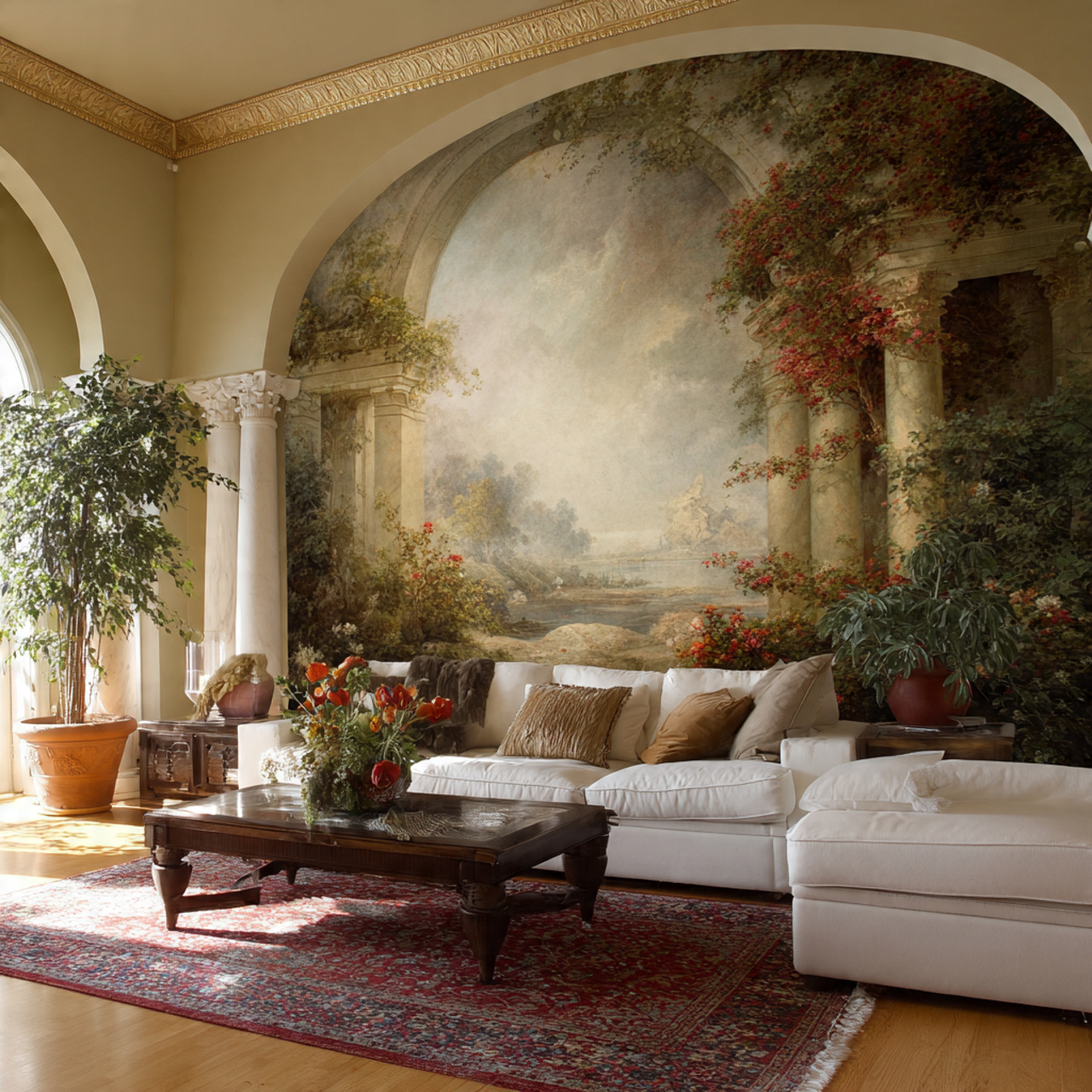
A painted arch behind furniture creates a gentle focal point that feels warm and inviting. Curved shapes soften sharp edges and make the room feel more relaxed. Morning sunlight across the arch creates a calm highlight.
This works because curved shapes reduce visual rigidity. In my experience, arches instantly make rooms feel more comfortable. They create depth without clutter.
You can paint an arch behind a bed, desk, or reading chair. Choose soft tones for subtle impact. This keeps the space calm and balanced.
Tip: Use warm tones to enhance arch softness.
Mandala Wall Painting That Creates Artistic Character
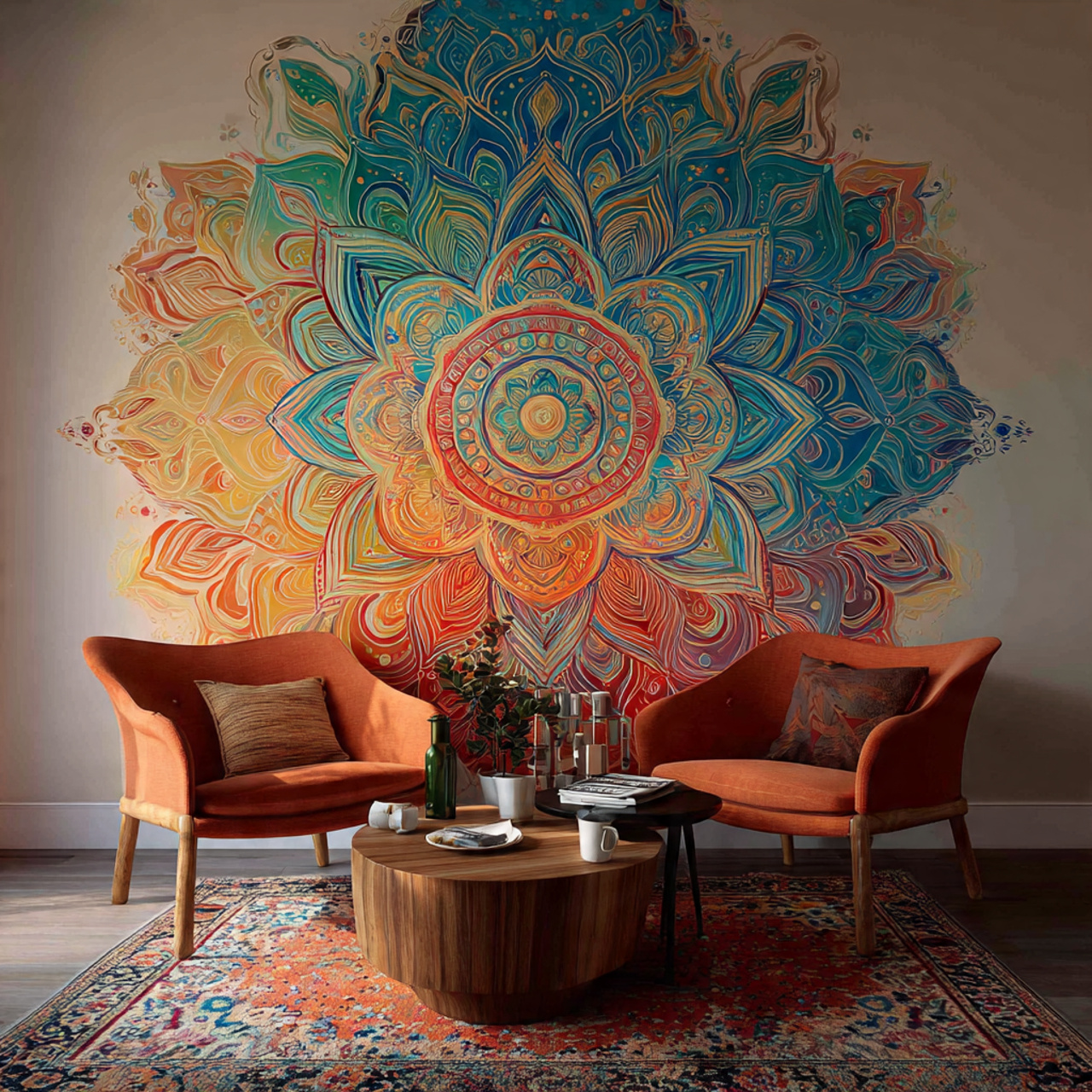
A mandala wall painting adds artistic detail and personality to a room. Circular patterns create a calm focal point that naturally draws attention. Soft lighting highlights the intricate shapes beautifully.
This works because circular designs create balance and visual harmony. One thing I noticed is mandala wall painting works especially well in relaxing spaces. It adds interest without overwhelming the room.
You can paint a mandala above beds or seating areas using soft tones. Keep the size moderate for balance. This maintains a calm and stylish look.
Tip: Keep mandala designs centered for visual balance.
Accent Wall Painting That Defines The Room Focal Area
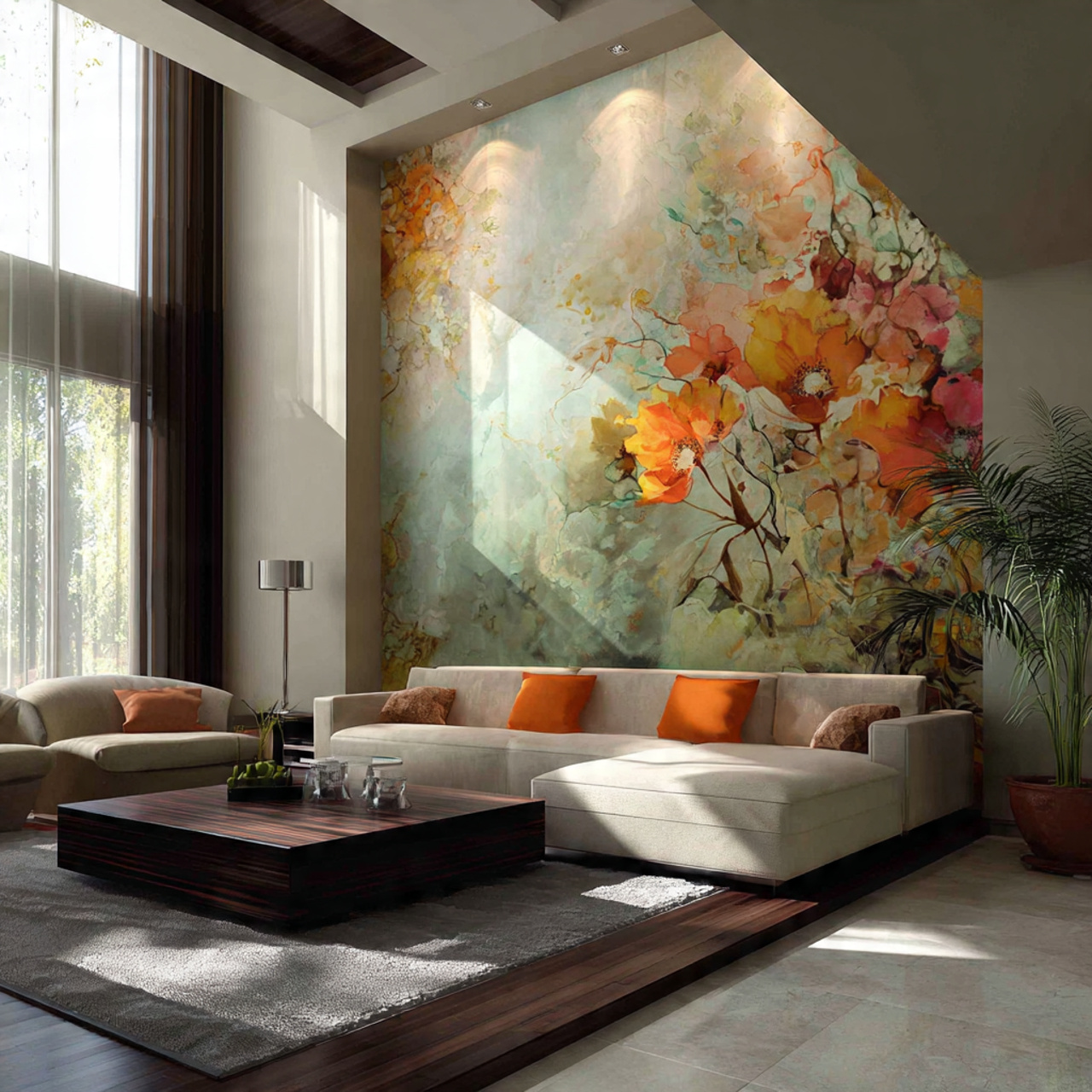
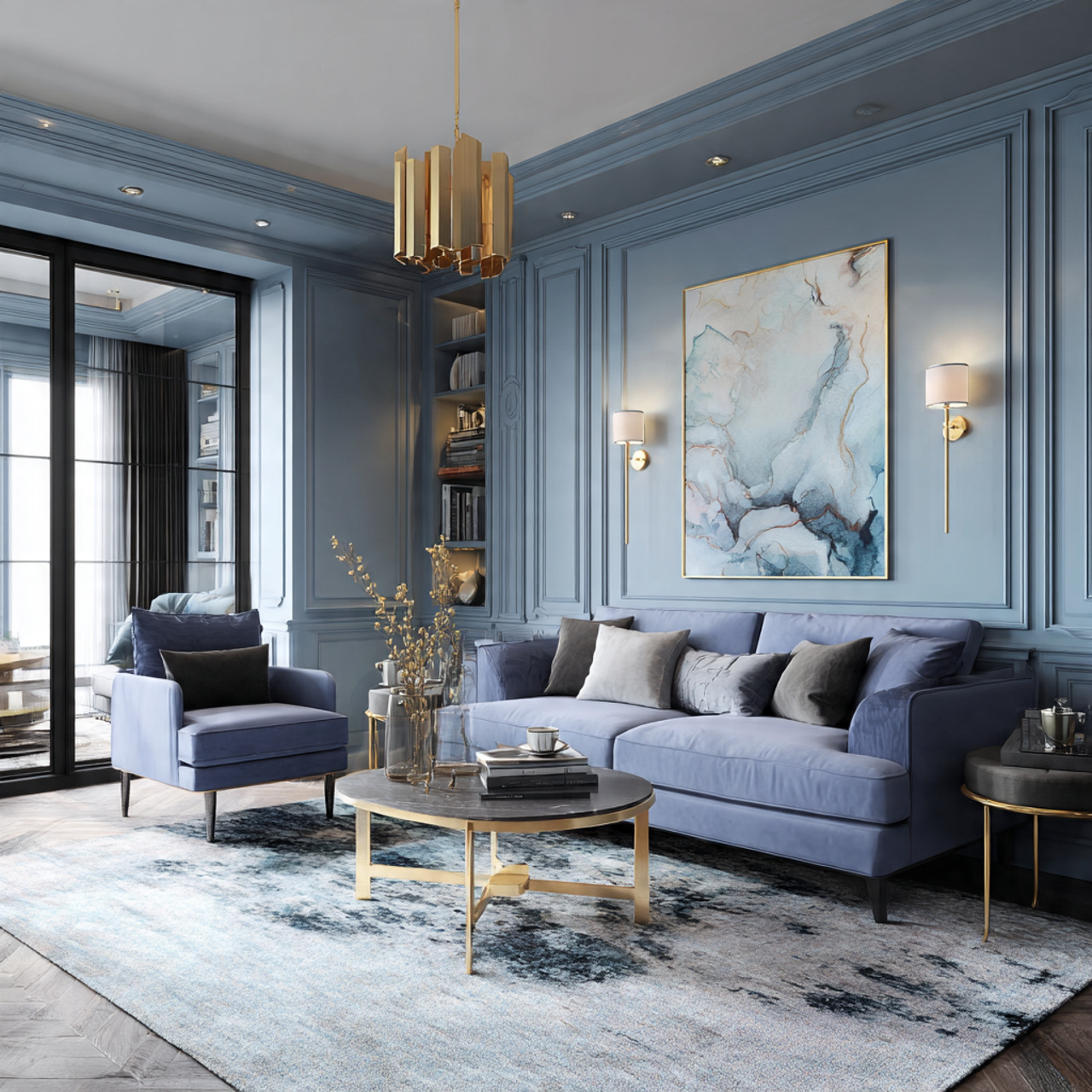
An accent wall painting behind the main furniture area instantly creates a defined focal point. A slightly deeper tone or subtle painted design can draw attention without overwhelming the entire space. As daylight moves across the accent wall, the room begins to feel more layered and intentional.
This works because accent wall painting concentrates visual interest in one area instead of spreading it across the room. In my experience, painting all walls often makes the room feel heavy, while one painted wall keeps the space balanced. This approach also allows flexibility when updating decor later.
You can apply accent wall painting behind a sofa, bed, or dining area. Choose a tone slightly darker than surrounding walls for subtle contrast. This helps the focal area feel naturally defined.
Tip: Paint only one wall to keep the space visually balanced.
Small Wall Painting That Adds Subtle Personality
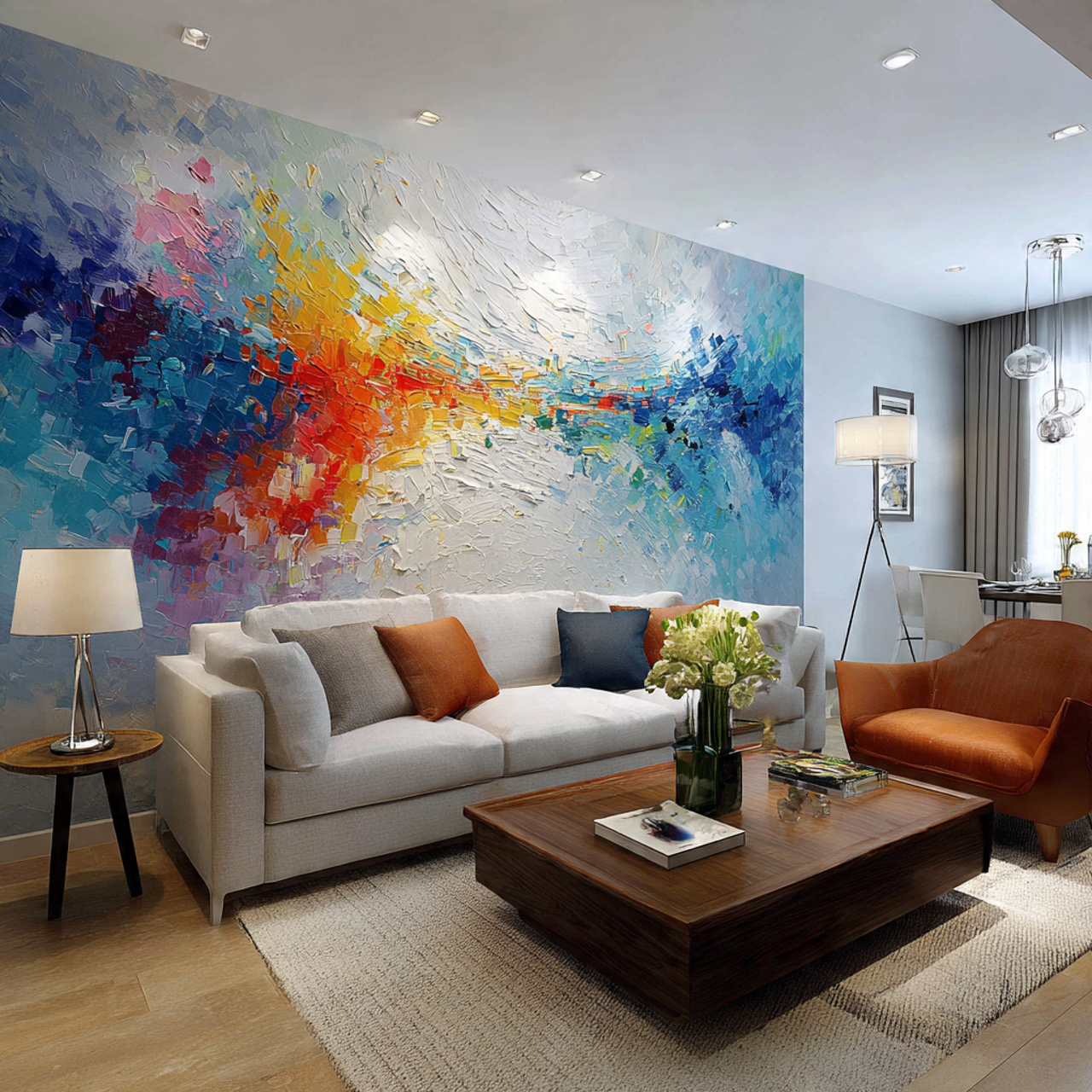
Small wall painting designs can quietly add personality without dominating the room. A simple painted shape above a chair or desk creates a soft visual anchor. Natural light often highlights these small painted areas beautifully.
This works because small wall painting avoids overwhelming compact spaces. One thing I noticed in smaller rooms is that large wall painting sometimes feels too heavy. Smaller painted accents maintain openness while adding interest.
You can paint small shapes, patterns, or soft blocks near seating or reading corners. Keep colors subtle and placement intentional. This keeps the room feeling balanced.
Tip: Use small wall painting in corners or reading areas.
Animal Wall Painting That Feels Playful And Creative
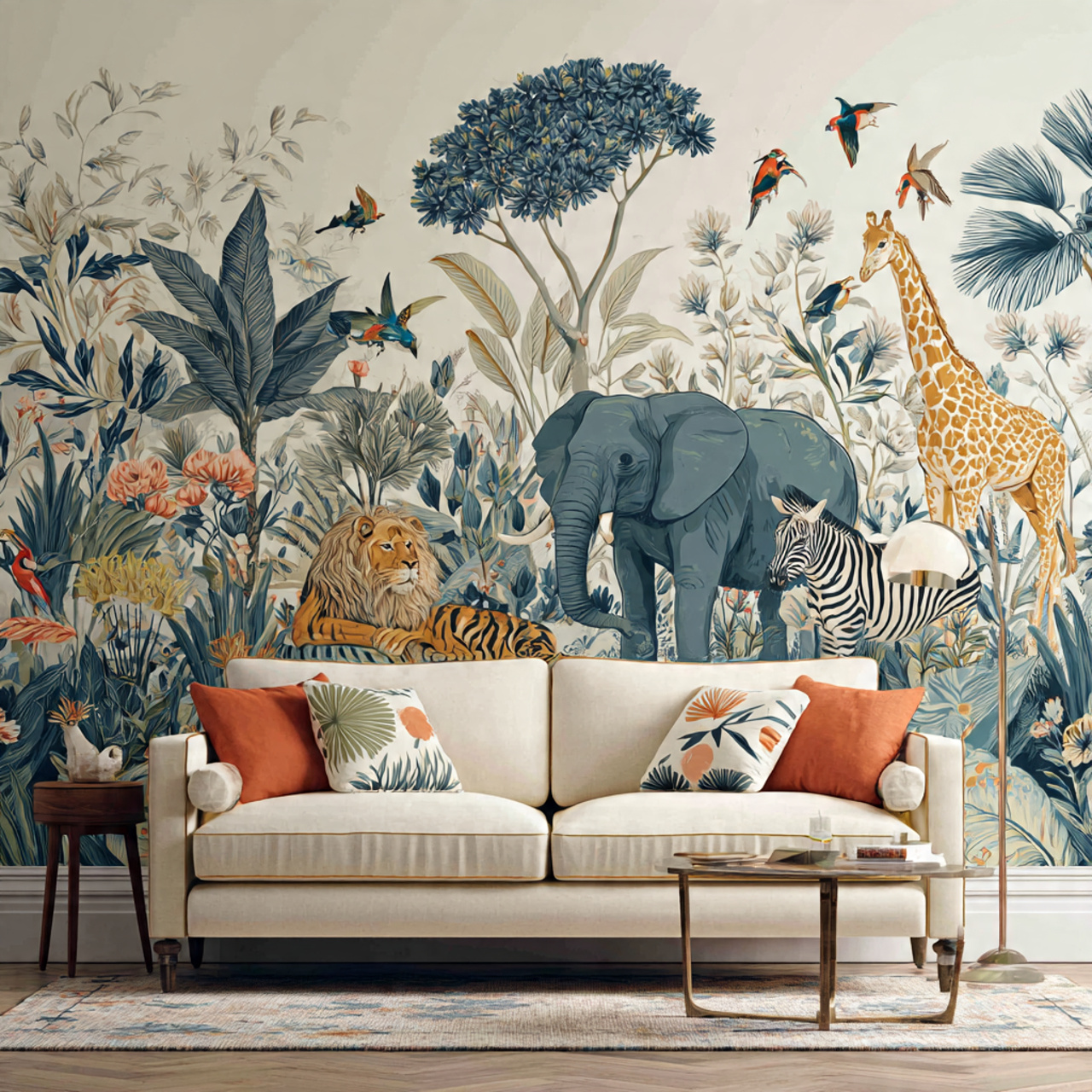
Animal wall painting adds a playful and creative element to a room. Soft painted silhouettes or minimal animal designs create personality without feeling childish. Morning light across the wall makes these designs feel more lively.
This works because animal wall painting introduces character and visual storytelling. In real homes, subtle animal designs often work better than detailed illustrations. They add charm without overwhelming the space.
You can apply this idea in bedrooms, study corners, or creative areas. Choose minimal outlines instead of complex designs. This keeps the wall stylish and calm.
Tip: Use neutral tones for subtle animal wall painting.
Textured Wall Painting That Adds Depth And Dimension
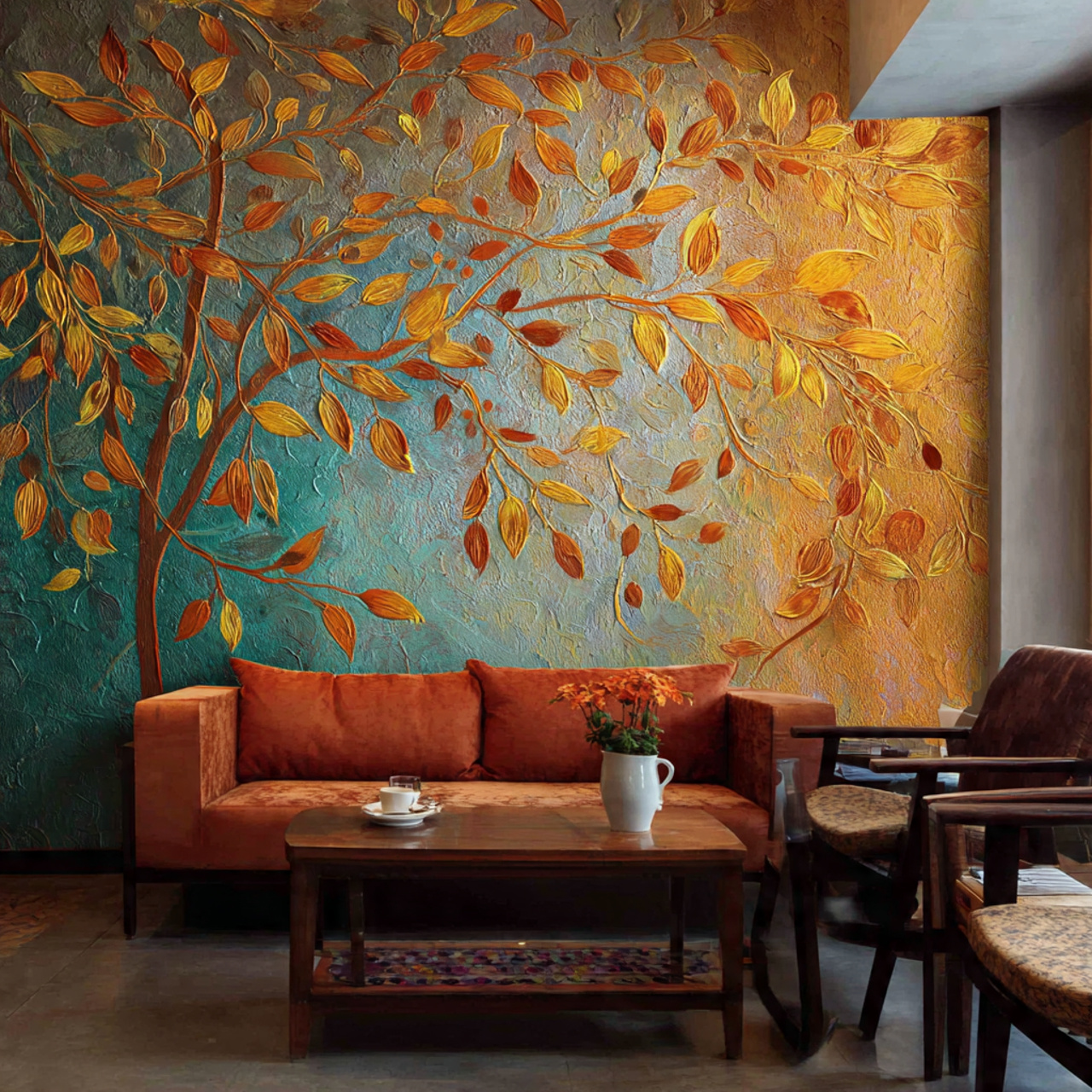
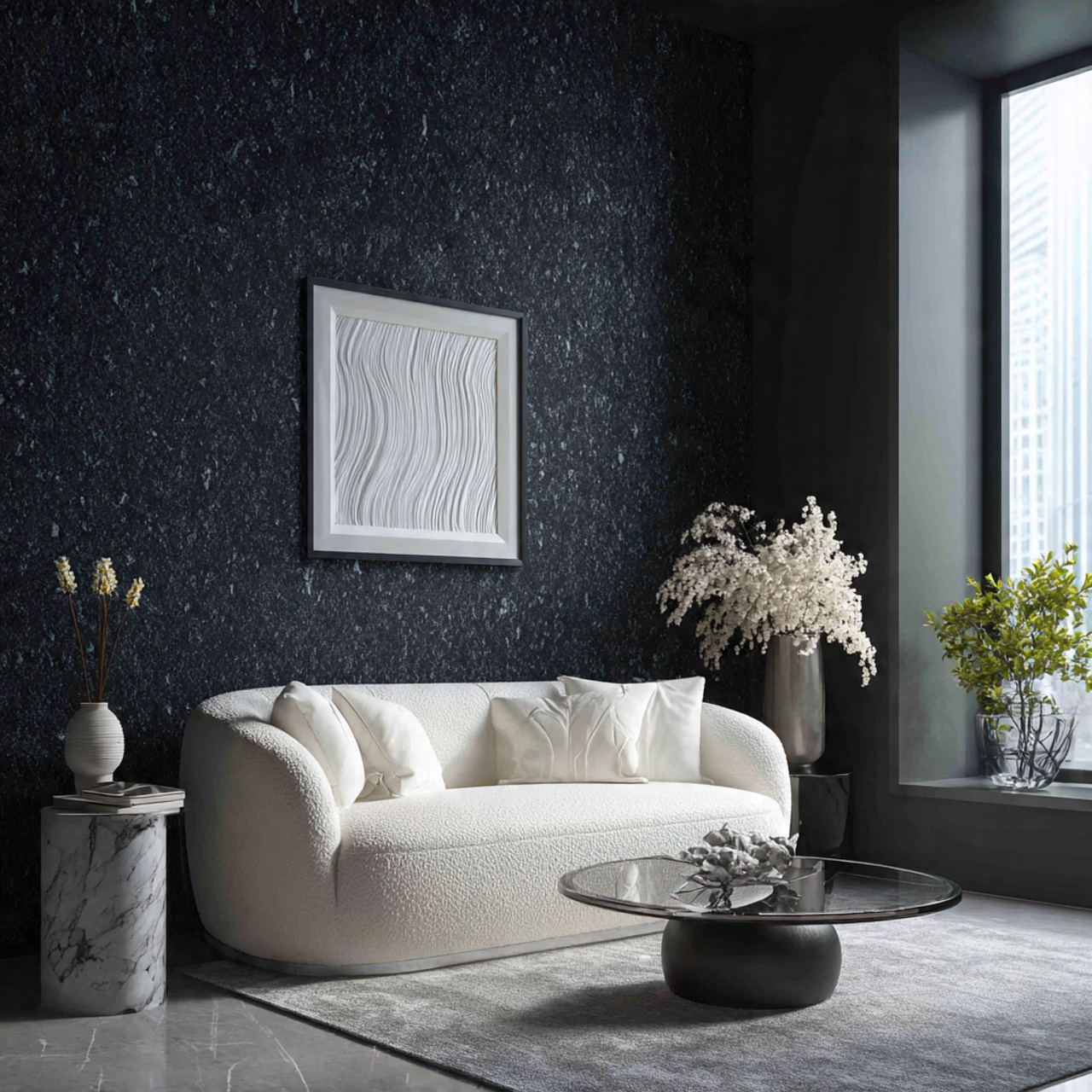
Textured wall painting creates subtle depth that changes with lighting throughout the day. Soft sponge or layered paint techniques create a warm and inviting surface. Evening lighting often enhances the textured finish beautifully.
This works because texture adds interest without using bold colors or patterns. In my experience, textured wall painting feels more natural and timeless. It also pairs well with minimal decor.
You can apply textured painting on one feature wall using neutral tones. Keep texture soft rather than heavy. This helps maintain a calm look.
Tip: Use soft textures for a subtle layered effect.
Minimal Wall Painting That Feels Clean And Modern
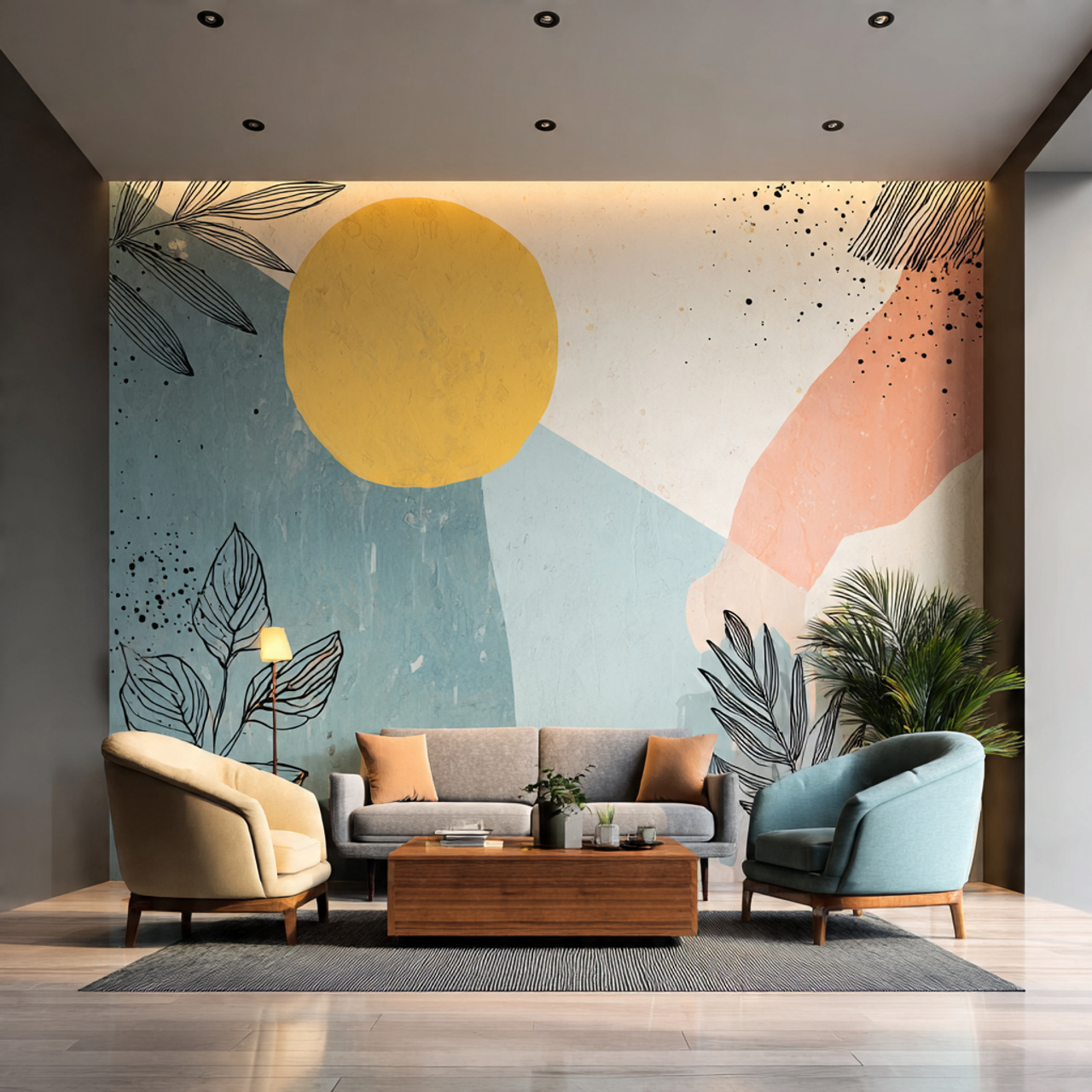
Minimal wall painting creates a clean and uncluttered atmosphere. Simple painted shapes or subtle lines quietly enhance the space. Natural light makes minimal designs feel soft and elegant.
This works because minimal wall painting reduces visual noise. One thing I noticed is that minimal designs adapt easily as decor changes. This keeps the room flexible and timeless.
You can paint simple shapes behind furniture or near entry areas. Keep colors neutral and shapes simple. This helps maintain a modern feel.
Tip: Choose one simple shape for minimal wall painting.
DIY Wall Painting That Feels Personal And Unique
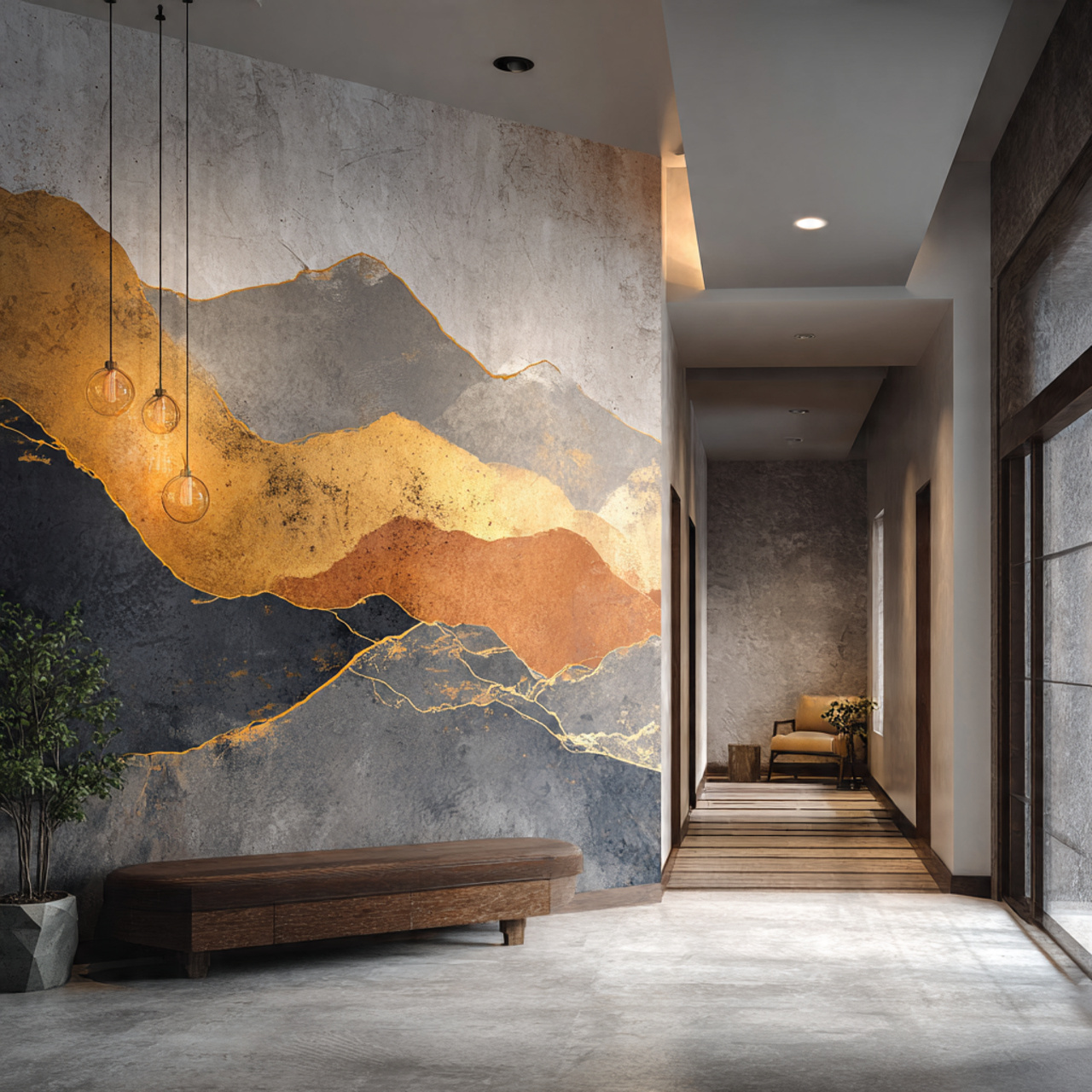
DIY wall painting adds a personal touch that makes the space feel more meaningful. Hand painted shapes or creative color ideas create a unique atmosphere. Small imperfections often make DIY designs feel more authentic.
This works because DIY wall painting reflects personal style and creativity. In real homes, DIY designs often feel warmer than perfectly styled walls. They create a lived in feeling.
You can start with simple shapes, arches, or color blocks. Use painter’s tape for cleaner lines. This keeps the design manageable.
Tip: Start with simple designs for easier DIY painting.
Feature Wall Painting That Creates A Designer Look
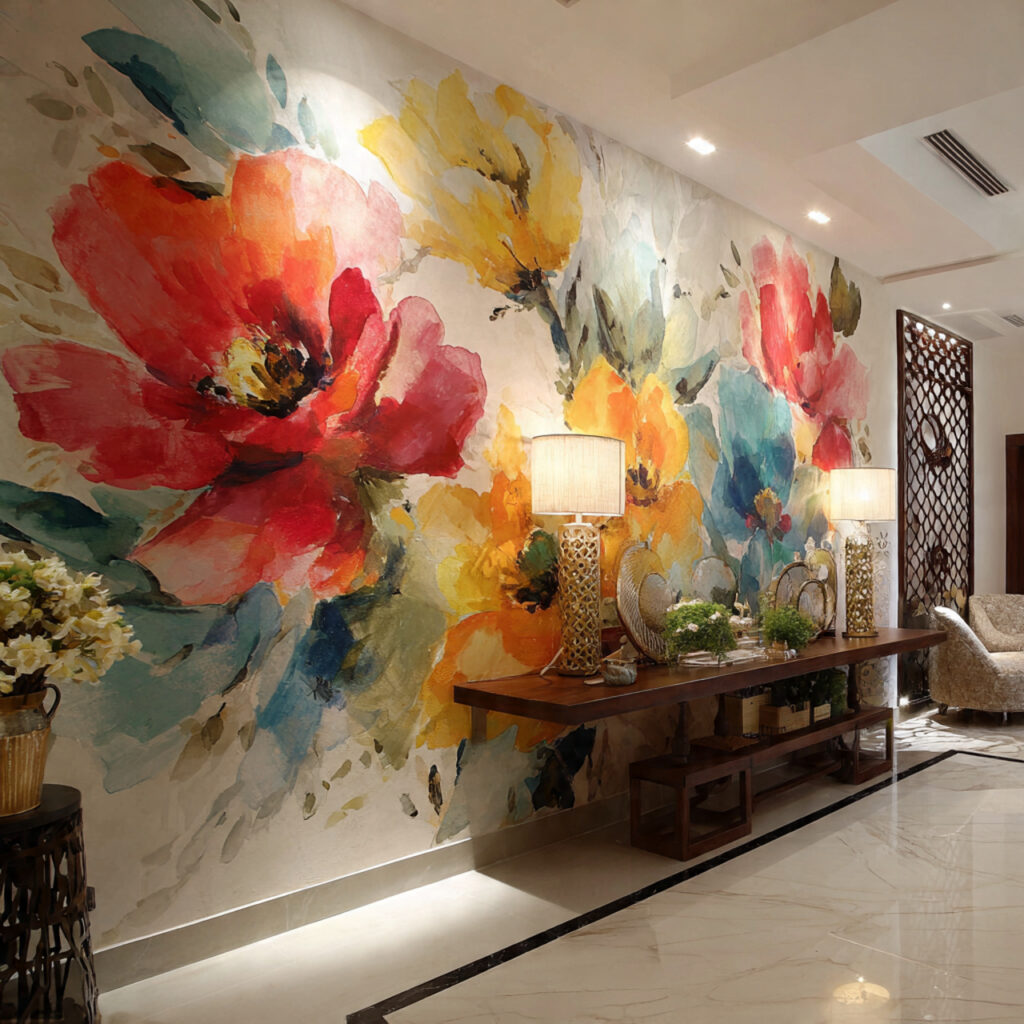
Feature wall painting creates a strong focal point that feels professionally styled. A carefully painted wall behind furniture can transform the entire room atmosphere. Soft lighting enhances the feature wall beautifully.
This works because feature wall painting anchors the room visually. In my experience, a well designed feature wall reduces the need for excessive decor. The wall itself becomes the highlight.
You can create a feature wall using patterns, color blocks, or subtle designs. Keep surrounding walls neutral for balance. This helps the room feel cohesive.
Tip: Keep surrounding walls neutral for a balanced feature wall.
A Real Wall Painting Layout That Feels Balanced And Modern
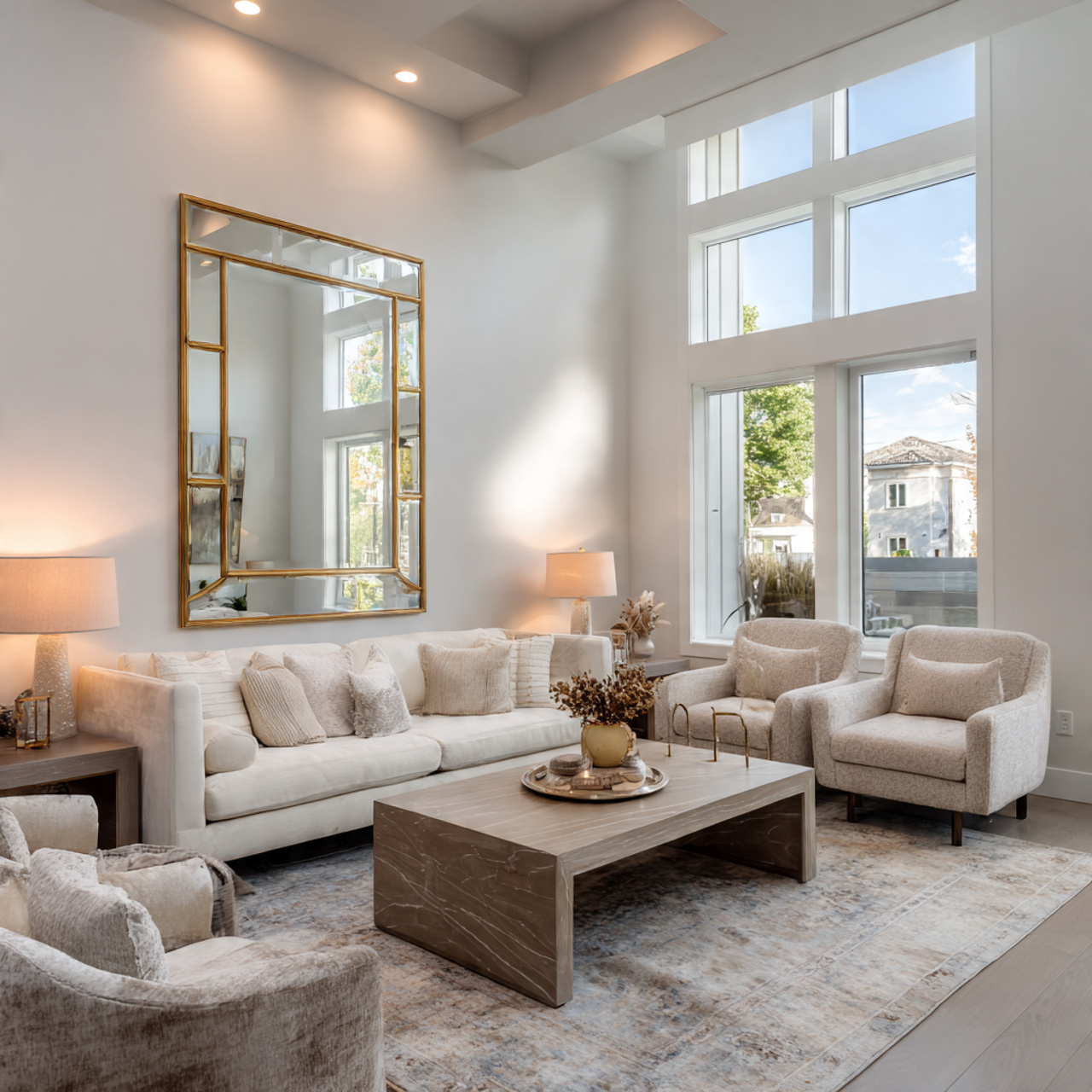
In one living room I worked on, a soft painted wall in warm neutral tones sat behind a comfortable fabric sofa, instantly creating a calm focal point. Morning sunlight moved gently across the painted surface, adding subtle depth that made the wall feel layered rather than flat. A wooden coffee table and textured rug helped soften the painted area, making the space feel warm and lived in.
The layout felt balanced because the wall painting remained behind the main seating area while the other walls stayed neutral and uncluttered. This allowed the painted wall to stand out naturally without overwhelming the room. Over time, the space felt more intentional and visually structured while still remaining comfortable for everyday living.
Color And Material Authority
Warm Greige (#D8D2C8)
Works beautifully for living rooms and bedrooms where a soft wall painting creates a calm foundation. This tone feels warm and modern while pairing naturally with light oak wood, linen fabrics, and soft textured rugs.
Soft Navy (#2F3E55)
Ideal for accent wall painting in living rooms, bedrooms, or home offices. This color adds depth and creates a sophisticated mood, especially when paired with brass accents, walnut wood, and neutral upholstery.
Muted Sage (#A8B5A2)
Works well in bedrooms and relaxed spaces where wall painting should feel calm and natural. This shade creates a peaceful atmosphere and pairs beautifully with light wood, woven textures, and warm neutral fabrics.
Warm Taupe (#B8ADA4)
Perfect for subtle wall painting that needs gentle contrast without bold color. This tone creates a cozy and balanced mood and pairs well with beige upholstery, ceramic decor, and textured throw blankets.
Room Size And Lighting Guide
Small Rooms
Use lighter wall painting colors to keep the space feeling open and airy. Simple patterns or subtle painted accents help add interest without making the room feel crowded.
Large Rooms
Use deeper wall painting tones or larger painted designs to create a stronger focal point. Layer lighting with floor lamps or wall lights to highlight the painted wall and add warmth.
Low Natural Light Rooms
Choose warm wall painting colors like beige, soft sage, or warm grey to avoid a dull appearance. Soft lighting helps enhance the painted wall and prevents the room from feeling flat.
Bright Natural Light Rooms
You can use deeper wall painting colors such as navy, muted green, or warm charcoal. Natural sunlight enhances contrast and makes wall painting designs more visually noticeable.
Common Mistakes To Avoid
Using Too Many Colors
Trying to make wall painting look more creative often leads to using too many colors at once. The wall starts feeling cluttered and visually overwhelming over time. Limit the palette to two or three tones to keep the wall painting balanced and easy to live with.
Choosing Overly Complex Designs
Detailed wall painting designs are often chosen to make the space look more unique. Over time, complex patterns can feel busy and visually tiring. Choose simple wall painting ideas that feel calm and timeless.
Ignoring Furniture Placement
Wall painting is sometimes planned without considering where furniture will be placed. Important parts of the painted wall end up hidden behind sofas, beds, or cabinets. Plan the focal wall first so the wall painting remains visible and intentional.
Using Dark Colors In Small Rooms
Dark wall painting colors are often used to create a bold statement. In smaller rooms, darker tones can make the space feel tighter and heavier. Choose lighter or softer tones to maintain openness and balance.
Frequently Asked Questions
How do I choose colors for wall painting?
Start by selecting two or three colors that already exist in your room to keep the wall painting cohesive. This helps the painted wall blend naturally with furniture and decor. In my experience, softer tones tend to stay visually appealing longer than overly bold colors.
Are wall painting ideas suitable for small rooms?
Yes, wall painting can work very well in small rooms when colors remain light and designs stay simple. Subtle patterns or small painted accents help maintain openness and balance. Avoid overly dark tones or complex designs that can make the space feel crowded.
Where should I place wall painting in a room?
The best placement is usually behind a bed, sofa, or main seating area to create a natural focal point. This allows the wall painting to stand out without overwhelming the entire room. One painted wall is often enough to create visual balance.
Can I create wall painting ideas without professional help?
Wall painting is beginner friendly when using simple shapes, patterns, or color blocks. Starting with one feature wall makes the process easier and more manageable. Taking time to plan and measure helps achieve a cleaner result.
Do wall painting ideas work with different decor styles?
Wall painting adapts easily to modern, minimal, and cozy interiors when colors match the room’s overall tone. The flexibility of wall painting allows it to work across many decor styles. This makes wall painting one of the easiest ways to refresh a space.
Final Thoughts
Wall painting ideas can transform a room by adding color, depth, and visual interest without changing furniture or layout. When tones, patterns, and placement are thoughtfully chosen, wall painting naturally becomes a balanced focal point that feels stylish while still remaining comfortable for everyday living.
Start with one simple wall painting and observe how natural light interacts with the painted surface throughout the day. Even subtle wall painting ideas can make a space feel more intentional, layered, and visually complete while remaining flexible enough to evolve as your decor changes over time.