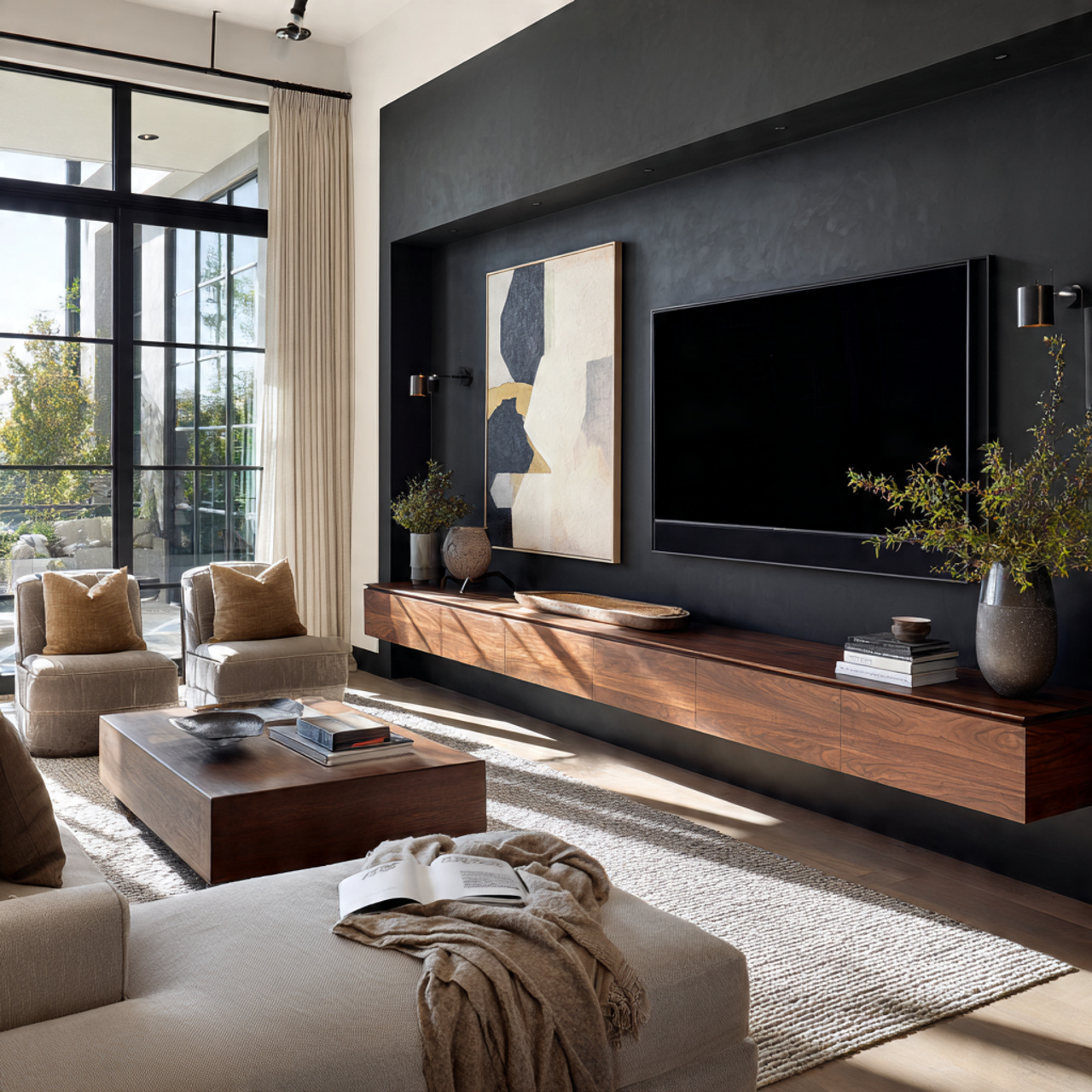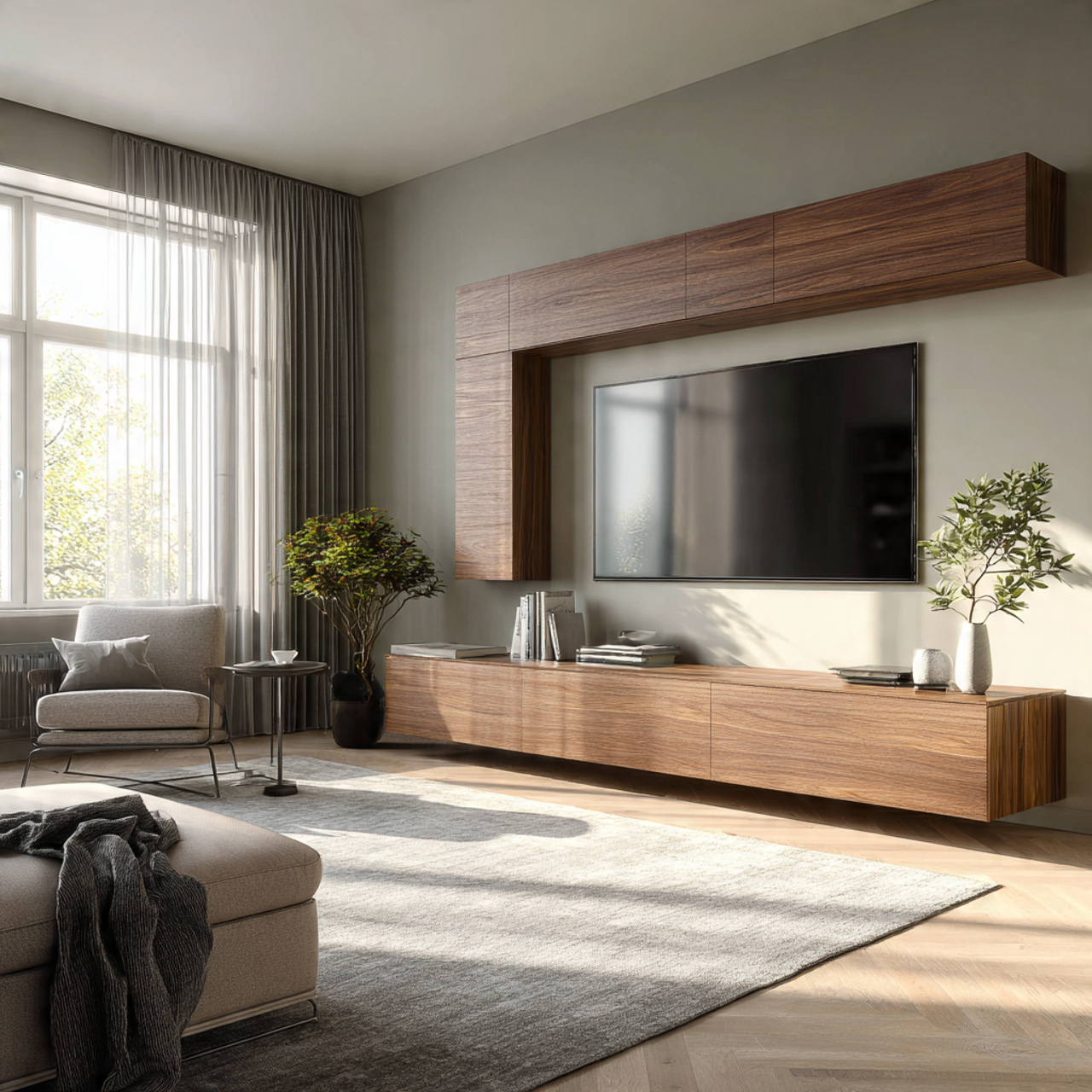
16 TV Unit Ideas That Instantly Elevate Your Living Room
Most living rooms end up with a tv unit that technically works but never quite feels right. It might be the size, the height, or the way it sits on the wall, yet the space subtly feels unfinished even after everything is in place. This usually happens because the tv unit is chosen quickly, without thinking through how it will live with the room over time.
A well-chosen tv unit does more than hold a screen. It creates visual balance, hides daily clutter, and anchors the entire seating area so the room feels calm instead of scattered. This guide focuses on what actually lasts in real homes, helping you avoid common regrets and make choices that still feel right years later.
Style and Trend Context
The tv unit has become more important as living rooms have grown simpler and more open. Fewer furniture pieces now do more work, and the wall holding the television often becomes the main visual anchor in the space. When that anchor feels too heavy, too small, or poorly planned, the whole room feels unsettled.
People return to tv unit ideas again and again because this element affects daily comfort. Screens are larger, storage needs are higher, and rooms often serve multiple purposes throughout the day. A thoughtful tv unit brings order to that reality, creating a backdrop that supports both relaxation and everyday living without constantly drawing attention to itself.
Color and Material Authority
Soft Walnut Brown (#8B5E3C)
This warm tone works beautifully for tv unit fronts or side panels, especially in family living rooms. It has a warm undertone that adds depth without darkening the wall, and a matte or satin finish keeps it from feeling glossy. It pairs naturally with linen sofas, cotton cushions, and wool rugs for a grounded look.
Warm Greige (#D6CEC3)
Greige is ideal for larger tv units that need to blend rather than dominate. Its balanced undertone works well in mixed-light rooms, and an eggshell finish helps reflect light softly. This shade pairs best with cotton drapes and lightly textured upholstery.
Charcoal Black (#2E2E2E)
Used sparingly, charcoal adds structure and contrast, especially for floating units or slim frames. It has a cool undertone that suits modern interiors, and a matte finish prevents fingerprints and glare. Pair it with wool throws or structured fabric sofas to keep the look intentional.
Muted Olive Green (#7A8465)
Olive works well for back panels or accent sections behind the television. Its warm, earthy undertone softens technology-heavy walls, especially in neutral rooms. A satin finish adds depth, and it pairs well with natural linen and woven textures.
Warm Off-White (#F4F1EC)
This shade is best for surrounding cabinetry or wall panels that need to feel light. With a warm undertone and matte finish, it avoids looking stark while keeping the space open. It works effortlessly with cotton, wool, and layered neutral fabrics.
Room Size and Lighting Quick Guide
In smaller rooms, floating tv units or slimmer profiles prevent the wall from feeling crowded. Keeping the unit slightly wider than the screen helps visually ground the television without adding bulk. In larger rooms, wider units with closed storage create balance and stop the wall from feeling empty or stretched.
North-facing rooms benefit from warmer wood tones and lighter finishes to avoid a flat appearance. South-facing rooms can handle deeper colors but should avoid high-gloss finishes that reflect glare. East and west light often causes screen reflections, so matte finishes and subtle contrast around the tv area help reduce visual strain and keep the space comfortable throughout the day.
Practical TV Unit Ideas That Create Long-Term Ease
Create a Low, Grounded Base That Calms the Wall
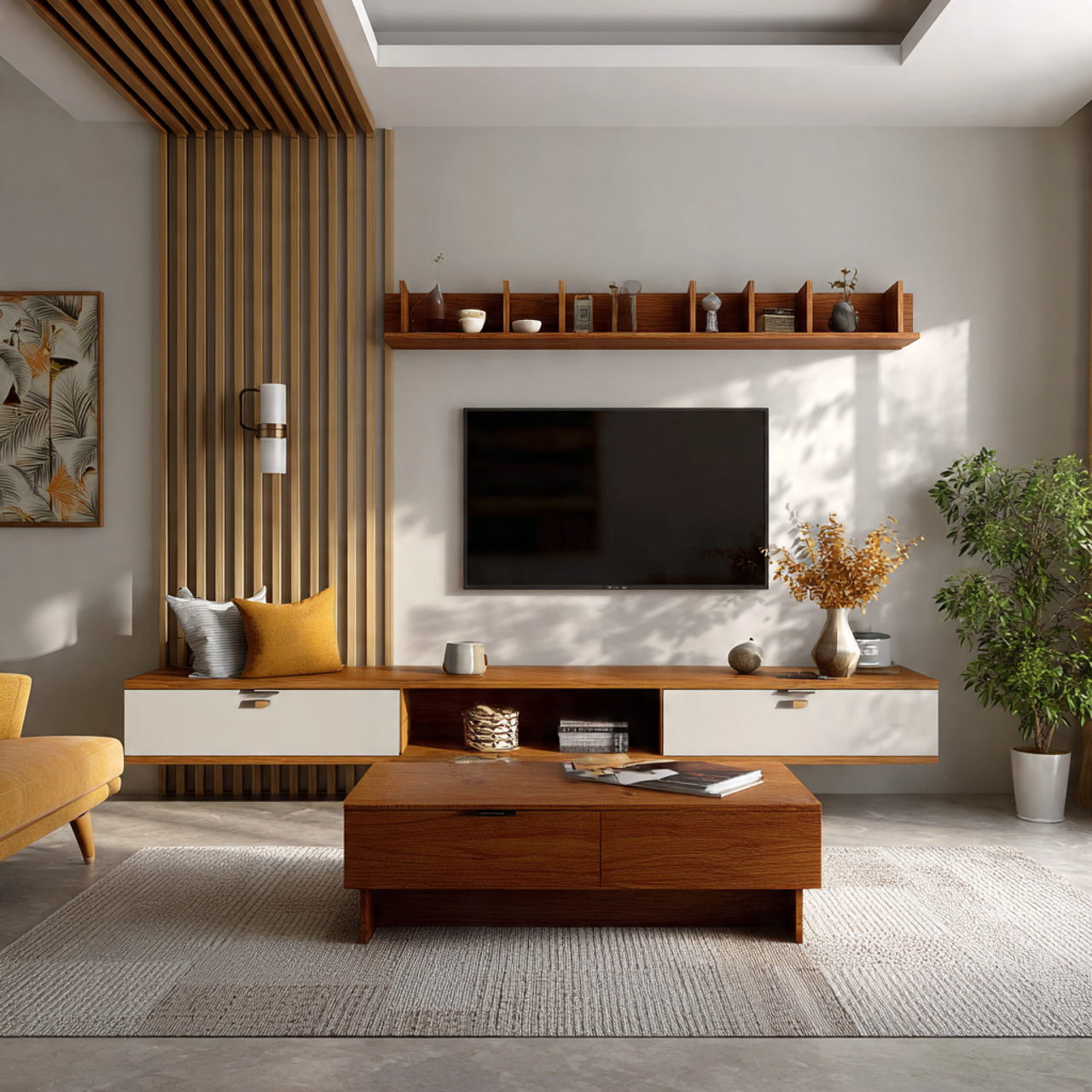
A tv unit that sits low immediately makes the wall feel stable and intentional. Visually, the screen stops floating, and the seating area feels more connected to the architecture of the room. This simple shift often makes the entire space feel calmer without adding anything new.
When the unit is too high, the room subtly feels tense and top-heavy. Over time, this affects comfort more than people expect, especially during long evenings. A lower base keeps sightlines relaxed and prevents the television from dominating the room.
Choose a height that aligns naturally with seated eye level and extends slightly wider than the screen. This creates visual grounding while leaving space for small styling elements. Tip: If you’re unsure, err slightly lower, as most people regret units that feel too tall rather than too low.
Keep the Unit Wider Than the Screen for Visual Balance
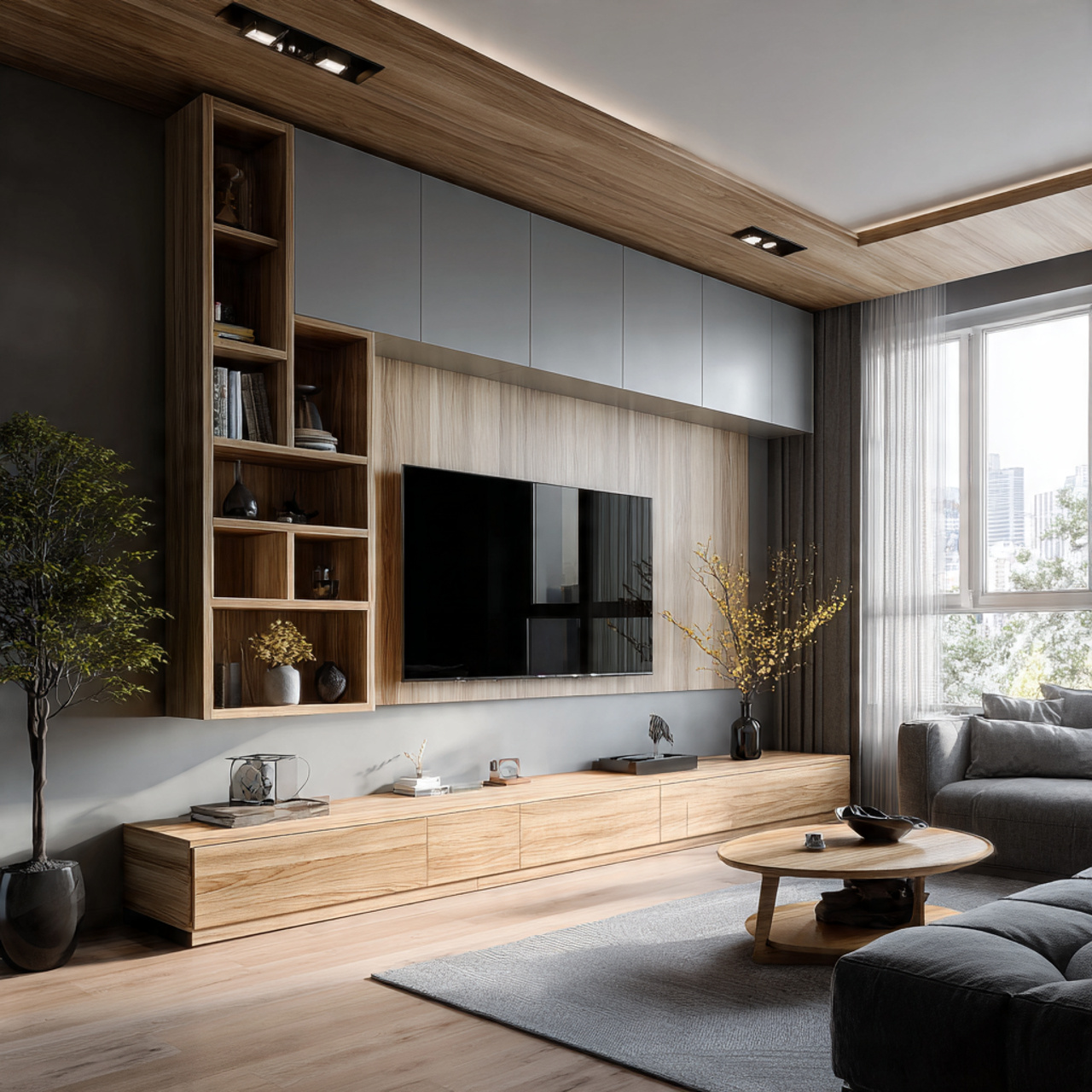
A balanced tv wall starts with proportion, and width matters more than most realize. When the tv unit is wider than the screen, the wall feels complete instead of top-heavy. This extra width gives the eye a place to rest.
Units that match the exact width of the television often feel undersized over time. As screens get larger or rooms evolve, the setup can start to look temporary. This is one of the most common long-term regrets.
Aim for a unit that extends at least 20 to 30 centimeters beyond the screen on each side. This allows breathing room for the wall and flexibility for future changes. Tip: Even in small rooms, a slightly wider unit reads calmer than a perfectly matched one.
Choose Closed Storage to Reduce Visual Noise

At first glance, open shelves around a tv unit can look styled and airy. In real life, they quickly collect remotes, cables, and everyday clutter. Over time, the wall starts to feel busy even if the room is otherwise tidy.
Visual noise around a screen affects how restful the space feels. When everything is on display, the eye never fully settles. This becomes more noticeable during evenings when the television is the focal point.
Closed drawers or cabinets keep daily items out of sight and maintain visual calm. You can still add one or two open sections if needed, but restraint matters. Tip: If an item is used daily but not decorative, it’s better hidden.
Align the TV Unit With the Seating Area, Not the Wall
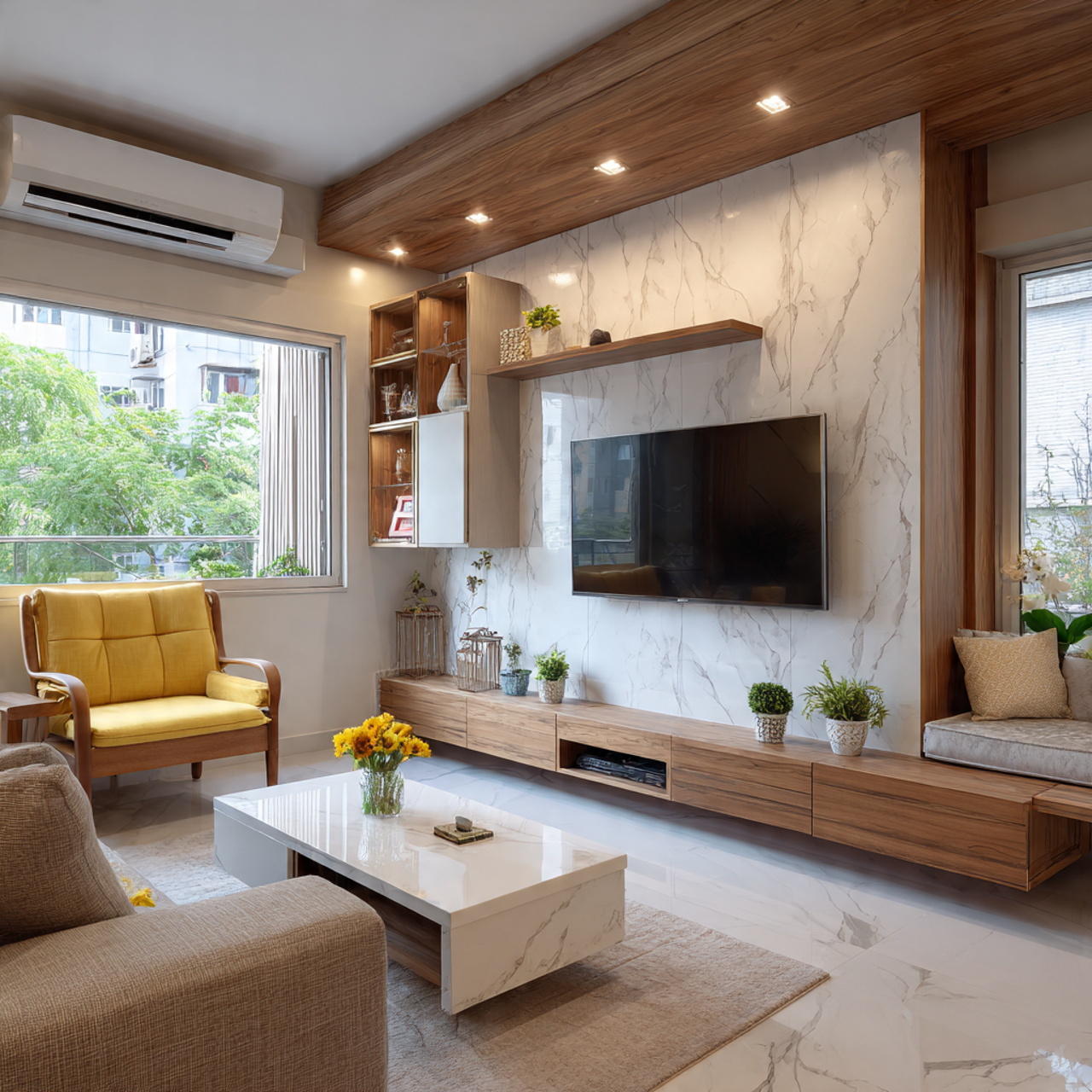
Many people center the tv unit based purely on wall dimensions. While this looks logical on paper, it often feels off once furniture is in place. The room ends up visually split instead of unified.
When the tv unit aligns with the seating zone, the space feels intentional and comfortable. This alignment supports how the room is actually used, not just how it looks when empty. Over time, this creates a more natural flow.
Position the unit so it visually anchors the sofa or chairs, even if that means it’s not perfectly centered on the wall. This approach prioritizes lived comfort over symmetry. Tip: Always check alignment from where you actually sit, not just standing.
Use a Floating Unit to Lighten Heavy Walls
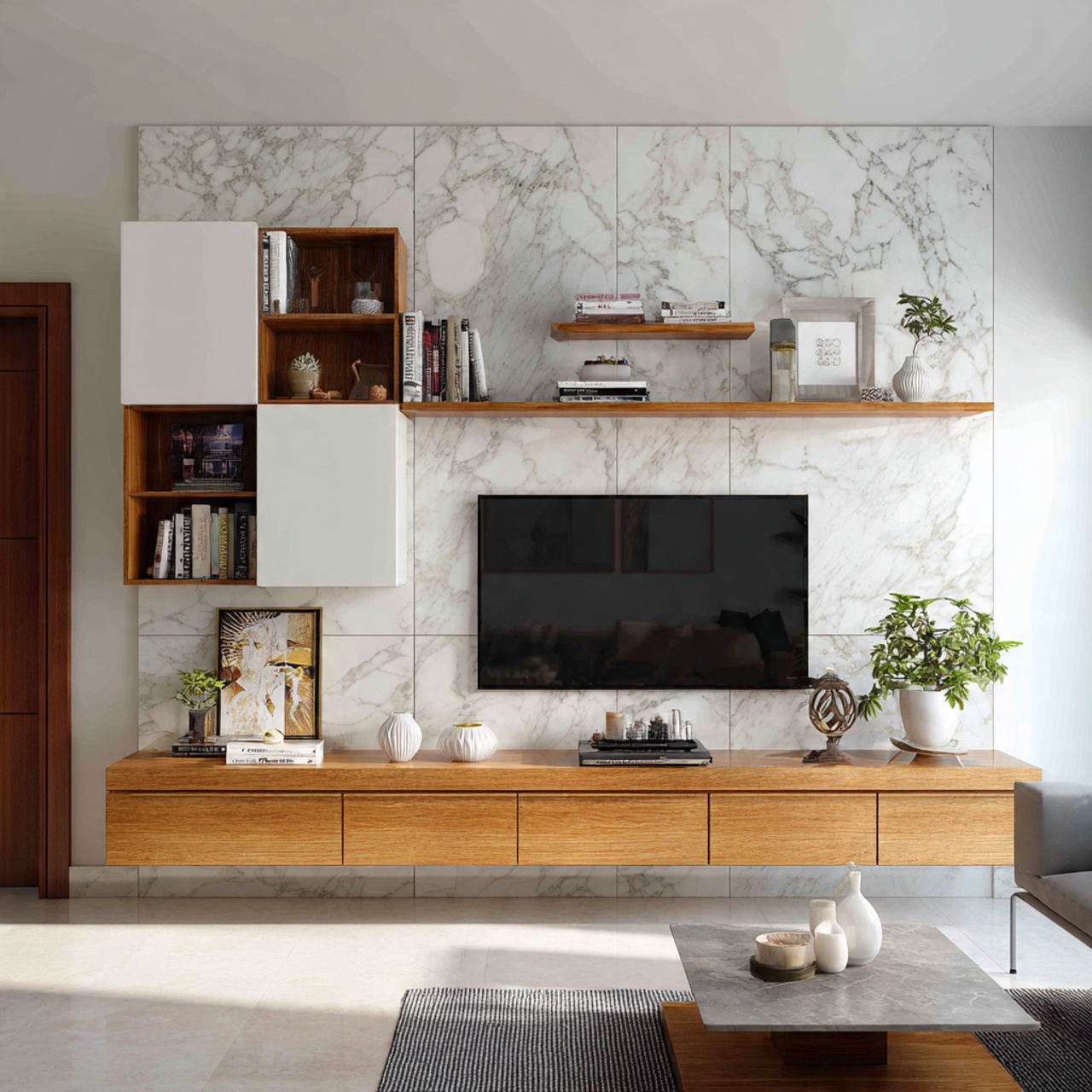
A floating tv unit immediately changes how weight is perceived in the room. Visually, it creates space underneath, making the wall feel lighter and more modern. This can be especially helpful in compact living rooms.
Floor-standing units can sometimes feel bulky, particularly when paired with large screens. Over time, that heaviness can make the room feel smaller than it is. A floating option avoids this without sacrificing storage.
Mount the unit securely and keep the underside clear to maintain the floating effect. Proper cable management is essential to keep the look clean. Tip: Floating units work best when kept simple, without oversized handles or thick edges.
Keep Storage Depth Shallow for a Cleaner Look
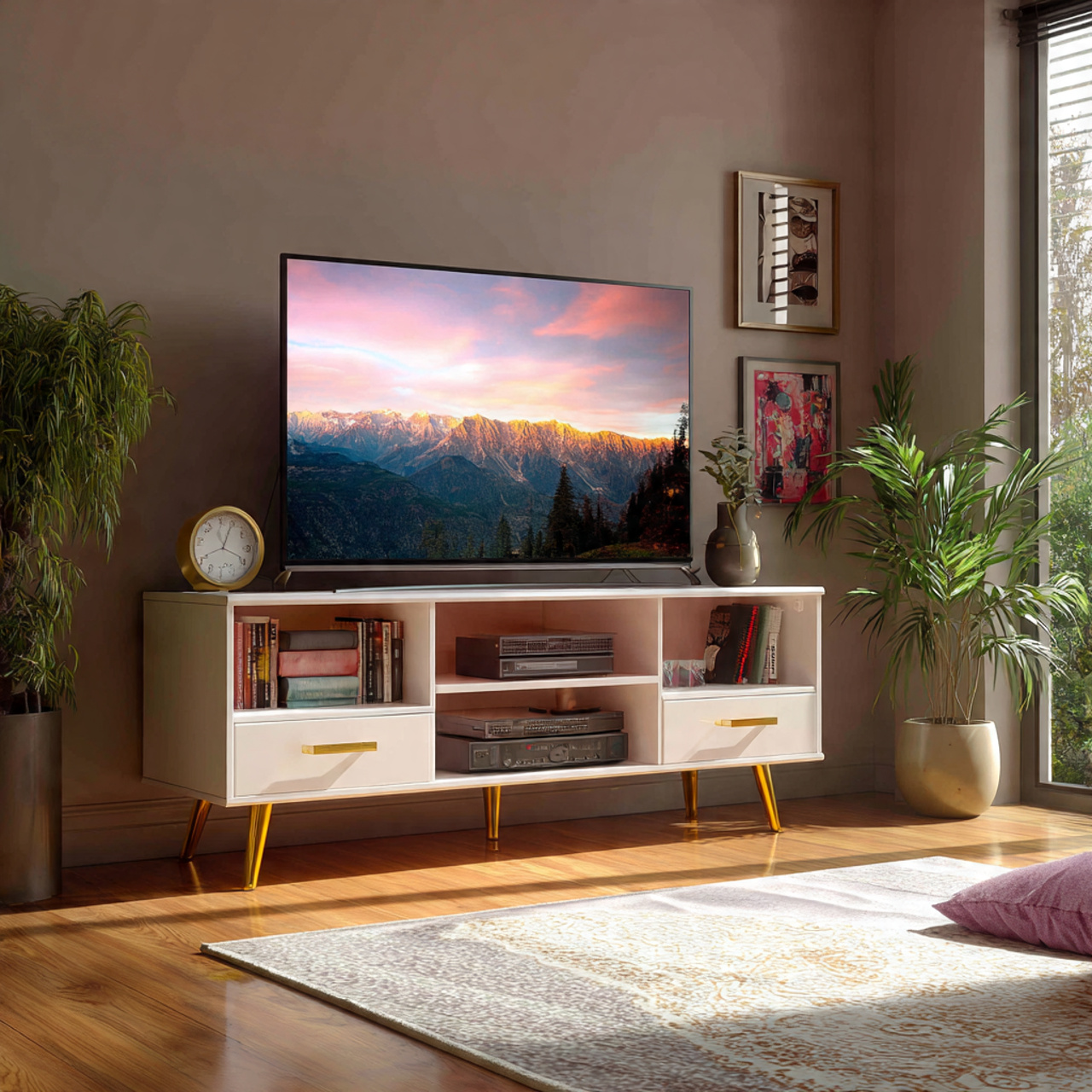
Deep tv units often seem practical at first. In reality, they push the visual weight forward and make walkways feel tighter. This is especially noticeable in everyday movement through the room.
When storage is too deep, the wall can start to feel intrusive rather than supportive. Over time, this affects how open and comfortable the space feels. Shallow units keep everything visually contained.
Opt for storage that holds essentials without extending too far into the room. Modern media storage rarely needs much depth. Tip: Measure how far people naturally walk past the unit and leave comfortable clearance.
Anchor the Unit With a Subtle Wall Backdrop
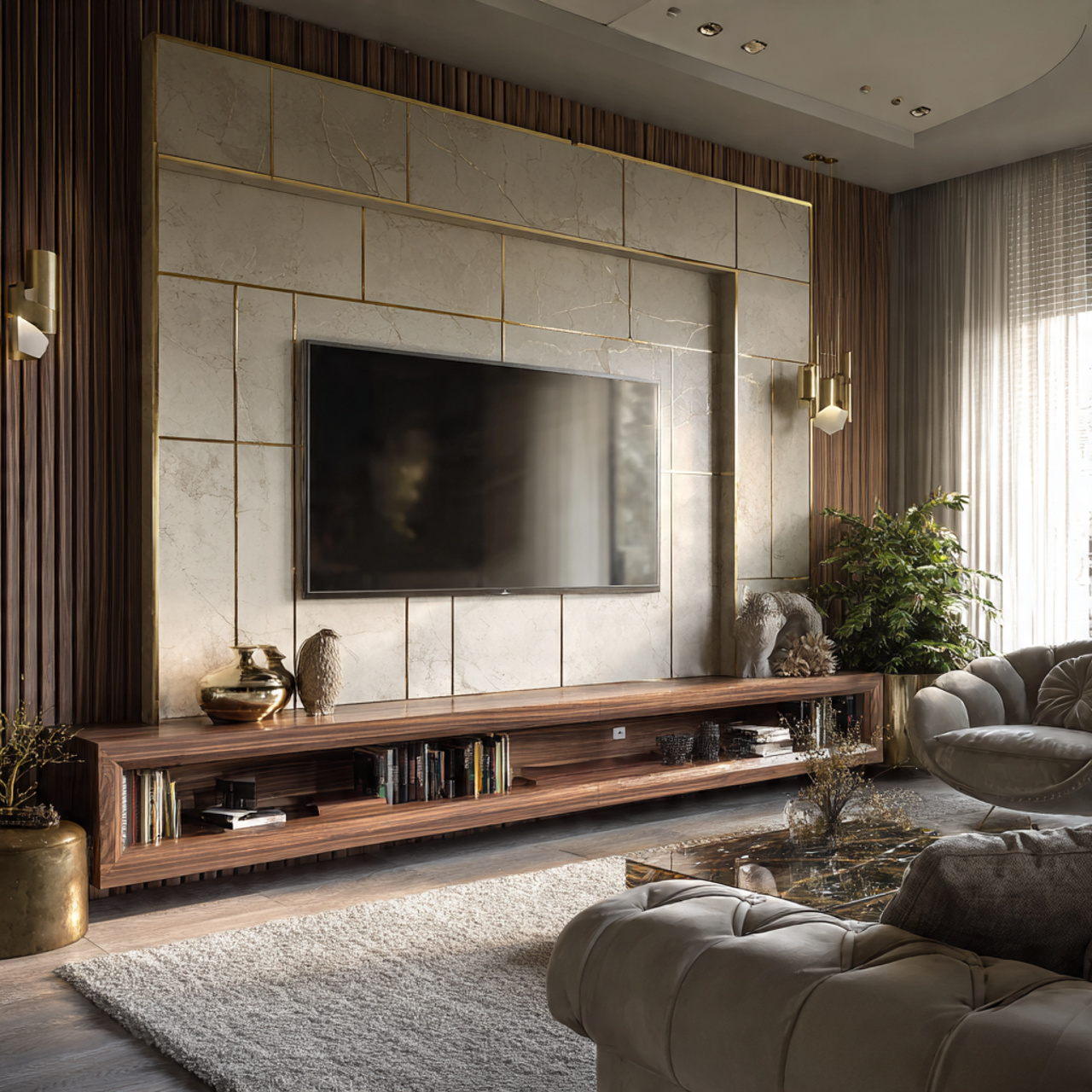
A tv unit placed directly against a plain wall can sometimes feel unfinished. The screen visually blends into the background, lacking definition. This often leads people to over-style the unit later.
Adding a subtle backdrop gives the tv area a clear boundary. It helps the unit feel intentional rather than added on. Over time, this reduces the urge to constantly adjust décor.
This can be done with a soft contrast paint color or a slim panel behind the screen. Keep it understated so it supports rather than competes. Tip: If you notice the wall always feels empty, a backdrop usually solves it.
Leave Breathing Space Around the Unit for Longevity
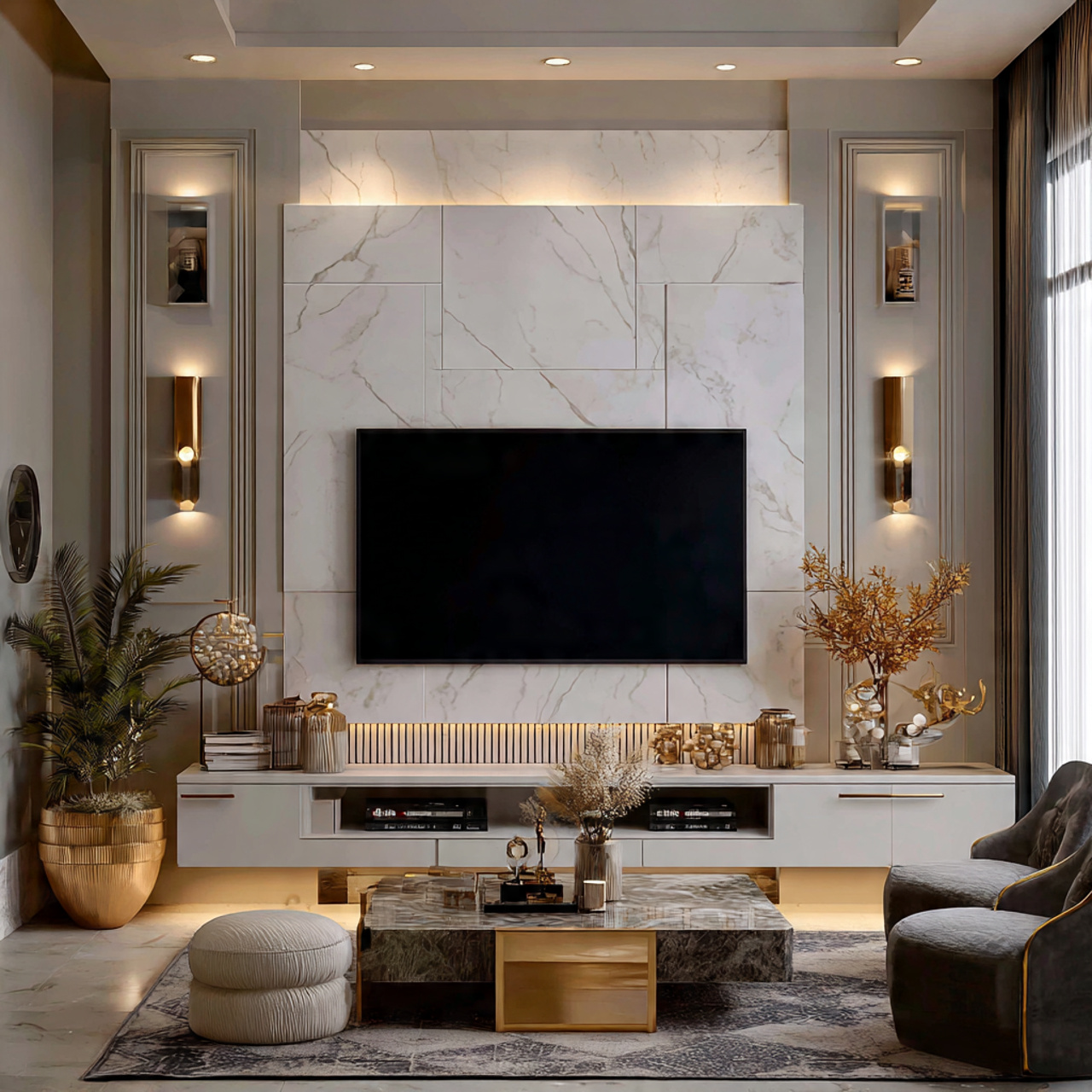
A tightly packed tv wall can look impressive at first. As needs change, however, the lack of space becomes limiting. Rooms evolve, and rigid setups often age poorly.
Breathing space allows the unit to adapt without feeling outdated. It also keeps the wall from feeling crowded as accessories shift over time. This flexibility supports long-term satisfaction.
Avoid filling every centimeter with cabinetry or shelves. A little negative space makes the design feel confident and calm. Tip: Empty space around a tv unit is not wasted space; it’s visual relief.
Add a Contrast Back Panel to Frame the Screen
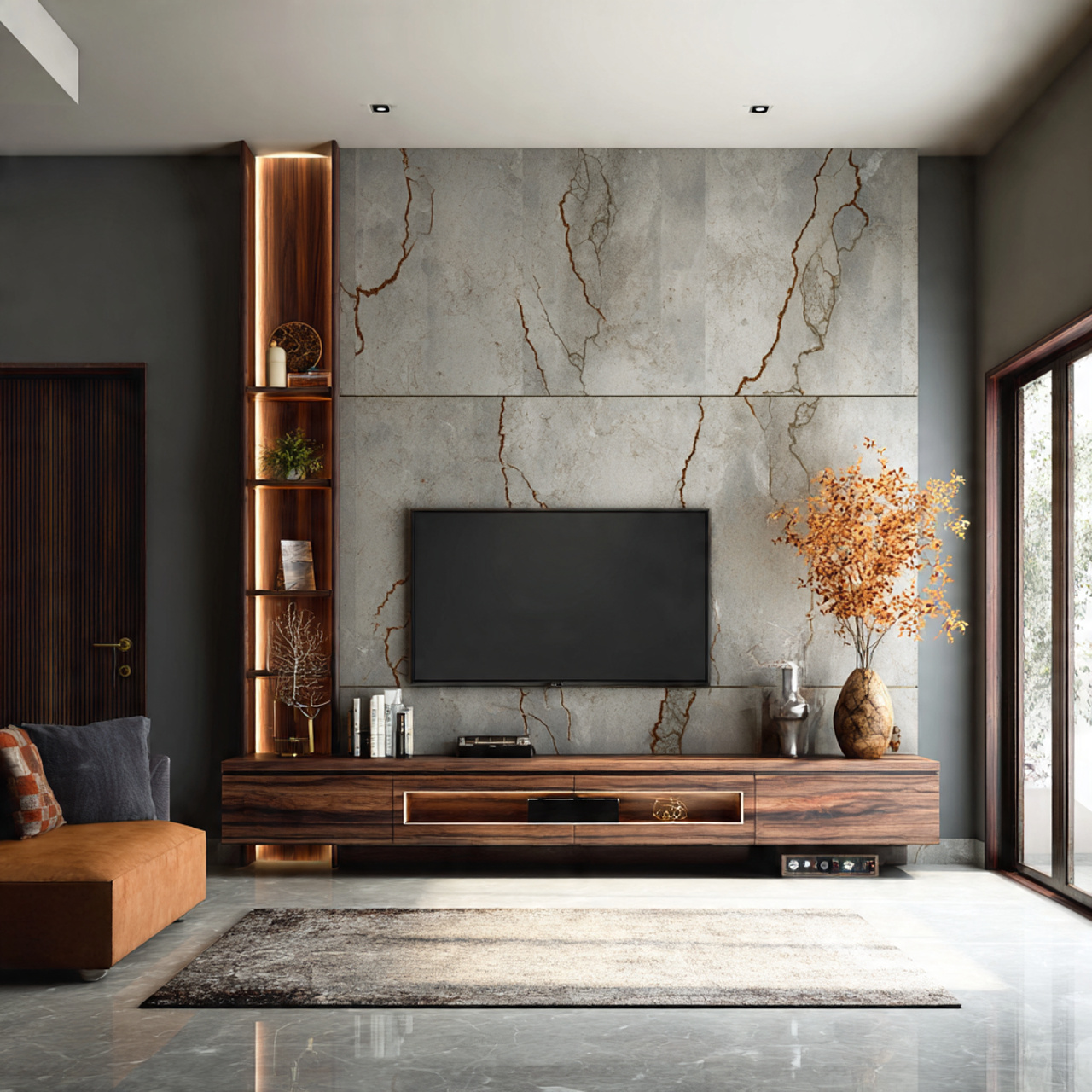
A tv unit often feels unfinished when the screen blends into the wall behind it. Visually, everything merges into one flat surface, especially in neutral rooms. This lack of contrast makes the wall feel weaker than it should.
Over time, people compensate by adding décor that feels forced or cluttered. The real issue is not styling but definition. A framed backdrop gives the tv area its own visual zone.
Use a slightly darker or warmer shade behind the screen to create separation. Keep the contrast subtle so it feels intentional, not dramatic.
Tip: If you’re hesitant, start with one shade deeper than your wall color rather than a bold jump.
Introduce Vertical Lines to Lift the Wall Visually
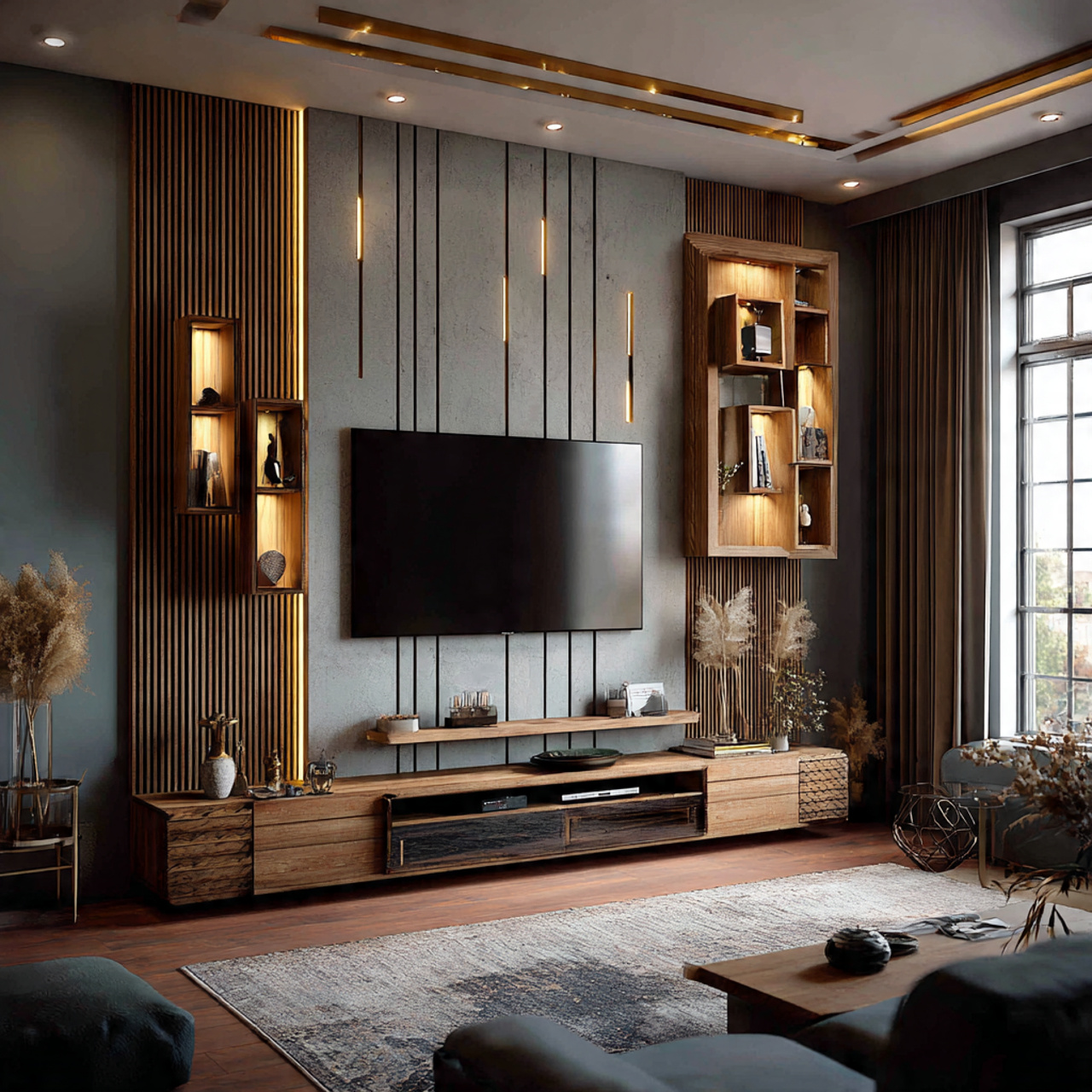
Wide tv units can sometimes make walls feel squat or heavy. The eye moves sideways but not upward, which subtly lowers the perceived ceiling height. This effect becomes more noticeable in modern, open living rooms.
When a wall feels low, the entire space loses elegance. Over time, the room can start to feel compressed even if the dimensions are generous. Vertical emphasis corrects this imbalance naturally.
Slim paneling or narrow slats behind the tv create gentle vertical movement. Keep spacing even and finishes soft to avoid visual noise.
Tip: Vertical elements should be narrow and consistent; thick spacing quickly feels busy.
Use Integrated Lighting to Soften the Technology
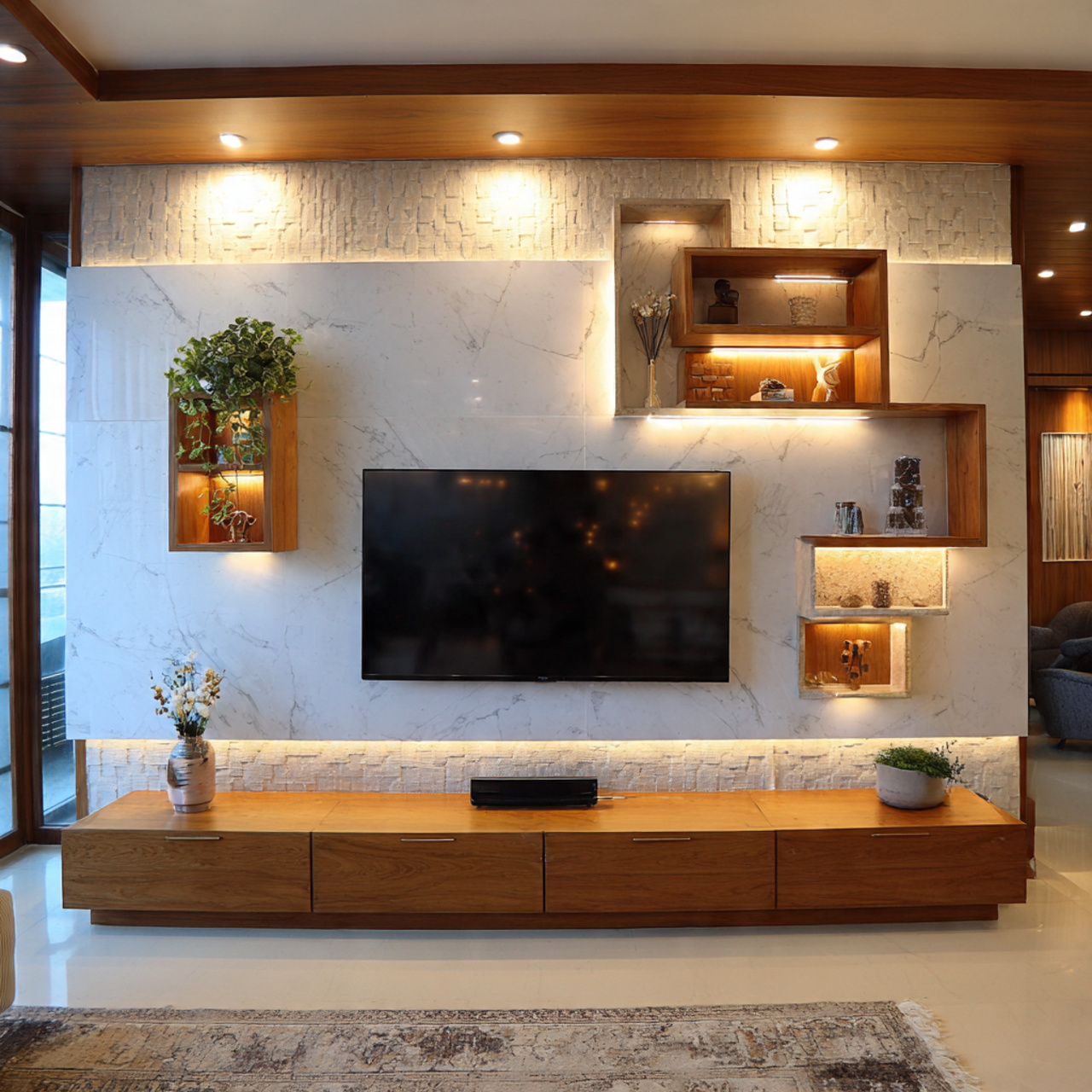
A television is visually hard by nature, especially at night. Without soft lighting, the wall can feel stark once the main lights are off. This often makes the room less inviting in the evening.
Over time, harsh contrast between a dark screen and dark wall strains the eyes. Integrated lighting reduces that effect and adds warmth without decoration overload. It also elevates the tv unit subtly.
Use warm LED strips behind panels or under shelves, never around the screen edge. The goal is glow, not spotlighting.
Tip: Choose warm light only; cool lighting around a tv almost always feels uncomfortable long term.
Balance Bold Materials With Simple Forms
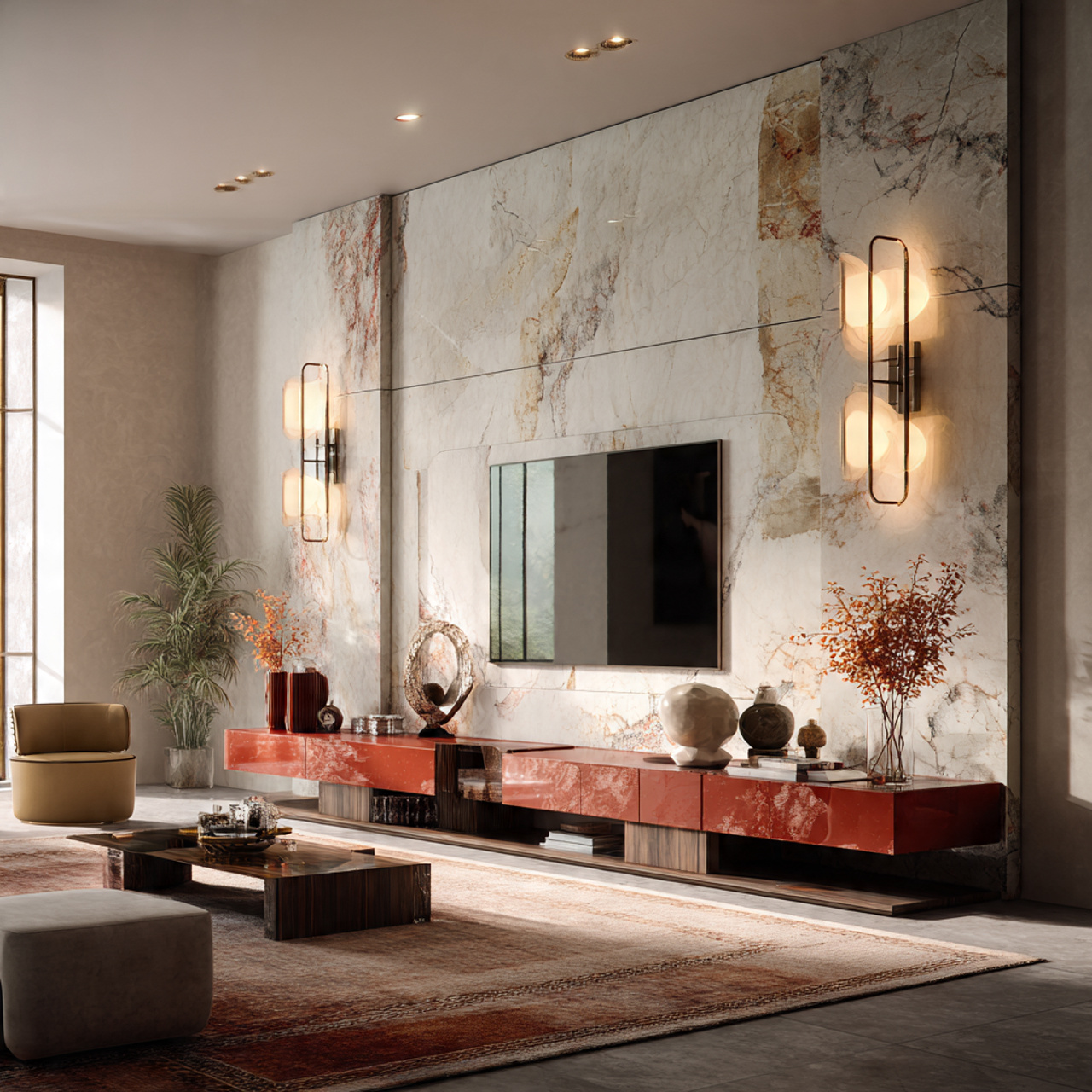
Statement materials like marble, fluted wood, or textured laminates add interest to a tv unit. The mistake happens when both material and shape compete for attention. This creates visual tension instead of focus.
At first, bold designs feel exciting. Over time, however, complexity can feel tiring, especially in rooms meant for relaxation. Balance is what makes bold choices last.
If the material is expressive, keep the unit shape clean and low-profile. Let one element speak clearly.
Tip: When in doubt, simplify the shape before changing the material.
Keep Decorative Styling Minimal and Intentional
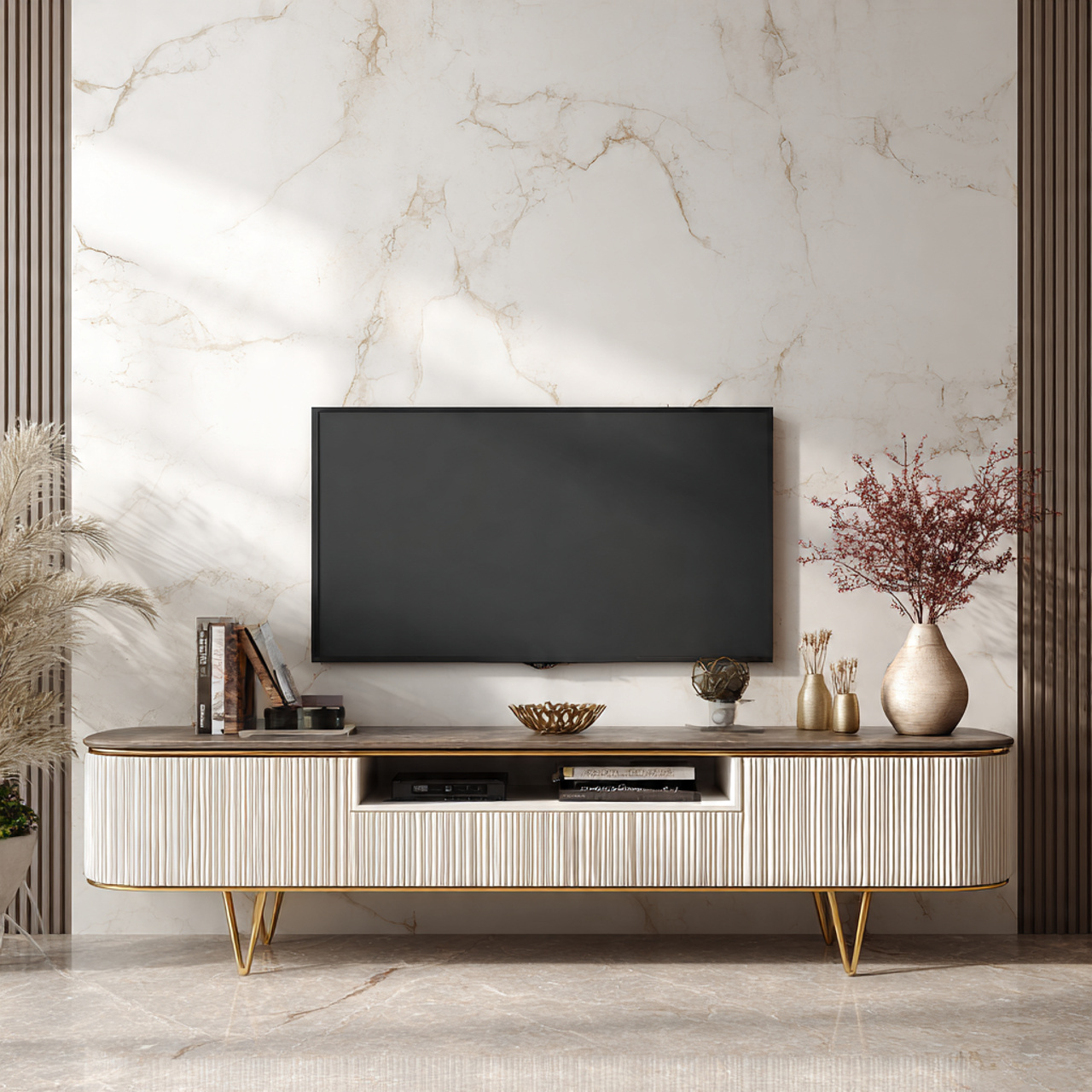
A tv unit styled too heavily distracts from its purpose. Decorative overload pulls attention away from the screen and makes the wall feel restless. This often builds gradually without being noticed.
Living rooms benefit from visual quiet. Over time, fewer well-chosen objects feel calmer than frequent rearranging. This restraint supports long-term satisfaction.
Limit styling to one or two objects placed off-center. Leave the rest of the surface clear.
Tip: If you move items every week, there are probably too many.
Personalize With Texture Instead of Objects
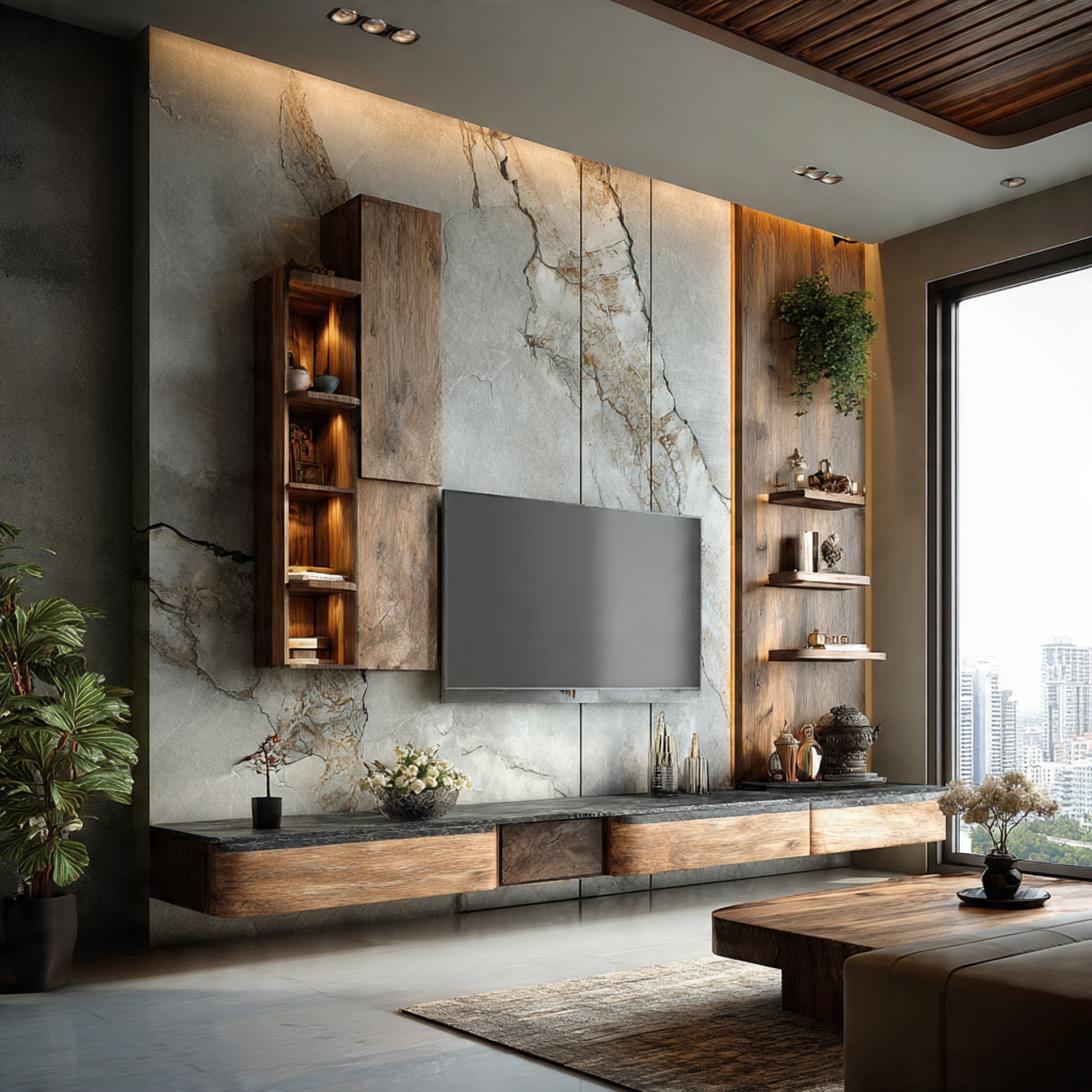
Personal touches don’t need to sit on the tv unit itself. When too many personal items gather there, the wall loses clarity. The unit starts to feel like a shelf, not an anchor.
Texture nearby adds personality without clutter. Soft furnishings and materials carry warmth more quietly than décor pieces. This approach ages better and feels intentional.
Use textured cushions, rugs, or throws within the tv zone rather than on the unit.
Tip: Personal warmth works better around the tv unit than on top of it.
Let the TV Unit Stop Short of the Ceiling
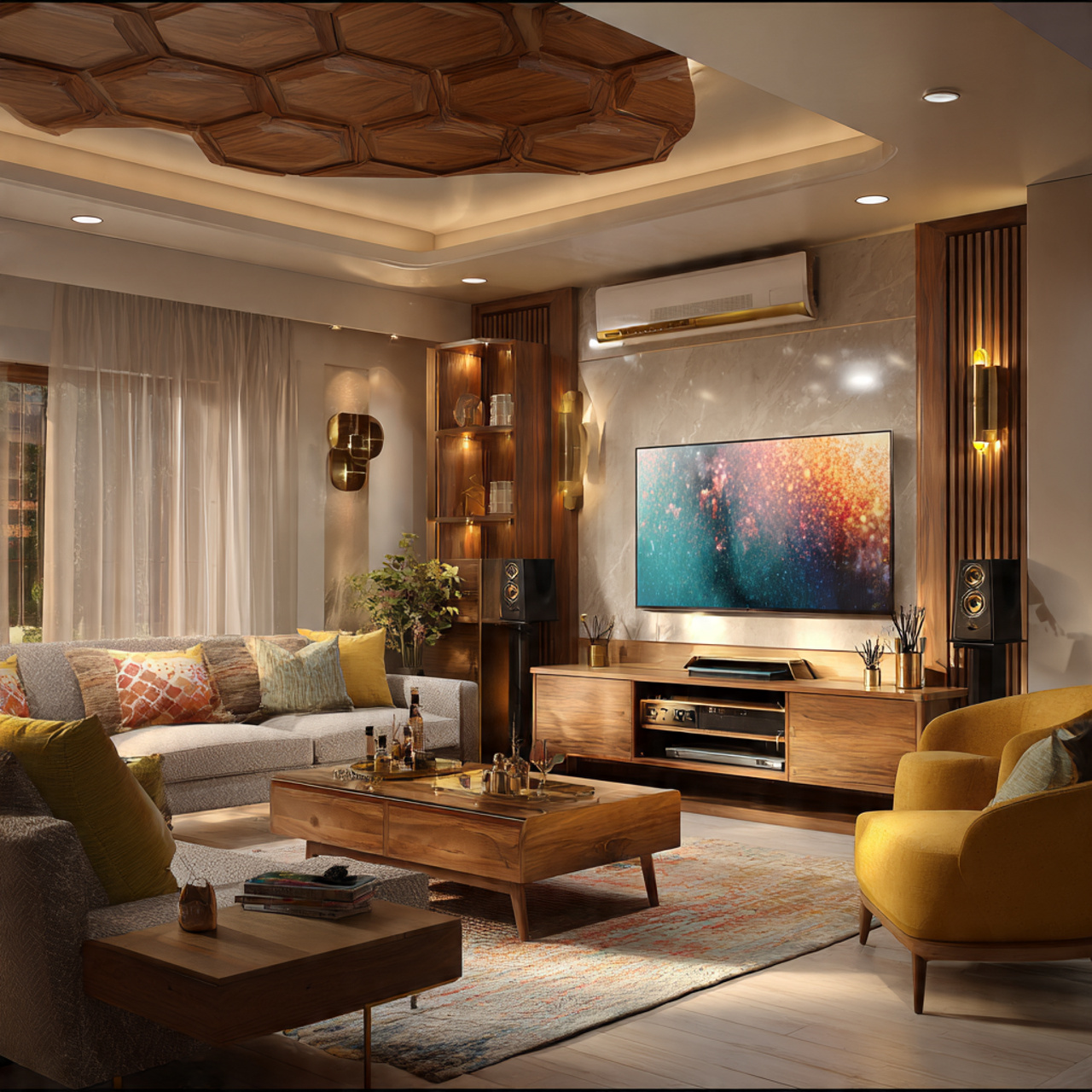
Full-height units can feel impressive at first glance. Over time, they often feel heavy and visually dominant, especially in everyday use. The room can start to feel boxed in.
Allowing space above the unit keeps the wall breathable. It also makes future changes easier without committing to a fixed look. This flexibility supports longevity.
Keep tall storage separate from the tv wall when possible. Let the unit remain grounded.
Tip: If your eyes always go straight to the tv wall, it may be too tall.
Finish With Consistency Across the Room

A tv unit feels most successful when it relates to the rest of the space. When finishes feel isolated, the wall looks designed but disconnected. This creates subtle imbalance.
Over time, cohesion matters more than statement pieces. Repeating finishes or tones helps the unit feel naturally placed. This brings calm to the entire room.
Echo the tv unit material or color once elsewhere in the room. Keep repetition light and intentional.
Tip: One repeated detail is enough; more than that starts to feel forced.
Common TV Unit Mistakes That Cause Long-Term Regret
Choosing the TV Unit After Everything Else
This mistake happens when the tv unit is treated as an accessory instead of a foundation piece. People focus on sofas, rugs, and décor first, leaving the tv wall as an afterthought. The result often looks patched together rather than intentional.
Over time, the unit feels mismatched in scale or finish, even if it technically fits. This creates a constant sense that something is off, without an obvious fix. The wall never fully settles visually.
The solution is to treat the tv unit as part of the room’s structure. Plan it early, alongside seating and layout decisions. If ignored, the room often requires costly changes later to feel complete.
Mounting the TV Too High for Daily Comfort
This usually happens because of visual references or wall height assumptions. A higher screen can look dramatic in photos, but real life use tells a different story. Neck strain and discomfort slowly build without being noticed at first.
Over time, watching television becomes less relaxing, even if the room looks polished. This discomfort subtly affects how often the space is enjoyed. The issue is functional, not aesthetic.
The fix is aligning the screen with seated eye level and letting the unit support that height. If ignored, the room remains visually impressive but physically tiring.
Overusing Open Shelves Around the Screen
Open shelving feels flexible and light at first. In real homes, it quickly fills with items that don’t belong on display. Visual clutter builds gradually and becomes hard to reverse.
As clutter increases, the tv wall feels busy and distracting. Even a clean room can feel restless because the eye has nowhere to settle. This often leads to constant rearranging.
The practical fix is limiting open shelves and prioritizing closed storage. If ignored, the wall becomes a source of visual stress rather than calm.
Matching the TV Unit Exactly to the Screen Size
This happens when decisions are made too literally. Matching widths feels logical, but it removes visual breathing room. The setup often feels temporary rather than anchored.
Over time, upgrades or layout changes make the unit feel undersized. The wall starts to look incomplete, even though nothing is technically wrong.
Choosing a wider unit solves this quietly and effectively. If ignored, the wall continues to feel slightly unfinished.
Frequently Asked Questions About TV Units
What is the ideal height for a tv unit?
The ideal height aligns the center of the screen with seated eye level. This keeps viewing comfortable over long periods and prevents strain. Most regrets come from units placed too high rather than too low.
Should a tv unit touch the floor or float?
Both work, depending on room size and visual weight. Floating units suit smaller or modern spaces, while grounded units add stability in larger rooms. The key is balance, not trend-following.
How wide should a tv unit be compared to the TV?
A tv unit should be wider than the screen to feel anchored. Extra width adds visual calm and allows the wall to feel complete. Exact matches often feel temporary over time.
Are dark tv units practical for everyday living?
Dark finishes work well when balanced with light surroundings and matte textures. They hide wear better than glossy surfaces but need good lighting. Used thoughtfully, they feel timeless rather than heavy.
Can a tv unit work in a multi-purpose living room?
Yes, when storage is planned intentionally. Closed compartments help hide daily clutter and support flexible use. This makes the space feel calm even with varied activities.
Conclusion
A tv unit works best when it supports daily life quietly rather than trying to stand out. Thoughtful proportions, calm materials, and realistic planning create a living room that feels settled instead of styled. Small, informed choices make the biggest difference over time, especially when comfort and longevity are treated as priorities from the beginning.