19 Proven Sofa Ideas for Comfort That Lasts for Years
In real homes, a sofa is rarely just a design decision. It quietly absorbs daily routines, awkward evenings, relaxed weekends, and the kind of use no showroom can predict.
If you’ve ever liked a sofa at first and then slowly fallen out of comfort with it, this article is meant to help. It focuses on what lasts, what people regret, and how to choose seating that still feels right years later.
How Everyday Living Has Changed the Way We Choose Sofas
Living rooms now carry more emotional weight than before. They’re expected to support rest, conversation, and everyday downtime, which makes comfort and proportion more important than visual impact alone.
People return to thoughtful sofa choices because they remove friction from daily life. When seating supports how a room is actually used, the space feels calmer and easier to live in over time.
Color & Material Authority
Color and material choices shape how a sofa behaves in real life. In everyday use, upholstery must manage touch, shifting light, and gradual wear without becoming visually tiring.
Warm Greige (#CFC8BE)
Works well for main upholstery in shared living rooms. The warm-neutral undertone avoids flatness and pairs best with matte finishes, linen throws, and cotton cushions.
Soft Mushroom (#B4AA9F)
A reliable choice for family sofas and larger seating. The warm taupe hides wear naturally and sits comfortably alongside wool rugs and textured fabrics.
Soft Sand (#E6DCCF)
Best for darker or north-facing rooms. Its warmth keeps spaces bright without glare, especially in matte fabric finishes paired with cotton or linen.
Charcoal Slate (#3E3E42)
Ideal for structured sofas that need visual grounding. The cooler undertone benefits from satin finishes and tightly woven fabrics that show less dust.
Forest Olive (#5E6B57)
A calm statement color with warm undertones. It works well with wood floors and neutral walls and pairs naturally with wool or cotton textures.
Midnight Navy (#1F2A44)
Best used in well-lit rooms. The cooler undertone feels refined when balanced with lighter cushions and matte upholstery.
Fabrics that absorb light slightly feel calmer in the evening than reflective surfaces. Linen blends, cotton twill, and wool soften sofas visually, while leather and velvet perform best when chosen intentionally and maintained regularly.
Room Size & Lighting Quick Guide
| Room & Light Condition | Sofa Guidance |
|---|---|
| Small rooms | Low backs, slim arms, and exposed legs help the room feel open and less crowded |
| Large rooms | Deeper seats, longer profiles, or modular sofas create balance and visual grounding |
| North-facing light | Warm undertones and textured fabrics prevent the space from feeling flat or cold |
| South-facing light | Cooler shades and matte finishes control brightness and reduce glare |
| East / West light | Mid-tone neutrals with layered textiles keep the room consistent throughout the day |
Ideas That Actually Work in Real Homes
Deep, Lounge-Ready Seating That Still Feels Comfortable Years Later
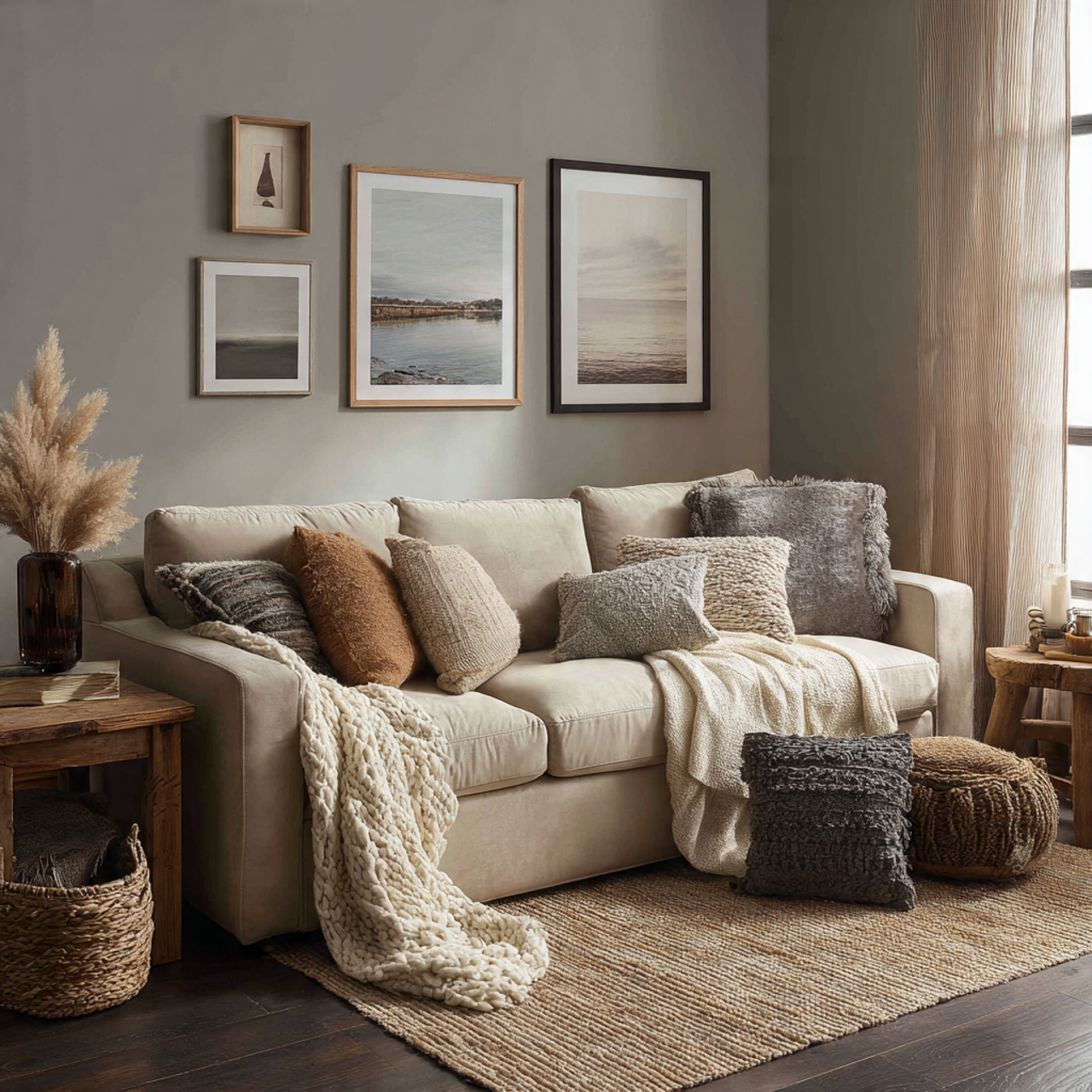
Deep-seat sofas look inviting from the start. Visually, they suggest rest rather than formality, allowing the body to settle instead of staying upright and alert.
In real homes, this depth becomes noticeable over time. People stop shifting constantly, evenings feel longer, and the sofa slowly becomes the most used spot in the room.
For practical use, seat depths around 23–26 inches work well. This range supports lounging without overwhelming average-sized living rooms.
Clean-Lined Sofa Frames That Don’t Feel Rigid in Daily Use
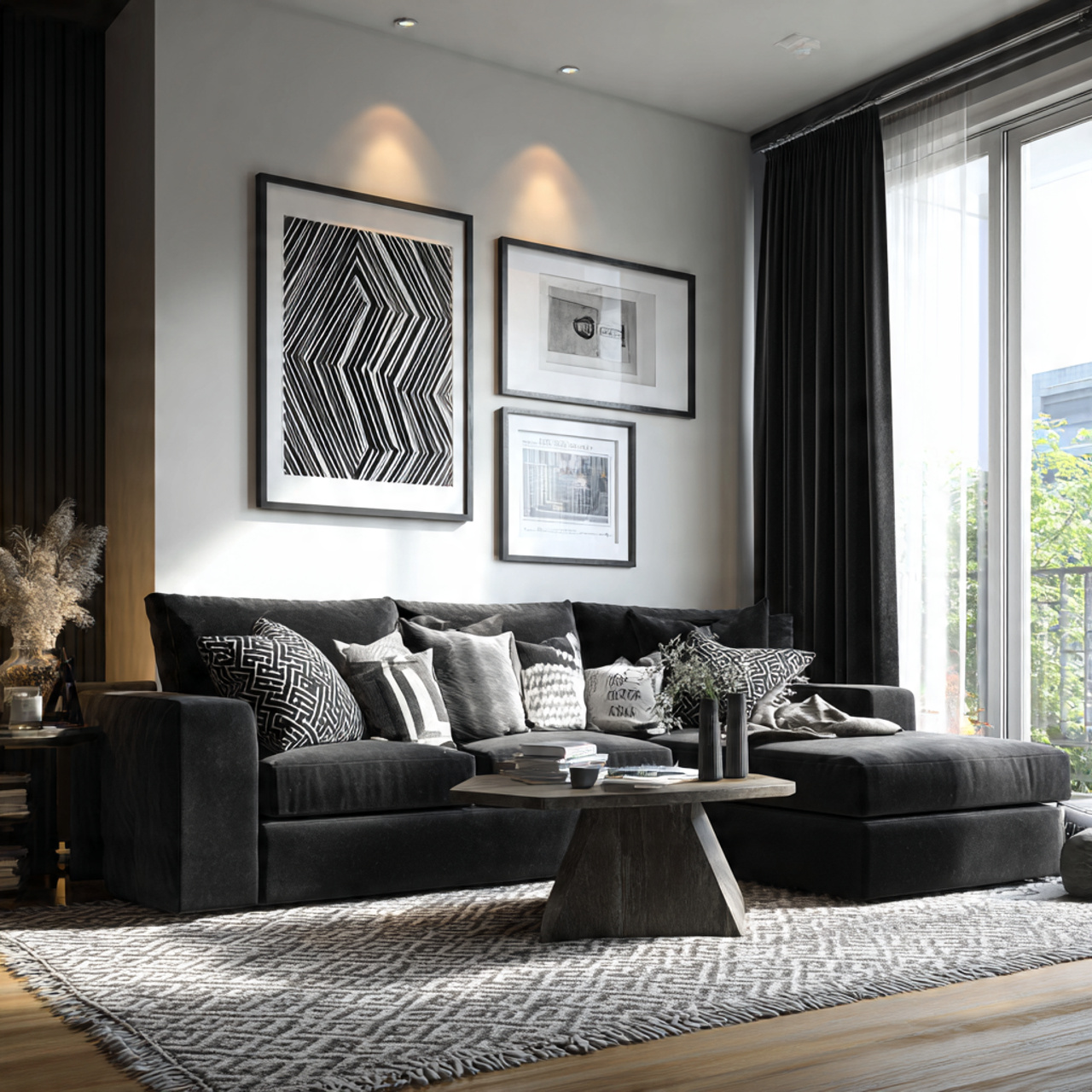
Clean frames bring visual order to a living room. Straight arms and simple silhouettes help the space feel composed rather than cluttered.
Over months of use, softness matters more than expected. Cushions soften the structure, keeping the sofa approachable instead of formal or stiff.
Medium-density cushions with removable covers balance structure and comfort. They also make maintenance easier as wear appears gradually.
Neutral Upholstery That Prevents Visual Burnout Over Time
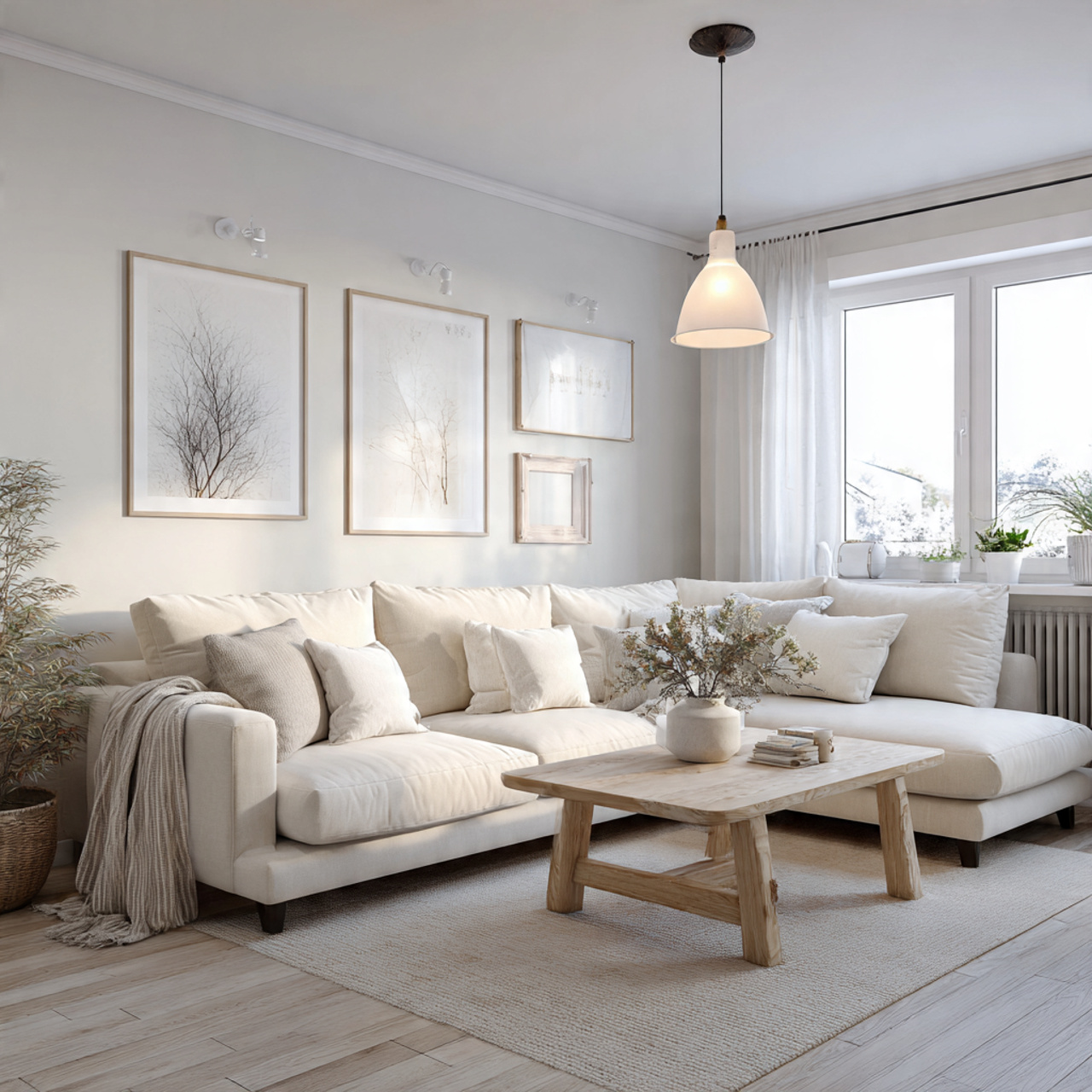
Neutral sofas settle quietly into a room. They don’t compete for attention, which lets light, texture, and personal items stand out naturally.
Many homeowners regret bold upholstery after a few years. Neutral tones age better, especially as accessories and layouts change.
Warm neutrals with subtle undertones hide wear best. Performance finishes help maintain a fresh look without constant care.
Modular Sofa Layouts That Adjust as Life Changes
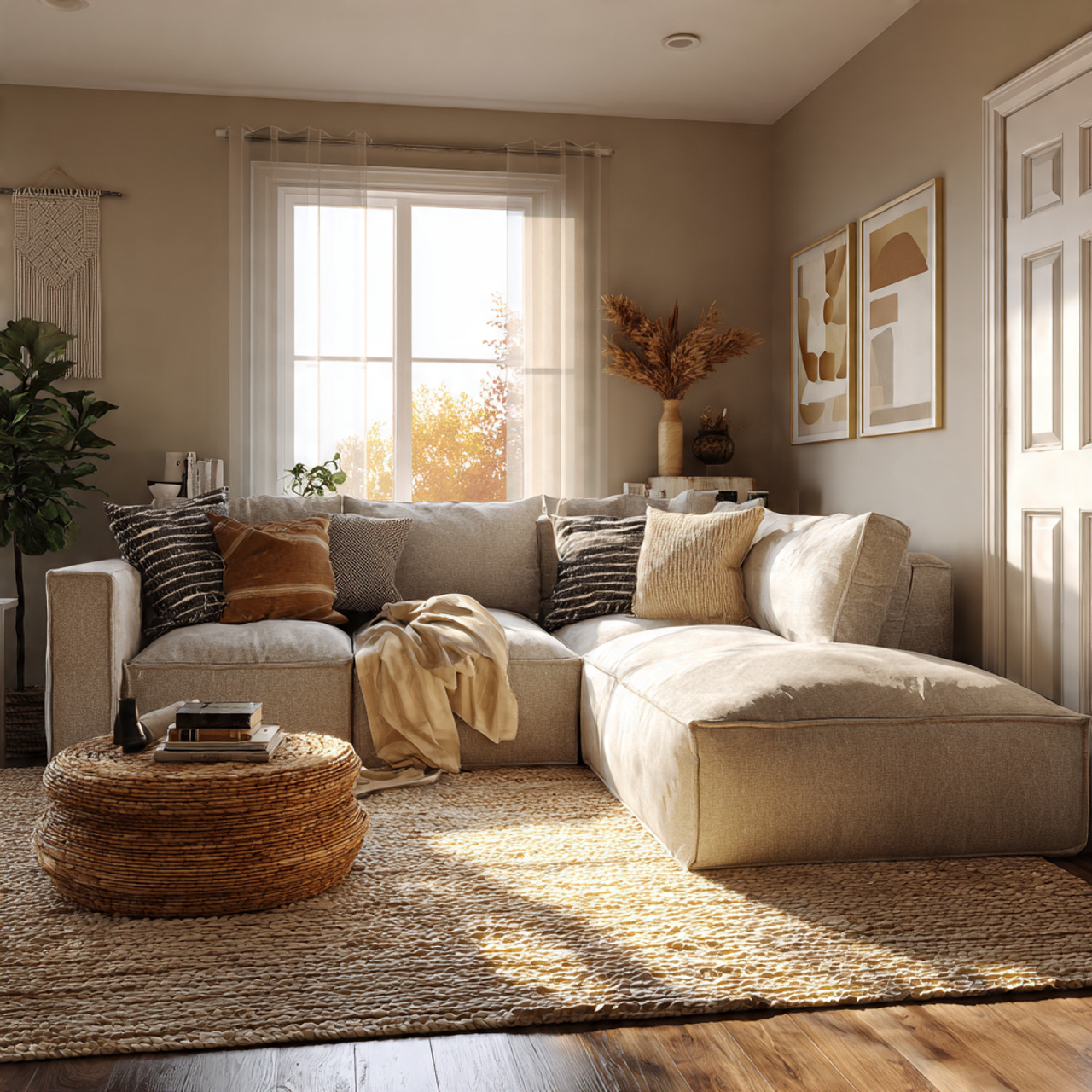
Modular sofas appear intentional while offering flexibility beneath the surface. Sections can shift without changing the overall look.
As routines change, this adaptability reduces regret. Instead of replacing furniture, the sofa evolves with the room.
Starting with fewer modules keeps decisions flexible. Extra pieces can be added once daily needs become clearer.
Low-Profile Sofa Silhouettes That Reduce Visual Pressure
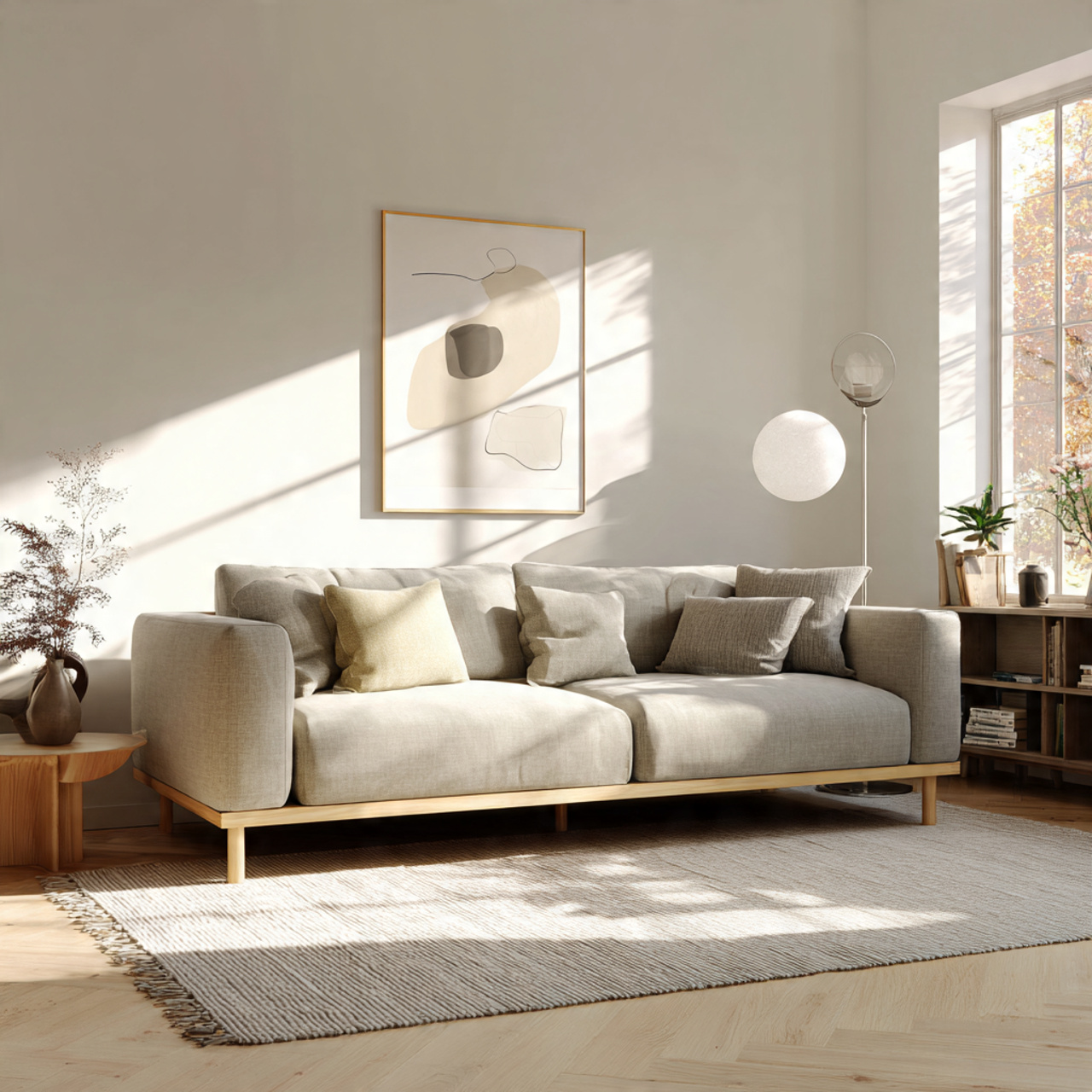
Low-back sofas visually open a space. They allow walls and windows to remain visible, which makes rooms feel lighter.
In apartments or low-ceiling rooms, this openness matters daily. The room feels calmer without tall furniture blocking sightlines.
Keeping backs under about 32 inches and choosing exposed legs helps preserve light flow naturally.
Washable, Removable Covers That Lower Everyday Stress
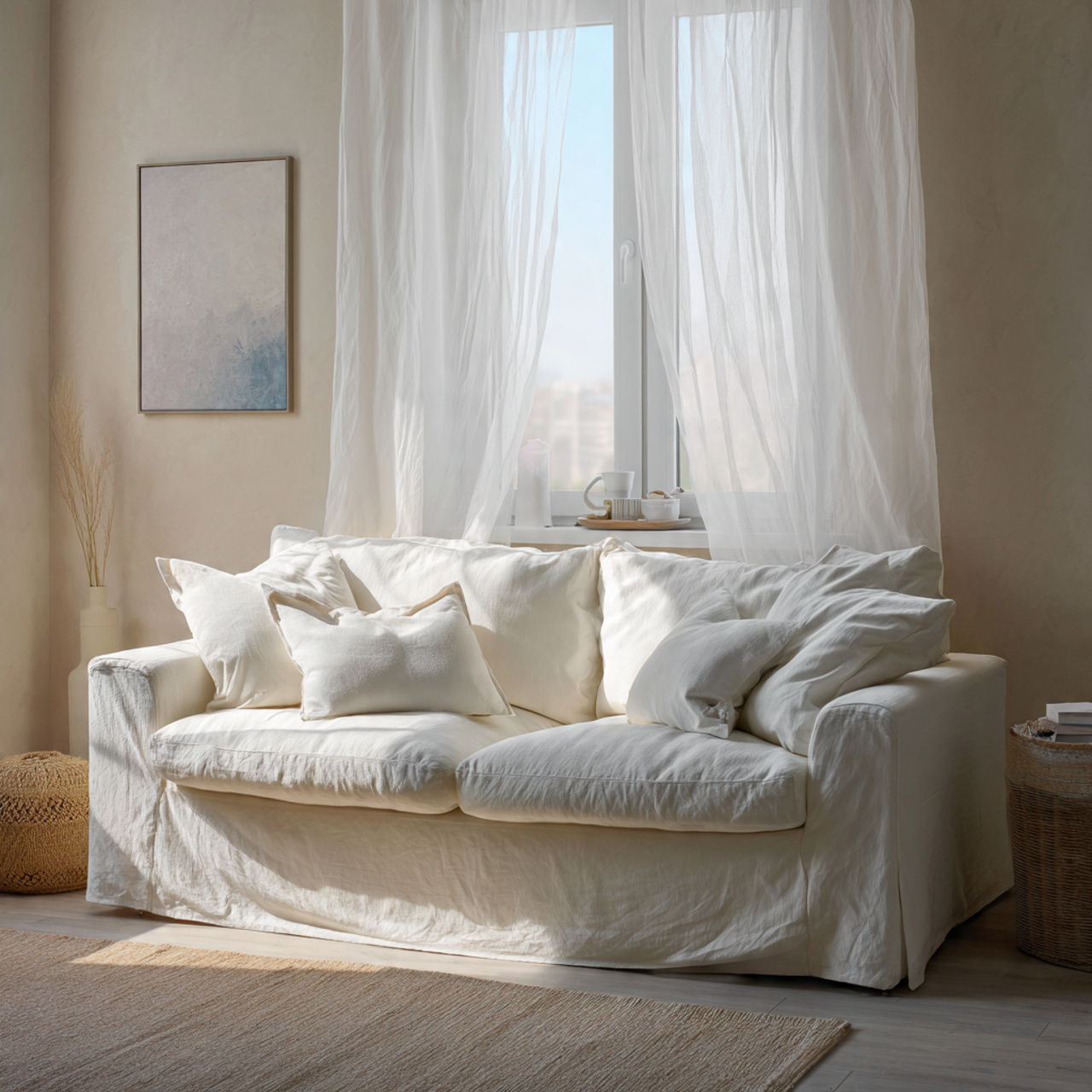
Sofas with removable covers look relaxed rather than precious. They signal that the space is meant to be lived in.
Over time, spills and wear feel manageable instead of stressful. This practicality changes how freely people use the room.
Cotton-linen blends wash predictably and hold their shape better than delicate fabrics.
Gently Curved Sofa Arms That Feel Softer Over Time
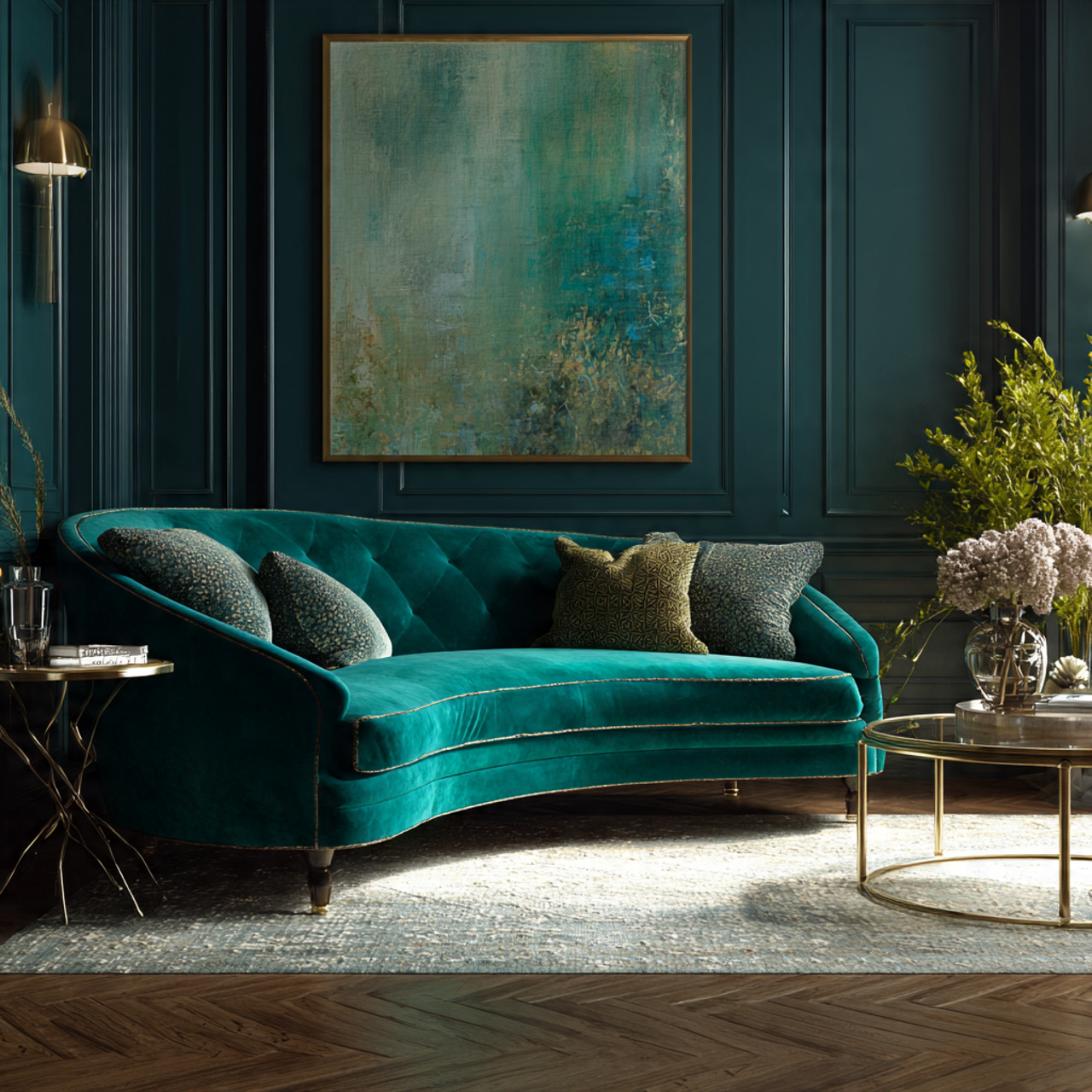
Curved arms soften rooms dominated by straight lines. Visually, they feel more human and welcoming.
Living with curved details often feels easier on the eye. People describe these sofas as comfortable even before sitting down.
Gentle curves work best without bulky proportions. This keeps the design timeless rather than trendy.
Matte Leather Sofas That Age With Character
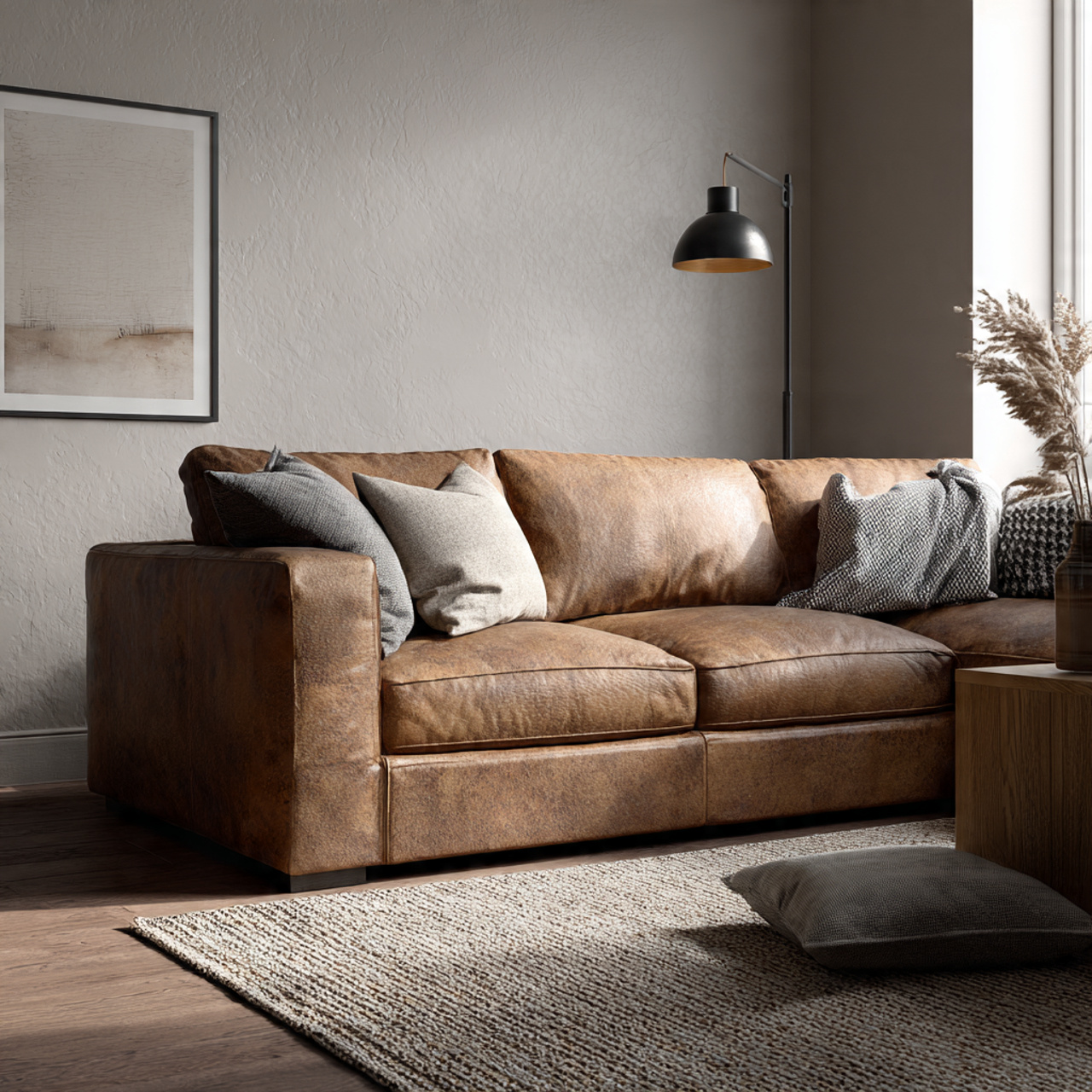
Matte leather has a calm, grounded presence. It absorbs light instead of reflecting it, keeping the room visually steady.
With time, quality leather develops patina rather than damage. Wear looks intentional instead of neglected.
Top-grain or full-grain leather with light conditioning once or twice a year performs best long term.
Performance Fabric Sofas That Handle Real Homes Quietly
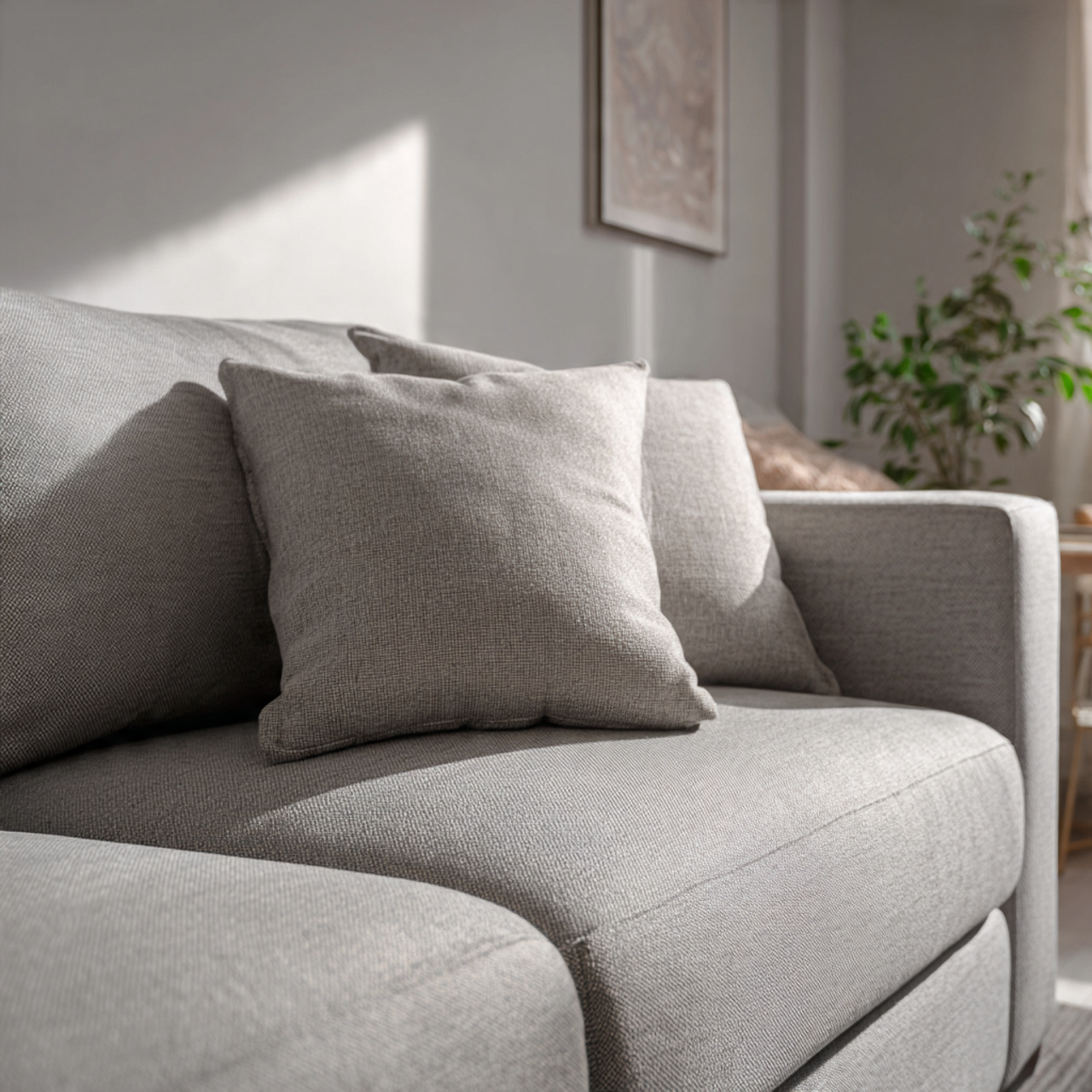
Performance fabrics resemble standard upholstery. They don’t advertise durability through appearance.
Over years of use, this quiet strength prevents early replacement. Stains and abrasion become less disruptive.
Checking abrasion ratings is more useful than relying on brand labels alone.
Floating Sofa Placement That Improves Daily Movement
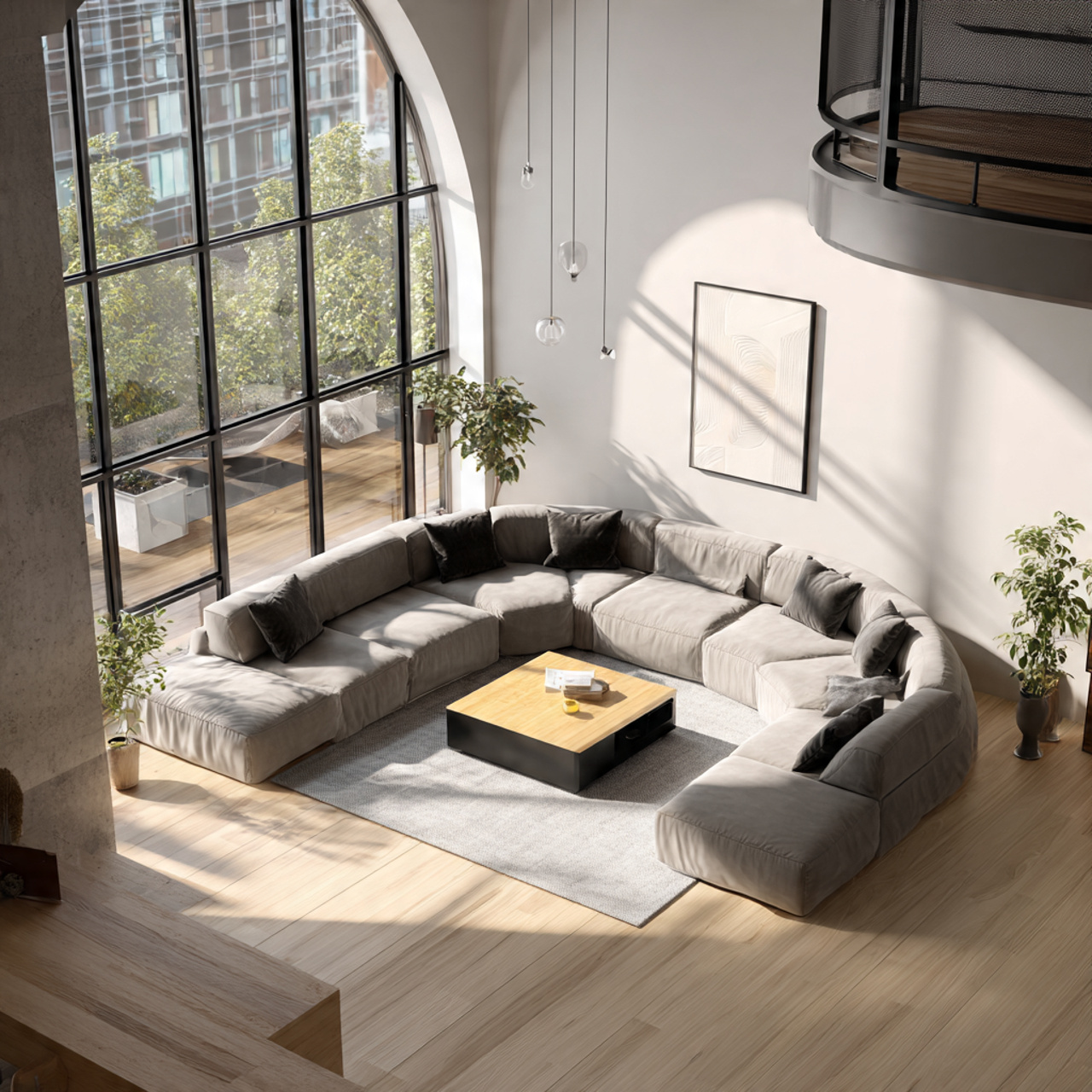
Pulling the sofa away from the wall defines seating as a zone. The room feels designed instead of pushed together.
In daily life, circulation improves noticeably. Movement through the space feels easier and more natural.
Anchoring the sofa with a properly sized rug keeps the layout visually grounded.
Sofa and Ottoman Pairings That Stay Flexible as Needs Change
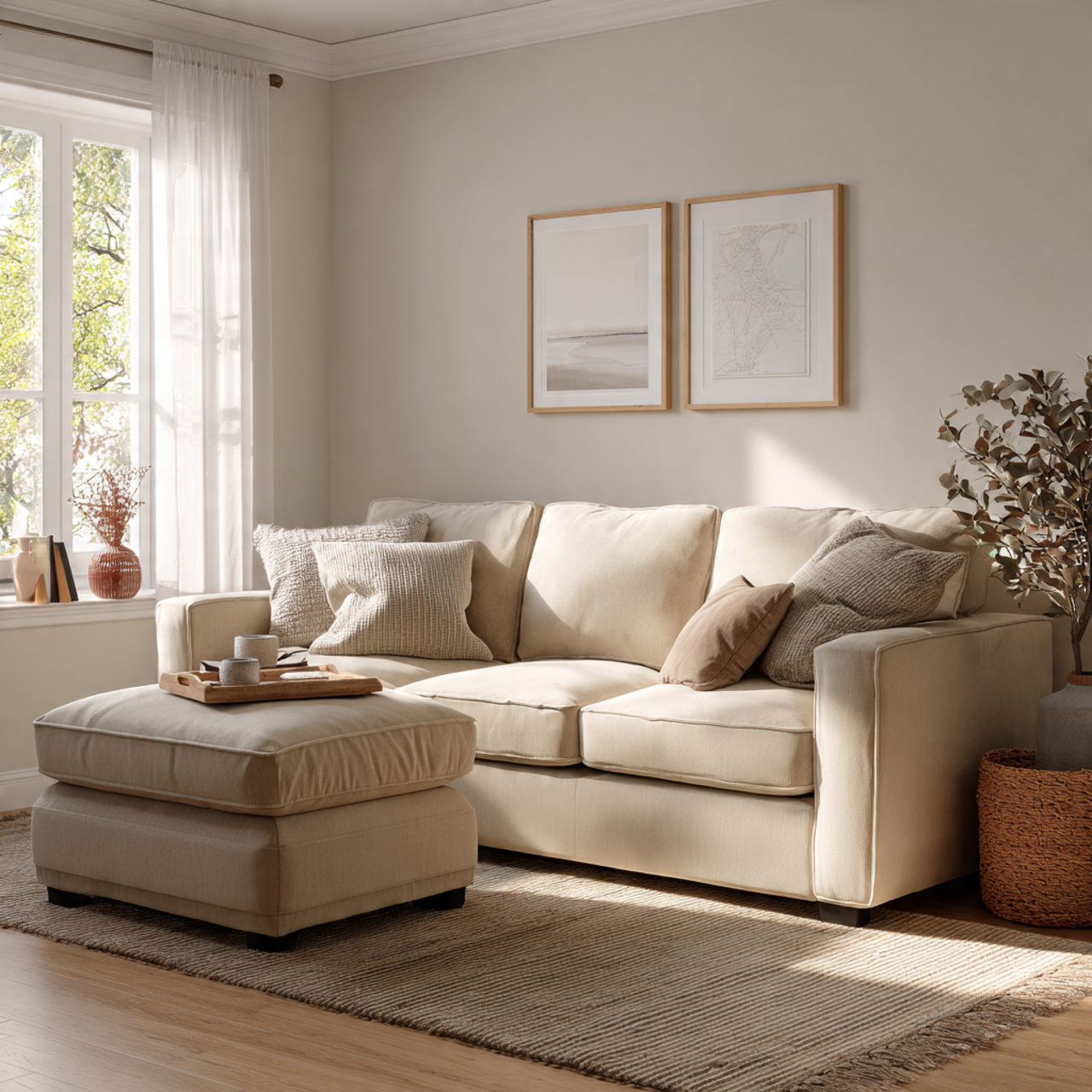
A sofa paired with an ottoman feels lighter than a sectional. Visually, it keeps the room open while still supporting relaxed lounging.
Over time, this flexibility matters more than expected. People move the ottoman for guests, stretch out on quiet evenings, or use it as extra seating without rethinking the whole layout.
For real homes, matching the ottoman height to the seat is key. Keeping upholstery consistent helps the pairing feel intentional rather than temporary.
Subtle Textured Upholstery That Keeps Neutrals From Feeling Flat
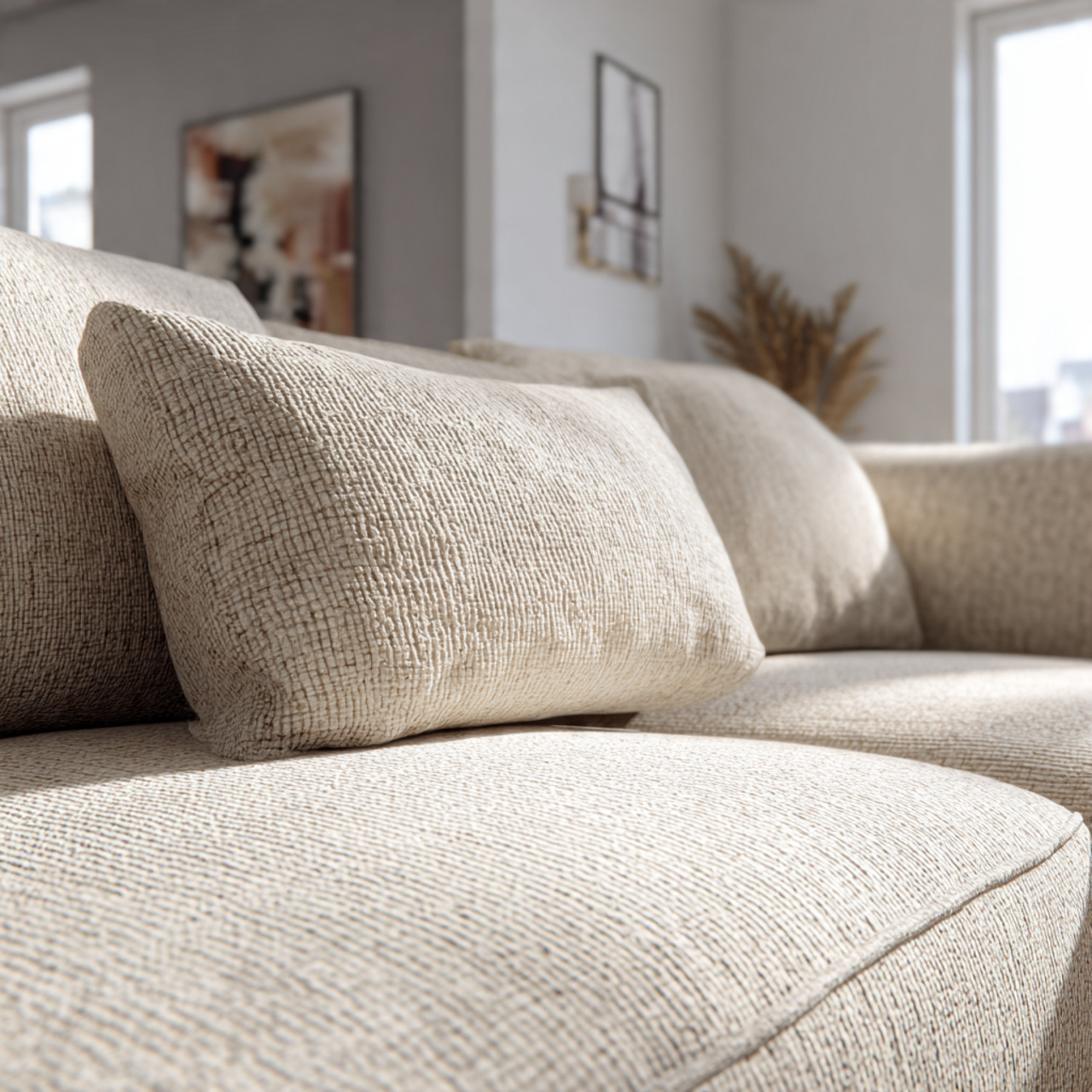
Textured fabrics add interest through weave instead of color. From a distance, the sofa looks calm, but up close it feels layered and considered.
Living with texture prevents boredom. Flat fabrics often feel dull after a while, whereas subtle texture continues to feel rich without demanding attention.
Tight weaves and gentle slubs age better than exaggerated textures, especially in rooms that see daily use.
Firm Seat Bases With Softer Backs That Hold Comfort Over Time
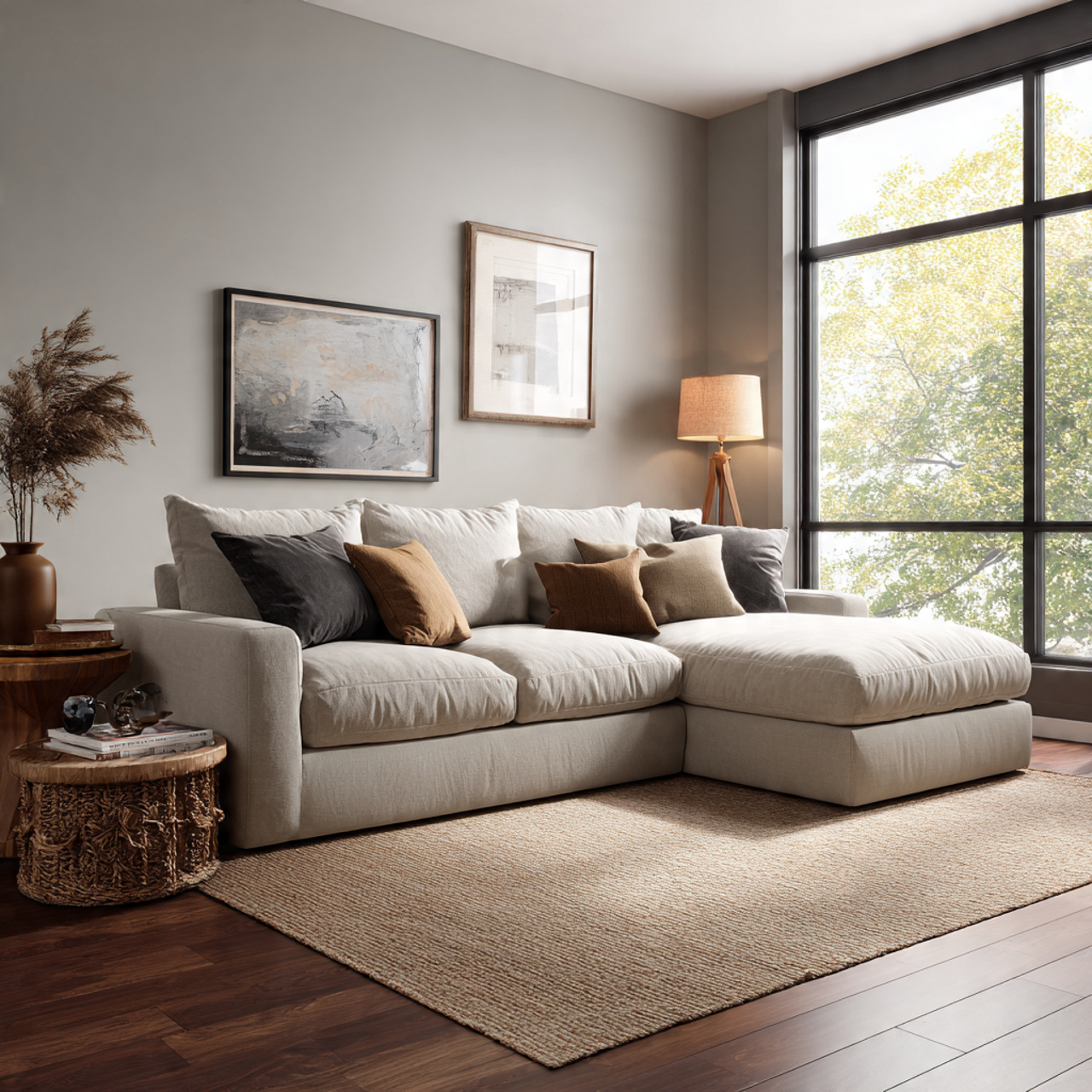
Firm seat cushions give a sofa structure and shape. Visually, the seating looks tailored rather than slouched.
As years pass, this balance becomes noticeable. Firm seats resist sagging, while softer backs allow relaxed sitting without stiffness.
Testing cushion recovery before buying helps avoid early wear. Seats should spring back slowly, not collapse or stay compressed.
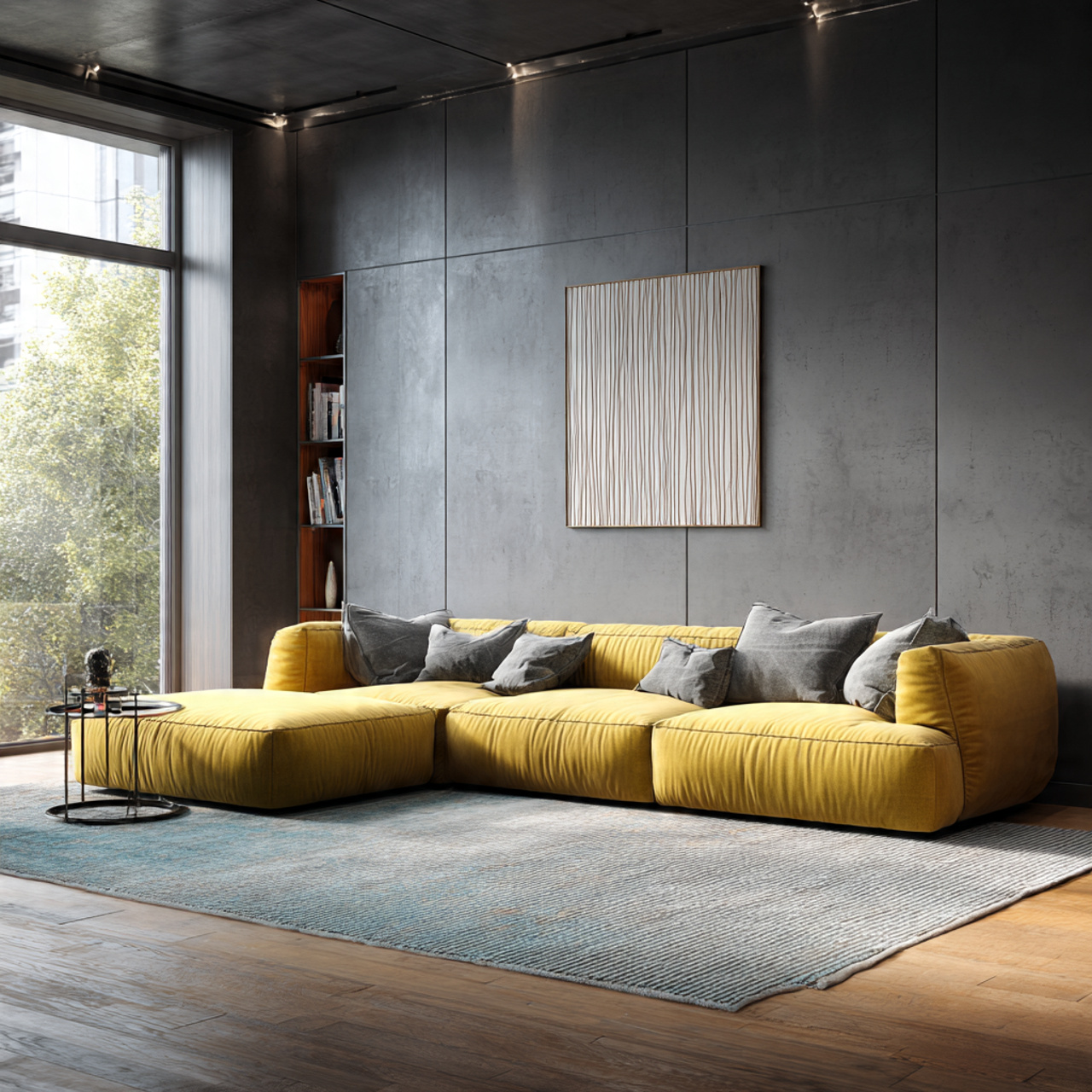
Controlled Bold-Color Sofas Used Without Long-Term Regret
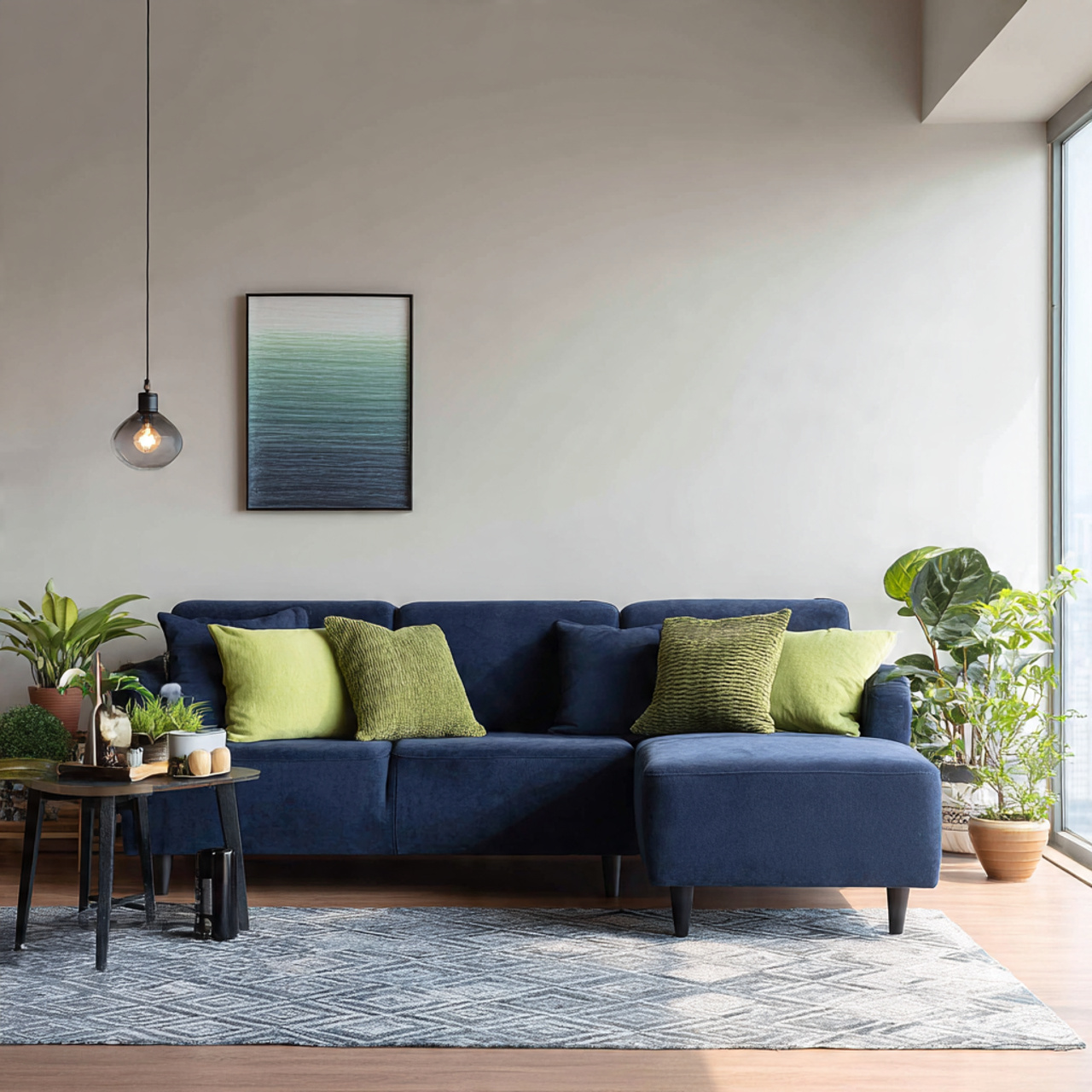
A bold sofa immediately anchors the room. It creates a focal point without relying on excessive styling or accessories.
Many people fear bold color, but regret usually comes from shape, not shade. When proportions are right, color tends to age better than expected.
Keeping walls and large surfaces neutral allows the sofa to stand out without overwhelming the space.
Exposed-Leg Sofa Designs That Visually Lighten Heavy Rooms
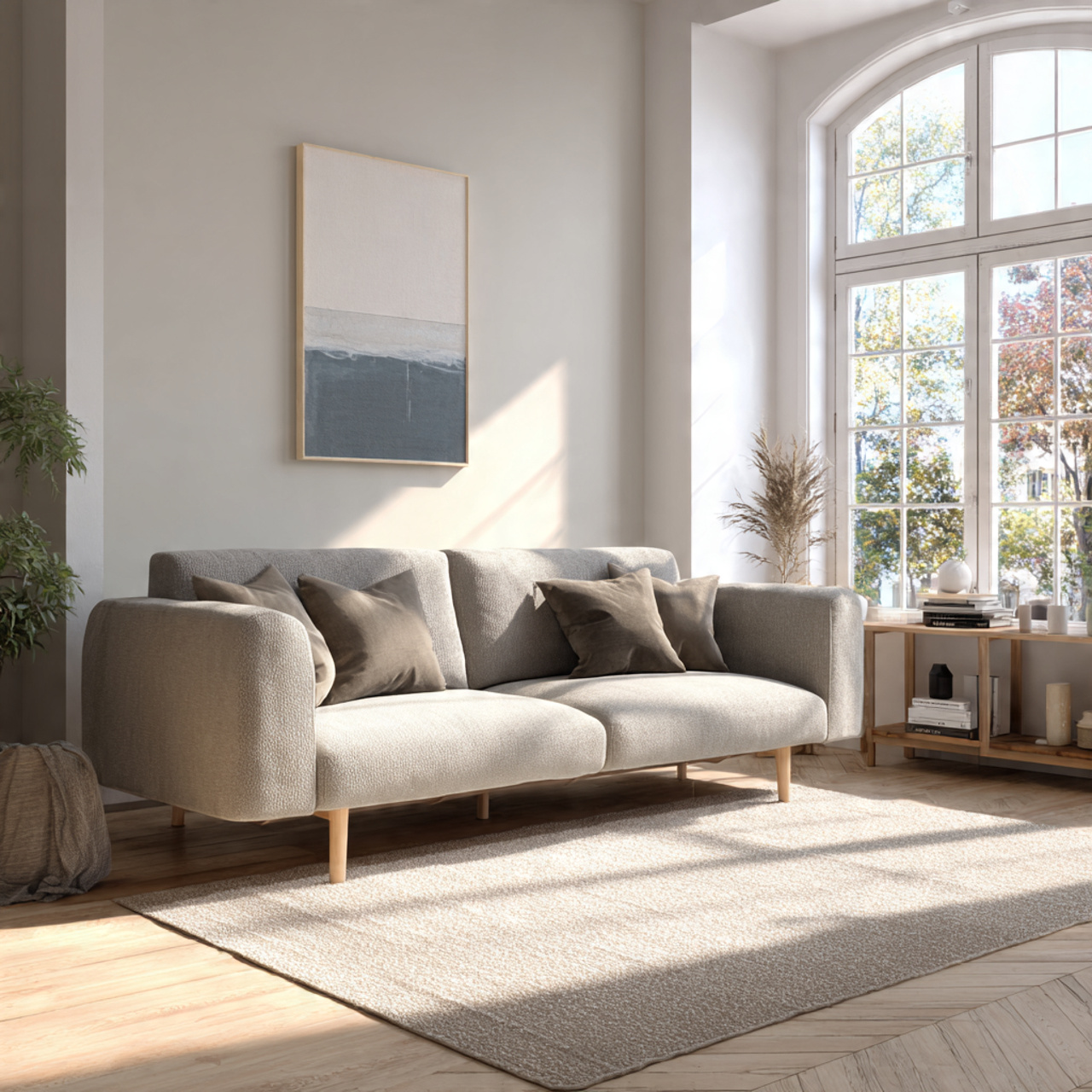
Sofas with exposed legs allow floor space to remain visible. This small detail makes the room feel less dense.
In everyday use, that openness reduces visual heaviness. Rooms with darker floors or limited light feel easier to breathe in.
Slim metal or tapered wood legs work across most styles and also make cleaning noticeably simpler.
Apartment-Scale Sofas That Fit Without Sacrificing Comfort
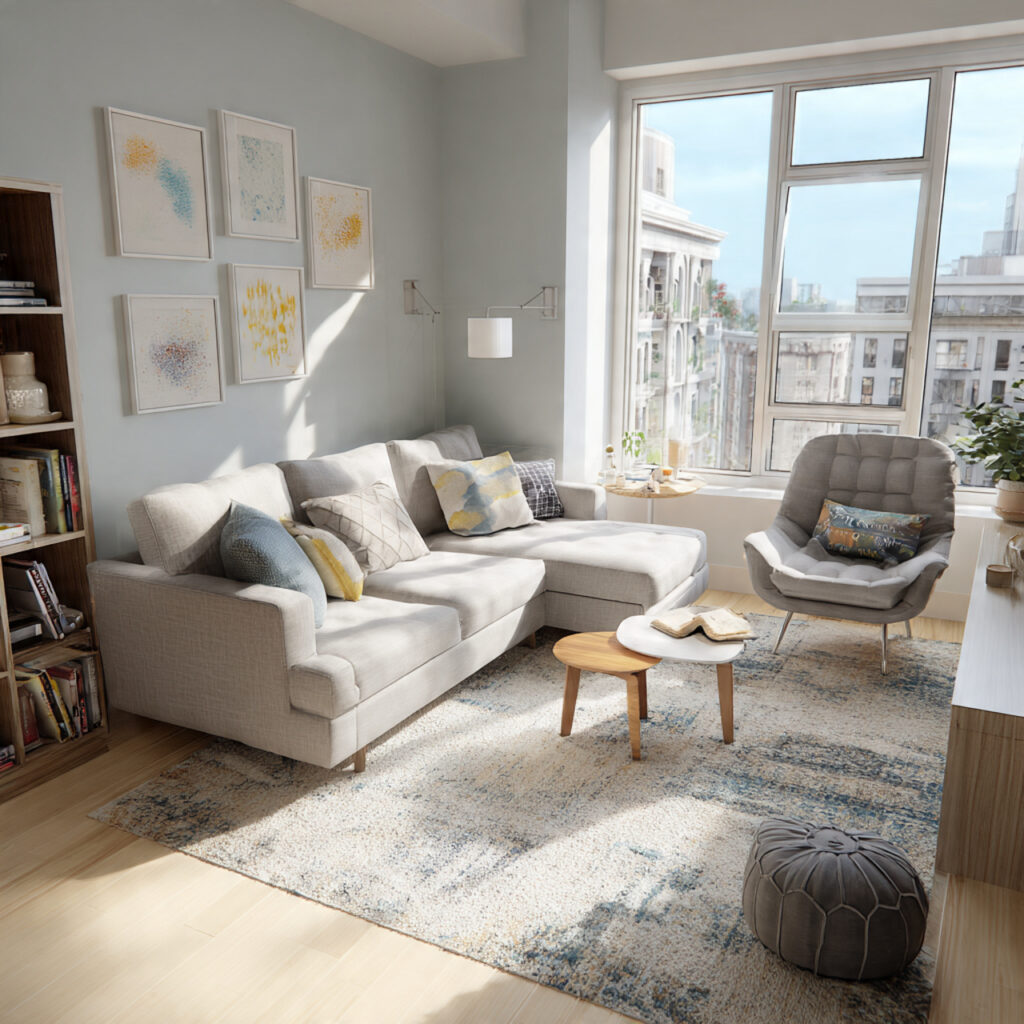
Apartment-scale sofas are proportioned for tighter spaces. They respect room size while keeping full seat depth.
Living with the right scale improves movement and layout flexibility. Oversized sofas often restrict flow and limit furniture placement.
Measuring doorways, hallways, and lift access prevents delivery stress and costly returns.
Thoughtfully Limited Cushion Styling That Stays Practical
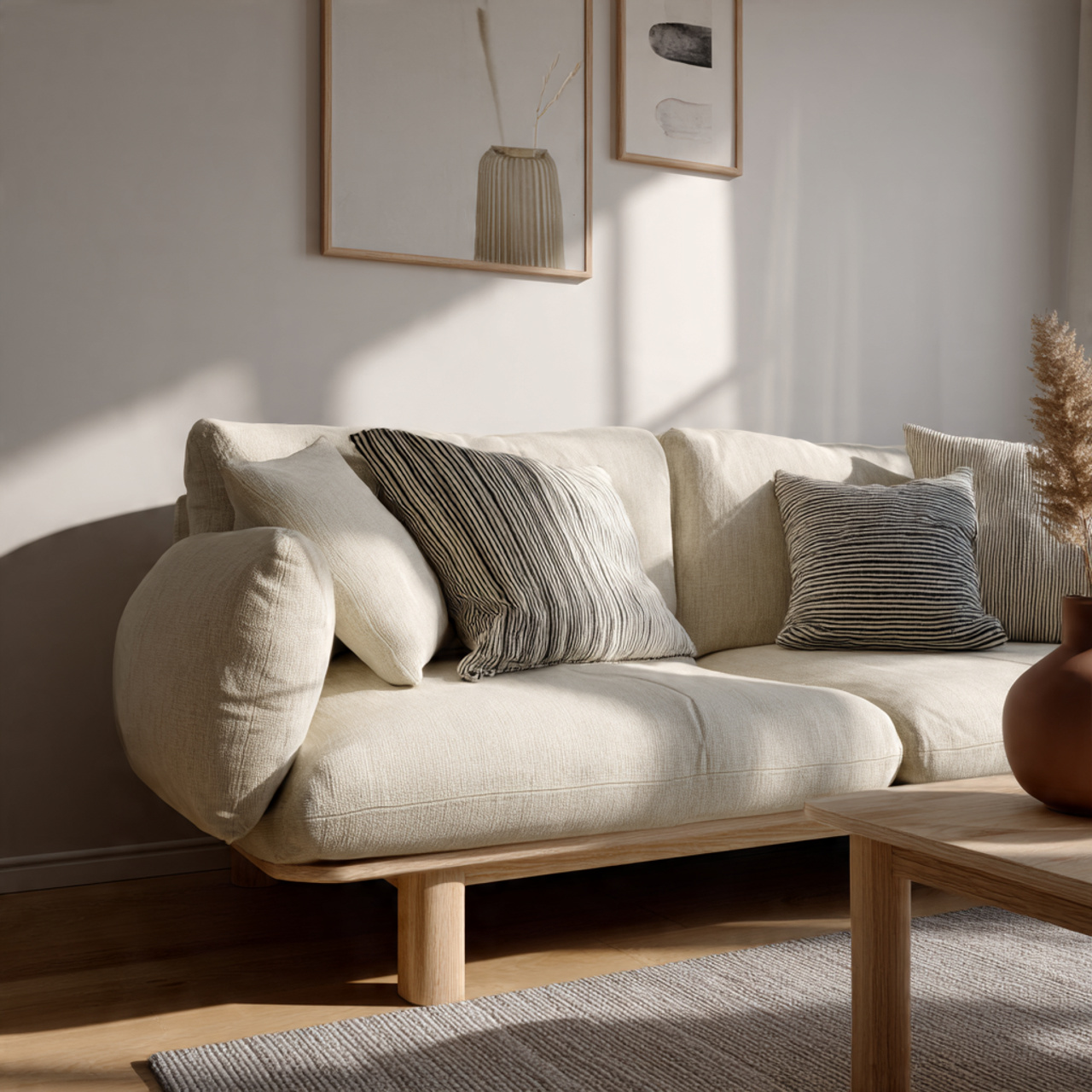
A restrained cushion setup keeps seating usable. The sofa remains easy to sit on without constant rearranging.
Over time, fewer cushions reduce daily friction. People stop removing pillows just to get comfortable.
Two to four cushions usually provide enough support and visual balance without clutter.
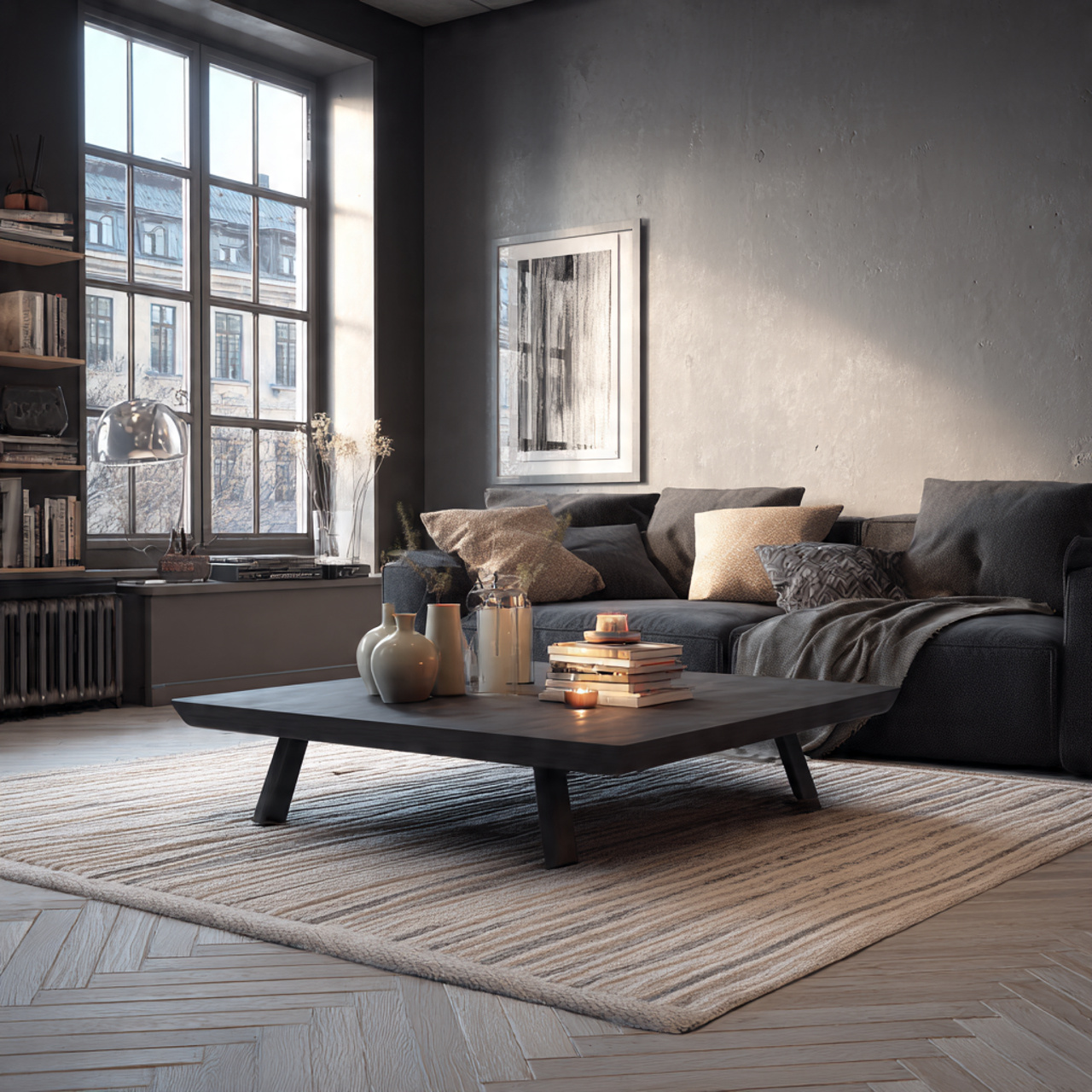
Light Upholstery Anchored by Dark Rugs for Visual Stability
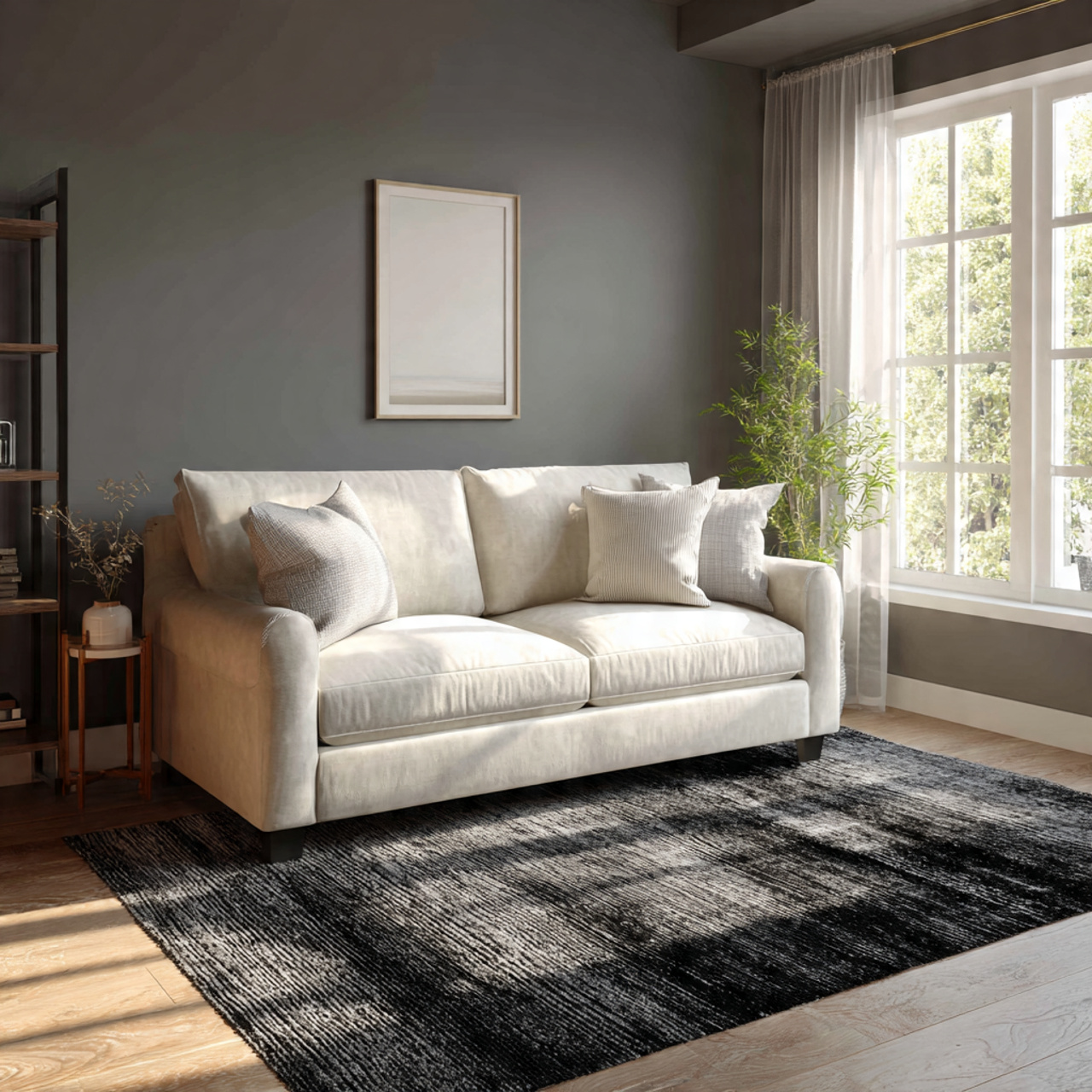
Light sofas can feel like they float without grounding. A darker rug visually anchors the seating area.
This contrast adds depth without making the room heavy. It’s especially effective in neutral or open-plan spaces.
Rugs with subtle pattern or texture help hide wear while softening the contrast.
Sofa Orientation Toward Natural Light That Improves Daily Use
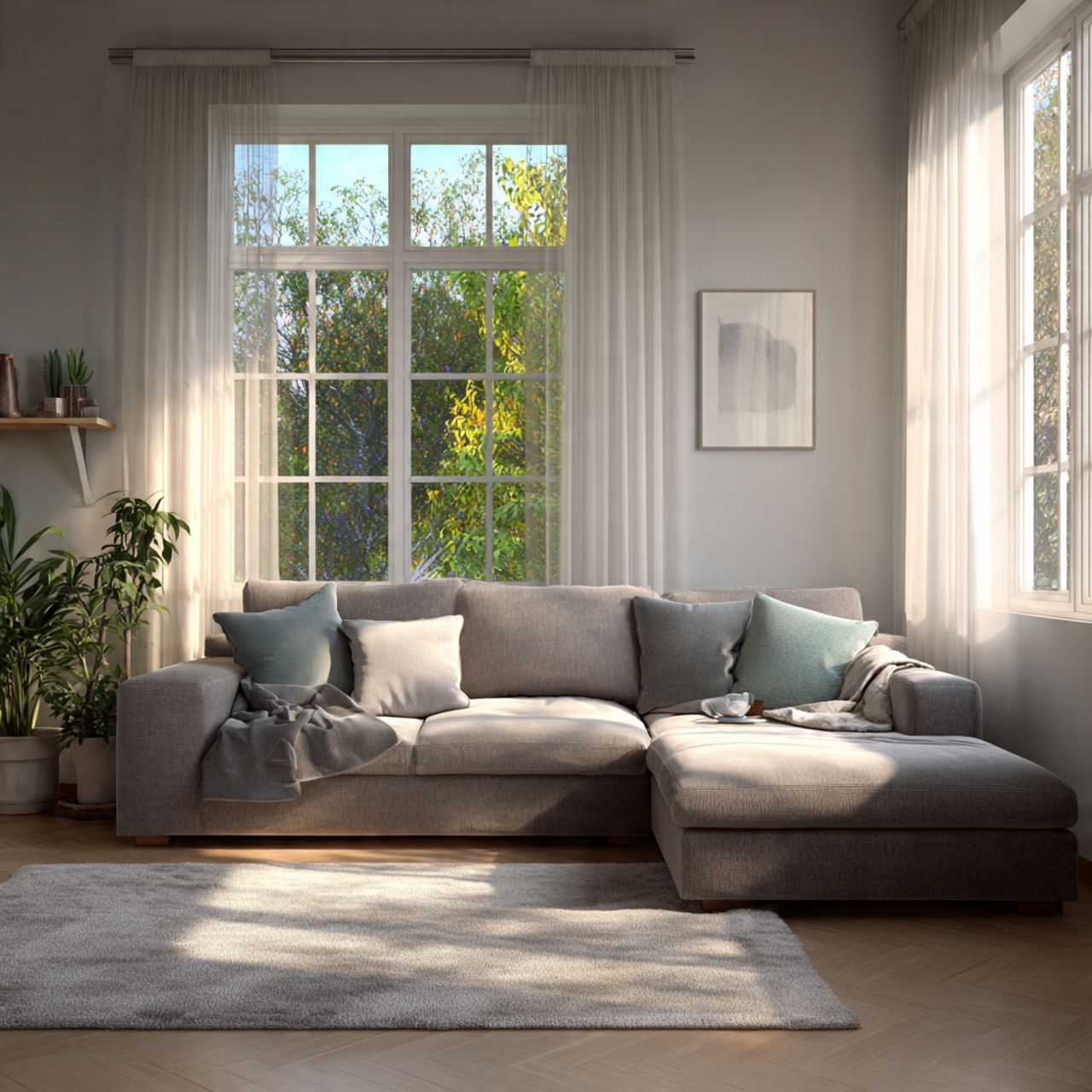
Positioning a sofa toward windows changes how it’s experienced. Seating feels brighter and more inviting throughout the day.
In real homes, people naturally gravitate toward light. This orientation increases how often the sofa is actually used.
Sheer curtains help manage glare while preserving brightness and comfort.
Common Sofa Mistakes
Choosing a Sofa for Looks Instead of Long-Term Comfort
Many people fall for a sofa’s shape or fabric before sitting on it properly. Showroom styling often hides shallow seats or stiff cushions that feel uncomfortable over time.
Living with the wrong comfort level slowly reduces how often the sofa is used. What looked good at first becomes something people avoid rather than relax on.
Testing a sofa for extended sitting helps prevent this regret. Comfort should always be proven, not assumed.
Picking Fabrics That Don’t Match Daily Life
Delicate fabrics often look appealing but struggle in real homes. Spills, friction, and everyday use show up quickly.
Over time, this mismatch creates stress around normal living. The sofa starts to feel fragile instead of supportive.
Choosing durable, forgiving fabrics allows the sofa to age quietly without constant concern.
Buying a Sofa That Overpowers the Room
Oversized sofas are a common mistake, especially in apartments or shared spaces. They block movement and compress the room visually.
Living with poor proportion limits layout options and makes the space feel crowded. Even beautiful furniture can feel wrong when scale is off.
Measuring circulation paths before buying keeps rooms usable and balanced.
Ignoring Cushion Construction and Fill Quality
Soft cushions often feel great at first touch. Low-quality filling, however, collapses faster than expected.
As sagging appears, both comfort and appearance decline together. The sofa looks tired long before its time.
Checking cushion rebound and construction prevents early replacement.
Placing the Sofa Without Considering Light and Flow
Sofas pushed into dark corners or awkward angles often go unused. People naturally gravitate away from seating that feels disconnected.
Over time, poor placement affects how the room functions. The space feels less intuitive and less inviting.
Simple adjustments toward light and clear pathways improve daily comfort significantly.
Sofa FAQ
How long should a good sofa last?
A well-made sofa usually lasts between eight and fifteen years. Frame quality, cushion construction, and fabric choice matter more than brand names.
Is a sectional always better than a standard sofa?
Not always. In many real homes, a sofa with an ottoman offers more flexibility and better flow than a fixed sectional.
Which sofa fabric works best for everyday use?
Tight-weave and performance fabrics handle wear quietly. They resist stains and texture damage without looking technical or stiff.
Should a sofa blend into the room or stand out?
Most spaces benefit from a sofa that blends first. Texture, proportion, or subtle contrast can add interest without visual overload.
How many cushions are actually practical?
Enough to support comfort without blocking seating. For most sofas, two to four cushions keep things usable and balanced.
A Calm Way to Decide for Real Homes
Choosing a sofa becomes easier when decisions are based on real use rather than first impressions. Comfort, proportion, and material honesty reveal themselves over time, long after trends fade. When those elements align, the sofa supports daily routines quietly and reliably. The best choice is one that feels natural in the room and continues to make sense as life changes.