Small Space Living: 25 Dreamy Ways to Maximize Your Home
Small Space Living is not just about adapting to fewer square feet; it is a philosophy centered around efficiency, creativity, and conscious consumption. Many people assume that limited square footage means sacrificing style or comfort, but the exact opposite is true when you approach the design process with intention. The limitations of a tiny home, studio apartment, or small condo actually force you to be more innovative, resulting in personalized, clutter-free environments that often feel much larger and more peaceful than their dimensions suggest.
This lifestyle shift embraces the idea that every item in your home should serve a purpose or bring you genuine joy, paving the way for a less cluttered, more focused existence. Mastering small space living techniques allows you to transform cramped conditions into highly functional, aesthetically pleasing havens. By focusing on smart storage, multi-purpose items, and visual tricks, you can unlock the full potential of your home, regardless of its size.
Mastering the Fundamentals of Small Space Living
When you face the challenge of small space living, the key is to shift your perspective from viewing size as a constraint to seeing it as an opportunity for intelligent design. The foundational principle here is meticulous planning, where every piece of furniture, every wall color, and every storage container is chosen specifically to enhance both the usability and the perceived size of the area. This proactive approach saves you from the frustration of overcrowded rooms and inefficient layouts down the line.
Effective techniques require balancing the practical need for storage with the psychological need for open, airy aesthetics. By prioritizing vertical space and selecting pieces that are streamlined and lightweight, you immediately counteract the feeling of being closed in. Understanding these core principles of small space living ensures that your finished environment feels deliberate, cozy, and expertly curated, rather than simply undersized.
Maximizing Vertical Storage Solutions
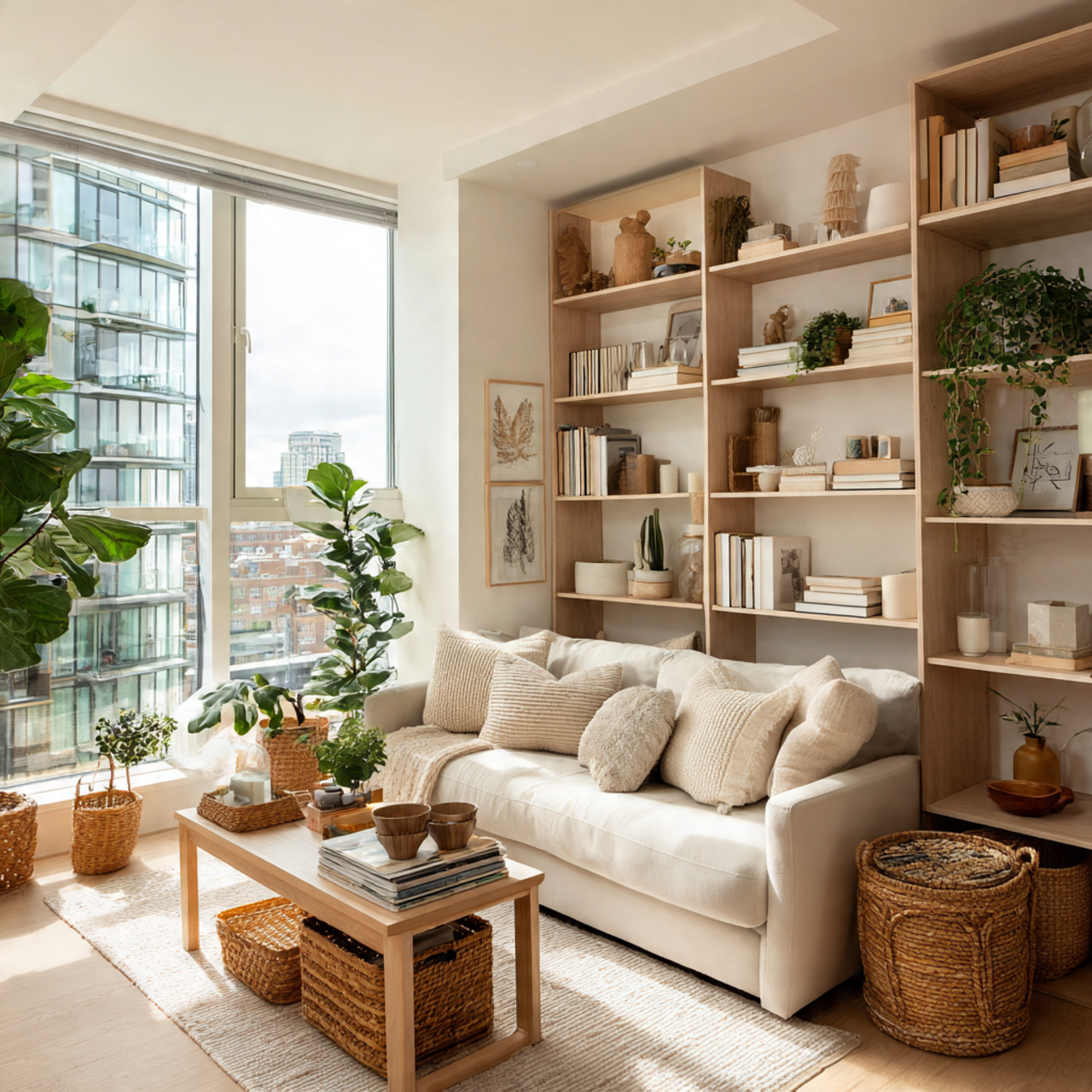
In any confined area, the unused wall space above eye level represents a massive opportunity to gain storage without cluttering the floor. Investing in tall, narrow shelving units or installing floating shelves right up to the ceiling draws the eye upward and provides necessary real estate for books and decorative items. Always anchor these units securely to the wall to ensure safety, especially when dealing with heavy loads.
Thinking vertically also means utilizing the back of doors, whether they lead to a closet, pantry, or room, for slim hanging organizers. These simple additions can store everything from cleaning supplies and shoes to spices and toiletries, transforming overlooked areas into highly functional storage centers. This strategy is critical for successful apartment living where every square inch matters.
The Art of Multi-Functional Furniture

The single most impactful choice you can make in small space living is selecting furniture that serves at least two distinct purposes. A prime example is an ottoman with a removable lid that functions as seating, a coffee table, and hidden storage for blankets or magazines. Look for dining tables that fold down into consoles or expand from a two-seater to a six-seater when guests arrive.
These versatile pieces are crucial for maintaining an uncluttered look while ensuring you have all the amenities needed for modern life. Daybeds that convert into sofas, or desks that double as vanity tables, help the room transition smoothly between different uses throughout the day. This adaptability prevents the need for excess pieces that would otherwise overwhelm the limited floor plan.
Clever Under-Bed Storage Ideas

The space beneath your bed is often the largest stretch of unused storage potential in a bedroom, offering a huge opportunity for efficiency. Rather than simply shoving random boxes underneath, look for dedicated storage solutions like beds with integrated deep drawers built into the frame. These drawers provide a streamlined look and easy access to seasonal clothing or bedding.
If your bed frame doesn’t have built-in drawers, use rolling storage bins on wheels, which slide out effortlessly and keep dust and clutter contained. Elevating the bed on risers can maximize this vertical clearance, allowing you to store larger or bulkier items that would otherwise take up precious closet space in your small home.
Integrating Smart Home Technology

For those focused on efficiency and streamlined aesthetics, integrating smart home technology is a natural fit for small space living. Smart lighting systems eliminate the need for cumbersome floor lamps and wall switches, reducing visual clutter and allowing you to control ambiance remotely. Devices like smart speakers consolidate entertainment and control functions into a single, small unit.
Furthermore, smart thermostats and air purifiers can be integrated flush into walls or designed in minimalist forms, removing bulky equipment from the floor. This technology enhances convenience and helps maximize the feeling of space by reducing the number of physical objects required to manage your home environment.
Designing an Open-Concept Layout

An open-concept layout is highly effective in making a small space living area feel expansive and airy. By minimizing solid walls between the kitchen, dining, and living areas, light flows freely and the eye travels across a longer plane, tricking the brain into perceiving a larger area. This design choice is fundamental to apartment living.
While walls are minimized, defining distinct functional zones remains crucial for organization and mental clarity. You can use large area rugs, strategic furniture placement (like the back of a sofa), or low shelving units to visually separate the kitchen from the seating area without blocking the light or the flow of movement.
The Psychology of Light Colors
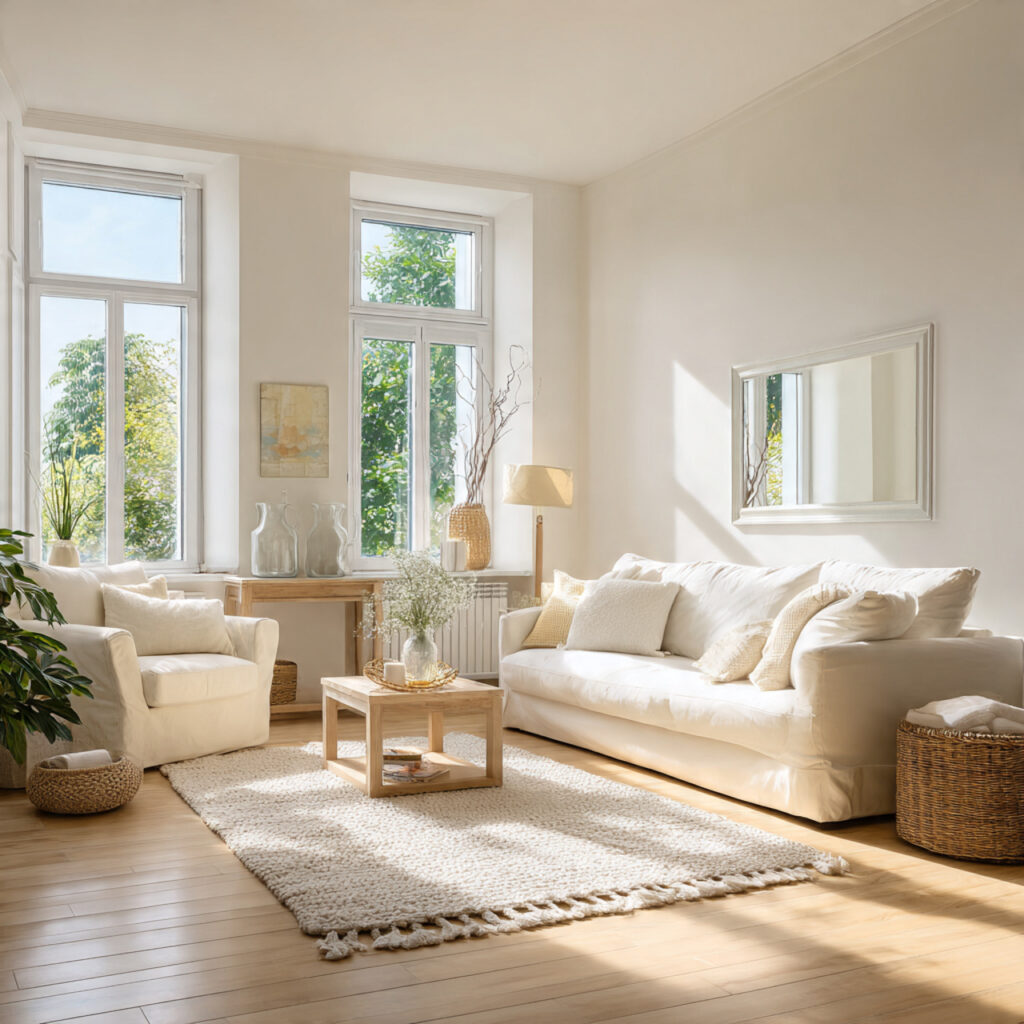
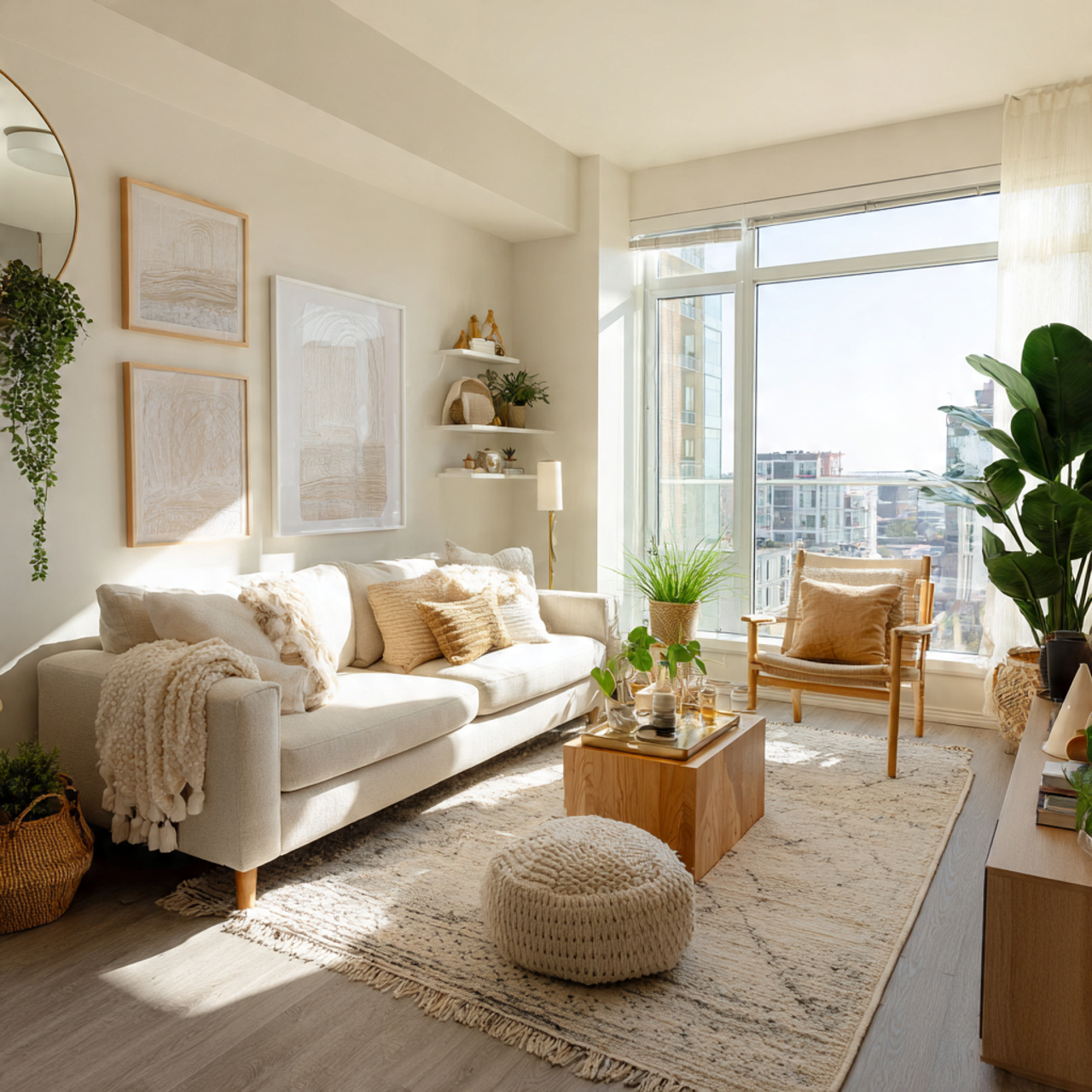
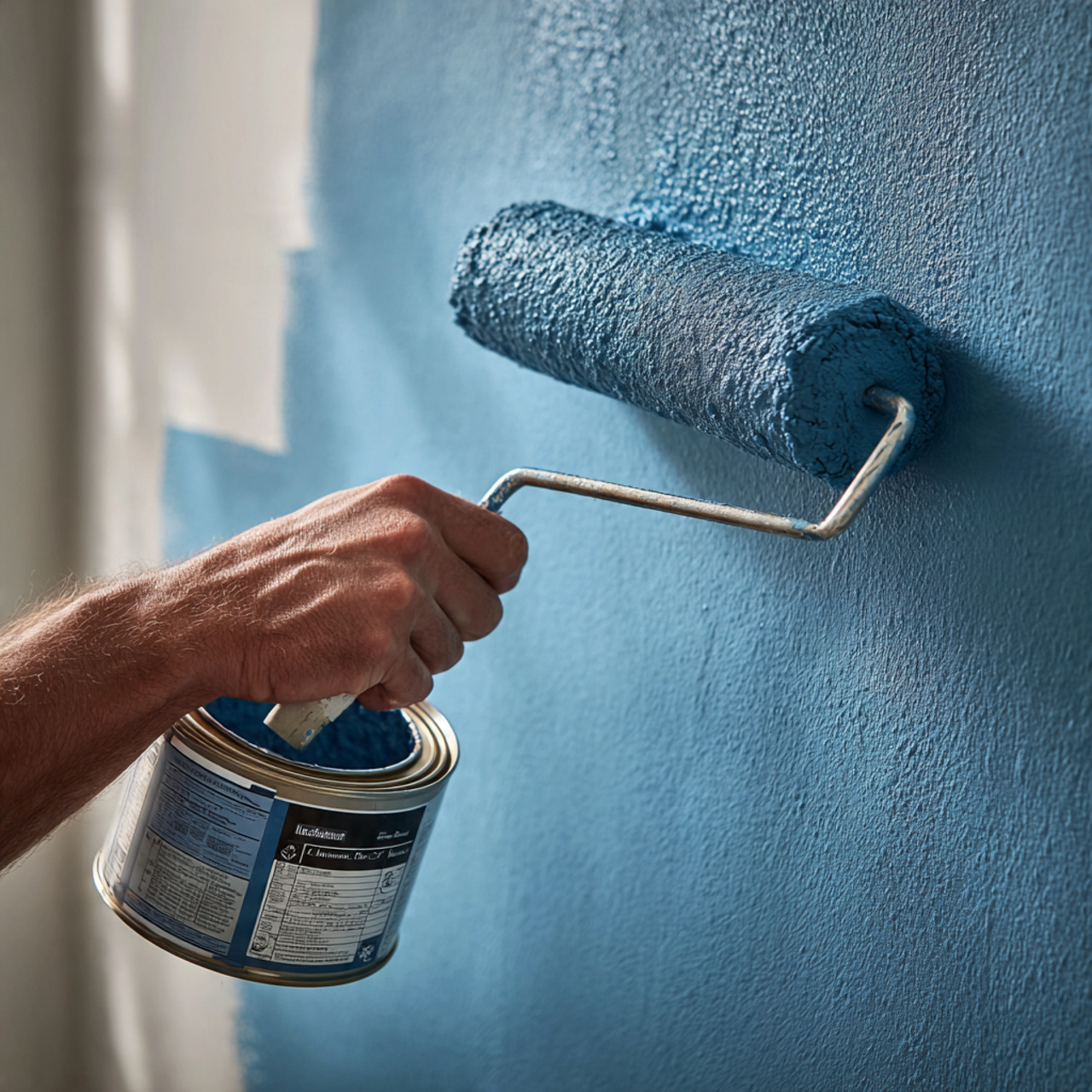
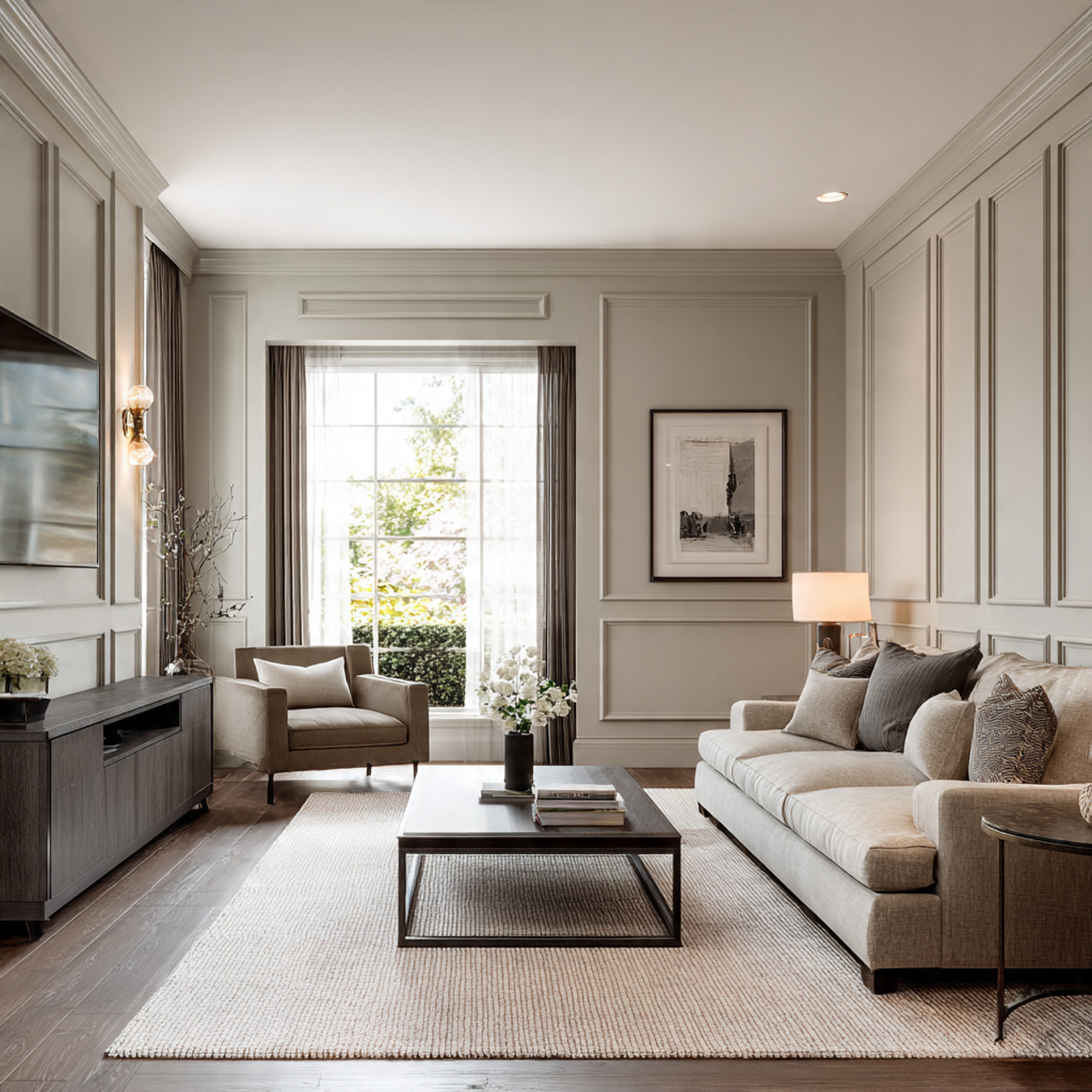
The choice of color palette significantly impacts the perceived size and brightness of a room. Light colors, particularly whites, creams, and soft pastels, reflect more natural and artificial light, making the walls seem to recede. Painting the trim and walls the same light color further blurs the boundaries, enhancing the overall effect of openness.
This technique is essential in small space living where natural light might be limited. Using a monochromatic or analogous color scheme prevents the space from feeling choppy or busy. When adding color, introduce it sparingly through accessories like throw pillows or artwork, maintaining the light, airy backdrop.
Effective Decluttering Methodologies

Before purchasing any storage solution, the most critical step in conquering limited space is radical decluttering. Adopting a methodical approach, such as the ‘one-in, one-out’ rule or the four-box method (keep, donate, trash, move), ensures that you are only organizing items you truly need and use. Less stuff instantly equates to more perceived room.
Maintaining this state requires ongoing discipline. Regularly assessing your possessions helps prevent the dreaded accumulation that inevitably plagues small homes. This commitment to only keeping essentials is the philosophical backbone of successful small space living.
Selecting the Right Scale of Decor
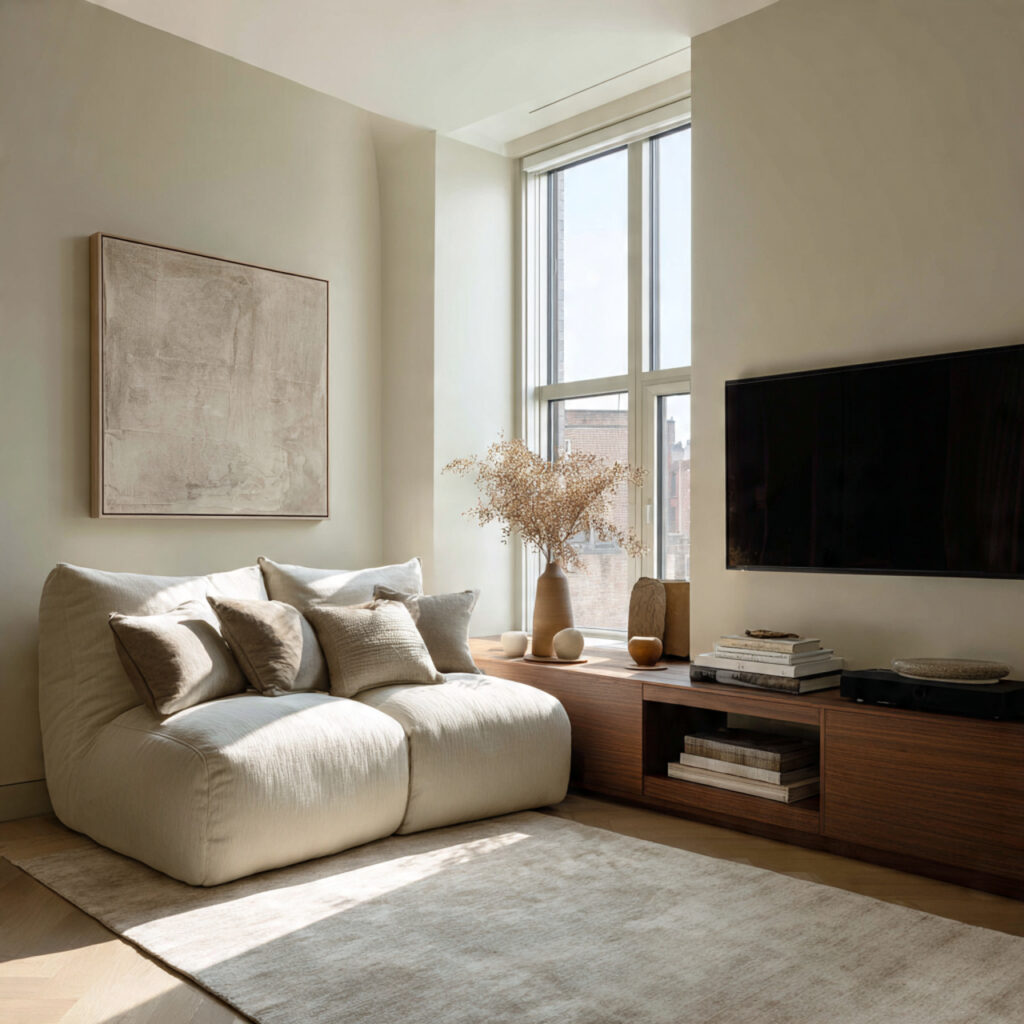
It may seem counterintuitive, but using a few larger, appropriately scaled pieces of furniture can often make a small room look bigger than using many small, busy items. Large pieces grounded by a single rug create a cohesive look and avoid the cluttered feeling that results from too many fragmented elements. Look for pieces with clean lines and legs that lift the furniture off the ground.
Choosing items that are proportional to the room’s dimensions prevents the space from feeling overwhelmed. A massive sectional sofa would swallow a tiny living room, whereas a streamlined loveseat with visible legs allows light to pass underneath, making the room feel lighter and more spacious.
Fold-Down and Murphy Bed Innovations
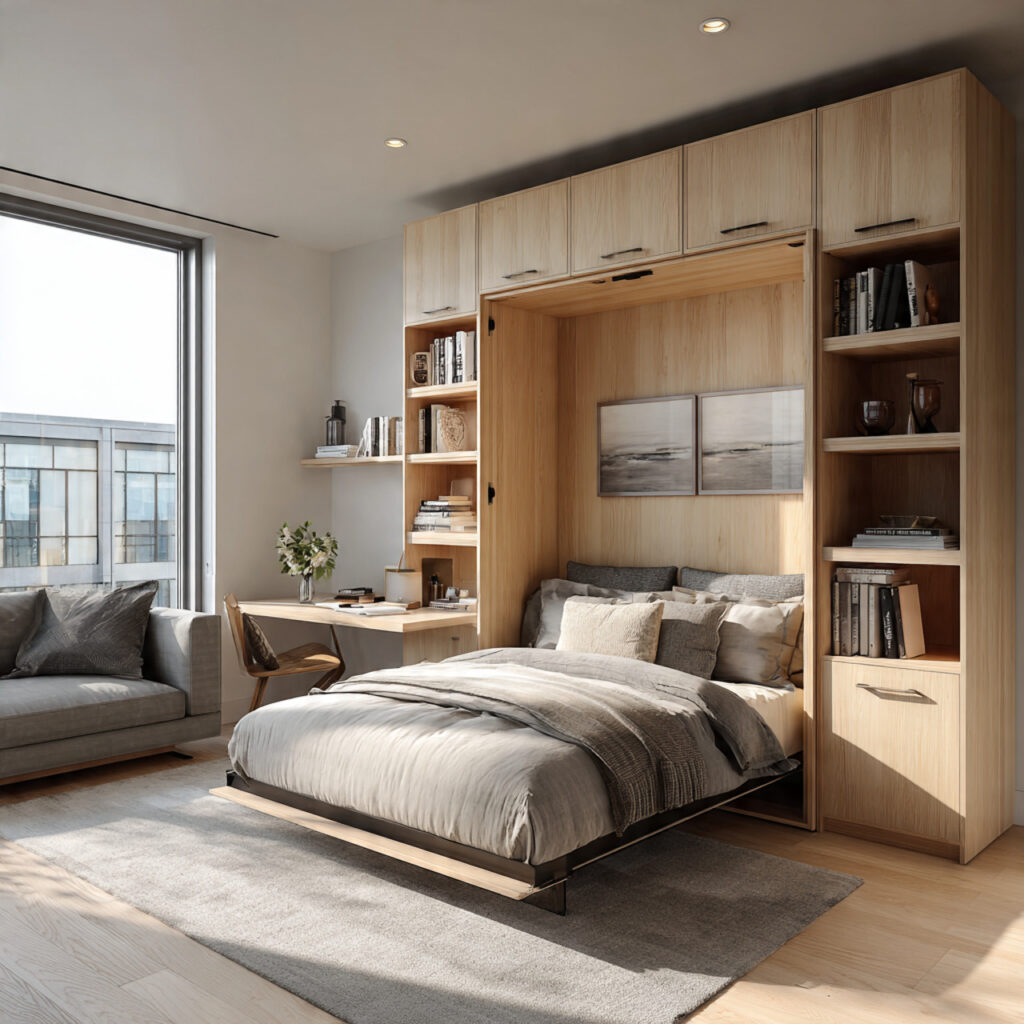
In studio apartments or highly restricted bedrooms, the Murphy bed or other fold-down sleeping arrangements are revolutionary for maximizing floor space during the day. These systems allow the entire sleeping area to disappear into the wall or a cabinet, instantly freeing up the room for use as a home office, yoga studio, or entertaining space.
Modern Murphy beds often come equipped with integrated storage, such as surrounding shelving or pull-out desks, making them true multi-functional units. This innovation is arguably the most powerful tool in maximizing the utility of a single-room home designed for small space living.
Wall-Mounted Desk and Table Setups

Floor space is precious, so moving essential functions up onto the wall is a reliable strategy for efficiency. A wall-mounted desk that folds flat when not in use is ideal for a temporary workspace or homework station in a tight corner or hallway. When folded up, the space returns to its original purpose and flow.
Similarly, small drop-leaf tables attached to the kitchen wall can serve as an instant dining area or food prep surface. These setups allow you to customize the footprint of your furniture exactly to the moment’s need, providing maximum flexibility within the constraints of small space living.
Utilizing Door-Back Storage Organizers

Beyond the closet doors, the back of every interior door, including bathroom, bedroom, and kitchen pantry doors, represents untapped, often overlooked storage potential. Slim pocket organizers or shallow shelving units mounted here can store non-bulky items perfectly.
In the bathroom, a door organizer can hold hair tools, cleaning supplies, and extra toiletries, while a bedroom door can hold accessories, scarves, or jewelry. This simple, affordable solution takes zero square footage from the main floor, making it an essential technique for any approach to compact apartment living.
Creating Defined Zones in Studio Apartments

The biggest challenge in a studio is achieving separation between living, sleeping, and dining areas to create a sense of structure and sanctuary. While walls are impractical, using flexible, non-permanent dividers helps define these functional zones visually and psychologically. Consider tall, freestanding bookcases or attractive privacy screens on wheels.
The key is partial division—you want to break up the sightlines without blocking the light or flow entirely. For example, a curtain hung from the ceiling can be pulled across the sleeping area at night, offering privacy and signaling a transition in the room’s function. This intentional segmentation prevents the entire apartment from feeling like one chaotic, catch-all room.
Hidden Kitchen Storage Tricks

The kitchen is often the most challenging area in small space living due to the sheer number of necessary items. Focus on incorporating hidden storage solutions to maintain a clean countertop and maximize cabinet utility. Utilize pull-out pantry shelves or lazy Susans to ensure no food or supply gets lost in the back corners.
Install narrow, sliding storage units between appliances or cabinet ends, which are perfect for spices, oils, or canned goods that don’t fit elsewhere. Using magnetic knife strips on the wall frees up drawer space, and stacking organizers within cabinets can effectively double the usable vertical area for dishes and mugs.
Strategic Placement of Mirrors

Mirrors are a designer’s best friend in creating the illusion of greater size and depth in any confined area. By reflecting light and the view of the room, a large, well-placed mirror can visually double the square footage of a room, making it feel instantly airier and more open. Always place mirrors perpendicular to a window if possible to maximize the reflected natural light.
In a hallway or small dining nook, installing a gallery wall of several smaller mirrors can achieve a similar effect while adding visual interest and texture. This simple, affordable decor choice is fundamental to the visual success of any small space living arrangement.
Building Custom Built-Ins for Efficiency

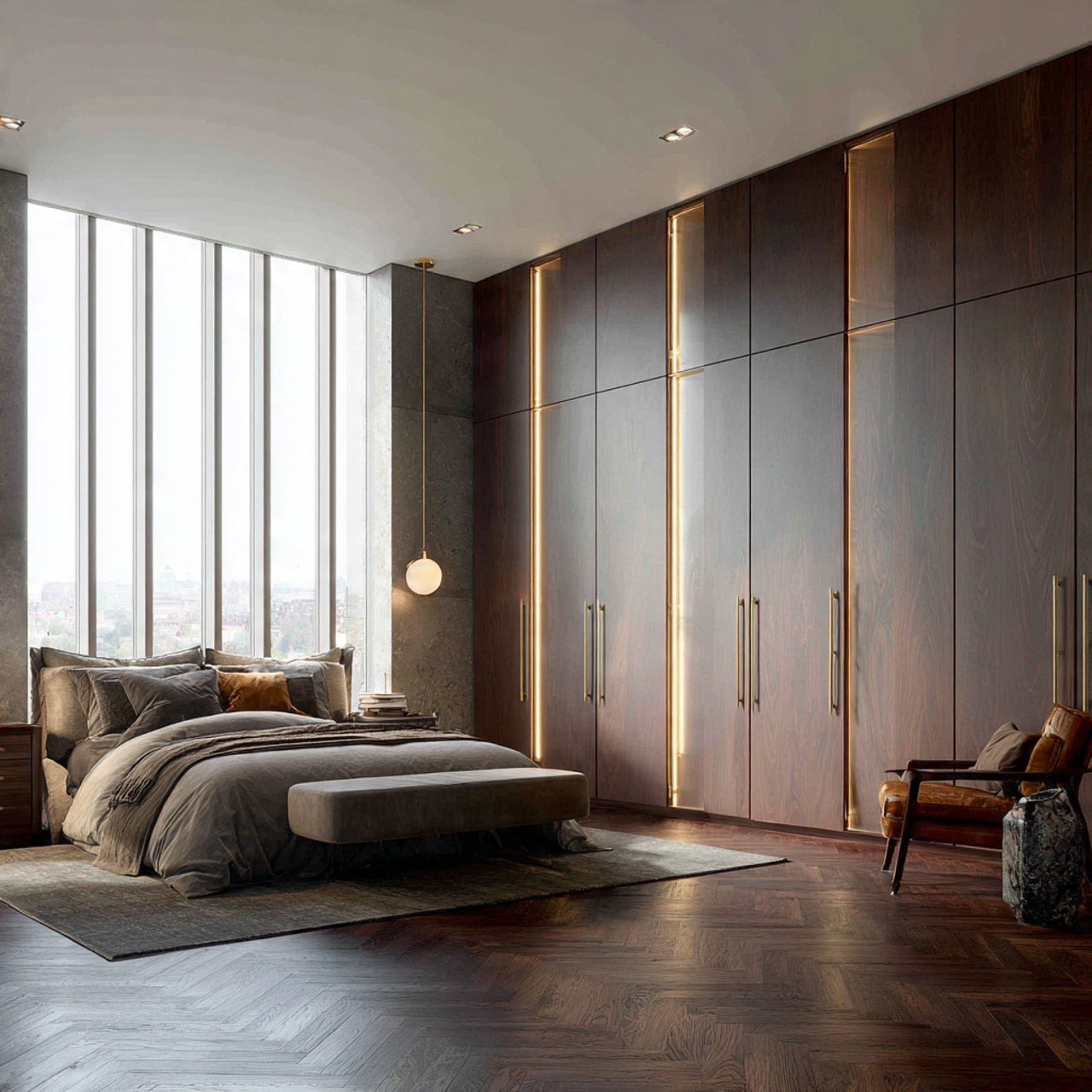
While they represent a greater initial investment, custom built-in units are the ultimate solution for optimizing storage in unique or awkward architectural spaces. Built-ins fit perfectly into alcoves, around windows, or under sloped ceilings, utilizing every millimeter that freestanding furniture often wastes. They offer a seamless, cohesive look.
These units can house everything from media centers and bookcases to hidden filing cabinets, all behind uniform cabinetry that maintains a sleek, uncluttered aesthetic. By making storage look like part of the home’s architecture, you successfully mask the sheer volume of items necessary for comfortable apartment living.
Portable and Movable Storage Carts
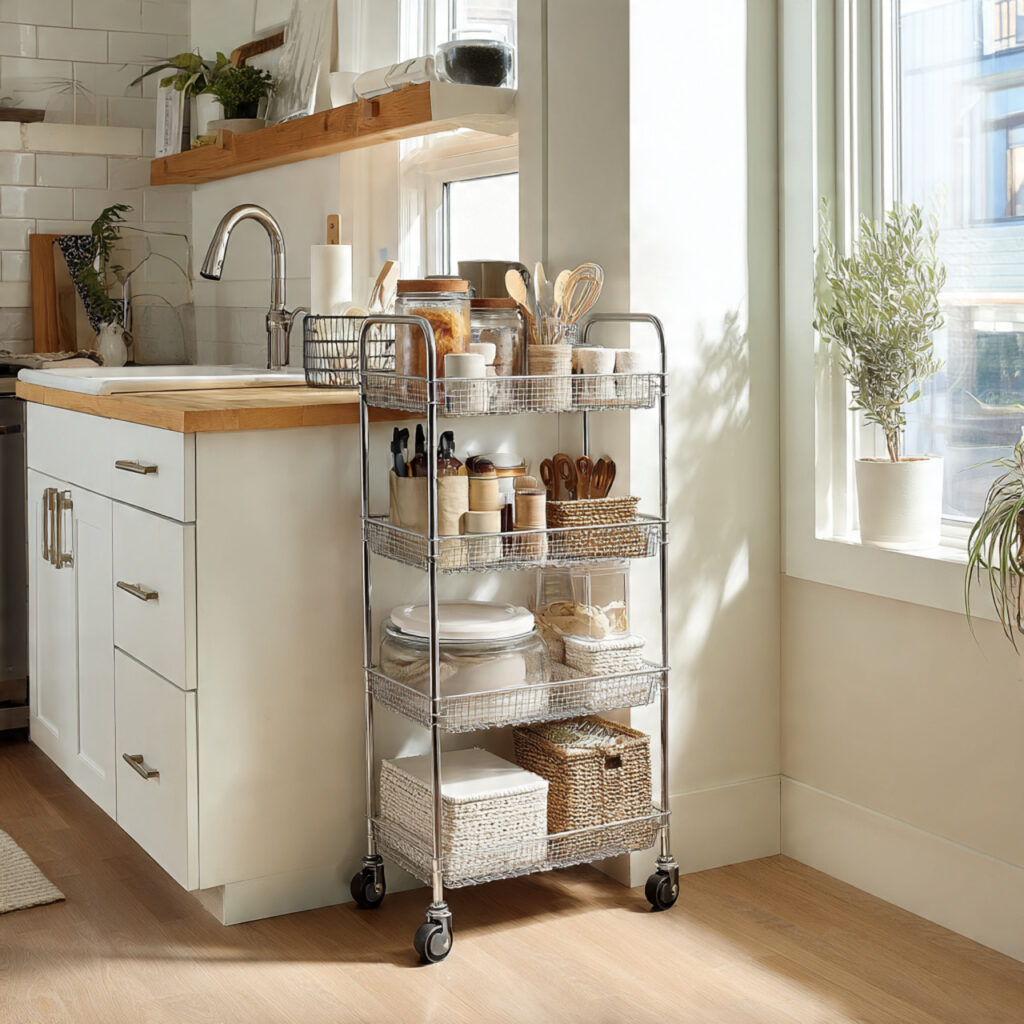
Flexibility is essential in small space living, and portable storage carts on wheels offer dynamic utility. A narrow rolling cart can serve as temporary kitchen prep space, a mobile bar cart for entertaining, or easily move cleaning supplies from room to room. When not in use, the cart can be neatly tucked into a closet or corner.
These carts are perfect for dorm rooms or studios where the function of a space changes frequently throughout the day. Opt for tiered carts with slim profiles and sturdy locking wheels for maximum stability and utility, allowing for seamless transition across zones.
The Role of Natural Light

Natural light is a powerful, yet often overlooked, element in successful small space living. Abundant sunlight makes a room feel larger, cleaner, and more welcoming. Avoid heavy drapes or blinds that block light; instead, opt for sheer curtains or light-filtering shades that maintain privacy while letting the sunshine flood in.
If a room is naturally dark, ensure that no large furniture pieces are placed directly in front of the windows, which could obstruct the minimal light available. Combining maximum natural light with a pale color scheme creates the ultimate illusion of spaciousness.
Minimalist Approach to Wardrobes

In tiny bedrooms, bulky wardrobes can quickly overwhelm the space. Adopting a minimalist approach to your wardrobe is a prerequisite for comfortable small space living. Start by strictly editing your clothing collection to include only pieces you wear regularly and truly love.
For storage, consider installing an open clothing rack or a simple system of metal pipes rather than a traditional heavy cabinet. This open concept minimizes the visual bulk and allows the room to breathe, provided you maintain an organized and tidy presentation of your clothes.
Choosing Slim-Profile Appliances

When outfitting a small kitchen or laundry nook, the physical dimensions of appliances matter significantly. Choosing slim-profile refrigerators, dishwashers, and washers/dryers frees up critical inches of counter space and floor area. Many manufacturers now offer counter-depth refrigerators specifically designed to avoid protruding awkwardly into the wall zone.
These compact versions still offer high functionality but respect the constraints of apartment living and small homes. Even choosing a flat-screen TV that mounts flush against the wall rather than one requiring a deep stand contributes to the overall goal of maximizing usable space.
Maximizing Bathroom Functionality
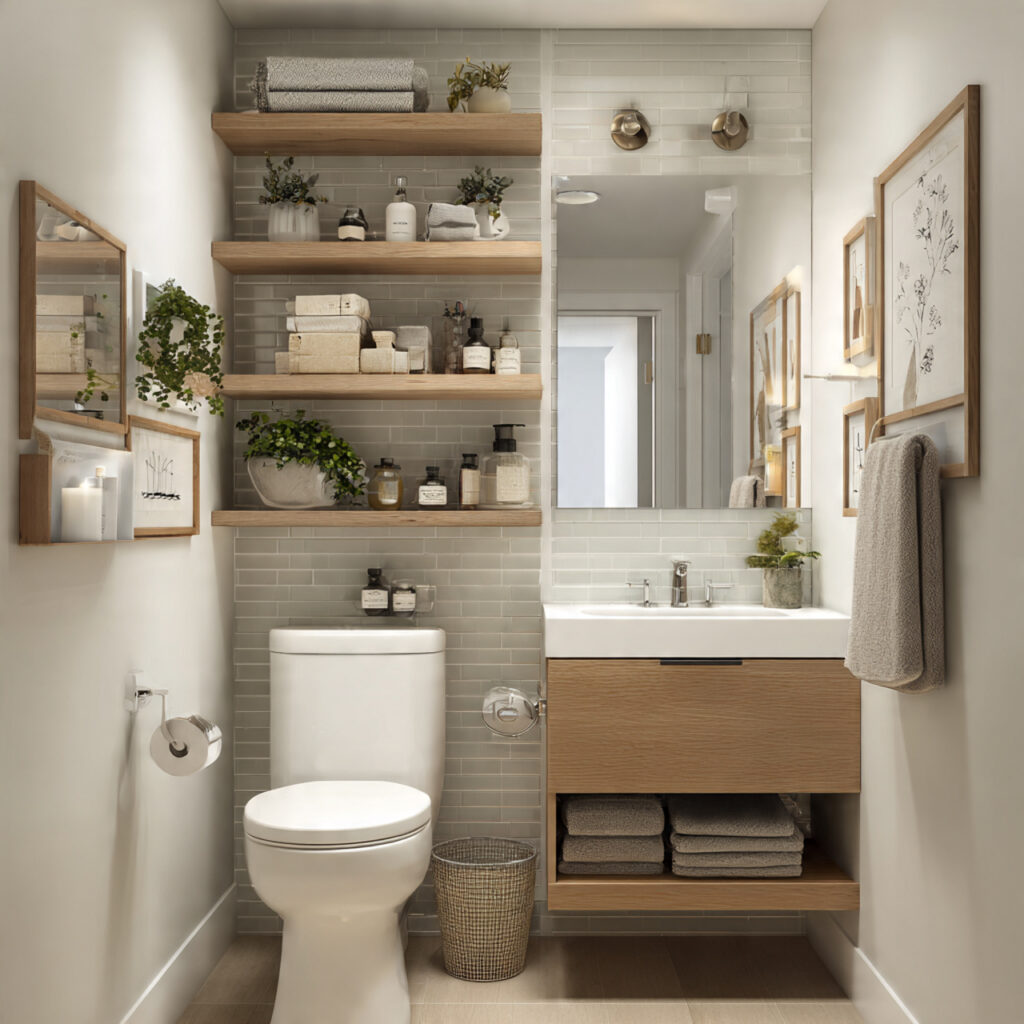
Small bathrooms demand inventive storage to keep necessary toiletries and towels organized without looking cluttered. Replace pedestal sinks with vanities that offer integrated cabinet space underneath, or install a deep medicine cabinet that recesses into the wall for a flush look.
Above the toilet, utilize vertical space by installing thin open shelves or a dedicated over-the-toilet shelving unit. Using wall-mounted dispensers for soap and toothbrushes also eliminates items from the limited counter space, upholding the principles of efficient small space living.
Utilizing Dead Corner Space

Corners are often inefficiently used, becoming dead space or awkward spots where junk accumulates. Instead, embrace the corner by selecting specially designed corner shelving units, desks, or even small, curved sofas. A corner reading chair with a floor lamp maximizes the functionality of an area that is usually ignored.
In the dining area, a built-in banquette or bench along a wall provides comfortable seating while offering hidden storage beneath the seat cushion. Making every corner productive is a hallmark of sophisticated small space living.
Stylish Storage Ottomans and Benches

Moving away from unsightly plastic bins, integrating stylish storage ottomans and benches provides dual benefits of comfortable seating or resting surfaces and hidden capacity. Place a large upholstered ottoman in the living room; it can serve as a coffee table (with a tray on top) and store throws, remote controls, and magazines.
In the entryway, a bench not only provides a spot to put on shoes but also lifts up to reveal storage for gloves, hats, and scarves. These decorative pieces are essential components that marry form and function seamlessly in a limited square footage environment.
Visit Also: Bathroom Renovation Ideas
Incorporating Retractable Dividers

For truly versatile and flexible small space living, retractable dividers—such as sliding doors, folding screens, or heavy track-mounted curtains—offer the ability to instantly transform a space. During the day, a sliding partition can open up a home office to the living room for a massive open feel.
At night, the partition can be closed to provide visual and sound privacy for the office, or to section off a sleeping area in a multi-use room. This level of on-demand customization ensures that the apartment can quickly adapt to hosting guests, working from home, or relaxing.
Balancing Function and Aesthetics

The true mark of excellence in small space living is successfully balancing function and aesthetics. Every decision should satisfy both criteria; a shoe rack should not only hold shoes efficiently but should also be attractive or discreetly hidden. Do not sacrifice beauty for mere practicality, or vice versa.
Achieving this balance means curating your possessions and focusing on quality over quantity. Choose beautiful materials, appealing textures, and a harmonious color palette, ensuring that the necessary elements of storage and utility enhance the room’s overall design, rather than detracting from it.
Smart Budgeting for Small Upgrades

While major renovations like custom built-ins require funds, successful small space living can be achieved through smart budgeting for small upgrades. Focus initial spending on high-impact, low-cost items like clever organizers, multi-functional furniture, and dramatic lighting solutions. These affordable changes yield the highest return on efficiency and visual appeal.
Prioritize items that solve your biggest organizational headaches, such as a sturdy over-the-door pantry organizer or a high-quality set of matching storage bins. Focusing on these thoughtful, incremental improvements ensures your limited budget delivers maximum impact without unnecessary debt.
FAQs About Small Space Living
What is the single best investment for optimizing a tiny apartment?
The most impactful investment is typically multi-functional furniture, specifically a high-quality sofa bed or a fold-down Murphy bed system. These items instantly free up a huge percentage of floor area when not in use, effectively transforming a studio into a living room or office during the day. This adaptability is the core of effective small space living design.
How can I make a small room look bigger without painting?
If painting isn’t an option, you can achieve visual expansion through large strategic mirror placement and by maximizing natural light. Place mirrors opposite windows to bounce light deep into the room. Additionally, choosing streamlined furniture with exposed legs and minimizing floor clutter prevents the space from feeling heavy or cramped.
Is open shelving or closed cabinetry better in small homes?
While open shelving can look airy and modern, closed cabinetry is generally superior for maintaining an uncluttered look in small space living. Closed storage hides the visual chaos of various items, ensuring that the room remains clean and restful. Use open shelving only for highly curated, aesthetically pleasing objects.
What should I look for when buying storage containers?
Always prioritize matching, modular storage containers that stack efficiently and fit perfectly within your existing cabinets or shelves. Choosing bins with a uniform color or material minimizes visual distraction and helps the space feel intentionally organized. Look for transparent containers for food items or opaque ones to hide clutter.
How do I maintain an organized small space long-term?
Long-term organization relies on adopting the “one-in, one-out” rule: every time you bring a new item into your home, you must remove a similar item. Regularly assess and declutter seasonal items or unused possessions. A daily five-minute tidying routine prevents clutter accumulation, which is crucial for successful small space living.
Conclusion
Mastering Small Space Living is truly a rewarding journey that shifts the focus from accumulating possessions to curating experiences and comfort within a streamlined environment. By implementing smart design principles like embracing vertical storage, utilizing adaptable furniture, and choosing a light-reflecting color palette, you can easily transform even the tiniest square footage into a highly sophisticated and fully functional home. The challenge of limited space ultimately encourages greater intentionality in every decision, leading to a space that is efficient, restful, and uniquely your own.
The principles discussed, from smart budgeting to the strategic use of mirrors, provide a comprehensive roadmap for maximizing every corner and surface. Remember that successful small space living is a continuous process of editing and refinement. By remaining committed to keeping only what serves a genuine purpose, you ensure your home remains a peaceful sanctuary, proving that true comfort and style are never dictated by size.