11 Stunning Sliding Door Ideas That Transform Small Spaces
Sliding doors have quietly become one of the most practical upgrades in modern homes, especially when space feels limited. Instead of losing valuable room to swinging doors, sliding doors allow layouts to feel open while still providing privacy when needed. I have noticed that even a simple sliding door can make a small home feel more flexible and thoughtfully designed.
Many homeowners initially focus on furniture and wall colors, but door placement often shapes how comfortable a space actually feels. In real homes, sliding doors often solve layout problems without major renovations. Over time, they also create a cleaner and more modern look that feels intentional rather than crowded.
Sliding door ideas work best when space separation, flexible layouts, and thoughtful styling create a home that feels open yet comfortably private.
Why Sliding Door Ideas Improve Everyday Comfort
Sliding door ideas have become more popular as open layouts continue to dominate modern home design. While open spaces feel airy, they sometimes lack privacy, which is where sliding doors quietly solve the problem. They allow rooms to stay connected while still offering separation when needed.
In many real homes, sliding doors also improve movement and functionality without requiring extra space. One thing I have noticed is that sliding doors often make smaller homes feel more organized and calm. Instead of blocking pathways, they create a smoother flow that feels more natural throughout the home.
Door Ideas That Transform Layout and Comfort
Ceiling Height Sliding Doors That Create an Open Luxury Feel
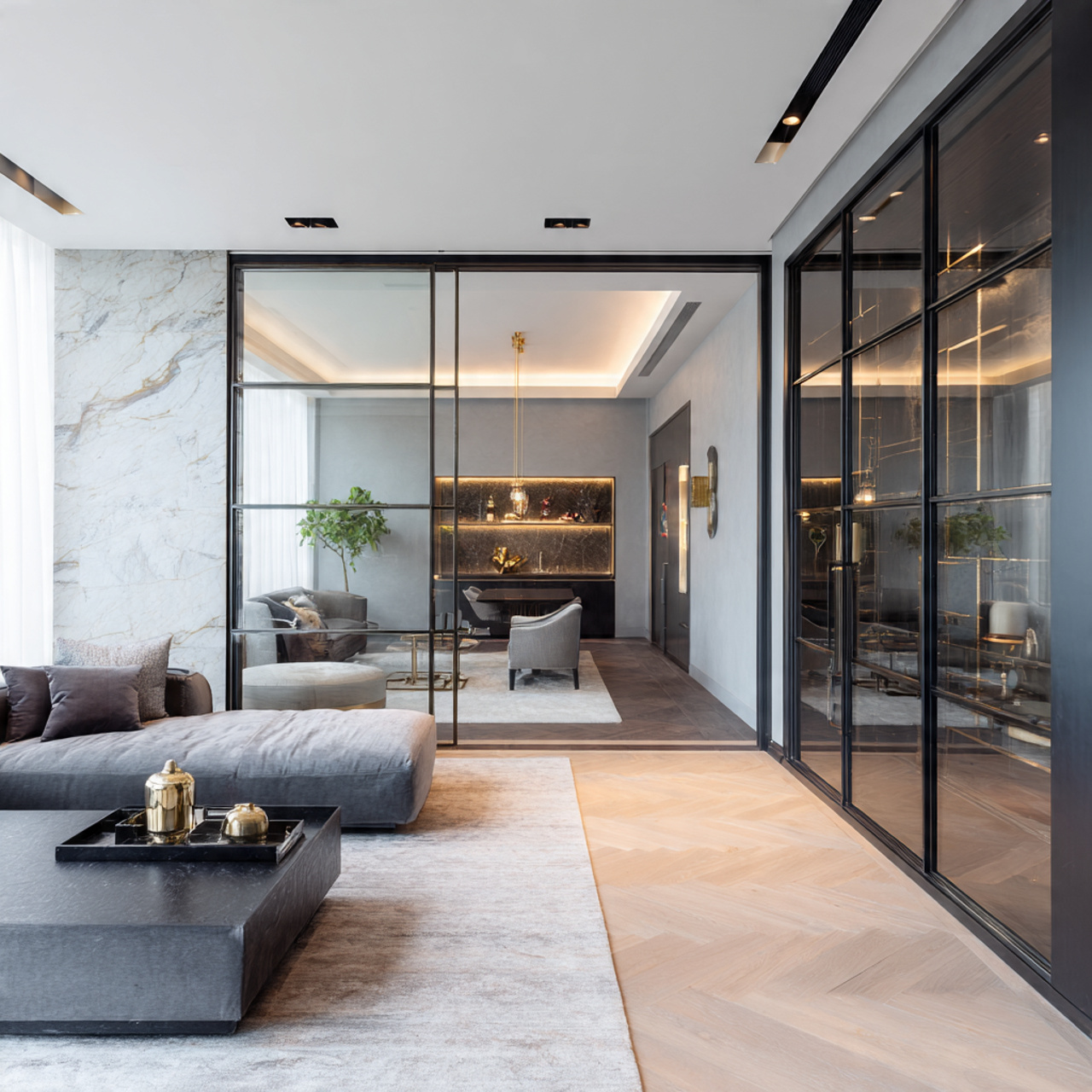
A floor to ceiling door instantly changes how a space feels, especially in open living areas. The tall panels draw the eye upward while soft daylight filters across the floor, making the room feel larger and more intentional. In many modern homes, this type of sliding door quietly becomes a statement without overwhelming the room.
This works because vertical lines naturally create a sense of height and openness. Traditional doors often break visual flow, while ceiling height sliding doors allow the layout to feel seamless. Over time, this subtle design choice makes even compact spaces feel more relaxed and spacious.
To apply this idea, choose neutral tones such as warm white, soft wood, or muted greige. Keep the surrounding walls simple so the door blends naturally into the room. Slim tracks and minimal framing also help maintain a clean, modern look.
Tip: Choose light colored panels to keep tall doors that are sliding, from feeling heavy.
Hidden Wall Sliding Doors That Blend Seamlessly Into the Room
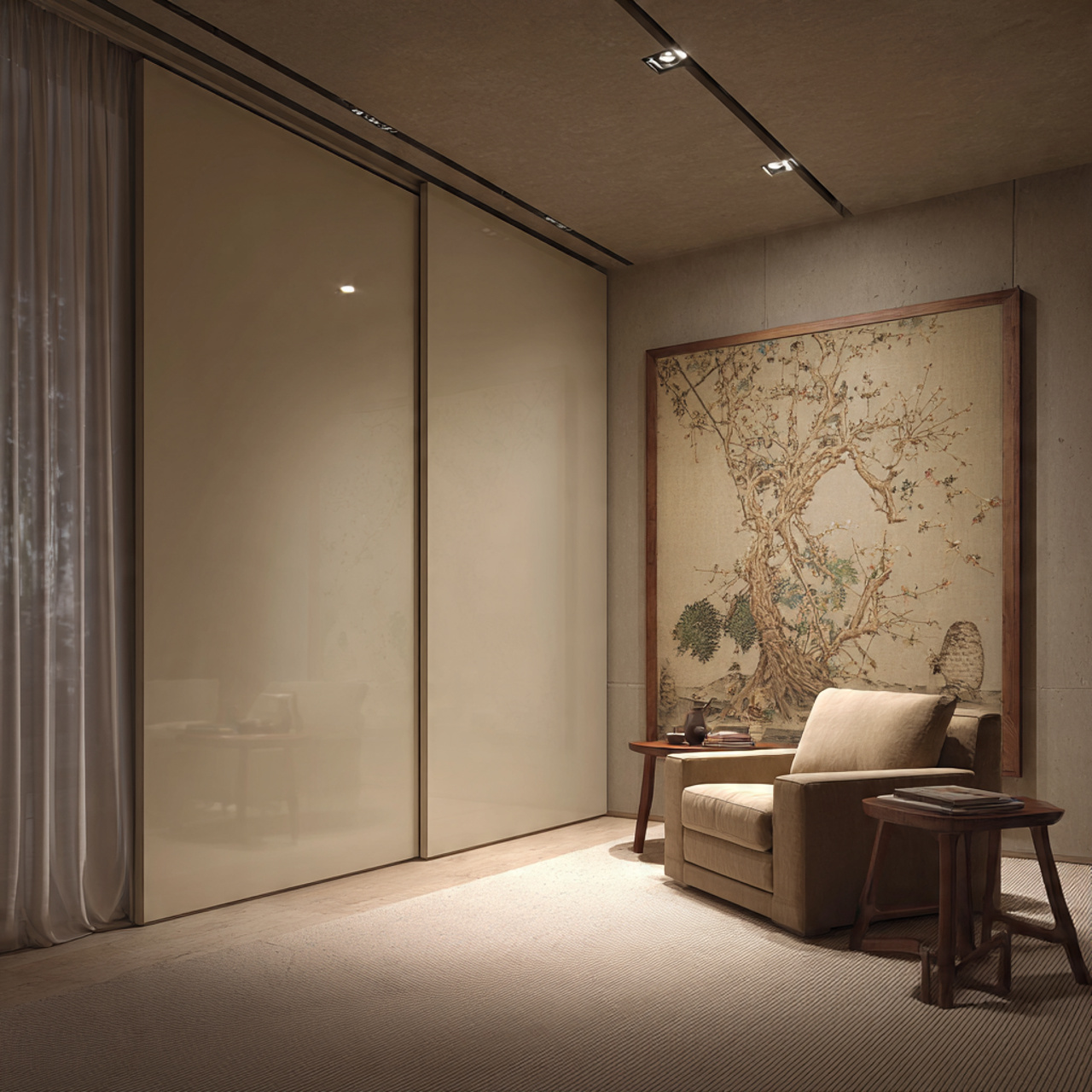
At first glance, the wall looks continuous, but with a gentle slide, a hidden door quietly reveals another space. This type of sliding door feels calm and uncluttered, especially in bedrooms, offices, or hallway transitions. I have noticed this approach makes homes feel thoughtfully designed without drawing too much attention.
Hidden sliding doors work well because they reduce visual interruptions. Instead of seeing multiple door frames, the room feels smooth and cohesive. Over time, this creates a calm atmosphere that feels more spacious and less crowded.
To recreate this look, match the slide door finish with the surrounding wall paneling or paint color. Subtle grooves, flat panels, or textured finishes help the door disappear into the background. Soft close tracks also enhance the seamless experience.
Tip: Matching wall color to the door makes the hidden effect more convincing.
Sliding Divider Between Living Room and Dining Area
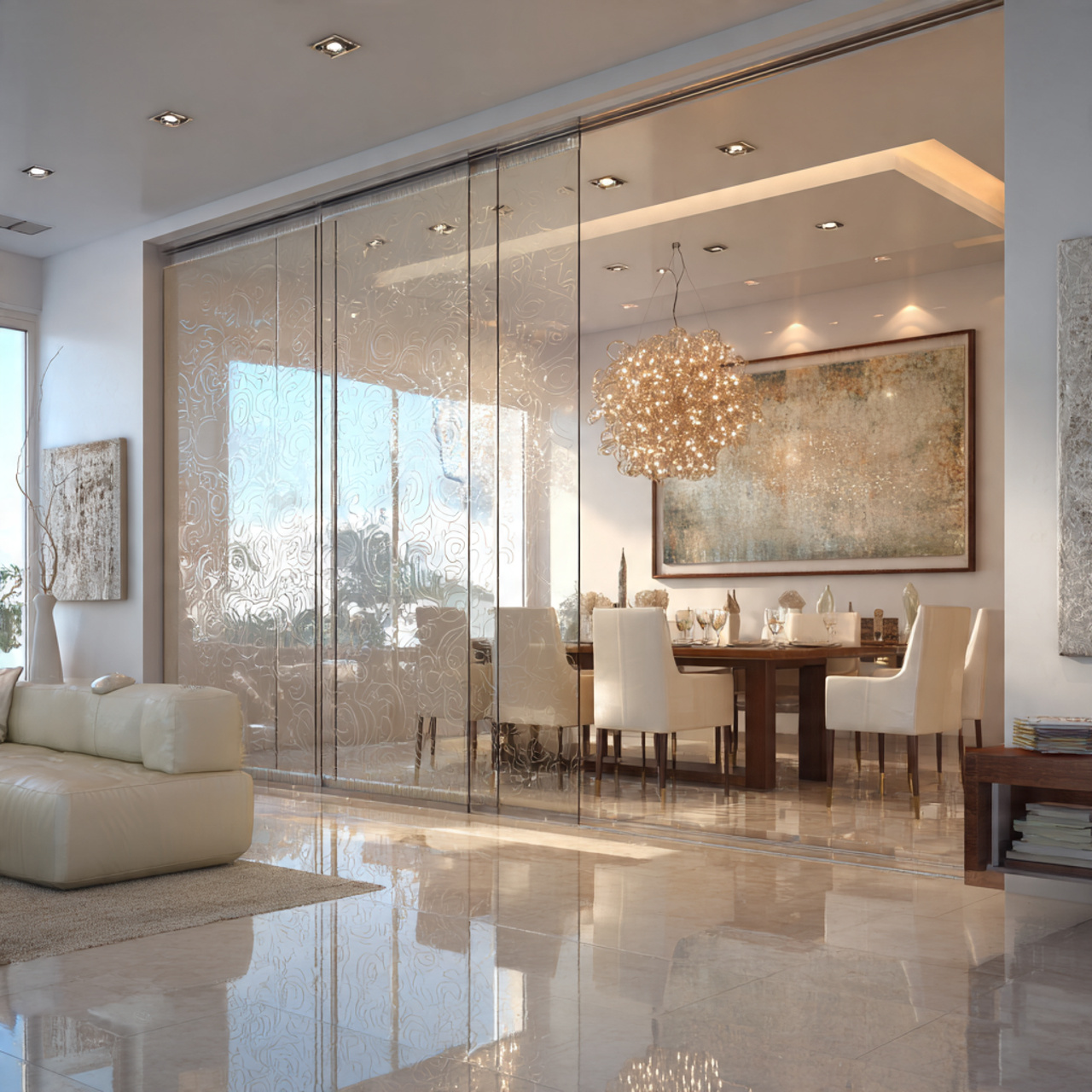
In open concept homes, sliding dividers between living and dining areas create flexibility without sacrificing openness. During the day, the space remains connected, while in the evening, the divider can gently separate areas for a quieter atmosphere. This layout often feels more comfortable for both entertaining and everyday living.
This works because modern homes often need adaptable spaces. A sliding divider allows movement and openness while still offering privacy when needed. Many homeowners realize over time that flexible layouts make homes easier to live in.
To apply this idea, choose glass panels, wood slats, or soft neutral finishes depending on your decor style. Keep furniture placement aligned so the divider feels intentional rather than added later. Balanced lighting on both sides also improves the visual flow.
Tip: Align furniture with the divider to keep the layout feeling organized.
Soft Frosted Glass Sliding Doors for Calm Privacy
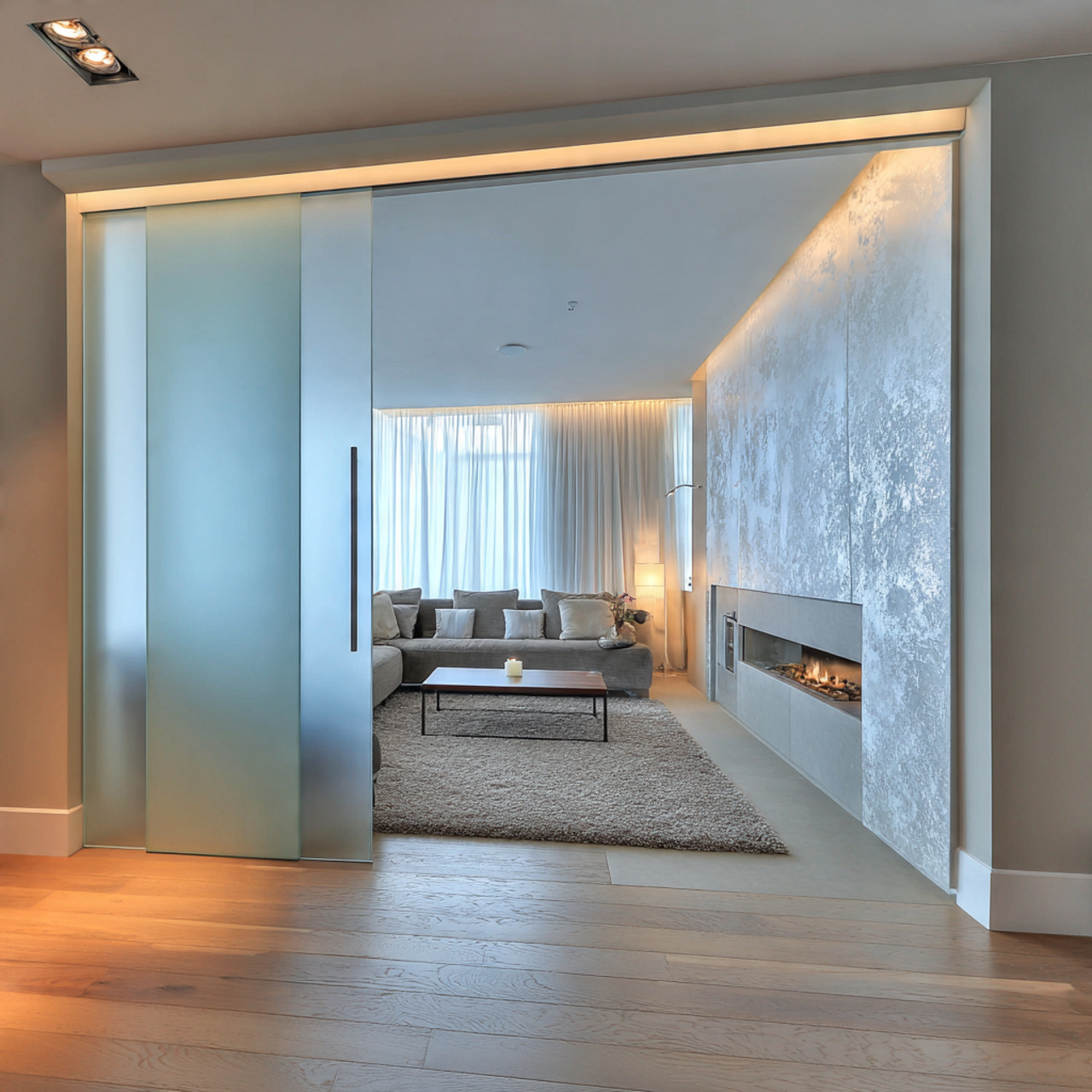
Frosted glass slide doors allow light to pass through while maintaining privacy, which works beautifully in bedrooms, home offices, or bathrooms. Soft daylight filtering through the frosted surface creates a calm and gentle atmosphere. In many homes, this subtle lighting effect makes rooms feel brighter without losing comfort.
This design works because it balances openness and privacy at the same time. Traditional solid doors block light, while clear glass reduces privacy. Frosted glass offers a comfortable middle ground that works well in everyday living.
To use this idea, choose matte black frames for modern homes or soft wood frames for warmer interiors. Keep surrounding decor simple so the frosted texture becomes the visual highlight. Soft lighting nearby enhances the calming effect.
Tip: Frosted glass works best when paired with soft neutral wall colors.
Sliding Bedroom Doors That Save Space in Compact Layouts
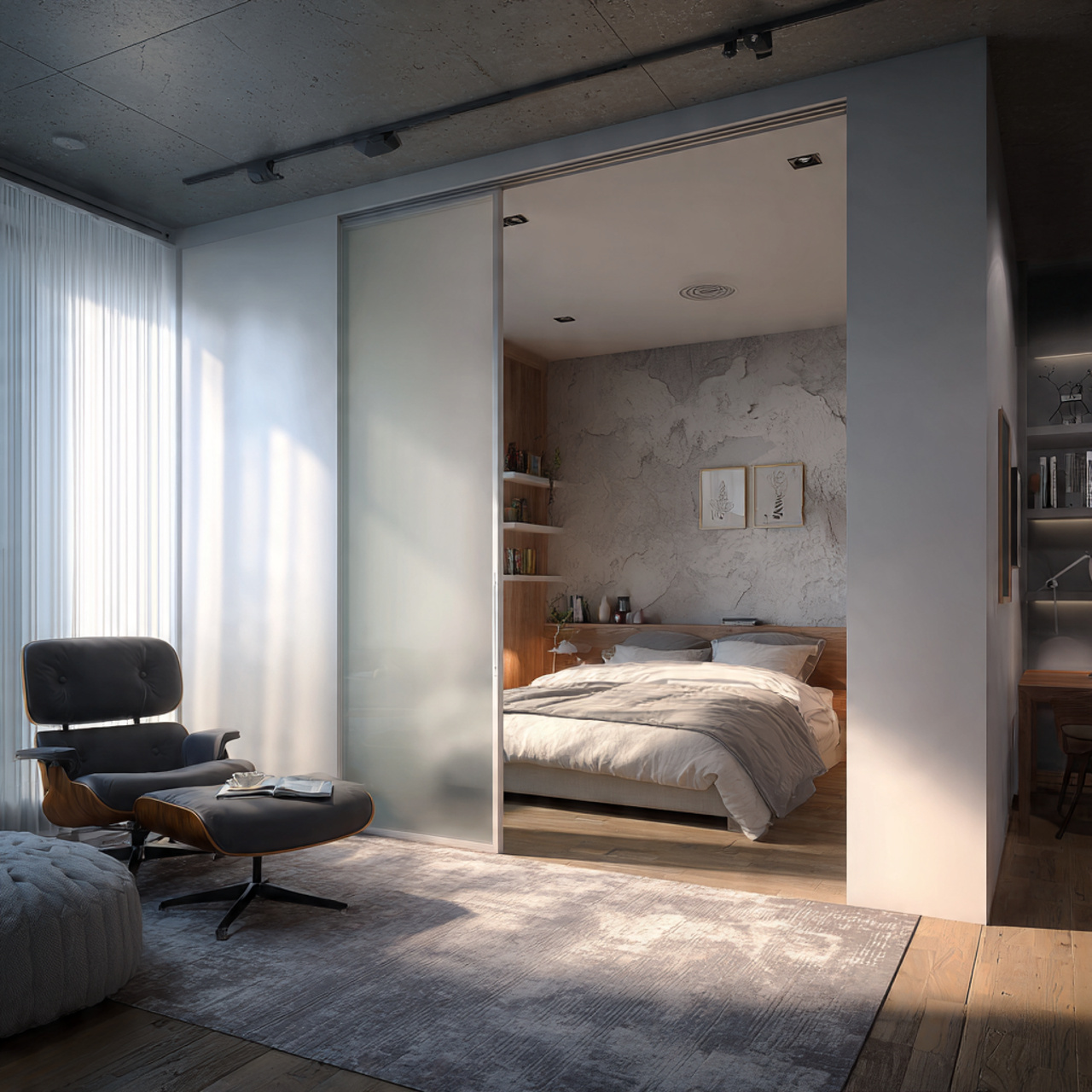
Small bedrooms often feel cramped when traditional doors take up valuable floor space. Sliding bedroom doors remove this issue and create a smoother layout. I have noticed that even small bedrooms feel more comfortable when movement becomes easier.
This works because slide doors eliminate swing clearance, allowing better furniture placement. Beds, nightstands, and wardrobes can be positioned more efficiently. Over time, this improves both comfort and functionality.
To apply this idea, choose light colored panels or mirrored surfaces to reflect light. Keep the design simple to avoid visual clutter in smaller rooms. Soft textures around the door also help maintain a cozy feel.
Tip: Choose slim track systems to keep the bedroom feeling open.
Sliding Pantry Doors That Improve Kitchen Organization
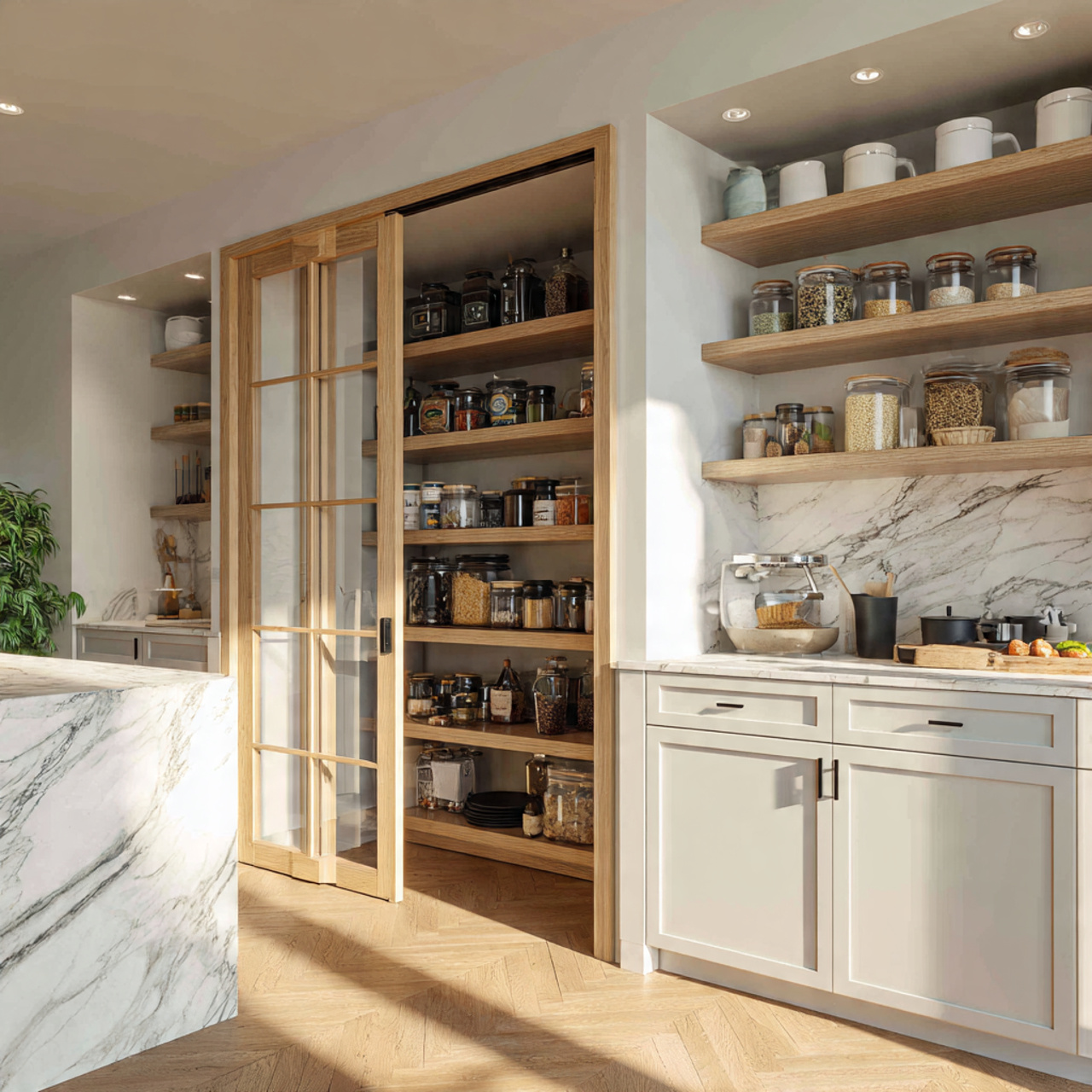
A sliding pantry door quietly improves kitchen flow, especially in compact layouts. Instead of blocking walkways, the sliding door allows easy access while keeping storage hidden. In many homes, this simple change makes kitchens feel more organized.
This works because kitchens often need efficient movement and quick access. Sliding pantry doors allow better workflow without adding visual bulk. Over time, this makes daily routines feel smoother and less cluttered.
To recreate this idea, use wood panels, glass inserts, or neutral finishes that match kitchen cabinets. Keep the door close to the storage area for convenience. Warm lighting nearby also enhances the welcoming feel.
Tip: Match pantry door finishes with cabinetry for a cohesive look.
Decorative Sliding Panel Doors That Double as Wall Features
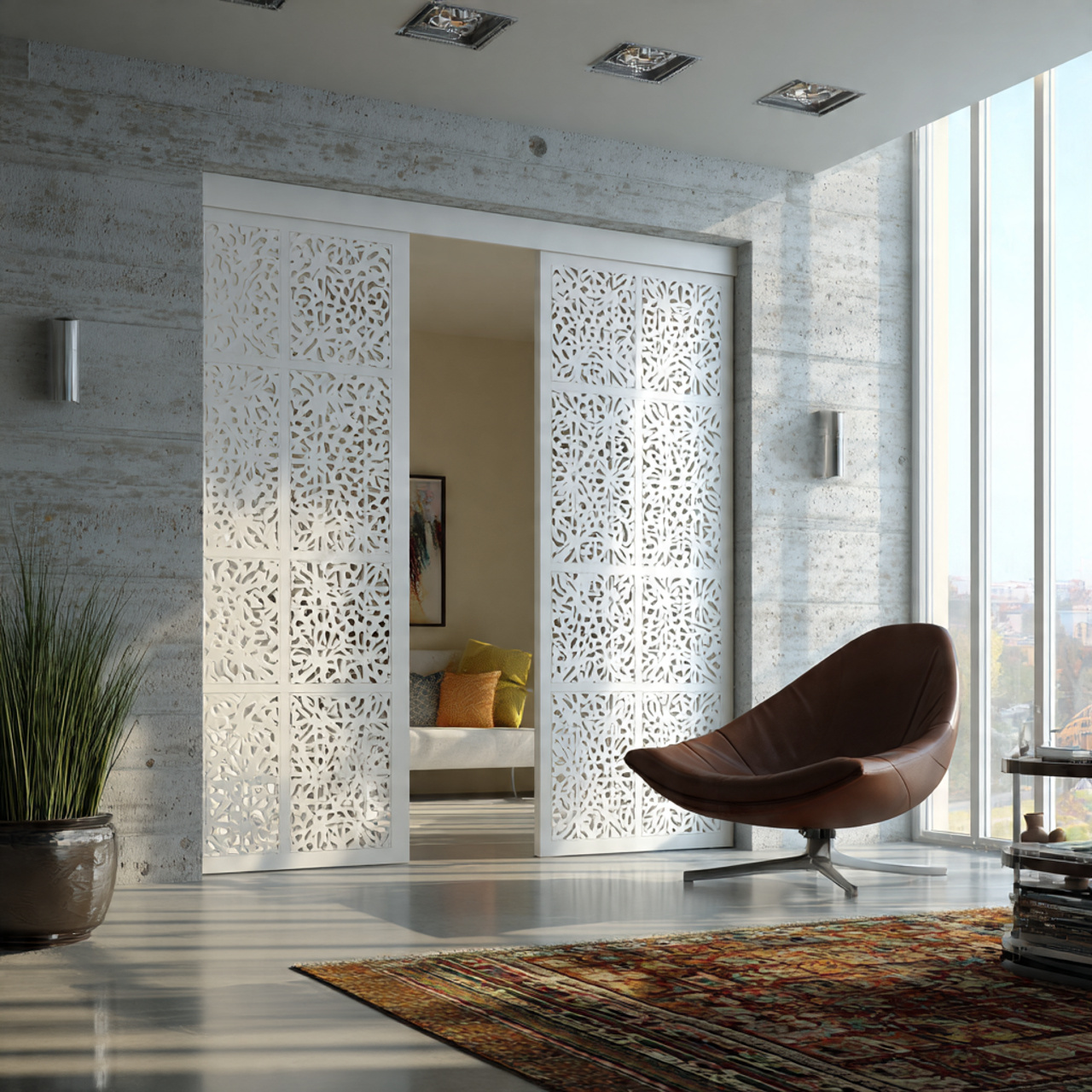
A decorative sliding panel door can feel like part of the wall until it gently moves to reveal another space. Wood slats, textured panels, or soft fabric surfaces create depth while keeping the room visually calm. I have noticed that when sliding doors double as wall features, they make homes feel more thoughtfully styled.
This approach works because the door becomes part of the overall design instead of just a functional element. Instead of adding more decor, the door itself contributes texture and interest. Over time, this creates a more layered and balanced interior without adding clutter.
To apply this idea, choose materials that match the room’s tone such as vertical wood slats, soft neutral panels, or subtle textured finishes. Keep surrounding decor simple so the sliding panel becomes the focal point. Soft lighting nearby also enhances the texture and warmth.
Tip: Vertical slat panels help make ceilings appear taller and rooms feel larger.
Double Sliding Doors That Create Flexible Open Layouts
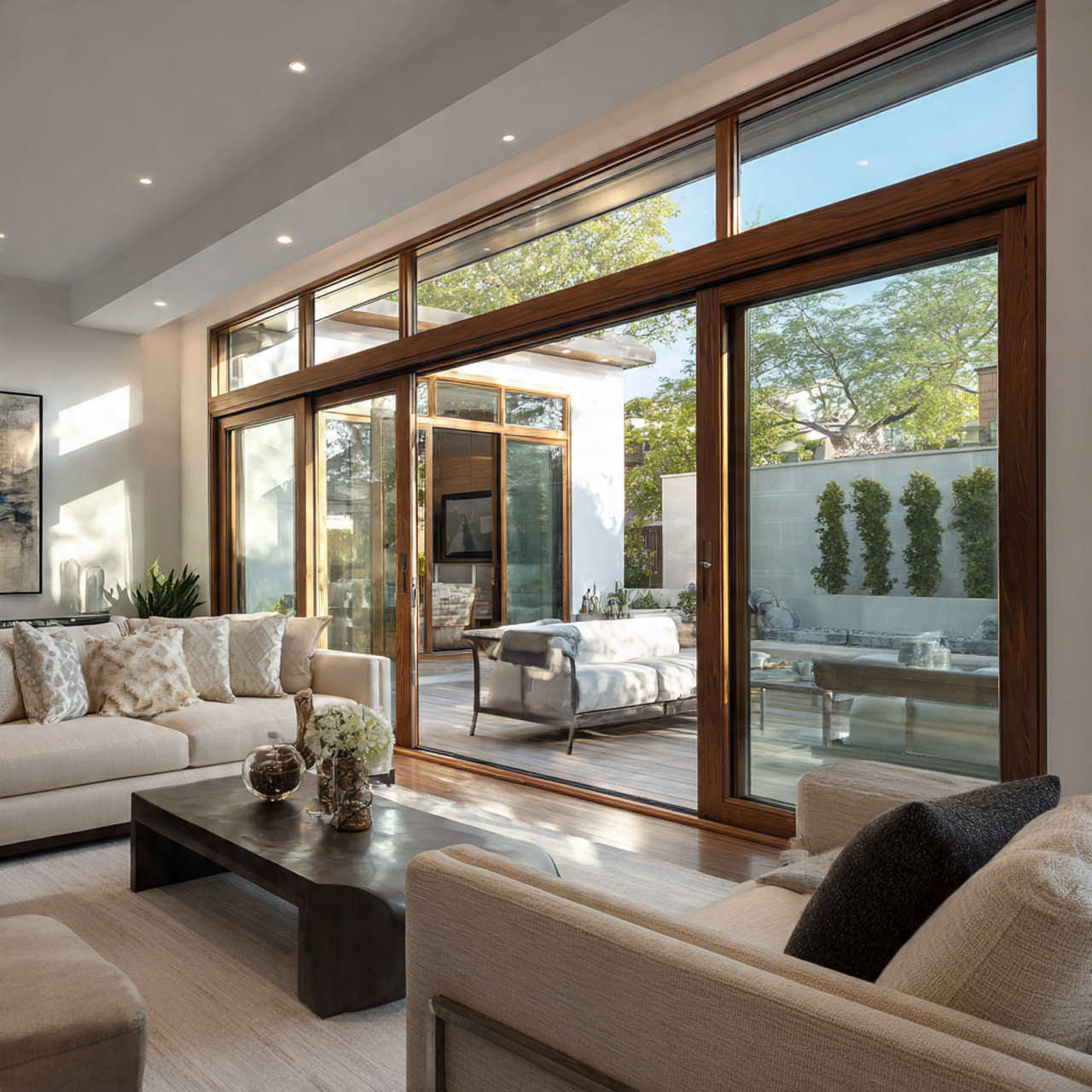
Double doors sliding create a wide opening that allows rooms to feel connected or separated depending on the moment. When open, the space feels expansive and airy, while closing the doors creates a more intimate environment. This flexibility works beautifully in living rooms, offices, or dining areas.
This works because modern homes often need adaptable layouts for different activities. Double sliding doors allow movement without permanently dividing spaces. Many homeowners find that this flexibility improves comfort during gatherings or quiet evenings.
To apply this idea, choose symmetrical doors that slide in opposite directions. Light wood finishes, soft neutrals, or glass panels help maintain openness. Keep furniture aligned with the doorway so the layout feels intentional.
Tip: Choose light materials to keep double doors sliding from feeling visually heavy.
Sliding Closet Doors With Mirrors That Brighten Small Rooms
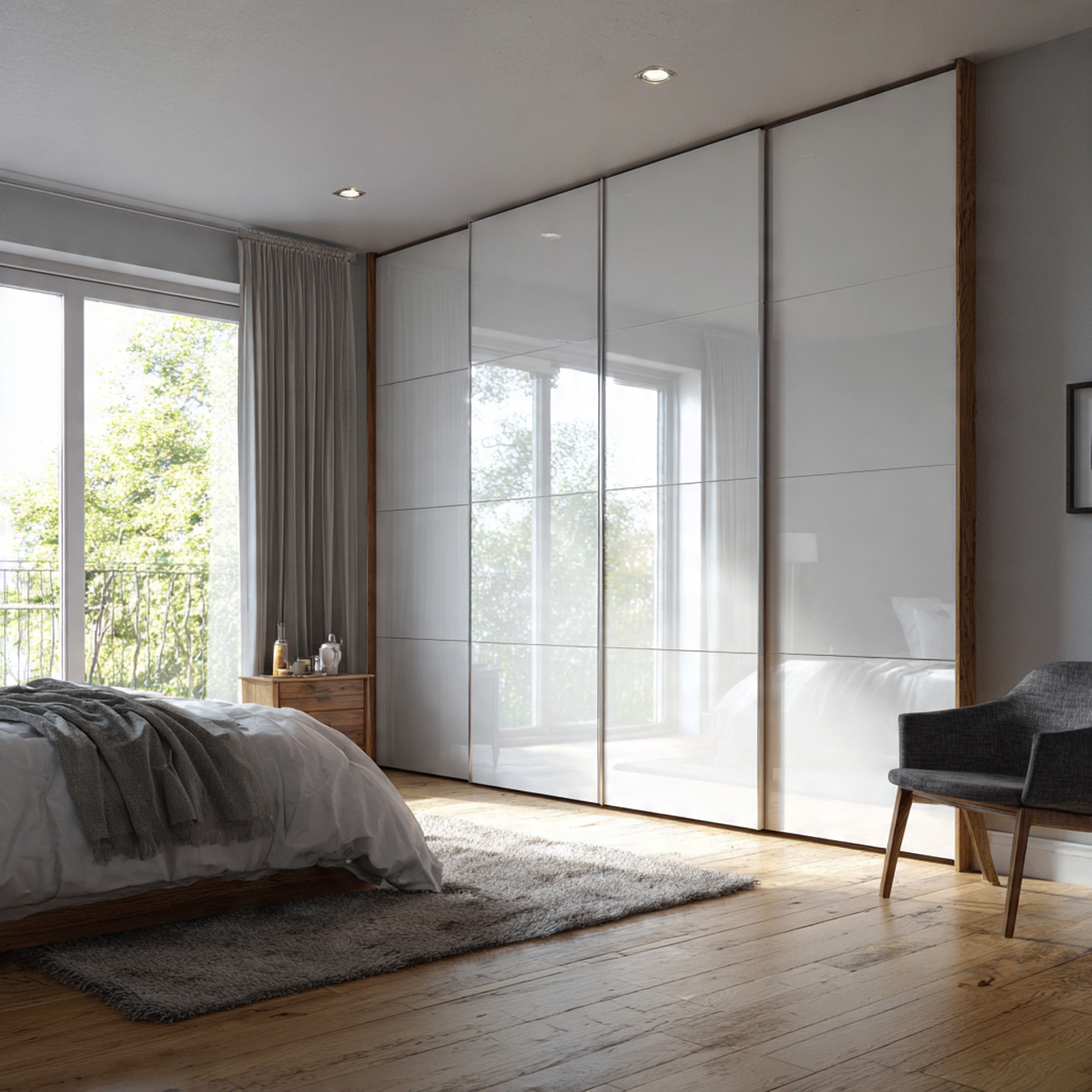
Mirror sliding closet doors quietly make small bedrooms feel brighter and more spacious. Natural light reflects across the room, softening shadows and creating a more open feeling. In many homes, this simple upgrade makes a noticeable difference in how comfortable the bedroom feels.
This works because mirrors visually expand space and improve lighting. Sliding doors also eliminate swing space, allowing better furniture placement. Over time, this combination creates a more functional and relaxed bedroom layout.
To recreate this idea, choose full length mirrored panels or soft framed mirrors. Keep surrounding furniture simple to avoid visual clutter. Warm lighting also enhances the reflective brightness.
Tip: Position mirrored sliding closet doors where they can reflect natural light.
Hidden Sliding Door for Home Office Privacy
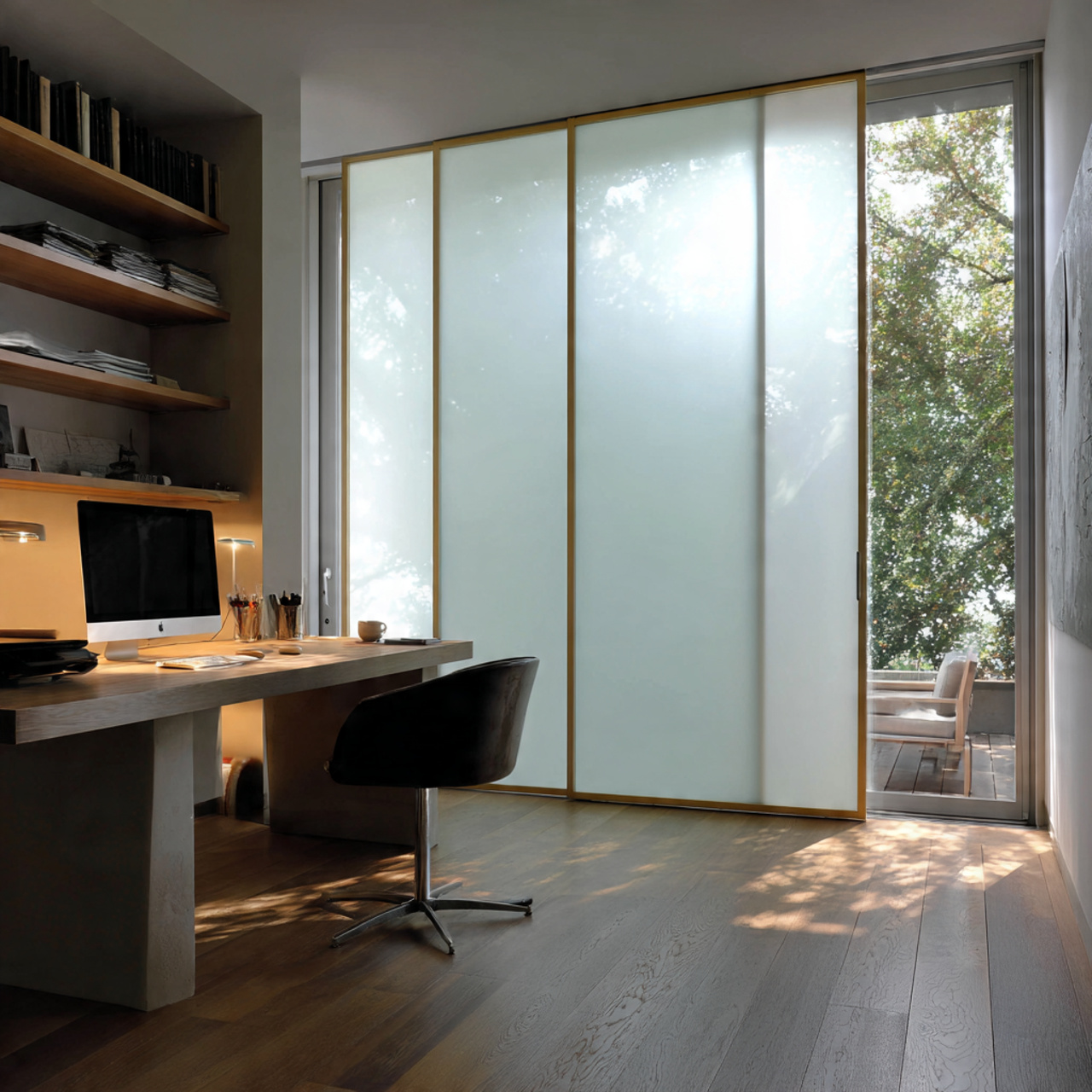
A hidden slide door for a home office creates privacy without disrupting the rest of the home. When closed, the workspace feels quiet and focused, and when open, the area blends naturally into the layout. I have noticed this works especially well in multipurpose homes.
This works because many homes now include flexible workspaces. A hidden sliding door allows separation without permanent walls. Over time, this helps maintain both productivity and comfort.
To apply this idea, match the door color with surrounding walls or paneling. Choose smooth finishes and minimal hardware for a seamless look. Soft lighting inside the office also enhances the calm environment.
Tip: Use soft close sliding tracks to keep the space feeling quiet and smooth.
Minimal Sliding Door Dividers for Open Concept Homes

Sliding minimal door dividers keep open concept homes feeling airy while still offering structure. Slim frames and neutral finishes allow the space to remain bright and uncluttered. In many modern homes, this approach feels both functional and visually calm.
This works because minimal designs reduce visual interruptions while still dividing spaces. Open concept homes often benefit from subtle separation rather than solid walls. Over time, this helps create better balance in the layout.
To apply this idea, choose slim framed sliding doors in soft neutral tones. Keep nearby furniture simple and aligned with the divider. Natural light enhances the clean and modern look.
Tip: Sliding Slim frame doors maintain openness while adding gentle structure.
A Real Sliding Door Layout That Feels Calm and Balanced
Morning light moves softly across the living room while a slim sliding door sits quietly between the lounge and dining area. When open, the space feels airy and connected, and when closed, the room shifts into a calmer and more private setting. The soft texture of wood panels and neutral walls makes the sliding door feel like part of the room rather than a separate feature.
The layout feels balanced because furniture placement follows the natural movement created by the sliding door. A sofa anchors one side while a dining table sits comfortably beyond the divider, allowing both areas to feel intentional without feeling crowded. Over time, this kind of layout creates a home that feels flexible, relaxed, and easy to live in throughout the day.
Best Colors and Materials
Warm White (#F5F3EF)
Warm white works beautifully on sliding door panels and surrounding walls. It reflects natural light and keeps the space feeling open and soft. This color pairs especially well with light oak, linen textures, and matte black accents.
Soft Greige (#D8D3CC)
Soft greige creates a calm and balanced atmosphere for sliding door interiors. It works well in bedrooms, living rooms, and open layouts where a neutral tone feels relaxing. This shade pairs naturally with wood finishes, brushed metal, and woven textures.
Light Oak Wood (#D2B48C)
Light oak brings warmth without making the sliding door feel heavy. It works especially well in modern and Scandinavian inspired homes. This tone pairs beautifully with white walls, soft fabrics, and subtle black hardware.
Matte Black Accent (#2F2F2F)
Matte black works best for sliding door frames and hardware details. It adds contrast while keeping the design modern and clean. This finish pairs well with glass panels, warm woods, and neutral color palettes.
Room Size and Lighting Guide
Doors for Small Rooms
Sliding doors save space by removing door swing clearance. Light colors or glass panels help small rooms feel brighter and more open.
Doors for Large Rooms
Double or ceiling height sliding doors help define large open spaces. These designs keep layouts structured without making rooms feel closed.
Doors for Low Natural Light Rooms
Frosted glass or mirrored sliding doors help reflect available light. Soft neutral finishes also prevent spaces from feeling dark or heavy.
Doors for Bright Natural Light Rooms
Wood or textured sliding doors work beautifully in bright spaces. Natural light enhances materials and creates a warm balanced look.
Common Sliding Door Decorating Mistakes to Avoid
Choosing Heavy Sliding Doors in Small Rooms
Heavy sliding doors often look stylish at first, especially when made from thick wood or dark materials. In smaller rooms, these doors can quickly make the space feel tighter and more visually crowded.
Lighter finishes such as frosted glass, light wood, or neutral panels help maintain openness. Slimmer door designs also allow small rooms to feel brighter and more comfortable.
Ignoring Track Placement and Ceiling Alignment
Sliding door tracks are sometimes overlooked, but they affect how polished the space feels. Bulky or low mounted tracks can interrupt the clean visual flow of the room.
Slim ceiling mounted tracks create a seamless and modern appearance. This small adjustment helps sliding doors blend naturally into the overall design.
Using Dark Sliding Doors in Low Light Spaces
Dark sliding doors can create a dramatic look, but they often make dim rooms feel smaller. Limited natural light combined with dark finishes can reduce brightness and visual balance.
Light colors, frosted glass, or mirrored panels help reflect available light. These options keep the room feeling open and more inviting.
Forgetting Wall Space Around Sliding Doors
Sliding doors need enough wall space to open fully, which is sometimes missed during planning. Furniture placed too close can limit movement and reduce functionality.
Leaving clear wall space helps doors operate smoothly and keeps layouts balanced. Planning this early prevents layout problems later.
Common Questions About Sliding Door Ideas
Are sliding doors good for small homes?
Sliding doors work especially well in small homes because they do not require swing space. This allows furniture placement to feel more flexible and comfortable. In many smaller layouts, sliding doors quietly improve movement and reduce visual clutter.
Where should sliding doors be used inside a home?
Sliding doors work best between living areas, bedrooms, closets, and home offices. These spaces benefit from flexible separation without making the home feel closed off. Many homeowners also use sliding doors in kitchens and storage areas for better organization.
Do sliding doors provide enough privacy?
Sliding doors can provide good privacy depending on the material used. Frosted glass, wood panels, and textured finishes all offer comfortable separation while still maintaining a modern look. In real homes, soft close sliding doors also help create a quieter atmosphere.
Are sliding doors modern or traditional?
Sliding doors are widely used in modern interiors, but they can also work in traditional homes. The design style depends on materials such as wood, glass, or paneled finishes. Neutral sliding doors tend to blend naturally with many interior styles.
Are sliding doors expensive to install?
Sliding doors can vary in cost depending on size and material. Simple sliding systems are often more affordable than major renovation changes. Many homeowners find sliding doors a practical upgrade that improves layout without extensive remodeling.
Sliding Door Ideas That Create Flexible and Comfortable Homes
Sliding door ideas offer a simple way to improve layout, comfort, and visual flow without major renovation. When placed thoughtfully, sliding doors create flexible spaces that feel open during the day and more private when needed. Many homeowners discover that this small change improves everyday movement and makes rooms feel calmer.
Over time, sliding doors also contribute to a more intentional and modern interior design. Whether used in bedrooms, living areas, or kitchens, they allow homes to adapt to changing needs while maintaining a clean look. Starting with one sliding door in a key area often becomes the first step toward creating a more balanced and comfortable home.