25 Best Sage Green Living Room Ideas for Cozy, Chic Decor
Sage green living room ideas offer a refreshing and timeless approach to interior design, bringing the calming essence of nature right into the heart of your home. This nuanced, muted shade of green, reminiscent of the herb itself, is celebrated for its versatility and ability to create a truly serene atmosphere. It acts as a sophisticated neutral, pairing effortlessly with a wide range of materials and palettes, making it a perfect choice for homeowners looking to cultivate a peaceful, stylish space.
Choosing sage green for your main living area is an investment in tranquility and aesthetic longevity. Unlike bolder, trend-driven colors, sage green possesses an inherent classic quality that prevents it from feeling dated after a few seasons. Whether you’re planning a complete overhaul or just seeking to introduce subtle touches, understanding how to effectively use this magnificent color will transform your living room into a sanctuary of calm.
Exploring the Versatility of Sage Green Living Room Ideas
The beauty of incorporating a sage green living room lies in its incredible adaptability across different design aesthetics, from rustic farmhouse to sleek modern minimalist. This particular shade has a unique grounding quality that instantly makes a room feel more balanced and harmonious, connecting the indoor space with the natural world outside. It’s a color that speaks of quiet sophistication and understated elegance, moving beyond simple trends to establish a truly timeless look.
When conceptualizing your design, consider sage green not just as a wall color but as a foundational element that can be woven into textiles, furniture, and decorative accents. Its muted tone provides a soft backdrop that allows other elements, such as textured throws, warm wood tones, or metallic finishes, to truly shine. This flexibility ensures that your final design feels cohesive, deeply personal, and, most importantly, incredibly restful.
Sage Green Living Room Paint Colors

Selecting the perfect shade of sage green for your walls is the critical first step in defining the mood of your entire space. The range of options extends from lighter, almost silvery greens to deeper, more olive-hued variants, each offering a distinct feel. Testing swatches on your wall is highly recommended, as natural light and surrounding furnishings can dramatically alter how the color is perceived throughout the day, ensuring you achieve the exact calm you desire.
A lighter sage green can make a smaller living room feel expansive and airy, acting as a neutral backdrop that highlights your furniture and decor. Conversely, a richer, more saturated tone can create an enveloping, cozy atmosphere perfect for a snug den or a reading corner. Consider the room’s orientation to sunlight—cooler, north-facing rooms benefit from a warmer sage, while sun-drenched, south-facing rooms can handle a slightly cooler shade.
Accenting with Terracotta

The combination of sage green and terracotta is a design pairing rooted deeply in natural harmony, reminiscent of lush foliage meeting warm, baked earth. Terracotta, with its inherent warmth and rustic texture, provides a beautiful contrast to the cool, muted tones of sage green. This combination is especially effective in creating a Mediterranean or Southwestern-inspired aesthetic, bringing an organic, earthy feel to your home.
You can introduce terracotta through subtle elements like decorative vases, planter pots for indoor plants, or even a statement piece of earthenware art. Alternatively, consider using the color in larger textiles, such as throw pillows or an area rug with a terracotta pattern, to anchor the sage green living room design. This touch of vibrant clay adds visual interest and a cozy, lived-in warmth that perfectly complements the sage’s tranquility.
Soft Furnishings and Texture

In a sage green living room, texture becomes just as important as color in creating a rich, inviting environment. Soft furnishings are the easiest way to layer this essential element, transforming a beautiful space into a comfortable sanctuary. Think about incorporating textiles like chunky knit wool, luxurious velvet, textured linen, and even faux fur to add depth and tactile appeal to your seating areas.
Focus on layering different textures on a sofa or armchair, perhaps starting with a foundational linen slipcover in a neutral tone and adding accent pillows in velvet and a thick, soft throw. The interplay between these varied surfaces not only elevates the visual design but also enhances the overall comfort of the room. This approach ensures the sage green backdrop feels dynamic and deeply cozy rather than flat or monochromatic.
Modern Sage Furniture

Integrating modern sage furniture pieces is a sophisticated way to make a bold color commitment without painting the walls. A sleek, mid-century modern armchair upholstered in a deep sage velvet or a geometrically-shaped accent table painted in a muted sage matte finish can serve as an elegant focal point. This strategy is ideal for those who prefer neutral walls but desire the grounding effect of the color.
When selecting modern pieces, look for clean lines and minimalist silhouettes that let the unique shade of green speak for itself. A contemporary sectional sofa in sage green, for instance, anchors the room and provides a large, calming presence. Pairing it with darker metal or glass accents will further enhance the modern, refined aesthetic, creating a perfectly balanced and stylish sage green living room.
Sage Green and Gold Accents

Few combinations exude as much quiet luxury as the pairing of soft sage green with shimmering gold accents. The cool, earthy neutrality of the sage acts as a perfect canvas, allowing the warm, opulent glow of gold to truly pop without becoming overwhelming or brassy. This combination is an excellent choice for a space aiming for an Art Deco feel or a sophisticated, glamorous touch.
Introduce gold through deliberate, well-placed elements: slender floor lamps, picture frames, decorative trays, or the legs of a coffee table. Even the subtle detailing on cushion trim or the hardware on cabinets can make a difference. These metallic touches add necessary brightness and reflective quality, elevating the tranquility of the sage green living room into an elegant and polished domain.
The Boho Sage Aesthetic
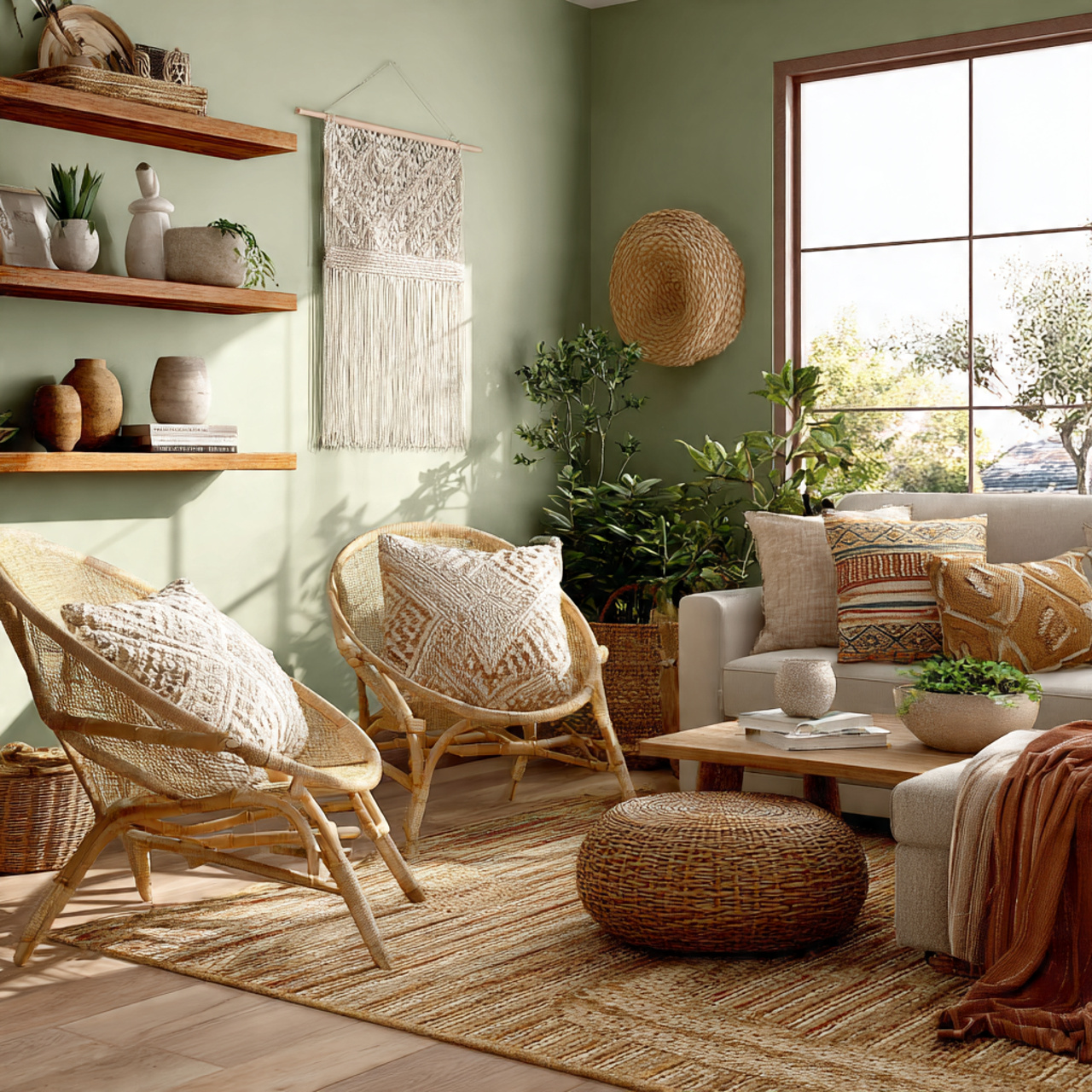
The bohemian, or “boho,” style naturally merges with sage green, creating a relaxed, nature-centric aesthetic that feels both eclectic and incredibly soothing. The core of this look is layering natural materials, textures, and global-inspired patterns against the calming green backdrop. The muted tone of sage is the perfect foil for the brighter, often more energetic colors typical of boho decor.
To achieve this style, integrate woven rugs, macramé wall hangings, rattan furniture, and plenty of textiles with fringe and tassels. Use accent colors like dusty rose, mustard yellow, and deep indigo sparingly to complement the main color. This approach uses sage green to provide a grounded, serene foundation, allowing your collection of global finds and handmade items to create a well-traveled, artistic vibe.
Sage Green Wallpaper Options

For a truly transformative sage green living room, explore the wide array of wallpaper options available that feature this beautiful color. Wallpaper can introduce pattern, texture, and visual drama that paint alone cannot achieve. Consider a subtle botanical print featuring sage leaves, a geometric pattern in two complementary shades of green, or a textured grasscloth for an organic feel.
Using wallpaper on a single accent wall is a fantastic way to define a seating area or a fireplace focal point without committing to a full room of pattern. Ensure the pattern scale is appropriate for your space; large patterns work best in expansive rooms, while smaller, busier prints can overwhelm a compact area. The depth added by wallpaper will enhance the sophistication of the sage tone dramatically.
Pairing with Natural Wood

The relationship between sage green and natural wood tones is one of the most harmonious pairings in interior design, instantly creating a warm, inviting, and nature-inspired space. Whether you opt for light, bleached oak, rich walnut, or rustic reclaimed wood, the earthiness of the wood complements the vegetal shade of sage green flawlessly. This combination is central to achieving a popular modern Scandinavian or farmhouse look.
Use wood generously in your living room—from flooring and exposed beams to coffee tables, shelving, and sideboards. The texture and grain of the wood provide an organic counterpoint to the smoothness of painted walls or upholstery. This design choice highlights the sage green living room as a space focused on natural materials and a serene, unpretentious elegance.
Lighting for Green Spaces

Thoughtful lighting is crucial in a sage green living room, as the quality of light can dramatically alter how the color is perceived. Sage can appear cool and gray in lower light, or bright and lively under warm, directed illumination. Layered lighting—a mix of ambient (ceiling), task (reading lamps), and accent (spotlights)—is the best approach to ensuring the room feels welcoming at all hours.
Opt for light bulbs that emit a warm white or soft white light, which will enhance the inviting qualities of the sage green and prevent it from appearing too sterile or gray. Consider decorative lighting fixtures with natural materials like woven shades or brushed metals. Strategic placement can highlight the sage color on textured walls or draw attention to artwork against the tranquil backdrop.
Sage and White Contrast

The classic combination of sage green and crisp white creates an airy, fresh, and distinctly clean aesthetic, a timeless choice for any living room. Using white for trim, ceiling, and built-in shelving provides a sharp contrast that makes the sage green walls feel more saturated and intentional. This pairing is particularly effective in brightening a room and enhancing a feeling of spaciousness.
You can also reverse the dynamic, opting for white or light neutral walls and introducing the sage color through large, key furniture pieces like a sofa or large area rug. The contrast is clean and uncomplicated, offering a sophisticated simplicity that is perfect for a coastal, minimalist, or modern style. This sharp definition helps anchor the sage green living room in a light and contemporary feel.
Minimalist Sage Approach

For those drawn to the principles of minimalism, sage green offers a refreshing alternative to the standard palette of white, gray, and black. Its muted nature allows it to serve as a foundational, almost-neutral color that doesn’t overwhelm the eye. The key to the minimalist sage approach is selective, high-quality furniture and a ruthless dedication to clean, uncluttered surfaces.
In this style, use sage green for the main wall color or a single, streamlined piece of furniture, and keep all other elements simple and monochromatic. Focus on texture—a smooth concrete floor, a wool rug, and a linen sofa—to add interest without adding visual noise. The sage green living room becomes a place of serene simplicity, where every object is intentional and functional.
Farmhouse Sage Elements

The cozy, rustic charm of the farmhouse style is beautifully enhanced by the use of sage green. This color naturally complements the weathered woods, shiplap, and galvanized metal accents typical of the aesthetic. Sage provides a soft, historical hue that feels authentic and deeply rooted, avoiding the starkness that some modern farmhouse designs can sometimes exhibit.
Introduce sage through accent furniture like a distressed cabinet, plaid or striped textiles, or painted window frames. Pair it with creamy whites and deep charcoal grays for a classic farmhouse look. This application turns the sage green living room into a comfortable, welcoming space reminiscent of a heritage home, blending natural warmth with simple, practical design.
Incorporating Indoor Plants

One of the most natural ways to enhance a sage green living room is by incorporating a variety of indoor plants. Since the wall color already mimics nature, real greenery acts as a living accessory, adding vibrant texture, fresh air, and an organic element that enriches the entire design. Plants create a cohesive, layered look that feels deeply restorative.
Opt for plants with varied leaf shapes and shades of green to prevent the room from feeling flat—think a structural snake plant, a lush fiddle-leaf fig, or trailing ivy. Place them in terracotta or woven baskets to add those essential organic textures. This blend of real and painted green transforms the room into a vibrant, biophilic retreat, maximizing the calming effect of the sage palette.
Complementary Color Palettes

While sage green is versatile, pairing it with well-chosen complementary colors can significantly elevate the overall design narrative. Warm shades like burnt orange, dusty rose, or muted yellows are excellent choices, as they create a pleasing contrast that makes the sage pop without being jarring. These colors can be introduced through small accessories like art or ceramic pieces.
For a cooler, more calming palette, consider pairing sage with soft blues, muted grays, or deep navies. A navy blue sofa against a sage green wall offers a sophisticated, tailored look perfect for a refined setting. Experiment with these harmonious colors in small doses—such as accent pillows or a throw blanket—to find the perfect blend for your unique sage green living room.
Sage Green Sectional Sofa

A sage green sectional sofa is a statement piece that immediately grounds the living room in a feeling of tranquility and comfortable luxury. By selecting a large piece of furniture in this color, you are making a confident commitment to the aesthetic. The size of the sectional makes the color a dominant feature, ensuring the room’s atmosphere is defined by its serene shade.
When choosing a fabric, consider a textured weave or a sophisticated velvet to maximize both comfort and visual appeal. Pair the sofa with a neutral area rug in cream or natural jute to allow the green to be the star. The sectional provides ample, cozy seating, turning the sage green living room into the ultimate hub for relaxation and family gathering.
Cozy Sage Throws and Pillows

For those hesitant to commit to painting or large furniture, cozy sage throws and pillows are the simplest and most cost-effective way to introduce the color. These soft furnishings can instantly update a neutral sofa or armchair, injecting a dose of calming color and much-needed texture. They are also easily swapped out, allowing for seasonal style changes.
Layering different shades of sage—from deep olive to pale mint—in your textile choices creates a sophisticated, monochromatic look. Mix in pillows featuring complementary colors like taupe, cream, or a soft gray to add visual depth. This approach allows you to subtly create a harmonious sage green living room vibe, focusing on comfort and delicate color accents.
Artwork for Sage Walls

The artwork you choose to display against a sage green backdrop can either continue the room’s serene theme or provide an unexpected pop of color and visual energy. Since sage is a muted, earthy color, it works beautifully with nature-inspired art, such as botanical prints, landscape paintings, or abstract pieces featuring organic shapes and colors.
If you want the art to truly stand out, select pieces with vibrant colors like deep magenta, electric blue, or rich crimson. The sage green will act as a stabilizing canvas, making the brighter colors appear more intense and deliberate. Whether you opt for a dramatic gallery wall or a single oversized canvas, the sage green living room provides a sophisticated gallery space for your chosen pieces.
Dark Green Accents

To add depth and contrast within the overall sage green living room scheme, introduce strategic dark green accents. Shades like deep forest green, hunter green, or emerald can be used to ground the space and add a layer of moody sophistication. This technique creates a rich, tonal palette that feels sophisticated and visually complex.
Utilize these dark greens in smaller, impactful ways—a single velvet ottoman, a set of heavy drapes, or a deep-toned ceramic lamp base. The contrast in value (lightness/darkness) between the pale sage and the deep green creates a dynamic balance. This subtle layering prevents the room from feeling washed out and gives the design a luxurious, well-considered feel.
High-Traffic Durability

When designing a sage green living room, especially in a busy family home, durability is as important as aesthetics. For high-traffic areas, selecting materials in sage that are built to last is key. Opt for durable, stain-resistant fabrics for sofas and chairs, such as performance velvets or tightly woven polyester blends, which can maintain their color and integrity over time.
For walls, choose a paint finish like an eggshell or satin, which is more resistant to scuffs and easier to clean than a flat matte finish. By prioritizing durable materials in the sage green palette, you ensure the room remains a beautiful and stress-free sanctuary for years. This focus on longevity makes the space a practical, long-term investment.
Small Living Room Strategies

Sage green is an excellent choice for a small living room because lighter shades can effectively enhance the perception of space and airiness. When designing a compact area, use a pale sage on all the walls to create a seamless, non-stop flow that prevents the eye from stopping at corners, making the room feel larger than it is.
In terms of furnishings, opt for pieces with exposed legs, which allow light to pass underneath and contribute to an open feel. Use mirrors with simple, natural frames to reflect the sage color and the natural light. This strategic use of a light sage green living room design maximizes available light and creates an expanded, peaceful retreat, despite the limited footprint.
Industrial Sage Touches

The cool neutrality of sage green can beautifully soften the raw, edgy look of an industrial living room. The color acts as a natural counterpoint to materials like exposed brick, concrete, black metal piping, and worn leather. This blend of organic calm and urban grit creates a balanced, contemporary space that feels both grounded and modernly chic.
Introduce sage through a key piece of upholstered furniture or a smooth wall finish to contrast with the room’s rougher textures. Use matte black or dark bronze metal accents in lighting and shelving to link the industrial elements to the sage color. This pairing creates a sophisticated sage green living room that embraces contrast while maintaining a sense of refined calm.
Rustic Stone and Sage

For a profoundly grounded and earthy aesthetic, pair sage green with the texture and permanence of rustic stone. This combination is ideal for homes with natural stone fireplaces, exposed stone walls, or even flooring. The cool, quiet tone of the sage green enhances the natural variations and rugged texture of the stone, creating a timeless, cabin-like serenity.
The stone can range from rough-hewn slate to smooth river rock, and the sage color will complement it equally well. Use soft, plush textiles and warm woods to prevent the stone and color combination from feeling too cold. This approach creates a cozy, almost primeval sanctuary where the sage green living room feels connected to the landscape itself.
Visit Also: Blue Bathroom Decor
Layering Different Tones

A sophisticated way to deepen the design of a sage green living room is by carefully layering different tones and shades of the color itself. Start with a pale sage on the walls and introduce a medium sage in the primary seating, such as a sofa or armchair. Finish with darker, deeper olive or forest green accents in pillows and decor.
This tonal layering adds visual interest and complexity without introducing new, competing colors. It creates a cohesive and immersive environment that feels deliberately designed and richly textured. The varied shades of sage green ensure the room maintains its calming effect while offering a dynamic and engaging visual experience.
Metallic Finishes and Sage

Beyond the classic gold, other metallic finishes also pair beautifully with sage green, each offering a distinct mood. Brushed silver or chrome introduces a cool, contemporary edge, ideal for a sleek, modern aesthetic. Copper or rose gold, on the other hand, injects a warm, subtly romantic glow, perfect for a cozier, more feminine feel.
Incorporate these metallic finishes through lamp bases, curtain rods, mirror frames, or small decorative bowls. The reflective quality of the metal adds a necessary lightness to the sage green living room, preventing the muted color from feeling too heavy or subdued. The careful selection of metal can define the entire mood of the space.
Vintage Finds and Green

Vintage and antique furniture or decor pieces find a beautiful home within a sage green living room. The historical nature of the color—often seen in older homes and fabrics—perfectly complements the patina and character of aged items. This combination creates a rich, layered aesthetic that feels storied and utterly unique.
Look for vintage wooden cabinets, weathered leather armchairs, or antique gilded mirrors to place against the sage backdrop. The green allows the unique texture and form of the vintage finds to stand out without competing for attention. This blend results in a sage green living room that is full of personality, warmth, and timeless, curated elegance.
FAQs About Sage Green Living Room
Does sage green go with gray or beige?
Yes, sage green pairs wonderfully with both gray and beige, making it incredibly versatile. Gray brings out the cool undertones of sage, creating a sleek, contemporary, and grounded look, especially with charcoal or light silver grays. Beige, along with cream and taupe, emphasizes sage’s natural warmth, resulting in a soft, cozy, and highly organic feel that is both timeless and inviting.
What is the best accent color for a sage green living room?
The best accent color depends on the mood you want to achieve, but gold or terracotta are excellent choices for a warm contrast. Gold adds a touch of sophisticated luxury and brightness, while terracotta introduces an earthy, organic warmth. For a cooler look, soft blues, particularly navy or dusty blue, create a classic, serene, and incredibly balanced color scheme.
Is sage green a good color for a small living room?
Yes, sage green is an excellent choice for a small living room, particularly lighter, less saturated shades of the color. Light sage green acts as a gentle neutral that reflects light, helping to make the room feel more open and airy. Using it monochromatically across the walls, trim, and large furniture can eliminate visual breaks, which contributes to a feeling of greater space.
What furniture style works best with sage green?
Sage green is highly adaptable and complements many furniture styles, though it truly shines with natural and classic designs. Mid-century modern furniture, with its clean lines and wood tones, is a perfect match. Additionally, traditional, farmhouse, and bohemian styles work well, as sage green is an inherently organic and comforting color that complements natural materials and soft, inviting shapes.
How can I add sage green without painting the walls?
You can easily introduce sage green through large, impactful accessories and textiles without ever touching a paintbrush. Focus on a large area rug that incorporates the color, a statement sofa or armchair upholstered in sage velvet, or floor-to-ceiling drapes. Smaller items like throws, cushions, and artwork can also layer the color effectively for a subtle yet serene sage green living room feel.
Conclusion
The journey of designing a sage green living room is one that culminates in a space defined by tranquility, sophistication, and timeless style. This versatile, organic hue has proven its worth as more than just a passing trend; it is a foundational color that breathes life and serenity into your home’s central gathering area. By thoughtfully layering textures, incorporating natural materials like wood and stone, and choosing complementary accents, you can craft a personalized sanctuary that feels both classic and perfectly on-trend.
Whether your style leans toward minimalist simplicity, rustic farmhouse charm, or modern elegance, the principles of incorporating a sage green living room remain constant: seek balance, prioritize natural light, and use the color as a sophisticated backdrop for personal expression. Ultimately, embracing this muted, earthy tone is an investment in creating a comfortable, calming, and effortlessly stylish environment that you and your loved ones will cherish for years to come.