16 Smart Room Decor Ideas That Make Your Room Feel Better
Walking into a room that finally feels like your own is quieter than you expect; a small change, a lived habit, a lamp nudged two inches often makes more difference than a big purchase. Over years of adjusting tight dorm corners and more settled bedrooms, I learned the repeatable moves behind room decor ideas that make a space feel intentional without shouting for attention.
These room decor ideas focus on scenes you can actually live with: a corner softened by warm lights and trailing greenery, a photo wall that reflects routines, a compact setup that still feels considered. Nothing here depends on unrealistic budgets; instead you get simple DIY edits, small-space adjustments, and a handful of thoughtful details that quietly improve how a room feels day to day.
Style and Trend Context of Room Decor Ideas
At the moment, people are returning to styling that can be repaired or tweaked seasonally rather than torn out at the next trend cycle. Soft lived-in aesthetics coexist with restrained minimalist edits because each answers a different daily desire: comfort, identity, or calm, which is why these room decor ideas continue to feel relevant over time.
Practical styling matters more than novelty; focus on textures and small compositions that feel right under real use. These room decor ideas work because they hold up in everyday life, not because they were staged for a single moment.
Color & Material Authority
Aged Parchment (#E7D9C3) reads as warm paper in morning light and works well on a headboard wall or a built-in shelf back. Use matte eggshell finishes and pair with linen bedding and cotton throws to keep surfaces tactile without glare.
Soft Blush (#F6D1D1) works as a subtle accent behind a vanity or inside shelving; satin finish and bouclé cushions bring a soft, editorial warmth. Combine with brushed brass hardware for an approachable contrast.
Moss Terrace (#7A8B6F) is a grounded green for plant-forward corners or a lower wall paint beneath a picture rail. Choose low-sheen paint and pair with rattan shelves and raw oak to support an indoor-garden mood.
Dusty Teal (#4C7B7D) adds depth on small doors or bookshelf backs and reads richer under afternoon light. Use satin or eggshell finishes and temper the weight with linen blinds and concrete or stone accents.
Midnight Cocoa (#5B3A29) anchors focal elements like mirror frames or headboards and performs well in matte finishes. Pair with cream boucle and woven rugs for layered contrast that softens in low light.
Bright Linen (#F7F5EE) is a rental-safe ceiling and trim color that keeps small rooms bright without harsh glare. Use eggshell trim and natural seagrass accessories to maintain texture and life.
Room Size & Lighting Quick Guide
Small rooms benefit from vertical interest; add a narrow shelf, framed photos, or a tall plant near a low desk to make ceilings feel higher. Use daylight bulbs in task areas and warm accent lighting for evening mood; contrast between day and evening light adds dimension.
Large rooms become more compelling when organized into anchored vignettes rather than one continuous field. Group a reading lamp, a woven chair, and a low table to make a single strong scene and use layered lighting for depth.
North-facing rooms gain warmth from warm pigments and reflective fabrics, while south- and west-facing rooms suit deeper tones. East-facing rooms glow in morning light; choose light linens and natural textures to complement early sun.
How to avoid common lighting failures: never rely on a single overhead bulb. Add a dimmable lamp or small accent lights and place directional task lighting at a vanity or desk to create depth and comfort.
Core Ideas of Room Decor Ideas
A soft bed corner layered with warm string lights
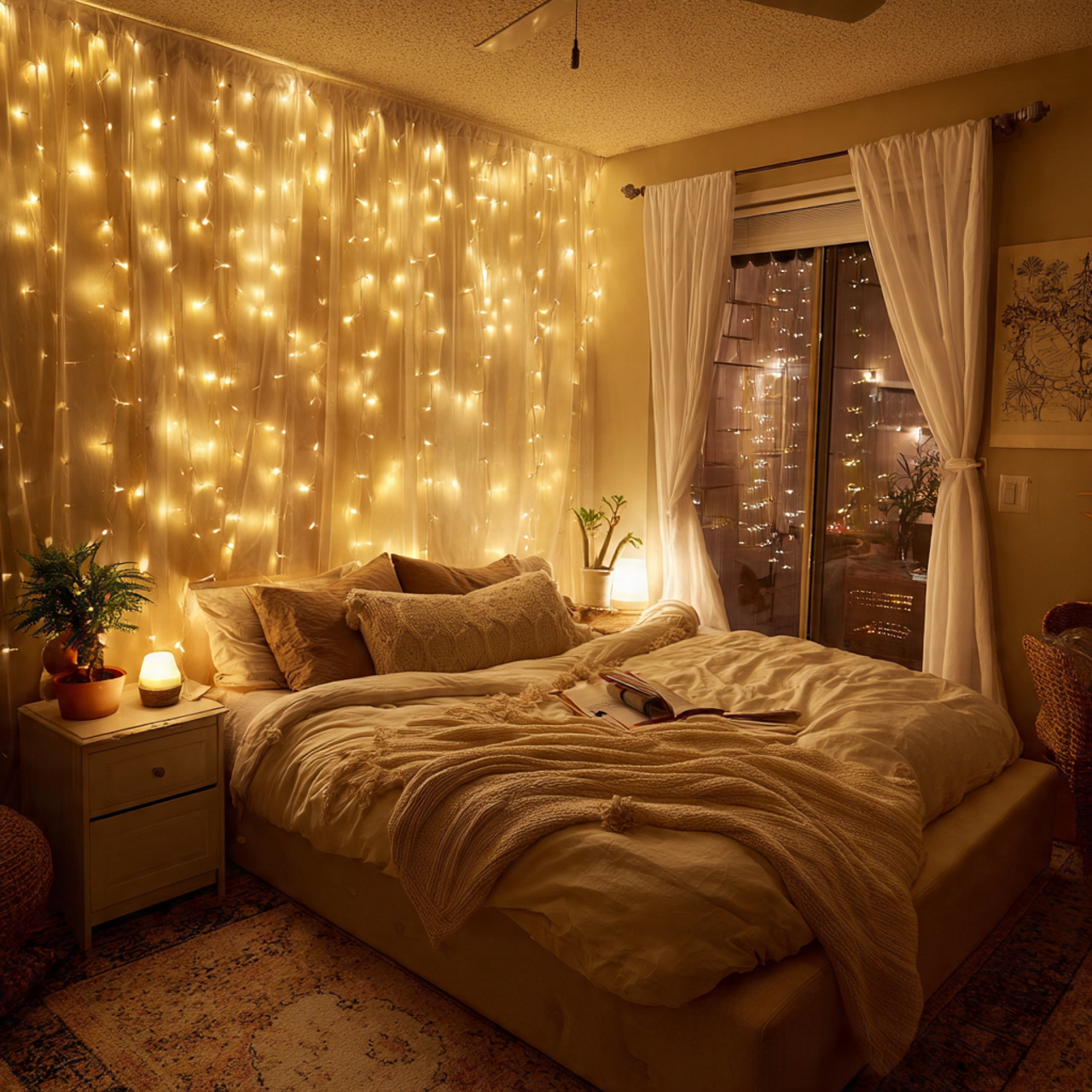
The easiest change often starts with the place you see last at night. A bed corner wrapped in warm string lights and a few trailing plants pinned loosely along a headboard wall creates a quiet rhythm that reads as lived-in.
Many people pull lights too tight or hang them in rigid rows, which looks decorative rather than comfortable. Let wires dip and allow plants to fall imperfectly so the corner feels relaxed and believable.
Keep bedding neutral and add one textured throw and a single cushion to ground the glow without clutter.
Tip: Use warm white lights and mount them so they hang slightly away from the wall to cast soft shadow.
An informal polaroid wall arranged

Personal photos change a room more than an expensive print because they show life, not style. A loosely shaped polaroid cluster or an organic grid becomes a memory wall that grows over time and remains meaningful.
Avoid forcing a precise grid; tilt a few photos and leave small gaps so the arrangement looks collected rather than manufactured. Let the wall evolve by adding one image a week until it feels complete.
A string of small lights behind the photos adds depth at night without overpowering the images.
Tip: Use low-tack mounting tape so you can move photos without damaging the paint.
A compact vanity with a round mirror and side lighting
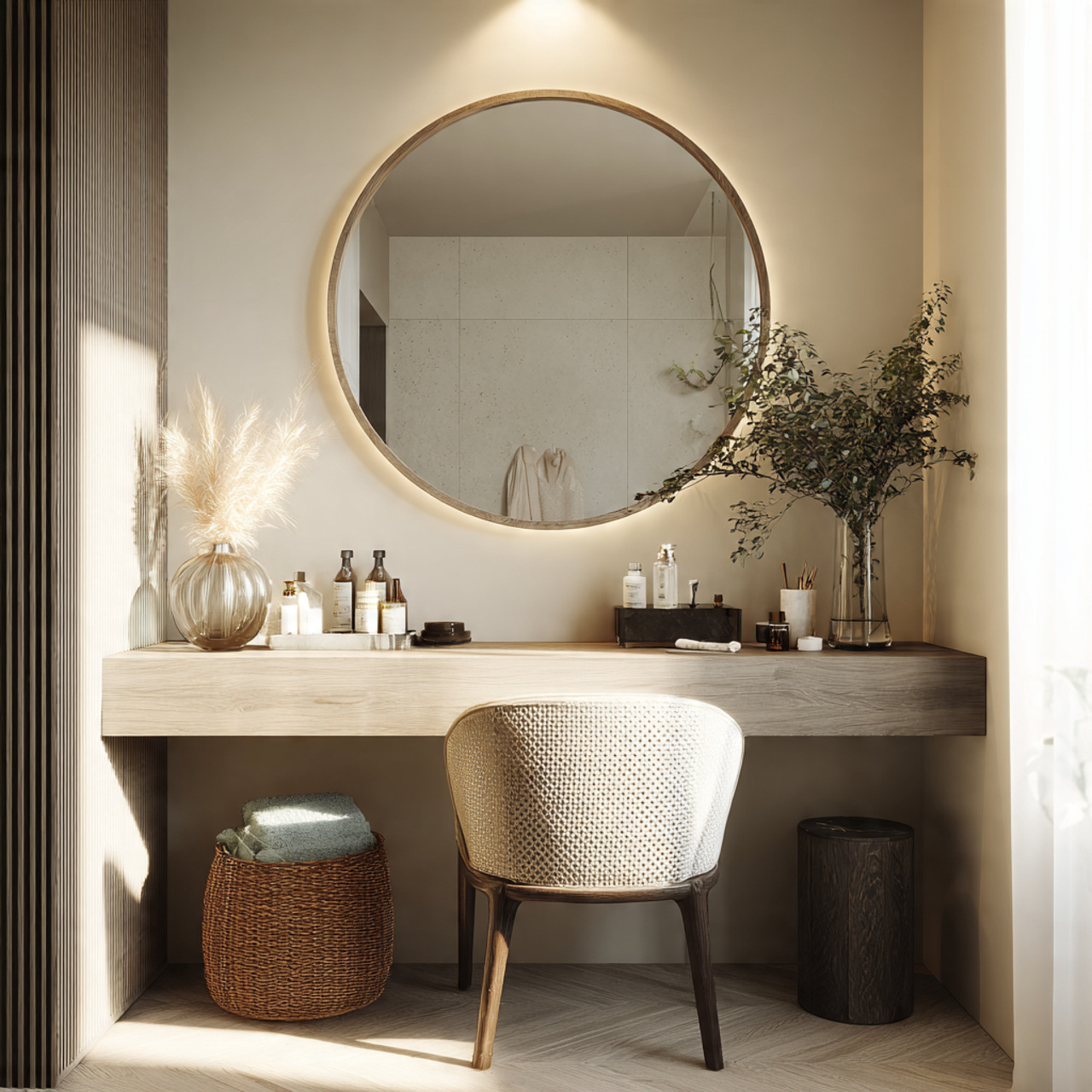
Even small rooms deserve a dedicated grooming zone that feels considered rather than crowded. A narrow table, a round mirror, and a side lamp create a ritual space that reads as intentional.
Harsh overhead light makes these areas look clinical and visually smaller. Choose a diffused bulb and place it slightly to the side for flattering, functional light.
Keep the surface tidy with a small tray and one plant so the mirror and lamp become focal points.
Tip: Use a slim framed mirror to avoid adding visual bulk.
A white wall enlivened with vines and subtle accent lighting
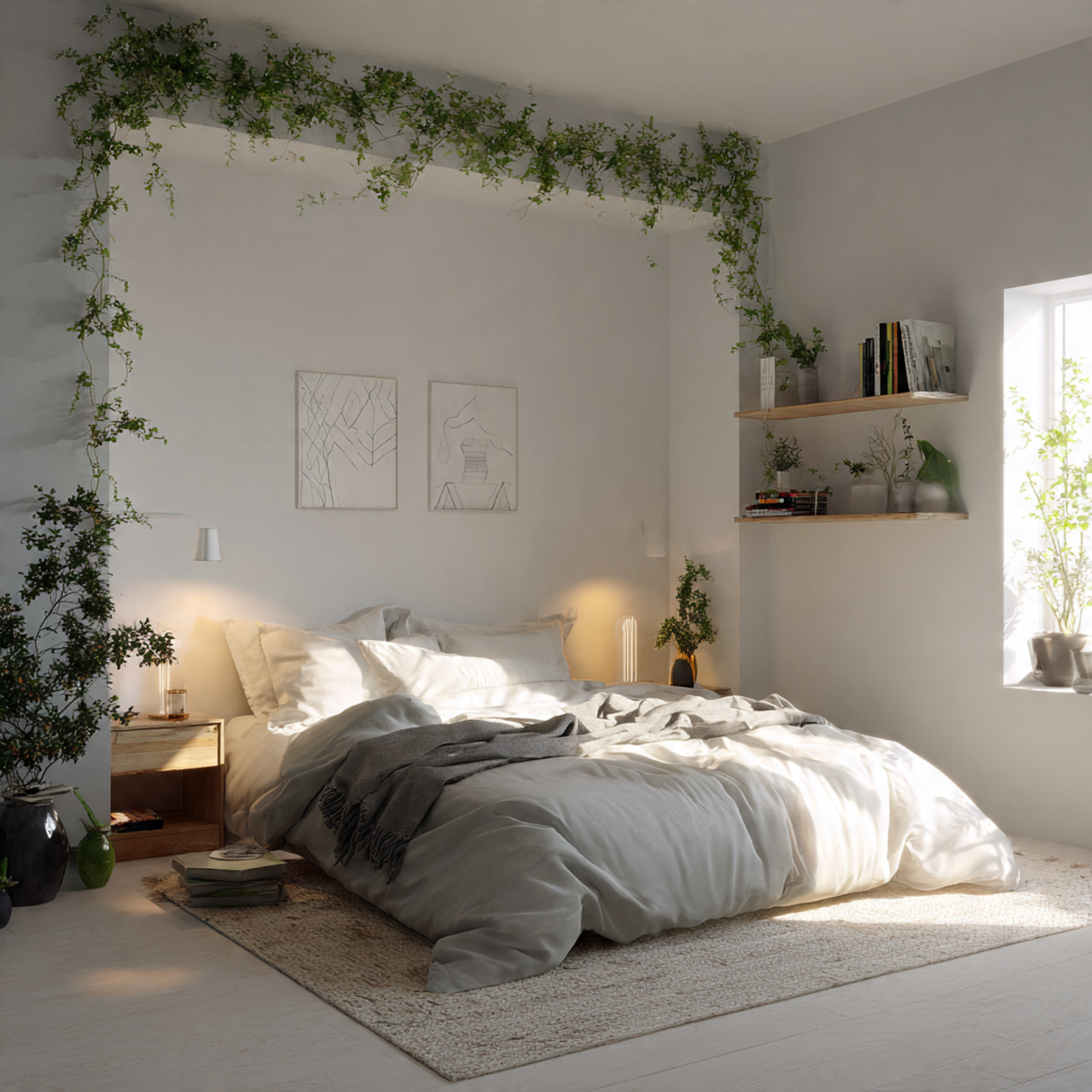
A white wall can become a soft textured backdrop with just a few well-placed vines and warm accent lights. The living texture of leaves and the glow of light add depth without adding physical weight.
Overfilling the wall removes the calm effect; keep the arrangement spare and let negative space do the work. Place vines so they sit slightly away from the wall to create soft shadow and depth.
Warm, low-intensity lights avoid harsh hotspots and preserve the gentle mood.
Tip: Space vines unevenly and let some stems trail to avoid a forced look.
A cozy floor corner layered with cushions and an oversized throw
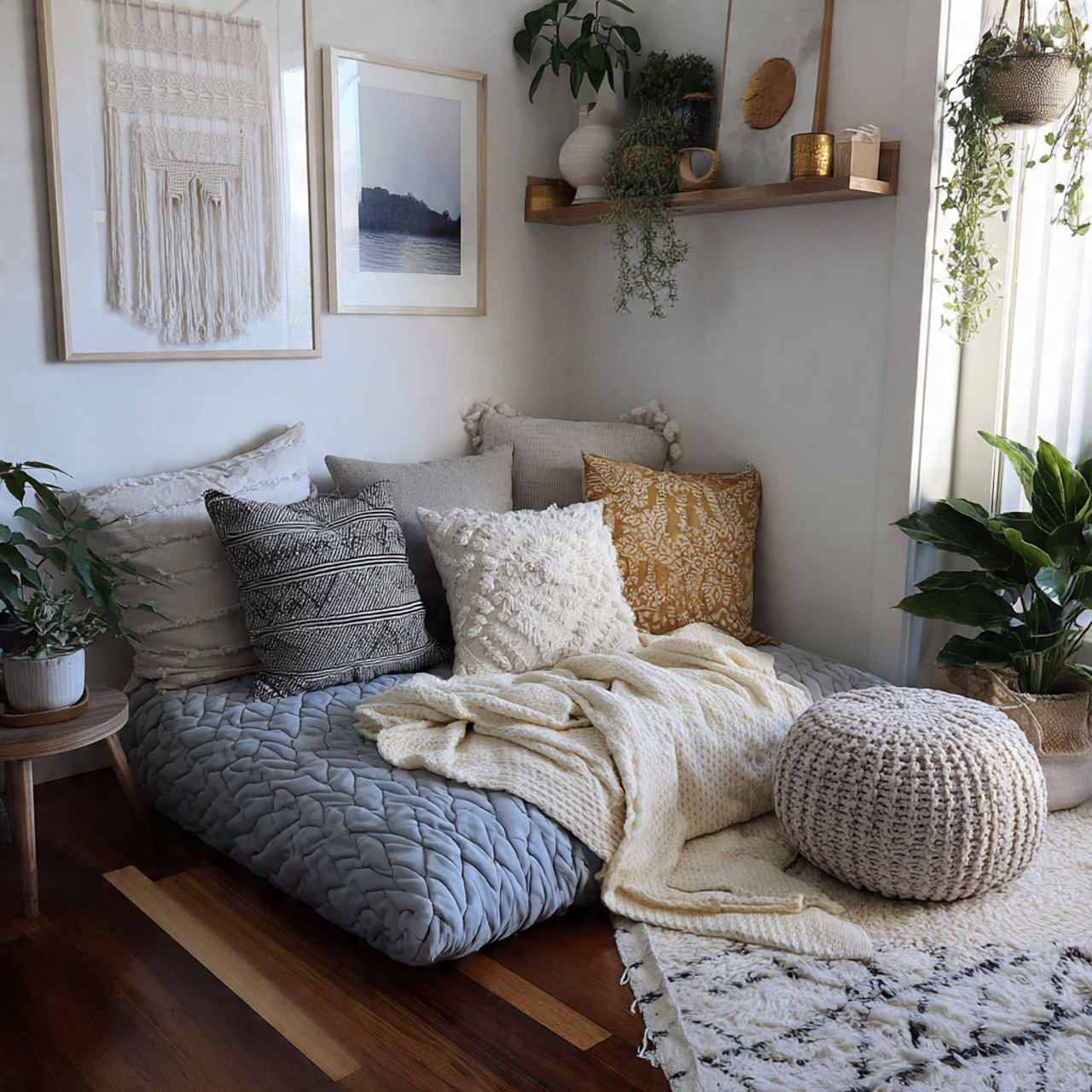
Sometimes the most inviting seat is on the floor; a corner layered with varied cushions and a textured throw becomes a versatile, photo-friendly spot. It reads casual, comfortable, and lived in.
Avoid matching everything perfectly because identical textures look staged. Mix cotton, knit, and a slightly rough fabric for a tactile, interesting cluster.
Anchor the setup with one oversized cushion so the arrangement feels intentional and stable.
Tip: Add a low tray for a mug and a small lamp to make the corner usable day and night.
An LED ceiling outline subtly installed for ambient depth
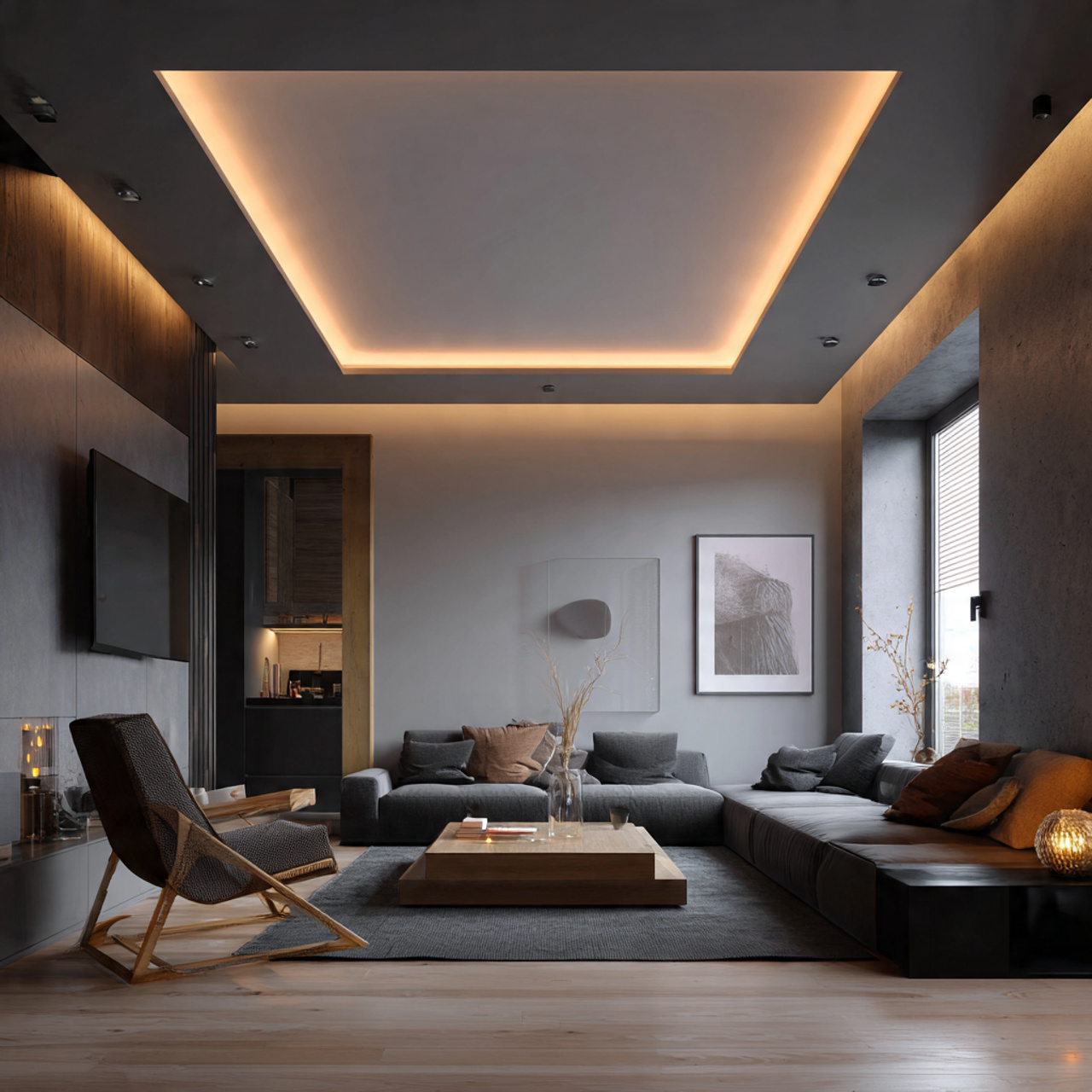
Concealed LED strips along a ceiling perimeter can make a room feel taller and more atmospheric when used with restraint. A soft, steady warm tone provides depth without dominating the scene.
Constantly shifting color modes or bright settings become tiring over time and read as a novelty rather than a design choice. Keep the setting steady and dimmable for everyday use.
Hide strips behind a molding or shelf lip to diffuse light and avoid direct glare.
Tip: Choose a warm white tone and use a dimmer rather than color-changing effects.
A plant-focused shelf that mixes trailing and upright greens
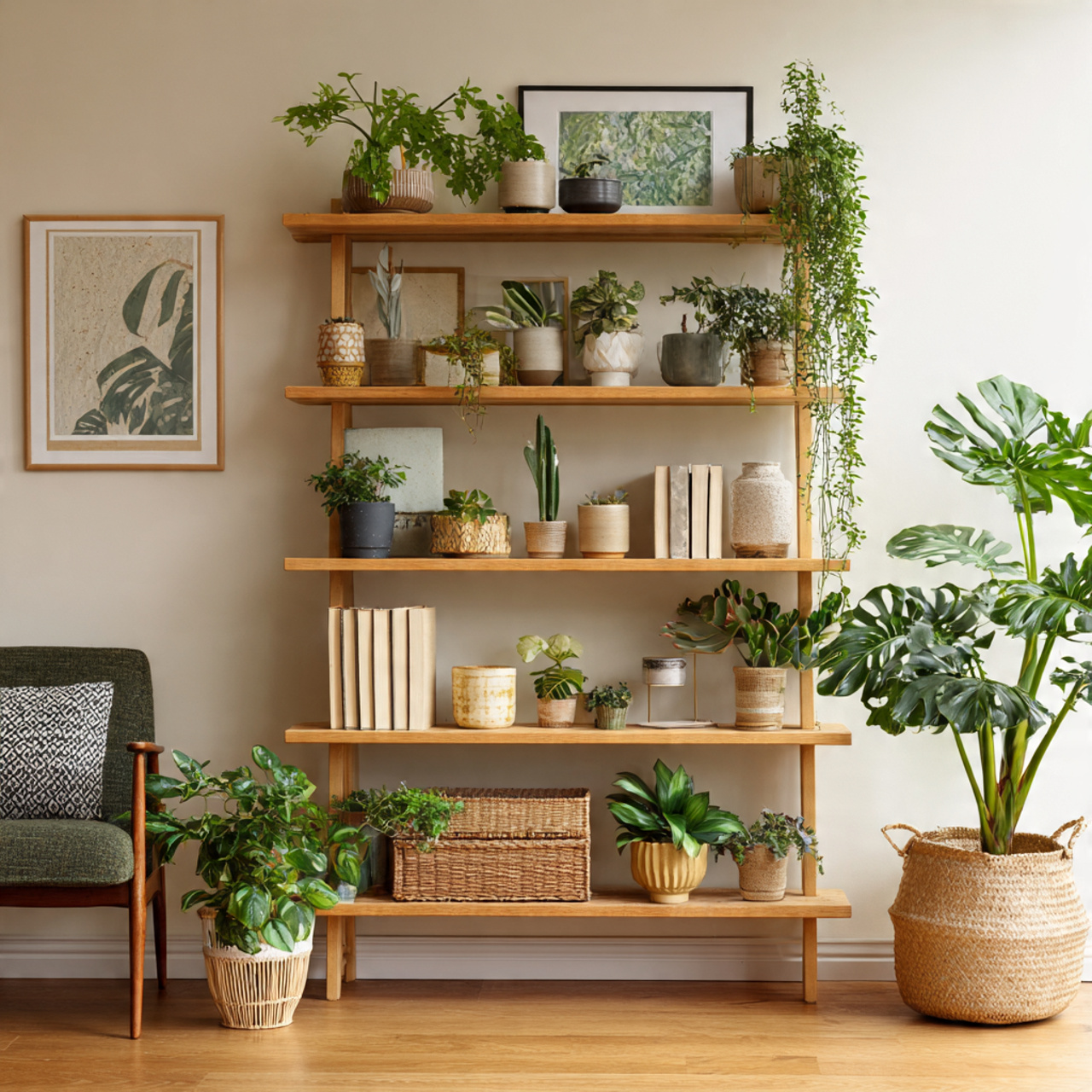
A single shelf populated with small indoor plants, a book or two, and one decorative object creates a natural focal layer. Mixing varieties avoids monotony and helps the shelf read lively and curated.
An overcrowded or nearly empty shelf rarely looks deliberate. Leave breathing space and vary heights to create visual rhythm.
Use simple pots with different textures to make the grouping feel edited.
Tip: Place one trailing plant at the shelf edge to create movement and softer shadows.
A photo and paper collage using simple DIY elements
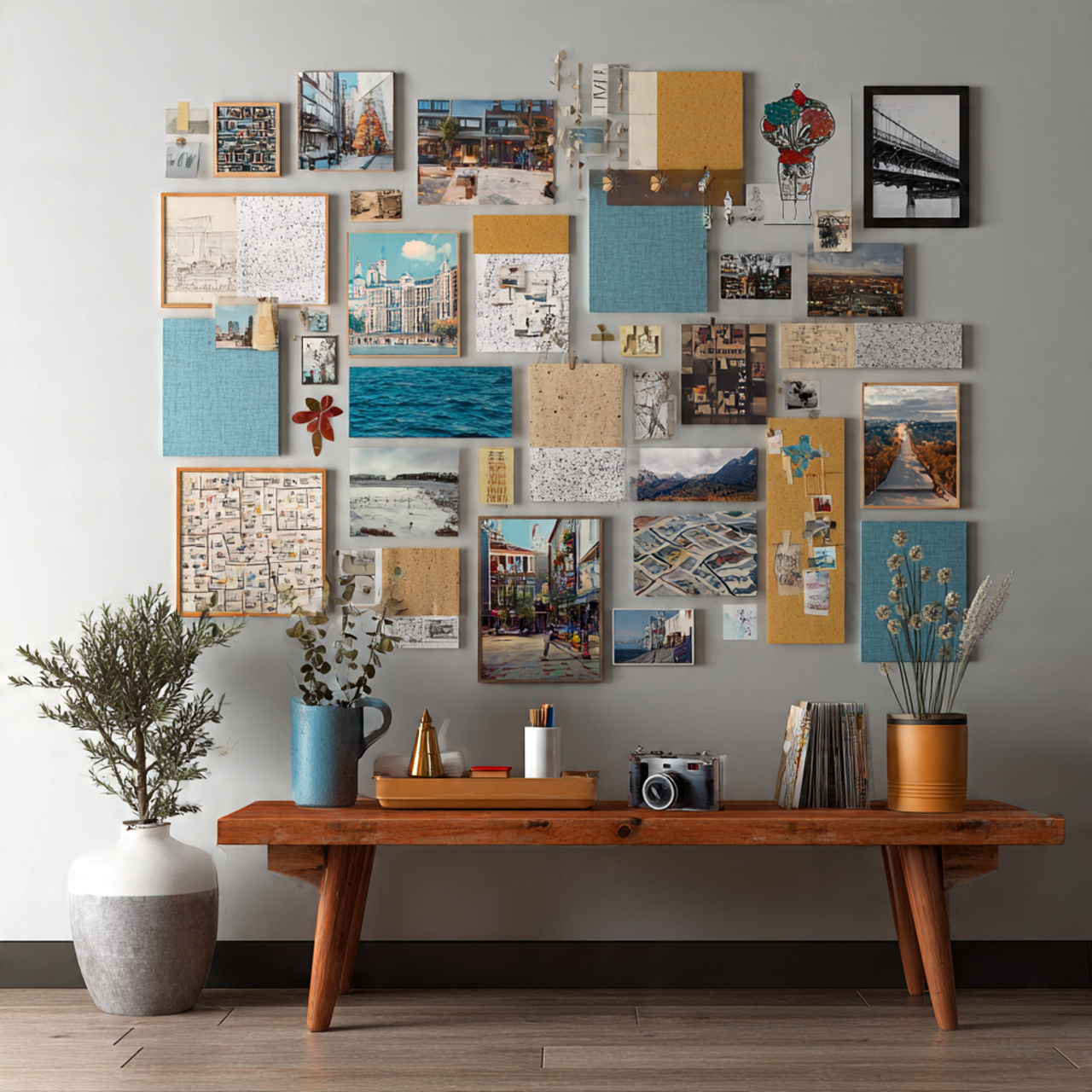
A layered wall made of printed photos, paper cutouts, and handmade elements feels personal and is easy to update. Sticking to a restrained palette keeps the collage cohesive even when pieces differ in style.
Spacing is what makes a collage feel intentional rather than cluttered. Give each piece room and repeat one or two colors to tie the whole arrangement together.
Add a few three-dimensional elements to catch light across the day for variety.
Tip: Keep a small box of spare pieces so you can swap elements seasonally.
A canopy of cherry blossom style string lights for a romantic corner
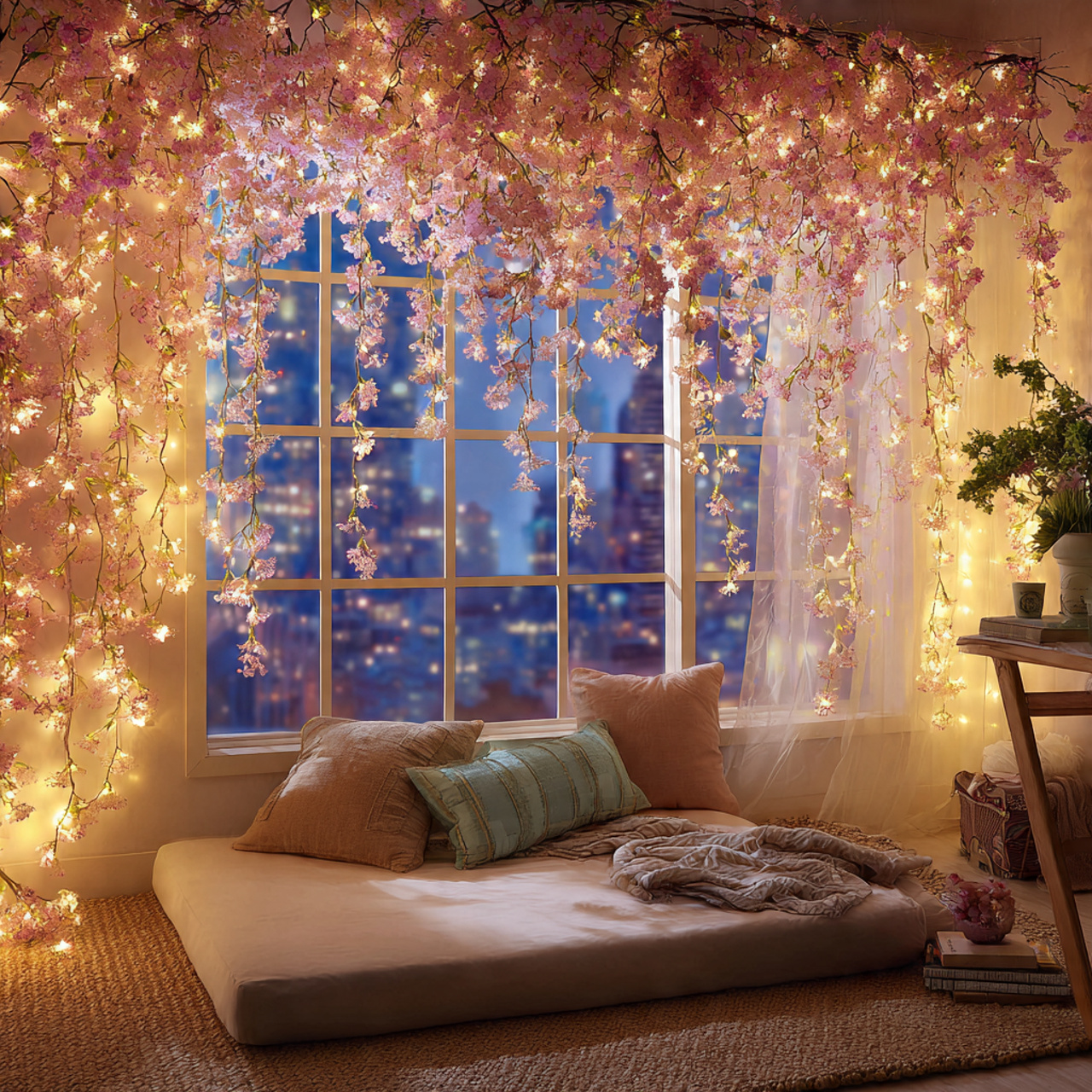
A pale pink light canopy loosely hung over a bed or reading nook produces a soft romantic glow and flatters skin tones in evening light. When hung to fall slightly rather than flat against the ceiling, it creates intimate shadow play.
Avoid taping lights directly flat to the ceiling where they look decorative rather than atmospheric. The shallow canopy approach preserves headroom while adding warmth.
Pair the canopy with a low-profile headboard or a wooden beam to define the layer visually.
Tip: Mount lights on small hooks so you can adjust droop and shape over time.
A narrow dressing table staged like an editorial vignette
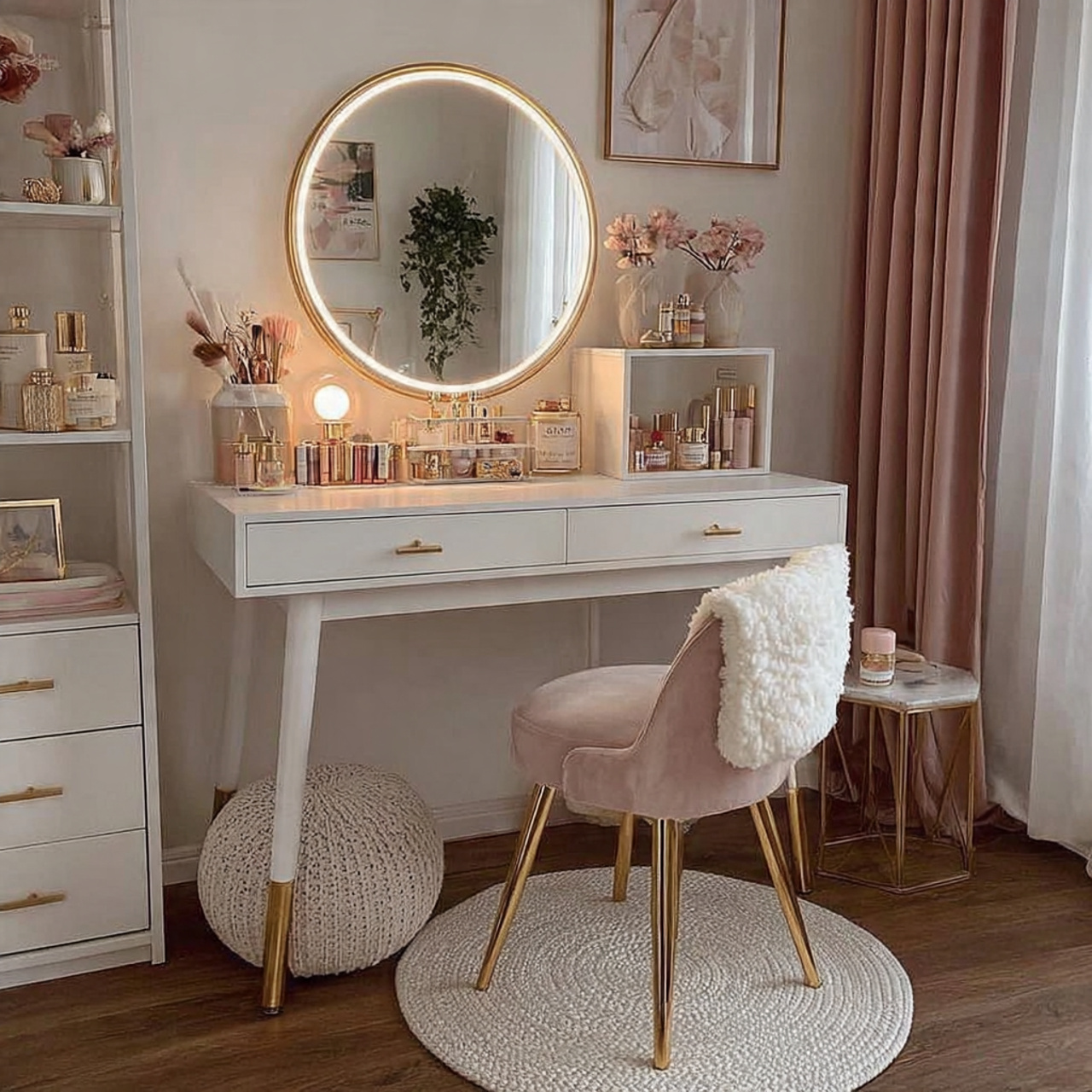
A slim dressing table, a mirror with a thin frame, and a single sculptural lamp read editorial when scaled and styled with restraint. The rule is scale and negative space rather than objects.
Overcrowding the surface undermines the effect and reads as clutter in photos and daily use. Keep one curated tray and a small plant to keep the surface purposeful.
Choose materials that photograph well such as matte brass or warm wood for a cohesive feel.
Tip: Place the lamp slightly off center to create soft highlights and natural shadow.
Light grunge bedside styling for a softer edge
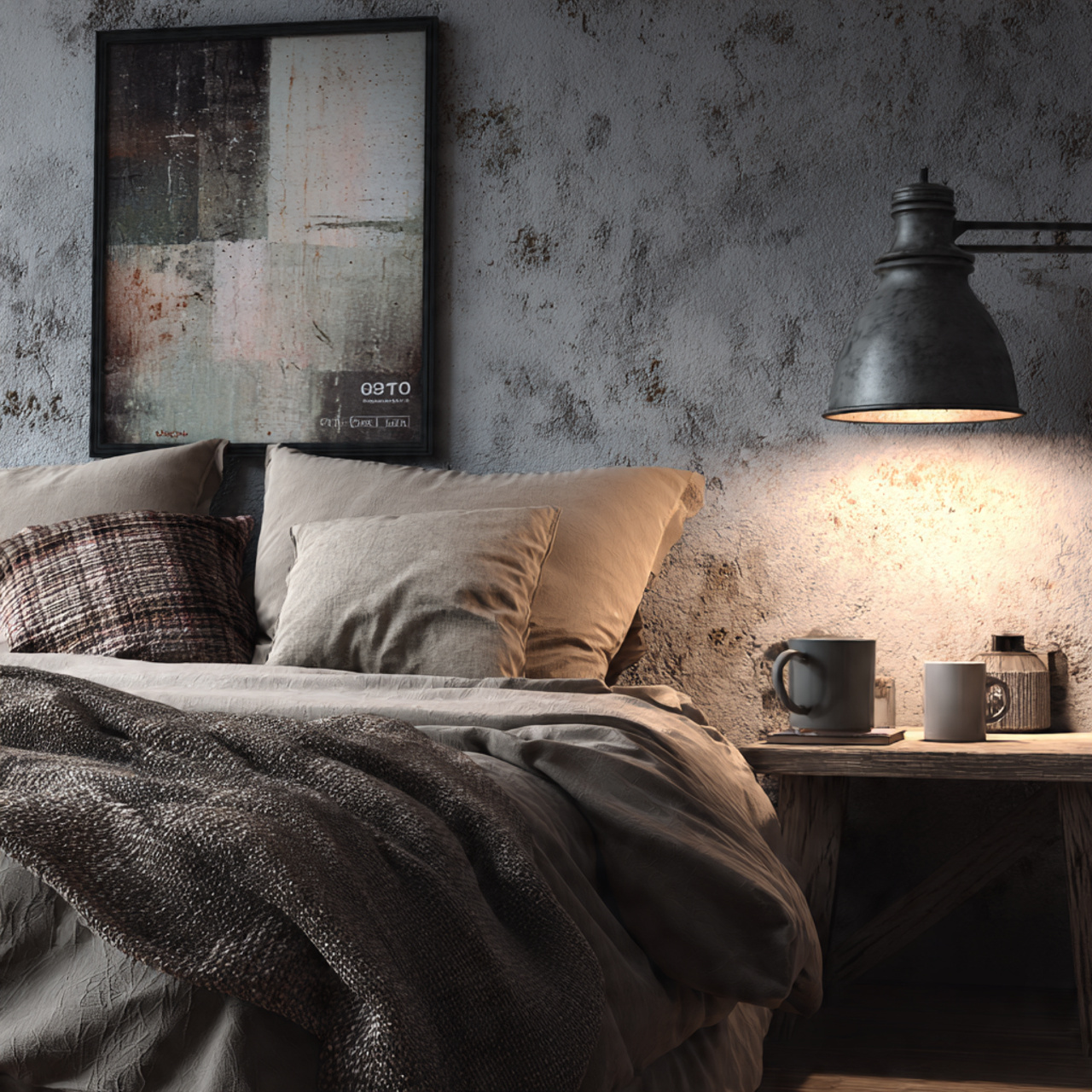
A frayed linen throw, a textured cushion, and a muted poster add a gentle grunge edge without moving to a heavy palette. One slightly imperfect item helps the ensemble read like a collected corner.
Avoid pushing to a full dark scheme which can close in small rooms. Keep tones soft so the grunge reads as character rather than moodiness.
Use a low table and a small stack of books to anchor the composition and make it feel intentional.
Tip: Add a small metallic tray to break texture and catch a highlight.
Paper mobiles that animate evening light
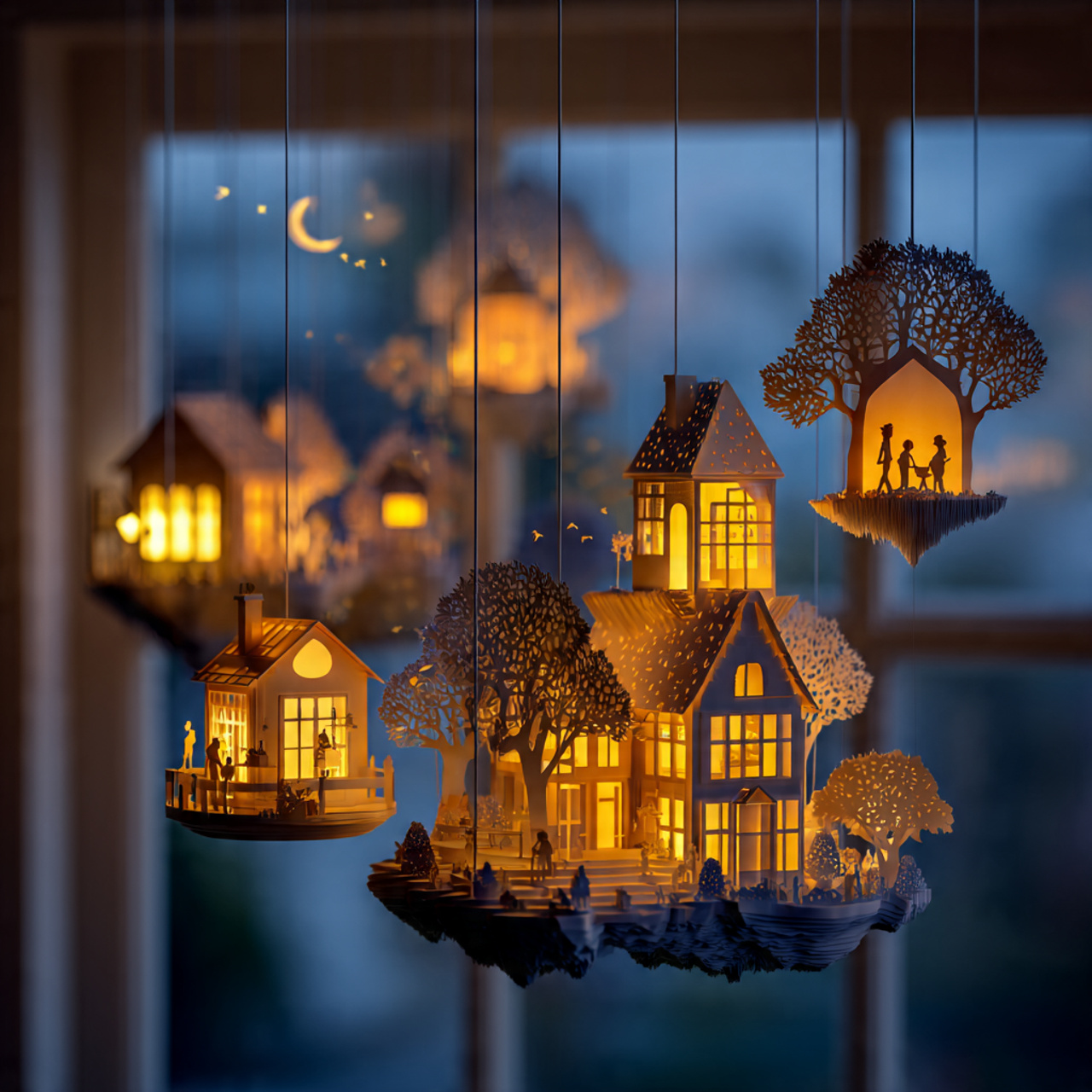
Handmade paper mobiles made from textured card add subtle movement overhead and create soft shadows that change across the day. They work in small rooms because they are lightweight and removable.
Too many colors or heavy shapes make the installation read noisy. Keep shapes simple, a restrained palette, and varied lengths so the mobile feels deliberate.
Hang mobiles near a soft window or lamp so they gently animate in photos.
Tip: Use fine line fishing line so shapes seem to float.
A grown-up dorm or hostel edit that reads mature
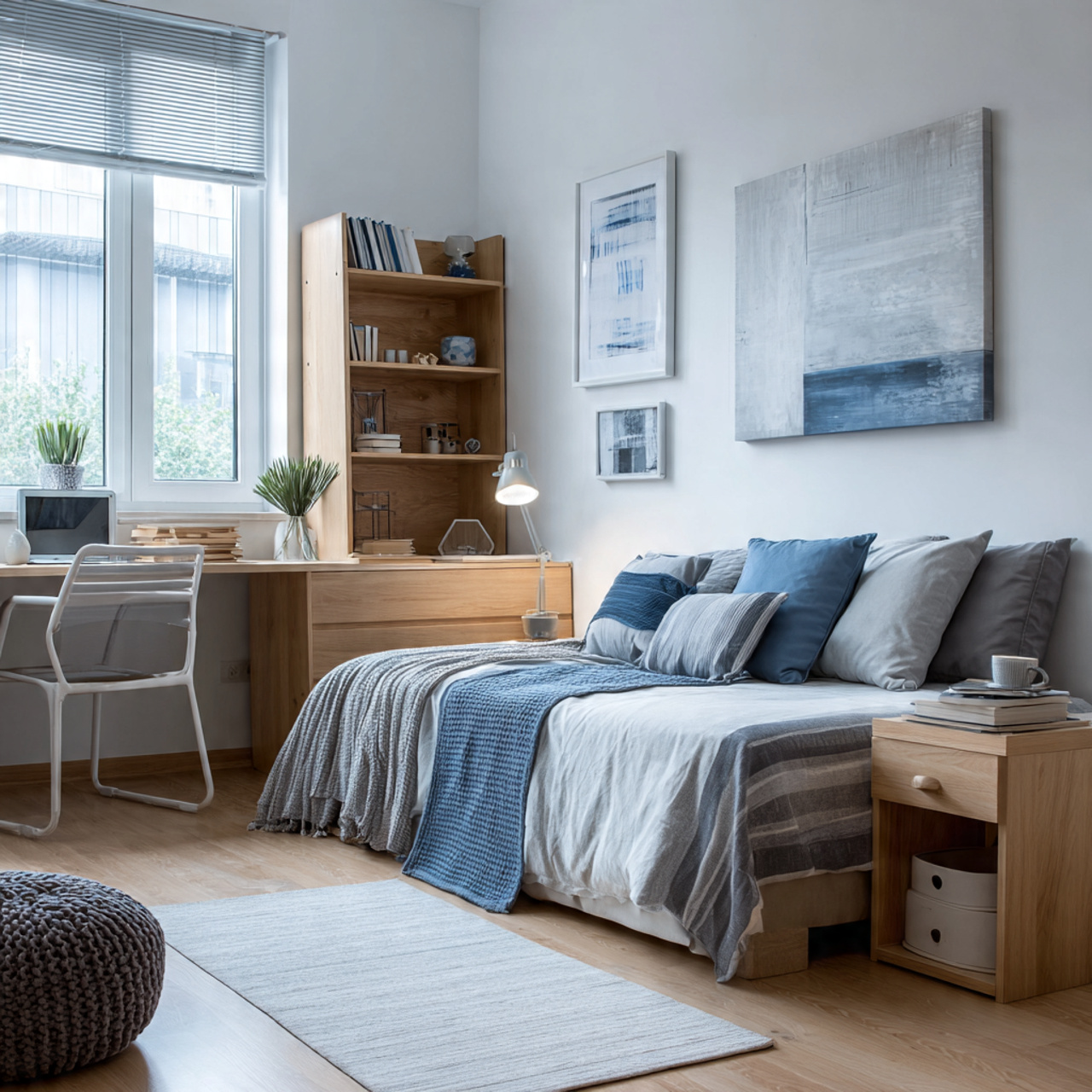
Small student rooms benefit from a few calm edits: a neutral throw, one framed print, and a compact shelf for essentials. This approach makes a budget space feel personal without being juvenile.
Do not attempt a full overhaul at once; pick one vignette and finish it so the room looks intentional. A tidy desk, a cozy bed corner, and a simple photo wall create a roomy impression.
Use multipurpose furniture such as a bench that doubles as seating and storage to maximize utility.
Tip: Add a removable shelf above the desk for plants and photos to lift vertical composition.
A small Y2K accent corner balanced with modern basics
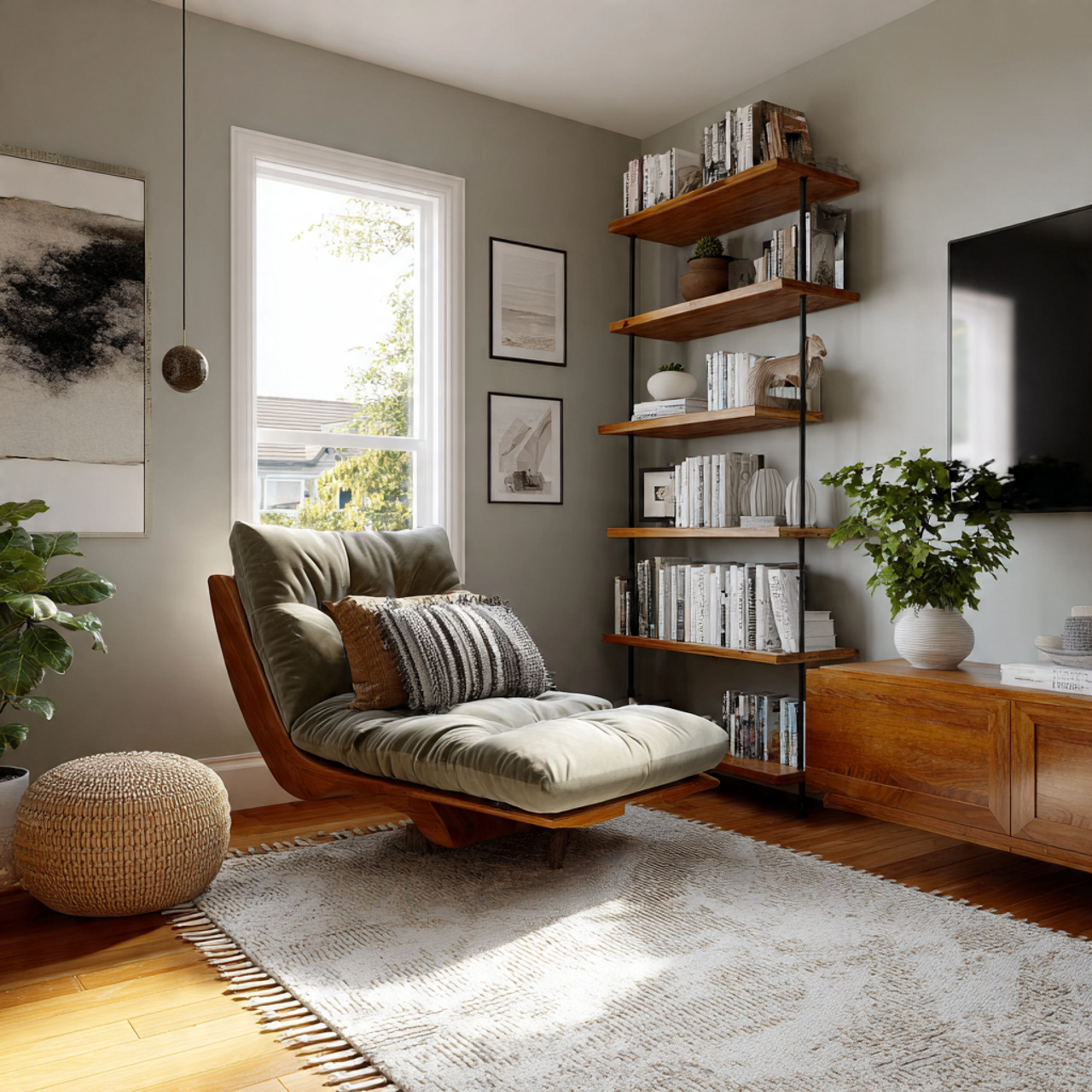
Hints of Y2K style like a small glossy accent or a rounded lamp photograph well when balanced with neutral textiles and modern basics. One glossy nod within a calm palette reads nostalgic without appearing costume-like.
Do not copy the era literally; choose texture nods such as velour cushions or a tiny pendant mirror to signal the era lightly. Balance is the key.
Stage the corner so it frames a natural subject such as a mug or a laptop for lifestyle feeling.
Tip: Use one glossy accent and keep surrounding surfaces muted.
DIY moon and star crafts that read like art
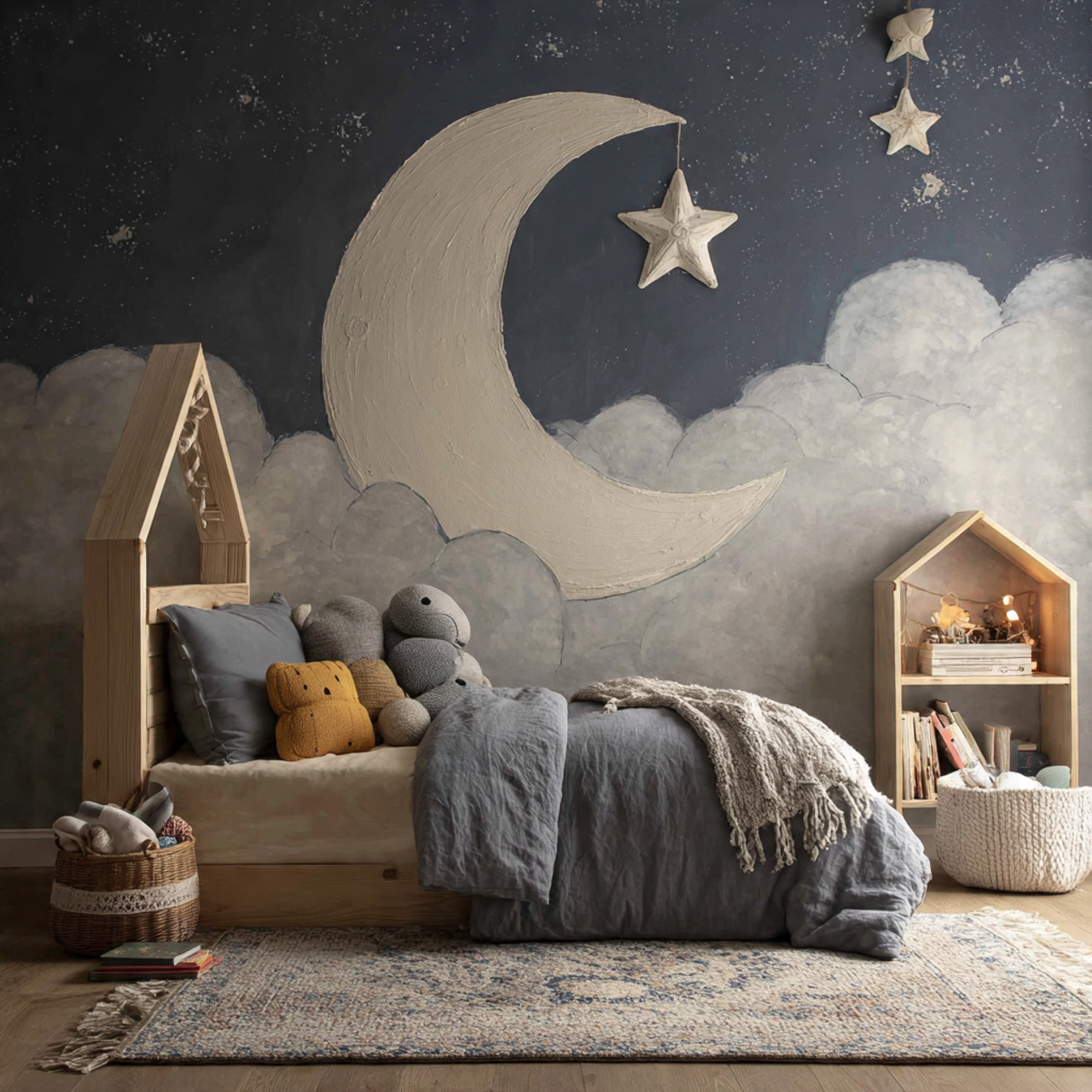
Metallic paper or painted card moon and star shapes make inexpensive yet elevated overhead installations. Aim for organic silhouettes and mixed scales so the display reads like art rather than a children’s craft.
Avoid cartoonish shapes and too many colors which reduce editorial appeal. A few three-dimensional elements increase depth in photos.
Paint edges softly and hang pieces at varying heights for layered depth.
Tip: Use thin wire for slight movement that catches evening light.
A vertical plant wall with slim integrated planters for texture
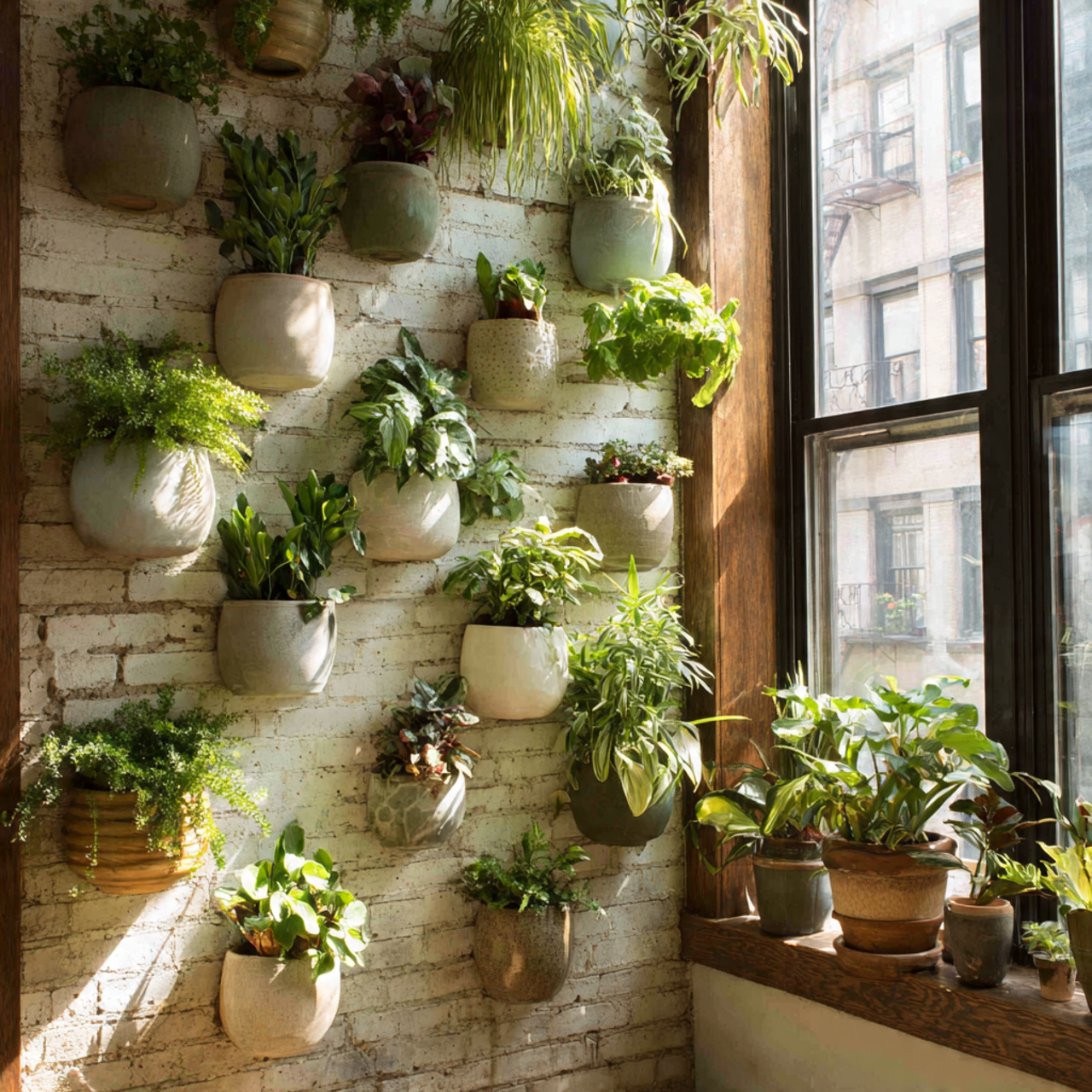
Slim shelves with integrated planters transform a wall without sacrificing floor space and give rooms a layered, green texture. Mixing trailing varieties with upright plants adds rhythm that photographs well.
Too many identical pots make a display feel factory produced. Vary pot sizes and finishes for a collected look that evolves with care.
Install a rail system to rotate plants seasonally as light shifts so the wall remains full.
Tip: Start with resilient varieties like pothos to keep the display lush when care lapses.
Common Mistakes Related Room Decor Ideas
Overfilling the room with too many decor elements
It often starts with good intentions and multiple ideas that seem worth trying all at once. Adding everything produces a crowded visual story that is stressful to live with.
After a while the room becomes tiring and harder to photograph cleanly. Editing is the remedy; remove one item from every surface and let the remaining pieces breathe.
Aim for fewer, stronger objects so each element gets noticed rather than competing.
Using harsh lighting that ruins the atmosphere
Relying on a single bright ceiling bulb removes depth and makes surfaces look flat and uninviting. That lighting becomes uncomfortable and shows harsh shadows in photos.
Layer lighting instead by adding a warm lamp and a soft accent to make the space comfortable and dimensional. Keep the overhead light secondary to preserve mood.
Copying a style fully instead of adapting it
Recreating a room exactly as seen elsewhere ignores your space, light, and routine. What looks great in one context may not function in yours.
Over time the room can feel disconnected from daily life. Use inspiration as a starting point and adapt color, scale, and layout to your habits.
Ignoring vertical space in small rooms
When everything sits at one level the floor becomes crowded and the room feels smaller. Walls are often underused and the sightline is flattened.
Add shelves, hanging decor, or vertical lights to draw eyes upward and create perceived height. Vertical layering increases movement and interest.
Choosing decor without long-term use in mind
Trend-driven or delicate items can look great at first but become impractical after a few weeks. They are often removed and create inconsistency.
Choose pieces that adapt and pair neutral bases with changeable accents so the room remains useful and fresh. That prevents wasted investment and patchy style.
Frequently Asked Questions About Room Decor Ideas
How do I start decorating my room when I feel overwhelmed?
Start with one small corner and finish it rather than attempting the whole room. Choose a single focal piece and live with it for a few days to see what actually works.
Can I make my room look styled on a tight budget?
Yes. Focus on lighting, photo clusters, and simple DIY accents that photograph well and improve daily use. Small edits often read larger than the cost.
Will string lights or LEDs make my space look cheap?
Only when used without restraint. Use warm, steady tones and combine lights with textures to make them feel like atmosphere rather than decoration.
How can I make a very small room feel larger?
Draw the eye upward with shelves, tall plants, or stacked artwork and keep larger pieces low. Clean sightlines and good layered lighting make rooms feel more spacious.
What decor choices last and won’t date quickly?
Neutral bases such as linen, oak, and natural fibers last best; rotate trend accents to experiment without rebuilding. If a piece fails to last a week, it is likely a trend prop rather than a long-term choice.
Smart Room Decor Ideas That Actually Work in Real Life
Small, practical changes often create the biggest difference in how a space feels and functions. Start with one corner and apply a few room decor ideas such as soft lighting, wall decor, or a simple furniture shift, then observe how the room looks and feels throughout the day. These small adjustments help you understand what truly works in your space instead of relying on guesswork.
Over time, thoughtful edits like cozy textures, indoor plants, and smart storage solutions make your room decor feel more intentional and comfortable. Focus on changes that improve both appearance and daily use, so your room decor ideas turn into long-term improvements rather than temporary setups that need constant fixing.