18 Stunning Mirror Wall Decor Ideas for Brighter Homes
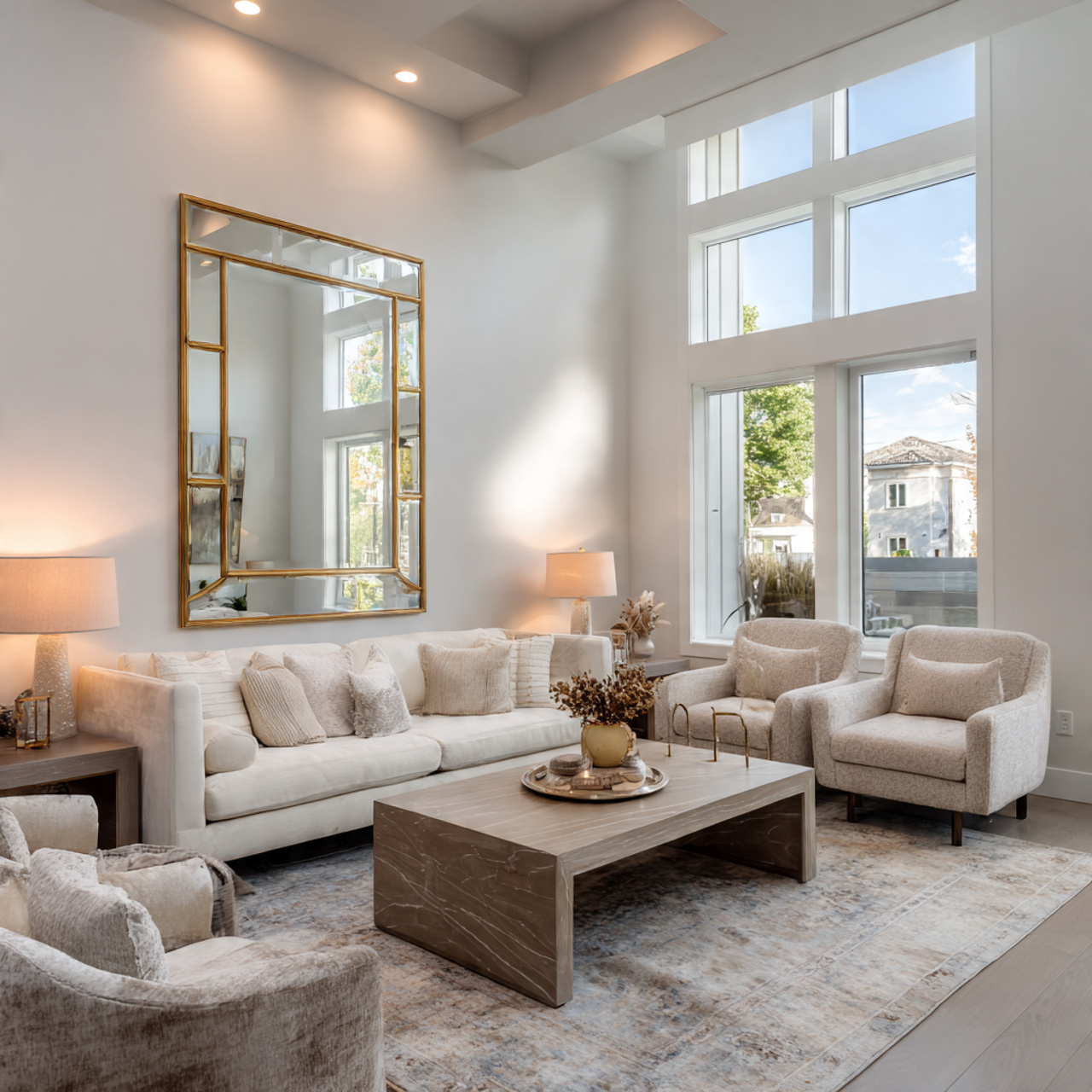
Mirror wall decor does more than reflect a room. In real homes it shapes how light moves, how space feels, and how visually open a layout becomes without adding extra furniture. A well placed mirror wall can make small living rooms feel larger, brighten dark corners, and bring balance to areas like entrances, bedrooms, and hallways.
Over time the impact becomes even clearer. Mirror wall decor works best when it is aligned with natural light, room proportions, and daily movement instead of being placed randomly. Many people focus only on style, but the real difference comes from how mirrors interact with the space. When used intentionally, mirror wall design ideas can completely shift the atmosphere of a home while still feeling effortless and natural.
Why Mirror Wall Decor Feels So Relevant in Modern Homes
Rooms today are expected to do more with less space. People want brightness openness and visual calm without adding heavy furniture or expensive renovations. Mirror wall decor solves this quietly by improving light flow and making layouts feel more balanced without changing structure.
At the same time many setups fail because mirrors are placed for decoration instead of function. Understanding how mirrors interact with light angles and wall proportions is what turns an average room into one that feels intentional and complete.
Core Mirror Wall Decor Ideas
Leaning full length mirror entrance
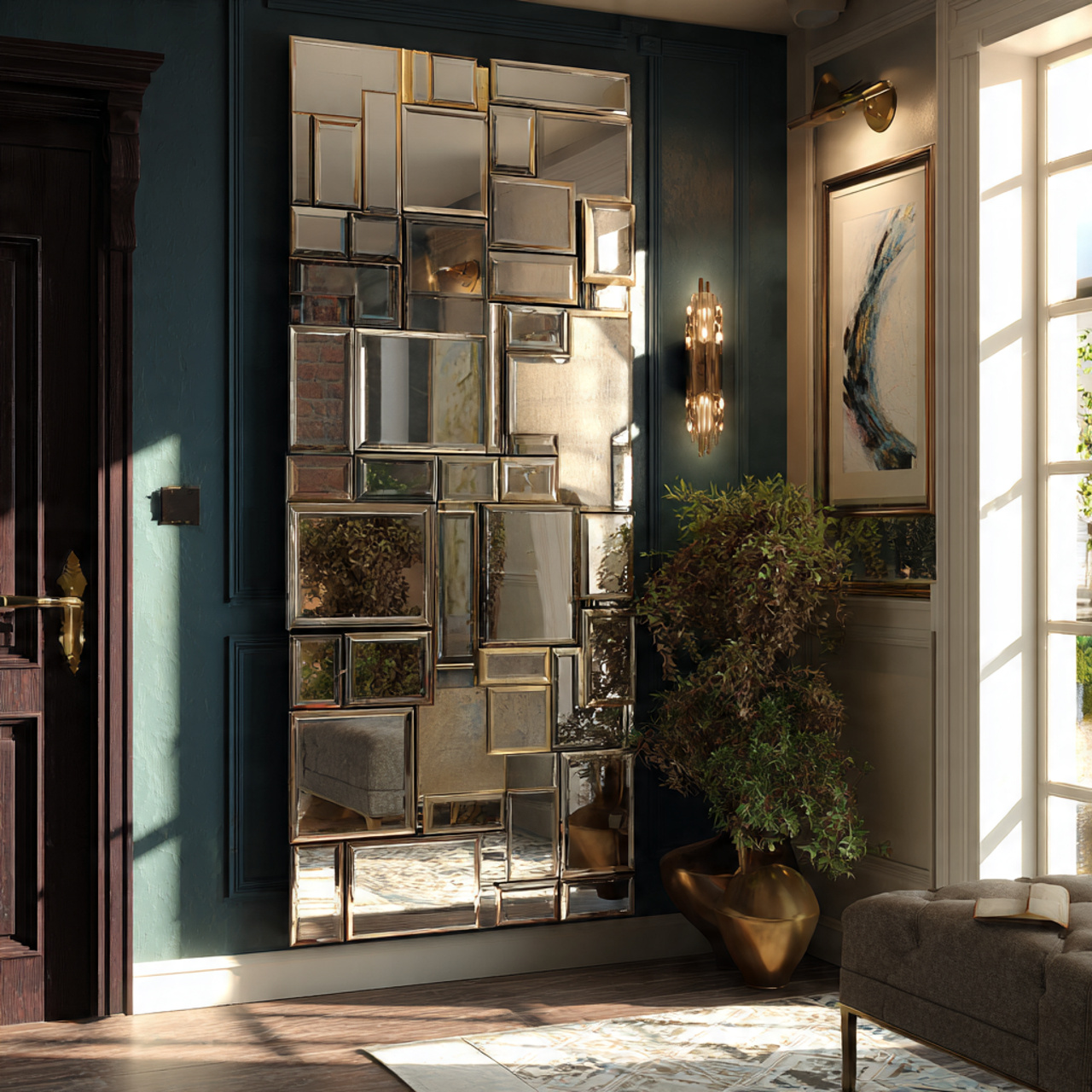
A full length mirror placed in a slightly angled lean against an entrance wall changes how the space is experienced the moment someone walks in. Instead of a tight corridor the reflection adds visual width and makes movement feel easier. I have seen small entrances feel almost double in openness with this one shift.
Placement matters more than size. If the mirror reflects a blank wall the effect feels flat but if it catches a doorway light source or even a textured rug the whole entrance gains depth. This is where people often regret rushing placement without testing reflections first.
Over time this setup continues to work because it adapts to seasonal light changes. Morning light softens the space while evening lighting creates a calm glow rather than harsh contrast.
Tip Leave a small breathing gap between the mirror and the wall so it does not feel permanently fixed or heavy.
Round entrance mirror above console for welcoming impression
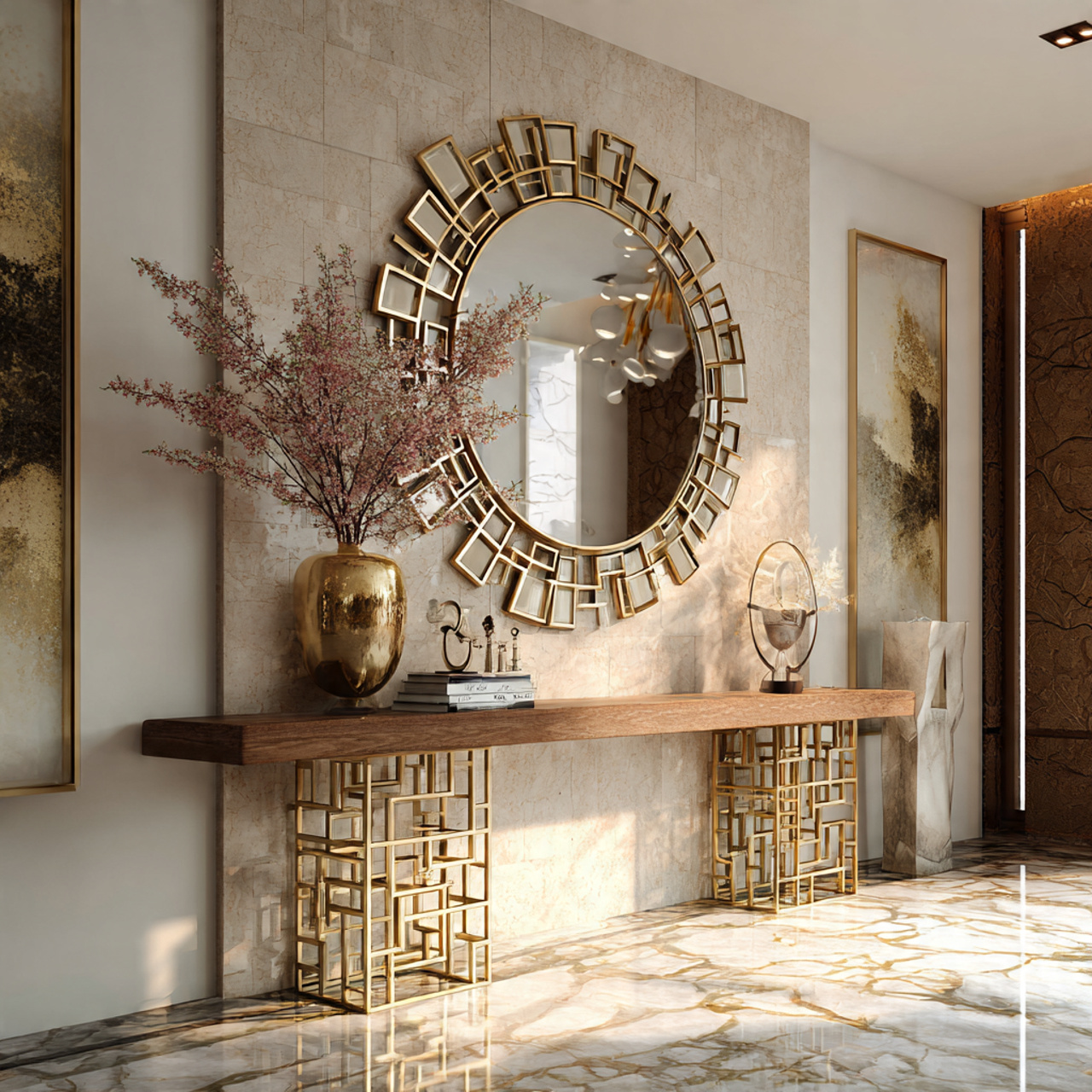
A round mirror above a console table softens the strong horizontal line that furniture creates and makes the entrance feel more welcoming. The curved shape naturally draws the eye inward and creates a sense of visual harmony that rectangular mirrors often lack.
In many homes I have worked with the mistake is placing the mirror too high which breaks the connection between the console and the reflection. When the mirror sits at a natural viewing height the entire setup feels intentional instead of disconnected.
This layout also ages well. Even when decor on the console changes the round mirror continues to anchor the space without needing constant adjustment.
Tip Keep styling minimal below the mirror so the reflection remains clean and not visually crowded.
Layered mirror arrangement that creates a window like light effect
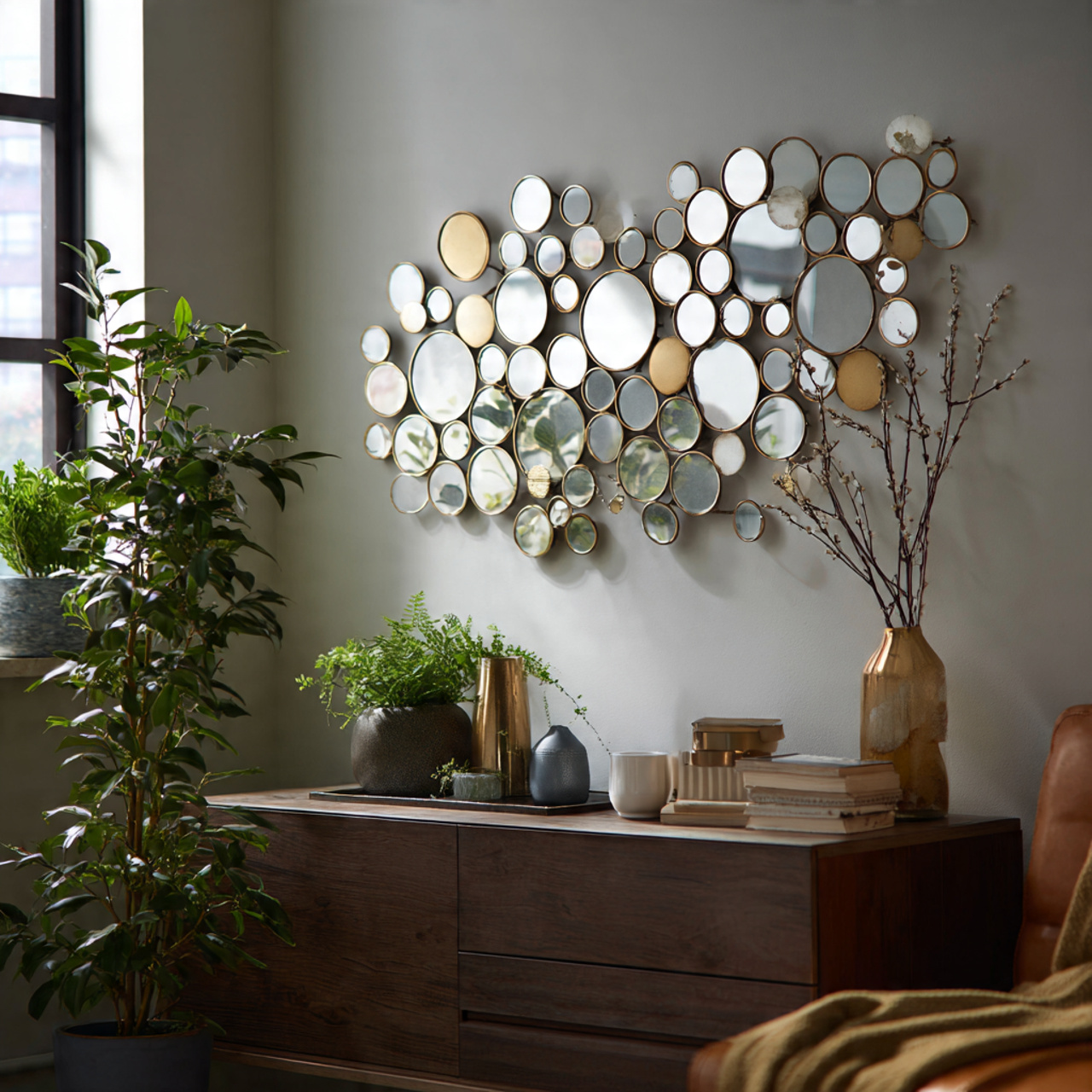
Instead of using one large mirror grouping smaller mirrors can create a window like illusion especially in rooms with limited natural light. The variation in size and placement allows light to bounce in different directions which feels more natural than a single flat reflection.
Most people assume symmetry is necessary here but that often makes the wall feel rigid. A slightly irregular arrangement gives a collected look that feels lived in rather than staged. This difference becomes more noticeable over time as the room evolves.
The key is to maintain a consistent tone in frames so the grouping feels connected even if shapes differ.
Tip Test your layout on the floor first and adjust spacing until it feels visually relaxed rather than perfectly aligned.
Arched mirror wall decor that lifts ceiling height visually
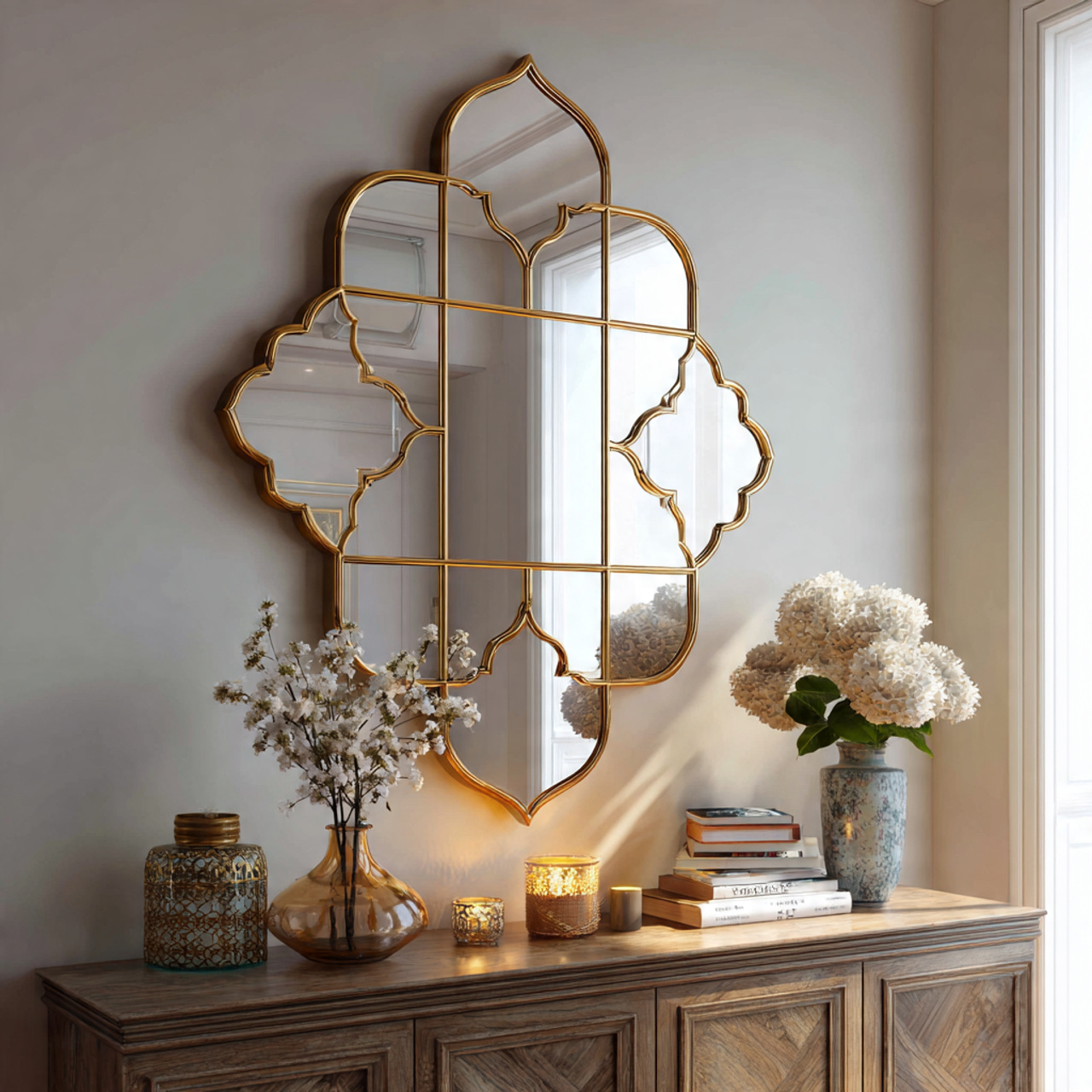
An arched mirror introduces a vertical flow that naturally guides the eye upward which makes ceilings feel taller. I have always found that this works especially well in living rooms where horizontal furniture dominates the visual line.
People often choose wide mirrors thinking bigger is better but that can actually flatten the room. A taller narrower arched mirror creates more movement and feels lighter in the space.
As lighting changes throughout the day the curved top catches light differently which adds subtle variation to the room.
Tip Choose an arch shape that is slightly taller than expected rather than wider to enhance height perception.
Mirror wall tiles that add texture and depth to a feature wall
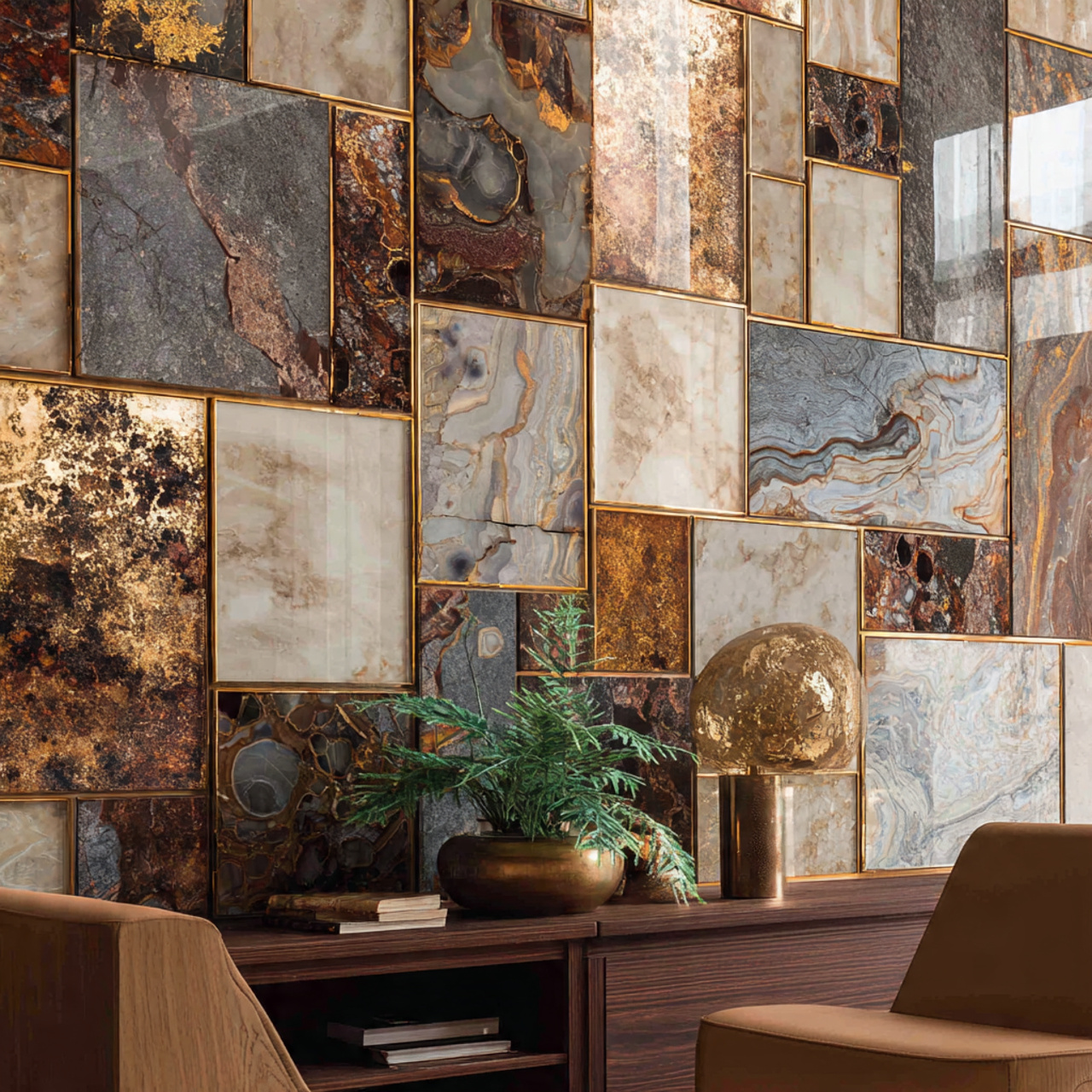
Mirror wall tiles create a layered surface that reflects light at multiple angles which gives depth instead of a flat reflection. This works particularly well in living rooms where a plain wall can feel empty but a full mirror might feel too strong.
The mistake many people make is choosing tiles that are too large or too shiny which can create glare and visual noise. Smaller tiles with a slightly softened finish tend to feel more refined and easier to live with daily.
Over time this setup continues to add interest because reflections shift constantly depending on light and movement in the room.
Tip Use a softer grout tone close to the wall color to avoid a harsh grid effect.
Symmetrical mirror wall styling that creates calm and visual structure
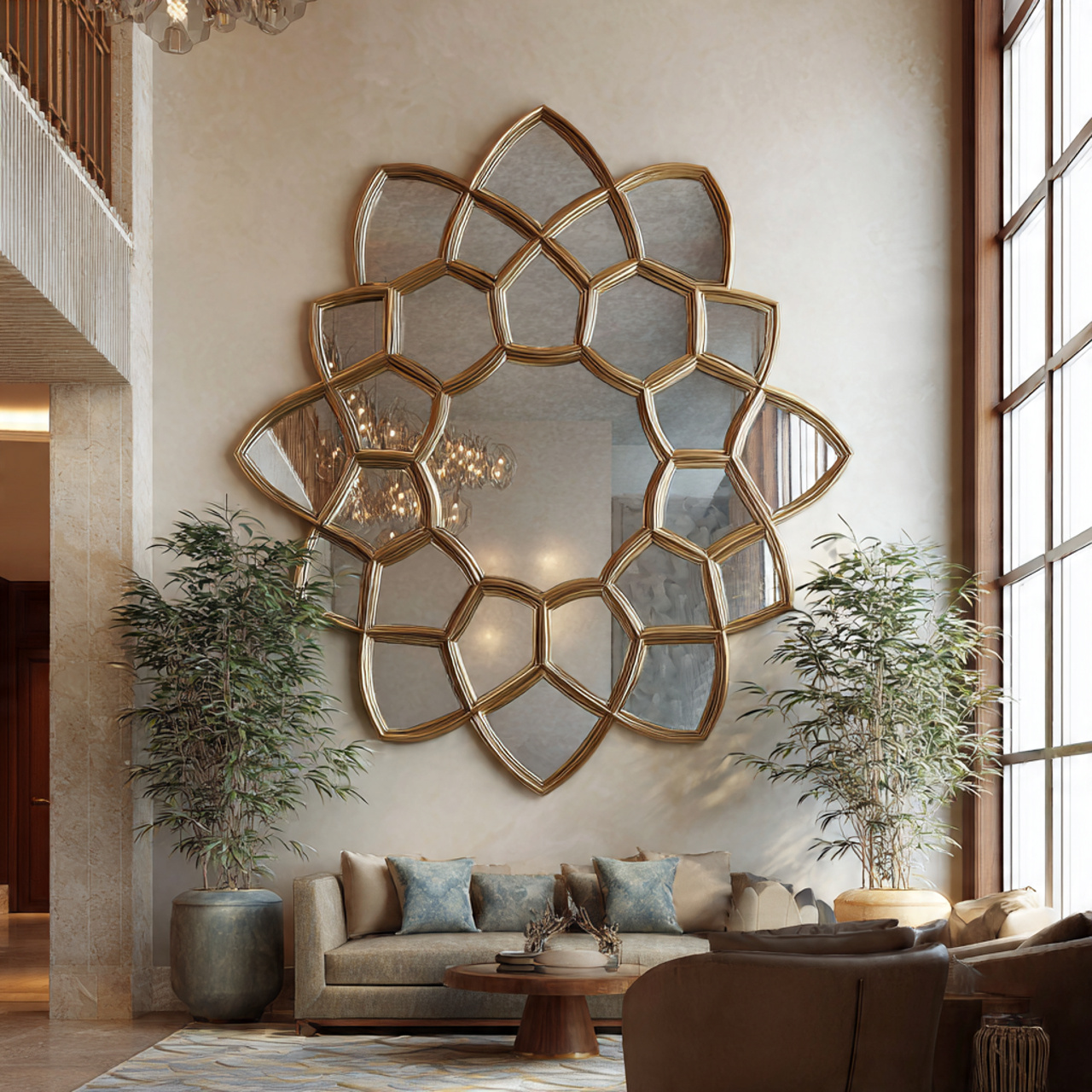
Using two mirrors on either side of a central piece like a sofa or console creates a sense of order that feels calm and stable. In spaces that feel slightly chaotic this approach brings immediate balance without adding more decor.
However perfect symmetry can sometimes feel too formal if everything is identical. A slight variation in styling around each mirror keeps the setup human and not overly styled.
This approach holds up well long term because it does not rely on trends and continues to feel grounded.
Tip Keep equal spacing from the central furniture to maintain visual balance without measuring obsessively.
Full length mirror in bedroom corner for visual expansion
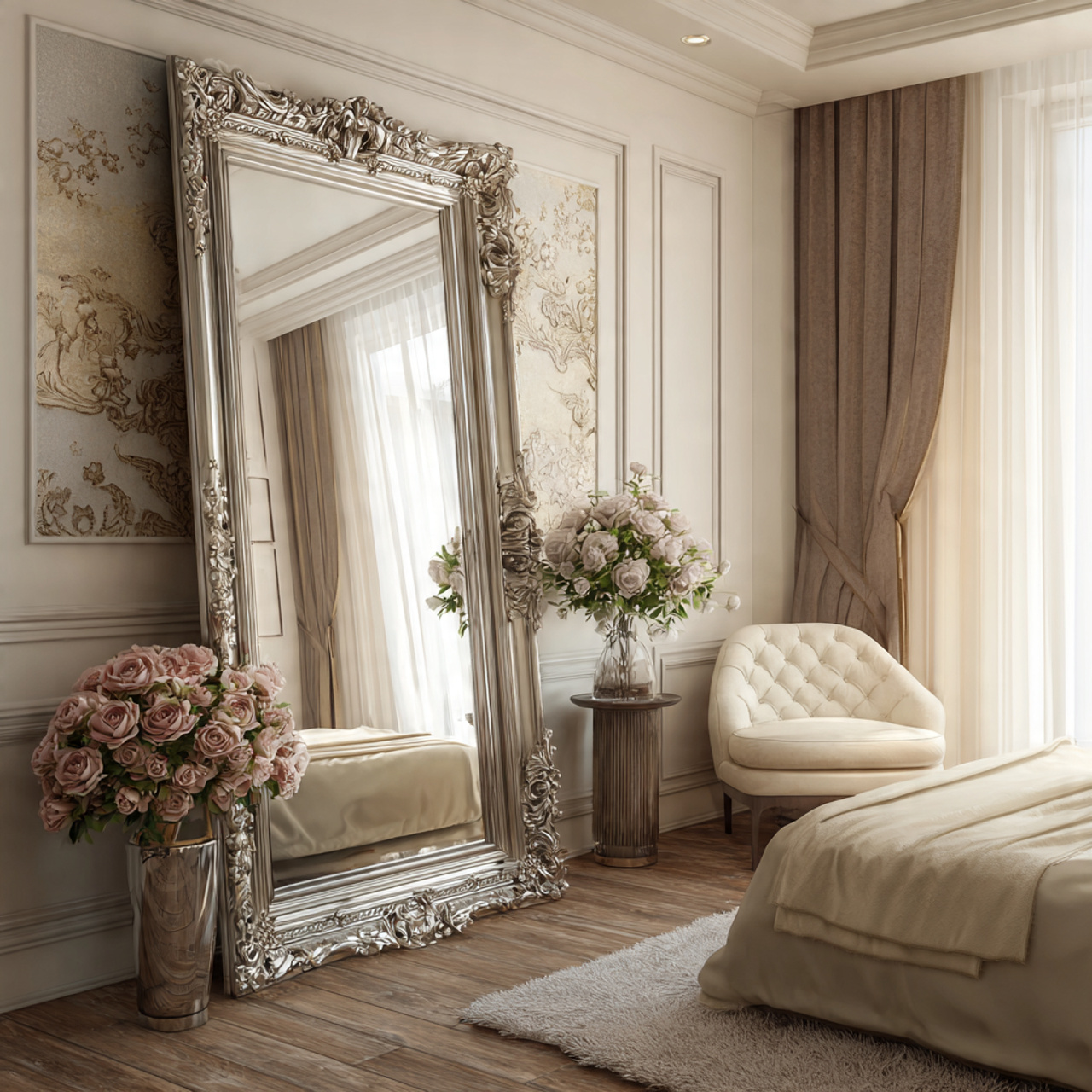
A full length mirror placed in a bedroom corner adds both practicality and spatial openness. It gives a natural dressing point while also reflecting more of the room which makes the space feel larger.
I have noticed that mirrors placed flat against the wall often feel static while a slight angle introduces movement and depth. This small adjustment changes how the room is perceived without any extra decor.
As the room changes over time this mirror continues to serve both function and visual purpose without needing repositioning.
Tip Anchor the mirror with a small rug or basket nearby so the corner feels intentional rather than empty.
Mixed frame mirror gallery wall that adds personality without clutter
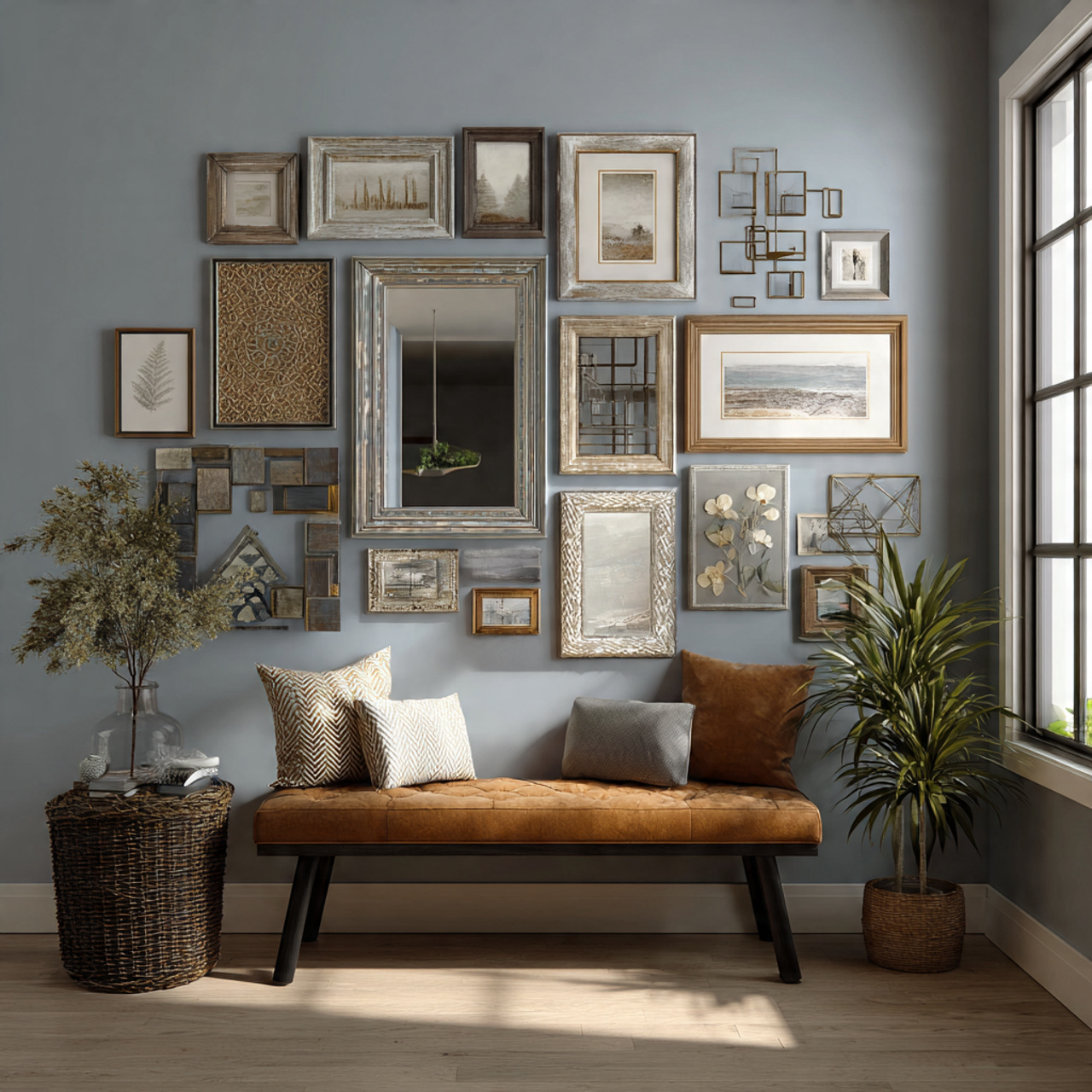
A gallery wall using different mirror frames introduces texture and personality while still keeping the space light. Unlike art heavy walls mirrors reflect the room which prevents the wall from feeling visually heavy.
The challenge here is avoiding randomness. Without a unifying element such as similar tones or materials the wall can feel chaotic instead of curated.
Over time this type of wall evolves naturally as pieces are added or removed which keeps it interesting.
Tip Stick to two or three frame finishes so the gallery feels cohesive without being uniform.
Smoked mirror wall decor that softens light
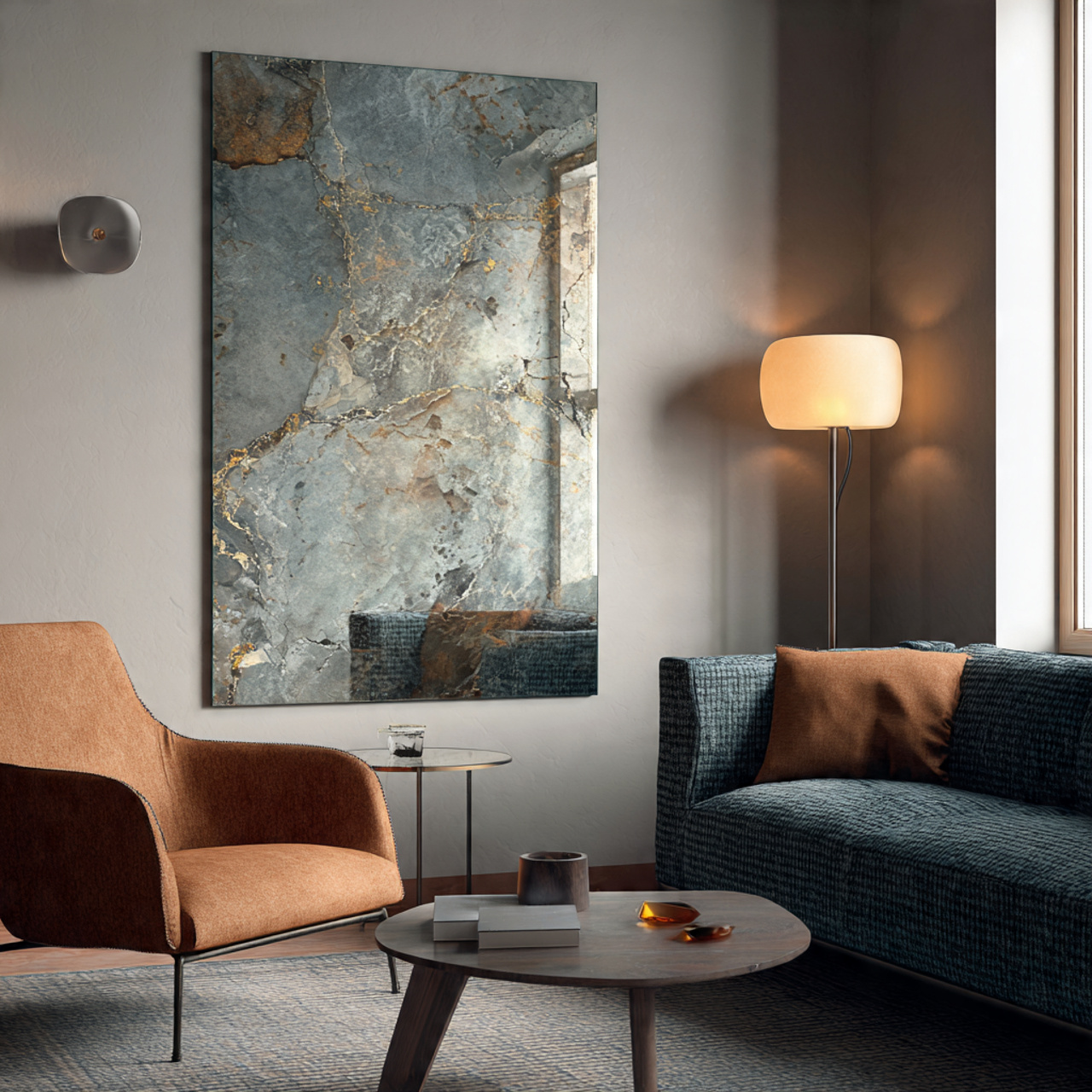
Smoked mirrors bring a subtle tint that softens reflections and creates a more relaxed atmosphere. In bright rooms this can make a significant difference because it reduces glare while still enhancing light distribution.
Many people overlook this option and go straight for clear mirrors which sometimes feel too sharp especially under strong lighting. The softer reflection feels easier on the eyes and more comfortable for daily living.
This effect becomes more noticeable in the evening when artificial lighting creates a warmer and more controlled reflection.
Tip Test smoked mirror tones in your space before installing since different shades can shift the mood from warm to slightly cool.
Floor to ceiling mirror panel that makes a living room feel expansive
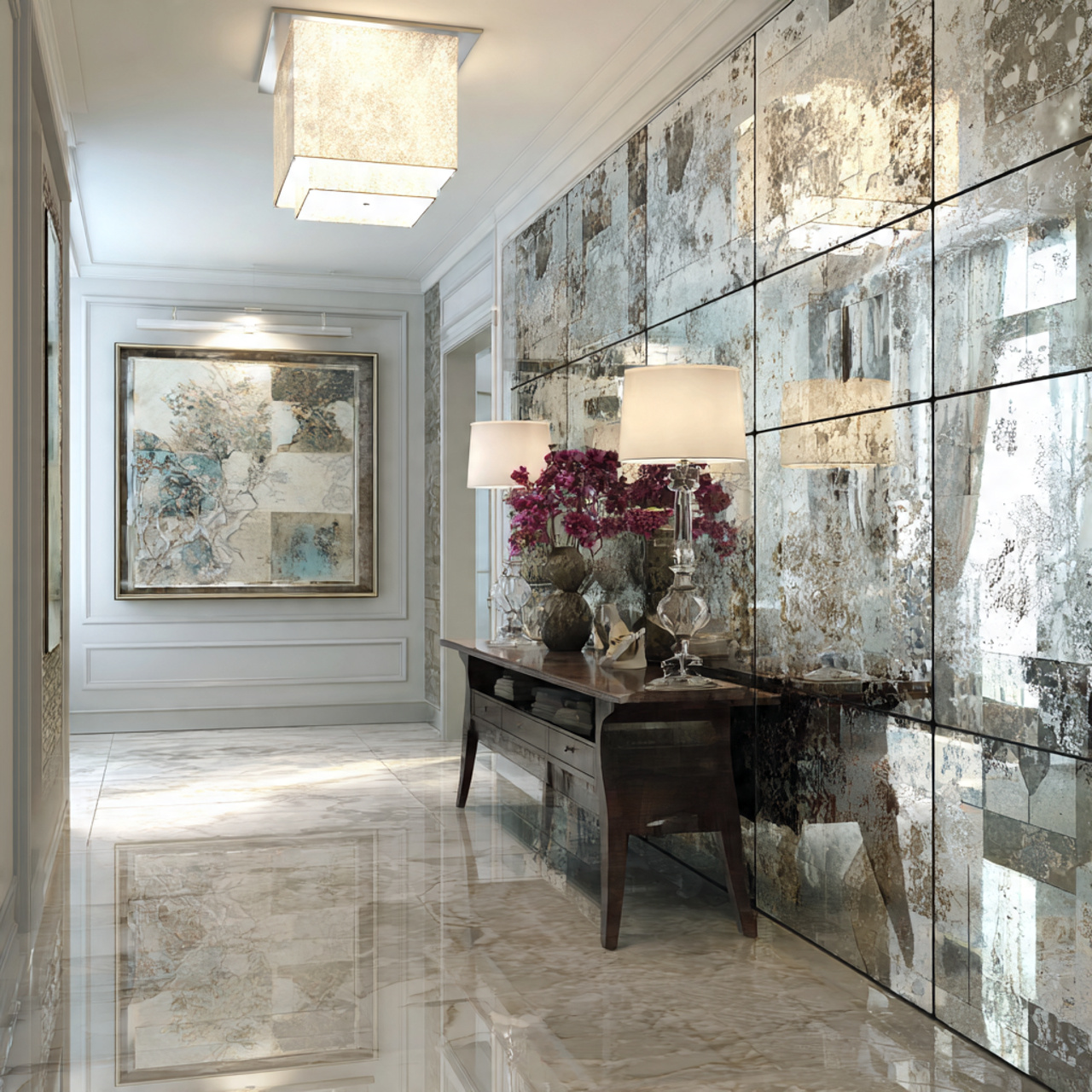
A vertical panel running from floor to ceiling gives an immediate sense of scale and air. In narrow living rooms I have used a single tall panel to visually double the height without changing furniture or layout.
Be cautious about reflecting a busy seating area because the amplified activity can read noisy in photographs and day to day life. A calmer reflection such as a single chair or a window produces a more editorial look while still feeling lived in.
Long term the clean vertical line remains modern and rarely dates, which is why I recommend investing in quality fixing for this treatment rather than a temporary lean option.
Tip Position the panel so it reflects light and a calm area of the room rather than screens or clutter.
Using mirrors to split an open plan without blocking sight lines
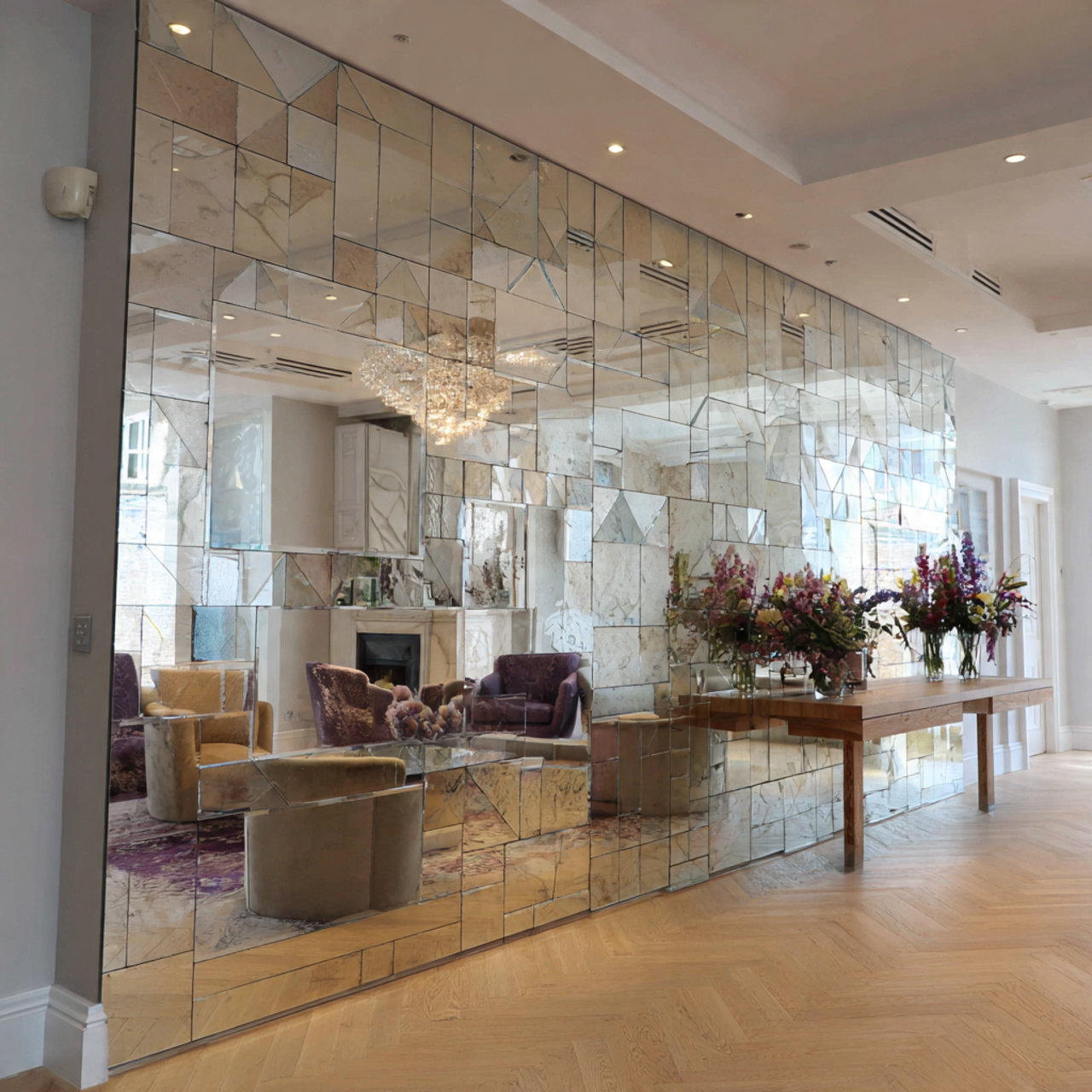
Mirrors can act like a transparent divider that defines zones while keeping visual connectivity across an open plan. I have placed framed mirror panels between kitchen and living zones so each area feels distinct without losing light or conversation flow.
The common regret here is choosing heavy ornate frames that fight the openness. Lightweight framed panels or slim metal mullions keep the separation gentle and functional.
Over seasons this approach adapts easily because furniture arrangement changes but the mirror divider still reads as architectural rather than decorative.
Tip Use narrow vertical panels rather than a single large mirror if you want the sense of separation without a full visual barrier.
Antique mirror clusters for soft texture and lived in character
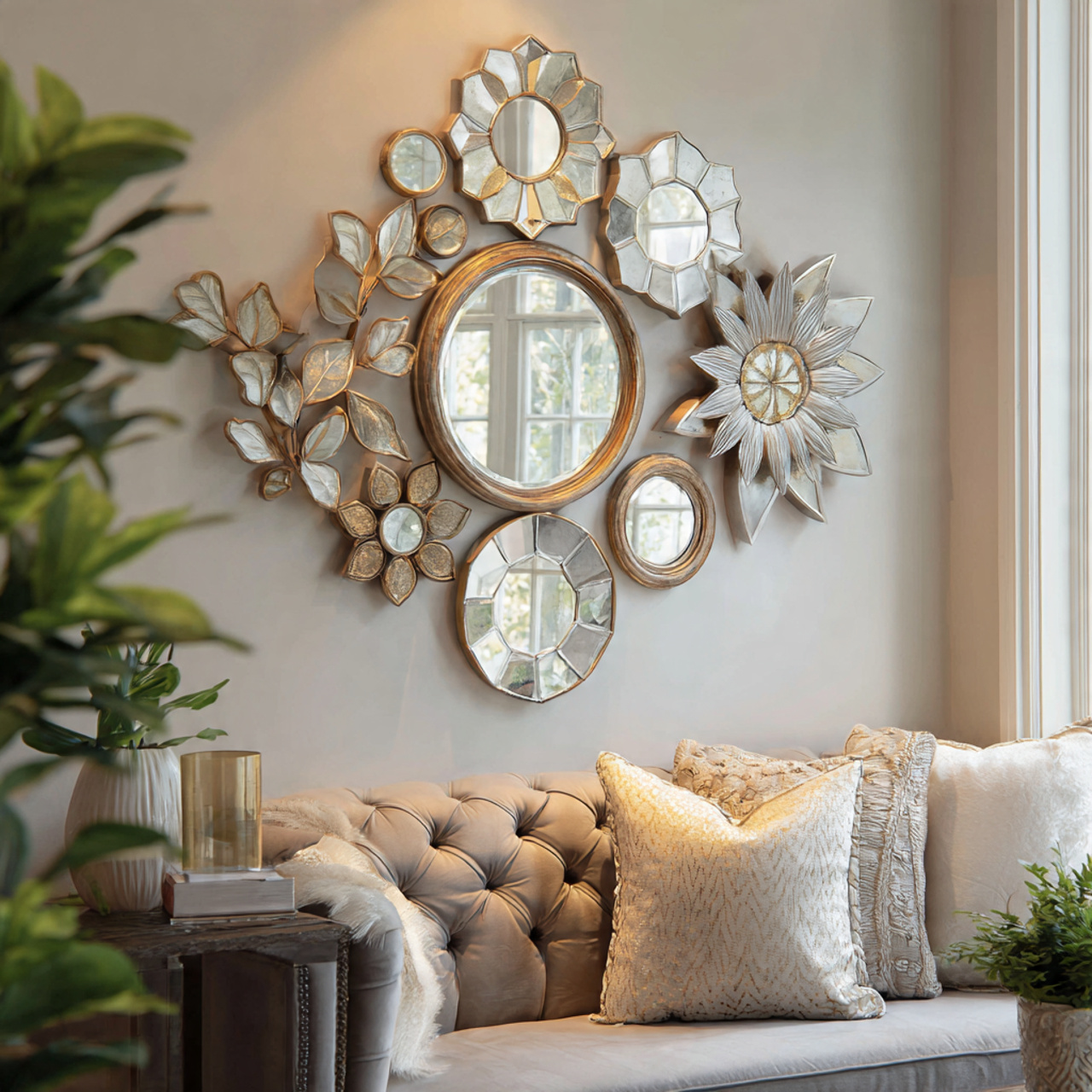
A set of antique mirrors with slightly imperfect glass brings a gentle blur that softens a room and reads like collected history. I often recommend these where a modern space needs warmth because the subtle imperfections feel like time rather than damage.
People sometimes mistake antique for shabby and overdo restoration which strips away the very patina that makes them appealing. Keep some wear visible and pair with modern elements to balance the look.
These mirrors tend to improve with time as frames mellow and glass tones sit into the room, so they reward patience more than frequent swapping.
Tip Group two or three antique pieces at staggered heights for a collected but calm composition.
Bold black framed mirrors for crisp modern contrast
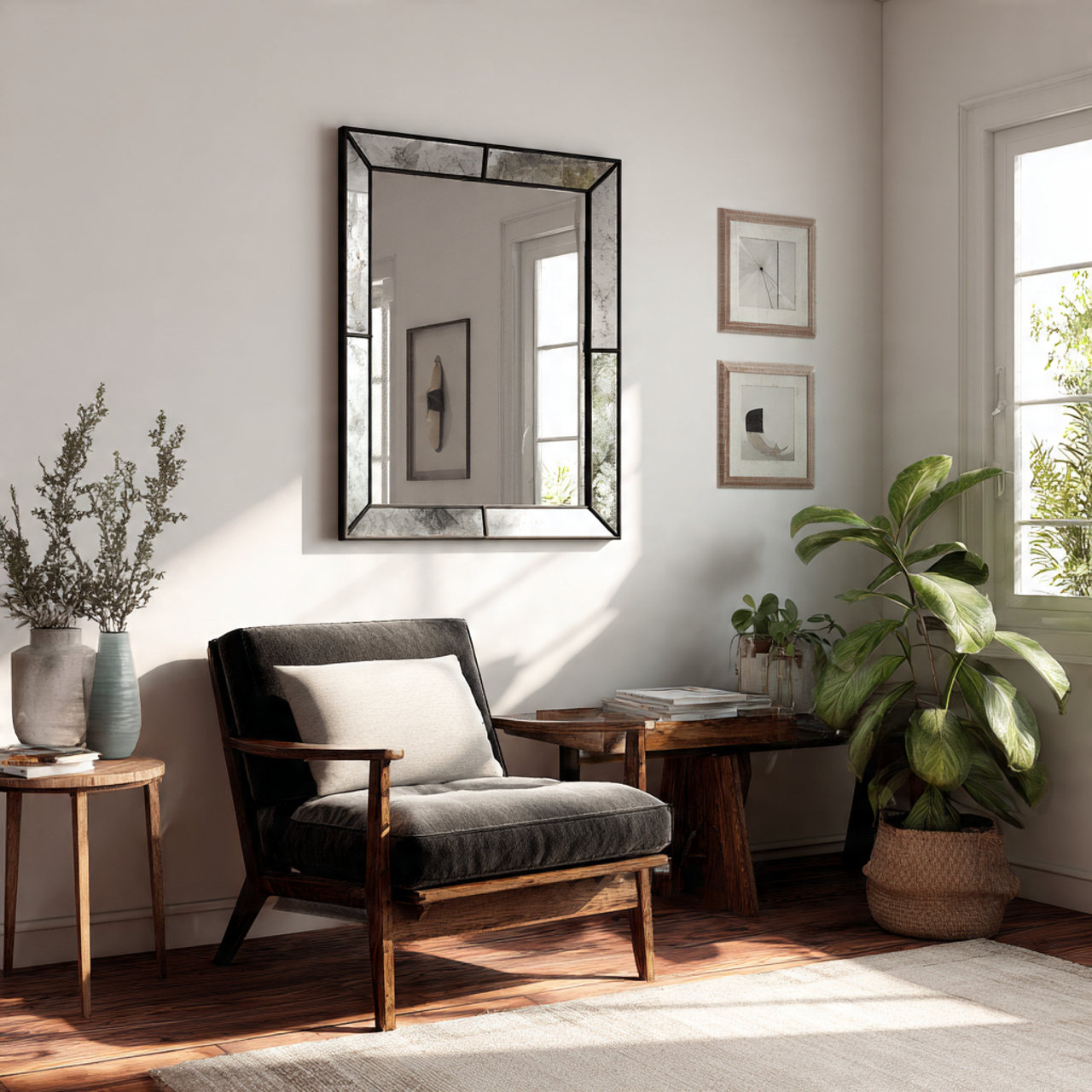
Black frames give mirrors a graphic presence that anchors pale walls and light furniture. In living rooms where surfaces are soft and neutral a black frame reads intentional and adds a modern punctuation without clutter.
Too many black elements can feel heavy however, so I suggest limiting the frame count or balancing with lighter timber or brass nearby. In my experience one striking black frame goes further than several smaller ones.
This choice ages well when balanced with natural fibers and lived textures so the look remains fresh rather than aggressively trendy.
Tip Pair a black framed mirror with a nearby plant or textured cushion to soften the contrast and avoid a gallery look.
Mirrored mantel wall for a layered focal without overwhelming the room
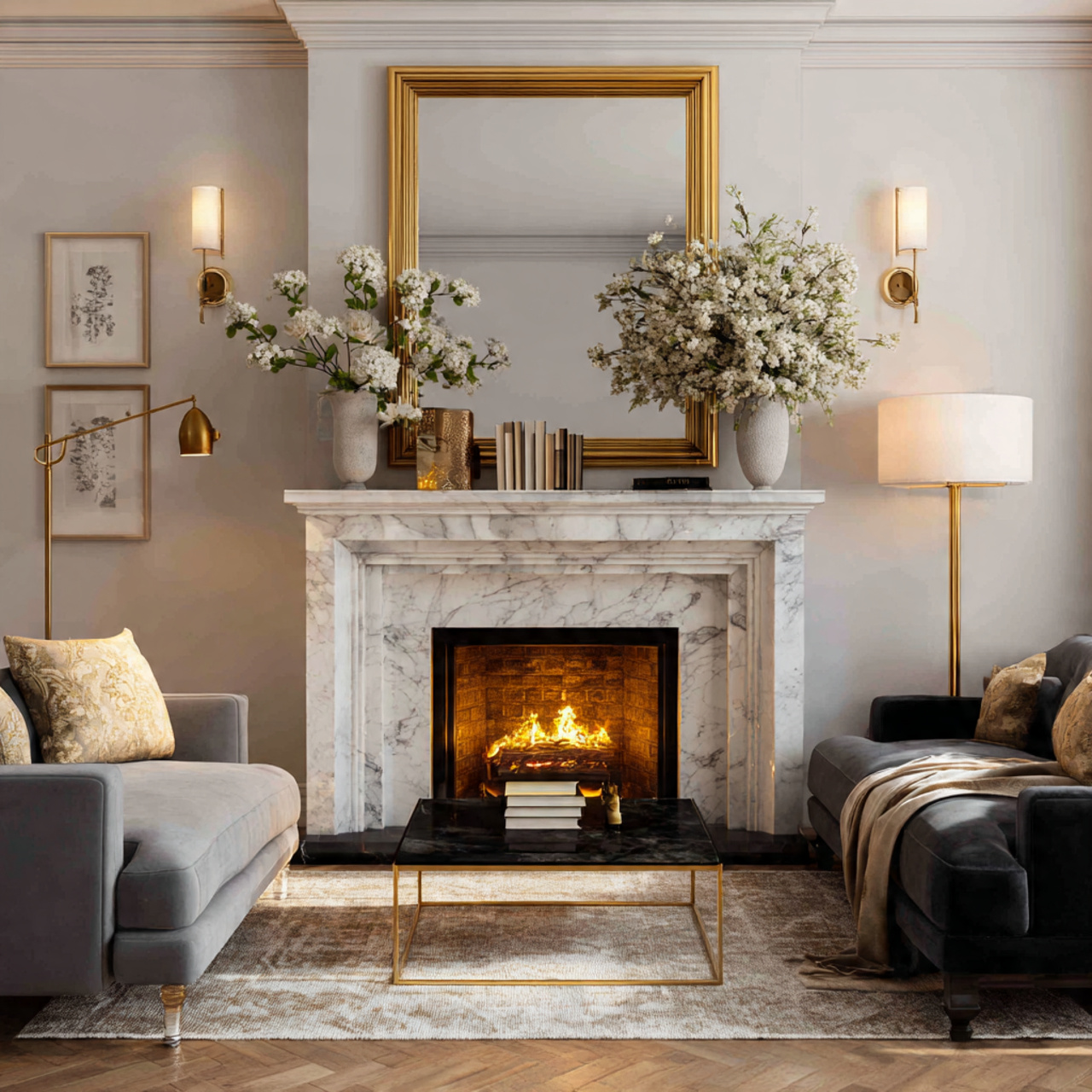
Placing a mirror behind a mantel reflects the room back into itself and gives depth to a central focal wall. I’ve seen modest mantels look significantly more considered when a single mirror picks up the opposite window or a piece of art.
Avoid mirrors that simply double clutter; the most successful installations reflect calm moments such as a doorway or a sculptural lamp rather than a crowded shelf. That mistake often becomes apparent only after the mirror has been in place.
A mantel mirror is forgiving over time because it works with changing accessories and seasonal styling without losing its structural role.
Tip Choose a mirror height that keeps the hearth visible below so the composition reads as layered rather than flipped.
Integrated shelf and mirror for functional entryways that still look styled
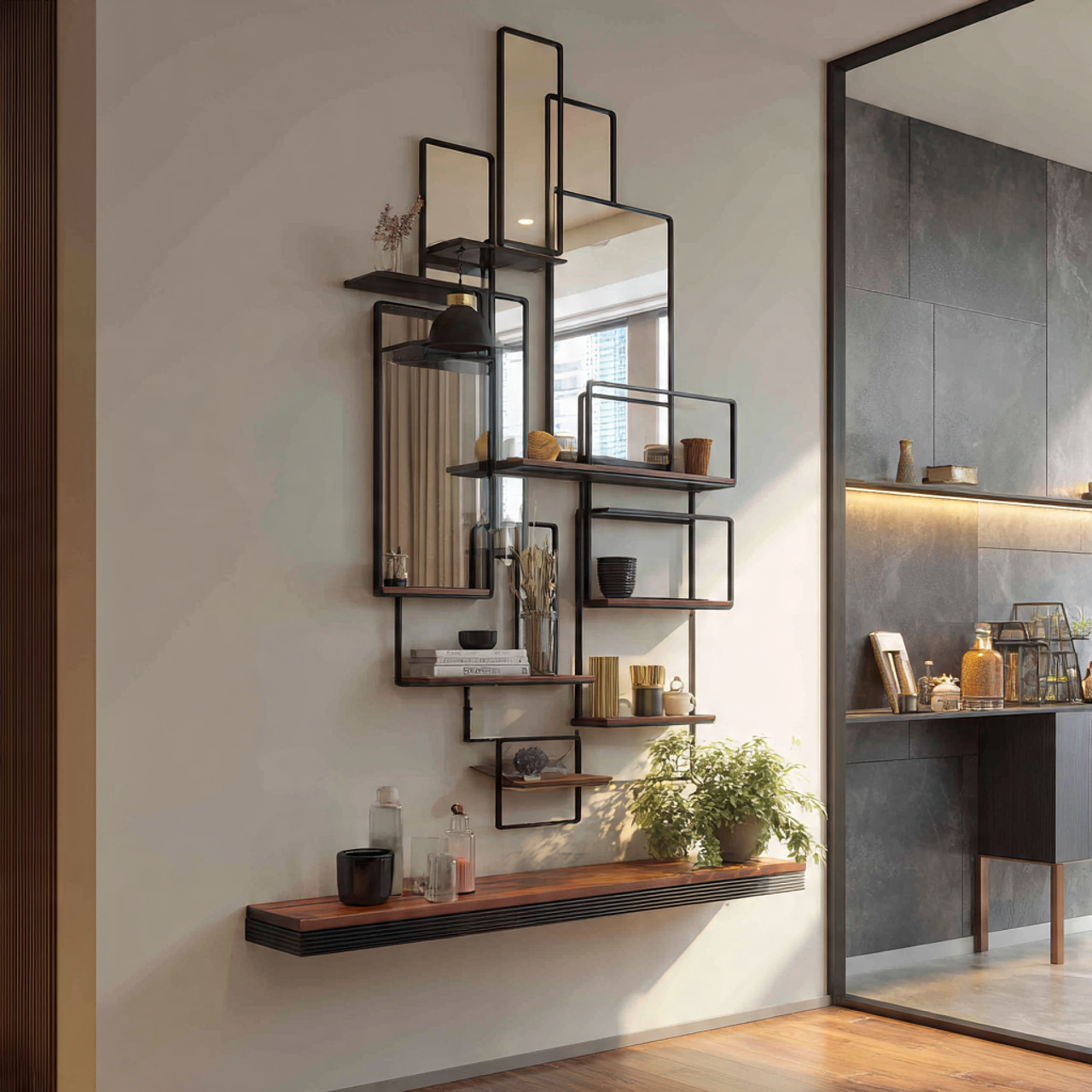
Combining a slim shelf with a small wall mirror creates a daily landing spot for keys and a place to check appearance on the way out. I recommend this for narrow entries where a full console would feel bulky.
People sometimes cram too many items onto the shelf which makes the mirror reflect clutter and undermines the intended calm. Keep the shelf sparse and use one or two useful items such as a shallow bowl and a vase.
This arrangement stays practical over time because it answers a real routine need while looking deliberate rather than makeshift.
Tip Choose a shelf depth under fifteen centimetres so it functions without protruding into the path.
Textured frame mirror to introduce tactility without heavy ornament
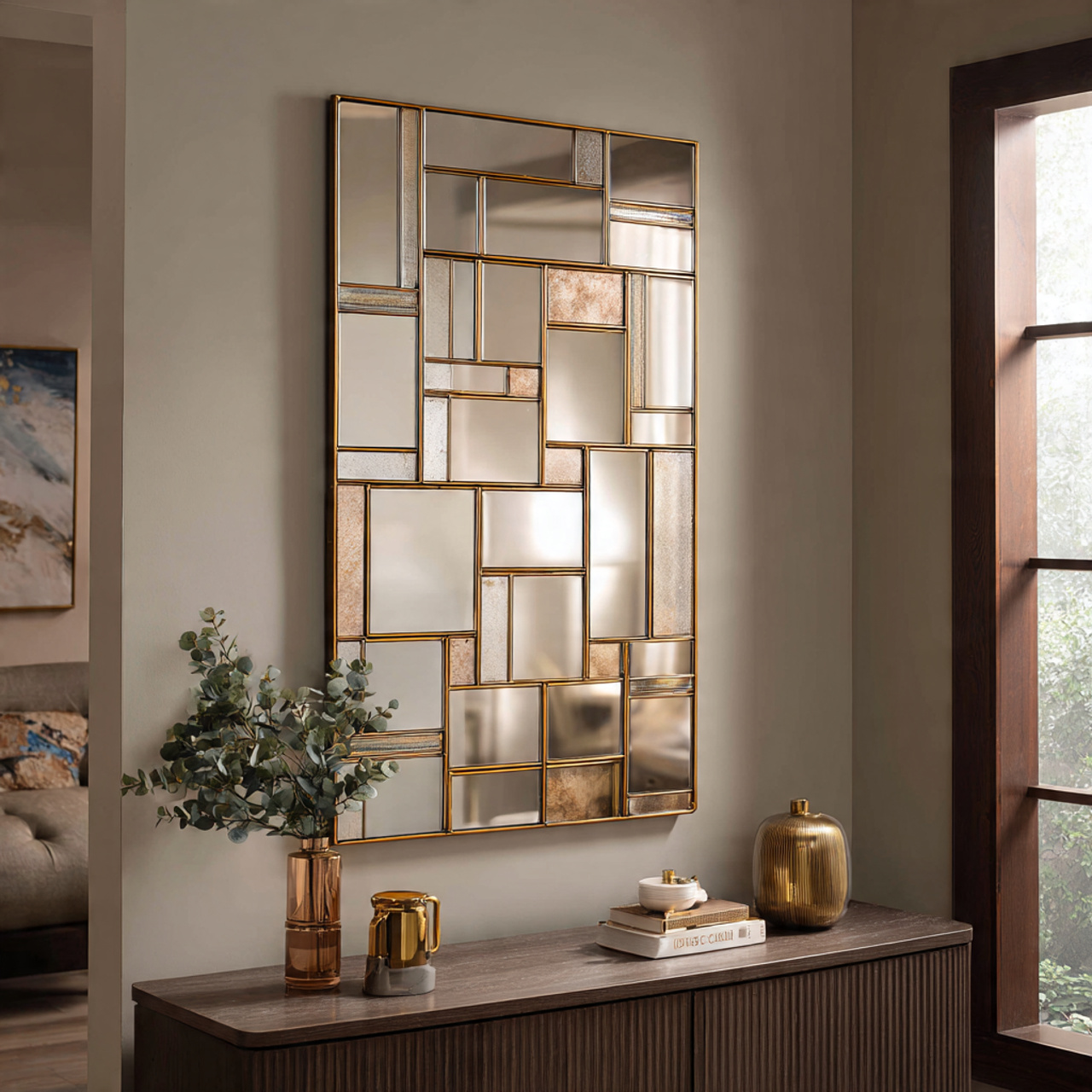
A mirror with a carved, woven or hammered frame adds texture that reads as finish rather than ornament which can be especially useful in minimal schemes. I like natural materials such as rattan or hand forged metal to add warmth without visual fuss.
The mistake is picking an overly ornate frame and expecting it to blend; texture should complement existing finishes not compete with them. In rooms with soft fabrics framed texture reads as a thoughtful counterpoint.
Over time textured frames reveal small marks that make them feel truly lived in rather than pristine and staged.
Tip Match the frame material to one other finish in the room such as a lamp base or a coffee table leg for cohesion.
Mirrored wardrobe doors that expand small bedrooms
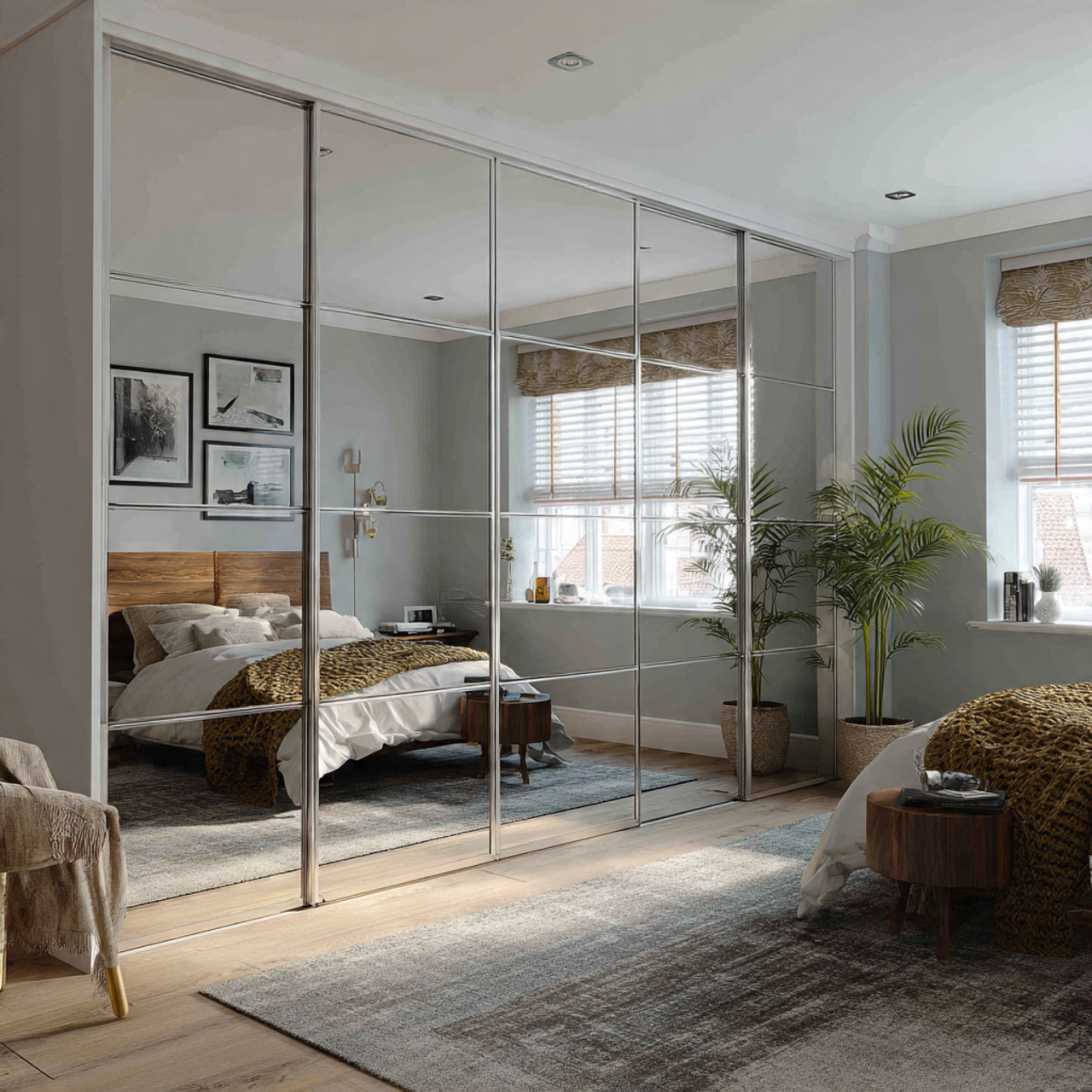
Replacing or covering wardrobe doors with mirrored panels is one of the most efficient ways to make a small bedroom feel bigger and more useful. I have recommended this repeatedly for rental friendly makeovers because it requires little structural work and gives instant effect.
Be mindful of reflecting busy bedding or crowded storage which can read chaotic. A simple bedding palette and a tidy top shelf make the mirror surface feel calm and continuous.
This is one of those choices that rewards regular editing of what is in view since the mirror will keep showing it every day.
Tip Keep the mirror panels clean and avoid heavy hanging decorations on the doors to preserve their expanding effect.
Natural edge and organic shaped mirrors for softer modern rooms
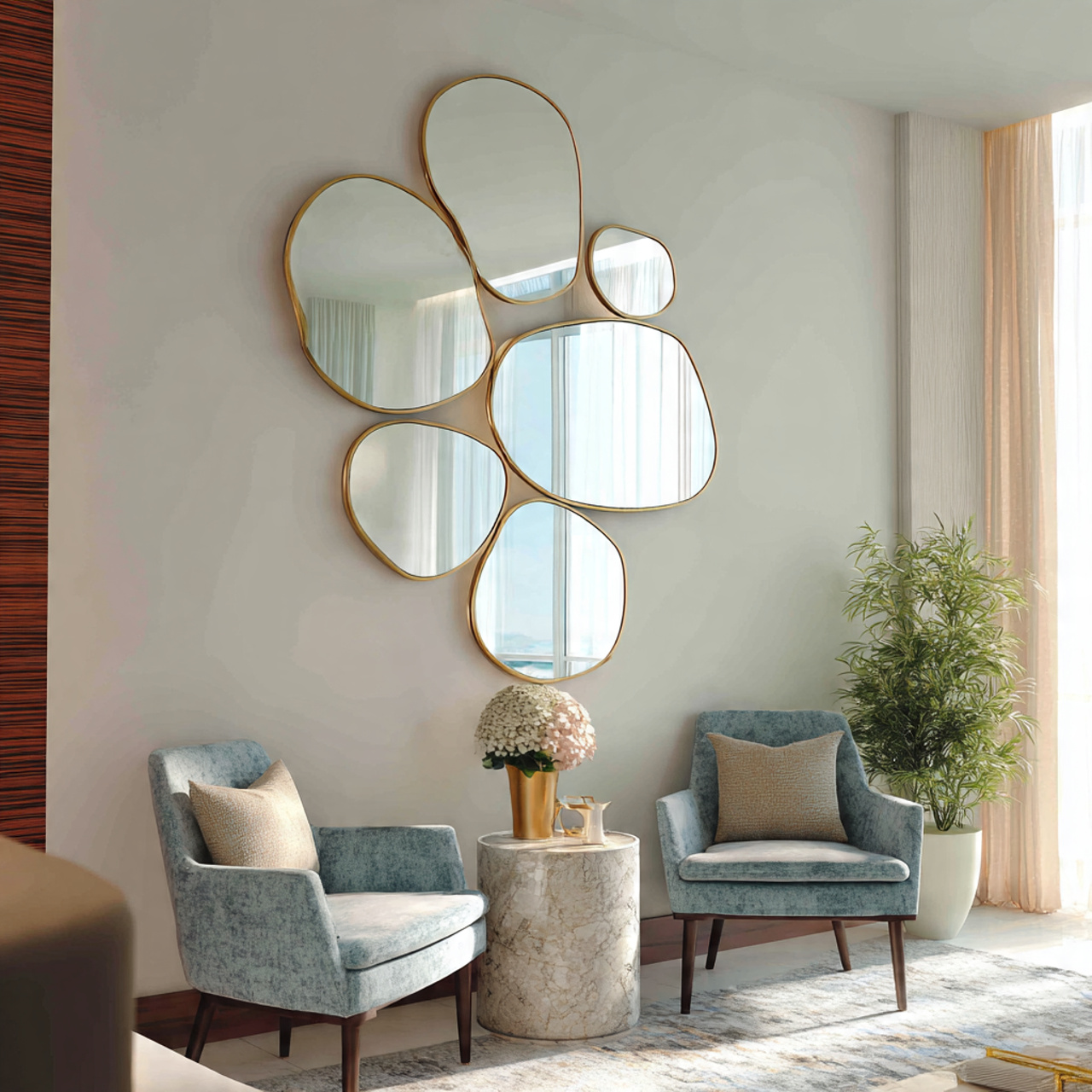
Mirrors with organic outlines or natural cut edges soften hard lines without resorting to overly decorative frames. I often use them in bedrooms and sitting rooms where a more relaxed, less formal look is desired.
The risk here is choosing an awkward scale that competes with furniture. Slightly smaller organic mirrors layered over a low table or bench typically look more intentional than very large irregular pieces.
These mirrors add a friendly, human scale to a room and tend to photograph well which matters if you rely on images to represent your home online.
Tip Layer an organic mirror with a small art print or textile swatch leaned nearby to create a tactile vignette.
Color and Material Authority
Aged Parchment with HEX F2E9DD keeps reflections soft and warm which works beautifully behind most mirror wall decor. I usually choose a matte or eggshell finish and pair it with linen or cotton so the mirror never feels harsh against the wall.
Soft Graphite with HEX 3A3A3C adds depth without feeling heavy and works especially well with black or metal framed mirrors. A satin finish helps it reflect light gently while materials like wool or brushed metal keep the look balanced.
Muted Olive with HEX 8A8F7A grounds the space and reduces excessive brightness in reflections. I often combine it with oak wood or rattan so the mirror feels integrated rather than placed on top of the design.
Warm Clay with HEX C48A6A introduces subtle richness and pairs naturally with brass or bronze mirror frames. A matte finish keeps it calm while textured fabrics add a lived in softness.
Room Size and Lighting Quick Guide
Small rooms
Place mirrors near light sources or walkways so the space feels open instead of tight. Oversized mirrors can overwhelm so proportion matters more than size.
Large rooms
A single small mirror often feels lost. Pair or layer mirrors to maintain presence without leaving the wall feeling empty.
North and south light
North facing rooms need warmth so softer tones and warm frames work better. South facing rooms benefit from toned down reflections to reduce glare.
Common Mistakes in Mirror Wall Decor
Hanging mirrors too high and disconnecting them from furniture
This usually happens because people focus on wall space instead of eye level. The result feels awkward over time because the mirror floats without relating to the console sofa or bed below it.
The room starts to feel slightly off even if you cannot immediately explain why. Lowering the mirror so it visually connects to the furniture instantly restores balance and prevents that subtle long term discomfort.
Reflecting clutter instead of calm focal points
Many mirrors are installed without considering what they actually reflect. Over time constant reflection of cables open shelves or busy corners creates visual noise that becomes tiring.
The fix is simple but often overlooked. Stand in front of the mirror location and study what it captures before mounting it permanently because that reflection becomes part of your decor every single day.
Choosing scale based on wall size instead of room proportion
It is tempting to fill a large wall with the largest mirror possible. In reality proportion relates to furniture height ceiling height and walking space not just empty wall surface.
Oversized mirrors can flatten a room and make it feel staged rather than lived in. Adjusting scale to relate to surrounding pieces usually creates a more natural effect.
Using overly glossy mirrors in bright rooms
In south facing spaces especially high gloss mirrors can produce harsh glare that feels sharp instead of airy. People often assume more shine equals more light but the opposite can happen.
A slightly toned or smoked surface softens reflections and keeps the atmosphere comfortable throughout the day. Ignoring this can lead to eye strain and constant repositioning of lamps.
Treating mirrors as afterthought accessories
One of the most common long term regrets I see is installing mirrors at the end of a project without planning their role. When mirrors are chosen last they often fight with lighting or art rather than support them.
Planning mirror wall decor early allows you to position lighting and furniture intentionally. Skipping that step can make the room feel disjointed no matter how expensive the pieces are.
FAQ Related to Mirror Wall Decor
Where should mirror wall decor be placed in a living room?
Place it where it reflects natural light or a calm focal point. Avoid reflecting clutter or screens.
Is one large mirror better than multiple small mirrors?
Large mirrors open up space while small mirrors add texture. Choose based on your room needs.
Can mirror wall decor work in small apartments?
Yes, if placed near light or movement areas. Avoid tight corner reflections.
What frame style works best for mirror wall decor?
Simple frames like black, brass, or wood work best. They stay timeless and easy to match.
How do I avoid cluttered reflections?
Keep the reflected area clean and minimal. Mirrors amplify whatever they face.
Final Thoughts on Mirror Wall Decor That Actually Works
Mirror wall decor becomes truly effective when it is treated as part of the room structure rather than a decorative afterthought. Placement scale and reflection direction all influence how light moves and how the space feels throughout the day. In my experience small adjustments often create the biggest visual shift especially in entrances and living areas.
Start with one thoughtful placement and observe how it changes the room over time. Mirror wall decor rewards patience because the right position continues to improve the space in different lighting conditions while the wrong one becomes more noticeable with daily use.