12 Minimalist Living Room Ideas That Feel Cozy And Modern
A minimalist living room often looks simple at first, but the right details completely change how the space feels. After experimenting with different layouts and textures, it becomes clear that minimalism is not about removing everything. It is about choosing pieces that make the room feel calm, comfortable, and intentional.
Many people assume minimalist spaces feel cold or empty, yet real homes tell a different story. When lighting, textures, and furniture placement work together, the room starts feeling warm and lived in. Over time, these subtle changes often create the most relaxing spaces in a home.
Minimalist living room designs work best when thoughtful layout, soft textures, and balanced lighting create a calm space that feels open yet comfortable.
Why Minimalist Living Rooms Feel More Comfortable Over Time
A minimalist living room often becomes more enjoyable after living with it for a while. Less clutter makes daily life easier, and the space begins to feel calmer without constant rearranging. The room also becomes easier to maintain, which improves long term comfort.
Another thing many people notice is how minimalism improves natural light and movement. Open layouts make small spaces feel larger and more breathable. Over time, this simplicity often creates a more relaxing everyday living environment.
Minimalist Living Room Ideas That Feel Cozy And Modern
Soft Neutral Sofa That Creates a Calm Minimalist Living Room
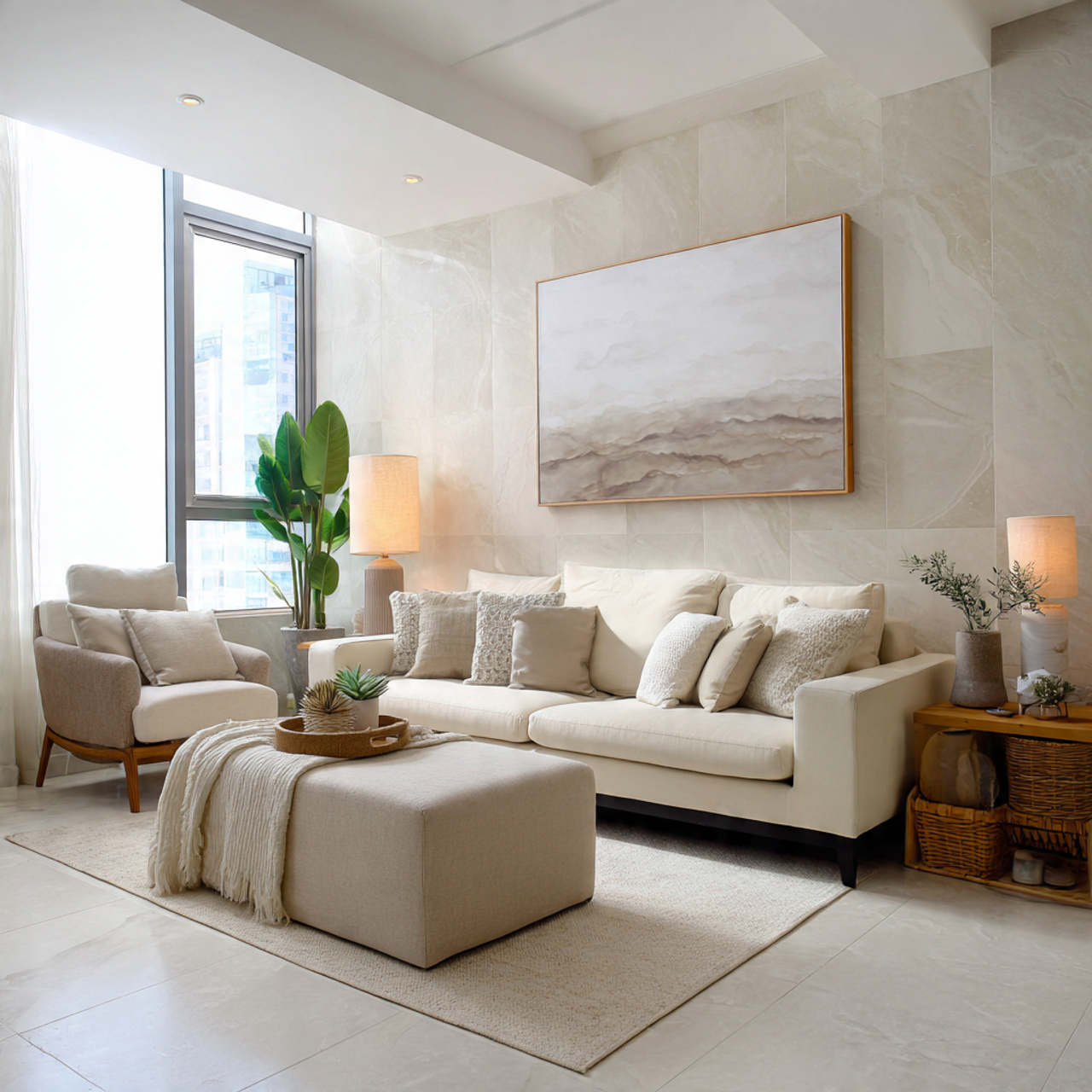
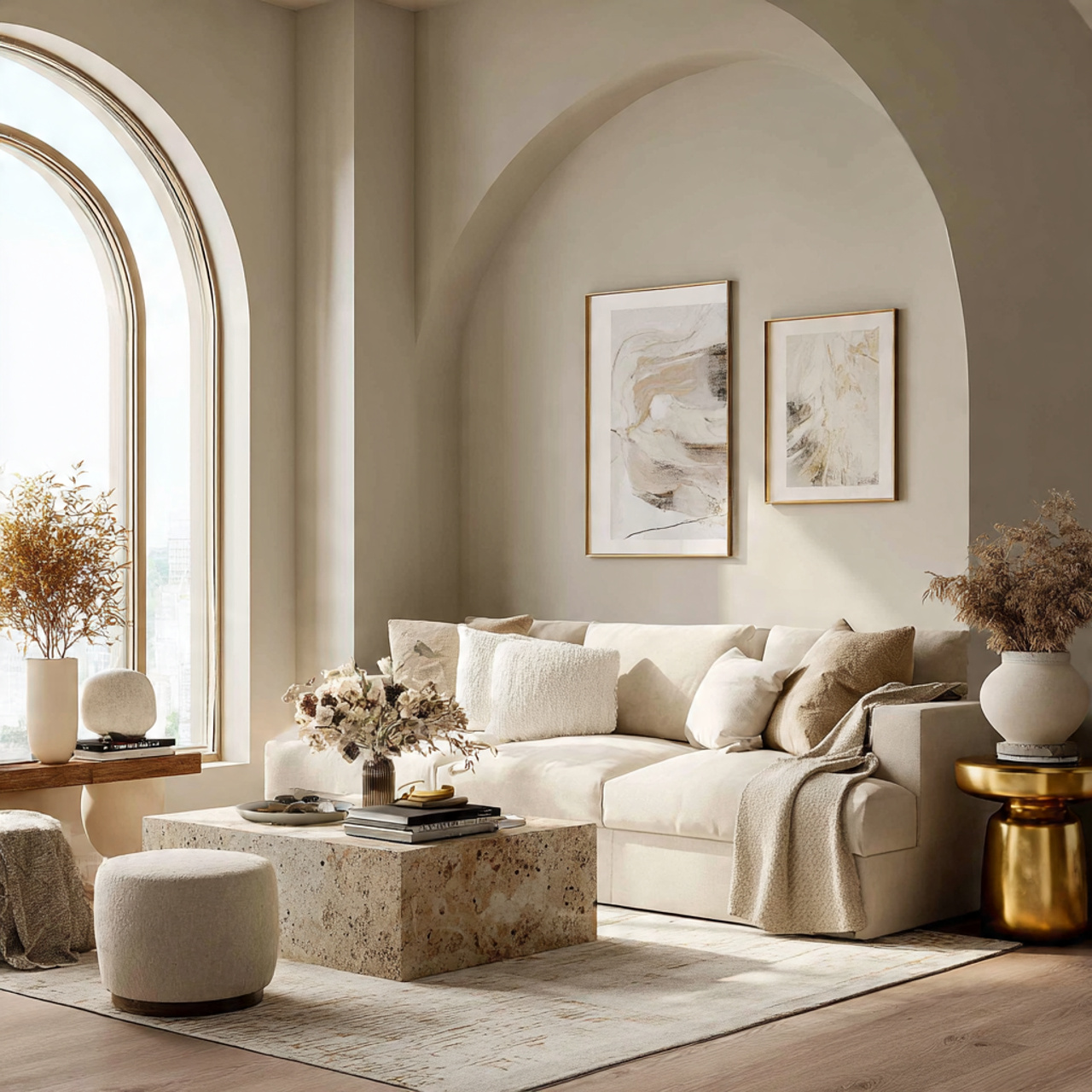
A soft neutral sofa placed near natural light instantly creates a peaceful minimalist living room. Light flowing across textured cushions makes the space feel relaxed and open. The room begins to feel calm the moment you walk in.
Neutral sofas reduce visual clutter and create a balanced atmosphere. In many real homes, darker sofas often dominate the space and make rooms feel smaller. Soft neutral tones instead blend gently into the background.
Choose a beige or light grey sofa and keep surrounding furniture minimal. Add one simple coffee table and leave open space around seating. This helps the minimalist layout feel intentional rather than empty.
Tip: Choose textured fabric to keep the neutral sofa visually interesting.
Warm Wooden TV Wall That Becomes a Minimalist Focal Point
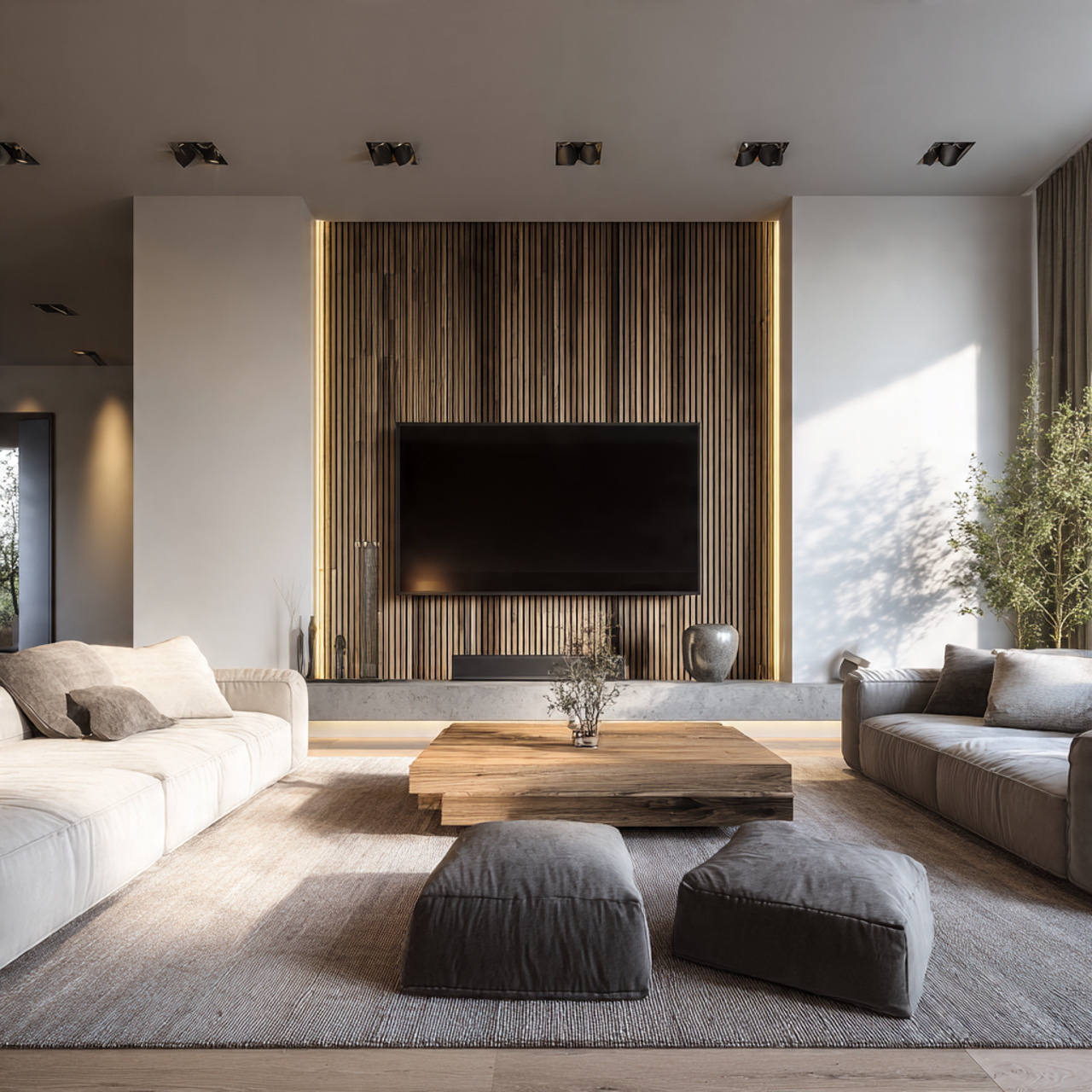
A warm wooden TV wall creates a natural focal point in a minimalist living room. The wood texture softens the space while floating cabinets keep the floor visually open. Evening light reflecting on wood creates a cozy atmosphere.
Minimalist rooms often feel cold without warm materials. After trying all white spaces, many homeowners realize wood adds balance without adding clutter. This subtle warmth makes the room more livable.
Install vertical wooden panels or a floating wooden TV unit. Keep decor minimal with one plant or small artwork. This keeps the focal wall clean and modern.
Tip: Use light oak or walnut tones for a warm minimalist feel.
Layered Rug Styling That Adds Cozy Minimalist Comfort
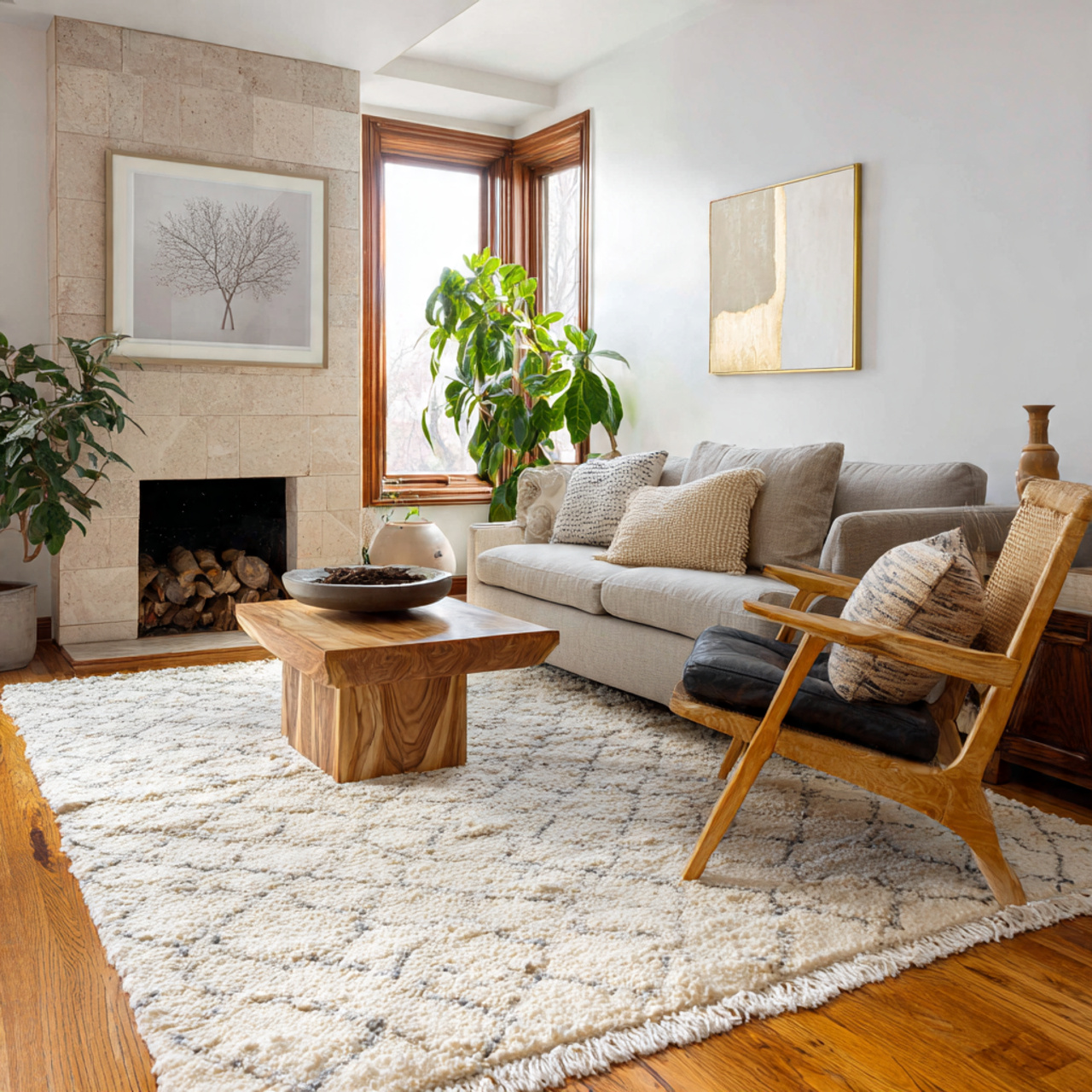
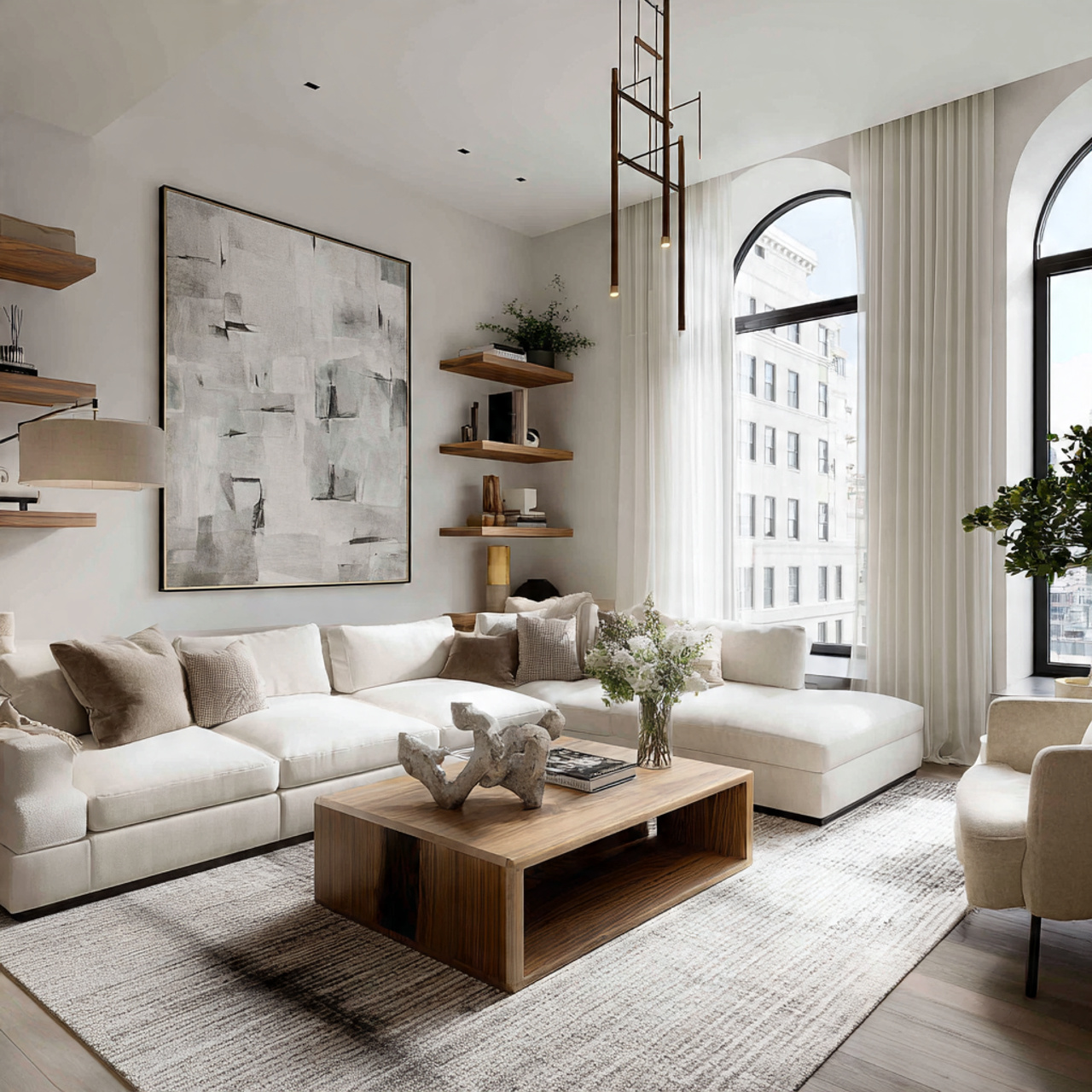
A large neutral rug layered under the seating area instantly softens the room. The texture adds warmth while maintaining the minimalist aesthetic. The space begins to feel comfortable rather than empty.
Minimalist rooms often benefit from subtle texture. In my experience, adding a rug often transforms the entire room instantly. It introduces warmth without adding visual clutter.
Choose a large rug that fits under the sofa and table. Avoid small rugs that break the visual flow. This keeps the layout cohesive and balanced.
Tip: Choose low contrast patterns for a calm minimalist look.
White and Wood Palette That Feels Bright and Relaxed
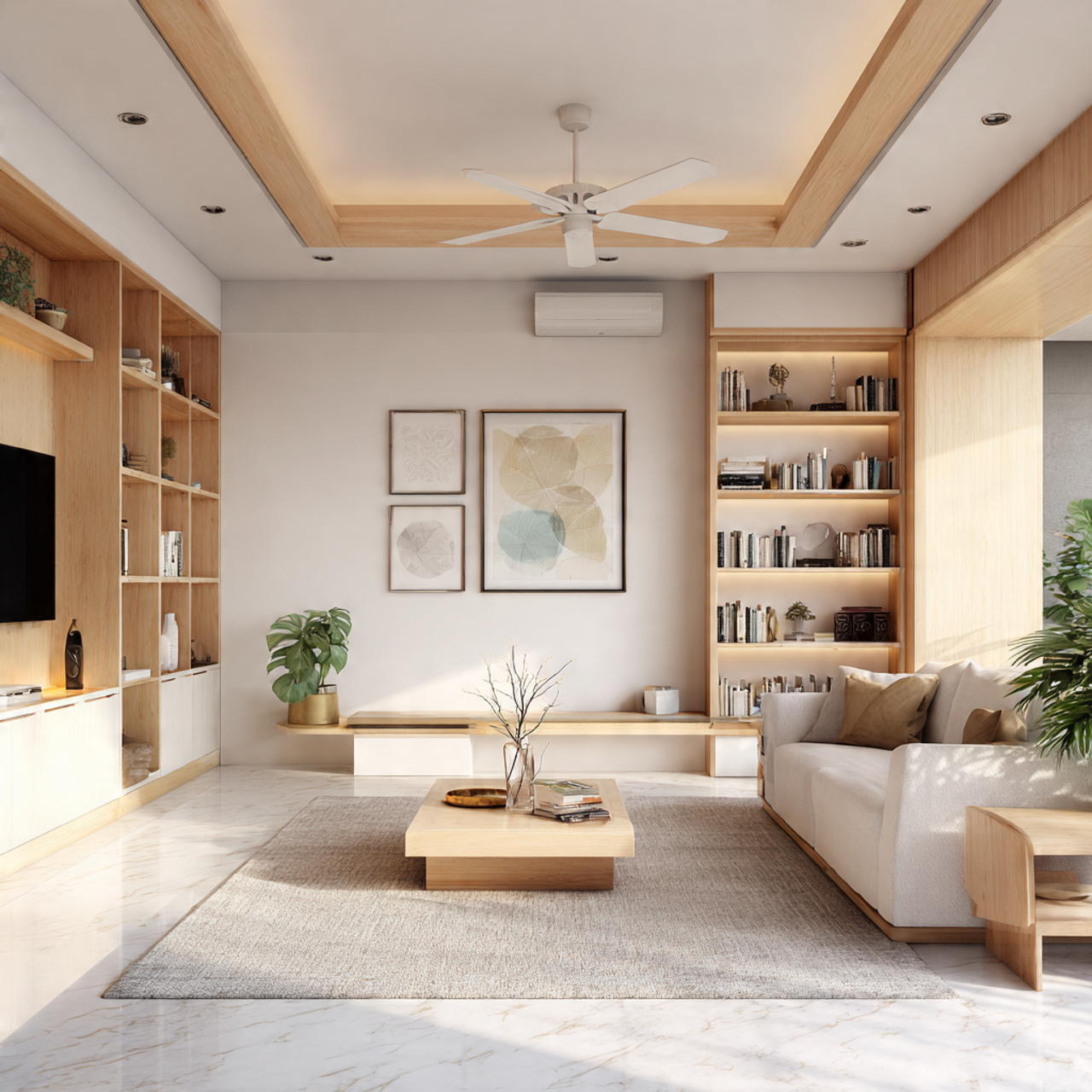
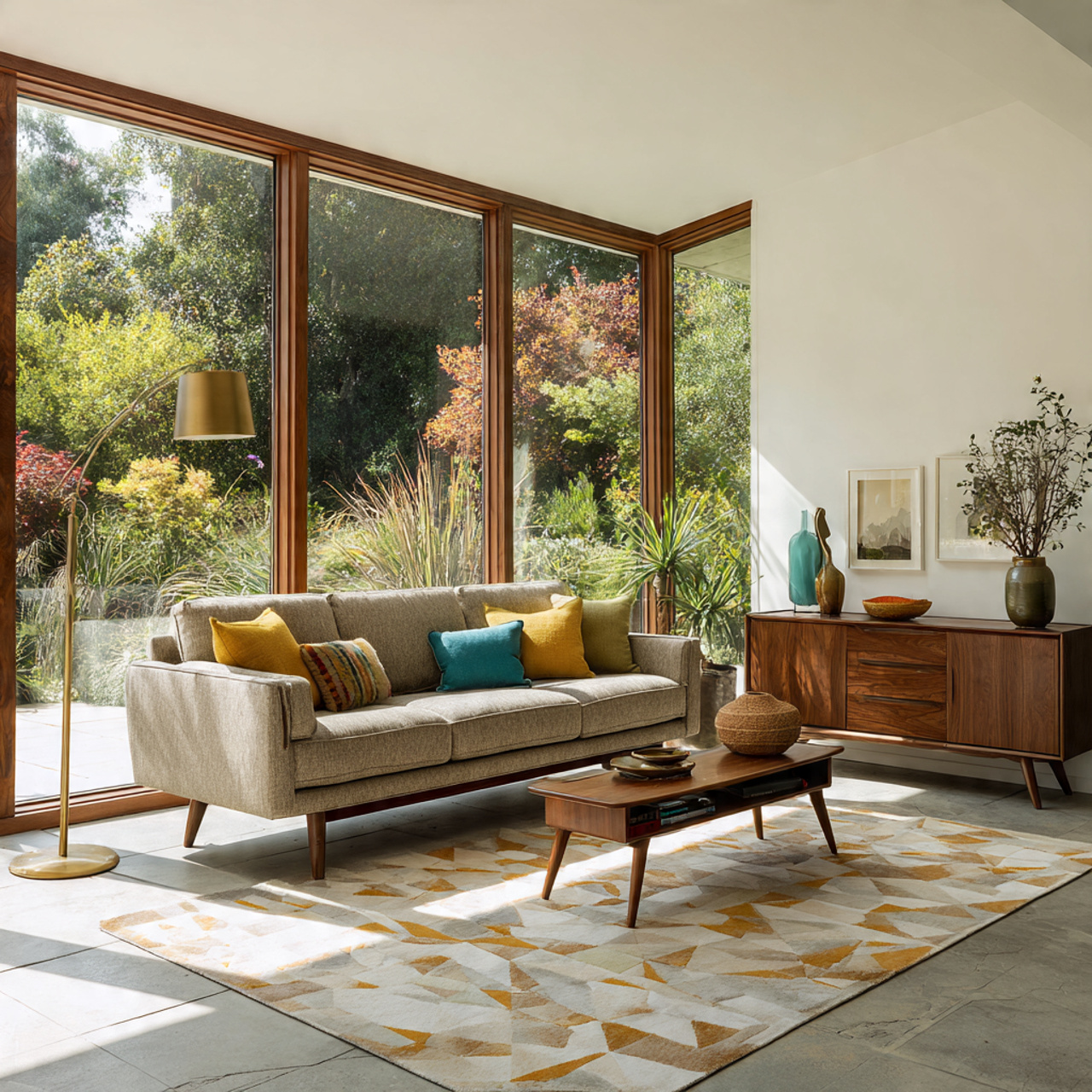
White walls combined with light wood furniture create a bright minimalist living room. Sunlight reflecting off white surfaces makes the space feel larger. The wood tones add warmth and balance.
This combination works because it blends brightness and comfort. Many minimalist rooms feel too stark without natural materials. White and wood creates a more welcoming atmosphere.
Use white walls and introduce wood through furniture or shelves. Keep accessories minimal and natural. This helps maintain the minimalist look.
Tip: Add one plant to soften the white and wood palette.
Apartment Layout That Makes a Minimalist Living Room Feel Bigger
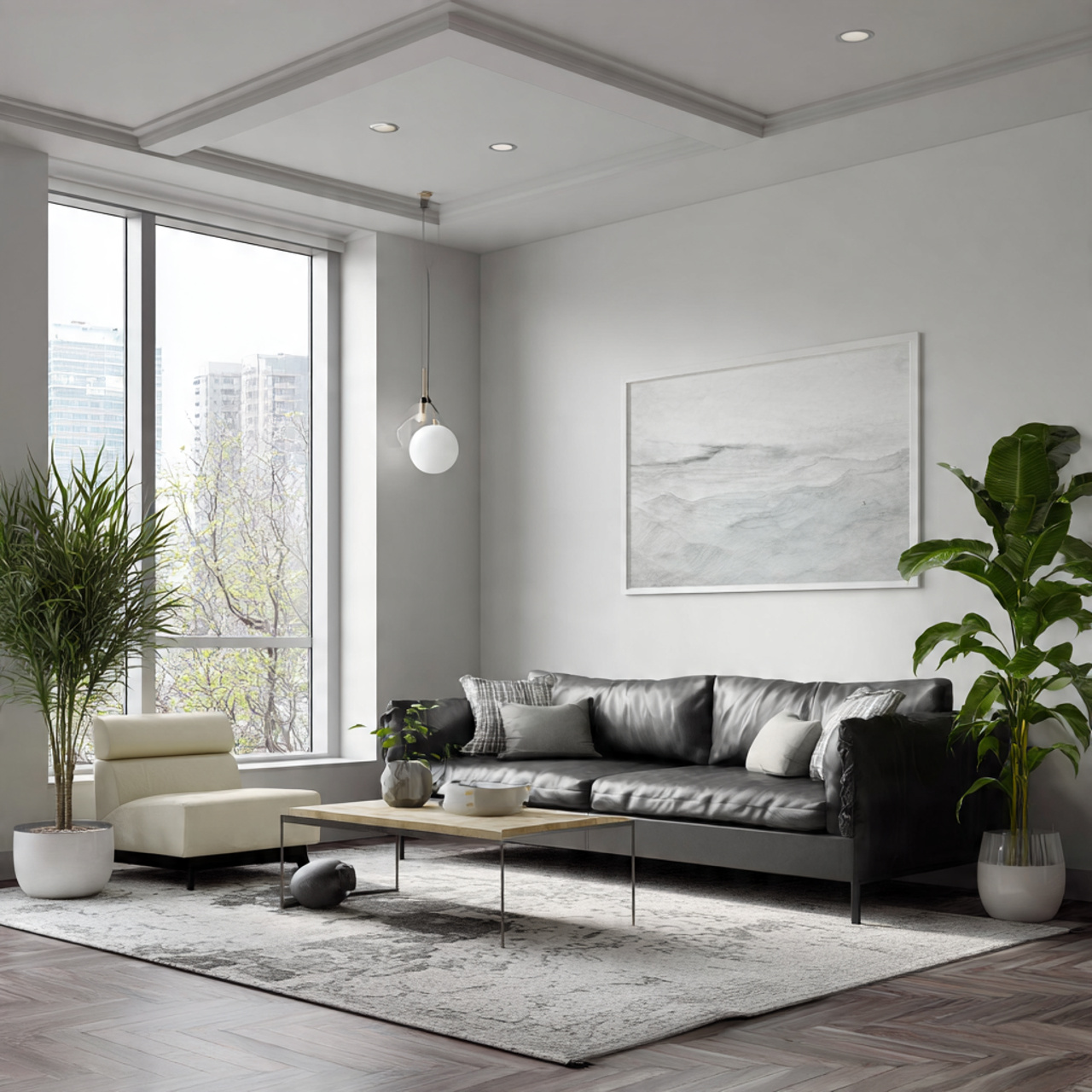
A compact sofa placed along one wall immediately opens up the center of a small minimalist living room. Natural light moves freely across the floor, making the space feel more breathable and calm. The layout feels uncluttered, creating a comfortable apartment atmosphere.
Small apartments benefit from fewer furniture pieces because open space improves movement and light. Many people add extra seating thinking it increases functionality, but this often makes the room feel crowded over time. A simple layout usually creates a more relaxed and practical living area.
Choose slim furniture and keep walking paths clear between pieces. Avoid placing furniture in front of windows to maintain natural light flow. This approach helps the minimalist living room feel larger and more comfortable.
Tip: Choose furniture with exposed legs to create visual openness.
Soft Lighting Corner That Creates a Relaxed Evening Atmosphere
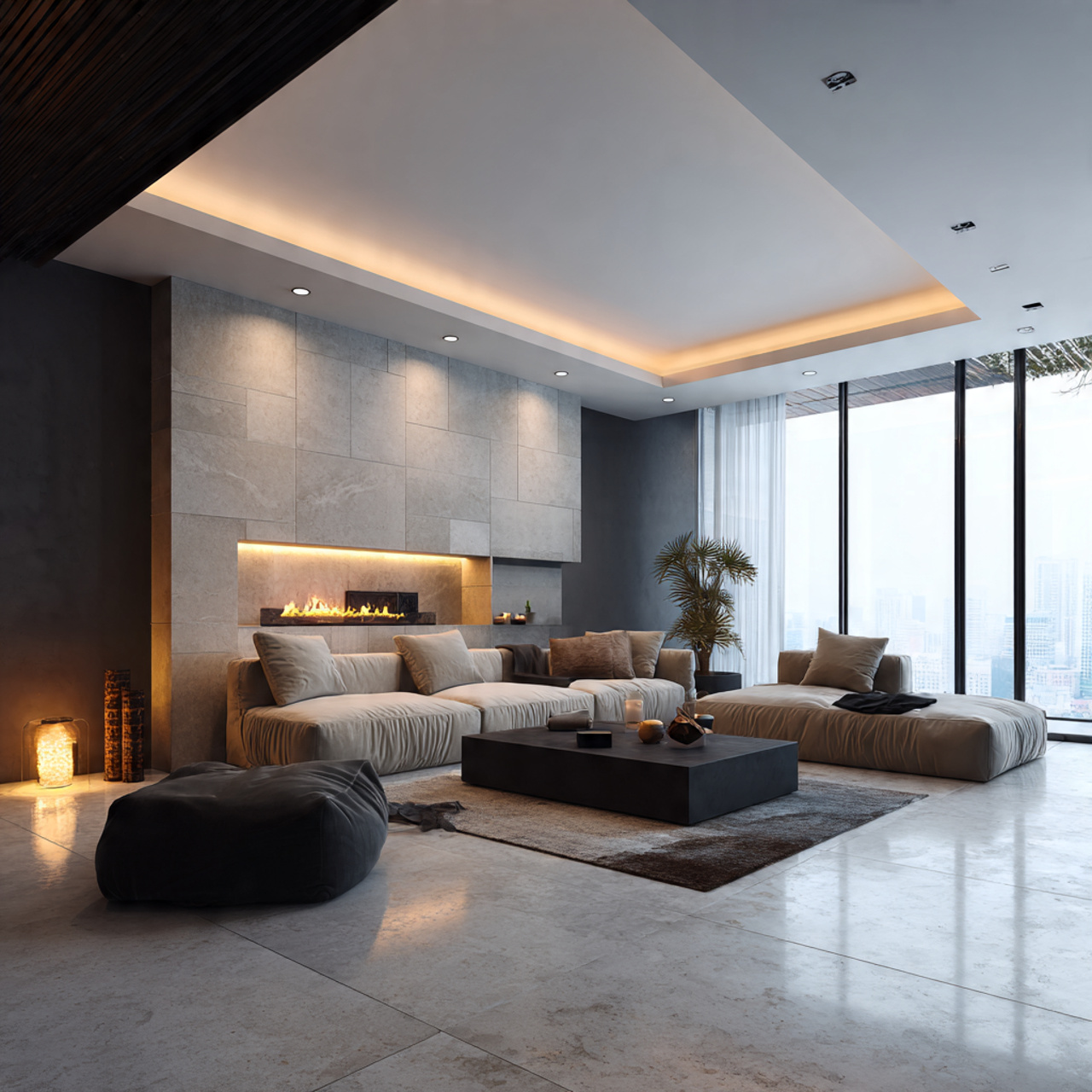
A simple floor lamp beside a neutral sofa creates a calm lighting corner. Soft warm lighting makes the minimalist living room feel cozy. Evening light creates a relaxed atmosphere.
Lighting adds warmth to minimalist rooms. In many homes, overhead lighting alone feels harsh. Soft lighting creates depth and comfort.
Place one floor lamp near seating. Use warm bulbs and simple lamp designs. This keeps the room minimal yet inviting.
Tip: Choose warm white lighting for cozy minimalism.
Beige and Black Contrast That Adds Depth Without Clutter
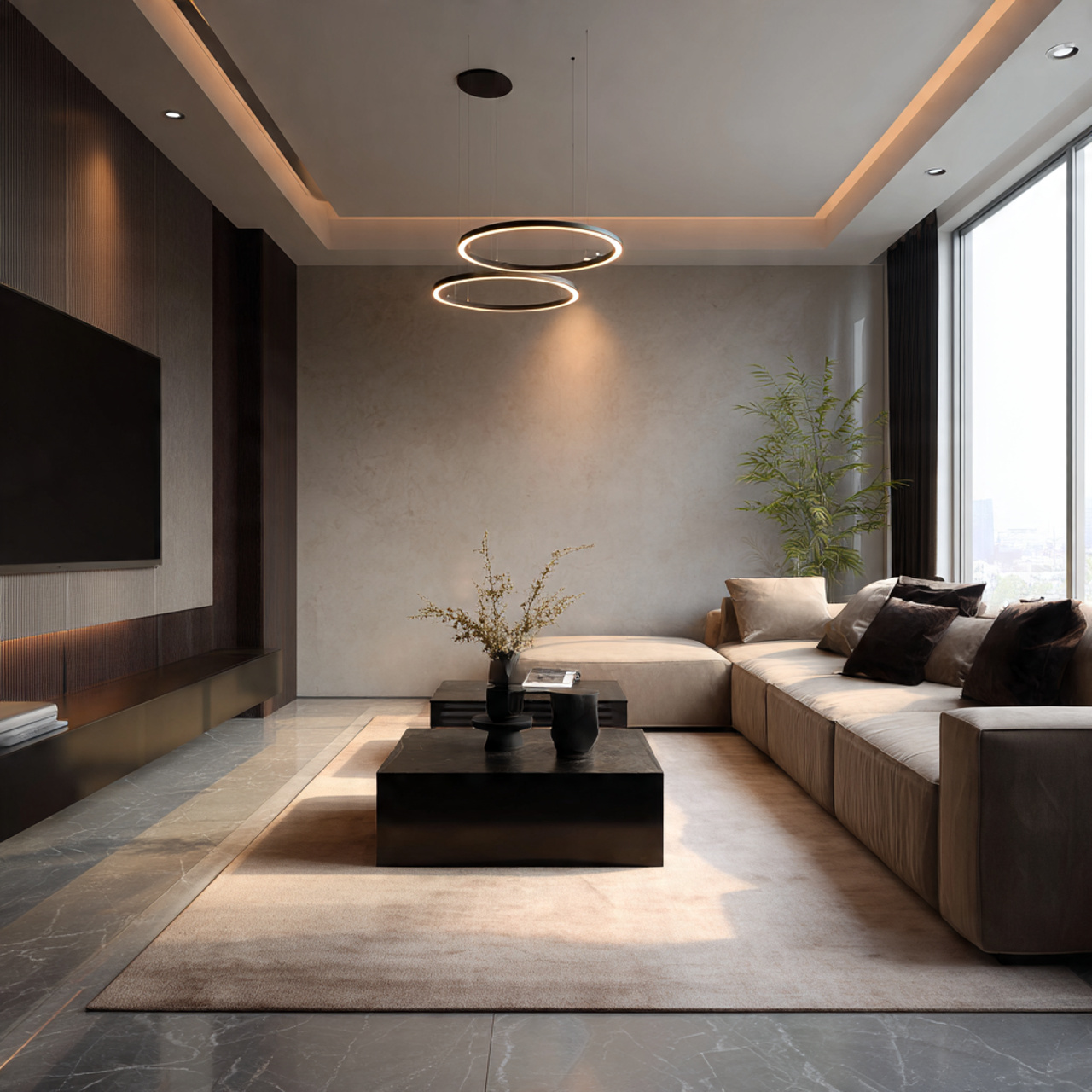
A beige sofa paired with a slim black coffee table creates an instant focal point in a minimalist living room. Soft neutral tones keep the space calm while black accents add quiet definition. Morning light across the beige fabric makes the contrast feel subtle rather than bold.
Minimalist rooms sometimes feel flat when everything blends into one tone. In real homes, adding small dark accents often creates structure without adding clutter. This balance helps the space feel more styled while still maintaining simplicity.
Start with one or two black accents like a floor lamp or picture frame. Keep larger furniture pieces neutral so the contrast remains soft and controlled. This approach keeps the room modern while preserving the minimalist feel.
Tip: Limit black accents to two or three pieces for a balanced look.
Floating Shelves That Add Personality Without Visual Noise
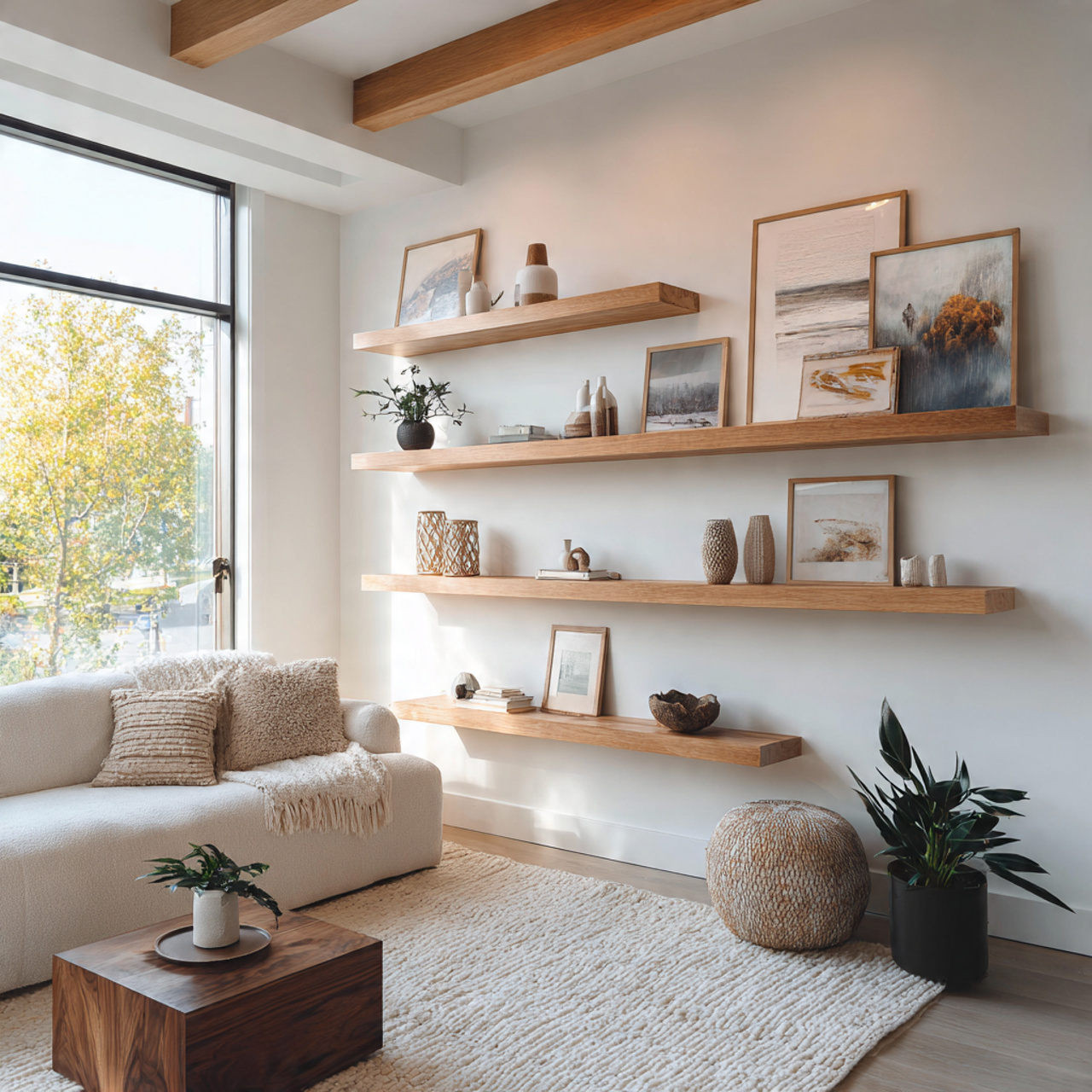
Floating shelves styled with a few books and a small plant create a relaxed minimalist wall. The shelves add interest while keeping the space open and breathable. Soft natural light falling across the shelves makes the room feel lived in and calm.
Minimalist living rooms often struggle between empty walls and overcrowded decor. Floating shelves provide a middle ground by adding personality without clutter. Over time, rotating a few items keeps the space feeling fresh.
Install one or two floating shelves and keep styling minimal. Choose neutral decor and avoid filling every inch. This keeps the minimalist aesthetic clean and intentional.
Tip: Style shelves with three simple items to maintain visual balance.
Scandinavian Inspired Layout That Feels Light and Comfortable
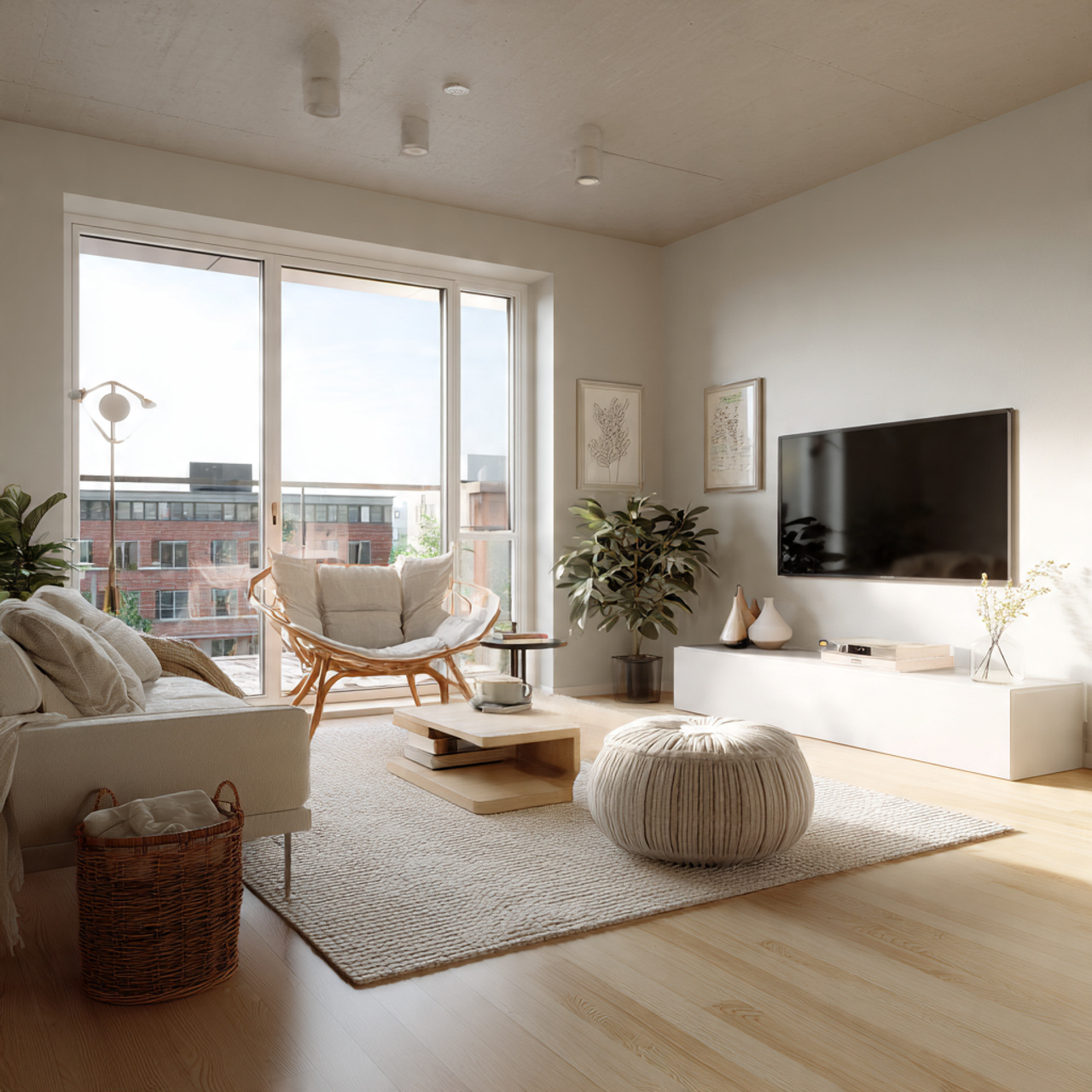
Light wood furniture paired with neutral fabrics creates a soft Scandinavian minimalist living room. The space feels bright with natural textures and simple lines. A quiet morning light across wood surfaces adds warmth to the room.
Scandinavian minimalism works because it balances comfort with simplicity. Many minimalist spaces feel more livable when soft materials are introduced. This style keeps the room minimal while adding everyday comfort.
Use light wood tables and neutral seating to create the base. Add one textured throw or cushion for warmth. Keep the layout simple and functional.
Tip: Choose natural fabrics like linen or cotton for a relaxed feel.
Visit Also: Interior Design Living Room
Grey Minimalist Living Room That Feels Modern and Calm
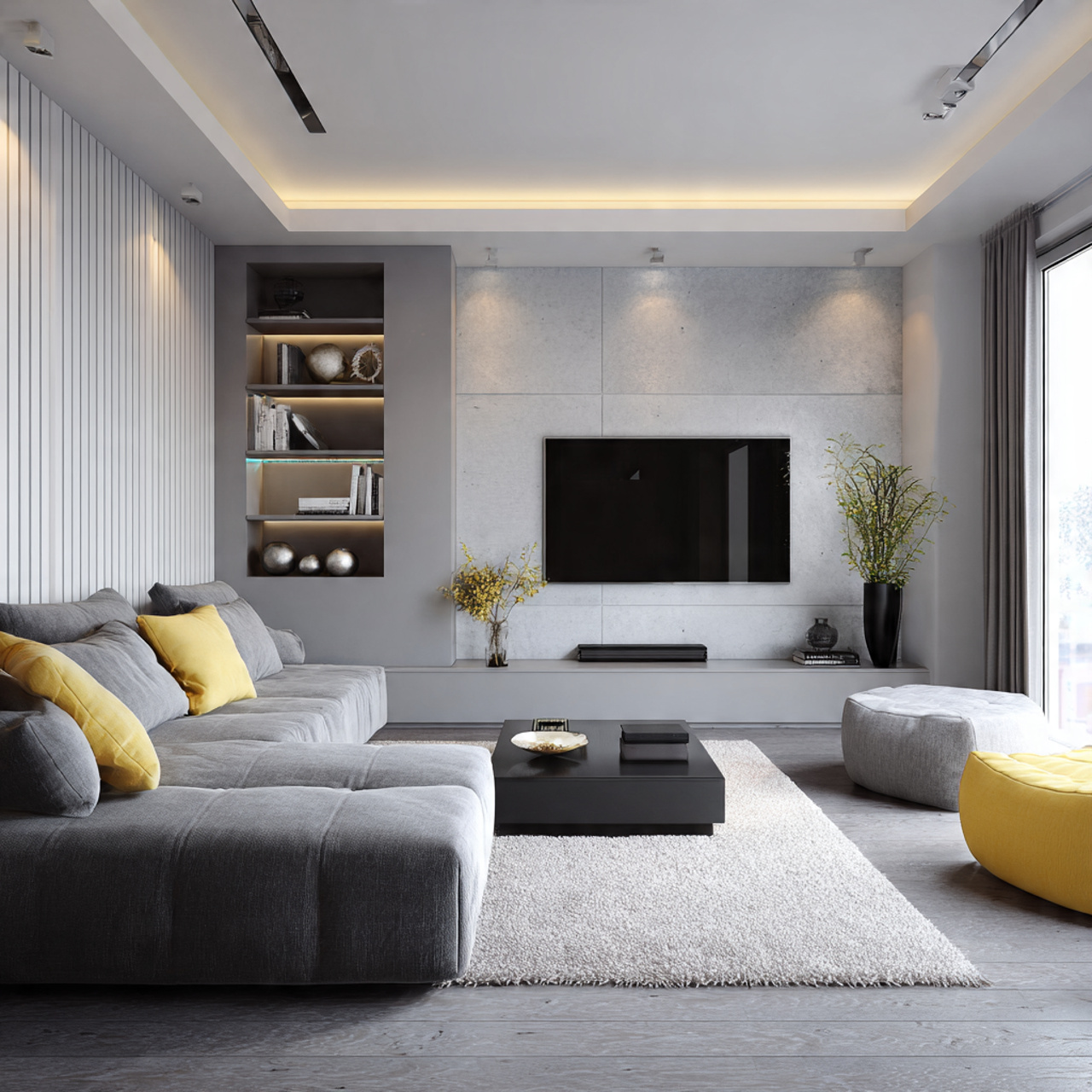
A soft grey sofa placed against a neutral wall creates a calm minimalist living room with subtle depth. Natural light falling across the grey fabric keeps the space feeling relaxed and balanced. The room feels modern while still warm enough for everyday living.
Grey works well because it sits comfortably between warm and cool tones. In many real homes, grey furniture remains timeless and easier to maintain over time. It also helps soften visual contrast while keeping the space elegant.
Choose light to medium grey seating and pair it with neutral accessories. Keep surrounding decor simple and avoid mixing too many grey shades. This helps maintain a cohesive minimalist look.
Tip: Add warm textures like rugs or throws to keep grey tones cozy.
Low Profile Furniture That Makes the Room Feel Open
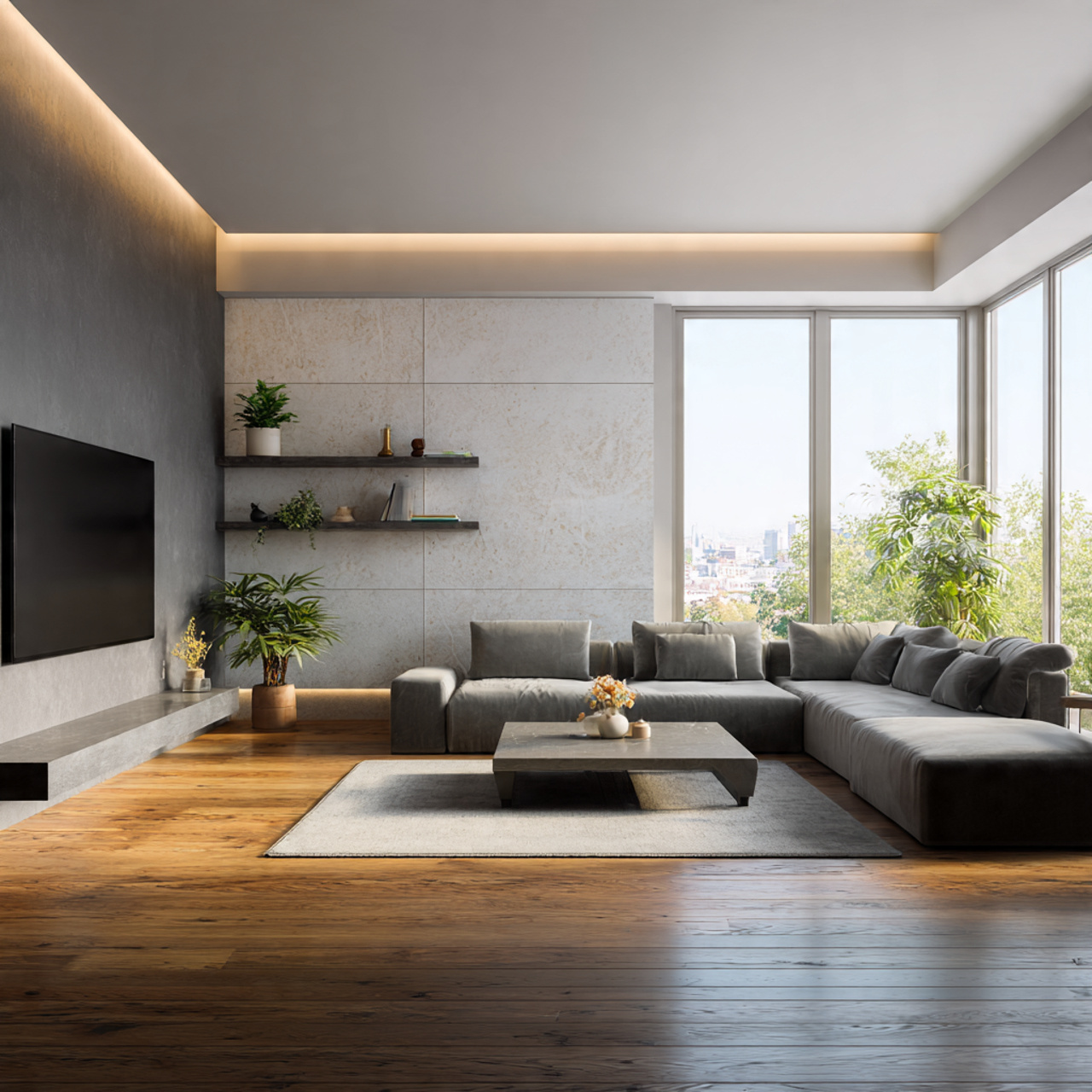
Low profile sofas and coffee tables create a minimalist living room that feels open and spacious. More wall space becomes visible, allowing natural light to spread across the room. The layout begins to feel airy and comfortable without adding extra furniture.
Low furniture works well because it visually expands the room height. Tall bulky pieces often make ceilings feel lower and spaces feel crowded over time. Lower furniture creates a calm and balanced environment.
Choose simple low seating and minimal tables to maintain openness. Keep enough spacing between furniture pieces for easy movement. This helps the minimalist layout remain clean and breathable.
Tip: Choose furniture with slim legs to enhance openness.
Textured Minimalist Styling That Adds Warmth Without Clutter
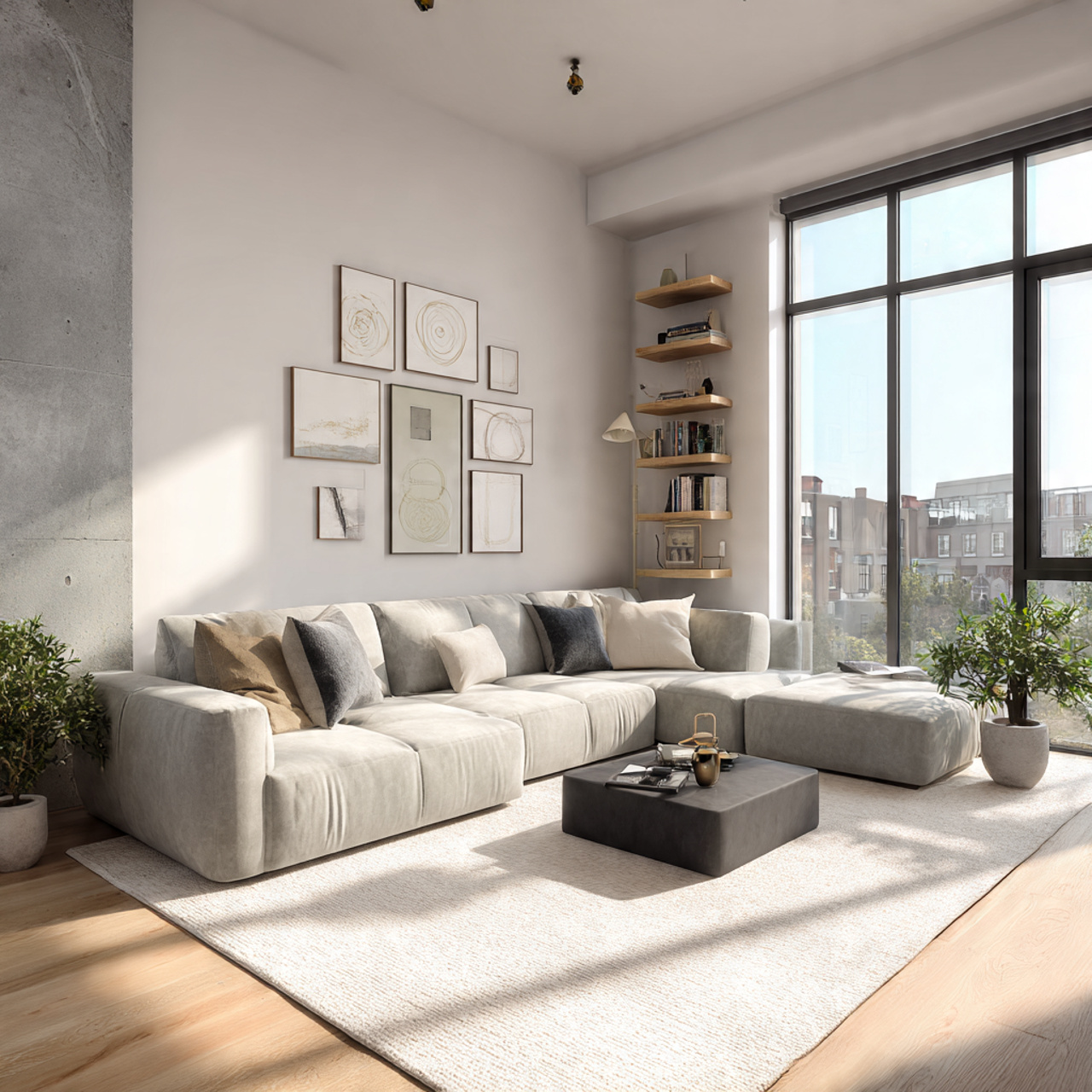
Soft cushions, textured throws, and neutral fabrics add warmth to a minimalist living room. Subtle texture layers create comfort while keeping the space visually calm. Evening light across fabric textures makes the room feel cozy and relaxed.
Minimalist spaces sometimes feel too plain when texture is missing. Over time, adding soft materials improves comfort without increasing clutter. Texture introduces depth while preserving simplicity.
Use two or three textures such as linen, wool, or cotton. Keep tones neutral and consistent across the room. This maintains a warm minimalist aesthetic.
Tip: Limit textures to a few soft layers to keep the space clean.
A Real Minimalist Living Room Layout That Feels Calm and Balanced
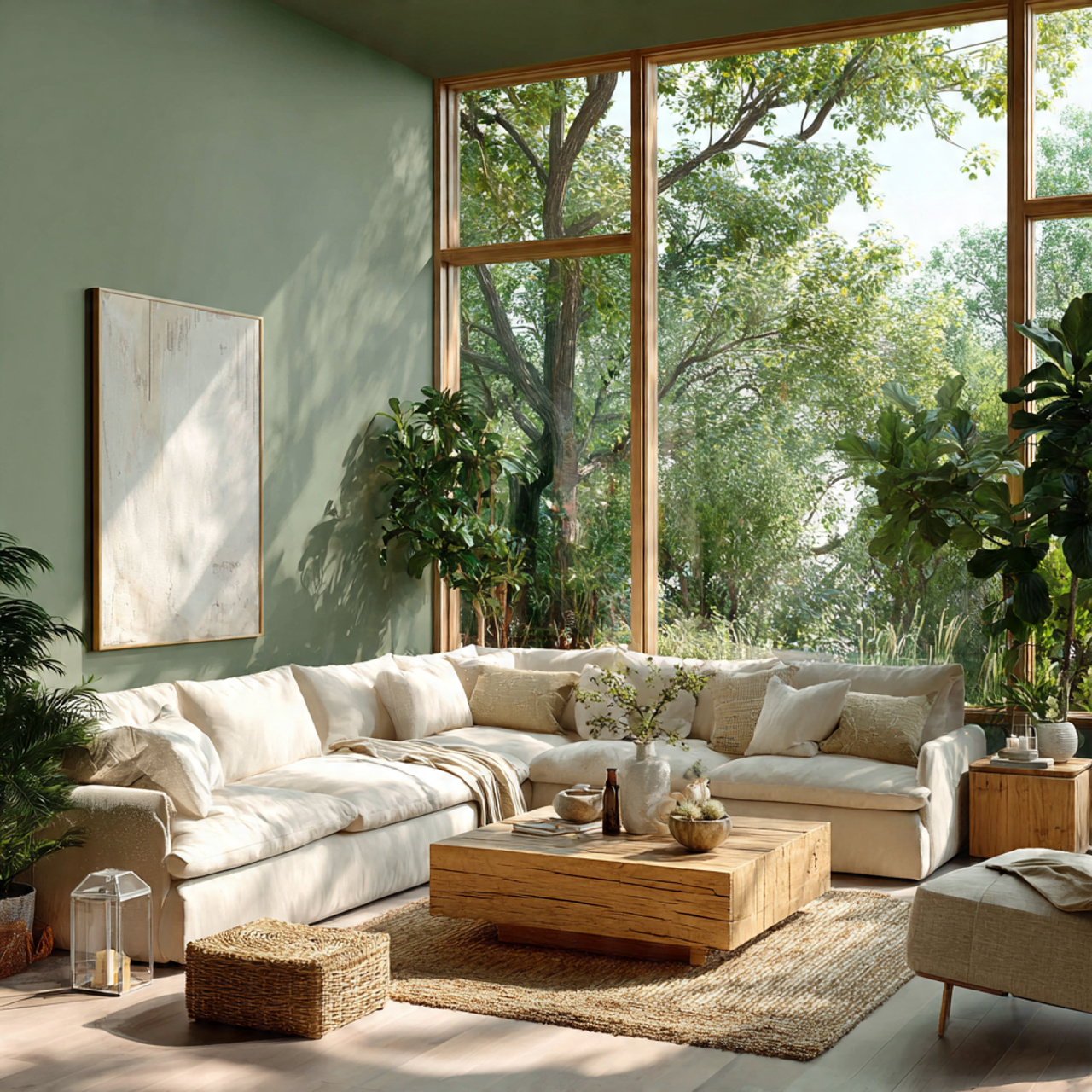
Morning sunlight moves softly across a neutral sofa while a textured rug adds warmth underfoot. A wooden coffee table sits quietly in the center, holding a small plant and a few books. The space feels calm, with natural light and subtle textures creating a relaxed atmosphere.
The layout stays open with seating arranged around a simple focal point. A warm wooden TV wall anchors the room while soft lighting adds comfort in the evening. The overall feeling is uncluttered, comfortable, and quietly inviting, like a space designed for everyday relaxation.
Color And Material Authority For A Minimalist Living Room
Warm Beige (#E8E2D8)
Works beautifully on sofas, rugs, and soft furnishings. This tone creates a calm and welcoming atmosphere while pairing well with wood and linen textures.
Soft Warm White (#F5F3EF)
Ideal for walls and larger surfaces to create brightness. This color enhances natural light and pairs well with wood, cotton, and neutral fabrics.
Light Oak Wood (#D6BFA7)
Perfect for coffee tables, shelving, and TV units. This tone adds warmth while maintaining minimalist simplicity and works well with soft neutral fabrics.
Soft Grey (#DADADA)
Works well on seating or accent decor for subtle contrast. This tone creates a modern calm atmosphere and pairs nicely with warm textiles and wood materials.
Room Size And Lighting Guide For Minimalist Living Rooms
Small Living Rooms
Use lighter tones and low profile furniture to create openness. Layer soft lighting to prevent shadows and keep the space feeling airy.
Large Living Rooms
Use layered seating zones to maintain balance and avoid empty areas. Add warm lighting in corners to create a cozy atmosphere.
Natural Light Facing Rooms
Maximize window light with neutral colors and minimal window treatments. Keep furniture placement open so light flows across the room.
Low Light Living Rooms
Use warm lamps and layered lighting to brighten the space. Add light colored furniture to prevent the room from feeling heavy.
Common Mistakes To Avoid In Minimalist Living Rooms
Choosing Furniture That Is Too Small
Many people choose smaller furniture pieces to keep the room looking minimal. Over time, this makes the space feel disconnected and visually unfinished because nothing properly anchors the layout.
Use one properly sized sofa and anchor the seating area with a larger rug. This creates balance and makes the minimalist living room feel intentional.
Removing Too Much Decor
Some minimalist living rooms remove nearly all decorative elements to achieve simplicity. This often results in a space that feels cold, empty, and uncomfortable after living in it for a while.
Add subtle textures such as cushions, soft throws, or a small plant. These elements keep the room warm without breaking the minimalist aesthetic.
Using Only One Light Source
Many minimalist living rooms rely only on overhead ceiling lighting. This creates flat lighting that removes depth and makes the room feel less inviting, especially in the evening.
Layer lighting with a floor lamp or table lamp to create warmth. Soft lighting adds comfort while maintaining a minimalist feel.
Ignoring Texture In Minimalist Spaces
Minimalist rooms often focus only on neutral colors and simple furniture. Without texture, the space can feel plain and visually flat over time.
Introduce rugs, fabric cushions, or soft materials to add depth. Subtle textures make the minimalist living room feel more comfortable and balanced.
requently Asked Questions About Minimalist Living Rooms
How do I make a minimalist living room feel cozy?
A minimalist living room feels cozy when soft textures and warm lighting are added thoughtfully. Rugs, cushions, and warm lamps create comfort without adding clutter. Small layered details make the space feel lived in and inviting.
Can a minimalist living room still look stylish?
Minimalist living rooms often look more stylish because fewer elements create a clean visual focus. Thoughtful furniture placement and balanced colors make the room feel modern. Simple styling usually creates a timeless look.
What colors work best for a minimalist living room?
Neutral tones such as beige, soft white, and light grey work best for minimalist living rooms. These colors reflect natural light and create a calm atmosphere. Warm wood tones also help balance the space.
Is minimalist design good for small living rooms?
Minimalist design works especially well in small living rooms because fewer items create openness. Open layouts improve movement and natural light. This makes compact spaces feel larger and more comfortable.
How can I decorate a minimalist living room on a budget?
Start with simple furniture and add texture through affordable items like cushions or rugs. Rearranging furniture and using natural light also improves the space. Minimalist design often costs less because fewer items are needed.
Why Minimalist Living Rooms Feel Comfortable And Timeless
Minimalist living room designs often feel more comfortable over time because they focus on simplicity, openness, and thoughtful styling. When furniture placement, lighting, and textures work together, the space becomes calm, inviting, and easier to maintain.
Start with one simple change like adjusting furniture layout or adding soft lighting to see immediate improvement. Over time, these small updates create a minimalist living room that feels balanced, comfortable, and naturally stylish without adding unnecessary clutter.