18 Practical Living Room Designs That Work in Real Homes
In real homes, the living room isn’t a showroom. It’s where people unwind after long days, where conversations linger, and where comfort quietly matters more than trends.
If you’ve been saving living room designs but still feel unsure how to make them work in your own space, this guide focuses on ideas that feel realistic, calming, and supportive of everyday life.
Why These Living Room Designs Work in Real Life
Living rooms now serve more than one purpose. They need to support rest, connection, and daily routines without feeling fragile or high-maintenance.
The living room designs people return to solve common frustrations. They reduce visual stress, feel comfortable over time, and still look good once the excitement fades.
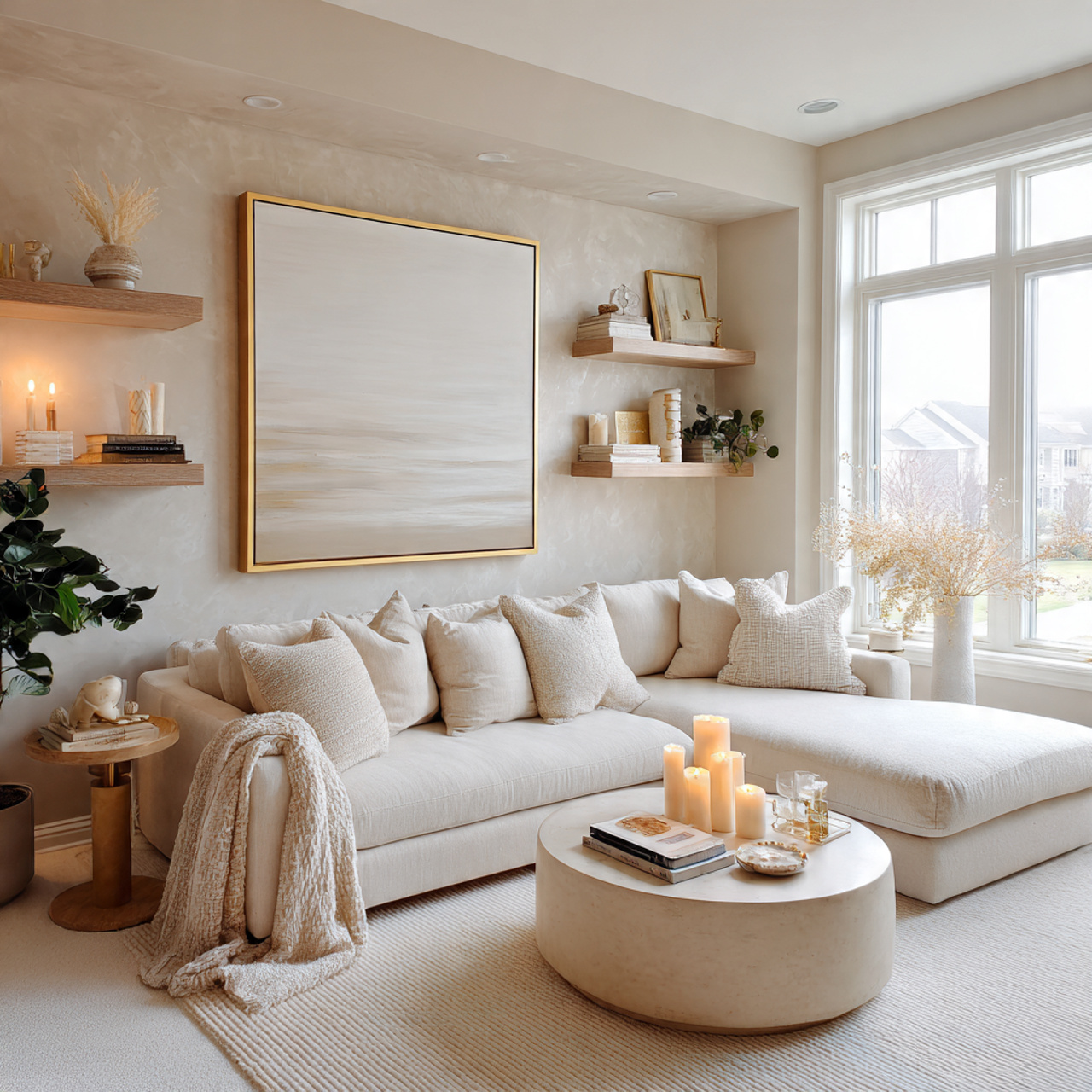
Soft Neutral Foundations That Create Calm
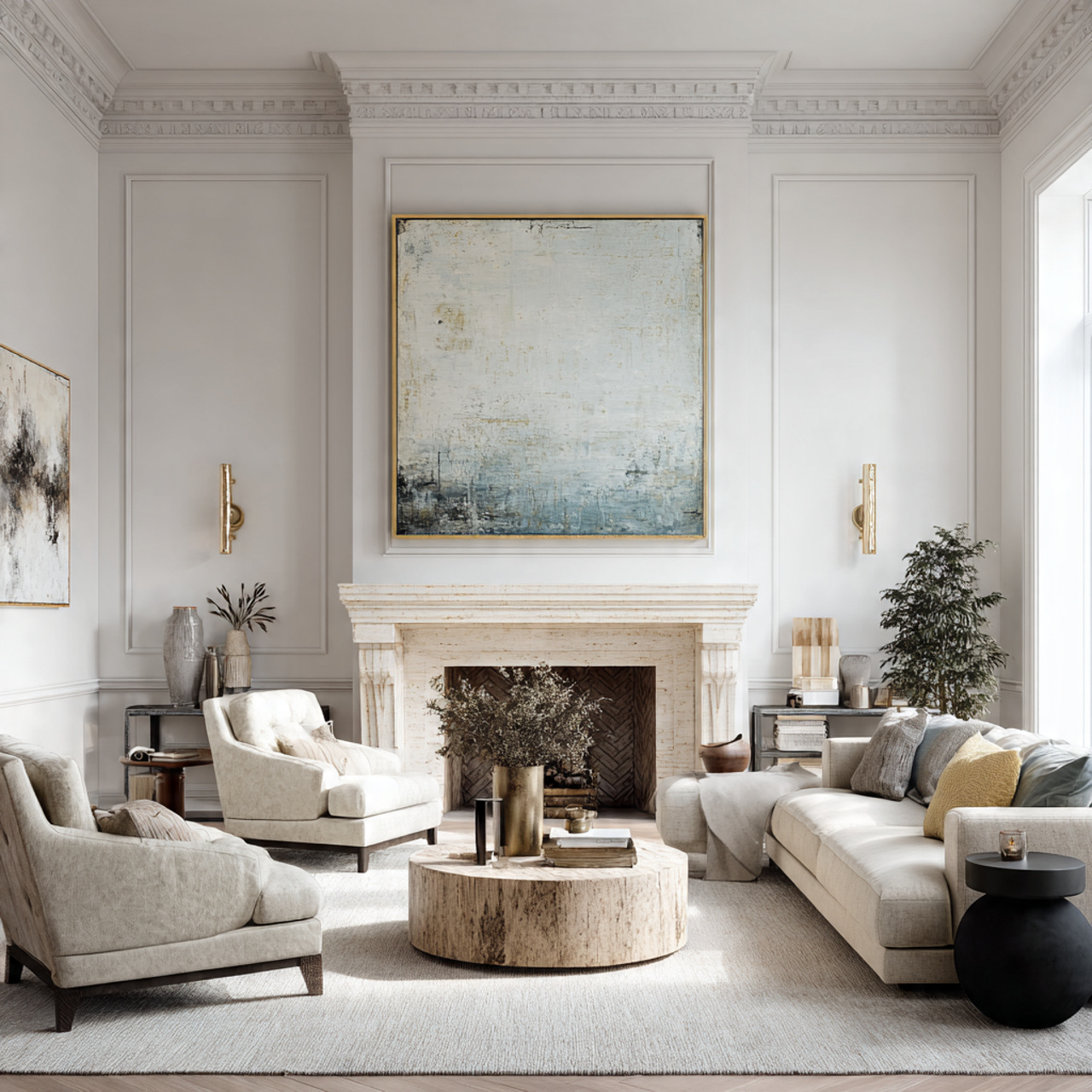
What it is
A living room built around warm whites, light beige, or soft greige tones across walls and main furniture.
Why it works
Neutral spaces feel immediately calming, which helps people imagine relaxing without effort. They don’t overwhelm the senses, making the room easier to live in daily. That emotional ease is why these spaces feel timeless.
From a design perspective, neutrals create balance and flexibility. They allow texture, light, and layout to shape the room naturally.
How to apply it
Start with a warm neutral wall color and pair it with a similar sofa tone. Add depth through textiles and natural materials instead of bold color.
Balanced Furniture Layouts That Encourage Connection
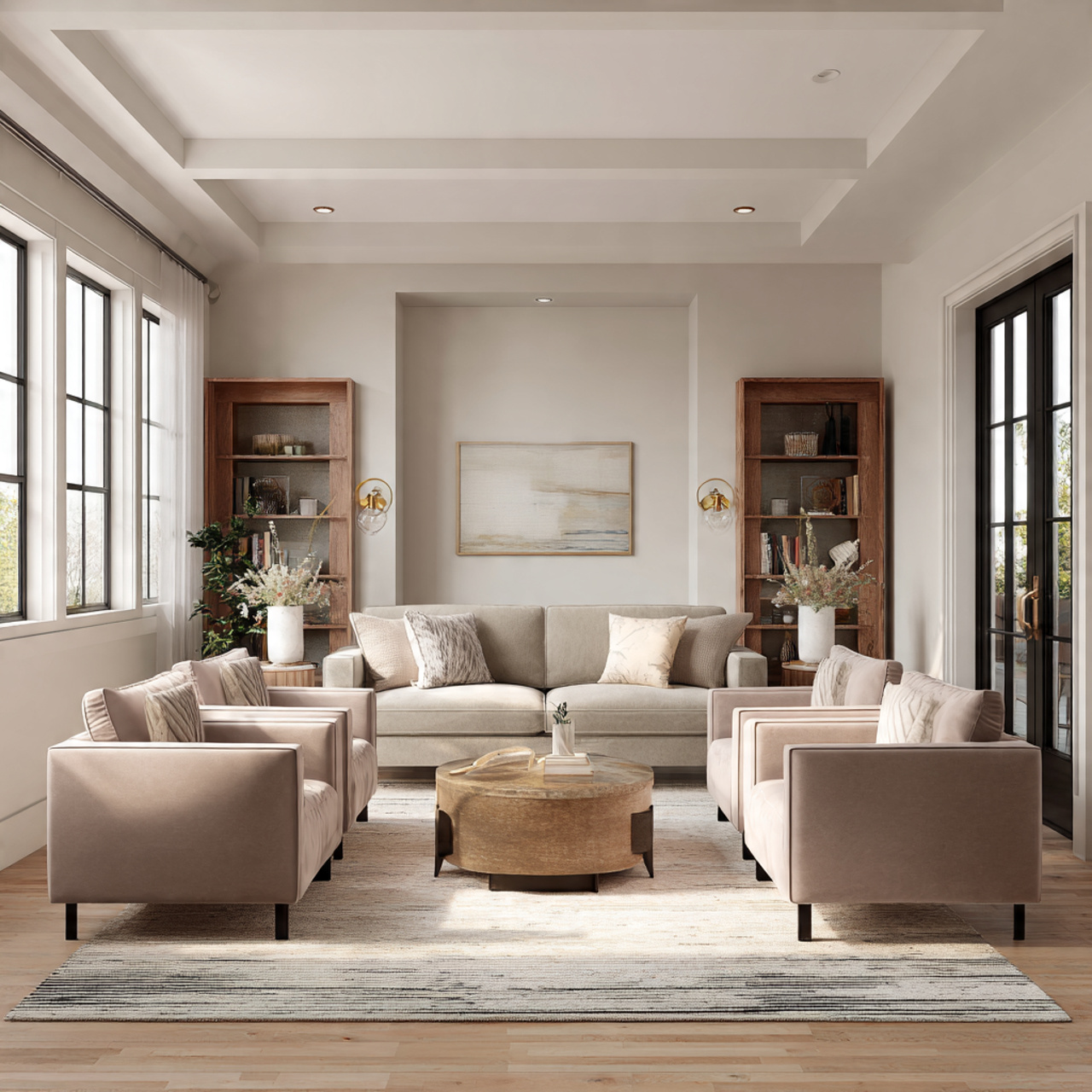
What it is
Furniture arranged to face inward, forming a clear conversation area.
Why it works
This layout feels welcoming and naturally social. People imagine relaxed conversations and shared moments, which makes the space feel inviting. That emotional connection increases long-term satisfaction.
Design-wise, balanced layouts improve circulation and prevent awkward spacing. The room feels intentional without being stiff.
How to apply it
Pull seating slightly inward and define the area with a rug.
Layered Textures That Feel Warm and Lived-In
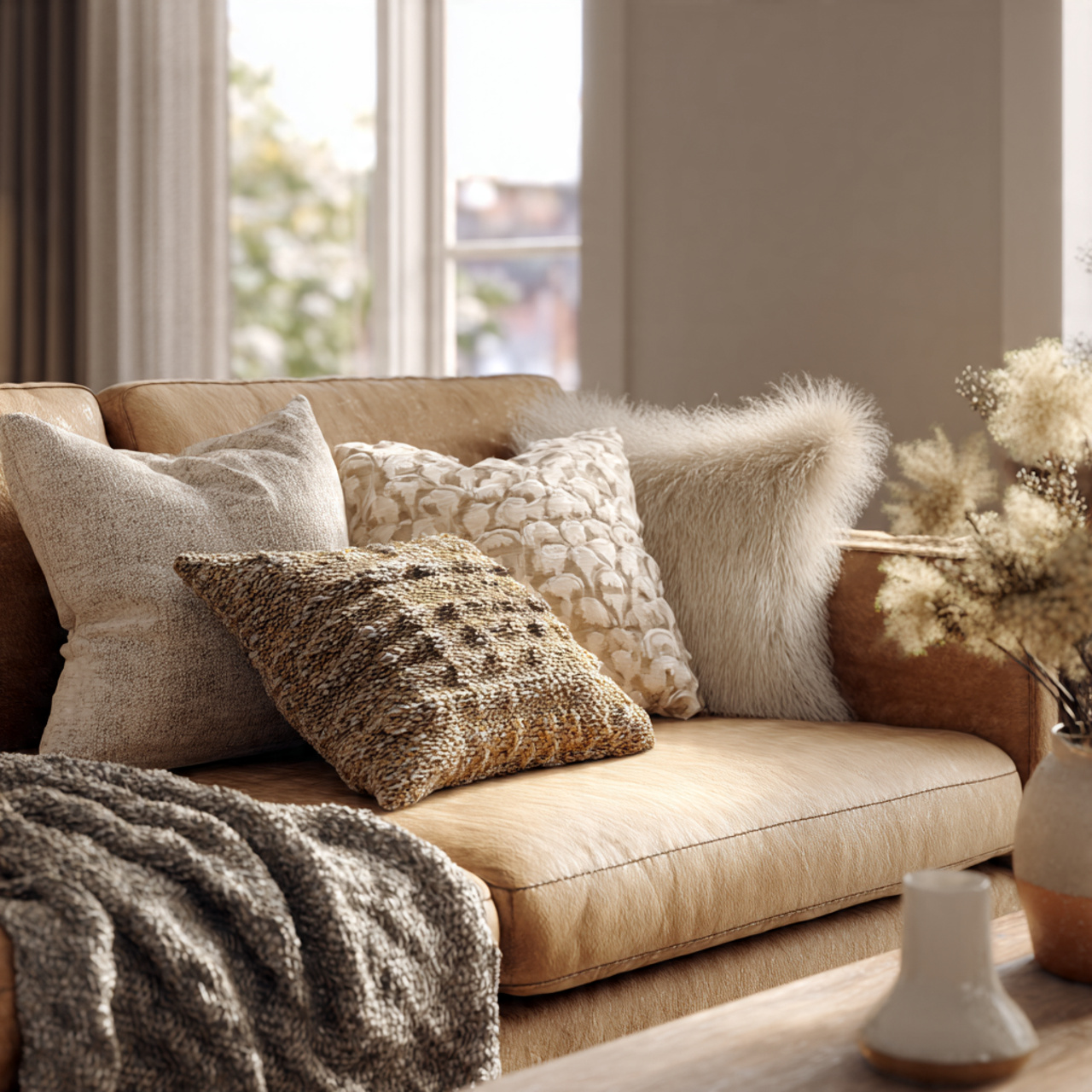
What it is
A mix of linen, cotton, wool, and subtle leather layered throughout the space.
Why it works
Texture adds comfort without visual noise. People respond to rooms that look soft and approachable, not overly styled. That tactile appeal makes the space feel livable.
From a design standpoint, texture creates depth without relying on color. It keeps neutral living room designs from feeling flat.
How to apply it
Mix cushion fabrics and add one textured accent like a woven stool or throw.
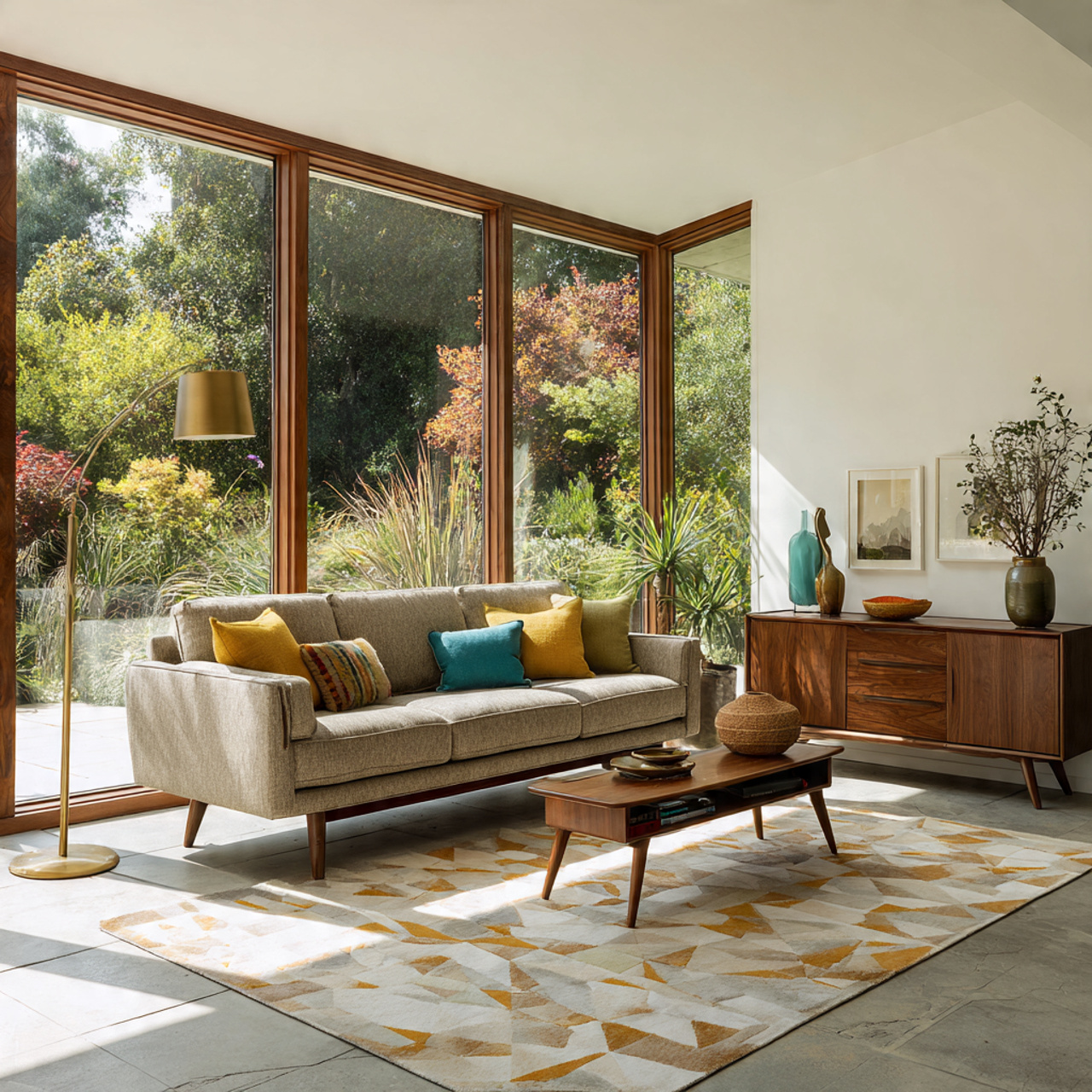
Natural Wood Elements That Ground the Space
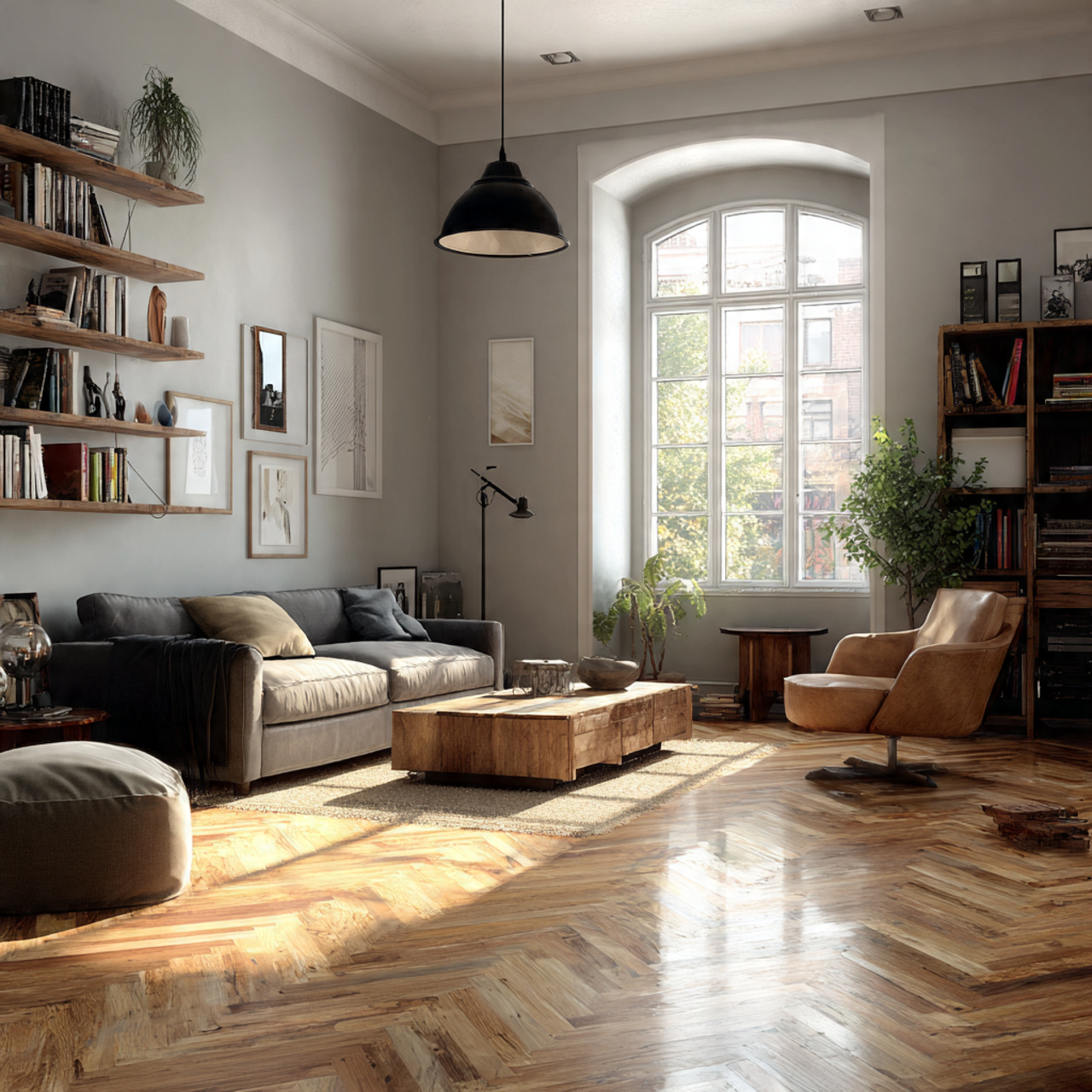
What it is
Wood furniture or accents with visible grain and warm undertones.
Why it works
Wood introduces warmth and stability that feels comforting over time. It grounds the space and prevents it from feeling cold or overly modern.
Designers often use wood to balance soft textiles and clean lines. It anchors the room visually and emotionally.
How to apply it
Stick to one or two wood tones to keep the room cohesive.
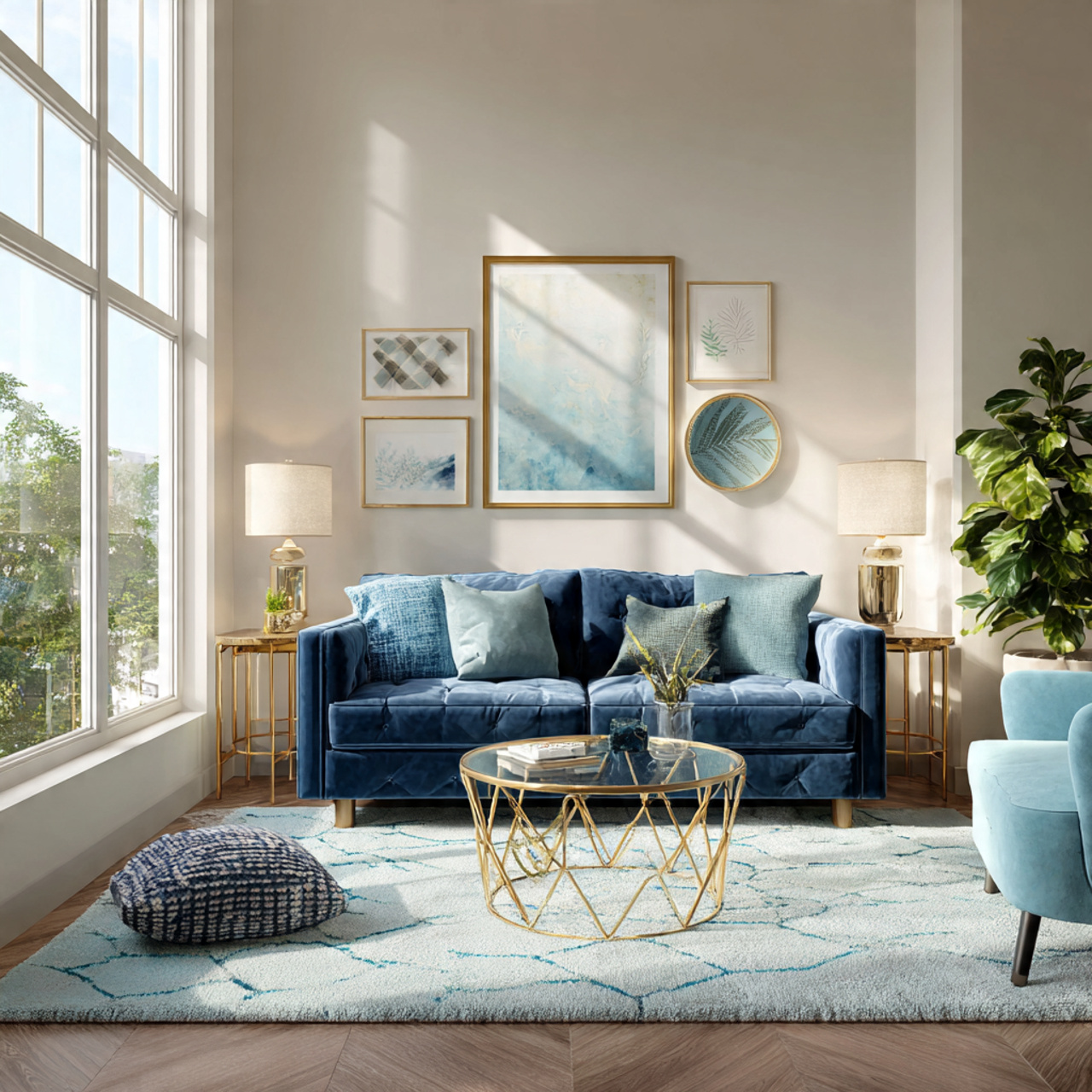
Subtle Color Accents That Feel Personal
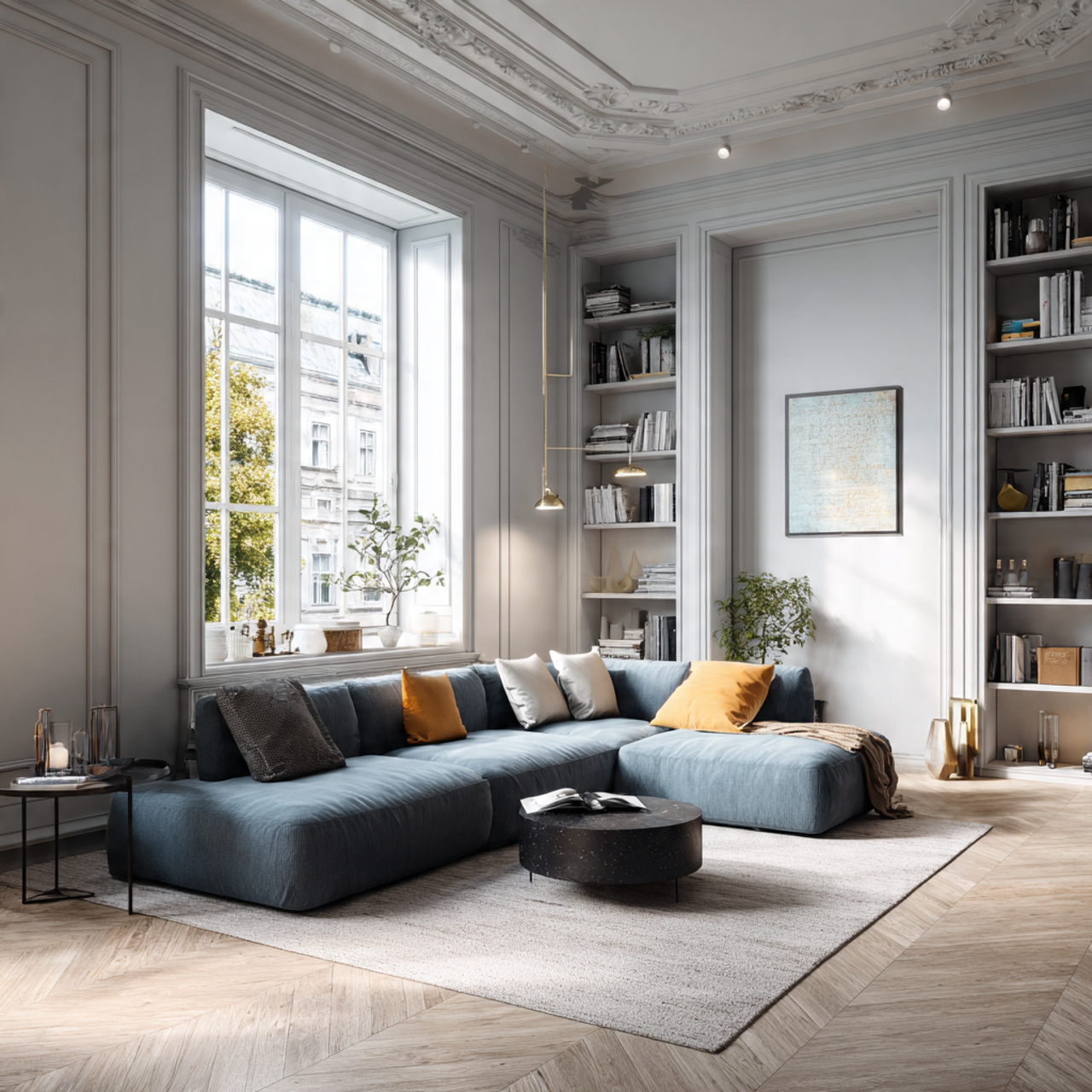
What it is
Muted blues, sage greens, or clay tones used sparingly.
Why it works
Small touches of color add personality without overwhelming the room. People feel safe experimenting when color is controlled, which makes the space easier to enjoy long-term.
Design-wise, restrained color ages better. It allows flexibility without locking the room into a trend.
How to apply it
Use color through cushions, artwork, or one accent chair.
Oversized Rugs That Anchor the Seating Area
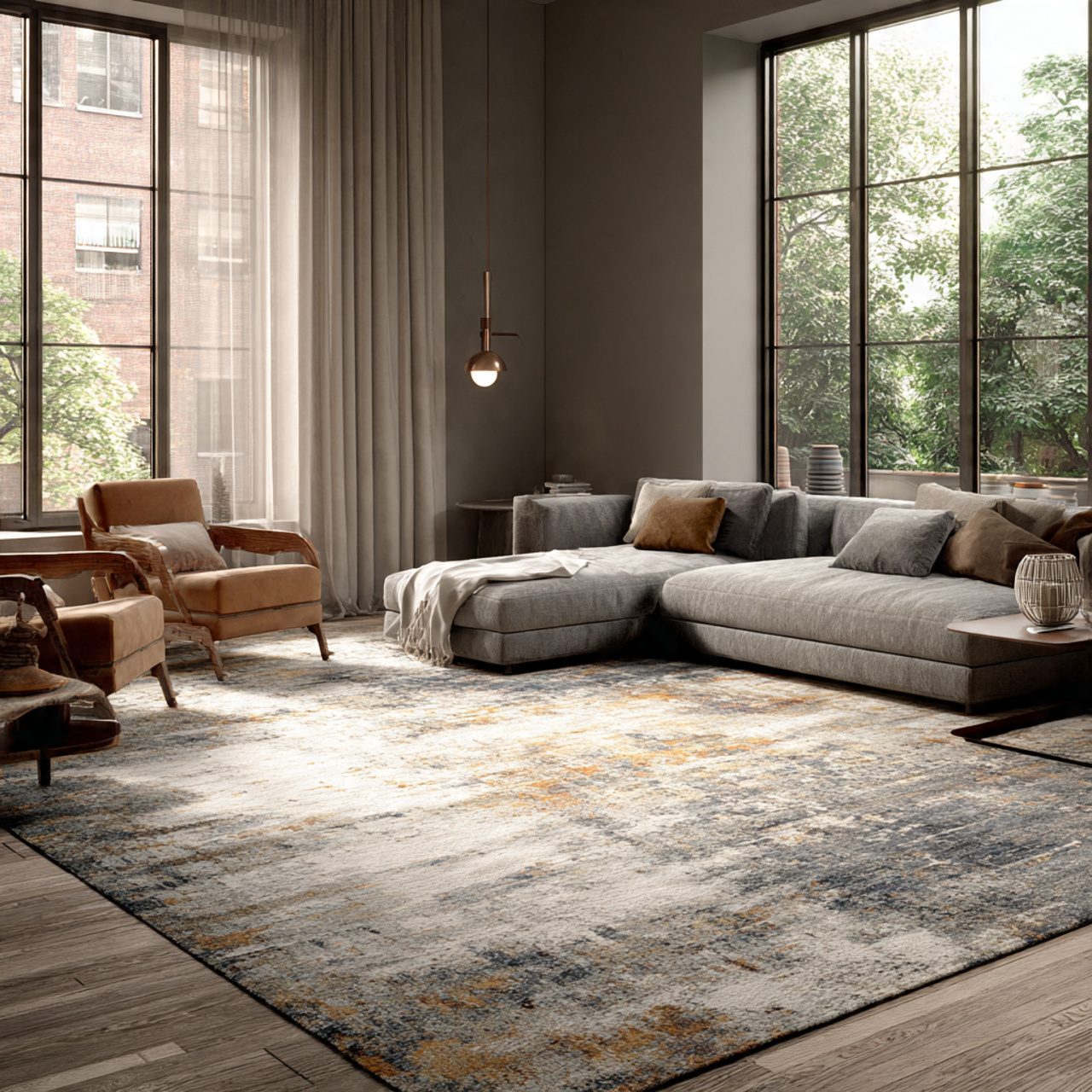
What it is
A large rug that fits beneath most seating furniture.
Why it works
Oversized rugs make rooms feel settled and complete. People imagine the space feeling grounded rather than temporary, which increases comfort.
Rugs also soften sound and add warmth underfoot. Designers favor larger rugs to visually connect furniture.
How to apply it
Ensure the front legs of sofas and chairs rest on the rug.
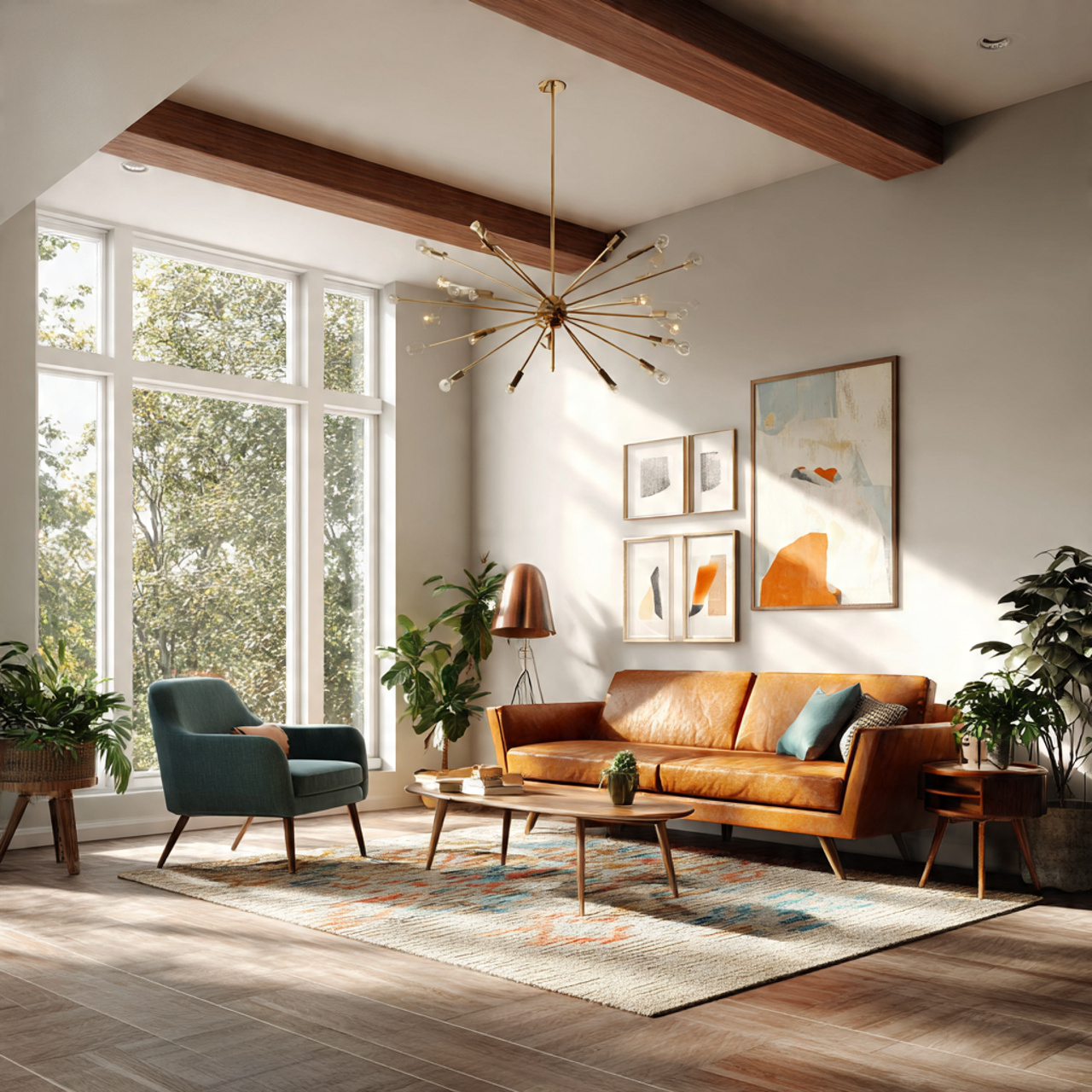
Soft Lighting Layers That Adjust to Daily Life
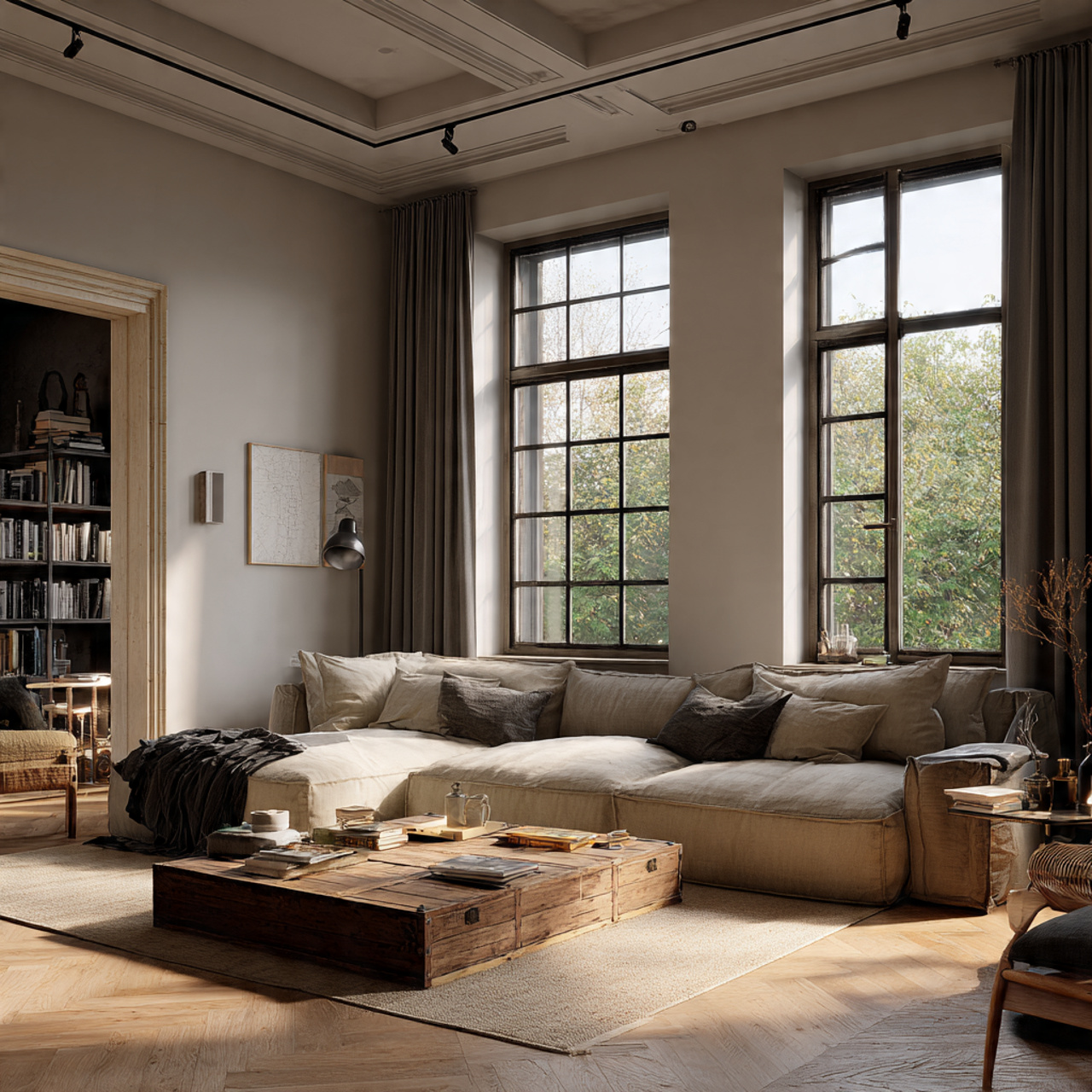
What it is
A combination of overhead lighting, table lamps, and floor lamps.
Why it works
Layered lighting supports different moods naturally. The room feels gentle in the evening and functional during the day, which matches real routines.
Design-wise, multiple light sources add depth and prevent harsh shadows.
How to apply it
Use warm bulbs and place lamps near seating areas.
Wall Art That Feels Thoughtful, Not Forced
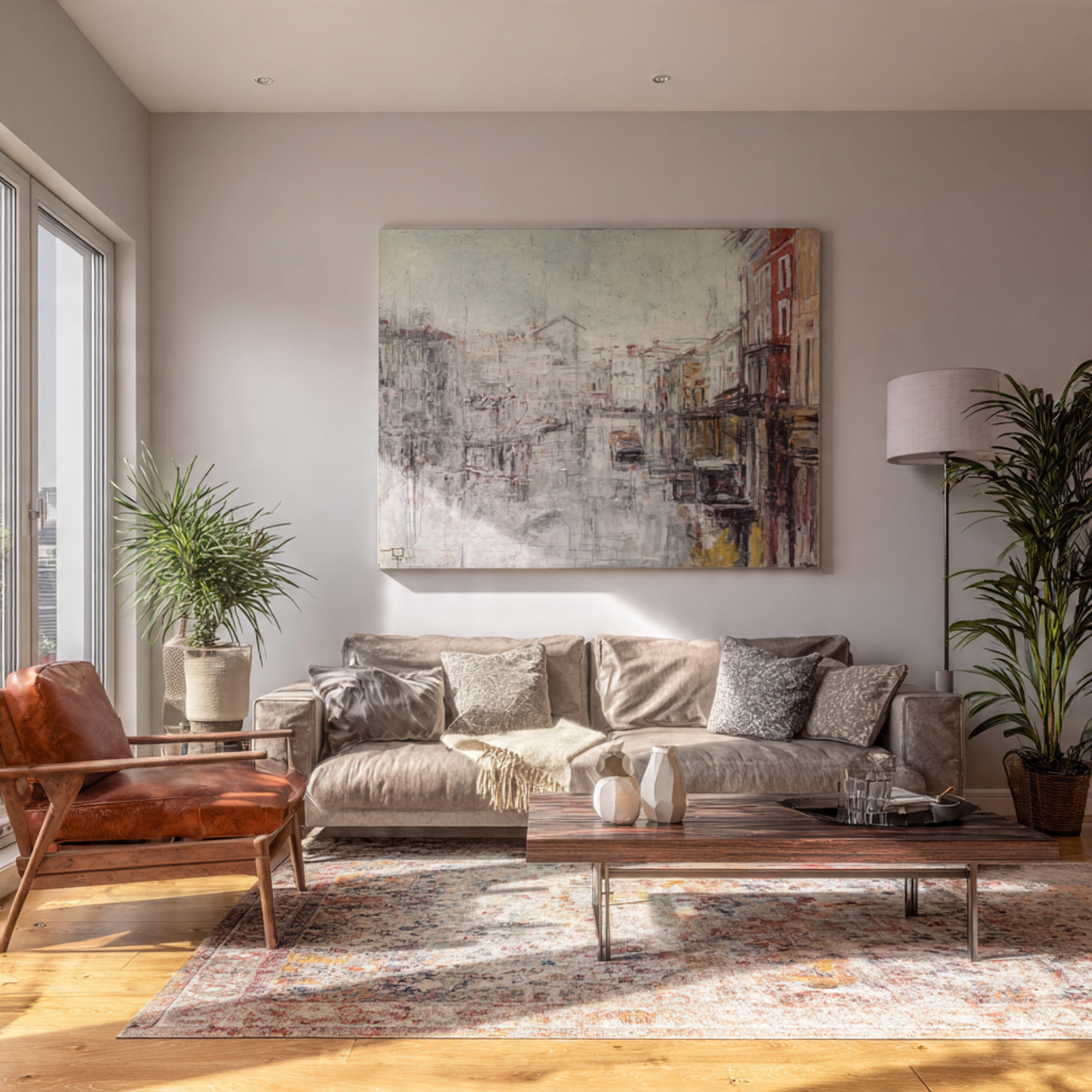
What it is
Artwork that feels personal, such as abstract pieces or photography.
Why it works
Art adds character and makes the room feel complete. People connect emotionally with spaces that reflect taste rather than trends.
From a design view, art balances large furniture visually and anchors the room’s style.
How to apply it
Hang art at eye level and scale it to nearby furniture.
Closed Storage That Reduces Visual Stress
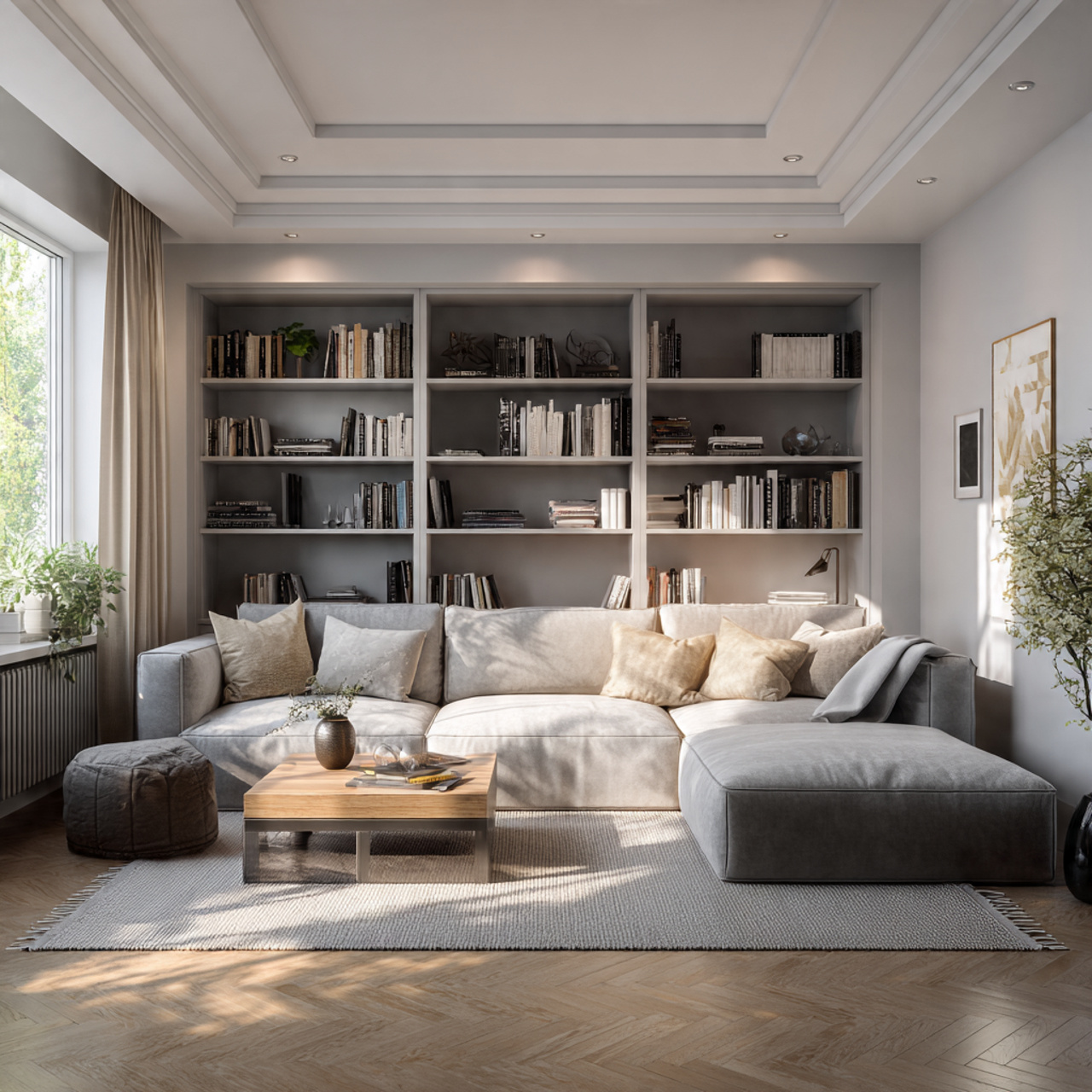
What it is
Cabinets, sideboards, or baskets that hide everyday items.
Why it works
Hidden storage keeps rooms calm and manageable. People imagine smoother routines with less daily clutter.
Designers prioritize closed storage for long-term livability. It supports organization without constant tidying.
How to apply it
Choose one substantial storage piece instead of several small ones.
Comfortable Seating That Supports Real Use
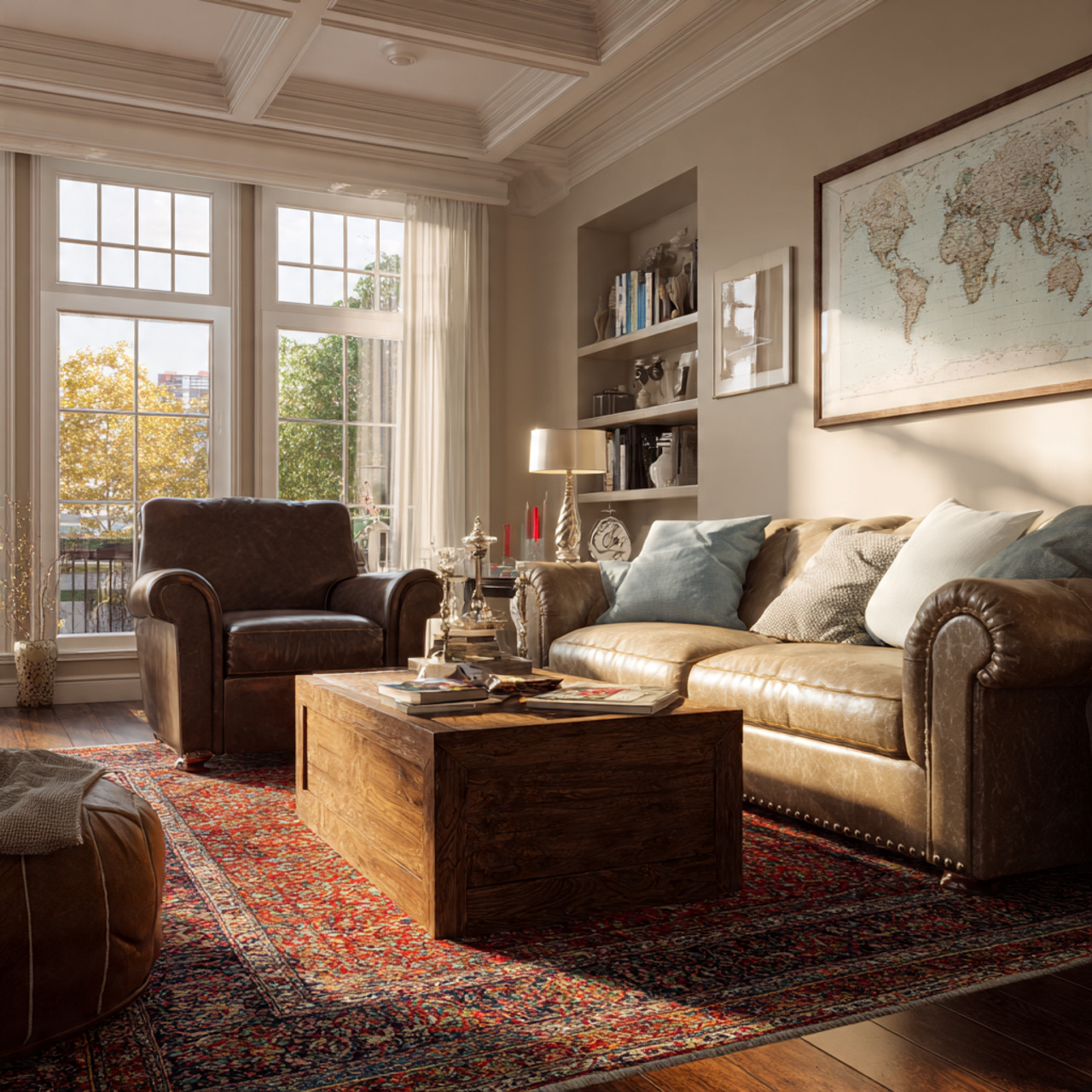
What it is
Sofas and chairs designed for lounging, not just looks.
Why it works
Comfortable seating helps people imagine long, relaxed evenings. The room feels generous and usable rather than staged.
Good seating choices reduce regret over time. Designers often prioritize comfort in shared spaces.
How to apply it
Test seat depth and cushioning before buying.
Coffee Tables That Visually Ground the Layout
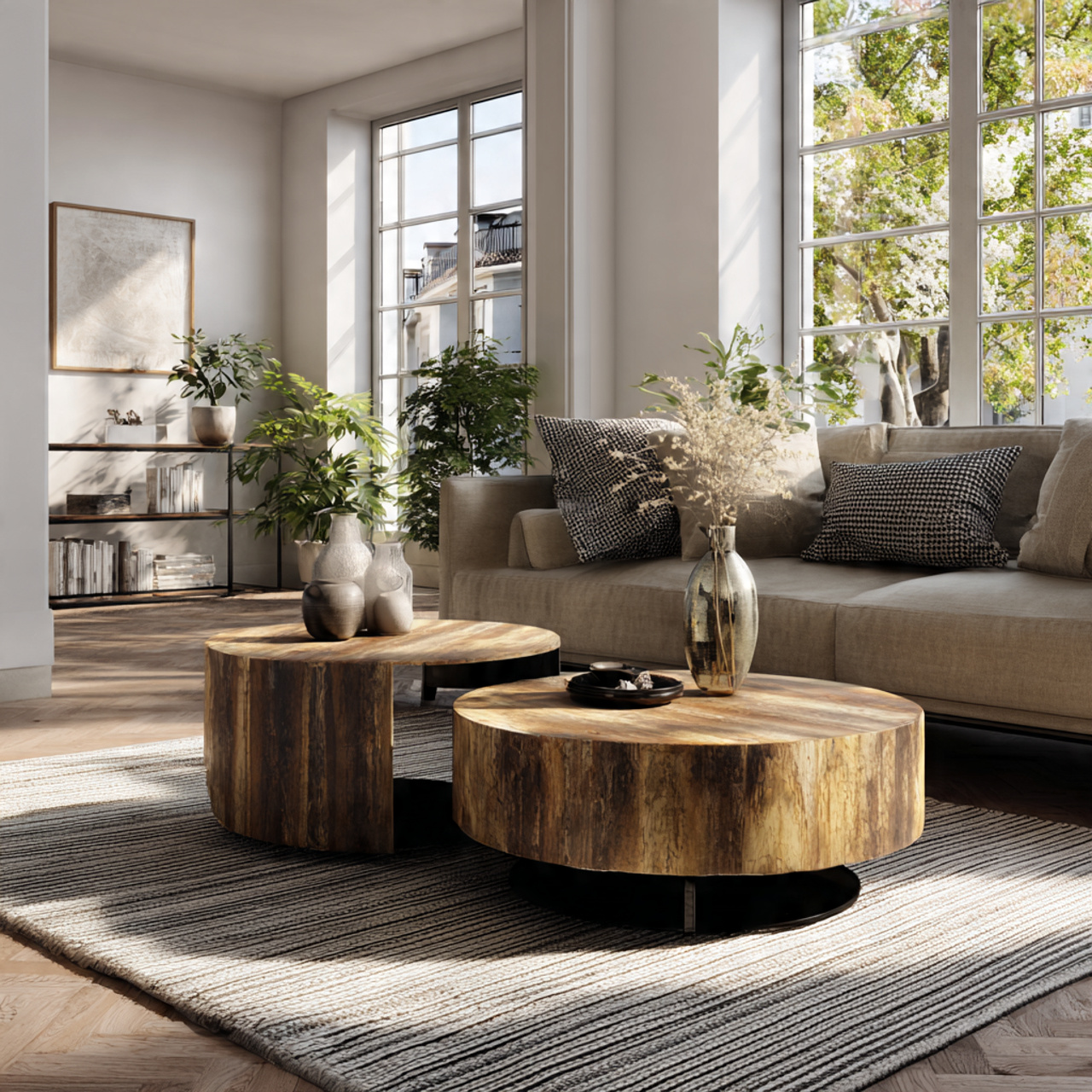
What it is
A solid coffee table that anchors the seating area.
Why it works
A well-scaled table gives the room a clear center. This visual stability makes the space feel finished.
Design logic emphasizes proportion. The right table size keeps the layout balanced.
How to apply it
Choose size and height before styling accessories.
Soft Curtains That Add Height and Flow
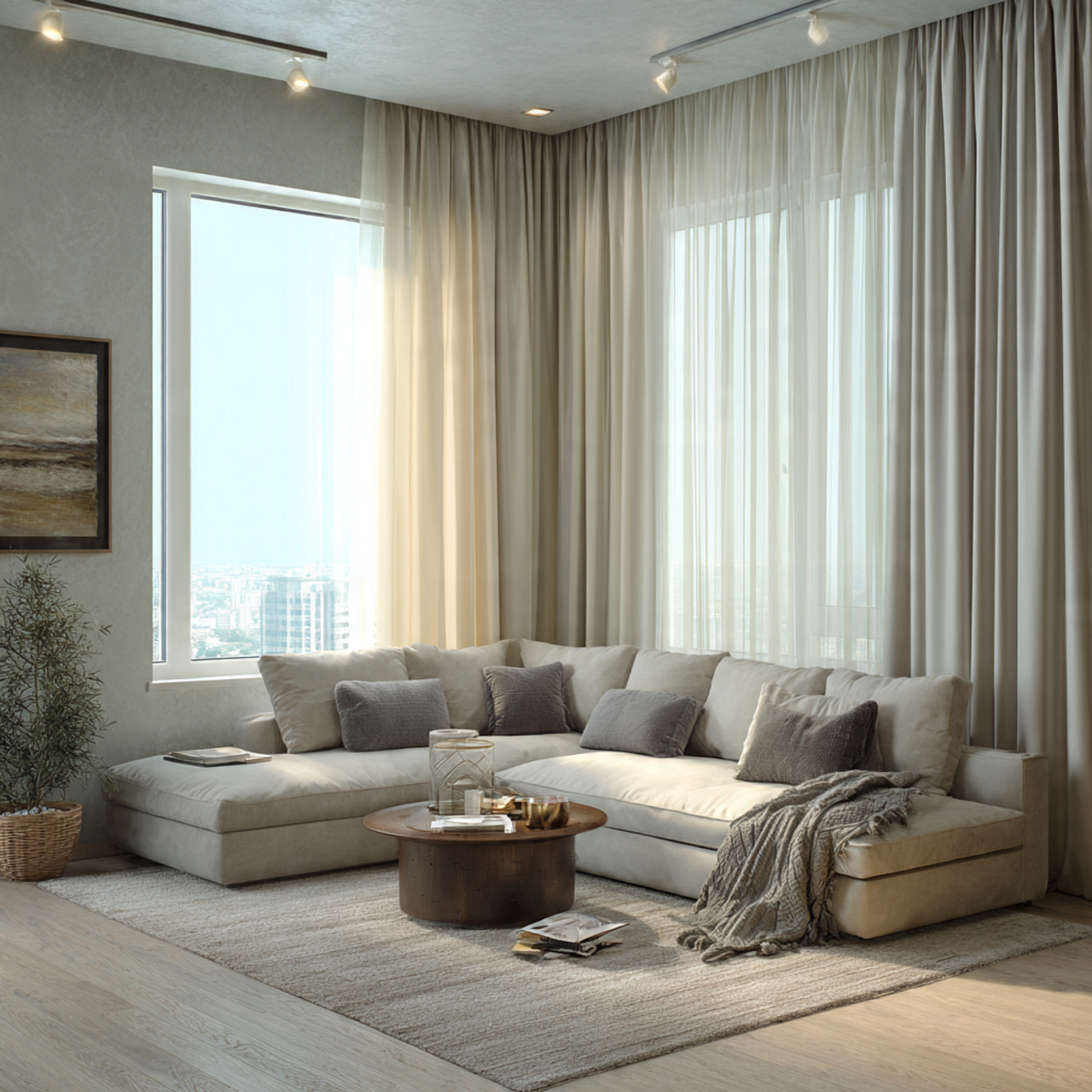
What it is
Light-filtering curtains hung close to the ceiling.
Why it works
Curtains soften the room and make it feel taller. People respond to the relaxed atmosphere this creates.
Design-wise, curtains reduce hard edges and improve acoustics.
How to apply it
Use neutral fabrics and full-length panels.
Flexible Accent Chairs That Adapt Easily
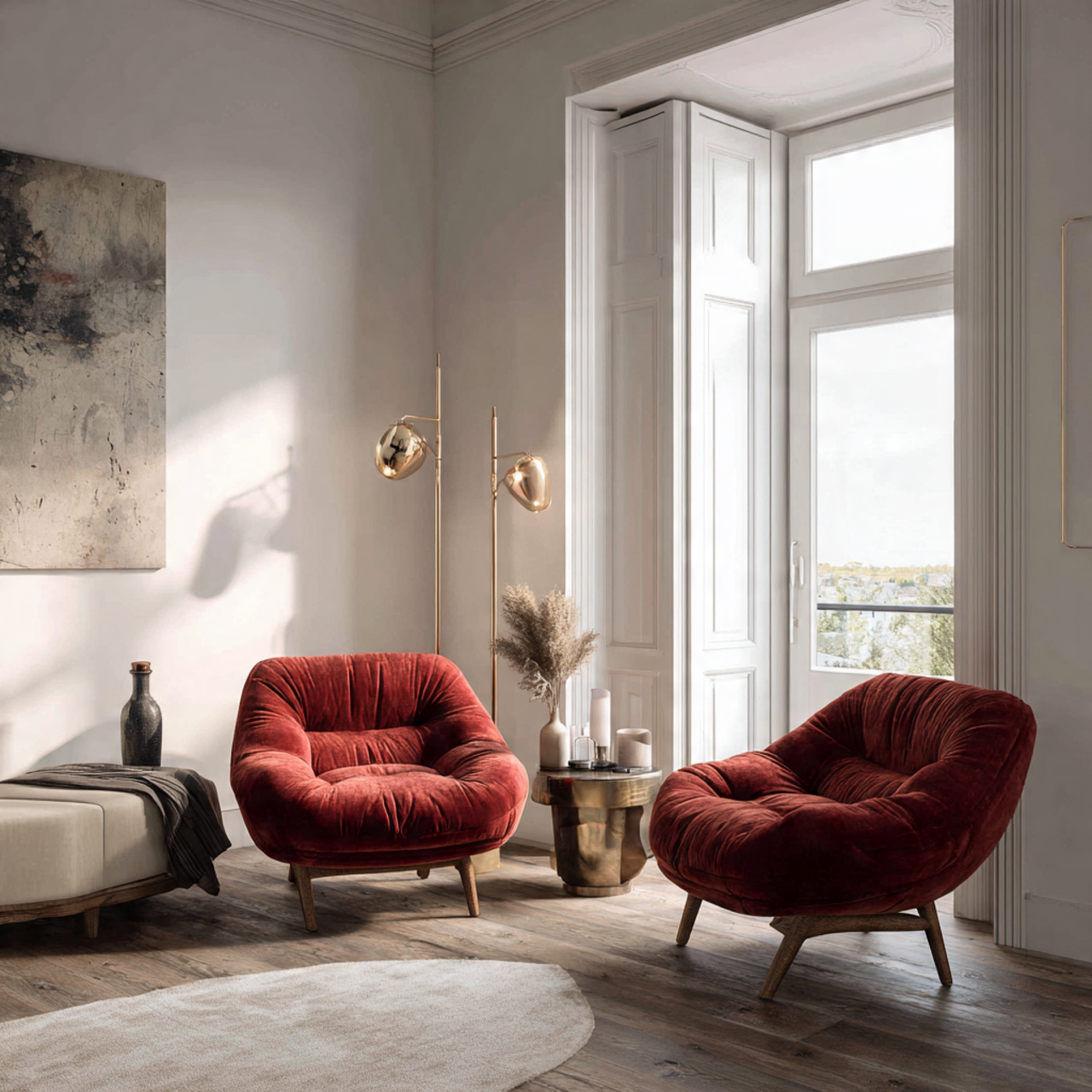
What it is
Lightweight chairs that can move when needed.
Why it works
Flexible seating supports both daily use and hosting. People appreciate rooms that adapt without feeling crowded.
Designers favor movable pieces for shared spaces.
How to apply it
Choose simple shapes that complement existing furniture.
Low-Maintenance Plants That Add Life
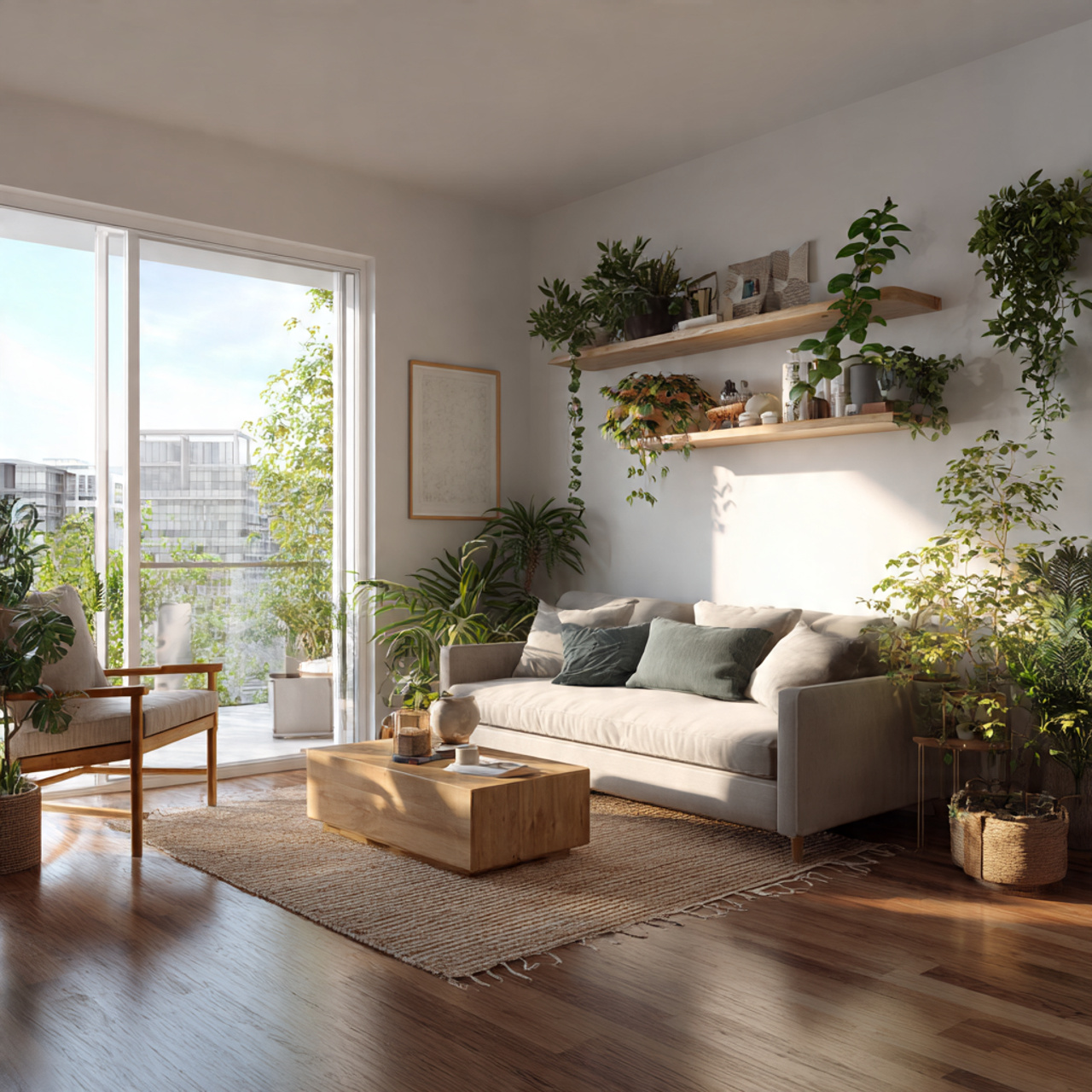
What it is
Easy-care plants placed near natural light.
Why it works
Plants soften interiors and make spaces feel alive. People enjoy the freshness without added stress.
Natural elements balance structured furniture.
How to apply it
Start with one larger plant or two small ones.
Gentle Contrast That Adds Depth
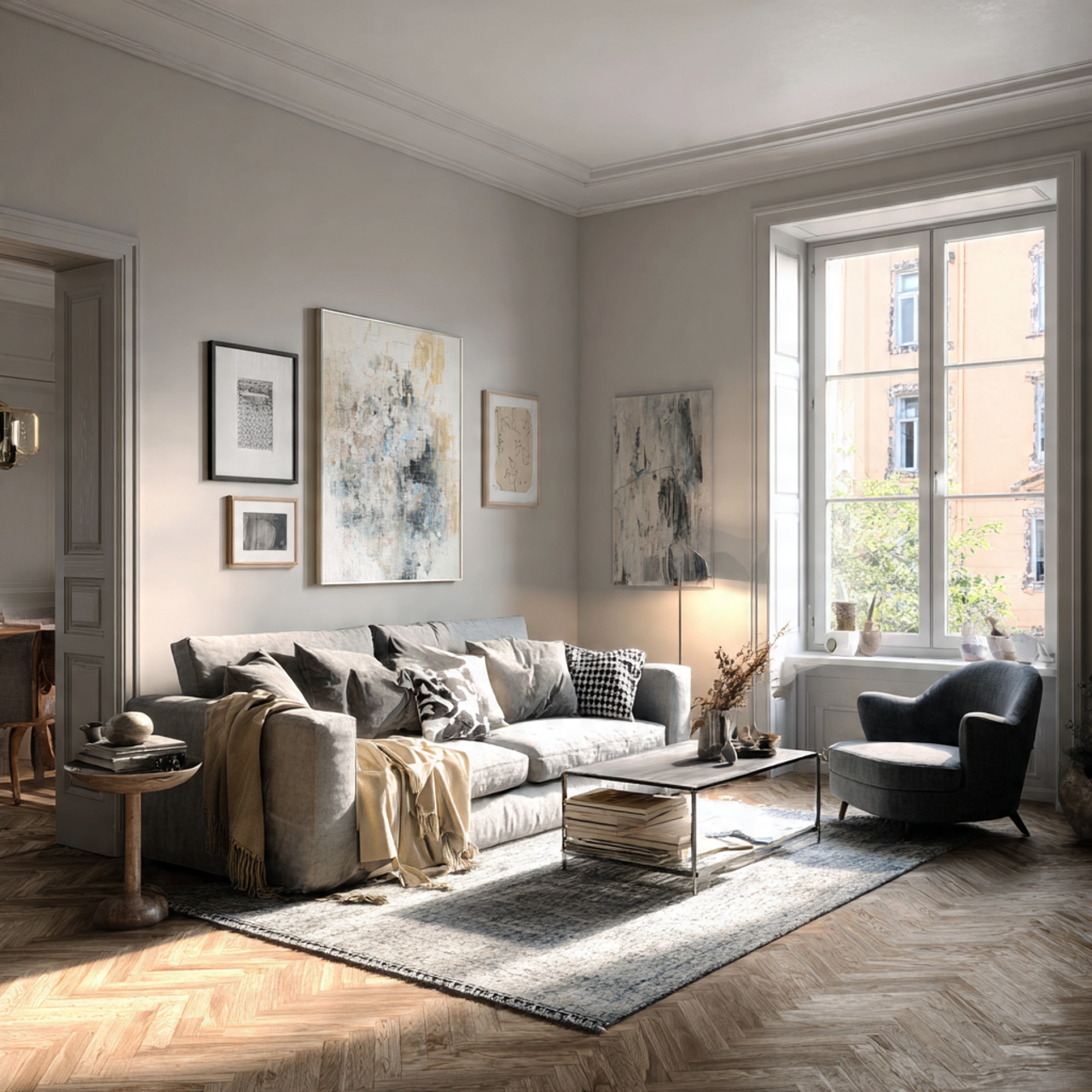
What it is
Light walls paired with slightly darker furniture or accents.
Why it works
Contrast adds interest while keeping the room calm. Spaces feel layered rather than flat.
Design balance supports longevity and comfort.
How to apply it
Limit contrast to two main tones.
Personal Objects That Tell a Quiet Story
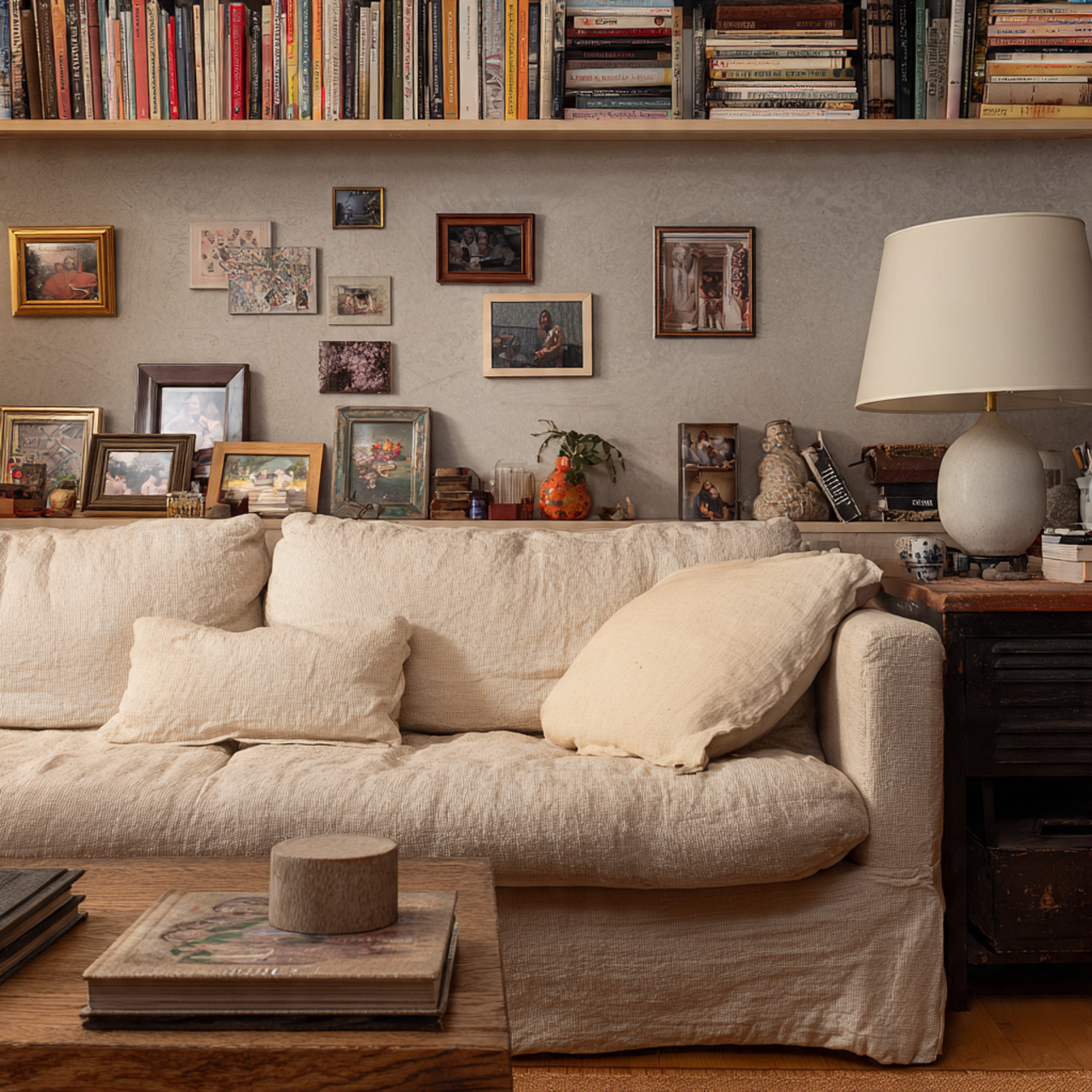
What it is
Books, travel items, or meaningful décor pieces.
Why it works
Personal objects make rooms feel authentic. People connect with spaces that reflect real life.
Designers recommend editing carefully to maintain calm.
How to apply it
Choose a few meaningful items and leave breathing room.
Clear Walking Paths That Improve Flow
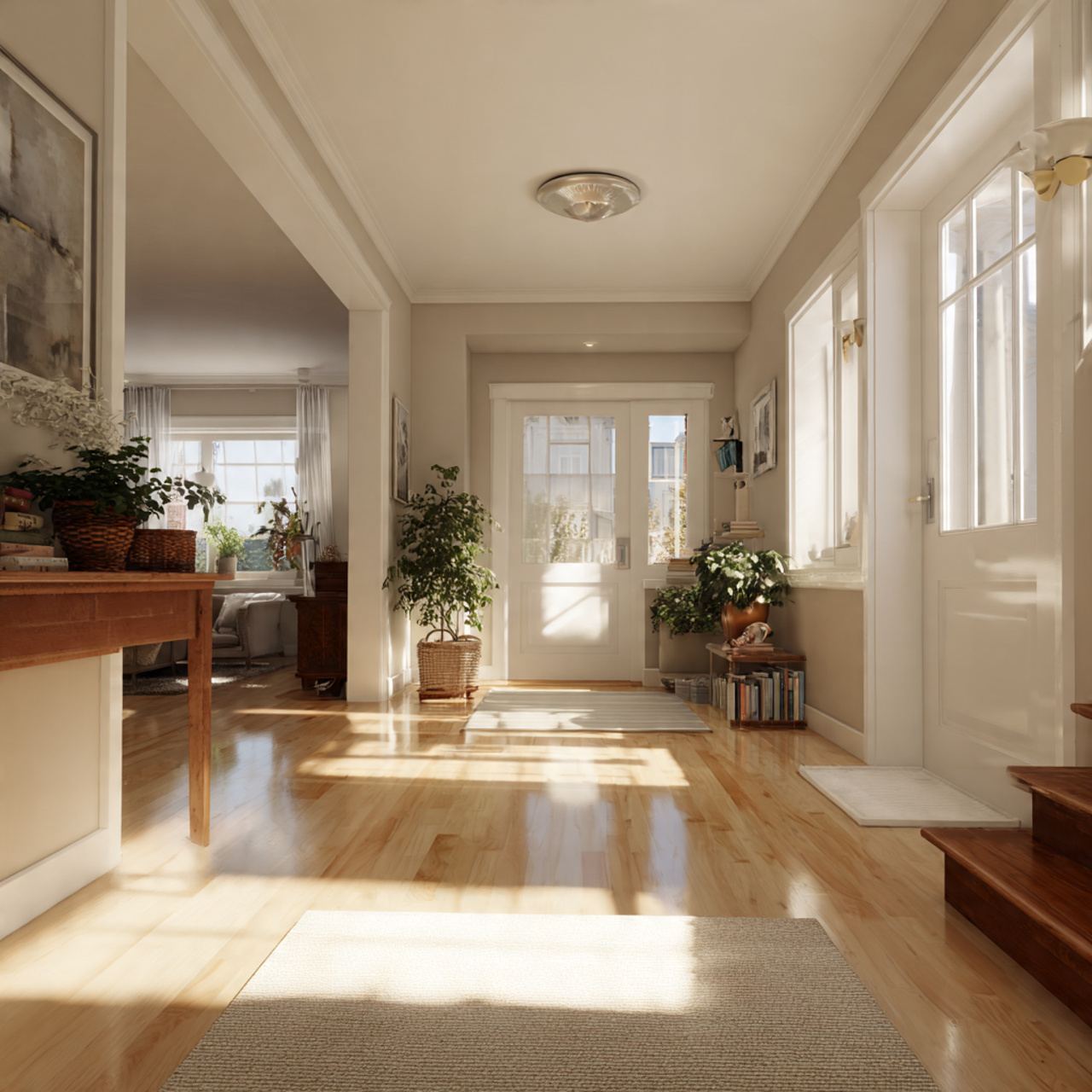
What it is
Furniture arranged to allow easy movement.
Why it works
Good flow makes spaces feel breathable and comfortable. People imagine moving naturally without obstacles.
Design logic prioritizes circulation in shared rooms.
How to apply it
Leave clear paths around seating areas.
Consistent Styling That Feels Finished
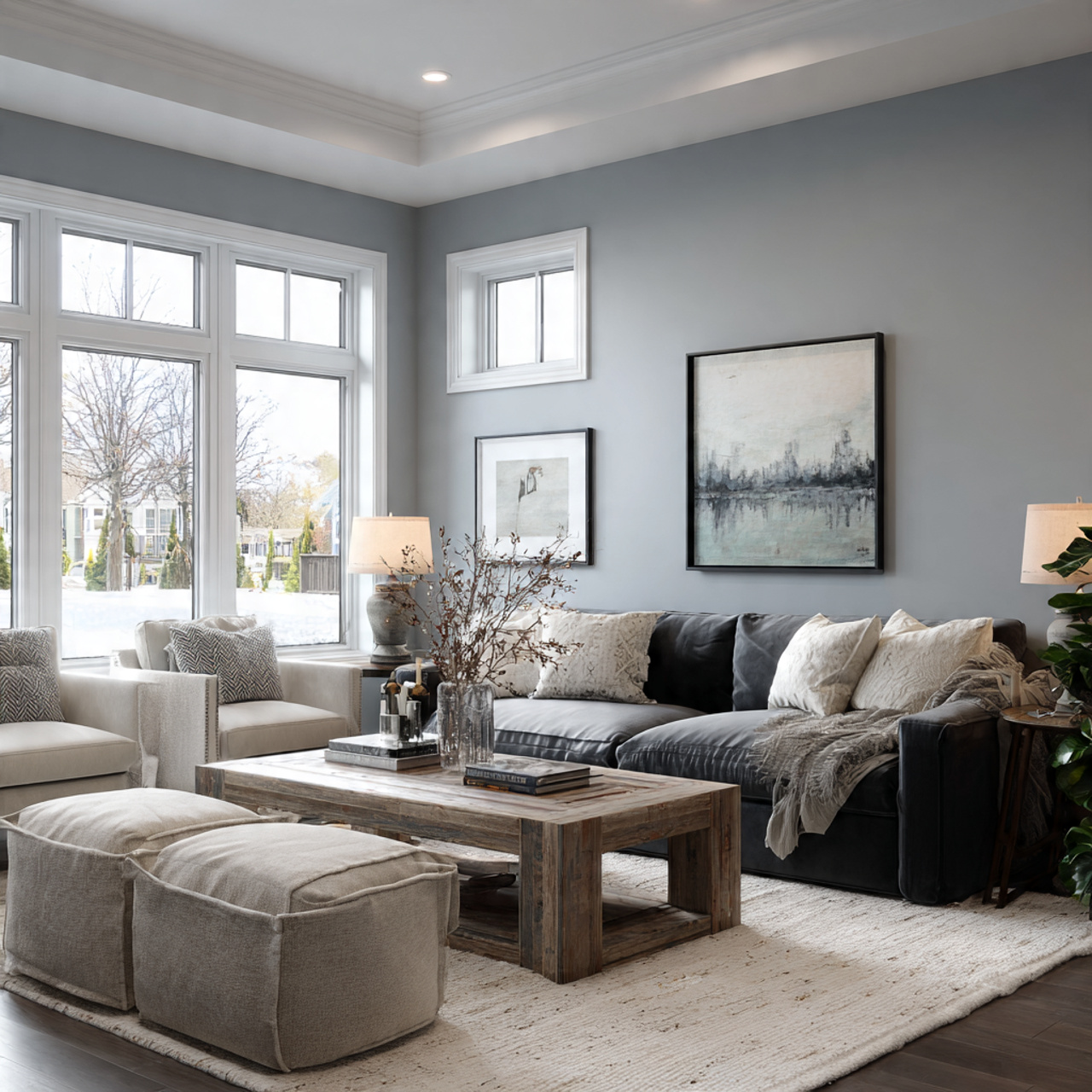
What it is
Repeating materials, colors, or textures subtly.
Why it works
Consistency creates harmony and visual ease. These living room designs feel complete without looking styled.
Design repetition ties the room together.
How to apply it
Repeat one or two elements intentionally.
Common Living Room Design Mistakes
Choosing Style Over Comfort
Many people focus on appearance first, especially when inspired by images online. Over time, uncomfortable seating affects how the room is actually used.
Prioritizing comfort early prevents daily frustration. Ignoring this often leads to regret.
Overcrowding the Room
Adding too much furniture can feel productive at first. As time passes, movement becomes restricted and the room feels heavy.
Removing one unnecessary piece restores balance. Crowding increases stress.
Relying on a Single Light Source
One overhead light may seem enough initially. Over time, the room feels flat and harsh.
Layered lighting improves comfort. Ignoring this makes the space less inviting.
Skipping Storage Planning
Storage often feels optional early on. Items slowly pile up and create visual noise.
Thoughtful storage keeps rooms calm. Neglect leads to constant clutter.
Frequently Asked Questions About Living Room Designs
How do I choose living room designs for small spaces?
Focus on layout before anything else. Light colors, clear walking paths, and multi-functional furniture help small living rooms feel more open and comfortable over time.
Are neutral living room designs boring?
Neutral spaces only feel boring when texture and contrast are missing. When layered thoughtfully, neutral living room designs feel calm, flexible, and easy to live with long-term.
How often should I update my living room?
Small, seasonal updates work better than full redesigns. Changing pillows, lighting, or décor keeps the space feeling fresh without disrupting comfort.
What matters more, style or comfort?
Comfort matters more in daily life. A room that looks good but feels uncomfortable quickly becomes frustrating to use.
Can I mix styles in one room?
Yes, mixing styles works best when one style clearly leads. This keeps the room balanced and prevents it from feeling visually scattered.
Final Thoughts About Living Room Designs
Good living room designs don’t rely on perfection or constant change. They come together through thoughtful choices that support comfort, balance, and everyday life.
Start with one small adjustment and let the space evolve naturally over time.