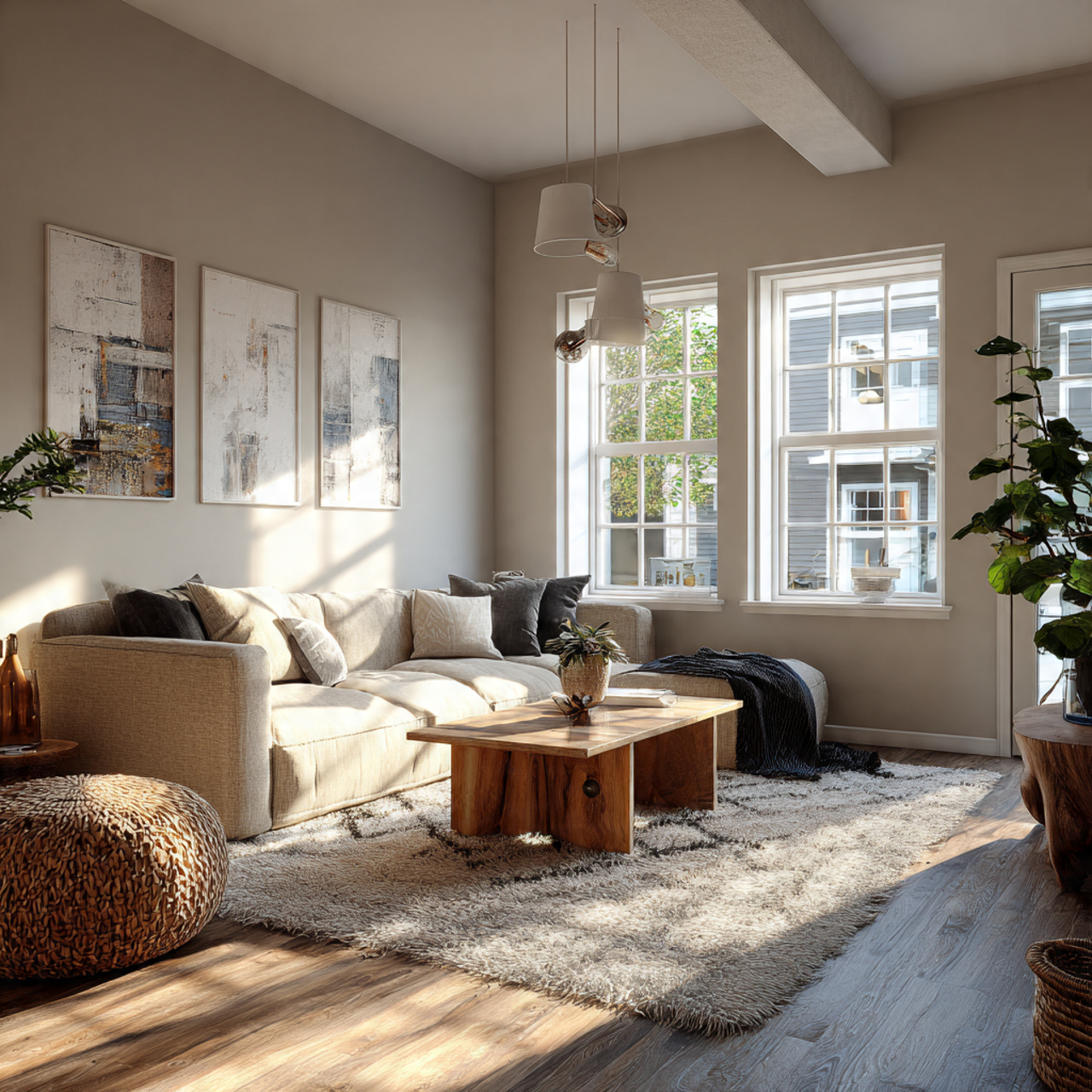
18 Brilliant Living Room Ideas That Actually Work in Homes
You notice it after a few evenings, not immediately. The sofa feels slightly too large for the space, the lighting flattens everything after sunset, and the room that looked perfect at first starts feeling off. It is rarely one big mistake. More often, it is a series of small decisions that do not age well together.
Most living room advice focuses on how a space looks on day one. What matters more is how it feels after a few months of daily use, how it handles clutter, light changes, and real routines. The ideas ahead lean into that reality, focusing on what continues to work rather than what only photographs well.
Why living rooms feel harder to get right lately
Open layouts and smaller apartments have quietly changed how living rooms function. They are no longer just for sitting. They double as work zones, dining extensions, and sometimes walkways. That pressure exposes weak layout decisions quickly, especially when furniture is not scaled or placed with movement in mind.
There is also a shift toward mood-driven interiors. People want warmth, softness, and personality, but without losing clarity or structure. That balance is harder than it sounds. Too minimal feels empty after a while, while overly styled spaces tend to feel tiring within weeks.
Living Room Ideas That Improve Comfort and Style
Let the seating arrangement breathe instead of filling every corner
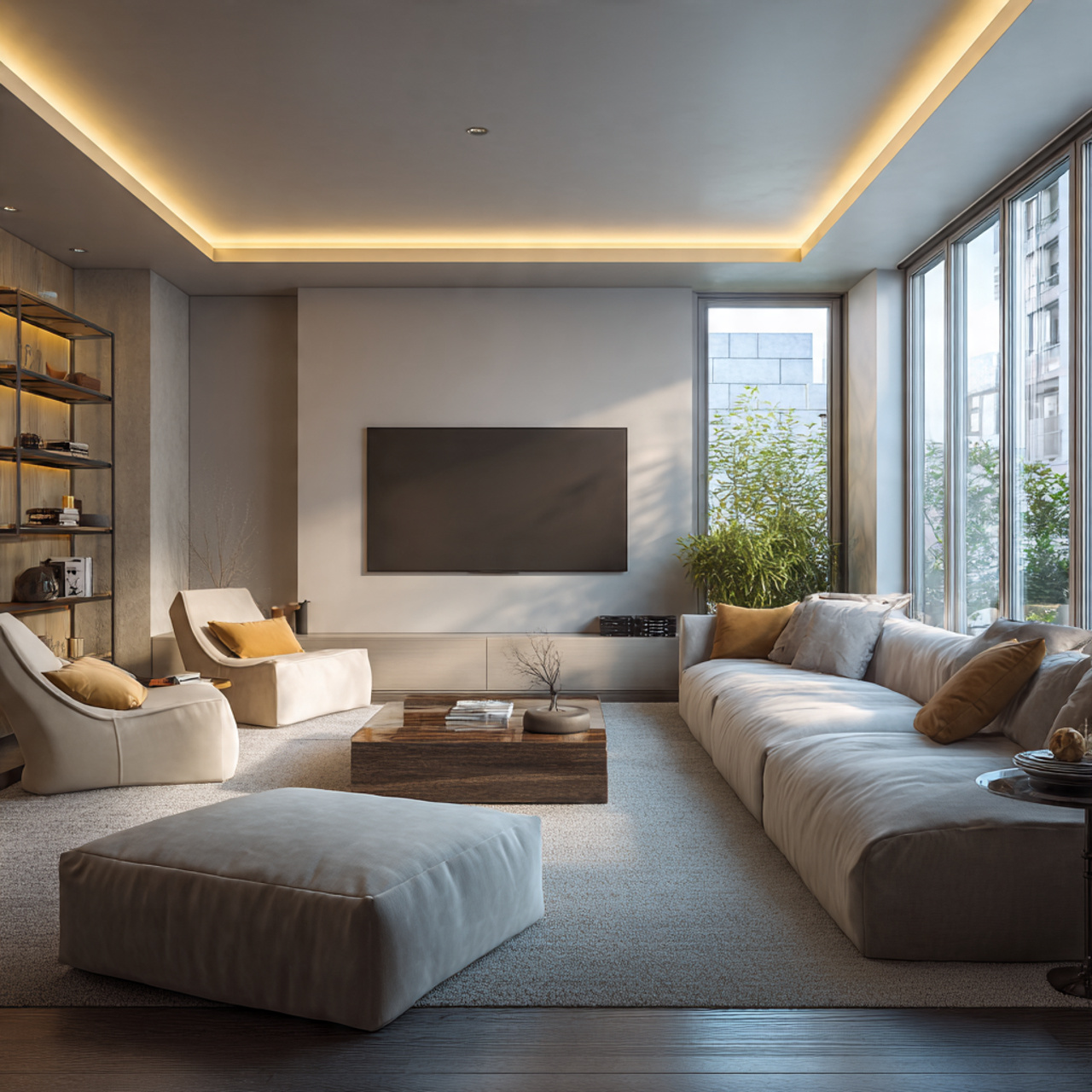
A common instinct is to use every available inch, especially in small living rooms or apartments. But when furniture touches too many edges, the room starts to feel boxed in. Leaving visible gaps around key pieces creates a sense of movement that you notice more over time than on day one.
In many homes, pulling the sofa slightly away from the wall changes everything. Even a few inches can create a softer boundary and make the layout feel intentional instead of forced. This matters even more with a dark grey couch, which already carries visual weight.
Over time, rooms arranged with breathing space tend to stay easier to maintain. You adjust things less, and the layout continues to feel calm even when life gets messy.
Tip: If a room feels tight, remove one small piece instead of shrinking everything. The absence often works better than replacement.
A dark grey couch works best when something softens it visually
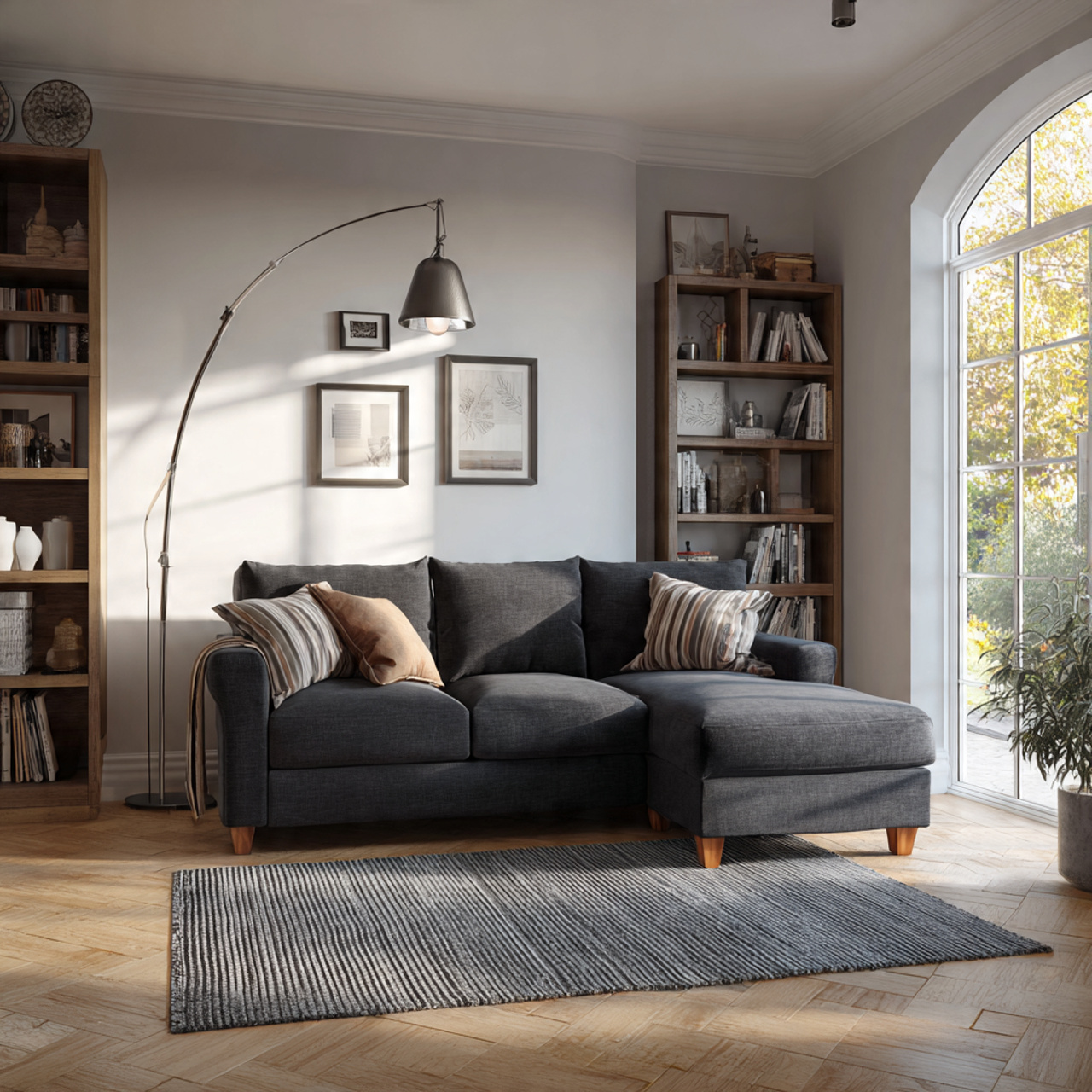
Dark sofas solve one problem and create another. They ground the room, but they can also make it feel heavy if everything around them is equally dense. This is where texture becomes more important than color.
Rooms feel more balanced when a grey couch is paired with something slightly imperfect. A loosely draped linen throw, a textured rug, or slightly wrinkled fabric breaks the uniformity. Perfect surfaces tend to look cold after a while.
The effect becomes more noticeable in apartments where space is limited. A single soft contrast can prevent the entire room from feeling compressed.
Tip: Avoid matching cushions exactly to the sofa color. Slight contrast keeps the couch from disappearing into the room.
Layered lighting changes how the room feels after sunset
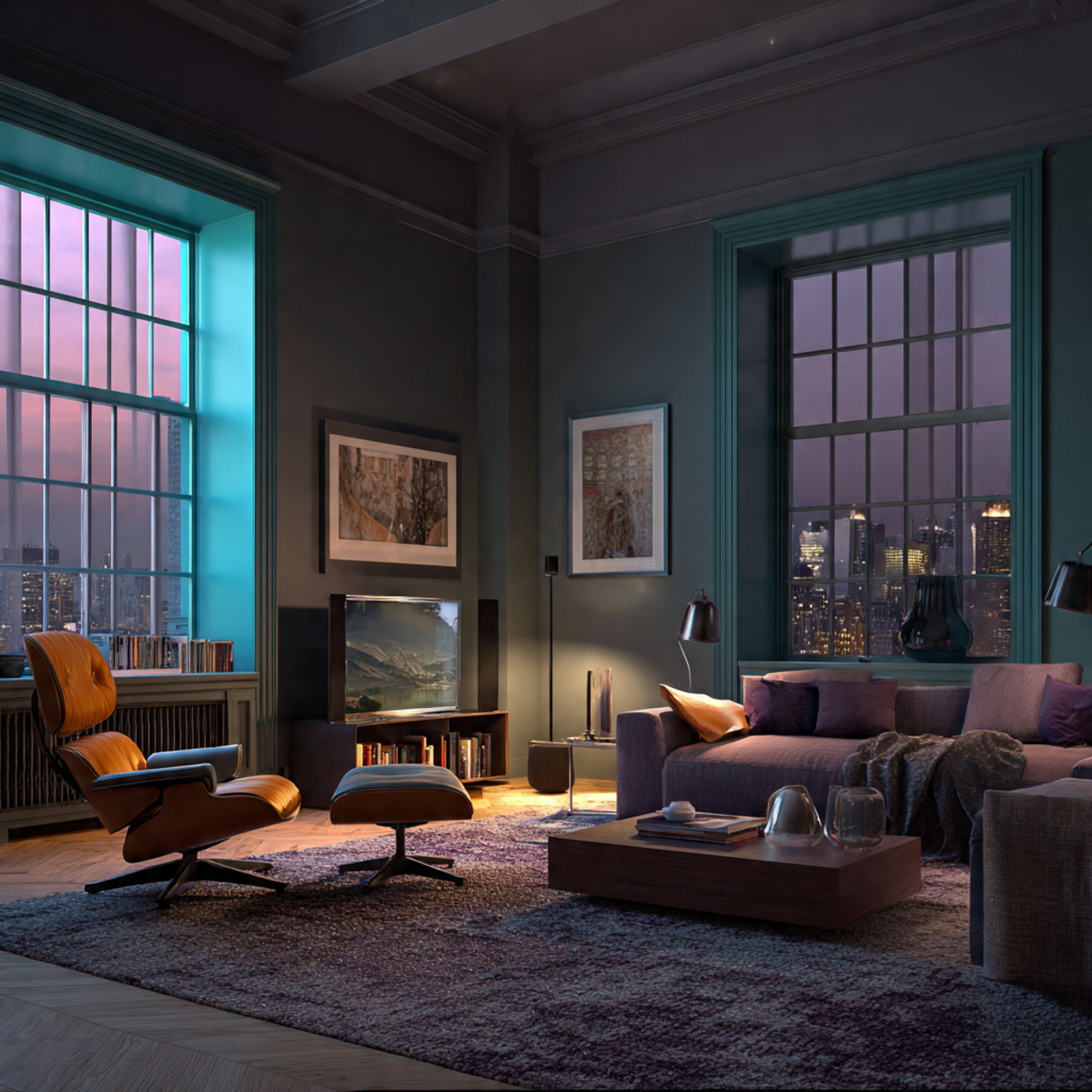
Most living rooms look acceptable during the day and fall apart at night. A single ceiling light flattens everything, removing depth and making even good furniture look ordinary.
What consistently works is a layered approach. A floor lamp near seating, a softer lamp at a lower height, and a subtle overhead source each play a role. Together they create a room that adapts instead of collapsing into one mood.
In windowless living rooms, this becomes the entire identity of the space. Light is not just functional there. It defines comfort.
Tip: Turn on only two light sources in the evening instead of all of them. It usually feels better immediately.
Yellow accents feel better when they are restrained, not dominant
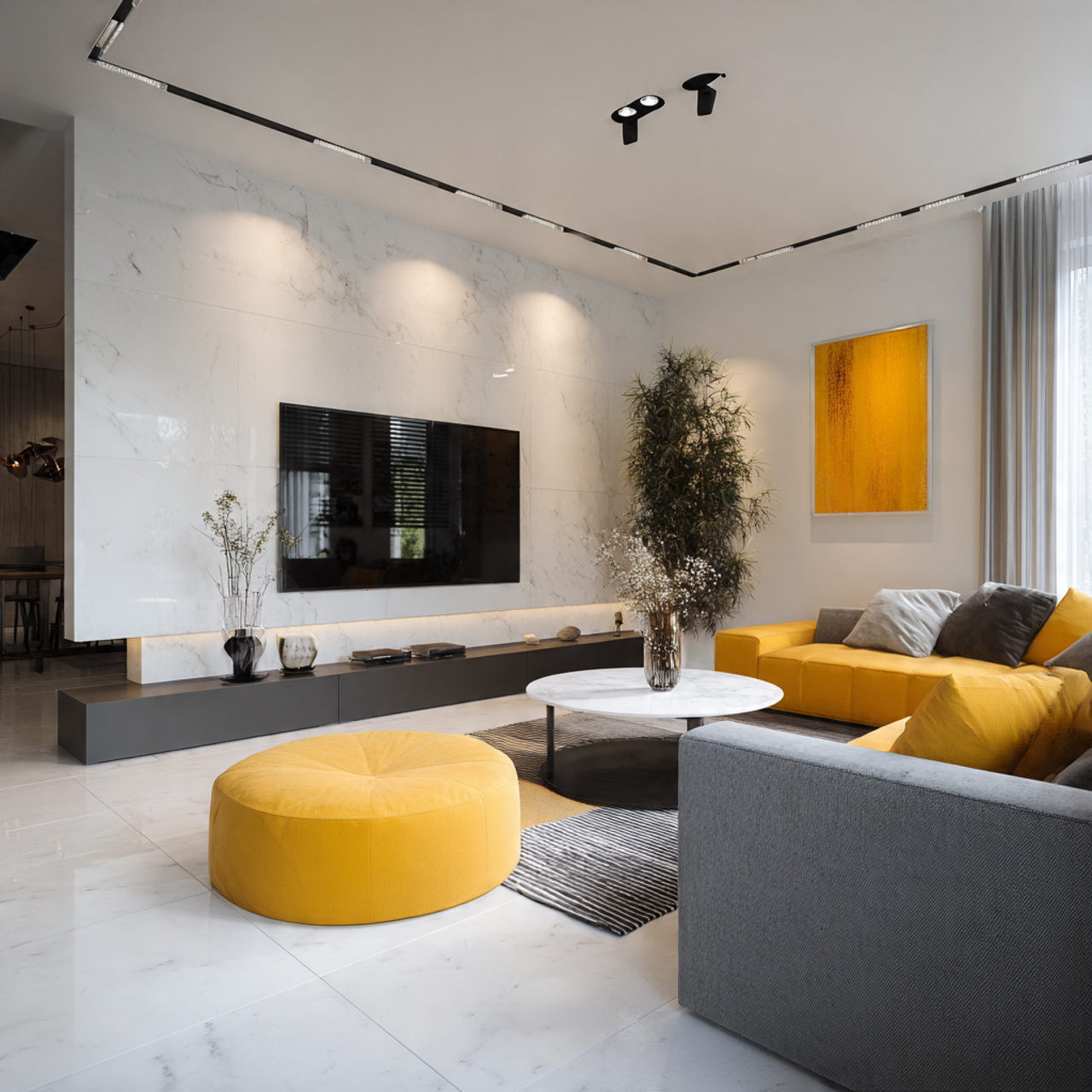
Grey and yellow combinations are everywhere, but most rooms overdo the yellow. Large yellow furniture pieces often feel exciting at first and tiring later.
A more stable approach is to keep yellow in smaller doses. Cushions, art, or a single chair can introduce warmth without overwhelming the palette. This keeps the room adaptable if your taste shifts later.
Many people regret committing too heavily to strong accent colors. Smaller touches are easier to live with long term.
Tip: If you are unsure about yellow, start with artwork before furniture. It is easier to change later.
Built in shelves feel calm when they are not overfilled
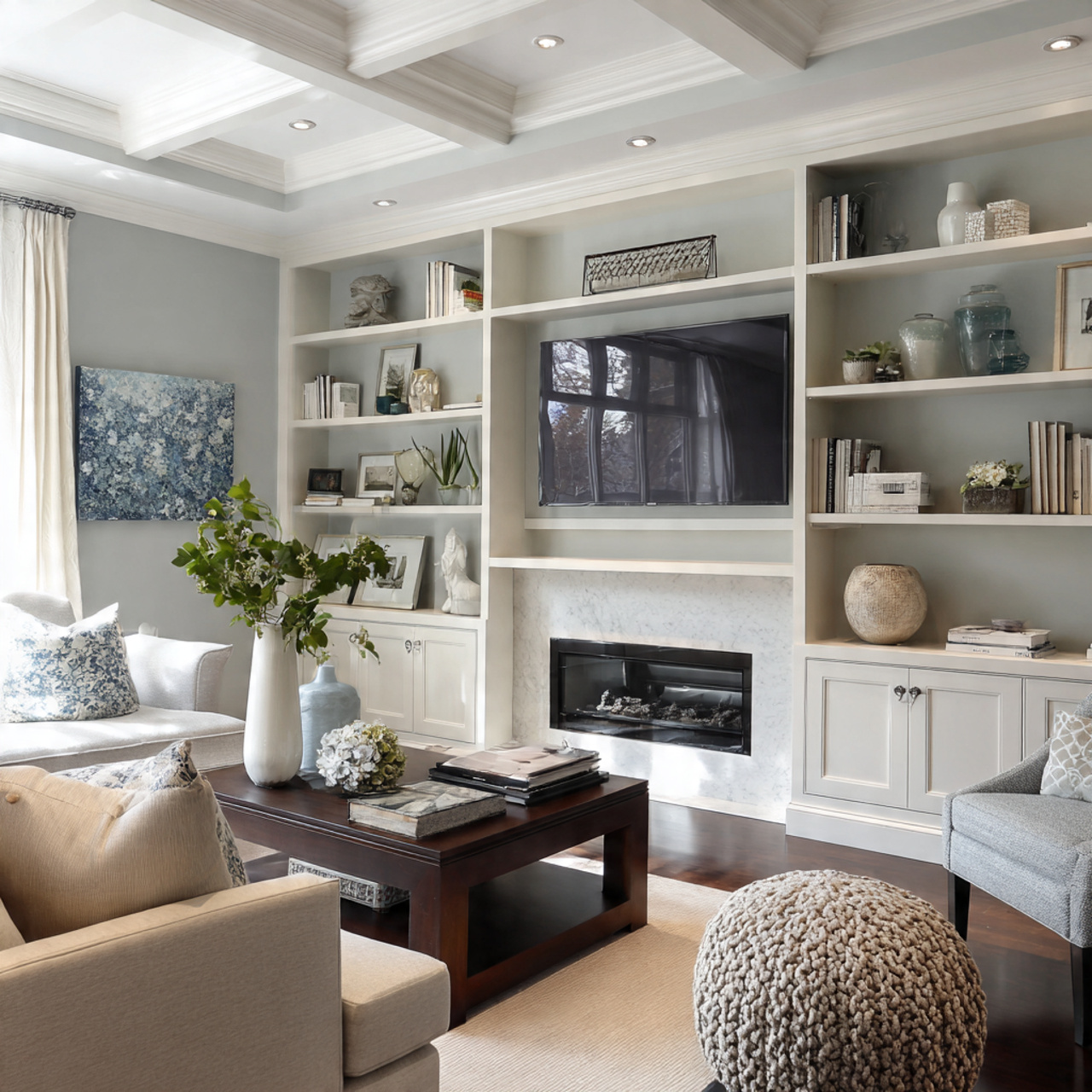
Shelving often becomes a storage problem disguised as decoration. When every shelf is filled, the room starts to feel visually busy even if everything is organized.
Leaving sections intentionally empty creates rhythm. The eye needs places to rest, especially in living rooms that already carry multiple functions.
Over time, people tend to keep adding objects. Starting with restraint prevents that slow buildup from overwhelming the space.
Tip: Fill only about seventy percent of a shelf. The remaining space is what makes it look intentional.
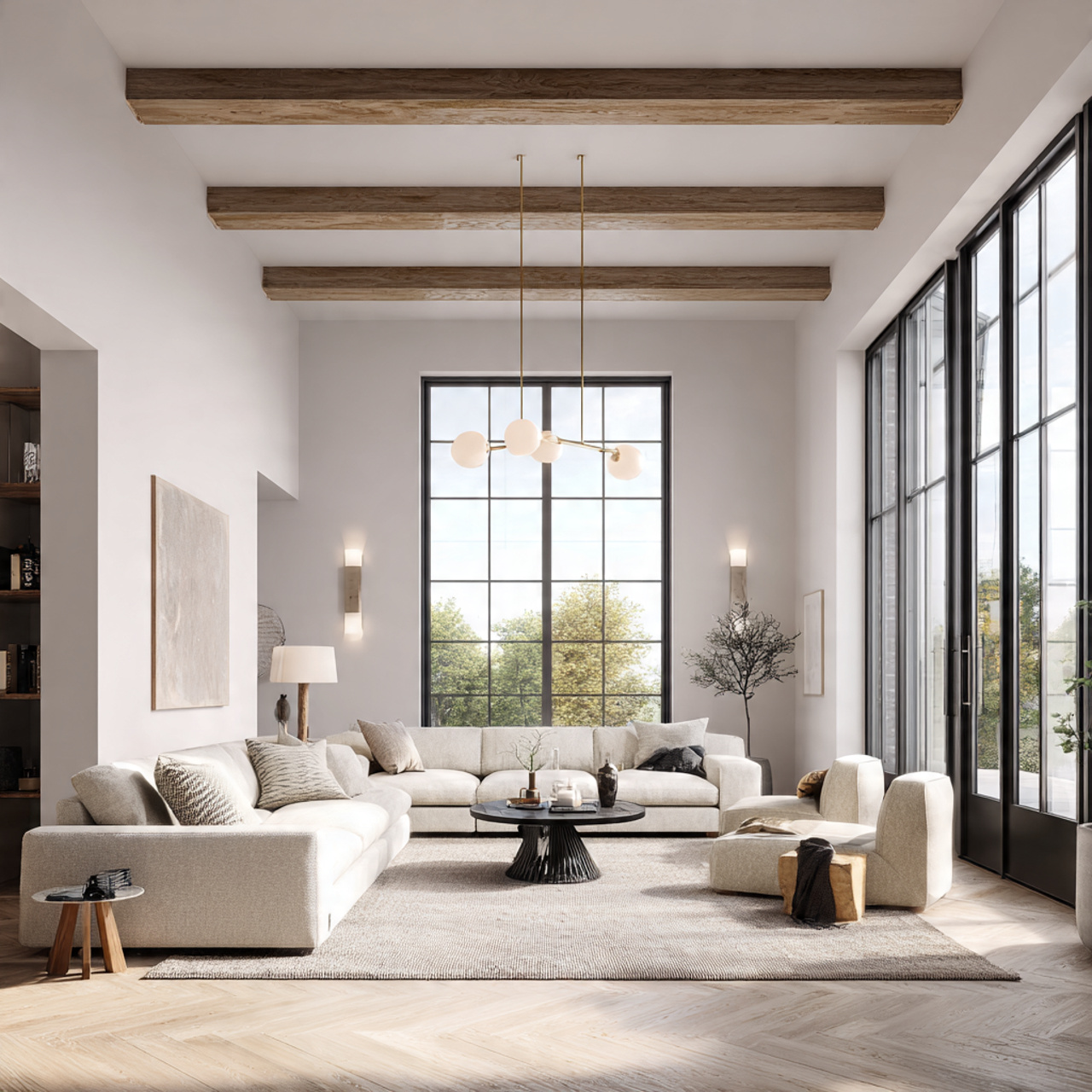
A low profile layout helps rooms with short ceilings feel lighter
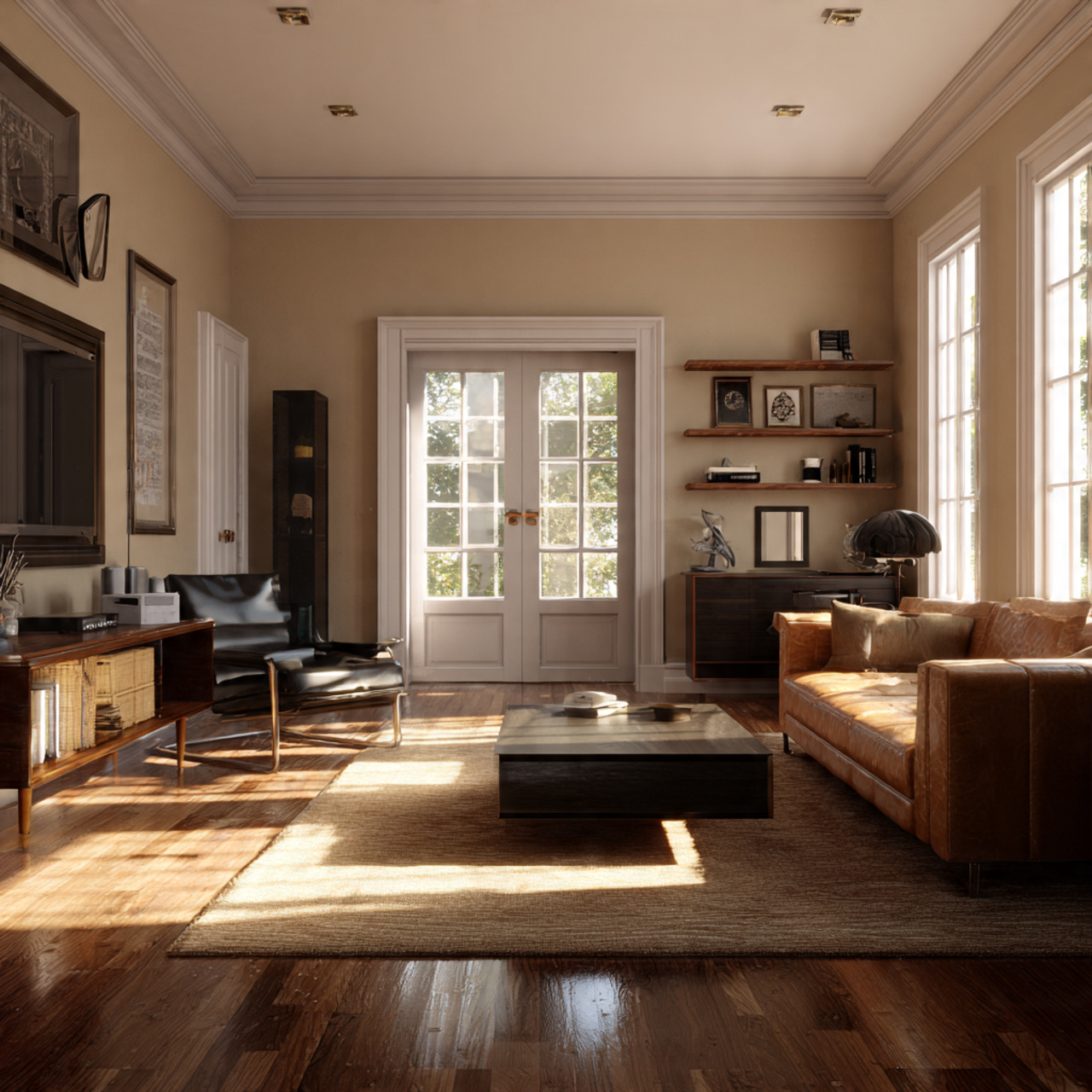
Short ceilings are often treated as a fixed limitation, but furniture choices can either exaggerate or soften that feeling. Tall bulky pieces compress the room further.
Lower seating, slimmer tables, and open leg furniture allow more vertical space to remain visible. This creates a subtle sense of lift that becomes more noticeable over time.
The difference is not dramatic at first glance, but it affects how long you feel comfortable in the room.
Tip: Choose sofas with visible legs instead of fully skirted bases to keep the floor line open.
Open layouts need quiet boundaries to feel organized
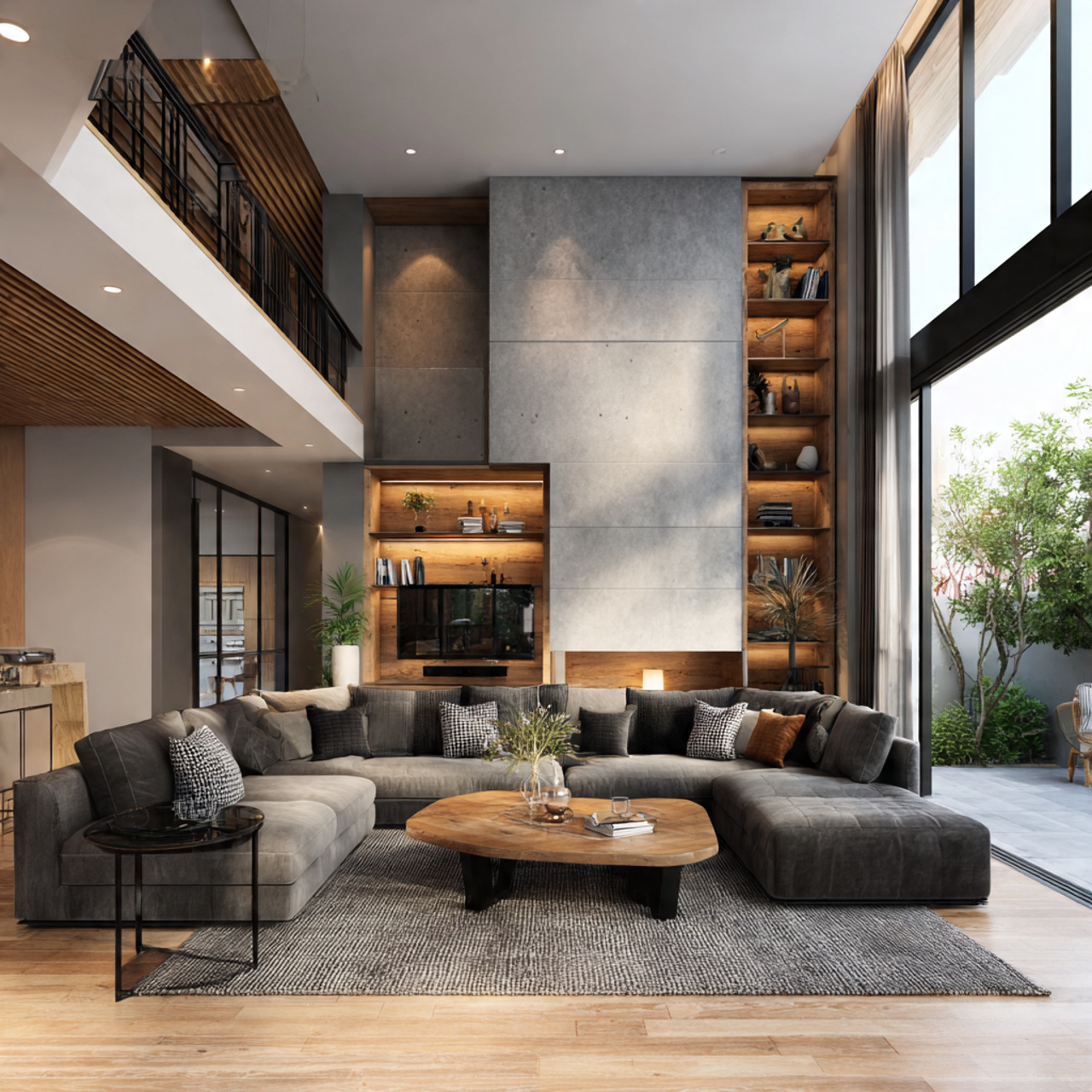
In open space apartments, living rooms often blend into dining or kitchen areas. Without subtle boundaries, the entire space feels undefined.
Rugs, lighting shifts, or slight furniture angles can create invisible zones. You do not need walls to define areas. You need visual signals.
What works long term is flexibility. Fixed heavy dividers tend to feel restrictive after a while.
Tip: Use one large rug to define the living area instead of multiple small ones that break the flow.
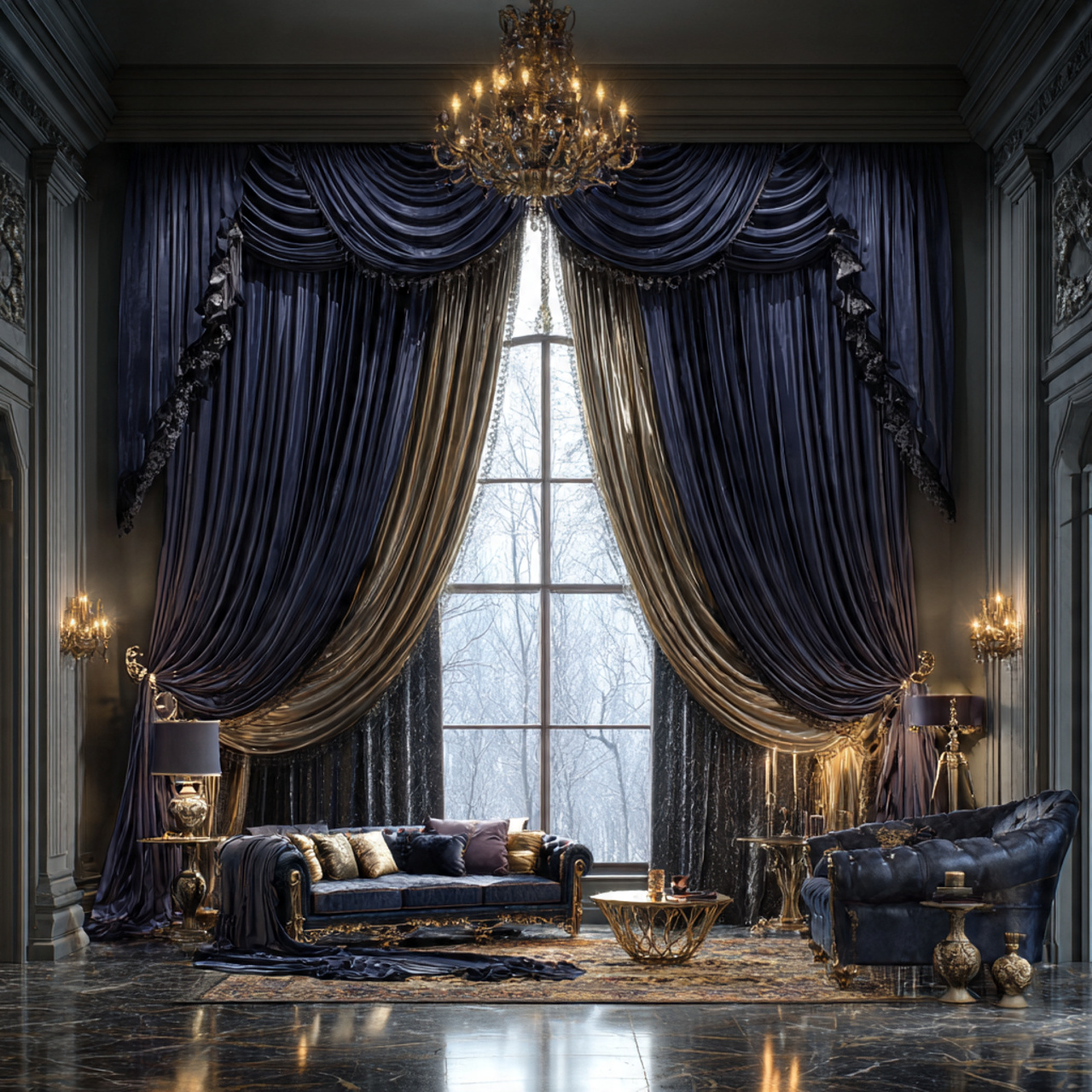
Moody tones work when balanced with light contrast
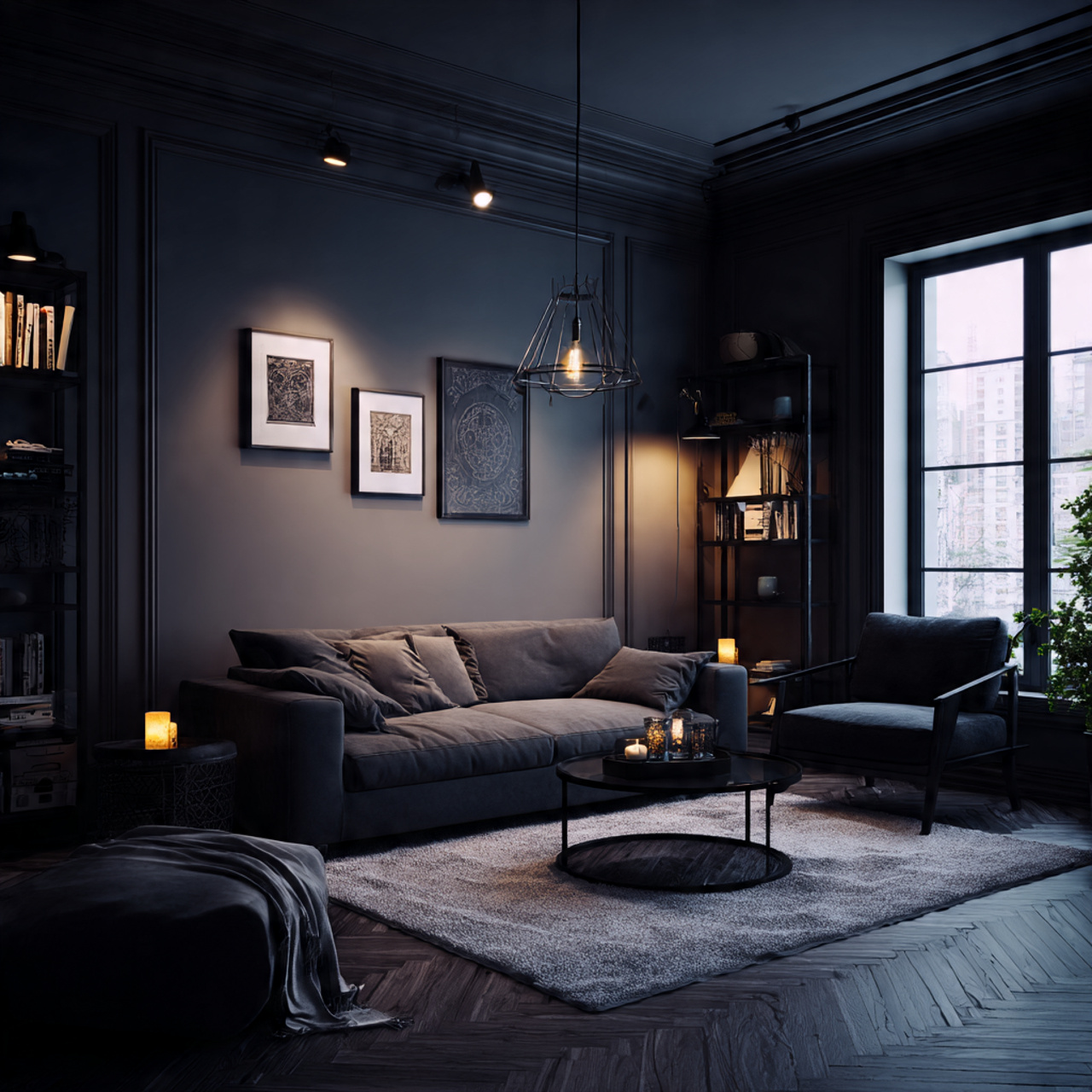
Dark, moody living rooms can feel rich and calming, but only when there is enough contrast to prevent them from becoming flat. Without contrast, everything blends into one tone.
Adding lighter elements such as a pale rug, lighter artwork, or reflective surfaces creates depth. The room feels layered instead of heavy.
Rooms that lean fully dark often feel impressive for a short time, then slightly oppressive. Contrast is what keeps them livable.
Tip: Pair at least one large light element with dark walls or furniture to keep balance.
Wall art feels right when it matches scale, not just style
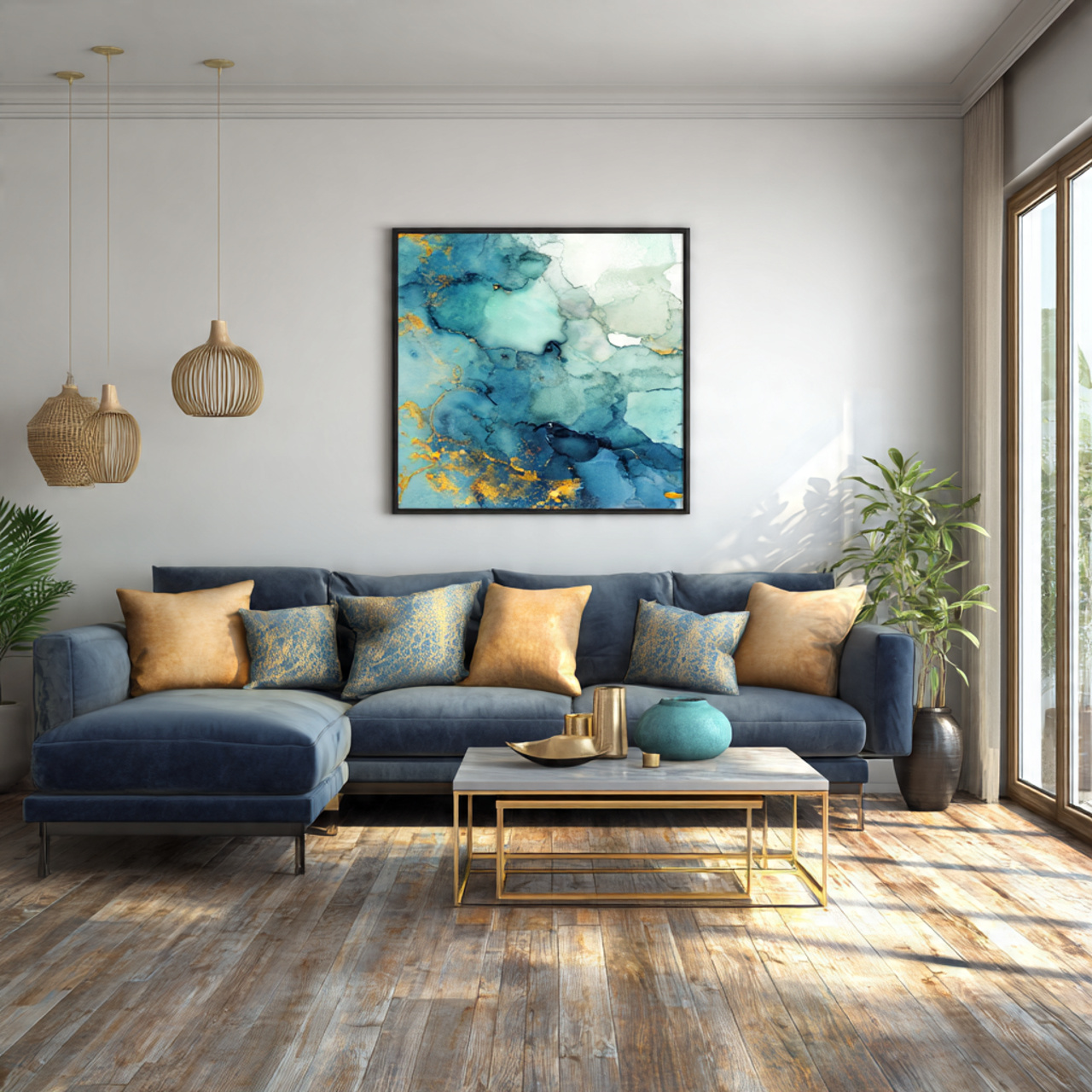
People focus on choosing the right art style, but scale is what determines whether it works in the room. Small pieces on large walls often feel disconnected.
Larger art or grouped pieces create presence and help anchor furniture like sofas or consoles. This becomes especially important with a grey couch that needs visual support above it.
Over time, correctly scaled art continues to feel intentional, while undersized pieces start to look temporary.
Tip: The width of wall art above a sofa should roughly span two thirds of the sofa width.
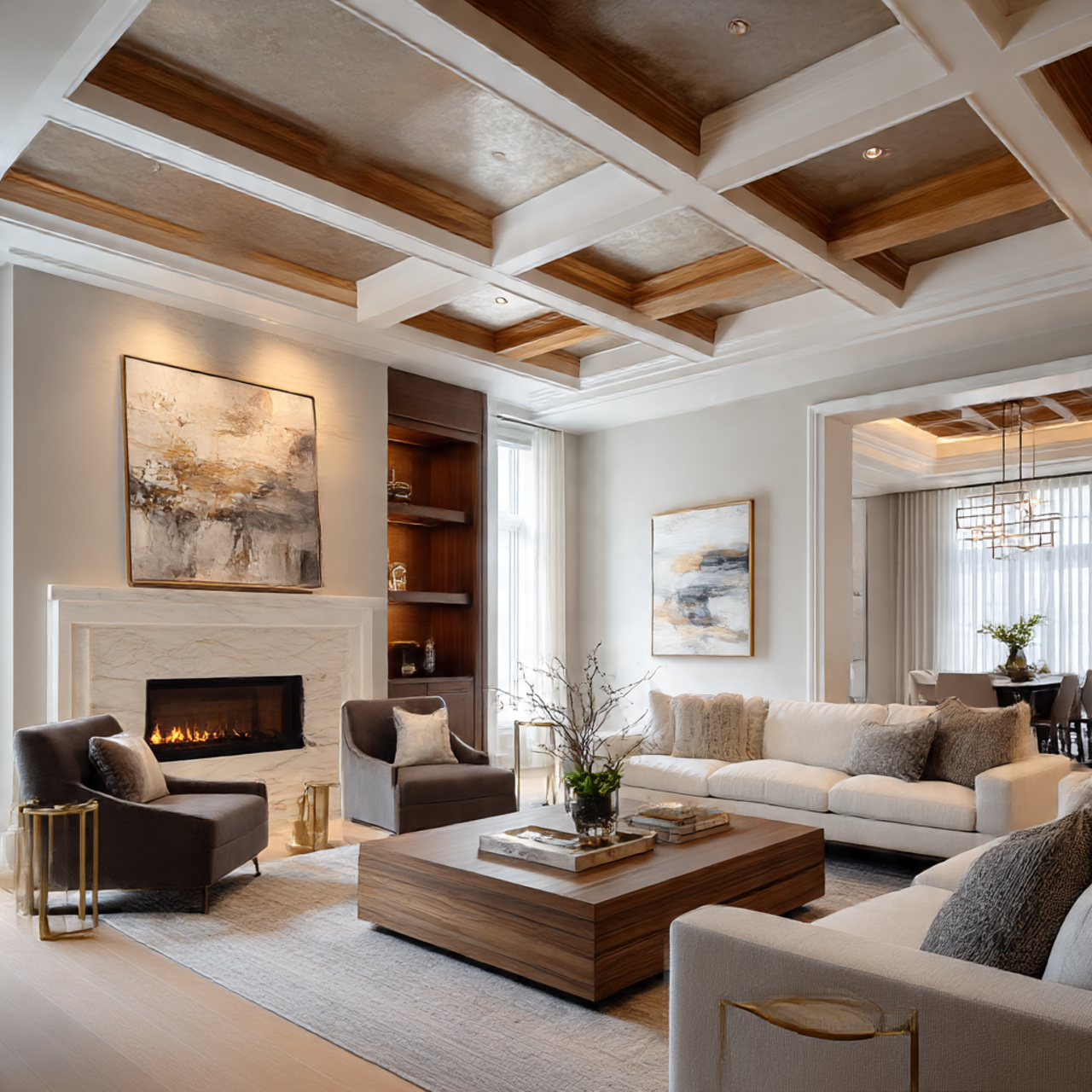
Make the fireplace and TV coexist without the room feeling split
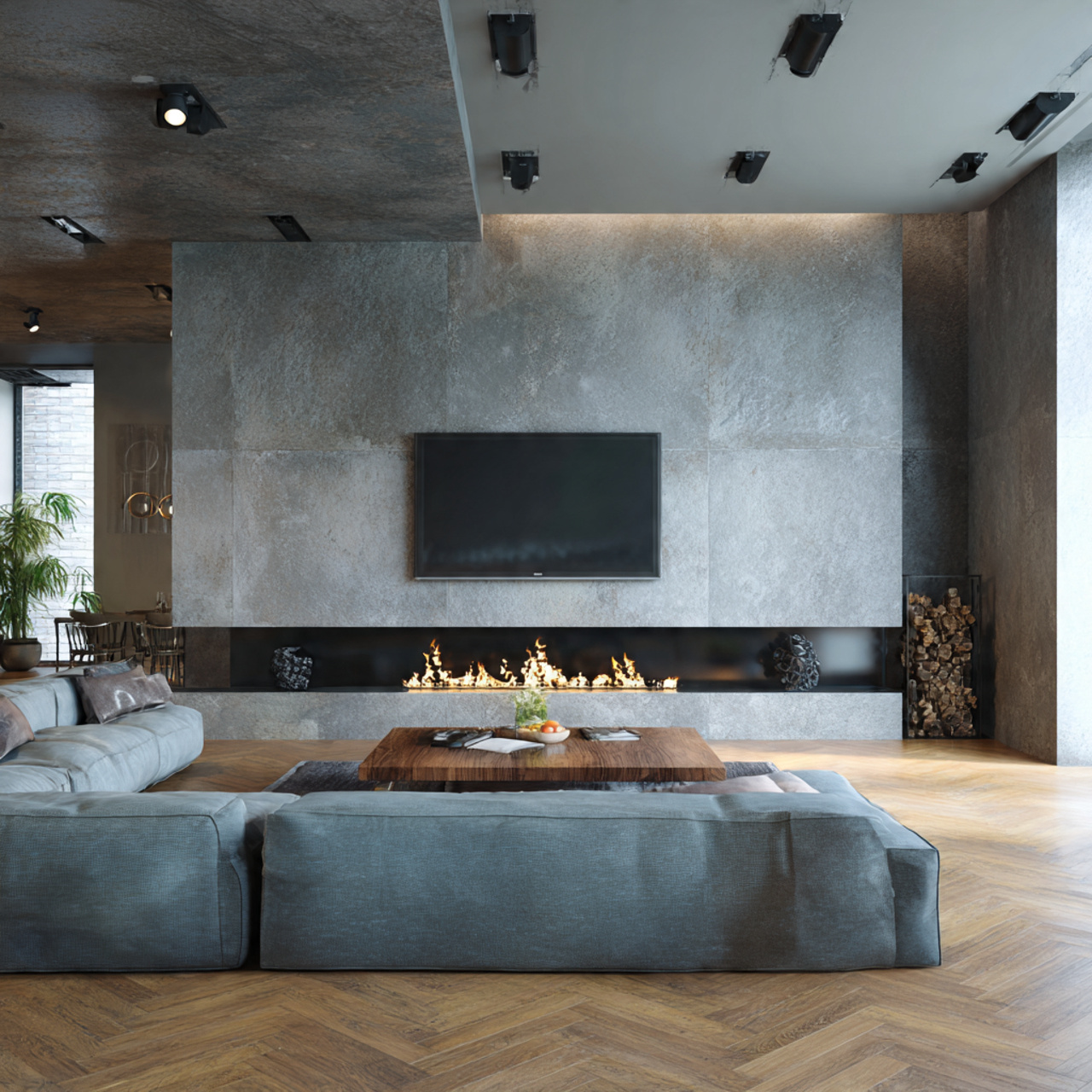
A fireplace and a wall-mounted TV can fight for attention if they are treated as separate moments. Instead, think of them as a single focal plane where one element supports the other. Placing the TV slightly off center with the fireplace as an anchor, or using a low mantel that visually links the two, makes the wall read as one composed feature rather than two competing ones.
Materials matter here. A warm stone or plaster finish behind both elements will reduce glare from screens and help the fireplace feel integrated with media. Avoid full-height glossy panels that reflect light; softer textured backgrounds hold up better over time and look more intentional on evenings when the room is in use.
This setup is especially useful in open plan apartments where a dominant wall can help orient the whole space. Done well, the combined fireplace and TV wall becomes the reliable visual anchor that keeps furniture placement clear and consistent through seasons.
Tip: If you have to choose only one investment, make the surround material tactile rather than shiny; it reads better in low light and with a TV on.
Layer rugs to create depth and improve acoustics
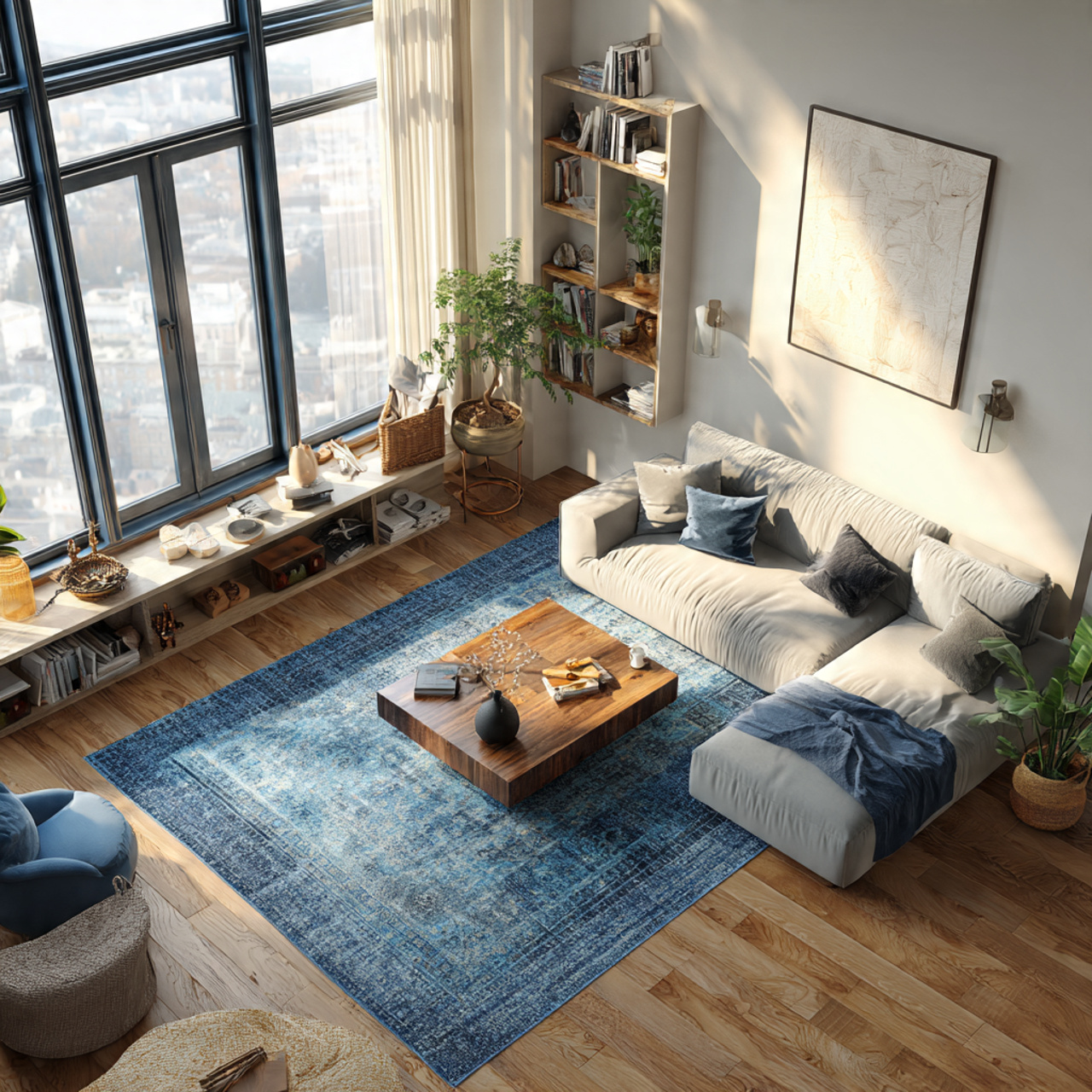
Single rugs can look tidy, but layered rugs add nuance and reduce echo in rooms with hard floors. A foundation rug in a neutral weave provides grounding, and a smaller, patterned rug on top introduces personality without committing the whole floor to a loud choice.
Scale is critical. Let the larger rug extend under the front legs of the sofa and chairs, and place the smaller rug where a coffee table or high traffic area benefits. This approach prevents the floor from feeling chopped up while creating visual pockets that read well in photos and real life.
Rug layering also protects high-traffic zones and makes it simpler to change the room’s mood by swapping the top layer. Over time the bottom rug will hide wear and the top rug becomes the easy, lower-cost refresh.
Tip: Use a natural fiber base rug and a softer wool or blended top rug for comfort underfoot and better sound absorption.
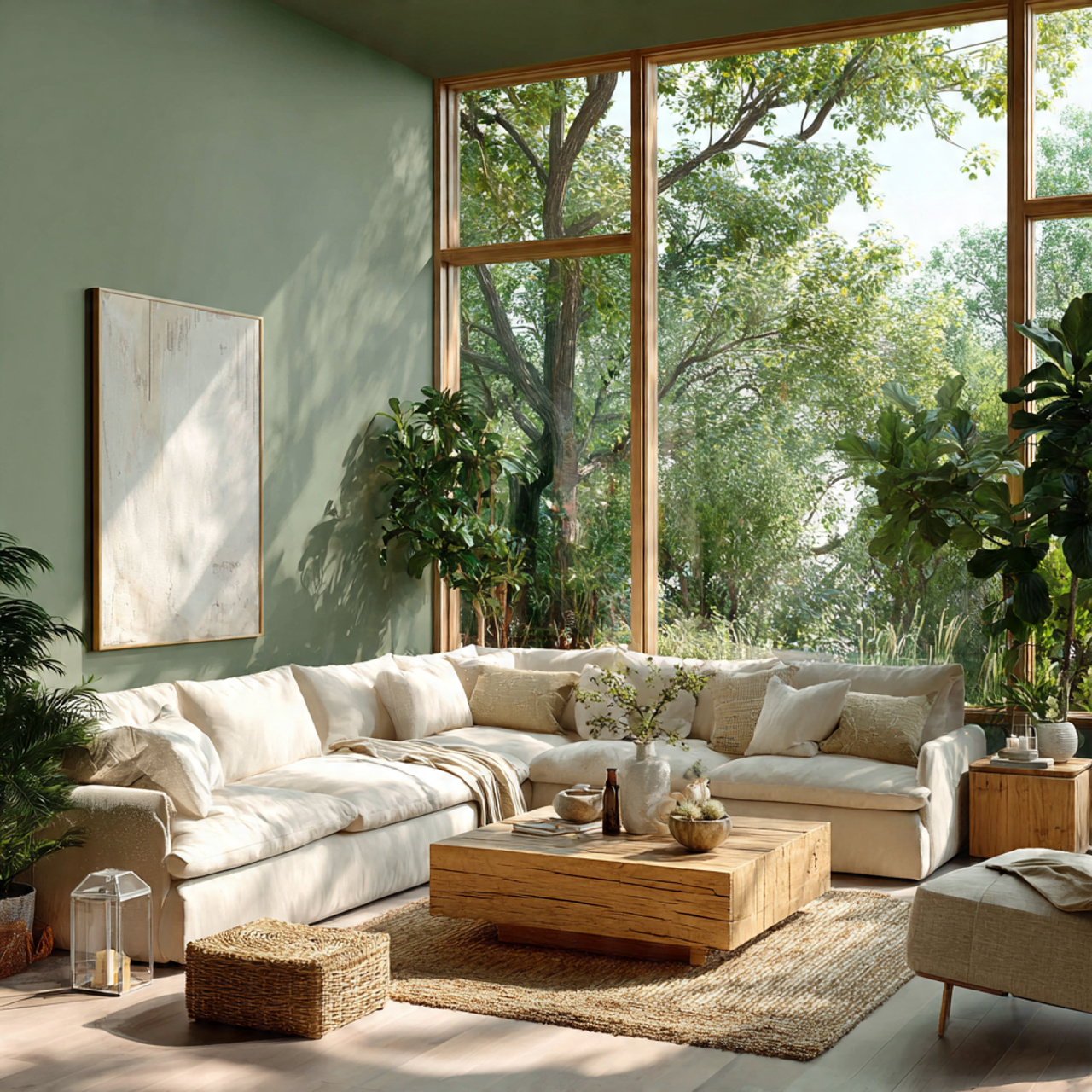
Plants and living textures keep grey schemes from feeling static
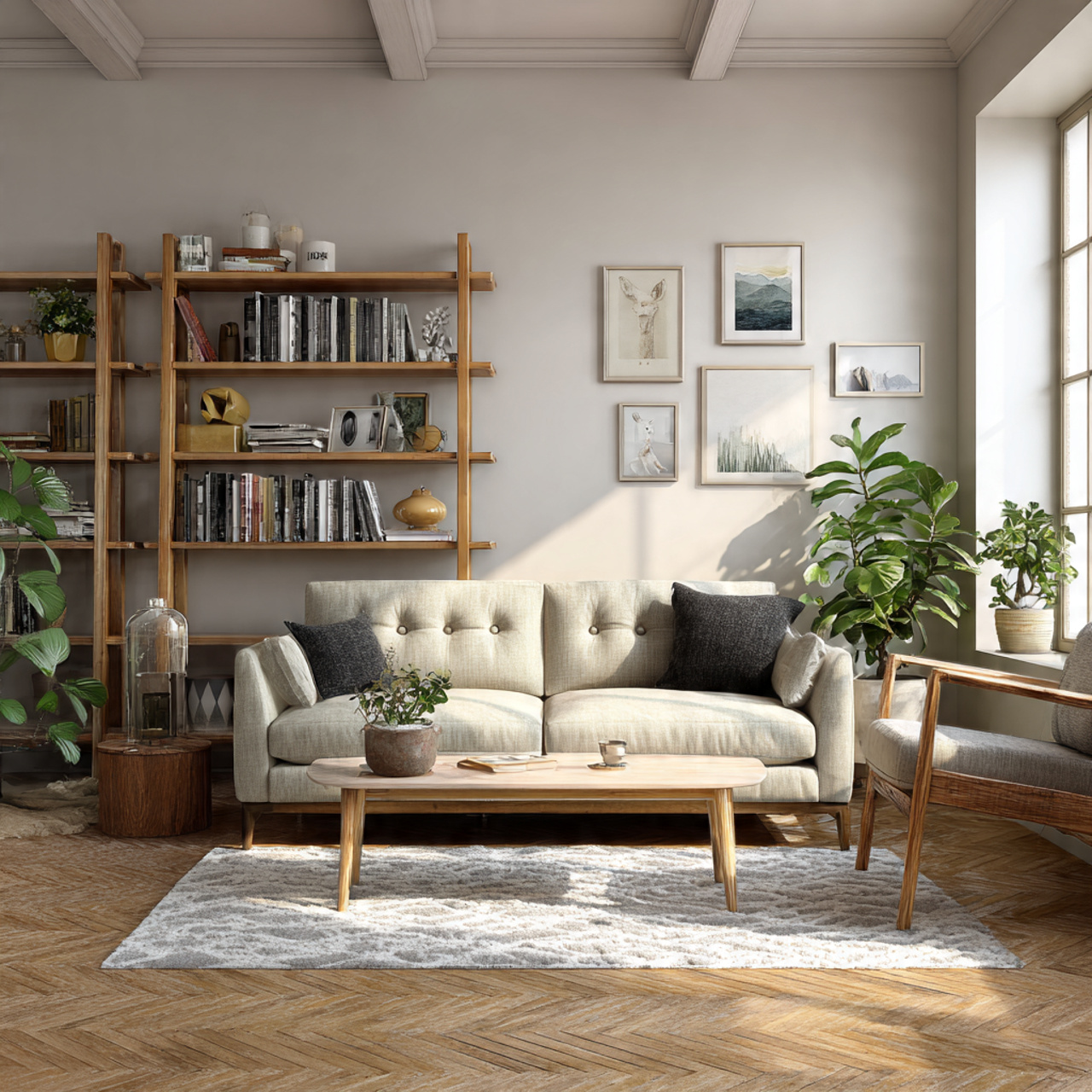
Grey sofas and cool palettes can feel modern but risk appearing lifeless. Introducing living textures such as large-leaf plants, woven baskets, and raw wood side tables adds warmth and a human scale that stays appealing as the room settles into daily use.
Placement matters more than quantity. A single tall plant near a corner or beside a console provides vertical life without cluttering surfaces. Smaller plants can be grouped on a low shelf or window seat to create a deliberate vignette rather than random greenery.
Plants also help with perceived airiness and soften sharp angular furniture. In apartments with low light, favor tolerant species and use planters in tactile materials that reinforce the room’s palette rather than distract.
Tip: Pair one large plant with two smaller textural accents rather than several medium plants; the composition reads calmer and lasts longer.
Choose modular seating for flexibility in small apartment living
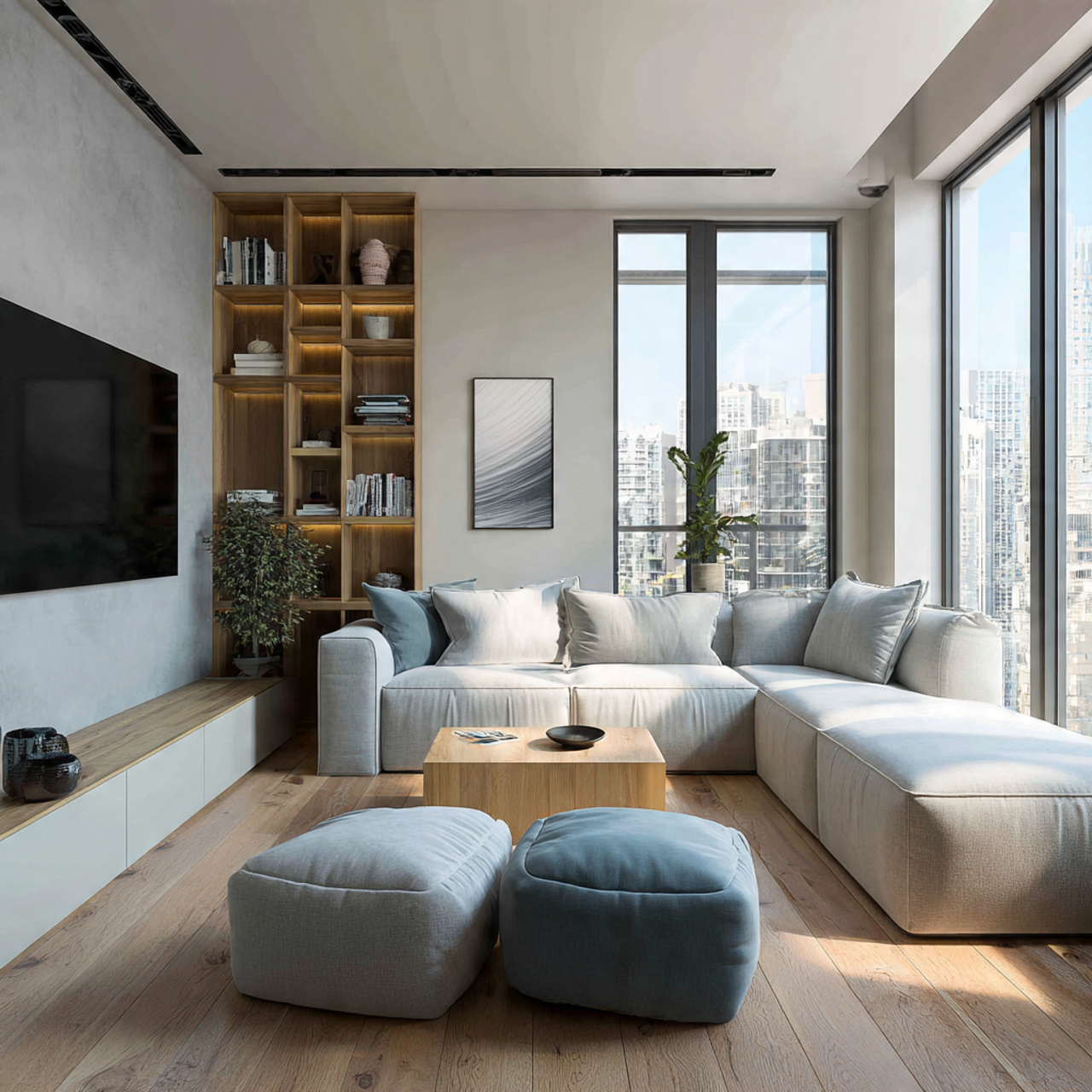
Fixed, heavy sofas limit how a small living room can be used. Modular seating lets you adapt to guests, to changing traffic patterns, and to new furniture purchases without redoing the whole plan. A chaise module can become a daybed, a guest bed, or a deep lounge spot when needed.
Modular systems allow a dark grey couch to perform multiple roles: anchor, divider, or flexible seating cluster. Over time you will appreciate the option to reconfigure rather than replace when your needs shift. Look for pieces with durable, replaceable cushions and a neutral base so you can alter textiles without structural cost.
The key trade off is finish and fit. Choose modules with visible legs or a slim base to keep the floor line open, especially under short ceilings. Heavier boxed modules will make the room feel clogged and harder to change later.
Tip: Start with a two or three piece module and add a lounge unit later instead of buying the largest sectional at once.
Use soft, low-profile storage to handle everyday clutter
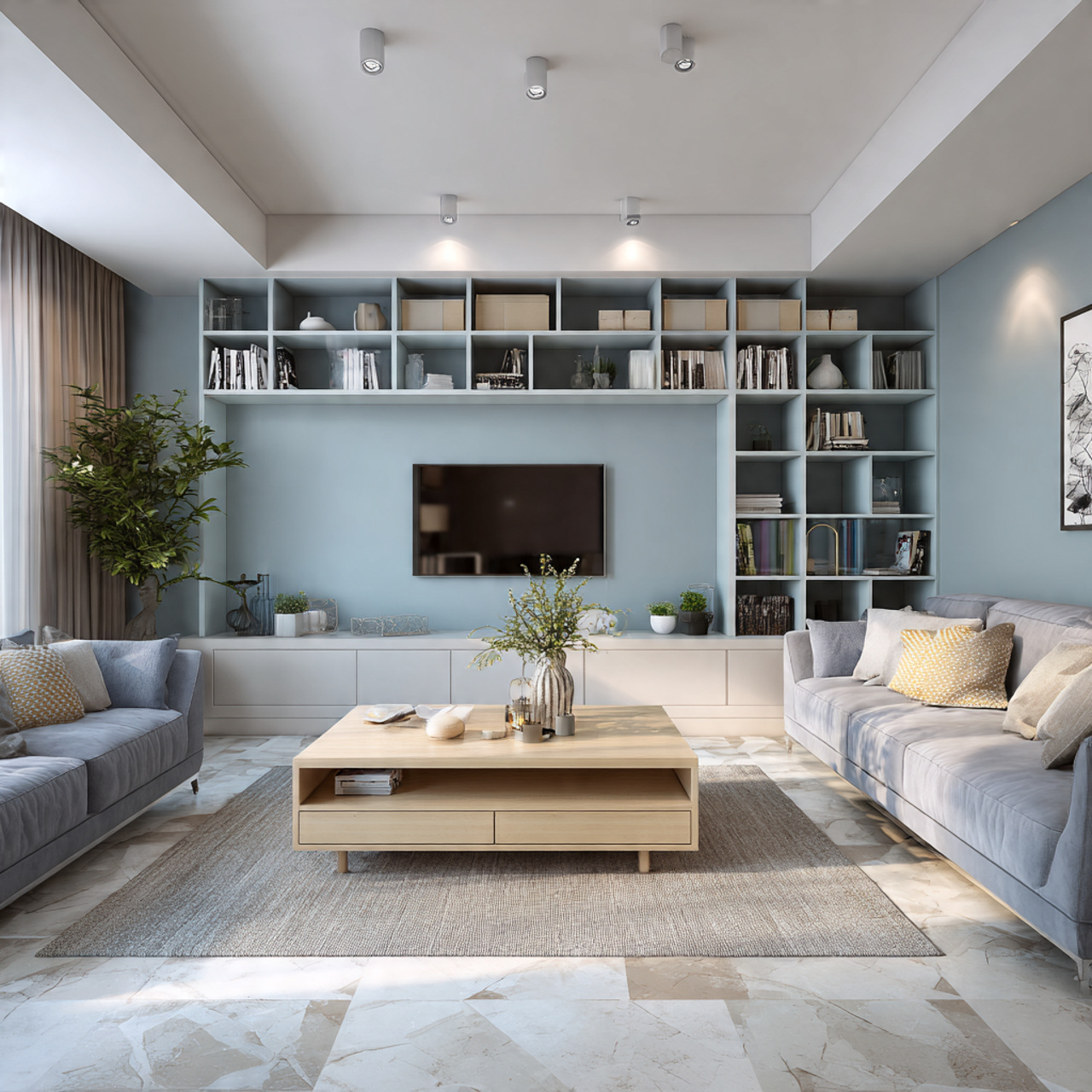
Storage that reads as furniture rather than cabinetry will age better in most living rooms. A long, low console or fluted cabinet keeps media and small items out of sight while contributing to the room’s silhouette instead of overpowering it.
Choose finishes and handles that are tactile and forgiving; matte lacquer, oak veneer, or subtly grained surfaces show wear gracefully. Avoid glossy, high-contrast fronts that reveal fingerprints and look dated within a season or two.
Consider integrated storage that doubles as seating or a side table. Built-in benches with hidden lids or shallow pull-out drawers behind a sofa can solve common apartment problems without adding tall units that compress the vertical space.
Tip: Keep frequently used items in three reachable drawers and archive the rest in baskets; easy access prevents visual drift toward clutter.
Make boho feel modern by limiting the palette and dialing texture
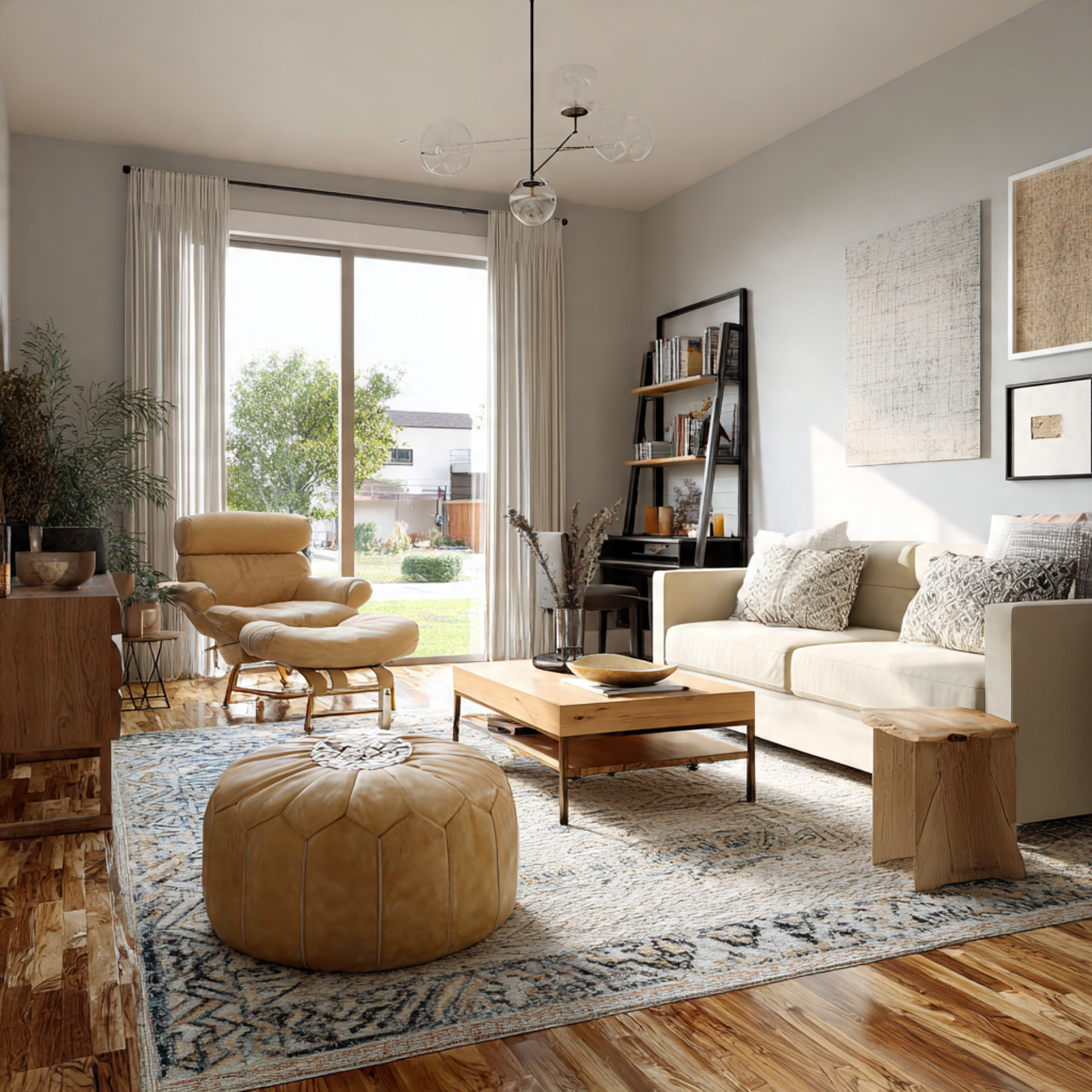
Boho does not require an abundance of pattern or color. When done well in a modern apartment, boho is mostly about texture and relaxed layering. Limit the color range to two or three neutrals plus one warm accent so the room reads cohesive instead of busy.
Focus on material contrasts: a woven rattan lamp, a boucle cushion, and a soft kilim runner will give the boho effect without turning the room into a collage. Over time, these textures settle into a lived-in comfort that photographs less like a set and more like a home.
Avoid over-accessorizing. The most successful boho rooms I have seen use a few strong tactile pieces and then allow breathing room so each element can be appreciated and maintained.
Tip: Choose one dominant natural material and repeat it in three places to create a quiet thread through the room.
Minimalist editing often wins where small budgets do not
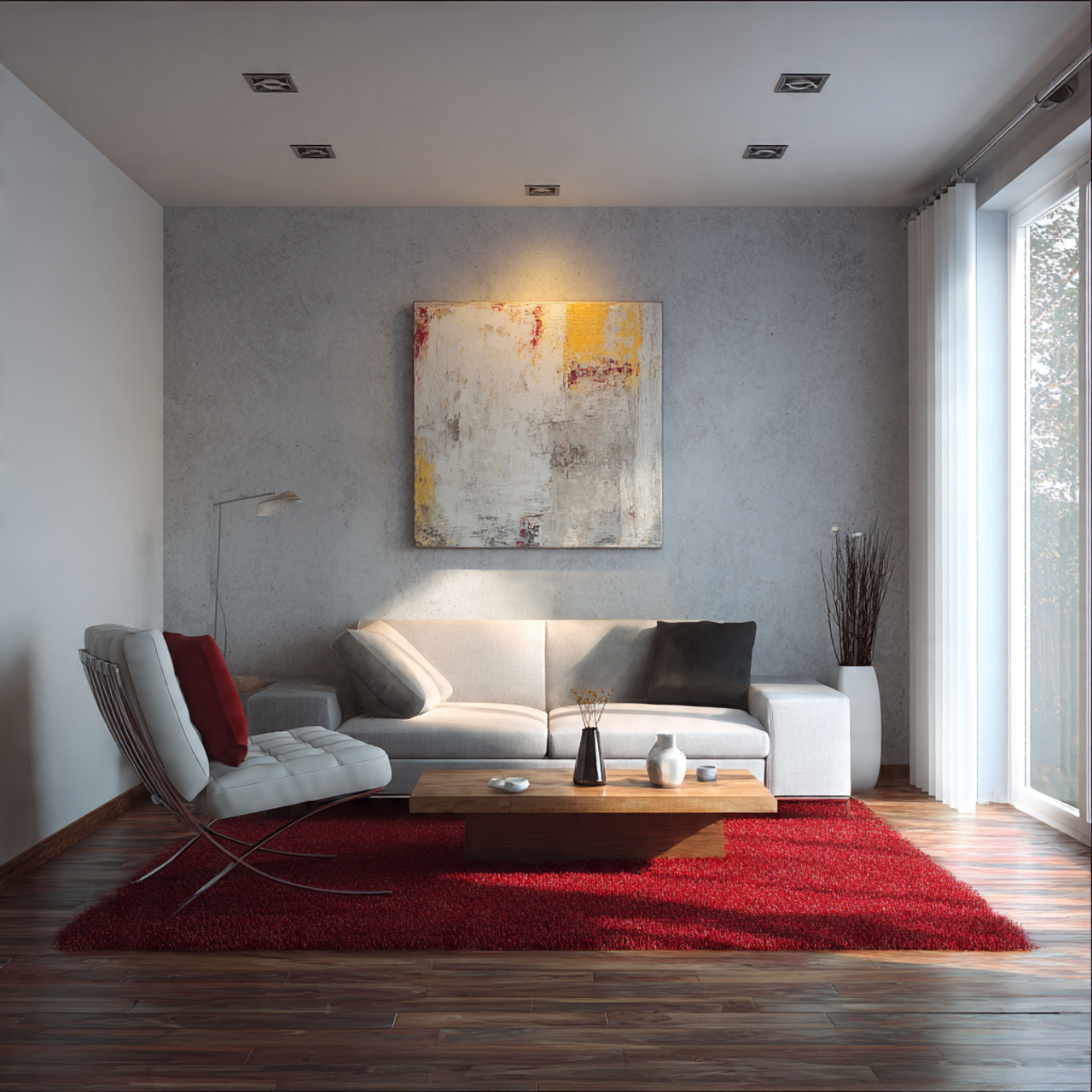
Minimalism here is not about austerity but about careful reduction. Removing one piece often increases the perceived value of the remaining ones because the space reads intentional and uncluttered. This principle is particularly useful for renters who cannot invest in expensive upgrades.
Practical minimalist moves include slimming down coffee table profiles, choosing open-leg seating, and consolidating small side tables into a single multipurpose piece. These changes influence the room’s feel more than swapping every accessory at once.
The long-term advantage is resilience. A pared back living room tolerates new additions, seasonal swaps, and guest needs without feeling like a mismatch or overstyled space.
Tip: Before buying anything new, remove three small items and live with the space for a week; you will often see what is actually necessary.
Warm luxury works when materials are honest and tactile
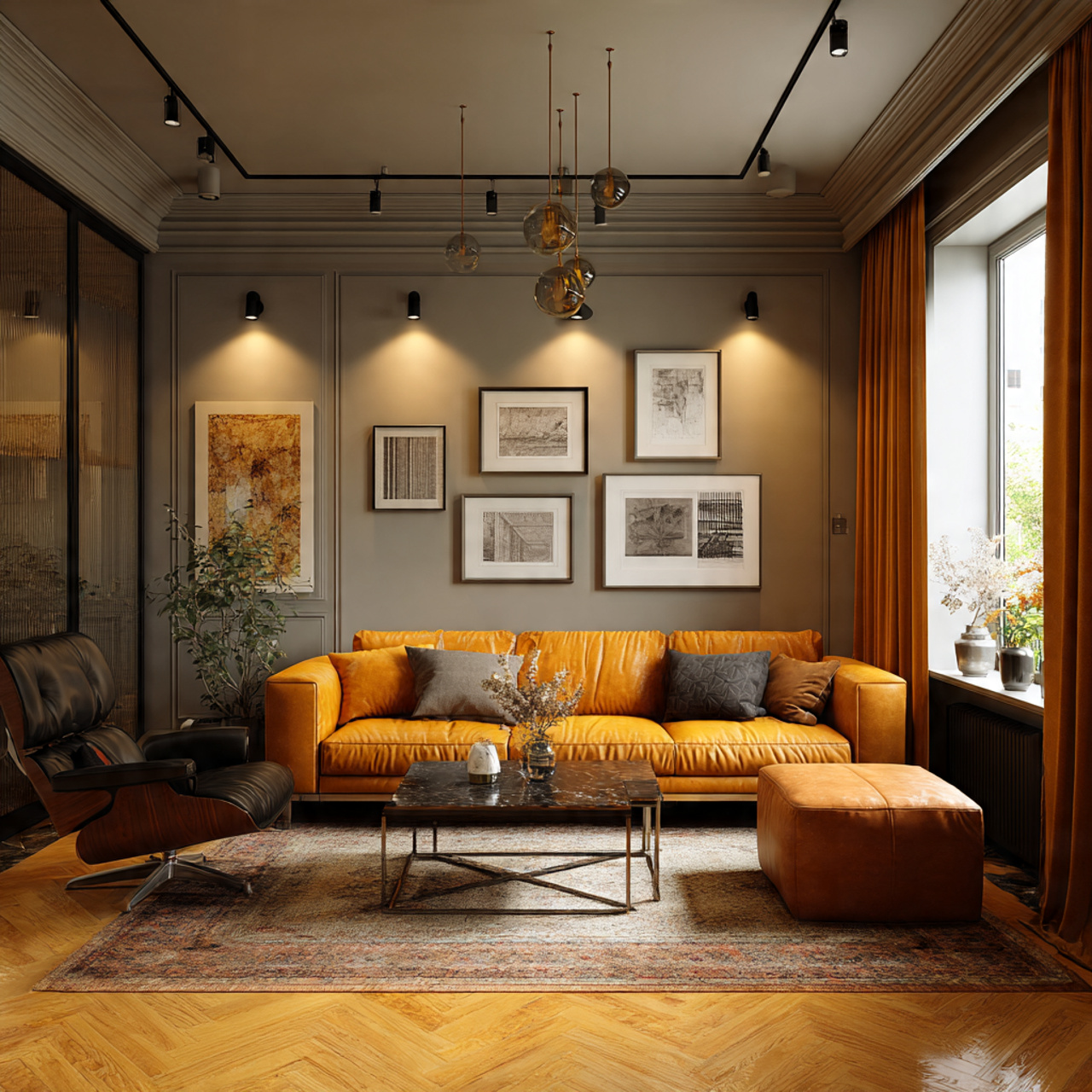
Luxury does not need shine to be felt. In living rooms that aim for warmth, materials like brushed brass accents, oiled walnut, and plush wool combine to create a sense of quality that becomes more comforting rather than showy with time.
Invest selectively. A well-made sofa frame, a solid wood coffee table, and quality weave rugs will outlast trendier purchases. The visual weight of honest materials supports a relaxed luxury that still suits apartments and family rooms.
Balance is essential. Too many luxe finishes can feel theatrical in an everyday living room. The most enduring spaces pair one or two refined elements with simple, reliable basics so the overall effect stays calm and wearable.
Tip: Choose one high-quality surface the room touches frequently, such as a coffee table or sofa arm, and prioritize durable finish and joinery there.
Design the L-shape or corner layout to optimize sightlines and social flow
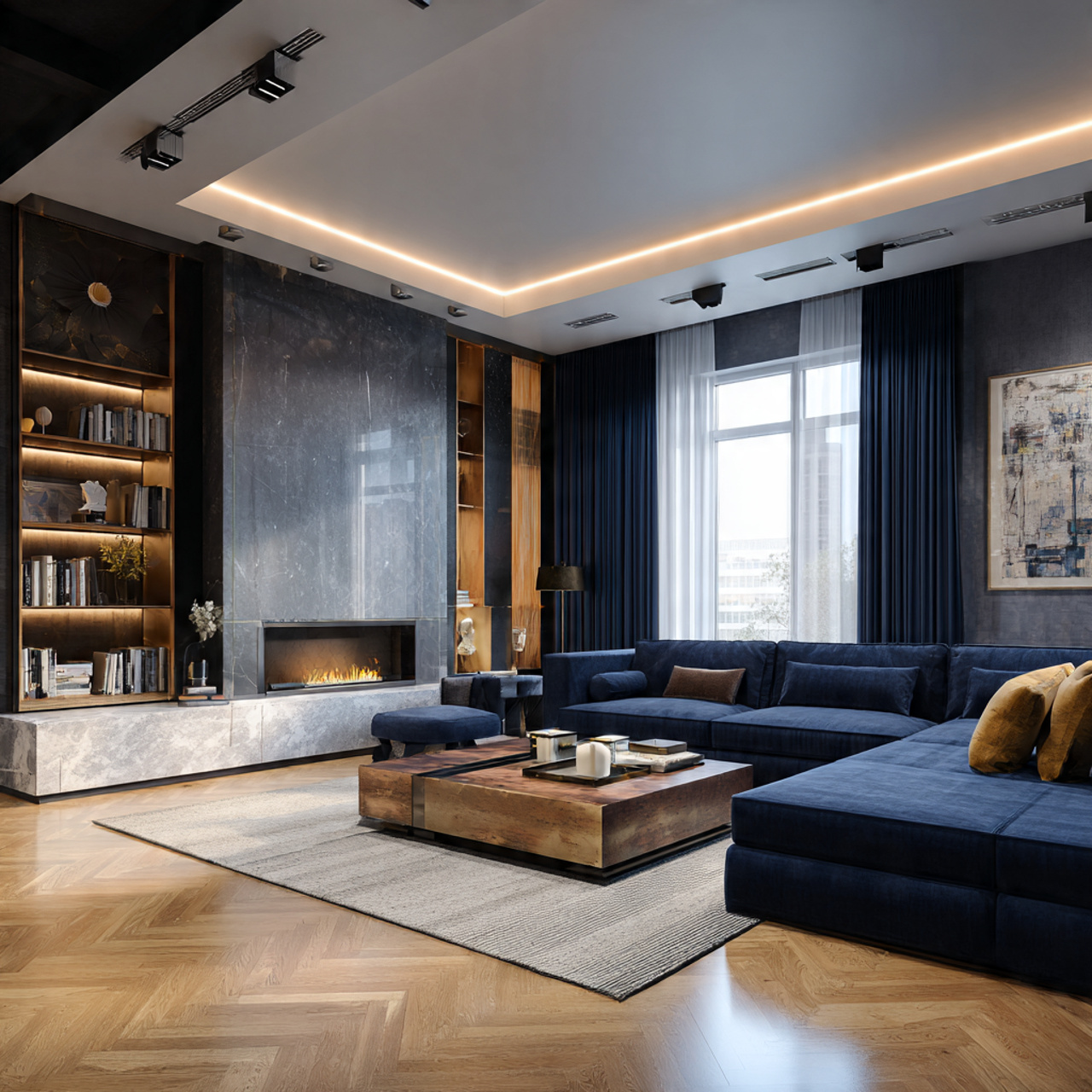
L-shape apartments and corner living rooms can trap awkward traffic lines if furniture blocks natural circulation. Orient seating so sightlines toward windows and entry points remain clear and encourage conversation rather than isolated facing arrangements.
A corner sofa can anchor the plan if balanced with a low profile opposite chair or a slim console behind one arm. This creates layered seating without boxing people in and allows clear pathways to adjacent functions like dining or entry.
In family rooms, leave one side intentionally looser to accommodate temporary activities such as play, folding laundry, or a yoga mat. That small allowance keeps the room practical and helps prevent the urge to push furniture into rigid placements.
Tip: Map a three-foot clear pathway in the main traffic route before placing any large pieces; this simple rule prevents future friction.
Color and Material Choices That Age Well in a Living Room
Aged Parchment (HEX #E8E1D6) keeps walls warm without turning yellow. It works best in matte finishes and pairs easily with linen and light wood.
Charcoal Grey (HEX #3A3A3C) anchors sofas and larger pieces. It needs texture like bouclé or soft fabric to avoid feeling too heavy.
Muted Mustard (HEX #C2A13A) works best in small accents. Cushions or artwork add warmth without overwhelming the room.
Soft Clay Beige (HEX #D6C2B0) suits low-light spaces where cool tones feel flat. It adds warmth without becoming too noticeable.
Warm Off White (HEX #F5F2EC) softens ceilings and trim. It reflects light gently and helps rooms feel more open.
Room Size Layout and Lighting Guide
Small Living Rooms
Use fewer pieces with clearer spacing. Too many small items create visual noise. A slightly smaller sofa with breathing space will always feel better than a packed layout.
Lighting Basics
Relying only on ceiling light flattens the room. Combine overhead light with a floor lamp and one softer low light. The room immediately feels more layered and usable in the evening.
Short Ceilings
Keep furniture low and avoid bulky fixtures. Visible floor space and upward lighting create a subtle sense of height that builds over time.
Large Rooms
Define one clear seating zone first. Without a visual anchor, large spaces feel disconnected instead of open. A rug or layout shift usually solves this quickly.
Common Mistakes
Choosing a sofa that is too large for the room
People often pick the biggest sofa that fits the wall thinking it will maximize seating. In reality, it blocks movement and makes the space feel tight over time. The room becomes harder to adjust because everything revolves around that one piece.
The fix is simple but often ignored. Leave clear walking space before choosing sofa size and prioritize movement over maximum seating. Otherwise, the room will feel cramped and you will likely replace the sofa sooner than expected.
Treating layered lighting as optional rather than essential
A single ceiling light might feel enough at first, but the room quickly turns flat and uncomfortable in the evening. Over time, this reduces how often the space is actually used.
Plan lighting in layers from the beginning. Combine overhead, mid-level, and soft low lighting so the room can shift with your routine. Ignoring this usually leads to expensive fixes later.
Over-committing to a bold accent and not leaving room to change
Large bold elements feel exciting initially but often become tiring after a few months. They limit how easily you can update the room later.
Keep strong colors in smaller, flexible pieces like cushions or art. This allows easy changes without replacing major furniture. Otherwise, you risk getting stuck with a look you no longer enjoy.
Matching too much and losing depth
Trying to match everything perfectly can flatten the entire room. It may look clean at first, but it often feels lifeless over time.
Introduce variation in textures and materials to create depth. A mix of wood, fabric, and subtle contrast keeps the room visually active and more comfortable long term.
Frequently Asked Questions About Living Room Design
How can I make a small living room feel bigger?
Focus on keeping the floor visible and reducing visual clutter. Use fewer, slightly larger pieces instead of many small ones. Good lighting and clear pathways will make a bigger difference than rearranging everything.
Is a dark grey couch a good choice?
Yes, it works well as a base, especially in apartments. It just needs contrast to avoid feeling heavy. Add lighter fabrics, rugs, or textures so the room feels balanced.
What lighting works best without windows?
Use layered lighting with warm tones. Combine a main light, a floor lamp, and a softer secondary light. This creates depth and prevents the room from feeling flat.
How do I use yellow without making the room look outdated?
Keep yellow in small accents instead of large furniture. Cushions, art, or a throw are enough to add warmth. This way, you can change it easily later if needed.
What is the easiest way to reduce clutter?
Limit everyday items to a few accessible spots and keep the rest hidden. Use storage that blends with furniture and leave some empty space visible. That balance keeps the room feeling calm.
Living Room Design That Actually Lasts Over Time
Start with one small adjustment instead of trying to change everything at once. Shift the sofa slightly, improve one lighting layer, or adjust the scale of your wall art. Small changes reveal what the room actually needs.
A well-designed living room is not built in one day. It improves gradually as you notice what works and what does not. When each decision supports real use, the space stays comfortable, flexible, and visually balanced over time.