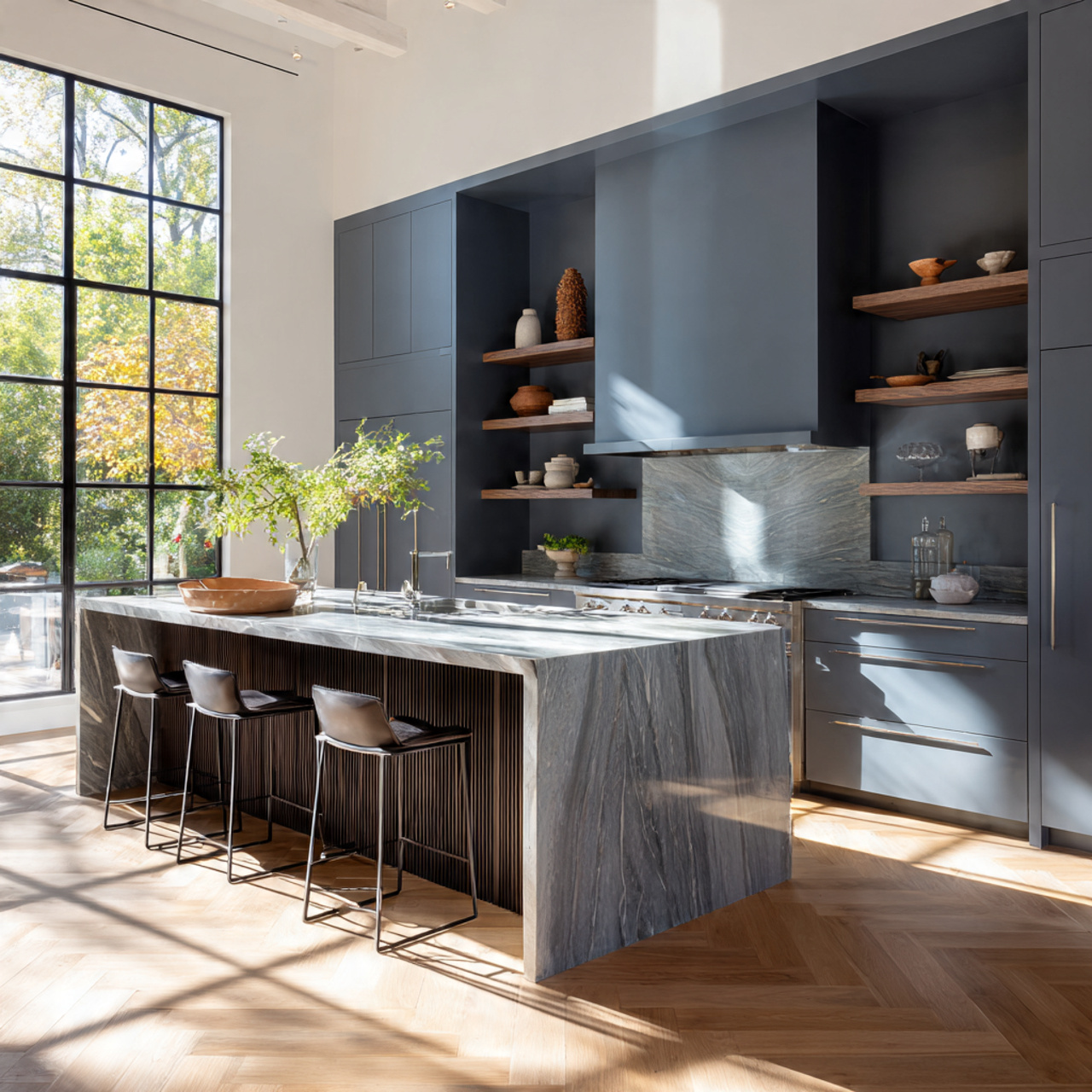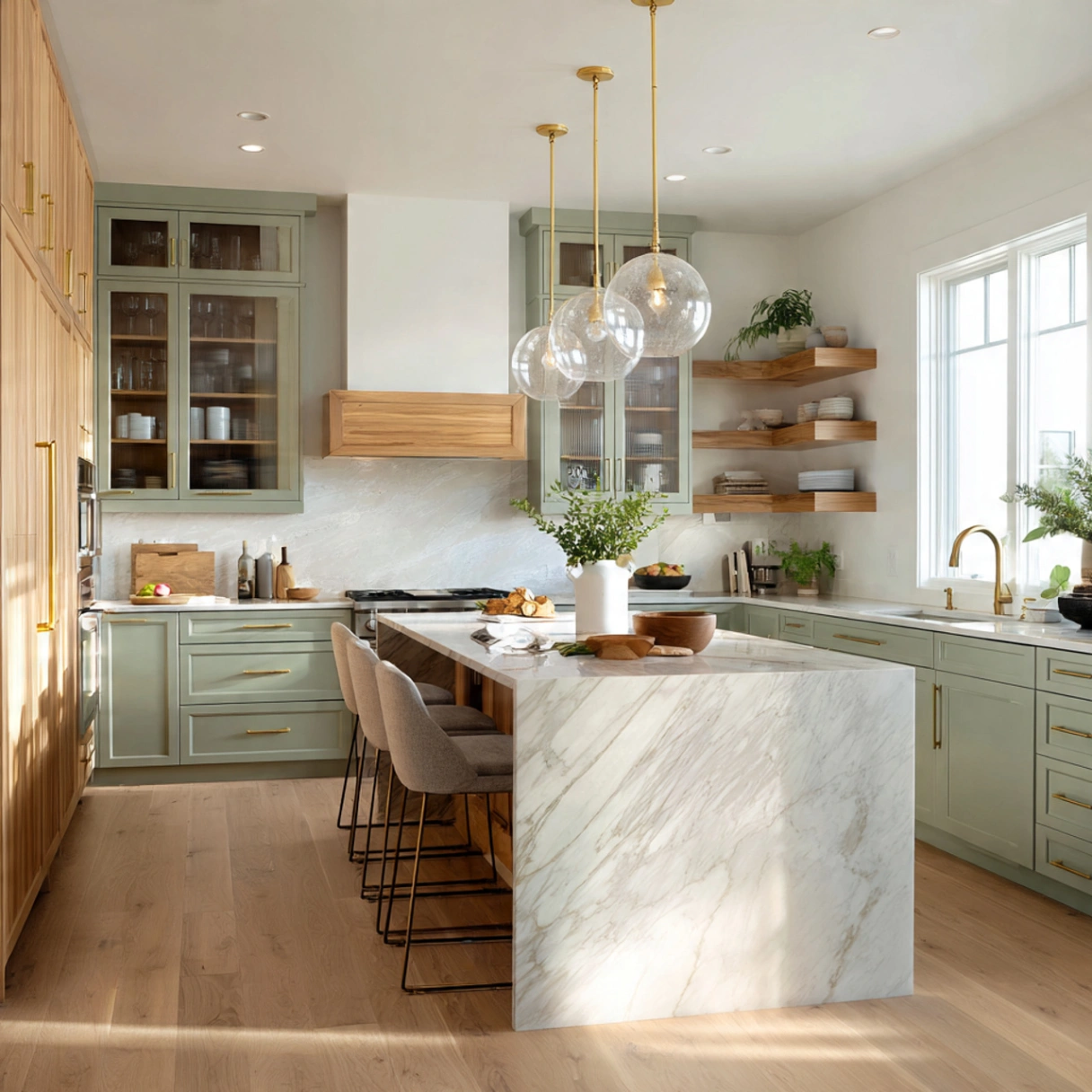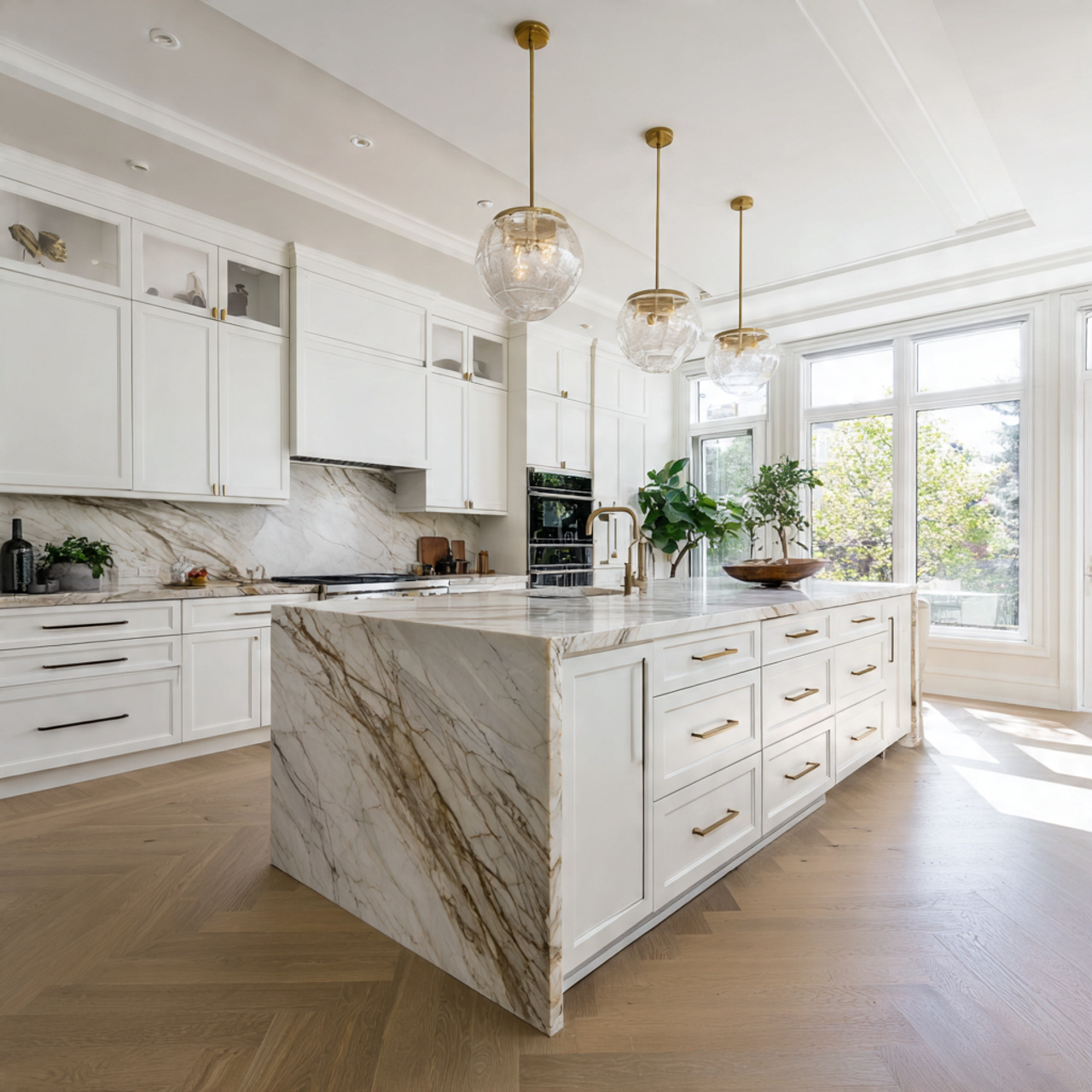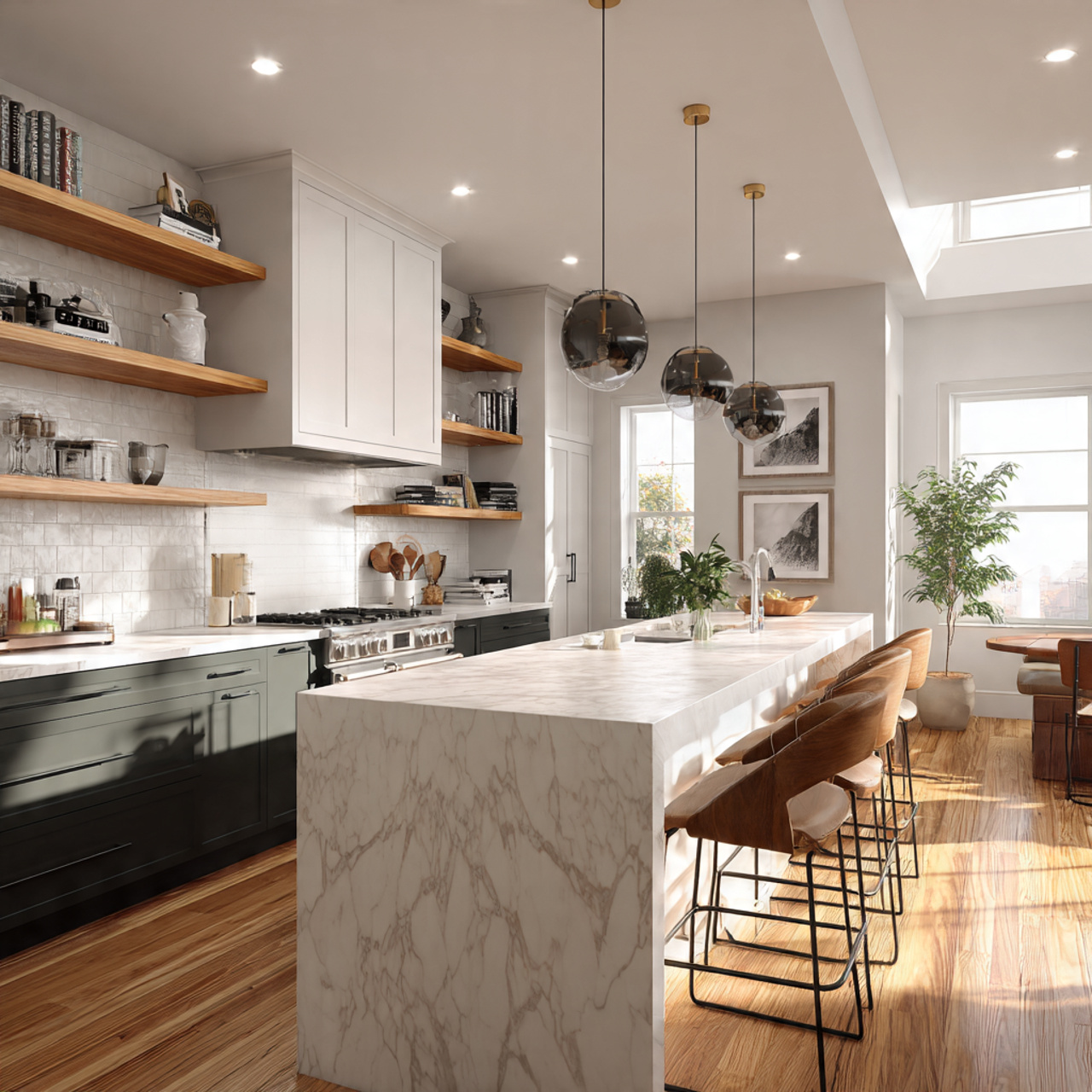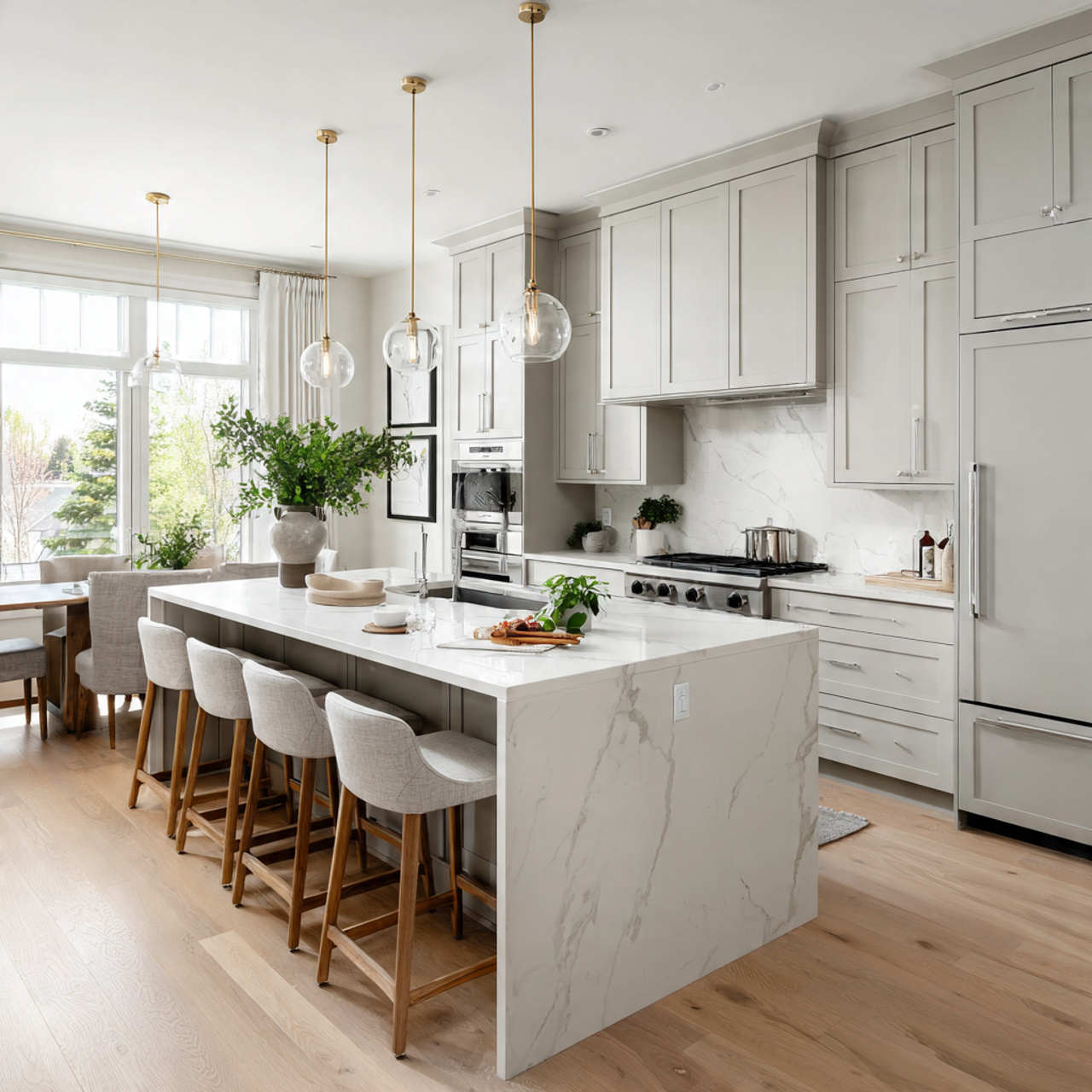
17 Smart Kitchen Ideas for a Calmer, More Organized Home
In real homes, the kitchen carries more pressure than any other room. It has to support rushed mornings, half-finished meals, background clutter, and constant movement—often all at once.
These kitchen ideas invite you to slow that experience down. As you read, you’ll begin to notice which changes quietly reduce stress, which ones simplify daily routines, and which choices still feel right long after the excitement of a new look fades.
Style and Lifestyle Context of Kitchen Ideas
Over the last few years, people have spent more time cooking, working, and gathering at home than ever before. Kitchens that once needed to look impressive now need to function smoothly from morning to night.
After a year or two, frustration is rarely about style. It’s about constant cleaning, awkward layouts, and small decisions that don’t support real habits. That’s why these kitchen ideas continue to resurface in kitchens that age well—they solve daily problems instead of creating new ones.
Core Kitchen Ideas That Work in Real Homes
Clear Counter Zones That Reduce Daily Stress and Visual Clutter
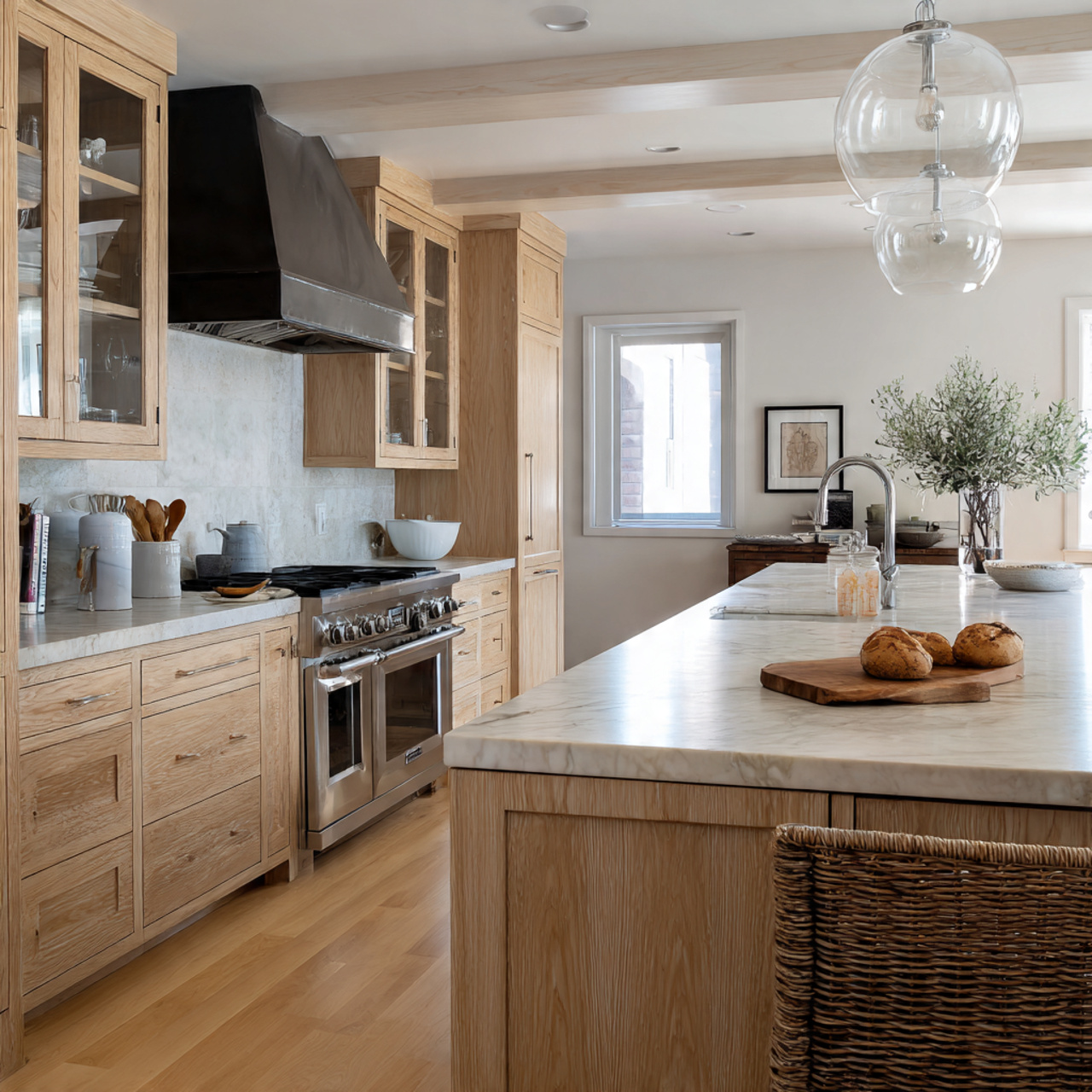
What it is
The countertop is divided into defined zones for prep, cooking, and everyday tasks, using trays or boards about 12–16 inches wide to anchor each area.
Why it works
Most people don’t realize how much energy they spend clearing space before they can even start cooking. When zones are defined, that friction disappears almost immediately.
Even during busy moments, the counter feels calmer because nothing is competing for room. You stop shifting appliances just to make space, which saves time and mental energy.
Kitchens with clear zones also reset faster at night, which is why this setup keeps showing up in homes that feel manageable years later.
How to apply it
Use trays, cutting boards, or slim organizers to visually separate zones. This works just as well in small kitchens and requires very little investment.
Warm Neutral Cabinet Colors That Stay Comfortable Long-Term
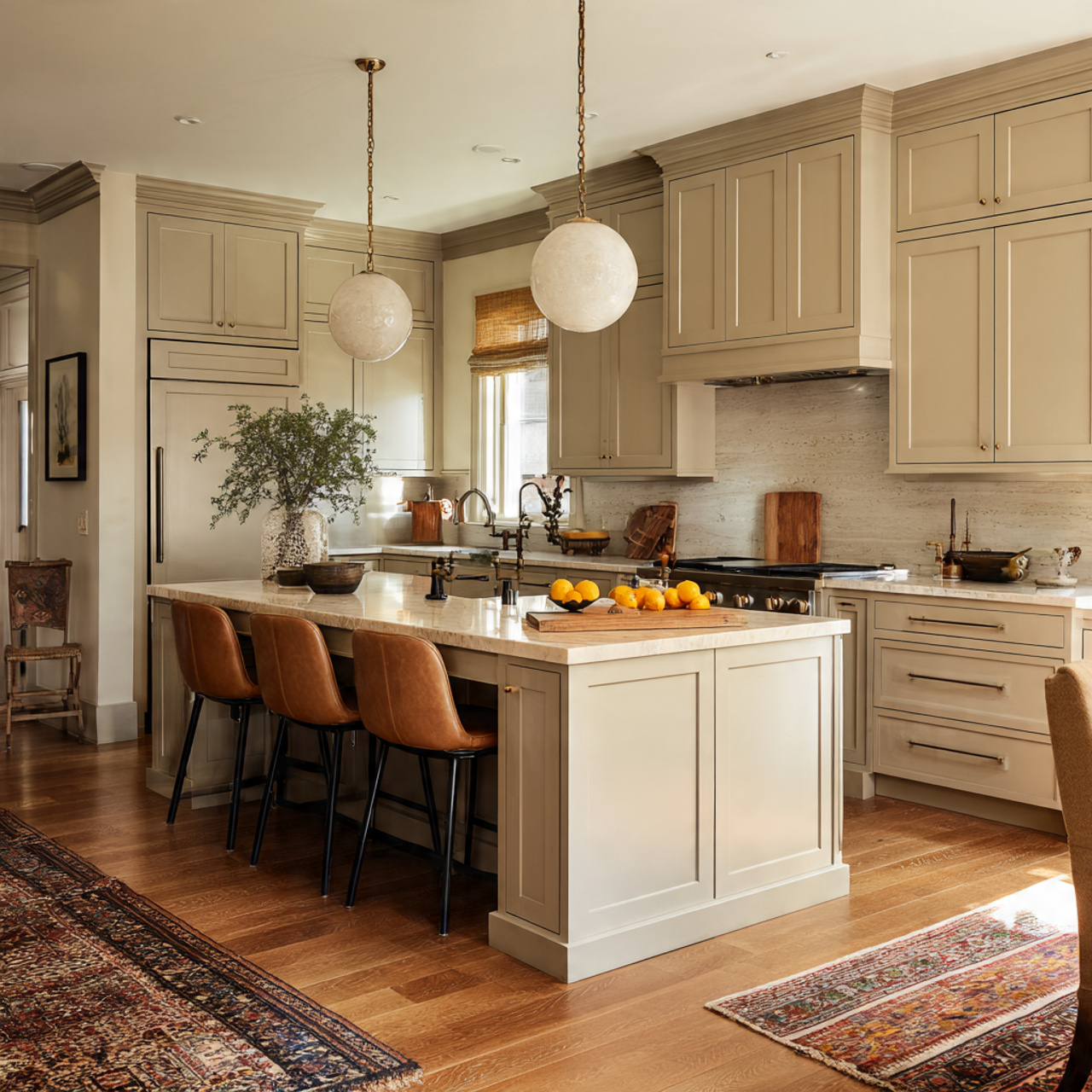
What it is
Cabinets painted in warm whites, soft greige, or gentle beige tones rather than stark, cool white.
Why it works
Bright white cabinets look crisp at first, but many homeowners notice how unforgiving they feel within months. Fingerprints, shadows, and small marks become more visible than expected.
Warmer neutrals soften the room and reduce the pressure to keep everything spotless. That comfort matters in kitchens used every day.
Because these tones adapt easily to different lighting and finishes, they continue to feel right as the rest of the home evolves.
How to apply it
A DIY cabinet repaint usually costs $150–300 in materials and takes a long weekend. Satin or eggshell finishes balance durability with softness.
Deep Drawer Storage That Makes Cooking Physically Easier
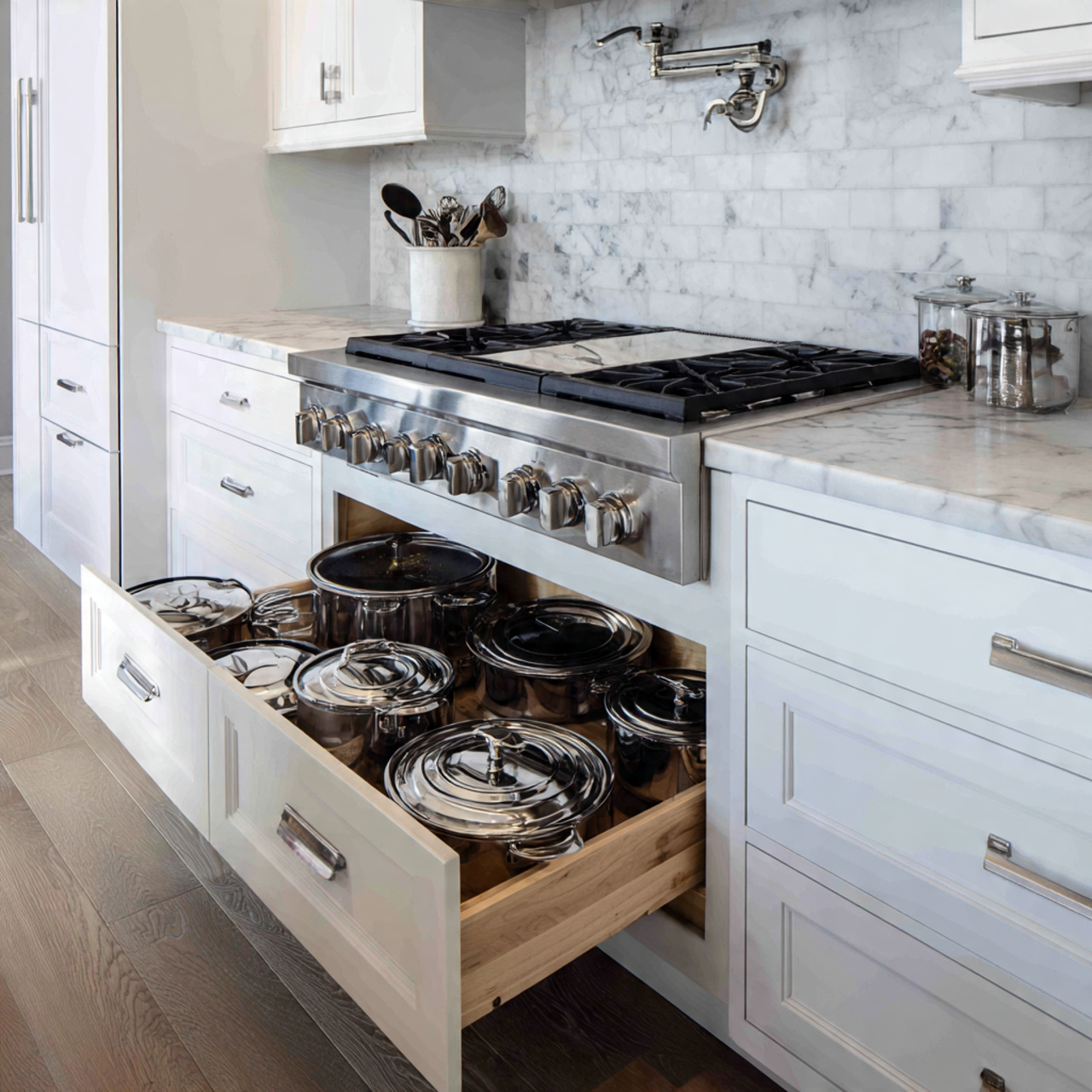
What it is
Wide drawers near the stove designed to hold pots, pans, and cookware, ideally 8–10 inches deep.
Why it works
Bending into deep cabinets is more tiring than most people realize until it’s no longer necessary. Drawers pull everything into view with one motion.
Clients often don’t recognize how much effort cabinets require until they switch to drawers. After that change, frustration drops quickly.
Because items are easier to access and put away, clutter naturally decreases instead of slowly building up.
How to apply it
Drawer retrofit kits cost about $40–150 per drawer and usually install in under an hour. Even converting one cabinet can noticeably improve daily cooking.
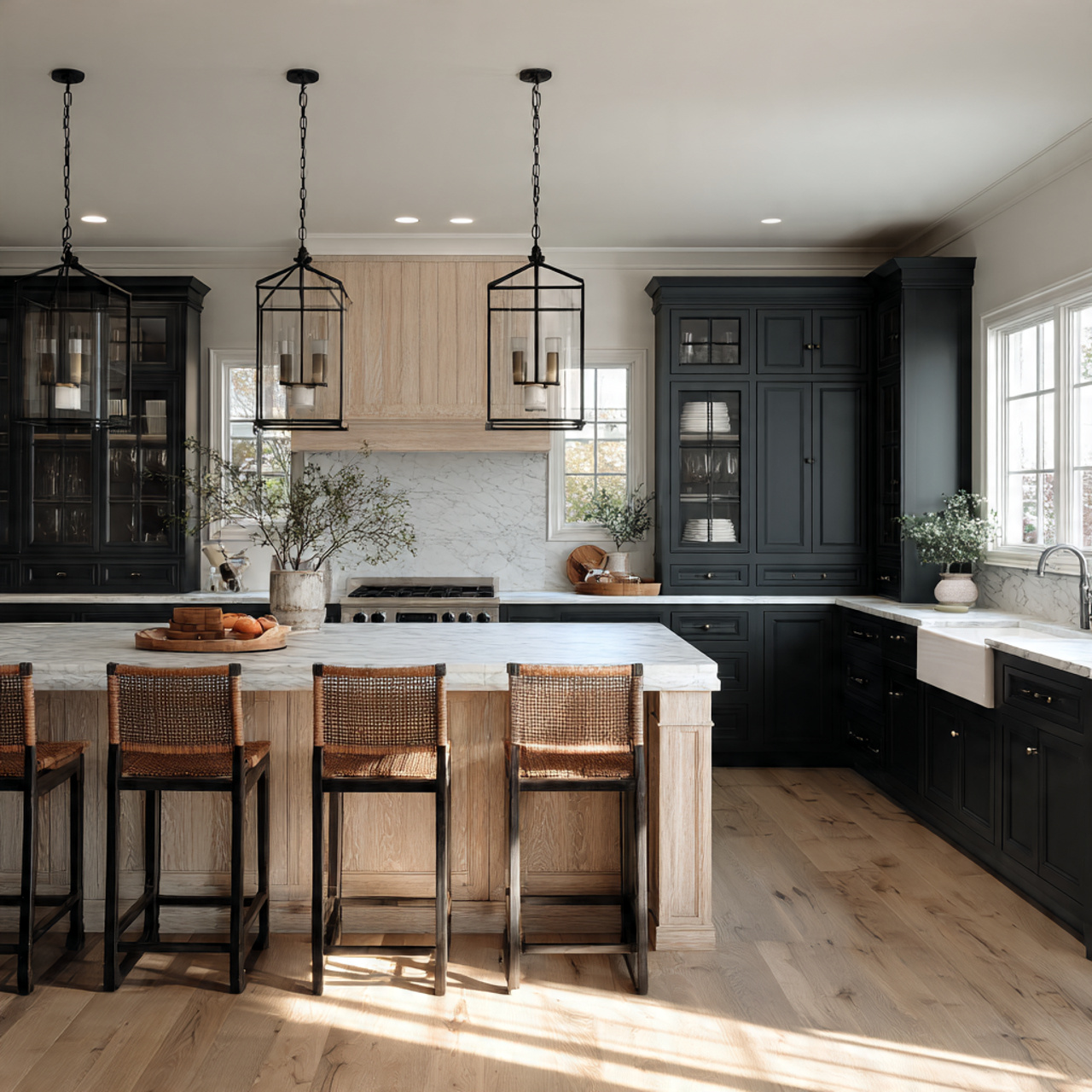
Layered Lighting That Supports Mood and Function
What it is
A combination of overhead lighting, under-cabinet task lighting, and softer ambient light.
Why it works
Single overhead lights create harsh shadows, especially in the evening when eyes are already tired. The kitchen can feel flat and uninviting.
Layered lighting allows the space to shift with the day, supporting focused tasks without feeling glaring. This balance is what makes kitchens comfortable after dark.
That flexibility explains why layered lighting is common in kitchens that feel good to be in, not just good to look at.
How to apply it
Under-cabinet LED strips cost $30–80 and install with adhesive backing. Choose warm light between 2700–3000K to avoid a clinical feel.
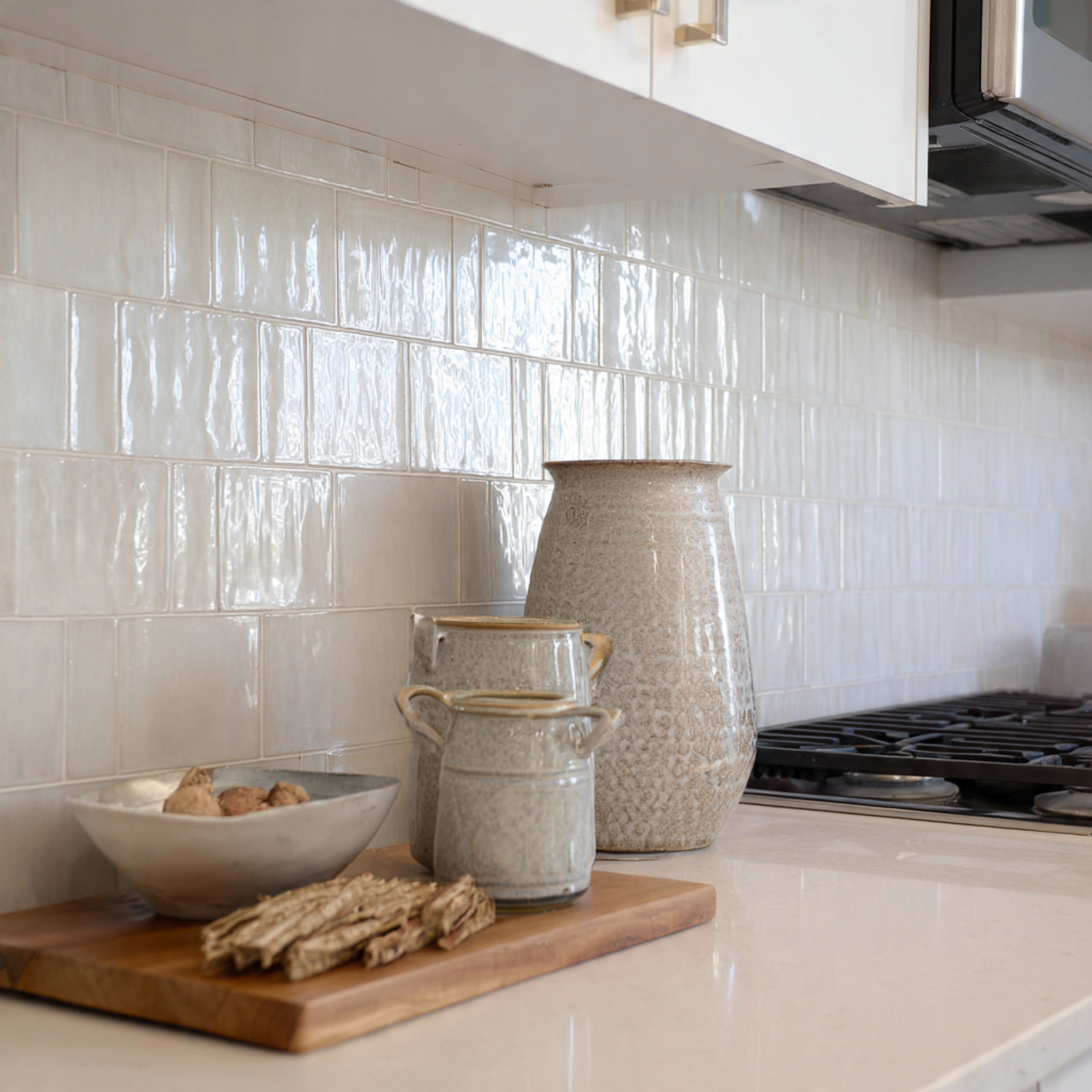
Subtle Backsplash Texture That Adds Interest Without Noise
What it is
A backsplash with gentle variation in tone or texture, such as handmade-look ceramic tile.
Why it works
Perfectly smooth backsplashes show every splash and mark. Over time, that becomes visually tiring.
Light texture adds depth without demanding attention, which keeps the kitchen feeling calm rather than busy.
This restraint is why textured backsplashes tend to age better than bold patterns.
How to apply it
Look for affordable ceramic tiles with slight variation. Neutral tones keep the look flexible.
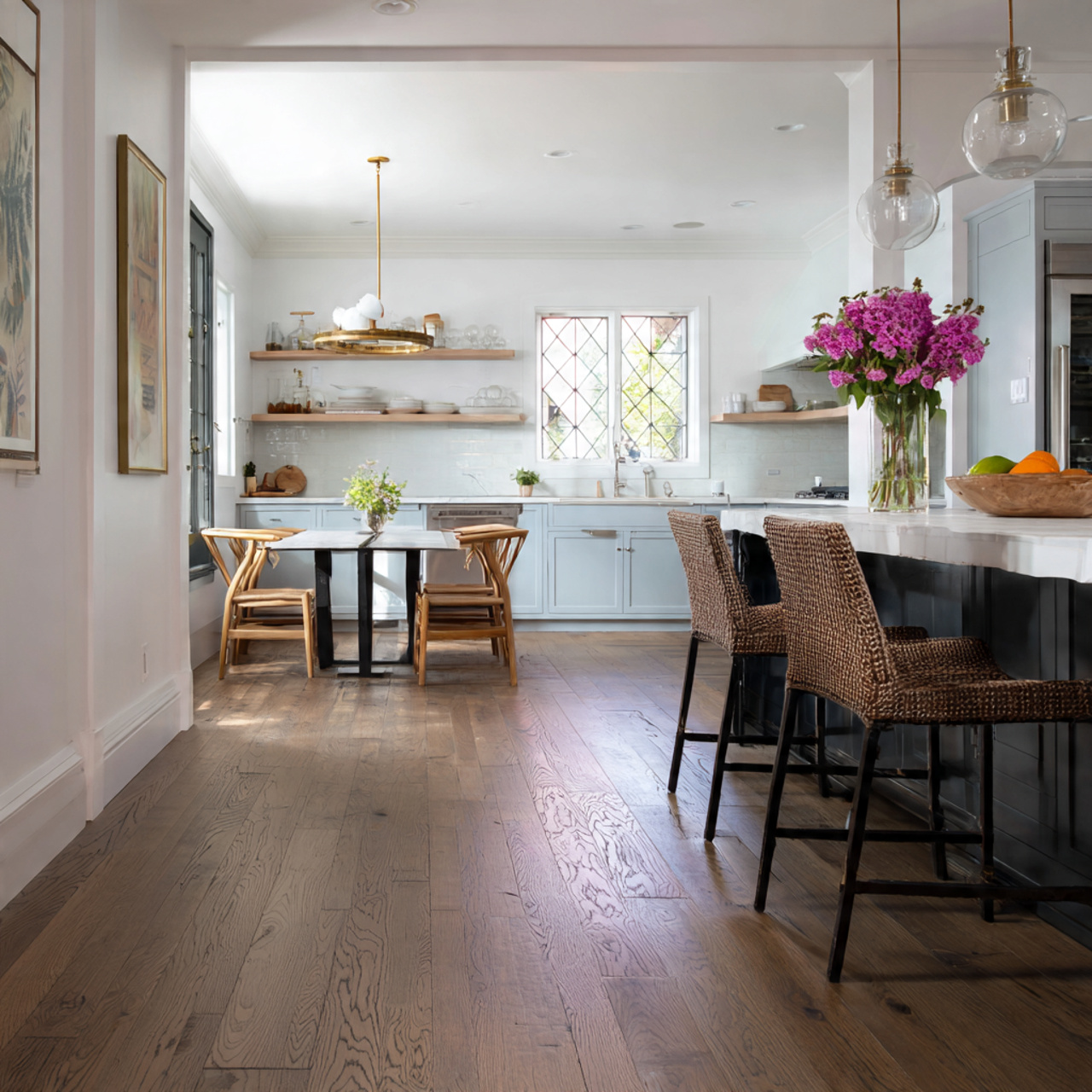
Slightly Darker Flooring That Grounds the Space
What it is
Flooring in medium to dark tones, such as warm vinyl plank or laminate.
Why it works
Light floors highlight crumbs and scuffs almost immediately. Darker tones are far more forgiving in real life.
That visual grounding also stabilizes the room, making cabinets and counters feel more intentional.
People often appreciate this choice more as time passes, not less.
How to apply it
Vinyl plank offers durability, realistic texture, and easy installation for busy homes.
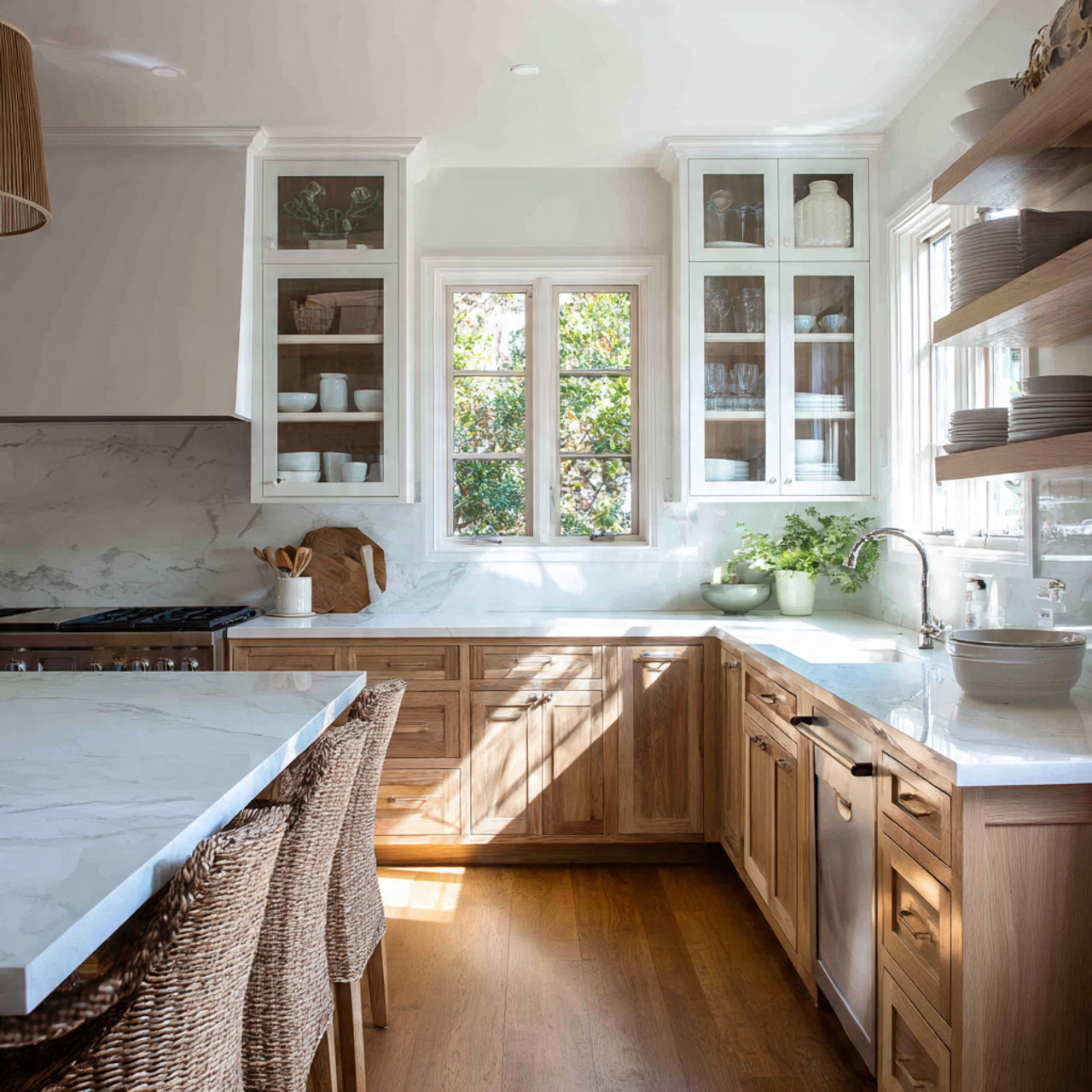
Light Upper Cabinets That Keep the Room Feeling Open
What it is
Upper cabinets painted one or two shades lighter than the walls.
Why it works
Eye-level heaviness can make kitchens feel closed in, especially in smaller spaces. Light uppers reduce that pressure.
The room feels easier to move through, which subtly improves comfort during long cooking sessions.
This approach keeps the kitchen feeling open without sacrificing storage.
How to apply it
Match upper cabinets closely to wall color for a seamless effect.
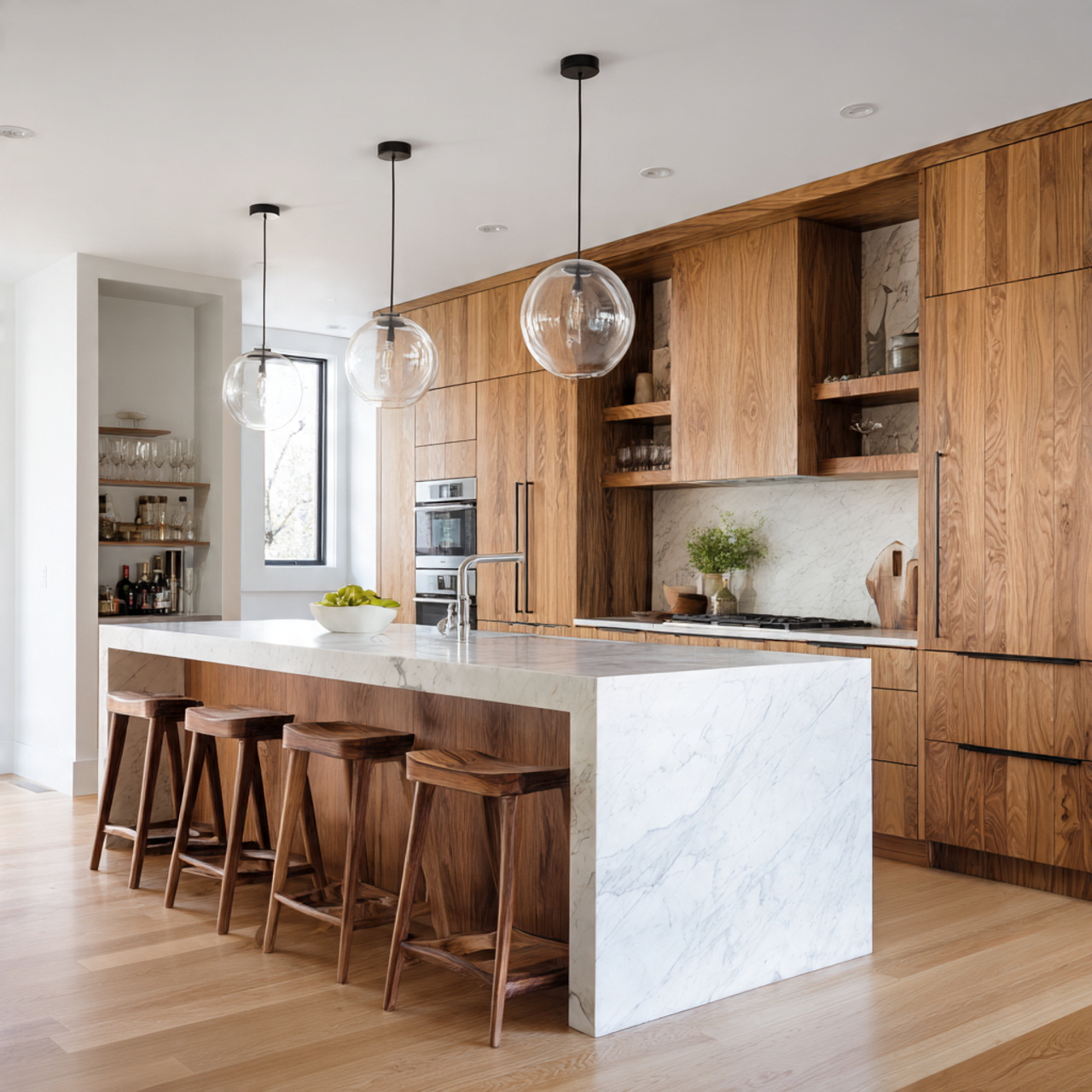
One Natural Wood Element That Adds Warmth and Balance
What it is
A single wood feature, such as walnut stools, a warm oak shelf near the coffee area, or wood paneling on the island’s seating side.
Why it works
Hard surfaces dominate most kitchens. Wood interrupts that hardness and adds warmth without feeling decorative.
This balance keeps modern kitchens from feeling cold or overly polished.
It’s a detail people respond to instinctively, even if they can’t explain why.
How to apply it
Start with stools or shelving if budget is limited.
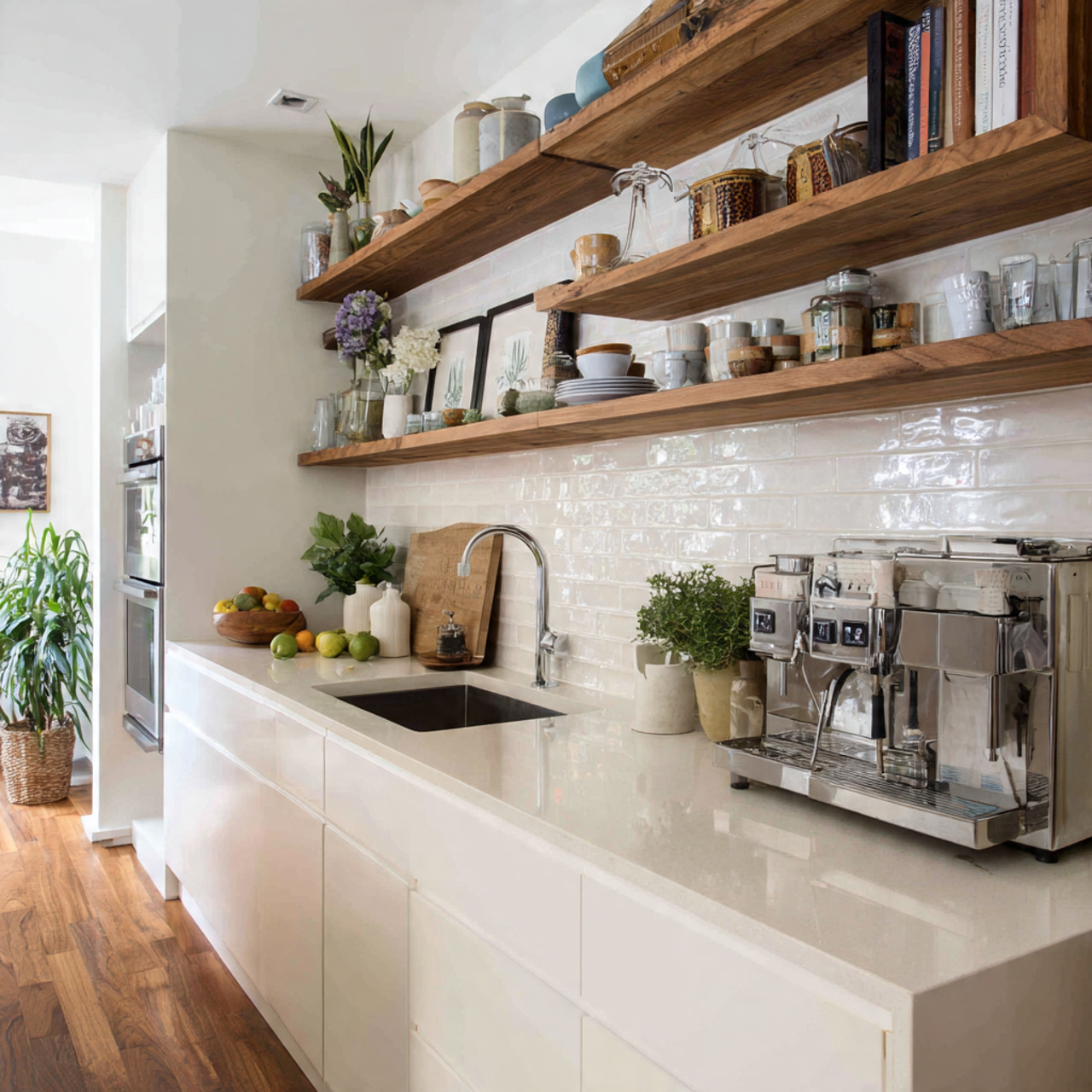
Narrow Open Shelving That Feels Personal but Controlled
What it is
Slim open shelves, usually 8–10 inches deep, placed near work zones.
Why it works
Wide shelves encourage overfilling. Narrow shelves quietly limit clutter. When items are easy to reach and easy to edit, maintenance stays manageable.
That control is what makes open shelving sustainable in real homes.
How to apply it
Keep only daily-use items visible and avoid decorative overload.
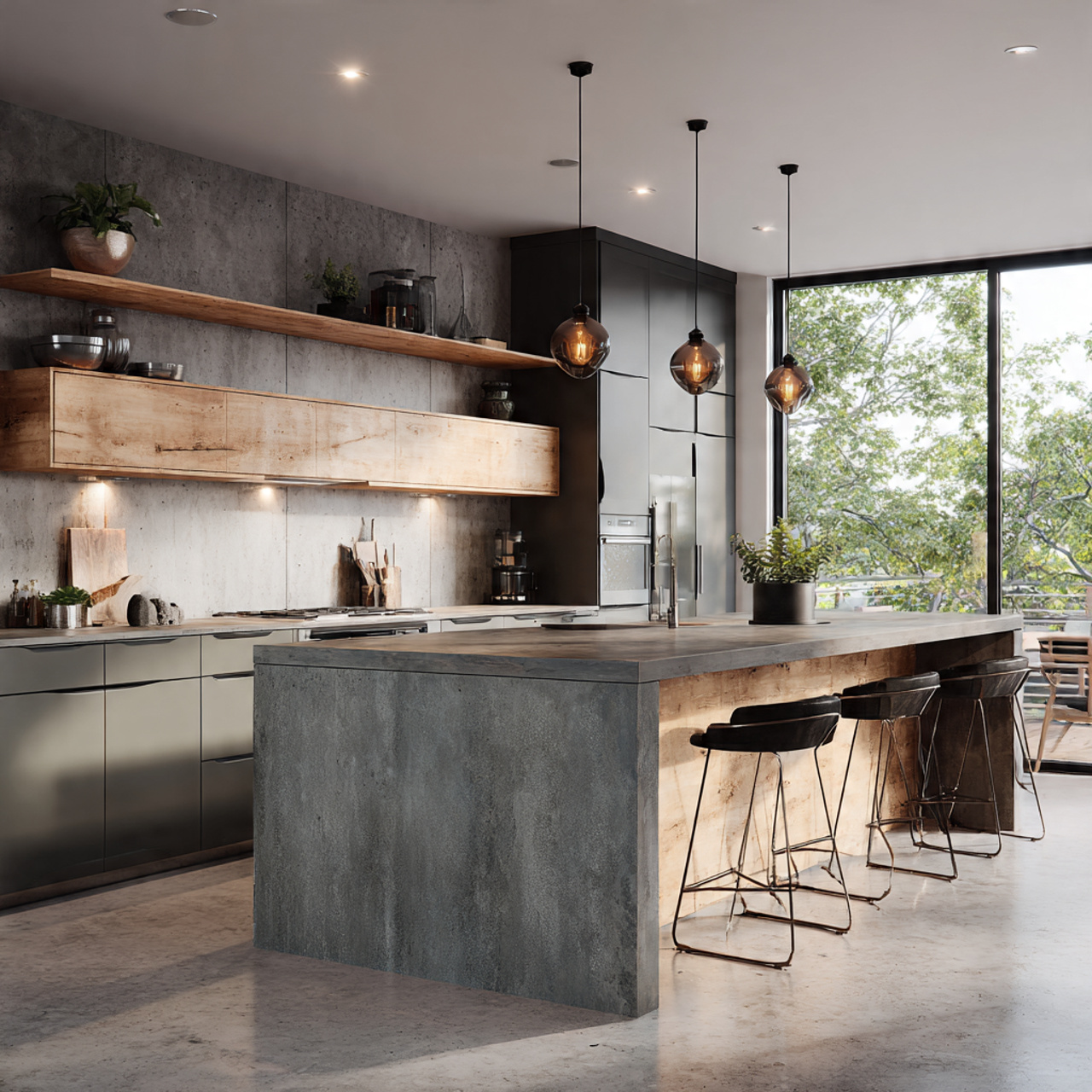
Matte Finishes That Reduce Visual Noise
What it is
Matte cabinet fronts, hardware, or faucets instead of glossy finishes.
Why it works
Gloss reflects light unevenly, drawing attention to fingerprints and wear. Many homeowners regret this choice within months.
Matte finishes absorb light more gently, which keeps the kitchen visually calm.
That forgiveness is why matte surfaces feel better long-term.
How to apply it
Begin with hardware or fixtures before committing to larger changes.
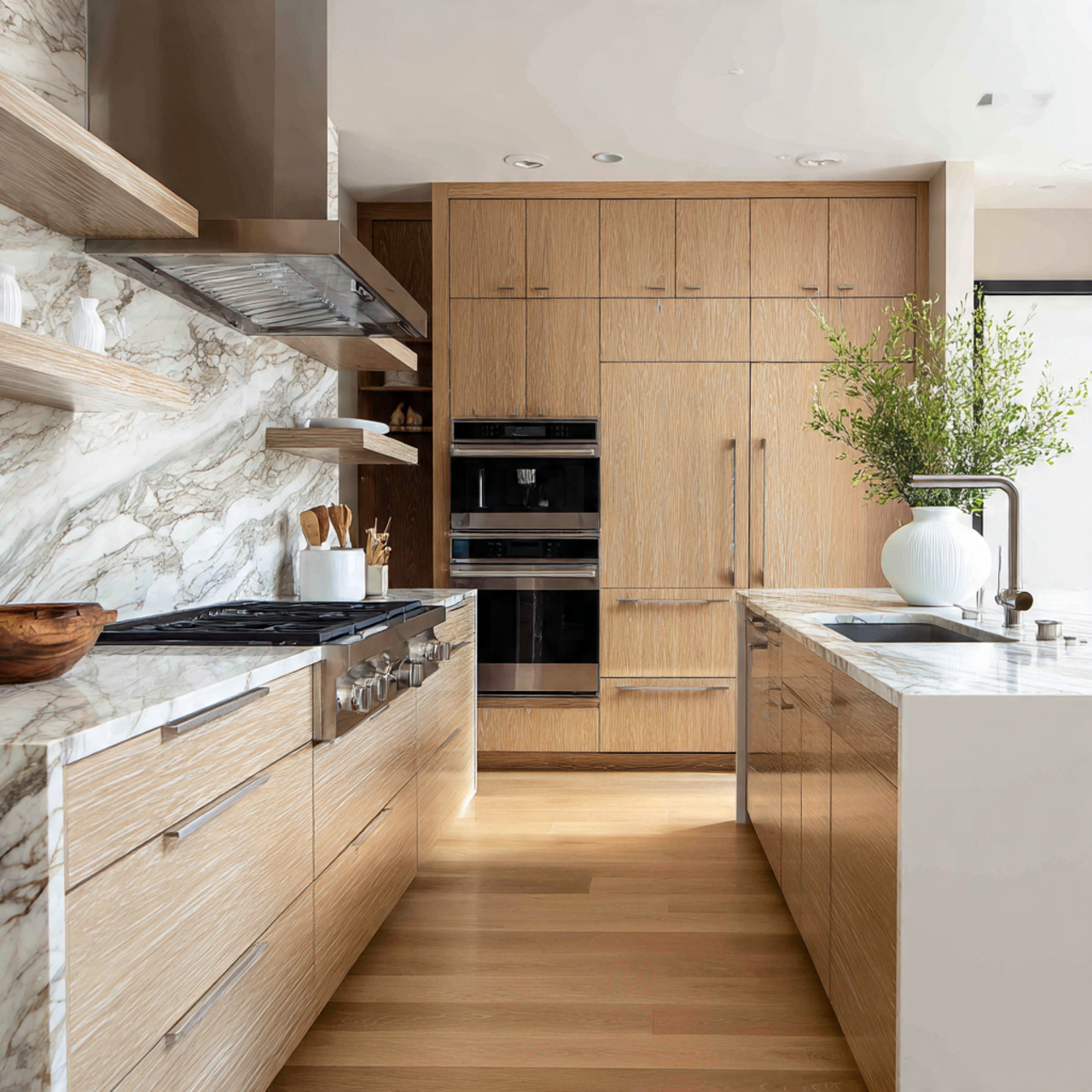
Balanced Range Areas That Create Visual Order
What it is
Intentional spacing or symmetry around the stove and hood.
Why it works
The range naturally becomes a focal point. When it feels balanced, the entire kitchen settles. People often notice the calm before they notice the design.
This subtle order reduces visual tension during everyday use.
How to apply it
Align cabinets or shelving evenly where possible.
Soft Textiles That Make the Kitchen More Comfortable
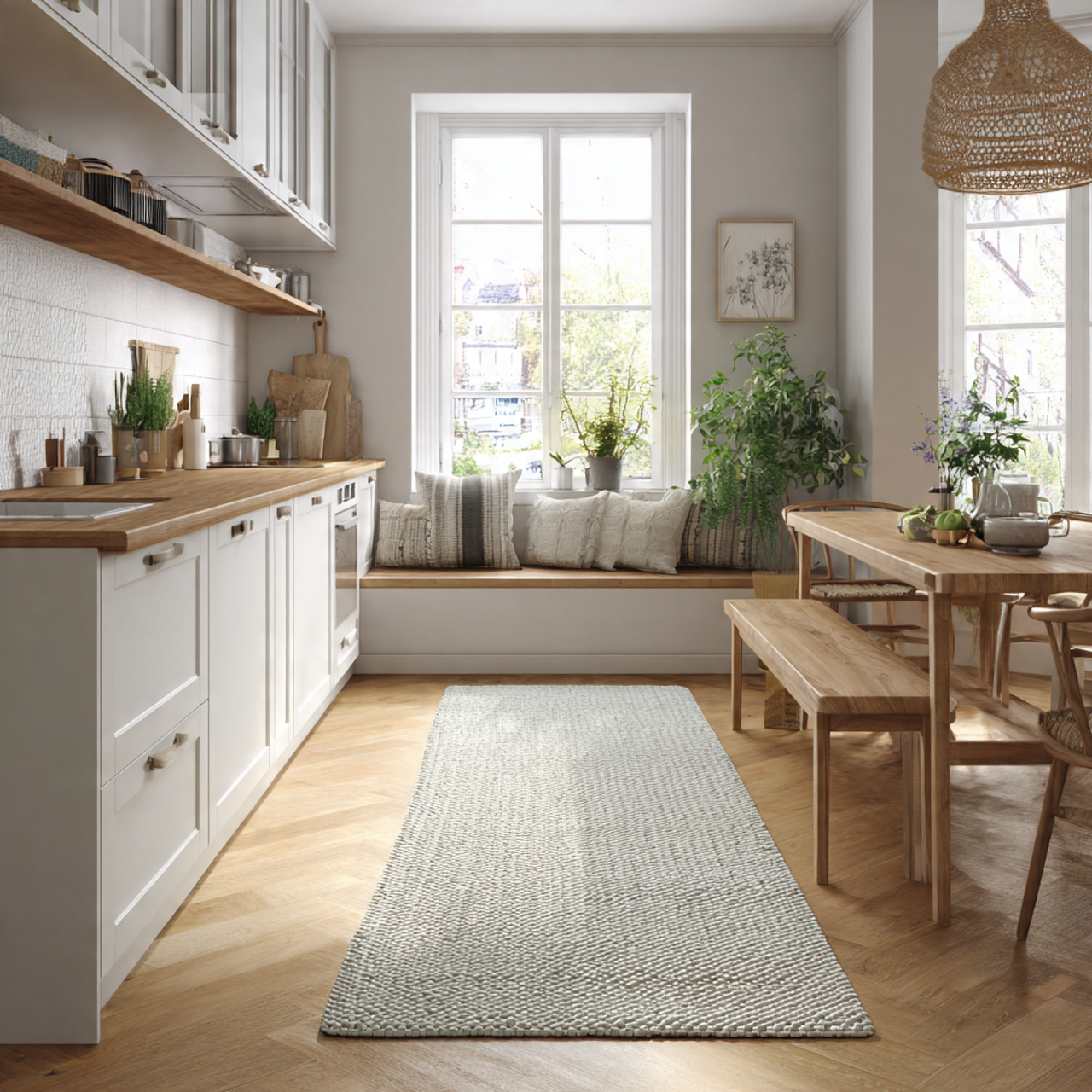
What it is
Washable rugs, cushions, or fabric window treatments.
Why it works
Hard surfaces amplify sound. Textiles absorb it. That quiet makes kitchens feel less exhausting, especially in open layouts.
The space becomes more inviting without permanent changes.
How to apply it
Choose durable, washable fabrics in neutral tones.
One Controlled Bold Element That Adds Personality
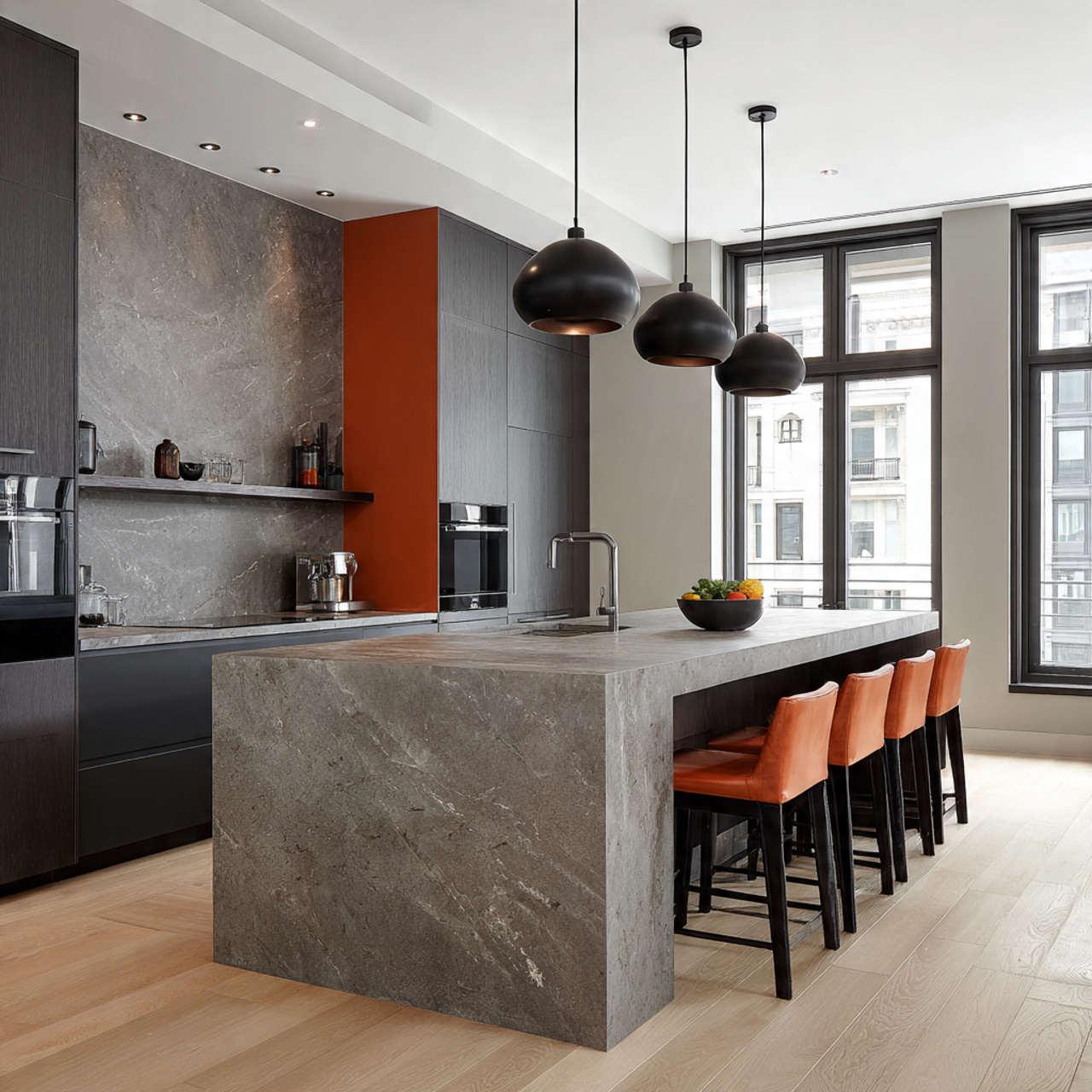
What it is
A single bold feature, such as a colored island or backsplash.
Why it works
Too many bold choices compete for attention. One statement feels intentional.
This restraint reduces regret as tastes change.
That’s why people revisit this approach when planning long-term kitchens.
How to apply it
Test bold color on elements that are easy to update later.
Integrated Appliance Storage That Clears Counter Space
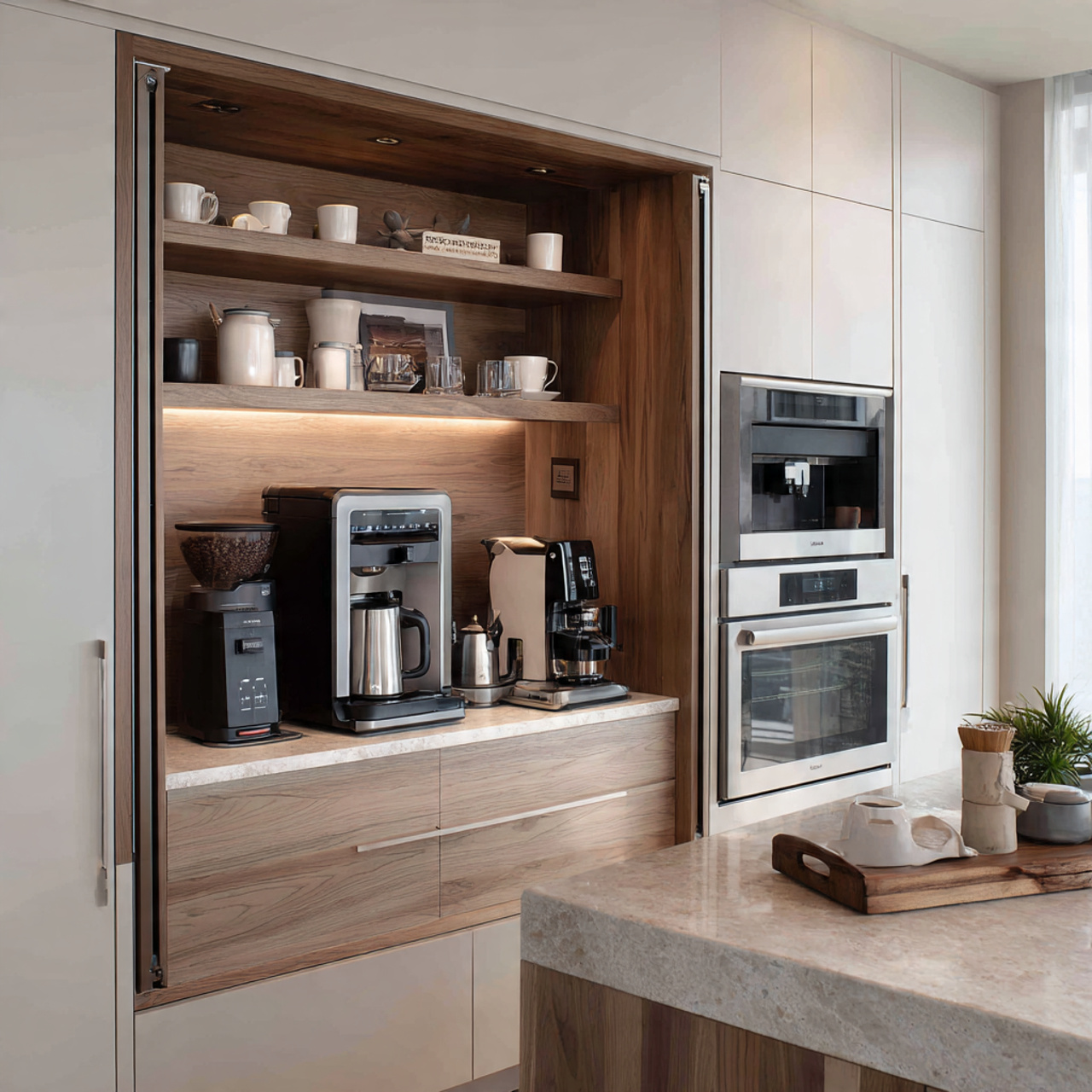
What it is
Hidden storage for small appliances like mixers and toasters.
Why it works
Cluttered counters create mental fatigue, especially at the end of the day. When appliances are stored away, routines feel smoother and cleanup is faster.
Most people notice this benefit gradually, not immediately.
How to apply it
Use pull-out shelves or appliance garages inside cabinets.
Comfortable Seating That Encourages Everyday Use
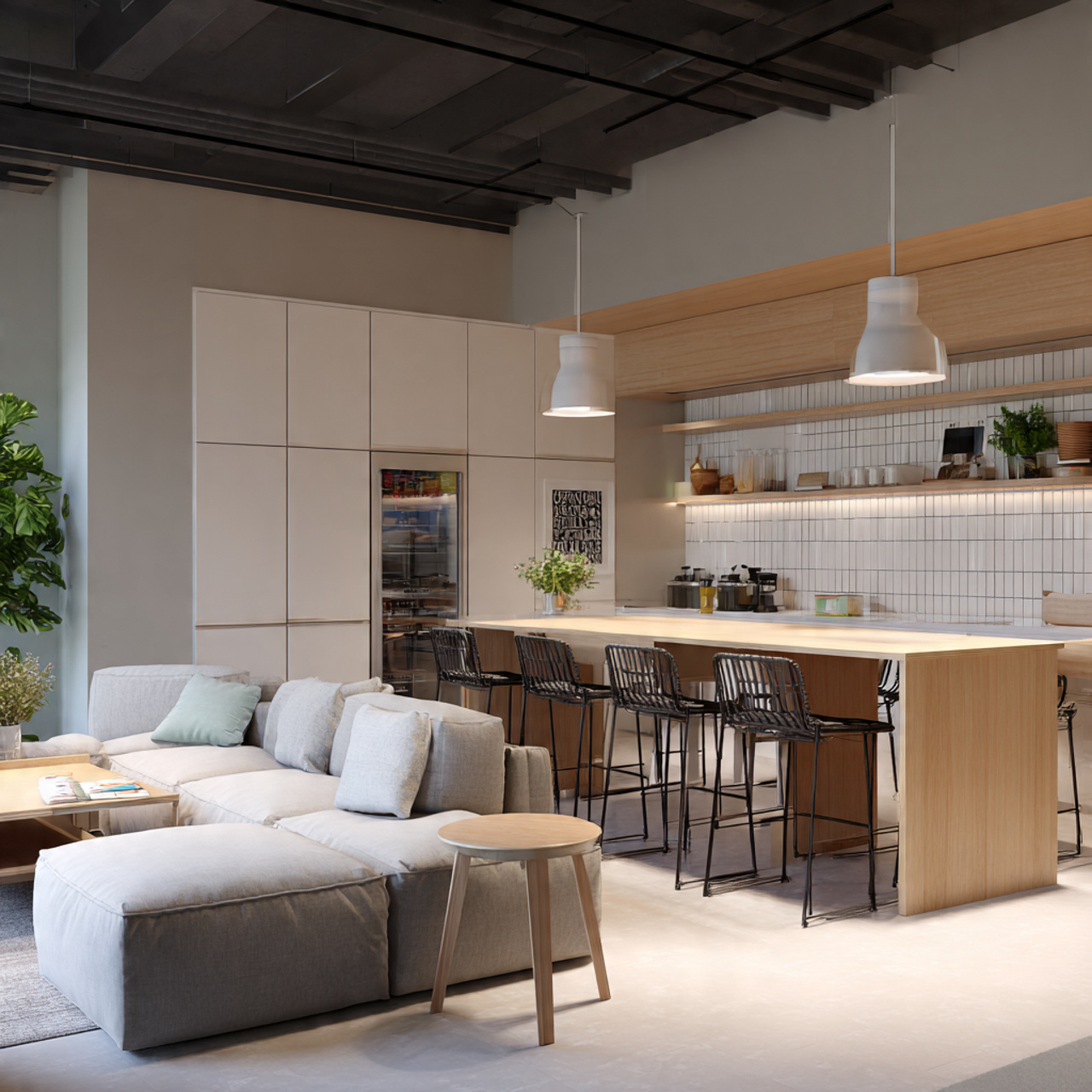
What it is
Seating designed for comfort rather than appearance alone.
Why it works
Uncomfortable stools rarely get used. Over time, that space becomes wasted.
Comfortable seating invites conversation and makes kitchens feel social again.
Seat height should allow 9–12 inches between the seat and counter.
How to apply it
Look for stools with back support and footrests.
Consistent Hardware That Feels Calm and Cohesive
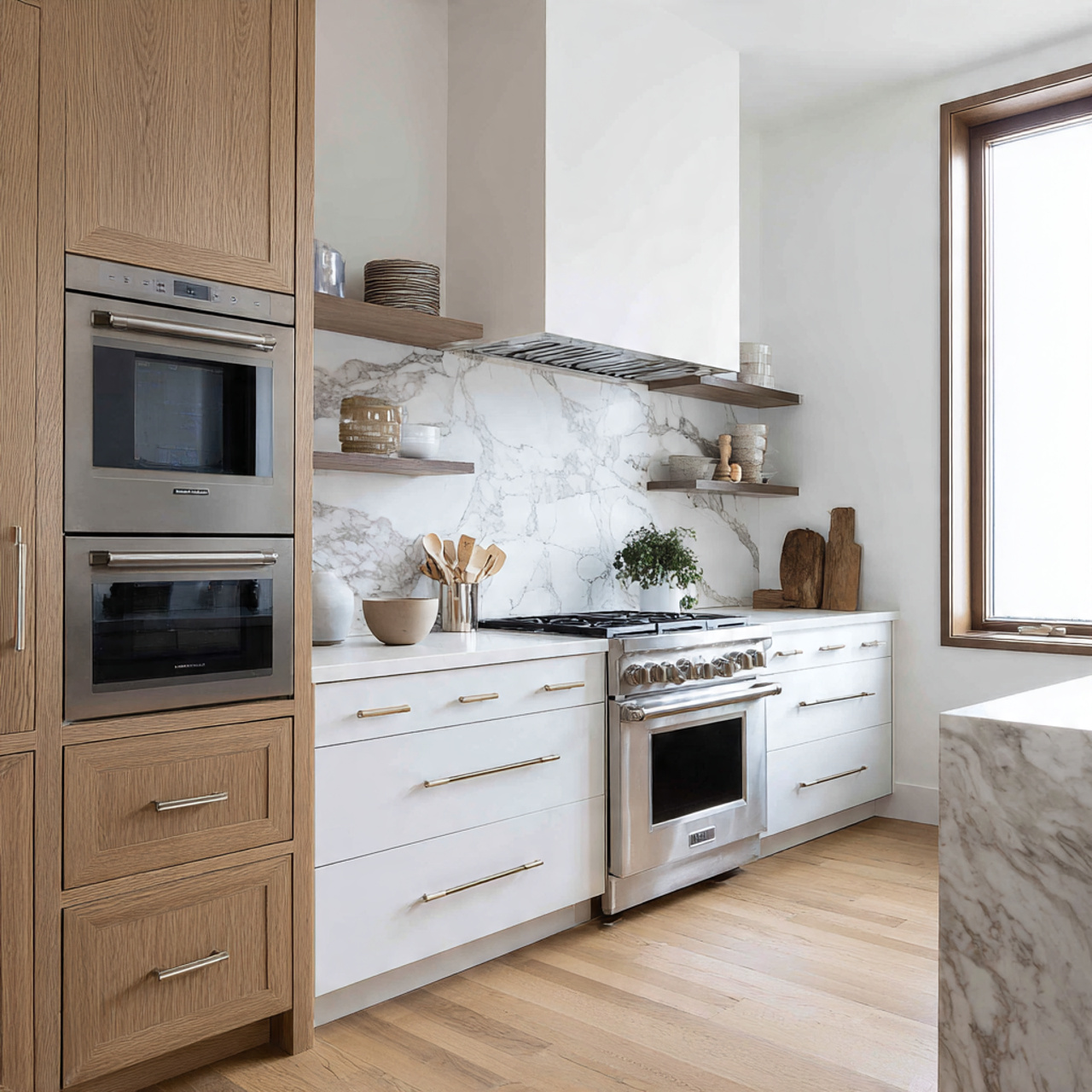
What it is
One hardware finish and style used throughout the kitchen.
Why it works
Mismatched hardware creates subtle visual noise that builds over time. Consistency helps the kitchen feel intentional and easier to live with.
This small choice supports long-term harmony.
How to apply it
Replace hardware gradually if needed.
One Personal Detail That Makes the Space Feel Lived In
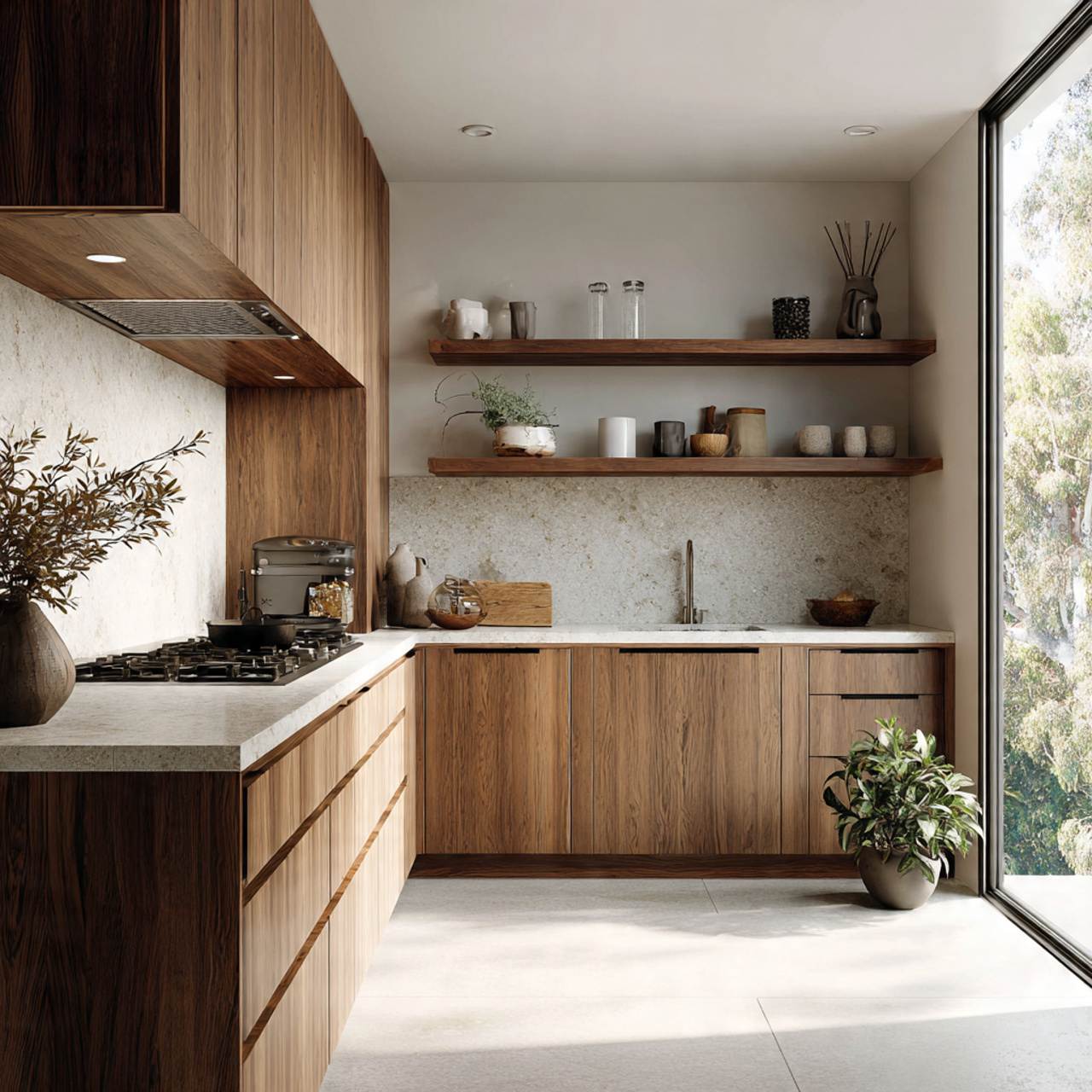
What it is
A plant, bowl, or meaningful everyday item left visible.
Why it works
Personal details add warmth that no design choice can replace. They soften structure and make the kitchen feel human.
This is often what people connect with most.
How to apply it
Choose items you genuinely enjoy seeing every day.
Common Kitchen Ideas Mistakes to Avoid
Overloading Open Shelving
People overfill shelves because they look appealing at first. Over time, maintenance becomes stressful and visual clutter builds. Limiting shelves to daily-use items keeps the kitchen manageable and prevents fatigue.
Choosing Style Over Comfort
Stylish but uncomfortable seating often goes unused. The kitchen slowly loses its social role. Prioritizing ergonomics prevents regret and wasted space.
Relying on a Single Overhead Light
One ceiling fixture creates harsh shadows and eye strain. Adding layered lighting improves comfort immediately. Ignoring this makes kitchens feel tiring at night.
Following Trends Too Literally
Trends age faster than expected. Flexible foundations protect against costly updates later. Ignoring this leads to quicker dissatisfaction.
Frequently Asked Questions About Kitchen Ideas
How can I improve my kitchen without renovating?
Focus on lighting, storage habits, and small layout adjustments rather than major changes. Simple upgrades like under-cabinet lighting, drawer organizers, or better zoning often improve daily use more than full renovations.
Are dark floors practical in kitchens?
Yes, especially when balanced with lighter cabinets or walls. Darker flooring hides crumbs, scuffs, and everyday wear far better than light finishes, which makes maintenance easier over time.
Is open shelving always a bad idea?
No, but it works best when used intentionally. Limiting shelves to shallow depths and daily-use items keeps them practical instead of turning them into cluttered display areas.
What kitchen upgrade gives the best value?
Lighting and drawer storage consistently deliver the biggest daily impact. These upgrades improve comfort, efficiency, and organization without requiring structural changes.
How do I keep kitchen ideas from aging poorly?
Start with neutral foundations and add personality through flexible elements like hardware, lighting, or color accents. This approach allows the kitchen to evolve without costly updates.
Conclusion
Good kitchen ideas support real life rather than chasing perfection. When thoughtful choices reduce daily friction, the kitchen becomes easier to use and maintain. A calm, functional space doesn’t require constant updates—only decisions that continue to work as life changes.