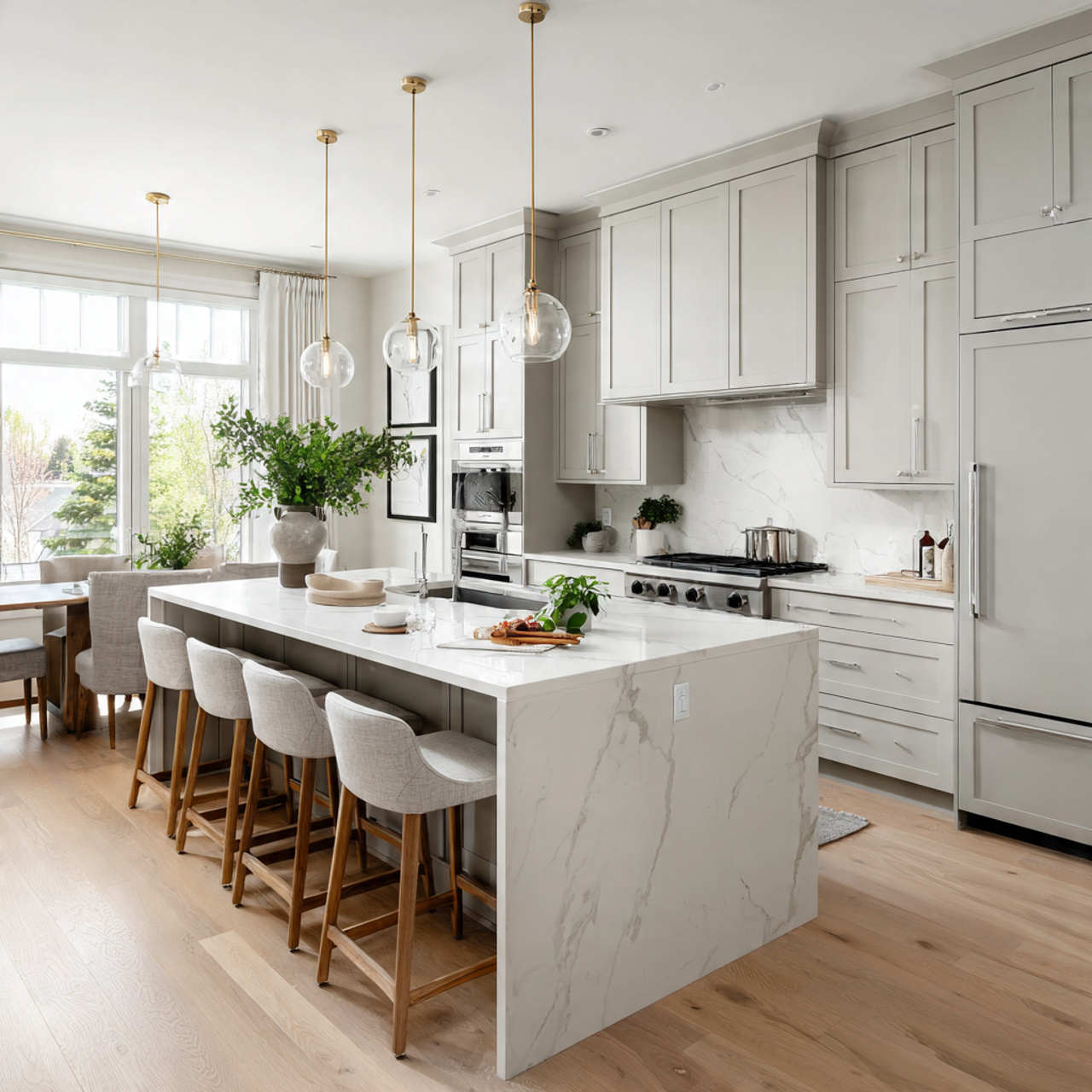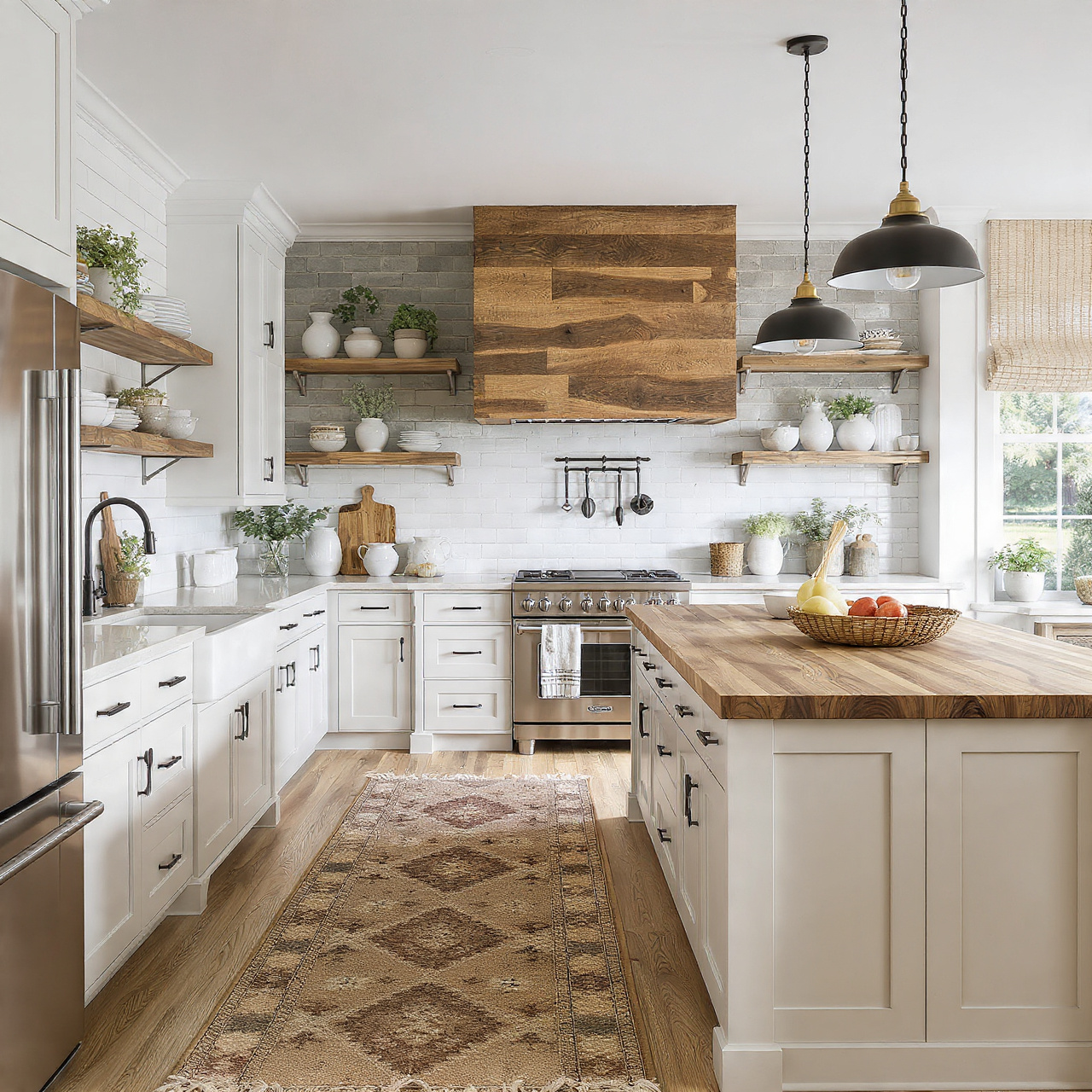
12 Genius Kitchen Cabinets That Fix Small Kitchen Problems
A kitchen often looks finished the moment the right kitchen cabinets are installed. Cabinets quietly shape the mood of the entire room because they occupy the largest visual space. In many homes I have visited or lived in, the cabinet design ends up defining whether the kitchen feels calm, cluttered, modern, or timeless.
Most people focus on appliances or countertops first, but cabinets usually determine how comfortable the space feels day to day. Over the years I have experimented with several layouts and finishes, and small cabinet decisions often changed the entire atmosphere of the room. When cabinets work well, the kitchen starts to feel organized even before anything else changes.
Kitchen cabinets work best when they combine smart storage, thoughtful materials, and balanced color choices that support everyday routines.
Why Kitchen Cabinets Often Define the Entire Kitchen Design
In real homes the cabinets tend to anchor the entire visual rhythm of the room. They influence storage flow, how light moves through the space, and how easy it is to cook or clean without clutter building up.
When kitchen cabinets are chosen thoughtfully, even a simple kitchen begins to feel layered and intentional. I have seen small kitchens transform simply by adjusting cabinet color, layout, or lighting rather than replacing everything else.
Kitchen Cabinet Ideas That Instantly Improve Function and Style
Glass Front Kitchen Cabinets That Turn Everyday Dishes Into a Beautiful Kitchen Display
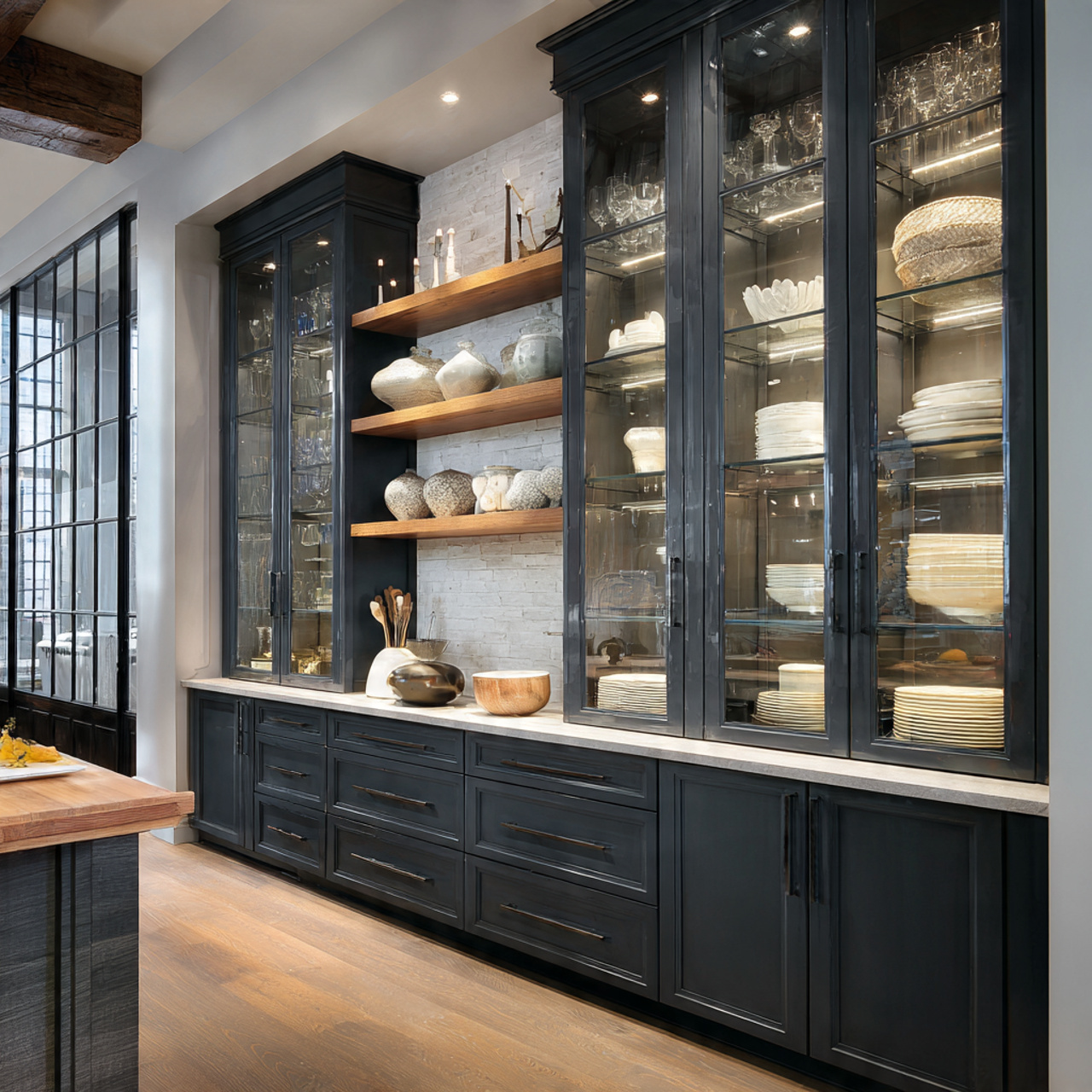
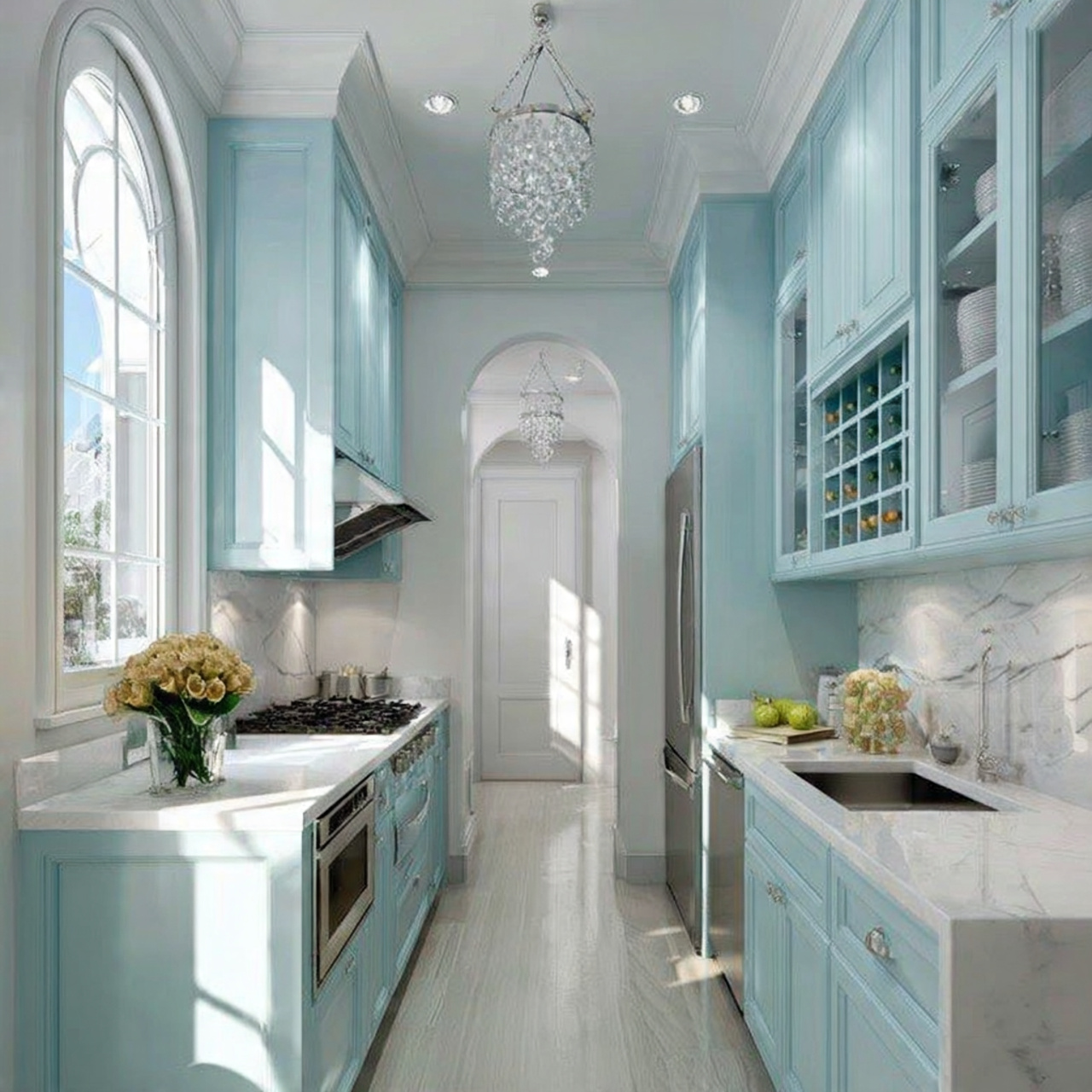
Morning sunlight sometimes passes through glass cabinet doors and lands softly on stacked plates and bowls. That small reflection instantly gives the kitchen a lighter atmosphere and makes everyday items feel decorative. Kitchens with glass front kitchen cabinets often feel more open even when storage remains the same.
In my experience, glass cabinets work especially well in kitchens that already have simple dishware or neutral ceramics. Instead of hiding everything behind solid doors, the cabinets quietly showcase what you already own. This approach also encourages keeping cabinet interiors organized because everything remains visible.
If you want to try this idea, start with one or two upper cabinets rather than the entire wall. Display a mix of plates, mugs, and bowls while keeping colors consistent so the shelves still feel calm rather than busy. This small display moment can quietly change how welcoming the kitchen feels in the morning.
Tip: Keep the displayed items in similar tones so the cabinet display stays visually relaxed.
Warm Wood Kitchen Cabinets That Bring Natural Calm Into Busy Kitchens
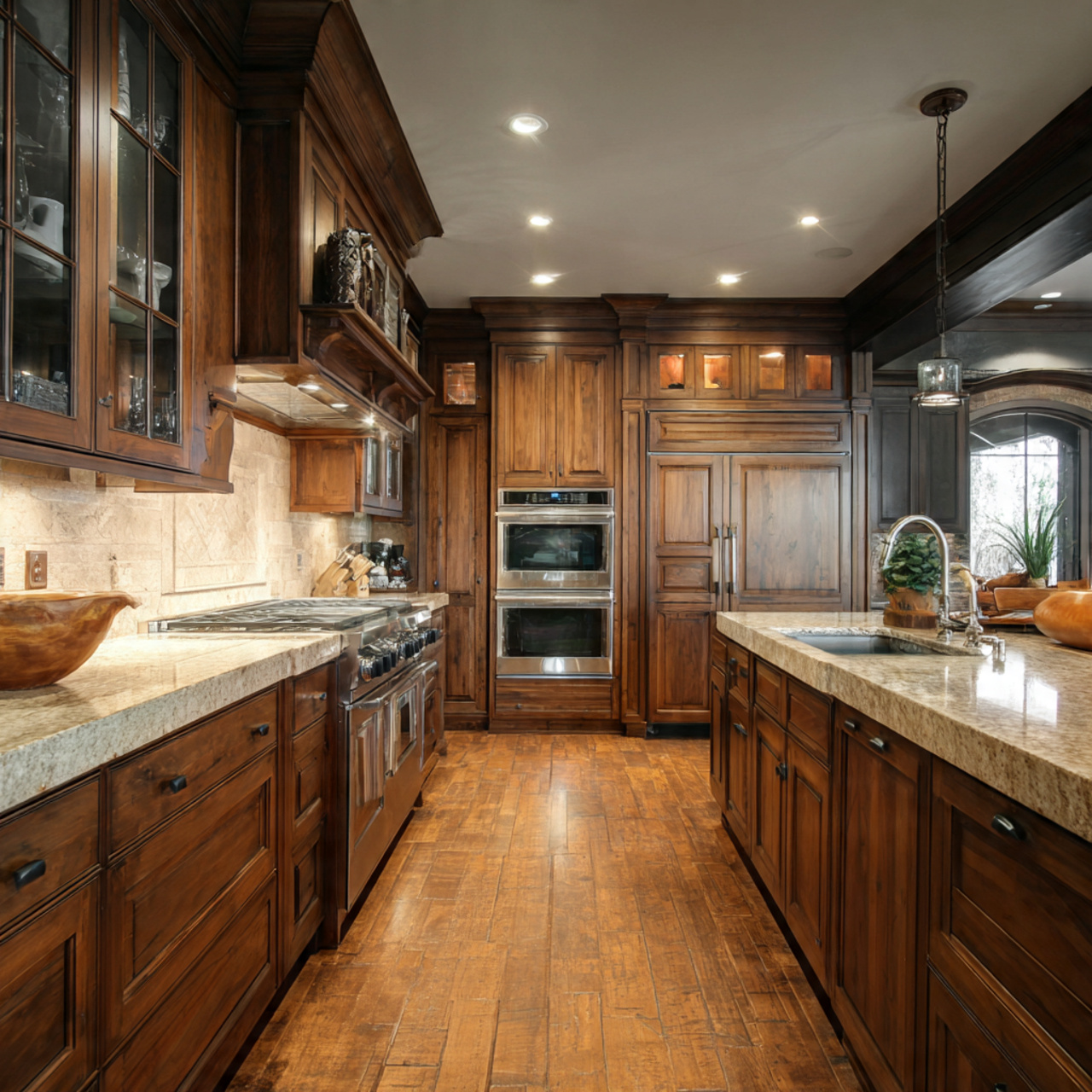
Natural wood cabinets immediately soften the atmosphere of a kitchen. The subtle grain patterns catch light differently throughout the day, which adds warmth that painted cabinets sometimes lack. In many kitchens the wood tones quietly balance metal appliances and stone counters.
In my experience, warm wood kitchen cabinets work best when the surrounding palette stays simple. Light walls, neutral counters, and minimal hardware allow the wood to become the focal point without overwhelming the room. The cabinets feel grounding instead of visually busy.
After living with wood cabinets for several months, I noticed they hide daily wear better than painted finishes. Small marks or fingerprints tend to blend into the natural texture, which keeps the kitchen feeling relaxed rather than overly perfect. Over time the cabinets develop character instead of looking worn.
Tip: Choose medium or light wood tones if you want the kitchen to feel brighter and more open.
Two Tone Kitchen Cabinets That Make Small Kitchens Feel Visually Bigger
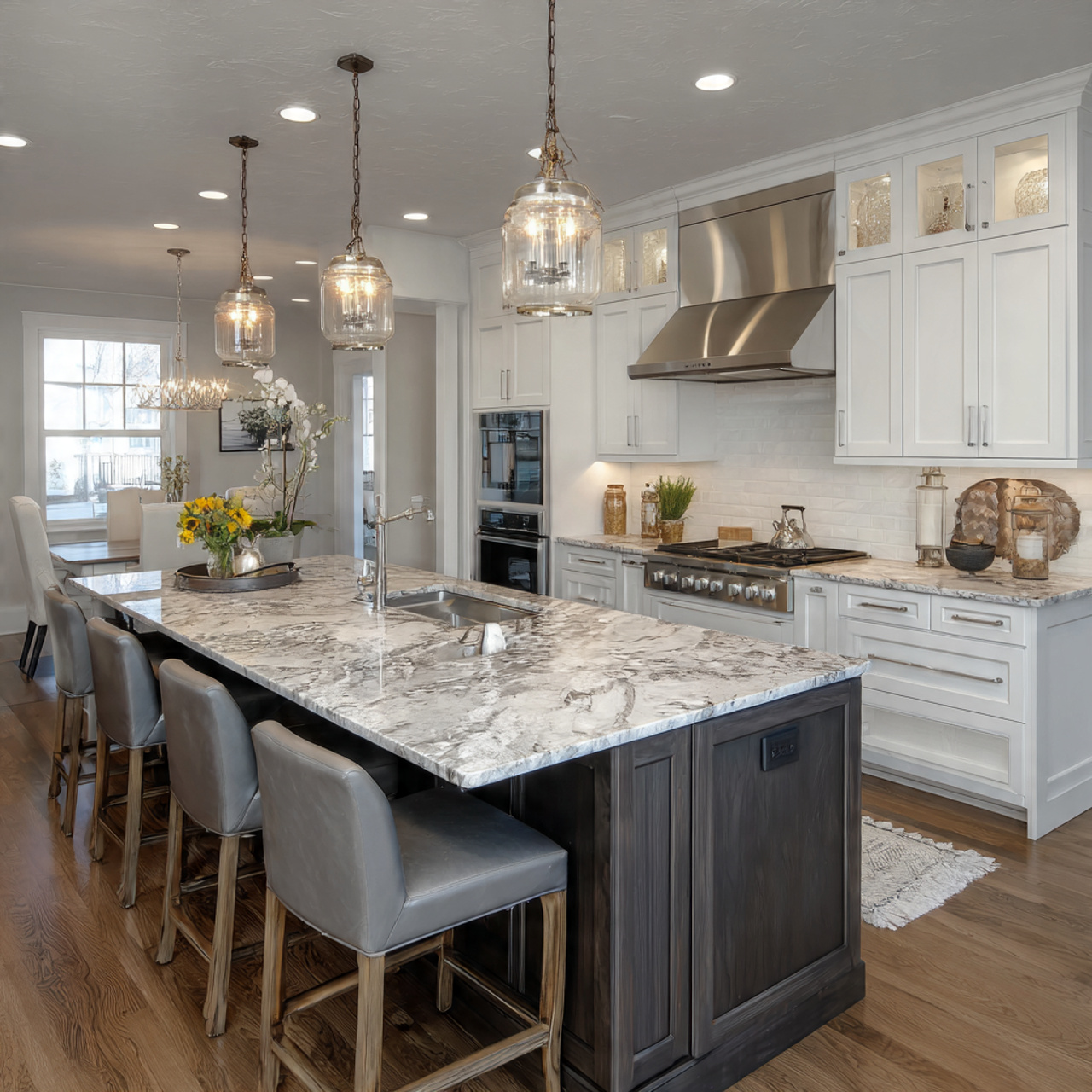
Two tone kitchen cabinets create a natural visual rhythm across the room. Light upper cabinets keep the space airy while darker lower cabinets ground the design. The contrast gently guides the eye upward, which often makes the room appear taller.
After living with two tone kitchen cabinets for several months, I realized something interesting. At first I worried the contrast might feel distracting, but the opposite happened. The visual split actually made the kitchen feel wider and more structured.
Most people assume two colors will make the kitchen look busy, but the opposite usually happens when the tones stay within the same palette. Soft white uppers paired with muted wood or sage lowers feel calm and balanced. The kitchen begins to feel layered without becoming overwhelming.
Tip: Keep upper cabinets lighter than lower cabinets so the room still feels open.
Floor To Ceiling Pantry Cabinets That Hide Clutter and Create Order
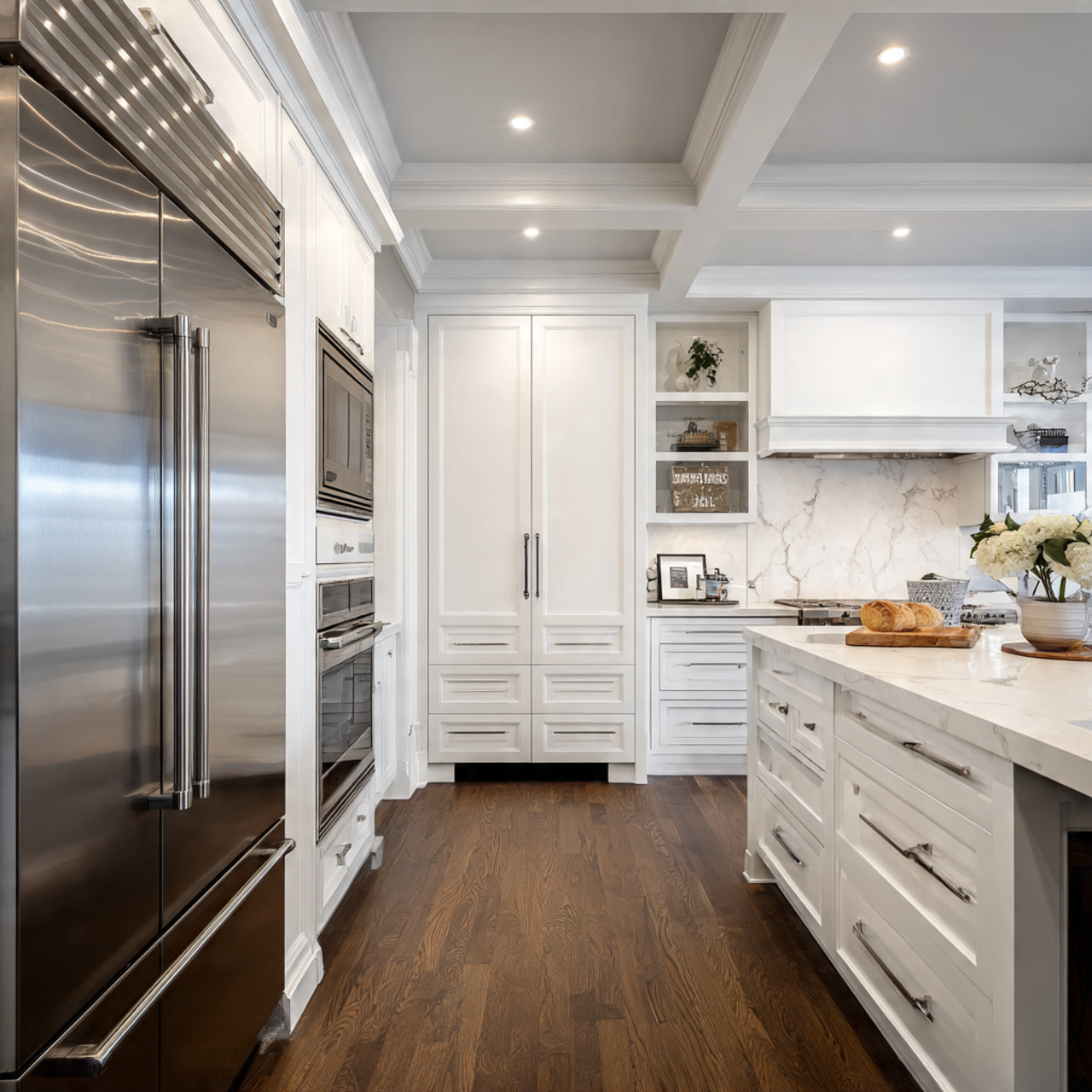
Tall pantry cabinets often become the quiet heroes of a kitchen. When cabinets extend all the way to the ceiling, they remove awkward empty gaps that collect dust and visual clutter. The wall suddenly looks more architectural and intentional.
One thing I have noticed in real homes is that pantry cabinets quickly become the most practical storage zone. Dry foods, baking tools, and small appliances finally have a designated place instead of spreading across countertops. The kitchen begins to feel organized almost immediately.
In smaller homes or apartments, floor to ceiling cabinets can replace the need for a separate pantry room entirely. They keep everyday cooking supplies nearby while maintaining a calm and uncluttered workspace. Weekend cooking sessions feel easier when everything has a clear location.
Another benefit of tall pantry cabinets is visual consistency. When cabinets extend to the ceiling, the entire wall reads as one continuous structure rather than separate furniture pieces. This architectural effect often makes the kitchen look more thoughtfully designed.
Tip: Use pull out interior shelves inside pantry cabinets to make deep storage easier to access.
Open Shelf Cabinets That Create a Collected Lived In Kitchen Look
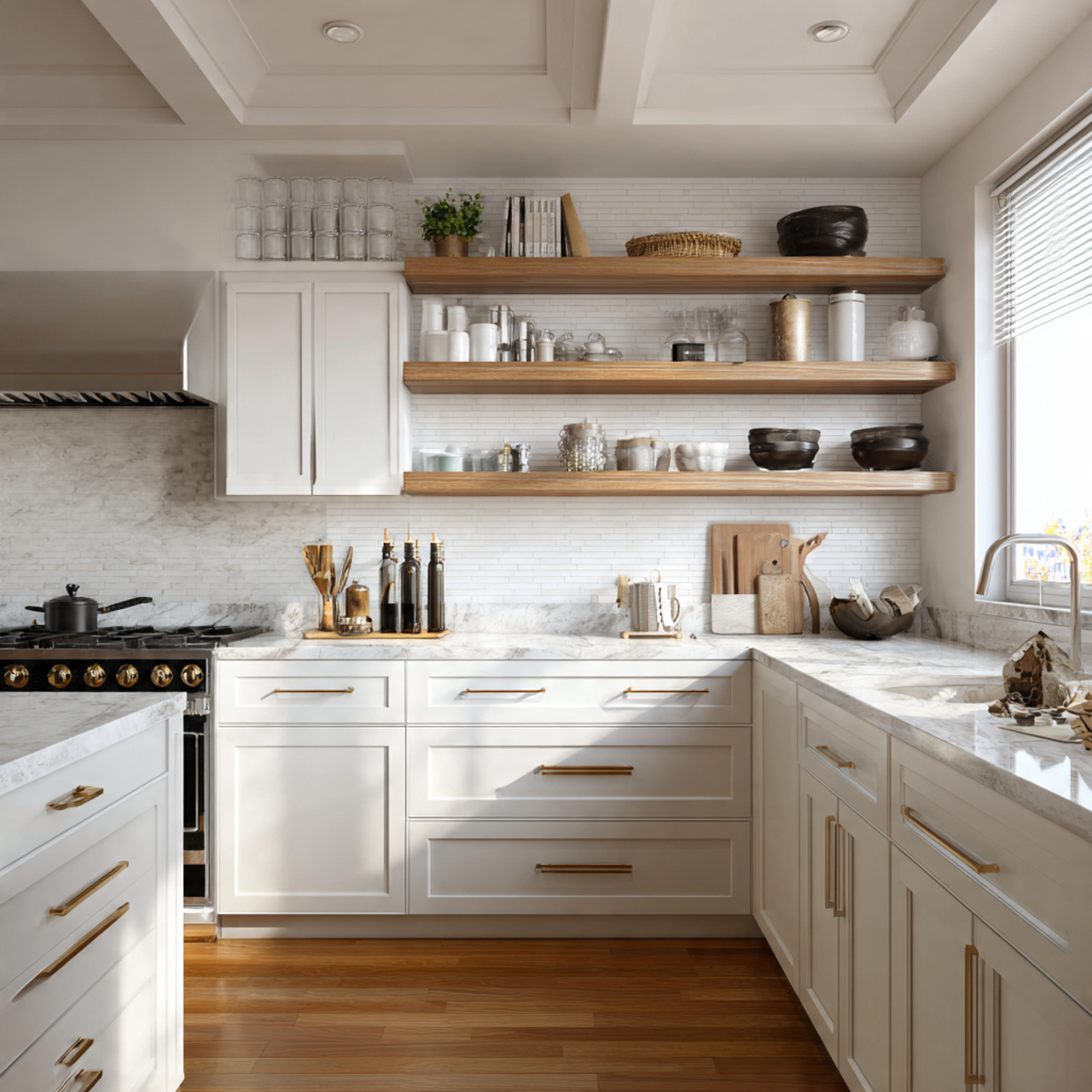
Some kitchens feel more welcoming when not every cabinet door is closed. Open shelf cabinets allow frequently used items like bowls or mugs to remain within easy reach while adding personality to the room. The shelves create small moments of visual interest throughout the kitchen.
Soft daylight across stacked dishes or ceramic bowls often creates a quiet morning kitchen scene. During slow weekend breakfasts the shelves feel almost like a display wall that evolves over time. The kitchen begins to feel lived in rather than staged.
Many people worry open shelves will look messy, but that usually happens when too many objects are added. Limiting the display to a few everyday pieces keeps the shelves relaxed and practical. Over time the arrangement changes naturally as dishes move in and out.
Tip: Group similar materials together such as white dishes or wooden bowls to maintain visual balance.
Slim Shaker Cabinets That Give Kitchens a Calm Timeless Style
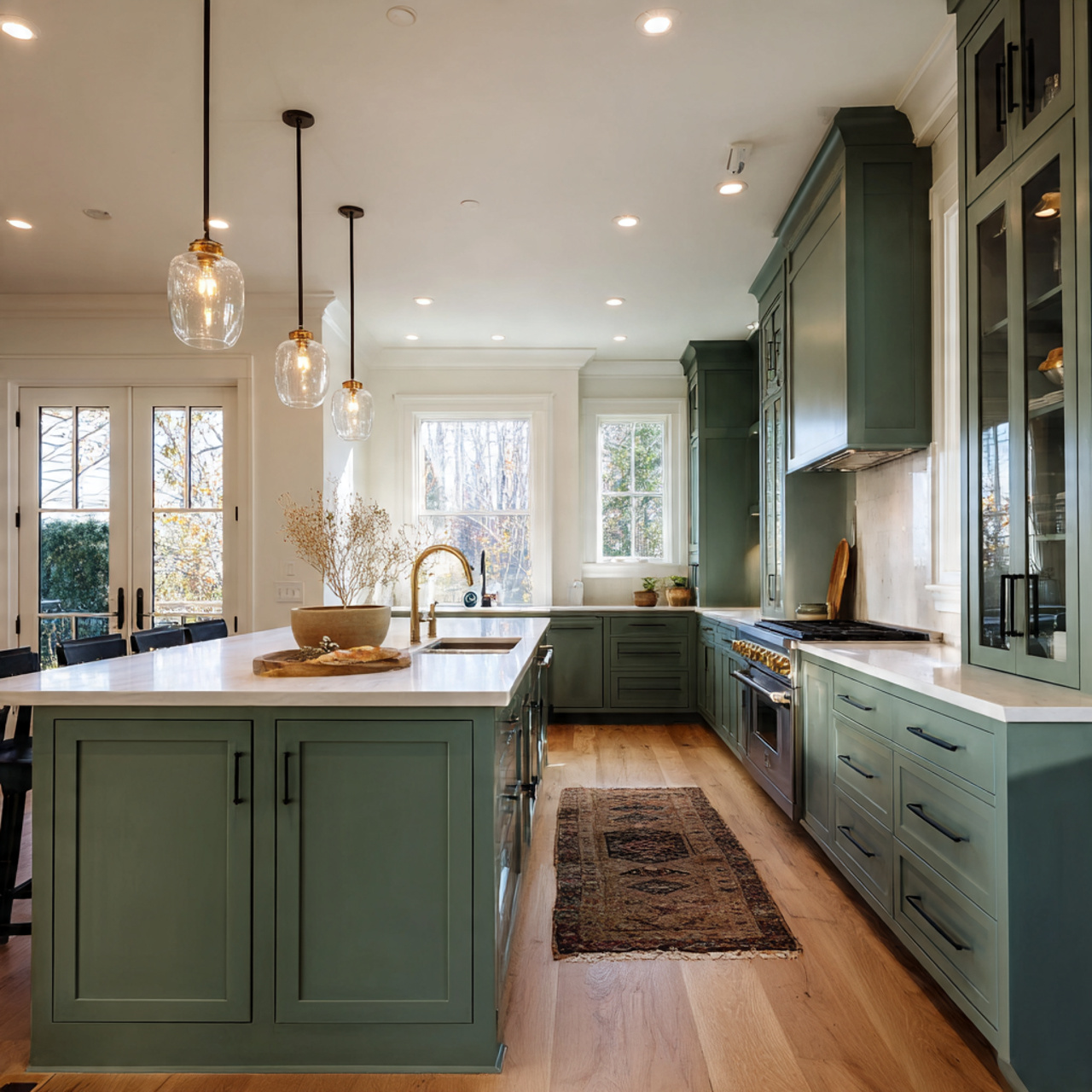
Shaker cabinet doors have remained popular for decades because their clean lines rarely feel outdated. The slim frame around the panel creates subtle depth without heavy decoration. This quiet detail helps the cabinets blend into many design styles.
Many people assume shaker cabinets belong only in traditional kitchens, but they actually work beautifully in modern spaces as well. When paired with simple hardware and neutral colors, the cabinets feel balanced rather than decorative.
One mistake I made early on was choosing overly decorative cabinet doors because they looked impressive in photos. After a few months the design started to feel heavy and visually busy. Switching to slimmer shaker cabinets immediately made the kitchen feel calmer and easier to live with.
Tip: Pair shaker cabinets with understated hardware to keep the design feeling timeless.
Kitchen Cabinets With Hidden Lighting That Create a Warm Evening Glow
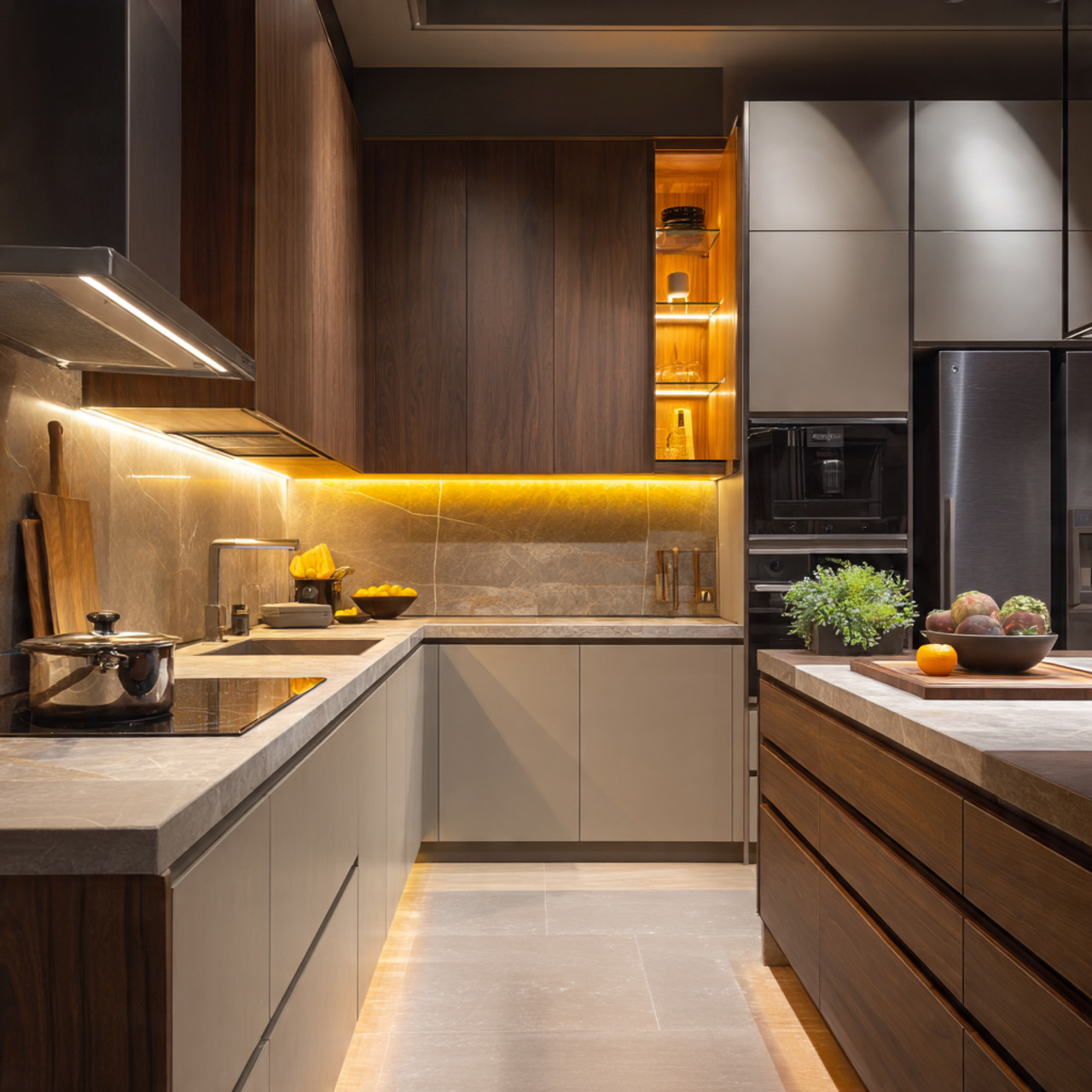
When the main ceiling light turns off in the evening, under cabinet lighting often becomes the most calming feature in the room. A soft glow across the countertop makes late evening cooking feel relaxed and comfortable. The kitchen atmosphere shifts quietly from bright workspace to warm gathering space.
After installing lighting beneath kitchen cabinets, I noticed the room suddenly felt layered rather than flat. The light reflects gently across backsplash tiles and countertops without overpowering the space. Evening cooking begins to feel slower and more enjoyable.
Layered lighting also helps kitchens transition smoothly from daytime activity to evening relaxation. Instead of relying on a single bright ceiling fixture, the room becomes softly illuminated in several areas. Many homeowners notice they spend more relaxed time in the kitchen once lighting improves.
Tip: Choose warm white lighting so the kitchen feels cozy rather than clinical at night.
Soft Neutral Cabinets That Make Morning Kitchens Feel Quiet and Peaceful
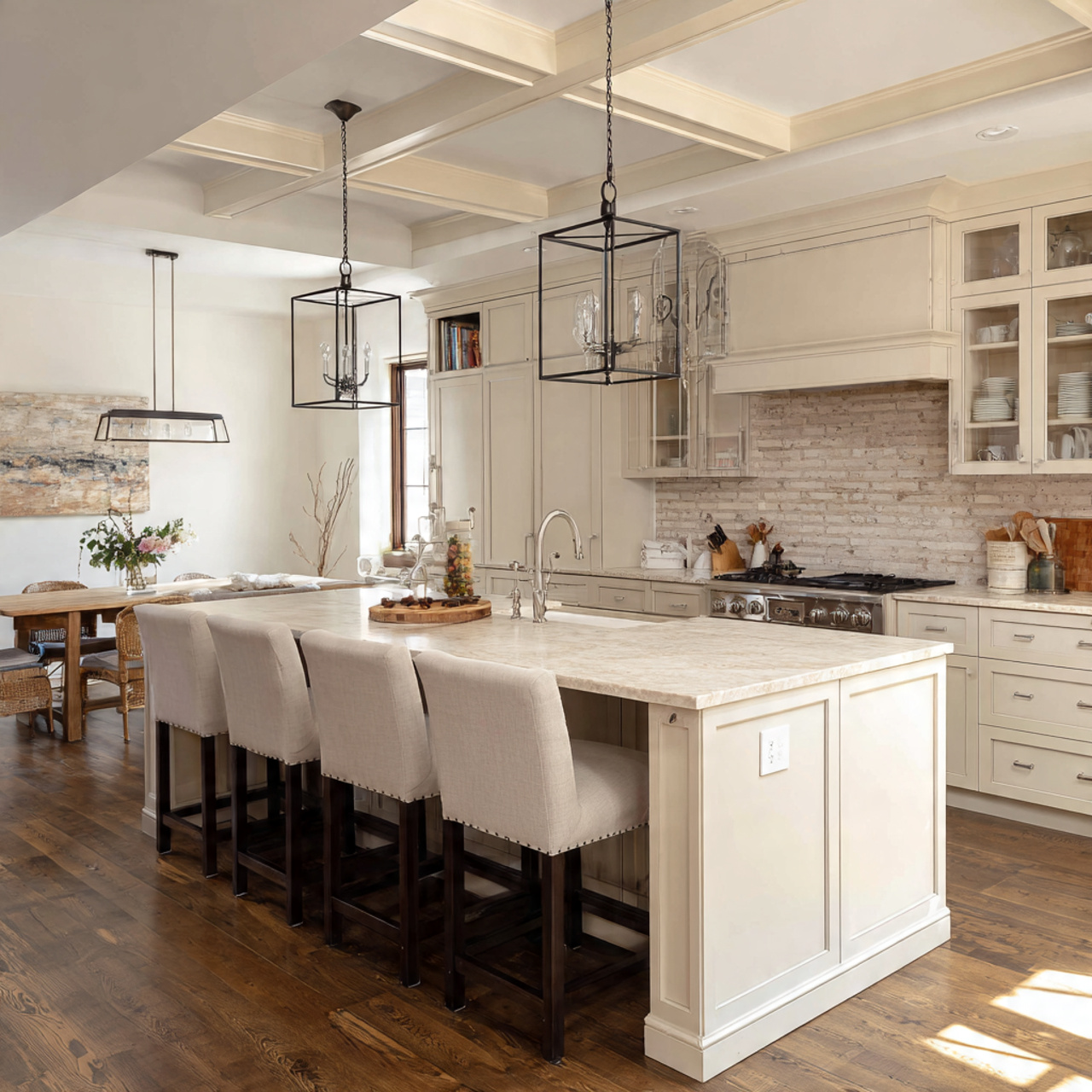
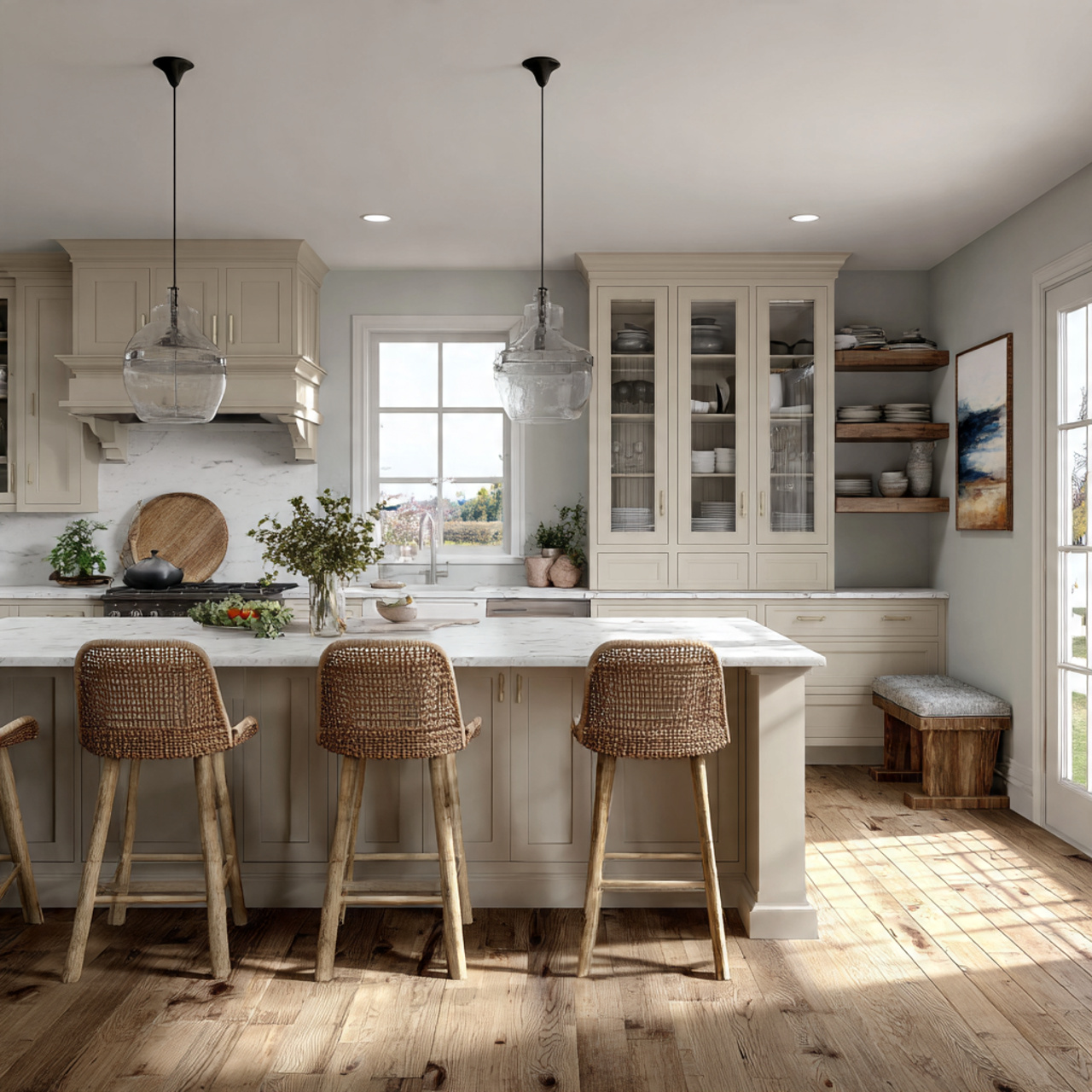
Neutral cabinet colors have a way of calming busy kitchens. Soft whites, beige tones, or pale taupe shades reflect light gently and allow surrounding textures to stand out. The kitchen feels brighter without feeling harsh.
During early mornings when sunlight first enters the room, neutral cabinets often make the kitchen feel peaceful rather than overly bright. The soft surfaces reflect daylight evenly across the space. Morning routines begin in a calmer environment.
In my experience neutral cabinets tend to age better than trend driven colors. I once tried a very bold cabinet shade thinking it would feel unique, but after a year the kitchen started to feel visually tiring. Returning to softer neutral tones instantly made the room feel balanced again.
Tip: Pair neutral cabinets with warm wood accents so the room still feels layered and inviting.
Dark Cabinets That Create a Dramatic Luxury Kitchen Atmosphere
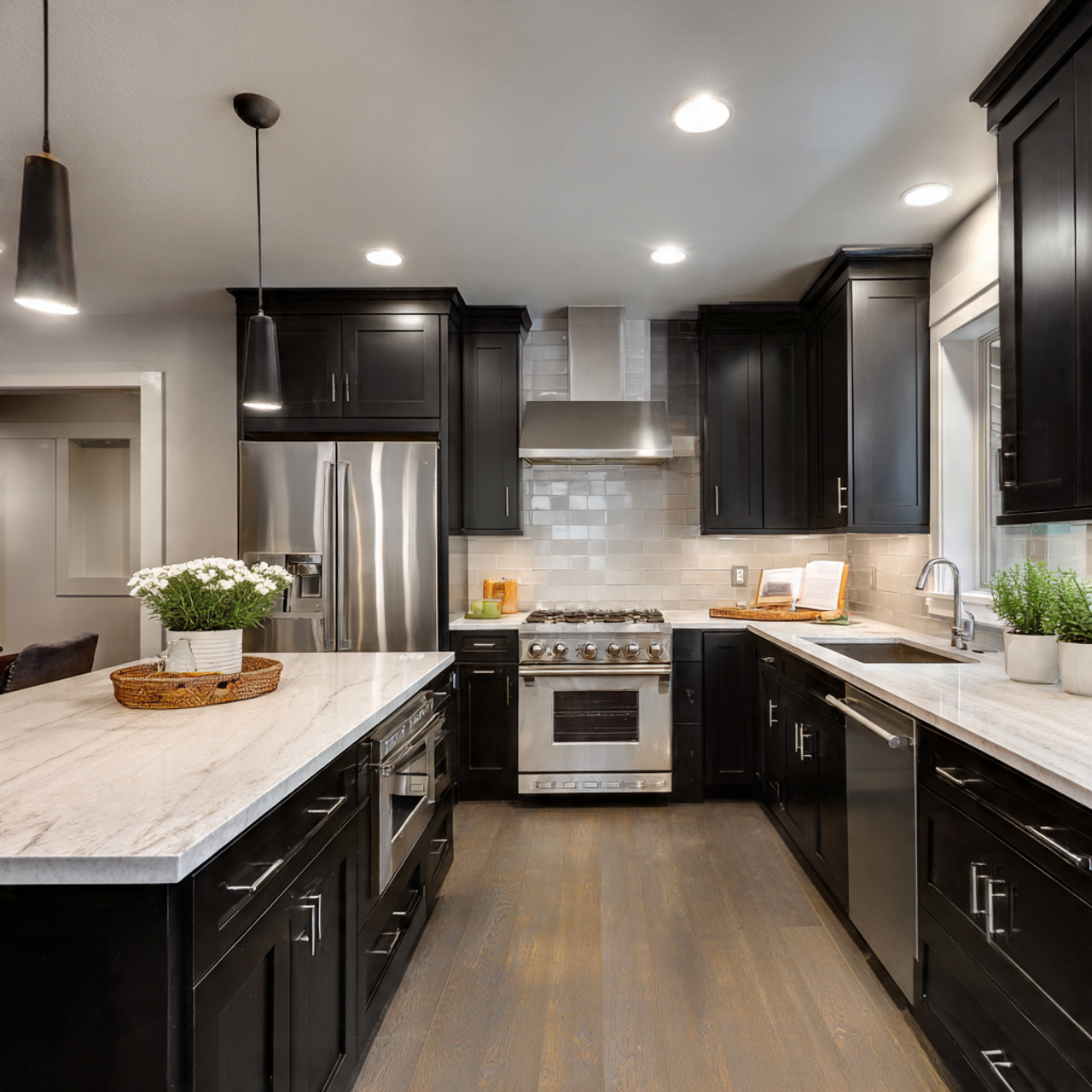
Deep cabinet colors can transform an ordinary kitchen into something more dramatic. Navy, charcoal, or deep green finishes absorb light and give the room a grounded presence. The cabinets become a strong visual anchor.
In the evening, reflections across dark cabinet surfaces often create a rich atmosphere that lighter kitchens cannot replicate. The contrast with lighter countertops or brass hardware adds subtle elegance. The space begins to feel more intentional.
Dark cabinets also highlight surrounding materials more strongly. Light stone counters, warm metal hardware, or wood flooring stand out beautifully against the darker background. This contrast is one reason luxury kitchens often include darker cabinet tones.
Tip: Combine dark cabinets with warm lighting so the kitchen still feels welcoming.
Fluted Cabinet Doors That Add Modern Texture to Kitchen Cabinets
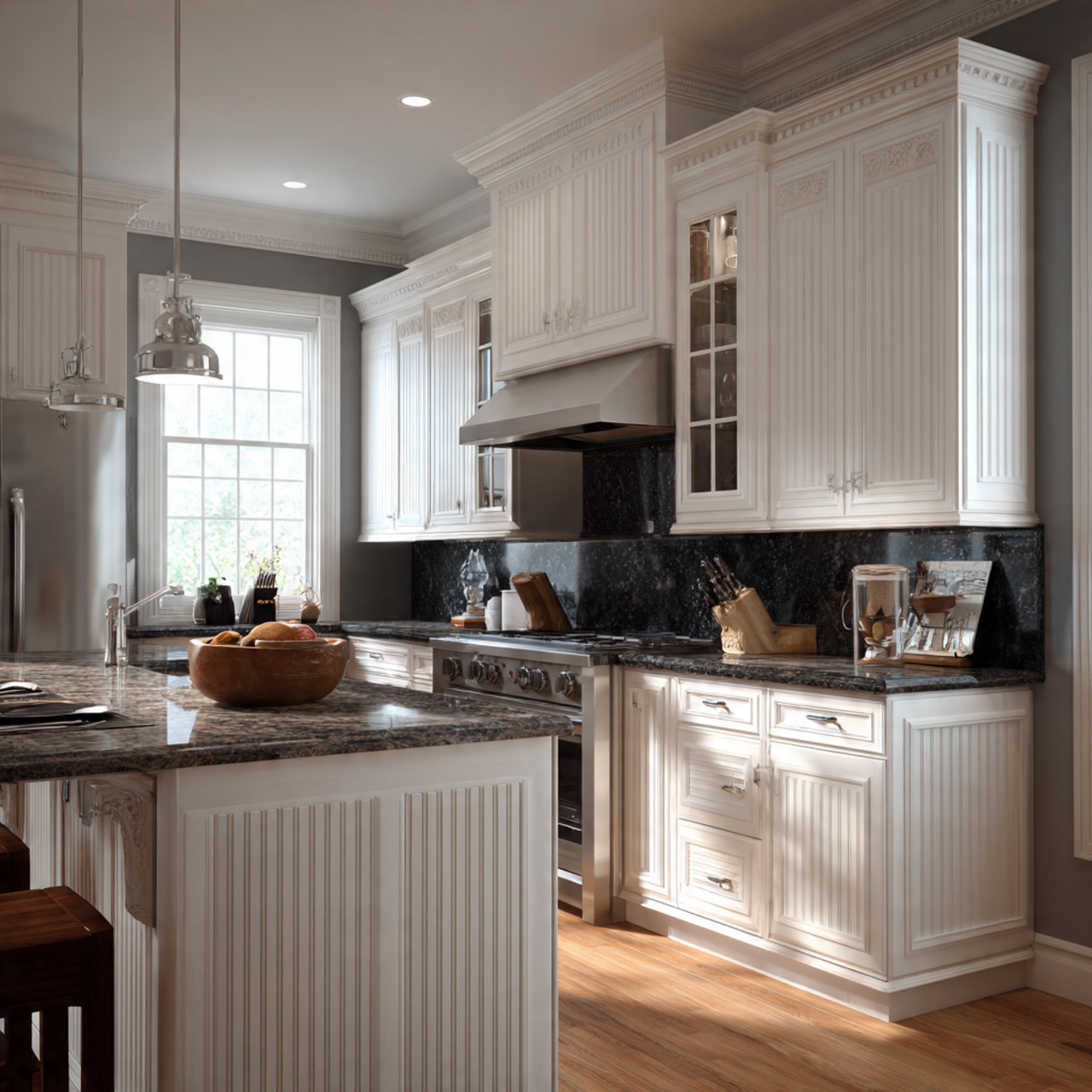
Flat cabinet doors sometimes make large cabinet walls feel too smooth. Fluted cabinet fronts introduce vertical grooves that create subtle texture and visual movement. The grooves catch light throughout the day.
This detail works particularly well in modern kitchens where decoration stays minimal. Instead of adding more objects to the room, the cabinet surface itself becomes interesting. The kitchen feels refined without clutter.
Fluted doors also photograph beautifully in kitchen remodel inspiration projects. The vertical lines create gentle shadow patterns that change throughout the day. The cabinets quietly become a design feature.
Tip: Use fluted cabinet doors on a single section so the texture remains a highlight.
Hidden Appliance Garage Cabinets That Keep Kitchen Counters Calm and Clear
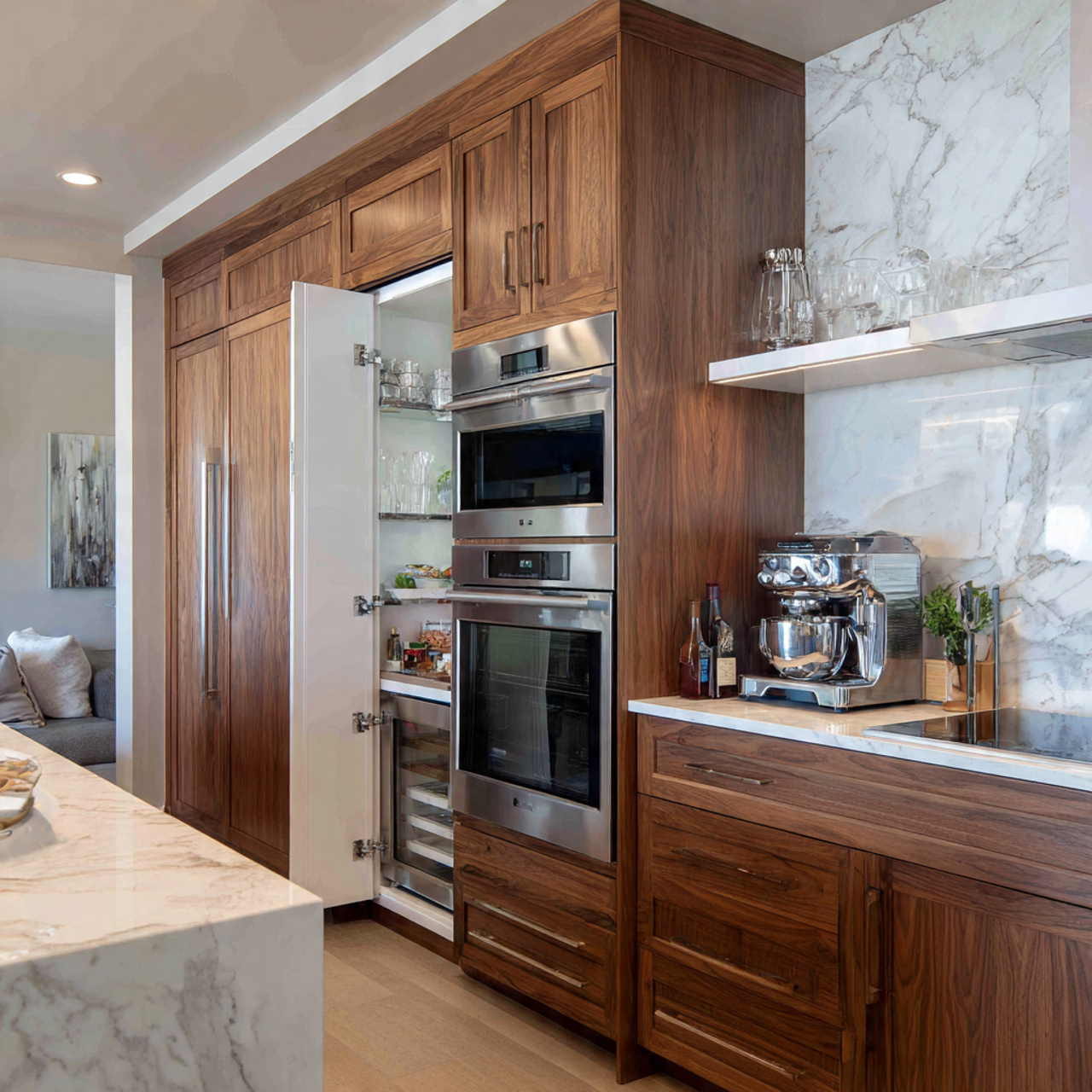
Appliance garage cabinets hide coffee makers, toasters, or mixers behind lift up or sliding doors. When the doors close, the countertop suddenly feels uncluttered and calm. The kitchen immediately looks more organized.
At first I thought appliance garages were unnecessary. After installing one, the difference was immediate because the countertop stayed clear throughout the day. The small cabinet quickly became the most used storage feature in the kitchen.
Each morning the coffee station opens easily and disappears again after use. The routine becomes smoother and the kitchen stays visually peaceful. Guests often assume the appliances are stored elsewhere.
Tip: Place appliance garage cabinets near outlets so appliances remain plugged in inside the cabinet.
Framed Cabinet Walls That Make Kitchen Cabinets Look Built In and Custom
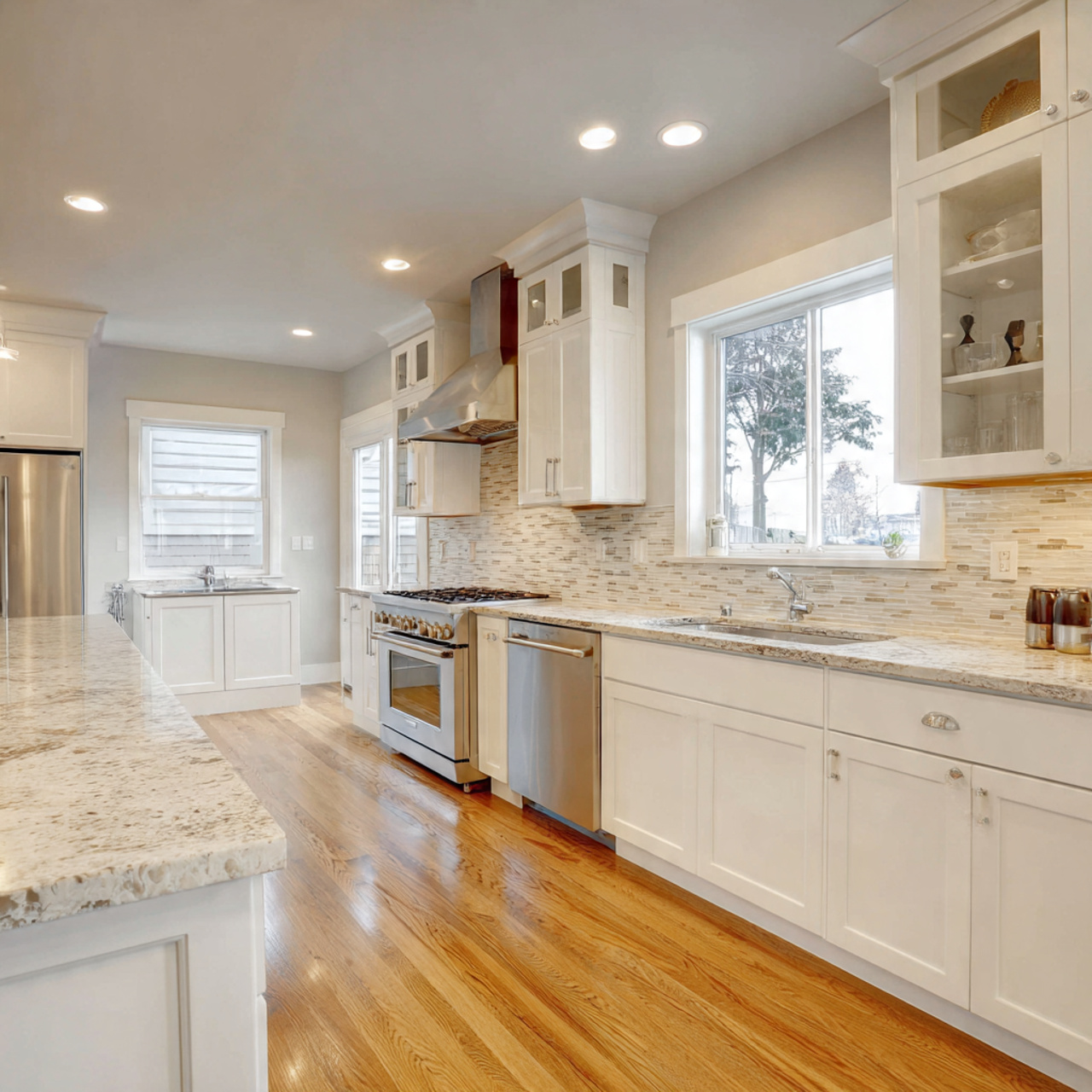
Some kitchens feel more architectural when cabinet walls are framed with trim panels. The panels create the impression that cabinets were built directly into the room rather than installed afterward. The entire wall reads as a single design element.
In classic European kitchens this approach is often used to blend cabinets seamlessly with surrounding walls. The cabinetry feels integrated into the architecture of the room. The kitchen gains a quiet sense of craftsmanship.
When done carefully, framed cabinets give even modest kitchens a custom built appearance. The additional trim details elevate the entire design without changing the cabinet layout. The result feels intentional and timeless.
Tip: Use matching trim color so the cabinet wall appears seamless.
A Real Kitchen Example That Combines Several Cabinet Ideas
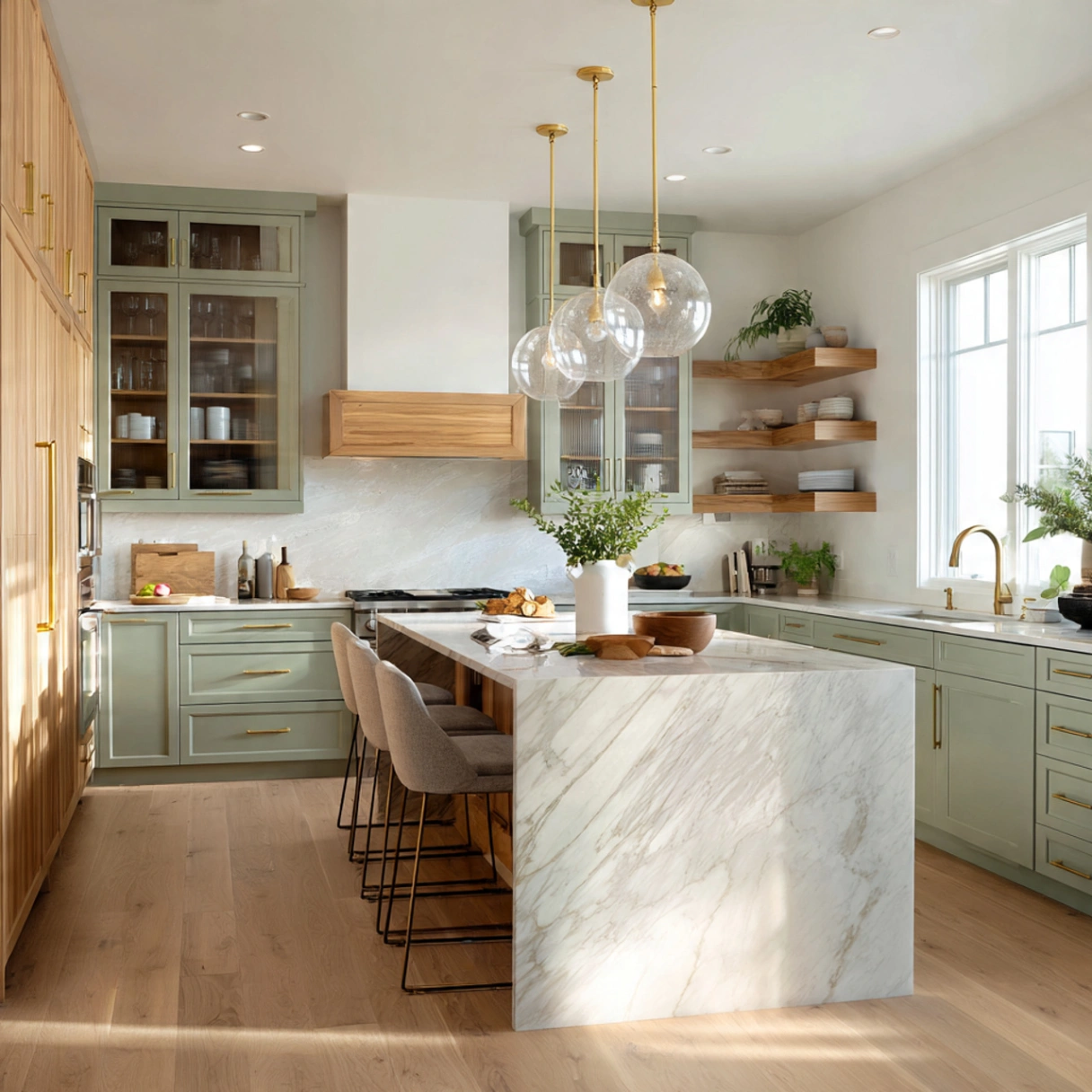
Imagine walking into a kitchen where warm wood lower cabinets anchor the room while soft neutral upper cabinets reflect natural light. Glass front cabinets near the sink display simple dishes, and open shelves nearby hold everyday mugs and bowls.
Under cabinet lighting begins to glow softly in the evening while darker lower cabinets ground the room visually. Brass hardware adds subtle contrast and tall pantry cabinets hide most everyday clutter. The entire kitchen feels calm, organized, and quietly welcoming.
Color and Material Combinations That Work Beautifully With Kitchen Cabinets
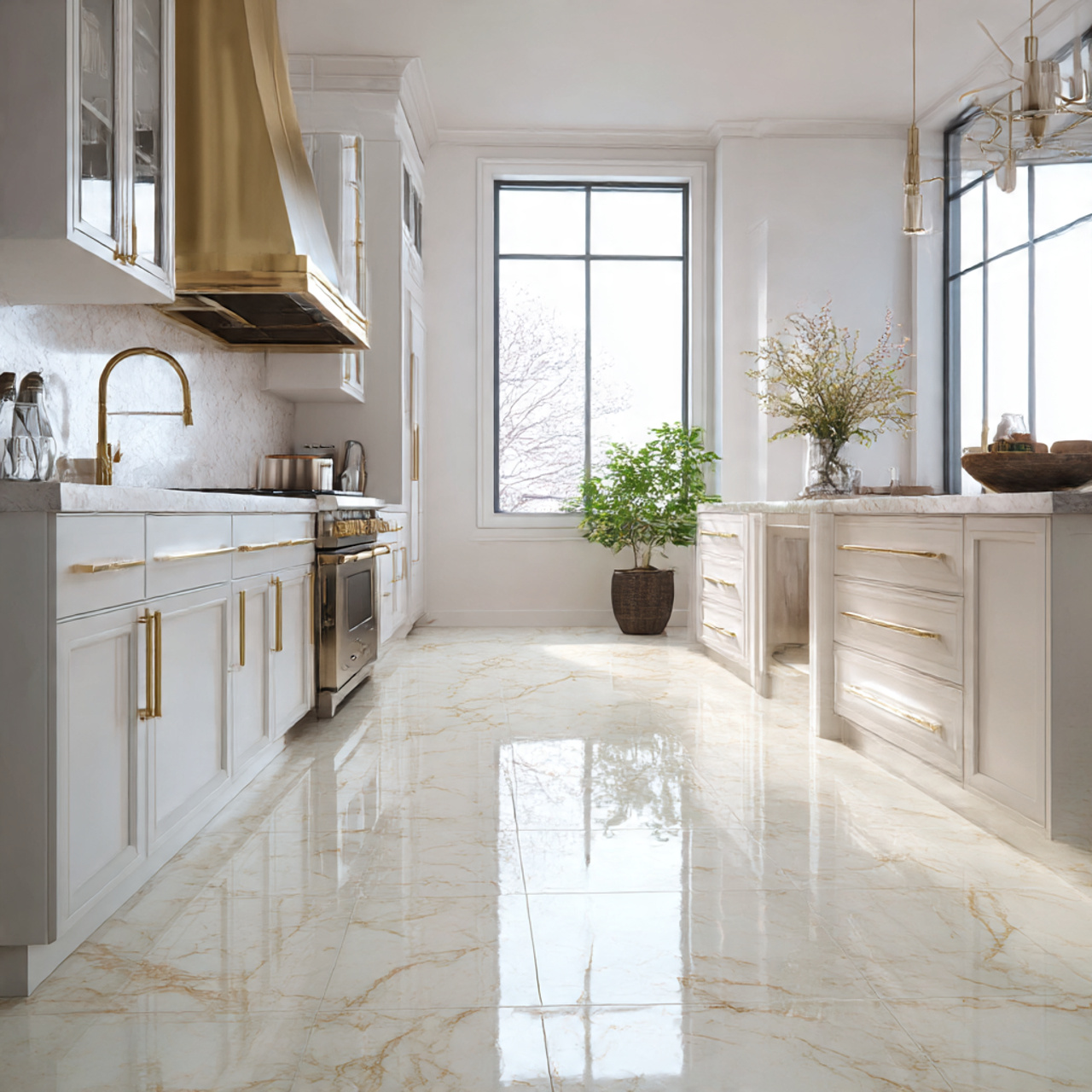
Warm White (#F4F1EC)
Works beautifully for upper cabinets and smaller kitchens where reflecting light matters. The soft undertone pairs well with natural wood counters, brass hardware, and pale stone surfaces.
Soft Sage (#9CAF9C)
A calm green tone that adds subtle color without overpowering the room. Sage cabinets pair nicely with oak, walnut, and creamy marble countertops.
Deep Navy (#1F2A44)
A rich cabinet color that creates strong contrast in larger kitchens. Navy pairs well with brass handles, white countertops, and warm wood floors.
Natural Oak (#C8A47A)
This tone highlights natural wood grain and keeps the kitchen feeling organic. Oak cabinets work especially well with stone counters and neutral wall colors.
Kitchen Cabinet Lighting and Room Size Tips
Small Kitchens
Light colored cabinets usually keep compact kitchens feeling more open. Adding under cabinet lighting prevents shadows from making the room feel cramped.
Large Kitchens
Larger kitchens can handle darker cabinets or stronger color contrasts. Layered lighting prevents wide cabinet walls from feeling flat.
North Facing Kitchens
These kitchens receive cooler natural light, so warmer cabinet colors help balance the space. Soft lighting beneath cabinets also adds warmth.
South Facing Kitchens
Bright natural light allows both light and dark cabinet colors to work beautifully. Balanced lighting keeps the kitchen comfortable throughout the day.
Common Kitchen Cabinet Mistakes That Many Homes Make
Choosing Cabinets That Are Too Dark for the Room
Many homeowners love dark cabinets but forget to consider natural light. In kitchens with little daylight the cabinets can feel heavy, but adding lighter counters or better lighting usually restores balance.
Leaving Empty Space Above Cabinets
Cabinets that stop below the ceiling often create awkward empty gaps that collect dust. Extending cabinets upward or adding trim panels gives the kitchen a more finished appearance.
Ignoring Interior Cabinet Storage
Beautiful cabinets sometimes hide inefficient storage layouts. Without pull out trays or adjustable shelves deep cabinets quickly become cluttered.
Using Too Many Cabinet Styles
Mixing too many cabinet door styles can make the kitchen feel inconsistent. Limiting the design to one or two complementary styles keeps the room visually calm.
Frequently Asked Questions About Kitchen Cabinets
How do I choose the best kitchen cabinets for my home?
Start by thinking about how you use the kitchen each day. Storage needs, lighting conditions, and cabinet color all influence long term comfort. In many homes a mix of practical storage cabinets and a few display cabinets works best.
Are painted kitchen cabinets better than wood cabinets?
Both options work beautifully depending on the kitchen style. Painted cabinets create a smoother modern appearance while natural wood cabinets add warmth and texture. The choice usually depends on the atmosphere you want.
Can kitchen cabinets make a small kitchen feel bigger?
Yes cabinet color and layout can strongly influence spatial perception. Light upper cabinets, two tone designs, and ceiling height cabinets often make small kitchens appear larger.
Are custom kitchen cabinets worth the investment?
Custom cabinets provide flexibility for unusual layouts or storage needs. However many standard cabinet systems can achieve a similar look with thoughtful design choices.
What cabinet color works best with most kitchens?
Soft neutral shades work well in many homes because they reflect light and adapt easily to different materials. Warm whites, beige tones, and gentle greens tend to remain timeless choices.
Final Thoughts on Kitchen Cabinets
Kitchen cabinets quietly influence how the entire kitchen functions and feels each day. When thoughtfully designed kitchen cabinets organize storage, balance lighting, and create the visual foundation that supports the rest of the room.
If you are thinking about updating your kitchen cabinets, start with one intentional improvement such as better storage inside the cabinets, a calming cabinet color, or softer lighting beneath them. Small adjustments often transform the kitchen more than a complete renovation because cabinets guide how the space works every single day. Over time these subtle improvements create a kitchen that feels calmer, easier to use, and more enjoyable to spend time in.