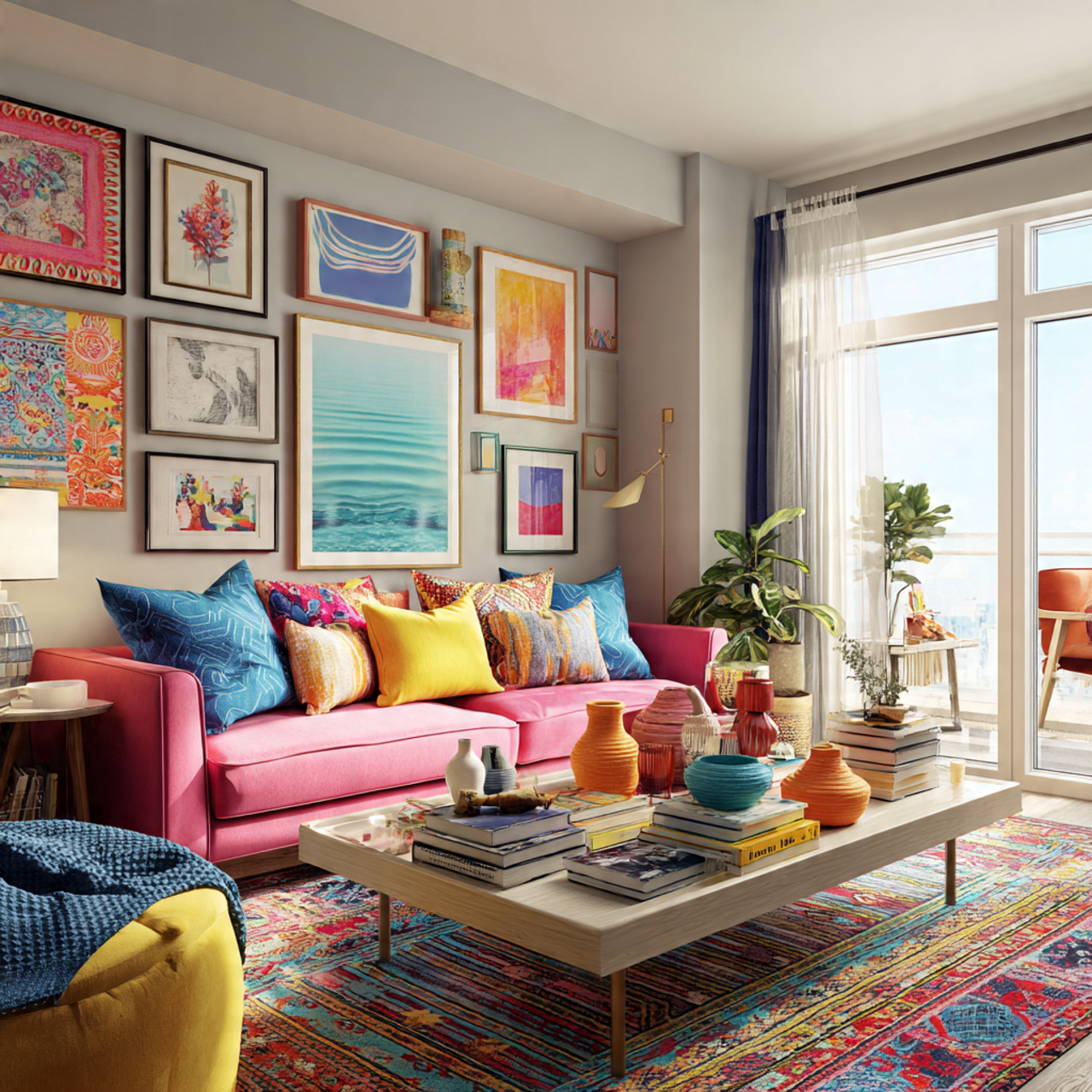
10 Smart Home Interior Design Ideas Designers Secretly Use
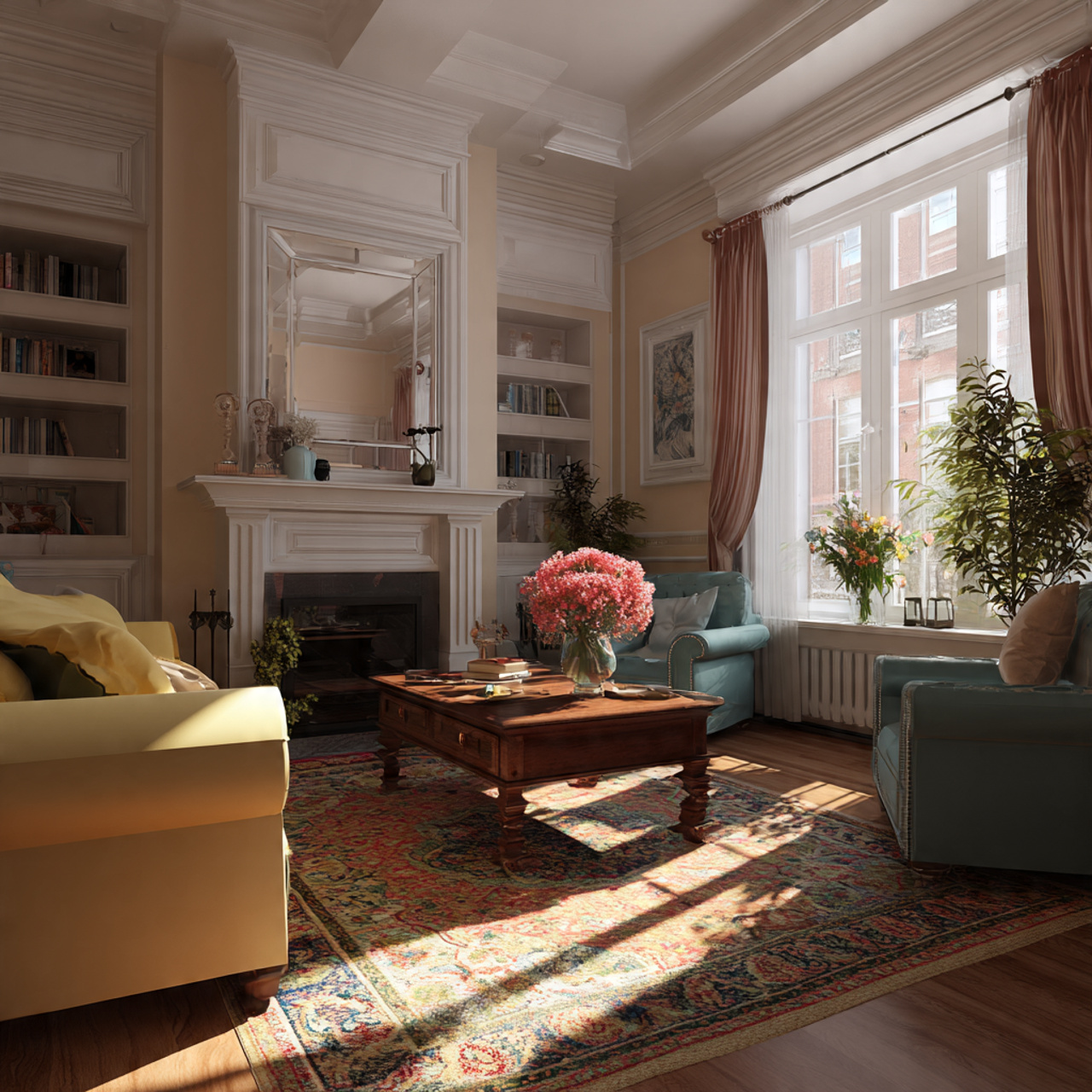
A room rarely feels finished the day the furniture arrives. Over time small decisions about light layout textures and color slowly shape how the space feels to live in. Thoughtful home interior design usually grows through everyday adjustments as rooms become more comfortable and personal.
Most people assume beautiful interiors require expensive furniture or professional help. In reality the homes that feel the most inviting often rely on simple choices such as balanced layout natural materials and calm color palettes.
Why Home Interior Design Often Feels Harder Than It Should
Many homes contain beautiful furniture, framed art, and carefully chosen decor pieces, yet the rooms still feel slightly disconnected or unfinished once everything is placed. In my experience the real challenge usually comes from understanding how layout, lighting, materials, and color interact across the entire space, because when those elements finally begin supporting each other the home interior design starts to feel balanced, natural, and comfortable rather than forced or randomly assembled.
Home Interior Design Ideas That Bring Real Balance Into Everyday Spaces
Layered Neutral Colors That Make Aesthetic Home Design Feel Calm
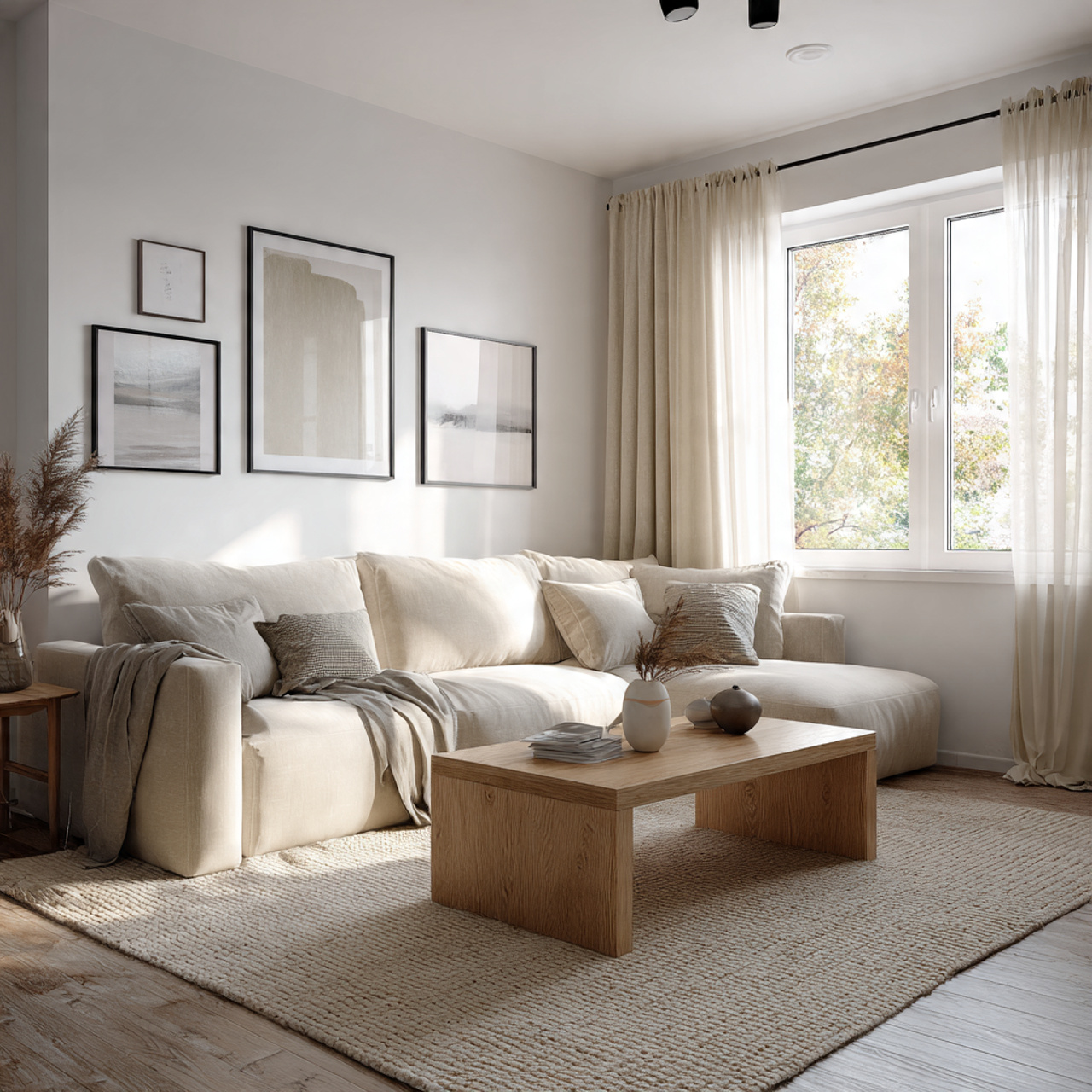
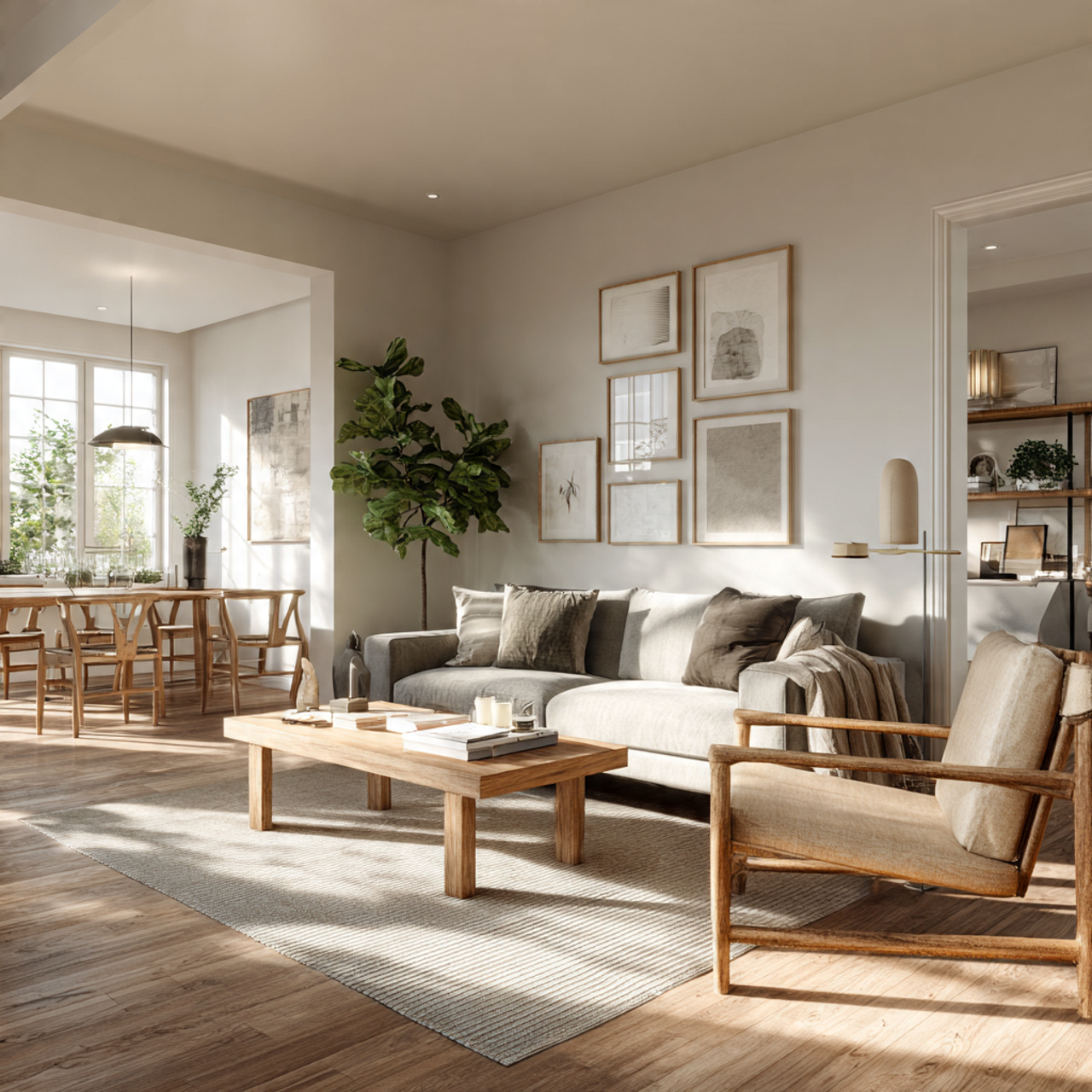
Soft neutral palettes quietly support many successful interiors. Walls finished in warm white beige or gentle greige allow furniture artwork and textures to stand out naturally without overwhelming the room.
In my experience homes built on calm colors stay comfortable far longer than spaces painted in bold statement shades. Many homeowners later realize strong wall colors quickly dominate the room and limit decorating flexibility.
Most interiors become easier to style once the palette narrows to two or three related tones. The room begins to feel intentional and restful rather than visually crowded.
Tip
Pair warm white walls with natural wood surfaces to create a calm and welcoming foundation.
Natural Materials That Add Warmth To Living Space Ideas
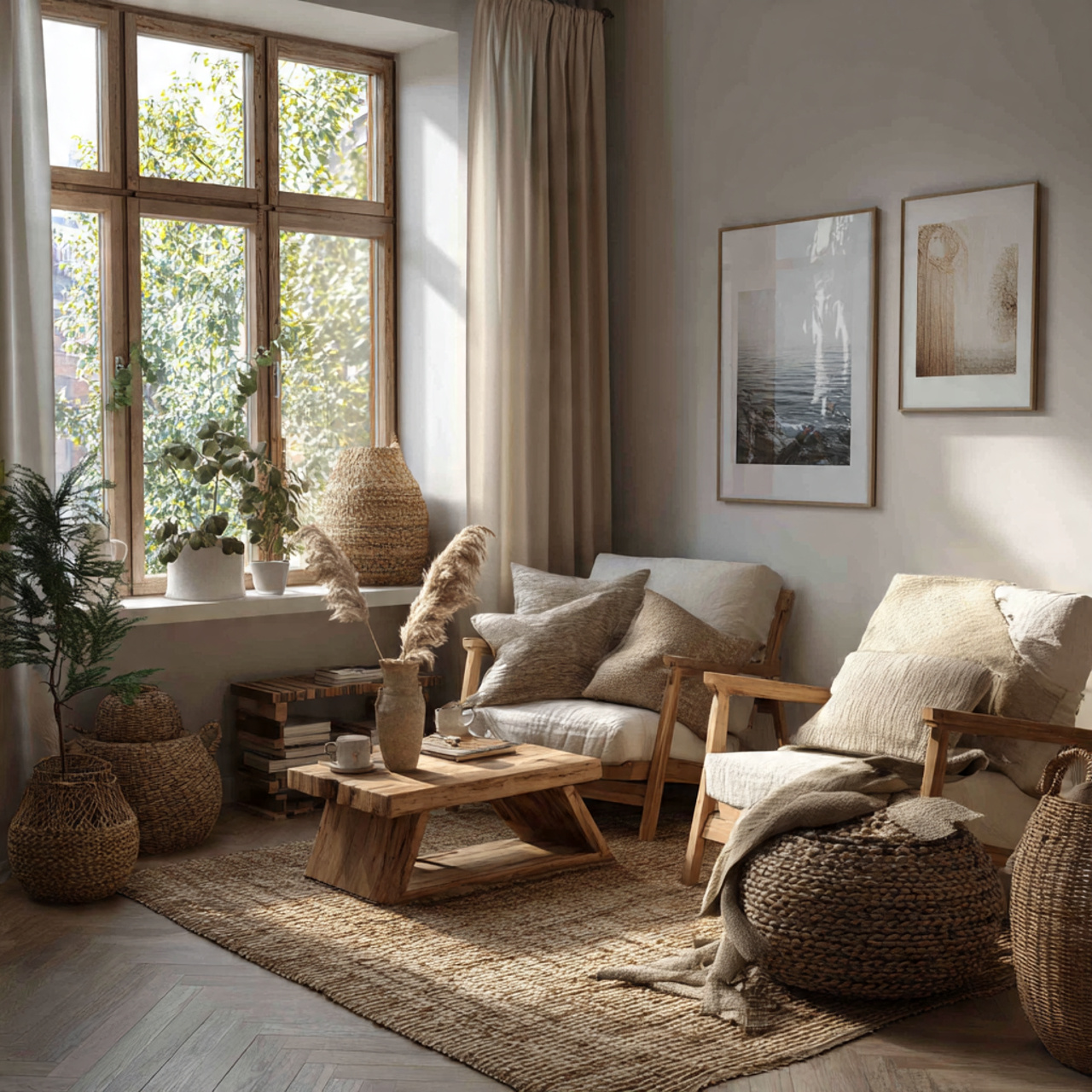
Natural materials instantly soften the atmosphere of a room. Wood linen woven textures and stone surfaces introduce depth that polished synthetic materials rarely provide.
I have noticed that even one wooden table or linen curtain can change the feeling of an entire room. Spaces that once felt flat suddenly gain warmth and quiet character.
Scandinavian house interior design often relies on this simple principle. Light wood natural fabrics and gentle textures create spaces that feel relaxed and balanced.
Tip
Combine wood and woven textures in the same room to build warmth without clutter.
Thoughtful Furniture Layouts That Improve Design Interior Living Room Flow
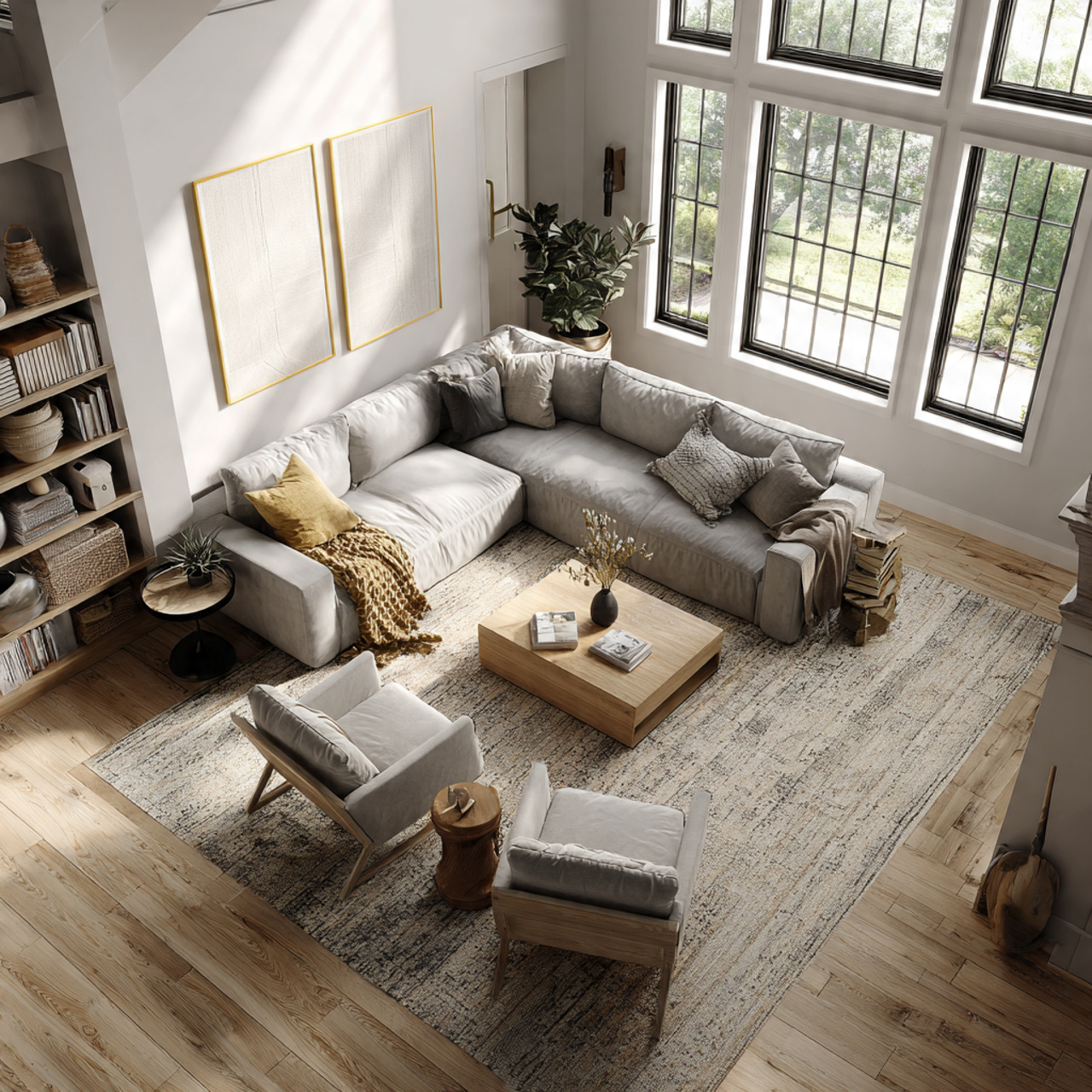
Furniture layout strongly influences how comfortable a room feels. Seating placed too far apart or pushed against every wall often makes a living room feel awkward.
Most people believe pushing sofas against walls makes the room larger. In reality bringing furniture slightly inward usually creates a much more welcoming seating area.
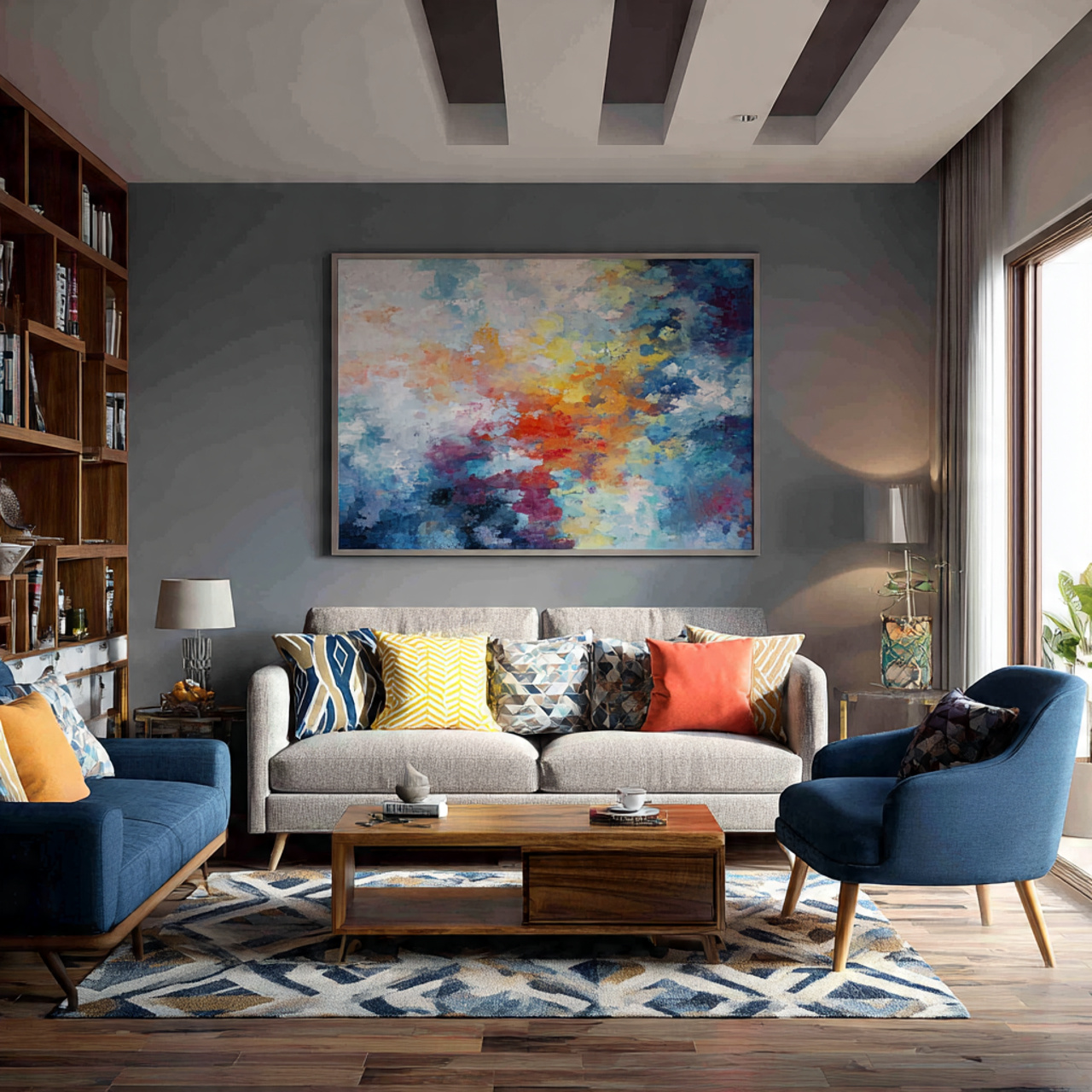
A simple living room layout centered around a rug coffee table or conversation area helps the room feel organized. The space suddenly feels purposeful instead of scattered.
Tip
Leave small walking paths between furniture pieces so movement remains natural.
Statement Lighting That Defines Modern Home Interior Design Living Rooms
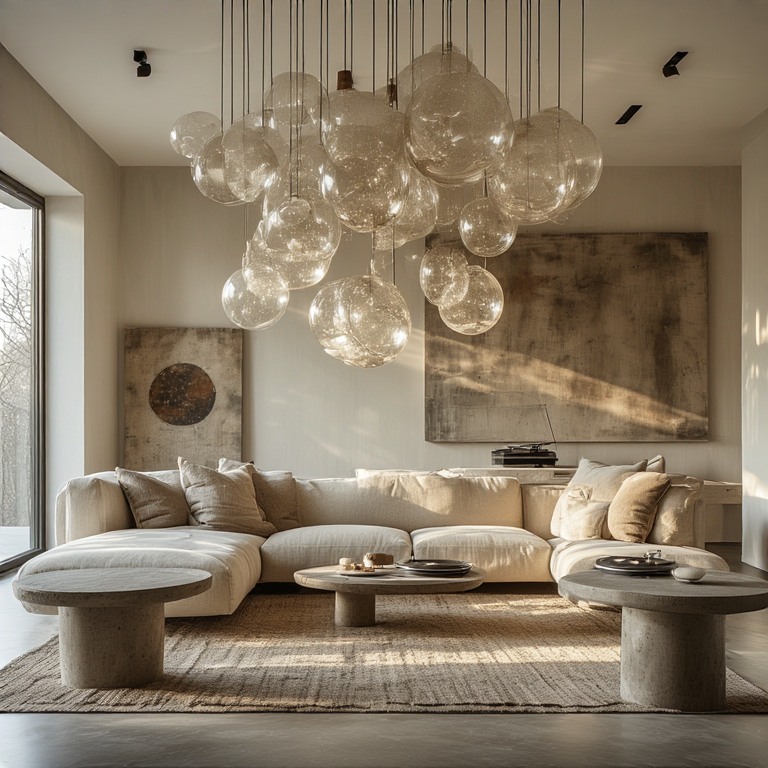
Lighting quietly determines the mood of a room. A sculptural pendant or elegant floor lamp often becomes the feature that gives the space its identity.
Rooms relying only on ceiling lights frequently feel flat once evening arrives. Layered lighting using table lamps and floor lamps creates a softer atmosphere that encourages relaxation.
Many homeowners later realize lighting was the missing detail that made their room feel incomplete. Once the lighting improves the entire space begins to glow with warmth.
Tip
Choose warm light bulbs rather than cool white lighting to keep interiors comfortable.
Indoor Plants That Add Life And Natural Living Room Color
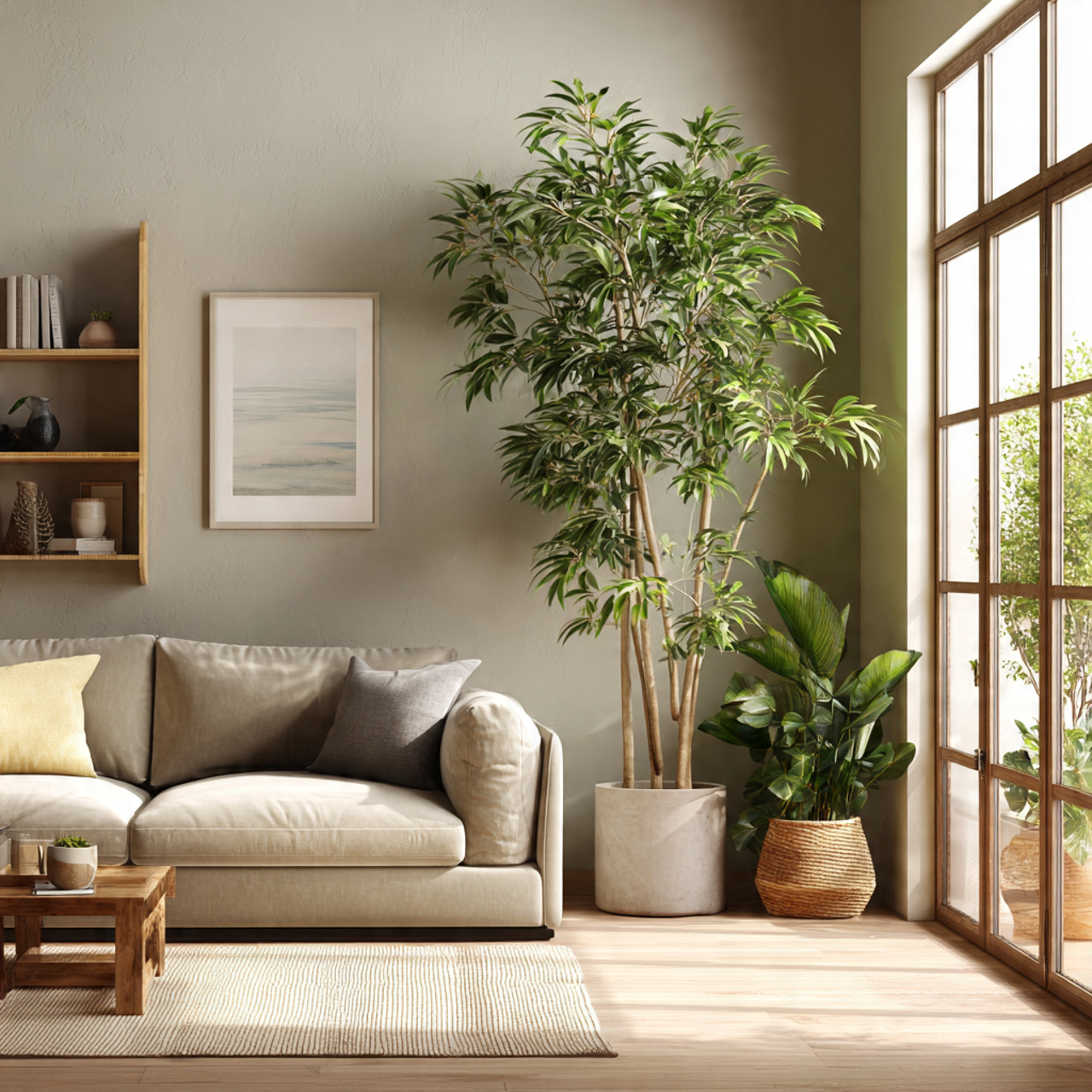
Plants bring movement color and height that furniture alone cannot provide. A tall leafy plant placed near a window often shifts the balance of a room immediately.
Neutral interiors benefit especially from greenery because plants introduce color without disrupting the palette. Natural living room with pop of color ideas often depend on this effect.
I have seen many quiet living rooms become far more welcoming once a few plants appear in empty corners. The space begins to feel alive rather than staged.
Tip
Select plants that grow upward so they add height without crowding floor space.
Open Kitchen Spaces That Connect Modern Kitchen Interior And Living Areas
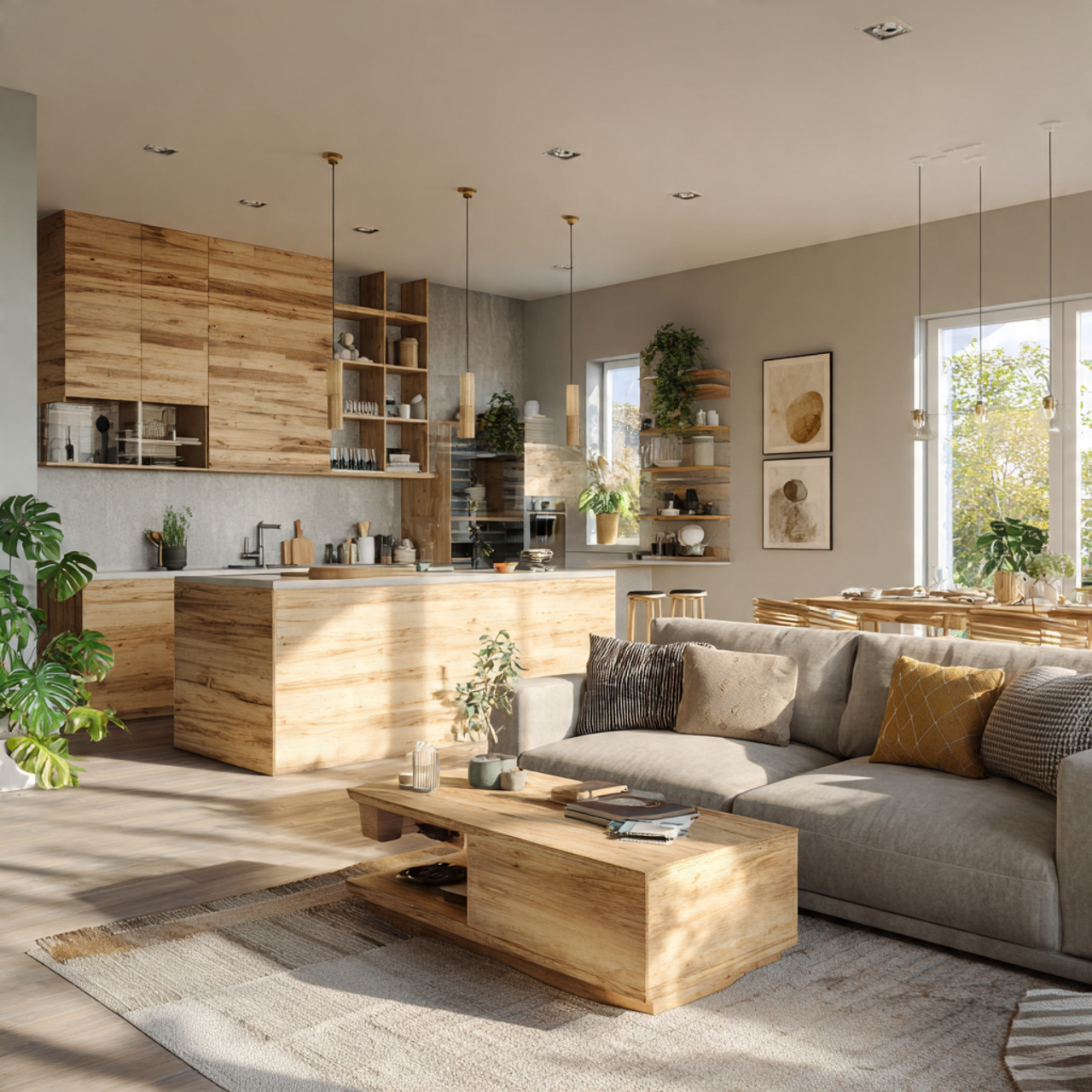
Modern homes increasingly blend kitchens with living areas. This layout allows conversation cooking and daily routines to happen naturally within the same space.
Modern kitchen interior planning focuses on clean cabinetry natural surfaces and practical storage. When these elements align the kitchen becomes part of the home rather than a separate workspace.
Many homeowners initially worry open kitchens will feel messy. In reality thoughtful kitchen planning often makes the entire home feel larger and more social.
Tip
Repeat similar colors or materials between kitchen and living areas so both spaces feel connected.
Smart Solutions For Interior Design Ideas For Small Spaces
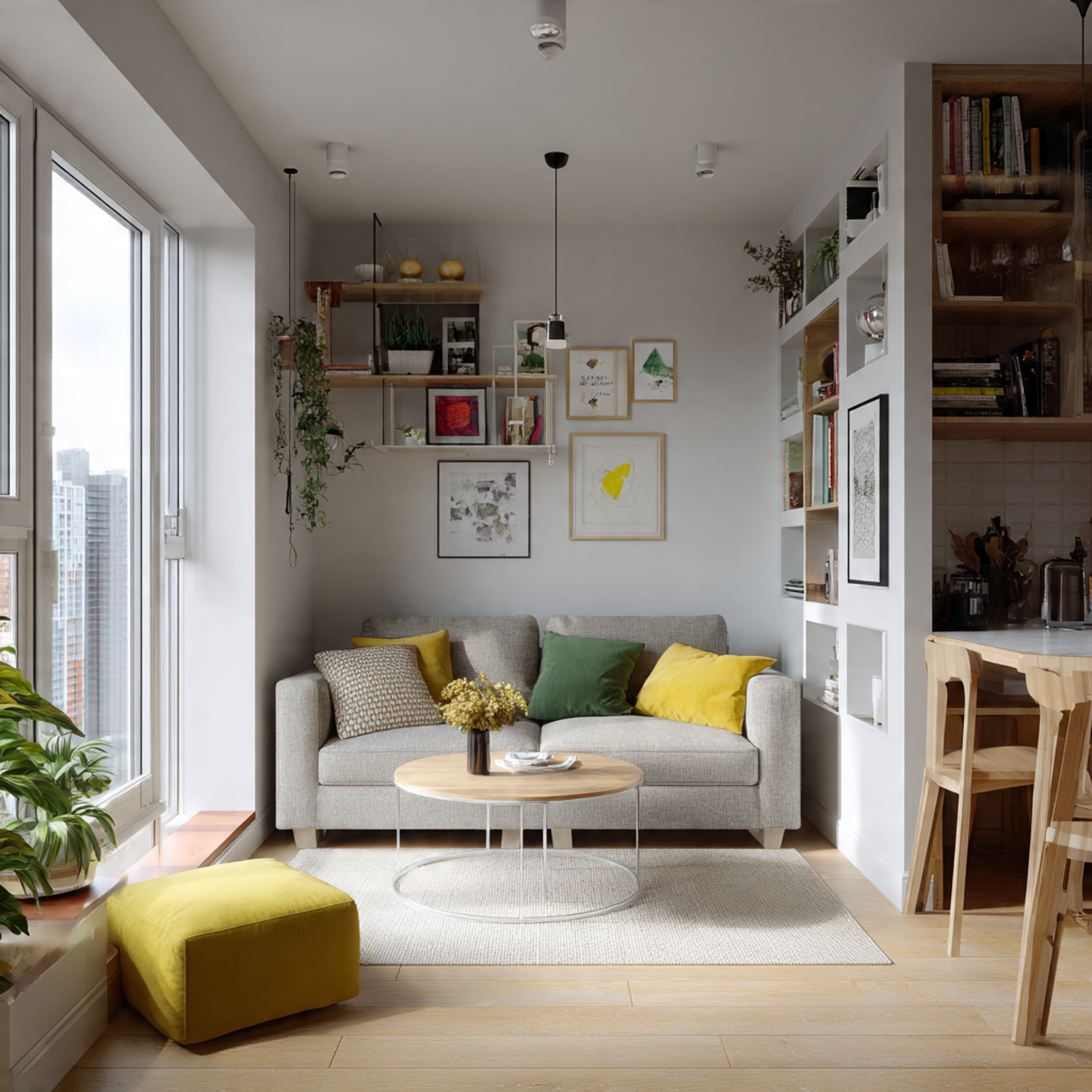
Smaller homes demand careful decisions about furniture size storage and layout. Each piece must support comfort without overwhelming the room.
Interior design ideas for small spaces often focus on lighter colors multifunctional furniture and visible floor space. These details help the room feel open rather than compressed.
I have visited many small apartments that felt surprisingly spacious after clutter disappeared and furniture scale improved. The space simply began breathing again.
Tip
Choose furniture with visible legs so more floor remains visible.
Scandinavian Simplicity That Creates Calm Home Interior Styles
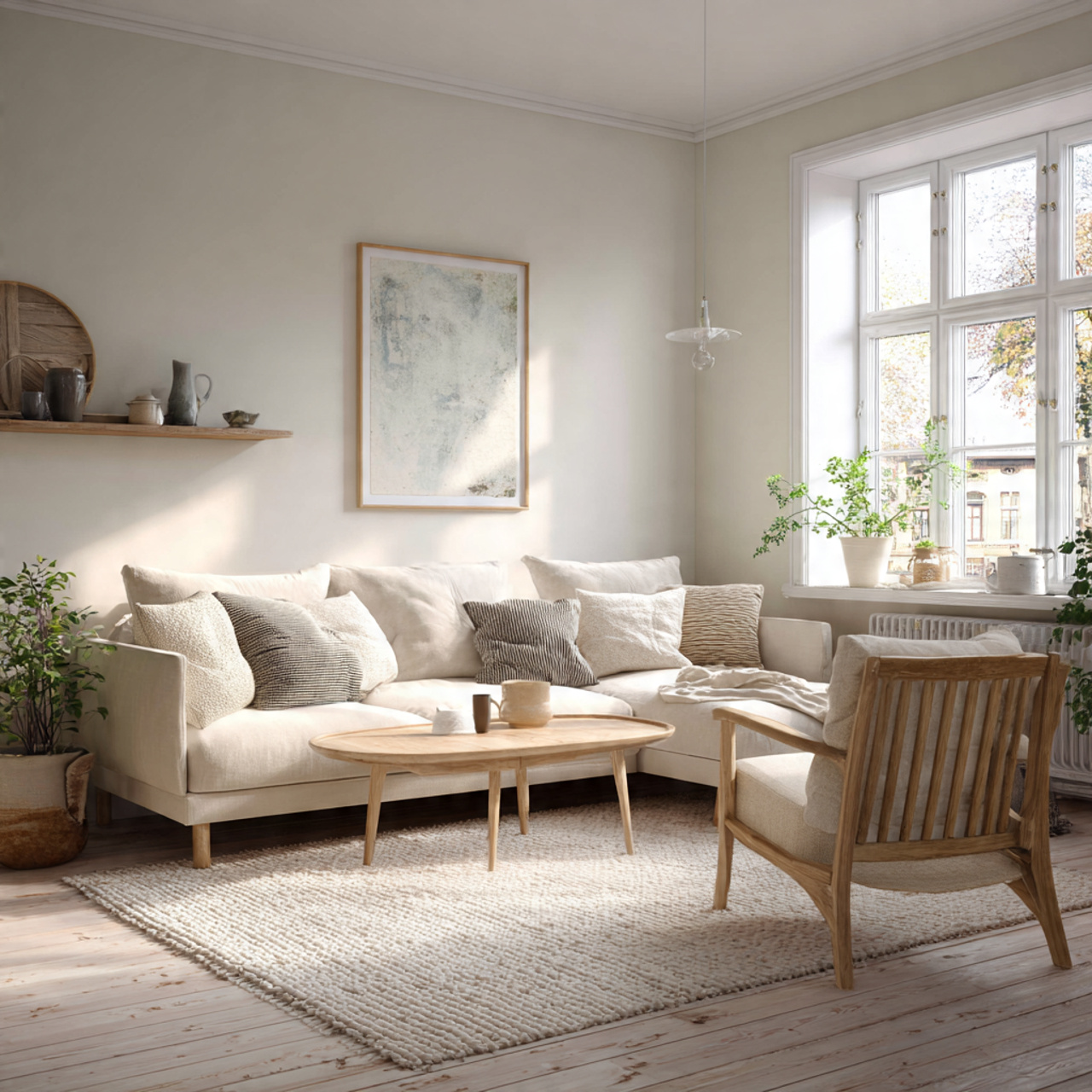
Scandinavian interiors focus on light textures natural materials and simple layouts. Decoration stays minimal yet comfort remains central.
Many Scandinavian home ideas combine pale wood soft textiles and gentle neutral walls. Natural daylight becomes one of the most beautiful elements in the room.
This approach works well because it balances simplicity with warmth. Rooms feel peaceful while still reflecting personal style.
Tip
Allow textiles such as blankets rugs and pillows to provide most of the room texture.
Boho Textures That Bring Personality To Boho House Interior Design
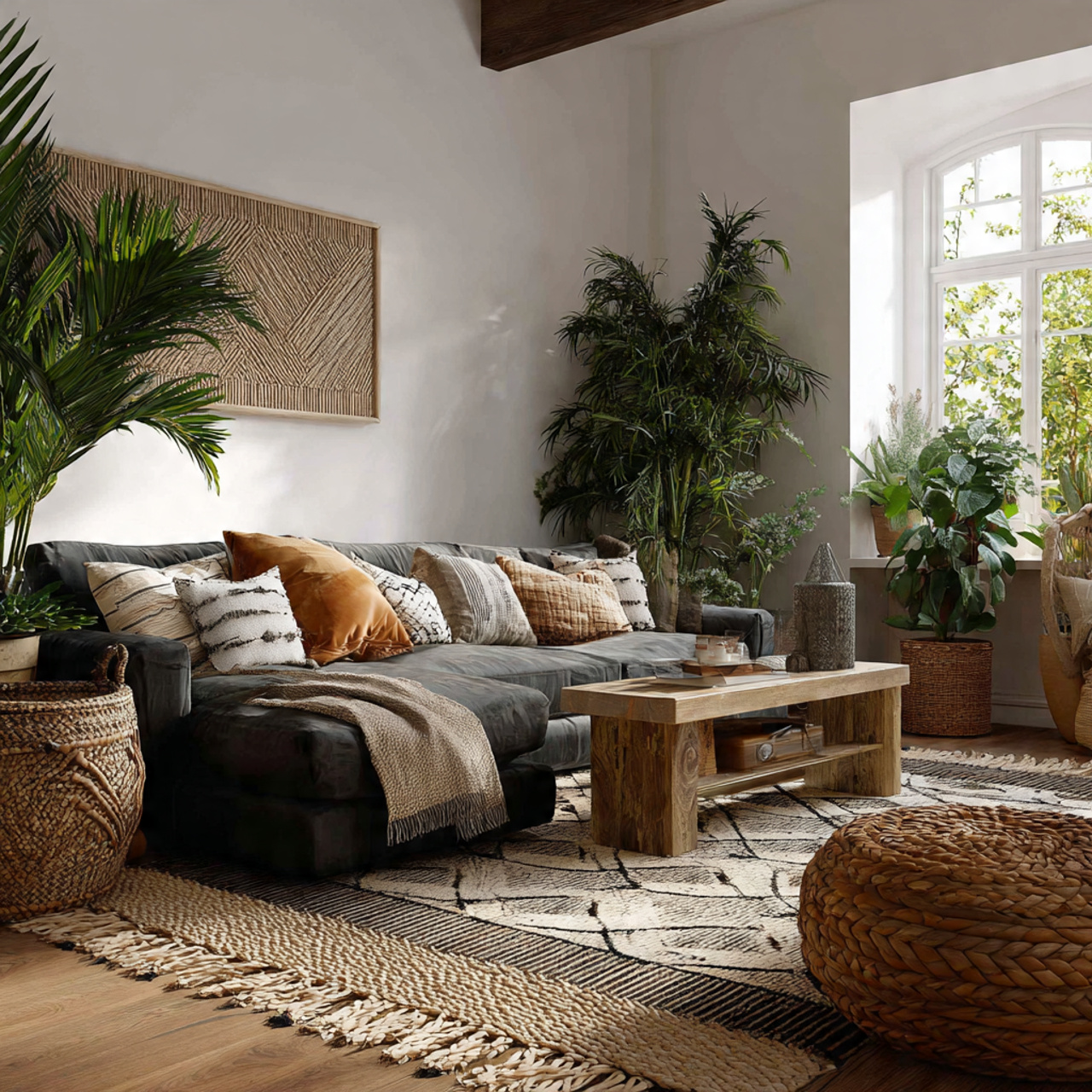
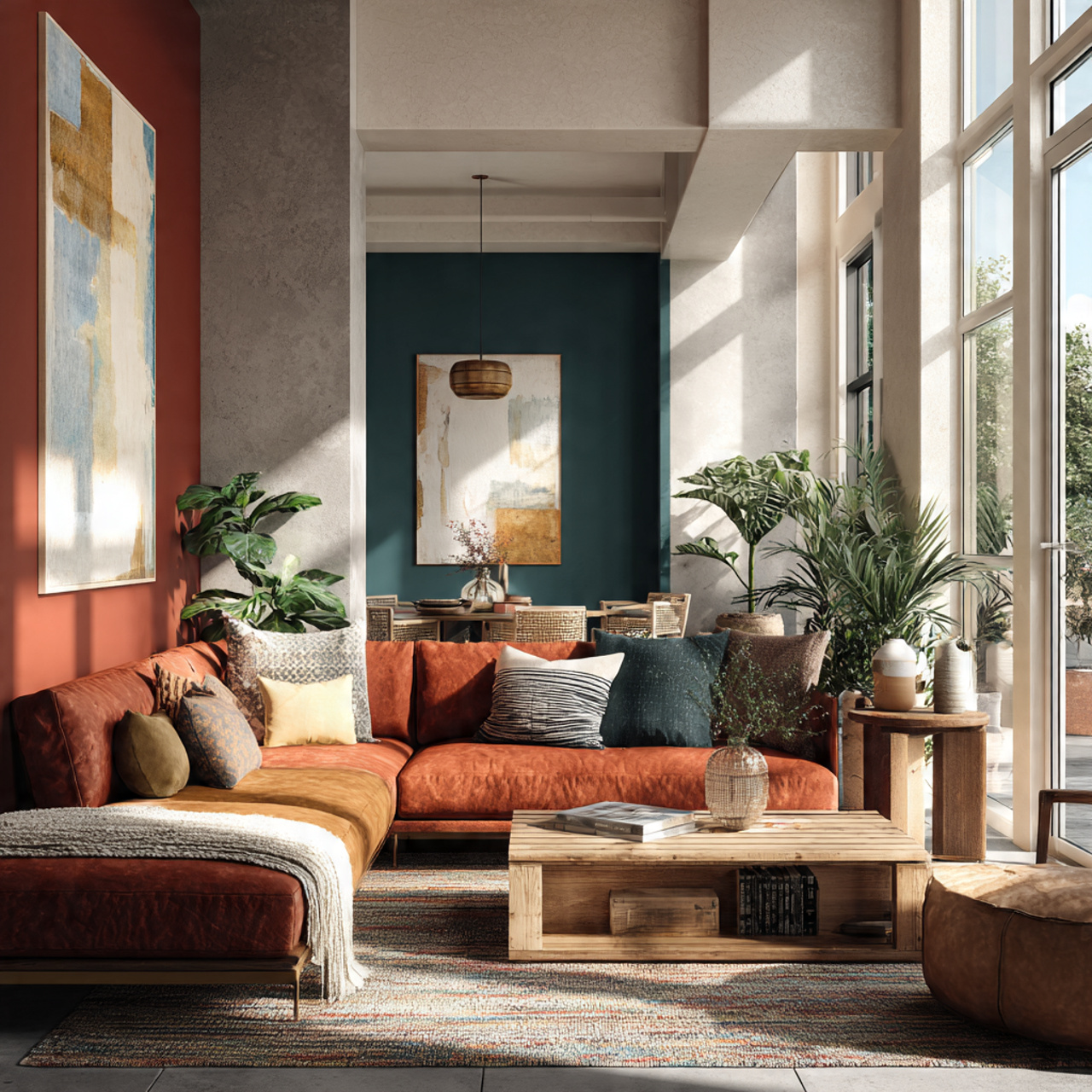
Bohemian inspired interiors celebrate layered textures and relaxed styling. Woven textiles plants and handcrafted decor pieces build a warm expressive environment.
Modern boho style interior design blends earthy colors natural materials and comfortable furniture. The room slowly develops character as personal items appear over time.
Most people enjoy this style because it welcomes imperfection. The home evolves naturally rather than looking overly staged.
Tip
Mix patterned textiles woven baskets and plants to create a relaxed bohemian atmosphere.
Industrial Details That Add Character To Home Industrial Design
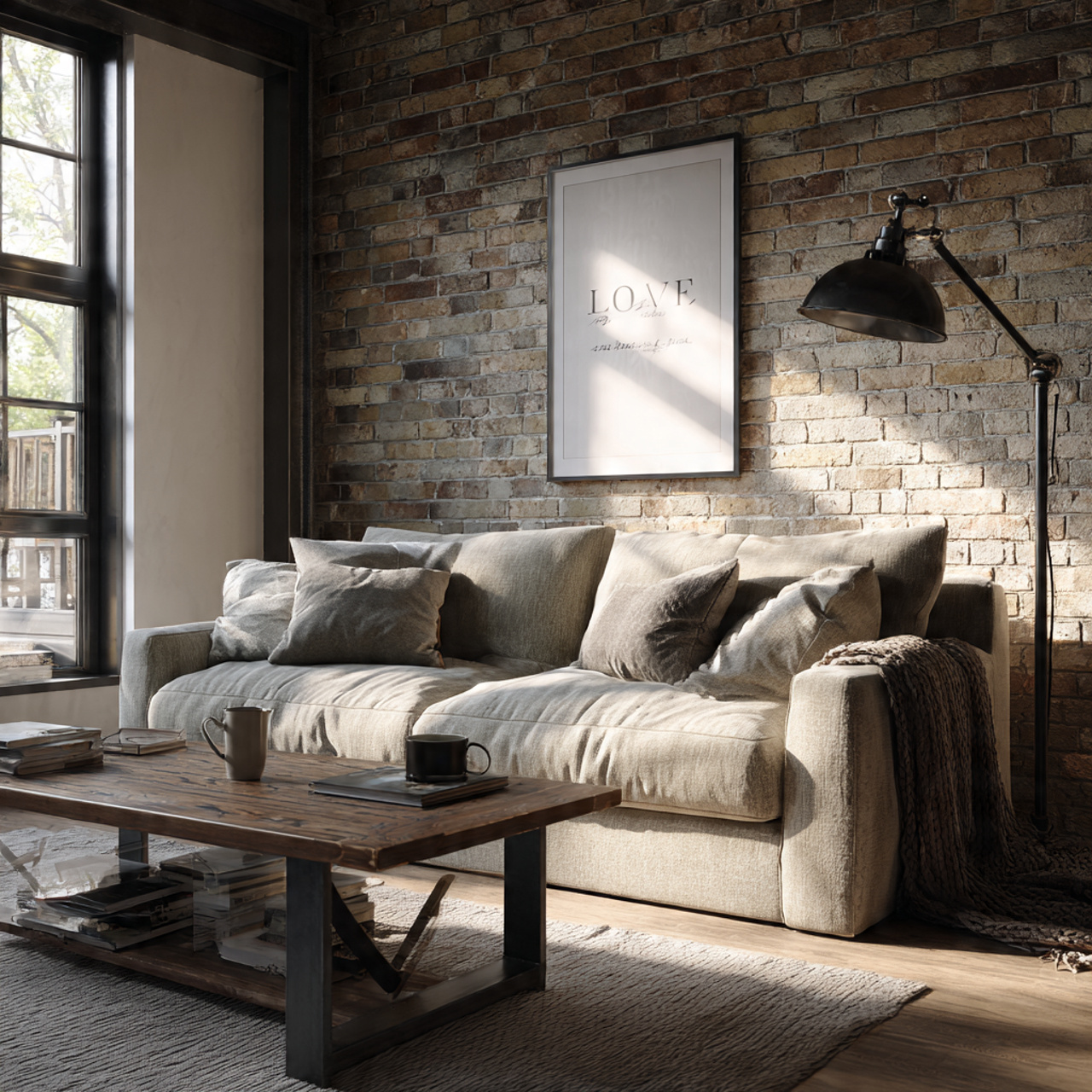
Industrial elements introduce contrast into softer interiors. Materials such as exposed brick dark metal and weathered wood add structure and visual strength.
Soft industrial interior design balances these materials with warm fabrics and comfortable seating. The result feels bold yet still welcoming.
Many modern homes benefit from a small industrial element that prevents the space from appearing overly polished. A brick wall or metal shelf often adds just enough character.
Tip
Combine industrial surfaces with warm fabrics so the room remains inviting.
A Real Home Example Where These Interior Design Ideas Come Together
In one home I helped restyle, the living room sat directly beside a small open kitchen, and the space always felt slightly crowded even though the furniture itself was attractive. Once we simplified the color palette to warm neutral walls, moved the sofa slightly inward to create a relaxed seating area, and added a tall plant near the window, the entire room suddenly felt calmer and more balanced.
The kitchen already had light wood cabinets, so we repeated that natural material in the living room through a wooden coffee table and open shelving that displayed a few books and ceramic pieces. During the evening a soft floor lamp replaced the harsh ceiling light, and the space finally developed the quiet atmosphere the homeowners had been hoping for, especially during small everyday moments like morning coffee at the table or relaxed reading on the sofa after work.
Color And Material Authority
Soft Warm White F5F2EC
This shade works beautifully across living rooms kitchens and hall areas because it reflects light gently while remaining warm. Pair it with oak wood linen fabrics and stone surfaces for a calm atmosphere.
Natural Oak Wood D8B48A
Oak introduces warmth and grounding to many interiors especially within Scandinavian house interior design. It pairs naturally with woven textures matte ceramics and soft upholstery.
Muted Sage Green C7D0C0
Sage green adds quiet color to kitchens bedrooms and reading spaces without overwhelming the room. It works well with natural wood brushed metal and linen textiles.
Warm Clay Beige CDB7A2
Clay toned beige brings depth to walls accent furniture and decor while keeping the palette earthy and balanced. Combine it with terracotta pottery woven rugs and cotton fabrics.
Room Size Space Types And Lighting Quick Guide
Small Rooms
Small homes benefit from lighter colors clear walking paths and furniture that reveals more floor space. Interior design ideas for small spaces work best when clutter disappears and natural light remains open.
Large Rooms
Large rooms sometimes feel empty unless furniture groupings create smaller zones for conversation or relaxation. Rugs lighting and seating arrangements help divide the space while maintaining openness.
North Facing Rooms
North light often appears cooler and softer throughout the day. Warmer paint colors wooden furniture and layered lighting help restore balance.
South Facing Rooms
South facing rooms receive stronger sunlight most of the day. Soft neutral colors and textured materials help prevent the room from feeling overly bright.
Common Lighting Failure
Rooms that rely on only one ceiling light often feel flat during evenings. Layering lamps across the room creates depth and warmth.
Common Home Interior Design Mistakes That Quietly Disrupt a Room
Filling Surfaces With Too Many Small Decor Pieces
Many people scatter small decorative objects across shelves and tables hoping the collection will make the room feel personal and styled. In reality the eye struggles to settle anywhere, and over time the space begins to feel visually busy rather than thoughtfully arranged.
In many homes I have visited, simply removing half of the objects immediately makes the room feel calmer and more balanced. Larger decor pieces or small grouped arrangements give the eye a clear focal point and help the space feel more intentional.
Ignoring The Direction Of Natural And Artificial Light
A room can look beautiful during the day yet feel strangely uncomfortable once evening arrives. This often happens because lighting direction was never considered when placing lamps or choosing ceiling fixtures.
I have noticed that many homes rely on a single overhead light that flattens the room and creates harsh shadows. Spreading warm lamps across different areas of the room restores depth, softens textures, and creates a far more welcoming atmosphere.
Buying Perfectly Matching Furniture Sets
Furniture sets seem convenient when furnishing a new home because everything arrives coordinated and easy to place. After living with the room for a while however the space can begin to feel stiff, almost like a showroom rather than a lived in home.
Most comfortable interiors mix materials shapes and finishes instead of repeating identical pieces everywhere. When a sofa, table, and chairs come from slightly different styles or materials, the room gains character and natural balance.
Forgetting To Create Visual Height In The Room
Some rooms feel strangely flat even when the furniture itself looks attractive. The problem often appears when everything in the room sits at a similar height such as low sofas short lamps and small decorative pieces.
One thing I have noticed in real homes is how quickly the atmosphere changes once vertical elements appear. Tall plants floor lamps shelving or larger artwork guide the eye upward and instantly make the room feel more dynamic and complete.
FAQ About Home Interior Design
What Is The First Step In Home Interior Design?
Most successful interiors begin by understanding how the room will actually be used each day. Once the layout supports daily routines choosing furniture colors and decor becomes much easier.
How Can I Improve My Home Interior Design Without Spending Much?
Rearranging furniture improving lighting and removing visual clutter often transform a room more than purchasing new decor. Small adjustments usually make the biggest difference.
Can Small Homes Still Achieve Beautiful Interior Design?
Smaller homes often become the most thoughtfully designed spaces because every item must serve a clear purpose. Careful layout choices light colors and smart storage help rooms feel open.
Which Interior Design Style Works In Most Homes?
Styles based on natural materials calm colors and simple layouts adapt easily to many homes. Scandinavian interiors warm neutral spaces and relaxed modern styles remain popular for this reason.
Do I Need A Professional Designer For Good Interior Design?
Many beautiful homes evolve naturally as owners adjust furniture lighting and decor over time. Paying attention to comfort light and layout often leads to better results than chasing trends.
Creating a Home Interior Design Style That Feels Natural to Live In?
Good home interior design rarely appears all at once. In most homes the atmosphere develops slowly as small decisions about layout lighting materials and color begin working together and the space gradually starts to feel calmer more comfortable and easier to live in.
If you want to begin improving your own space start with one visible change this week, such as adjusting the furniture layout, simplifying decor, or adding a warm lamp near a favorite chair, because even a small thoughtful adjustment can shift the feeling of a room more than most people expect.