14 Stunning Flooring Ideas That Instantly Upgrade Any Room
Floors quietly shape the feeling of a room more than most people realize. When you walk into a space, the flooring often sets the mood before your eyes notice furniture or wall colors. In my experience, choosing the right floor can completely change how a room feels day to day.
Many homeowners focus only on walls and furniture, but flooring ideas often carry the strongest visual weight in a space. The right material can make a room feel warmer, brighter, calmer, or more welcoming. Over time I have noticed that even simple flooring changes can dramatically transform how a home feels to live in.
Flooring ideas work best when materials, patterns, and natural light are balanced so the floor becomes a strong visual foundation for the entire room.
Why Flooring Choices Shape the Character of a Home
Floors cover the largest continuous surface in most rooms, which means they quietly influence the entire design. A warm wood floor can soften a modern interior, while marble or tile can create a cleaner, brighter atmosphere. Most people assume furniture drives the room’s personality, but the reality is that flooring often does the heavy lifting.
Another thing I have noticed in real homes is how flooring affects everyday moments. Morning sunlight across wood grain feels very different from light reflecting on glossy tile. These subtle differences change the emotional atmosphere of a home more than most decorating choices.
Beautiful Flooring Ideas That Elevate Everyday Living
The right flooring ideas can completely change how a room looks and feels from the moment you walk in. From warm wood textures to elegant marble and creative parquet patterns, the floor quietly sets the foundation for the entire space.
Wide Plank Oak Flooring That Makes Living Rooms Feel Warm and Spacious
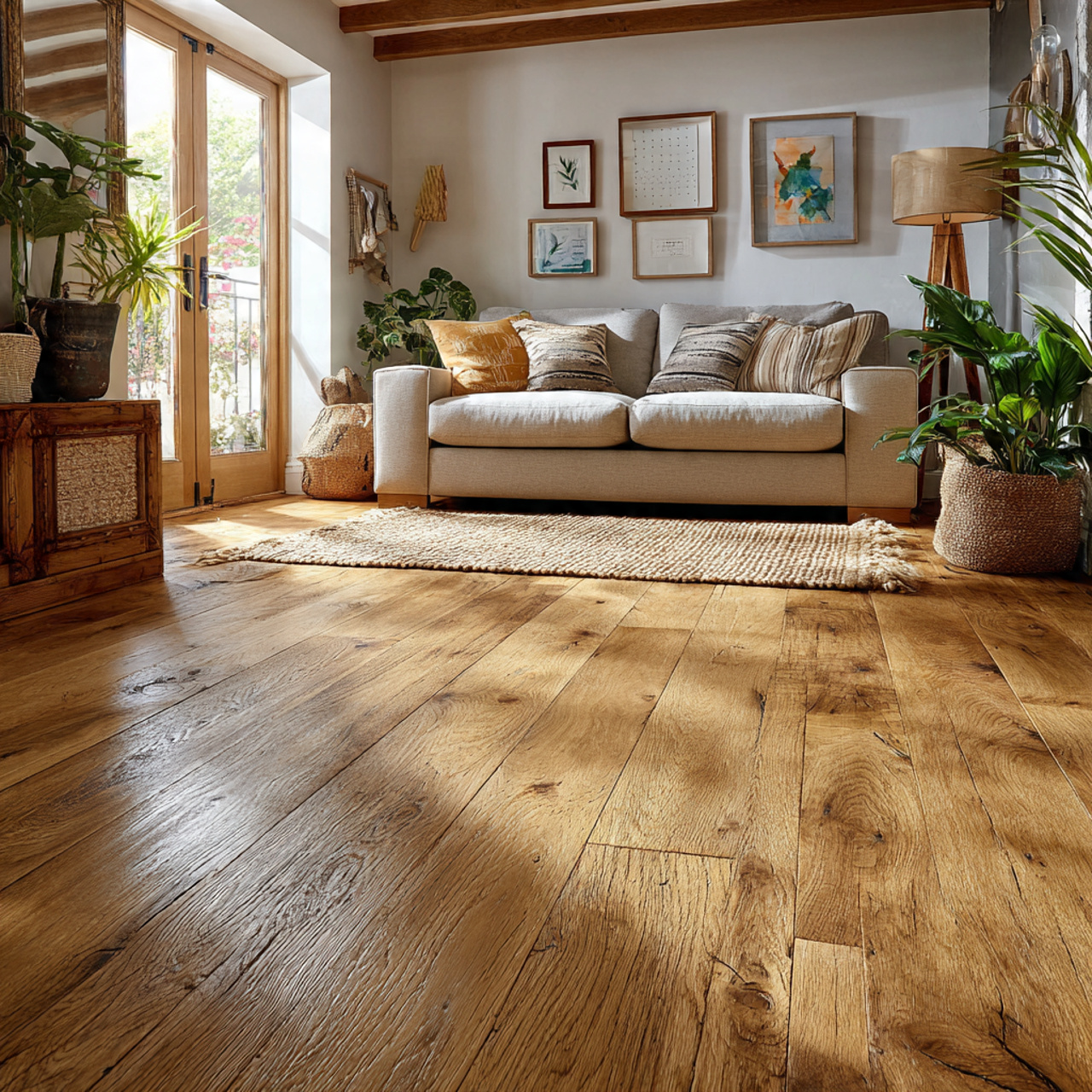
Morning sunlight spreading across wide oak planks instantly makes a living room feel open and welcoming. The long boards create clean visual lines that guide your eyes across the room. In homes with large windows, the natural grain almost glows when the light hits it.
In my experience, wide plank floors work especially well in open spaces because they reduce visual clutter. Instead of many short boards interrupting the floor, the longer planks allow the room to feel calmer and more expansive. One thing I noticed after installing wide oak floors was how much easier it became to style the room with simple furniture.
If you want this look, choose natural oak tones with subtle grain variation. Avoid overly grey finishes because warmer tones age more gracefully. Wide planks also pair beautifully with linen sofas, woven rugs, and soft neutral walls.
Tip: Choose planks at least seven inches wide for the most spacious visual effect.
White Marble Floors That Create a Luxury Hotel Living Room
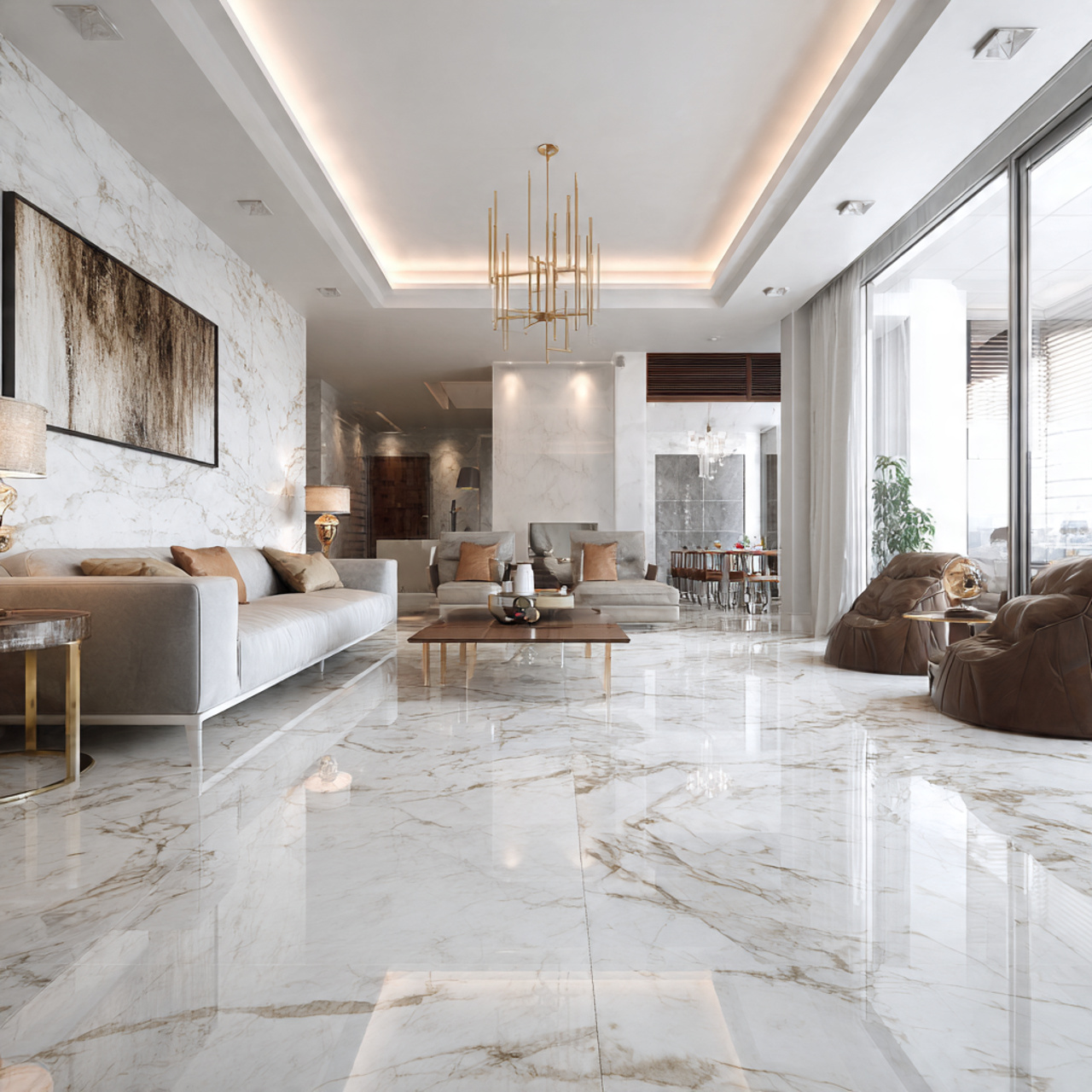
White marble flooring immediately brings a refined, elegant atmosphere into a space. The soft grey veining running through the stone creates natural movement across the floor. In bright rooms, the stone reflects daylight and makes the entire space feel lighter.
Most people imagine marble only in grand homes, but it can work beautifully in everyday living rooms when balanced with soft furniture. One thing I learned after seeing marble floors in several homes is that pairing them with warm textures prevents the space from feeling cold.
Choose marble with gentle natural veining instead of heavy patterns. Beige Italian marble or subtle white slabs often feel calmer and more timeless. Adding a textured rug helps soften the stone while keeping the luxury feeling.
Tip: Use matte or honed marble finishes to reduce visible footprints.
Herringbone Wood Floors That Add Classic Architectural Character
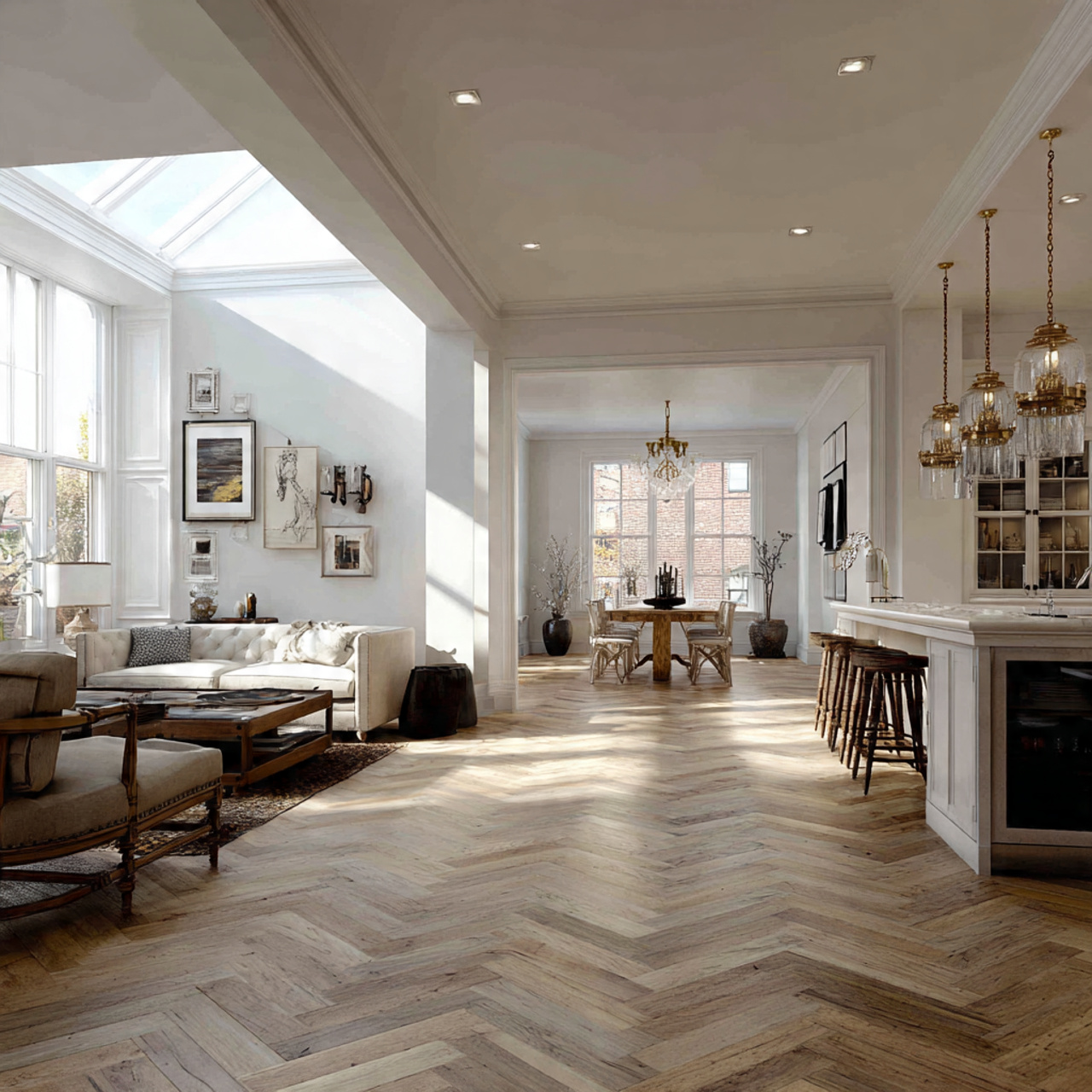
Herringbone wood floors immediately introduce movement and visual rhythm into a room. The angled wood pattern catches light differently across each section, which makes the floor feel dynamic and layered. Even simple furniture looks more interesting when placed over a patterned floor.
After living with herringbone flooring in one project, I noticed how it adds quiet architectural detail without needing extra decoration. Many people assume the pattern feels too traditional, but in modern homes it actually creates a beautiful contrast.
Oak and walnut are both excellent choices for this pattern. Lighter woods emphasize the pattern subtly, while darker tones highlight the geometry more dramatically. The pattern works especially well in living rooms and hallways.
Tip: Keep furniture simple so the floor pattern remains the star.
Large Stone Look Tiles That Make Small Rooms Feel Bigger
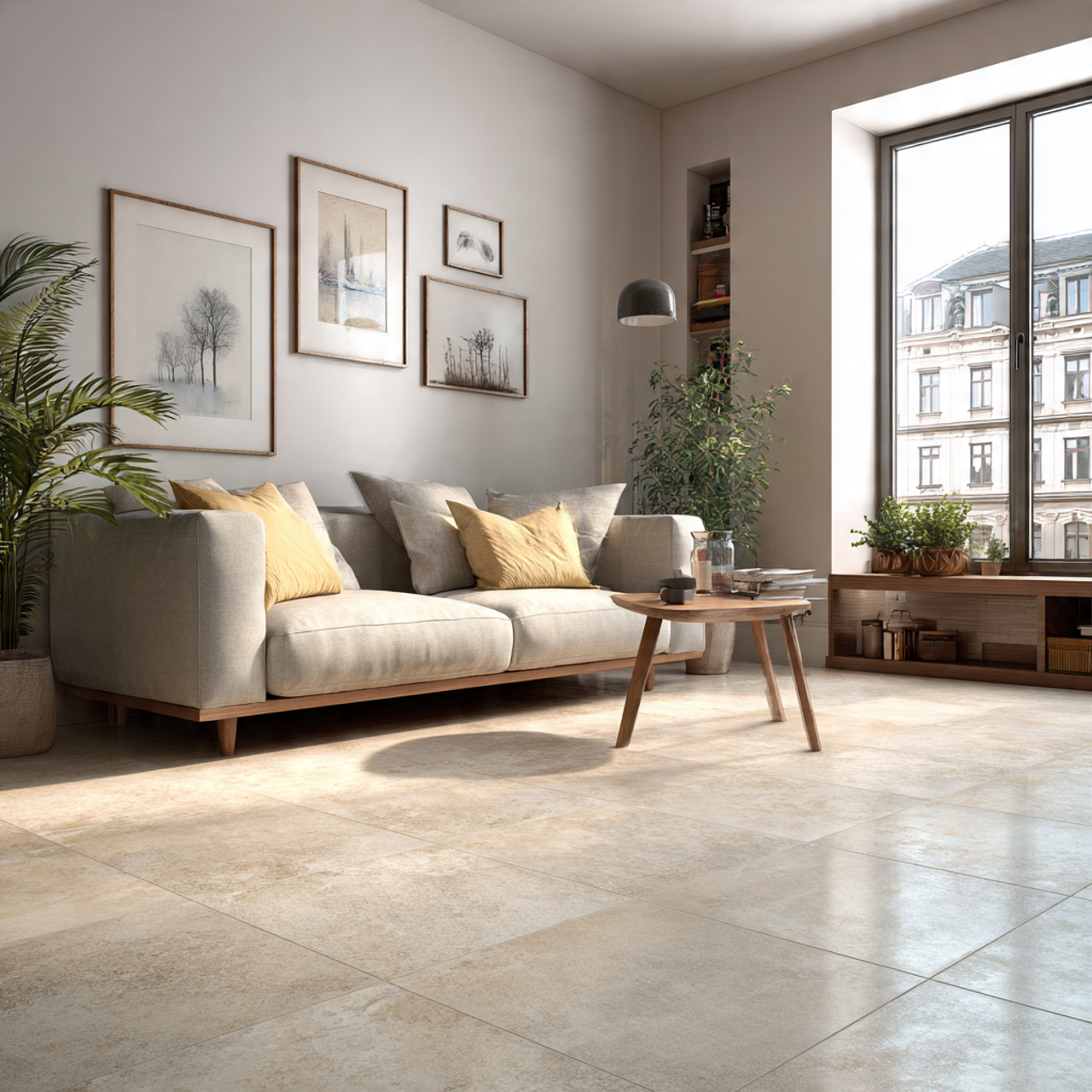
Large format tiles can visually expand smaller rooms in surprising ways. When tiles are larger, there are fewer grout lines interrupting the floor. The result is a cleaner surface that feels more open.
In apartments and compact homes, this trick works particularly well. One thing I noticed after installing large tiles in a small dining area was how the room suddenly felt more spacious. The eye moves smoothly across the floor instead of stopping at each grout line.
Stone look porcelain tiles are a practical choice because they mimic natural stone without the maintenance. Soft grey or beige tones often feel timeless and versatile.
Tip: Use minimal grout color contrast to maintain a seamless look.
Rustic Wood Slab Flooring That Brings Cabin Style Warmth
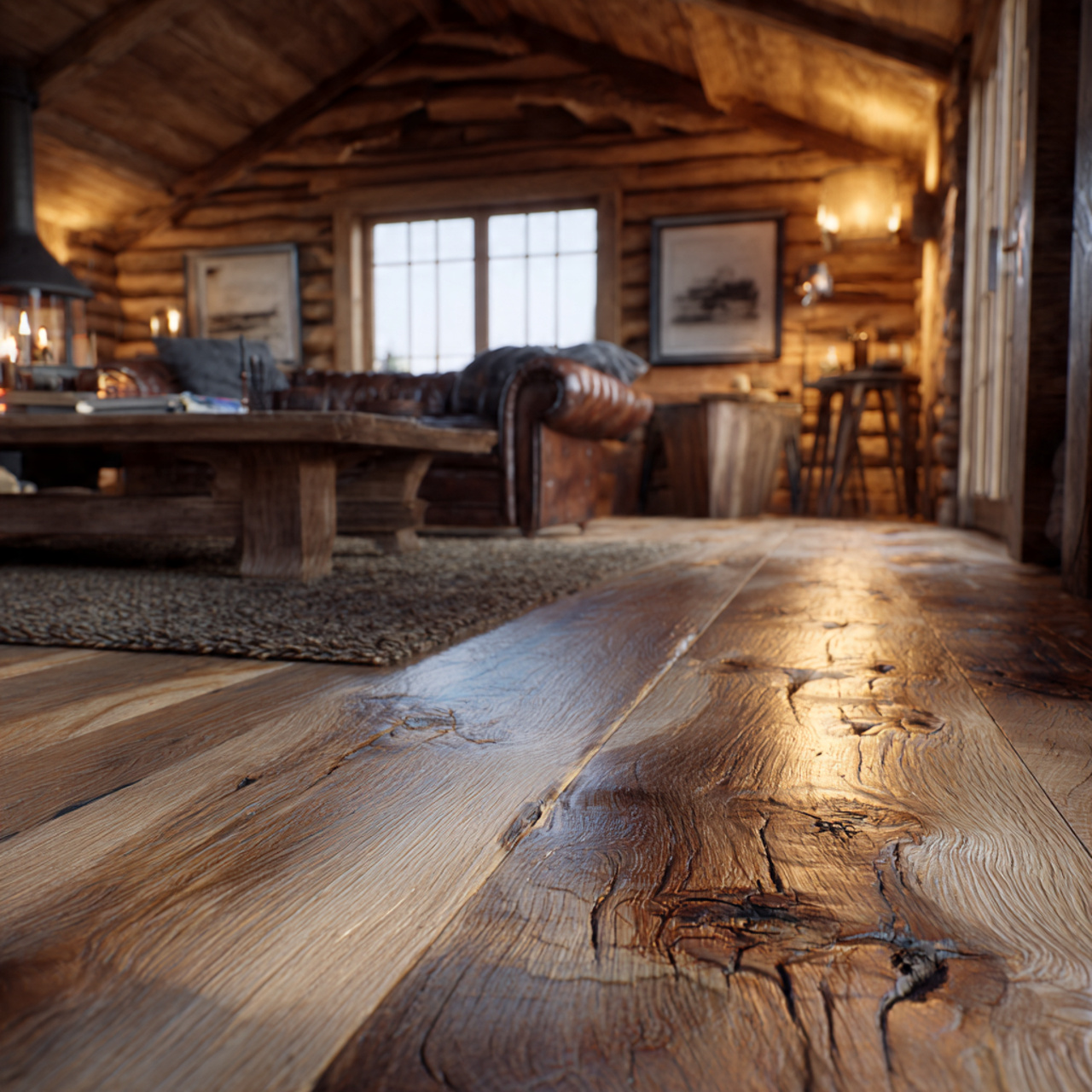
Rustic wood slab floors create a grounded, natural atmosphere that instantly feels welcoming. The irregular grain patterns and subtle knots tell the story of the wood itself. In homes surrounded by nature, this style feels especially authentic.
In several cabins I have visited, the floor often becomes the emotional anchor of the entire space. The warm wood tones combined with soft lamplight create a relaxing evening mood. That quiet warmth is difficult to replicate with other materials.
If you love rustic interiors, choose wide planks with visible grain. Pair them with wool rugs, leather furniture, and natural linen fabrics to complete the look.
Tip: Matte finishes keep rustic floors feeling natural rather than polished.
White Oak Flooring That Creates a Calm Scandinavian Interior
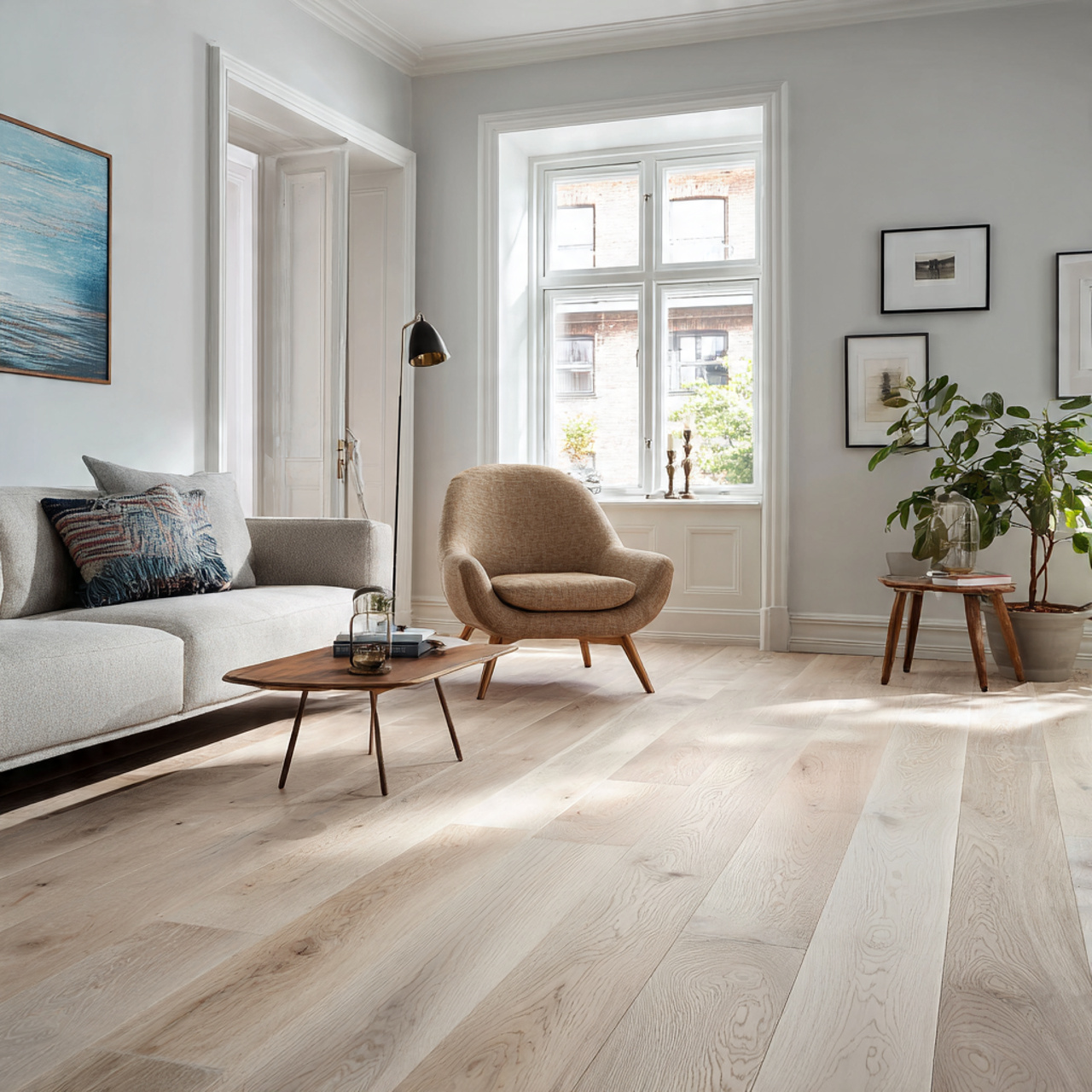
White oak flooring is one of the most balanced choices for modern homes. The soft neutral tone sits between warm and cool, which makes it easy to pair with many interior styles. In bright spaces, it creates a calm and airy feeling.
In my experience, white oak floors age beautifully over time. After several months of living with them, I noticed they hide dust and small scratches better than darker woods. This practical advantage makes them popular in busy homes.
Pair white oak floors with soft textiles, pale walls, and natural wood furniture. The combination creates the relaxed atmosphere often seen in Scandinavian interiors.
Tip: Use a natural oil finish to highlight the wood’s subtle grain.
Epoxy River Wood Floors That Turn the Floor Into Art
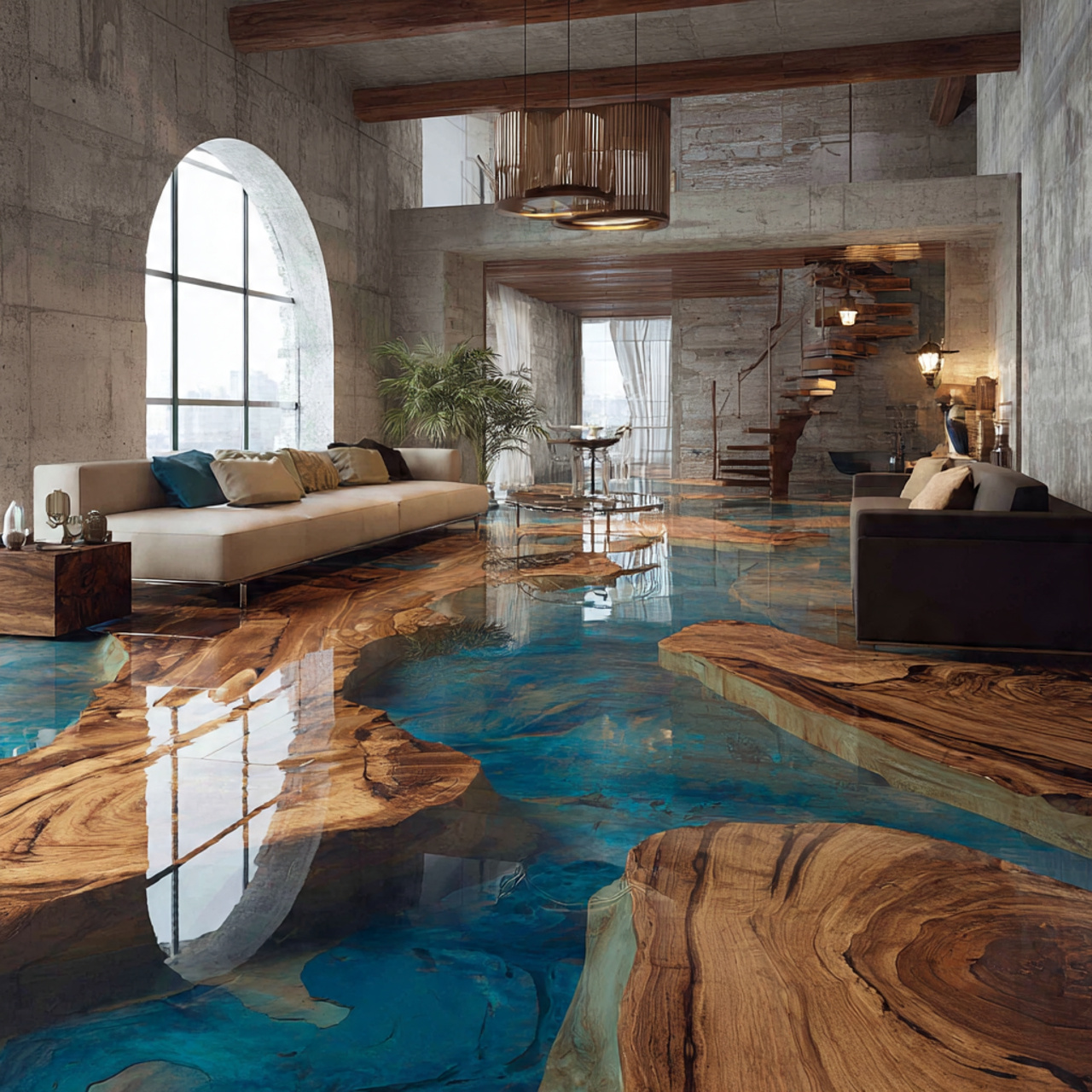
Epoxy river floors combine wood planks with flowing resin that resembles a natural river. The resin section usually runs between two slabs of wood, creating a dramatic centerpiece on the floor. In modern homes, this style becomes an instant conversation starter.
At first I assumed this style might feel overwhelming in a room. After seeing it installed in a modern loft, however, the effect was surprisingly elegant. The resin added color while the wood kept the floor grounded.
Deep blue resin works beautifully with walnut or oak wood slabs. Softer translucent resin creates a calmer visual effect.
Tip: Use this style in feature areas like dining spaces or creative studios.
Geometric Parquet Flooring That Adds Instant Designer Detail
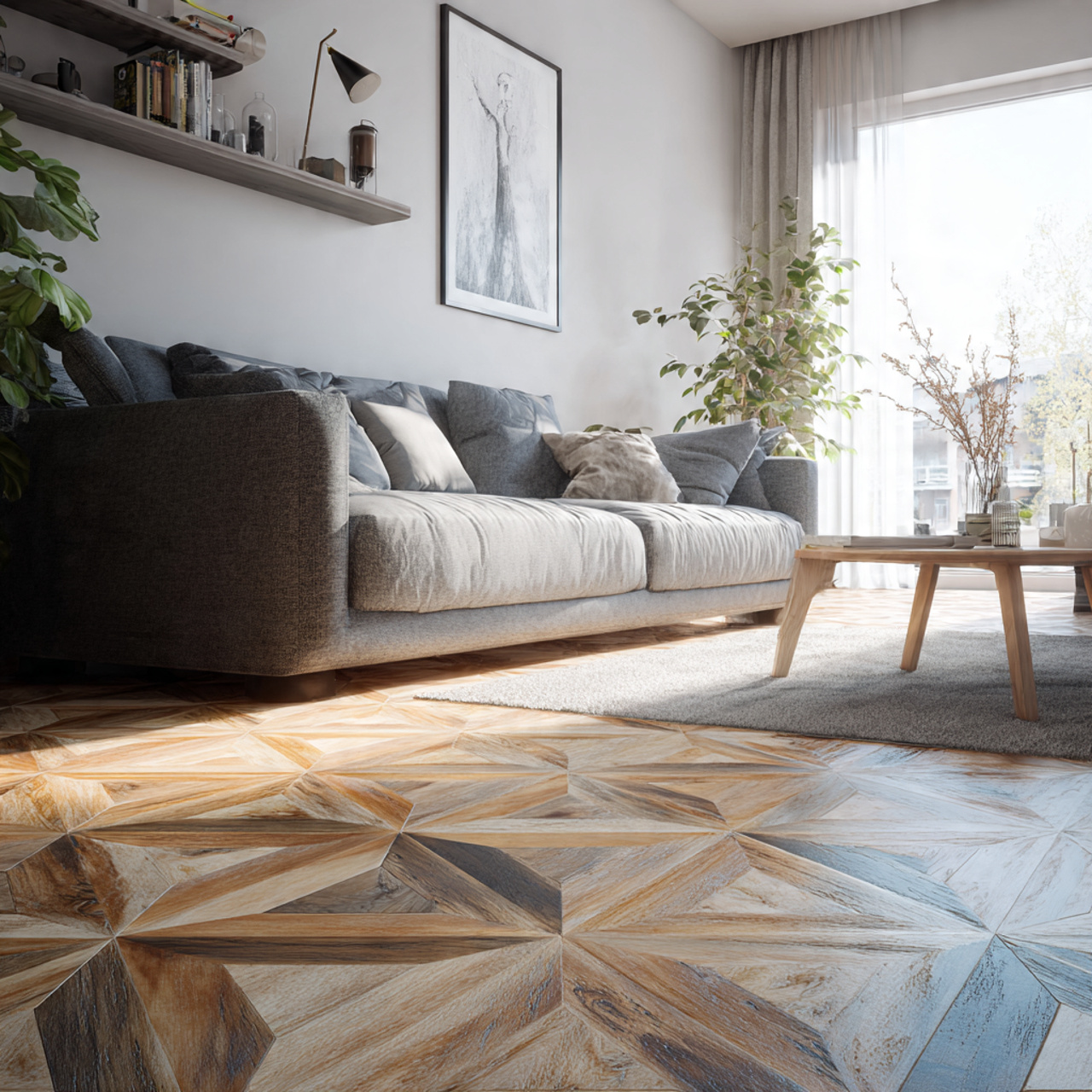
Geometric parquet flooring introduces intricate patterns made from small wood pieces. Patterns like hexagons, cubes, or diamond shapes bring artistic detail to the floor. The design creates subtle shadows as light moves across the room.
I once saw a geometric parquet floor in a historic apartment and immediately understood why designers love this style. The floor looked almost like a handcrafted piece of furniture. Despite the pattern, the space still felt balanced because the colors were natural wood tones.
To keep the room from feeling busy, pair patterned floors with simple furniture and neutral walls. Use pale fabrics and minimal artwork to let the floor be the focal point.
Tip: Choose two similar wood tones for a softer geometric pattern.
Mixed Wood and Tile Flooring That Defines Open Plan Spaces
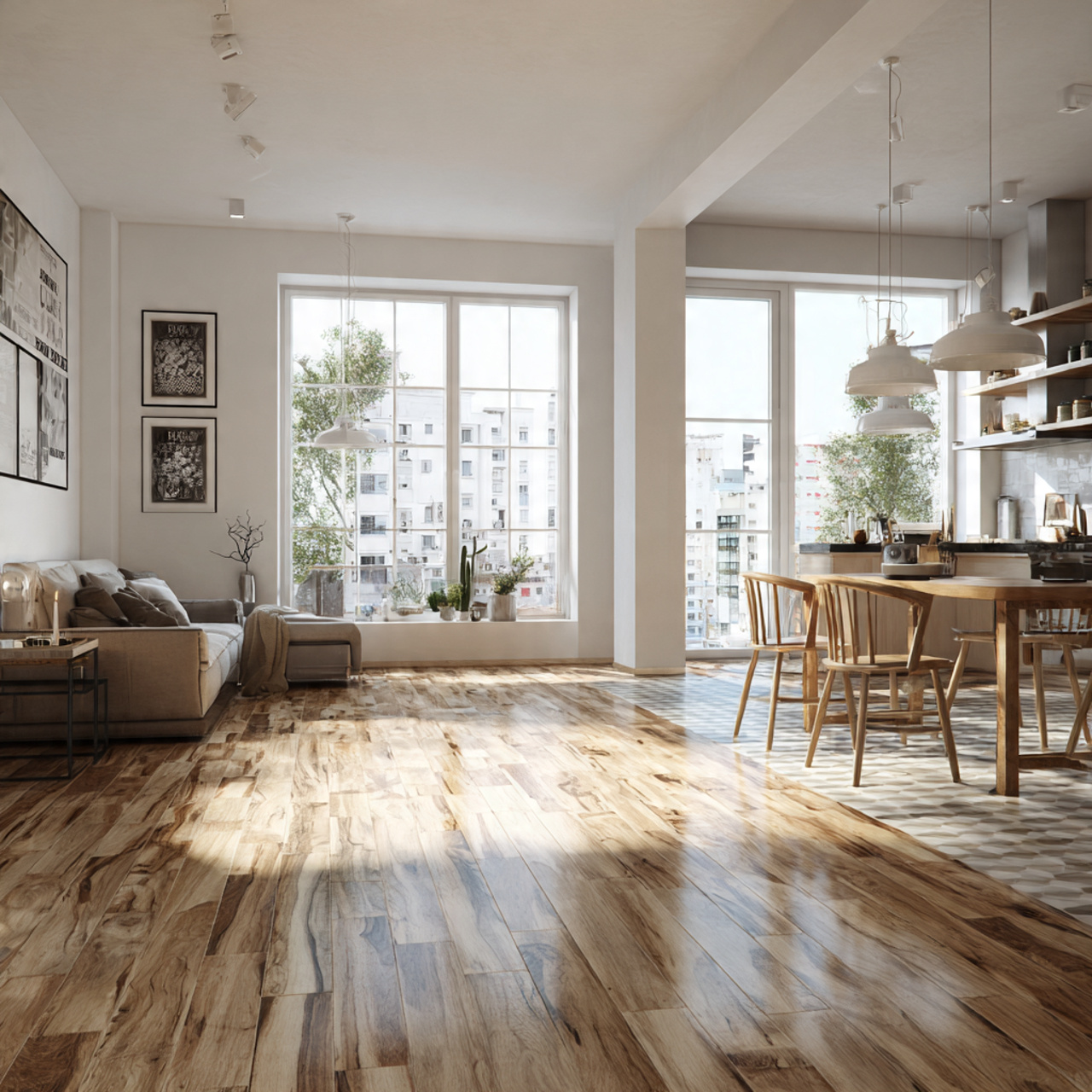
Open plan homes often need subtle visual boundaries between areas. One elegant solution is combining wood floors with tile flooring in different zones. The change in material naturally separates spaces without using walls.
For example, tile can define the kitchen area while wood flooring continues through the living room. In one home I visited, this transition helped the kitchen feel practical while the living area remained warm and comfortable.
The key is choosing materials that complement each other. Light wood paired with stone look tile often creates the most natural transition.
Tip: Use a narrow transition strip to keep the change between materials clean.
Matte Finish Porcelain Tiles That Feel Modern and Practical
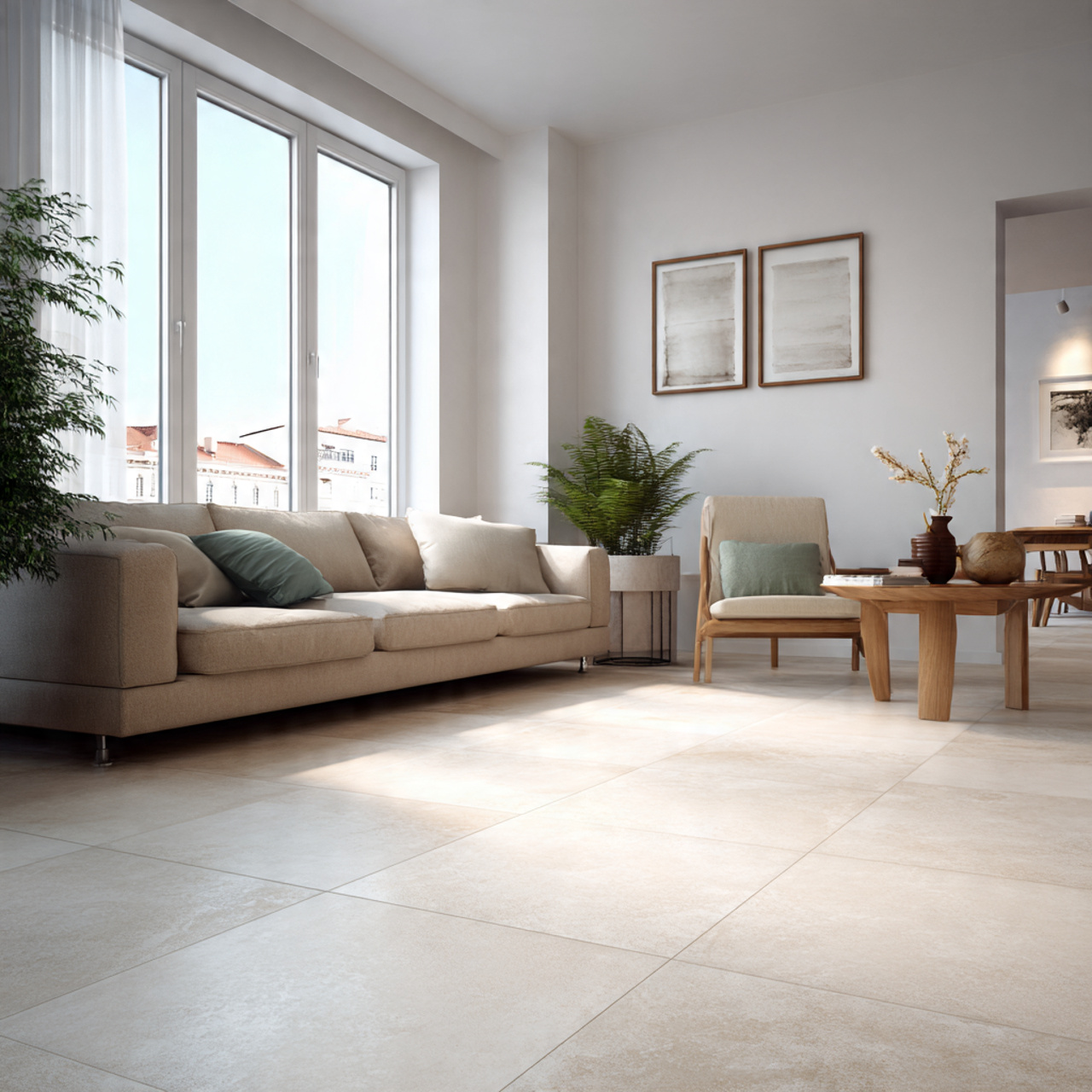
Matte porcelain tiles offer the clean look of stone while remaining practical for everyday homes. Unlike glossy tiles, matte surfaces reduce glare and feel softer underfoot visually. The subtle texture also improves slip resistance.
After living with glossy tile floors for a while, I noticed they showed footprints and reflections constantly. Matte finishes solve this problem while still looking elegant. That small difference can make daily maintenance much easier.
Soft beige, stone grey, or sand colored tiles often work best in modern interiors. These tones complement many furniture styles.
Tip: Large matte tiles create a calm and minimal modern floor.
Curved or Wavy Wood Floors That Create a Unique Artistic Statement
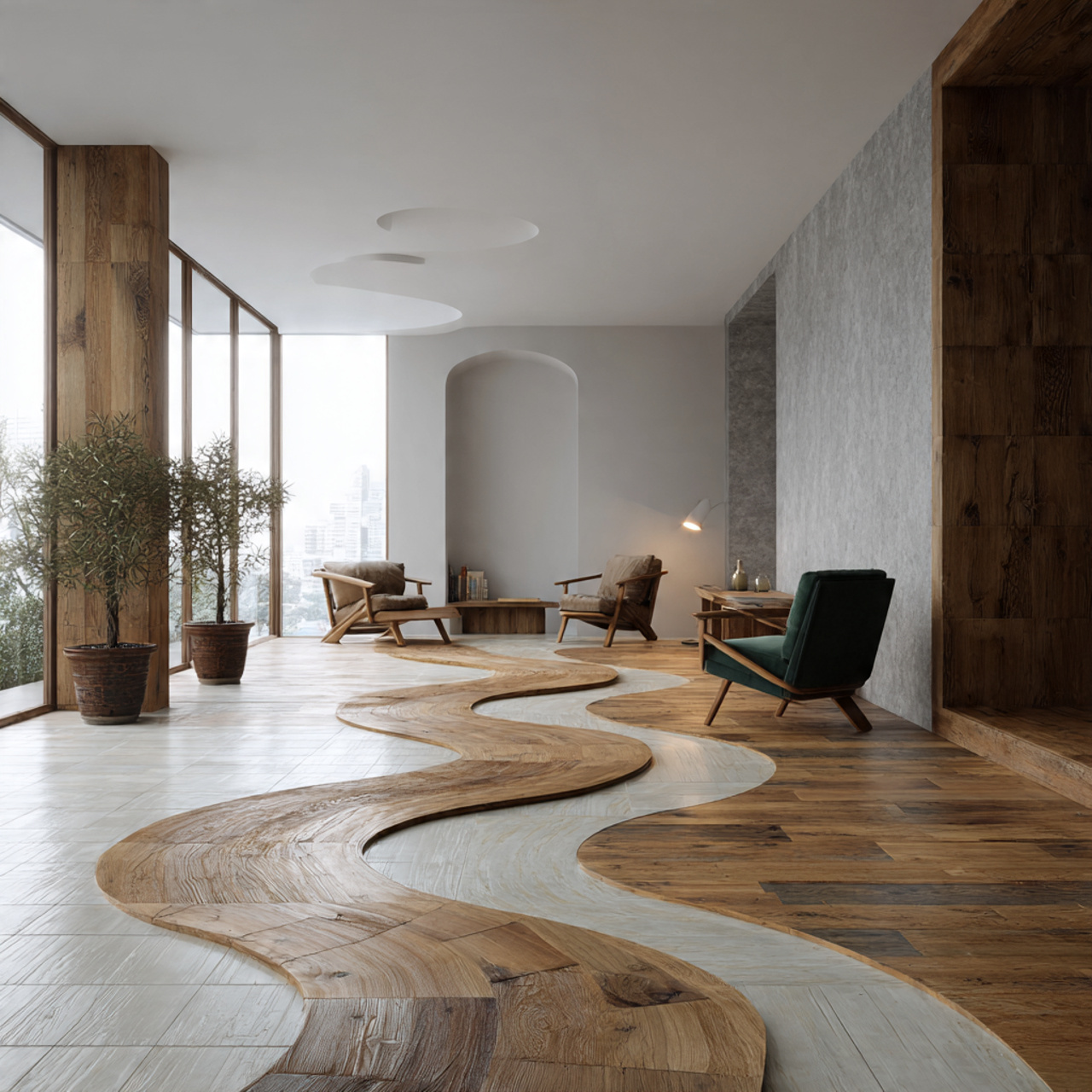
Curved wood flooring patterns move away from traditional straight boards. Instead, the planks gently bend or wave across the floor. The result feels almost sculptural.
At first glance the idea may seem unusual. However, when done carefully the curves create beautiful organic movement across the room. I saw this style in a creative studio where the flowing wood pattern made the space feel dynamic.
Natural oak or walnut tones keep the design from feeling overwhelming. Limit the curve to a feature zone to avoid visual fatigue across an entire house.
Tip: Use curved patterns in feature spaces rather than entire homes.
Budget Friendly DIY Flooring That Still Looks Beautiful
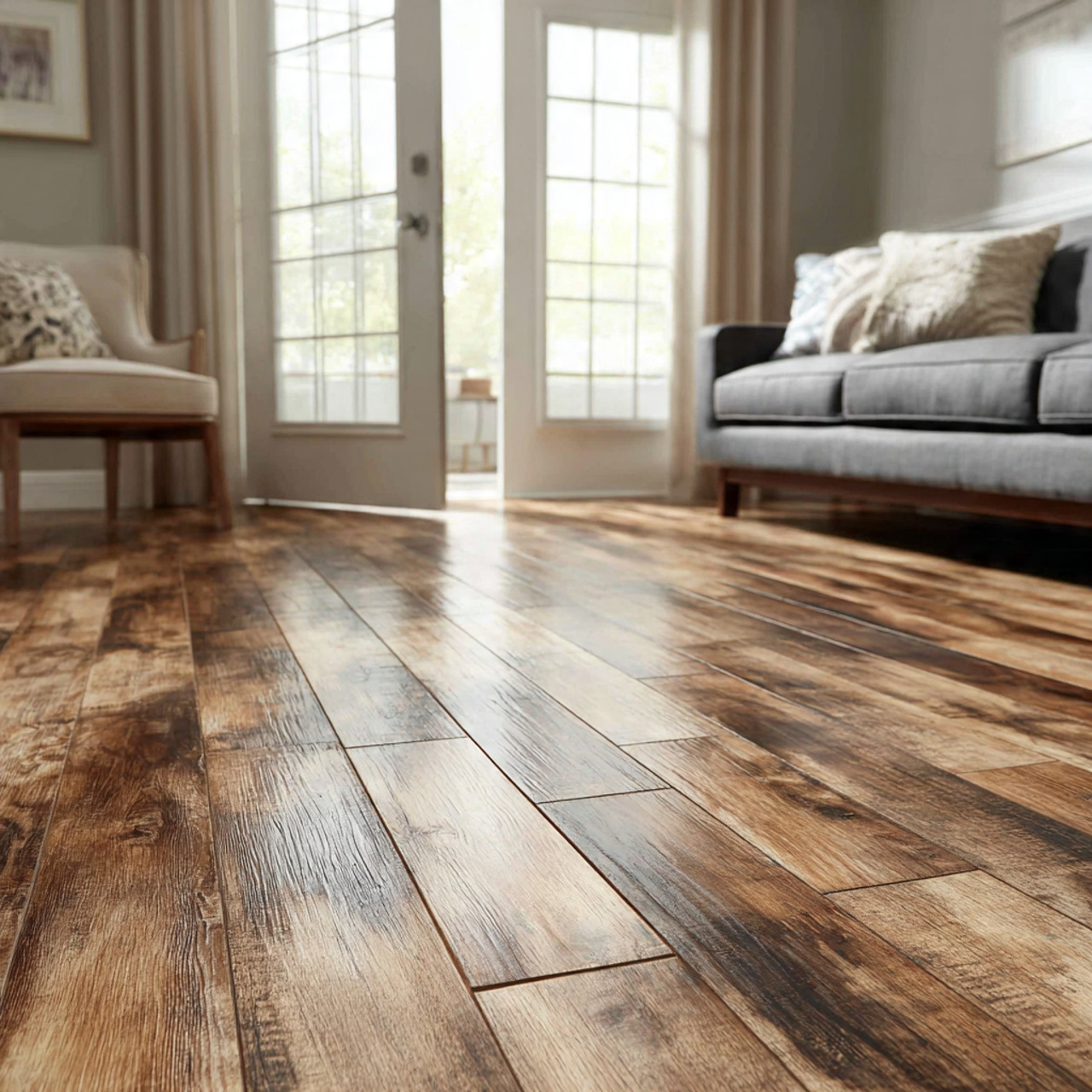
Not every flooring project needs a large renovation budget. Peel and stick wood flooring or vinyl planks can create surprisingly attractive results. Many modern options mimic real wood textures very well.
I once helped a friend install DIY flooring in a rental apartment, and the transformation was dramatic. The original floor looked worn and dull, but the new planks immediately made the room feel brighter.
Look for durable materials with textured surfaces so the flooring feels realistic. Also test samples in different lighting to ensure the tone reads natural.
Tip: Choose lighter wood tones to keep DIY floors looking natural.
Natural Stone Floors That Add Texture and Timeless Character
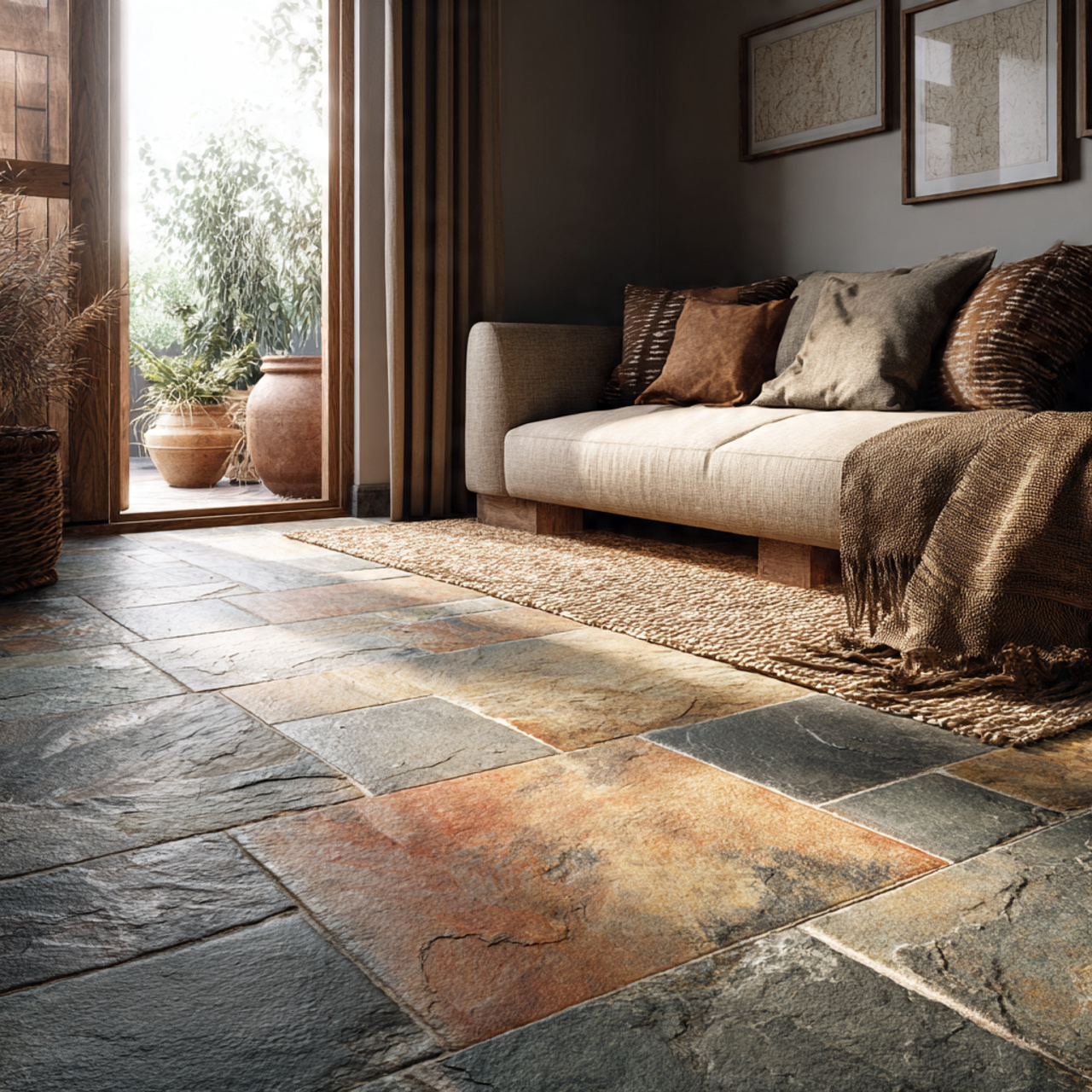
Natural stone floors such as slate or limestone bring depth and texture into a home. Each tile contains subtle variations in color and pattern. That natural irregularity gives the floor character.
In homes with large windows, sunlight gently highlights the texture of stone floors. The quiet variation across each tile adds visual interest without overwhelming the room.
Stone floors pair beautifully with wood furniture, woven rugs, and neutral wall colors. Layered textiles help balance the coolness of stone.
Tip: Seal natural stone properly to protect it from stains.
Warm Walnut Floors That Make Living Rooms Feel Cozy at Night
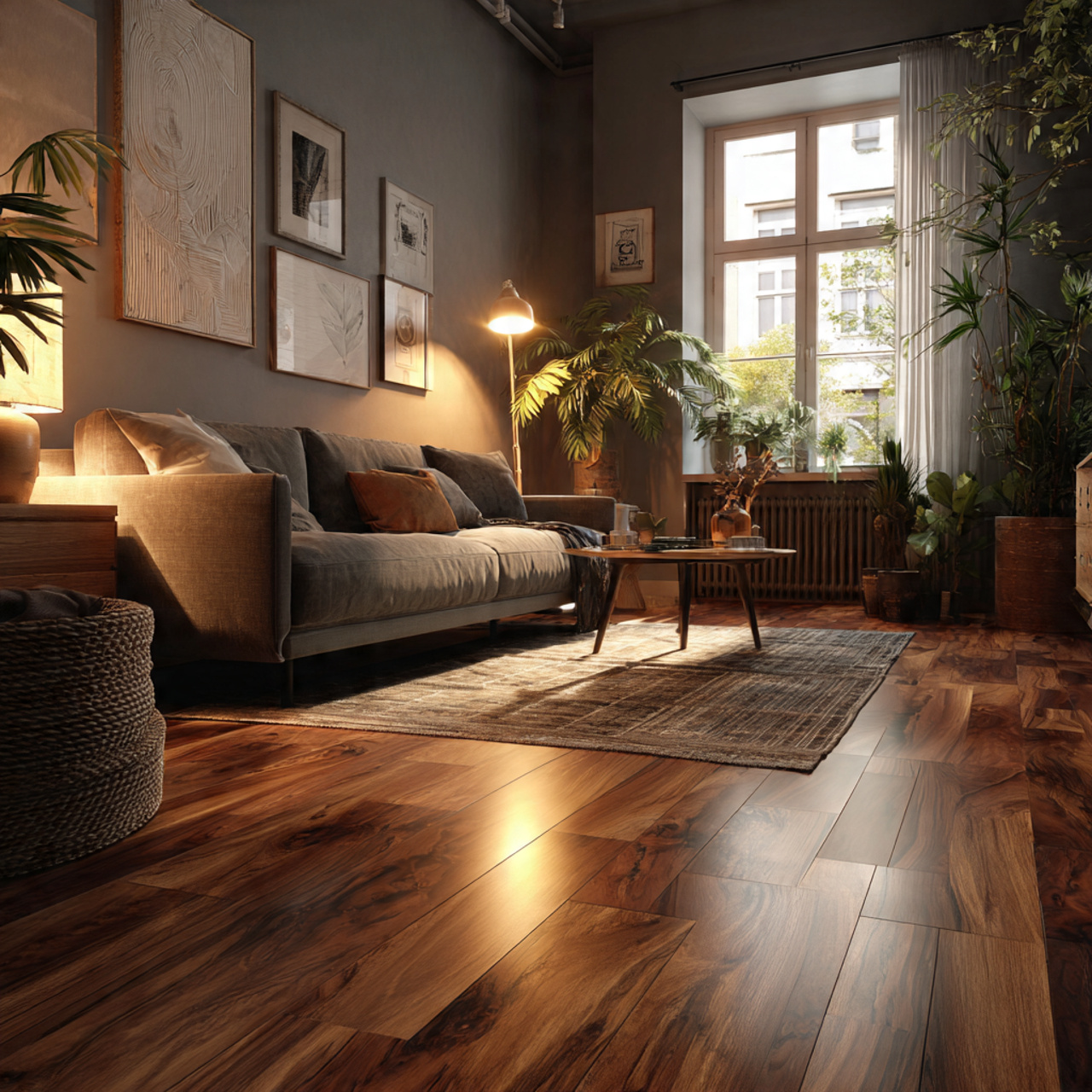
Dark walnut floors create a rich, intimate atmosphere that works beautifully in living rooms. When evening lamp light reflects on the wood, the room instantly feels more cozy. This effect is especially lovely during quiet evenings or family gatherings.
However, one lesson I learned from darker floors is that dust can appear more easily than on lighter woods. Choosing slightly warmer walnut tones helps reduce that issue.
Pair walnut floors with cream colored rugs and soft textiles to balance the darker base. Use layered lighting to prevent corners from looking heavy.
Tip: Layer rugs to soften the richness of dark wood floors.
A Real Living Room Example Combining Several Flooring Ideas
Imagine walking into a bright living room where wide plank oak floors stretch from wall to wall. Morning light pours through tall windows and highlights the natural grain across the wood. A linen sofa sits over a woven rug while plants soften the edges of the space.
Across the room, a subtle herringbone section defines the reading corner, adding quiet architectural detail. The layered textures of wood, fabric, and soft lighting create a space that feels relaxed, welcoming, and thoughtfully designed.
Color and Material Combinations That Work Beautifully With Floors
Warm Oak (HEX #C8A57A)
Works beautifully in living rooms and open spaces where natural light highlights the wood grain. Pairs well with linen fabrics, woven rugs, and matte ceramics.
Soft Marble White (HEX #F5F5F3)
Creates a light elegant atmosphere and reflects natural light across the room. Works well with brass accents and textured fabrics.
Stone Beige (HEX #D6C7B2)
A versatile neutral tone that works with both tile and stone floors. Pairs naturally with wood furniture and earthy textures.
Deep Walnut (HEX #5A3E2B)
Adds depth and warmth to larger rooms or cozy living spaces. Works beautifully with cream textiles, leather furniture, and warm lighting.
Room Size and Lighting Tips for Flooring Choices
Small Rooms
Lighter floors help small rooms feel larger and brighter. Large tiles or wide planks reduce visual interruptions across the floor.
Large Rooms
Darker floors or patterned wood designs add character to spacious rooms. Rugs and layered textures prevent the space from feeling empty.
North Facing Light
Choose warmer flooring tones because cooler light can make rooms feel slightly grey. Honey oak or beige stone often works beautifully.
South Facing Light
Natural sunlight allows both warm and cool flooring tones to look balanced. Soft oak and marble floors often glow in this light.
Common Flooring Mistakes That Ruin Beautiful Rooms
Choosing Flooring That Is Too Dark for the Room
Many homeowners fall in love with very dark floors in showrooms because they look dramatic under perfect lighting. In real homes, however, dark floors often highlight dust, scratches, and footprints far more than expected. Over time this becomes frustrating because the floor always looks slightly messy.
A better solution is choosing mid tone woods like oak or walnut. These tones still add warmth while hiding daily wear more effectively. Rooms also feel brighter and easier to maintain.
Ignoring How Natural Light Changes Floor Colors
Flooring samples often look different once they are installed in a real room. Natural daylight can make warm woods appear cooler or marble floors look brighter than expected. Many people realize this only after installation.
Always place flooring samples in the actual room for several days. Observe them in morning light, afternoon sunlight, and evening lamp lighting. This simple step prevents expensive regret.
Mixing Too Many Flooring Materials in Open Spaces
Open plan homes sometimes include several different flooring materials close together. When transitions are poorly planned the result can feel visually chaotic rather than intentional. The eye struggles to follow the flow of the space.
A more balanced approach is limiting flooring changes to functional zones. For example tile can define a kitchen while wood continues into the living room. This keeps the design calm while still being practical.
Choosing Style Over Durability
Some flooring materials look beautiful initially but struggle in busy homes. Soft woods or delicate finishes may scratch quickly under pets, children, or heavy furniture. This leads to visible wear within a few years.
Durable options like engineered hardwood, porcelain tile, or sealed natural stone usually perform better long term. These materials maintain their appearance even with everyday use.
Frequently Asked Questions About Flooring Ideas
What flooring ideas work best for living rooms?
Wood flooring remains one of the most popular choices because it adds warmth and works with many decorating styles. Marble and large format porcelain tiles are also common in modern homes. The best option usually depends on the amount of natural light and how the room is used daily.
Which flooring ideas make small rooms look bigger?
Lighter floors usually make small rooms feel more open and airy. Wide wood planks or large tiles reduce visual interruptions across the floor. This helps the eye move smoothly across the space.
Are marble floors practical for everyday homes?
Marble floors can work well when properly sealed and maintained. Honed finishes often show fewer scratches than polished marble. Pairing marble with rugs also helps protect high traffic areas.
What is the most durable flooring for busy homes?
Porcelain tile and engineered hardwood are among the most durable flooring choices. They resist moisture, scratches, and heavy foot traffic. These materials are often used in kitchens, hallways, and family rooms.
Can DIY flooring actually look good?
Modern DIY flooring products such as vinyl planks and peel and stick boards have improved significantly. Many designs realistically mimic natural wood textures. Choosing neutral tones and textured finishes usually produces the best results.
Practical Flooring Ideas to Transform How Your Home Feels
Flooring ideas are the single most effective change that alters the mood of a room, so start with one space and build from there. Pick materials that suit your light and lifestyle, consider finish and plank width, and always test samples in several lighting conditions before you commit.
Try a temporary sample area and live with it for a week to see how the floor handles daily life, foot traffic, and cleaning. This slow, practical approach saves money, prevents regret, and helps you choose flooring that truly enhances daily routines and the way you use your rooms, and gives you confidence before committing to a full installation.