19 Practical Dining Table Ideas You’ll Appreciate Daily
In real homes, the dining table quietly absorbs far more than meals. It becomes a place for quick breakfasts, unfinished work, evening conversations, and moments that weren’t planned but still matter. When the table doesn’t suit daily life, the discomfort shows up slowly rather than all at once.
This article is shaped by lived experience of how dining tables perform over years, not how they look when first styled. You’ll gain clarity on what holds up, what people often regret, and how to make choices that feel right long after the excitement of buying fades.
Dining Table Styles and Lifestyle Needs in Modern Homes
Dining spaces have shifted from occasional-use zones to everyday workhorses. The dining table now supports multiple roles, often within open layouts where it remains visible throughout the day. This change has made size, proportion, and material far more important than decorative trends.
Emotionally, the right dining table removes friction from daily routines. It makes sitting down feel natural, not negotiated. People return to thoughtful dining table choices because they simplify real life while staying visually steady as the home evolves.
Color & Material Authority
Color and material choices play a quiet but decisive role in how a dining table feels over time. In everyday use, surfaces must handle light shifts, small marks, and constant contact without becoming visually tiring or high-maintenance.
Warm Oak (#C8A165)
Best suited for tabletops or primary surfaces. The warm undertone adds natural softness and prevents the space from feeling cold. Matte or satin finishes reduce glare and pair well with linen or cotton seating fabrics.
Soft Walnut (#8B5E3C)
Works well for larger tables or bases where visual weight is needed. The warmth grounds the room and feels substantial without heaviness. Satin finishes age gracefully and sit comfortably alongside wool rugs or leather chairs.
Muted Greige (#D2CCC4)
Ideal for surrounding walls or nearby cabinetry. Its balanced undertone supports both warm and cool elements without competing with the table. Matte or eggshell finishes pair easily with mixed wood tones.
Charcoal Brown (#3A2F2A)
Best used for table bases or grounding elements in open-plan homes. The depth anchors the dining zone visually. Satin finishes help minimize visible dust and work well with textured fabrics like boucle or heavy cotton.
Clay Taupe (#B8A89A)
Effective as an accent tone in dining spaces with neutral palettes. The warm undertone adds subtle dimension without drawing attention away from the table. Eggshell finishes complement ceramics and woven accessories.
Soft Linen White (#EFE8DD)
Most suitable for table linens or surrounding upholstery rather than the table itself. The warmth softens contrast and supports natural light. Matte finishes keep the look relaxed and practical.
In daily use, finishes that absorb light slightly tend to feel calmer, especially during evening meals.
Room Size & Lighting Quick Guide
| Space Size | Light Direction | What Works Best | What to Avoid |
|---|---|---|---|
| Small dining area | North / East | Lighter wood tones, slim table profiles, matte finishes | Dark, bulky tables that absorb light |
| Small dining area | South / West | Mid-tone woods, rounded edges, soft finishes | High-gloss surfaces that reflect glare |
| Large dining room | North / East | Deeper stains, textured materials | Pale finishes that feel visually thin |
| Large dining room | South / West | Balanced mid-to-dark tones with layered lighting | Highly reflective stone without soft lighting |
Smart Dining Table Ideas for Real Home Livings
Solid Wood Dining Table with Natural Grain for Warm, Everyday Living
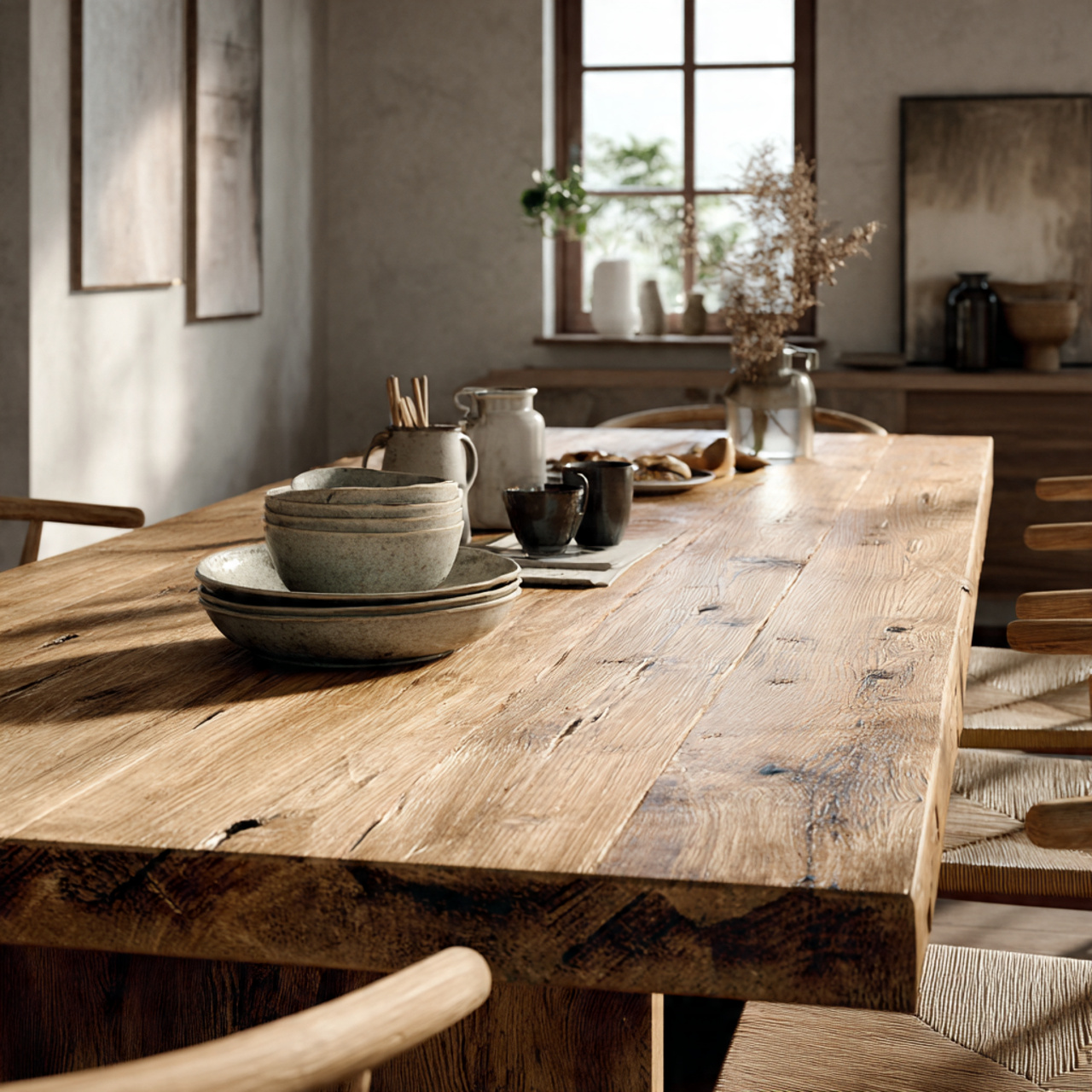
A solid wood dining table with visible grain immediately grounds the room. The texture adds quiet movement, making the space feel lived in rather than staged. Over time, the surface develops subtle marks that feel natural instead of messy.
In real homes, people often feel more relaxed around wood tables. There’s less pressure to keep everything perfect, which encourages longer meals and everyday use. The table becomes part of daily rhythm instead of a protected object.
For practical use, sealed hardwoods like oak or walnut are forgiving. Minor scratches blend into the grain, and maintenance stays manageable with simple cleaning rather than constant care.
Round Dining Table That Encourages Conversation and Easy Movement
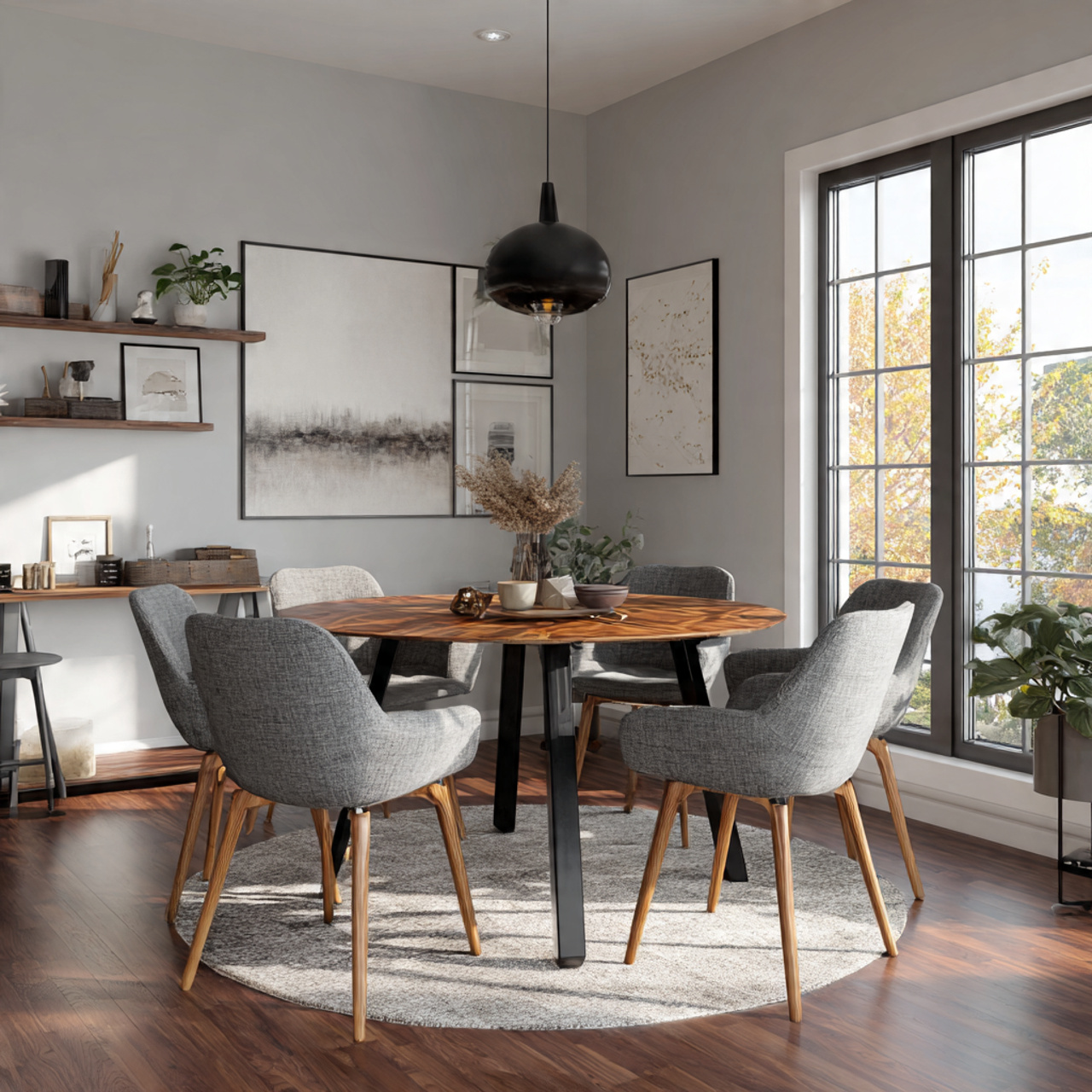
A round dining table softens the room visually by removing sharp corners. It creates an easy flow, especially in tighter dining areas or open layouts. Chairs slide in and out more naturally without blocking pathways.
Over time, people notice conversations feel more inclusive around round tables. Eye contact is easier, and no one feels pushed to the edge. This shape subtly supports connection without trying to be the focus.
Round tables work best when scaled carefully. Choosing the right diameter ensures comfort without crowding, and pedestal bases often improve legroom for everyday seating.
Extendable Dining Table Designed for Flexible Hosting Without Bulk
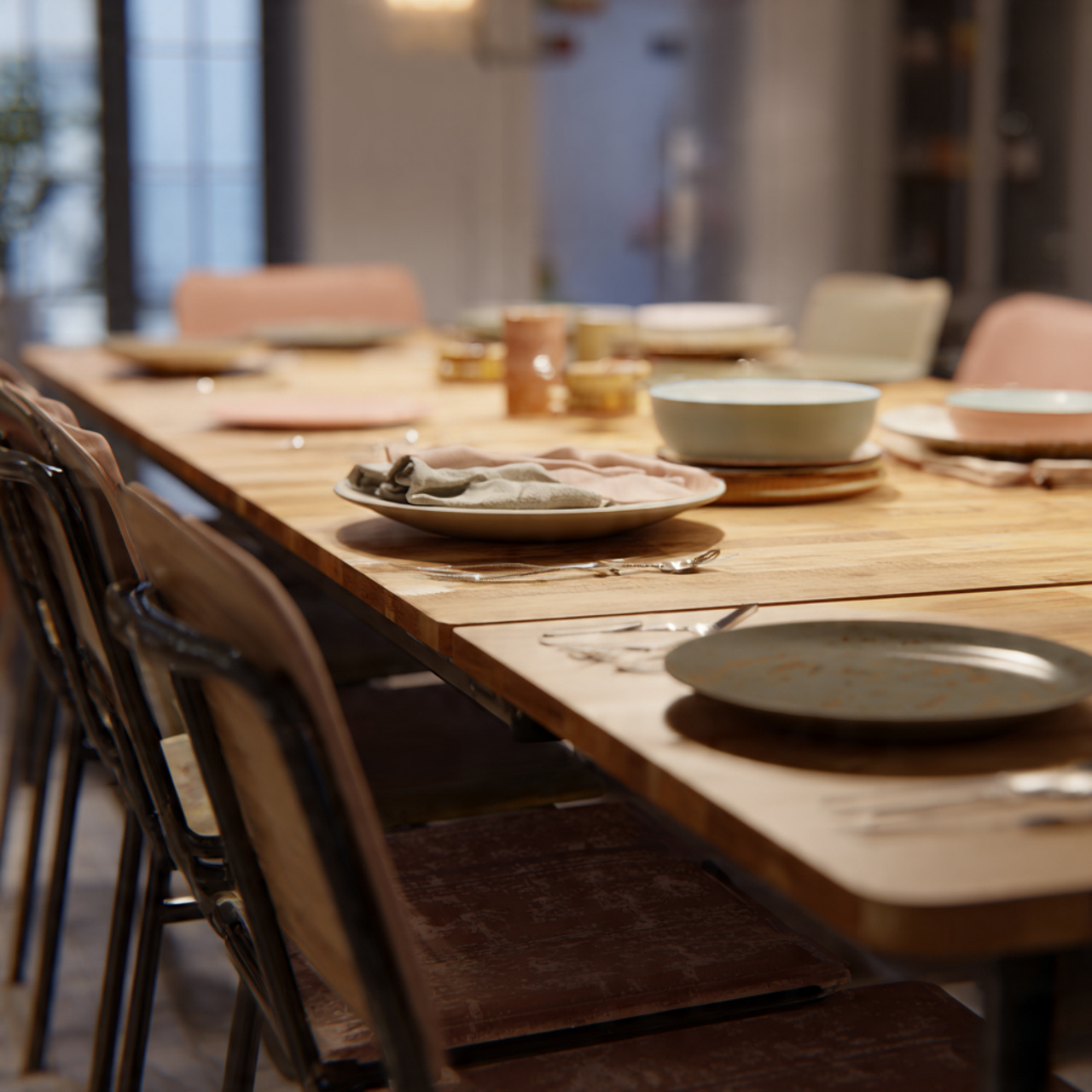
An extendable dining table looks compact day to day but expands when needed. When closed, it keeps the room calm and uncluttered. When opened, it supports guests without forcing a permanent compromise.
Many homeowners regret buying oversized tables just in case. Extendable designs prevent that regret by adapting only when required. This flexibility reduces visual weight during everyday use.
Look for extension mechanisms that feel sturdy and simple. Integrated leaves store neatly and avoid the hassle of separate pieces that are rarely convenient to access.
Slim Dining Table Profile That Keeps Small Spaces Visually Open
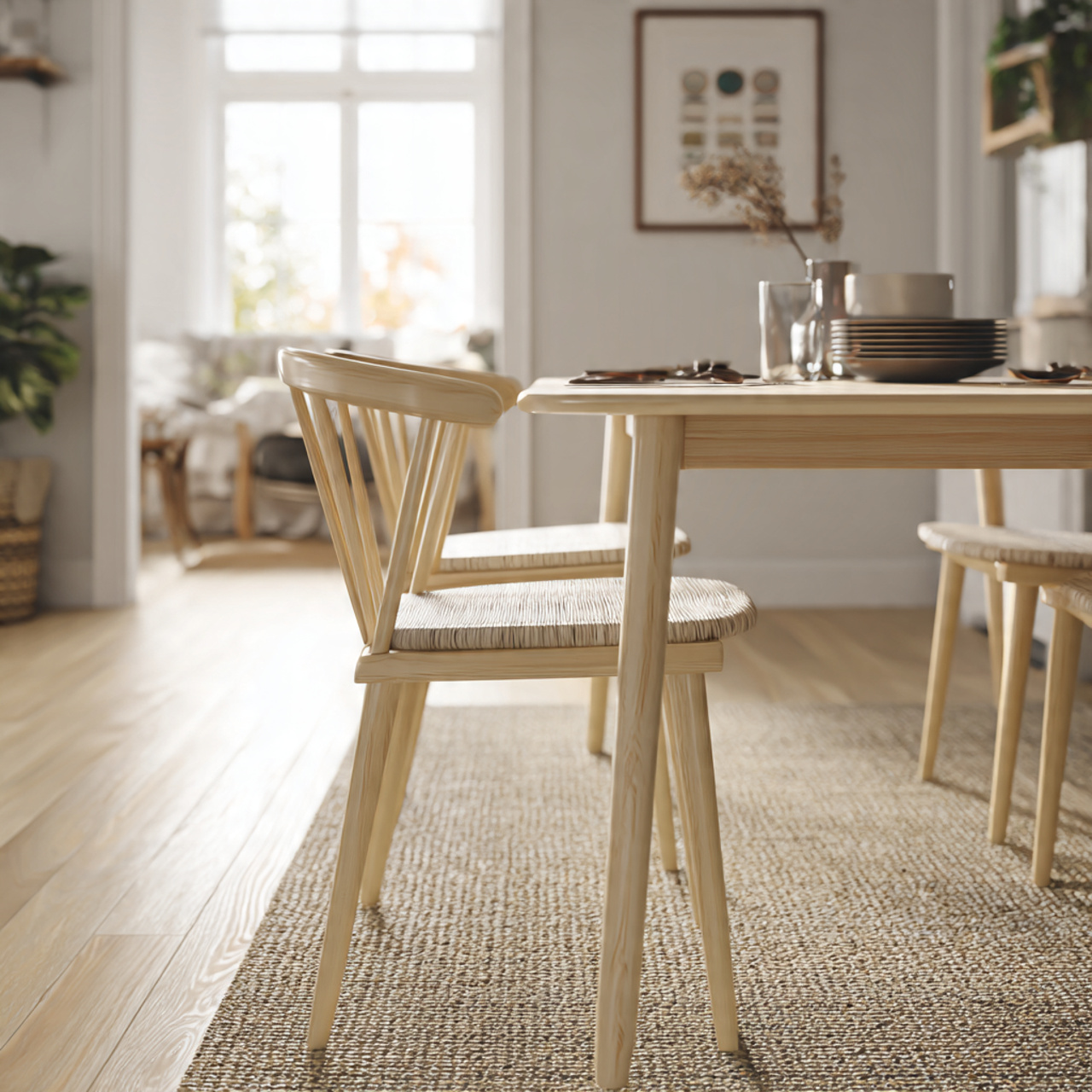
A slim-profile dining table reduces visual density in compact spaces. Narrow tops and thinner legs allow light to pass through, making the room feel more open. The table supports daily use without dominating the layout.
Living with a bulky table in a small room often feels restrictive over time. Slim designs reduce that pressure, helping the dining area feel breathable rather than crowded.
Depth matters more than length here. Slightly reducing table width still allows comfortable dining while preserving circulation and flexibility around the space.
Rectangular Dining Table with Clean Lines for Structured Family Meals
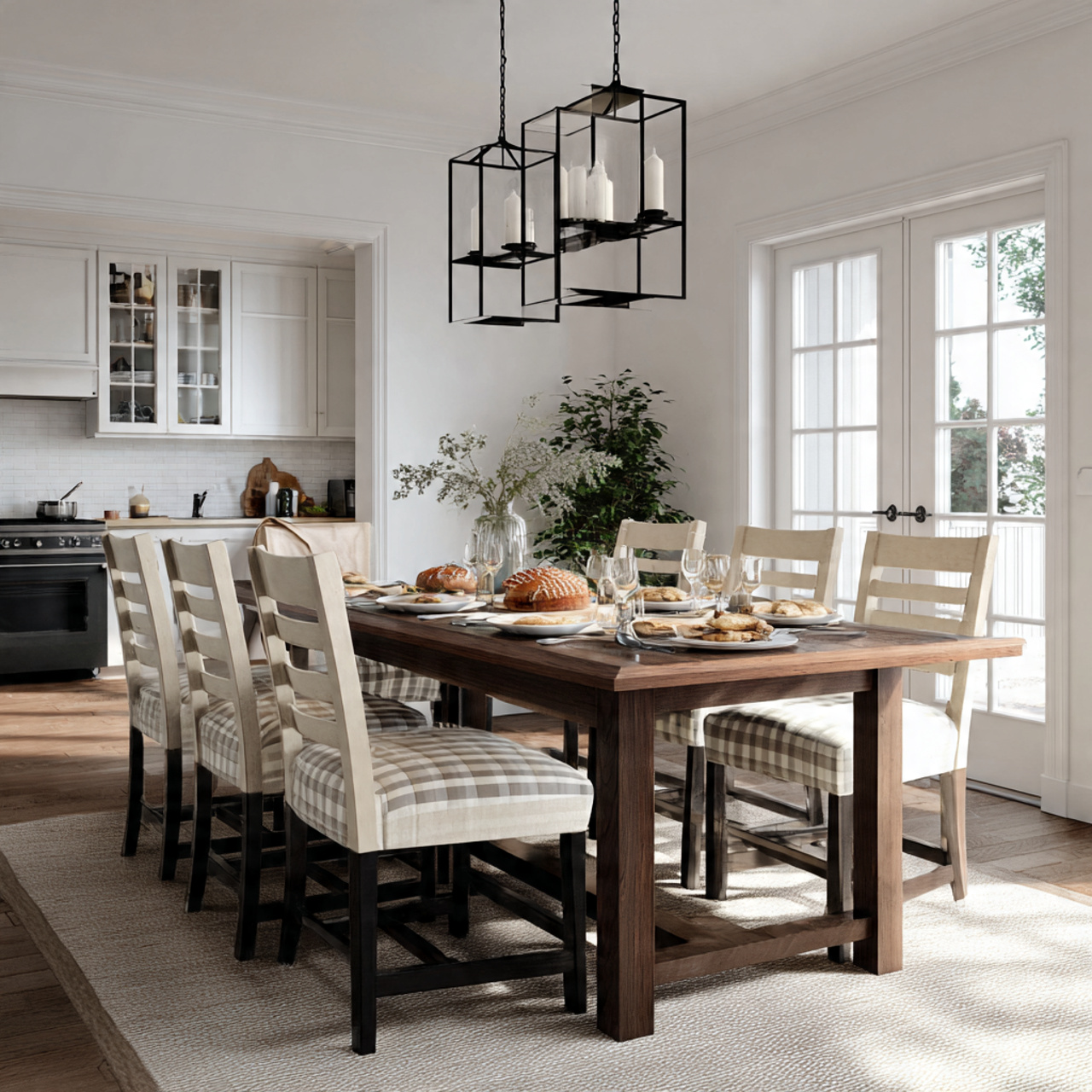
Rectangular tables bring a sense of order and predictability to dining spaces. The straight edges align well with walls, rugs, and lighting, creating visual clarity. This shape feels familiar and dependable.
In everyday life, families appreciate how easily rectangular tables accommodate routine meals. Seating feels organized, and shared dishes are simple to arrange without overlap.
To keep the look from feeling rigid, pairing clean-lined tables with softer chairs or textiles helps balance structure with comfort.
Stone-Top Dining Table That Adds Quiet Weight and Timeless Presence
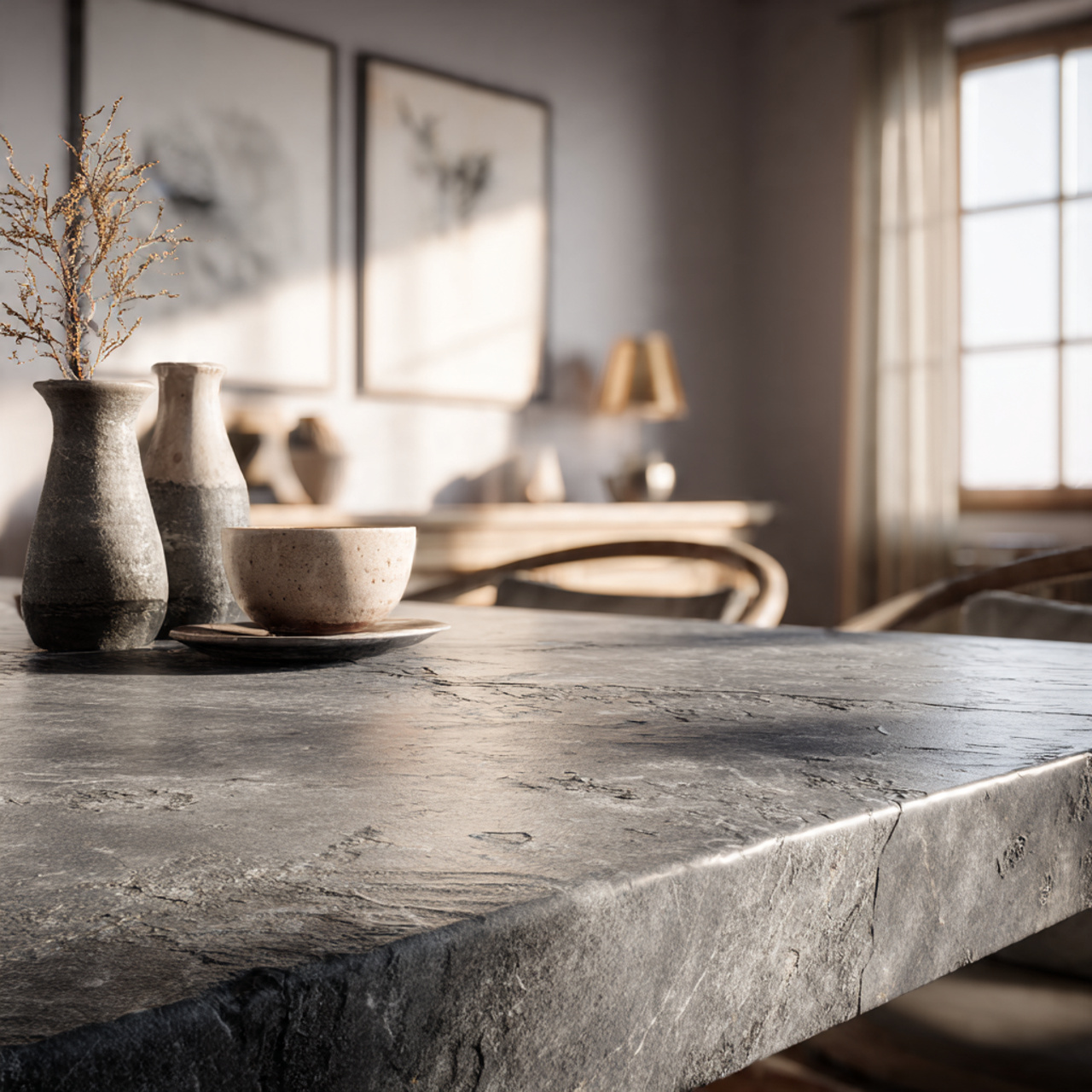
A stone or stone-look dining table introduces visual weight without loud styling. The surface feels cool and substantial, anchoring the dining area naturally. It often becomes a steady focal point in open spaces.
Over time, people value the durability and permanence stone suggests. The table feels settled, not trend-driven, which reduces the urge to replace it prematurely.
For real homes, honed or matte finishes work best. They reduce glare, hide fingerprints better, and feel calmer during evening meals.
Wood-and-Metal Dining Table for Balanced Contrast in Modern Interiors
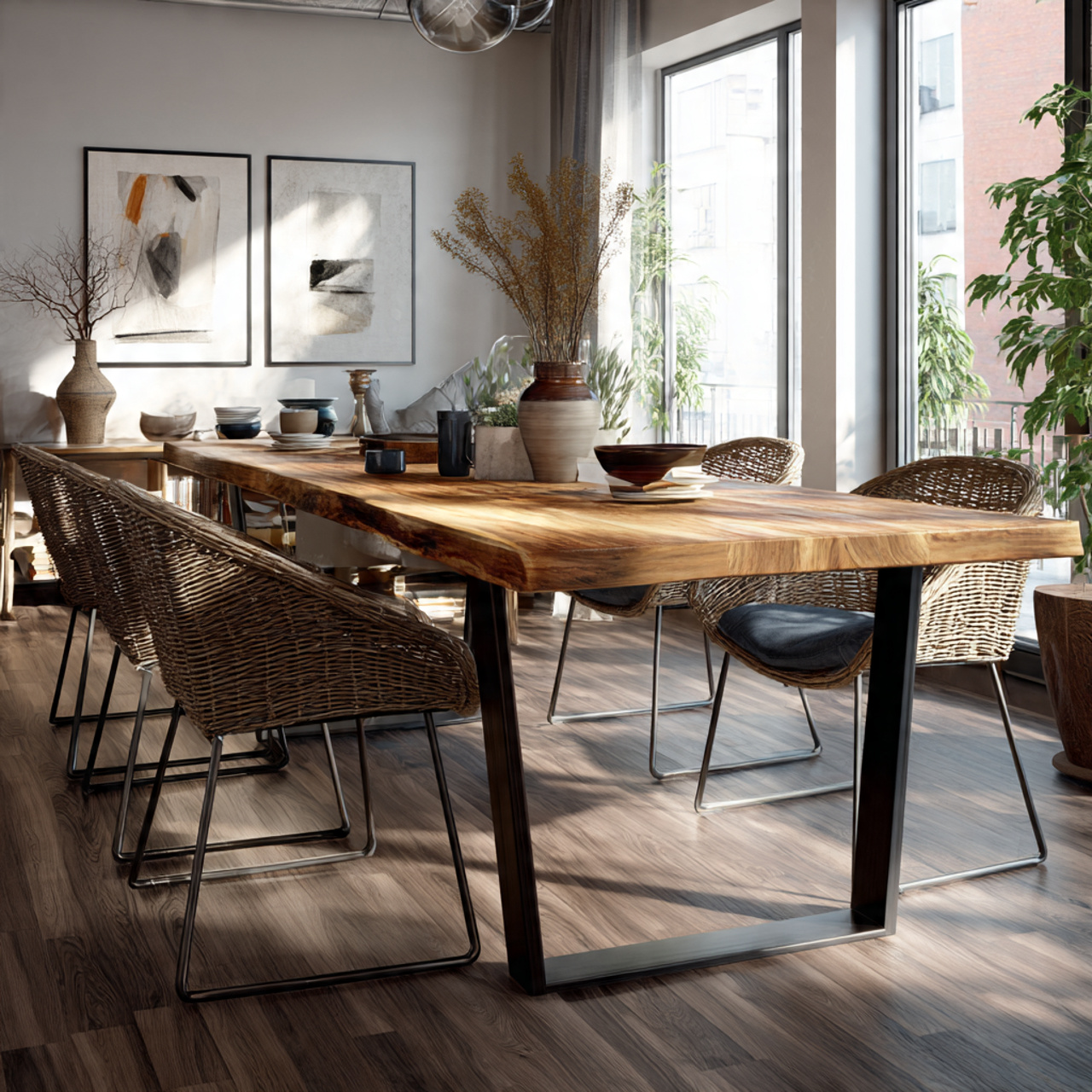
Combining wood with metal creates a balanced contrast that feels intentional. The warmth of wood softens the structure of metal, while metal adds definition. This mix works well in contemporary and transitional homes.
Long term, this contrast keeps the table from feeling too delicate or too heavy. It adapts easily as surrounding décor changes over time.
Choosing muted metal finishes helps maintain calm. Matte black or brushed tones integrate more smoothly than polished surfaces.
Light-Toned Dining Table That Brightens the Room Without Feeling Cold
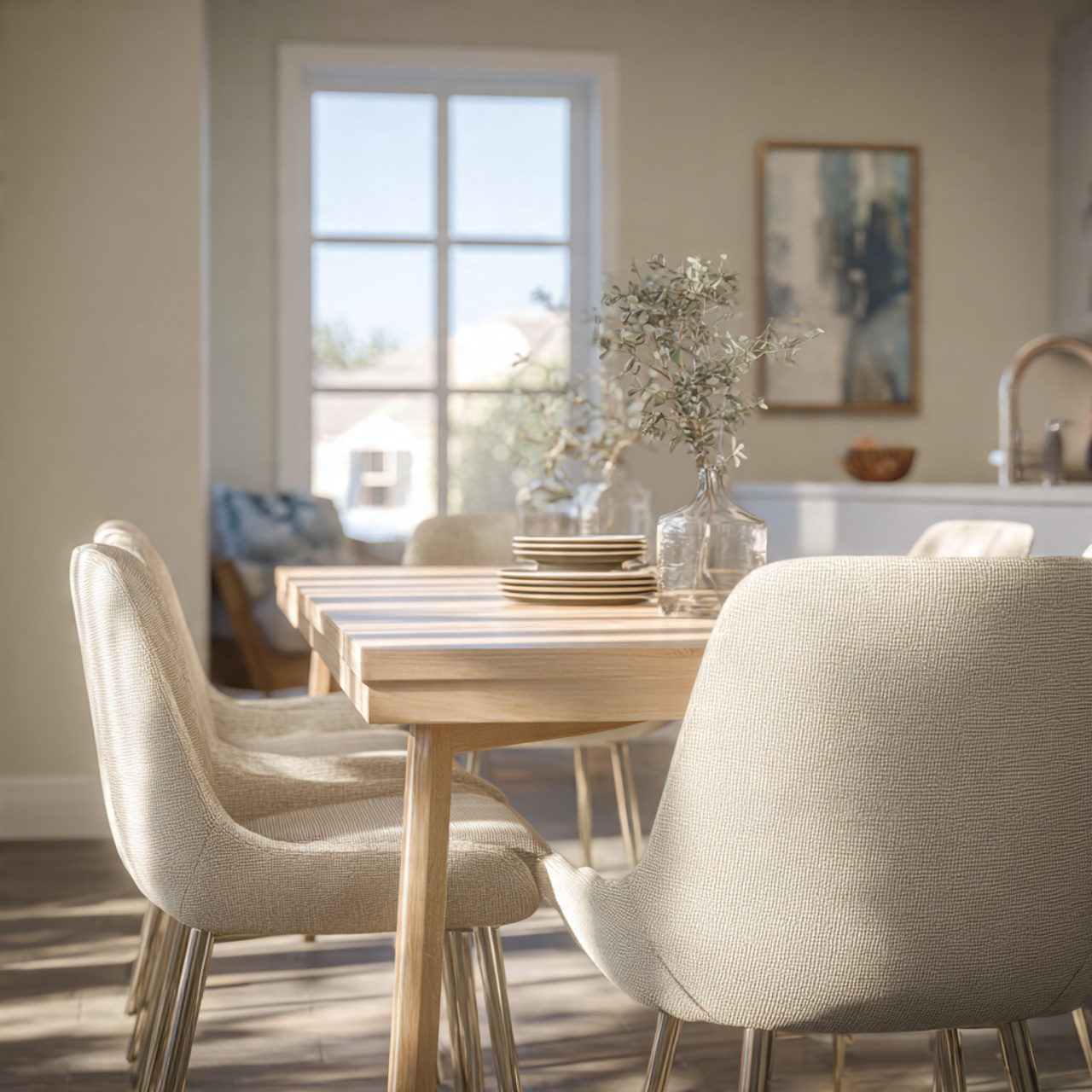
Light-toned dining tables reflect daylight and lift the room visually. They’re especially helpful in smaller or darker spaces where heaviness can creep in. The effect feels fresh without being stark.
People often worry light tables will feel fragile. In practice, warm undertones prevent that cold look and keep the space welcoming.
Sealed finishes and subtle grain patterns help maintain warmth while staying practical for everyday meals.
Dark-Stained Dining Table That Grounds Open-Plan Living Areas
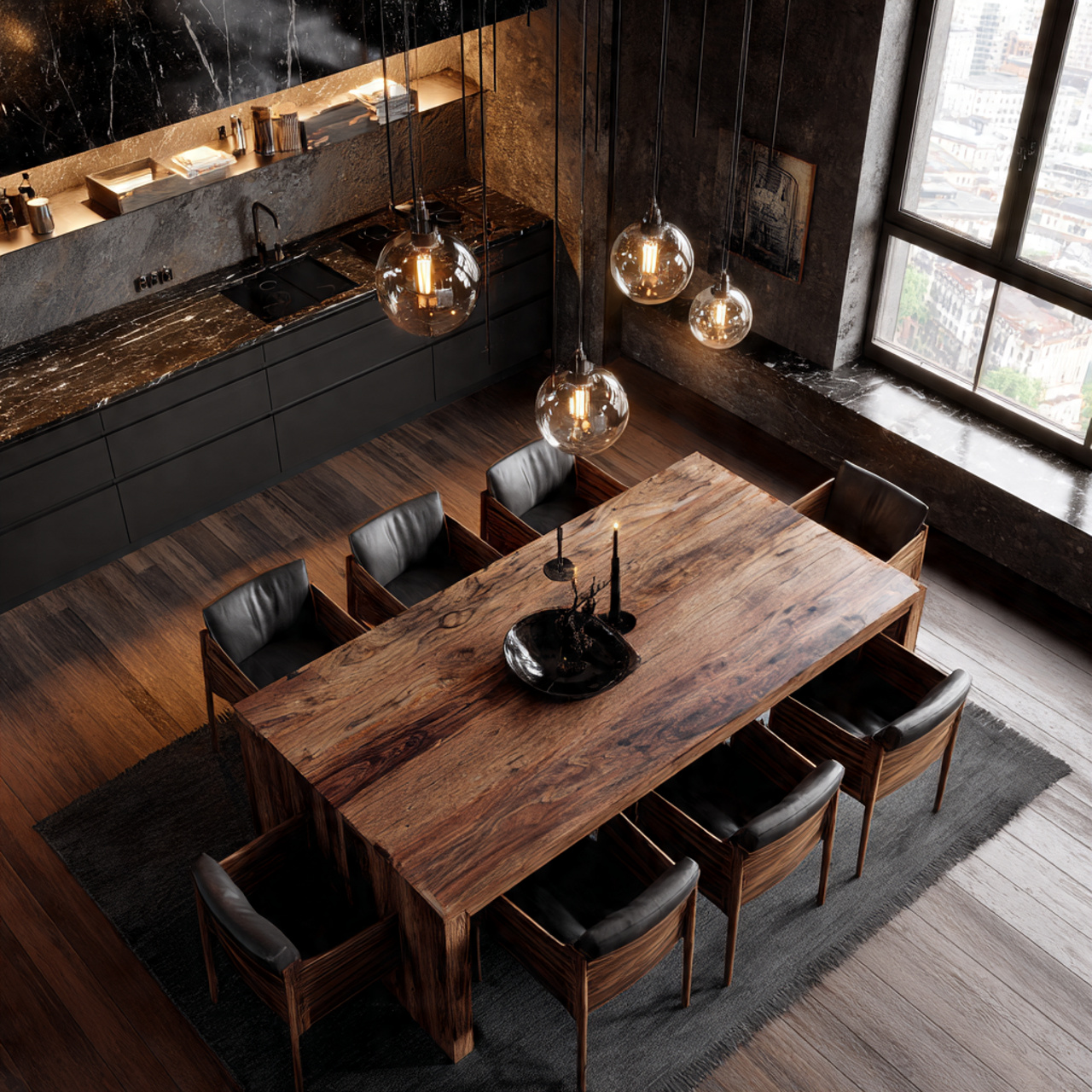
Dark-stained tables anchor open layouts where dining zones need definition. The deeper tone creates visual boundaries without adding walls. It helps the dining area feel intentional.
Over time, darker finishes feel stable rather than trendy. They handle wear gracefully and maintain presence even as other elements shift.
Balancing with lighter chairs or rugs keeps the space from feeling heavy. Contrast is key to long-term comfort.
Pedestal Base Dining Table That Improves Legroom and Natural Flow
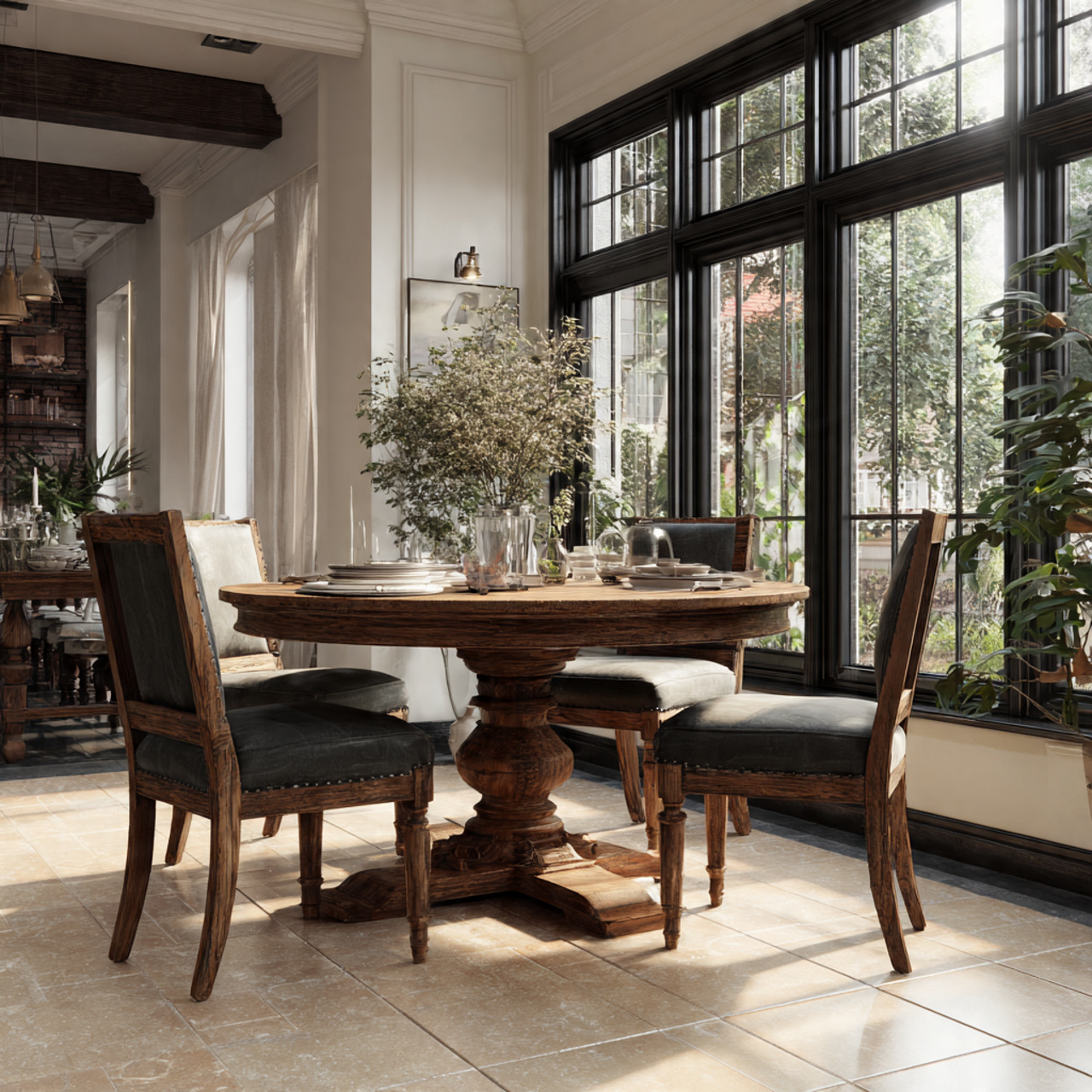
Pedestal tables remove corner legs that often interrupt movement. The base allows chairs to shift easily, improving comfort. This feels especially helpful in busy households.
People notice fewer daily annoyances with pedestal bases. Chairs tuck in smoothly, and circulation feels less restricted.
Stability matters here. Choosing a well-weighted base prevents wobbling and ensures long-term usability.
Bench-Seated Dining Table for Relaxed, Adaptable Daily Use
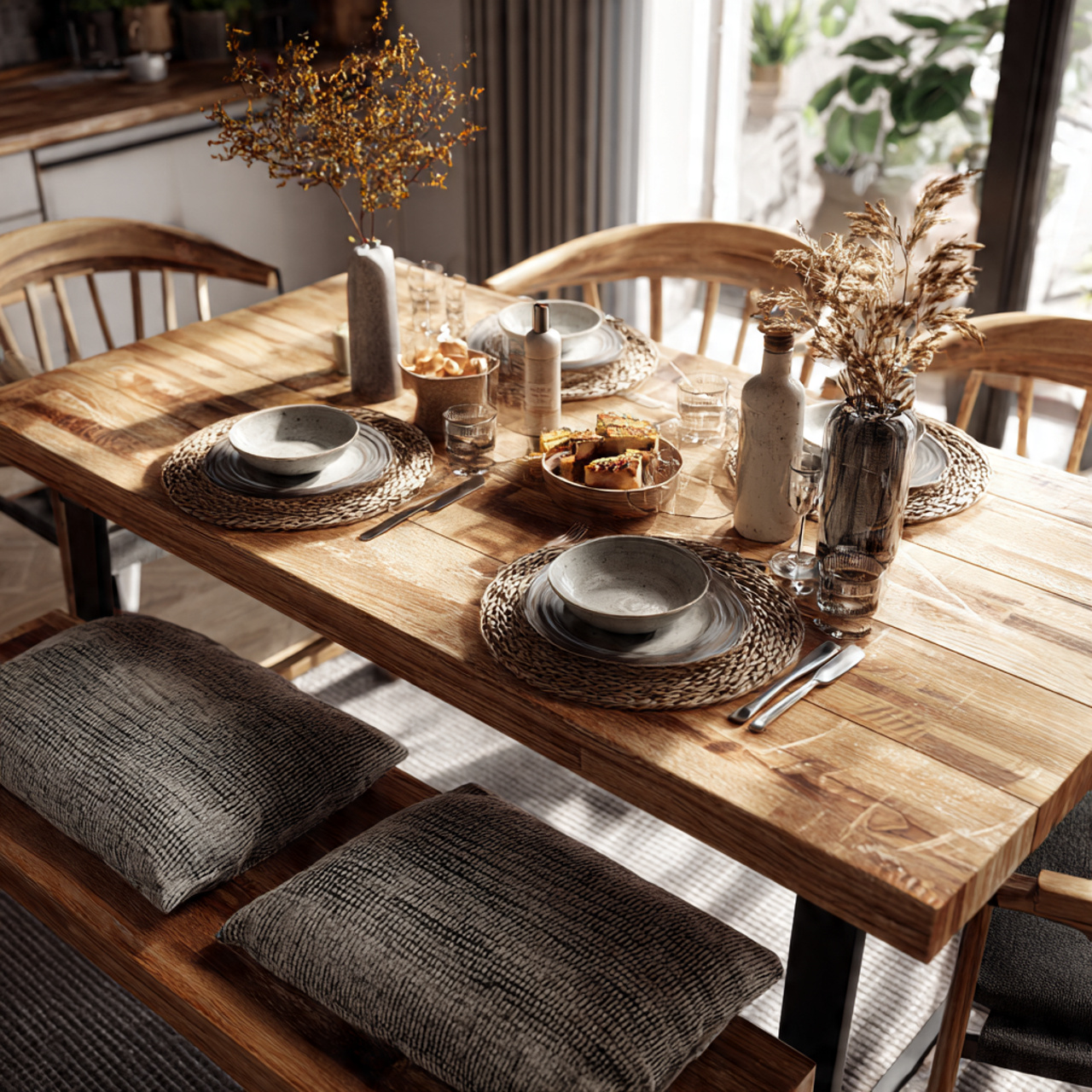
Bench seating brings flexibility to everyday dining. It allows more people to sit comfortably without precise spacing. The look feels casual and inviting.
In real life, benches reduce pressure around seating arrangements. They adapt easily to kids, guests, or quick meals.
Pairing benches with chairs on the opposite side balances comfort and variety. Cushioned tops improve long-term usability.
Mixed Chair Dining Table Setup That Feels Collected and Personal
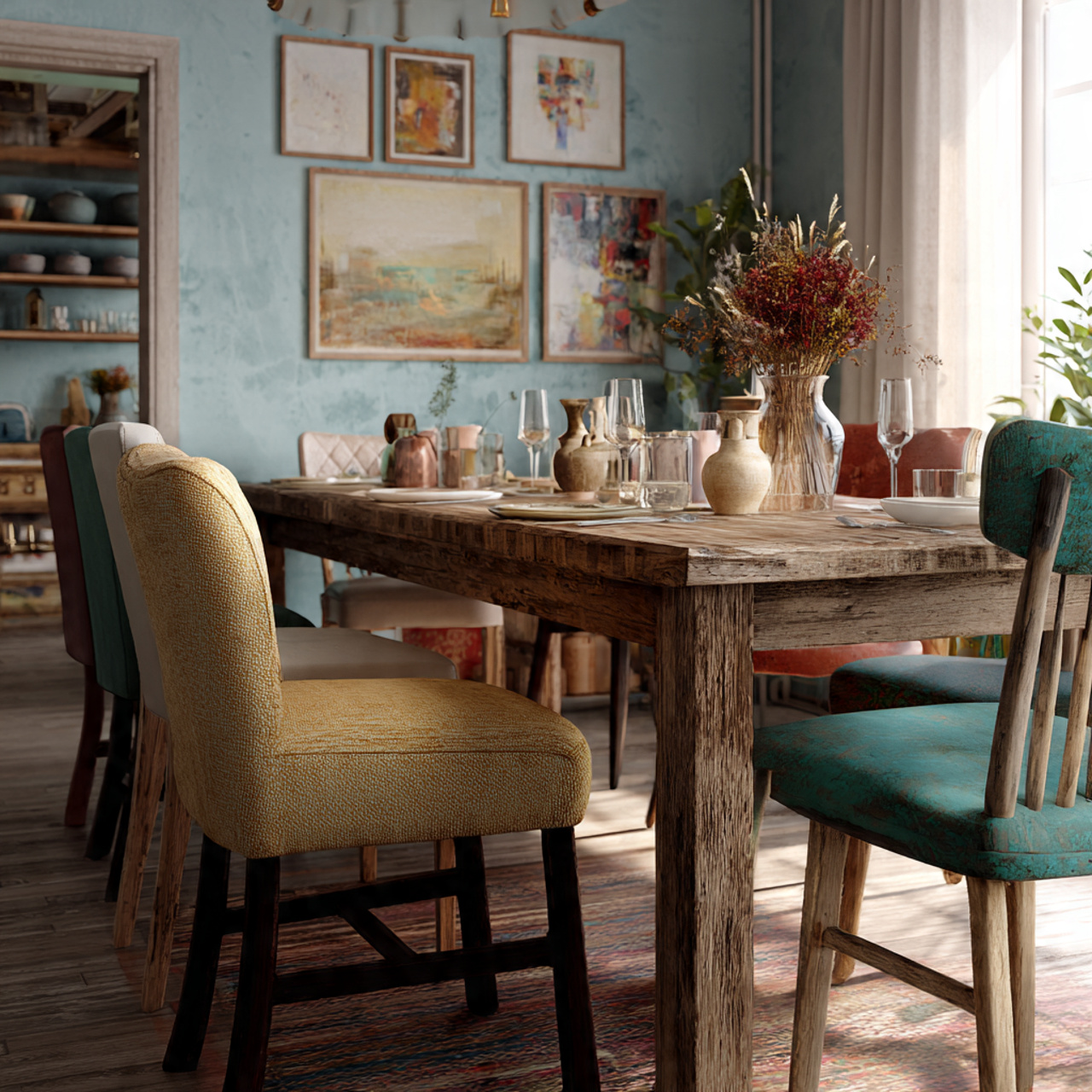
Mixing chairs introduces personality without redesigning the whole room. Slight variations in shape or material create visual interest. The table feels curated rather than uniform.
Over time, this approach allows gradual updates. Chairs can be replaced individually without starting over.
Keeping seat height and scale consistent ensures comfort. Visual variety should never compromise daily use.
Narrow Farmhouse-Style Dining Table for Casual, Lived-In Dining
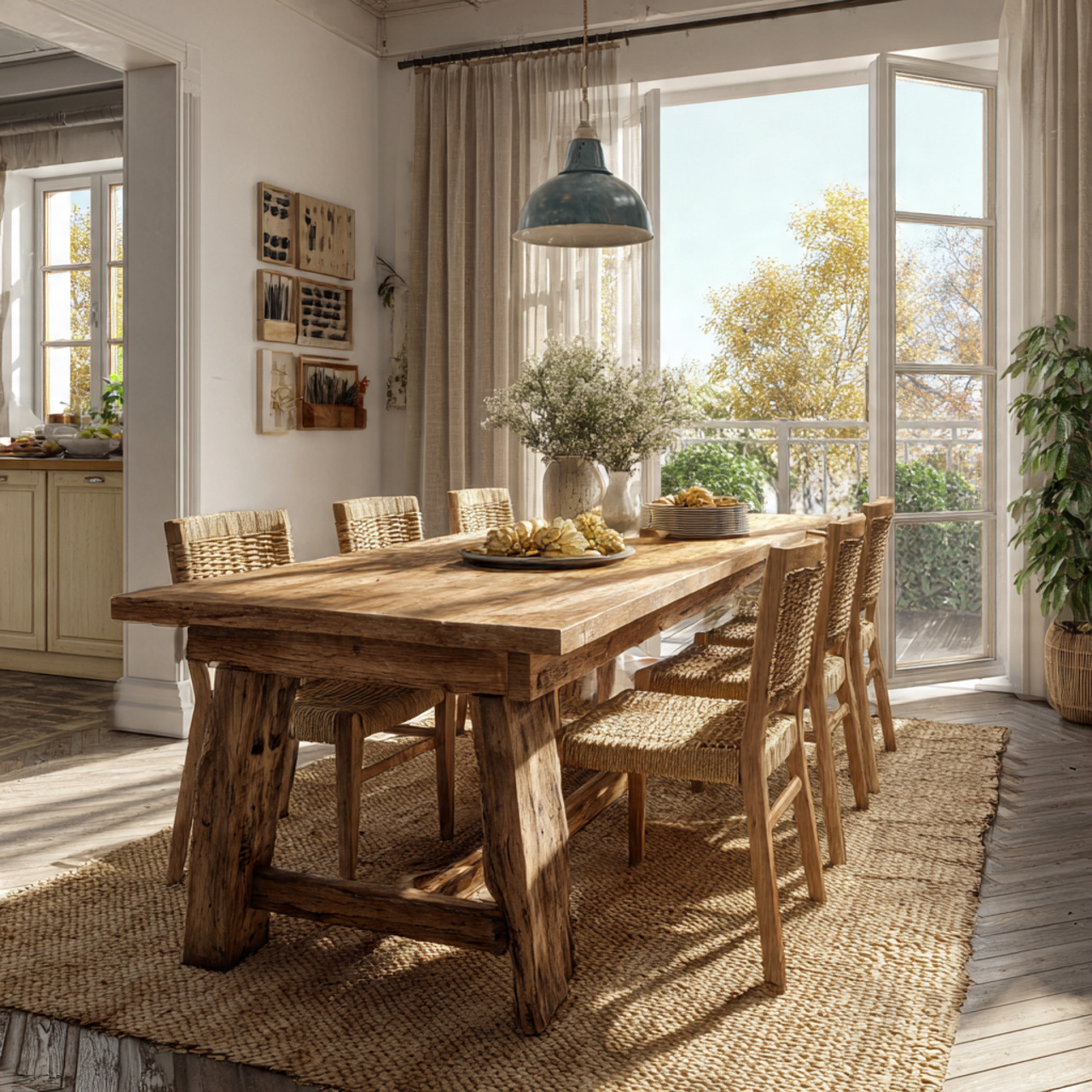
Narrow farmhouse tables support everyday meals without excess width. The proportions feel practical and relaxed. This style works well in kitchens or multipurpose spaces.
Living with a narrower table often feels easier. Reaching shared dishes and cleaning the surface becomes simpler.
Simple finishes and modest detailing help maintain authenticity. Overly distressed designs can feel forced over time.
Glass-Top Dining Table That Keeps Tight Rooms Visually Light
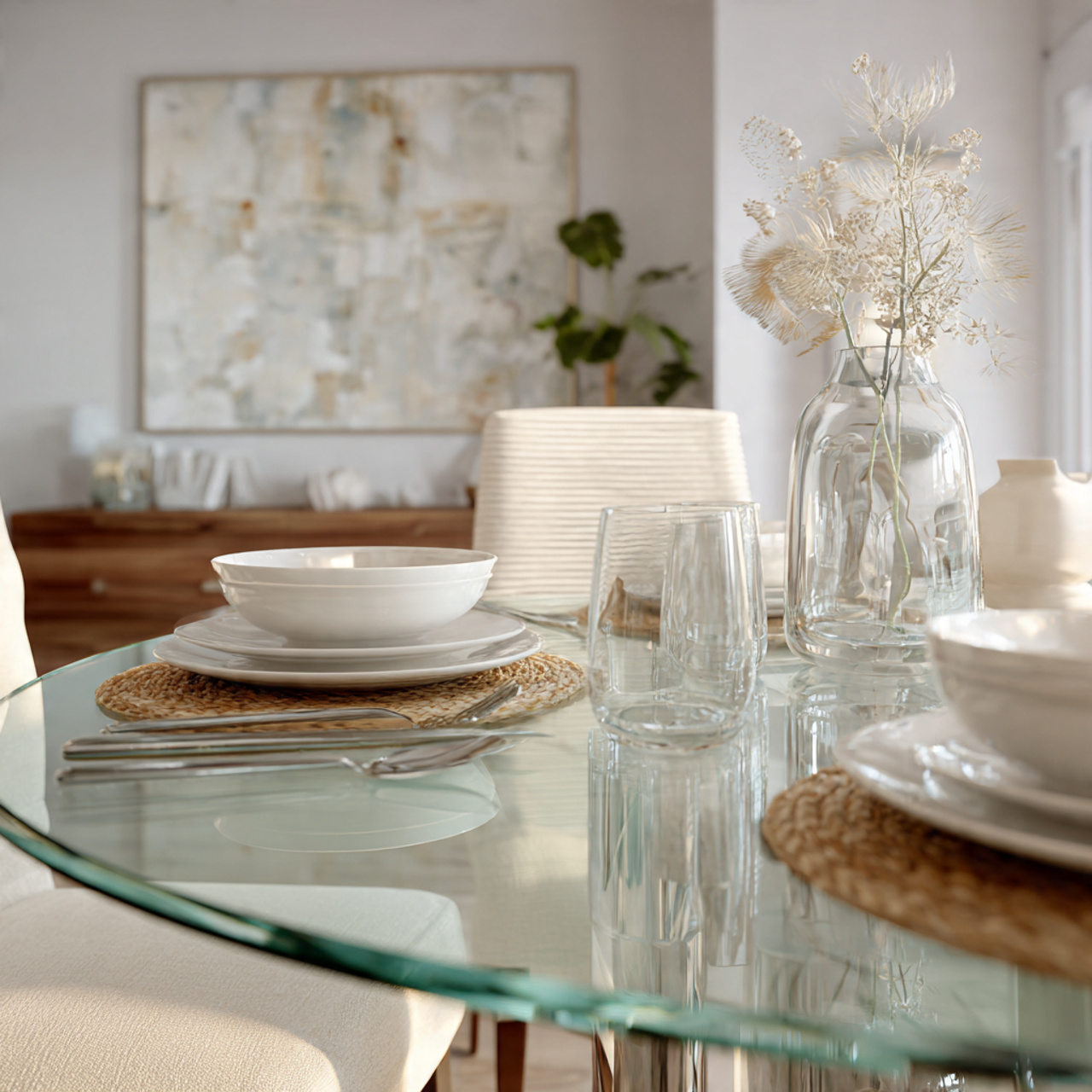
Glass-top tables allow light to pass through, reducing visual clutter. They’re effective in tight spaces where openness matters. The table almost disappears when not in use.
Long-term, people appreciate how glass keeps rooms from feeling boxed in. The space remains flexible and airy.
Choosing tempered glass and rounded edges improves safety and durability. Regular cleaning is essential but manageable.
Textured Wood Dining Table with Forgiving Finish for Real Life
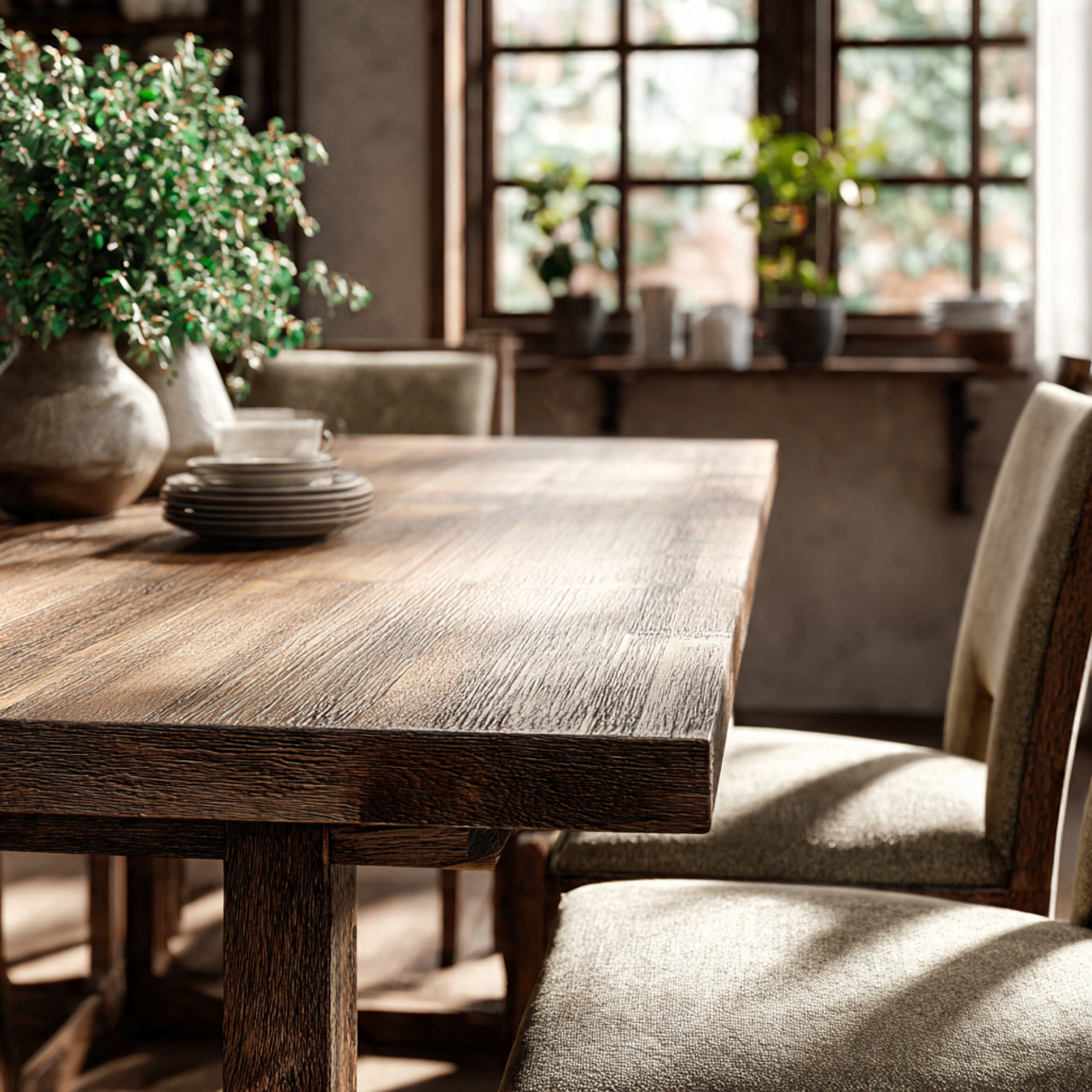
Textured finishes disguise daily wear better than smooth surfaces. Subtle variation hides marks naturally. The table stays attractive with less effort.
People often regret overly polished tables that show every flaw. Textured wood reduces that frustration and supports relaxed living.
Wire-brushed or lightly distressed finishes strike the right balance between character and control.
Statement Dining Table That Becomes the Room’s Visual Anchor
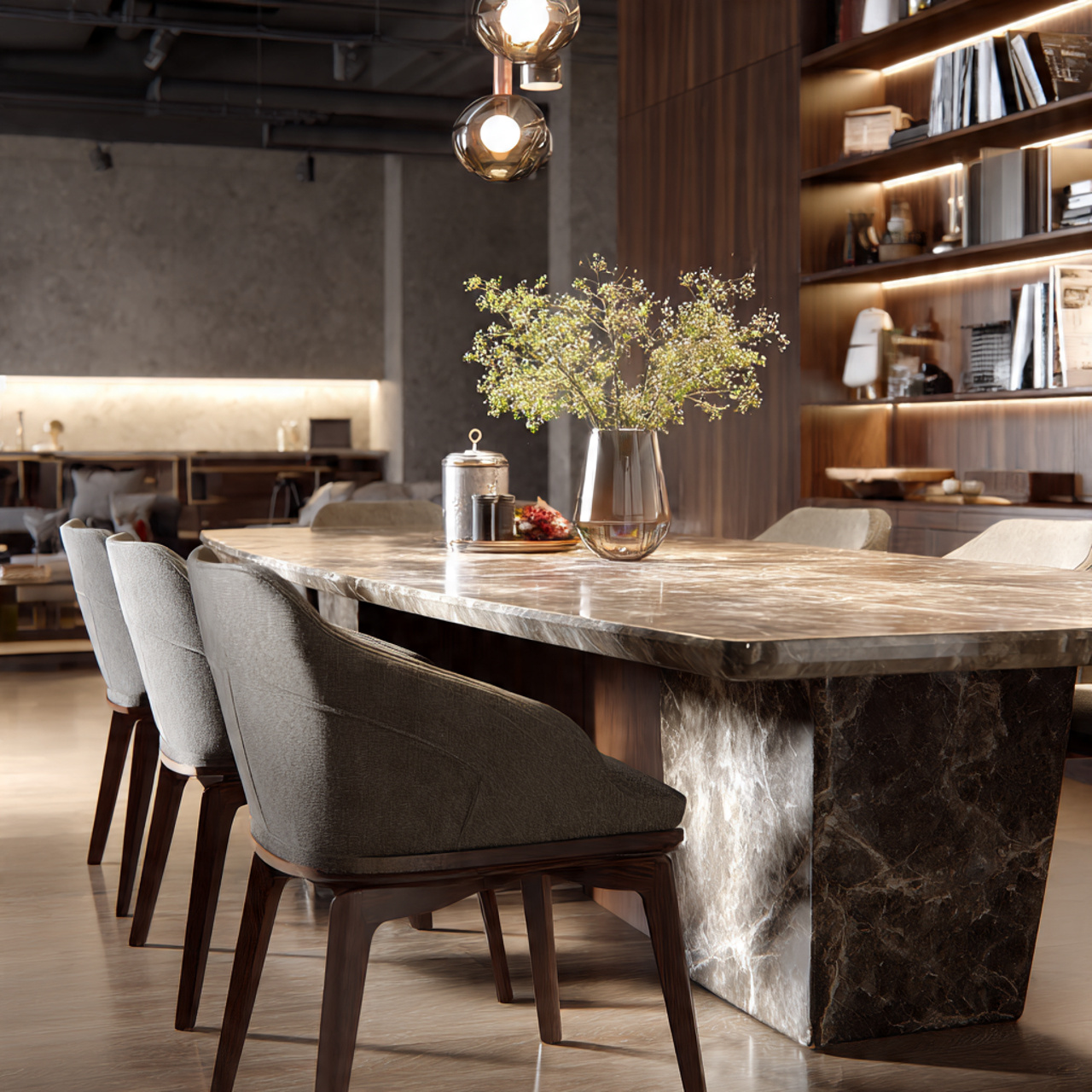
A statement dining table commands attention through scale or form. It sets the tone for the entire space. Surrounding elements naturally fall into place around it.
When chosen carefully, statement pieces age well. They reduce the need for constant decorating updates.
Keeping surrounding décor understated prevents visual overload. The table should lead, not compete.
Minimal Dining Table Balanced with Soft Surrounding Textures
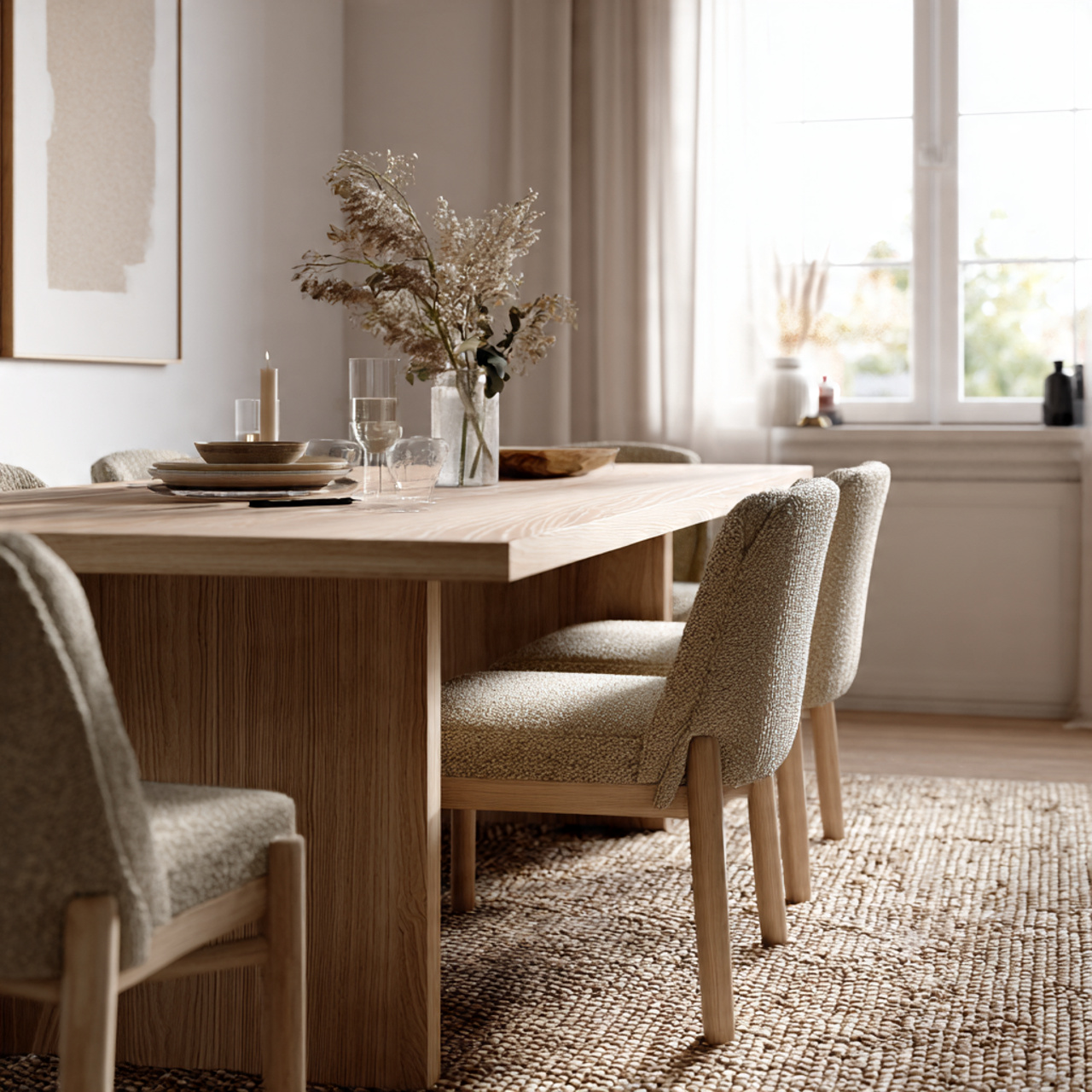
Minimal tables rely on proportion rather than decoration. Clean shapes feel calm and deliberate. The simplicity allows the room to breathe.
Over time, softness becomes essential. Textiles, rugs, and lighting prevent the table from feeling sterile.
This balance supports long-term comfort without sacrificing clarity.
Dining Table Paired with Layered Lighting for Evening Comfort
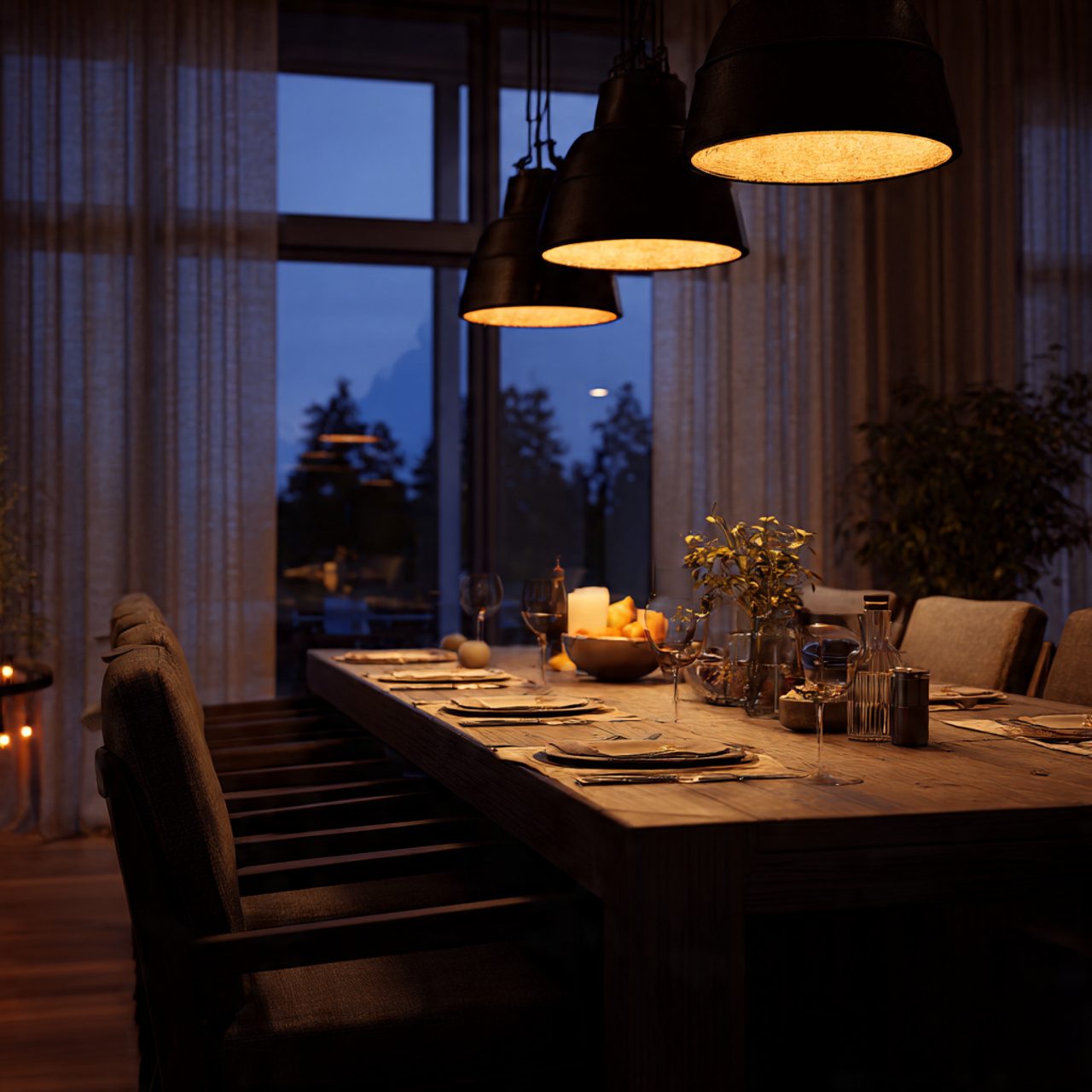
Lighting changes how a dining table is experienced. Layered light softens the space after dark. Meals feel calmer and more intentional.
People often underestimate lighting until glare becomes an issue. Proper layering prevents harsh shadows and eye strain.
Using dimmable fixtures adds flexibility without changing the table itself.
Personalized Dining Table Setup That Reflects Daily Rituals
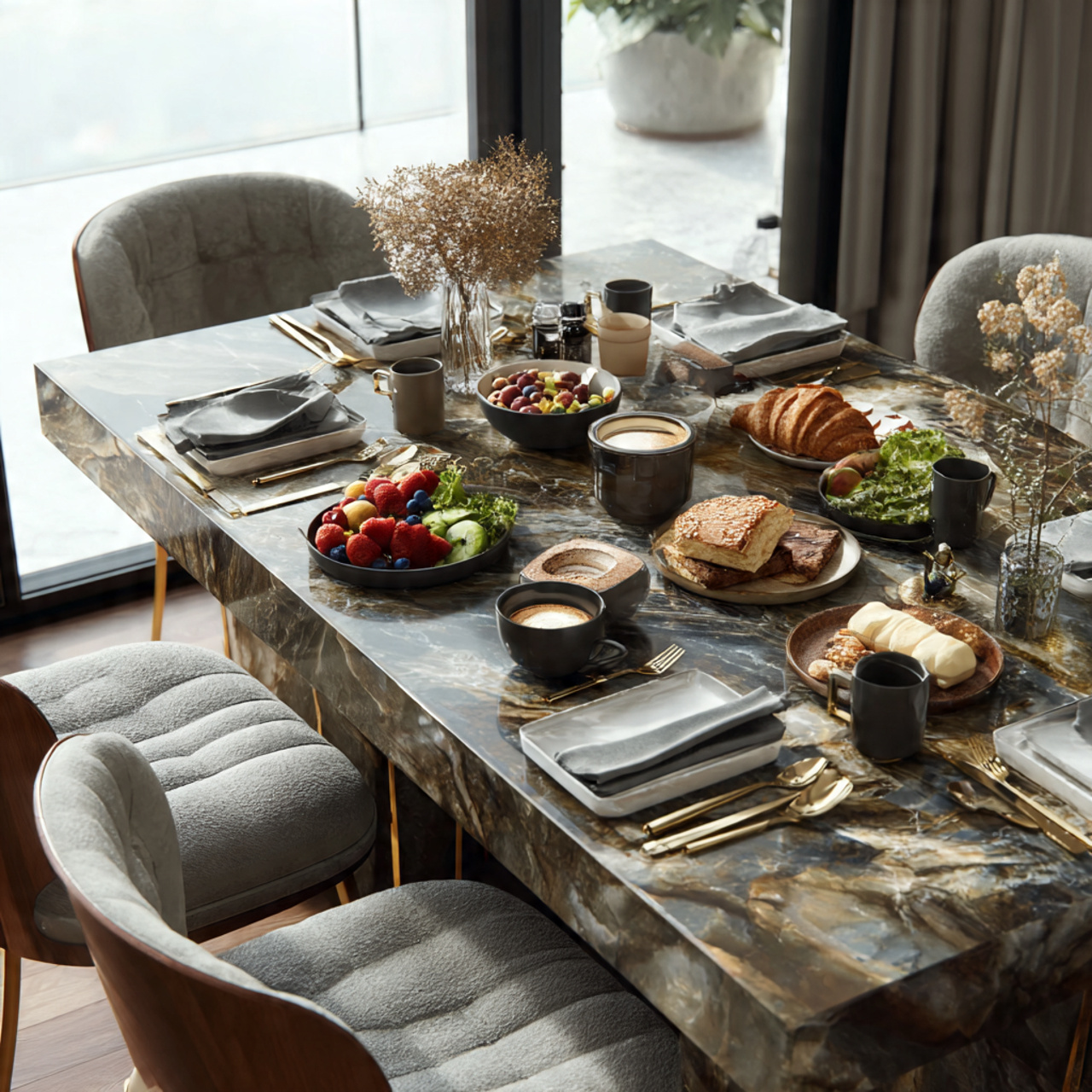
Personal touches make the dining table feel owned, not styled. Everyday objects like bowls or linens add authenticity. The space reflects real habits.
Over time, personalization reduces pressure to perform. The table supports life rather than presentation.
Keeping styling minimal ensures functionality stays intact while still feeling intentional.
Common Dining Table Mistakes
Choosing Size Before Measuring Real Circulation Space
Many dining tables feel cramped once chairs are in use because size was chosen by seat count, not movement. What looks fine on paper often fails in real life.
Measuring clearance with chairs pulled out prevents daily frustration and early replacement.
Prioritizing Appearance Over Surface Durability
Polished or delicate surfaces look appealing at first but show wear quickly. Heat marks and scratches appear sooner than expected.
Forgiving finishes age better and allow the table to be used without constant worry.
Overlooking Chair Comfort and Proportion
Chairs chosen for looks alone often lead to poor seat height or tight legroom. Discomfort usually shows up during longer meals.
Testing chairs with the table avoids long-term irritation during daily use.
Ignoring Natural Light Direction When Placing the Table
Tables placed for symmetry can suffer from glare at certain times of day. Some seats become uncomfortable or avoided.
Watching how light moves helps keep the table usable throughout the day.
Buying for Occasional Hosting Instead of Everyday Life
Many tables are chosen for rare gatherings rather than daily routines. Oversized designs dominate the space.
Choosing for everyday use first leads to better long-term comfort and satisfaction.
Frequently Asked Questions
How do I choose the right dining table size for my space?
Start by measuring the room with chairs pulled out, not pushed in. In real homes, circulation matters more than seat count. A table that technically fits but restricts movement quickly becomes frustrating to live with.
Is a round or rectangular dining table better for everyday use?
Round tables work well for conversation and tight spaces, while rectangular tables suit structured family meals. Long term, the better choice depends on how often people move around the table during daily routines.
Which dining table materials hold up best over time?
Solid wood and well-finished veneers tend to age most gracefully. Highly polished or delicate surfaces often show wear quickly, which leads to regret in homes where the table is used daily.
How much space should be left around a dining table?
Comfortable use usually requires enough room for chairs to pull out and people to pass behind them. When this space is tight, the table may look fine but feels inconvenient over time.
Can one dining table realistically work for both daily meals and guests?
Yes, if flexibility is built in. Extendable designs or adaptable seating handle guests without forcing everyday compromise, which is why they perform better long term in real homes.
Conclusion
A dining table works best when it supports real routines rather than imagined moments. Choosing with everyday use in mind leads to fewer compromises and longer satisfaction. When proportion, material, and placement are aligned with how a home actually functions, the table becomes steady and reliable instead of demanding attention. Over time, this balance is what makes a dining space feel comfortable, intentional, and easy to live with.