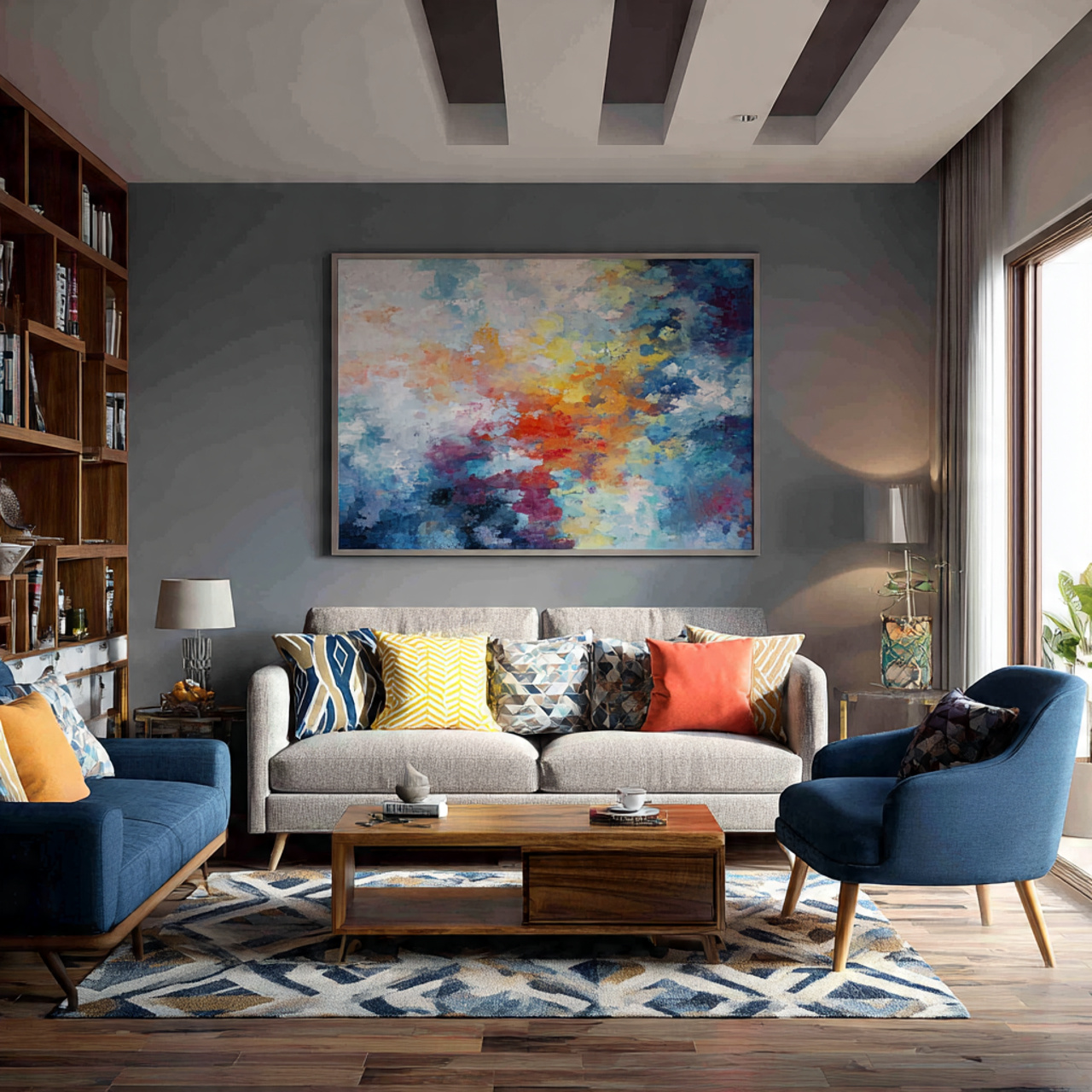
12 Dining Room Decor Ideas That Instantly Warm Your Space
Dining room decor often decides whether a space feels inviting or quietly unfinished, even when the furniture is already in place. Many dining rooms look complete at first glance, but the walls feel empty, the lighting feels flat, and the space never quite feels comfortable during everyday use. These small details are usually what separate a styled dining room from one that simply exists.
In my experience, dining rooms start to feel more natural once the layout, lighting, and wall balance begin working together. A mirror catching morning light, warm materials softening the space, and a clear focal point can completely change how the room feels over time. This is why thoughtful dining room decor often transforms the atmosphere without replacing major furniture pieces.
How to Think About Dining Room Decor Before You Start
The most successful dining rooms usually have one thing that pulls your eye in, one thing that softens the space, and enough open air around both so the room still feels easy to move through. That balance is what makes the room feel intentional rather than overworked. Once that idea is clear, every decor choice becomes easier to judge.
This article stays focused on walls, mirrors, lighting, color, texture, and visual weight rather than chair shopping or table setting details. That makes it useful for homes that already have the basic furniture in place but still feel unfinished. It also makes the styling easier to adapt to apartments, open plan homes, and more formal dining rooms.
Dining Room Decor Ideas for a Finished, Warm Space
Statement Mirror Wall That Makes Dining Room Decor Feel Bigger and Brighter
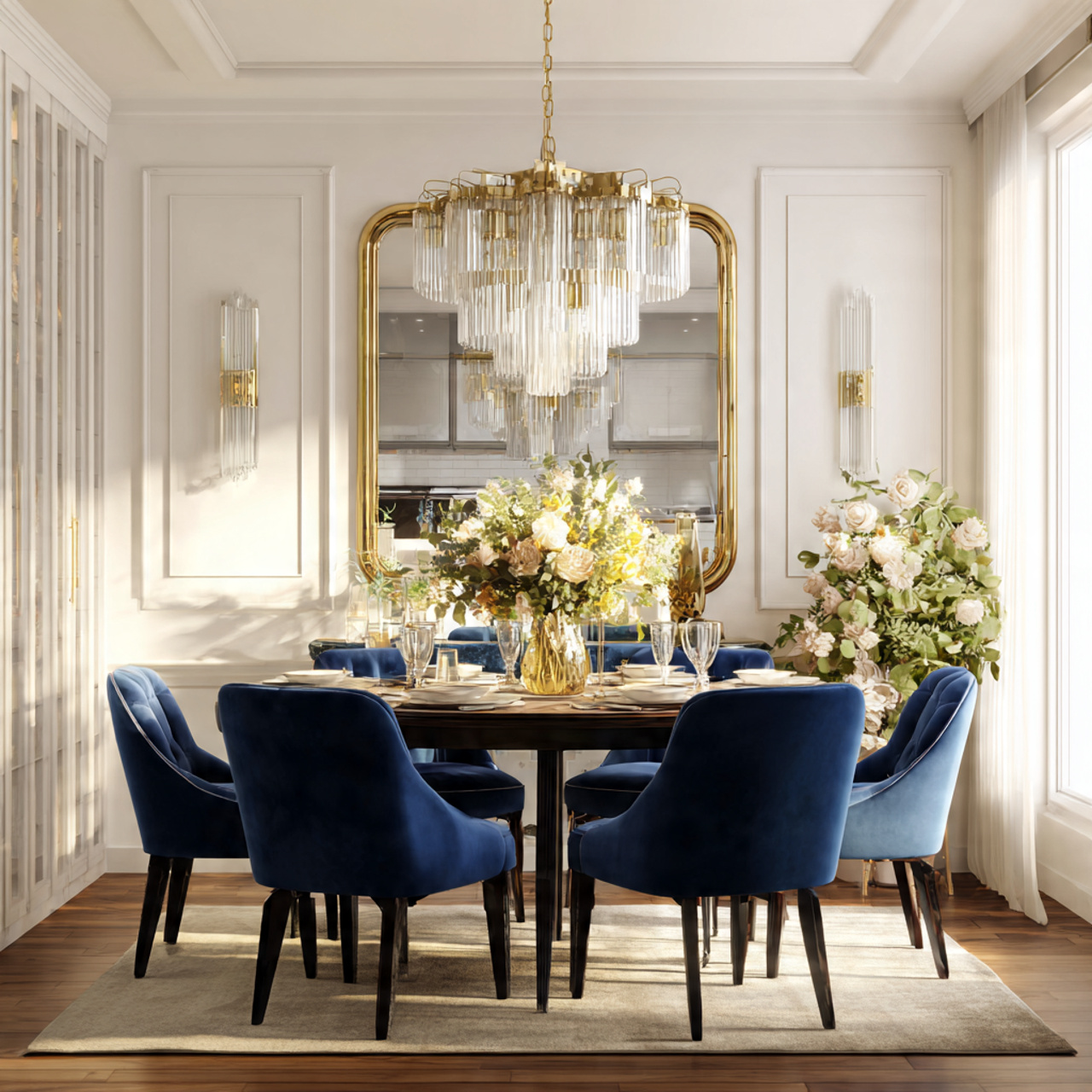
A large mirror behind the dining area can completely change the feeling of the room. When it catches a window or a pendant light, the space feels deeper, brighter, and more open without needing more furniture. In narrower rooms, that added depth often matters more than any decorative accessory.
The reason it works is simple visual balance. A mirror gives the eye a second layer to read, so the wall stops feeling heavy and the dining zone feels more defined. In a compact home, that sense of depth can make the room feel more generous than it really is.
I have found that one oversized mirror almost always looks more deliberate than several small ones. If the frame stays simple and the wall around it is quiet, the mirror starts to feel like part of the room itself instead of an added object. That is one of the easiest ways to make dining room decor feel polished without making the wall feel crowded.
Tip: Place the mirror where it reflects natural light, not a blank corner.
Beige Dining Room Decor That Feels Calm and Elevated
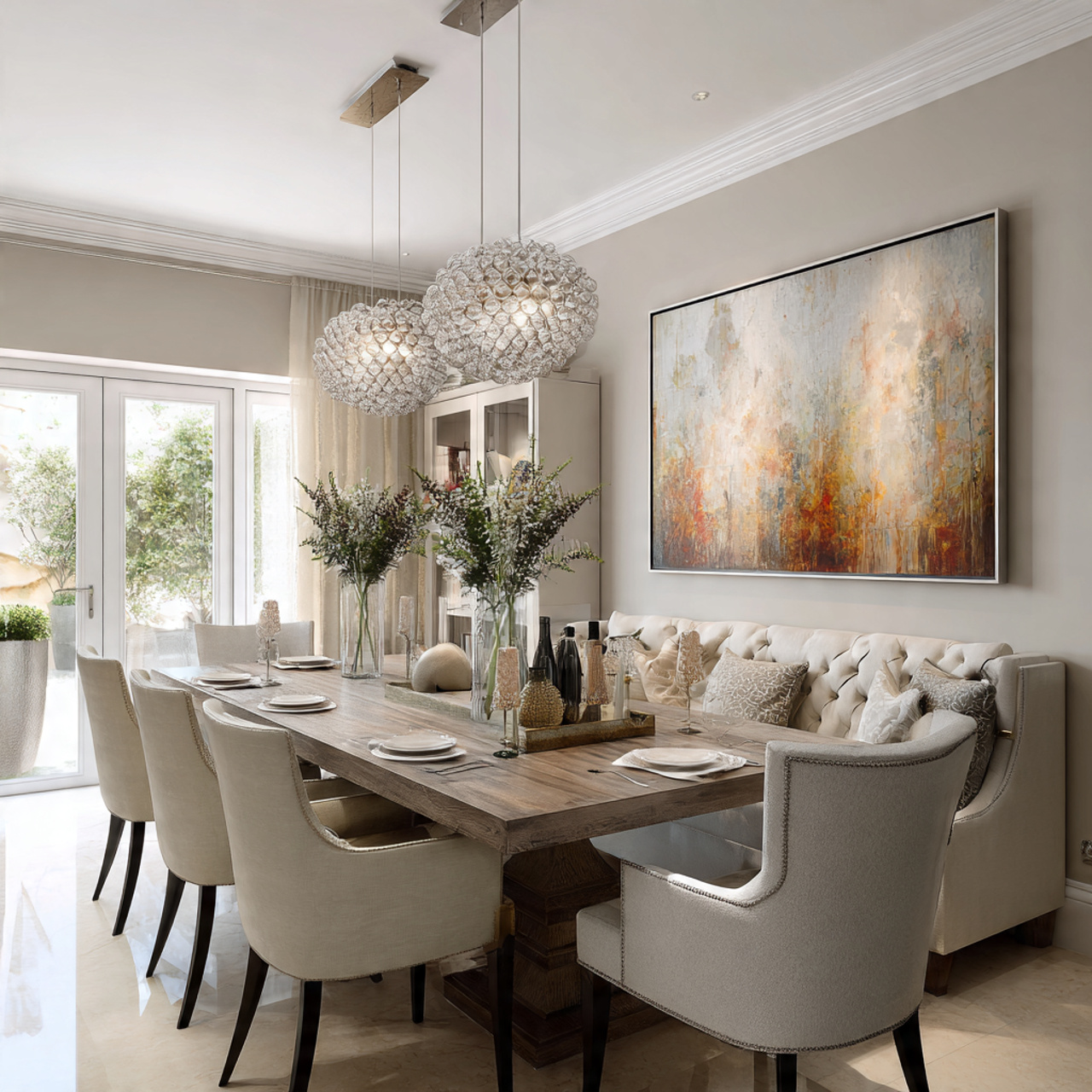
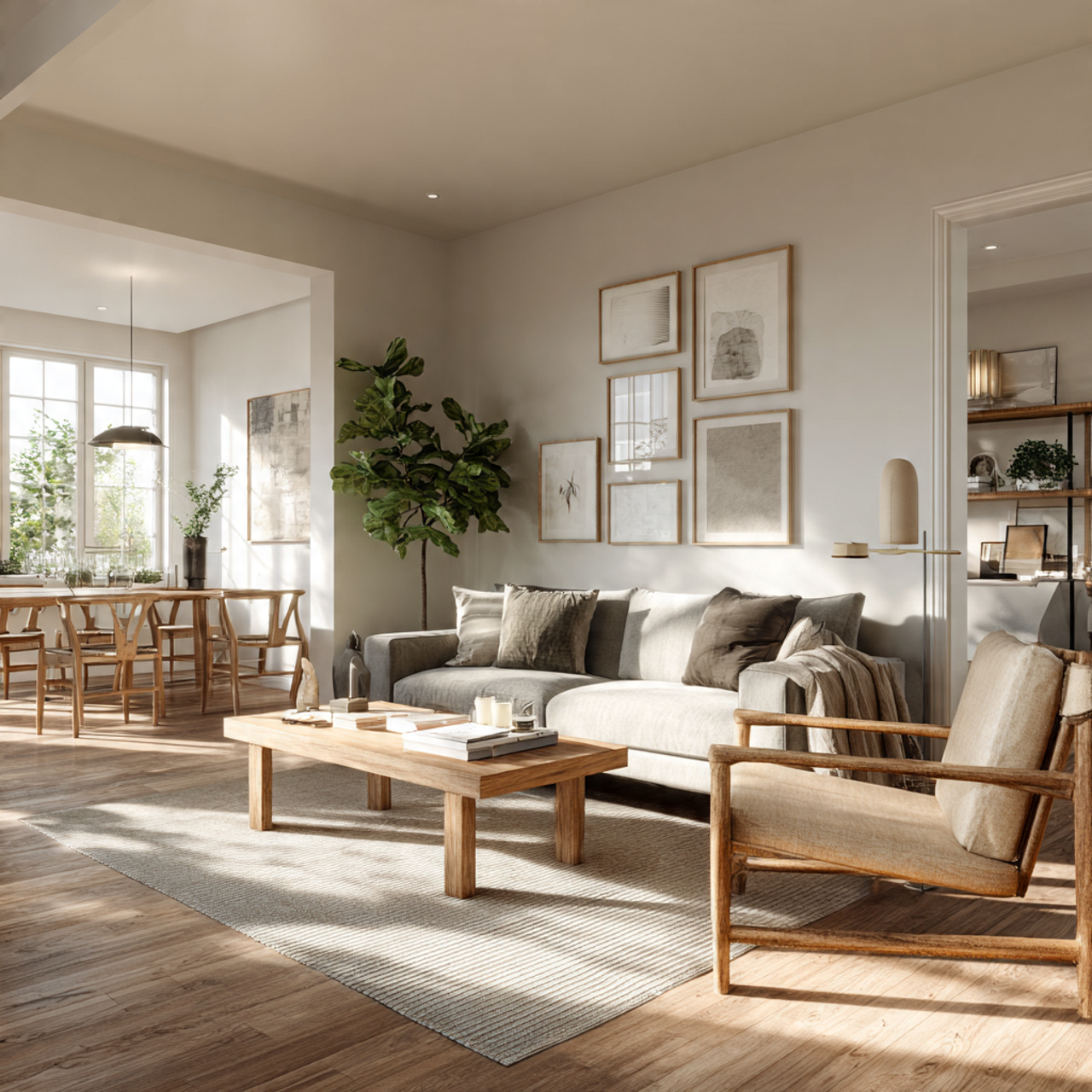
A beige dining room can feel soft, layered, and surprisingly modern when the textures are chosen well. Linen curtains, a wood table, and a warm rug keep the room from looking flat or washed out. In evening light, beige usually glows in a way that feels calm rather than stark.
The strength of beige is that it supports the room instead of competing with it. It gives wall art, lighting, and furniture a quieter background, which makes the whole space easier to read visually. That matters in homes where the dining area connects to the kitchen or living room and needs to feel connected without disappearing.
After living with a room that had too much contrast, I started appreciating the quiet power of neutrals. I also regretted using a beige that leaned too yellow because it made the room feel dull by midday. A softer beige with layered materials solves that problem and keeps the space feeling lived in rather than staged.
Tip: Mix at least two beige tones so the room never feels one note.
Modern Classy Dining Room Decor With Gold Accents for a Soft Hotel Mood
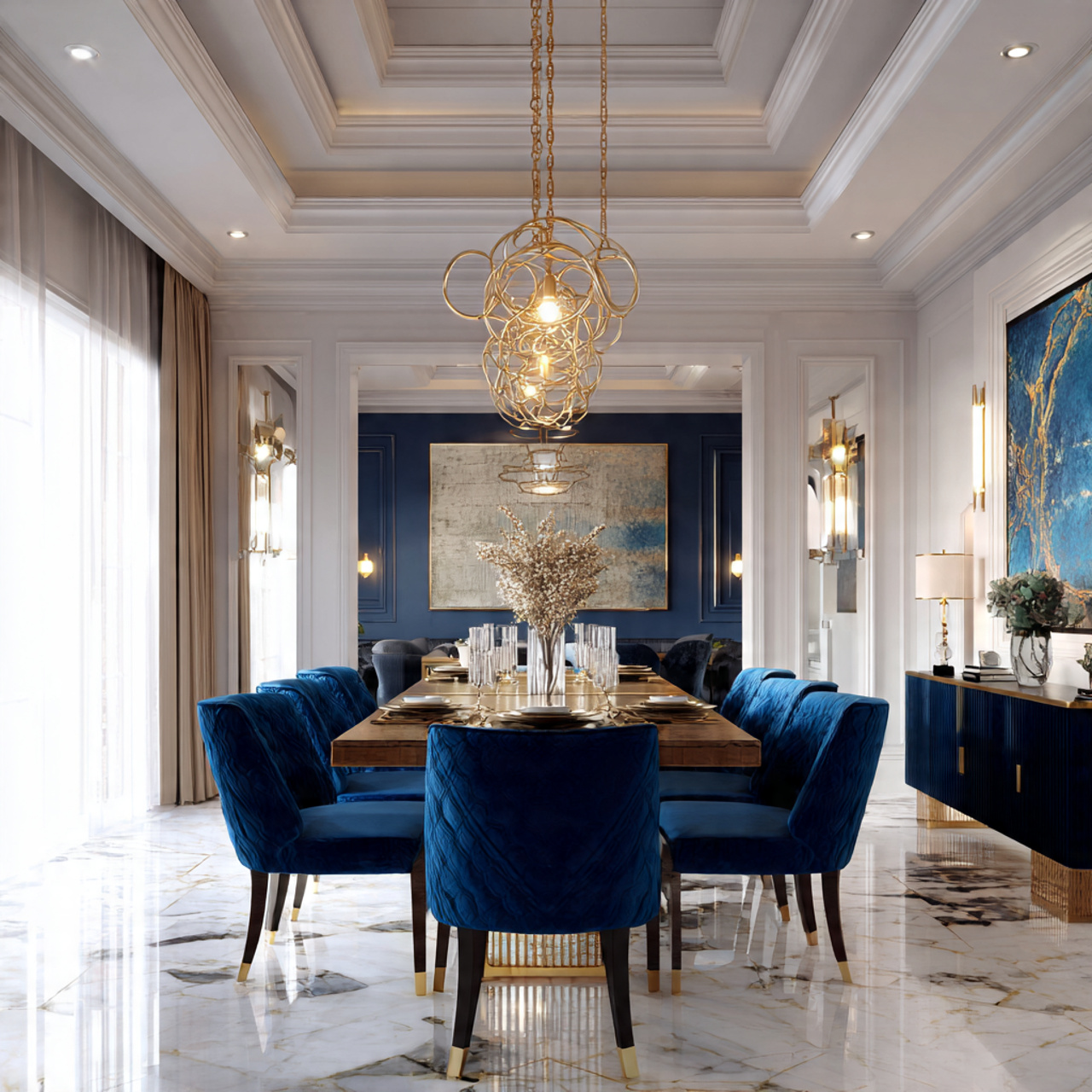
Gold accents can make dining room decor feel elevated when they are used with restraint. A slim brass frame, a softly reflective chandelier, or a small metallic detail can give the room a hotel like mood without making it flashy. The best rooms use gold as a highlight, not the whole story.
Gold works because it catches light and gives the eye a small moment of brightness. That sparkle is useful in rooms with simple furniture because it adds dimension without creating visual noise. The result feels elegant, especially when the rest of the palette stays calm.
One mistake I made in a previous dining room was mixing too many shiny finishes, and the room started feeling busy instead of refined. Once I limited the metallics to one finish, the entire space looked more deliberate. That lesson matters when you want a classy room that still feels comfortable to use every day.
Tip: Keep one metallic finish dominant and let the rest stay quiet.
Scandinavian Dining Room With Wood, Quiet Texture, and a Warm Minimal Look
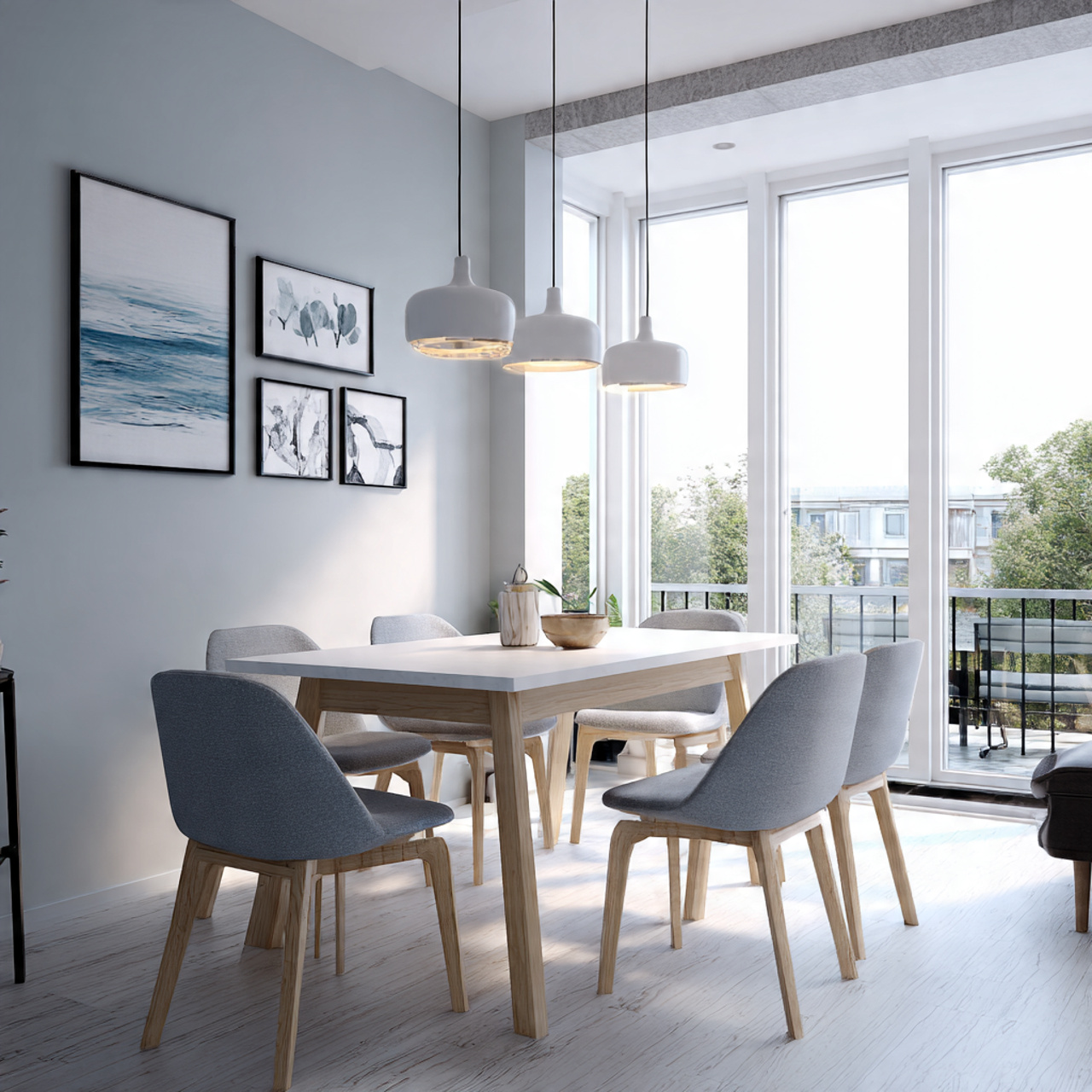
A Scandinavian dining room feels airy when the wood tones are light and the surfaces stay simple. A pale table, soft fabric seats, and a muted wall color create an easy rhythm that feels calm in daylight. This look works especially well in homes that need visual order without feeling cold.
The Scandinavian approach succeeds because it reduces contrast and lets natural materials do the talking. You notice the grain in the wood, the softness of the fabric, and the shape of the chairs instead of fighting layers of decor. That restraint is what makes the style feel timeless.
In real homes, this style is strongest when it avoids looking empty. A small woven element, a simple ceramic bowl, or a textured rug gives the room enough presence to feel finished. Without that, the space can become too sparse and start to feel like a showroom rather than a home.
Tip: Add one tactile material so the room feels warm rather than bare.
Large Wall Art That Makes the Dining Room Feel Finished Without Clutter
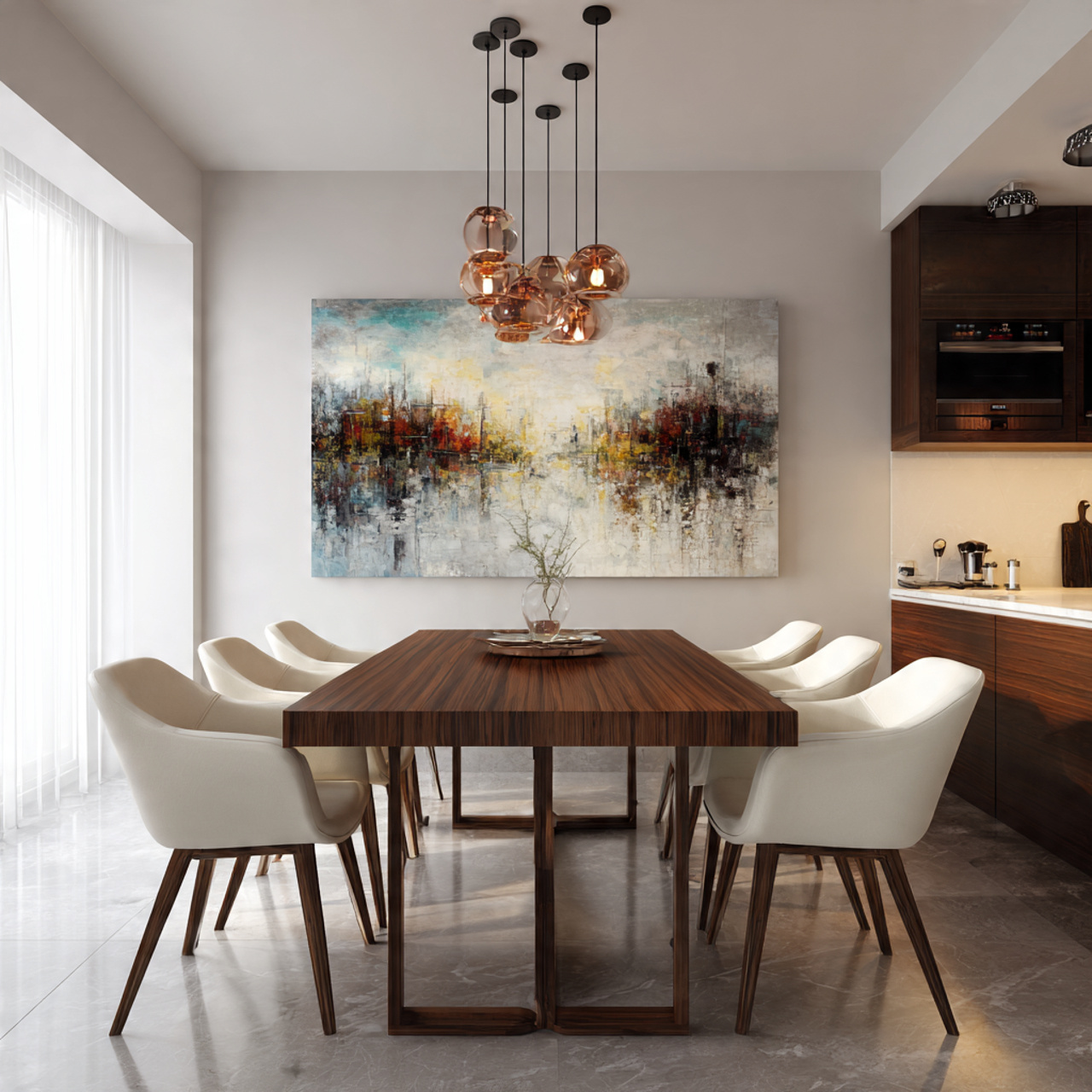
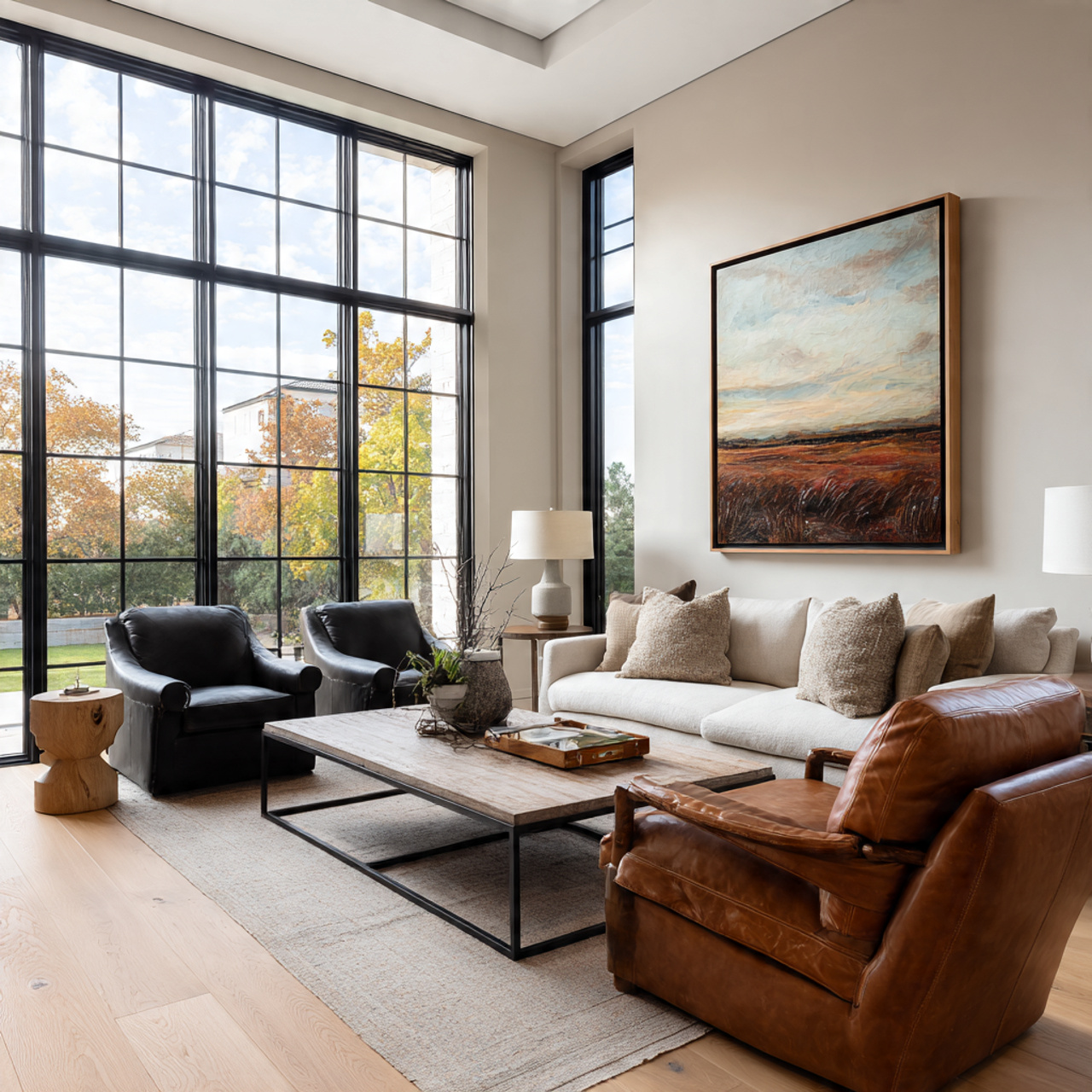
Oversized wall art gives dining room decor a clear focal point and removes the guesswork from the wall. A single large piece often looks calmer than multiple small frames because it gives the eye one place to land. In a dining room with tall walls, that scale matters a lot.
Large art works because it creates visual balance above the furniture line. It helps the dining zone feel intentionally framed, which is useful in open plan spaces where the room needs definition. The best pieces usually repeat one or two colors already present in the room, which keeps the whole composition feeling cohesive.
I once tried filling a wall with small prints and regretted how scattered it looked from across the room. A larger piece created a more collected feeling and made the dining area seem more expensive. That is why scale is often more important than subject matter.
Tip: Choose one large piece before adding smaller decor around it.
Indoor Plant Dining Room Styling That Feels Fresh and Relaxing
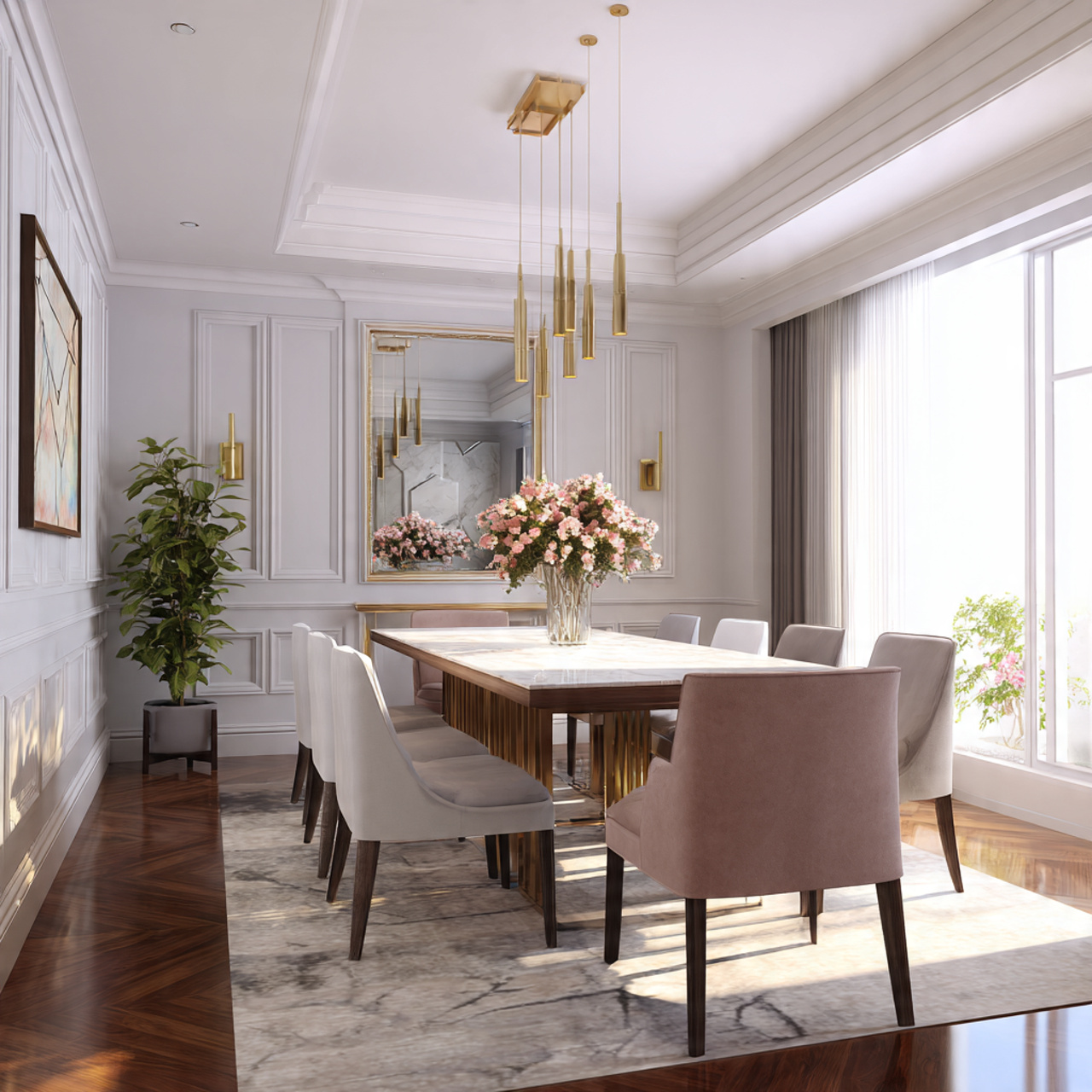
A single tall plant near the dining area can soften hard edges and make the room feel alive. Morning light across green leaves adds movement that static decor cannot copy. The room feels more relaxed the moment there is something organic in the corner.
Plants work in dining rooms because they break up straight lines and add visual softness. They also help a space feel less formal, which is useful if the dining room is used for daily life instead of only guests. In homes with neutral walls, greenery becomes a quiet but powerful accent.
The best plant placement is usually near a window, beside a side wall, or in a corner that feels visually heavy. Too many small plants can look scattered, so one substantial plant usually has more impact. That approach also makes cleaning and upkeep much easier.
Tip: Use one statement plant instead of several tiny ones.
Mirror Behind Dining Table That Adds Depth and Warm Light
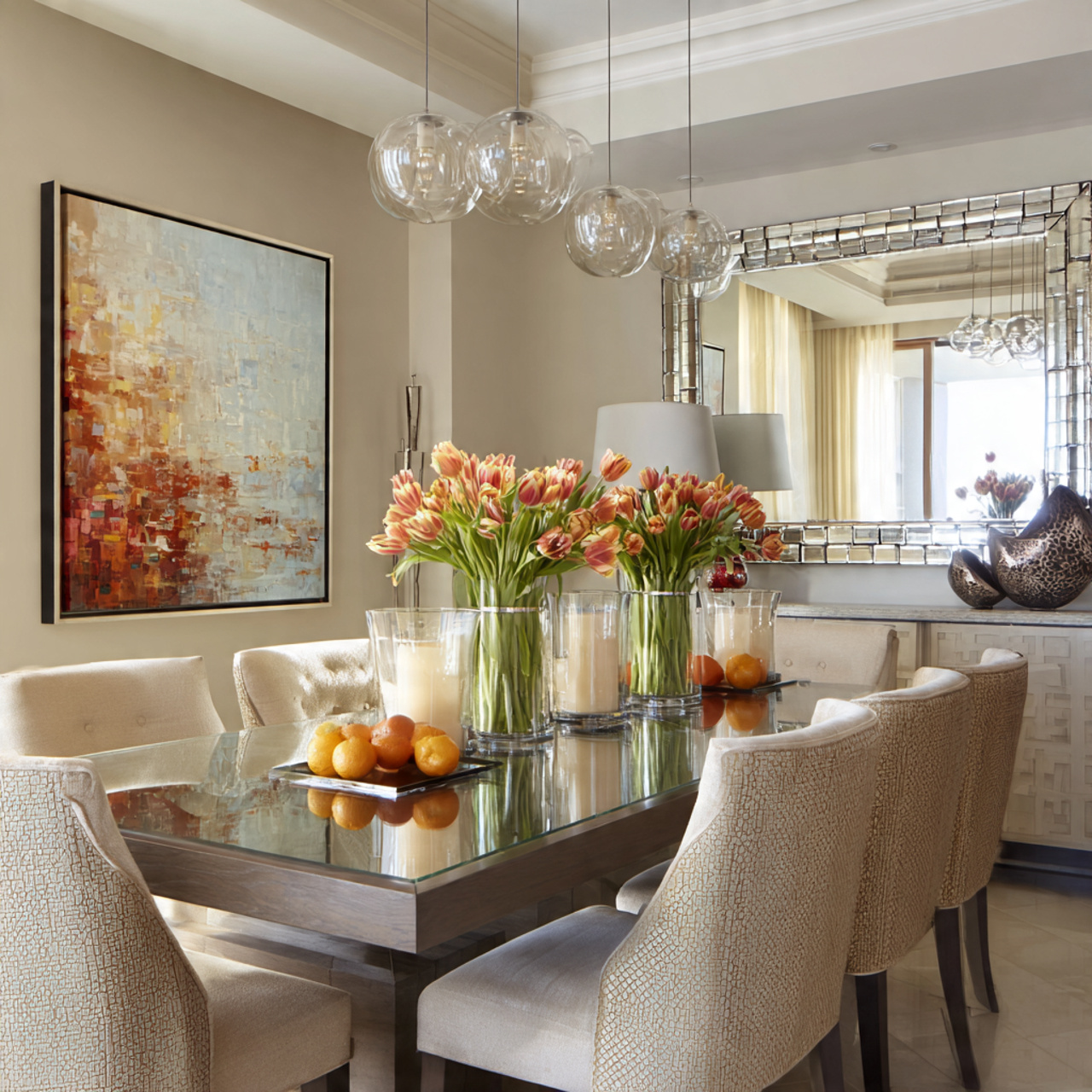
A mirror behind the dining table can make the whole room feel layered and brighter at the same time. When candlelight or a pendant reflects across the glass, the room gains a softer evening mood. This is especially effective in rooms that need more depth.
The reason this placement works is that it expands the backdrop directly behind the main seating zone. It gives the dining area a sense of structure without requiring heavy wall treatment. Compared with mirror placement on a side wall, the center back wall usually feels more intentional and more connected to the room’s focal point.
I have noticed that this idea looks best when the table and mirror are visually related in scale. If the mirror is too small, it feels like an afterthought, and if it is too ornate, it can overpower the whole room. A balanced frame keeps the composition calm and layered.
Tip: Center the mirror so it supports the table instead of competing with it.
White and Gold Dining Room Decor That Feels Elegant and Bright
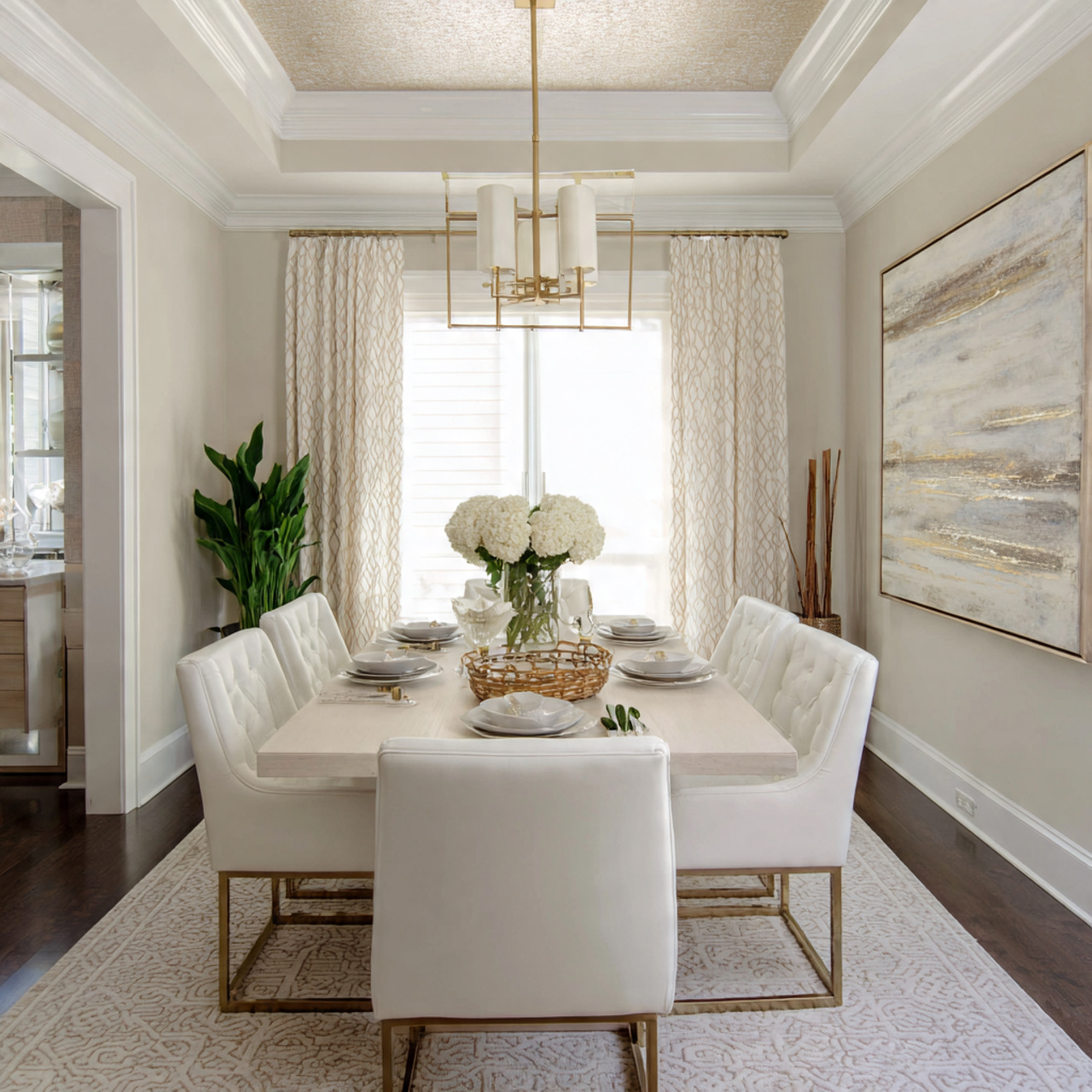
White and gold dining room decor feels bright during the day and elegant at night. White surfaces keep the room open, while gold details bring in just enough warmth to stop the palette from feeling cold. The combination is especially effective in rooms with strong natural light.
White works as a visual reset, which makes it easier to style other elements cleanly. Gold then acts as the accent that gives the room a polished finish without requiring heavy decor. That balance feels modern because it stays simple rather than overly layered.
A mistake I see often is using stark white with a cool metallic finish, which can make the room feel sharp instead of welcoming. I prefer warmer whites and softer golds because they age better in everyday light. The room feels more forgiving and more comfortable when those tones are chosen carefully.
Tip: Use warm white rather than bright white for a softer result.
Dark Wood Dining Room Styling That Feels Grounded and Cozy
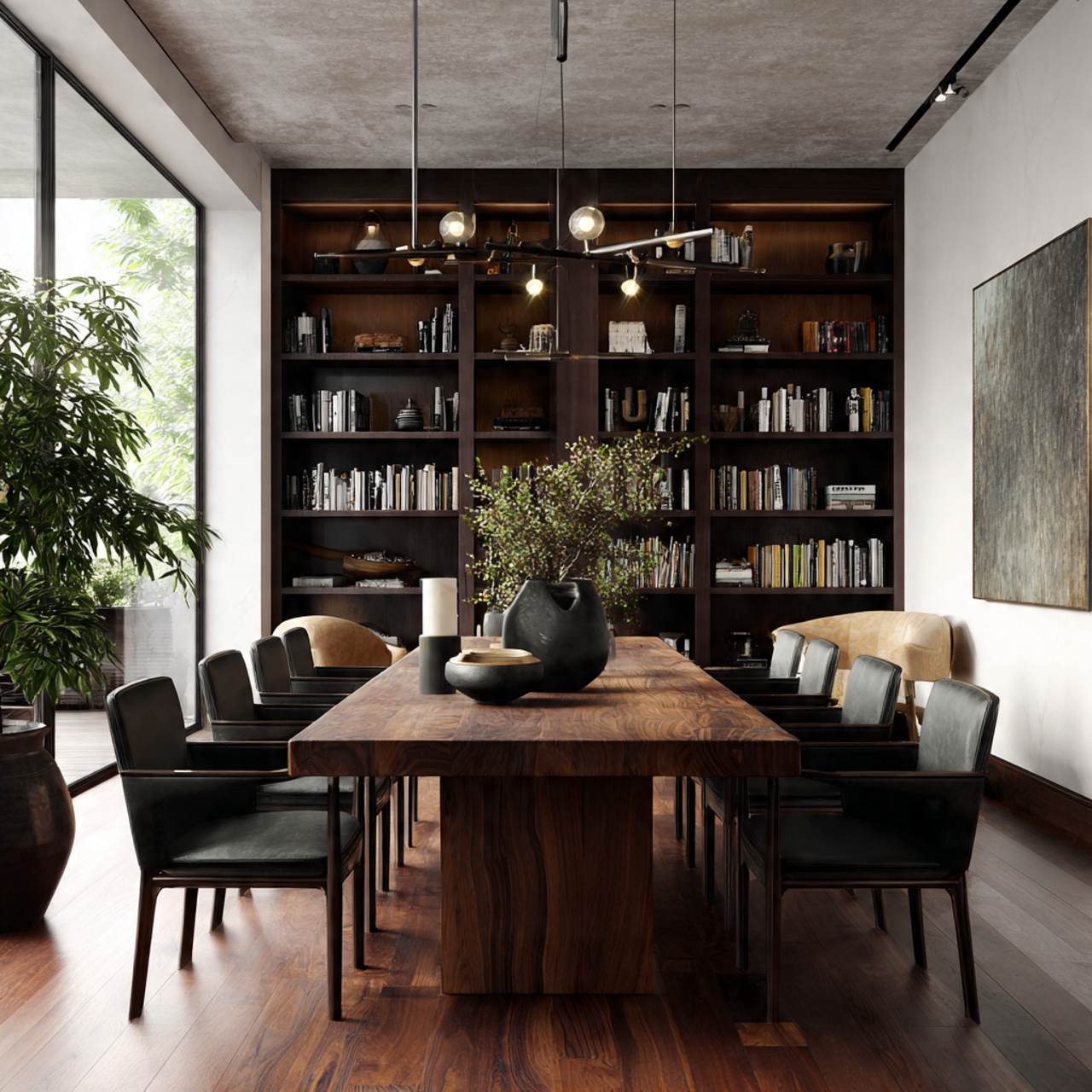
Dark wood can make dining room decor feel rich, grounded, and quietly luxurious. In the right light, the grain becomes visible and the room gains a deeper sense of warmth. The style feels especially good in the evening when the room is used for slow meals or hosting.
Dark wood works because it gives the room weight. That weight can be comforting, but it needs lighter surfaces around it so the space does not become too heavy. Neutral walls, soft upholstery, and warm lighting keep the balance right.
I once layered dark wood with too many dark accessories and regretted how closed in the room felt. Once I added lighter textiles and a brighter wall color, the room started breathing again. That change taught me that dark finishes need contrast, not competition.
Tip: Let dark wood be the anchor and keep the surrounding palette lighter.
Apartment Dining Room Styling That Keeps Small Spaces Open and Functiona
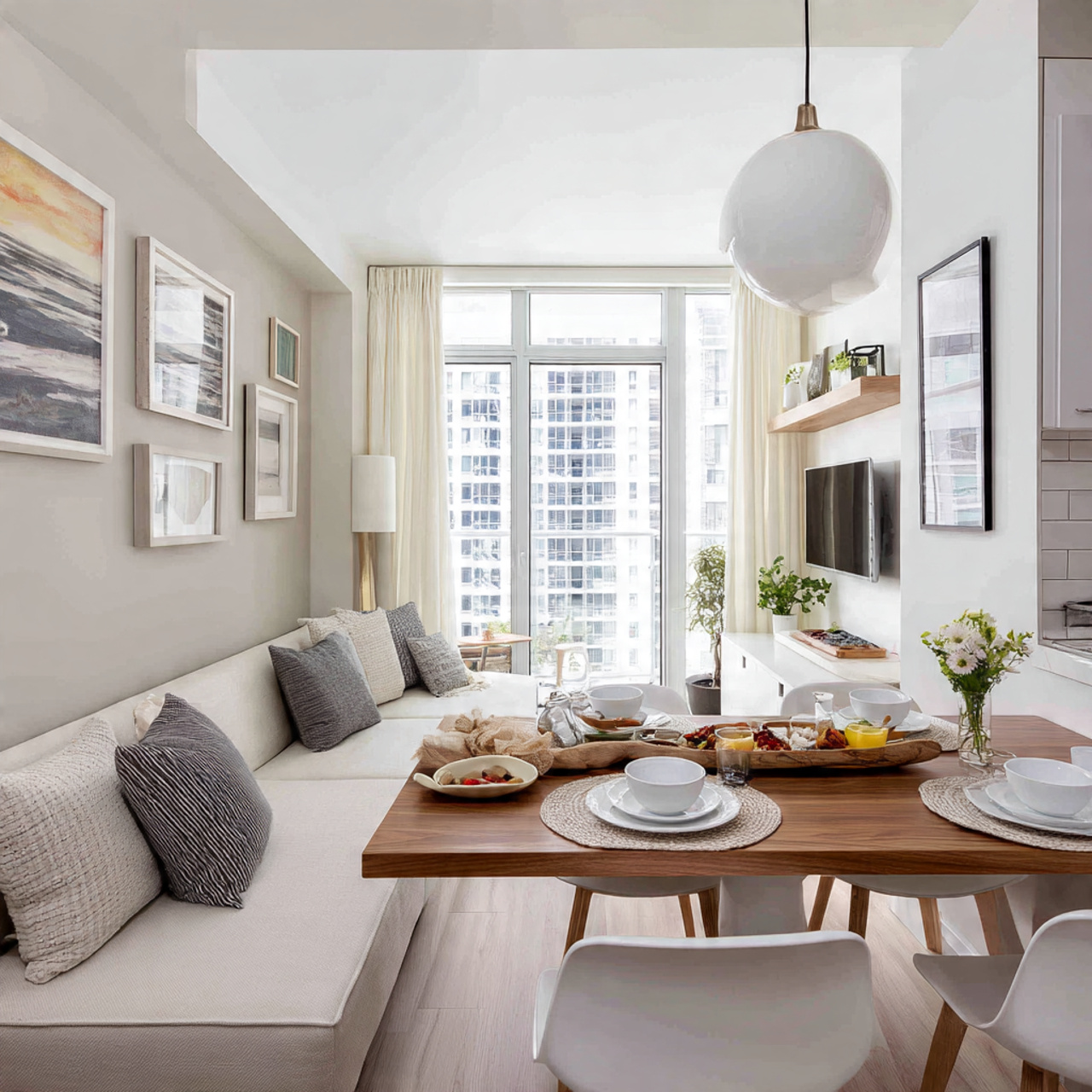
Apartment dining room decor needs to work hard without feeling crowded. Slim furniture, open legs, and lighter finishes help the room stay visually open even when the floor plan is tight. The best versions look intentional rather than squeezed in.
Small dining rooms benefit from restraint because every object changes the visual weight of the space. A compact table near a wall, a mirror above it, and one clean lighting fixture can be enough to define the zone. That simplicity makes circulation easier too.
In smaller apartments, I have seen oversized decor create more problems than personality. The room starts feeling blocked, and the dining area loses its sense of purpose. Once the scale is corrected, even a plain corner can feel like a real room.
Tip: Choose furniture with visual breathing room under it.
Textured Wall Paneling That Makes Dining Room Decor Feel Custom and Elevated
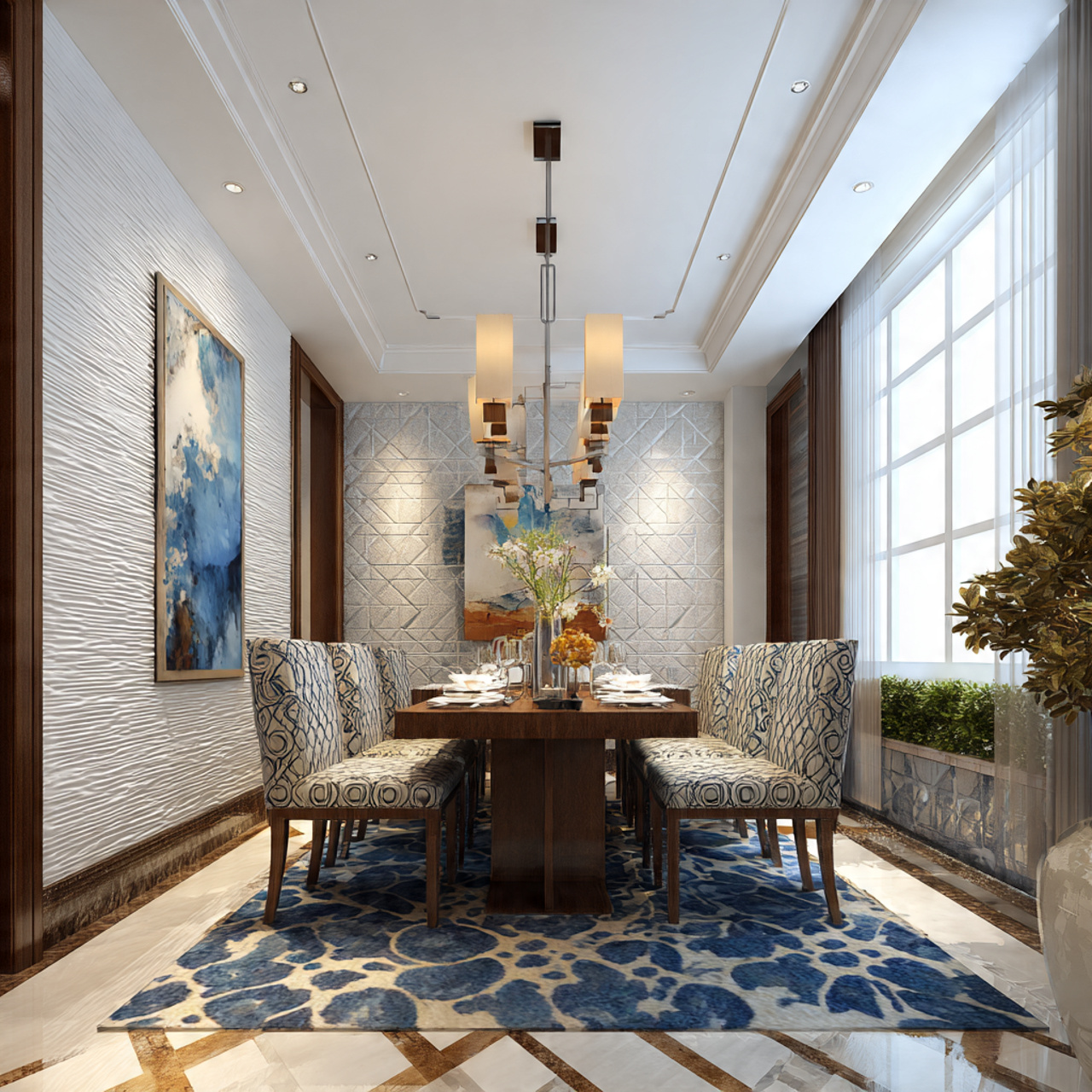
Textured wall paneling adds depth without needing heavy decoration. Subtle vertical panels or wood slats create a structured backdrop that makes the dining area feel more intentional. This approach works especially well in neutral dining rooms where walls can otherwise feel flat.
In real homes, paneling often makes the dining area feel more defined, especially in open plan layouts. Even simple wall molding or soft texture creates a designer feel without adding clutter. This is one of the easiest ways to upgrade dining room decor without changing furniture.
Choose subtle textures in neutral tones to keep the space calm and cohesive. Wood slats, soft panel molding, or textured paint all work well. These elements create depth while keeping the dining room feeling warm and inviting.
Tip: Keep wall paneling subtle so it enhances rather than dominates the space.
Minimalist Dining Room Styling That Feels Quiet and Easy to Maintain
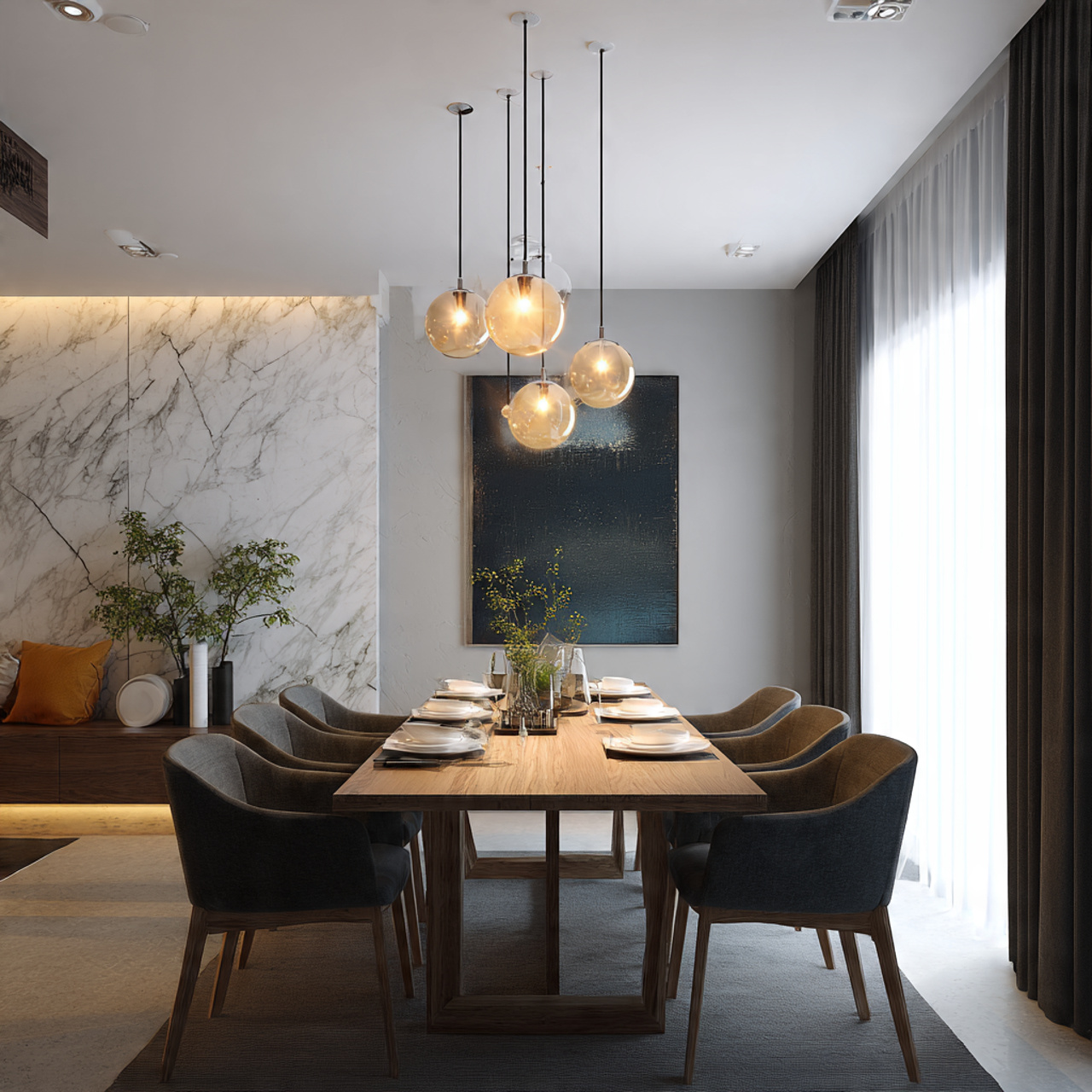
Minimalist dining room decor works when every piece feels intentional. A simple table, one strong light, and a quiet wall treatment can make the room feel calm rather than empty. This style is often the easiest to live with on a daily basis.
The power of minimalism comes from editing, not removing personality. You still want texture, warmth, and a clear focal point, but you do not want too many competing objects. That balance gives the room a peaceful and organized feeling.
After simplifying a dining room that felt too decorated, I noticed meals became more relaxed because the room no longer asked for attention. The absence of visual noise made the furniture and materials feel stronger. Minimalism only works when it is warm enough to feel human.
Tip: Keep one or two meaningful pieces and leave the rest open.
A Real Dining Room Example That Brings the Look Together
Imagine a dining room with beige walls and a large mirror reflecting natural light. A wooden dining table sits near a window while a plant softens the corner and a single piece of wall art gives the room structure. The space feels calm and welcoming from morning through evening.
During dinner, warm lighting highlights the textures and creates a cozy atmosphere. The mirror reflects soft light and expands the room visually, while the neutral palette keeps everything feeling balanced. The result feels relaxed, stylish, and easy to live with.
Color and Material Authority for Dining Room Decor
Warm Beige (F5F1E8)
Creates a calm and welcoming dining space, especially on walls or larger surfaces. Pairs well with oak wood, linen fabrics, and soft ceramic decor.
Soft White (F8F7F5)
Brightens the dining room and keeps the space feeling open and airy. Works best with natural wood, brushed brass accents, and textured fabrics.
Muted Gold (C6A75E)
Adds subtle elegance through lighting, frames, or small decorative details. Pairs beautifully with marble, velvet textures, and neutral palettes.
Warm Wood (A67C52)
Brings natural warmth and depth through tables, chairs, or accent furniture. Complements beige walls, soft white tones, and muted metallic finishes.
Dining Room Lighting Ideas That Keep the Space Warm and Balanced
Small Dining Rooms
Small dining rooms usually look best with one clear overhead light and one supporting reflective surface. That combination keeps the space open and avoids shadows that make the room feel smaller.
Large Dining Rooms
Large dining rooms need more than a single light source to feel complete. Layering light across the room keeps corners from disappearing and helps the space feel inviting.
Natural Light Direction
North facing dining rooms often need warmer bulbs to prevent the room from feeling cool or flat. South facing rooms can usually handle softer neutral light because they already receive more brightness.
Avoid Flat Lighting
Flat lighting makes even a beautiful room feel unfinished. A mix of ambient and accent light creates depth and gives dining room decor more atmosphere.
Common Dining Room Decor Mistakes That Hurt the Room Over Time
Using Too Many Small Decor Pieces
Small decor items often create visual clutter and make the dining room feel busy. Choosing one or two larger focal pieces creates balance and helps the space feel more intentional.
Ignoring Wall Space Above the Furniture
Empty wall space above the dining area makes the room feel unfinished. Adding artwork, mirrors, or a simple wall feature helps connect the space and creates a complete look.
Overmatching Furniture and Finishes
When everything matches too closely, the dining room can feel flat and staged. Mixing materials like wood, metal, or fabric adds depth and makes the space feel more natural.
Relying on One Light Source
A single light source often creates harsh shadows and uneven lighting. Layered lighting with softer tones makes the dining room feel warmer and more comfortable.
Dining Room Decor Questions People Ask Before Styling
Will a mirror make my dining room look too plain?
A mirror only feels plain when the frame, scale, or placement is wrong. When it reflects light, texture, or a strong wall color, it usually becomes one of the most interesting parts of the room.
Is beige dining room decor boring?
Beige looks boring only when it is used without texture. If you mix wood, linen, ceramic, and warm lighting, the room gains depth very quickly.
What is the easiest way to make a dining room feel more finished?
A strong wall focal point usually does the most work. That can be a mirror, a large artwork, or a balanced lighting choice that frames the table area.
How do I style a small apartment dining room without crowding it?
Use slim furniture, lighter finishes, and one clear focal point. Keeping the visual weight low helps the room feel open even when the floor plan is compact.
Can modern dining room decor still feel warm?
Yes, if the room includes texture and soft lighting. Modern does not have to mean cold, and the warmest versions usually mix clean lines with natural materials.
Why Dining Room Decor Works Best When It Feels Lived In
Dining room decor works best when the space feels comfortable, warm, and easy to use every day. A clear focal point, layered textures, and balanced lighting help create a calm atmosphere that supports meals, conversations, and everyday living.
Start with one simple change like adding a mirror, adjusting wall decor, or softening the color palette. Over time, these small updates help the dining room feel collected, natural, and more inviting without overwhelming the space.