16 Stunning Curtains That Instantly Transform Any Window
Windows quietly shape the atmosphere of every room. The right curtains soften harsh daylight, frame outdoor views, and bring warmth into spaces that otherwise feel unfinished. In many real homes, curtains are the detail that quietly pulls the whole room together.
Most people assume curtains only block light or provide privacy. In reality they also influence how tall ceilings feel and how wide windows appear. Once you begin noticing how curtains interact with light and walls, they become one of the easiest ways to improve a room.
Smart Curtain Styling Ideas That Interior Designers Often Use
Interior decorators rarely treat curtains as an afterthought. They think about fabric movement, how rods affect visual height, and how different materials change the mood of a space. Small decisions like curtain width or rod placement often transform ordinary windows into design features.
Over time I have noticed that the most comfortable homes rarely use complicated window treatments. Instead they rely on thoughtful curtain placement, balanced fabrics, and styling choices that feel relaxed rather than overly staged. The following curtain ideas show how simple adjustments can reshape how windows look and feel.
Core Ideas
Floor to Ceiling Curtains That Make Windows Look Grand and Elegant
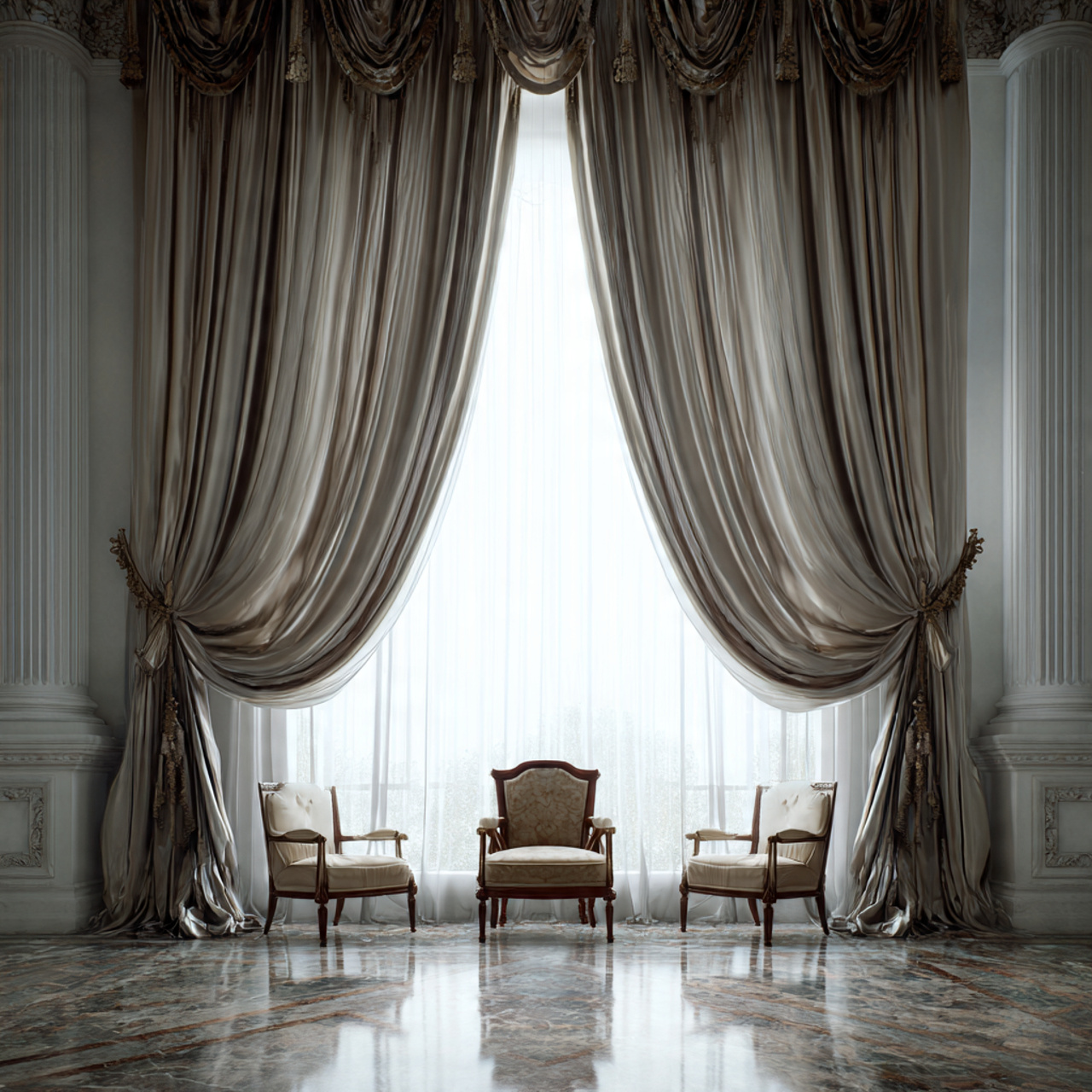
Sunlight pours through tall windows while long curtains fall softly from the ceiling to the floor. The fabric frames the window like a vertical column, creating a sense of height and calm balance. In many homes this single change instantly makes the room feel more refined.
One thing I have noticed in real houses is how dramatically curtain height changes a room. When rods sit close to the ceiling the eye naturally travels upward. Even standard ceiling heights begin to feel more spacious.
To recreate this look, mount the curtain rod several inches above the window frame. Allow the curtains to extend all the way to the floor so the fabric forms gentle folds. Light linen or cotton blends usually create the most relaxed effect.
Tip: Mount curtain rods near the ceiling to visually raise the room height.
Soft Linen Curtains That Fill Living Rooms With Gentle Sunlight
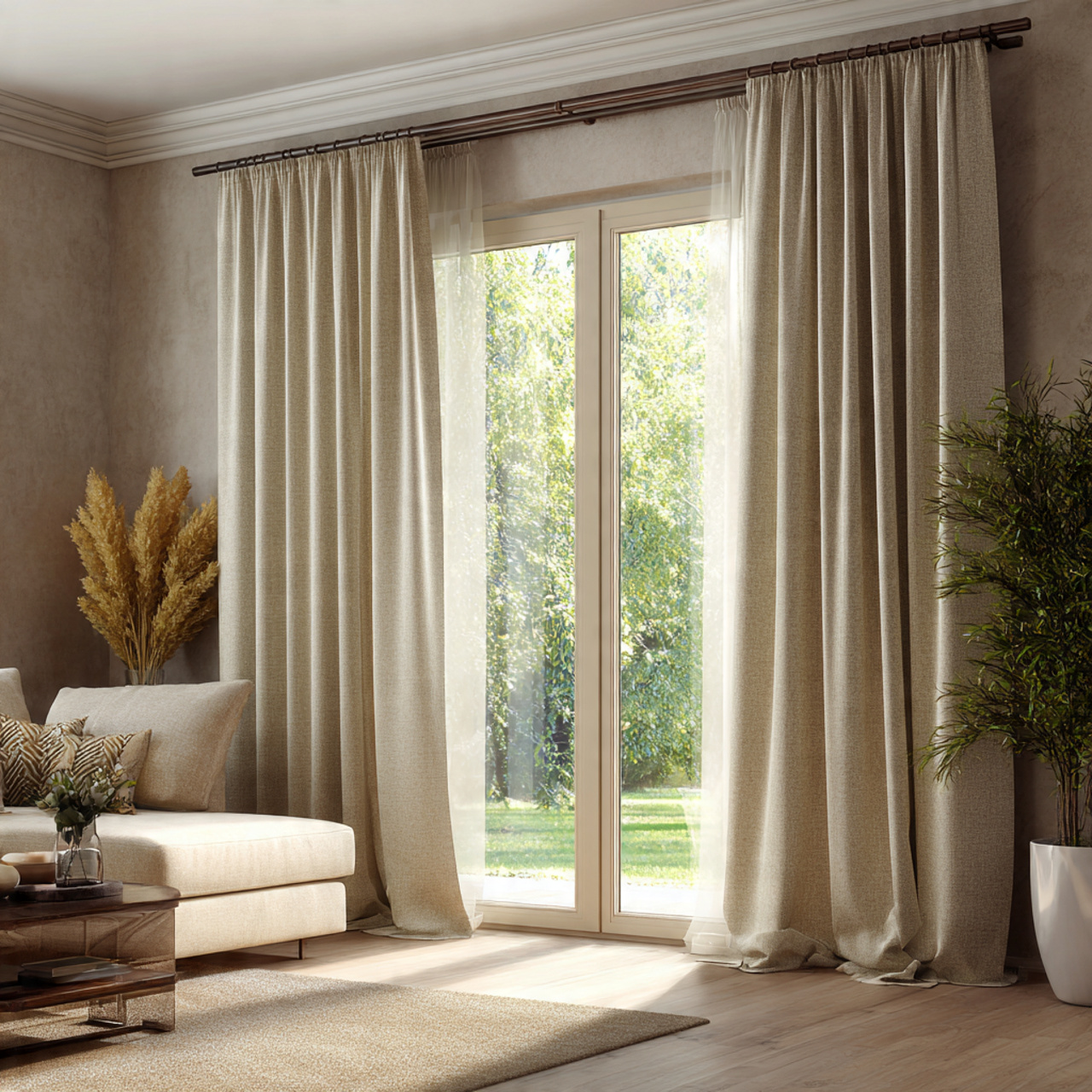
Afternoon light glowing through linen curtains creates a peaceful atmosphere in the living room. The fabric softens the sunlight so the space feels bright without becoming harsh or glaring. Rooms styled this way often feel calm and welcoming.
Linen has a relaxed texture that works beautifully in real homes. Instead of looking stiff, the fabric drapes naturally and lets filtered light pass through its weave. Over time the soft wrinkles that develop add to the relaxed character.
If you want this look, choose warm neutral shades such as cream, sand, or pale beige. These colors reflect daylight softly and blend with most furniture styles. Linen curtains also pair beautifully with wood tables, woven baskets, and textured rugs.
Tip: Choose light neutral linen shades to keep living rooms bright and relaxed.
Layered Curtains and Blinds That Balance Privacy and Light
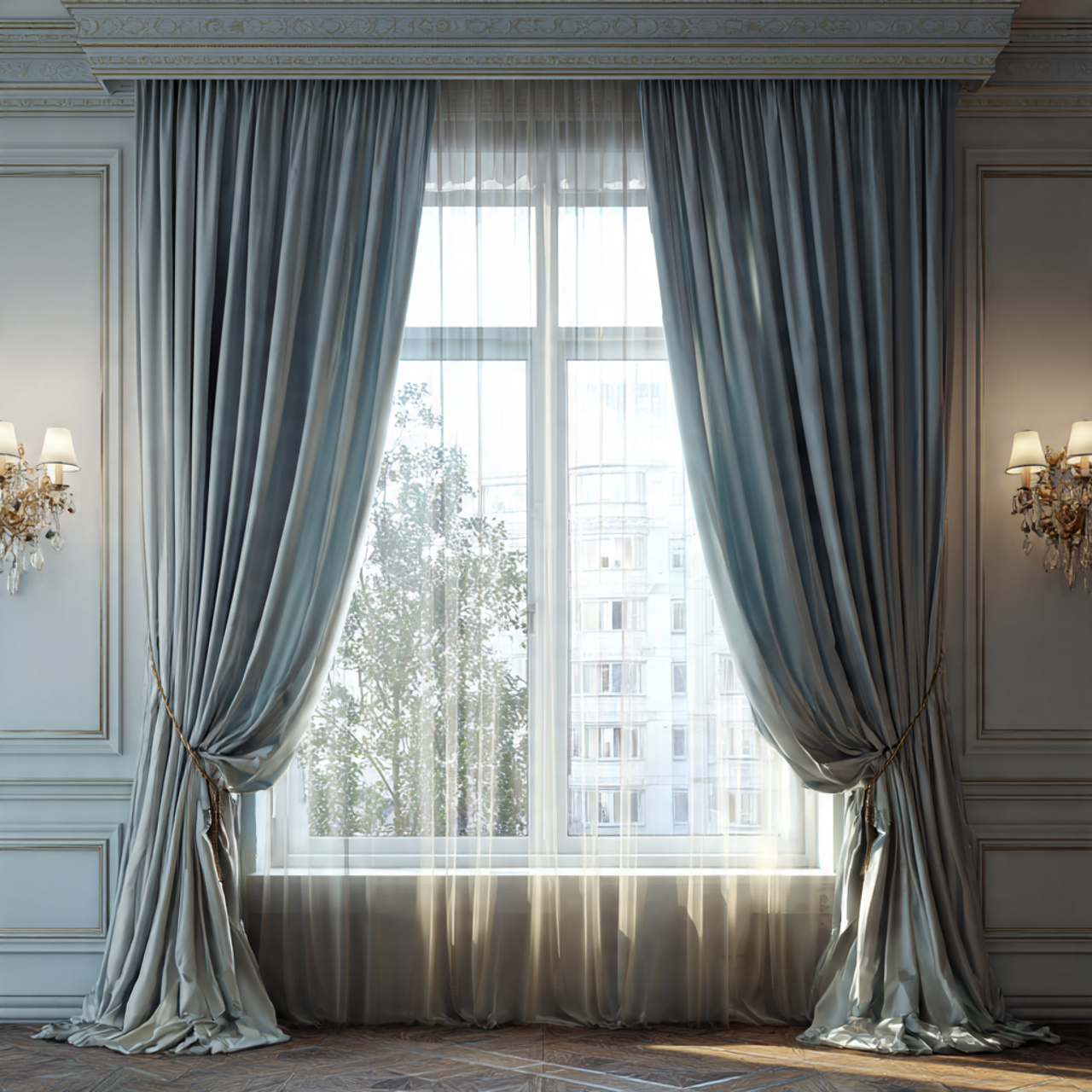
Imagine a window where wooden blinds sit behind flowing curtains. During the day the blinds filter sunlight while the curtains frame the edges of the window. At night the curtains close to create privacy and warmth.
This layered approach works well in bedrooms and living rooms. Blinds provide precise control over daylight while curtains soften the overall appearance of the window. Without the curtain layer, blinds alone can sometimes feel too practical.
Many homeowners worry that layering will look bulky, but that rarely happens with simple materials. When done thoughtfully the layers add depth and texture to the window area. A slim curtain rod helps keep the overall look light.
Tip: Combine simple blinds with light curtains to achieve balanced window styling.
Velvet Curtains That Turn a Simple Window Into a Dramatic Feature
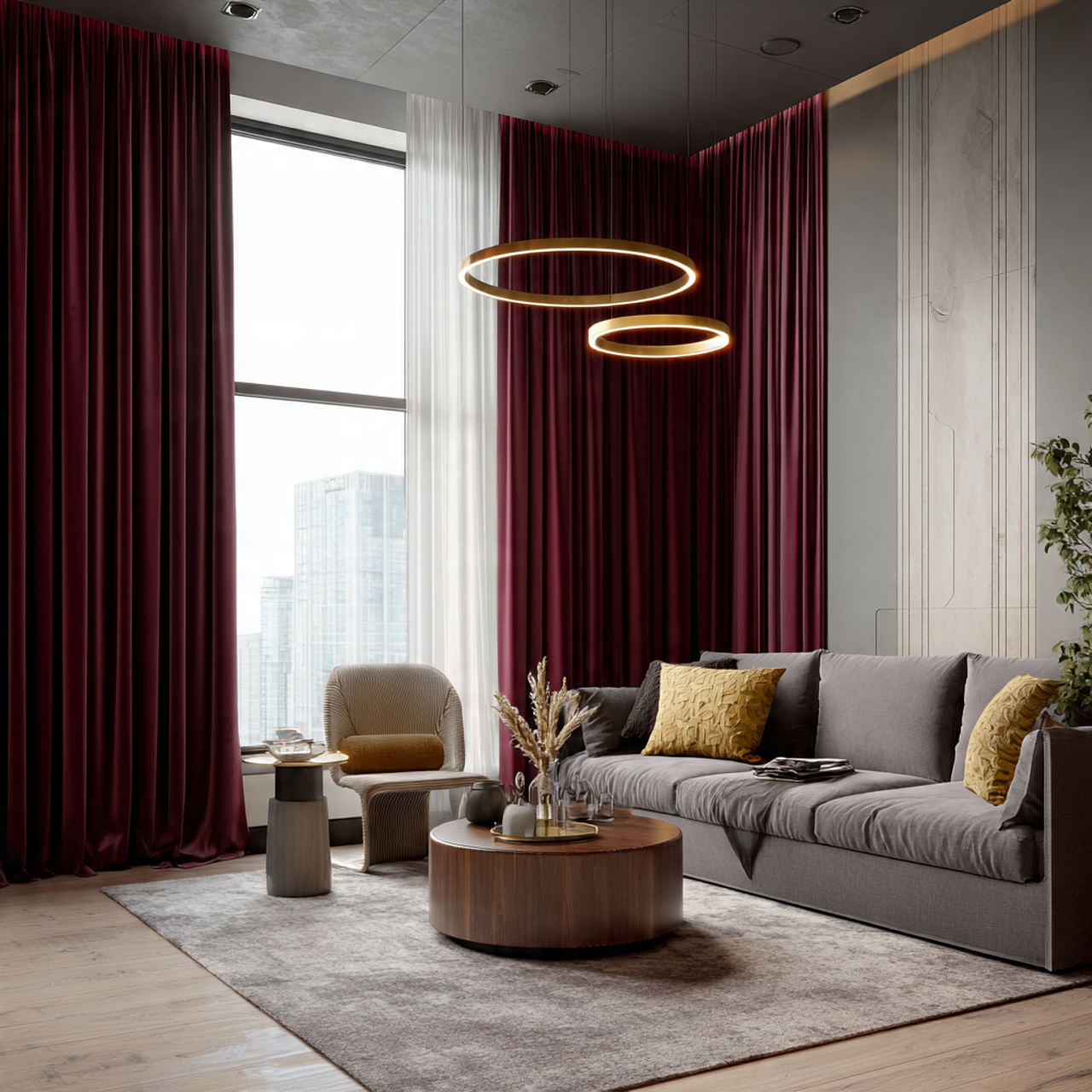
Rich velvet curtains instantly draw attention when they frame a window. The thick fabric catches light in soft shadows across the folds, giving the window visual depth. Even a simple room begins to feel more elegant.
Velvet is especially helpful in rooms that feel cold or flat. The dense texture absorbs light and creates warmth in the evening. In colder seasons it can even help reduce drafts around large windows.
If bold velvet feels overwhelming, try muted tones such as olive green, dusty blue, or warm charcoal. These shades add richness without dominating the space. Velvet curtains also look best when the panels are slightly wider than the window frame.
Tip: Use wider velvet panels so the folds appear full and luxurious.
Airy Sheer Curtains That Create a Bright Dream Bedroom
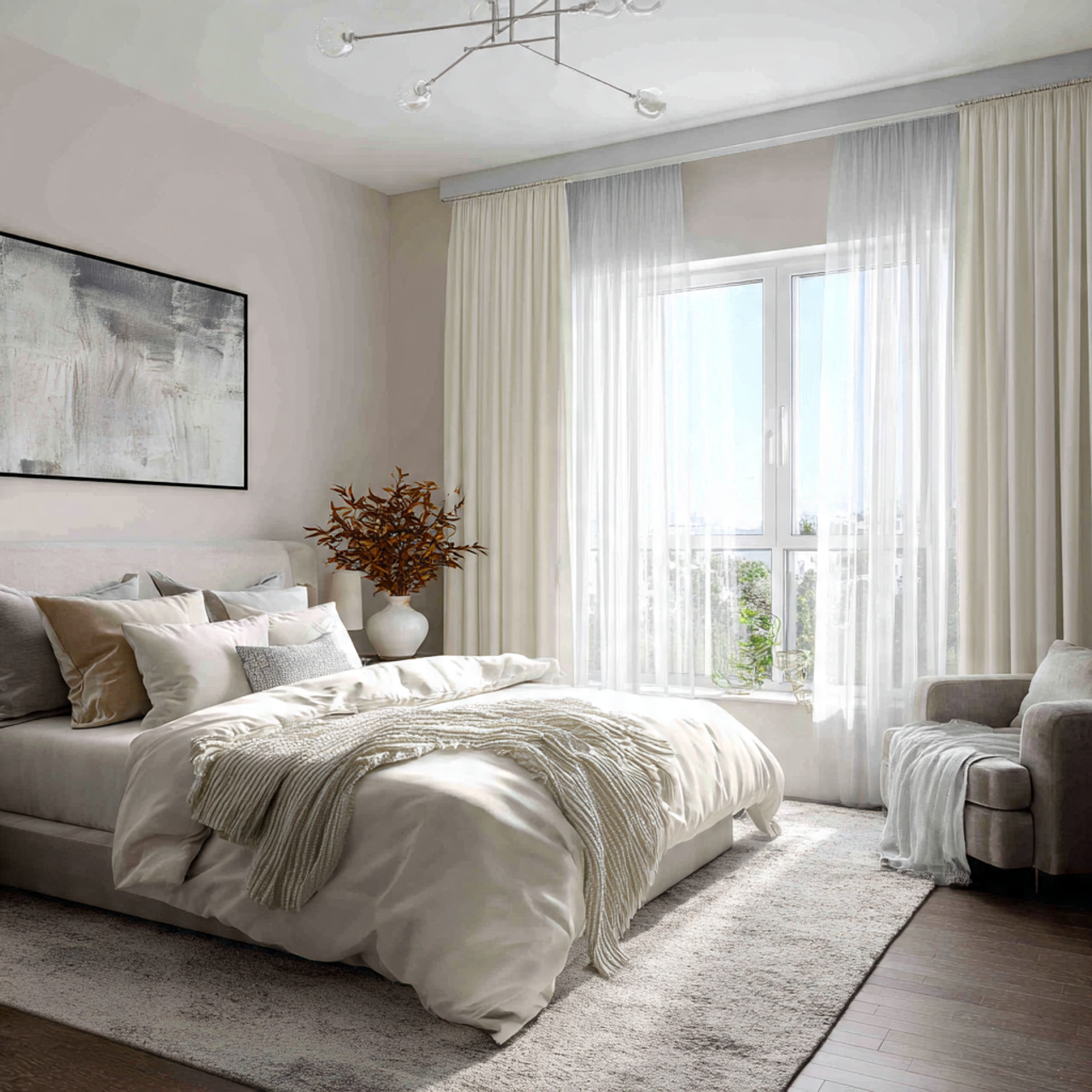
Morning light drifting through sheer curtains creates a peaceful bedroom scene. The lightweight fabric moves gently with air currents and softens the edges of the window. This look appears often in dreamy interiors because it feels calm and effortless.
Sheer curtains allow natural daylight to fill the room without blocking the view outside. Bedrooms that feel heavy or dark often benefit from this airy approach. In smaller rooms the light fabric also prevents the window from feeling crowded.
White or ivory sheers usually work best because they reflect daylight beautifully. Some homeowners layer them behind thicker curtains so they can adjust light levels throughout the day. Even alone, sheer curtains bring a gentle softness to the room.
Tip: Extend sheer curtains slightly beyond the window width for a soft framed effect.
Curtains Hung Wider Than the Window to Make Walls Look Larger
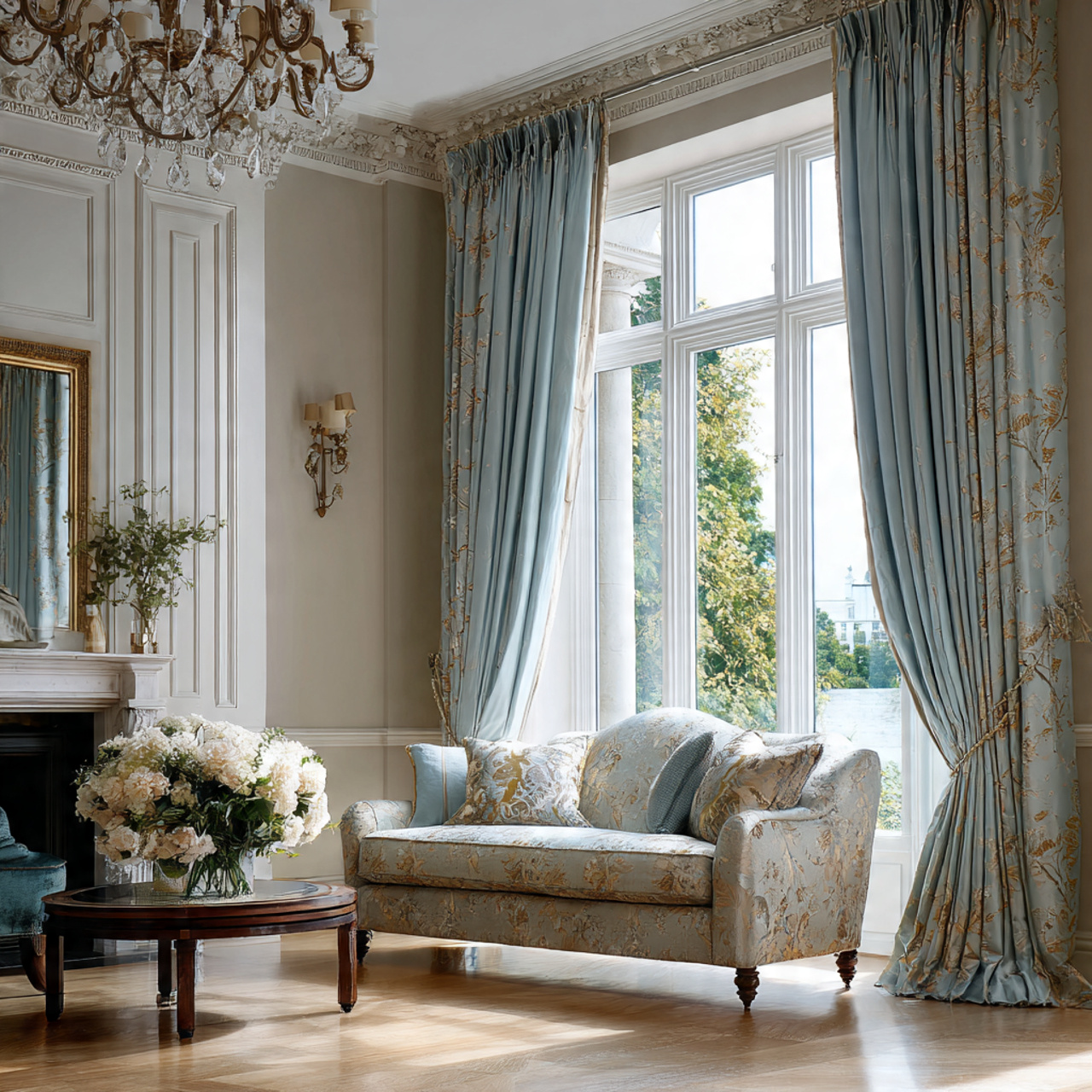
Imagine curtains extending well beyond the sides of the window frame. The eye begins to read the entire curtain span as part of the window area. As a result the wall suddenly appears wider and more balanced.
Designers often use this trick when working with narrow windows. By mounting rods wider than the window, the curtains frame the surrounding wall space. When opened fully they sit beside the glass and allow maximum daylight.
In smaller living rooms this technique works surprisingly well. Narrow windows can suddenly feel much larger without any renovation. The change is subtle but visually powerful.
Tip: Extend curtain rods beyond the window frame to make walls appear wider.
Double Curtain Rod Styling That Adds Depth to Window Decor
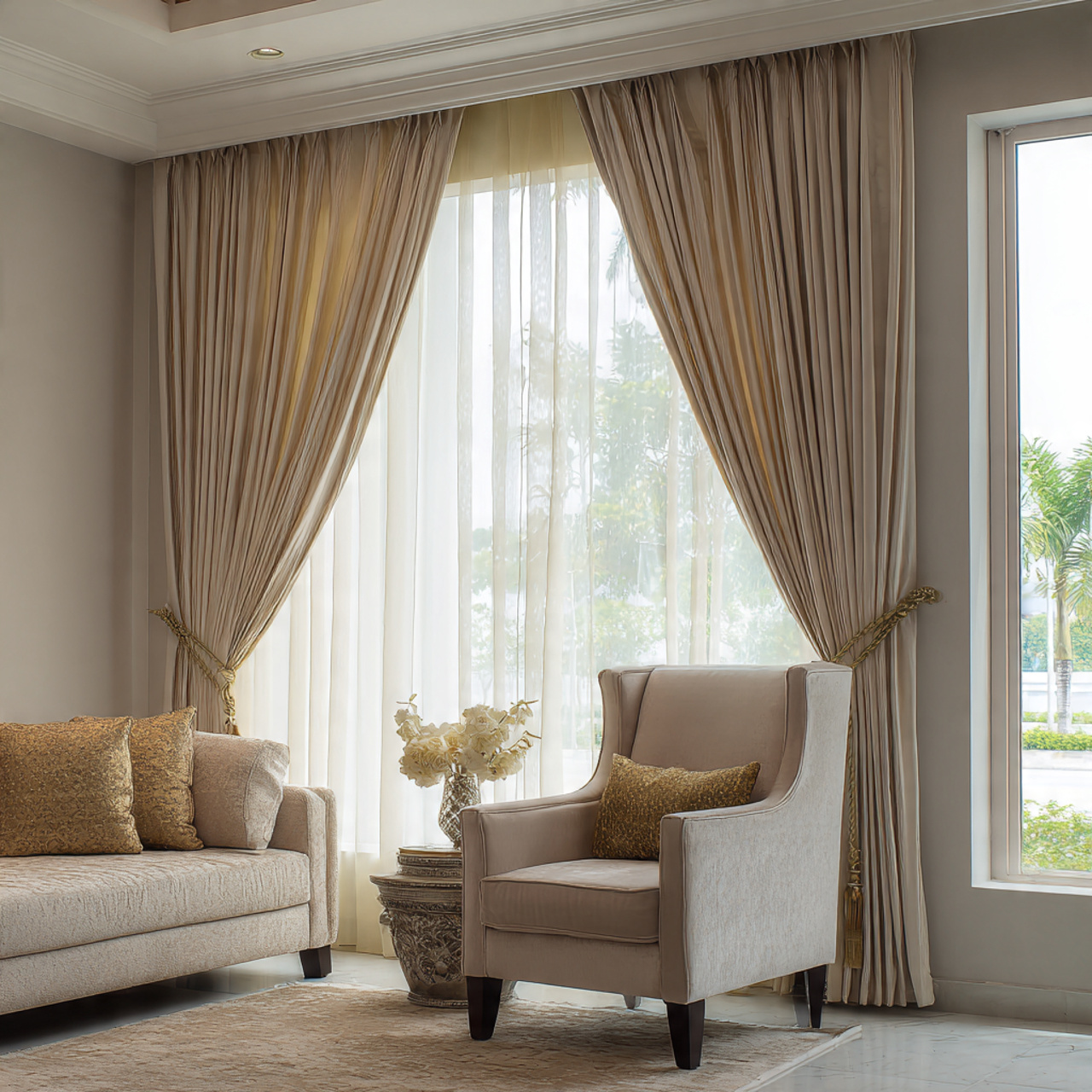
Two curtain rods layered together can completely change the depth of a window. The back rod holds sheer curtains while the front rod carries decorative panels. Sunlight passing through both layers creates a rich layered effect.
This arrangement also provides flexibility throughout the day. Sheer curtains soften daylight while heavier curtains add privacy at night. The layered look introduces gentle texture variation that makes windows feel thoughtfully styled.
Most modern double rod systems remain visually subtle once installed. Choosing rods in the same finish helps everything feel cohesive. After installation the window gains a balanced designer appearance.
Tip: Use matching curtain rod finishes so layered treatments look intentional.
Light Lace Curtains That Bring Vintage Charm to Bedrooms
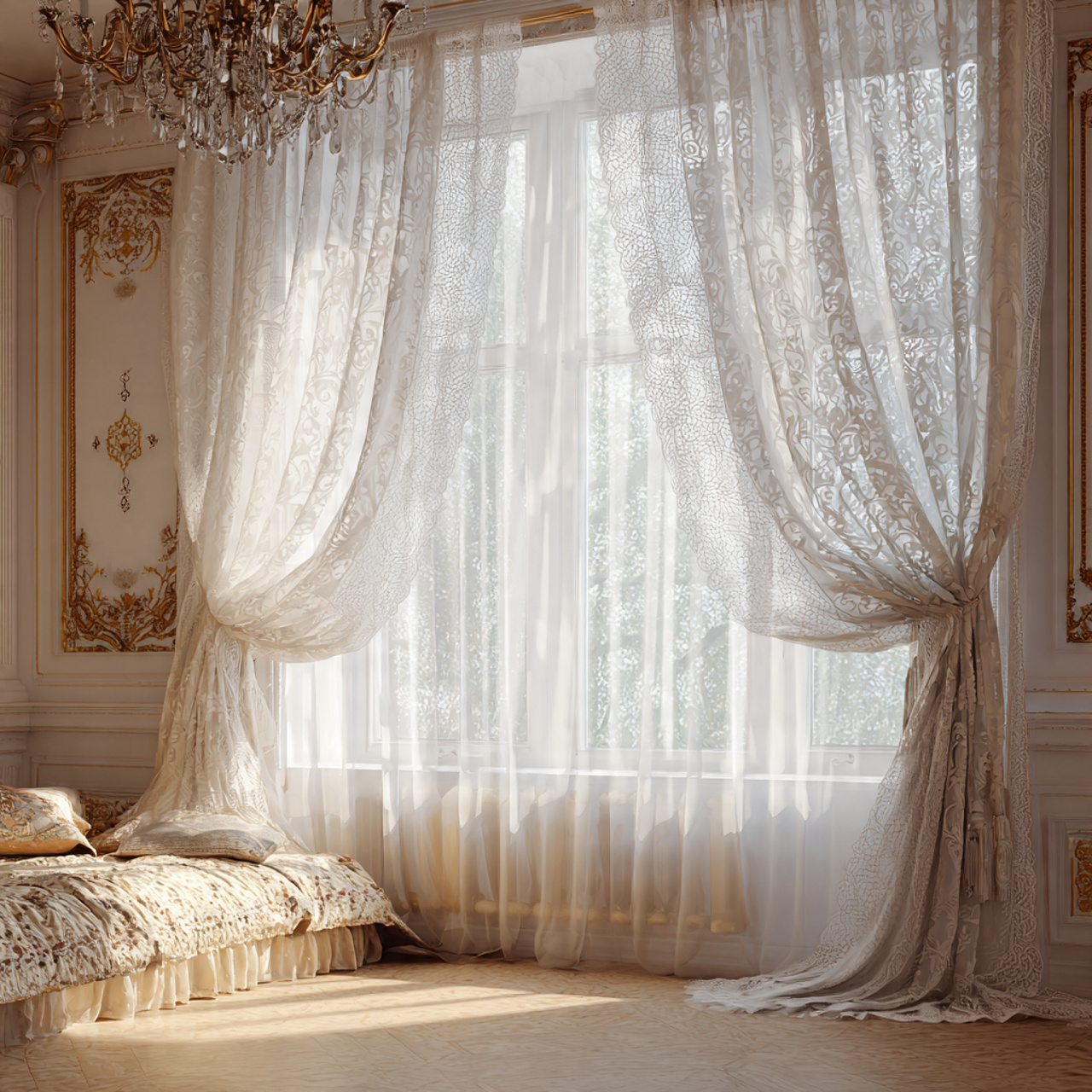
Soft lace curtains hanging beside a bedroom window create a delicate vintage atmosphere. The patterned fabric filters sunlight into gentle shapes that dance across the walls. Many cozy bedrooms rely on this subtle texture to add charm.
Lace works especially well in spaces inspired by romantic or cottage interiors. Unlike heavier fabrics, it feels airy and decorative without blocking natural light. The intricate patterns also add visual interest even when the curtains are still.
To keep lace curtains from feeling old fashioned, pair them with simple curtain rods and neutral bedding. Mixing lace with modern furniture creates a balanced look that feels fresh rather than overly traditional.
Tip: Pair lace curtains with simple rods to keep the bedroom feeling light and modern.
Swag Draped Curtains That Add Movement and Soft Elegance
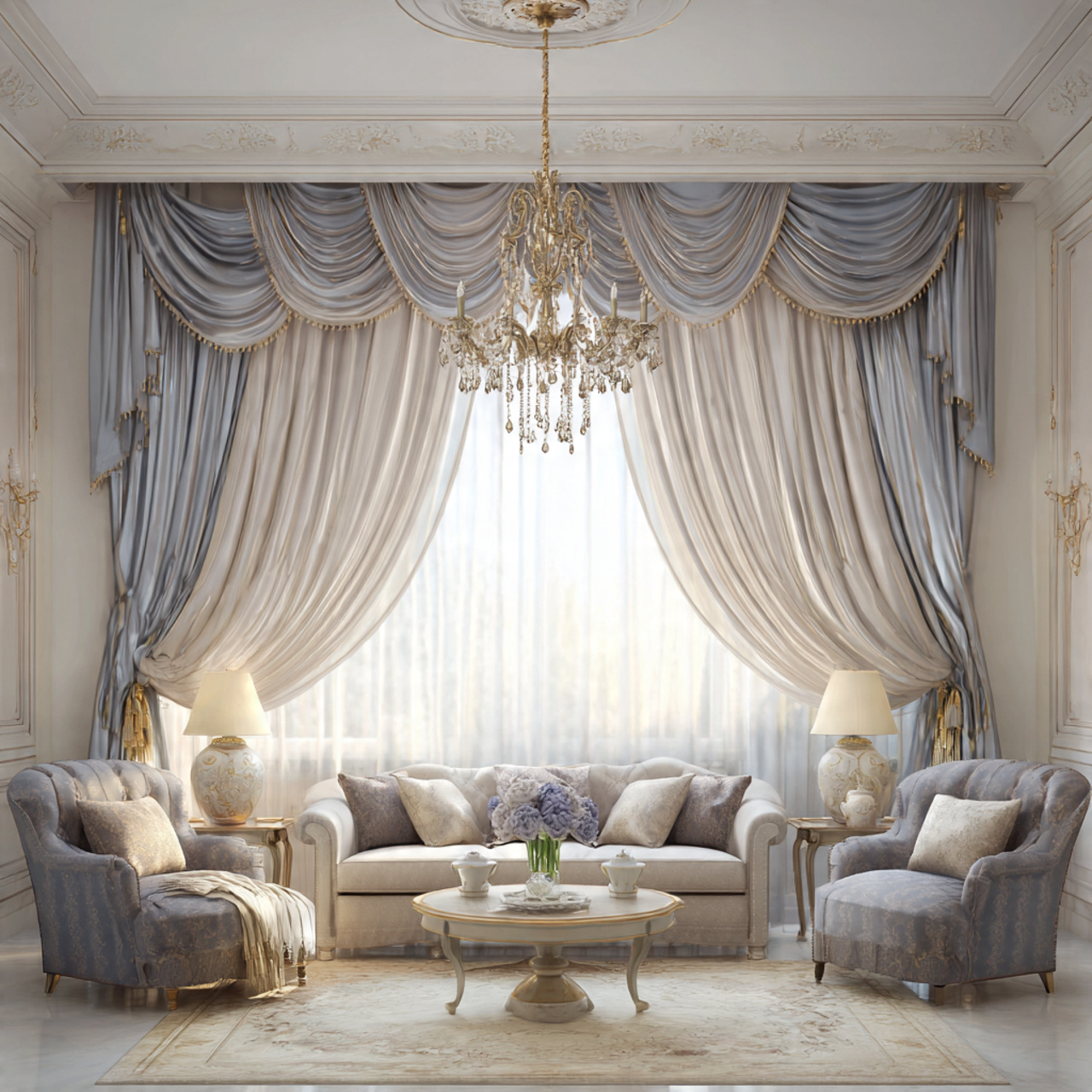
A softly draped swag curtain introduces graceful movement above a window. The fabric curves gently across the top while the ends fall loosely on both sides. This flowing shape often brings a relaxed elegance that straight curtain panels cannot create.
In many real homes windows feel visually plain when only simple panels are used. A swag adds softness and decorative movement that instantly makes the window feel styled. Living rooms and sitting areas often benefit the most from this gentle framing effect.
To recreate the look, choose lightweight fabrics such as satin blends or soft cotton. Heavy materials rarely drape well and can make the shape appear stiff. Allow the fabric to fall naturally so the folds look effortless rather than tightly arranged.
Tip: Keep swag curtains relaxed so the draped folds feel soft and natural.
Curtains for Large Window Walls That Feel Balanced and Luxurious
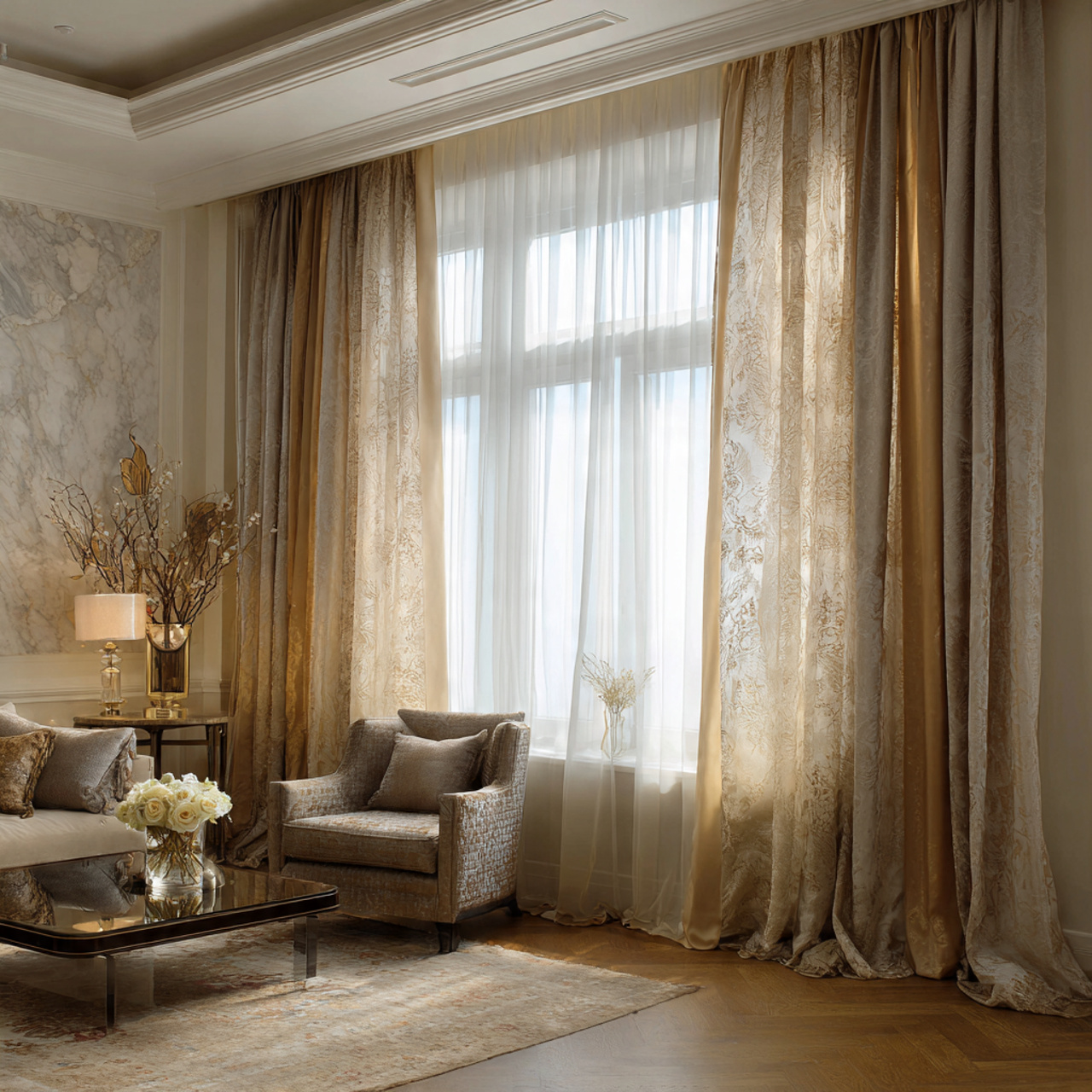
Wide window walls can feel visually overwhelming when left uncovered. Curtains that stretch across the entire span help create a balanced frame around the glass. When styled properly the whole wall begins to feel like a design feature.
Most people assume large windows should remain uncovered to preserve light. In reality flowing curtains soften the architecture while still allowing daylight to pass through. The result is a space that feels open yet comfortable.
Choose lighter fabrics for wide windows so the room remains bright during the day. Mount a continuous rod across the wall to maintain visual height and symmetry. Long curtain panels then create a calm vertical rhythm across the window wall.
Tip: Use one continuous curtain rod to frame wide window walls gracefully.
Curtains for Windows Close Together That Look Clean and Unified
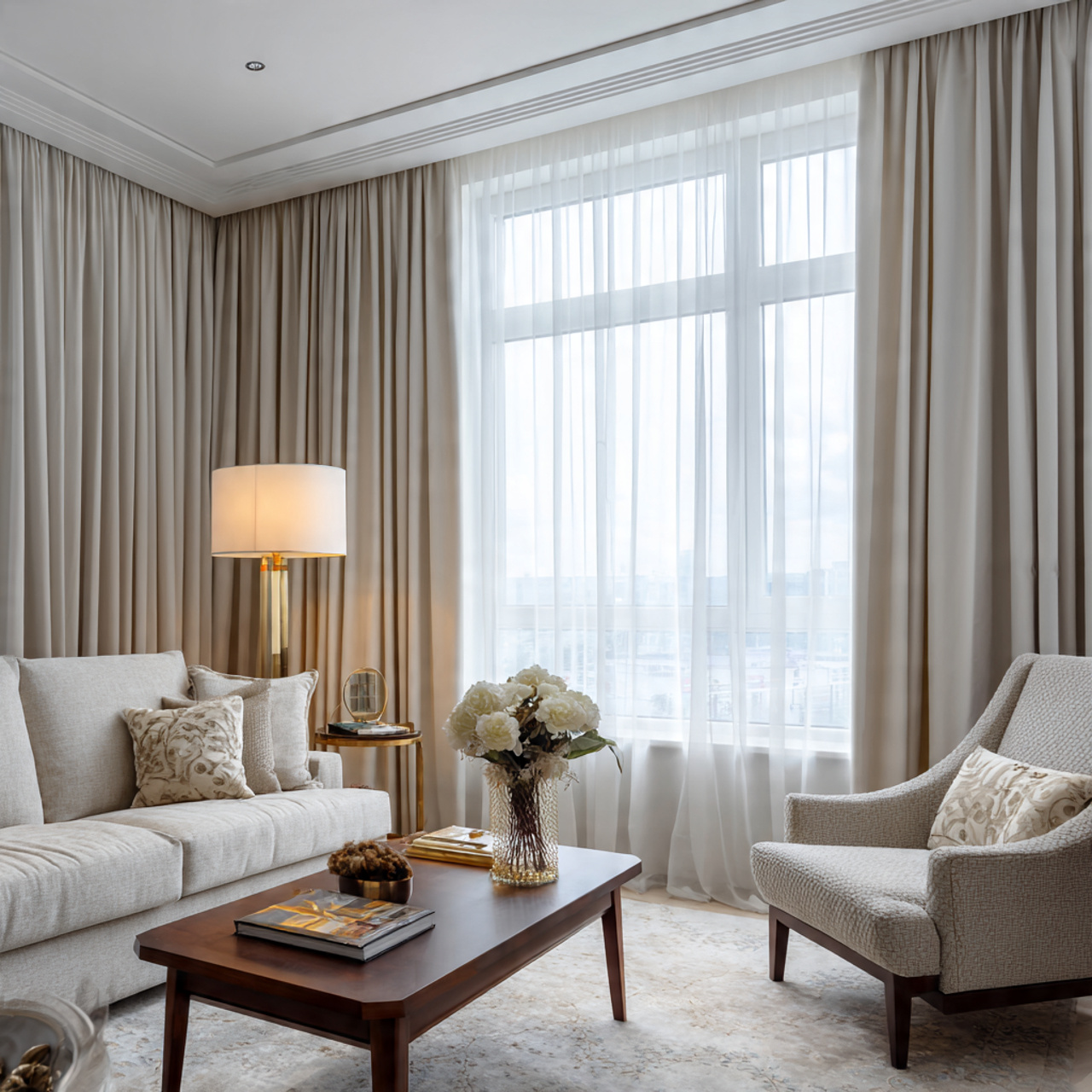
Two windows placed close together often look awkward when styled separately. Using one curtain rod across both windows usually solves this problem instantly. The window area begins to read as one cohesive architectural feature.
When each window receives separate curtains the wall can start to feel crowded. A single curtain treatment simplifies the layout and creates a calmer visual structure. The small space between the windows then becomes part of the overall design.
Choose curtain panels that slide easily along the rod so both windows remain practical. Lightweight fabrics gather smoothly when opened and avoid bulk. The final result feels clean and thoughtfully arranged.
Tip: Treat closely spaced windows as one large window when hanging curtains.
Soft Pink Curtains That Create a Gentle Cozy Bedroom
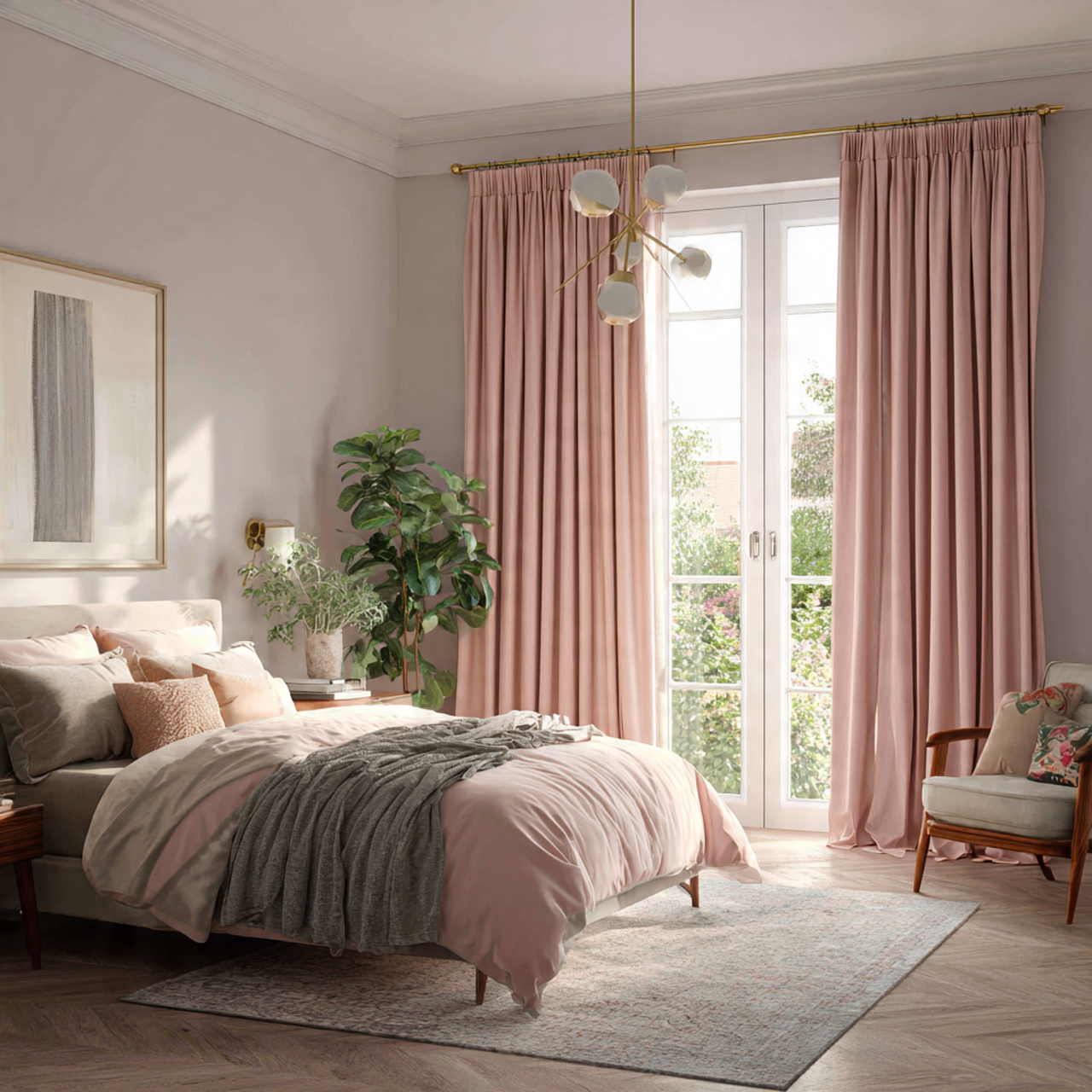
Soft pink curtains can transform a bedroom into a peaceful retreat. When daylight passes through the fabric the entire space fills with a warm blush glow. This gentle color often creates a calming atmosphere that feels inviting at the end of the day.
Pink curtains work best when balanced with neutral elements in the room. White bedding, pale wood furniture, and soft textures keep the space from feeling overly decorative. The pink then acts as a quiet accent rather than dominating the room.
Blush and dusty rose shades usually feel the most timeless. These tones blend beautifully with light walls and natural materials. The bedroom begins to feel warm, restful, and quietly romantic.
Tip: Pair blush pink curtains with neutral furniture to keep the room balanced.
Visit Also: living room curtains
Textured Woven Curtains That Bring Warmth Into Minimalist Living Rooms
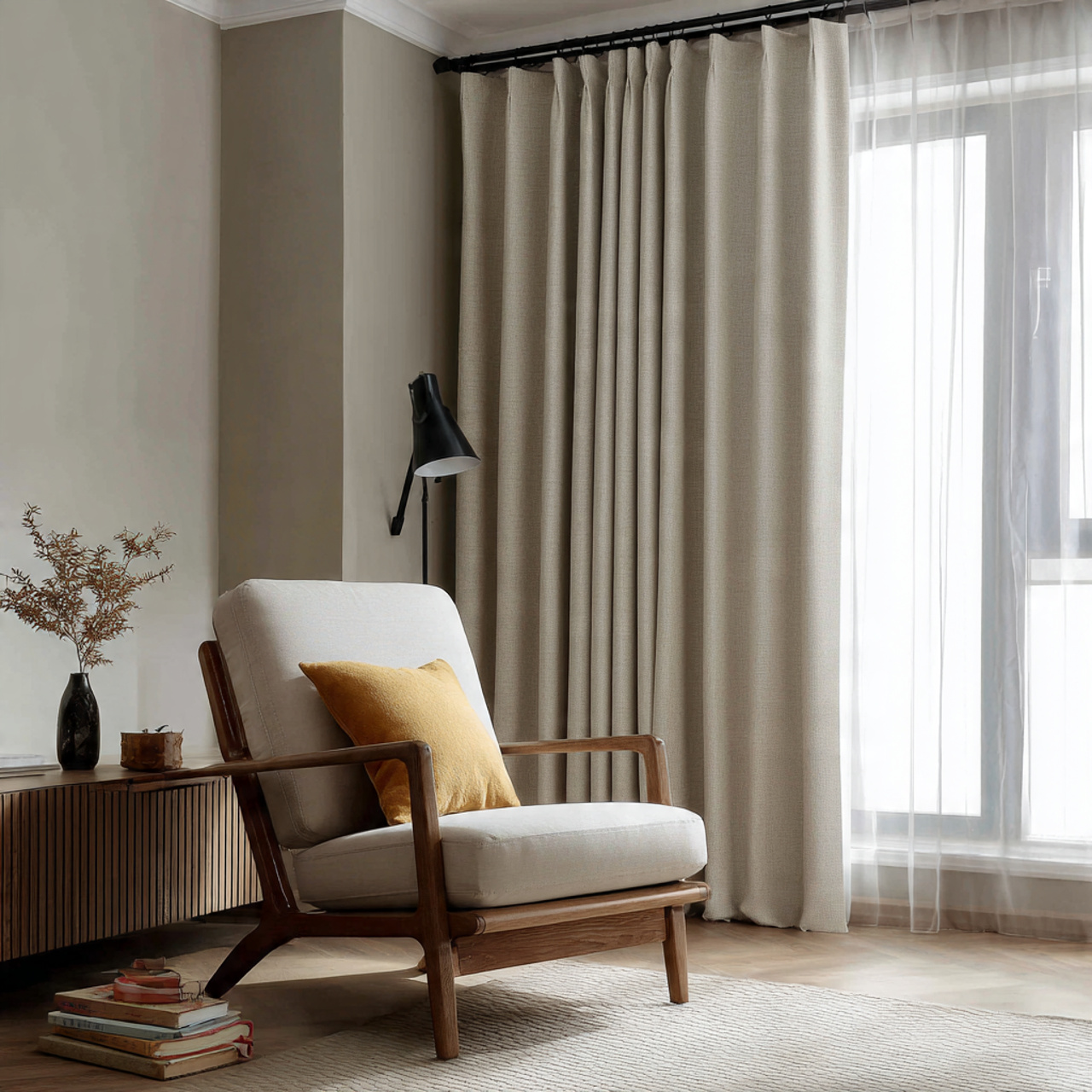
Minimalist living rooms sometimes feel slightly flat because smooth surfaces dominate the space. Textured woven curtains introduce subtle variation that immediately softens the room. Even a simple window treatment can make the environment feel warmer.
Materials such as woven cotton, linen blends, or natural fibers add quiet texture. Small variations in the weave catch light differently throughout the day. This creates gentle movement without introducing bold patterns.
In my experience textured curtains are one of the easiest upgrades for minimalist homes. They preserve simplicity while adding depth and comfort. The room remains clean but no longer feels sterile.
Tip: Choose woven curtain fabrics to add quiet texture to minimalist rooms.
Curtains Paired With Venetian Blinds for Flexible Window Control
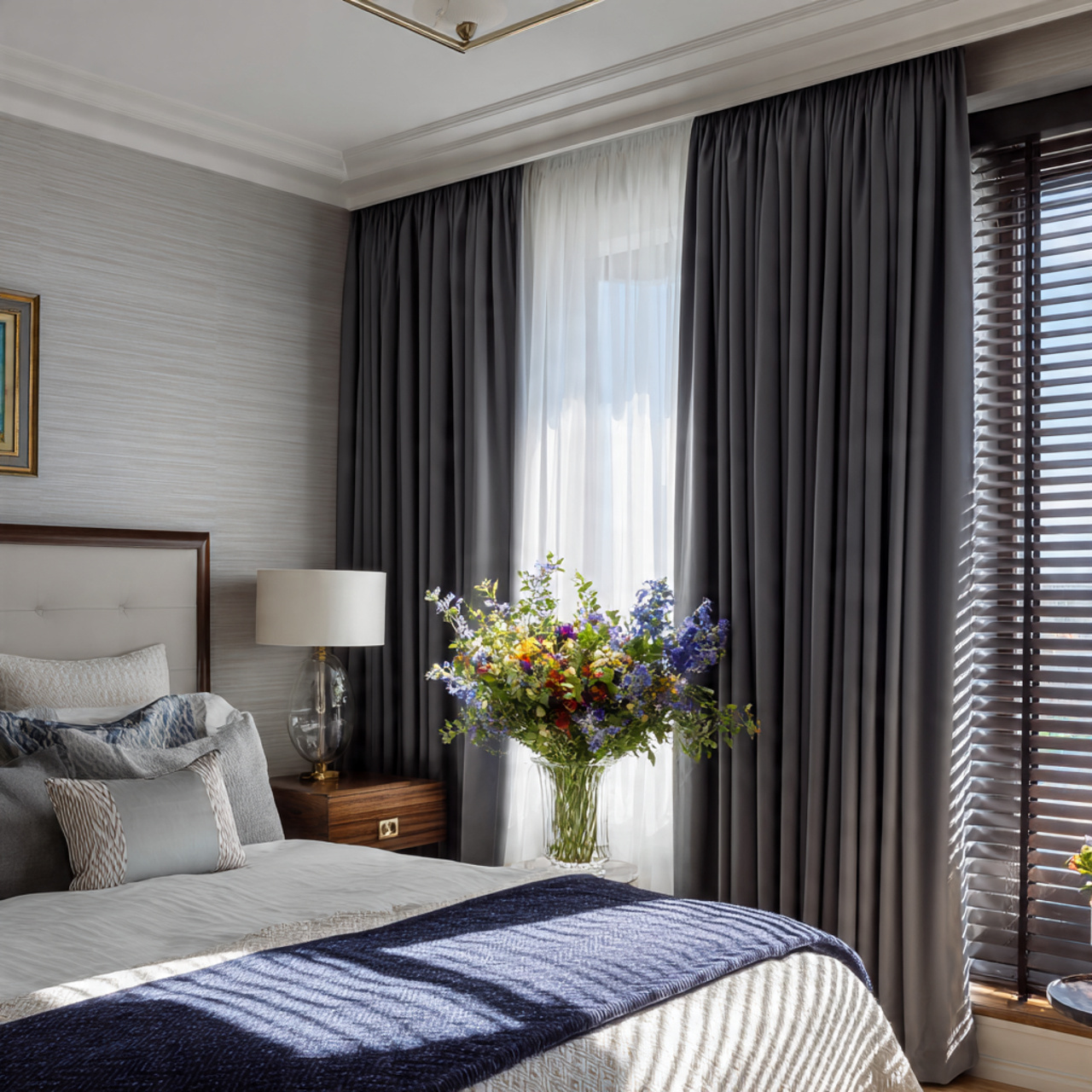
Windows styled with both curtains and venetian blinds offer excellent flexibility. The blinds adjust daylight precisely while curtains soften the window frame. Together they create a layered window treatment that feels practical and elegant.
Blinds alone can sometimes make a room feel rigid because of their straight lines. Curtains add movement and softness that balance those lines. The combination creates a window design that feels intentional rather than purely functional.
Neutral curtain panels usually pair best with venetian blinds. Keeping colors calm allows the layered structure to remain visually balanced. Slim curtain rods also help the window treatment stay light and modern.
Tip: Pair simple neutral curtains with venetian blinds for balanced layering.
Curtain Placement That Makes Ceilings Appear Taller
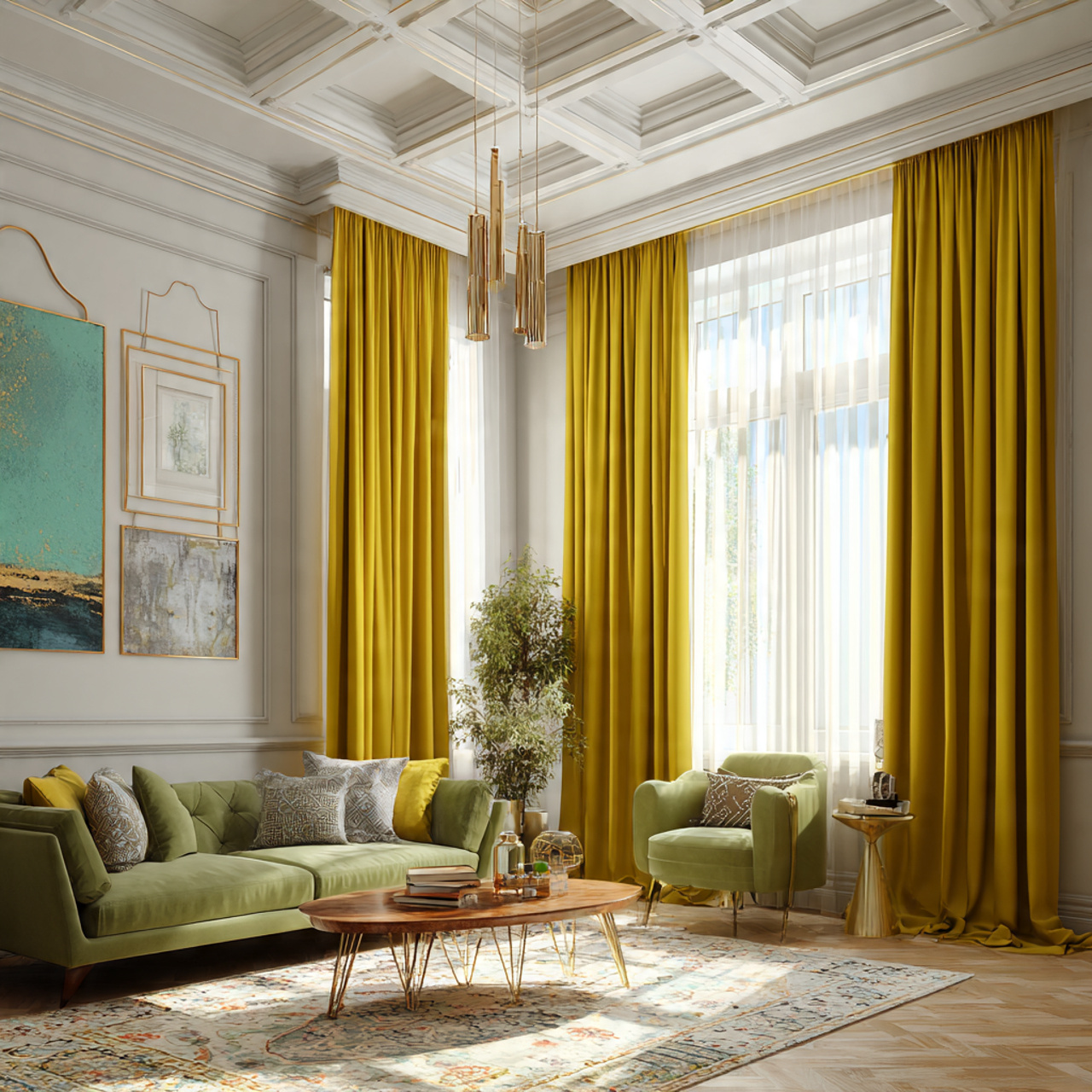
Curtain placement can dramatically influence how tall a room feels. When rods sit close to the ceiling the eye naturally travels upward. This simple adjustment often makes average rooms appear noticeably taller.
Many people install curtain rods directly above the window frame. Over time this placement can make windows feel compressed within the wall. Raising the rod several inches higher allows the curtains to elongate the visual proportions.
To apply this idea, measure the distance between the window frame and ceiling first. Place the rod as high as practical without touching the ceiling. Long curtain panels will then emphasize the vertical height of the room.
Tip: Install curtain rods higher than the window frame to visually raise ceilings.
Neutral Curtains That Calm Busy Rooms and Create Visual Balance
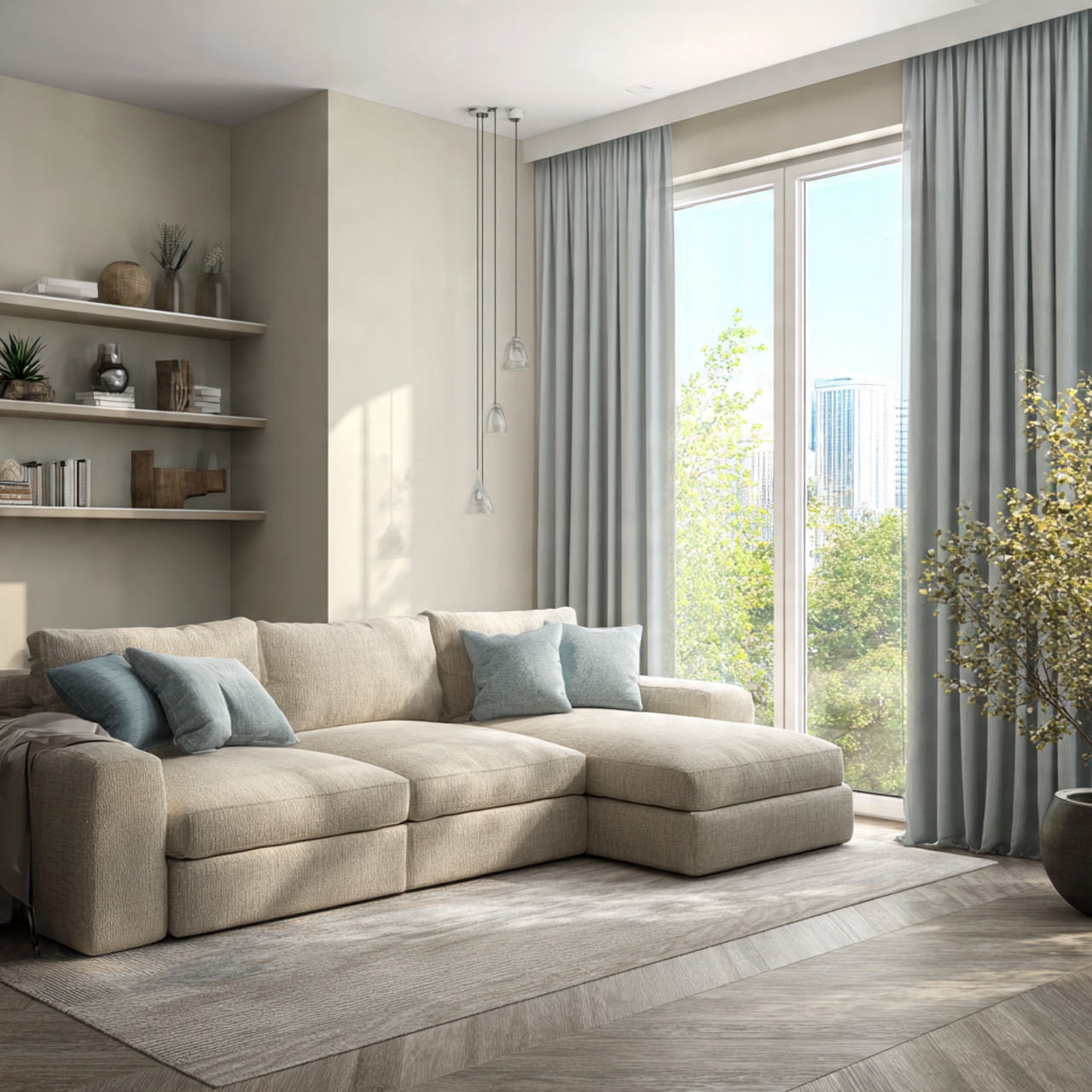
Rooms filled with colorful furniture or patterned rugs sometimes feel visually busy. Neutral curtains provide a calm backdrop that allows the rest of the decor to breathe. The window treatment quietly balances the room instead of competing with it.
Shades such as warm beige, creamy white, or soft taupe reflect daylight gently. These tones brighten the space while maintaining a relaxed atmosphere. Over time neutral curtains adapt easily as furniture or wall colors change.
Many decorators rely on neutral curtains because they remain timeless. Even when decor styles evolve the window treatment still fits naturally. This flexibility makes them one of the safest long term design choices.
Tip: Choose soft neutral curtain colors when a room already contains strong patterns.
A Real Living Room Example Where Curtains Transform the Entire Space
Imagine a bright living room where tall linen curtains stretch from near the ceiling down to the floor beside a wide window wall. Afternoon sunlight filters through the fabric while sheer layers soften the brightness and create a calm atmosphere.
A neutral sofa sits near the window beside a wooden coffee table and a textured woven rug. Venetian blinds behind the curtains allow gentle control of daylight while the layered fabrics bring warmth and depth into the room.
Colors and Materials That Work Beautifully With Curtains
Warm Beige (F5F0E6) → works beautifully in sunlit living rooms and creates a calm welcoming mood → pairs with linen curtains, oak furniture, woven rugs, and cotton upholstery.
Soft Ivory (F8F6F2) → brightens bedrooms and smaller spaces while keeping the room airy → pairs with sheer curtains, lace fabrics, pale wood furniture, and light cotton textiles.
Dusty Rose (E8C7C8) → adds a gentle romantic mood that works beautifully in bedrooms → pairs with blush curtains, linen bedding, light oak furniture, and woven accents.
Warm Taupe (D8CEC4) → works well in modern neutral interiors and creates a balanced atmosphere → pairs with textured woven curtains, stone surfaces, walnut furniture, and natural fiber rugs.
Room Size and Lighting Guide
Small Rooms
Curtains hung close to the ceiling help small rooms feel taller because vertical lines draw the eye upward. Lightweight fabrics keep the space bright so the window area never feels crowded.
Large Rooms
Large rooms can comfortably support heavier fabrics such as velvet or layered curtain panels. Wider curtain rods help frame large window walls and maintain visual balance.
North Facing Rooms
North facing rooms receive cooler daylight that can sometimes feel flat. Warm curtain tones such as beige or dusty rose help introduce warmth into the space.
South Facing Rooms
South facing rooms receive strong sunlight for most of the day. Light filtering fabrics such as linen or sheer curtains soften the brightness while maintaining comfort.
Common Curtain Decorating Mistakes That Affect Rooms Over Time
Hanging Curtain Rods Too Close to the Window Frame
Many homeowners install curtain rods directly above the window frame without thinking about wall proportions. This placement compresses the visual space around the window and makes ceilings appear lower.
Mounting the rod higher allows curtains to extend vertically and instantly improves the proportions of the room.
Choosing Curtains That Are Too Short
Curtains that stop several inches above the floor often make windows feel unfinished. The broken vertical line interrupts the natural flow of the wall.
Curtains that lightly touch the floor create a more polished and balanced appearance.
Using Curtains That Are Too Heavy for the Space
Thick curtain fabrics can block daylight and make interiors feel darker than expected. This issue often appears in rooms that already receive limited natural light.
Lighter fabrics allow sunlight to filter through while still providing privacy and comfort.
Matching Curtain Colors Exactly With the Wall Color
When curtain color blends completely into the wall the window loses its framing effect. The curtains visually disappear into the background and the window looks flat.
Choosing a tone slightly lighter or darker helps the window stand out naturally.
Frequently Asked Questions
What length should curtains be for the best look?
Most decorators recommend curtains that reach the floor or lightly touch it. This length creates a strong vertical line that helps windows appear taller and more elegant.
Are curtains still useful if windows already have blinds?
Curtains soften the appearance of blinds and add warmth to the window area. Many homes benefit from combining both treatments because the layered look improves light control and visual comfort.
What curtain colors work best for most living rooms?
Neutral shades such as beige, ivory, and taupe usually work well in most interiors. These colors adapt easily to different furniture styles and maintain a calm atmosphere.
Are curtains an expensive way to improve a room?
Curtains can work within many budgets depending on fabric choice and size. Simple cotton or linen panels often create beautiful results without requiring expensive materials.
How do I choose curtains for a small room?
Light colored curtains placed close to the ceiling usually work best in smaller rooms. This placement keeps the space bright while helping the window appear taller.
Final Thoughts on Using Curtains to Improve a Room
Curtains quietly influence how a room feels by shaping natural light, framing windows, and adding texture that softens the architecture of a space. Careful choices about rod height, fabric weight, curtain width, and color tone can transform how balanced and comfortable a room feels without requiring expensive renovation.
In many real homes the easiest improvement begins with raising the curtain rod closer to the ceiling or choosing fabrics that allow daylight to filter gently into the room. When curtains are selected with attention to light, proportion, and texture they become one of the most effective tools for creating calm and welcoming interiors.