16 Bedroom Ideas That Create Comfort and Beautiful Space
Introduction
You walk into your bedroom at the end of the day expecting it to help you relax, but something feels off. The room may look fine at first glance, yet it doesn’t fully support rest, comfort, or ease in daily life.
These 16 bedroom ideas focus on what actually works in real homes. Each idea balances visual calm with everyday comfort, so the space feels better to live in, not just nice to look at on Pinterest.
Style / Trend Context of Bedroom Ideas
Bedroom ideas are heavily saved on Pinterest right now because people want spaces that feel emotionally grounding. With busy schedules and constant screen time, the bedroom has become a place for recovery rather than decoration.
Most saved bedroom ideas share a calm mood, simple layouts, and practical choices. People return to these ideas because they promise comfort, order, and a sense of ease that lasts beyond short-term trends.
Bedroom Ideas
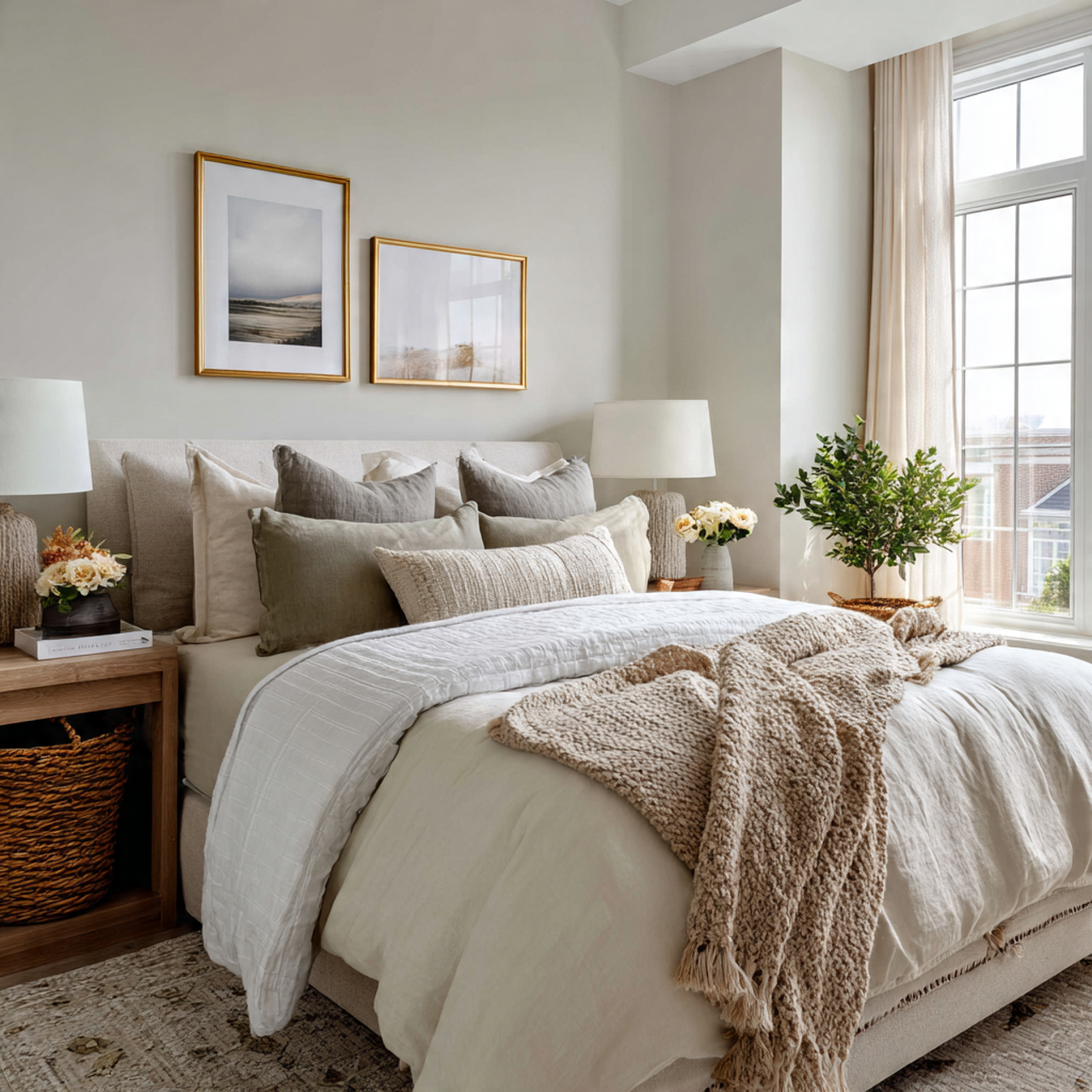
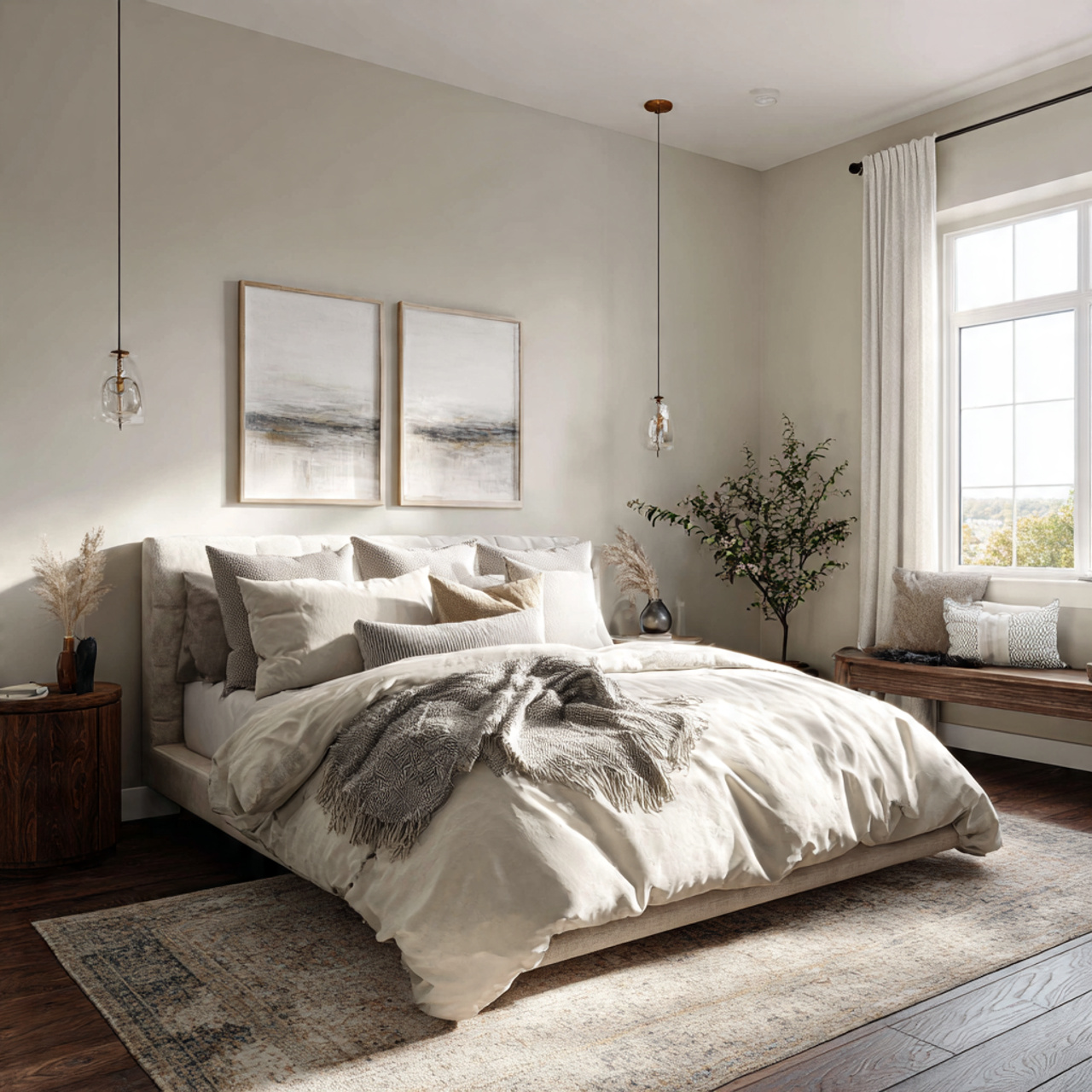
Soft Neutral Wall Colors That Quiet the Space
WHAT it is
Walls painted in warm whites, soft beige, or light greige tones that feel gentle and balanced.
WHY it works
There’s immediate relief when a bedroom doesn’t compete for attention. In real homes, neutral walls create a visual pause that helps the mind slow down.
People save this bedroom idea because it works with almost any furniture style. It also makes bedrooms feel brighter and more open over time.
From a design standpoint, soft neutrals reflect light evenly and reduce harsh contrast. This creates a calmer visual environment that supports rest.
HOW to apply it
Choose warm undertones instead of cool gray. If repainting isn’t possible, soften the space with neutral curtains or large wall art.
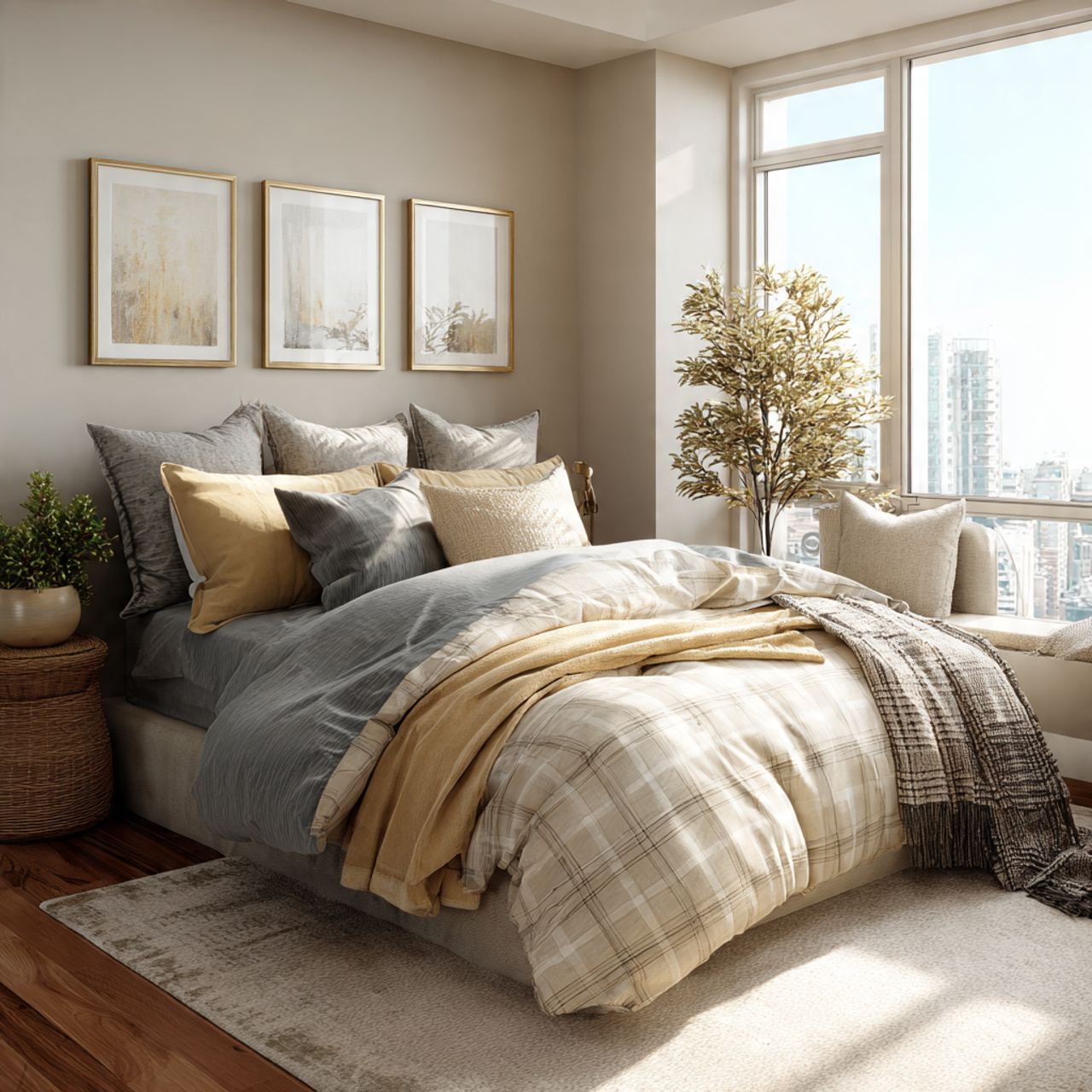
Layered Bedding That Feels Comfortable Every Night
WHAT it is
A bed layered with sheets, a comforter, a light quilt, and a few relaxed pillows.
WHY it works
Layered bedding feels welcoming instead of decorative. In everyday homes, it adapts easily to temperature changes and real sleep habits.
People save this idea because it looks cozy but still realistic. It suggests comfort you can actually enjoy at the end of the day.
Design-wise, layering adds texture and depth without visual clutter. The bed looks complete while staying calm.
HOW to apply it
Stick to two or three colors. Mix simple fabrics like cotton, linen, or soft knits.
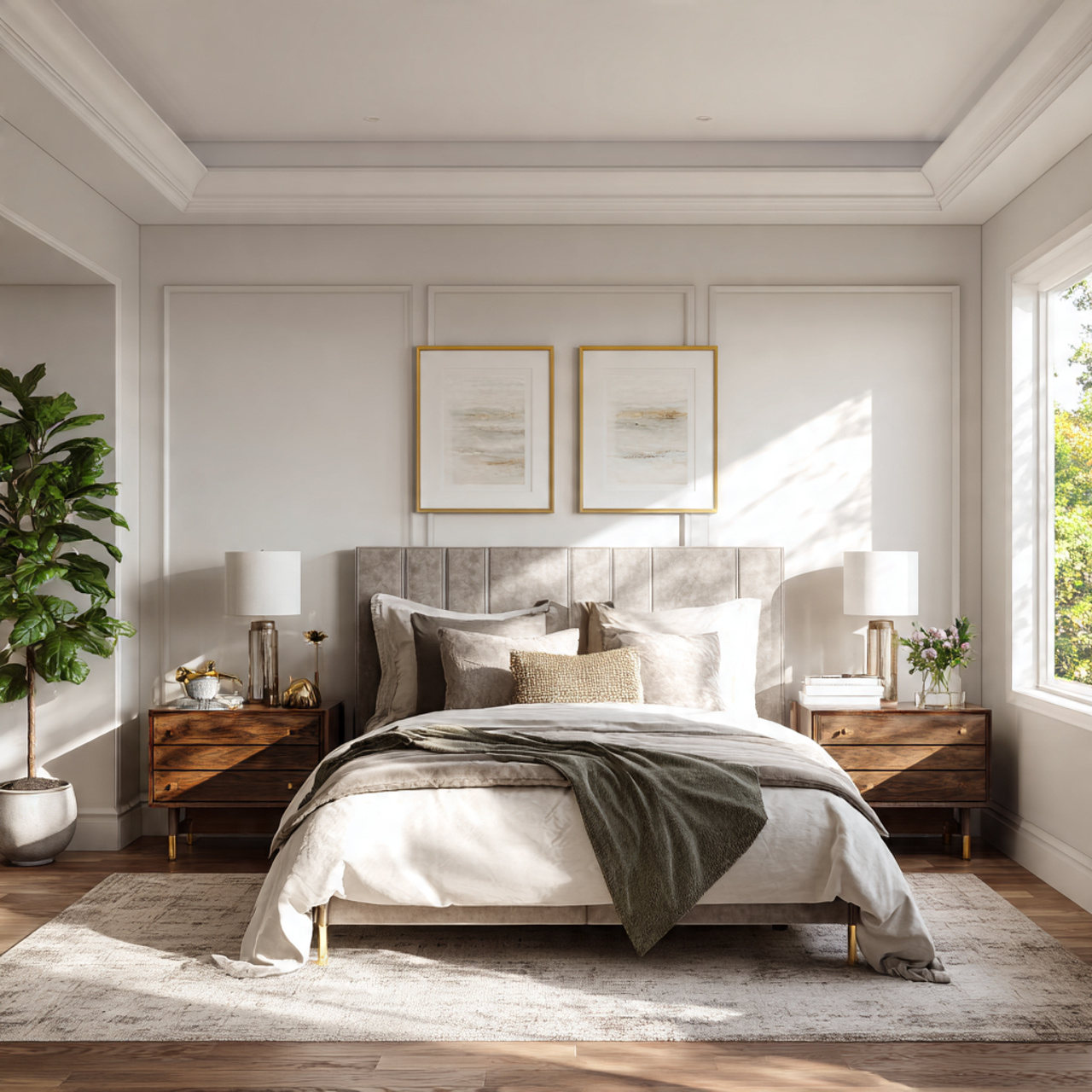
Symmetrical Nightstands That Create Balance
WHAT it is
Two similar nightstands placed on each side of the bed.
WHY it works
Symmetry brings a sense of order that feels calming in bedrooms. Designers often see balanced layouts reduce visual tension in real homes.
People save this idea because it instantly makes a room feel finished. Even smaller bedrooms benefit from this structure.
From a practical angle, equal surfaces and lighting improve daily routines. The space simply feels easier to use.
HOW to apply it
Exact matches aren’t required. Similar height and visual weight usually work well.
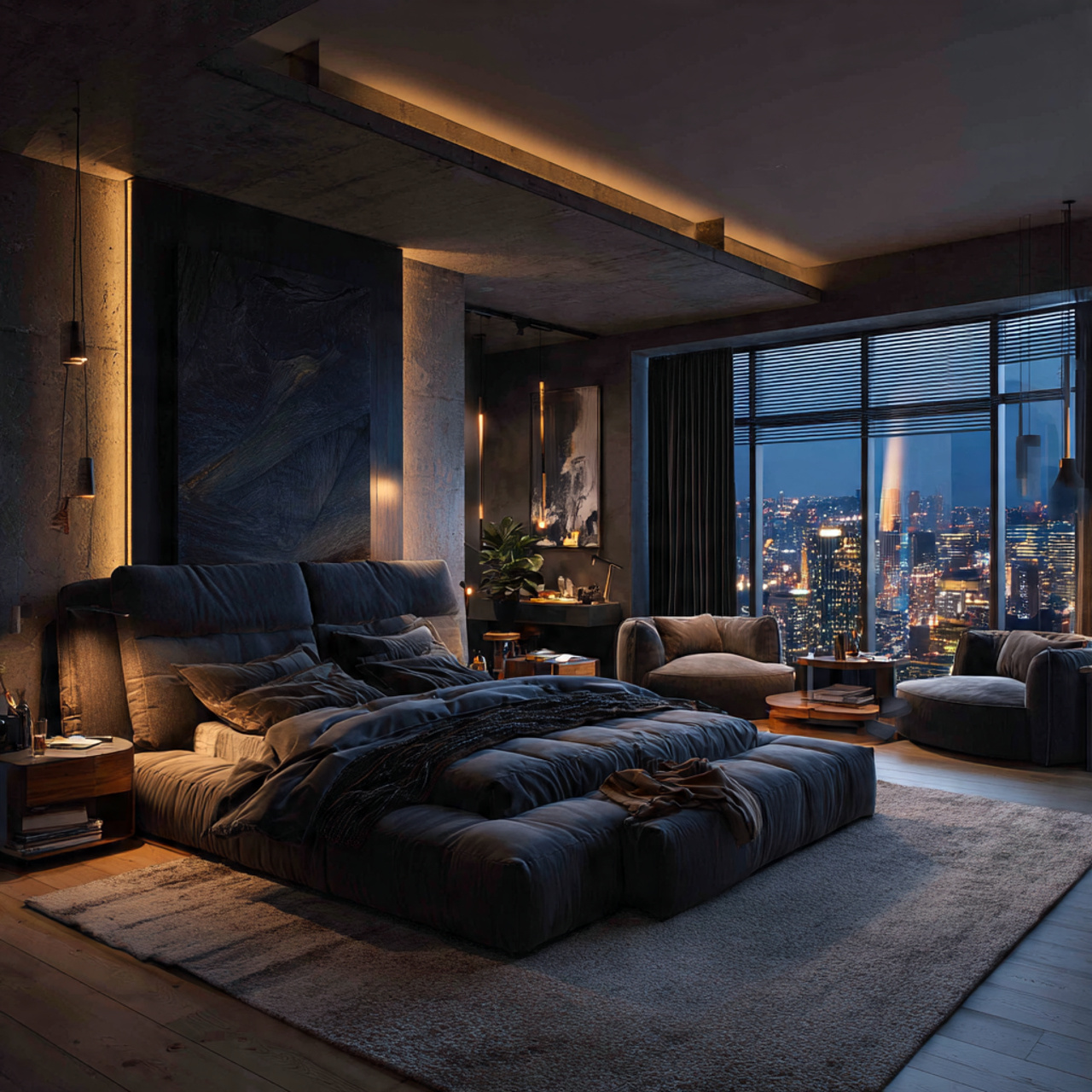
Warm, Layered Lighting Instead of Harsh Overhead Light
WHAT it is
Using table lamps, wall sconces, or floor lamps with warm bulbs.
WHY it works
Bright overhead lighting can feel harsh at night. In real bedrooms, layered lighting helps the body relax more naturally.
People save this idea because lighting changes mood instantly. Warm light makes bedrooms feel softer and more personal.
Design logic supports multiple light sources because they add depth. This flexibility works better throughout the day.
HOW to apply it
Use warm bulbs and aim for at least two light sources. Avoid relying only on ceiling fixtures.
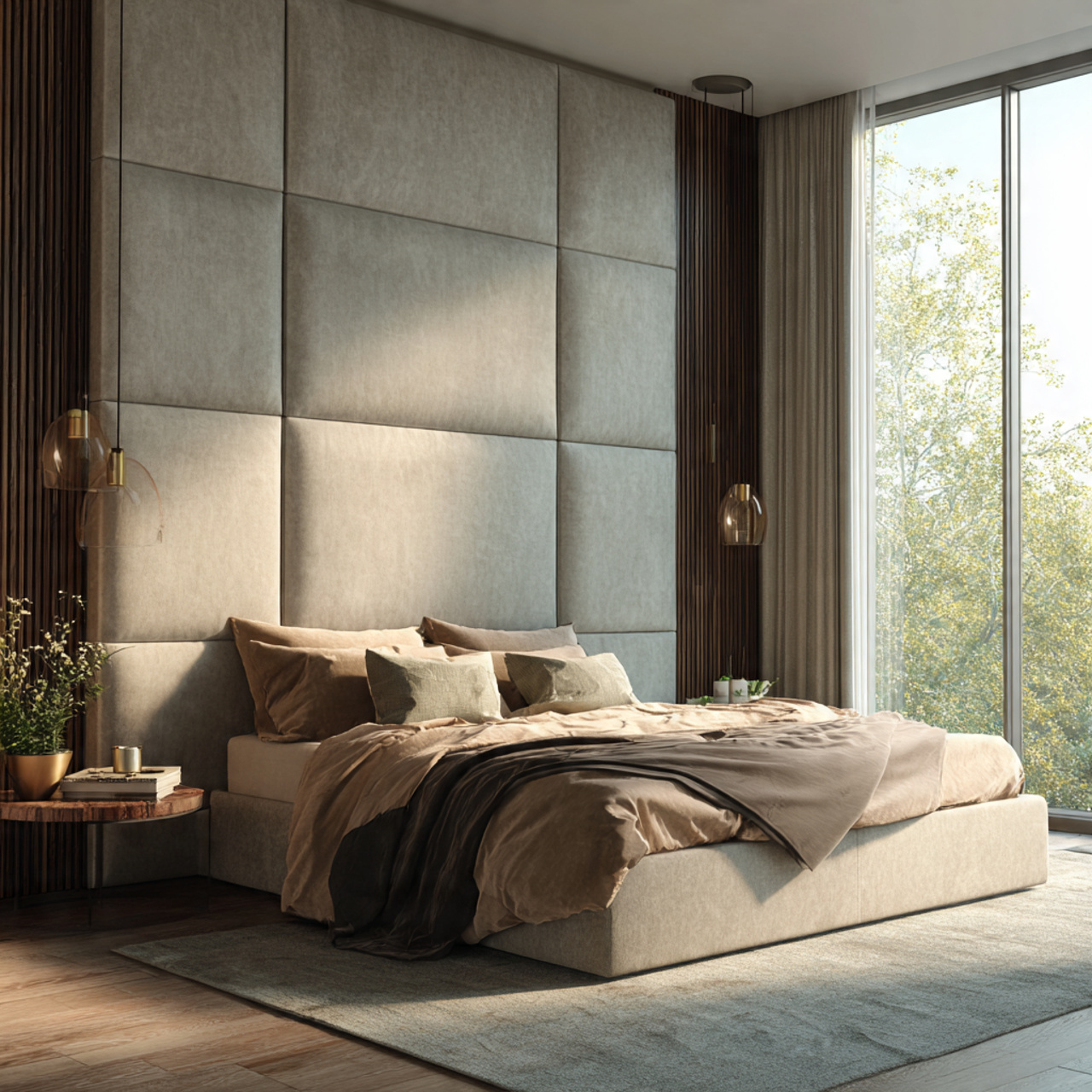
Upholstered Headboards That Add Softness
WHAT it is
A fabric-covered headboard behind the bed.
WHY it works
Upholstered headboards make beds feel grounded and comfortable. They’re also nicer to lean against during daily use.
This idea is saved because it feels cozy without looking heavy. It adds softness while keeping the room calm.
From a design perspective, fabric softens sound and visual edges. This supports a more restful atmosphere.
HOW to apply it
Choose neutral fabrics like linen or soft velvet. Simple upholstered panels work well too.
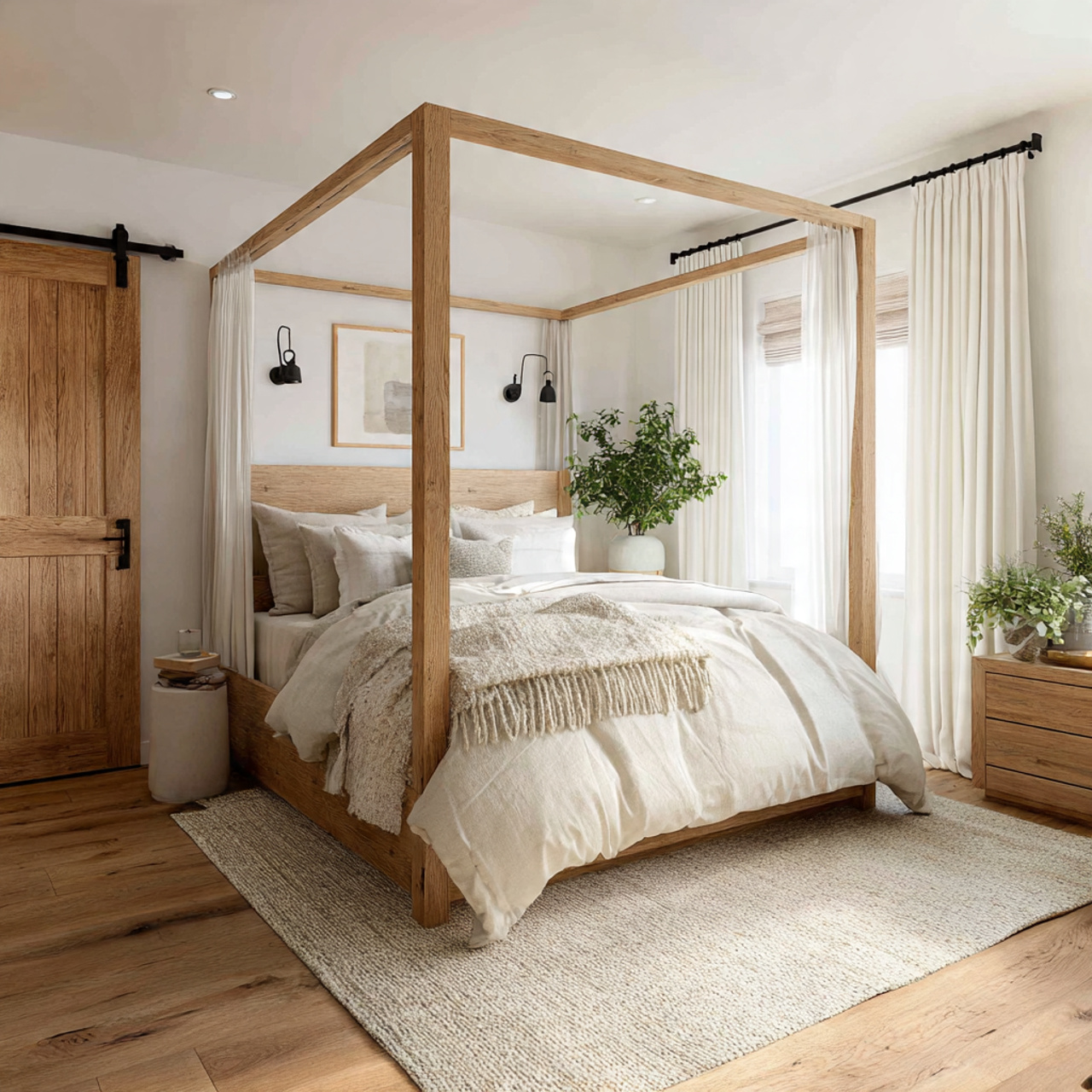
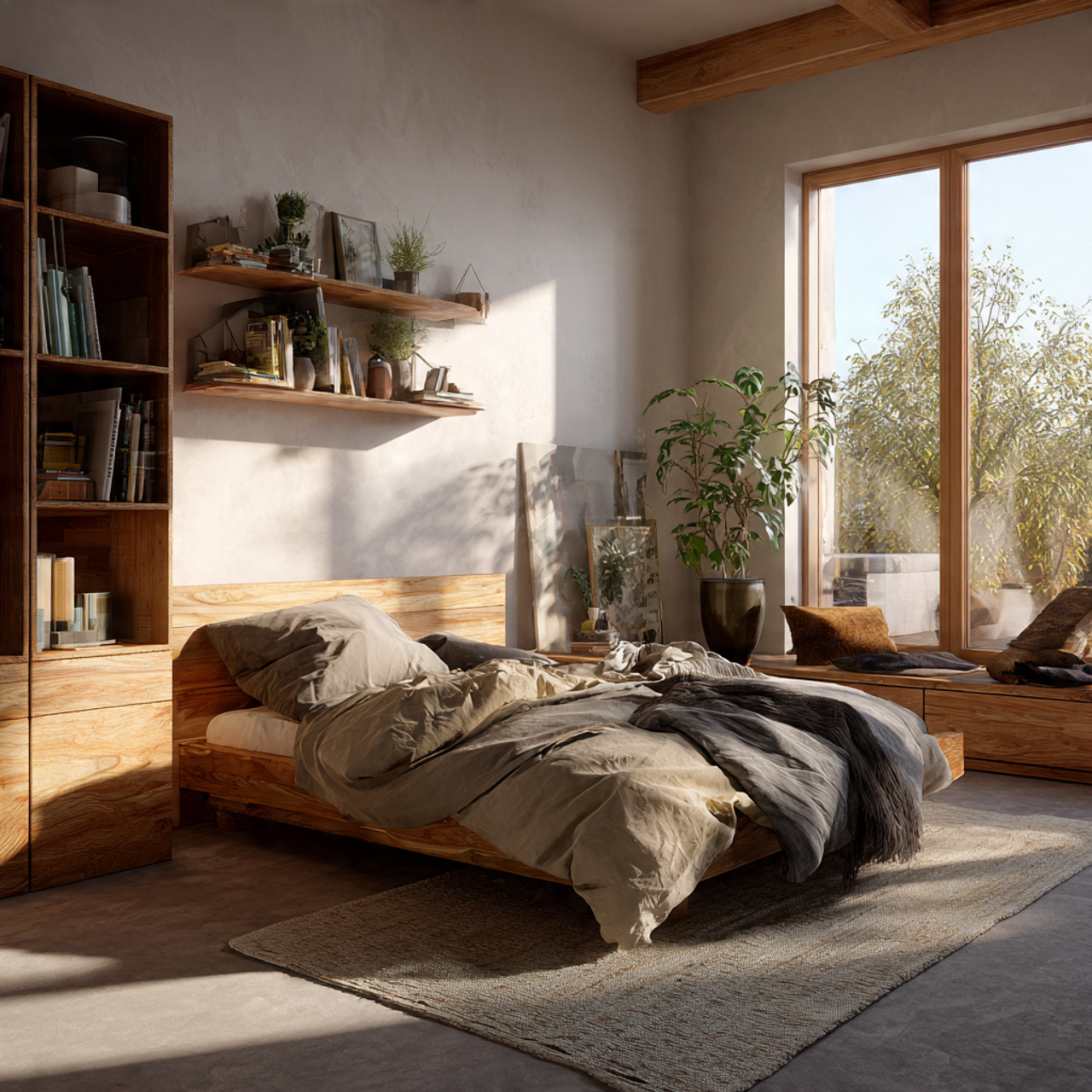
Natural Wood Furniture for Warmth
WHAT it is
Wood or wood-look bed frames, dressers, or nightstands.
WHY it works
Wood brings warmth and grounding energy into a bedroom. Designers often see rooms feel more welcoming with natural materials.
People save this idea because it feels timeless rather than trendy. Wood works across many styles and ages well visually.
Design-wise, wood adds texture without relying on bold color. It balances soft textiles naturally.
HOW to apply it
If solid wood isn’t an option, choose realistic finishes. Keep tones consistent.
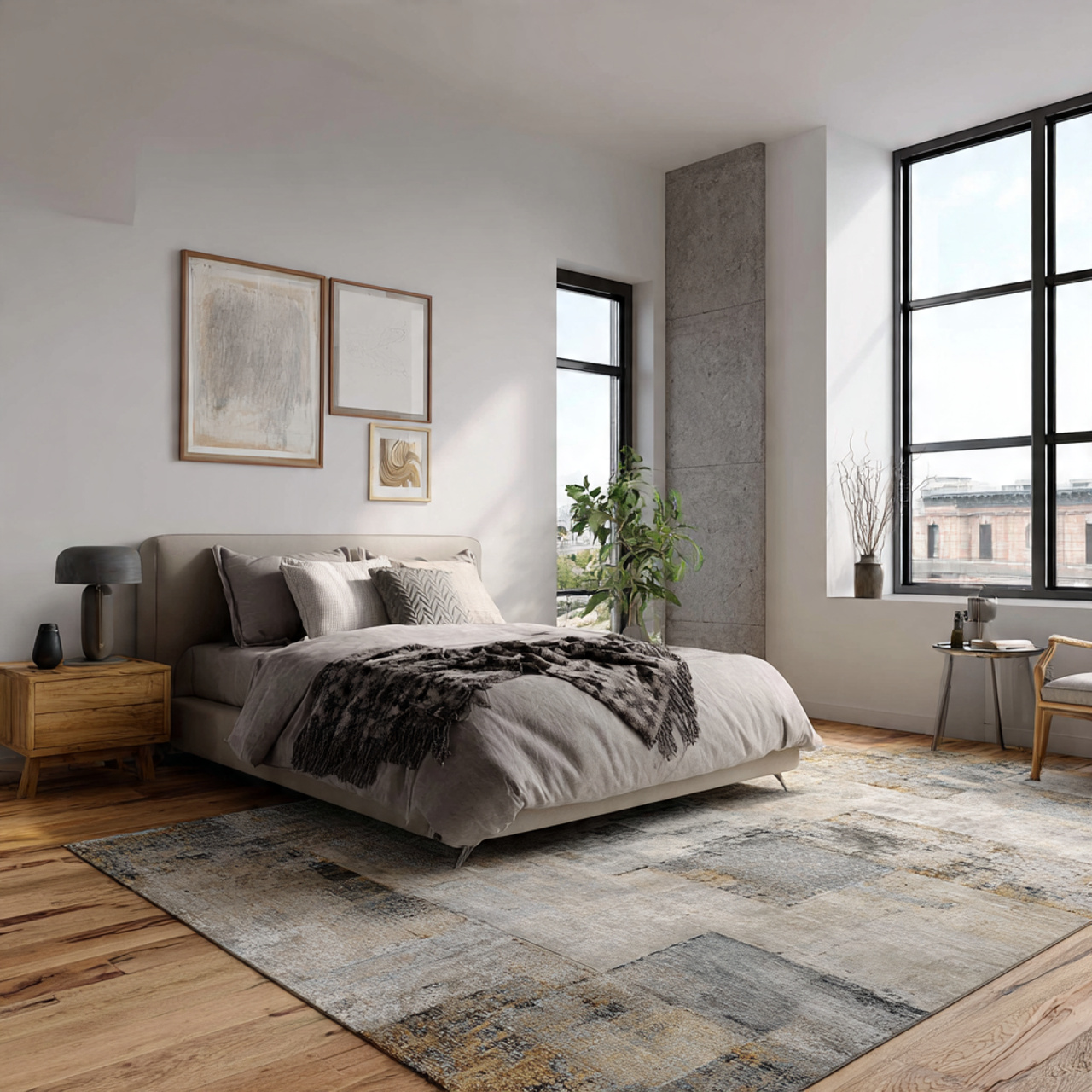
Area Rugs That Soften Daily Movement
WHAT it is
A low-pile or flatweave rug placed under or beside the bed.
WHY it works
Rugs add warmth underfoot, which affects daily routines more than expected. Stepping onto something soft changes how mornings feel.
People save this idea because it adds comfort without clutter. Rugs also help visually anchor the bed.
From a design angle, rugs reduce echo and make the room feel complete.
HOW to apply it
Choose a rug large enough to extend beyond the bed. Neutral patterns work best.
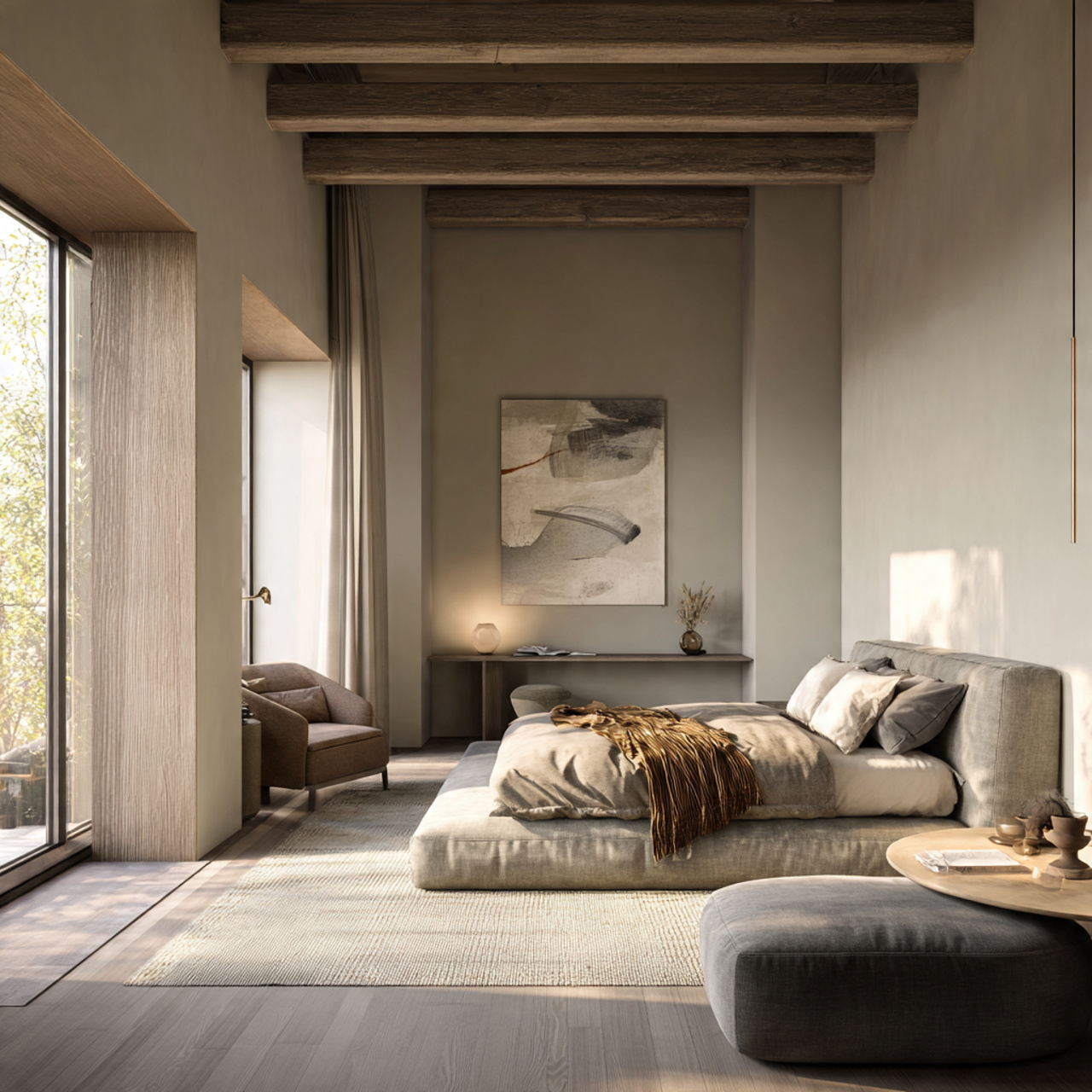
Limited Color Palettes That Reduce Visual Stress
WHAT it is
Bedrooms using two or three coordinated, muted colors.
WHY it works
Too many colors can feel chaotic over time. In real homes, limited palettes support relaxation.
People save this idea because cohesive rooms feel easier to live with. They require fewer adjustments.
Design logic favors restraint so texture and light can stand out.
HOW to apply it
Choose one base color, one supporting tone, and one subtle accent.
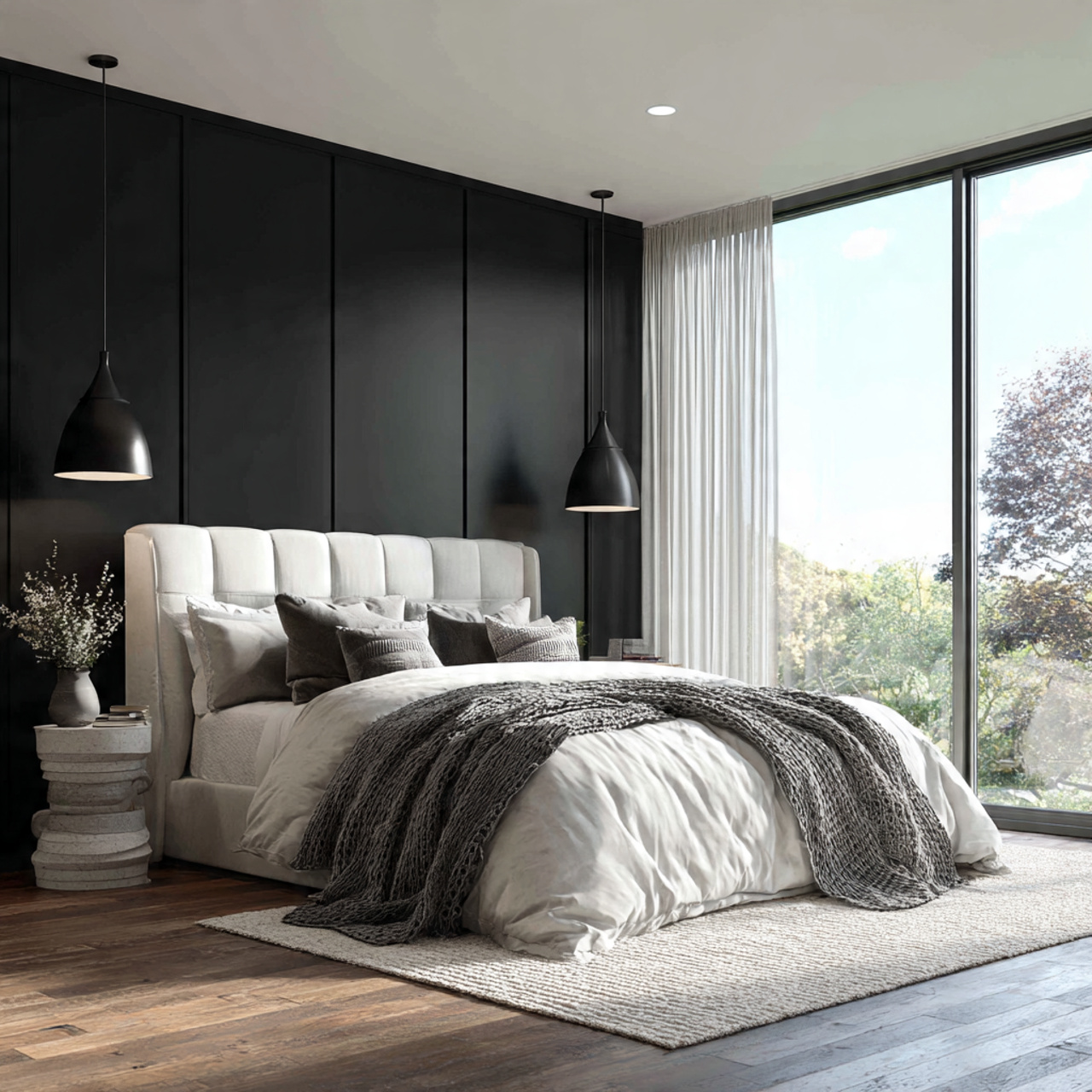
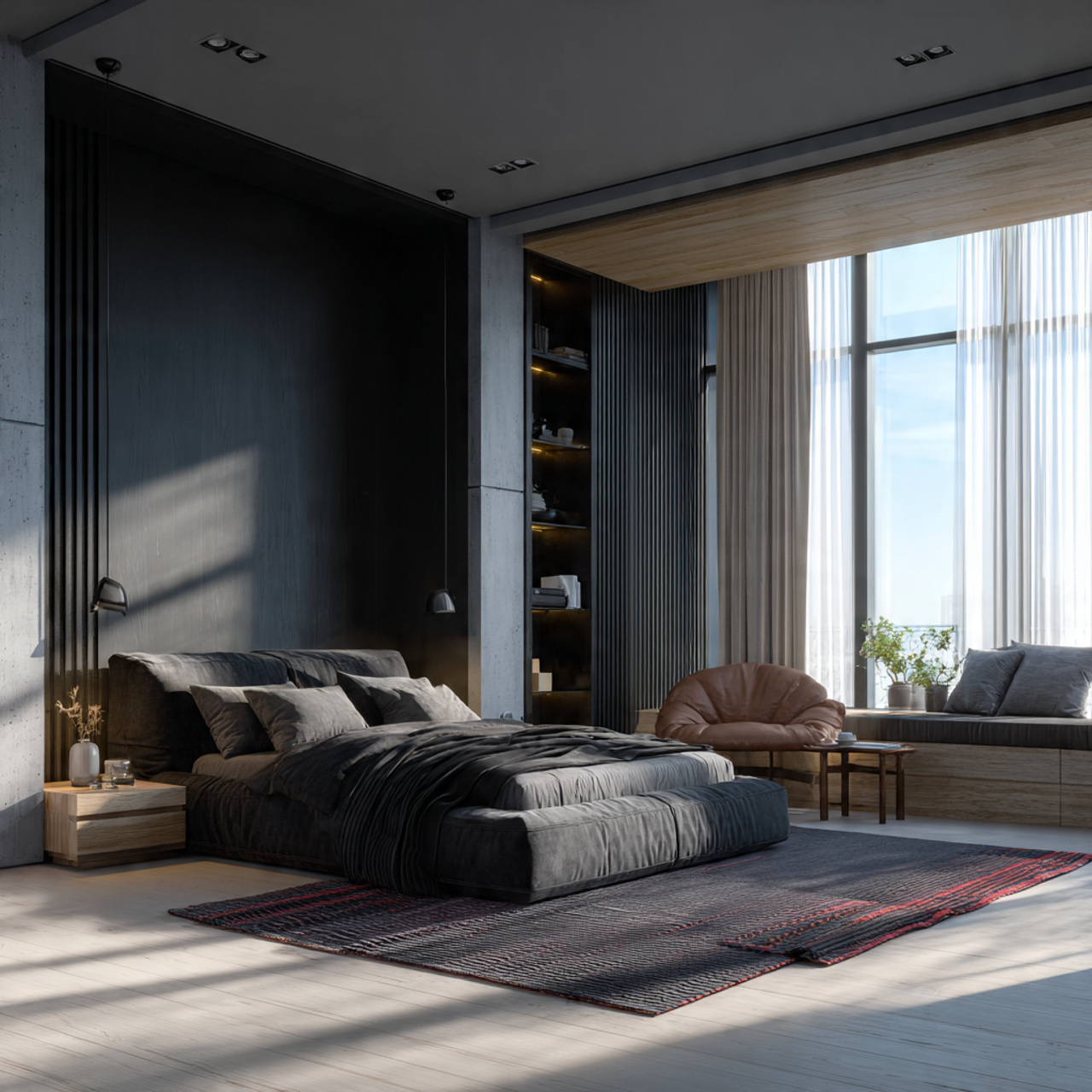
Dark Accents That Add Gentle Contrast
WHAT it is
Small black or charcoal details like frames, lamps, or hardware.
WHY it works
Dark accents ground the room and prevent it from feeling washed out. They add definition without heaviness.
People save this idea because the contrast feels intentional. It adds depth without overpowering the space.
From a design perspective, contrast helps shapes feel clearer and more defined.
HOW to apply it
Limit dark accents to smaller pieces. Avoid large dark furniture in low-light rooms.
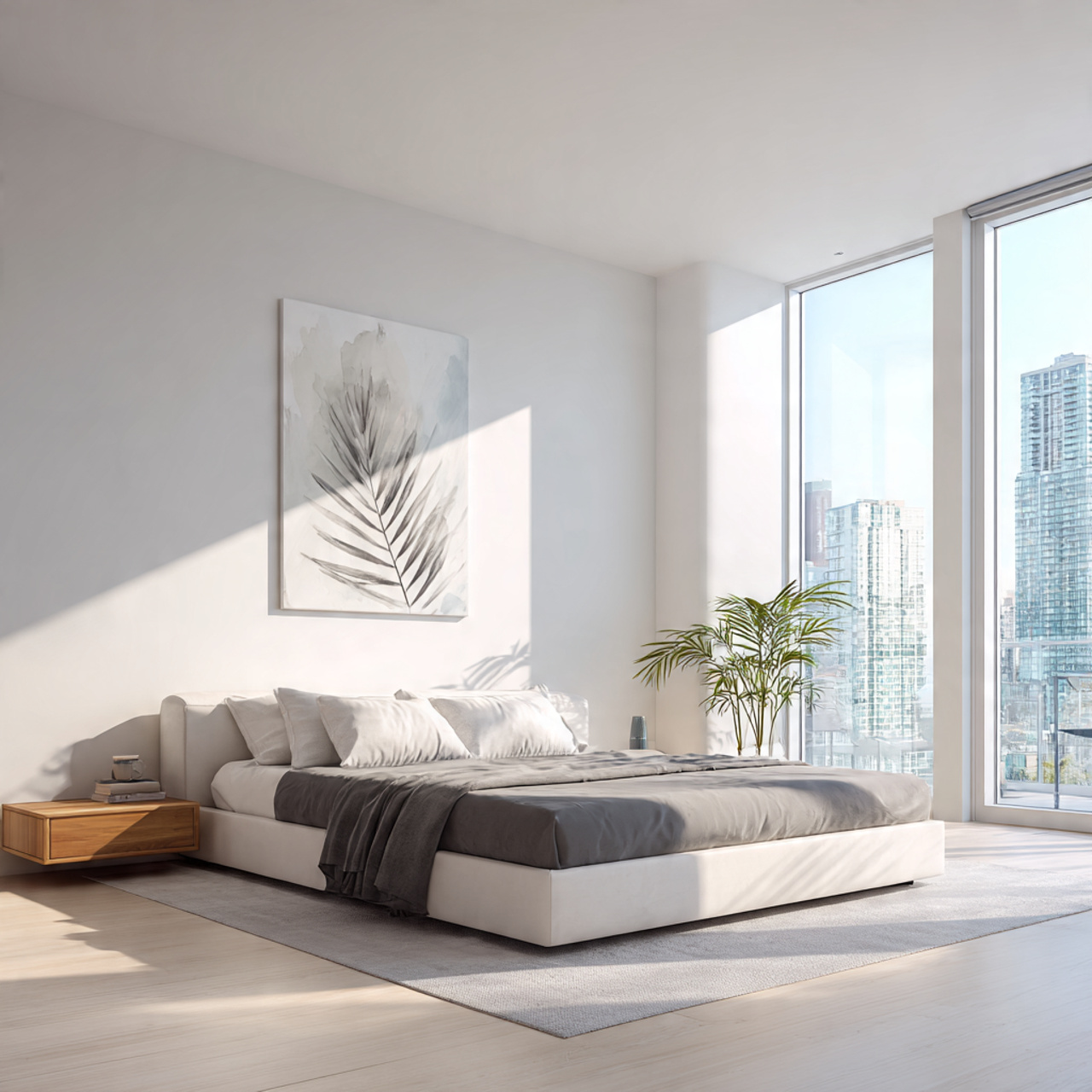
Minimal Wall Decor That Lets the Room Breathe
WHAT it is
One or two framed artworks instead of crowded walls.
WHY it works
Bedrooms benefit from visual rest. Too much wall decor can feel overwhelming over time.
People save this idea because it feels calm and intentional. Each piece has space to matter.
Design logic supports restraint in sleep spaces.
HOW to apply it
Choose calming artwork and leave space around each frame.
Closed Storage That Hides Everyday Clutter
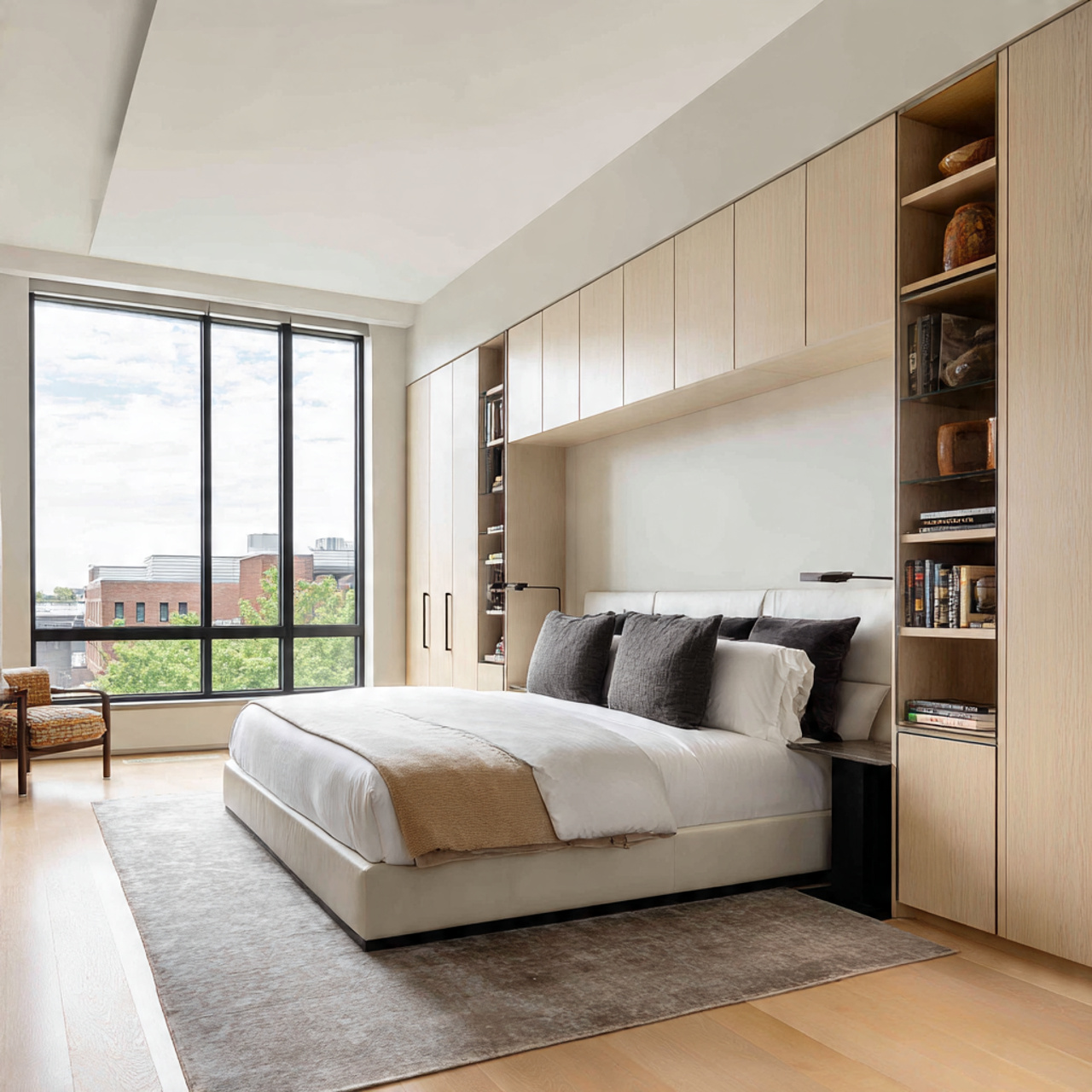
WHAT it is
Dressers, storage beds, or cabinets that keep items out of sight.
WHY it works
Visible clutter builds stress gradually. In real homes, hidden storage keeps bedrooms calmer.
People save this idea because it solves a real problem. A tidy-looking room feels easier to maintain.
From a design standpoint, clean lines improve flow and comfort.
HOW to apply it
Prioritize closed storage over open shelving whenever possible.
Floor-Length Curtains That Soften Light
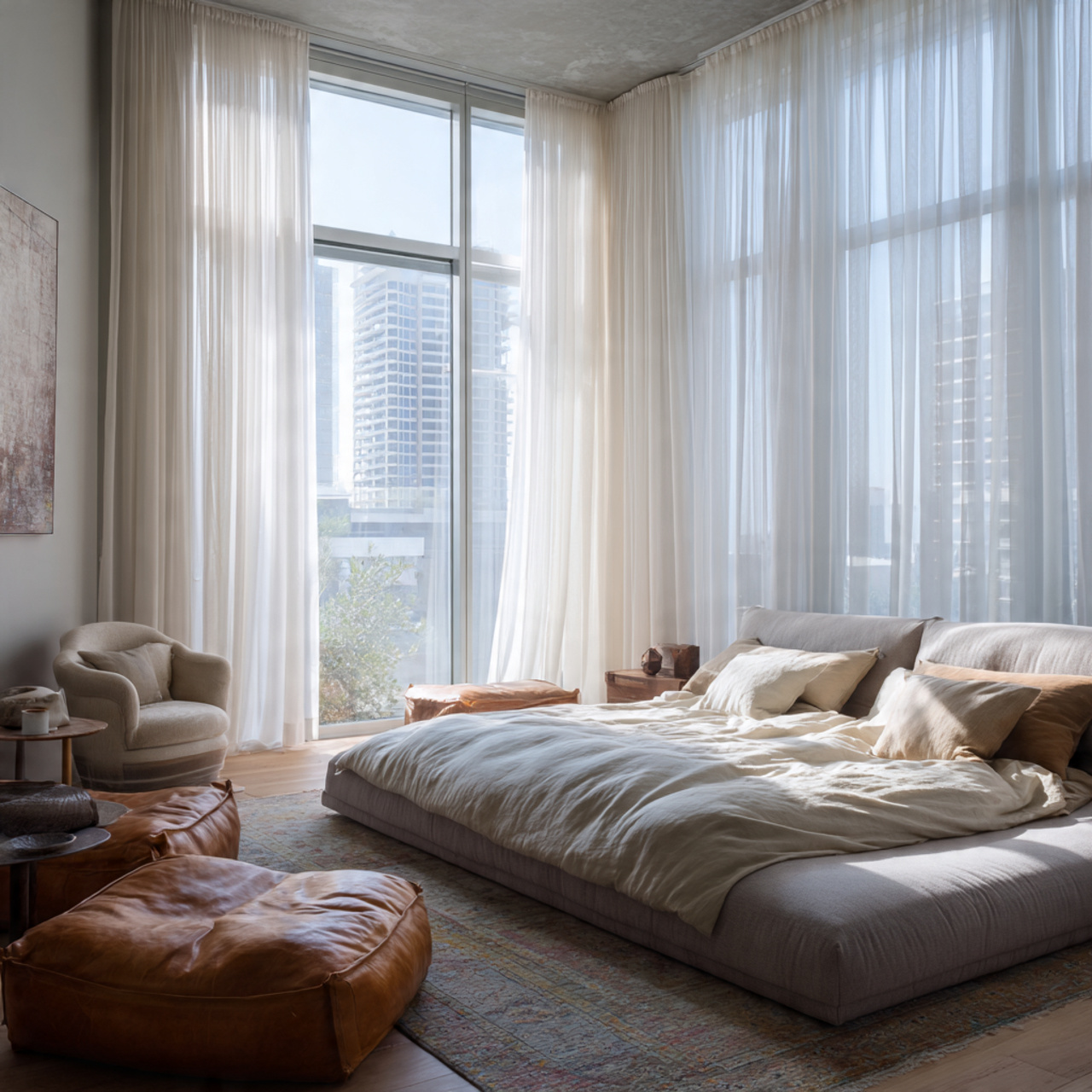
WHAT it is
Curtains that extend from near the ceiling to the floor.
WHY it works
Curtains soften windows and improve privacy. They also help control light and temperature.
People save this idea because it instantly makes rooms feel finished. The change is noticeable but simple.
Design-wise, vertical lines add height and softness.
HOW to apply it
Hang curtains higher than the window frame. Choose neutral fabrics.
A Small Bench or Chair for Daily Use
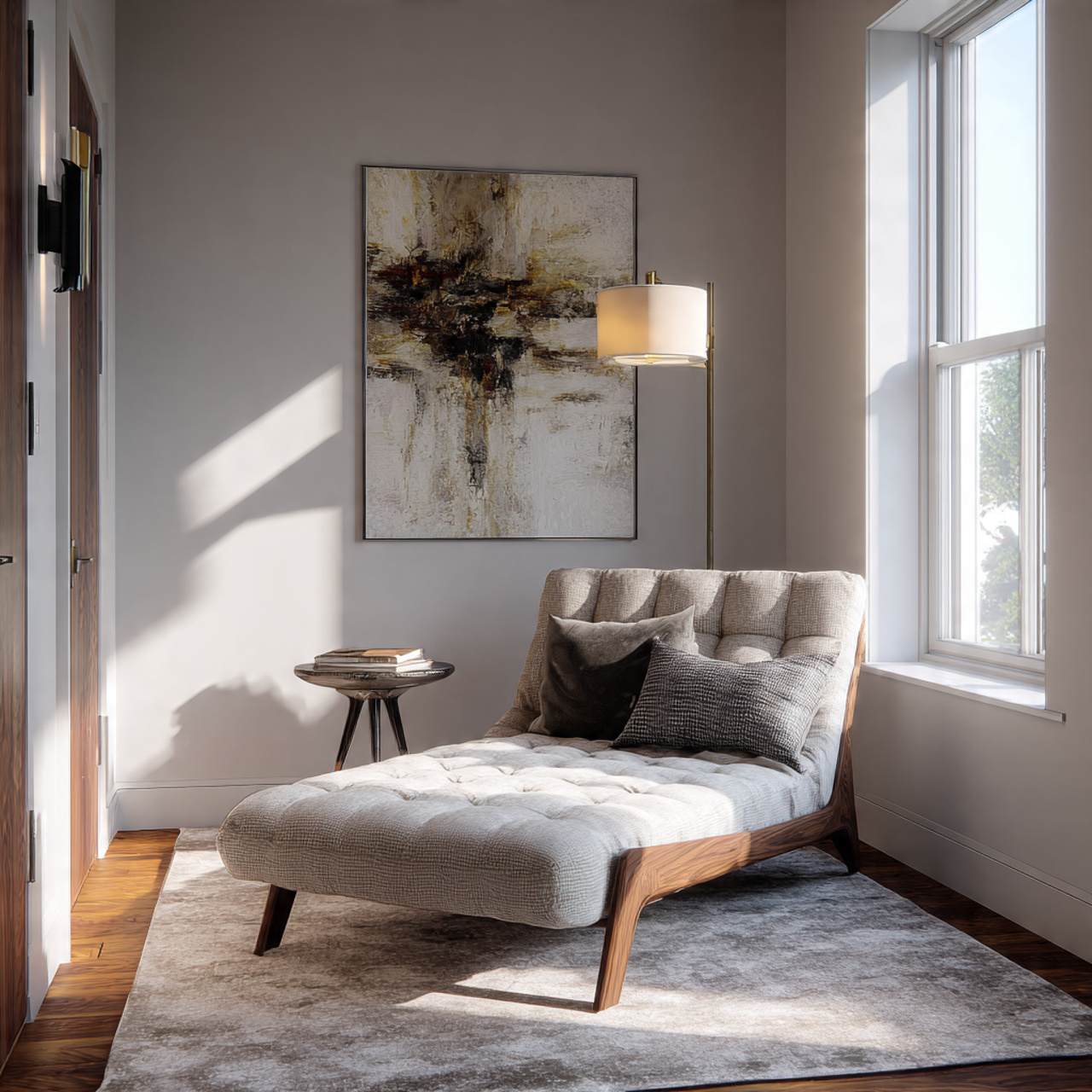
WHAT it is
A slim bench at the foot of the bed or a chair in a corner.
WHY it works
Extra seating adds function without clutter. In real homes, it supports daily routines.
People save this idea because it blends usefulness with style. It feels thoughtful, not decorative.
Design logic supports secondary furniture to balance layouts.
HOW to apply it
Choose slim designs and avoid blocking walkways.
Personal Touches That Feel Curated
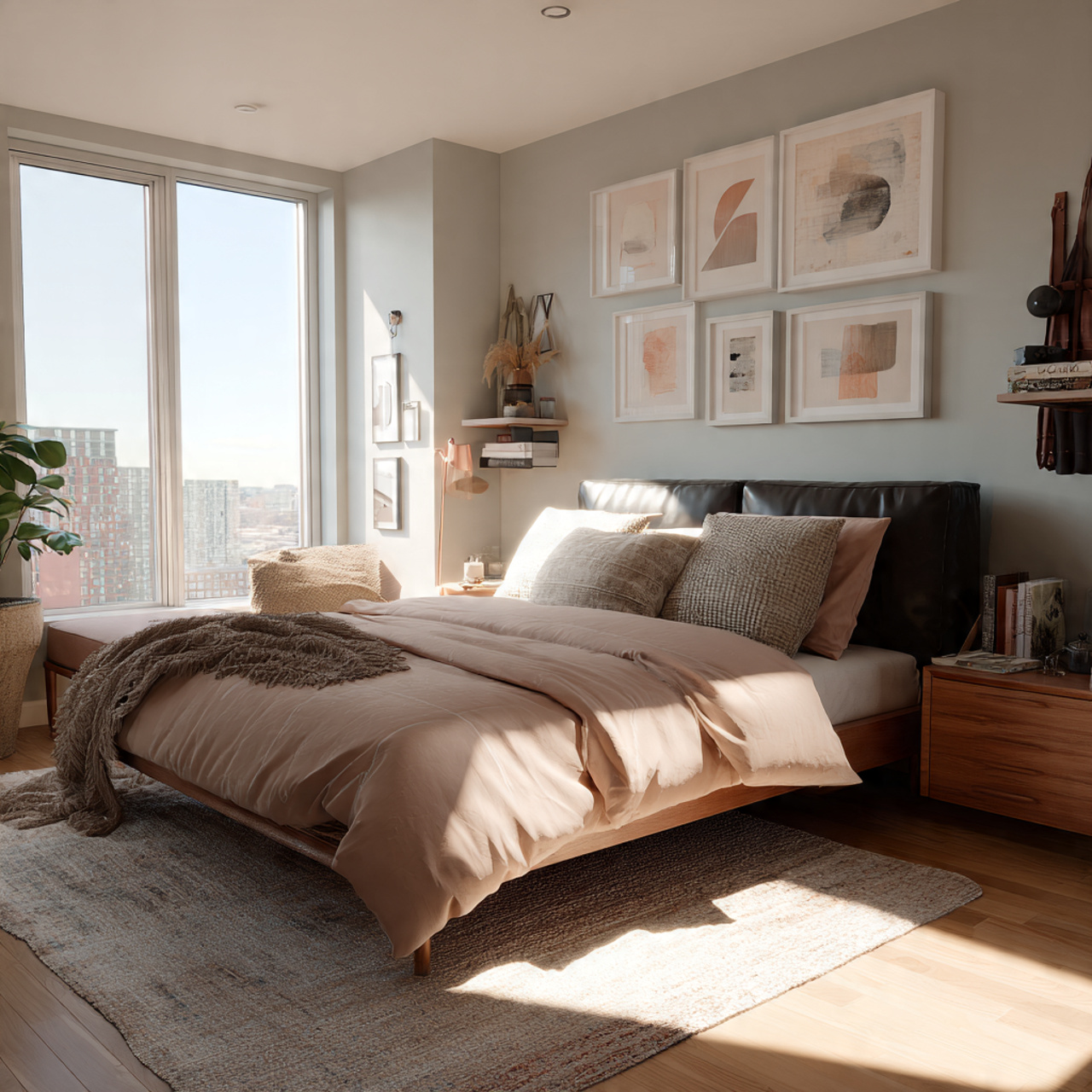
WHAT it is
A few meaningful items like books, photos, or plants.
WHY it works
Bedrooms should reflect the person using them. Personal touches add emotional comfort.
People save this idea because it makes rooms feel real, not staged. The space feels lived-in.
Design-wise, curated personalization avoids visual clutter.
HOW to apply it
Limit personal items to a few visible areas.
Repeating Materials That Create Cohesion
WHAT it is
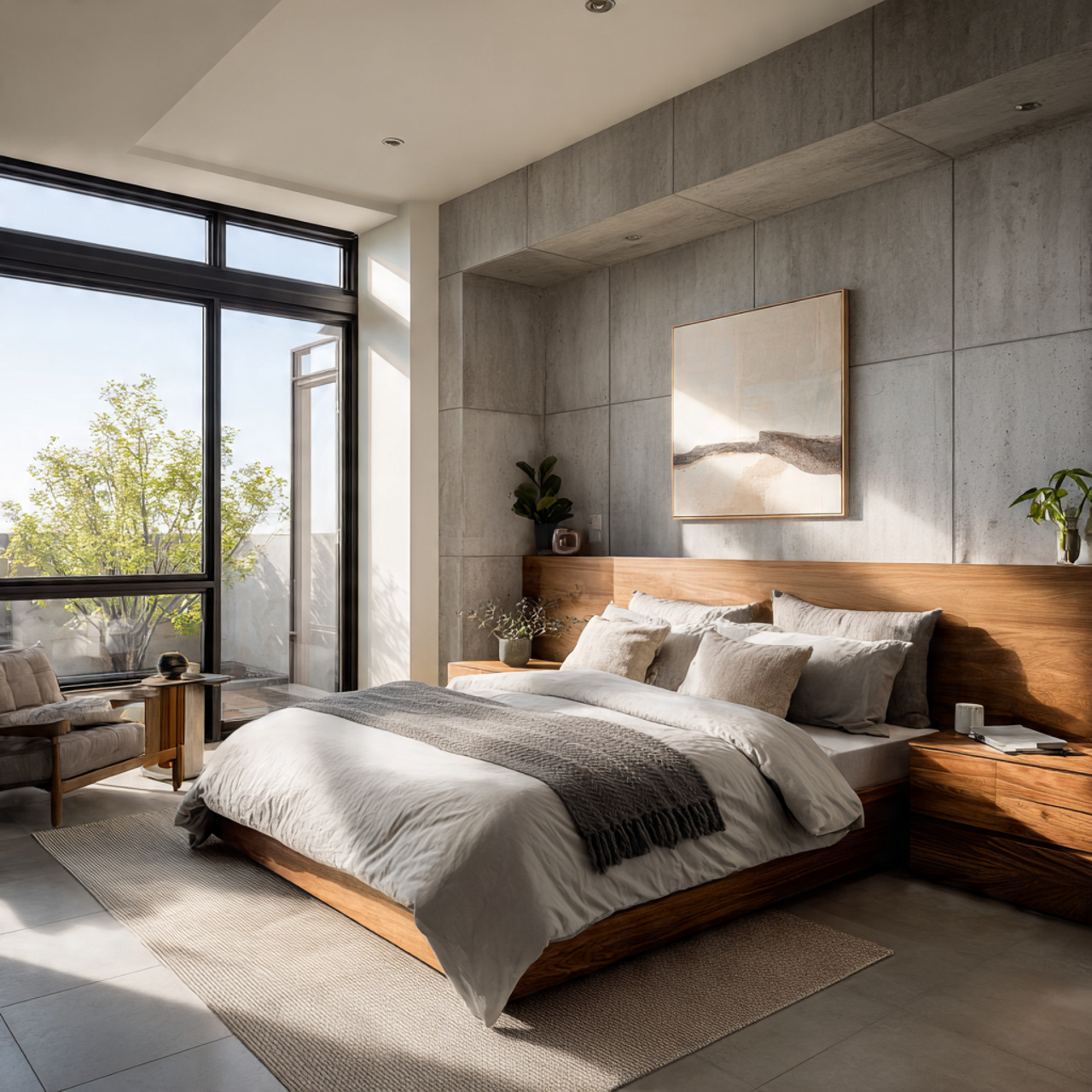
Repeating wood tones, metal finishes, or fabrics throughout the room.
WHY it works
Consistency reduces visual confusion. In real homes, it simplifies decorating decisions.
People save this idea because cohesive rooms feel calm and intentional. Nothing feels accidental.
Design logic uses repetition to create harmony.
HOW to apply it
Choose two or three materials and repeat them subtly.
Clear Walkways That Improve Comfort
WHAT it is
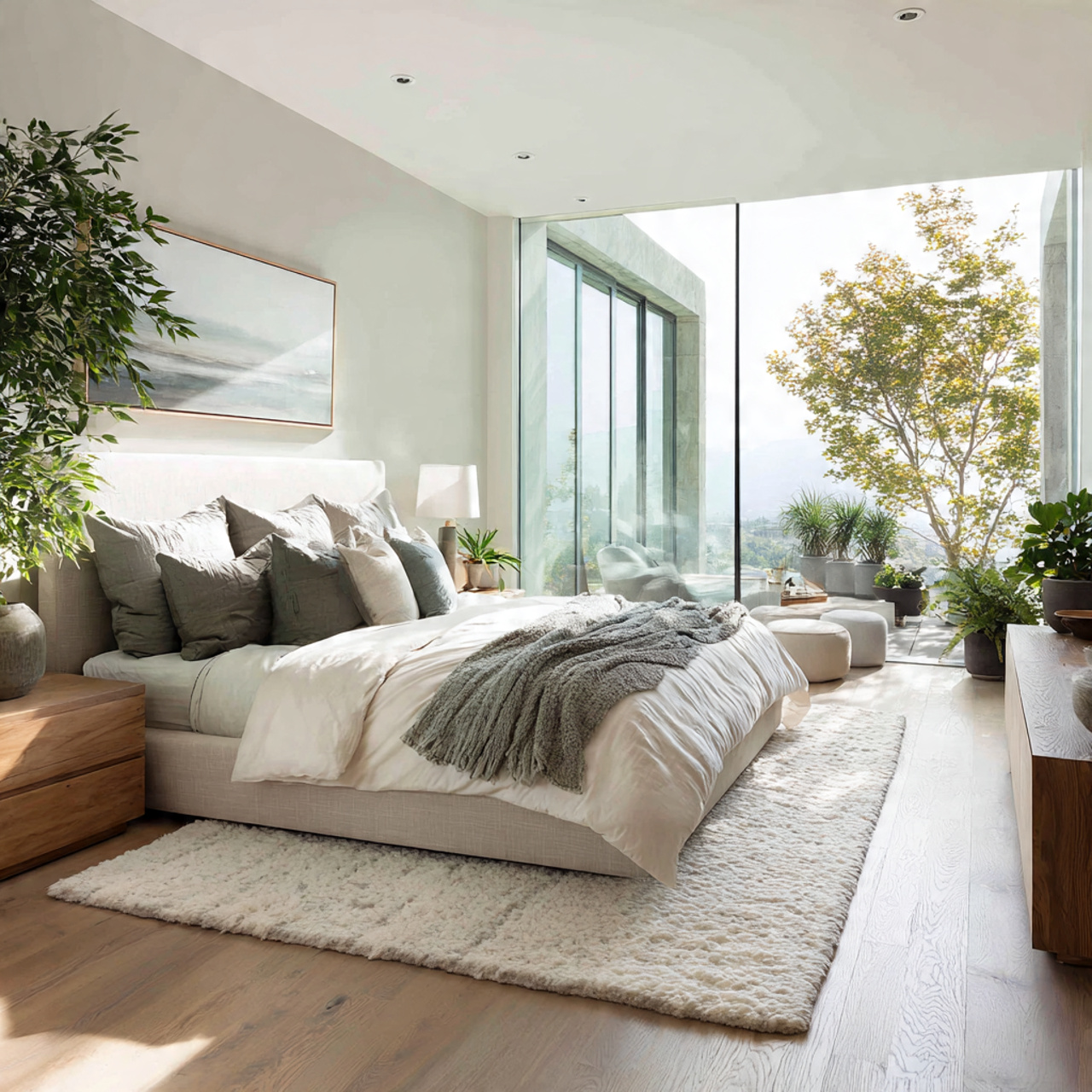
Furniture arranged so movement feels easy and natural.
WHY it works
Crowded layouts cause daily frustration. In real homes, clear paths reduce stress.
People save this idea because it improves how the room feels to use. Comfort becomes obvious.
Design-wise, good flow supports balance and calm.
HOW to apply it
Leave space around the bed and doorways. Remove unnecessary furniture.
Common Bedroom Ideas Mistakes
Overdecorating the bed area
People often add too many pillows and throws because styled bedrooms look appealing online. In real homes, this quickly becomes inconvenient and adds unnecessary effort to daily routines. Over time, the bed stops feeling restful and starts feeling like something that needs managing.
Using cold or overly bright lighting
Bright, cool lighting can make a bedroom feel harsh once the sun goes down. Many people don’t realize how strongly lighting affects mood and sleep quality. When ignored, the room never fully feels relaxing, no matter how nice the furniture is.
Ignoring real storage needs
Storage is often underestimated when follow bedroom ideas. Everyday items slowly end up on visible surfaces, creating clutter and visual stress. Over time, this makes the space harder to maintain and less calming to be in.
Mixing too many styles at once
Saving many different Pinterest bedroom ideas can lead to combining too many styles in one room. While each piece may look nice on its own, together they create visual tension. The bedroom feels unsettled instead of calm and cohesive.
Bedroom Ideas FAQ
How many colors work best in a bedroom?
Two or three coordinated colors usually feel calm and balanced. This helps the room feel cohesive and easier to live with long term.
Are dark bedrooms a bad idea?
No, dark bedrooms can feel cozy when balanced with good lighting and soft textures. The key is avoiding heavy darkness without contrast.
Do small bedrooms need less furniture?
Yes, fewer pieces improve flow and daily comfort. Clear walkways matter more than extra furniture.
Is matching furniture necessary?
No, consistent finishes matter more than exact matches. Visual balance is more important than identical sets.
What’s the easiest bedroom upgrade?
Updating bedding and lighting usually has the biggest impact. These changes immediately affect comfort and mood.
Conclusion
The calm bedroom ideas are not about perfection or trends. It’s about choices that support rest and everyday comfort.
Start with one small, realistic change. Over time, those adjustments and bedroom ideas can completely change how your bedroom feels.