16 Stunning Bed Design Ideas for a Calm Stylish Bedroom
A thoughtful bed design does far more than hold a mattress. It defines the rhythm of the entire bedroom and quietly determines whether the space feels restful or unsettled. When the bed is proportioned and styled correctly, everything else in the room begins to make sense.
These 16 ideas focus on real homes, real layouts, and real long term comfort. Instead of trend driven choices, this guide explores bed design decisions that age well, improve daily use, and create a bedroom that feels calm every single night.
Why Bed Design Matters More Than Most People Realize
The bed design is visually dominant in a bedroom, often occupying the largest uninterrupted surface area. When scale, height, or materials in your bed design feel off balance, the entire room feels slightly wrong even if you cannot immediately explain why.
Good bed design also affects movement, storage access, lighting placement, and how easily the room adapts to seasonal changes. Small thoughtful adjustments here have long lasting impact.
Color & Material Authority of Bed Design
Warm Linen Beige #D8CFC4
Use for full room upholstery or a headboard in north facing or small bedrooms warm undertone eggshell finish on wood trim pairs beautifully with linen and light wash cotton for an airy lived in feel.
Soft Greige #CFC9C0
Ideal for walls behind the bed to blur boundaries between furniture and architecture neutral warm undertone satin or eggshell finish teams with wool throws and brushed cotton sheets.
Slate Clay #9AA3A8
Use for a low profile bed frame or bedside cabinetry to anchor the room cool leaning undertone matte finish on painted wood looks great with textured velvet or heavyweight linen.
Muted Olive #8B927F
A subtle focal shade for upholstered headboards or accent pillows warm cool neutral depending on lighting eggshell or low sheen velvet finish pairs with raw cotton and woven jute.
Dusty Rose #C9A6A8
For soft intimate accents such as throws pillows or a small upholstered bench warm undertone satin or soft velvet finish works with washed linen and brushed wool.
Deep Espresso #392E2A
Use sparingly for legs slatted headboard trim or picture frames to add depth neutral warm undertone matte or espresso lacquer pairs with leather and natural woods.
Room Size & Lighting Quick Guide for Bed Design
| Light Direction | Small Room Strategy | Large Room Strategy |
|---|---|---|
| North Light | Keep the headboard light and add warm textured textiles to prevent a cold look. | Add larger warm accents and layered lighting to balance cooler daylight. |
| South Light | Use a slightly deeper wall color to avoid washout and protect fabrics from fading. | Embrace airy linens and a low bed to balance brightness and highlight textures. |
| East Light | Soft cool tones work well because morning glow lifts them and keeps textiles light. | Use heavier textures to anchor the room while letting morning light energize it. |
| West Light | Choose richer neutrals to avoid glare at sunset and use layered shades for evening control. | Create contrast with darker bedside elements to maintain balance at golden hour. |
Smart Bed Design Ideas That Instantly Elevate Any Bedroom
Low Grounded Bedframe that Calms the Room

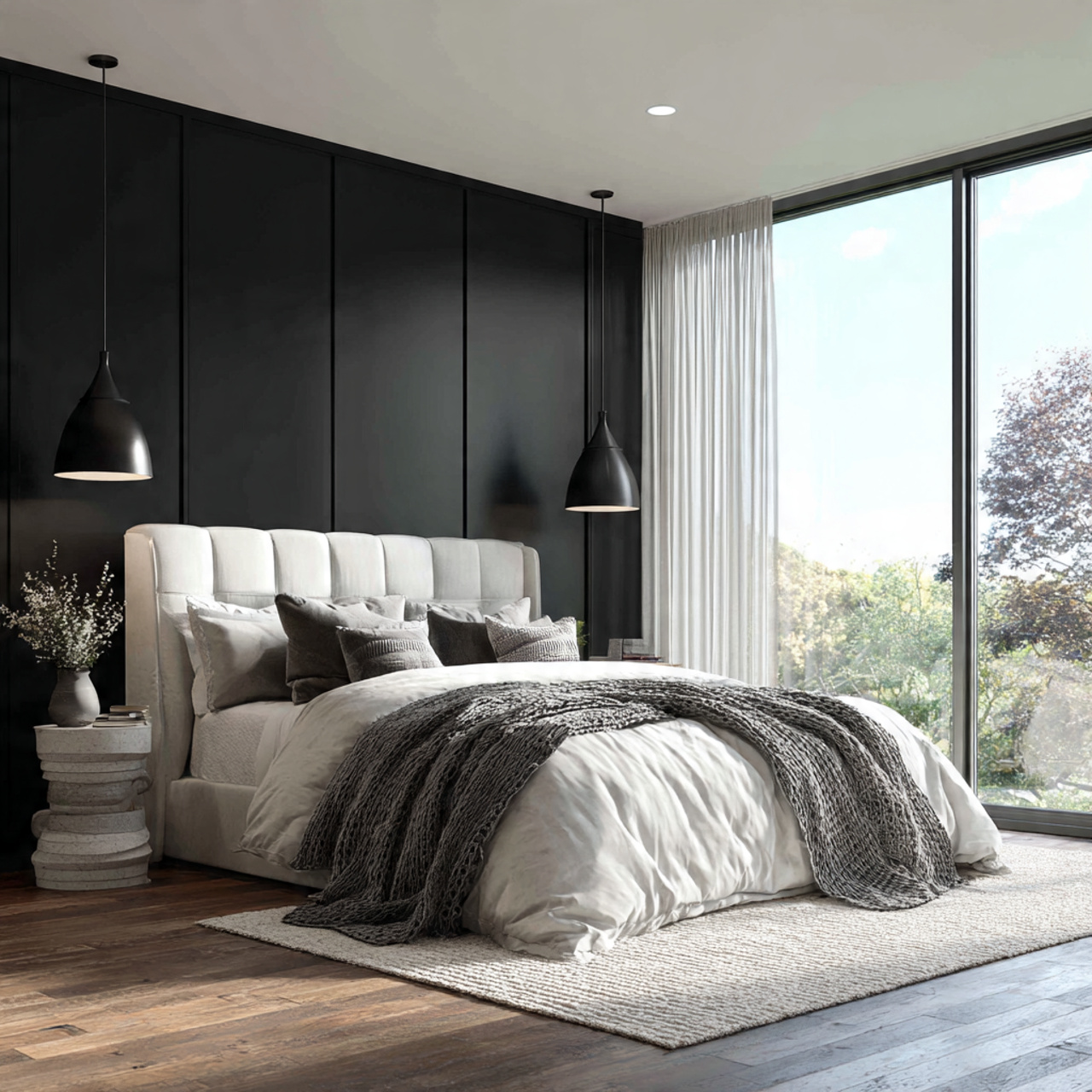
A low profile bed immediately adjusts room scale, the ceiling feels taller and the bed reads as furniture rather than anchor piece. This shift in proportion changes how the entire bedroom feels because the visual weight drops lower and the room begins to breathe. Even in average height rooms the difference is noticeable and creates a calmer atmosphere.
High ornate beds often dominate a room and demand repeated style changes, while low frames remain quietly supportive and open to accessories. Tall decorative frames tend to control artwork placement and restrict lighting options over time. In contrast, grounded designs allow flexibility and reduce the pressure to constantly restyle.
For everyday life choose a simple wooden or upholstered platform that sits close to the floor and refuses to shout. Solid wood platforms age gracefully while upholstered versions soften hard flooring and echo surrounding textiles. The goal is quiet structure that supports the room without overwhelming it.
Practical tip: pick a low slatted base with a thin profile and use a plush duvet for comfort without visual bulk.
Upholstered Headboard with Practical Padding
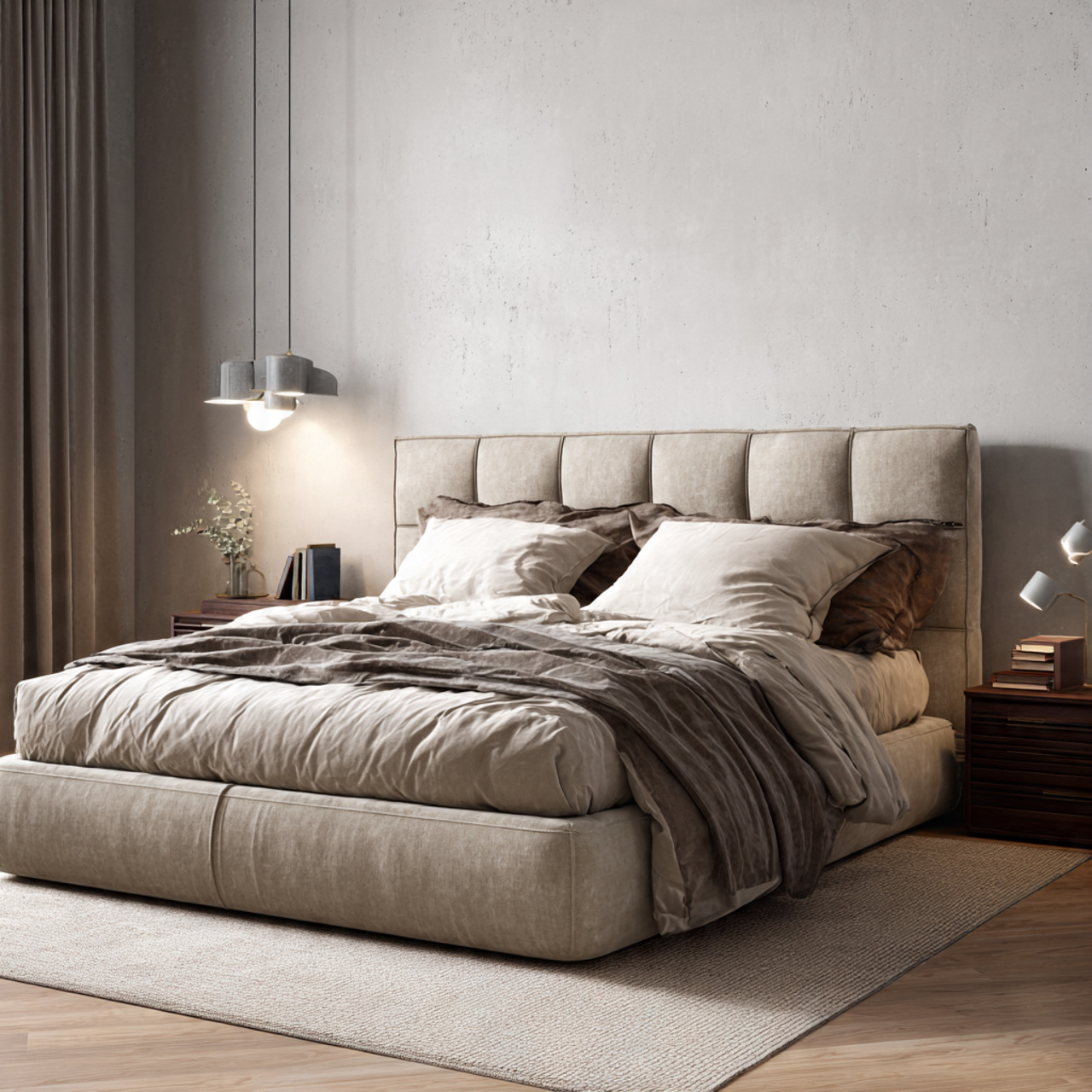
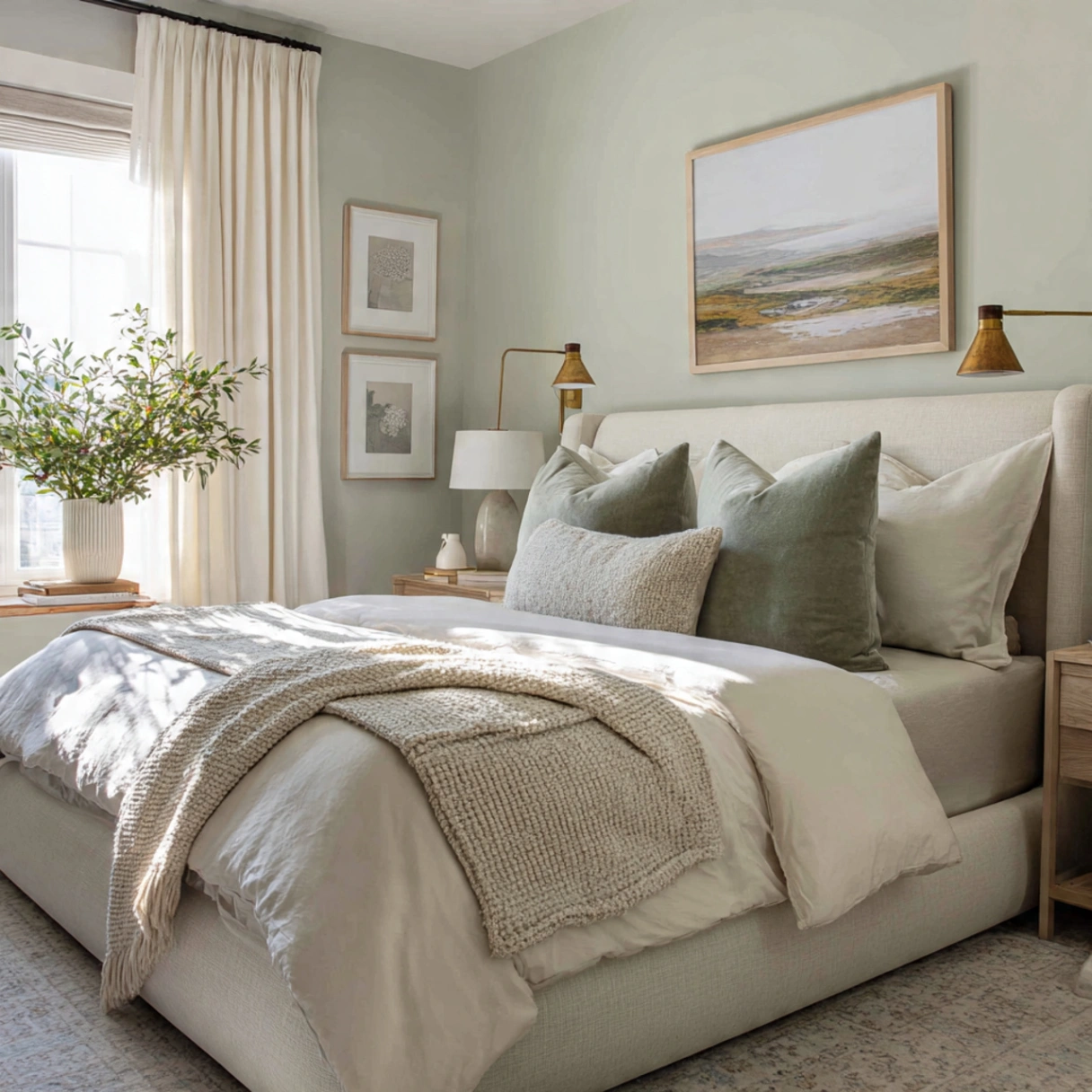
An upholstered headboard softens morning light and makes sitting up for reading comfortable without balancing extra pillows. The gentle surface behind your back transforms how the bed feels at the end of a long day. It absorbs both sound and light in a way hard materials cannot.
Low density padding flattens quickly so invest in a headboard with dense foam and a durable cover for long term support. Inferior padding compresses under daily use and makes the bed look worn faster than expected. Choosing proper structure from the beginning preserves both appearance and comfort.
Choose performance linen or tightly woven blends so you can clean or reupholster without replacing the whole unit. Neutral textured fabrics adapt well to seasonal bedding shifts and future paint changes. For durable upholstery check abrasion tests such as Martindale or Wyzenbeek ratings when vendors provide them.
Practical tip: choose a neutral upholstery so you can rotate bedding colors seasonally without recladding.
Built In Nightstand Solutions Even in Small Rooms
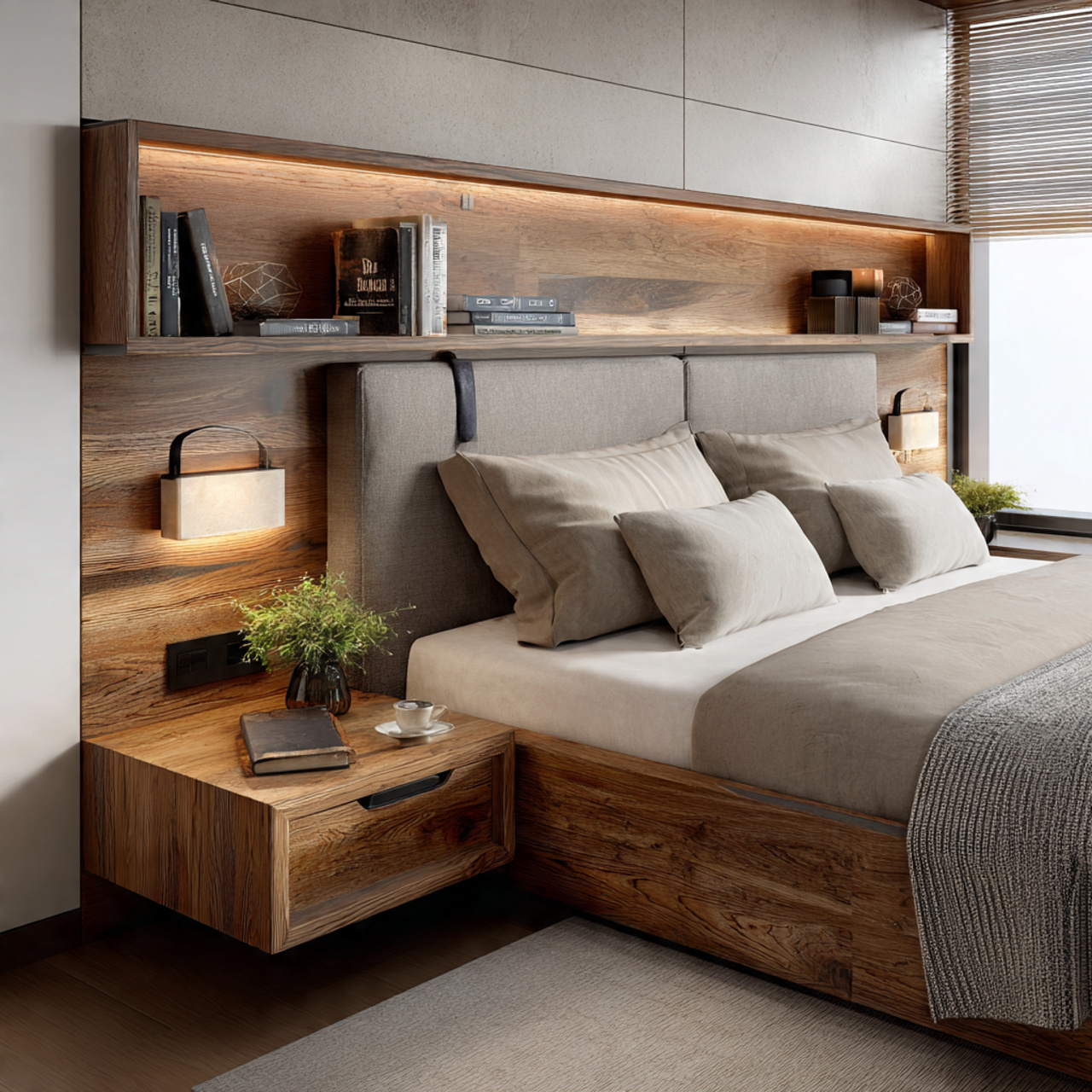
Floating nightstands and recessed niches reduce clutter and keep floor area visually open which matters most in compact bedrooms. When the floor remains visible beneath furniture the room feels lighter and more spacious. This visual openness contributes significantly to long term comfort.
Freestanding small tables often get bumped or removed and create a patchy composition over time, while anchored shelves stay useful and neat. Stability beside the bed makes daily routines easier and more organized. Over time built in solutions look intentional rather than temporary.
If installation is not possible, bolt a narrow shelf to the wall and use a slim wall mounted sconce to free bedside space. This pairing eliminates bulky lamp bases and keeps essentials within reach. Even modest rooms benefit from this streamlined approach.
Practical tip: route a thin USB outlet behind the headboard to hide chargers and keep the surface clean.
Layered Bedding for Comfort and Longevity

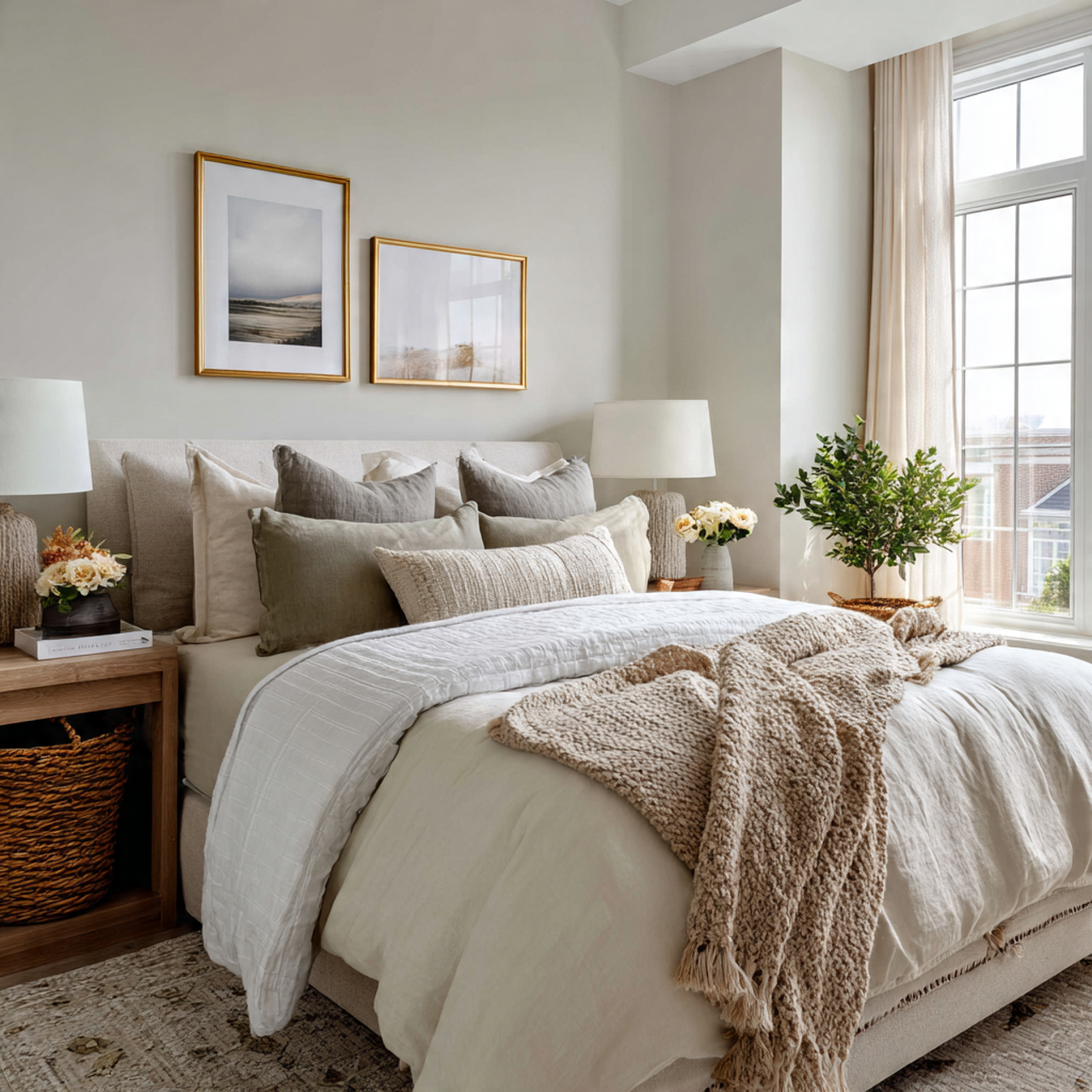
Layering is tactile and practical, sheet thin blanket duvet, so you can adjust warmth without washing the whole stack frequently. This flexibility allows comfort to change with weather or personal preference without major effort. It also keeps the bed visually full and inviting.
People who skip layers tend to overwash or overheat, accelerating wear on linens. A single heavy quilt used year round often flattens quickly and loses structure. Rotating lighter layers distributes use and extends fabric lifespan.
Start with a breathable cotton base layer and add a washable mid layer in a wool blend or cotton heavy weave for insulation that is easy to launder. Natural fibers regulate temperature more effectively and age with better texture. Seasonal duvet inserts help maintain comfort without changing the overall design direction.
Practical tip: use duvet covers with corner ties and a zipper to keep the insert in place and reduce laundering hassle.
Contrasting Bed Textures for Depth
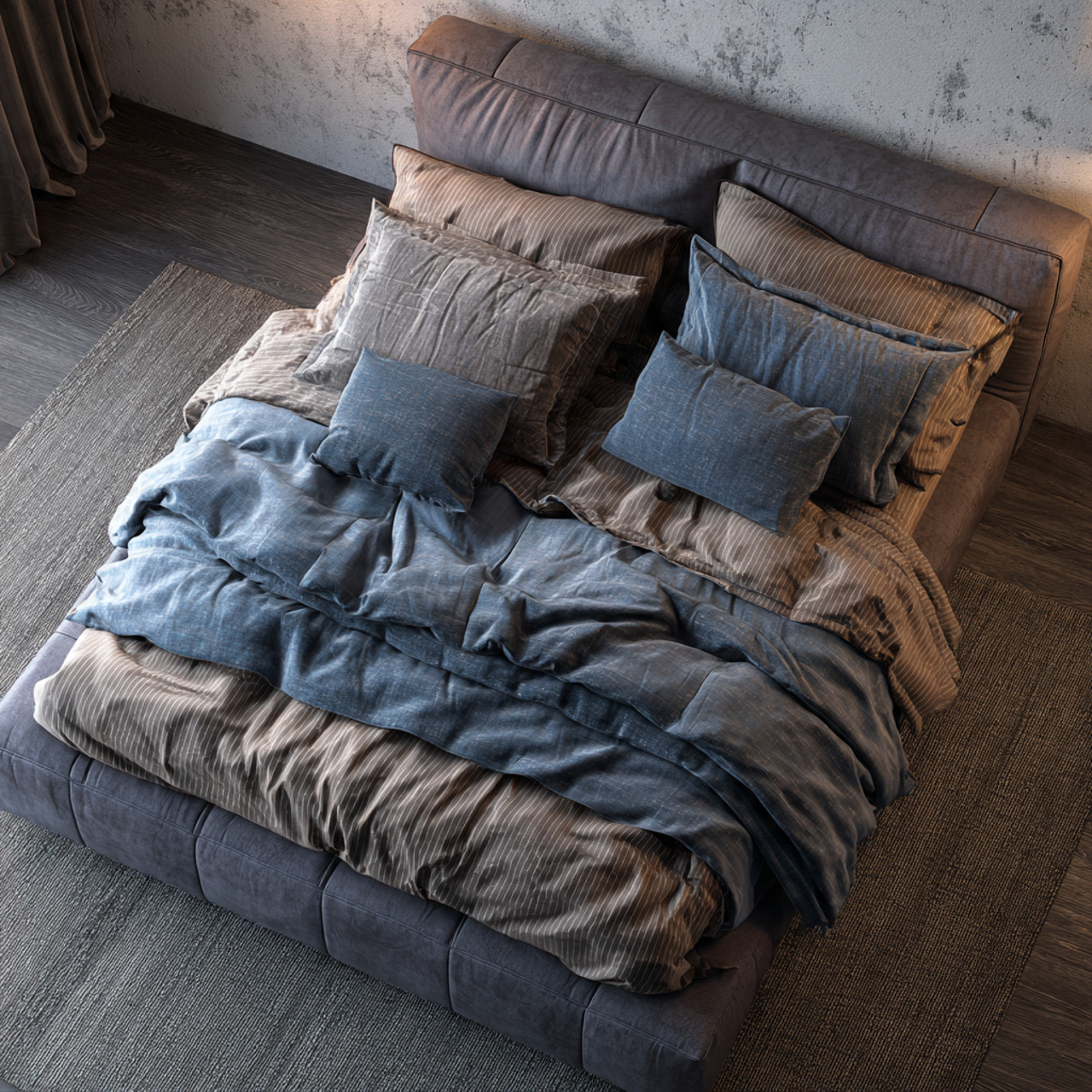
Pair a smooth headboard with a chunky knit throw or a leather bench to create tactile contrast that reads well in photos and feels right in daily life. Texture variation brings dimension even when the color palette stays neutral. It prevents the room from feeling visually flat.
Single texture schemes show wear faster and look flattened in situ, while a balanced mix conceals small imperfections and ages with character. Soft materials relax the mood while structured pieces add stability. The combination keeps the bedroom visually interesting without relying on bold patterns.
Balance shiny or smooth finishes with matte tactile fabrics. When bedding is soft and brushed introduce woven or structured elements for contrast. This subtle layering approach strengthens the overall composition.
Practical tip: introduce a tactile element such as a woven rug at the foot of the bed to ground the palette.
Strategic Color Banding Behind the Bed

A horizontal color band painted or wallpapered behind the bed can change perceived proportions and anchor the bed without bulky furniture. This simple intervention creates architectural definition in otherwise plain rooms. It allows the bed to feel framed rather than floating.
Misplaced high contrast can dislocate the bed from the room, so keep the band within the bed visual height and test large paper samples on the wall before painting. Subtle contrast often feels more sophisticated than dramatic separation. Careful proportion is what makes this technique successful.
This technique is a cost effective way to create headboard effect without heavy carpentry. Matte or eggshell finishes maintain a restful atmosphere and prevent glare. Extending the band slightly wider than the bed can visually widen the room.
Practical tip: test with a large paper sample taped to the wall for a week before committing to paint.
Built In Storage Under a Low Bed with Ventilation
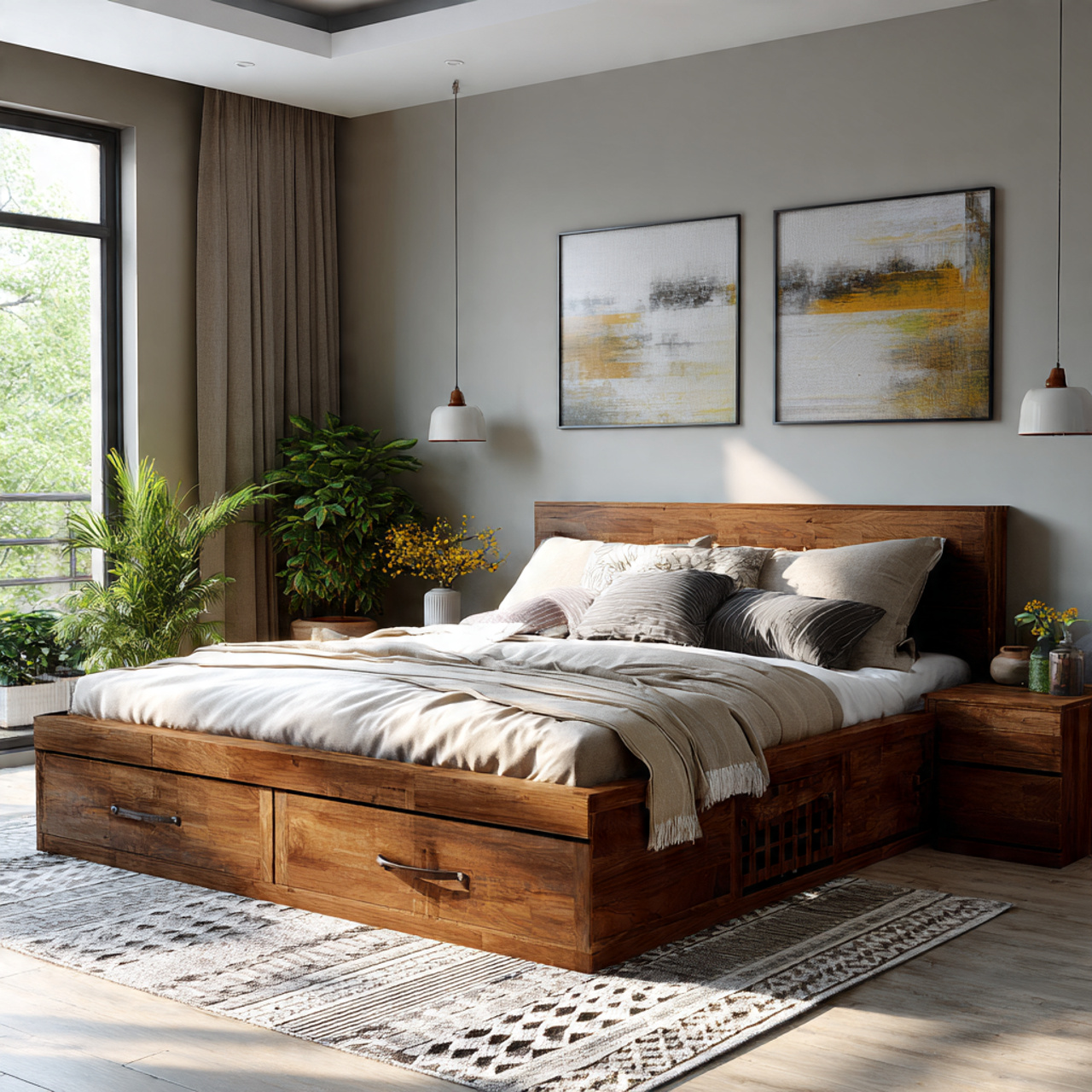
Integrating drawers or pull out bins under a platform maximizes hidden storage while preserving a calm profile. This approach allows the bed to remain visually grounded while still working harder for the room. In smaller bedrooms especially, that hidden capacity reduces the need for extra bulky furniture.
Open underbed piles invite dust and create clutter, and sealed storage that lacks ventilation can trap moisture which increases the risk of mold or mildew in some climates. Air circulation matters more than most people realize, particularly where humidity fluctuates seasonally. Slatted bases or ventilated drawer backs help fabrics breathe and prevent stale odors.
Use ventilated drawer backs or slatted platforms and open drawers monthly to air contents and check for dampness. Store linens in breathable cotton bags rather than plastic to allow airflow. Thoughtful storage keeps the bed functional without compromising long term fabric care.
Practical tip: measure mattress clearance first and favor two shallow drawers over one deep box for daily access.
Scaled Bedside Lighting with Dimmer Control
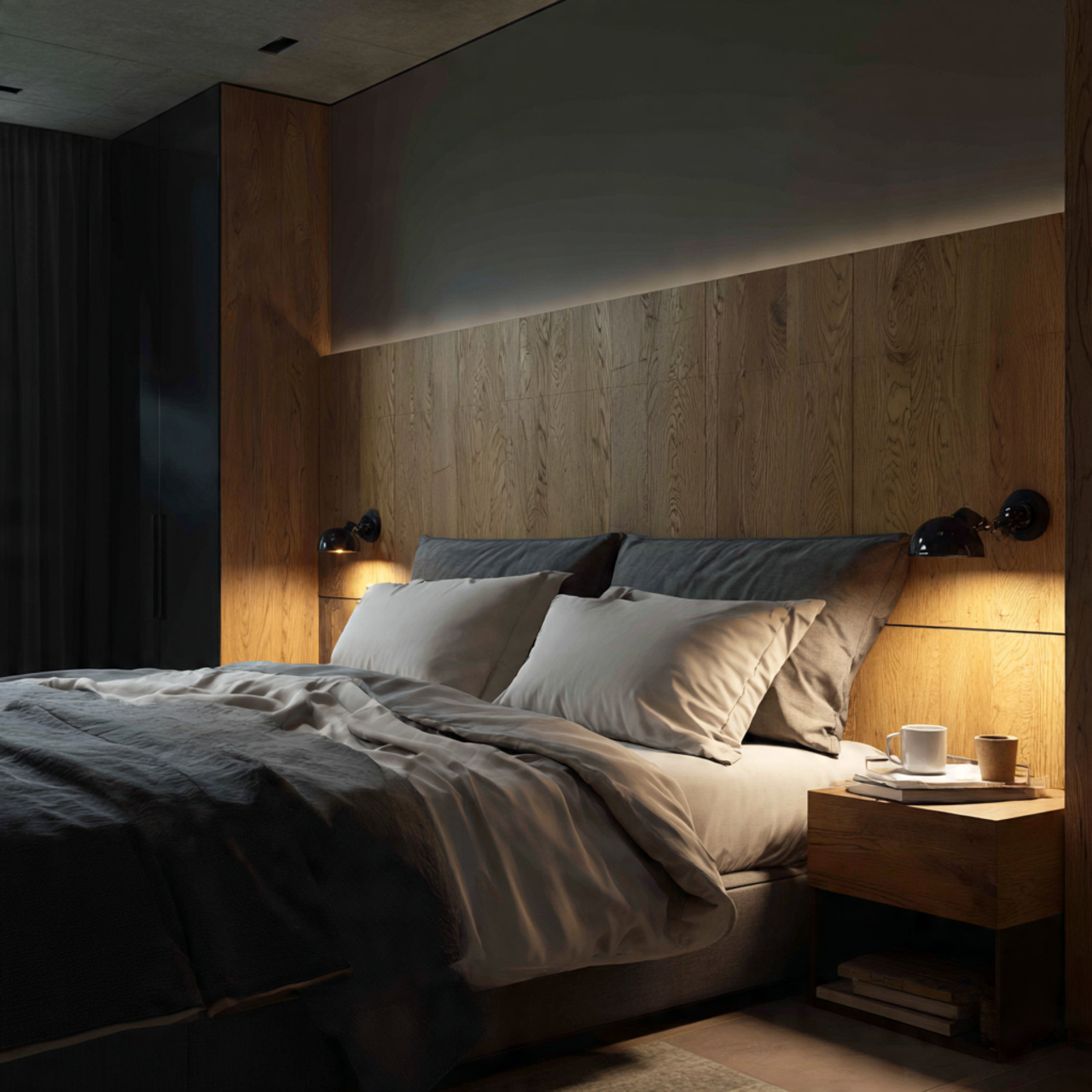
Proper task lights with dimming keep the bed cozy and protect bedtime routines. Lighting near the bed should support relaxation rather than stimulate alertness. When brightness is adjustable, the mood of the room can shift naturally from day to night.
Overhead fixtures are tempting but often overpower the bed mood and can disrupt pre sleep cues. Strong ceiling light creates glare and removes the softness that makes bedrooms restful. Layered lighting placed at eye level feels more intentional and calming.
Use warm dimmable LED bulbs in the 2200 to 2700 Kelvin range and install a bedside dimmer or smart bulb with warm dim mode for better sleep friendly lighting. Clinical research supports reducing evening bright white and blue rich light to preserve melatonin production. Thoughtful lighting choices improve both design and daily comfort.
Practical tip: install LED warm dim bulbs and a bedside dimmer for instant ambience control.
Emphasize Headboard Height Not Ornament
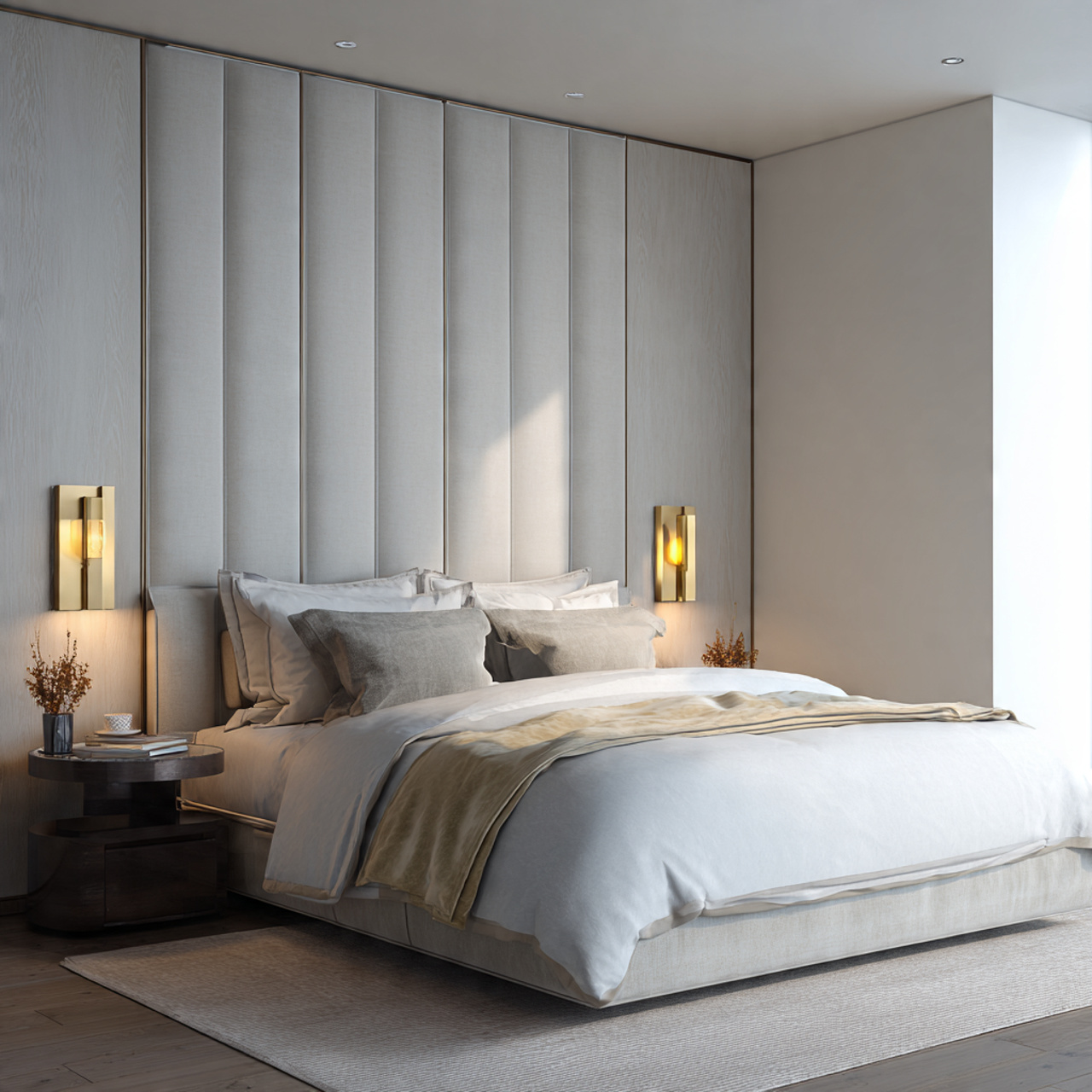
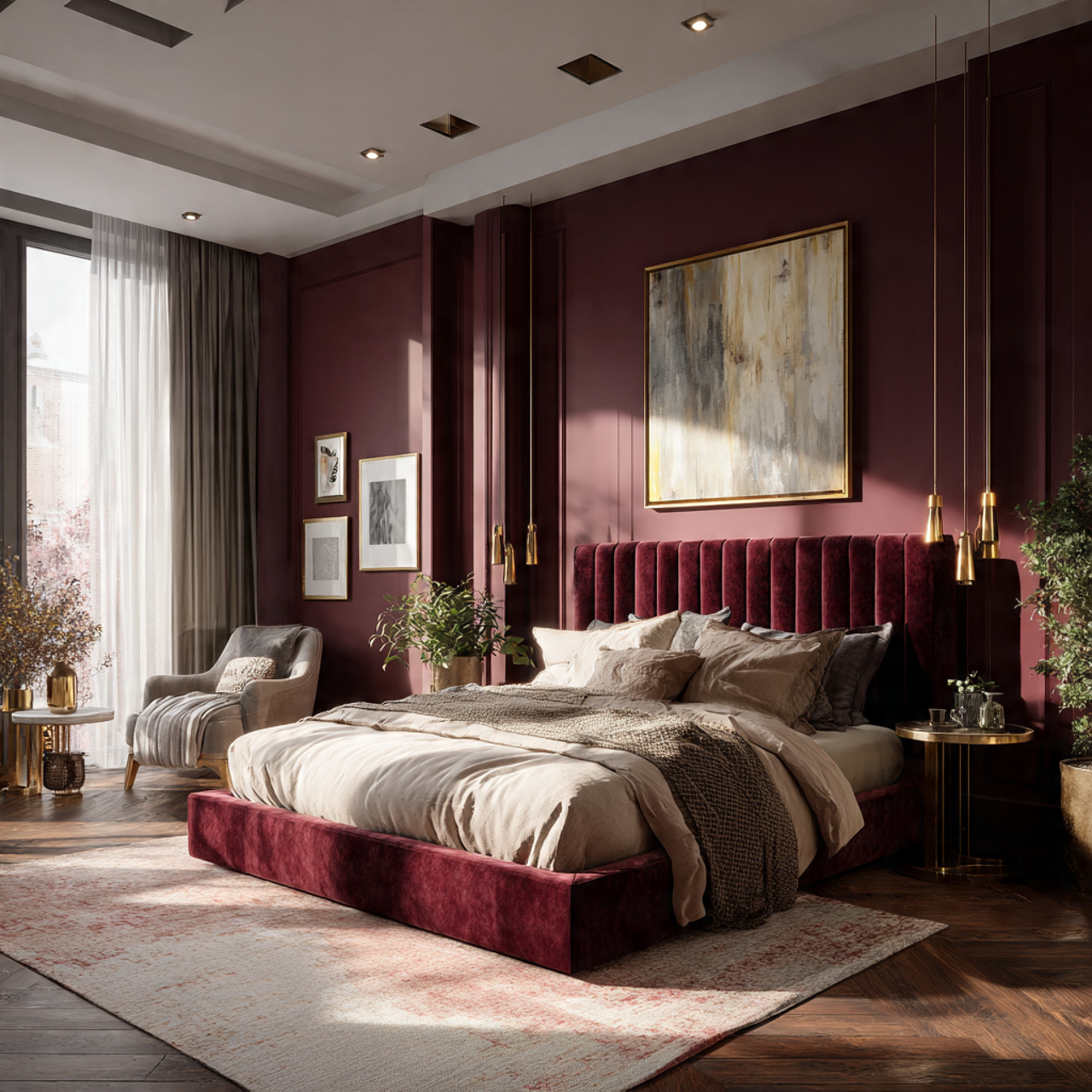
A headboard that reaches slightly above pillow level anchors the eye and protects paint from daily wear, while very tall ornate headboards restrict furniture placement and date more quickly. Proportion matters more than decoration in long term design. A balanced height keeps the bed feeling stable without overwhelming the wall.
Excessive ornament draws attention upward and limits flexibility for art or shelving. Simpler silhouettes adapt better to evolving styles and changing bedding palettes. Moderation creates quiet authority rather than temporary drama.
A moderate height and simple silhouette remains adaptable for art placement and lighting changes over time. When seated in bed the headboard should comfortably support your upper back without forcing posture adjustments. The right scale feels supportive rather than imposing.
Practical tip: measure sightlines from the bed when seated to choose a headboard height that supports reading posture.
Mix Pillows by Function Not Size Only

Layer supportive sleeping pillows first then decorative cushions for visual interest. Function should always come before styling in a bedroom. When pillows actually serve comfort, the bed looks natural rather than staged.
Decorative piles that are impractical get dumped nightly and lost, which undermines the look. Too many cushions create unnecessary clutter and extra work each evening. Limiting quantity keeps the routine simple and sustainable.
Limit decorative cushions to two or three and choose covers with invisible zips for easy washing. Mixing subtle textures rather than loud patterns keeps the composition calm. Pillows should enhance the bed rather than compete with it.
Practical tip: reserve one long lumbar cushion for back support when reading in bed.
Introduce a Single Bold Anchor Sparingly
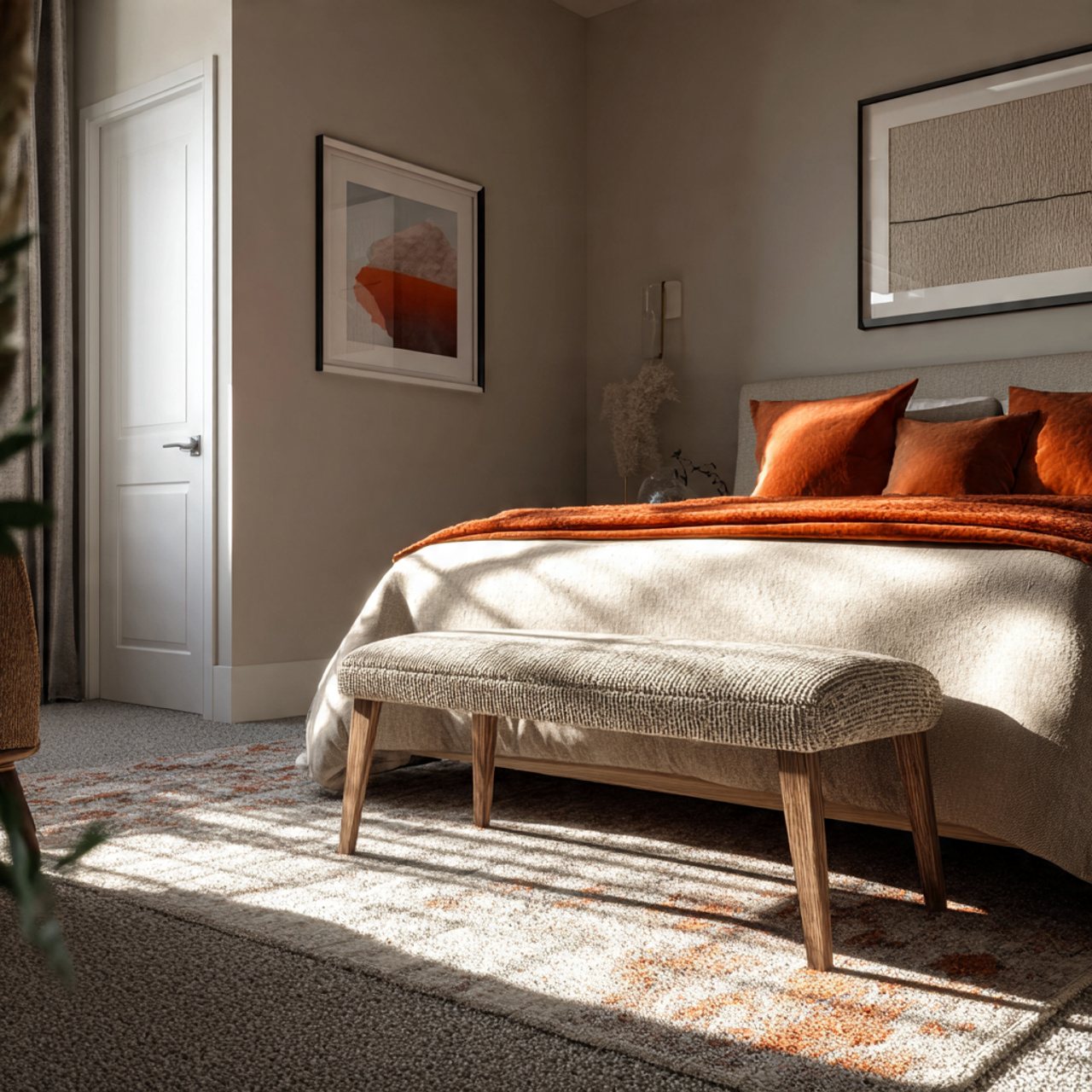
One bold element such as a textured bench a patterned rug or a sculptural lamp creates a focus without competing with sleepfulness. A single confident detail adds personality without overwhelming the senses. The bed remains the center while the anchor provides contrast.
Multiple focal points create visual fatigue and shorten the lifespan of a style. Too many statement pieces can feel chaotic and force frequent updates. Controlled contrast allows the room to feel expressive yet grounded.
Place the anchor at the bed foot or side rather than above the bed to maintain balance. Keeping bold pieces slightly lower preserves visual calm near eye level. Material choice should prioritize durability so the statement ages gracefully.
Practical tip: pick the anchor in a material that ages well such as leather or natural wood.
Maintain a Small Useful Landing Zone
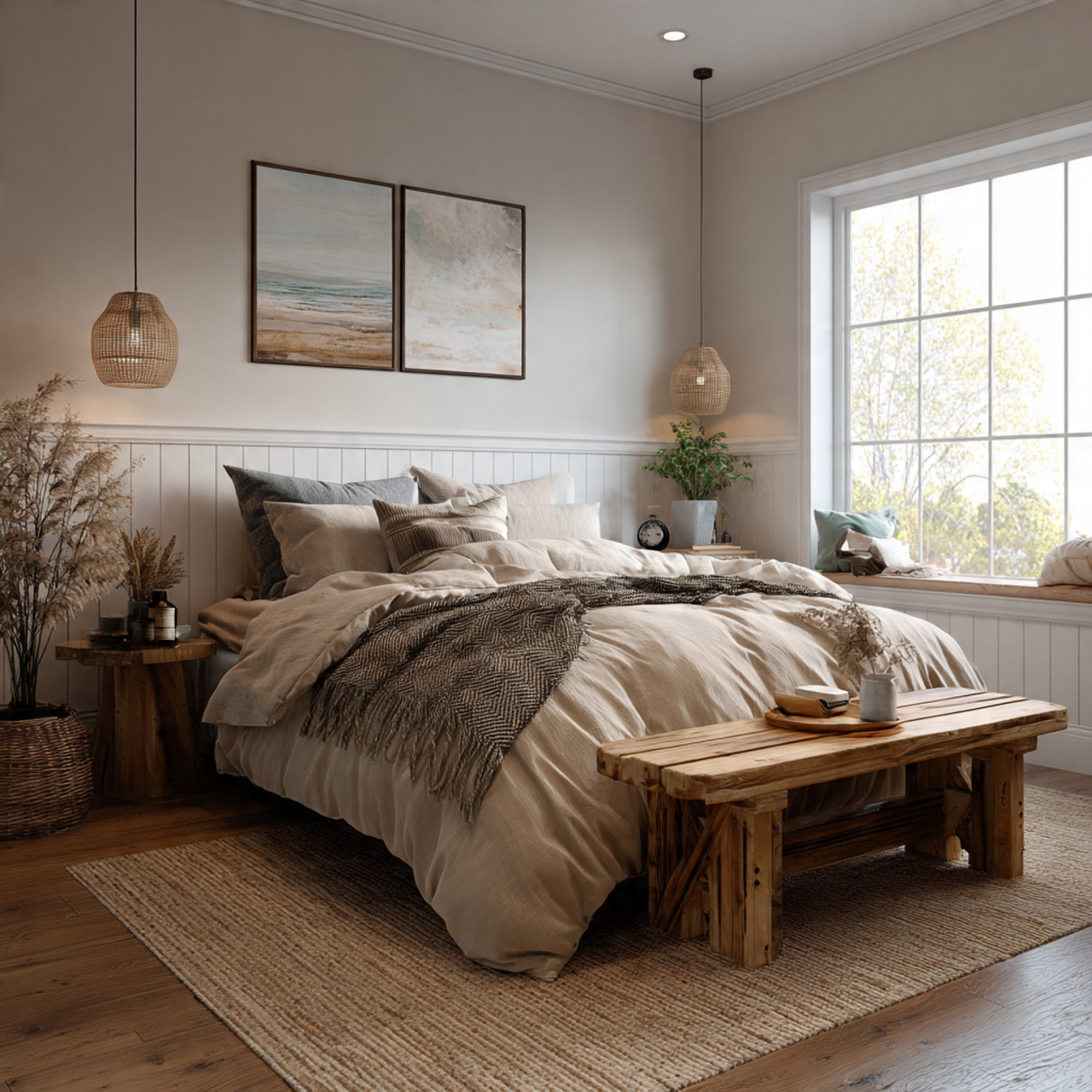
A slim bench or tray at the foot of the bed provides a place to drop a phone or clothes and prevents nightstand overflow. Without a designated landing zone small items tend to accumulate on bedside surfaces. Containment keeps the bed area feeling intentional.
Keep the footprint minimal and functional to avoid visual clutter. Oversized benches quickly become storage magnets rather than design elements. Proportion ensures the bed remains the focal point.
Choose a washable cushion or removable tray so maintenance stays simple. Even a narrow ledge can transform daily routines by giving objects a defined place. Practical details reduce long term mess.
Practical tip: use a removable tray for evening rituals so the landing stays tidy.
Choose Mattress Height for Ease of Use Not Trend
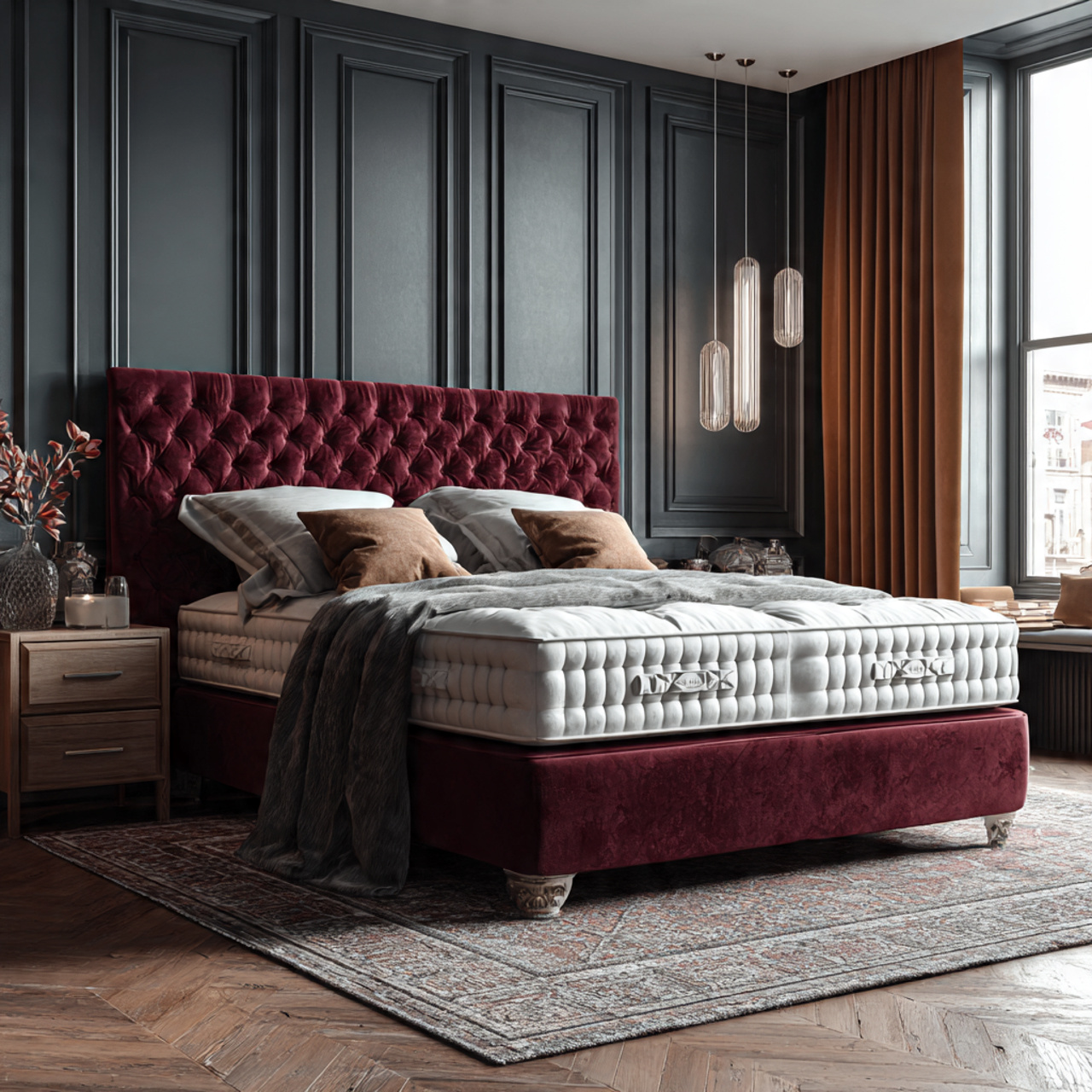
Mattress height should match daily mobility, too high or too low makes getting in and out uncomfortable over time. Ergonomics matter more than showroom trends. The correct height supports knees hips and back alignment.
Most households find a mattress surface that aligns with seated hip height the most ergonomic. Testing this before purchasing prevents long term discomfort. Practical comfort should always override aesthetic pressure.
Replace mattresses according to condition and not only age, but as a general guideline many experts recommend replacing most mattresses between seven and ten years depending on construction and care. Monitoring sagging and comfort changes is equally important. Thoughtful height selection enhances both safety and ease.
Practical tip: measure hip to floor height when seated to find an ergonomic mattress surface height.
Wood Grain and Joinery That Age Gracefully
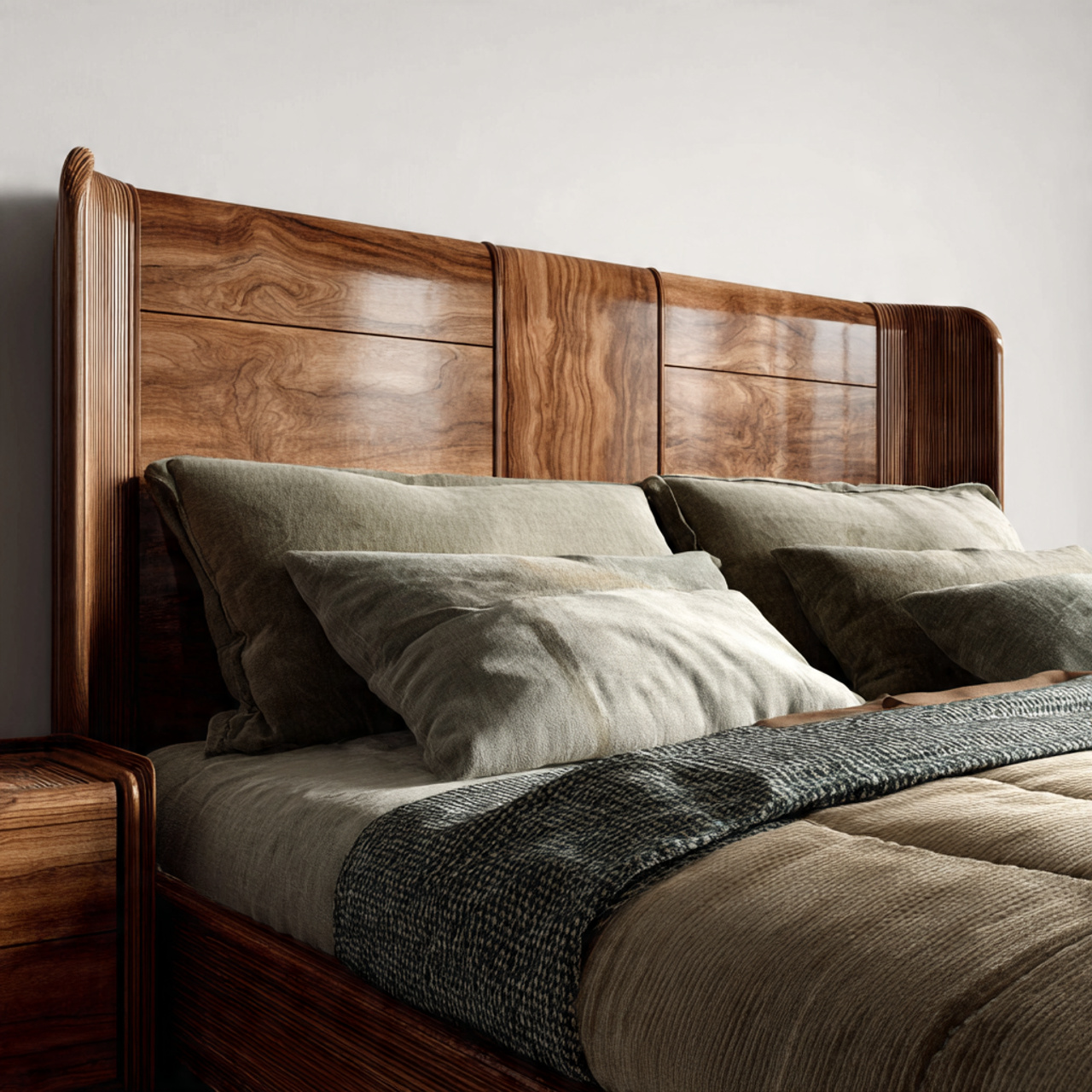
Well executed joinery and solid rails patina. Over time quality wood develops character rather than deterioration. The beauty of natural grain deepens instead of fading.
Fast fashion glued frames and thin veneers often delaminate. Poor construction may look acceptable initially but reveals weakness after repeated moves or seasonal shifts. Structural integrity should be inspected before purchase.
Warm wood tones pair well with natural fabrics and hide minor dents more gracefully than large painted surfaces. Choosing timeless finishes extends the lifespan of the entire bed design. Quality joinery is an investment in stability.
Practical tip: check underside joinery and ask about finish maintenance before buying.
Seasonal Bedding Rotation Plan
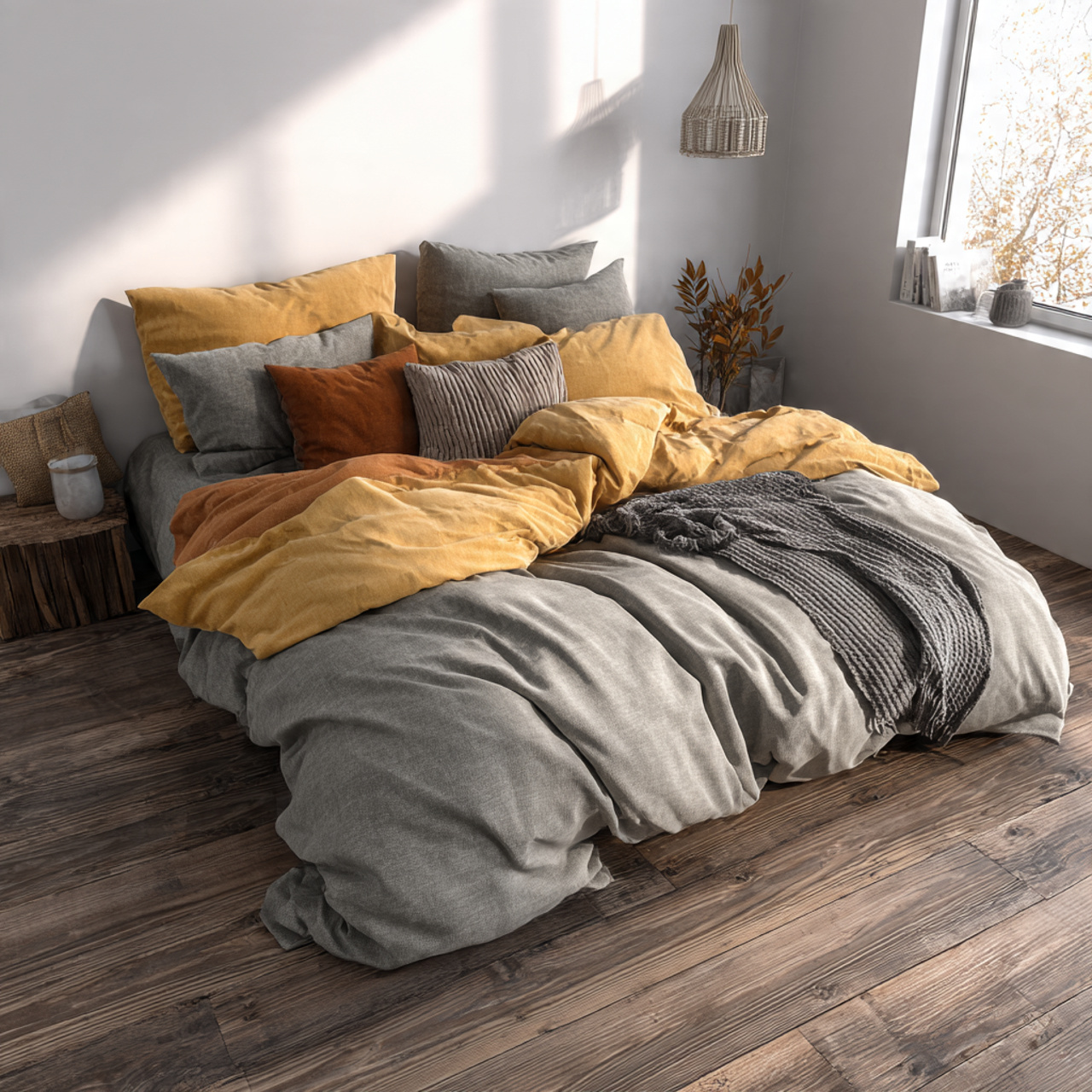
Plan two bedding sets a lighter summer set and a warmer winter set and rotate them seasonally. This simple rhythm keeps the bed aligned with temperature changes without forcing a complete redesign. It also prevents a single set from absorbing all the wear year round.
Seasonal rotation reduces wear and keeps the bed feeling intentional and fresh. When fabrics rest for part of the year they retain structure color and softness longer. Visually the bedroom feels subtly renewed without buying anything new.
Choose breathable natural fibers for summer and slightly heavier textures for winter so comfort adjusts naturally. Store each set clean and fully dry before rotating to prevent odor or fabric fatigue. A predictable rotation schedule protects both comfort and longevity.
Practical tip: store the off season set in breathable cotton bags under the bed or in vacuum seal bags for tight closets.
Personalization Through Subtle Art and Objects

Small meaningful objects such as an heirloom clock or a framed sketch make the bed design area feel lived in without clutter. Personal touches create emotional warmth that purely decorative styling cannot replicate. The goal is quiet personality rather than visual noise.
Over personalizing creates visual noise and undermines calm. Too many small items compete for attention and interrupt the restful tone of the space. Limiting display to one or two meaningful pieces keeps the focus centered on the bed.
Choose objects with simple lines and restrained color so they complement rather than dominate the setting. Rotating one item seasonally can refresh the room without adding excess. Thoughtful restraint allows personality to feel intentional.
Practical tip: mount a small floating shelf near the headboard for a rotating meaningful object rather than many small items.
Common Mistakes Regarding Bed Design
Mistake Choosing Trend Only Headboards
Why it happens trends look sharp in photos and seem like fast wins. What goes wrong headboards can date the room quickly and restrict furniture placement. Reassuring fix invest in a neutral silhouette with quality padding or joinery and refresh with textiles. Consequence if ignored repeated replacement costs and inconsistent bedroom identity.
Mistake Over Padding with Decorative Pillows
Why it happens more pillows read as luxury in imagery. What goes wrong pillows end up in a basket nightly or become flattened and neglected. Reassuring fix limit decorative cushions to two or three plus functional pillows and choose durable covers. Consequence if ignored increased laundering and lost sleep comfort.
Mistake Ignoring Bed Height for Daily Use
Why it happens buyers chase showroom proportions. What goes wrong daily discomfort and difficulty for older family members. Reassuring fix measure hip to floor height and test heights before purchase. Consequence if ignored functional dissatisfaction and early replacement.
FAQ Related to Bed Design
How do I choose the right headboard material for durability?
Choose dense foam with a tight weave performance fabric or hardwood with a sealed finish. Look for Martindale or Wyzenbeek ratings where available to verify abrasion resistance and prefer removable covers for easy cleaning.
Is a low bed cold in a large room?
Not when the bed is anchored with layered textiles a strong rug and a warm palette. Low scale increases perceived ceiling height and invites layered lighting to create coziness.
Can I create storage without a built in bed?
Yes use platform frames with shallow drawers or invest in well ventilated underbed boxes. Avoid fully sealed storage compartments without ventilation in humid climates because moisture can accumulate.
How often should I rotate or replace bedding and mattress?
Wash sheets every one to two weeks and duvet covers every four to six weeks. Replace most mattresses between seven and ten years but monitor for sagging creaks heat retention or new aches.
What is the simplest way to update a bed design on a budget?
Change headboard fabric or add a horizontal paint band behind the bed. Both are high impact and low cost and let you refresh without replacing major furniture.
A well Defined Bed Design
A well defined bed design is the foundation of a calm and functional bedroom, shaping both comfort and long term usability in ways that are often underestimated. When your bed design is balanced in scale, materials, and daily practicality, the entire room begins to feel more settled and easier to live with. Start with one meaningful upgrade such as better headboard support, softer lighting, or improved storage, and allow the space to evolve gradually into something that feels both beautiful and dependable over time.