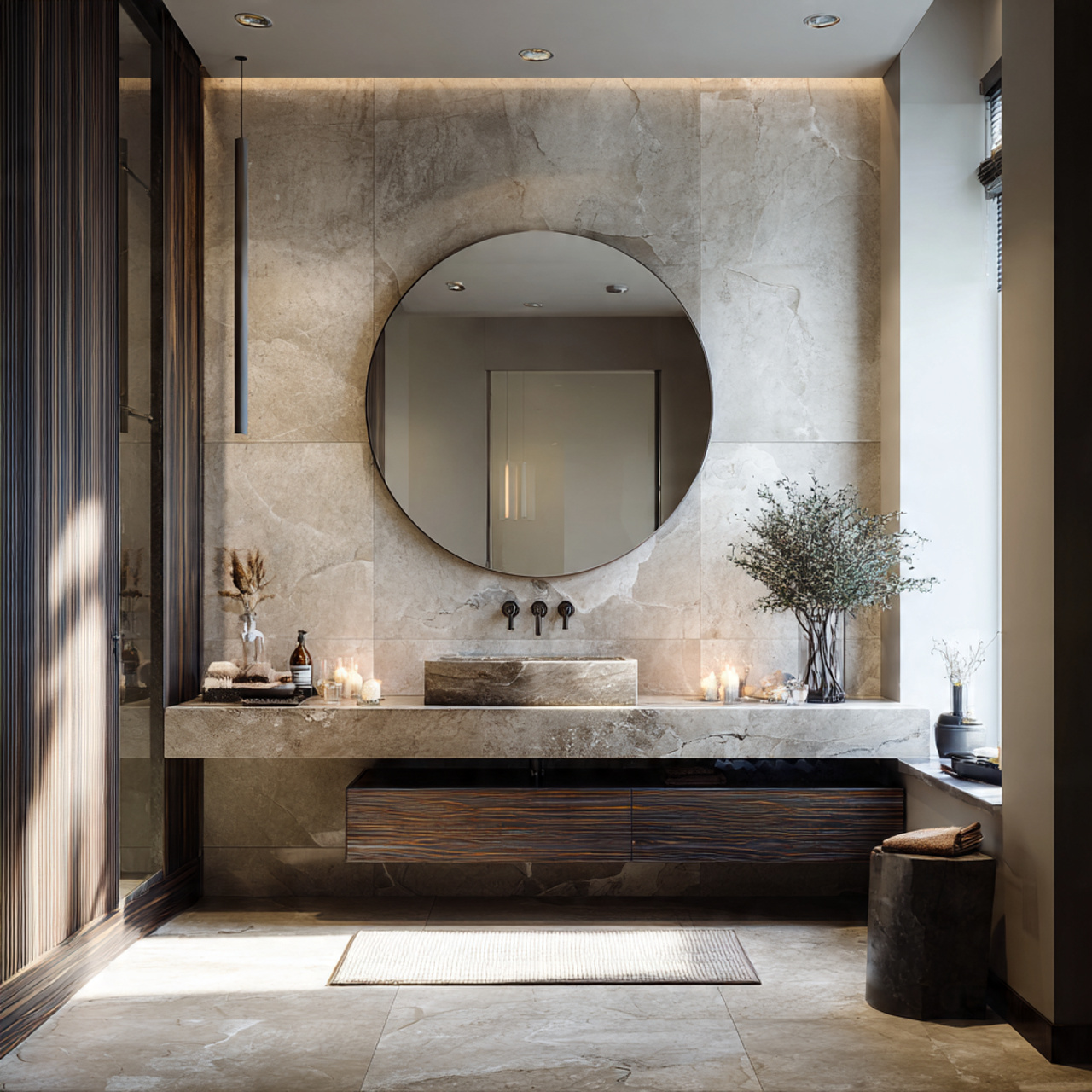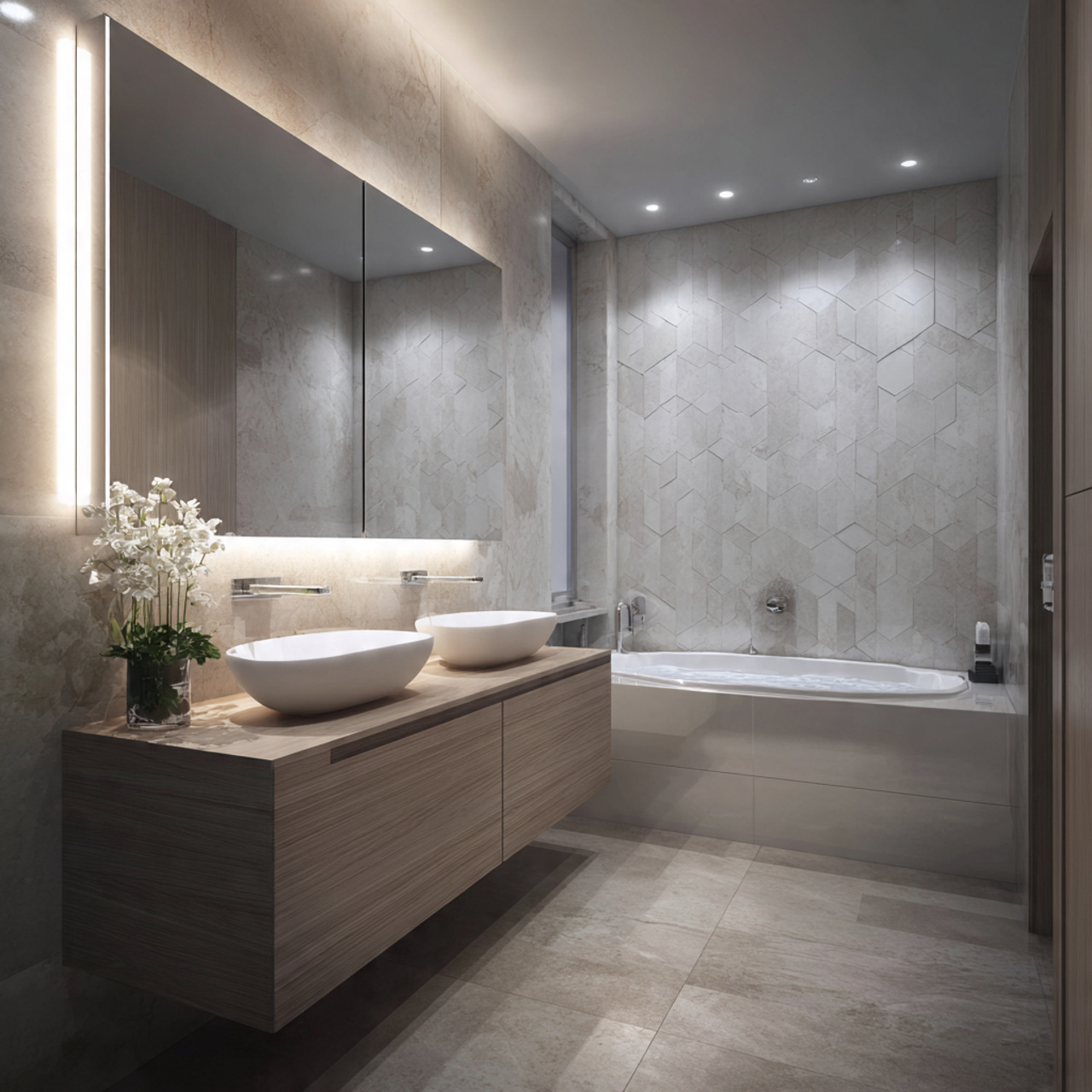
13 Genius Bathroom Design Ideas That Feel Calm & Luxurious
Bathroom design is one of those spaces where small decisions quietly shape how your day begins and ends. A well designed bathroom does not just look clean, it feels calm in the morning and comfortable at night when everything slows down.
Most people focus on choosing tiles or fixtures, but in real homes, it is the combination of layout, lighting, and materials that makes the biggest difference over time. When these elements start working together naturally, the space finally feels complete rather than just decorated.
Bathroom design works best when layout, lighting, materials, and daily usability are combined in a way that supports real routines while maintaining a calm and visually balanced space.
Why Bathroom Design Often Feels Slightly Off Even When It Looks Good
Many bathrooms have beautiful vanities, modern tiles, and clean finishes, yet something still feels slightly disconnected once everything is in place. The issue is rarely the individual pieces, but how they interact across the space throughout the day.
At first glance, everything may appear perfectly styled, but over time, awkward spacing, poor lighting, or visual breaks become more noticeable. This is one of those things you only fully understand after actually living with the space.
A well planned bathroom design considers how you move, where light falls, and how materials work together. That is what turns a styled room into a space that genuinely works every day.
Bathroom Design Ideas That Improve Function and Feel
A Soft Neutral Vanity Setup
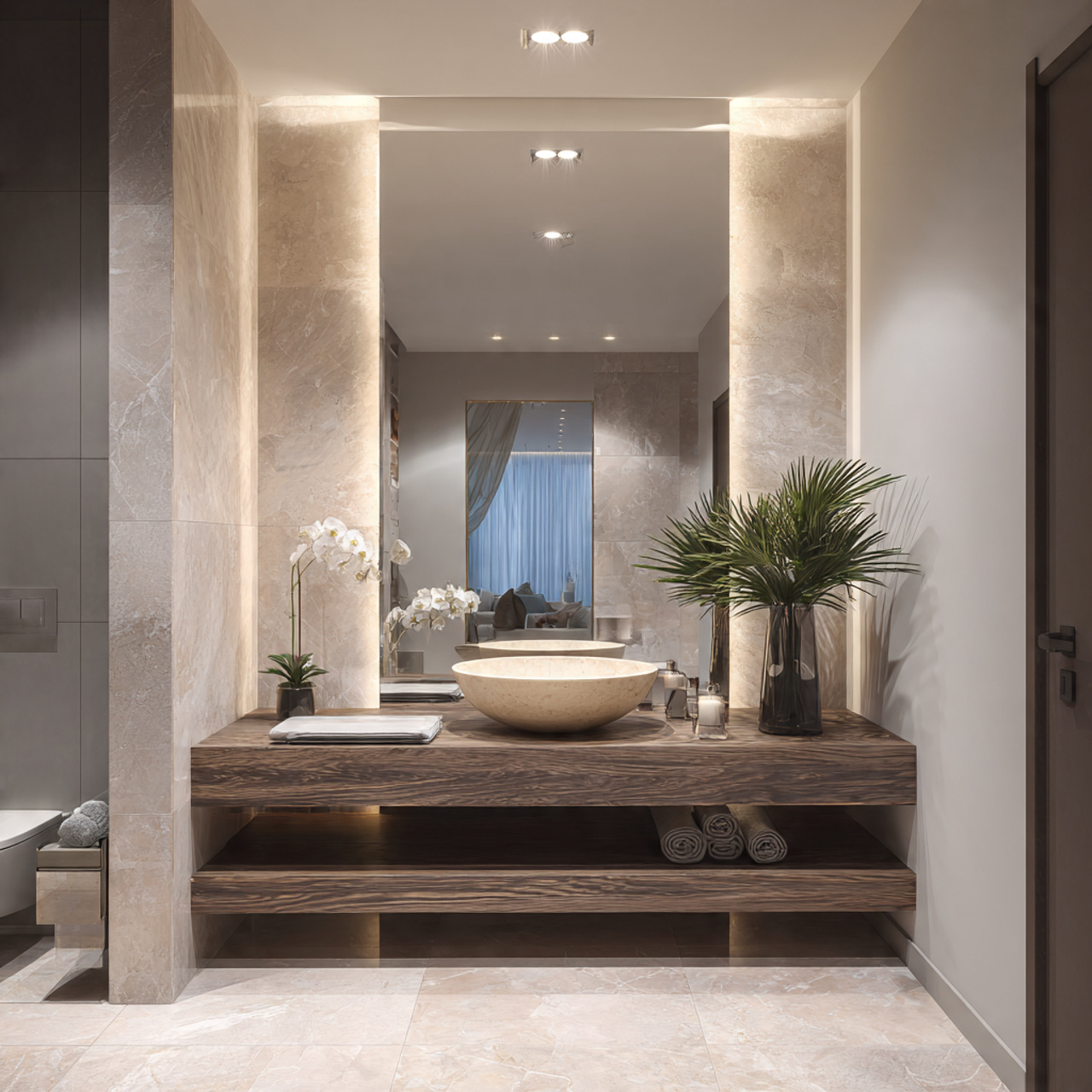
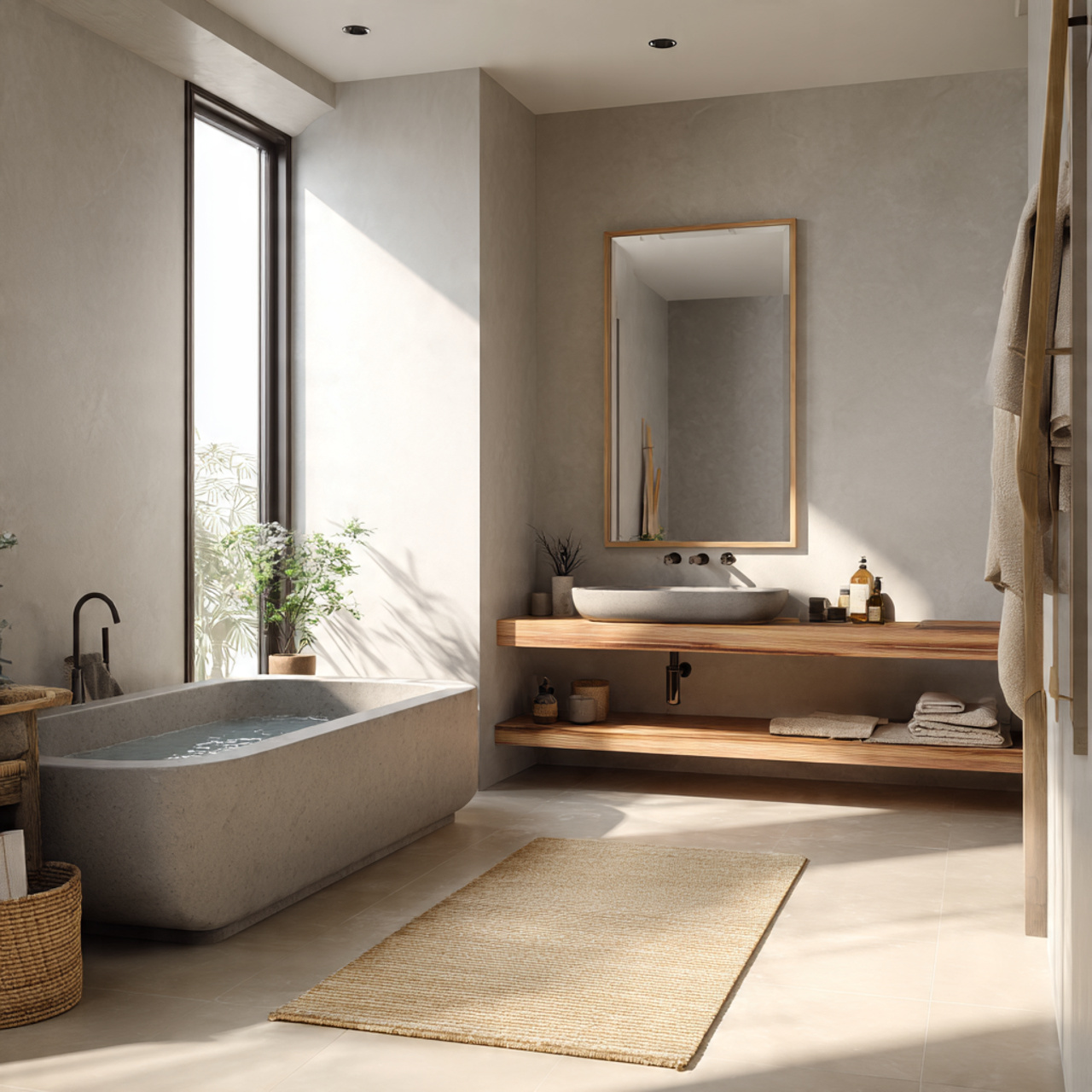
Morning light gently falls across a soft neutral vanity, where a simple stone surface meets warm wood tones, creating a quiet and uncluttered start to the day. The space feels open, with only a few essentials placed neatly within reach.
After a few weeks of daily use, heavily styled vanities tend to collect clutter, especially during busy mornings when everything is used quickly. What actually works in real daily use is a setup that feels easy to maintain without constant resetting.
Choose a floating or compact vanity in warm neutrals and limit visible items to daily essentials only. Store everything else inside drawers so the surface always feels calm and usable.
Tip: Keep the vanity surface mostly clear so it stays visually relaxed throughout the day.
Smart Bathroom Design Layout
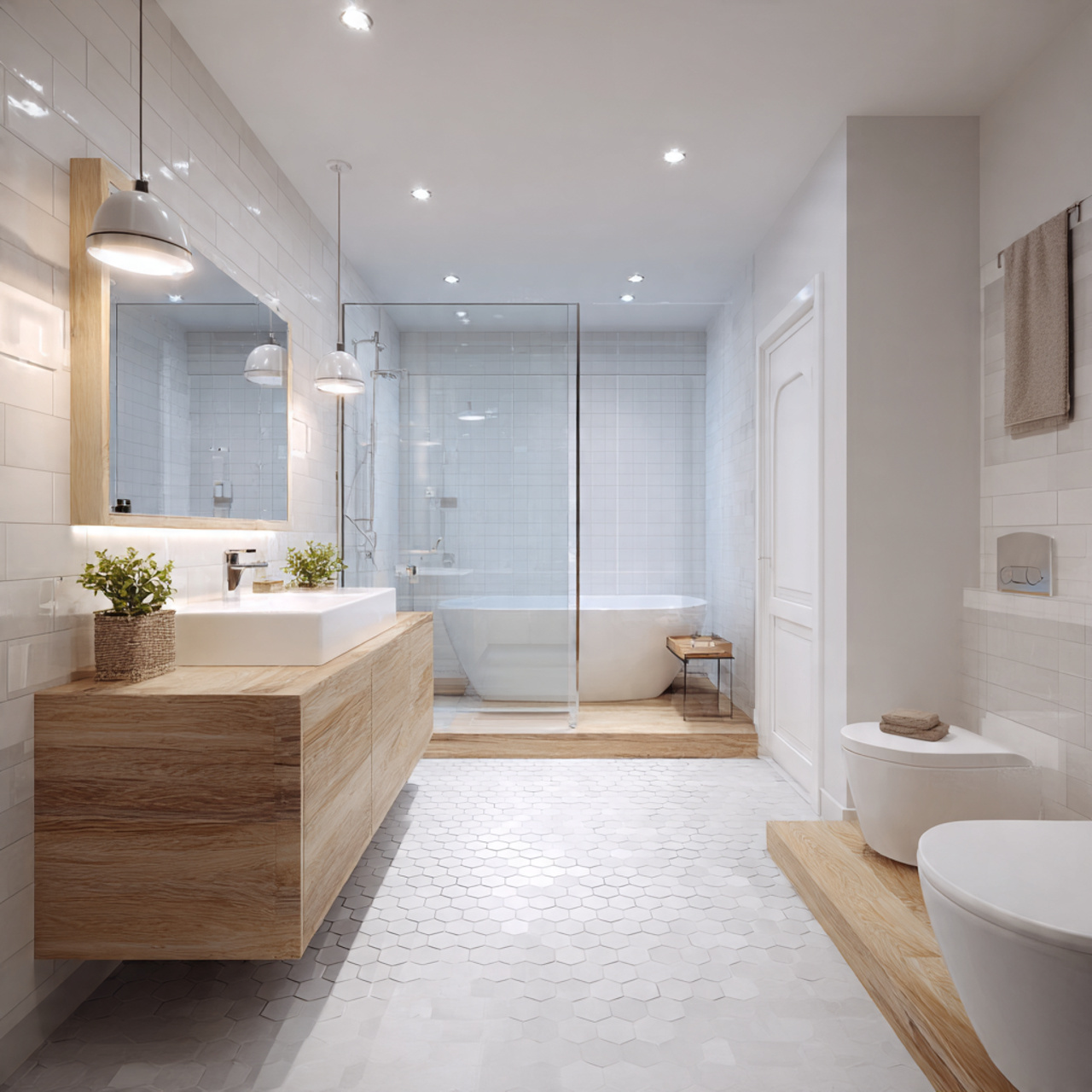
Walking into a bathroom where everything feels naturally placed creates an immediate sense of ease without needing extra decor. The sink, shower, and toilet flow in a way that supports movement instead of interrupting it.
At first glance, layout may not seem like the most important decision, but it quickly becomes the one that affects daily comfort the most. This usually becomes noticeable during everyday routines when small layout issues start slowing things down.
Think through your routine step by step and place elements where they feel intuitive to use. Keeping pathways open and avoiding visual blockage makes even smaller bathrooms feel more balanced.
Tip: Design your layout around movement, not just available space.
Walk In Shower Positioning That Makes the Bathroom Feel Open
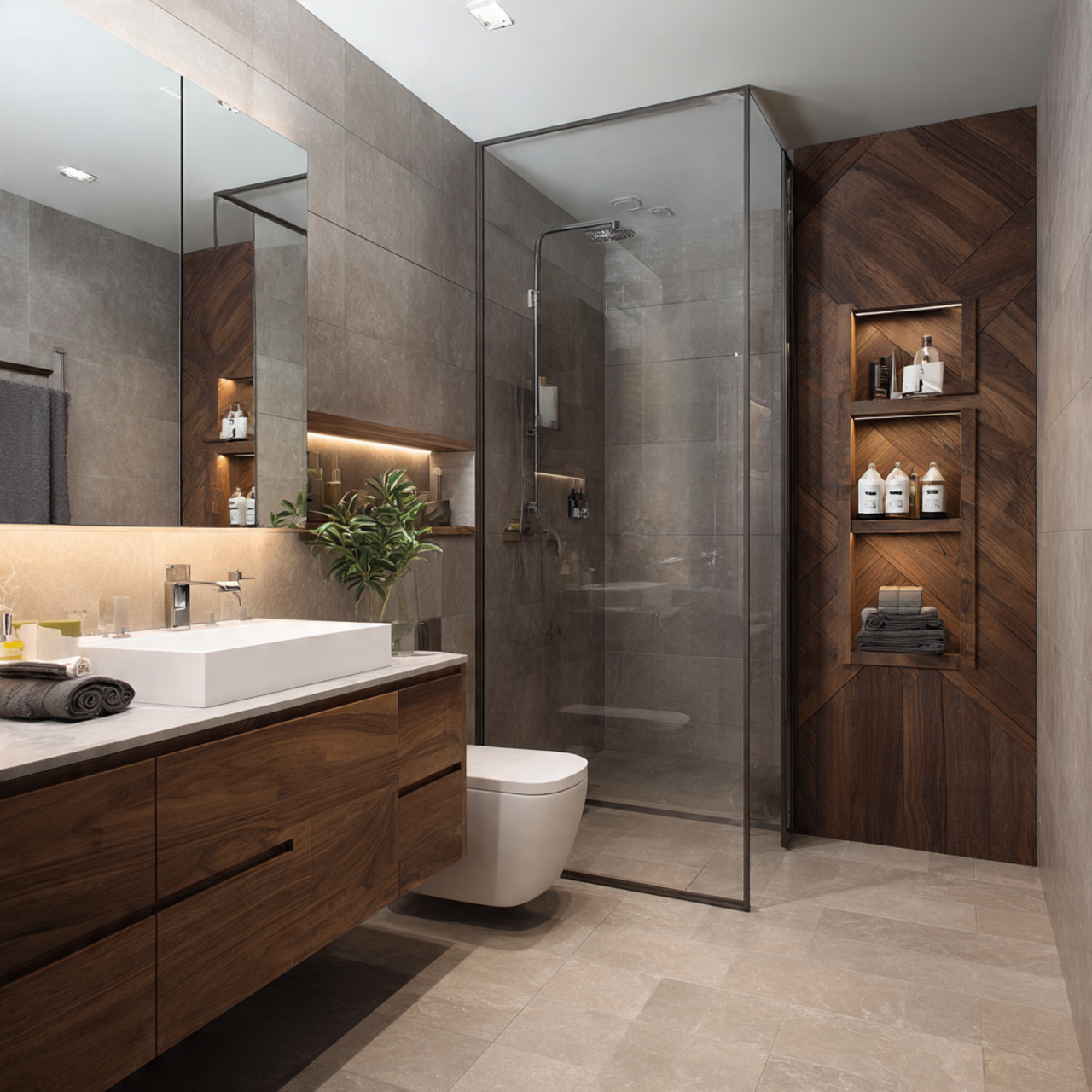
A walk in shower placed along one side of the bathroom allows light to travel freely across the room, instantly making the space feel wider. The absence of heavy barriers keeps the design visually light and continuous.
Many people assume a centered shower works best, but in real use, it often breaks the natural flow of the room. After living with different layouts, side placement consistently feels more open and comfortable.
Use clean glass panels and align the shower with the longest wall to maintain visual continuity. Keeping flooring and wall finishes consistent further enhances the sense of openness.
Tip: Avoid thick shower frames that interrupt light and visual flow.
Layered Bathroom Design Lighting
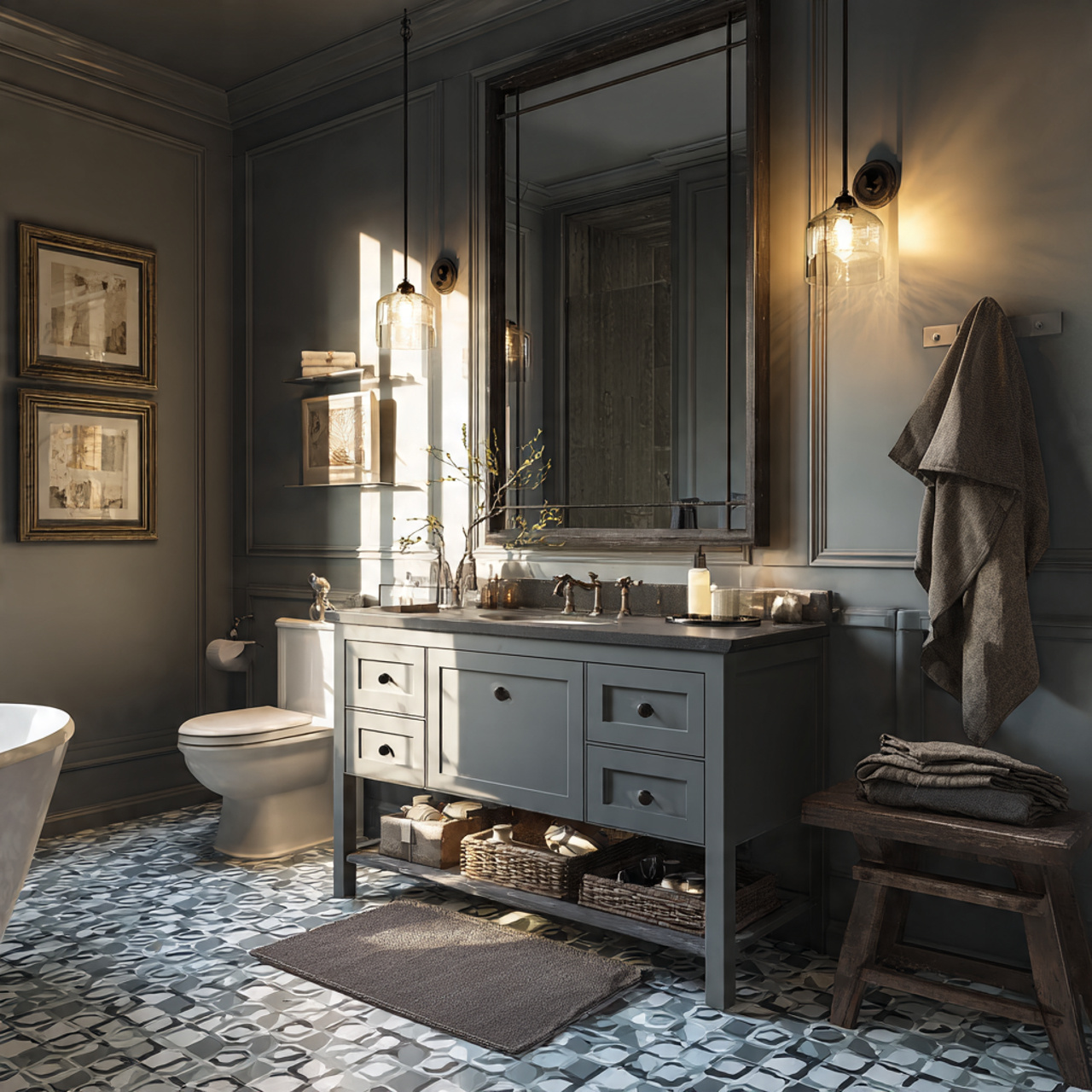
In the morning, bright, clean lighting helps you get ready quickly, while in the evening, softer light creates a more relaxed and quiet atmosphere. This shift changes how the bathroom feels without altering any physical design.
What most people do not realize is that a single overhead light often makes the space feel flat and slightly harsh. Layering lighting is one of those upgrades that becomes more noticeable over time.
Layer ceiling lighting with mirror lighting and a softer secondary source to create flexibility. In the evening, warm light reflecting off surfaces creates a calm environment that naturally slows the space down.
Tip: Use warm lighting in the evening to create a more relaxed mood.
Seamless Tile Continuity
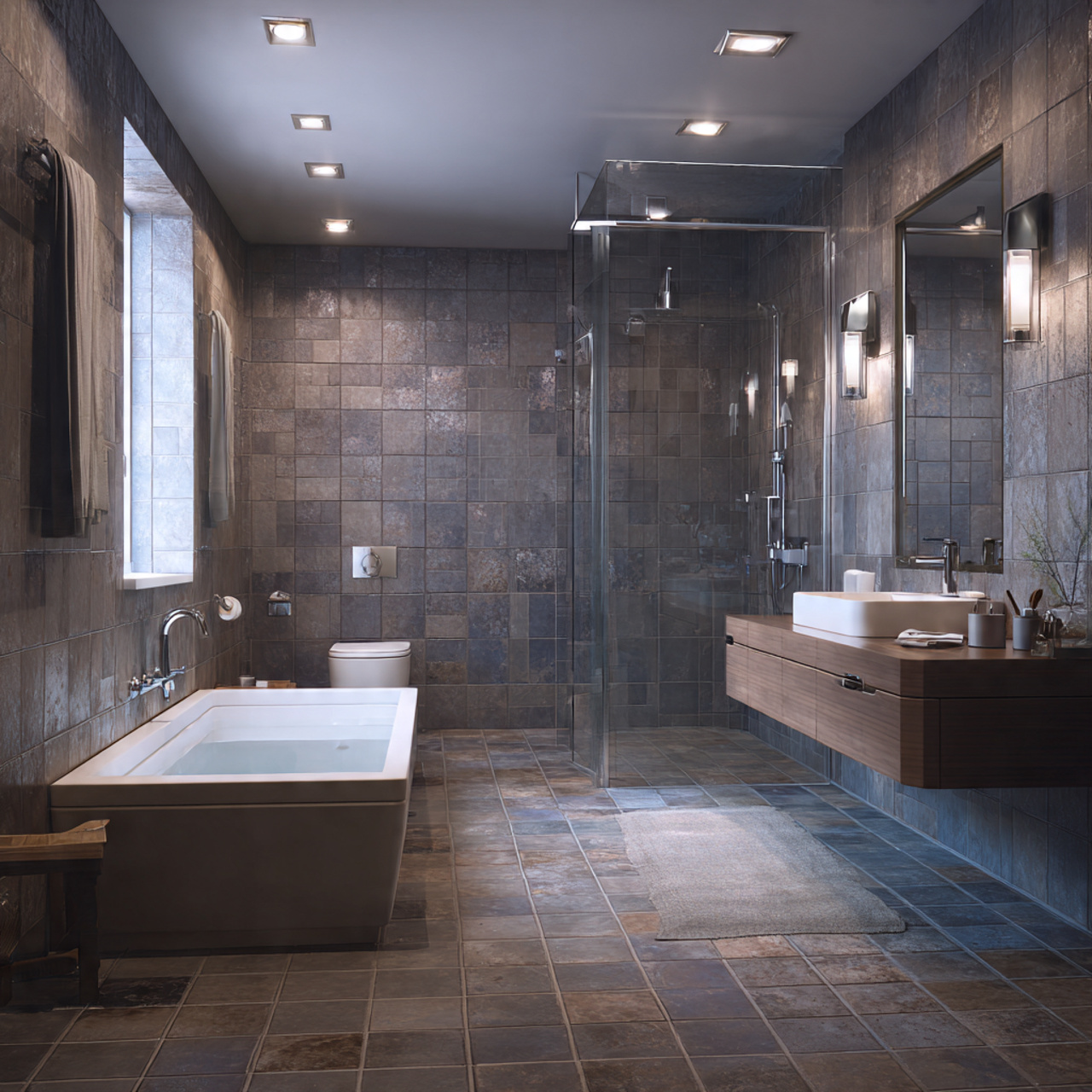
When the same tile flows across floors and walls, the bathroom feels more connected and visually expanded. The eye moves smoothly without interruption, making the space feel more open.
I once tried mixing too many tile styles in a compact bathroom, and although it looked interesting at first, it quickly made the space feel broken and smaller. Continuous surfaces create a much cleaner and calmer effect.
Use large format tiles in neutral tones and extend them across key surfaces. This works especially well in rectangular and square bathroom layouts where visual flow matters.
Tip: Limit tile variation to keep the space feeling open and cohesive.
Warm Wood and Stone Pairings
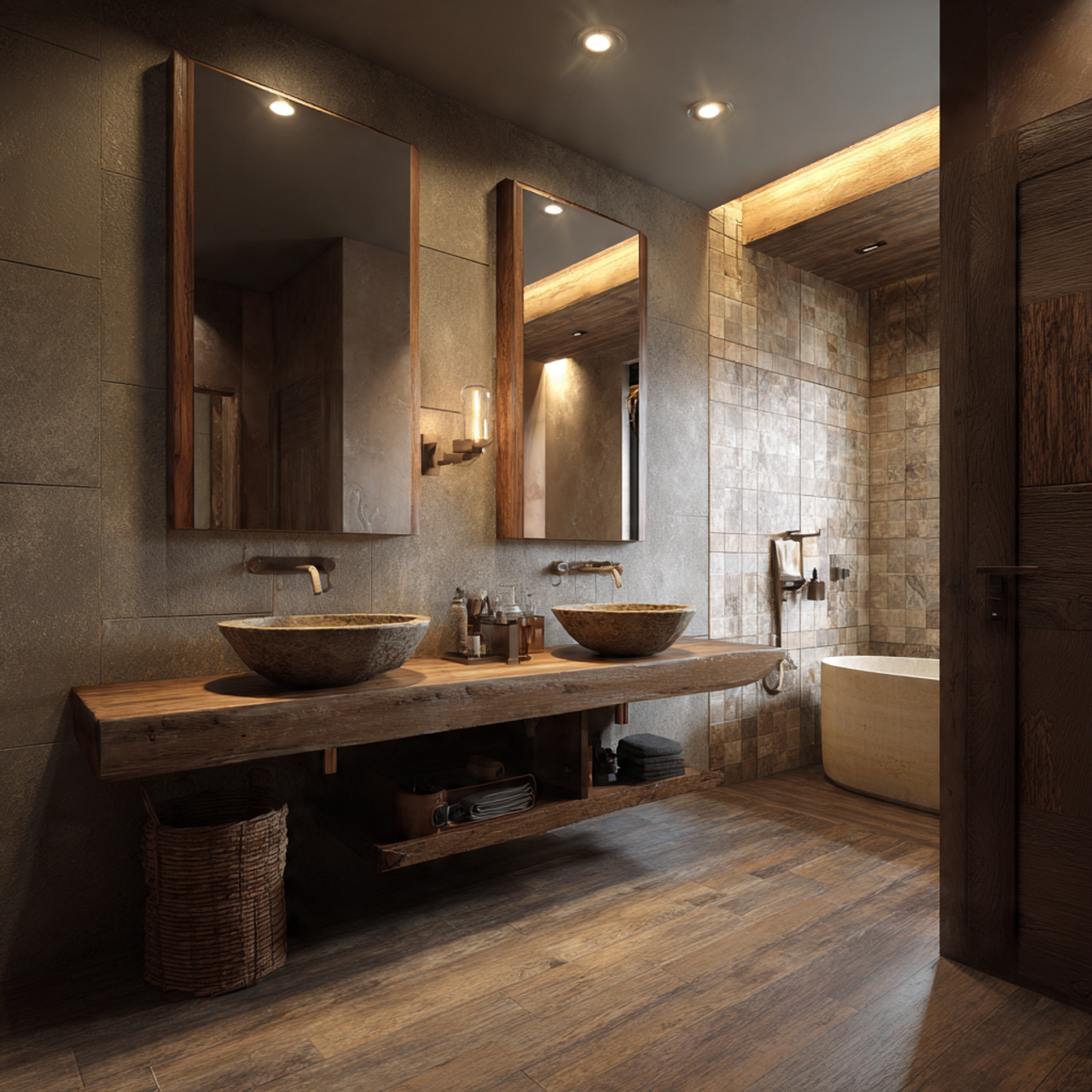
Soft wood tones combined with natural stone create a grounded and calming environment that feels easy to live in. The textures add warmth without making the space feel heavy.
Many modern bathrooms lean too cold with glossy finishes, which can feel uncomfortable over time. Introducing natural materials softens the space and makes it feel more balanced.
Use wood in vanities or shelving and pair it with stone surfaces or textured tiles. Keep the palette neutral so the materials work together without competing.
Tip: Mix natural textures to create depth without clutter.
Mirror Placement That Reflects Light
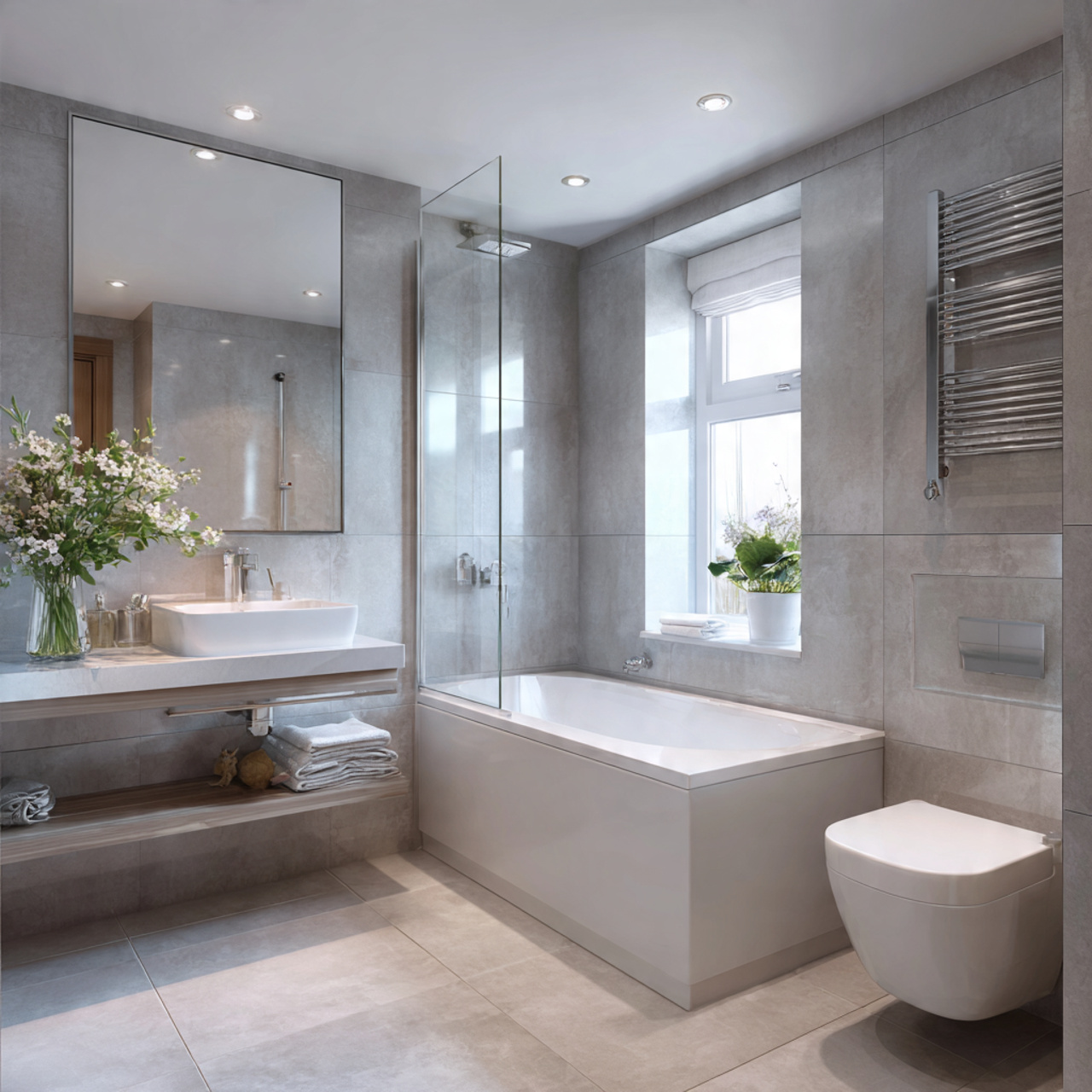
A well placed mirror reflects both natural and artificial light, making the bathroom feel brighter and more open. It shifts how the space is perceived without requiring any structural changes.
Most setups limit mirrors to a small area above the sink, but extending the mirror or adjusting its position can dramatically improve light distribution. This is one of those small changes that becomes surprisingly noticeable once you start using the space daily.
Use larger mirrors or extend them across the wall where possible. Align them with light sources so the reflection enhances brightness throughout the space.
Tip: Position mirrors where they can reflect the most light, not just where they are easiest to place.
Floating Vanity Designs
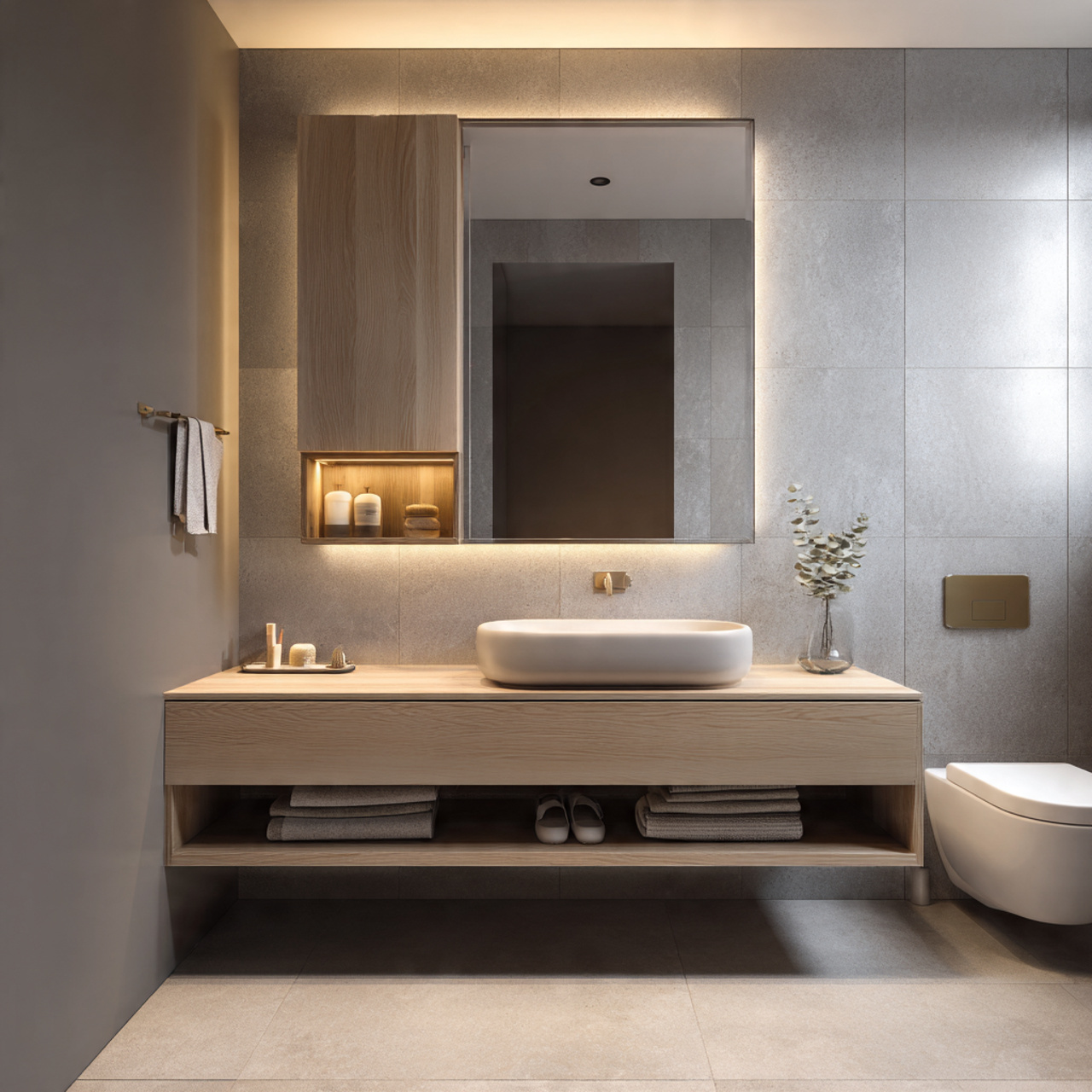
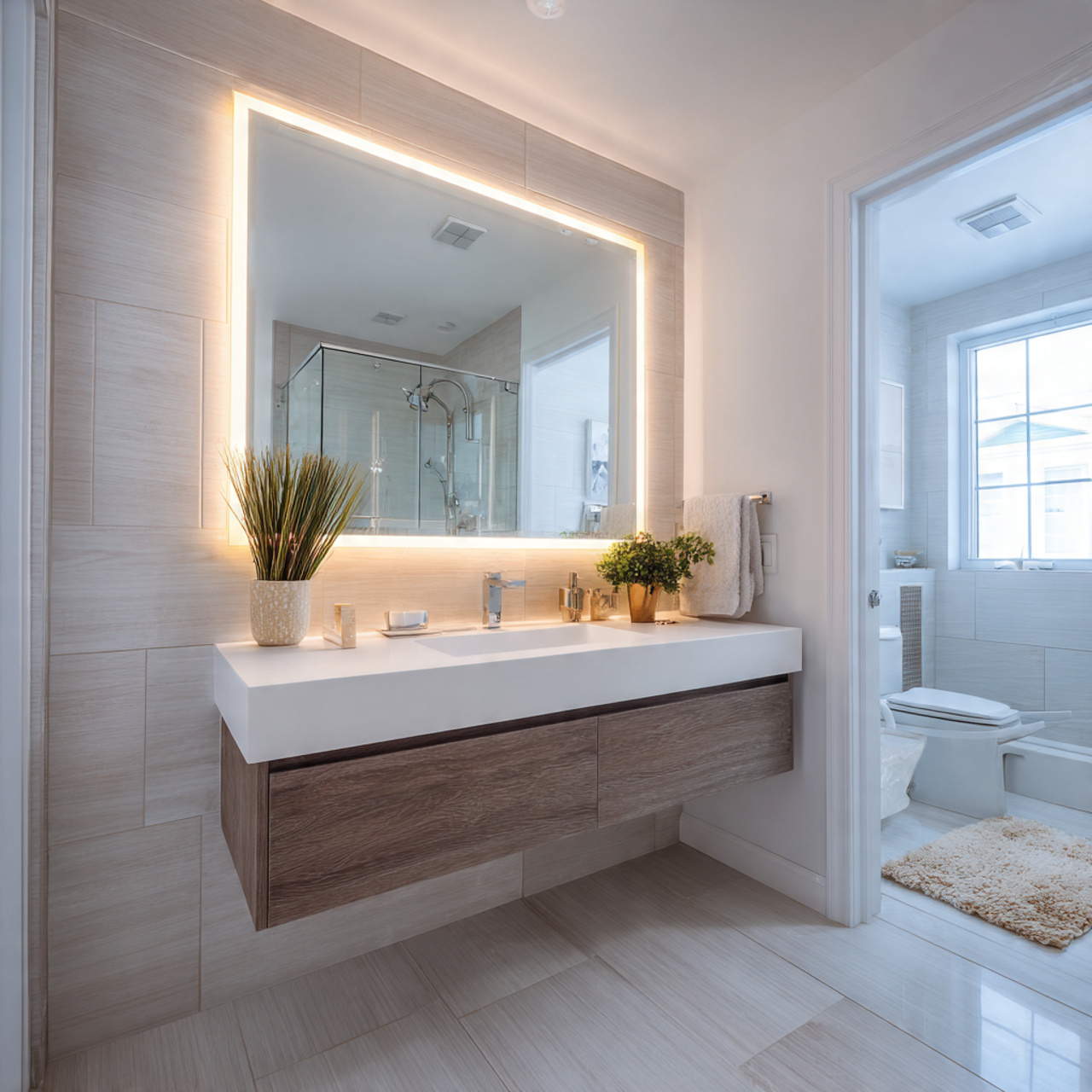
A floating vanity reveals more floor space, which instantly makes the bathroom feel lighter and less crowded. This visual openness improves both the look of the space and how it functions every day.
At first, traditional vanities may seem more practical, but after some time they often make the space feel heavier and harder to clean around. Floating designs create a better balance between usability and visual lightness.
Choose a clean lined wall mounted vanity and keep the area underneath visible. This allows light to move freely and helps the bathroom feel more open overall.
Tip: Keep the space under the vanity clear so the room continues to feel open and easy to maintain.
Hidden Storage Bathroom Design
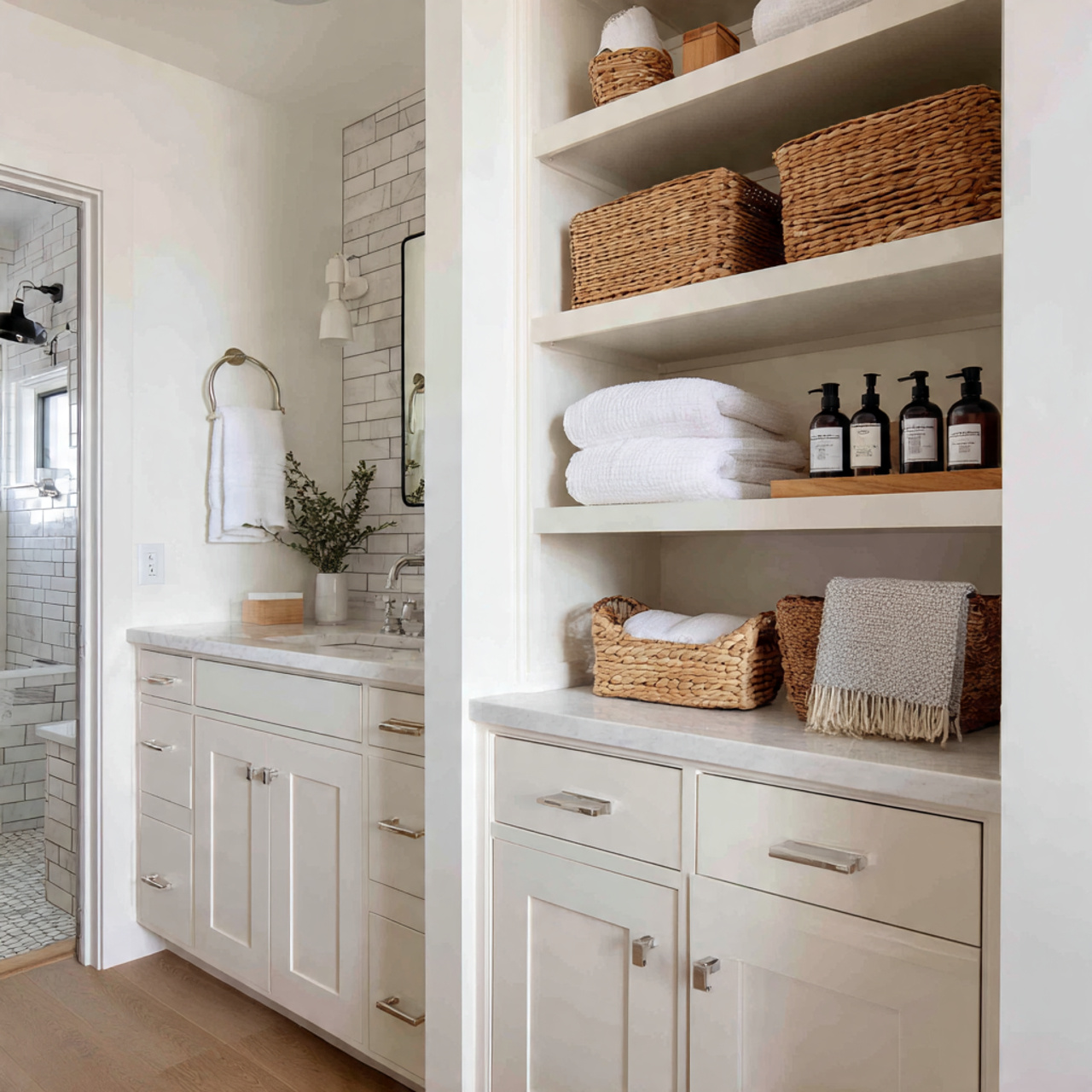
A bathroom that stays clean without constant effort usually depends on well planned hidden storage. Drawers and cabinets keep everyday items accessible without making the space feel cluttered.
After a few weeks of use, open shelves that once looked beautiful often start collecting daily clutter, requiring constant resetting just to maintain a clean look. That is when it becomes clear that hidden storage supports real life much better.
Use built in storage and organize items inside drawers to maintain a clean visual surface. This reduces visual noise and makes daily routines feel easier and more efficient.
Tip: Choose closed storage solutions to keep the bathroom consistently clean over time.
Black and Gold Accents
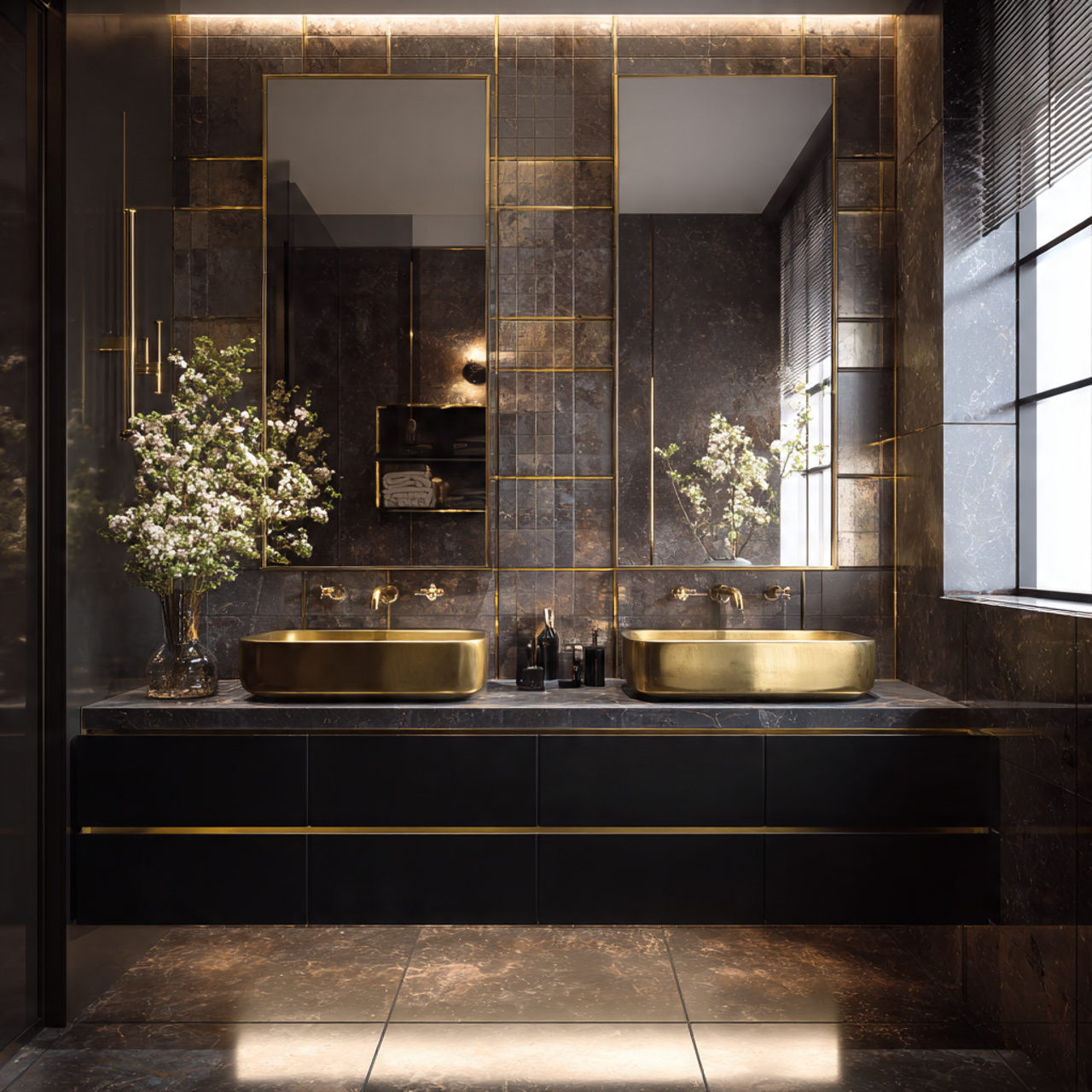
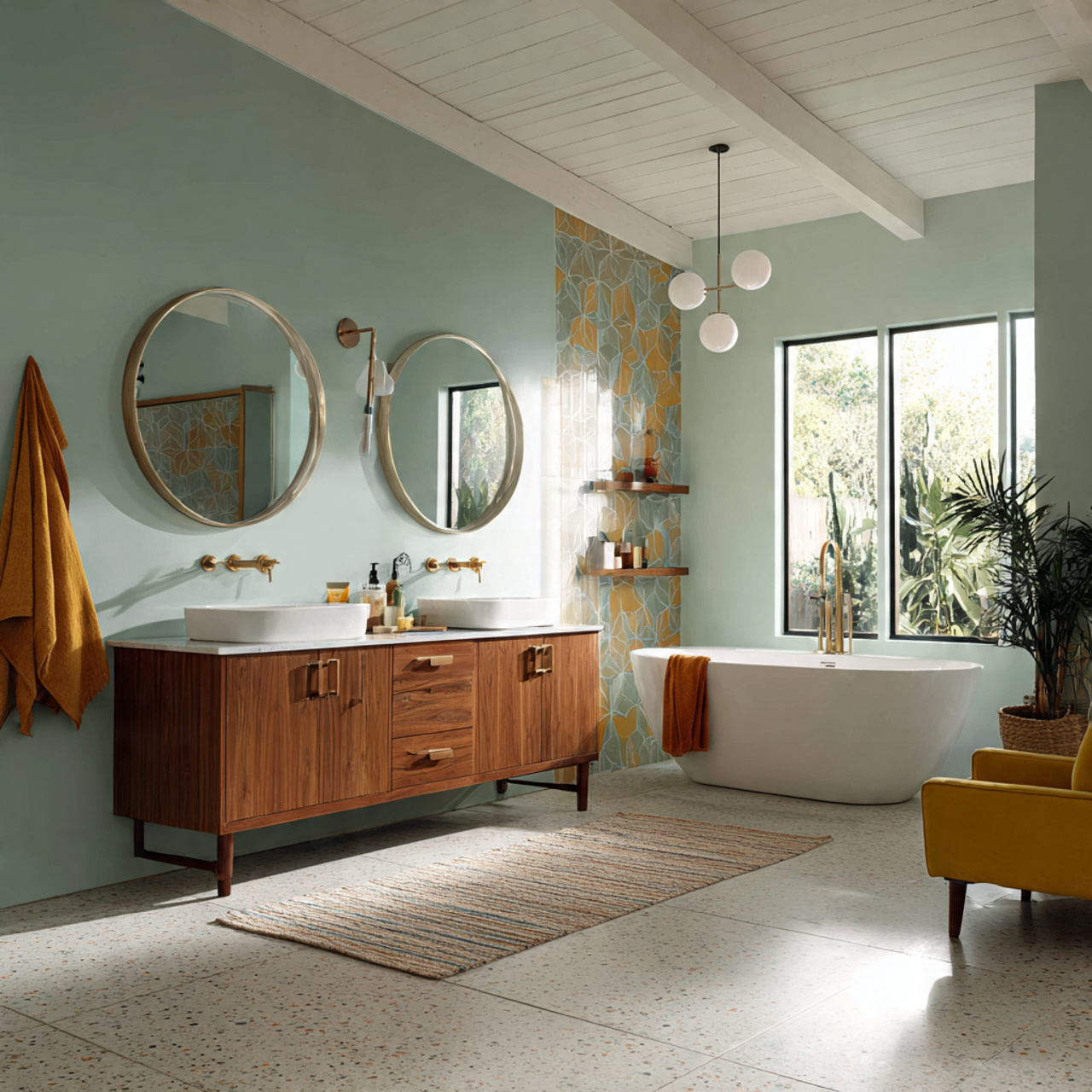
Small touches of black or gold introduce contrast and elevate the overall design without overwhelming the space. These accents add depth while keeping the environment visually balanced.
At first, darker tones can feel bold and stylish, but after some time the bathroom may begin to feel slightly heavy, especially in lower lighting. Rebalancing with lighter elements helps restore a sense of openness.
Add contrast through fixtures, handles, or lighting rather than large surfaces. This keeps the design refined while maintaining a light and comfortable feel.
Tip: Use accent colors in controlled amounts to avoid making the space feel dense.
Shower Niches That Blend Into the Wall
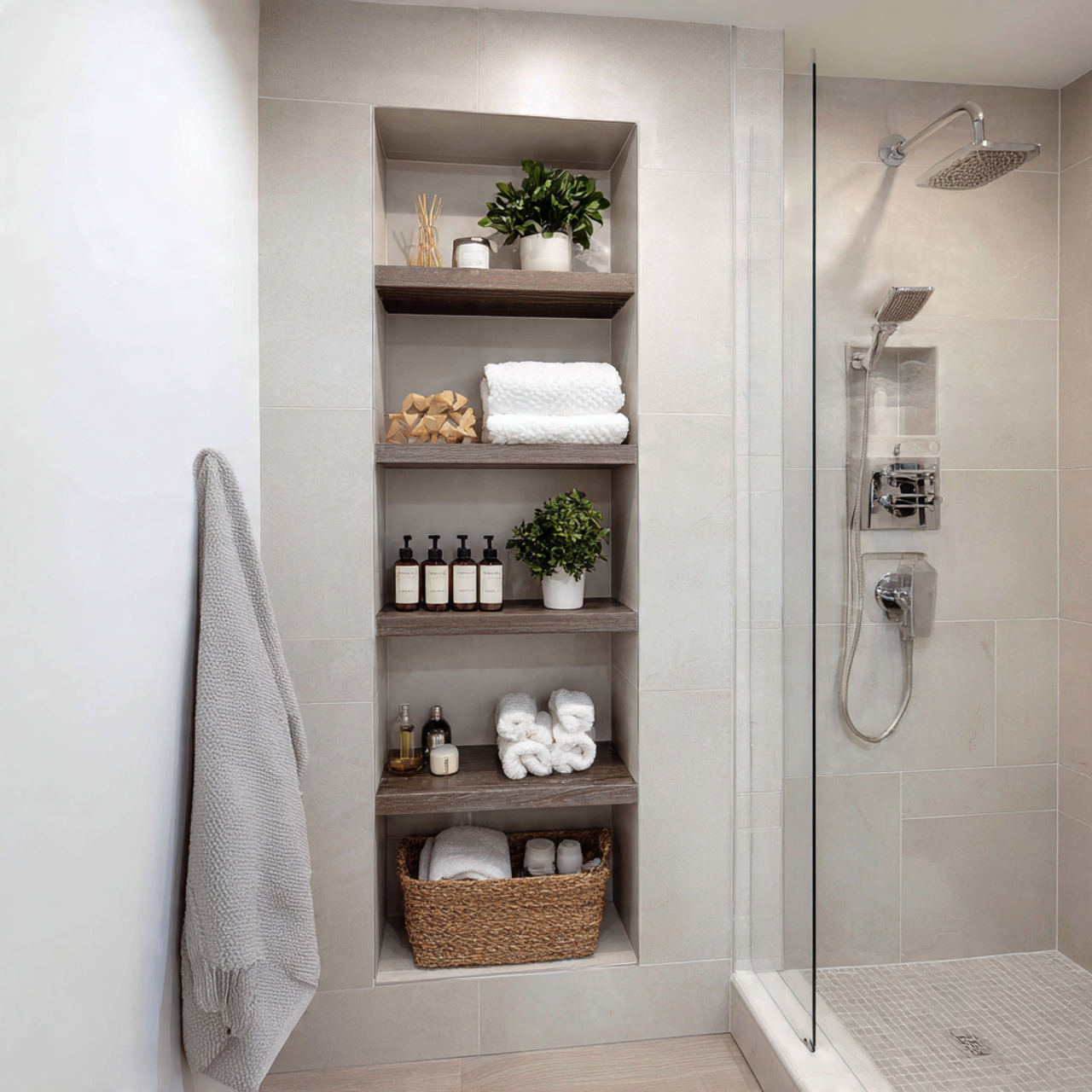
A built in shower niche provides storage without interrupting the wall design, keeping everything clean and integrated. It removes the need for external racks that often create visual clutter.
When niches are poorly aligned, they can feel like an afterthought and disrupt the overall design. Careful placement ensures they look intentional and part of the layout.
Match the niche with surrounding tiles or use subtle contrast for definition. Keeping proportions balanced helps maintain a polished and cohesive look.
Tip: Align niches with tile lines to achieve a clean and seamless finish.
Visit Also: Bathroom Remodel
Bathroom Zoning That Separates Wet and Dry Areas
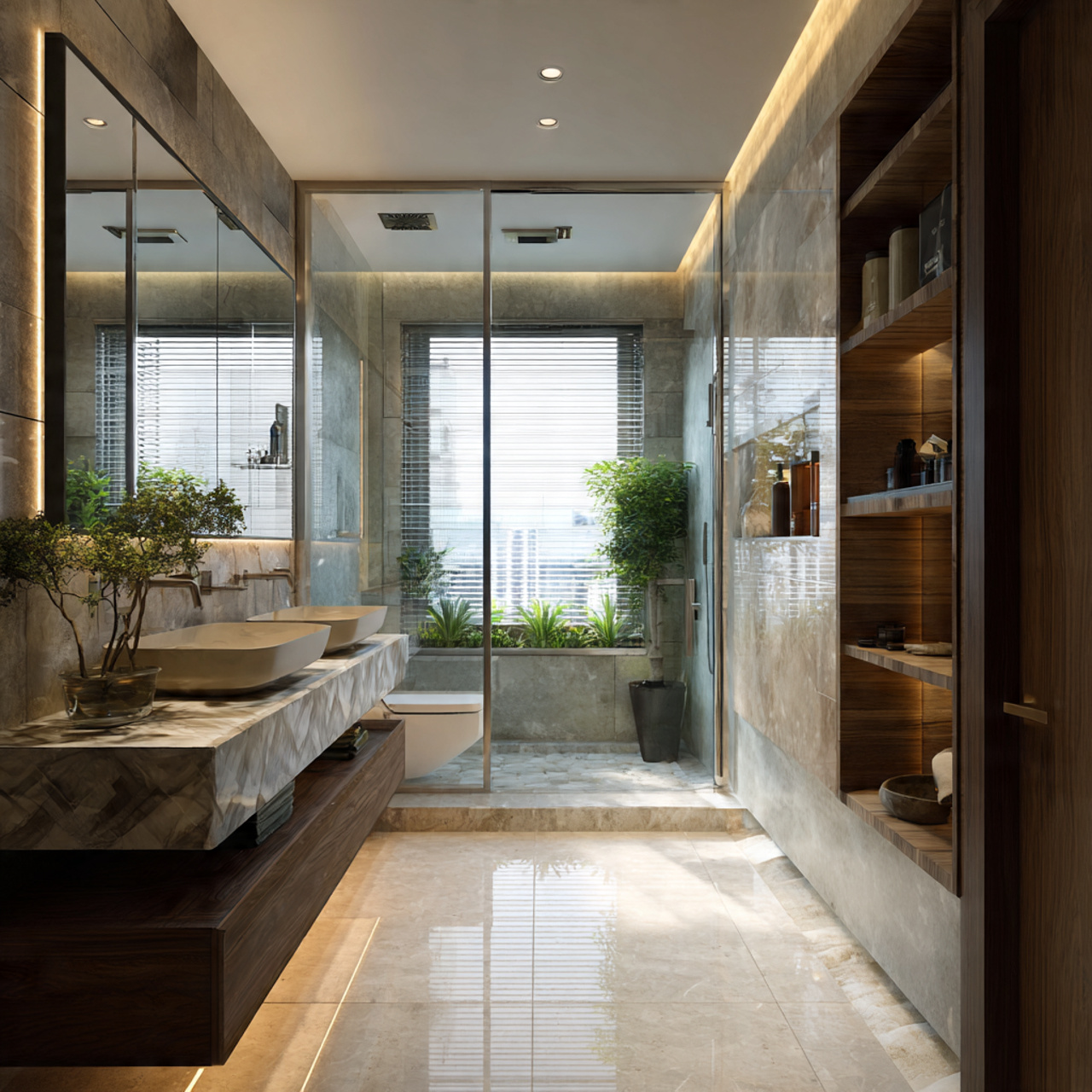
Separating wet and dry zones helps the bathroom feel more organized and easier to use throughout the day. It keeps water contained while allowing other areas to remain clean and functional.
In shared bathrooms, this becomes especially noticeable during busy mornings when multiple routines happen at once. A well zoned layout supports smoother movement without interruptions.
Use glass panels, layout adjustments, or subtle material changes to define zones. Keep transitions soft so the design remains visually connected.
Tip: Plan zoning early in the design process for the best long term results.
Ceiling and Lighting Details
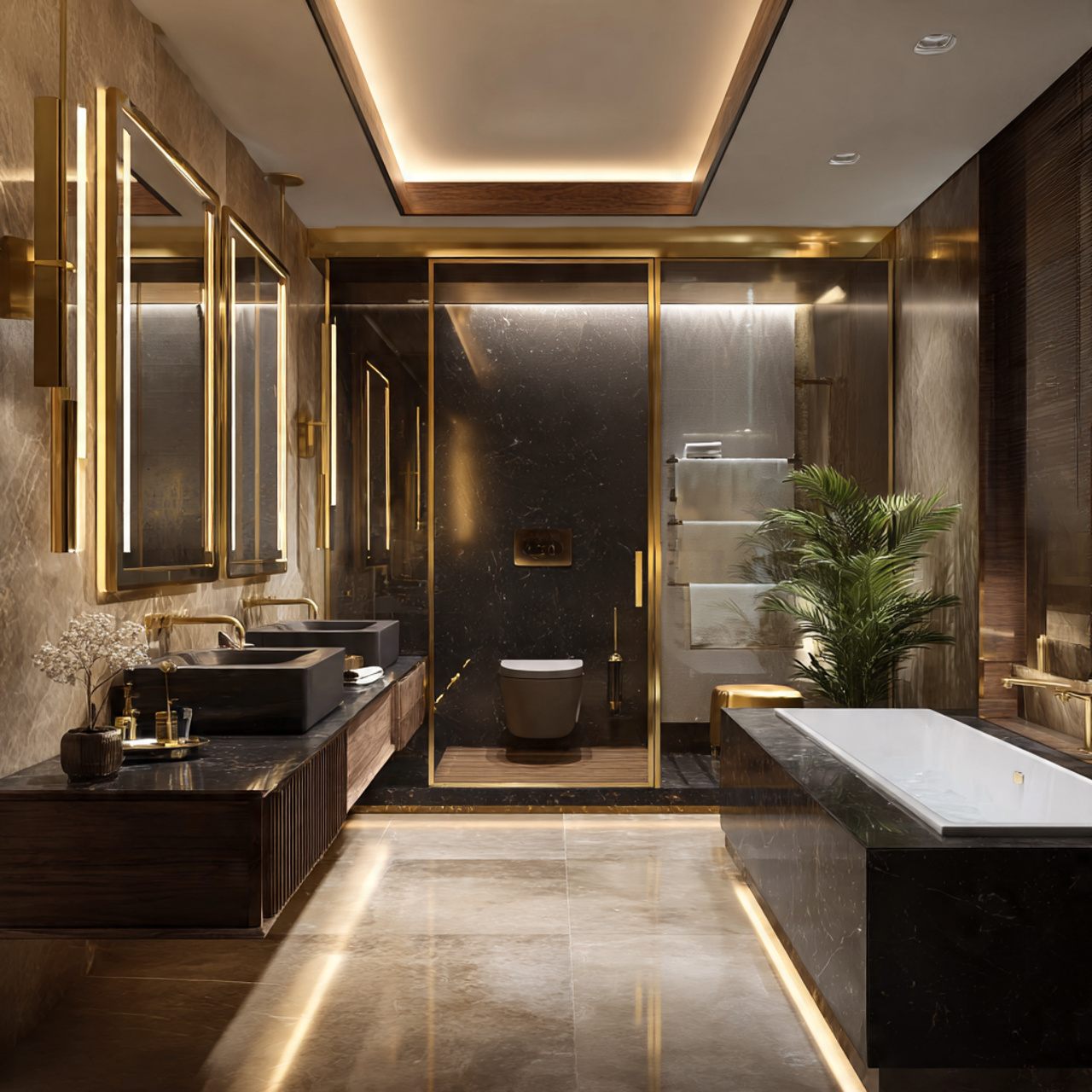
Looking up, subtle ceiling details and soft lighting add depth without drawing too much attention. These small elements complete the space in a way that feels natural and finished.
Many bathrooms leave the ceiling plain, which can make the design feel slightly incomplete over time. Adding even simple lighting details creates a more cohesive environment.
Use recessed lighting or soft ceiling features to enhance the atmosphere. In the evening, gentle light from above creates a calm and quiet mood.
Tip: Use ceiling lighting to introduce a soft ambient layer that balances the space.
A Real Bathroom Design Example That Feels Easy to Live In
In one home, a neutral palette combined with a floating vanity, warm wood textures, and layered lighting created a bathroom that felt both practical and calm. Morning light reflecting off a large mirror made the space feel bright without being harsh.
By evening, softer lighting and natural materials created a quiet atmosphere that felt relaxing after a long day. The layout allowed smooth movement, and hidden storage kept everything looking clean without constant effort.
Bathroom Color and Material Combinations That Always Work
Warm Beige (#E8DCCF) → works on walls and vanities + creates a soft calm mood → pairs with wood textures and stone
Soft White (#F5F5F5) → works across walls and surfaces + keeps the space bright and open → pairs with marble, glass, and light wood
Charcoal Black (#2E2E2E) → works as small accents + adds contrast and depth → pairs with metal fixtures and neutral tones
Natural Wood Brown (#A47551) → works in vanities and details + brings warmth and texture → pairs with stone, ceramic, and textiles
Bathroom Lighting and Space Planning Guide
Small Bathrooms
Keep lighting bright and evenly distributed to prevent shadows from forming in corners. Use mirrors and light surfaces to reflect light and visually expand the space.
Large Bathrooms
Layer lighting across different zones to avoid areas feeling empty or flat. Use soft lighting to maintain balance and comfort throughout the space.
North Facing Bathrooms
Use warm lighting to offset cooler natural light and prevent the space from feeling dull. Add warm materials to create a more inviting and comfortable atmosphere.
South Facing Bathrooms
Take advantage of natural brightness but soften it with neutral tones to avoid glare. Balance strong light with matte surfaces to maintain a comfortable and controlled feel.
Common Bathroom Design Mistakes That Affect Comfort Over Time
Ignoring Layout Flow That Makes Daily Movement Feel Frustrating
At first, a bathroom layout might seem fine on paper, but once you start using it daily, small inconveniences become obvious. Tight spacing, poorly placed fixtures, or blocked pathways can make simple routines feel awkward and inefficient.
Over time, this creates constant friction, especially during busy mornings when everything needs to flow smoothly. What looks visually balanced does not always translate into practical usability.
To fix this, plan the layout around real movement rather than just fitting elements into the space. If ignored, even a beautiful bathroom design will start to feel uncomfortable and poorly planned.
In smaller spaces, this approach works especially well, which is why many small bathroom ideas focus on visual openness.
Overusing Dark Colors That Slowly Make the Space Feel Smaller
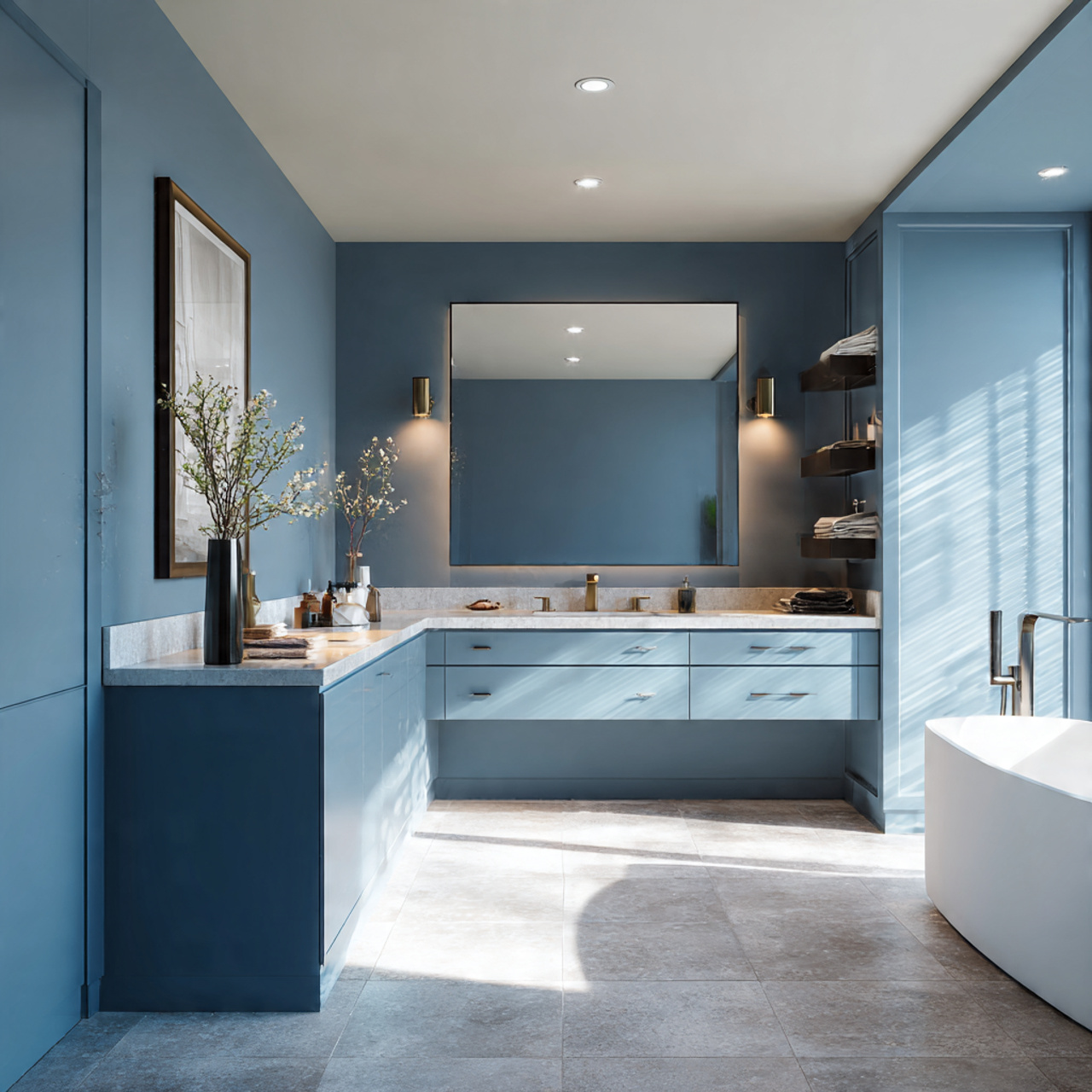
Dark tones can feel bold and stylish at first, especially when paired with modern fixtures and clean lines. However, as natural light changes throughout the day, these colors begin to absorb light and make the bathroom feel more enclosed.
This effect becomes stronger in the evening when artificial lighting cannot fully balance the darkness. What once felt dramatic can slowly turn heavy and slightly uncomfortable. This pairs well with modern minimalist bathroom design where simplicity improves usability.
To avoid this, use darker tones as accents instead of dominant surfaces. If overused, the bathroom design can lose its sense of openness and start to feel visually smaller over time.
Choosing Style Over Function That Fails in Everyday Use
It is easy to focus on visual appeal when designing a bathroom, especially when inspired by perfectly styled spaces. But in real life, designs that ignore function quickly become frustrating to live with.
A sink without enough surrounding space or storage may look clean at first, but daily use reveals how inconvenient it actually is. Over time, this leads to clutter and constant adjustments just to keep things working.
Choose designs that support real routines while still looking good. If function is ignored, the bathroom may look impressive but will not feel practical in everyday life. You will often see this technique used in walk in shower ideas to maintain flow.
Relying on a Single Light Source That Makes the Bathroom Feel Flat
Many bathrooms depend on one central light, which may seem enough for basic use. However, it often creates uneven lighting, harsh shadows, and a lack of depth across the space.
As days pass, this becomes more noticeable, especially during early mornings or late evenings when lighting conditions change. The bathroom can feel either too harsh or too dull depending on the time of day.
To improve this, introduce layered lighting with mirror lights and softer ambient sources. Without it, the bathroom design will feel flat and less comfortable over time.
Frequently Asked Questions About Bathroom Design
What is the most important part of bathroom design?
The layout is the most important because it shapes how the space functions every single day. When everything is positioned naturally, the entire bathroom design feels easier to use and more comfortable over time.
How can I make a small bathroom look bigger?
Use light colors, large format tiles, and well placed mirrors to create a more open and continuous visual flow. Keeping the space uncluttered and allowing light to reflect across surfaces makes a noticeable difference in how spacious it feels.
Is a walk in shower better than a bathtub?
A walk in shower often makes bathroom design feel more open and modern, especially in smaller layouts where space matters. However, a bathtub still adds value if relaxation or long term flexibility is important for your lifestyle.
How do I choose the right bathroom colors?
Start with a neutral base that keeps the space calm and bright, then add small accents for contrast and depth. This approach makes the bathroom design easier to adjust over time without needing a full redesign.
Can I create a good bathroom design on a budget?
Yes, focusing on layout, lighting, and simple material choices can create a high end feel without high costs. In real homes, thoughtful decisions usually make a bigger impact than expensive finishes.
How to Improve Your Bathroom Design Step by Step
Bathroom design feels complete when layout, lighting, and materials begin working together naturally in everyday life. When these elements are balanced, even simple spaces start to feel calm, functional, and visually refined.
Start with one small improvement that supports your daily routine, such as adjusting lighting or clearing the vanity surface. Over time, these gradual changes turn your bathroom design into a space that feels easier to use, more comfortable to live in, and consistently well put together.