
16 Apartment Ideas That Instantly Make Daily Living Easier
Living in an apartment quickly teaches you that good design isn’t about how much you add, but how well your apartment supports everyday life. In smaller layouts, rooms connect closely, natural light shifts throughout the day, and even small design decisions can have a lasting impact. What may look beautiful at first in an apartment can start to feel overwhelming or impractical once daily routines settle in.
This guide focuses on ideas shaped by real living, not just visual trends. You’ll discover how to design an apartment that feels calm, balanced, and easy to maintain, even with limited space. Each idea is created to help your apartment function better over time—so your home feels comfortable, intentional, and truly livable every day.
Living Style That Supports Real Daily Life
Apartment living has changed the way people think about home design, especially as more daily activities happen within a smaller footprint. Spaces now need to support rest, work, storage, and downtime without feeling cluttered or overwhelming. This shift has made practicality just as important as appearance.
What keeps people satisfied in well-designed apartments is how the space feels over time. Clear layouts, calm colors, and materials that respond well to light reduce daily friction. These choices make homes easier to maintain and more comfortable to live in long term.
Apartments reward thoughtful restraint more than dramatic styling. Fewer, better decisions tend to age well and adapt as life changes. This is why apartment design that supports real living often feels timeless rather than trend-driven.
Core Ideas
Let the Layout Breathe Before Adding Anything Decorative
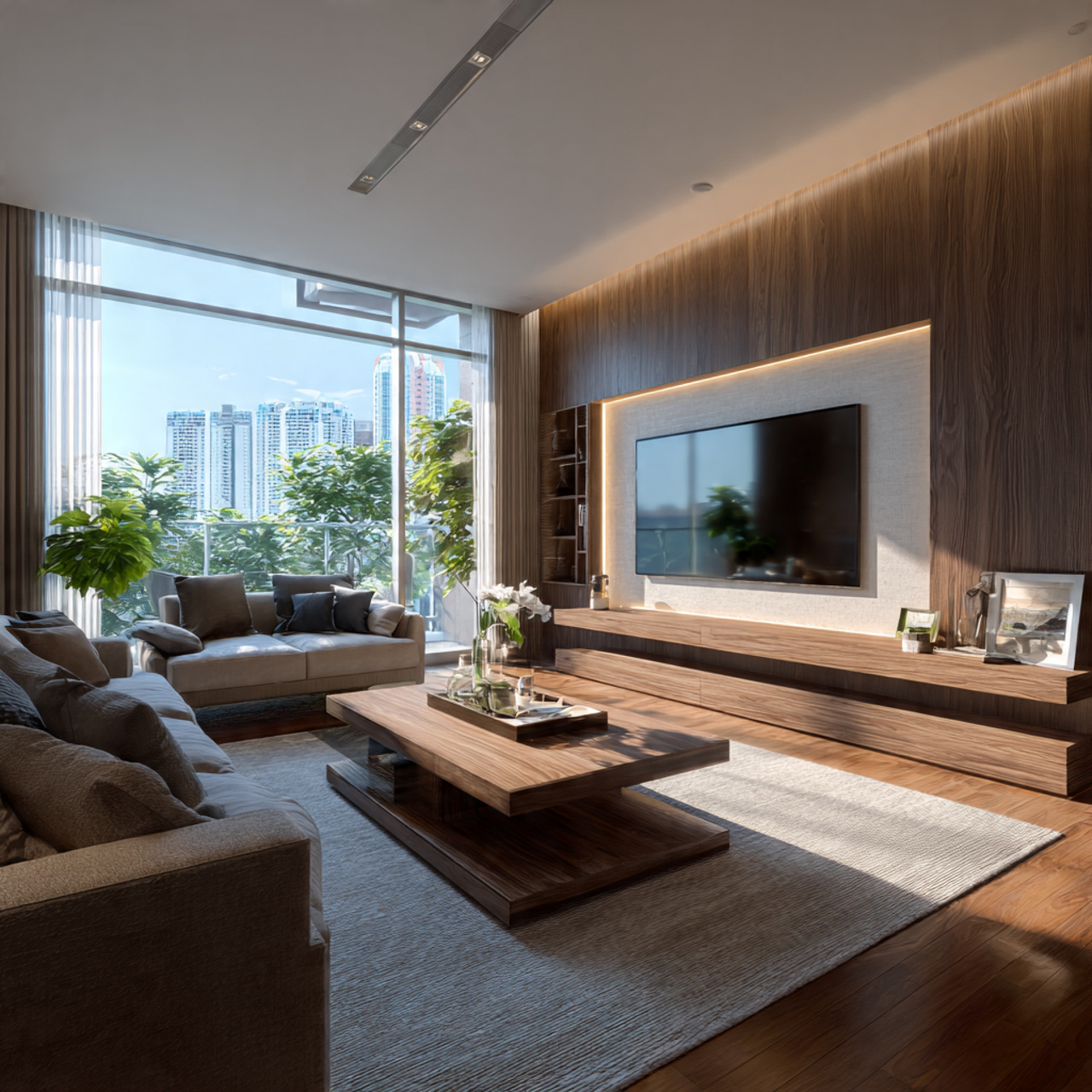
Most apartments already suggest their best layout if you slow down and observe. Walk paths, window alignment, and natural pauses often show where furniture wants to sit. Ignoring this usually leads to constant rearranging later.
A breathable layout reduces visual pressure and makes daily movement easier. Rooms often feel calmer even before decor is added. This foundation supports every other design decision that follows.
Place only essential furniture at first and live with it briefly.
TIP: Keep one clearly open area visible in each room.
Use One Calm Base Color to Unite the Entire Apartment
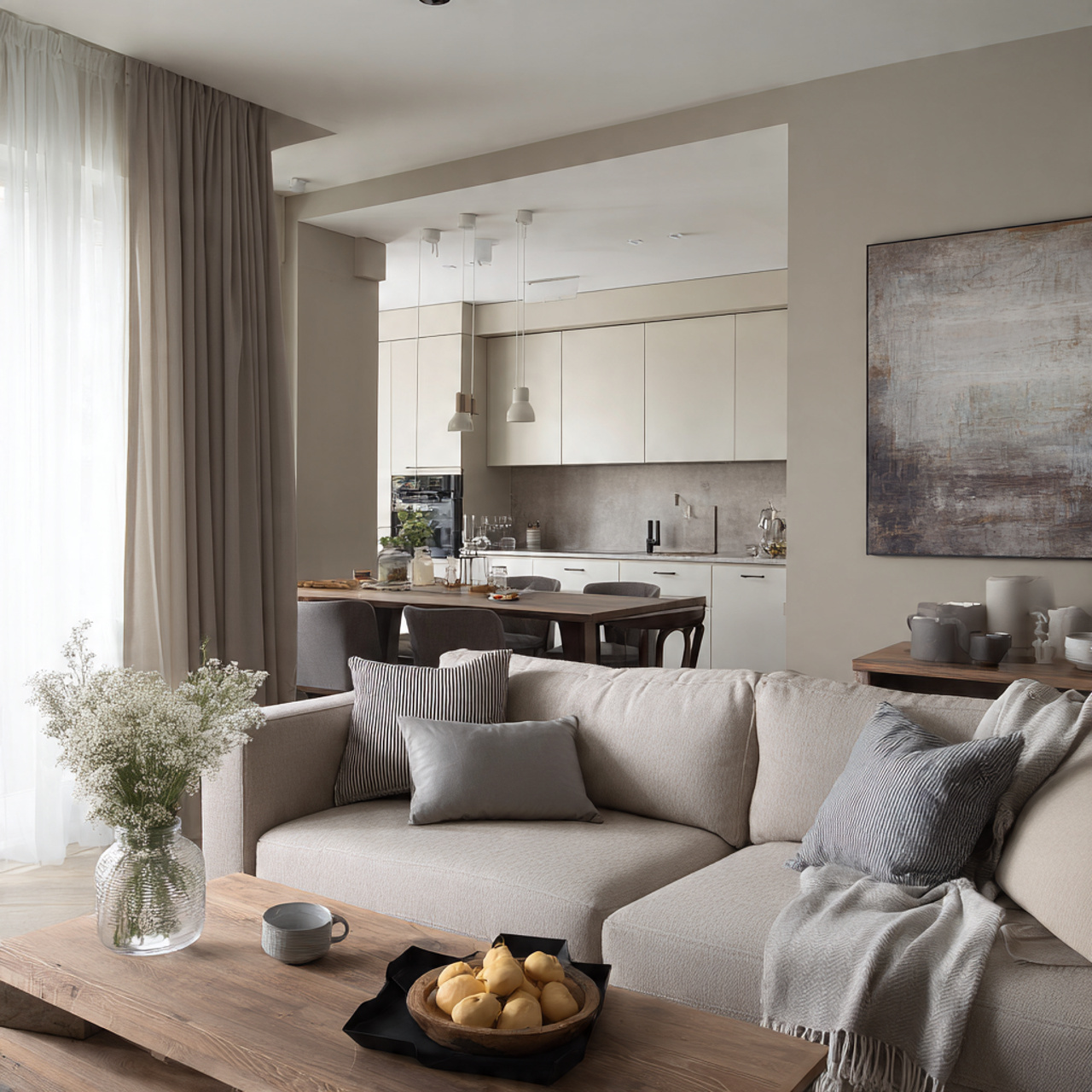
Apartments feel fragmented when every room uses a different color story. One calm base color creates flow, especially in connected layouts. This makes the apartment feel intentional instead of pieced together.
A single base color also reduces visual fatigue over time. Furniture, light, and texture naturally stand out when walls stay quiet. This approach makes future changes easier.
Choose a neutral that works in both daylight and evening light.
TIP: Test the color at two different times of day before committing.
Choose Furniture That Visually Floats Off the Floor
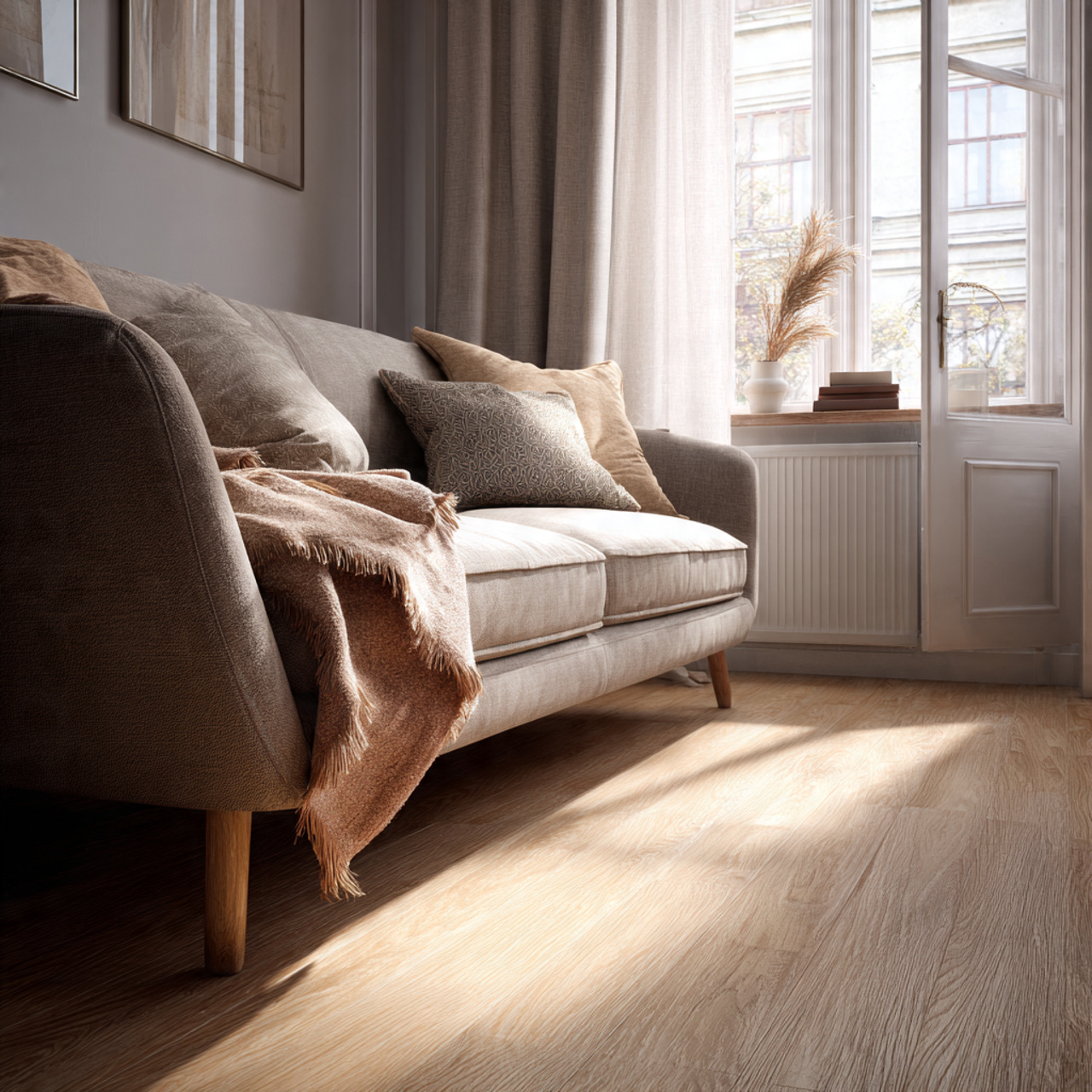
Furniture that sits flat and heavy can shrink an apartment visually. Pieces with visible legs allow light to pass underneath, making rooms feel lighter and more open. This matters most in smaller layouts.
Floating furniture also improves daily practicality. Cleaning is easier, and spaces stay flexible as needs change. These small benefits add up over time.
Choose sofas, chairs, or storage with visible leg space.
TIP: Aim for at least one raised furniture piece per room.
Layer Textures Instead of Adding More Furniture
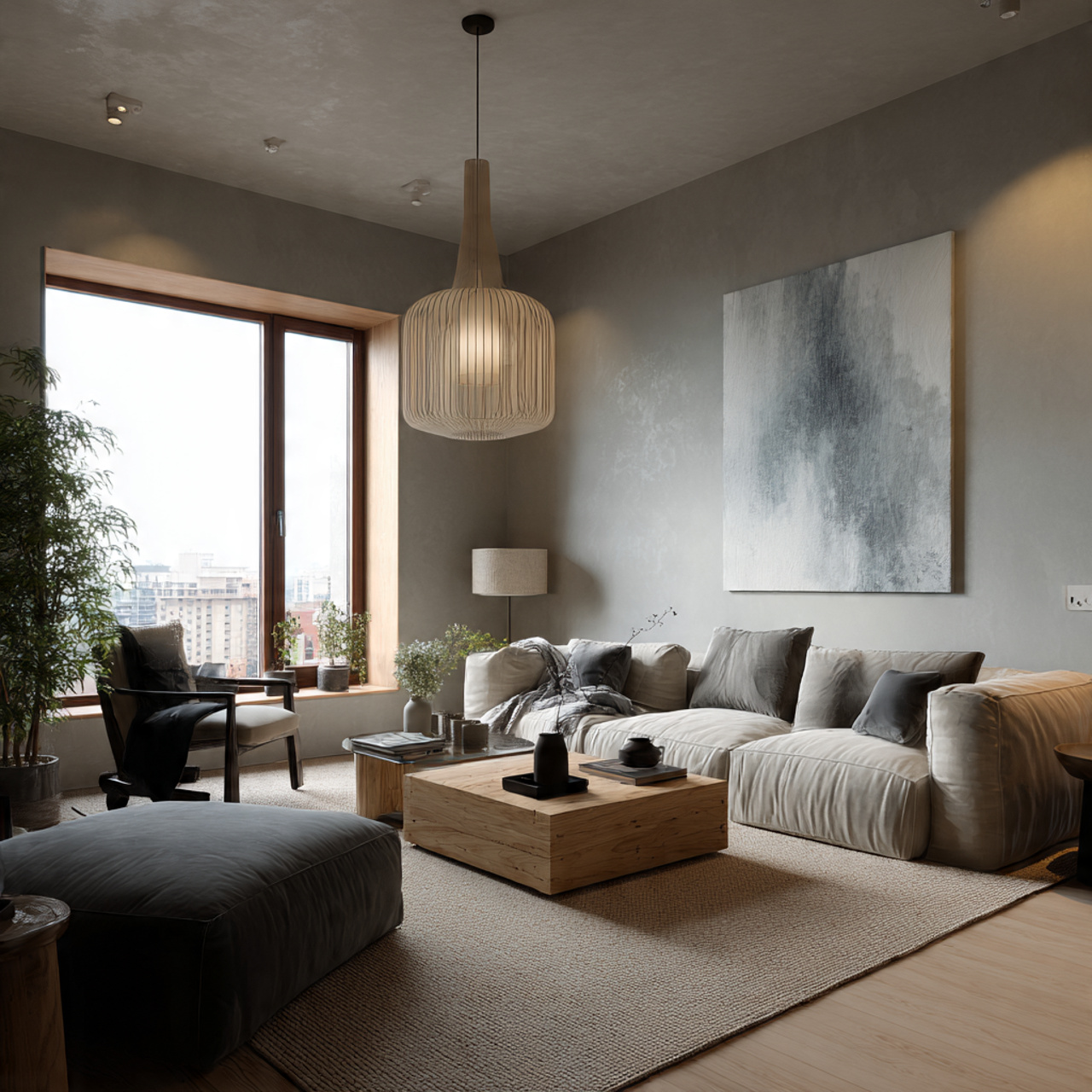
Apartments often feel unfinished because everything looks smooth and similar. Texture adds depth without using extra space. It’s a more effective solution than adding furniture.
Layered materials make rooms feel warmer and more lived-in. Linen, wool, wood, and ceramics add richness quietly without clutter. This approach ages well.
Introduce texture through rugs, cushions, or lighting.
TIP: Mix textures at different heights for balance.
Keep Sightlines Open Between Connected Rooms
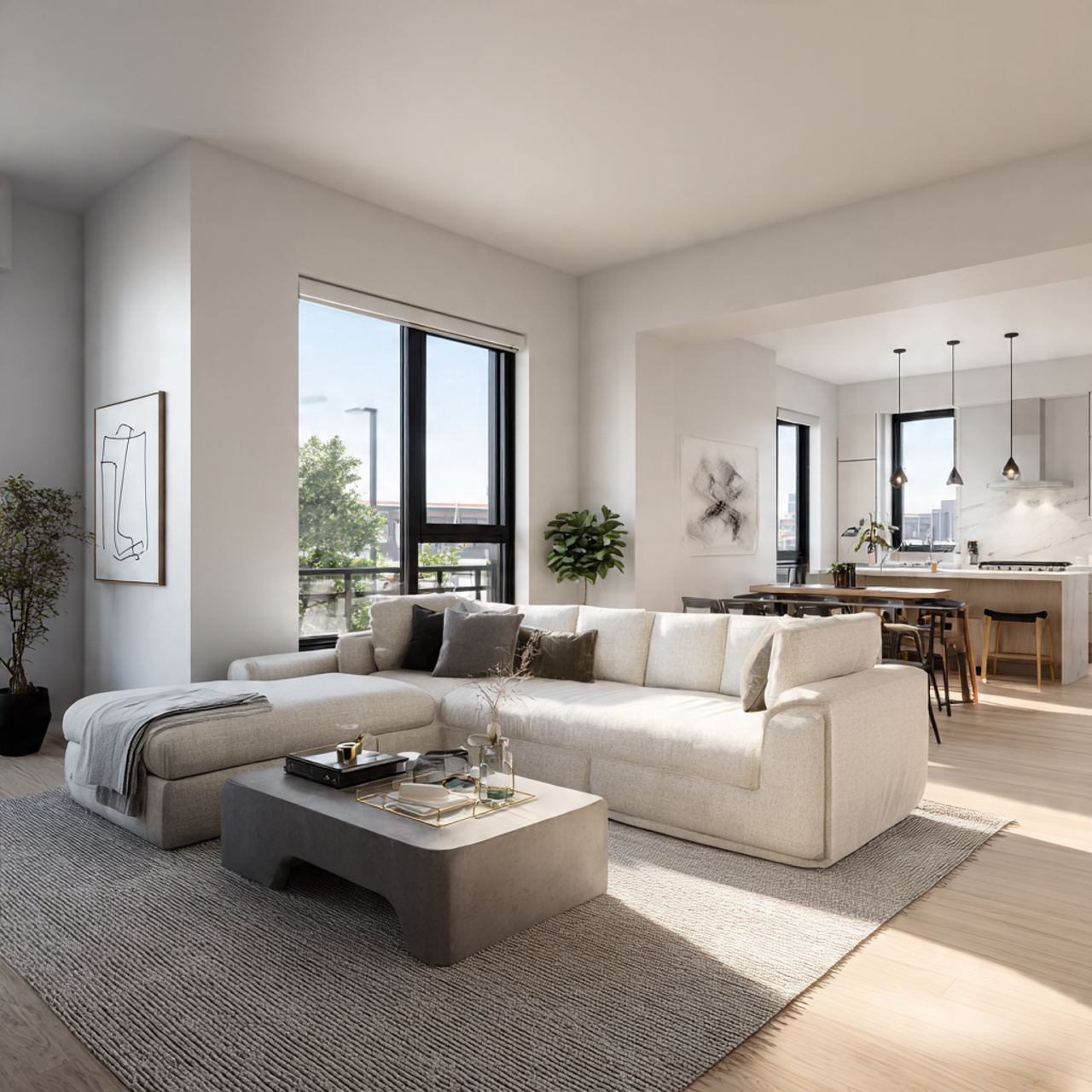
In many apartments, rooms visually flow into one another. Blocking sightlines with tall furniture makes spaces feel tighter and more fragmented. Clear visual flow helps apartments feel calmer.
When sightlines stay open, light travels better and movement feels easier. Even small apartments benefit from this openness. The space feels more generous without changing layout.
Use lower-profile pieces instead of tall dividers.
TIP: Separate zones at waist height or below.
Use Soft Contrast to Avoid Flat, Lifeless Rooms
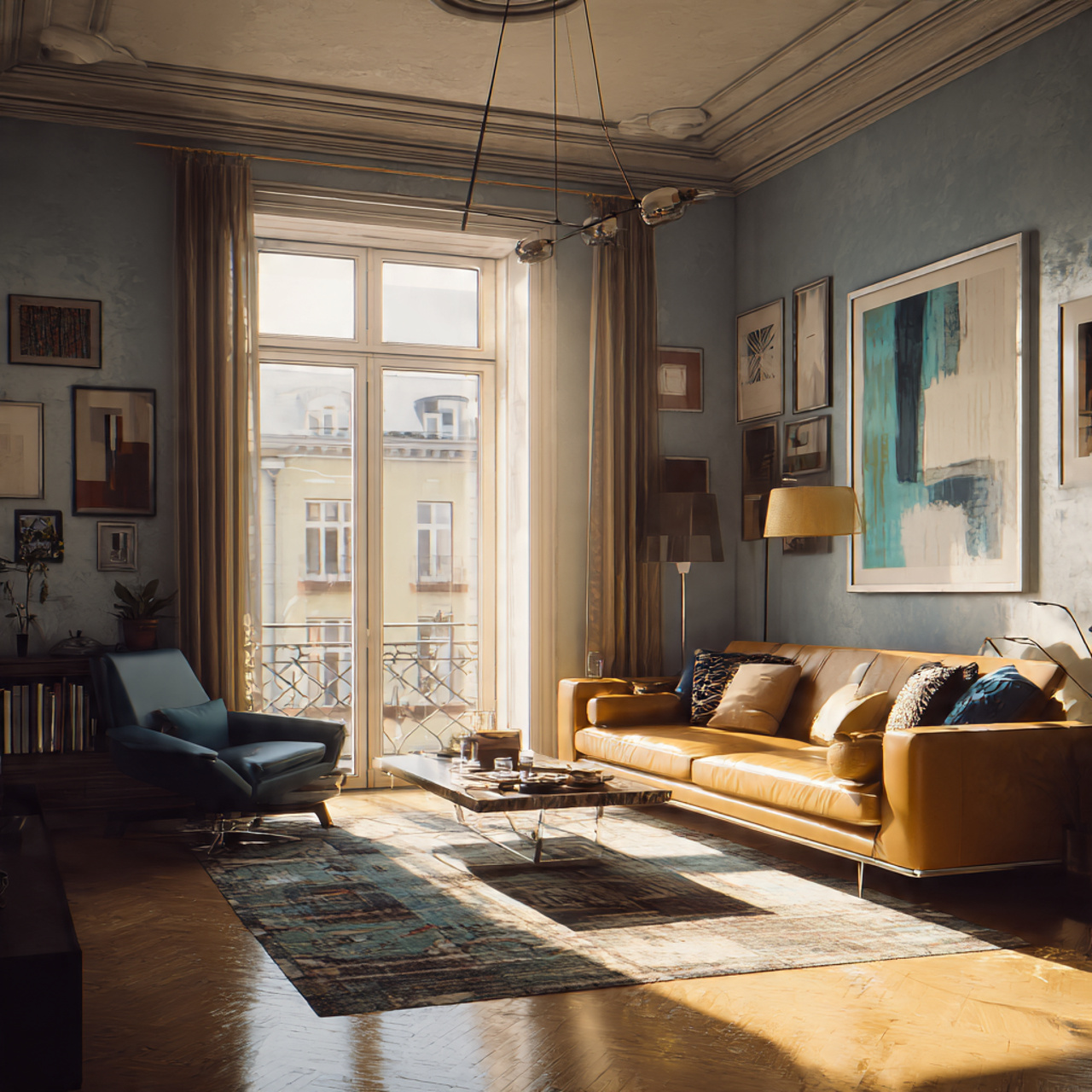
All-light or all-dark apartments often start to feel dull over time. Without contrast, the eye has nowhere to rest. This creates visual fatigue.
Soft contrast adds depth without overwhelming the space. Gentle shifts in tone, material, or texture keep rooms interesting while staying calm. Balance matters more than drama.
Add contrast through textiles or subtle material changes.
TIP: Keep contrast within one color family.
Add Visual Weight at Eye Level, Not on the Floor
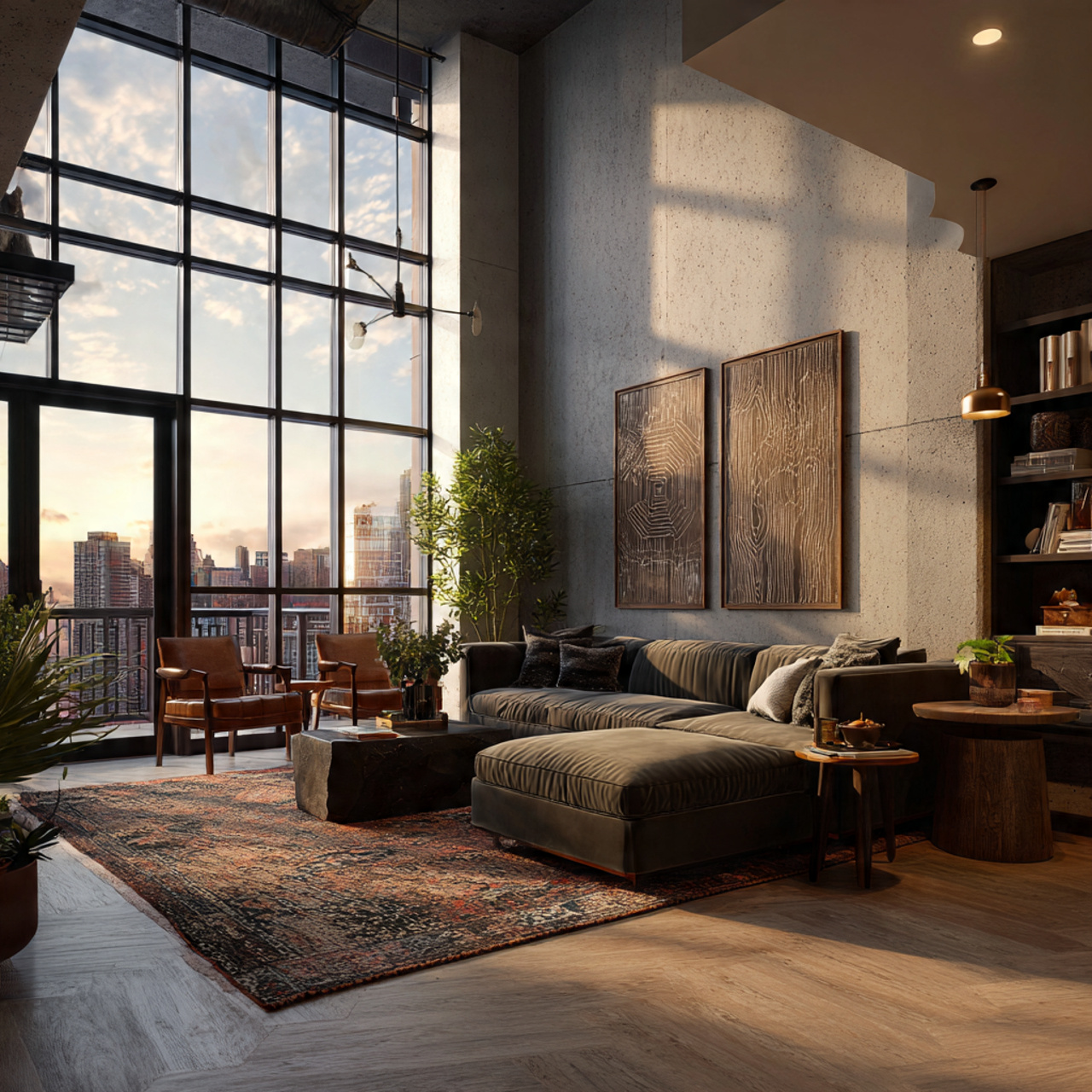
Many apartments feel bottom-heavy because darker or bulkier elements sit low. This compresses the room visually and makes ceilings feel lower. The effect builds over time.
Adding interest at eye level draws focus upward and rebalances the space. Rooms feel lighter and more comfortable. The change is subtle but effective.
Use artwork, shelving, or tall lamps.
TIP: Keep lower furniture visually lighter.
Treat Windows as Design Features, Not Just Openings
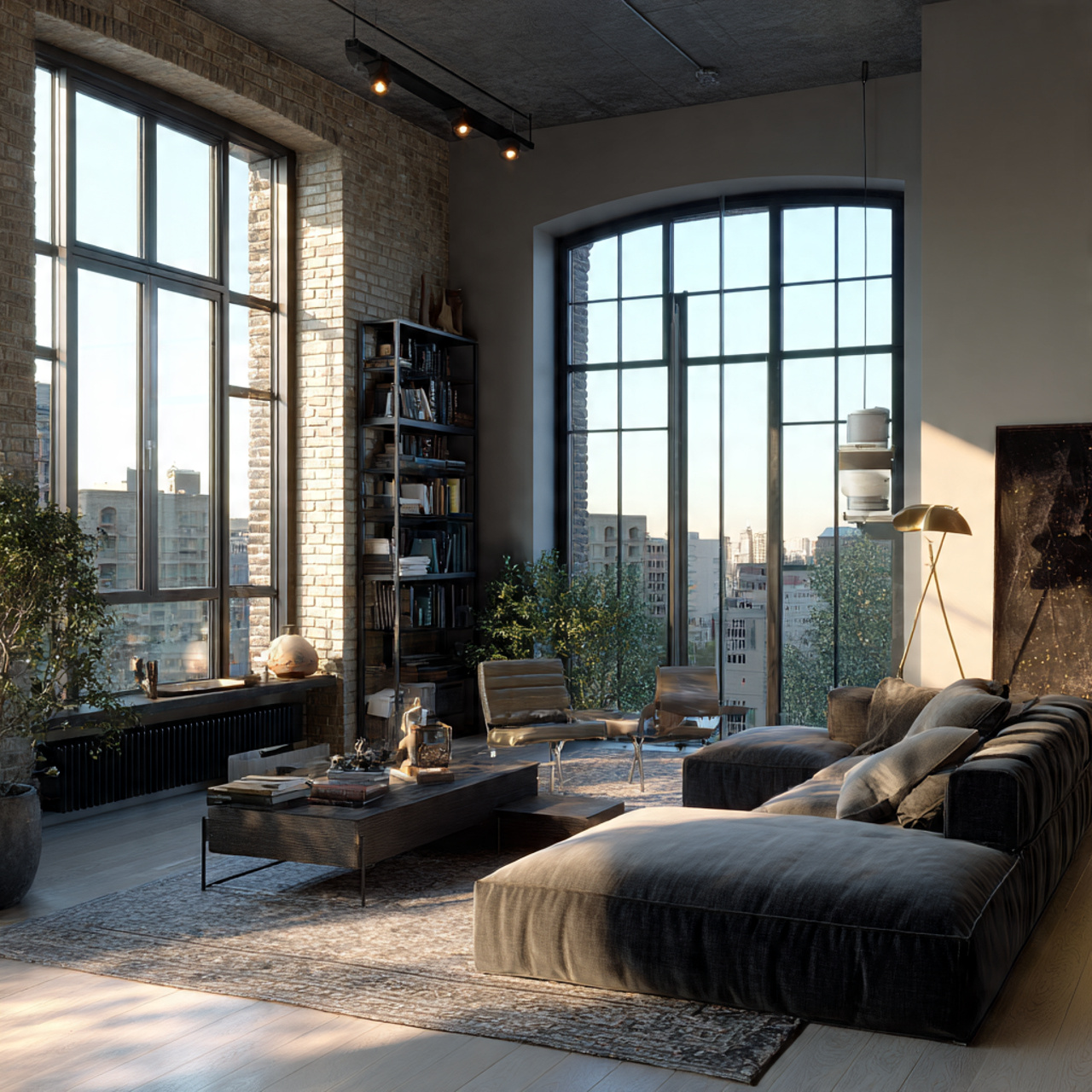
Windows shape how apartments feel throughout the day. Poor treatment can block light and flatten the room. This often goes unnoticed at first.
Intentional window design makes spaces feel brighter and more finished. Light becomes part of the design instead of something to work around. Mood improves naturally.
Use simple curtains and consistent hardware.
TIP: Hang curtains slightly wider than the window.
Introduce One Anchoring Piece That Grounds the Space
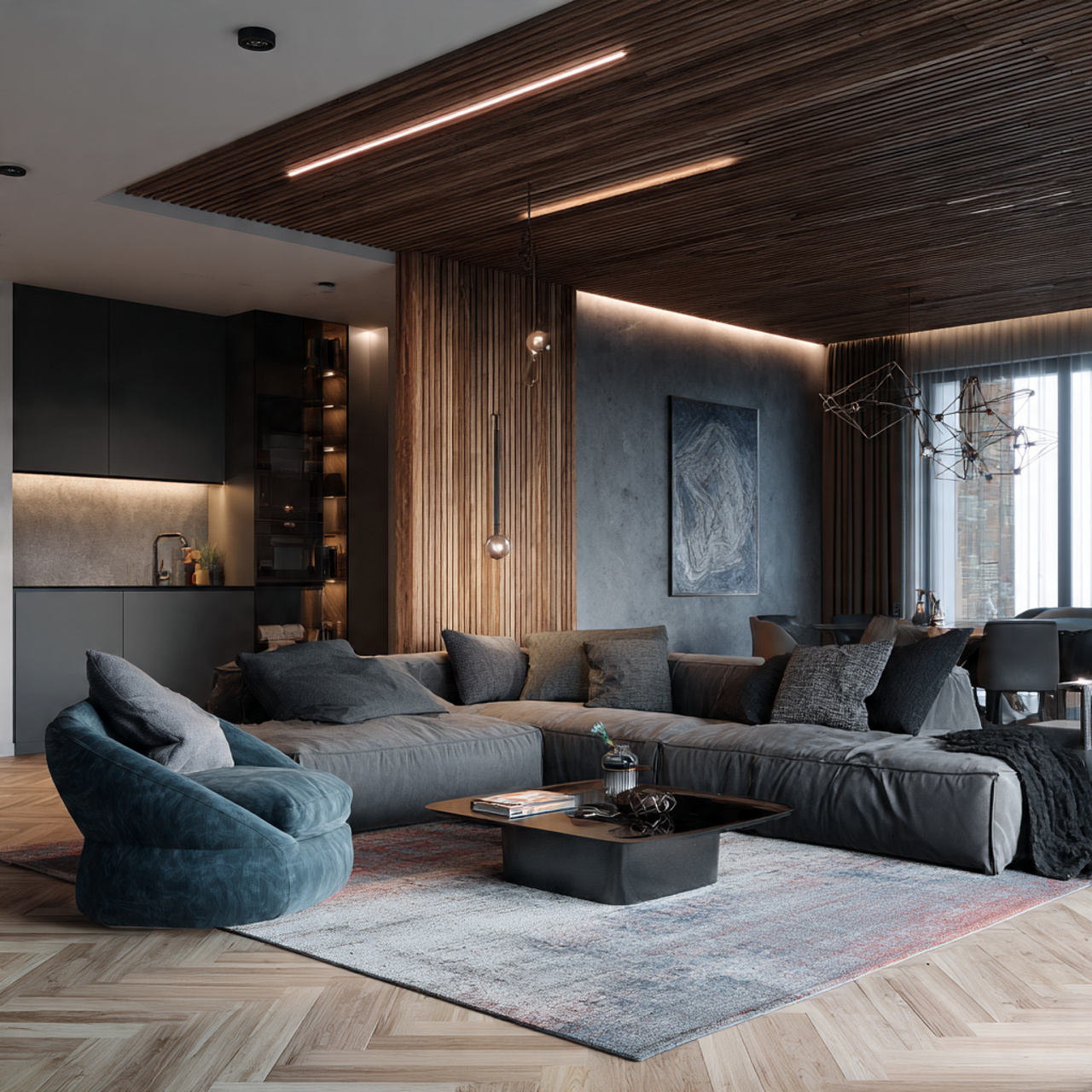
When everything feels equal in weight, rooms can feel scattered. One anchoring piece gives the eye a place to settle. This brings order to the layout.
An anchor helps surrounding pieces feel intentional. It creates stability without crowding the room. This is especially helpful in open areas.
Choose one main sofa, rug, or table.
TIP: Let other pieces support the anchor, not compete with it.
Use Lighting to Create Zones Without Walls
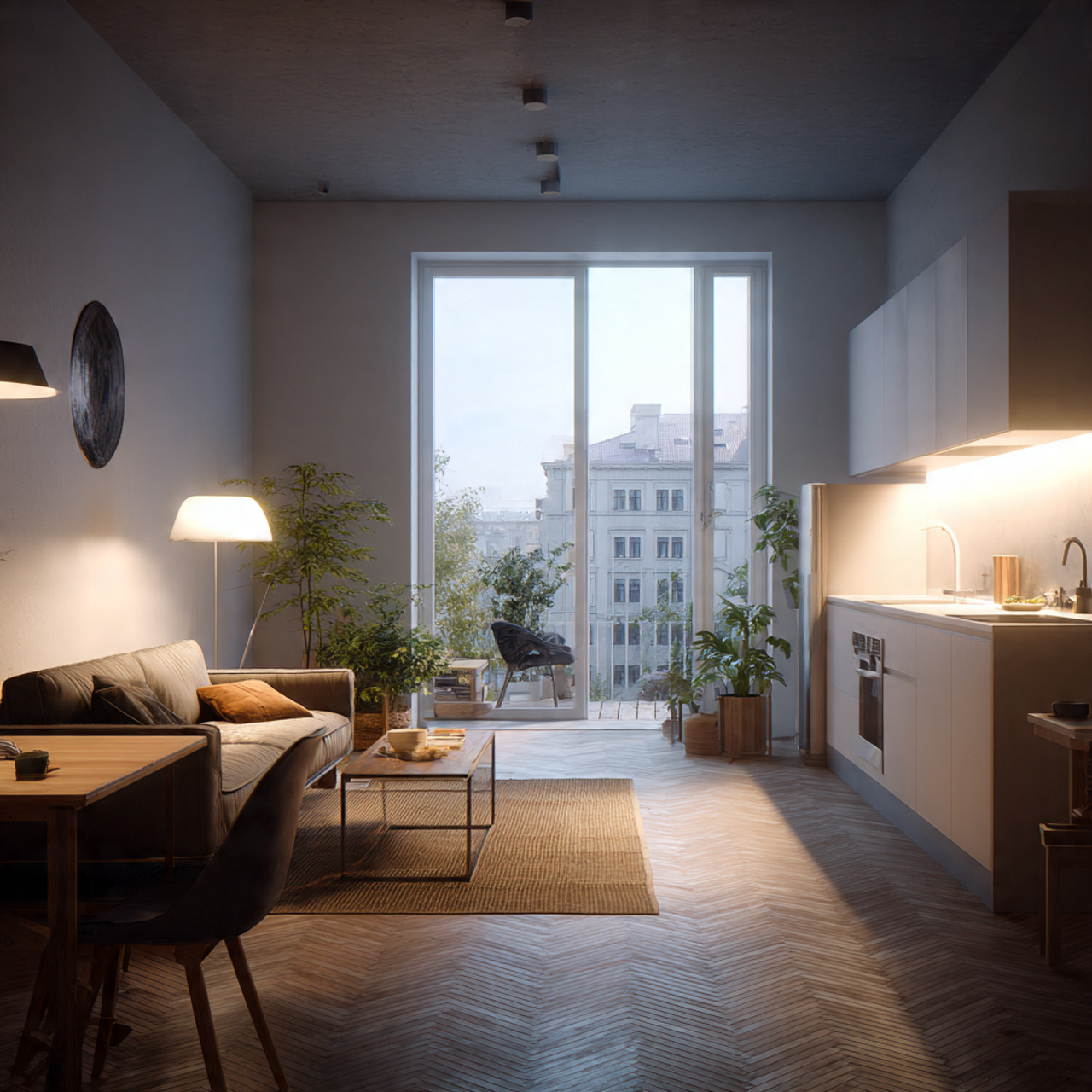
Apartments rarely allow structural changes, but lighting can define areas quietly. One lighting type everywhere flattens the space. Variety creates clarity.
Different lighting moods support different activities. This adds depth and comfort, especially in open layouts. The space feels more usable.
Use floor lamps, table lamps, or pendants.
TIP: Avoid relying on a single ceiling light.
Bring Warm Materials Into Modern Apartment Layouts
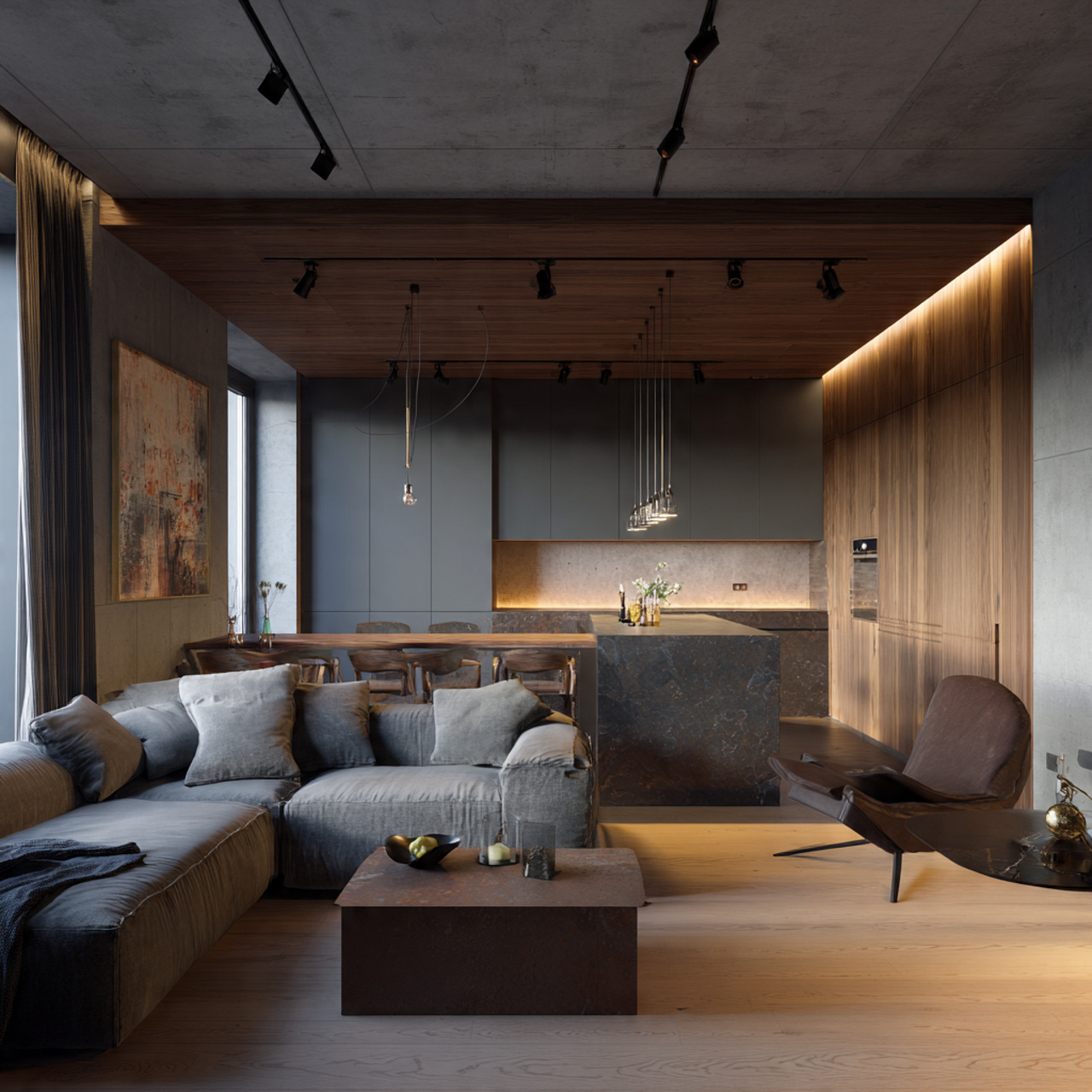
Modern apartments can feel cold when everything is smooth and hard. Warm materials soften the environment. This balance matters long term.
Natural textures add comfort and visual ease. They help clean lines feel human instead of stark. This combination ages well.
Introduce wood, linen, wool, or leather.
TIP: Use warm materials in small, intentional doses.
Let Walls Stay Quiet and Let Objects Speak
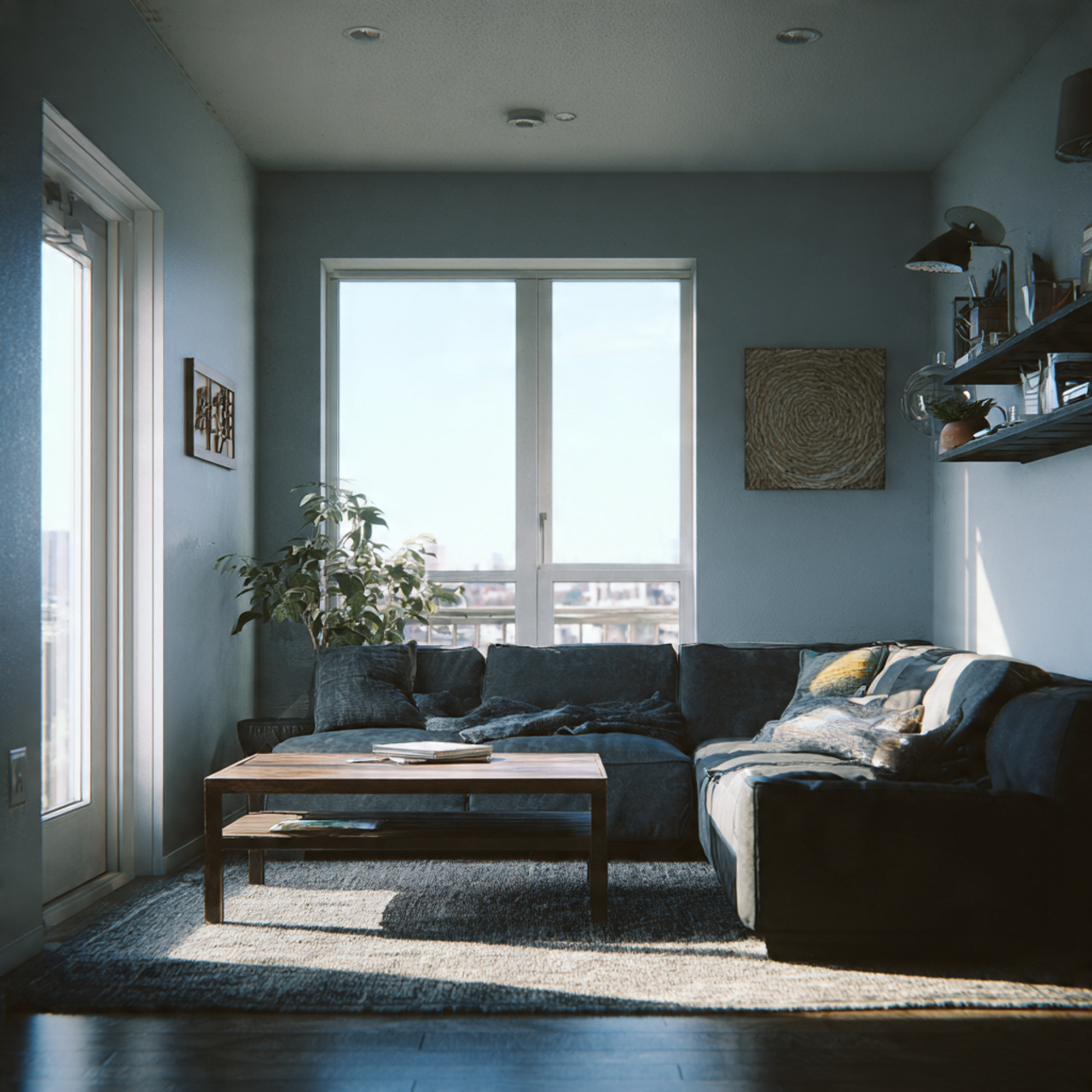
Overdecorated walls increase visual noise quickly. Quiet walls help apartments feel calmer and more spacious. This is especially important in smaller homes.
When walls stay simple, chosen objects feel more meaningful. Rooms feel intentional rather than busy. Visual fatigue is reduced.
Limit wall decor and choose fewer pieces.
TIP: Leave at least one wall mostly empty in each room.
Use Mirrors Strategically Without Overdoing Reflection
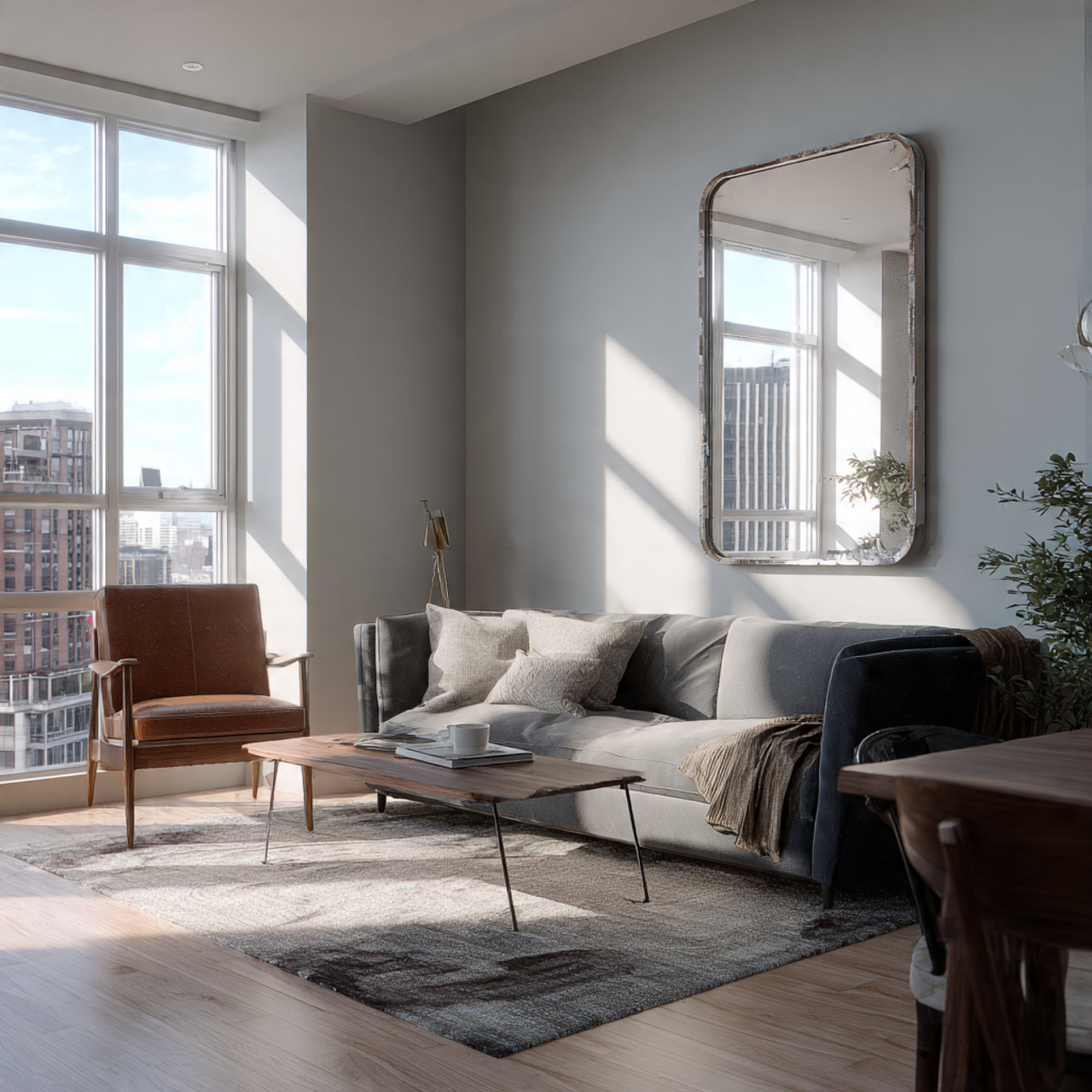
Mirrors are often overused in apartments because they promise instant space. Poor placement reflects clutter or movement. This can feel unsettling.
Used carefully, mirrors extend sightlines and bounce light gently. They work best when reflecting something calm. Placement matters more than size.
Position mirrors to amplify light, not activity.
TIP: Avoid reflecting storage-heavy or busy areas.
Allow One Bold Element That Feels Intentional
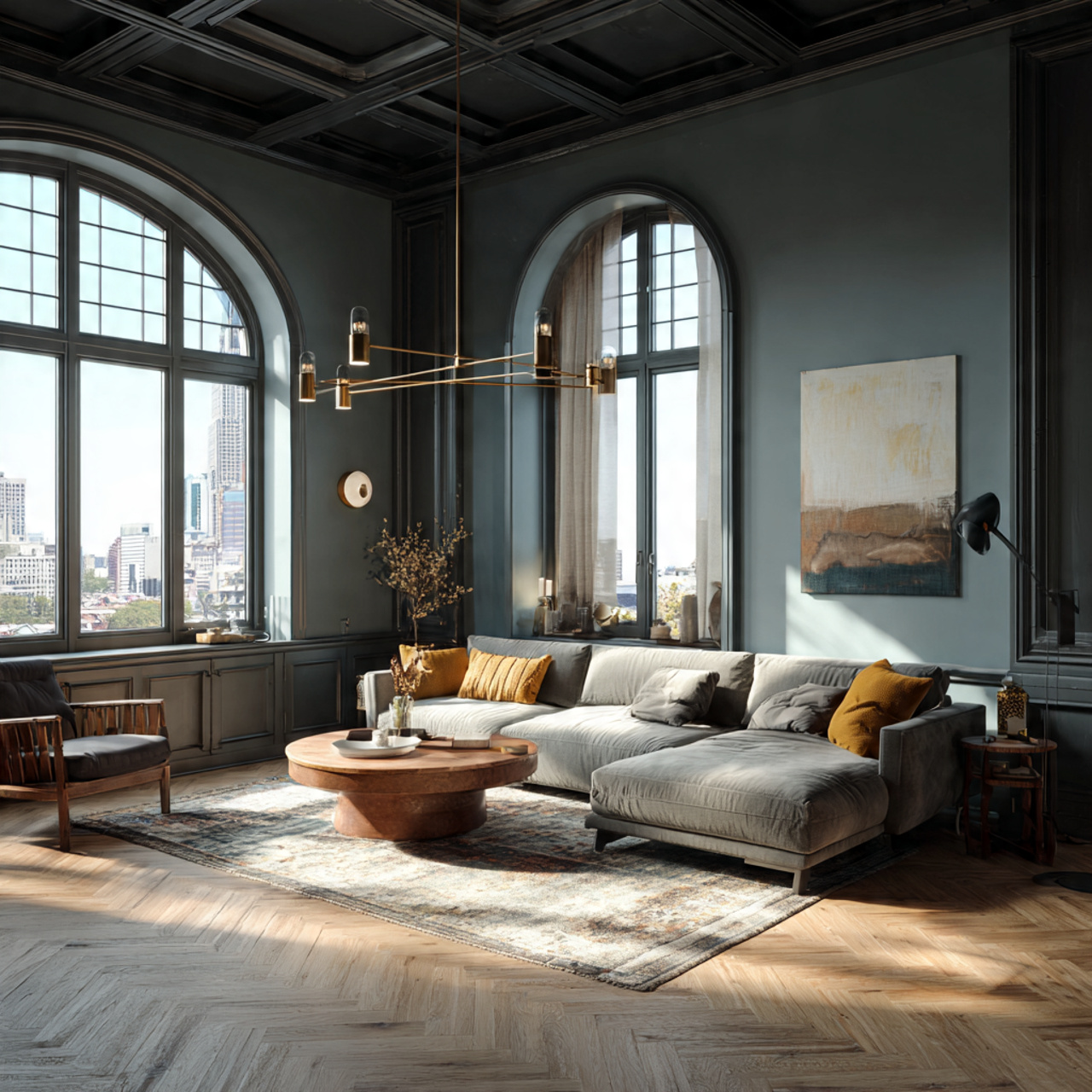
Apartments don’t need many bold moments to feel designed. One intentional statement adds personality without chaos. Multiple bold choices compete quickly.
A single bold element brings confidence and focus. Neutral surroundings then feel purposeful instead of plain. This balance lasts.
Choose one standout piece, such as a chair or artwork.
TIP: Let it stand alone visually.
Personalize Slowly Instead of Styling Everything at Once
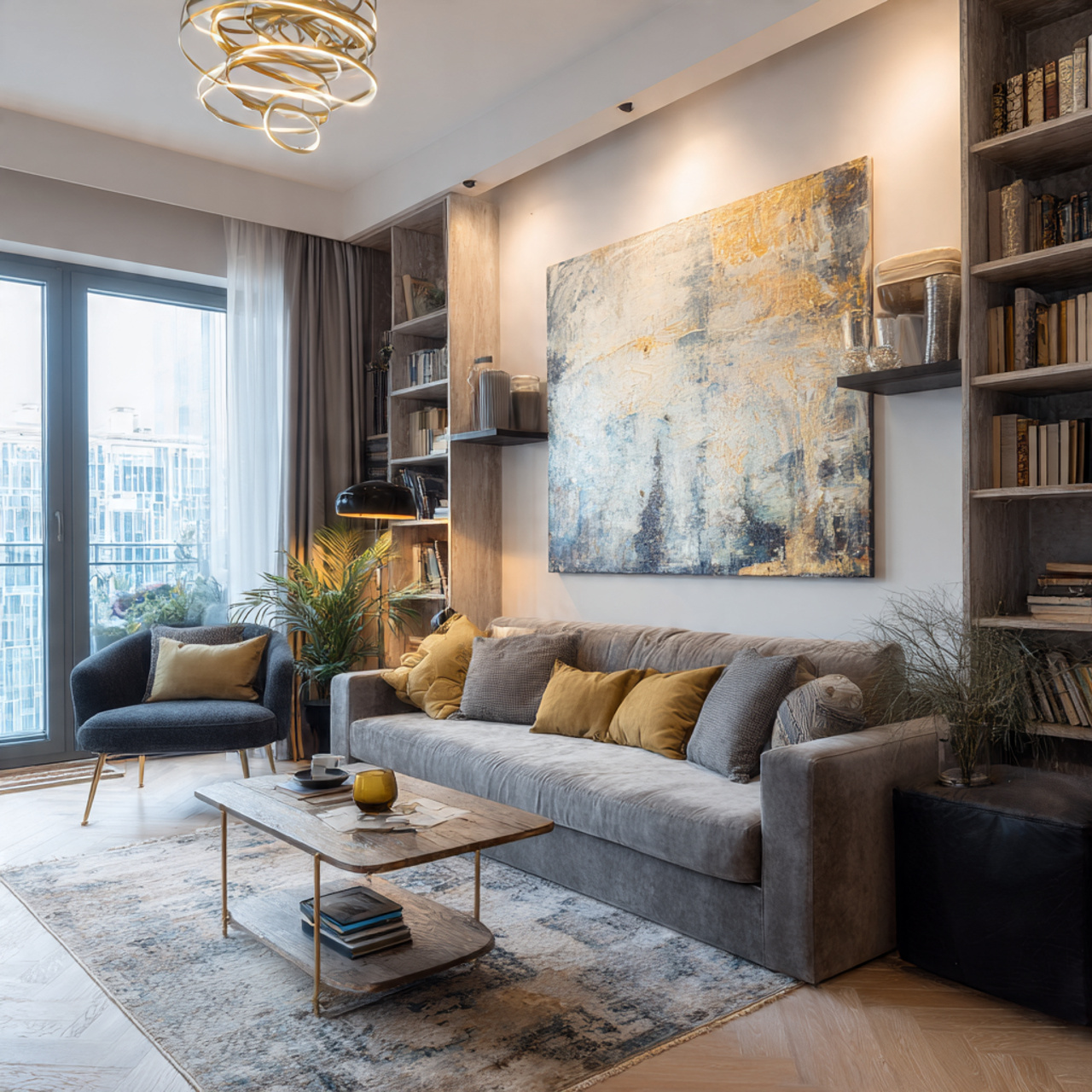
Rushing decor often leads to regret. Early styling rarely reflects real habits or routines. Over time, those choices can feel wrong.
Living in the space reveals what you actually need. Personalization becomes more meaningful when it grows naturally. The home feels authentic.
Add personal pieces gradually.
TIP: Wait a few weeks before buying decorative items.
Finish With Details That Make the Apartment Feel Lived In
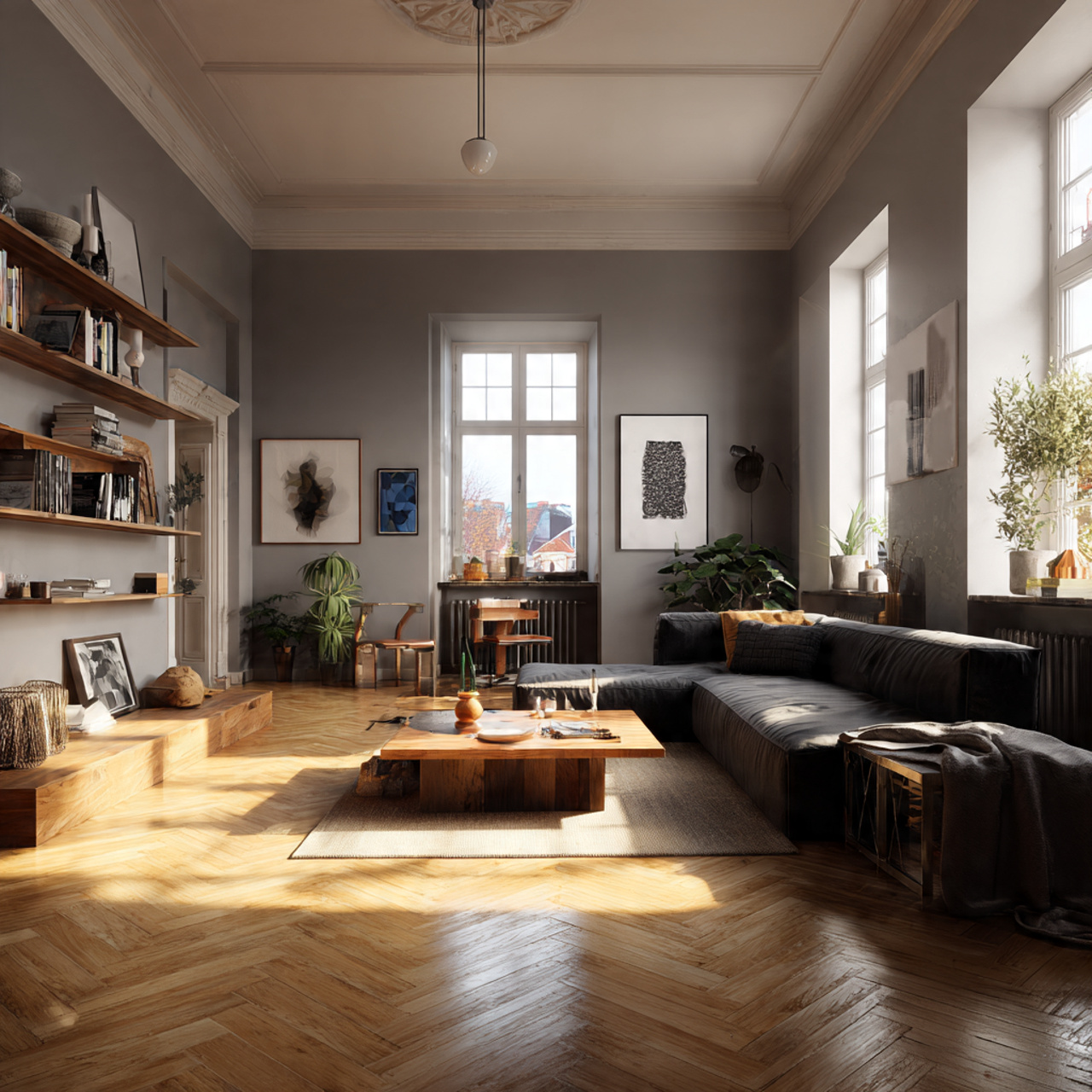
Apartments feel complete through small, useful details. These bring warmth and humanity to the space. Without them, rooms can feel temporary.
Finishing touches improve comfort and daily enjoyment. They often matter more than big purchases. Guests notice them instinctively.
Add throws, books, or trays you actually use.
TIP: Choose details that serve a purpose.
Apartment Colors and Materials That Work Long Term
In an apartment, colors and materials show their behavior quickly. Light shifts faster, rooms connect closely, and finishes that feel exciting at first can become tiring once you live with them daily. This is why apartment palettes work best when they stay calm and adaptable rather than expressive.
Warm Soft White (HEX #F4F1EC)
Best used on main walls and open areas where light moves throughout the day. It has a warm undertone that avoids feeling stark, especially in north-facing apartments. Works best in matte or eggshell finishes paired with linen curtains and light wood tones.
Greige Stone (HEX #D6D1C8)
A balanced neutral that suits living rooms and bedrooms equally well. It adapts easily to changing light and doesn’t swing too cool or too warm. Performs best in an eggshell finish with cotton upholstery and woven textures.
Soft Clay Beige (HEX #CBB8A3)
Adds gentle warmth without closing in the space. Works well in dining zones or subtle accent areas where you want grounding without heaviness. Satin finishes pair naturally with wool rugs and textured throws.
Muted Sage Green (HEX #B7C2B0)
Ideal for bedrooms and quieter corners of the apartment. It leans cool but still feels organic and soft rather than sharp. Best in matte finishes with linen or cotton fabrics.
Warm Taupe Brown (HEX #9B8F84)
A grounding choice for cabinetry, storage, or secondary elements. It adds depth without overpowering smaller rooms. Satin finishes work well alongside wood and leather accents.
Matte and eggshell finishes generally age better in apartments, especially where light is inconsistent. Natural fabrics like linen, cotton, and wool help spaces feel lived-in and forgiving rather than styled or overly polished.
Size and Lighting Quick Guide
| Situation | Best Choice |
|---|---|
| Small apartment | Light colors, fewer furniture pieces |
| Large apartment | One anchor piece, clear zones |
| North-facing light | Warm neutrals, layered lighting |
| South-facing light | Balanced neutrals, soft contrast |
| East-facing light | Soft beiges, light fabrics |
| West-facing light | Muted tones, diffused light |
Common Decorating Mistakes
Filling Every Corner Too Early
This happens when people want the apartment to feel finished immediately. Overfilling removes flexibility and makes rooms feel tight. The effect worsens over time.
Leaving space allows the apartment to adapt.
If ignored, clutter builds quickly.
Using Dark Colors Without Enough Light Support
Dark colors need planning in apartments. Without layered lighting, they feel heavy and closed in. This is especially noticeable at night.
Balancing dark tones with light surfaces helps.
If ignored, rooms feel gloomy.
Buying Furniture Before Understanding Scale
Furniture that’s too large overwhelms apartments quickly. Movement becomes uncomfortable and restricted. This affects daily life.
Measuring carefully and choosing lighter pieces helps.
If ignored, the space feels cramped.
Overdecorating Walls to Compensate for Small Space
Too much wall decor increases visual noise. This is common in smaller apartments. The room feels busy.
Calmer walls feel intentional.
If ignored, spaces feel chaotic.
Treating Temporary Apartments Like Permanent Homes
Overcommitting or holding back both cause dissatisfaction. Comfort still matters, even if the home isn’t forever. Balance is key.
Flexible choices work best.
If ignored, the apartment feels unfinished.
FAQs
How do I make an apartment feel bigger without renovating?
Clear layouts, light colors, and open sightlines make the biggest difference. Reducing visual clutter matters more than adding decor.
What colors work best in small apartments?
Soft neutrals with gentle undertones work most reliably. Strong colors are best used as accents.
How do I decorate an apartment I don’t own?
Focus on reversible choices like lighting, textiles, and furniture. Rentals can still feel personal.
Can bold design work in an apartment?
Yes, when limited to one element. Too many bold choices overwhelm quickly.
How long should I live in an apartment before decorating fully?
A few weeks helps you understand light and routines. This prevents regret purchases.
Final Thoughts
A well-designed apartment supports daily life through clarity, balance, and thoughtful restraint. When your apartment layout, colors, and materials work together, even small spaces can feel calm, functional, and visually satisfying over time. The best ideas are the ones that continue to feel right long after the initial setup.
Start with one intentional change, observe how it improves your space, and let your apartment naturally guide what comes next. With the right approach, any apartment can become a comfortable, well-balanced home that feels effortless to live in every day.