29 Best Wall Trim Ideas: Baseboards, Molding & Wainscoting
Wall Trim Ideas are essential for transforming a plain room into an architecturally rich and visually captivating space. The strategic application of trim—from baseboards and crown molding to chair rails and picture frames—adds depth, texture, and a high-end, custom-built feel that paint alone cannot achieve. This often-overlooked design element can dramatically influence the perceived size and formality of a room, providing a powerful layer of detail that elevates the entire aesthetic.
Whether you are aiming for the classic elegance of a Victorian home or the sleek, clean lines of modern minimalist design, integrating creative Wall Trim Ideas offers an affordable yet high-impact way to enhance your interior décor. Understanding the different styles, materials, and installation techniques is the first step toward unlocking the full potential of your walls and giving your home a distinct, polished personality.
Exploring the Versatility of Wall Trim Ideas
Integrating diverse Wall Trim Ideas into your home’s design palette provides an exceptional opportunity to define your style, hide imperfections, and create a sense of cohesion throughout your living spaces. Beyond its purely decorative function, trim serves practical purposes, protecting wall surfaces from scuffs and bumps while seamlessly transitioning between different architectural planes, such as the wall and the floor or ceiling.
The subtle difference between standard, builder-grade trim and unique, decorative Wall Trim Ideas is often the defining factor that separates a professionally designed interior from a basic one. By layering different profiles, playing with paint contrasts, or even custom-designing patterns, homeowners can personalize their environment, making a strong statement about their design sensibility and commitment to quality craftsmanship.
29 Wall Trim Ideas to Define Your Home’s Character
Modern Baseboard Profiles

One of the best wall trim ideas is the baseboard, while, often overlooked, is the foundational trim element that grounds the entire room. Modern baseboard profiles typically feature a flat, tall, and clean-lined design, moving away from the more ornate, curved profiles of traditional styles. Choosing a taller profile—often six to eight inches high—can trick the eye into perceiving higher ceilings, instantly adding a contemporary and upscale feel to your space.
These sleek profiles work exceptionally well in homes focused on minimalist or Scandi-inspired designs, providing a crisp, uninterrupted transition from wall to floor. When painting, consider using a semi-gloss or high-gloss finish to make the profile pop against a matte wall, enhancing the architectural integrity without adding visual clutter.
Crown Molding Styles

Crown molding is the capstone of your wall trim, connecting the wall and ceiling with a flourish of elegance and sophistication. Styles range dramatically, from the deeply carved and layered profiles that define formal, classical interiors to simple, cove or step profiles suitable for a more transitional or contemporary home. The right choice should scale appropriately with the ceiling height and the overall formality of the room, preventing it from looking undersized or overwhelming.
In many historical homes, crown molding is often painted the same color as the ceiling to make the ceiling appear higher, while in modern applications, a crisp white against a colored wall can serve to highlight the intricate detailing. Don’t be afraid to combine two simpler pieces of trim to create a custom, built-up crown that achieves a unique and grander profile than a single piece alone.
Picture Frame Molding Patterns

Picture frame moulding, also known as box moulding or applied moulding, is a highly versatile way to add a luxurious, custom-panelled look to plain walls without the cost or complexity of traditional millwork. This technique best wall trim ideas involves installing rectangular or square frames directly onto the wall surface, mimicking the appearance of wainscoting or wall panels. It offers endless design possibilities, from uniform grids to staggered, artistic layouts.
The pattern you choose—a single row, a stacked double row, or a floor-to-ceiling grid—will dictate the formality of the room; smaller, denser frames create a richer, more detailed look. Painting the inside of the frames the same color as the wall ensures a subtle, textural effect, while painting them a contrasting color will create a bold, graphic statement wall, drawing immediate attention to the architectural detailing.
Wainscoting and Paneling Options

Wainscoting is a timeless form of wall paneling traditionally used to cover the bottom third of a wall for protection and decoration. Today, it remains a popular choice for adding character to dining rooms, hallways, and bathrooms. Classic options include raised panel, recessed (Shaker) panel, and beadboard, each lending a distinct historical or coastal vibe to the space.
Modern interpretations of wainscoting often extend the paneling higher—sometimes two-thirds of the way up the wall—or even cover the entire wall surface for a dramatic, full-room paneling effect. The line created by the chair rail that tops the wainscoting can be a fantastic opportunity to play with color blocking, painting the top wall surface a different hue than the paneled bottom section.
Chair Rail Height and Placement

The chair rail is a horizontal piece of trim traditionally installed to protect walls from the backs of chairs, but its modern function is primarily decorative. Proper placement is crucial for aesthetic balance; it is typically installed about one-third of the way up the wall from the floor, often between 32 and 36 inches high. Incorrect placement can visually chop up the wall, making the room feel unbalanced.
When used in combination with wainscoting, the chair rail serves as the cap piece. However, it can also stand alone, acting as a visual dividing line for paint or wallpaper. For an updated look, try a wider, flatter profile instead of a traditional, ornate one, keeping the aesthetic sleek and grounded while still providing a sense of architectural definition and best best wall trim ideas.
Applied Molding Designs

Applied molding is a versatile method that uses decorative trim pieces to create unique patterns and geometric shapes directly on a flat wall surface. Unlike picture frame molding, which is typically uniform and boxy, applied molding designs can be far more intricate, incorporating arches, curves, and interlocking patterns that resemble complex plasterwork. This technique offers an exceptional way to introduce texture and visual intrigue to a monotonous wall.
When following best wall trim ideas, sketch out the patterns first, paying close attention to the scale and spacing relative to the size of the wall. Using lighter-weight polyurethane or synthetic wood trim can simplify the installation, particularly for complex curves or detailed designs. Painting the entire wall and the applied trim in the same color often yields the most sophisticated result, allowing the shadows and dimension to be the main focus of the architectural element.
Contrasting Trim Paint Colors
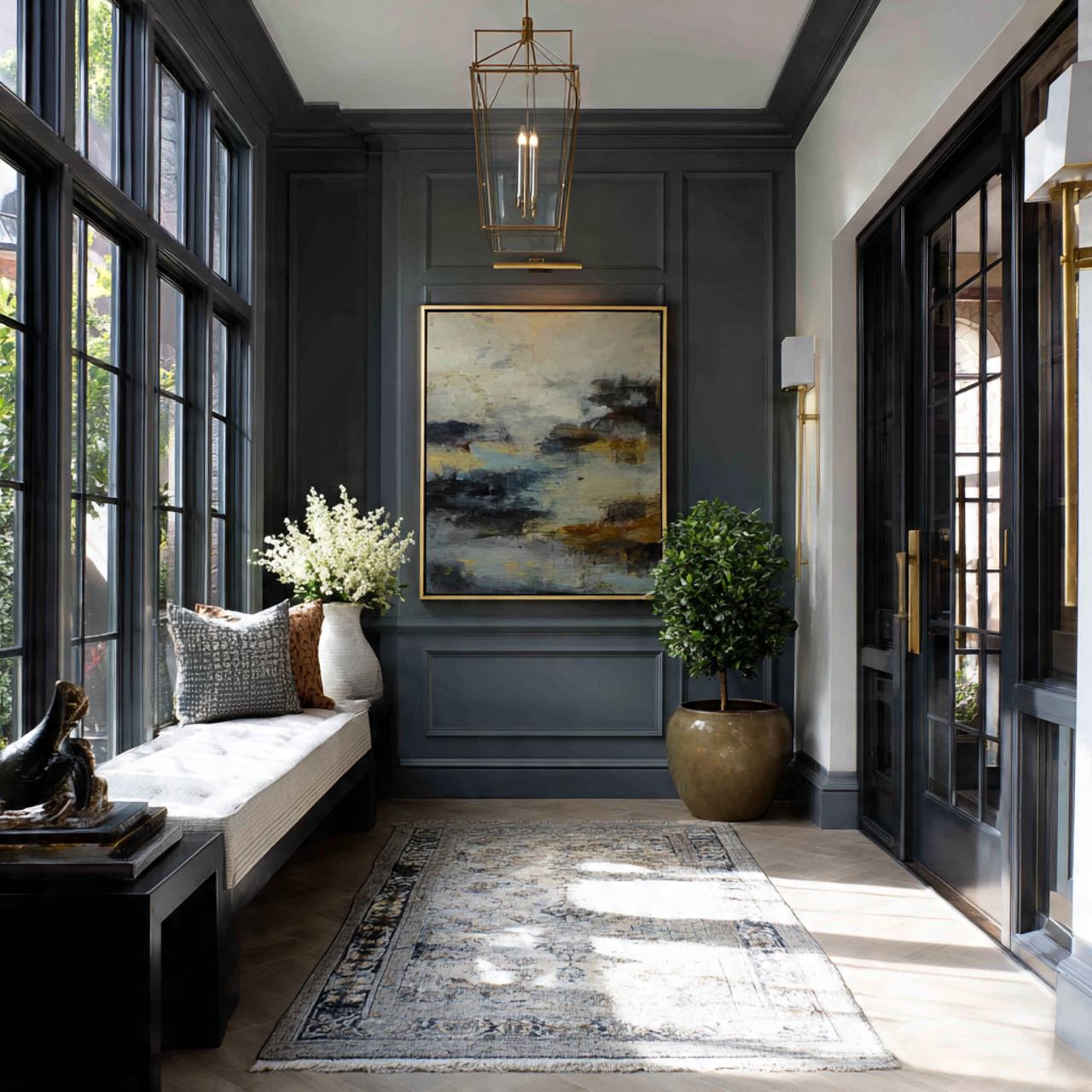
Choosing to use contrasting trim paint colors is a powerful design choice that dramatically accentuates the architectural elements of a room. Painting the wall trim, such as baseboards, door casings, and crown molding, a color that is significantly different from the wall (often a crisp white or deep charcoal) immediately highlights the profile and adds a sharp, defined boundary to the space. This is a classic approach in traditional and farmhouse styles.
The key to success with contrasting colors lies in the finish. Always use a paint with a higher sheen (like semi-gloss or high-gloss) on the trim compared to the wall (usually matte or eggshell). This difference in sheen not only makes the trim easier to clean but also helps it reflect light differently, making the trim lines pop against the flat wall surface, drawing attention to your intentional wall trim ideas.
Monochromatic Trim Techniques

In contrast to highlighting the trim with bright white, monochromatic trim techniques involve painting the walls and the wall trim the exact same color, or variations of the same hue. This technique is a hallmark of contemporary and high-end design, creating a seamless, architectural cocoon that makes a room feel larger, calmer, and more enveloping. It focuses on texture and shadow rather than stark color contrast.
When employing this method, the profile of the trim becomes crucial; a substantial or unique trim profile is necessary to ensure the detail doesn’t disappear completely. Using a different sheen—such as matte on the wall and satin on the trim—is essential. This subtle variation in light reflectivity is what distinguishes the architectural elements and allows the subtle texture of the wall trim ideas to be appreciated without dominating the space.
Shaker Style Wall Trim

Shaker style wall trim is defined by its clean, unadorned, and functional aesthetic, reflecting the design philosophy of the Shaker movement. This approach primarily uses simple, recessed paneling designs and straight, square-edged trim profiles for all architectural applications, from baseboards to door casings. It offers a sense of tailored simplicity that is highly sought after in modern farmhouse and transitional homes.
For wainscoting, Shaker trim typically features a square or rectangular recessed panel created using flat strips of wood rather than molded trim. This provides a less formal look than traditional raised paneling while still adding significant architectural weight to a room. Implementing these wall trim ideas ensures your space remains grounded and uncluttered, pairing beautifully with natural textures and simple furnishings.
Vertical Board and Batten
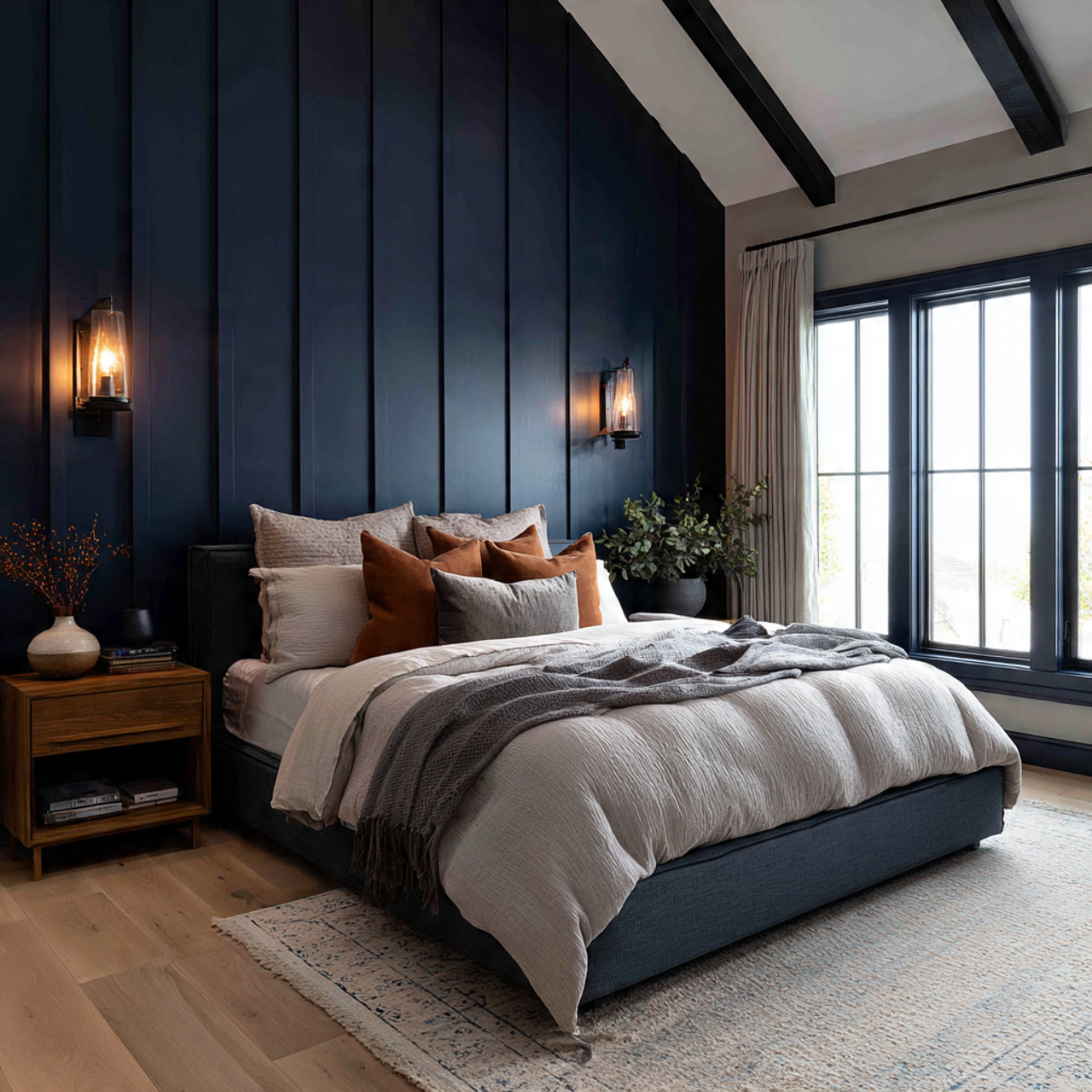
Vertical board and batten is a striking style of paneling that involves placing wider boards (the “boards”) vertically on a wall, separated by thinner, often raised strips (the “battens”). Traditionally used on the exterior of barns and homes, it has become one of the most popular wall trim ideas for interiors, particularly for creating dramatic accent walls in bedrooms, entryways, or living rooms.
This trim design adds height and rhythm to a space, as the strong vertical lines draw the eye upward, reinforcing the visual impact of high ceilings. When incorporating this style, homeowners can choose the height—from the traditional chair rail height to full floor-to-ceiling application. For maximum impact, consider a bold, deep color or a muted, soothing neutral that allows the geometric repetition of the trim to be the star of the show.
Horizontal Shiplap Installation

While board and batten focuses on verticality, horizontal shiplap installation emphasizes width and a rustic, coastal, or relaxed farmhouse feel. Shiplap consists of wooden boards that overlap or fit together with a small, intentional gap between them, running horizontally across the wall. The defined lines add a strong sense of texture that is both visible and tactile, making it a favorite of those seeking unique wall trim ideas.
The horizontal orientation can make a room feel wider, especially when the lines are tight and continuous. It’s often painted white to reflect light and enhance the relaxed, beach-house vibe, but staining the wood or using a darker, saturated color can provide a more contemporary, moody feel. Shiplap works wonderfully as an accent wall behind a sofa or bed, providing a beautiful textural backdrop.
Coffered Ceiling Trim

Coffered ceiling trim is a luxurious architectural detail that utilizes beams and moldings to create a grid of sunken, or “coffered,” panels on the ceiling. This treatment adds incredible depth, drama, and a high level of sophistication, instantly elevating a room, such as a formal dining room, study, or master suite. It is one of the most impactful wall trim ideas that extends to the fifth wall—the ceiling.
The complexity of the trim inside the coffers can vary, from simple, flat panels to intricate crown molding detailing. To execute this look effectively, the ceiling must be relatively high (at least 9 feet) to prevent the heavy trim from making the room feel compressed. Painting the inside of the coffers a lighter color than the beams themselves can enhance the three-dimensional effect and draw the eye up.
Door and Window Casing

The door and window casing is the trim that frames the openings in your walls, playing a critical role in tying all the other wall trim ideas together. It serves to conceal the gap between the wall and the frame while providing a clean visual transition. The style of the casing should ideally match or complement the profile used for the baseboards and crown molding to ensure architectural consistency throughout the home.
Modern casing often features simple, flat boards with minimal edge detailing for a clean look, while traditional homes might utilize highly layered and substantial profiles. A great contemporary trend is to use extra-wide casing, which provides a more robust and high-end feel, instantly framing the opening like a custom picture. Always paint casings the same color as the baseboards for visual uniformity.
Geometric Wall Trim Layouts

Moving beyond the traditional rectangular boxes of picture frame molding, geometric wall trim layouts involve creating abstract or repeating patterns using thin strips of trim. Popular layouts include diagonal diamond patterns, chevron designs, or asymmetrical groupings. These modern wall trim ideas are perfect for injecting energy and contemporary style into a space, especially for an impactful feature wall.
This technique is highly customizable, allowing you to tailor the pattern to the specific dimensions of your wall and ceiling height. For complex layouts, it’s crucial to use precise angle cuts and pre-plan the design on paper or with painter’s tape to ensure the pattern looks balanced before you commit to cutting and installing the wood.
Bedroom Accent Wall Trim

The bedroom accent wall trim ideas provide a perfect focal point behind the headboard, adding texture and sophistication without requiring extensive room renovation. Popular choices for this application include vertical board and batten, subtle horizontal shiplap, or floor-to-ceiling picture frame moulding. The choice of pattern should complement the height of your headboard and the scale of the room.
To maximize the impact, homeowners often choose a deep, soothing color for this wall—such as navy, forest green, or charcoal—and paint the trim the same shade to create a dramatic, moody aesthetic. The addition of the trim elevates the wall from a simple painted surface to a three-dimensional work of architectural art, enhancing the luxury and cozy feel of the private space.
Two-Tone Wall Treatments

Two-tone wall treatments utilize a horizontal dividing line—often a chair rail or the top of wainscoting—to separate two distinct colors on the same wall. This can be used to add historical character, break up a large wall, or introduce a subtle layer of color blocking. It’s an effective way to introduce depth without using wallpaper, creating visual interest through color theory and architectural division.
The most common pairing is a darker, more saturated color on the bottom section (where the wall is more prone to scuffs) and a lighter color on top. Alternatively, for a unique twist, you can use a subtle textured wallpaper on one section and paint on the other. Ensuring the trim piece separating the two colors is painted a crisp, neutral white guarantees that the line remains sharp and intentional, upholding the integrity of the wall trim ideas.
Large-Scale Trim for High Ceilings

When dealing with rooms that feature exceptionally high ceilings, standard, narrow trim can look undersized and disappear, making the room feel unfinished. The solution is to use large-scale trim, meaning taller baseboards (8-10 inches or more), deep and layered crown molding, and substantial door/window casings. The trim must be scaled up to maintain architectural balance and prevent the space from feeling overwhelmingly empty.
In these grand spaces, consider stacking multiple, simpler trim profiles together to create a custom, built-up look that achieves the required visual weight without the cost of complex, carved wood. This large-scale trim not only makes a proportional statement but also helps to visually “bring down” the ceiling slightly, making the vast space feel more intimate and grounded while showcasing truly impressive wall trim ideas.
Minimalist Flat Trim
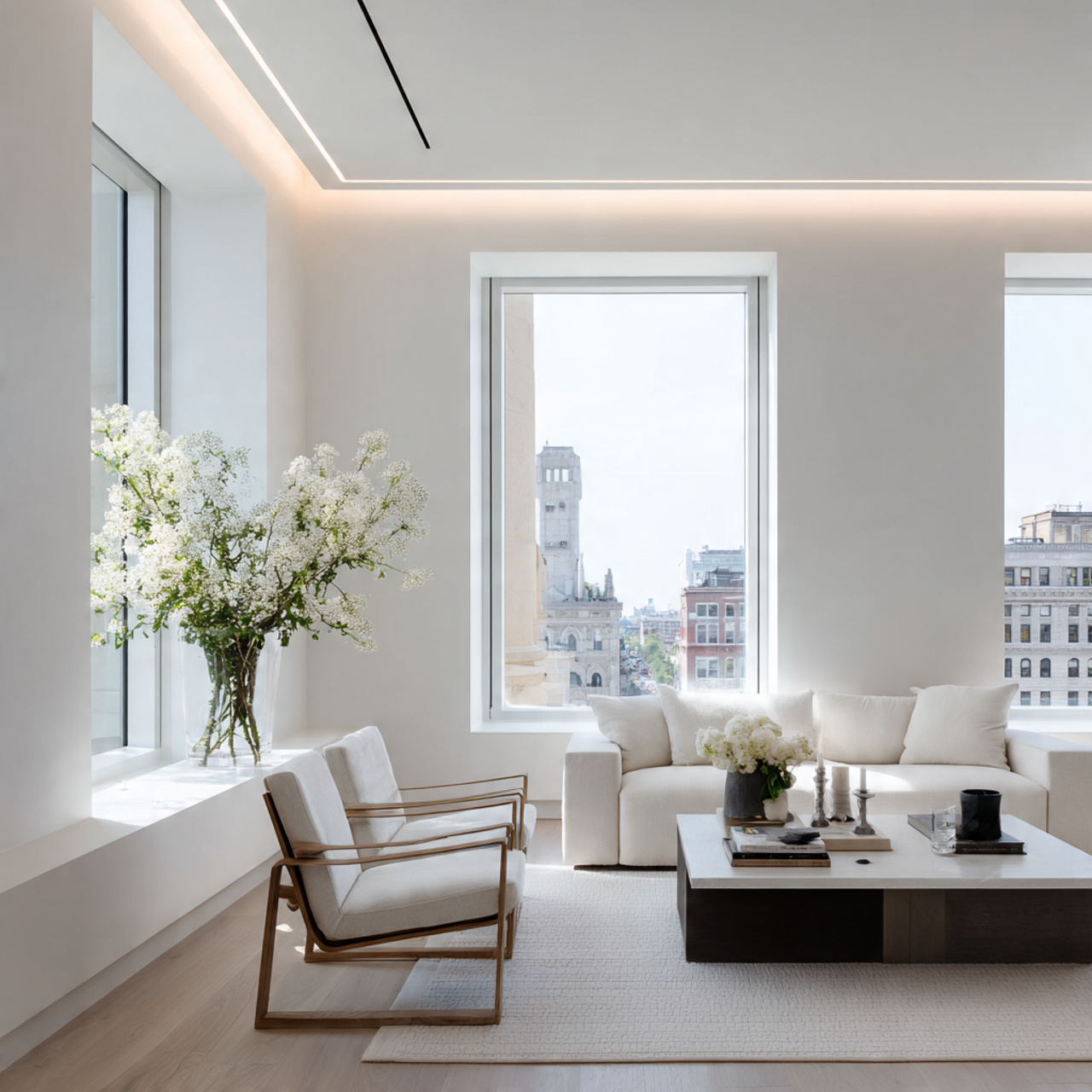
The ethos of modern and minimalist design favors simplicity and function, making minimalist flat trim the ideal choice. This trim style consists of clean, rectangular boards with little to no profiling, sharp edges, and a broad, flat face. It provides definition without visual noise, aligning with a desire for an uncluttered and spacious aesthetic. This is the ultimate expression of subtle architectural detail.
Often, this flat trim is installed flush with the wall, or sometimes even recessed into the wall (a complex process known as reveal trim), to achieve the most seamless, integrated look possible. The key is its unpretentious straightness, which complements concrete, glass, and neutral palettes. When applied, these wall trim ideas focus solely on the clean lines and the negative space they define.
Decorative Corner Blocks

Decorative corner blocks are a charming, traditional detail used at the corners of door and window casings where the horizontal and vertical pieces of trim meet. Instead of requiring challenging 45-degree miter cuts at the corners, the trim pieces are cut straight (90 degrees) and butt right into the small, often square or rosette-decorated block. This simplifies installation while adding a classic touch.
The benefit of using corner blocks is twofold: they provide an instant touch of architectural flourish, and they significantly speed up the installation process, especially for the novice DIYer. While they are a very traditional element, selecting a simple, un-carved, flat block can allow them to transition into a farmhouse or transitional style, making them a unique option in your collection of versatile wall trim ideas.
Built-In Look with Trim

Using trim to achieve a built-in look involves extending your baseboards and crown molding to seamlessly integrate freestanding furniture, bookcases, or even basic IKEA cabinets into the architecture of the room. This custom application makes store-bought items appear bespoke, professional, and permanent, dramatically increasing the perceived quality and value of the space.
This technique usually involves attaching additional layers of trim (such as small, simple picture frame molding) to the edges and joints of the furniture pieces, bridging the gap between the unit and the wall or ceiling. By painting the furniture and the adjoining trim the same color, you create a cohesive, single-unit appearance. This is one of the smartest and most effective wall trim ideas for maximizing storage aesthetics.
Painted vs. Stained Trim

The choice between painted vs. stained trim hinges entirely on the architectural style and desired ambiance of the room. Painted trim (usually white) is by far the most popular choice today, offering a crisp, clean aesthetic that highlights the trim profile and contrasts beautifully with modern wall colors. It also works perfectly to conceal imperfections or knots in lower-cost wood materials like MDF.
Stained trim, however, is often preferred in Craftsman, Mission, or highly traditional homes where the richness and warmth of the natural wood grain are essential to the design integrity. If choosing stained trim, select a high-quality wood species (like oak, maple, or cherry) and ensure a professional-quality finish, as the natural wood will show every detail, making it a critical aspect of these specific wall trim ideas.
Trim for Architectural Interest

Employing trim for architectural interest goes beyond simply casing openings and skirting floors; it involves using trim strategically to add character where none previously existed. This could mean installing a faux header over a wide entryway, creating an interior transom window effect using trim, or adding small, decorative brackets beneath a simple window sill. These small, thoughtful additions provide significant custom detailing.
The key to these projects is to study classical architectural elements and simplify them for a modern application. For instance, using just a simple block of wood with a piece of crown molding on top to create a faux beam effect can dramatically alter the ceiling line. These creative wall trim ideas demonstrate that you don’t need historical bones to achieve sophisticated, built-in detail.
Traditional Trim Stacking

Traditional trim stacking is the practice of combining multiple different, simpler trim profiles to create one massive, highly detailed, and custom-looking trim package. This is the secret behind the heavy, ornate baseboards and towering crown moldings found in high-end, classic homes. It allows for the creation of intricate shadow lines and deep recesses that a single, stock piece of trim cannot achieve.
For a formal dining room, for example, you might stack a wide, flat baseboard with a smaller, rounded profile piece on top and a cove piece near the floor to create a three-part baseboard. While it requires more careful cutting and alignment, this technique provides the deepest visual impact and is the epitome of luxurious wall trim ideas, giving the room a sense of historical weight and permanence.
Custom Trim Shadow Boxes

Custom trim shadow boxes are essentially large, recessed panels created on a flat wall using a method similar to picture frame molding, but with a deeper reveal that gives the impression of a genuine recessed panel. They are often created by first applying a layer of plywood or thin wood paneling to the wall inside the frame, or by using thicker trim with a pronounced profile to create the necessary shadow.
This technique is especially impactful in foyers, stairwells, and grand hallways where the wall space is often long and empty. The repetition of the shadow box detail adds a rhythm and formality to the procession of the space. Careful attention to the spacing between the boxes—ensuring symmetry and proportional gaps—is what elevates this specific set of wall trim ideas from amateur to architecturally correct.
Moulding for Transitional Styles

The moulding for transitional styles acts as a bridge between the heavily ornate detailing of traditional design and the minimalist lines of contemporary aesthetics. Transitional trim typically utilizes profiles that are relatively flat but include a simple, subtle curve or step, offering just enough detail to feel sophisticated without becoming overly busy or historically specific.
Baseboards and casings in transitional homes are usually taller than average but maintain a smooth profile. The goal is to avoid the extreme ornate curves of Victorian trim while rejecting the stark, sharp edges of pure modern flat trim. These wall trim ideas are perfect for homeowners who prefer an enduring, comfortable elegance that won’t quickly fall out of style, blending old-world warmth with modern crispness.
Fluted and Dentil Molding Details

Fluted and dentil molding represents the more intricate and classical side of wall trim. Fluted molding features vertical, parallel grooves or channels, often used on door casings or pilasters to mimic classical columns. Dentil molding is a series of small, rectangular blocks spaced evenly, often used in crown molding, evoking a traditional, ornate, and often Neoclassical appearance.
These highly decorative wall trim ideas are best reserved for formal spaces such as libraries, large dining rooms, or historical restoration projects where the goal is to maximize opulent detail. Because these details are busy, it’s often best to paint them a crisp white to ensure the intricate pattern is clearly visible and appreciated against the backdrop of the wall and ceiling colors.
Visit Also: Black & White Bedrooms
Utilizing Trim as Picture Ledge

A practical and stylish application involves utilizing trim as a picture ledge, which is a piece of molding installed horizontally on the wall, often with a shallow lip to securely hold framed art, photographs, or small decorative items. This replaces the need for dozens of individual picture hangers and provides a flexible, evolving display area that is easy to rearrange.
The trim used for this purpose is typically a wider, flat chair rail profile, sometimes combined with a small base cap for the lip. It works wonderfully in living rooms, offices, or hallways, allowing the homeowner to effortlessly update their décor. When incorporating these wall trim ideas, ensure the ledge is installed at an aesthetically pleasing height, such as eye-level or above the back of a sofa.
Creating Faux Beams with Trim

For homes without authentic architectural beams, creating faux beams with trim provides a highly effective and dramatic solution, especially for spaces with vaulted or high flat ceilings. Faux beams are constructed by assembling three sides of wide, rough-sawn planks or custom-milled wood to form a hollow, U-shaped box, which is then mounted directly to the ceiling structure.
Staining these beams a dark color to contrast with a white ceiling creates a striking farmhouse or rustic look, adding warmth and definition to a vast space. Even without using wood, simple, wide, flat trim can be used to create the look of recessed ceiling beams (a simpler form of coffering), which provides a more subtle, contemporary effect and is a clever execution of these specialized wall trim ideas.
Trim in Unexpected Places

The most creative wall trim ideas involve using trim in unexpected places, pushing beyond the standard floor and ceiling lines. This could include adding a small, simple piece of trim halfway up a wall to create a minimalist color divide, using picture frame molding to frame a television or piece of large-scale art, or running a chair rail up a staircase landing to maintain continuity between floors.
These unconventional uses demonstrate a deep understanding of design, treating the trim not just as a boundary, but as a design tool. By applying trim to areas that are often left bare, you add layers of sophistication and visual delight, proving that even a small strip of wood or MDF can have a monumental impact on the overall perceived design quality of a home.
FAQs About Wall Trim Ideas
What is the most popular type of wall trim for a modern home?
For a modern home, the most popular choice is typically minimalist flat trim. This style foregoes the traditional curves and ornate detailing in favor of wide, flat pieces for baseboards, casings, and crown molding. Its simple, clean lines reinforce a contemporary aesthetic, creating sharp, intentional shadows and a sleek transition between the wall and other architectural elements, which aligns perfectly with modern design principles.
Should wall trim be lighter or darker than the wall color?
Most often, wall trim is painted a bright white (or a very light neutral) to contrast with and highlight a colored wall, making the architectural details stand out. However, for a cohesive, textural, and modern look, the trim can be painted the same color as the wall, known as a monochromatic trim technique. The difference in paint sheen (matte on the wall, semi-gloss on the trim) ensures the detail is still visible through the variation in texture and light reflection.
How do I use trim to make my ceilings look higher?
To visually heighten a ceiling, opt for tall baseboards (6 inches or more) and a smaller, simpler crown molding profile. You can also paint the crown molding the same color as the ceiling rather than the wall. This trick makes the ceiling color visually spill down onto the top part of the wall, blurring the line where the ceiling ends and creating the illusion of greater vertical height in the room.
What is the best material for durable and affordable wall trim?
The most common and affordable material for wall trim is MDF (Medium-Density Fiberboard), which is primed, easy to paint, and resistant to warping, making it excellent for most interior applications. For areas with high moisture, such as bathrooms, or for trim that will be stained, solid wood (like pine or oak) is a better choice, though it is generally more expensive and requires more effort to install and maintain.
What is picture frame molding and where is it best used?
Picture frame molding involves applying thin strips of trim directly to the wall in geometric patterns (like rectangles or squares) to mimic the look of traditional wainscoting panels. It is an excellent choice for adding elegance and architectural interest to formal areas such as dining rooms, long hallways, or as a sophisticated bedroom accent wall trim. Because it’s purely decorative, it is much easier and more cost-effective to install than full paneling.
Conclusion
The strategic incorporation of various Wall Trim Ideas stands as one of the most effective and accessible ways to elevate the design of any home, transforming plain walls into dynamic architectural features. From the foundational role of modern baseboard profiles to the dramatic flair of geometric applied molding, each piece of trim contributes to the overall narrative and style of your space. It is a detail-oriented process that, when executed thoughtfully, adds undeniable value, depth, and a bespoke finish.
Ultimately, whether you lean toward the classical layering of traditional trim stacking or the crisp simplicity of minimalist flat trim, the goal is to use this element to reflect your personal aesthetic and enhance the inherent character of your home. By thoughtfully selecting materials, profiles, and colors, you can move beyond simple paint jobs and create interiors that feel complete, custom, and rich with architectural interest, ensuring your chosen Wall Trim Ideas become a lasting source of pride and beauty.