25 Dreamy Couch Styling Secrets for a Cozy Aesthetic Vibe
Couch Styling is much more than simply tossing a few pillows onto a sofa; it’s the foundational layer of comfortable, inviting, and personalized design in your living space. The couch itself is typically the largest piece of furniture in any common area, making its accessories and arrangement crucial for setting the tone of the entire room. Mastering the techniques of proper layering, strategic color selection, and smart accessory placement can truly transform a simple seating arrangement into a designer-level focal point.
Getting this element right significantly impacts the overall aesthetic and feel of your home, turning a utilitarian piece into a cozy retreat that reflects your unique taste. Whether you’re working with a vast sectional, a sleek mid-century modern loveseat, or a classic traditional sofa, thoughtful couch styling acts as the final, essential design stamp. It’s time to move past random throws and generic cushions and learn how to decorate this essential piece with intention.
Mastering the Art of Couch Styling
Understanding how to properly style a couch involves combining practical comfort with visual appeal, ensuring your living room feels both welcoming and well put-together. It’s about creating a narrative through textiles and objects, making sure every item from a throw blanket to a decorative pillow serves a purpose in the overall design story. This attention to detail elevates the space, moving it from functional to truly inspirational.
This process allows you to introduce elements like texture, seasonal color, and personal flair without making permanent or expensive changes to the main furniture piece itself. By focusing on accessories, you give yourself the freedom to refresh the look frequently, keeping your living room dynamic and exciting. Ultimately, effective couch styling is the most accessible and impactful way to overhaul your home décor.
Pillow arrangements for sectional sofas

Sectional sofas present unique opportunities and challenges when it comes to decorative pillow arrangements. The sheer size of the seating area means you often need more cushions, but too many can quickly become overwhelming or make the couch unusable. A good rule is to group odd numbers (three or five) at the corners and breaks, using a graduating size scale from the armrest inwards to create visual interest.
When styling a large sectional, focus on creating distinct zones rather than one uniform line of cushions. Use varying textures and patterns, such as a textured linen combined with a bold print, to delineate where the main conversational areas are. This approach makes the large piece of furniture feel more intimate and prevents the arrangement from looking too stiff or factory-matched.
Selecting throw blankets for texture

Throw blankets are essential elements in high-quality couch styling, providing both aesthetic texture and practical comfort. The material you choose drastically affects the look; a chunky knit or a faux fur adds immediate warmth and cozy depth, perfect for a hygge-inspired space. Conversely, a lightweight linen or cotton gauze drape suggests a more modern, airier feel, ideal for warmer climates.
The way you position the throw is just as important as the fabric itself. Avoid folding it too neatly, which can look rigid. Instead, drape it casually over one armrest or lay it artfully across the back cushions, allowing the material to pool slightly on the seat. This natural, effortless placement maximizes the visual appeal of the chosen textiles for comfort and depth.
Achieving visual balance in seating areas

Achieving visual balance in seating areas is critical for a well-designed living room. When styling your couch, this means ensuring the accessories don’t feel lopsided, especially when dealing with asymmetric furniture like chaise lounges or extra-long sofas. You can balance a heavy element, like a floor lamp at one end, with a cluster of three smaller pillows at the opposite end.
This principle extends beyond the couch itself, encompassing the surrounding elements like area rugs and nearby accent chairs. The goal is to distribute visual weight evenly throughout the grouping so that no single object overpowers another. Think about how the colors and heights of your accessories contribute to the overall symmetry and harmony of the entire furniture arrangement.
Incorporating color palettes and patterns

The cushions and throws are the perfect vehicle for incorporating color palettes and patterns into your design without a major commitment. If your couch is a neutral color (grey, beige, or navy), you have a blank canvas to introduce seasonal hues, whether that’s deep jewel tones in the winter or bright pastels in the spring. Start with a foundational solid color and then build complexity.
When mixing patterns, follow the “rule of three” for a sophisticated look: choose one large-scale pattern (like a wide stripe), one medium-scale geometric or floral pattern, and one small-scale texture or solid. Ensuring all these patterns share at least one common color helps them feel cohesive and avoids a chaotic or overly busy aesthetic on the sofa.
Choosing the right size and scale of accessories

The scale of your accessories must correspond to the size of your sofa for effective couch styling. Using tiny pillows on a massive sectional will make the couch appear even larger and the accessories insignificant. Conversely, oversized cushions on a small loveseat can completely engulf the available seating space, making it impractical.
A standard sofa generally looks best with cushions ranging from 18 to 22 inches square. Always verify that throw blankets are substantial enough to cover a significant portion of the seating area without dragging heavily on the floor. Proper size and scale of accessories ensures they enhance, rather than detract from, the main furniture piece.
Layering textiles for comfort and depth

The foundation of luxurious and inviting couch styling is the successful layering textiles for comfort and depth. This technique involves combining different materials that appeal to the sense of touch. Imagine a velvet cushion paired with a cable-knit throw and a sheepskin rug underneath—each layer adds a distinct tactile experience.
Start with the largest textile, usually the rug, and then move up to the cushions and throws. The combination of materials like wool, silk, linen, and faux fur adds visual complexity even if you stick to a single monochromatic color scheme. This depth makes the space feel instantly richer and more intentionally designed than a simple flat textile.
Styling leather sofas versus fabric couches

The material of your sofa dictates the best couch styling approach. Styling leather sofas versus fabric couches requires a lighter hand with accessories. Leather naturally has a sleek, often dramatic, and slightly cooler aesthetic that looks best when paired with softer, highly textured textiles like chunky knits or fuzzy faux fur to offset the shine.
Fabric couches, especially those with linen or cotton upholstery, are more forgiving and can handle a wider array of patterns and colors. Since the surface is softer, you can introduce smooth materials like silk or fine velvet for contrast. Always use non-slip inserts for pillows on leather to keep them from sliding off the slick surface.
Using symmetry in cushion placement

A highly effective and classic method of couch styling is using symmetry in cushion placement. This is achieved by creating mirrored sets of pillows on either side of the sofa, resulting in an elegant and formal aesthetic. For a three-seater sofa, you might place a pair of matching large cushions closest to each armrest, followed by a matching pair of slightly smaller, complementary pillows.
While symmetry brings order, avoid making it look too rigid. You can introduce subtle asymmetry in the center, perhaps by placing a single, unique lumbar pillow or a small, distinctive throw blanket. This minor deviation prevents the sofa from appearing too stuffy while maintaining that strong, balanced foundation.
Seasonal updates for your living room

One of the greatest benefits of focusing on couch styling accessories is the ease with which you can execute seasonal updates for your living room. Swapping out cushion covers and throws allows you to transition your space’s mood quickly and affordably. In the autumn, introduce deep burnt oranges, forest greens, and plaid patterns in cozy wool.
When spring arrives, retire the heavy textures and opt for lighter, airier materials like cotton and linen. Introduce fresh colors such as soft blues, pale yellows, or botanical prints. These subtle changes keep the room feeling current and aligned with the time of year, offering a simple way to refresh your entire home design.
The art of the ‘chopped’ pillow look

The art of the ‘chopped’ pillow look refers to the slight indentation or crease created at the top center of a feather-filled cushion. This technique is a visual cue often seen in high-end design, signaling that the pillows are made from quality feather or down inserts rather than rigid, less comfortable foam. It lends an air of relaxed sophistication to the sofa.
To achieve this effortlessly chic appearance, make sure you invest in pillow inserts that are a couple of inches larger than the cushion cover itself (e.g., a 20-inch insert for an 18-inch cover). A simple, gentle karate chop motion applied to the top center of the cushion will create the perfect, welcoming indentation that screams designer style.
Minimalist couch decoration ideas

If your preference leans toward a cleaner, less cluttered space, minimalist couch decoration ideas are essential for effective couch styling. The key is editing down to only the highest-impact accessories. Instead of multiple layers, select one beautiful, oversized lumbar pillow or a single pair of square cushions in a neutral, textural material like cream bouclé.
The focus in a minimalist setting shifts from quantity of objects to the quality and shape of the furniture itself. Use a single throw in a muted color, draped simply over the back of the sofa, to add a hint of texture without distraction. The goal is sophistication and calm, letting the clean lines of the couch be the main star.
Enhancing small living room spaces

When working with enhancing small living room spaces, couch styling should be approached strategically to maximize perceived size. Choose sofas with exposed legs and avoid bulky, overstuffed cushions, as these tend to make the room feel heavy. Stick to lighter colors and fewer accessories on the sofa itself to maintain an airy feel.
Use the couch to introduce reflective or transparent elements nearby, such as a glass coffee table or a mirror hung above the sofa, which will visually expand the area. By keeping the color palette cohesive and the accessories minimal, the eye moves smoothly across the space, making the small living room feel larger and more open.
Creating a cohesive furniture grouping

Successful couch styling extends beyond the sofa itself; it involves creating a cohesive furniture grouping that feels harmonious and functional. Position your accent chairs and coffee table to facilitate easy conversation, forming a natural circle or U-shape centered around the sofa. Ensure the scale and height of all the pieces work together, preventing any one item from visually dominating the arrangement.
Color coordination is key to this cohesion. Even if the pieces aren’t an exact match, they should share a common element, whether it’s the wood finish, a metal accent, or a hue found in the area rug. This intentional blending makes the entire living room feel professionally curated and purposeful, rather than just a collection of random parts.
Blending modern and vintage aesthetics

An increasingly popular trend in interior design is blending modern and vintage aesthetics to create a layered, unique space. When styling your couch, this might mean taking a sleek, contemporary sofa and pairing it with antique velvet cushions or a distressed, heirloom wooden side table. The contrast provides immediate depth and personality to the entire seating area.
The secret to making this blend work is choosing a dominant style—either modern or vintage—and using the other as an accent. If your couch is modern, introduce vintage through accessories like coffee table books as accents or unique framed prints. This keeps the look intentional and prevents the room from feeling like a random mismatch of decades.
Styling around a dominant furniture piece

Sometimes, the sofa itself is the dominant furniture piece, whether due to its bold color, unique shape, or sheer size. In these cases, your approach to couch styling should be restrained. Use accessories that complement, rather than compete with, the main event. If you have a bright emerald green velvet couch, opt for neutral throws and pillows in materials like cream wool or linen.
If the dominant piece is instead a nearby architectural feature, like a massive fireplace or an exposed brick wall, ensure your sofa accessories echo its materiality or color. For example, a rustic stone fireplace might call for leather and faux fur textures on the couch. The accessories should guide the eye around the room, acknowledging the main focal point gracefully.
Adding functional side tables and lamps

The comfort of your couch styling setup is exponentially increased by adding functional side tables and lamps. A stylish side table should be placed within easy reach of the sofa arm, allowing a person to set down a drink, a remote, or a book without strain. This simple addition makes the seating area immediately more practical and user-friendly.
The lighting you choose also contributes significantly to the mood. A beautiful table lamp placed on the side table adds a necessary layer of localized light, which is softer and more flattering than overhead fixtures. When selecting the lamp, ensure its height allows the light to spread comfortably without the bulb glaring into the eyes of someone seated on the couch.
Decorating with patterned rugs and mats

Area rugs are the unsung heroes of good living room design, essential for grounding your couch styling arrangement and tying the space together. Decorating with patterned rugs and mats introduces a large dose of texture and color, defining the seating zone clearly. The front legs of your sofa should always rest on the rug to ensure the pieces feel connected and not floating in the space.
If your sofa is busy with patterned cushions, select a rug with a more subtle, large-scale pattern or a solid texture to avoid visual overwhelm. Conversely, if your couch is a simple solid color, this is the perfect opportunity to introduce a vibrant Persian or geometric rug that anchors the entire cohesive furniture grouping.
Utilizing coffee table books as accents

An easy and sophisticated trick in design is utilizing coffee table books as accents near the sofa. These oversized books provide layered height on your side table or coffee table, adding an intellectual and personal touch to the space. Look for books with visually appealing covers that align with your overall color palette or interests, such as art, travel, or fashion.
Stacking three to five books of varying sizes and placing a small decorative object, like a ceramic bowl or a piece of natural stone, on top is a simple yet high-impact styling technique. This instantly makes the area adjacent to the couch feel curated and thoughtful, perfectly complementing the accessories on the sofa itself.
Importance of lighting near the sofa

The importance of lighting near the sofa cannot be overstated, as it transforms the functionality and mood of your space. Layered lighting—a mix of ambient (overhead), task (reading lamp), and accent (picture light)—ensures the area is comfortable for all activities. Task lighting, usually a floor lamp or table lamp, is vital for reading while seated.
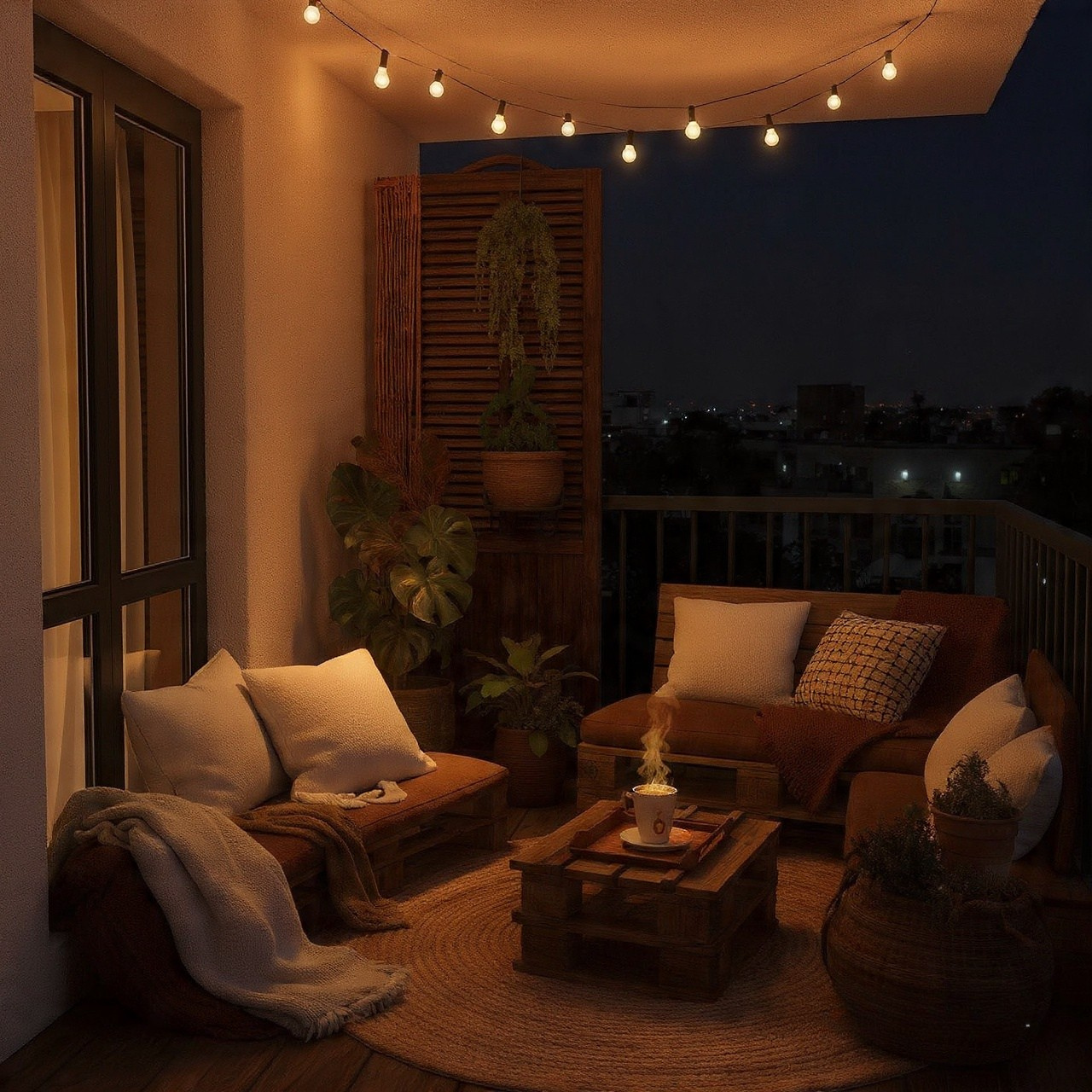
Soft, warm light creates an immediate sense of coziness, which is the ultimate goal of effective couch styling. Avoid overly harsh or cool-toned white light. Instead, opt for bulbs that emit a warm, yellowish glow (around 2700K) to enhance the warmth of your layered textiles for comfort and depth and make the entire room more inviting.
Selecting durable and pet-friendly fabrics

For high-traffic areas, or homes with children and pets, selecting durable and pet-friendly fabrics for your couch accessories is crucial. Materials like indoor/outdoor fabrics, tightly woven tweed, or performance velvet offer high resilience against stains and wear. This consideration ensures your couch styling remains beautiful despite heavy use.
When choosing cushions, look for covers that are easily removable and washable. For throws, materials like high-quality wool blends or micro-suede resist pet hair and snags better than delicate silks or chunky, loosely woven knits. Functionality must always be a partner to aesthetics in a truly livable home design.
Refreshing an old or worn-out sofa

If you are refreshing an old or worn-out sofa, the power of couch styling is your secret weapon. A drab sofa can be completely revitalized with new, impactful accessories. Start by replacing all the original, flat cushion inserts with new, oversized feather inserts to instantly plump up the look and enhance comfort.
Next, use slipcovers or strategically placed throws to cover minor stains or wear spots on the upholstery. Introduce bold colors and patterned rugs and mats that draw the eye away from the sofa’s flaws. This affordable update can give your furniture years of extended life without the expense of a full replacement.
Injecting personality with unique artwork

The wall directly above the couch, or an adjacent wall, is often the prime location for injecting personality with unique artwork. The art you choose dictates the overarching style and color story for your entire seating area. For a classic look, hang one large piece centered slightly above the sofa, maintaining an appropriate scale—the art should be about two-thirds the width of the couch.
The artwork’s color palette can inform your choice of cushion colors and throw textures, ensuring a direct visual link. For example, if your art features deep blues and golds, use those exact shades in your pillow arrangements for sectional sofas. This intentional connection makes the design feel curated and deeply personal.
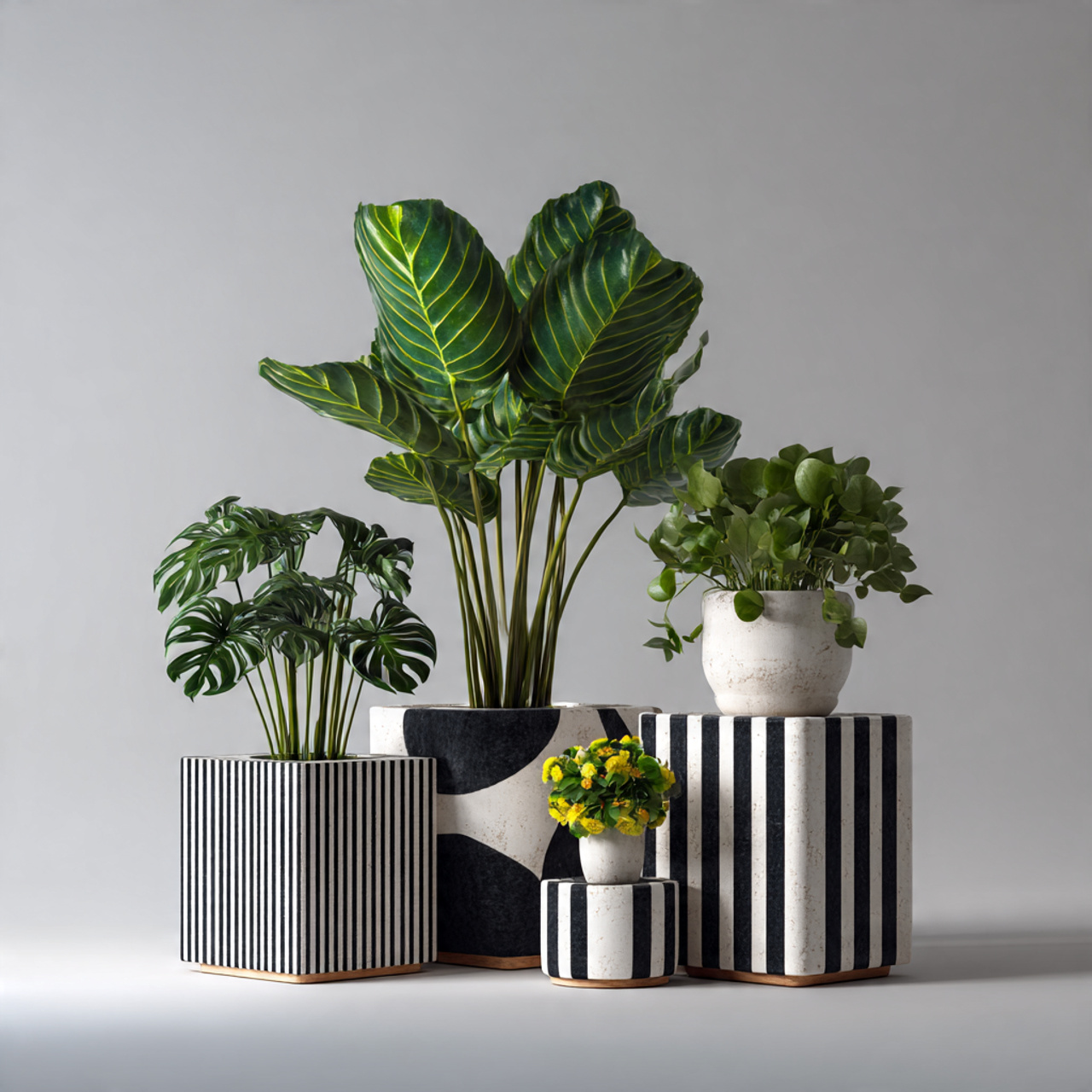
Visit Also: Indoor Planter Ideas
Maximizing comfort with ergonomic support

While aesthetics are important, maximizing comfort with ergonomic support is fundamental to good couch styling. Beyond decorative cushions, consider including a few functional elements designed purely for support. Lumbar pillows, specifically those placed low on the back, offer excellent support for the lower spine, making long periods of sitting much more comfortable.
The height and depth of your sofa can be modified slightly using these support elements. If your couch is too deep, firmer square pillows can reduce the sitting depth, while a supportive neck roll tucked behind a standard cushion enhances relaxation. Always prioritize how the couch feels over how it looks alone.
Integrating plants and natural elements

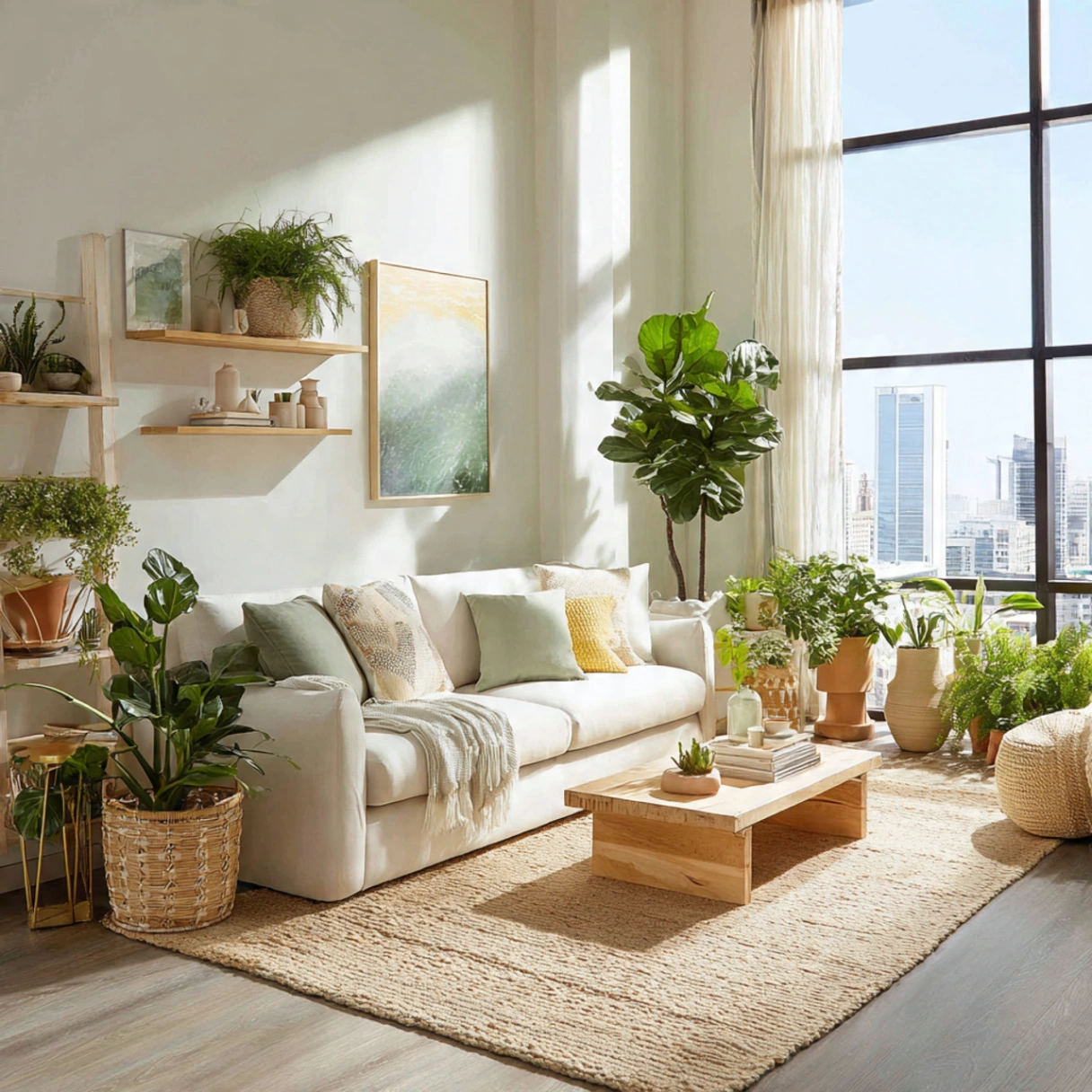
A crucial step in creating a warm, inviting space is integrating plants and natural elements near your sofa. A large, beautiful potted plant placed near the armrest brings life, freshness, and organic texture to the living area. The vibrant green of the foliage provides a natural contrast to the textiles on the sofa, instantly elevating the design.
Use small, natural accessories on nearby surfaces, such as wooden bowls, carved stone coasters, or even a few moss balls, to reinforce this organic aesthetic. These elements soften the hard lines of the furniture and contribute to a calming, health-conscious environment, making the sofa area a true haven.
Developing a signature style for your space

Ultimately, effective couch styling is about developing a signature style for your space. This means going beyond trends and selecting accessories that genuinely reflect your taste and lifestyle. Do you gravitate toward bohemian maximalism, mid-century simplicity, or classic traditional design? Your cushion choices, throw textures, and overall arrangement should reflect this identity.
Don’t be afraid to break some “rules” of design in favor of something that feels authentic to you. Perhaps you love bold, clashing patterns, or maybe you prefer the tranquility of all-white layers. The best-styled couch is the one that feels completely and uniquely yours, acting as the centerpiece of your home’s distinct personality.
FAQs About Couch Styling
How many throw pillows should I use on a standard three-seater sofa?
For a standard three-seater sofa, the optimal number of throw pillows is typically between three and five. An odd number creates the most appealing and dynamic arrangement, promoting a relaxed, designer look. You could use three—two on one side, one on the other—or five—three on one side, two on the other—to maintain visual interest without overwhelming the seating space.
What size pillows work best for most couches?
The most common and versatile size for decorative throw pillows is 20 inches by 20 inches. For larger, deeper sofas or sectionals, you can graduate up to 22 or even 24 inches for the back pillows. If using a rectangular lumbar pillow, a size around 12 inches by 20 inches provides excellent lower back support and breaks up the square repetition.
Should my throw pillows match the couch fabric exactly?
No, your throw pillows should generally not match the couch fabric exactly, as this often results in a dated or uninspired look. The pillows should instead complement the couch by introducing contrasting colors, textures (like velvet against linen), or patterns. This contrast is key to effective couch styling, as it adds depth and visual complexity to the furniture grouping.
Where is the best place to put a throw blanket on the sofa?
The most natural and aesthetically pleasing placement for a throw blanket is draped casually over one of the armrests or slightly folded and laid across the back of the sofa, letting it spill gently onto the seat. Avoid folding it too rigidly or covering the entire back of the couch, as a relaxed drape enhances the layering textiles for comfort and depth.
What is the most common mistake in couch styling?
The most common mistake is using pillow inserts that are too small or too flat, often resulting in droopy, deflated-looking cushions. Investing in high-quality feather or down inserts that are slightly larger than the pillow cover itself is the simplest way to instantly elevate your couch styling. Another frequent error is overcrowding the sofa, which makes seating uncomfortable.
Conclusion
Couch styling is truly the linchpin of a comfortable, curated, and beautiful living space. It is the practice that allows homeowners to personalize their largest piece of furniture through subtle yet impactful changes, using textiles, color, and texture as their primary tools. By understanding the principles of scale, symmetry, and layering, a simple sofa can be transformed into a welcoming sanctuary that reflects a sophisticated design sensibility.
Whether you are refreshing an old or worn-out sofa or starting with a brand-new sectional, remember that the accessories are what give the piece its voice and personality. Paying attention to details, from selecting durable and pet-friendly fabrics to carefully utilizing coffee table books as accents nearby, ensures the entire furniture grouping is cohesive. Embrace these techniques to make your couch not just a place to sit, but the stylish, cozy heart of your home.