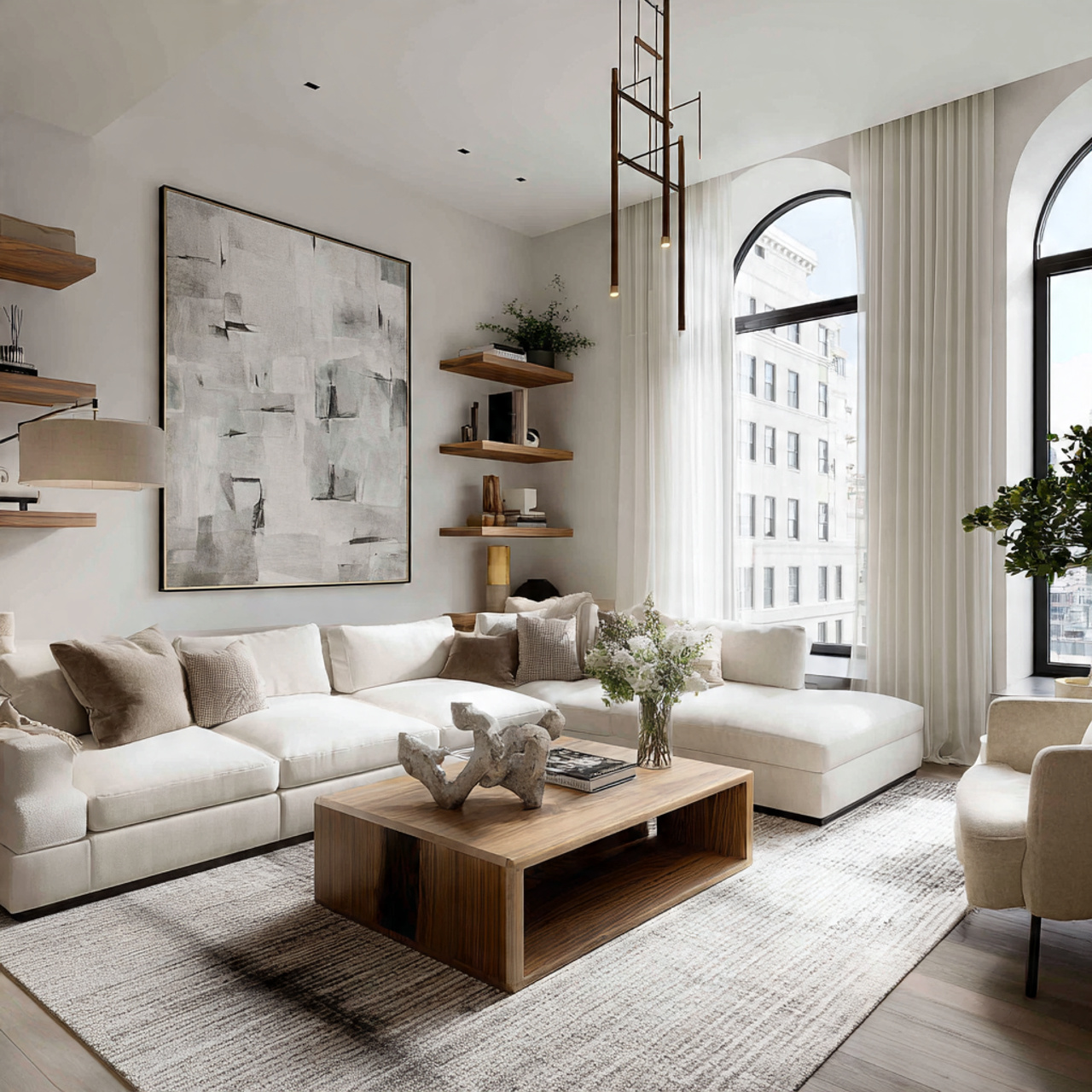
12 Shocking Modern Living Room Mistakes You Did not Notice
Most people assume a modern living room comes together just by choosing stylish furniture, but it rarely works like that in real homes. I have seen spaces filled with expensive pieces still feel awkward because the layout and structure were off. The room looked modern, but it didn’t feel right.
In my experience, once the structure of a space is corrected, everything else starts falling into place naturally. It becomes less about decorating and more about guiding how the room works. That shift is what turns a space from “nice” into something you actually enjoy living in every day.
Modern living room designs work best when layout, lighting, and visual structure are aligned to create a space that feels balanced, functional, and naturally cohesive.
Why Modern Living Room Design Feels Effortless in Some Spaces and Awkward in Others
One thing I have noticed in real homes is that two living rooms can look similar at first glance, yet one feels calm while the other feels slightly uncomfortable. The difference usually comes from how the space is organized rather than what is placed inside it. Even small misalignments can quietly affect how a room feels.
Most people focus on adding decor, but modern living room design is really about controlling flow, spacing, and visual focus. When these elements are handled properly, the room begins to feel natural instead of staged. That is when a modern space stops looking like a setup and starts feeling like a place you belong in.
Modern Living Room Ideas That Transform How the Space Feels and Functions
The One Focal Point Rule That Instantly Defines Your Modern Living Room
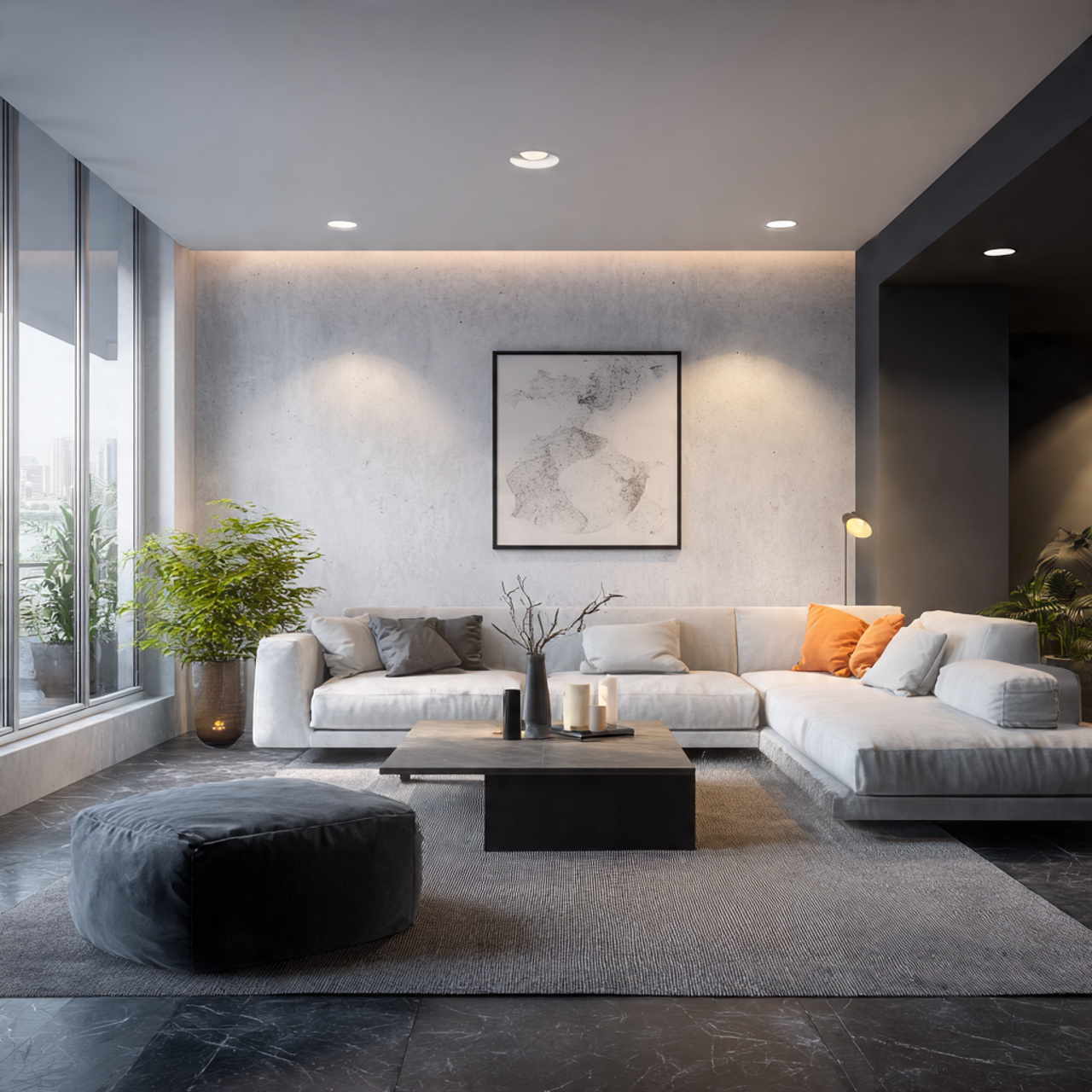
A softly lit feature wall draws your attention the moment you step into the room, while everything else fades into a calm supporting role. The space feels quiet and intentional, with no confusion about where to look. Even simple furniture appears more refined in that setting.
Most rooms feel scattered because multiple elements try to stand out at once. This creates subtle tension that makes the space feel unfinished. In my experience, once a single focal point is established, the entire room begins to feel grounded.
Choose one dominant element like a TV wall or feature panel and simplify everything around it. Keep surrounding decor minimal so it enhances rather than competes.
Tip: If your eye jumps around the room, your focal point is not strong enough.
TV Wall Systems That Act as the Structural Backbone of the Modern Living Room
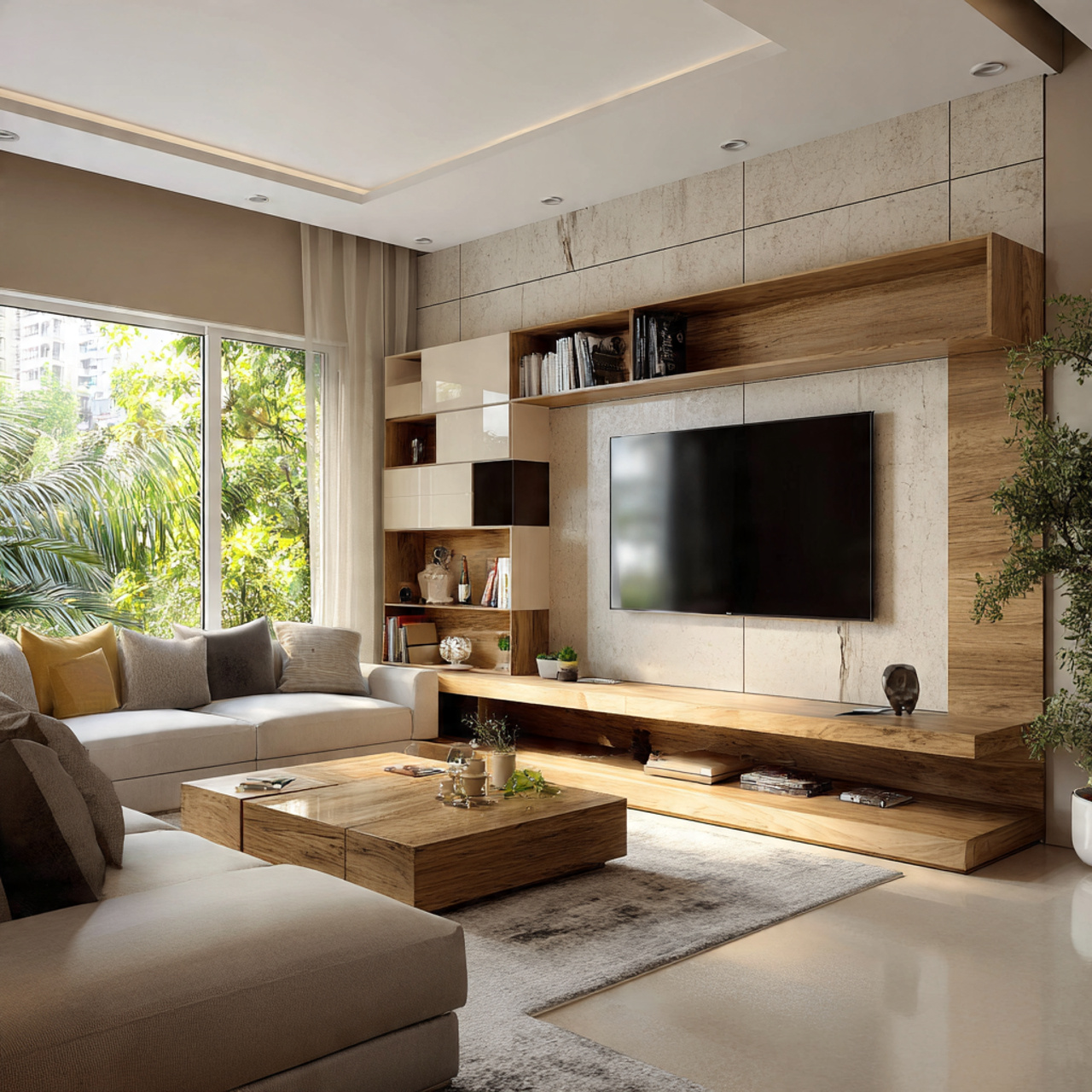
A full wall TV unit with wood panels and floating shelves creates a strong visual structure, especially when warm light reflects across the surface in the evening. The wall feels built into the room rather than added later. It becomes the anchor that holds everything together.
Many setups fail because the TV area is treated like an afterthought. When the wall is designed as a system, the rest of the space naturally aligns around it. This is where modern living rooms start to feel complete.
Use layered panels, floating units, or integrated shelving to add depth. Keep proportions balanced with your furniture and hide all wiring for a clean look.
Tip: A well-designed TV wall should feel like part of the architecture.
Why Most Modern Living Room Layouts Fail and How to Fix the Flow
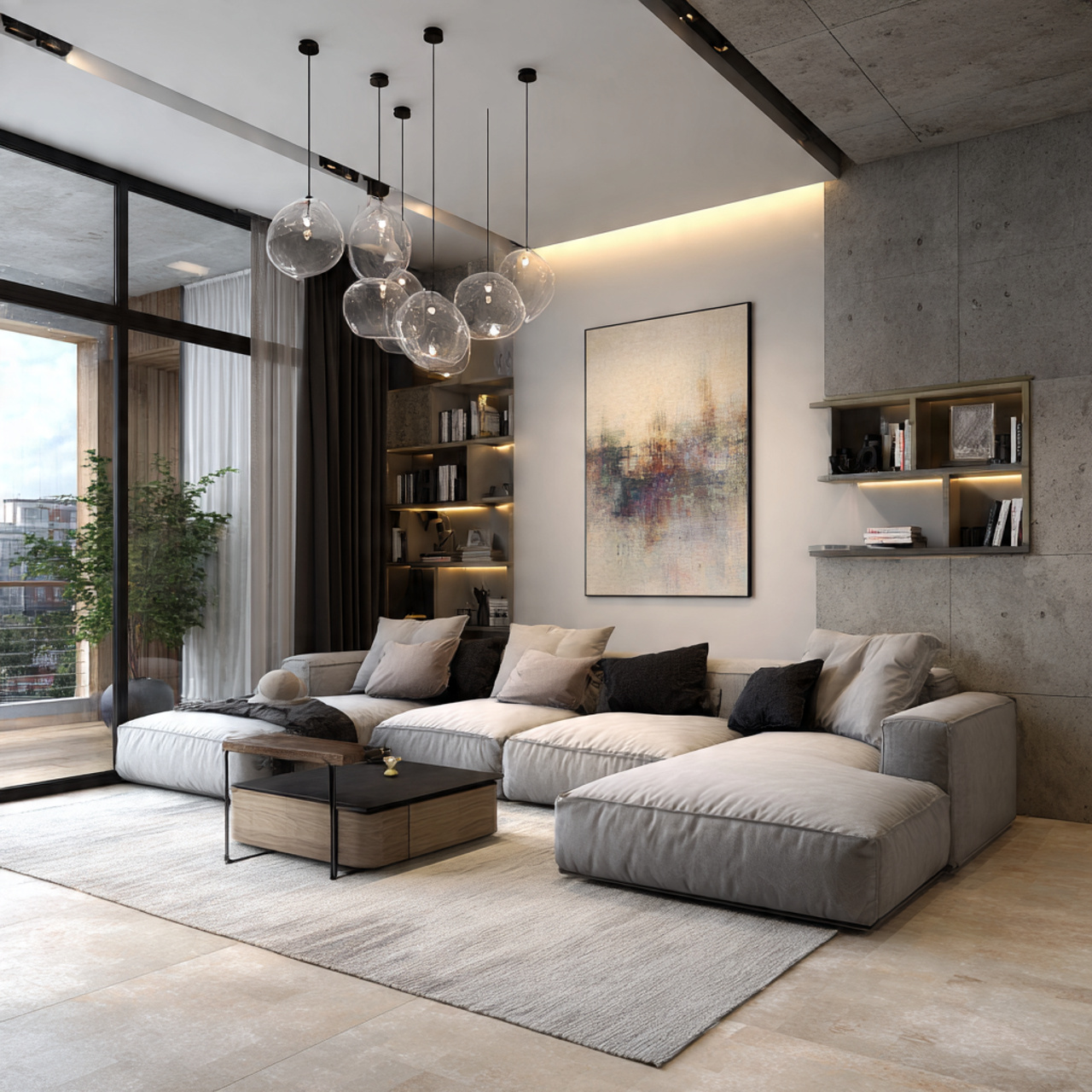
Walking through the room feels slightly awkward when the layout is off, even if everything looks fine visually. You might find yourself adjusting your path or slowing down without knowing why. That small discomfort builds over time.
Most layouts fail because furniture is placed based on walls instead of movement. This creates invisible barriers that interrupt natural flow. One thing I have noticed in real homes is that movement matters more than symmetry.
Create clear pathways and avoid placing large pieces where people naturally walk. Let the layout support how the space is used daily.
Tip: If movement feels restricted, your layout needs adjustment.
The Negative Space Strategy That Makes a Modern Living Room Feel Expensive
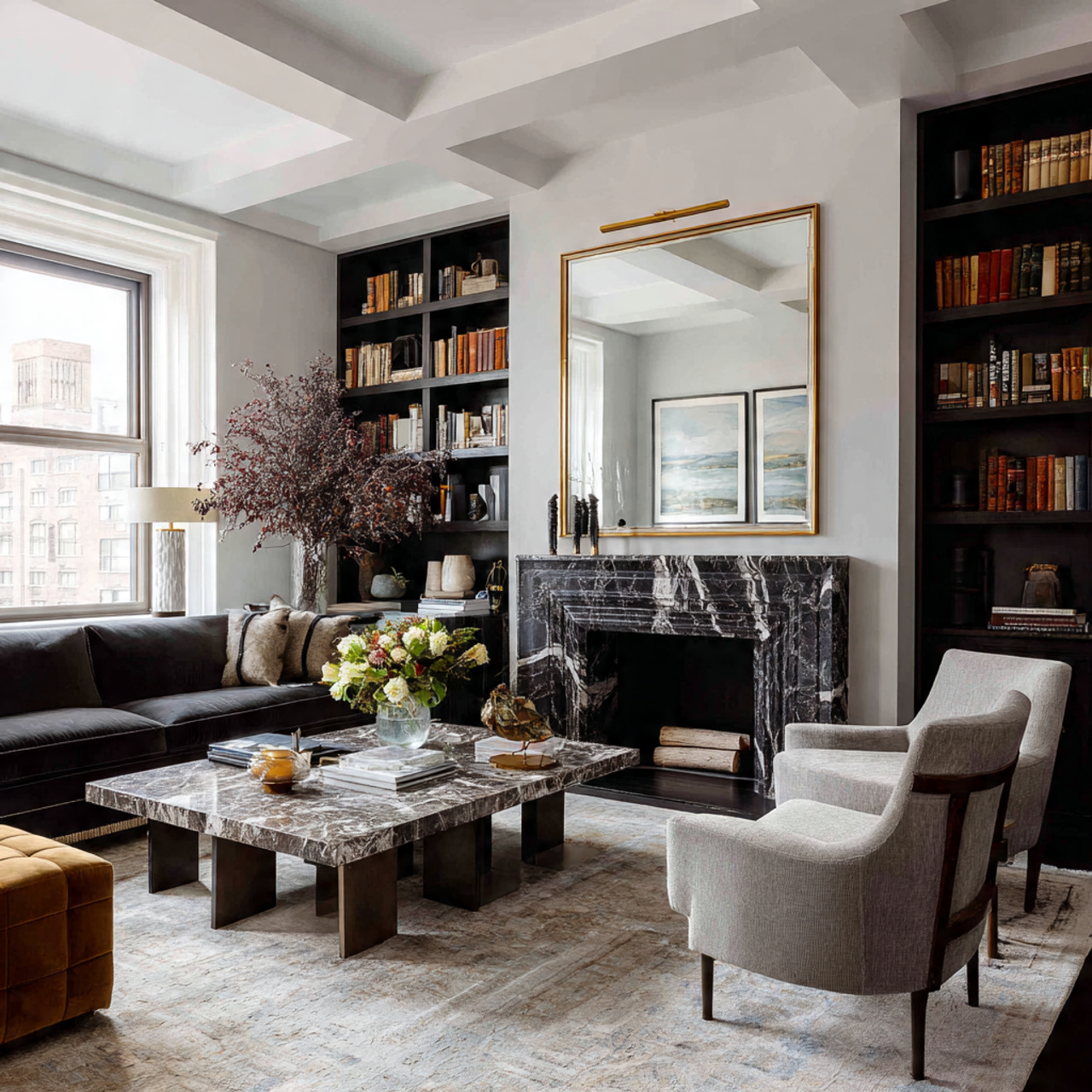
A quiet empty corner with soft light touching the wall can make the entire room feel more refined. The space feels breathable, and everything else looks more intentional. It creates a sense of calm without adding anything.
Many people try to fill every corner, thinking it improves the room. I made that mistake early on, and the space felt heavy no matter how nice the decor was. Leaving space is what actually creates that elevated modern look.
Remove unnecessary items and allow certain areas to remain open. Focus on spacing just as much as placement.
Tip: Empty space is not wasted space in modern design.
Furniture Weight Balance That Keeps the Living Room Visually Stable
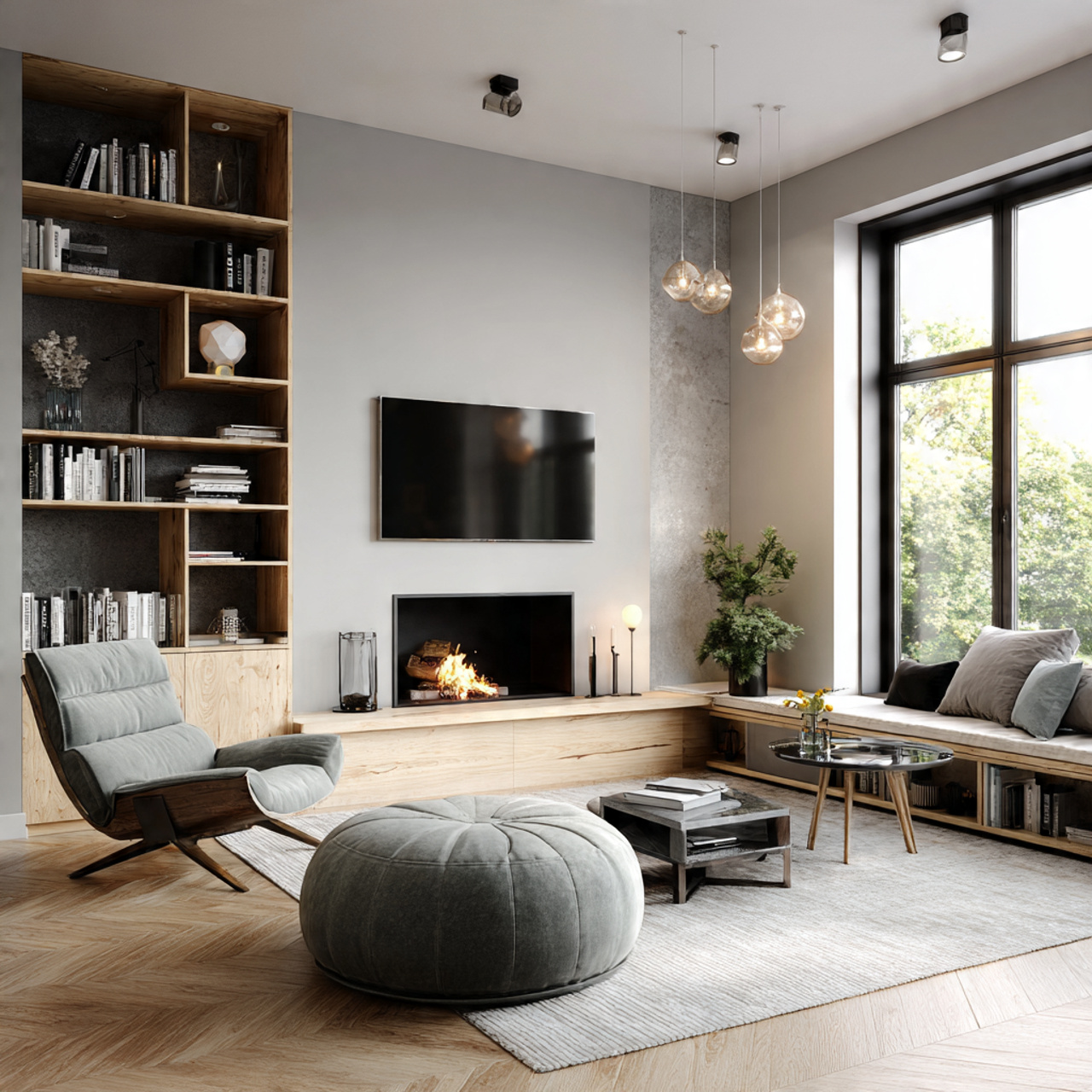
A large sofa paired with lighter chairs and a simple table creates a balanced composition that feels stable. Nothing feels too heavy or too empty, and the room holds together naturally. The visual weight feels evenly distributed.
Rooms often feel off when one side carries too much weight. This can happen with darker or bulkier furniture placed unevenly. In my experience, balance matters more than matching everything.
Distribute heavier and lighter elements across the room. Use contrast in size and material to create visual stability.
Tip: Step back and check if one side feels heavier than the other.
Zoning an Open Plan Modern Living Room Without Using Walls
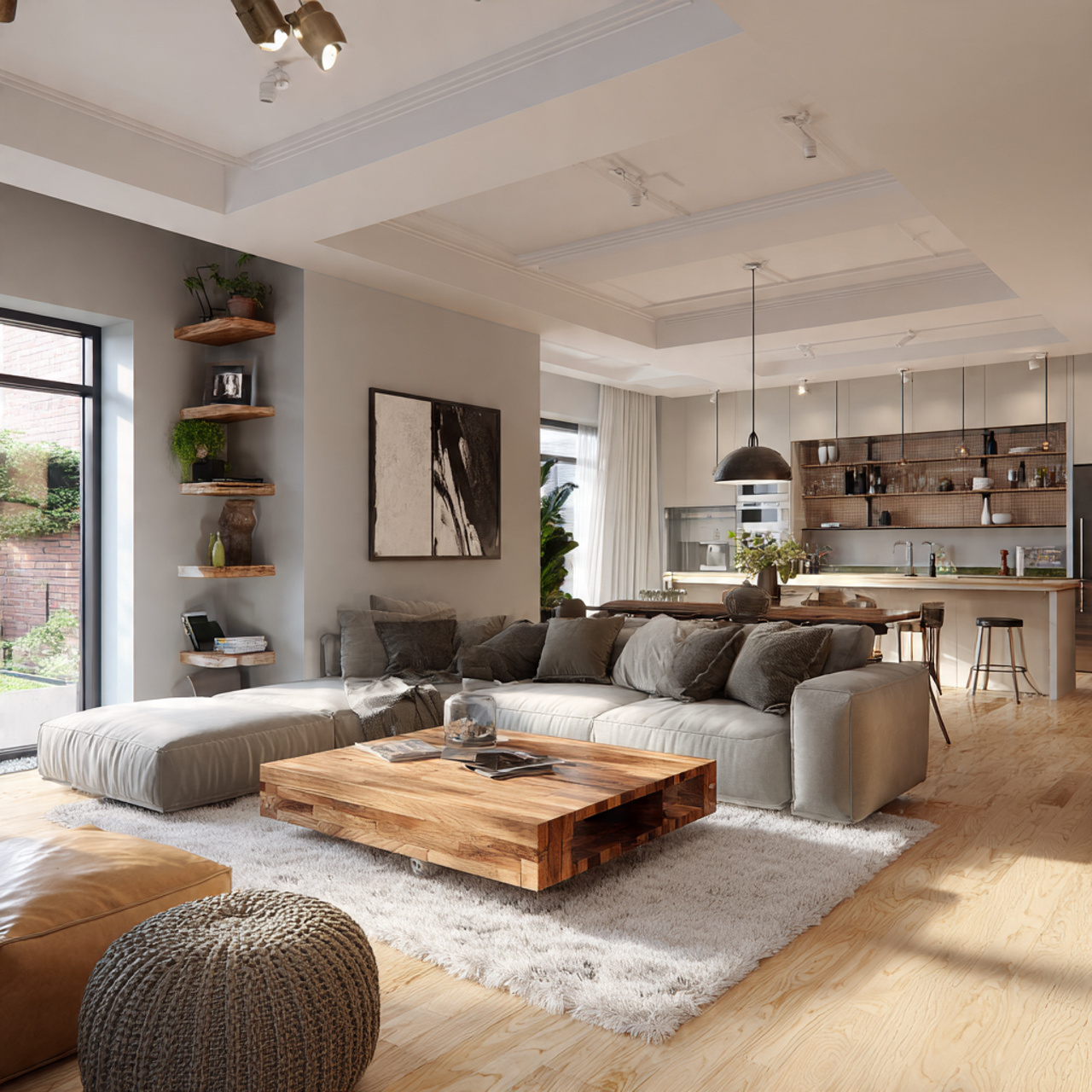
A soft rug defines the seating area while a change in lighting separates it from the rest of the space. Even without walls, the room feels organized and easy to understand. Each zone has its own purpose.
Open layouts often feel confusing because everything blends together. Zoning creates structure without closing off the space. This makes the room feel more functional and visually calm.
Use rugs, furniture orientation, and lighting to define zones. Keep transitions subtle so the openness remains.
Tip: Every zone should feel clear without needing physical boundaries.
The 3 Layer Lighting System That Adds Depth Instead of Flat Brightness In Modern Living Room
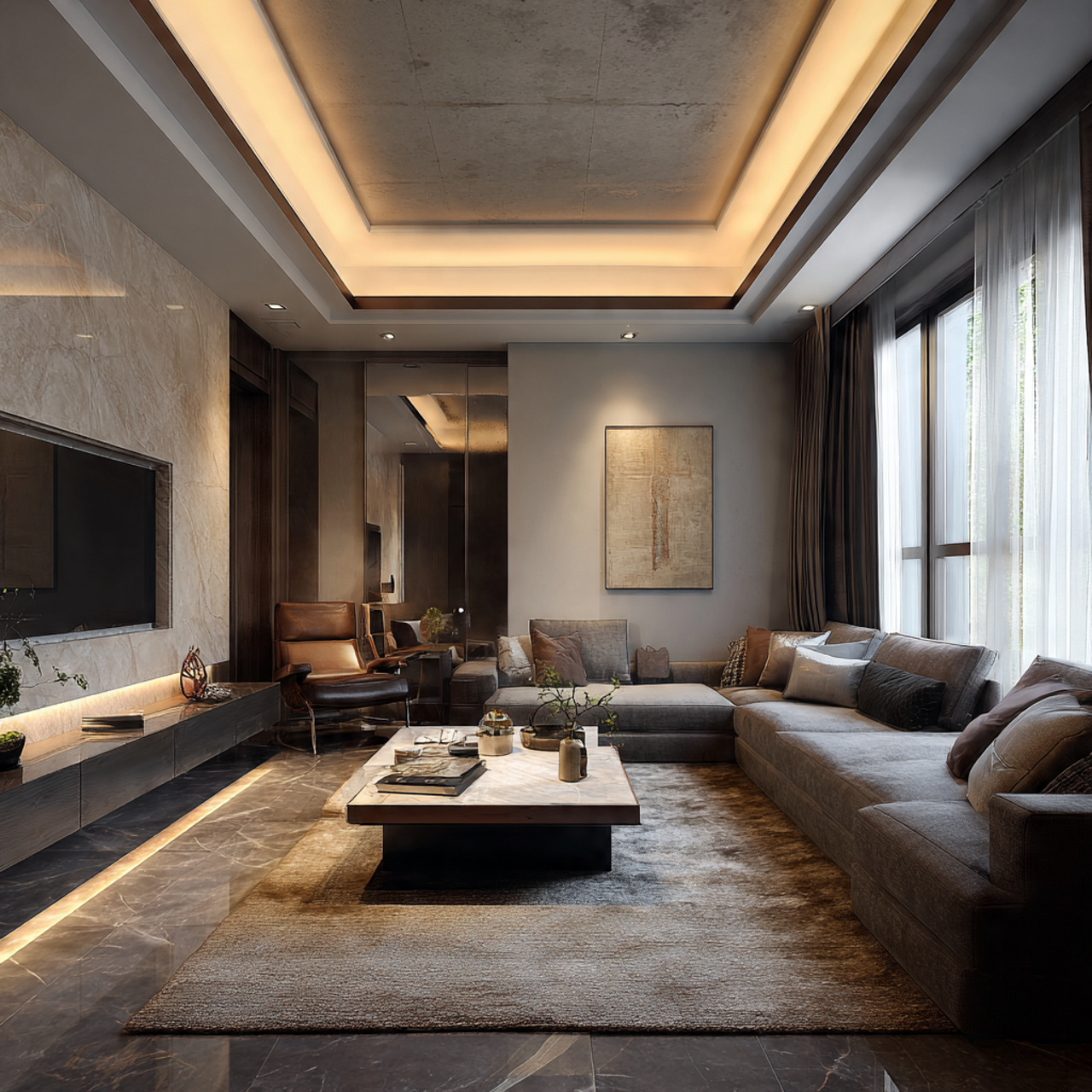
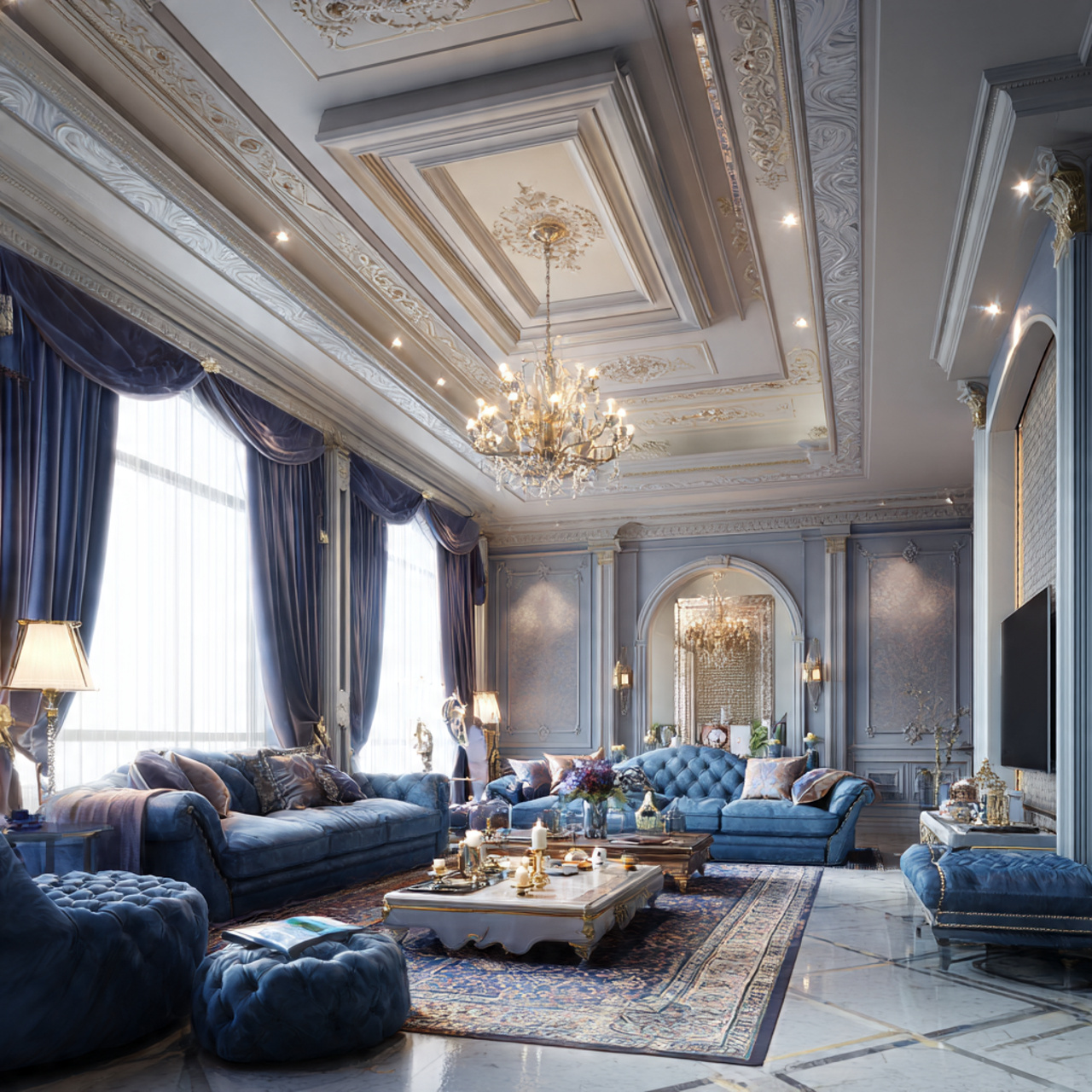
Soft ambient light fills the room while a floor lamp highlights one corner and subtle wall lighting adds depth behind the main area. In the evening, the space feels warm and layered instead of overly bright. Light begins to shape the mood.
Most rooms rely on one overhead light, which makes everything look flat. Layered lighting adds dimension and allows the atmosphere to shift throughout the day. After living with both setups, the difference becomes obvious.
Combine ambient, task, and accent lighting to create depth. Adjust brightness depending on how the room is used.
Tip: Lighting should create layers, not just brightness.
Texture Hierarchy That Prevents a Modern Living Room From Feeling Cold
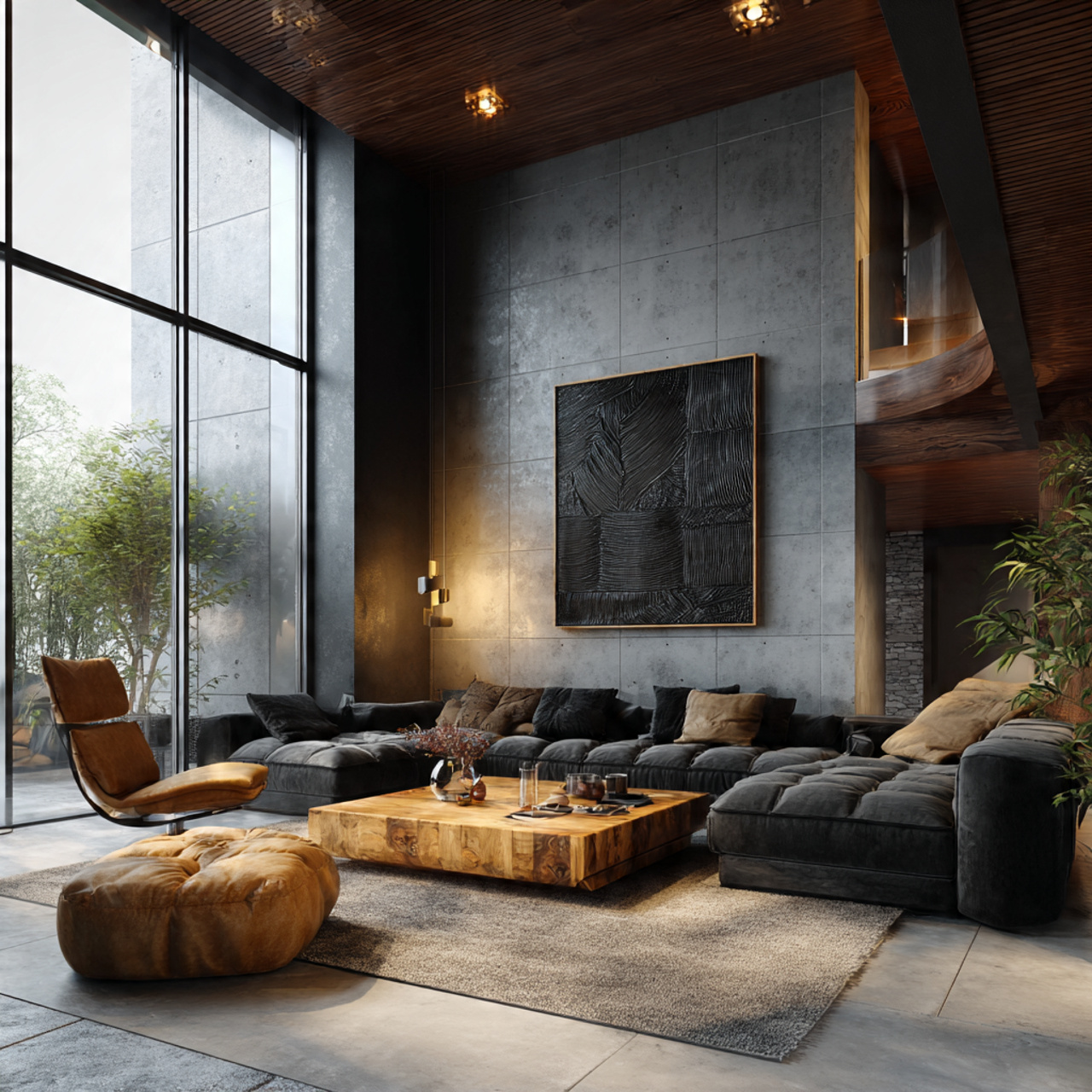
A mix of soft fabrics, wood, and subtle matte surfaces creates a layered look that feels comfortable. Light interacts differently with each surface, adding quiet depth to the room. The space feels warm without clutter.
Modern spaces often feel cold when everything has the same finish. Texture variation adds life without adding more objects. One thing I noticed after adjusting textures is how quickly the room became more inviting.
Mix soft and structured materials while keeping the palette controlled. Let texture do the work instead of adding more decor.
Tip: Texture creates warmth without adding visual noise.
The Sofa Positioning Mistake That Disrupts the Entire Room Layout
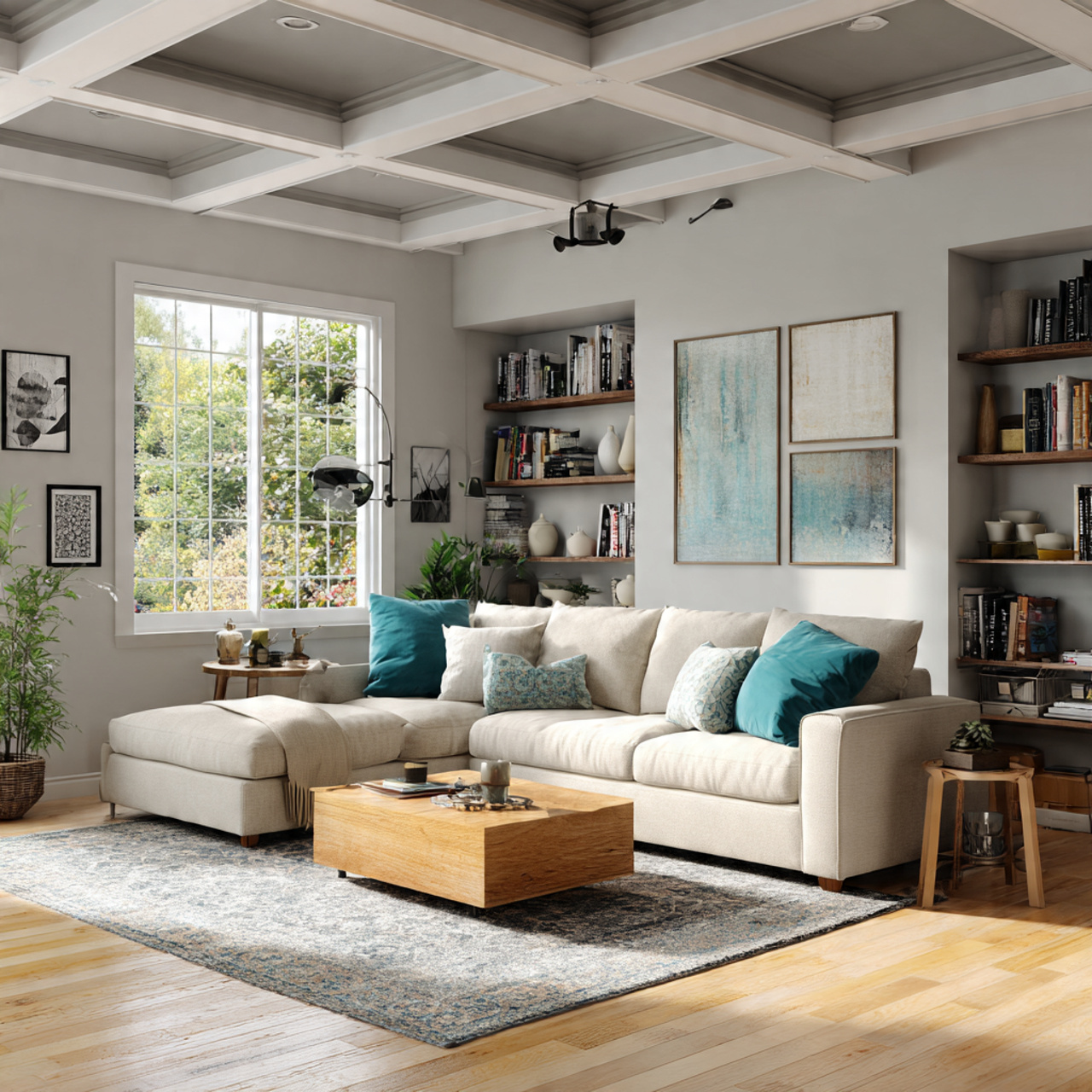
A sofa pushed flat against the wall can make the room feel disconnected, even when everything else looks correct. The seating area feels separate instead of integrated. The layout loses its natural flow.
Most people place sofas against walls to save space. I used to think this worked better until I tested pulling it forward slightly. The room instantly felt more cohesive.
Position the sofa based on the focal point and conversation flow. Allow space behind it when possible.
Tip: A slightly floated sofa can transform the entire layout.
Vertical Design Tricks That Make Walls Feel Structured Not Empty
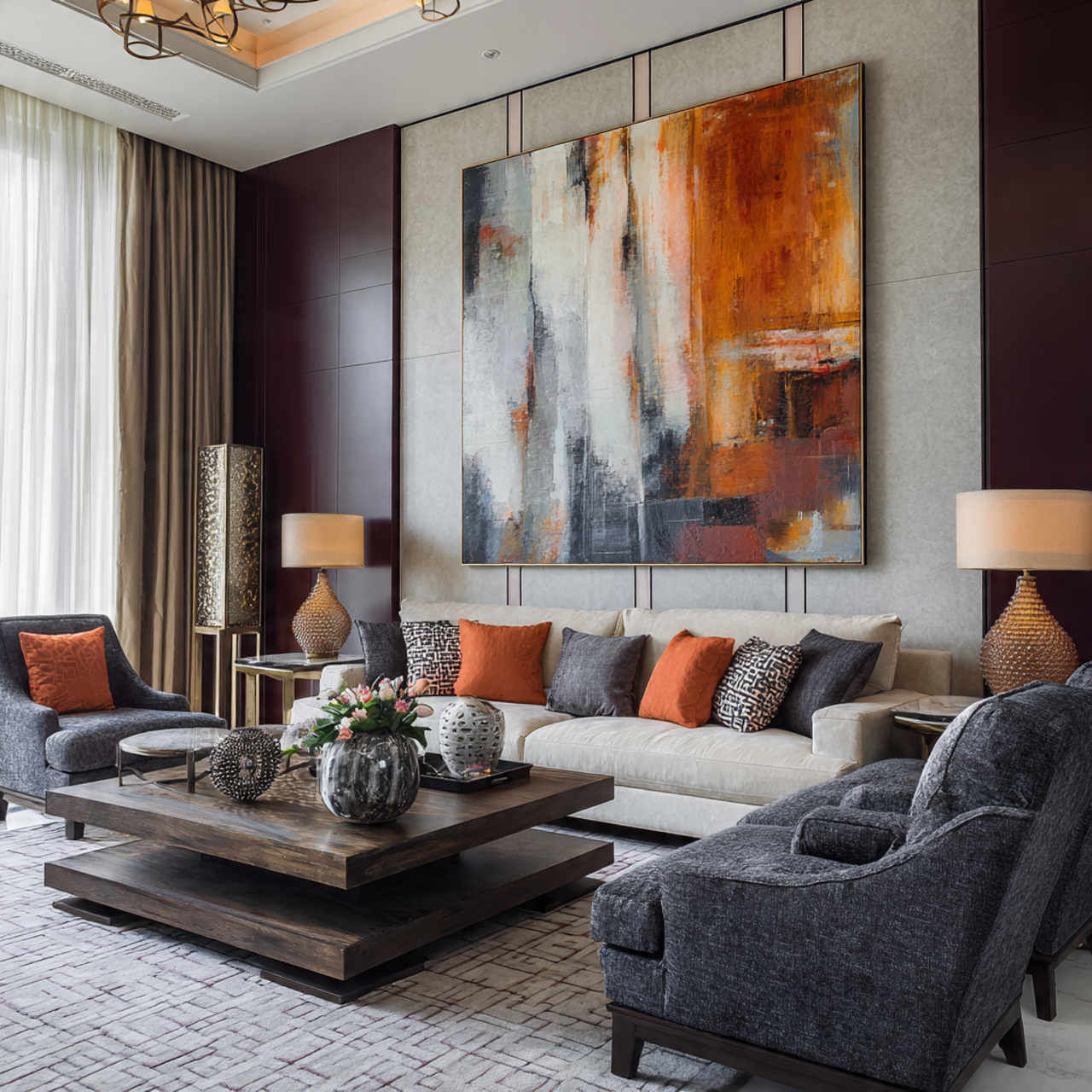
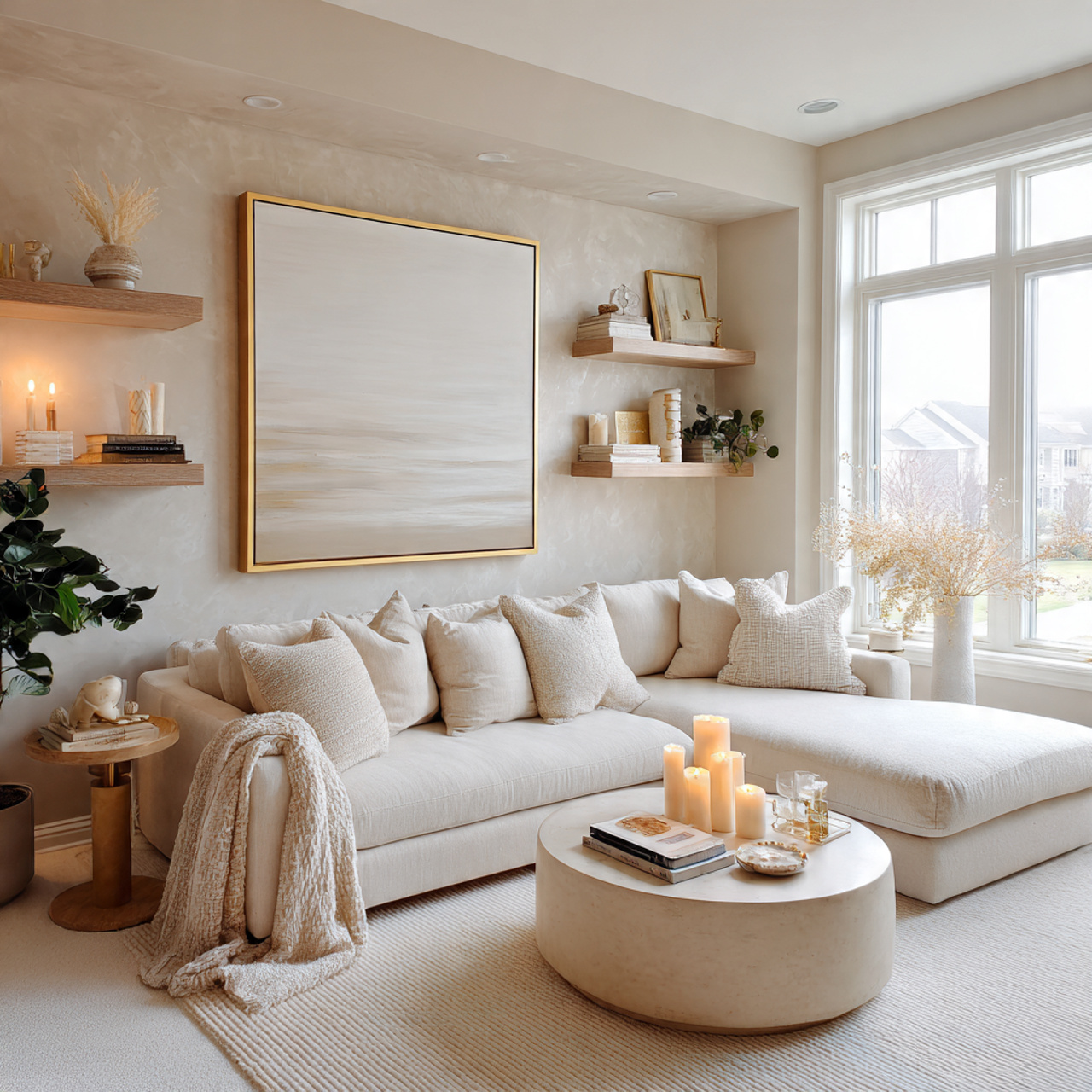
A large artwork or structured shelving draws the eye upward and gives the wall a purpose. The room feels more complete and balanced. Even simple walls start to feel intentional.
Empty walls can make a room feel unfinished, while cluttered walls feel overwhelming. The balance comes from one strong vertical element instead of many small ones.
Use large-scale art or aligned shelving to define the space. Keep everything clean and intentional.
Tip: One strong vertical piece is better than multiple small ones.
Statement Features Like Built In Aquariums That Transform the Entire Space
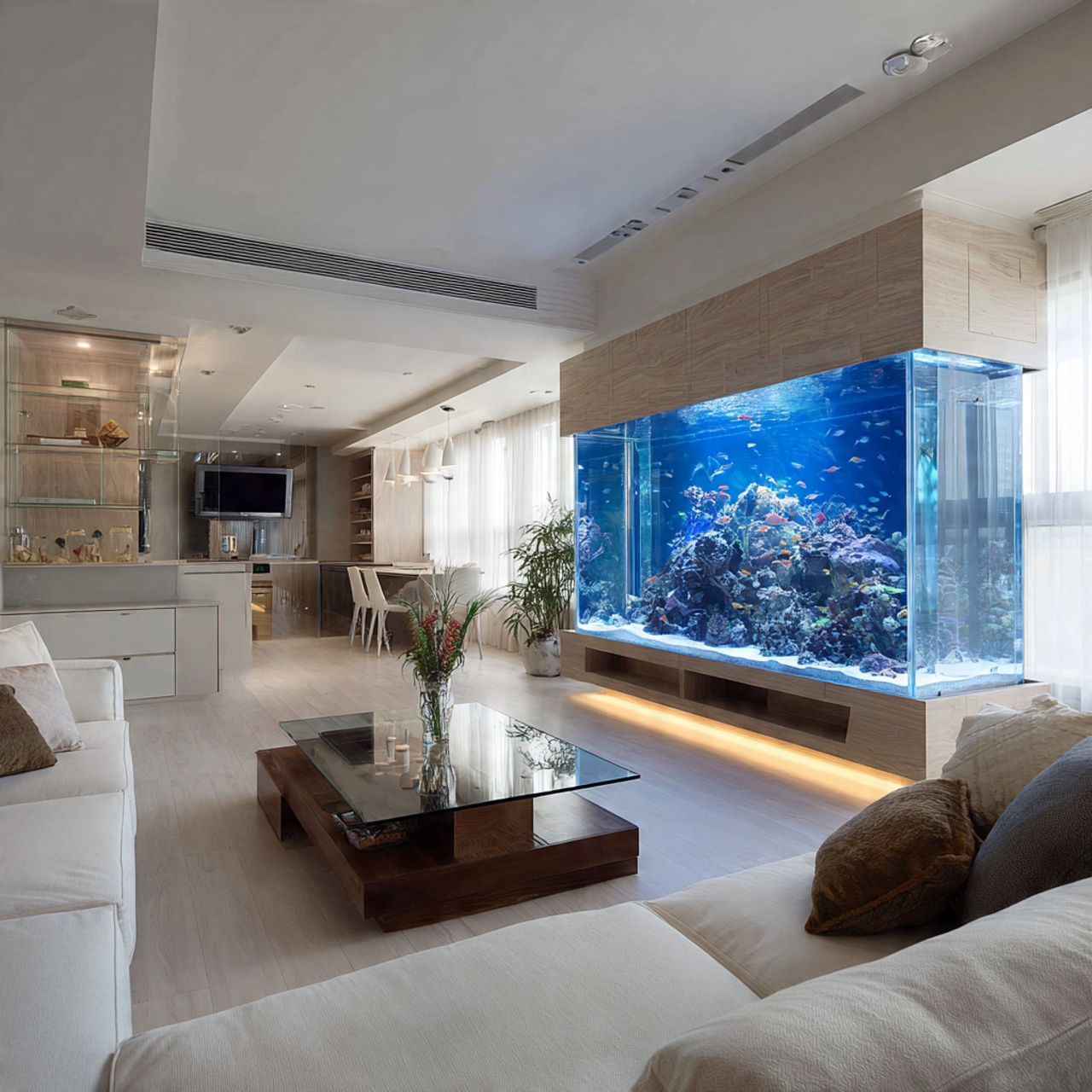
A built-in aquarium glowing softly in the evening becomes a calming focal point that changes the entire mood of the room. The gentle movement adds life and creates a peaceful moment. It naturally draws attention.
Unique features like this give a room identity that decor alone cannot achieve. They create a memorable experience rather than just a styled look. This is what makes a space stand out.
Integrate the aquarium into a wall or unit so it feels part of the design. Keep surrounding elements simple.
Tip: A single standout feature can define the entire room.
Visit Also: Throw Pillows
The Too Perfect Problem That Makes Modern Living Rooms Feel Lifeless
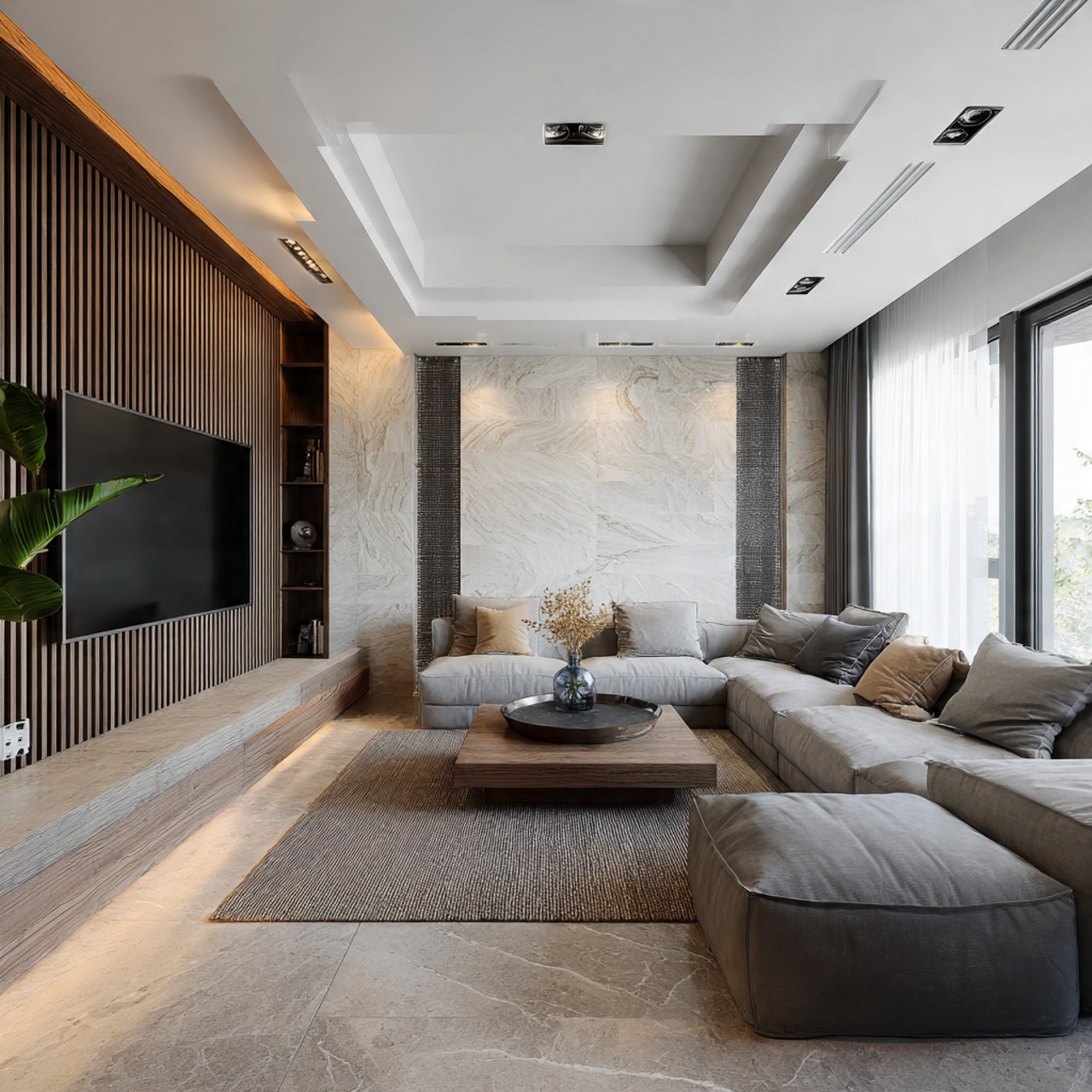
A perfectly arranged room can feel cold, almost like a display instead of a home. Everything looks right, but something feels missing. The space lacks personality.
I have seen this happen when everything is styled too precisely. Real homes need small imperfections to feel comfortable. That subtle shift makes a big difference.
Add lived-in elements like a casually placed throw or slightly imperfect arrangement. Let the room feel natural.
Tip: A home should feel lived in, not perfectly staged.
A Real Modern Living Room Layout That Feels Calm, Balanced, and Effortless
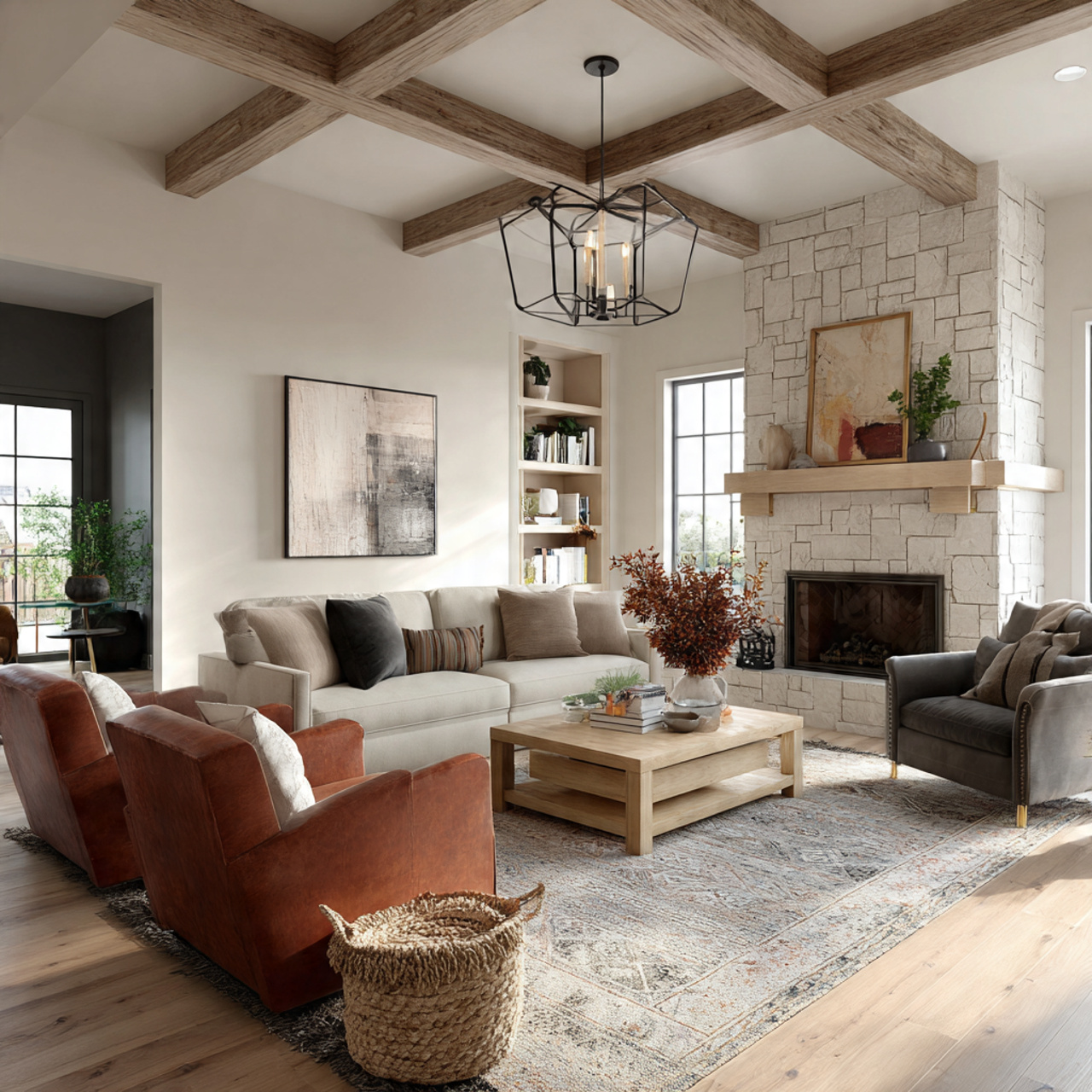
Morning light moves slowly across a wood-accent TV wall while a soft fabric sofa sits slightly away from it, creating a quiet sense of depth. A floor lamp glows gently in the corner, and the room feels calm without trying too hard. Nothing feels crowded, and even the empty space has a purpose.
The layout centers around one clear focal point, with seating arranged to support both conversation and comfort without blocking movement. Walking through the room feels natural, and each zone flows into the next without confusion. The space feels balanced because every element has a role, and nothing feels forced or out of place.
Modern Living Room Color and Material Combinations That Feel Natural and Balanced
Warm White (#F5F3EF)
Warm white works beautifully on walls and larger surfaces where you want light to reflect softly without feeling harsh. It creates a calm and open mood while allowing furniture and textures to stand out naturally. It pairs especially well with light oak wood, linen fabrics, and soft matte finishes.
Soft Greige (#D8D3CC)
This sits between warm and cool tones, making it ideal for modern living rooms that need balance. It works well on upholstery or rugs and creates a grounded, relaxed feeling that does not overpower the space. This tone pairs easily with textured fabrics, brushed metal accents, and natural wood elements.
Muted Charcoal (#3A3A3A)
It adds depth when used on feature walls, TV panels, or accent furniture without making the room feel dark. It introduces contrast and structure while keeping the overall palette controlled. It works best with warm lighting, wood textures, and soft neutral fabrics to avoid a cold look.
Natural Oak (#C8A97E)
This color brings warmth and organic texture into the room, especially through flooring, shelving, or furniture pieces. It softens modern spaces and adds a lived-in feel that makes the room more inviting. This material pairs well with neutral textiles, matte finishes, and subtle metallic accents for balance.
Modern Living Room Size and Lighting Guide That Improves Comfort and Depth
Small Living Rooms
Use lighter tones and keep furniture spacing intentional so the room feels open instead of tight. Layer soft lighting from different points to avoid harsh shadows and create depth.
Large Living Rooms
Break the space into lighting zones so each area feels purposeful instead of empty. Add warm lighting to balance scale and prevent the room from feeling cold.
Low Natural Light Rooms
Use warm layered lighting and reflective surfaces to brighten the space without making it feel artificial. Avoid relying on a single overhead light because it flattens the entire room.
Bright Sunlit Rooms
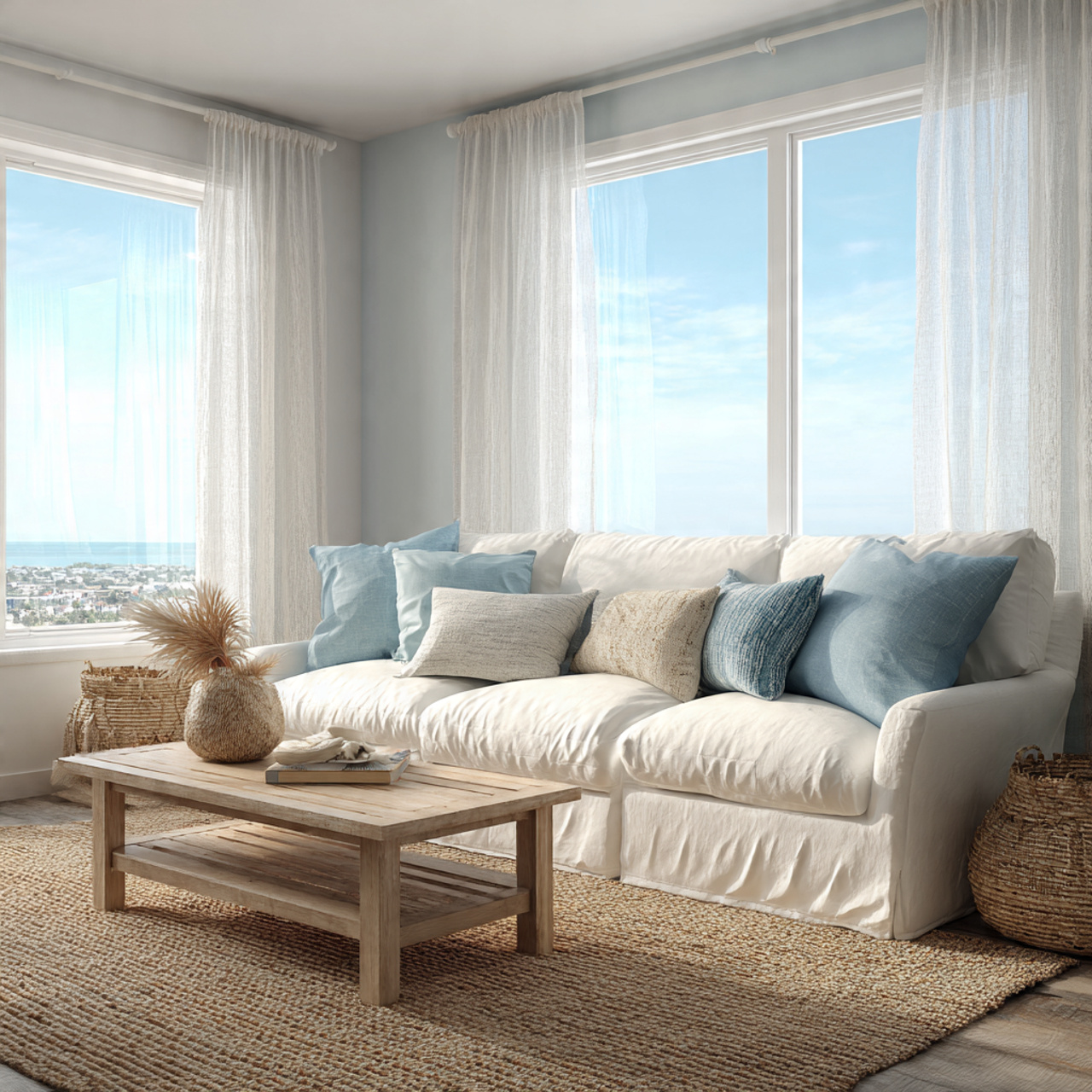
Control the light with soft curtains and balanced materials so the space does not feel washed out. Combine natural light with subtle accent lighting to maintain depth throughout the day.
Modern Living Room Mistakes That Disrupt Balance and How to Fix Them
Overcrowding The Space
Most people keep adding furniture and decor thinking it will make the room feel complete. This usually makes the space feel heavy and visually overwhelming instead of comfortable.
Remove a few non-essential items and allow empty space to create balance and breathing room.
Ignoring Lighting Layers
Many living rooms rely on a single ceiling light because it seems simple and practical. This creates a flat environment where textures and depth disappear.
Add a mix of ambient, task, and accent lighting so the room feels layered and more inviting.
Pushing All Furniture Against Walls
People often place everything against the walls to make the room look bigger. This breaks the connection between pieces and makes the layout feel disconnected.
Pull key furniture slightly inward to create a more cohesive and functional arrangement.
Trying To Make Everything Match
Matching every piece of furniture and decor feels safe but removes character from the room. The result often feels staged and lacks personality.
Introduce slight variation in materials and tones to create a more natural and lived-in look.
Frequently Asked Questions About Modern Living Room Design
How do I make my modern living room feel more put together?
Most rooms start to feel complete when there is one clear focal point and everything supports it. Focus on layout first, then adjust lighting and spacing so the room feels balanced instead of crowded.
Why does my modern living room feel empty instead of minimal?
Minimal spaces often feel empty when there is no texture or visual layering. Add subtle materials like fabric, wood, or soft lighting to bring warmth without adding clutter.
What is the biggest mistake people make in modern living room design?
One of the most common mistakes is ignoring layout and focusing only on decor. When furniture placement and flow are off, even the best pieces cannot fix the overall feel of the room.
How can I improve my living room without buying new furniture?
Small changes in positioning, spacing, and lighting can completely shift how the room feels. Try adjusting your layout and removing unnecessary items before adding anything new.
Is a TV wall necessary in a modern living room?
It is not required, but it often helps create a strong focal point that anchors the space. When designed properly, it makes the entire room feel more structured and intentional.
A Simple Way to Make Your Modern Living Room Feel Better Every Day
Modern living room design works best when you focus on how the space functions, not just how it looks. When layout, lighting, and visual balance come together, the room naturally starts to feel calm, usable, and complete without needing constant changes.
Instead of adding more decor, try adjusting one key element like your sofa position or lighting setup and notice the difference. Small shifts often create the biggest impact, and over time your space will begin to feel more natural, comfortable, and truly yours.