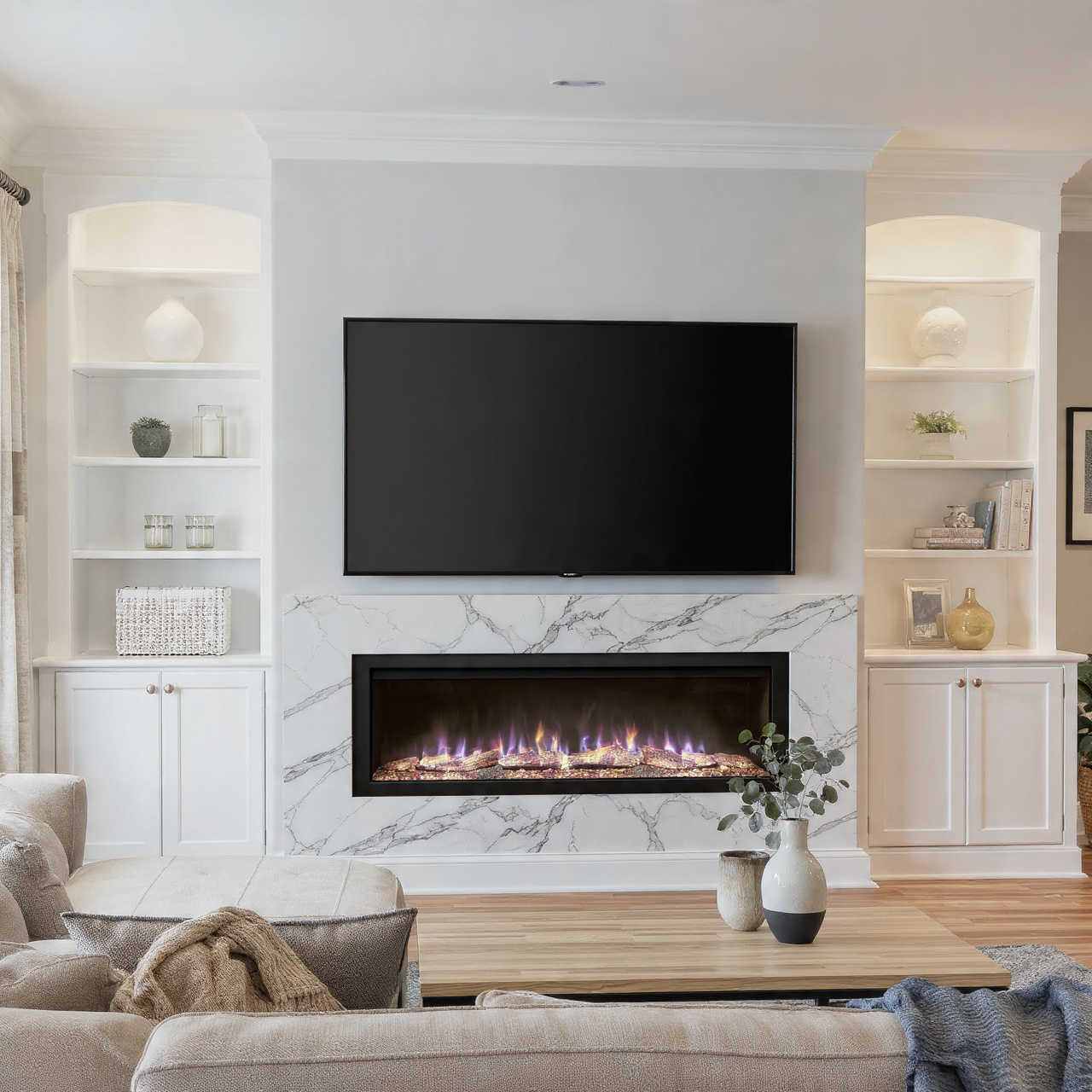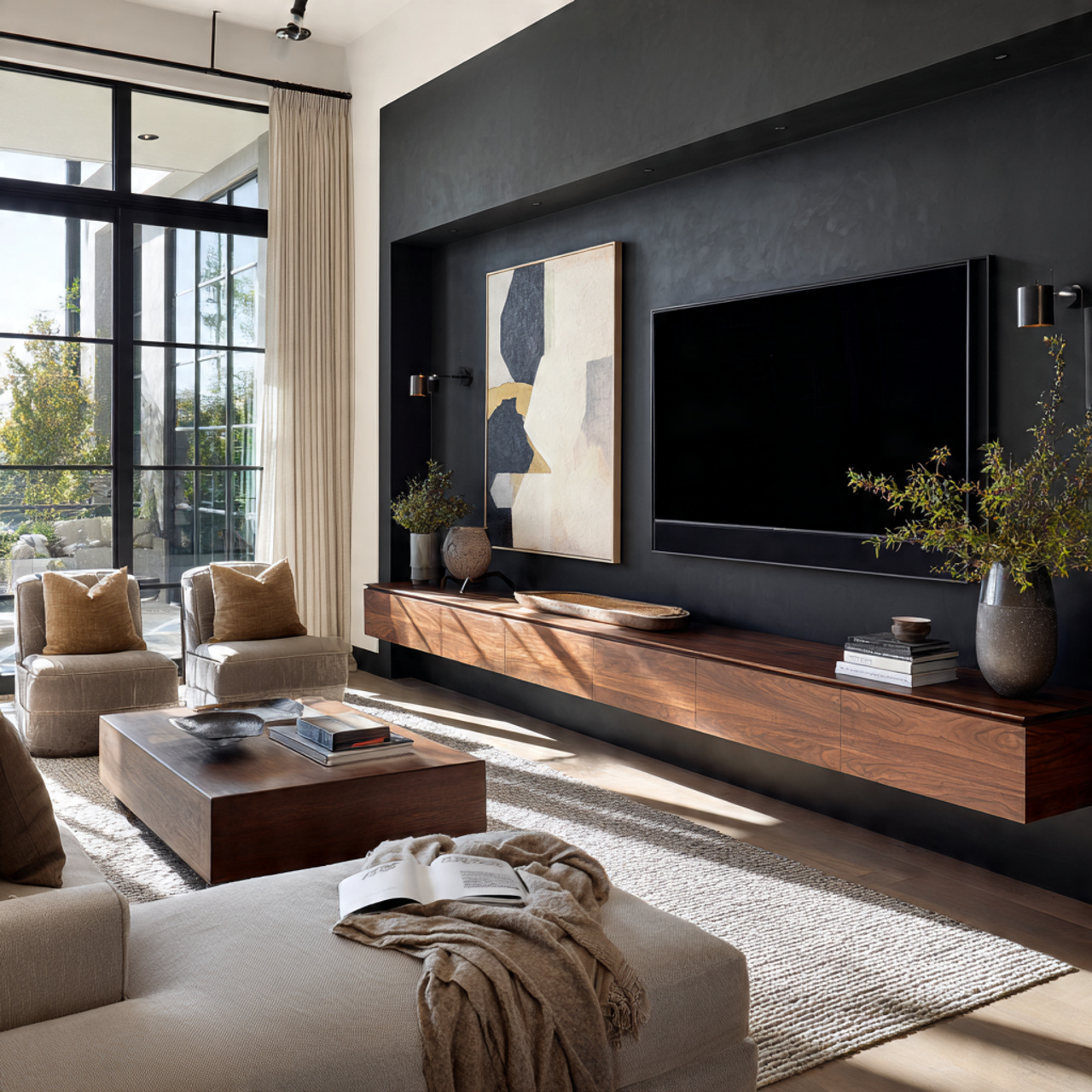
14 Genius Living Room TV Wall Ideas Designers Secretly Use
Living room TV wall design often becomes the center of the entire space, yet many homes treat it as an afterthought. After working with different layouts and experimenting with materials, I noticed that a thoughtfully designed TV wall quietly transforms how the room feels. It doesn’t just hold a screen, it shapes the atmosphere of the entire living room.
In many real homes, the TV wall is the first thing you see when entering the space. When this area feels calm, balanced, and visually warm, the entire room immediately feels more comfortable. A well designed living room TV wall also makes everyday moments like watching movies or relaxing in the evening feel more intentional.
Living room TV wall ideas work best when texture, layout, and lighting combine to create a space that feels calm, modern, and naturally comfortable.
Why Living Room TV Wall Design Shapes The Entire Room
A living room TV wall naturally becomes the focal point, whether you plan for it or not. When this area looks unfinished, the rest of the living room often feels slightly off balance even if the furniture is beautiful. Small changes in materials, lighting, and layout can completely shift the mood of the space.
One thing I noticed in real homes is that people often focus heavily on sofas and coffee tables but ignore the TV wall. Over time, this creates a room that feels incomplete rather than thoughtfully styled. A well planned living room TV wall brings everything together and creates a calm, cohesive atmosphere that feels comfortable every day.
Living Room TV Wall Ideas That Feel Modern And Thoughtfully Designed
Fluted Wood TV Wall With Soft Evening Glow
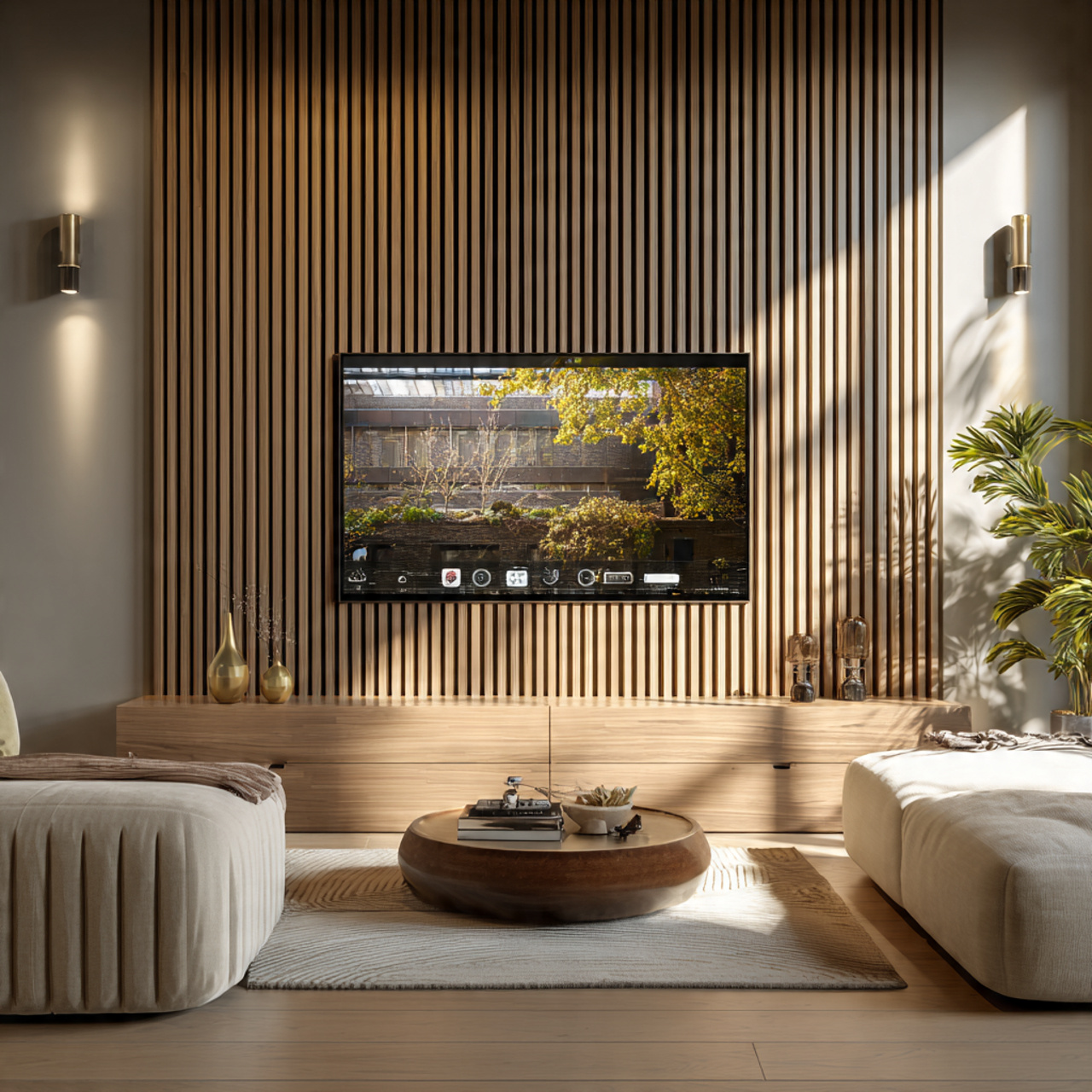
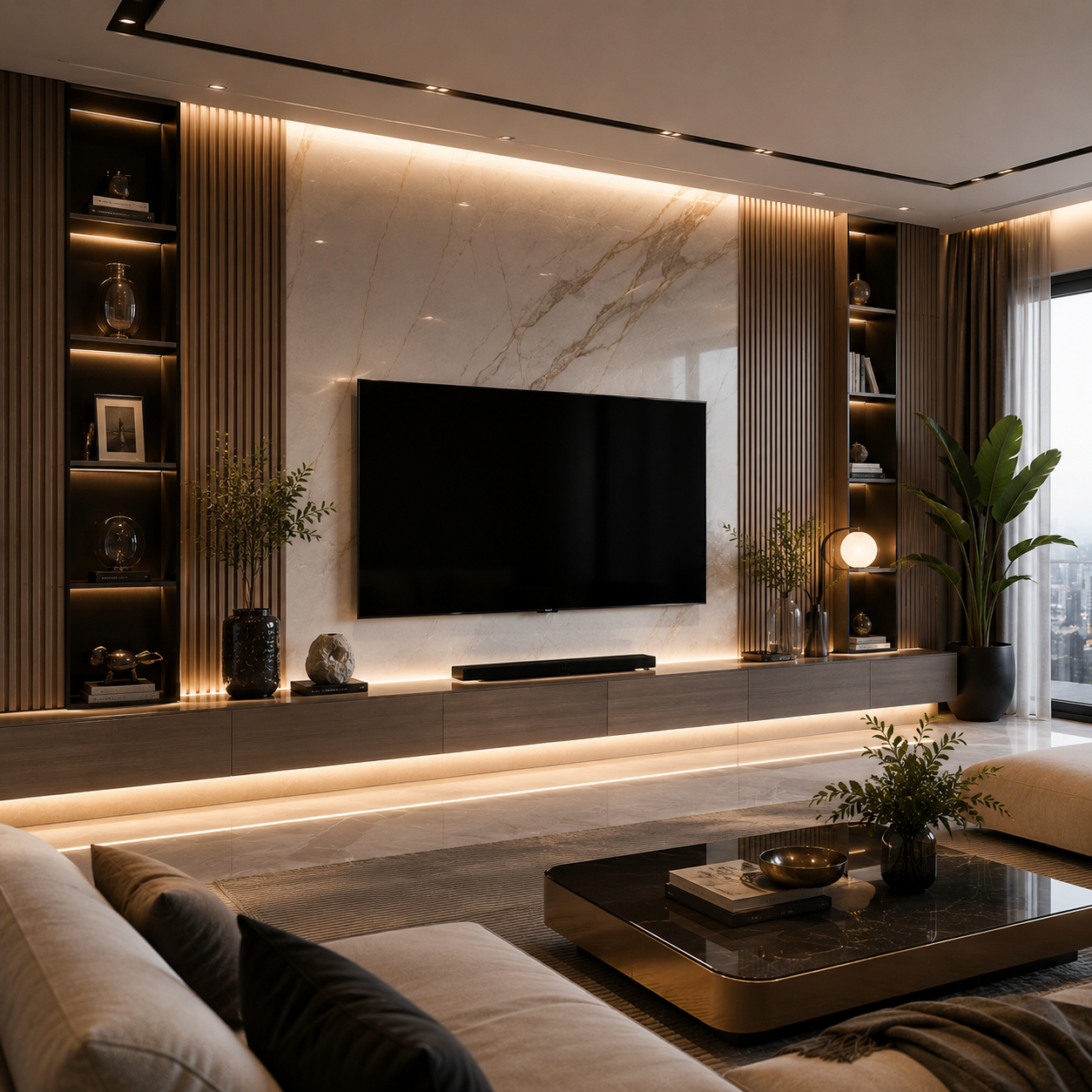
Soft vertical fluted wood panels behind the TV create a warm focal point that immediately makes the living room feel more intentional. As evening light settles in, subtle warm lighting across the textured surface adds gentle depth without overwhelming the space. The wall begins to feel like a design feature rather than just a place for the television.
This works because texture naturally adds interest without requiring additional decor. In many homes, flat TV walls tend to feel unfinished, while fluted panels create movement and warmth at the same time. The layered lighting also softens the screen area, making the living room feel more comfortable during evening hours.
You can apply this by installing light oak or warm walnut fluted panels behind the TV and adding concealed LED lighting above or below. Keep surrounding furniture simple so the texture remains the focus.
Tip: Choose warm white lighting to keep the space relaxed and inviting.
Two Tone Wood TV Wall That Adds Subtle Contrast
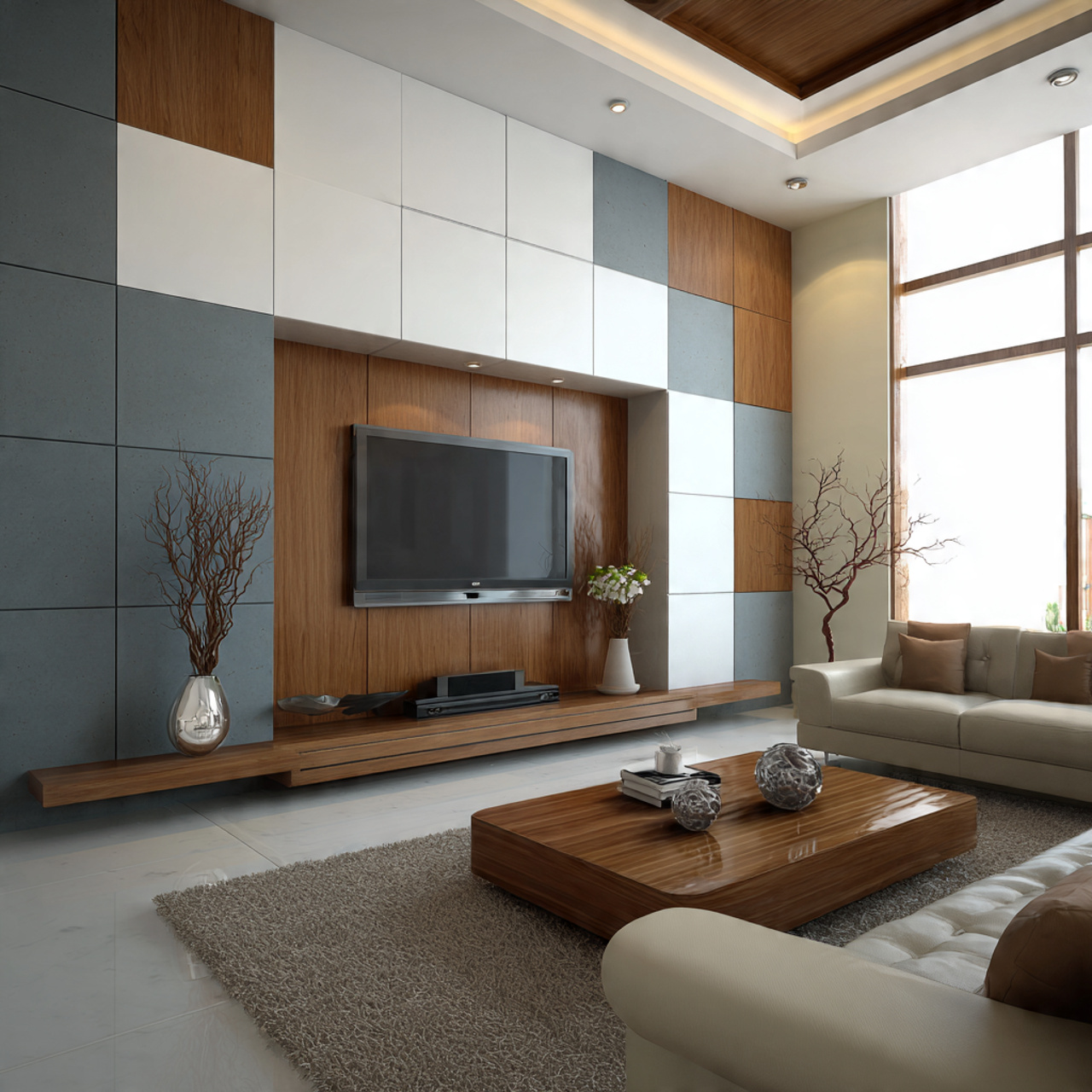
A two tone wood TV wall introduces quiet contrast that feels modern and sophisticated. Lighter wood panels paired with slightly darker framing naturally draw attention toward the center while maintaining a calm aesthetic. The contrast adds depth without making the space feel busy.
This works because subtle contrast helps define the TV wall without heavy styling. Many single tone wood walls can feel flat over time, while two tones create a more custom designed look. The layered tones also help the TV blend more naturally into the design.
To apply this idea, combine light oak panels with deeper walnut cabinetry or borders. Keep surrounding walls neutral so the wood tones become the main visual element.
Tip: Use similar warm undertones so the contrast remains soft and cohesive.
Japandi Style TV Wall With Calm Natural Wood
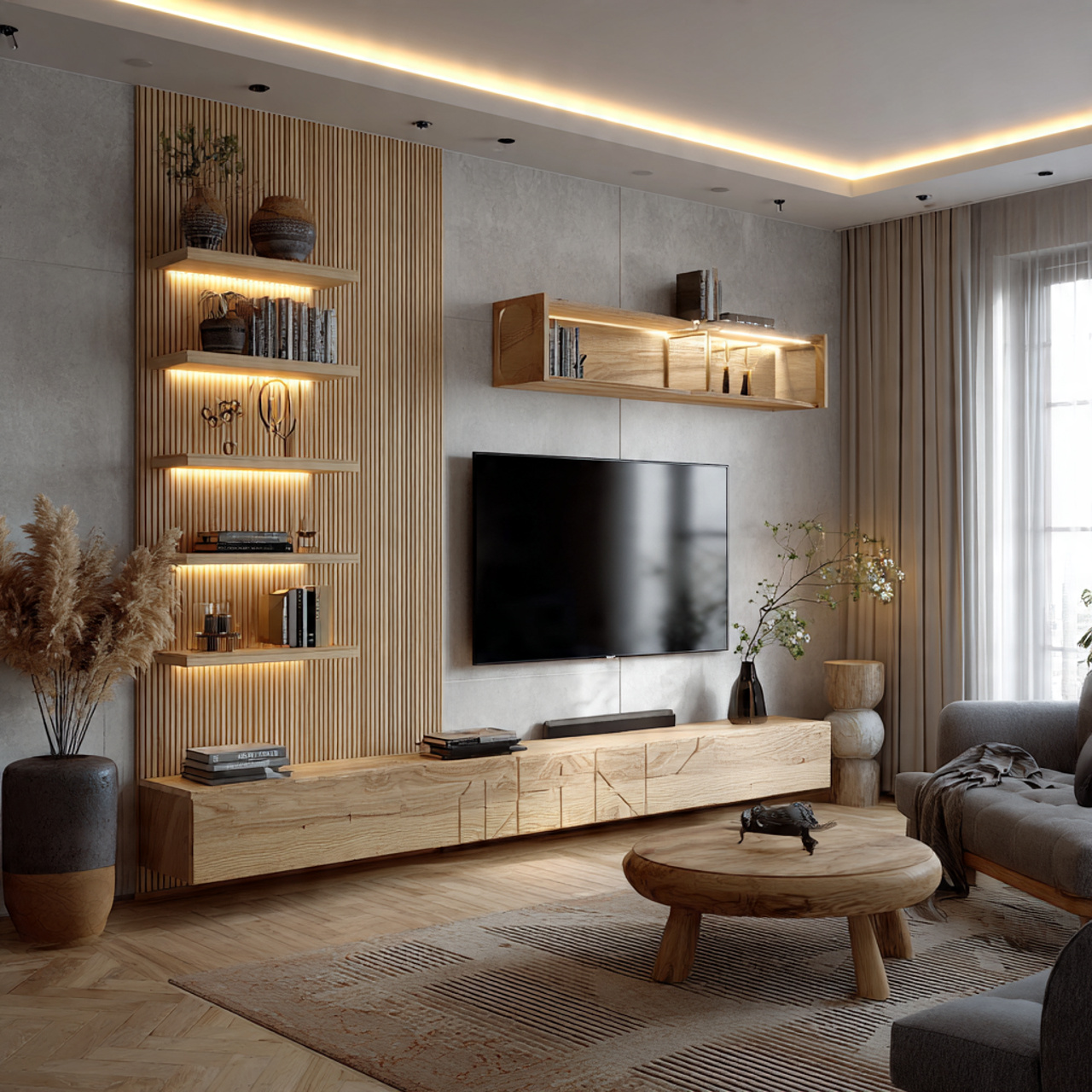
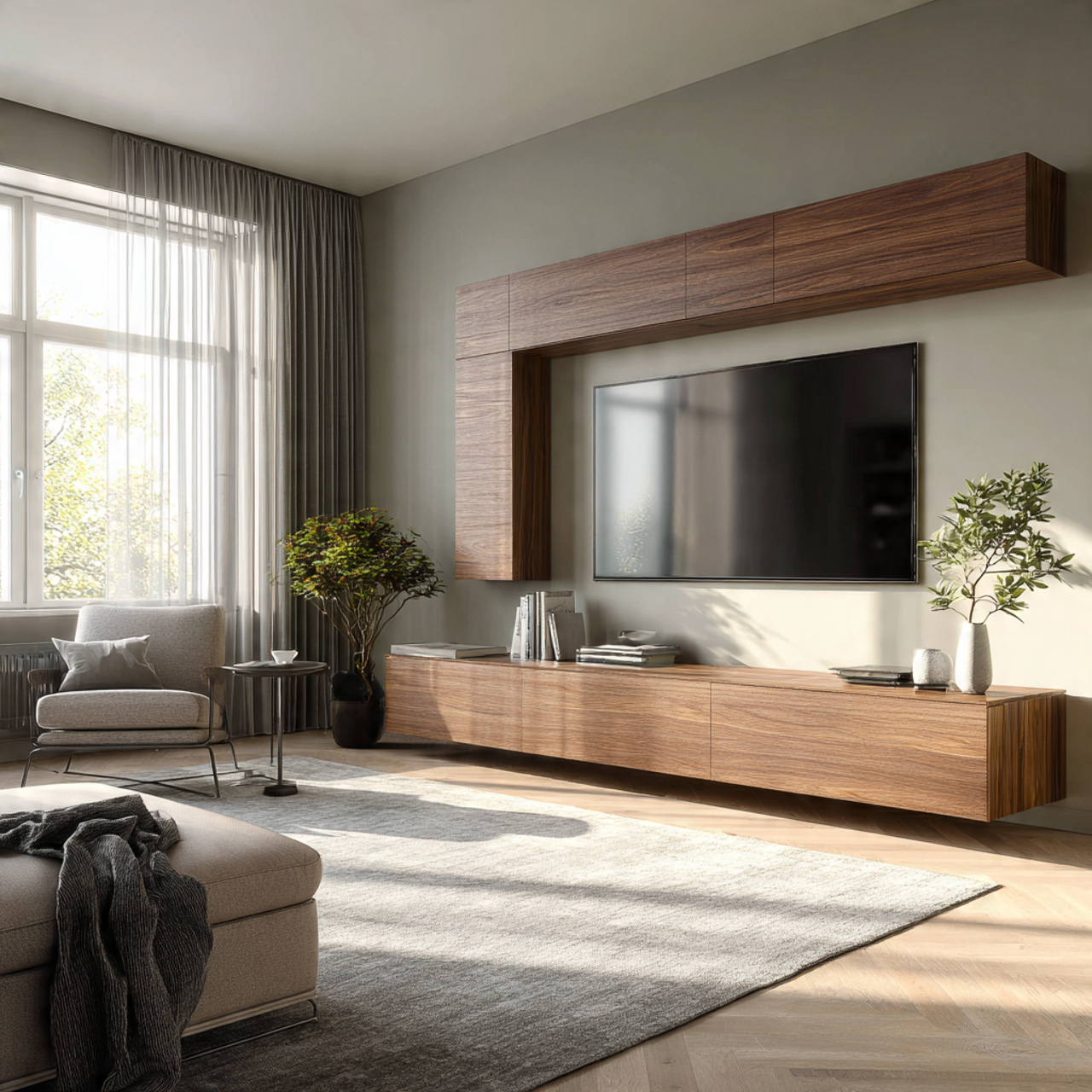
A Japandi inspired TV wall creates a calm and uncluttered living room atmosphere. Light wood tones paired with simple floating cabinetry make the wall feel peaceful and balanced. Natural light reflecting across the wood enhances the relaxed mood throughout the day.
This works because Japandi design removes visual clutter while maintaining warmth. In real homes, TV areas often become busy with decor and accessories, but this approach keeps everything intentional. The result is a space that feels comfortable and easy to live in.
You can apply this by using light oak or ash wood panels with minimal floating storage. Add a single ceramic piece or small plant to maintain a natural, understated look.
Tip: Keep surrounding colors soft beige or warm white for a calm Japandi feel.
Minimal Plaster TV Wall With Seamless Integration
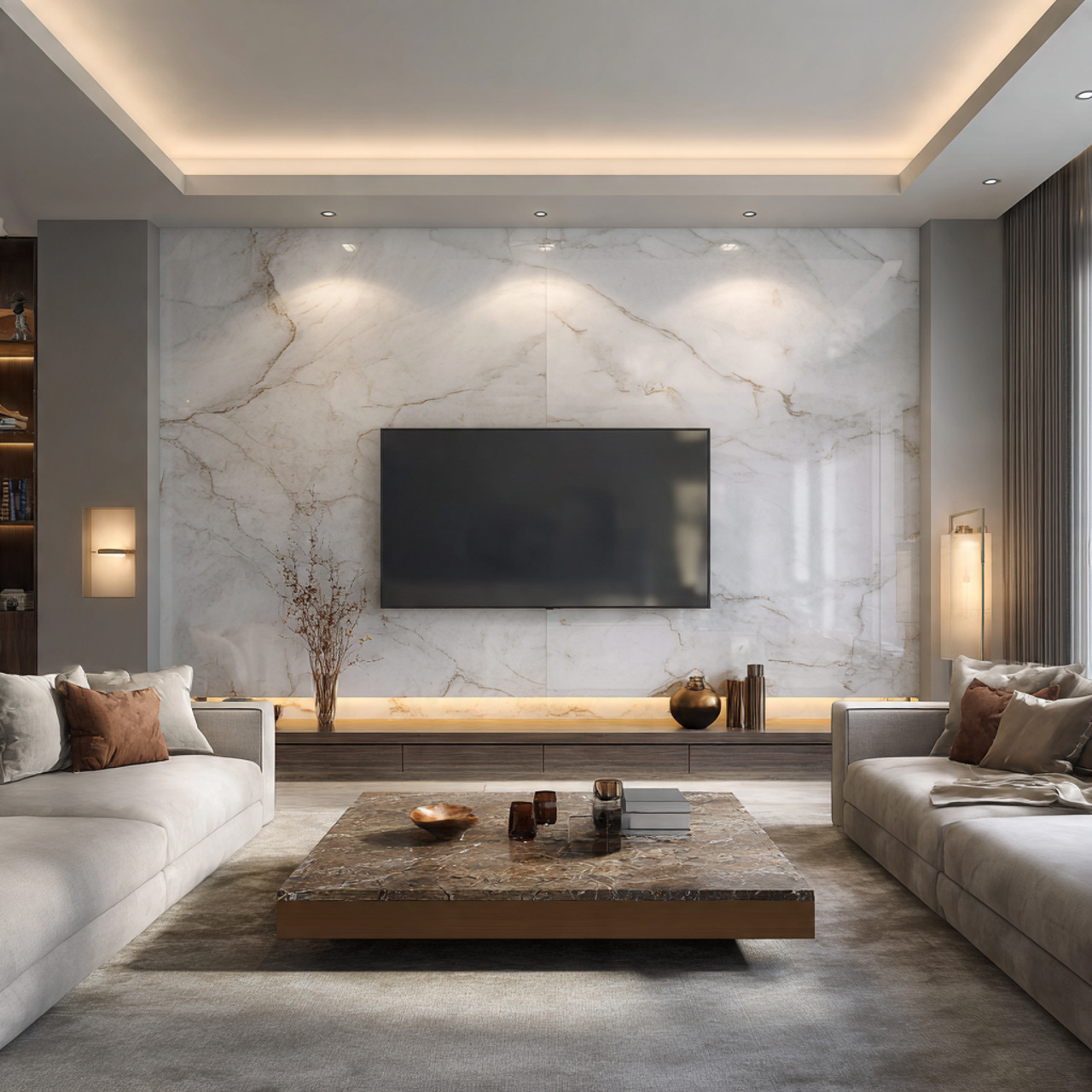
A smooth plaster TV wall creates a quiet, architectural look that feels refined and modern. The television blends gently into the wall, allowing the space to feel calm instead of visually heavy. The simplicity gives the room a more open and airy appearance.
This works because plaster finishes reduce visual distractions. After seeing this approach in several living rooms, the TV becomes less dominant and the entire space feels more cohesive. The subtle texture also adds interest without requiring additional styling.
To apply this idea, use light textured plaster behind the TV and pair it with minimal cabinetry. Choose warm neutral tones to keep the wall feeling soft and natural.
Tip: Matte finishes work best to reduce glare from the screen.
Floating Wood Slab TV Wall With Clean Styling
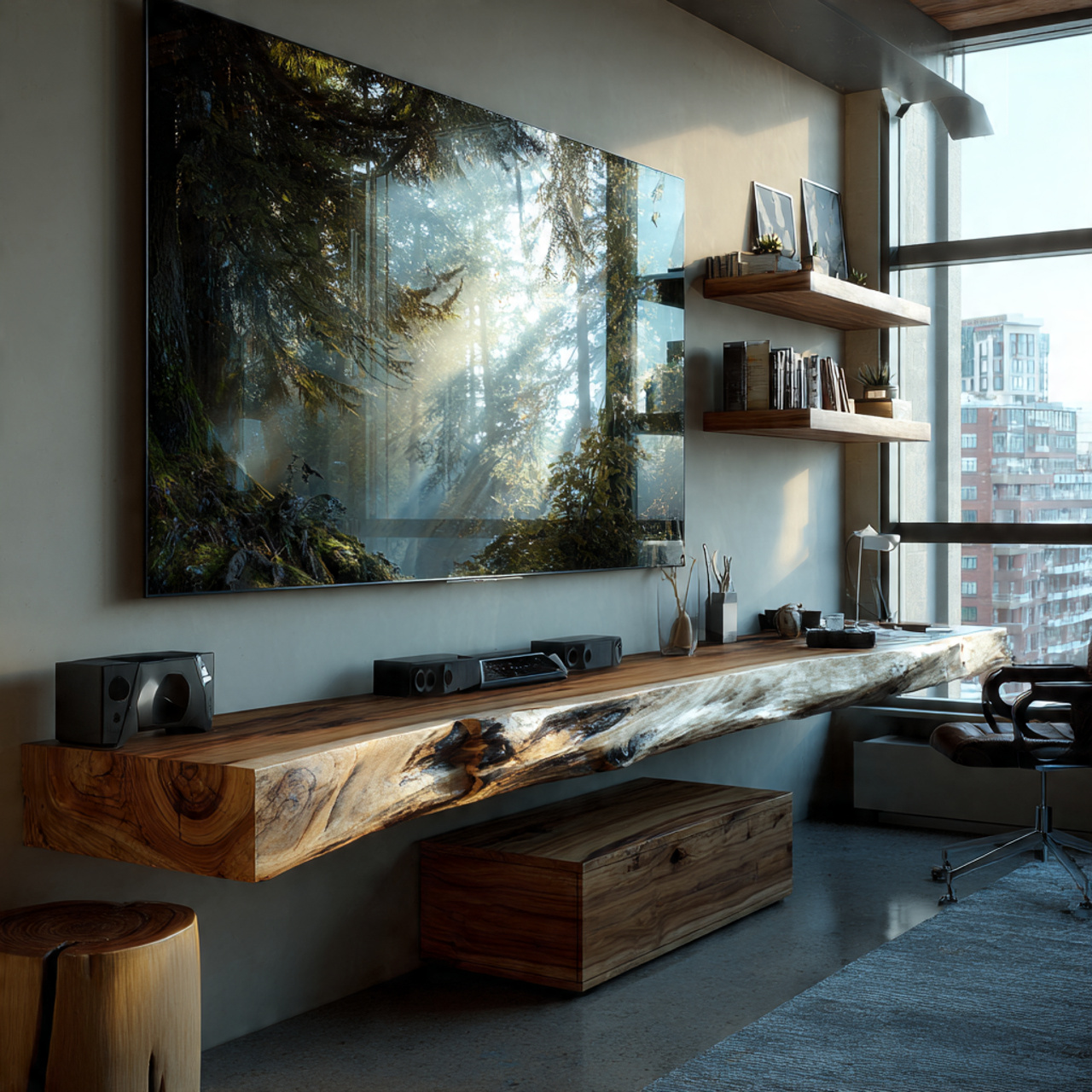
A floating wood slab behind the TV creates a simple yet striking focal point. The horizontal slab anchors the television while maintaining a clean and modern look. The floating effect keeps the wall visually light and uncluttered.
This works because floating elements create balance without adding bulk. In smaller living rooms, heavy cabinets can feel overwhelming, while floating slabs maintain openness. The clean lines also make the room feel more contemporary.
You can apply this by installing a wide wood slab slightly larger than the TV with a floating console beneath. Keep decor minimal to preserve the clean effect.
Tip: Extend the slab beyond the TV edges for a more balanced look.
Soft Greige TV Wall With Minimal Cabinet
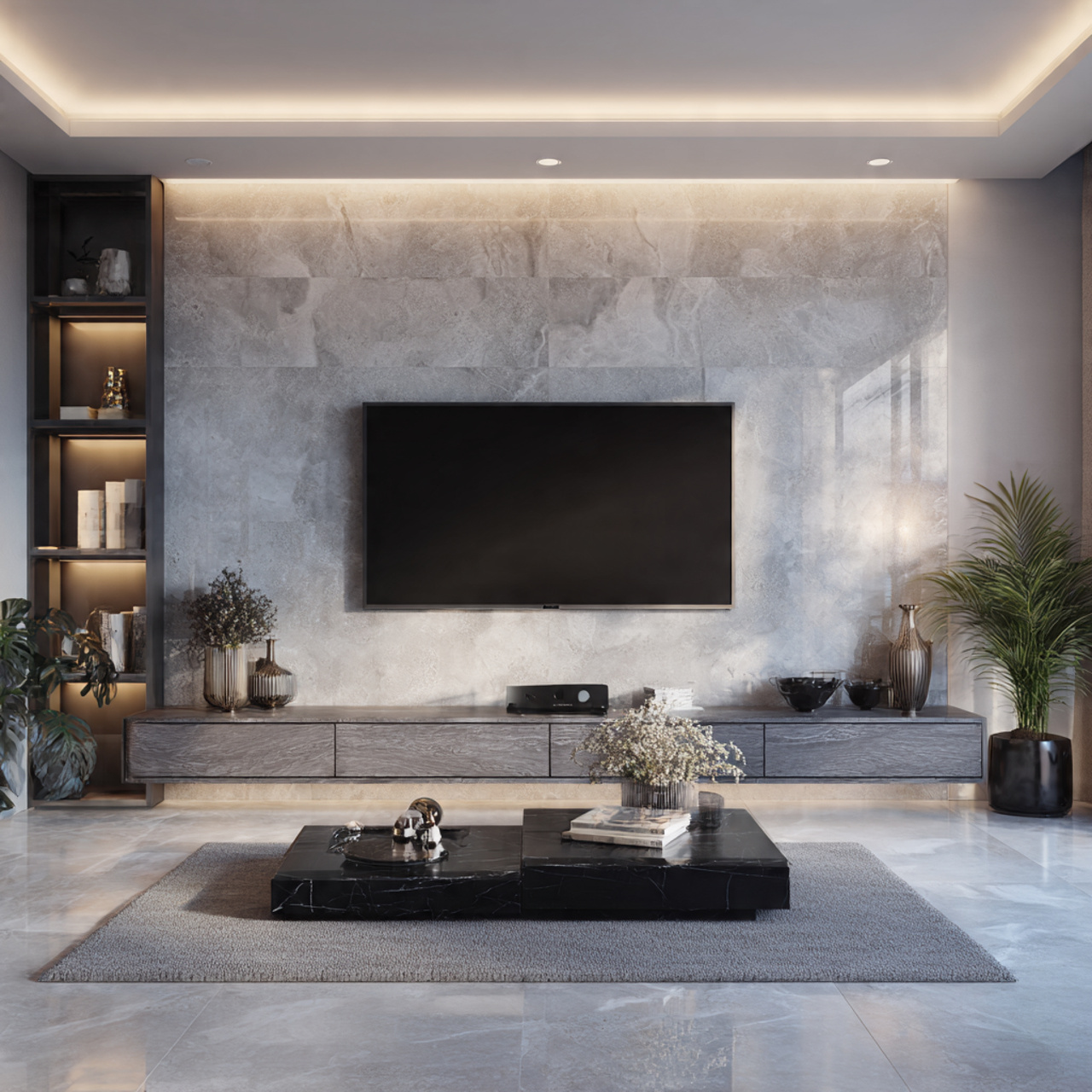
A soft greige TV wall creates a warm and relaxed atmosphere that blends easily with modern interiors. The muted tone softens the contrast between the TV and the wall, making the space feel more cohesive. A minimal floating cabinet completes the look without adding clutter.
This works because greige tones balance warmth and neutrality. Dark TV walls can sometimes feel heavy, while greige keeps the space calm and inviting. The subtle color also works well with wood textures and soft fabrics.
To apply this idea, paint the TV wall in warm greige and pair it with light wood or neutral furniture. Keep accessories minimal to maintain the calm aesthetic.
Tip: Use warm lighting to enhance the softness of greige tones.
Warm Neutral Luxury TV Wall With Soft Textures
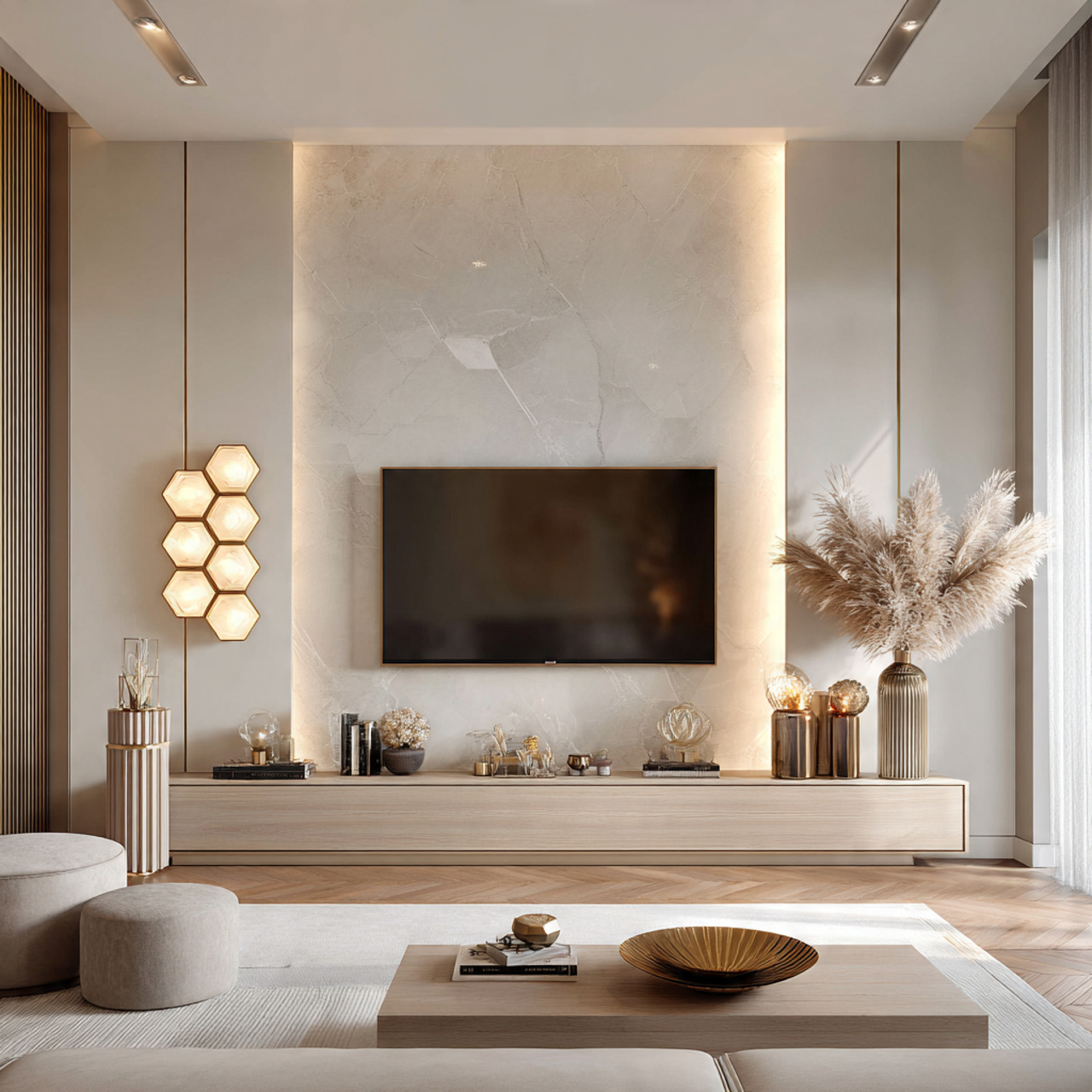
A warm neutral TV wall layered with soft textures creates a living room that feels calm and quietly luxurious. Subtle beige panels combined with warm wood cabinetry soften the appearance of the television while keeping the space inviting. In the evening, gentle lighting across textured surfaces creates a relaxed atmosphere that feels comfortable for everyday living.
This works because warm neutrals make large walls feel less dominant and more integrated into the room. In many homes, stark white or dark walls can make the TV stand out too strongly, while warm tones create balance. The layered textures also add interest without needing additional decoration.
To apply this idea, use beige panels, warm oak cabinetry, and soft lighting around the TV wall. Keep surrounding decor minimal so the textures remain the focus.
Tip: Choose soft textured finishes like limewash or subtle paneling for added depth.
Organic Modern TV Wall With Natural Materials
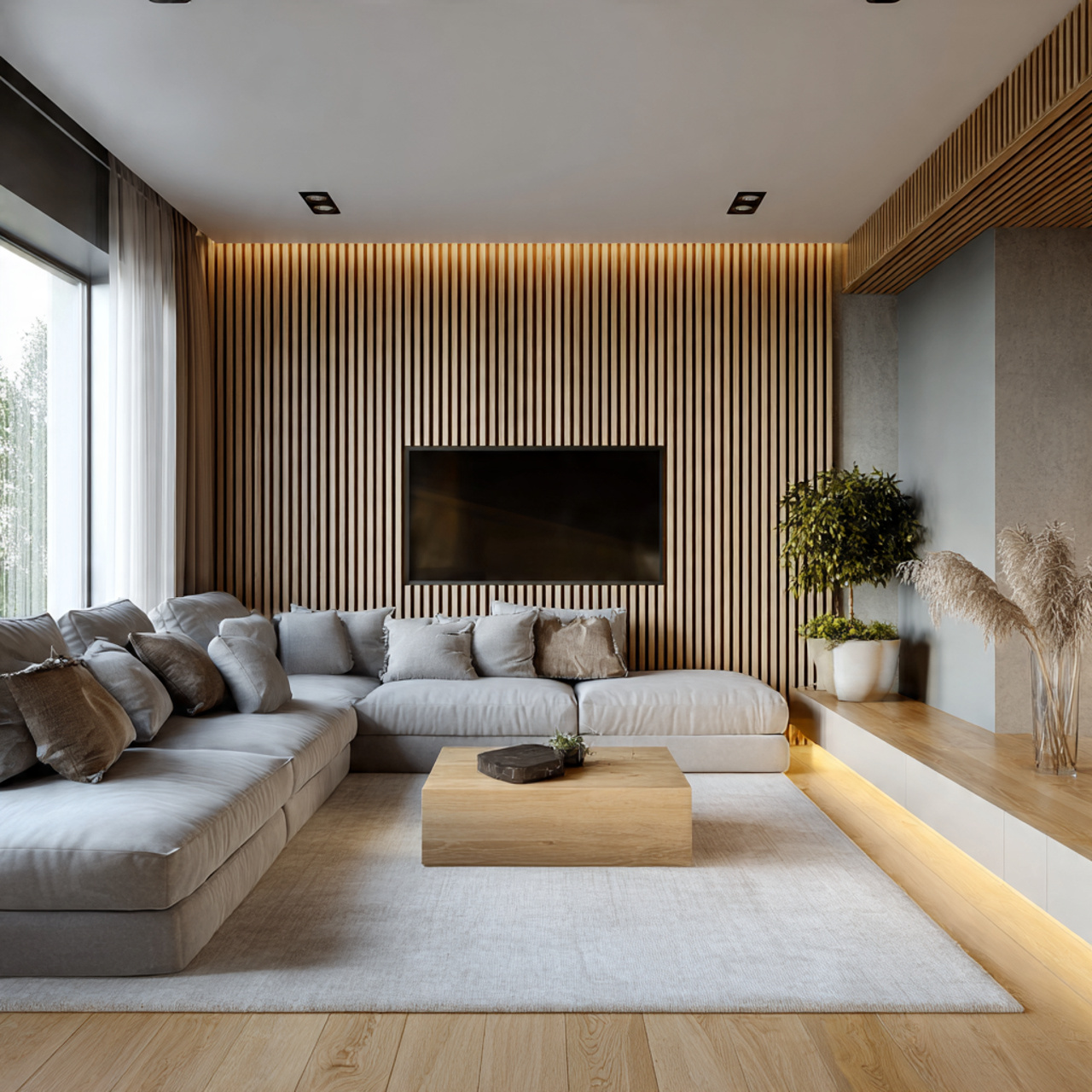
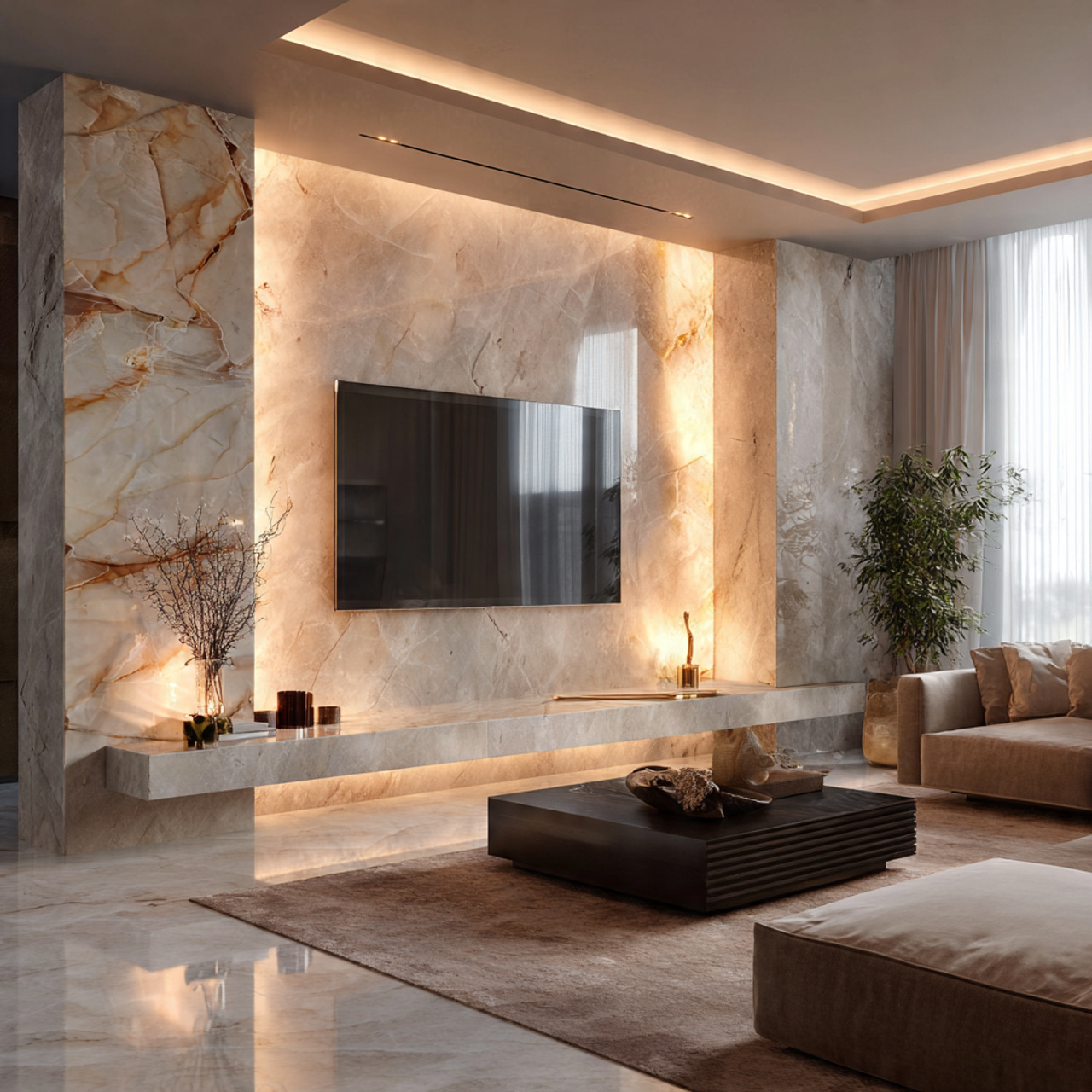
An organic modern TV wall blends natural materials with soft modern styling for a relaxed and comfortable space. Light wood, soft stone, and neutral tones create a layered look that feels natural rather than overly designed. During the day, sunlight reflecting across natural textures makes the wall feel warm and inviting.
This works because organic modern design balances simplicity with texture. Many living rooms feel either too minimal or too decorated, while this approach finds a comfortable middle ground. Natural materials also age well and continue to feel stylish over time.
You can apply this by combining light wood panels with soft stone or plaster finishes. Add one or two natural decor elements like a ceramic piece or plant.
Tip: Keep the color palette neutral to maintain the organic feel.
Layered Panel TV Wall With Subtle Depth
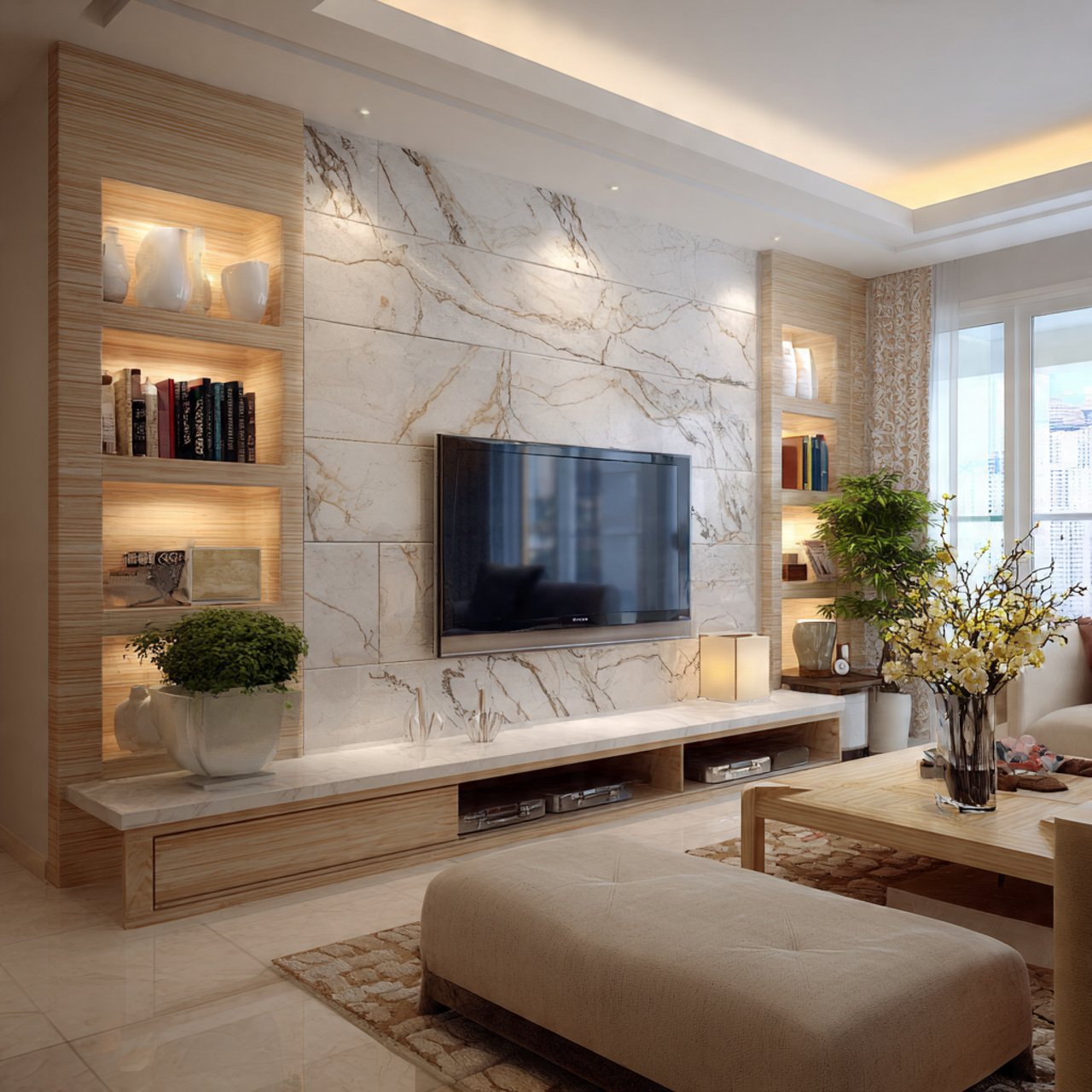
A layered panel TV wall introduces dimension without overwhelming the room. Slightly raised panels behind the TV create soft shadows that change throughout the day. The wall feels more architectural while still maintaining a calm modern aesthetic.
This works because layered panels add depth in a subtle way. Flat walls often feel unfinished, while layered designs create interest without heavy decoration. The soft shadows also make the TV area feel more intentional.
To apply this idea, use shallow panels or layered boards behind the TV in neutral tones. Keep furniture simple to let the wall design stand out.
Tip: Use thin panels to keep the look refined and modern.
Mid Century Modern TV Wall With Wooden Cabinet
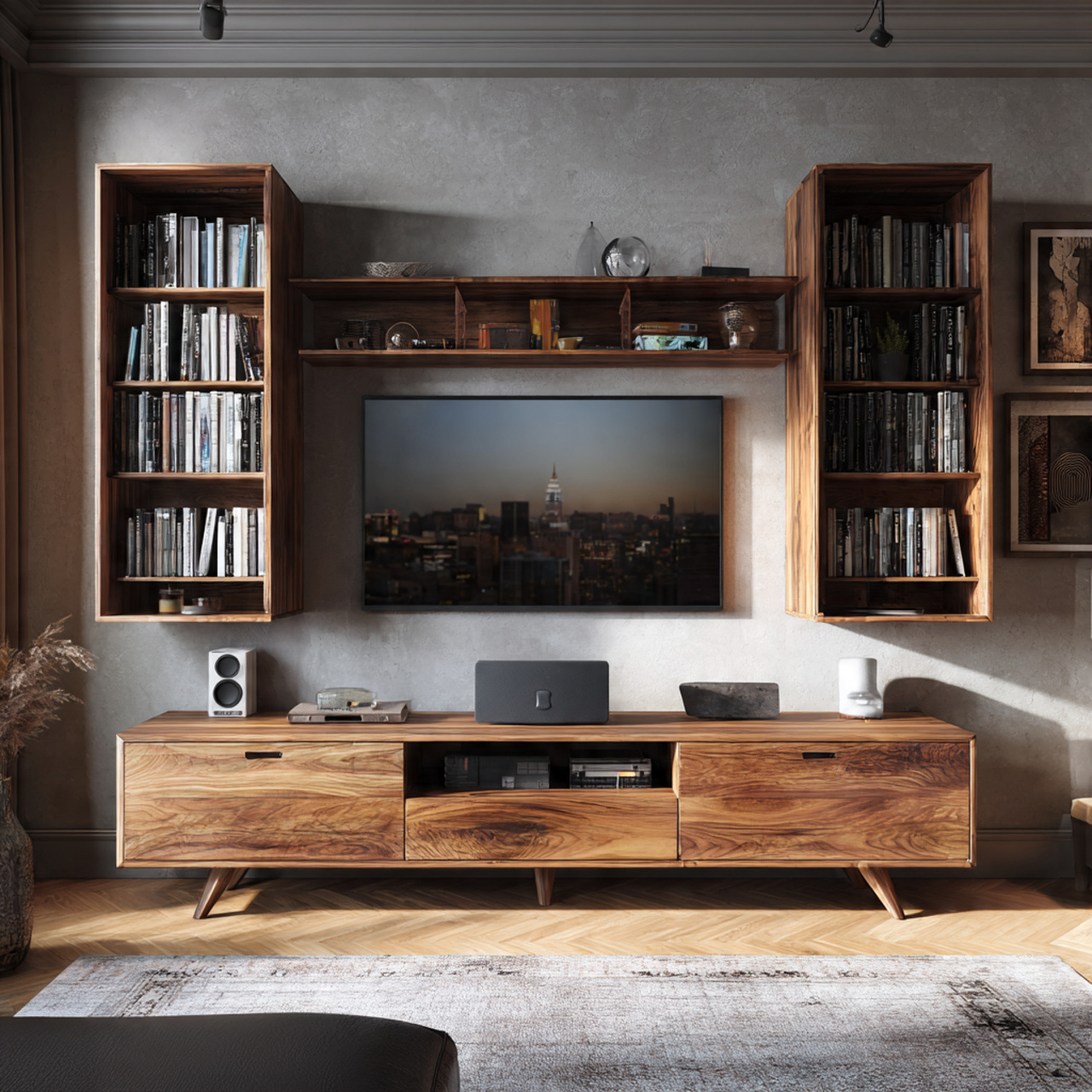
A mid century modern TV wall introduces warmth through clean wooden cabinetry and simple lines. Low profile cabinets paired with soft neutral walls create a relaxed, timeless look. The design feels comfortable and approachable rather than overly formal.
This works because mid century furniture naturally balances function and style. In many homes, bulky cabinets make the TV wall feel heavy, while mid century designs keep the space open. The wood tones also add warmth without needing extra decor.
To apply this idea, choose a low wooden cabinet with tapered legs or clean edges. Pair with neutral walls and minimal accessories.
Tip: Keep decor minimal to maintain the mid century simplicity.
Mixed Material TV Wall With Wood And Plaster
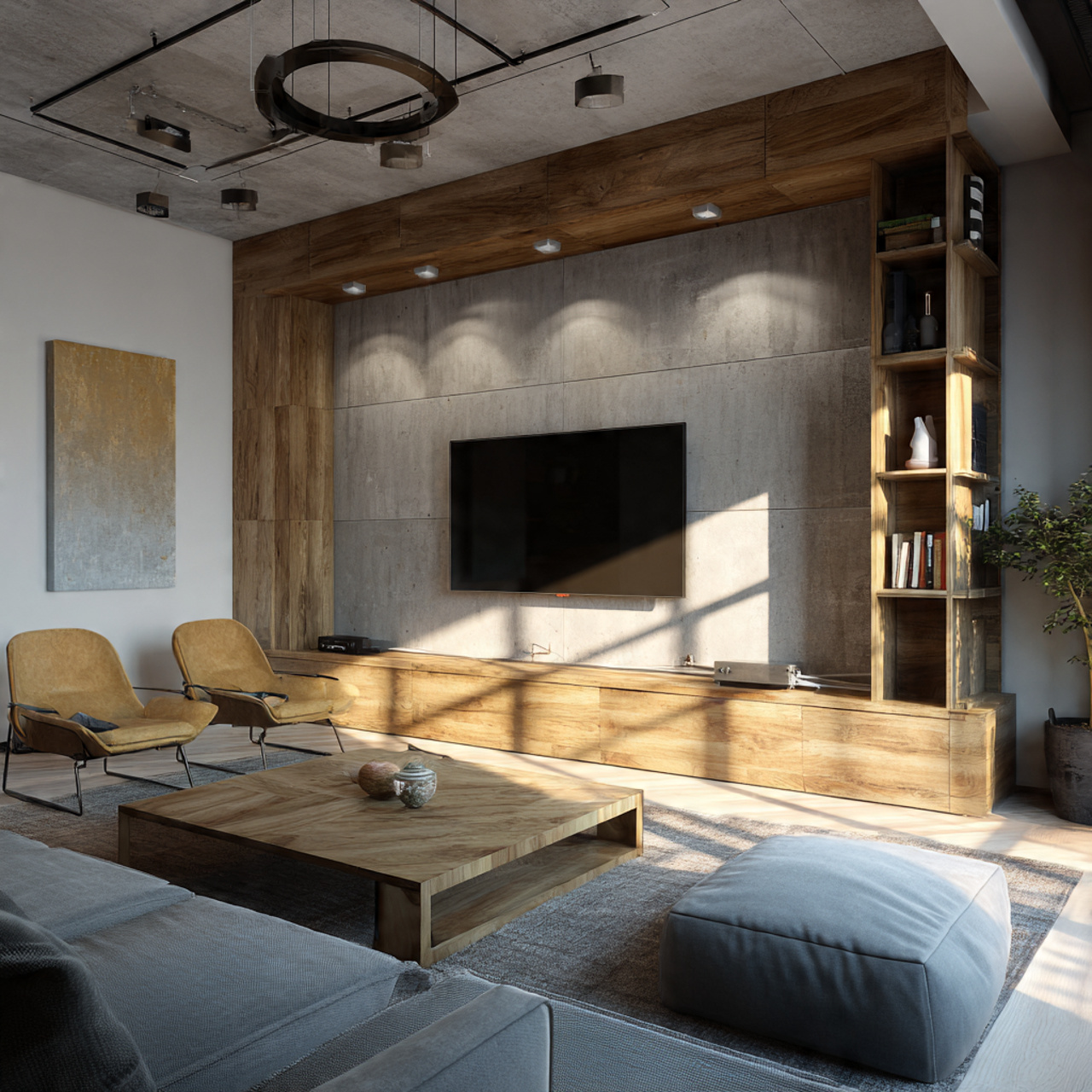
A mixed material TV wall combining wood and plaster creates visual interest while keeping the space calm. The contrast between smooth plaster and warm wood panels adds subtle depth. The combination feels modern and thoughtfully designed.
This works because mixing materials prevents the wall from feeling flat. Many single material designs lack dimension, while combining textures adds balance. The result is a more dynamic but still relaxed living room.
To apply this idea, use plaster on the main wall and wood panels behind the TV or cabinet area. Keep colors neutral for a cohesive look.
Tip: Limit to two materials to keep the design clean.
Vertical Wood Strip TV Wall With Soft Lighting
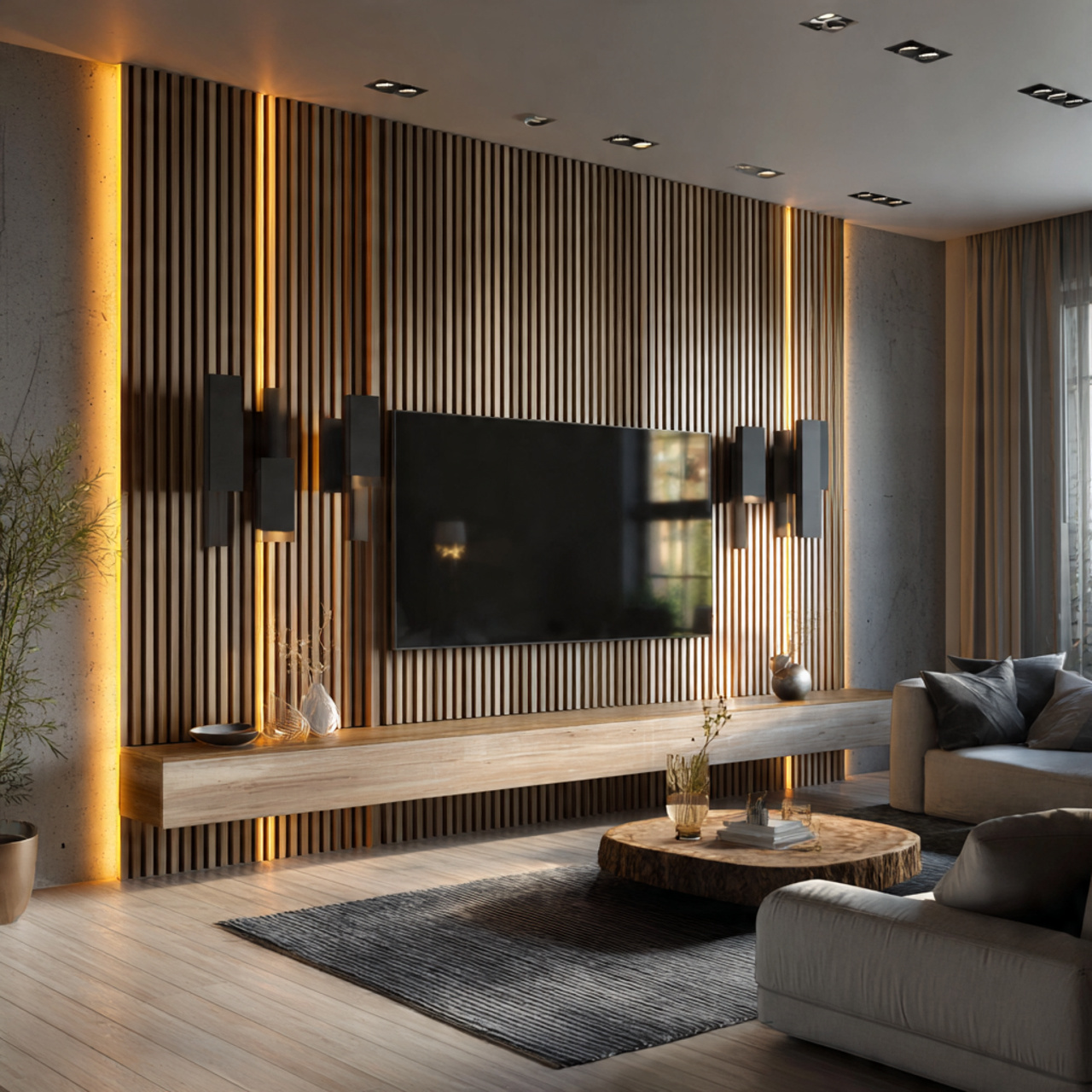
Vertical wood strips behind the TV create gentle movement and height within the living room. Warm lighting between the strips enhances the texture and softens the TV area. The design feels modern and visually interesting.
This works because vertical lines make the space feel taller and more balanced. In smaller living rooms, this approach helps create a sense of openness. The lighting also adds warmth during evening hours.
To apply this idea, install narrow vertical wood strips with hidden lighting behind or above them. Choose warm toned wood for a cozy atmosphere.
Tip: Keep strip spacing consistent for a clean look.
Visit Also: Modern Tv Wall Units
Living Room TV Wall With Backlit Panel Feature
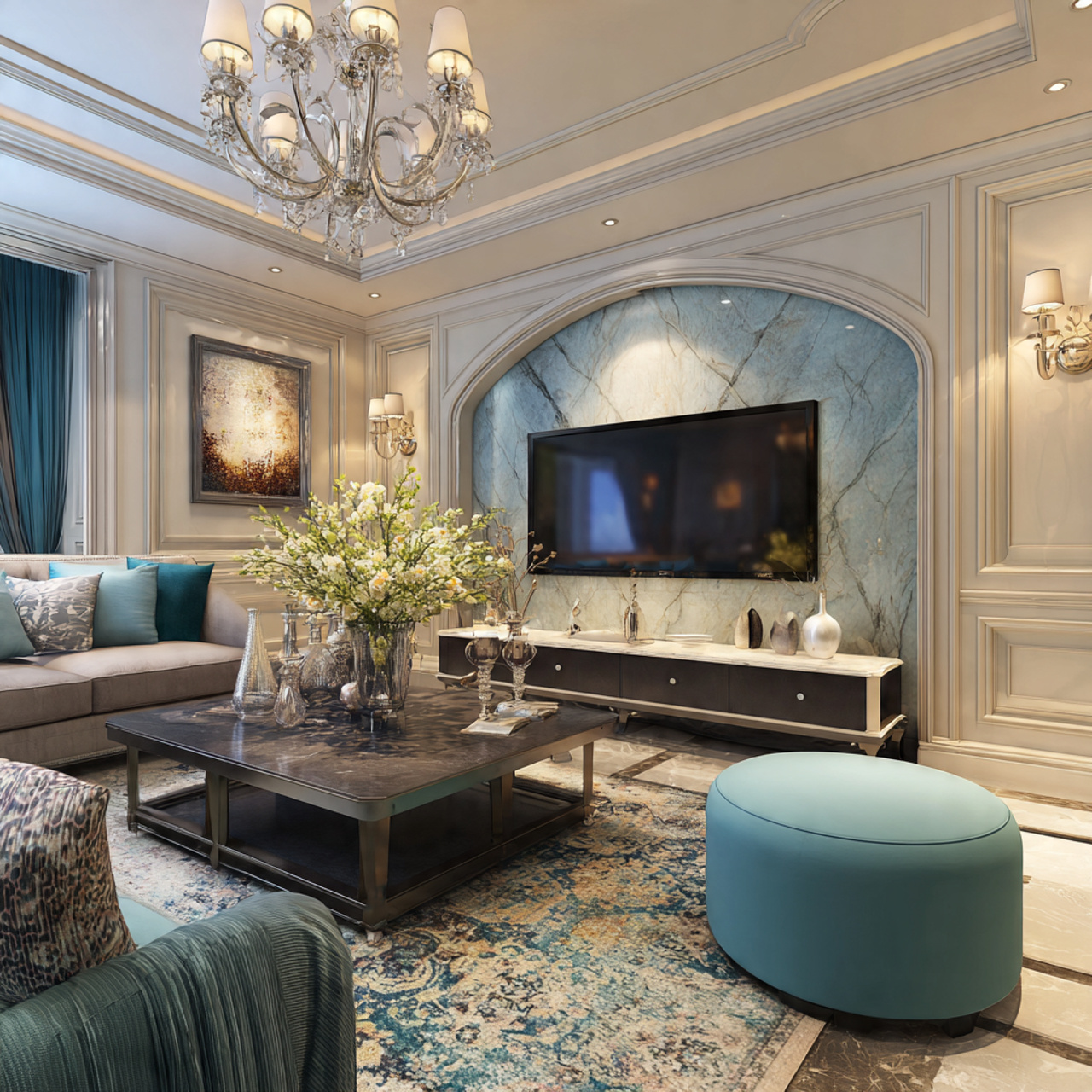
A compact side mandir integrated beside the TV wall creates a thoughtful and functional layout. The small temple section blends naturally with the TV wall without overpowering the space. The result feels balanced and culturally meaningful.
This works because combining both functions saves space and creates a cohesive wall. Many homes struggle with separate placements, which can make rooms feel crowded. Integrating both creates a cleaner design.
To apply this idea, place a small mandir unit on one side of the TV with matching materials. Keep the design simple and balanced.
Tip: Use warm lighting inside the mandir for a calm atmosphere.
Living Room TV Wall With Slim Wall Mounted Media Console
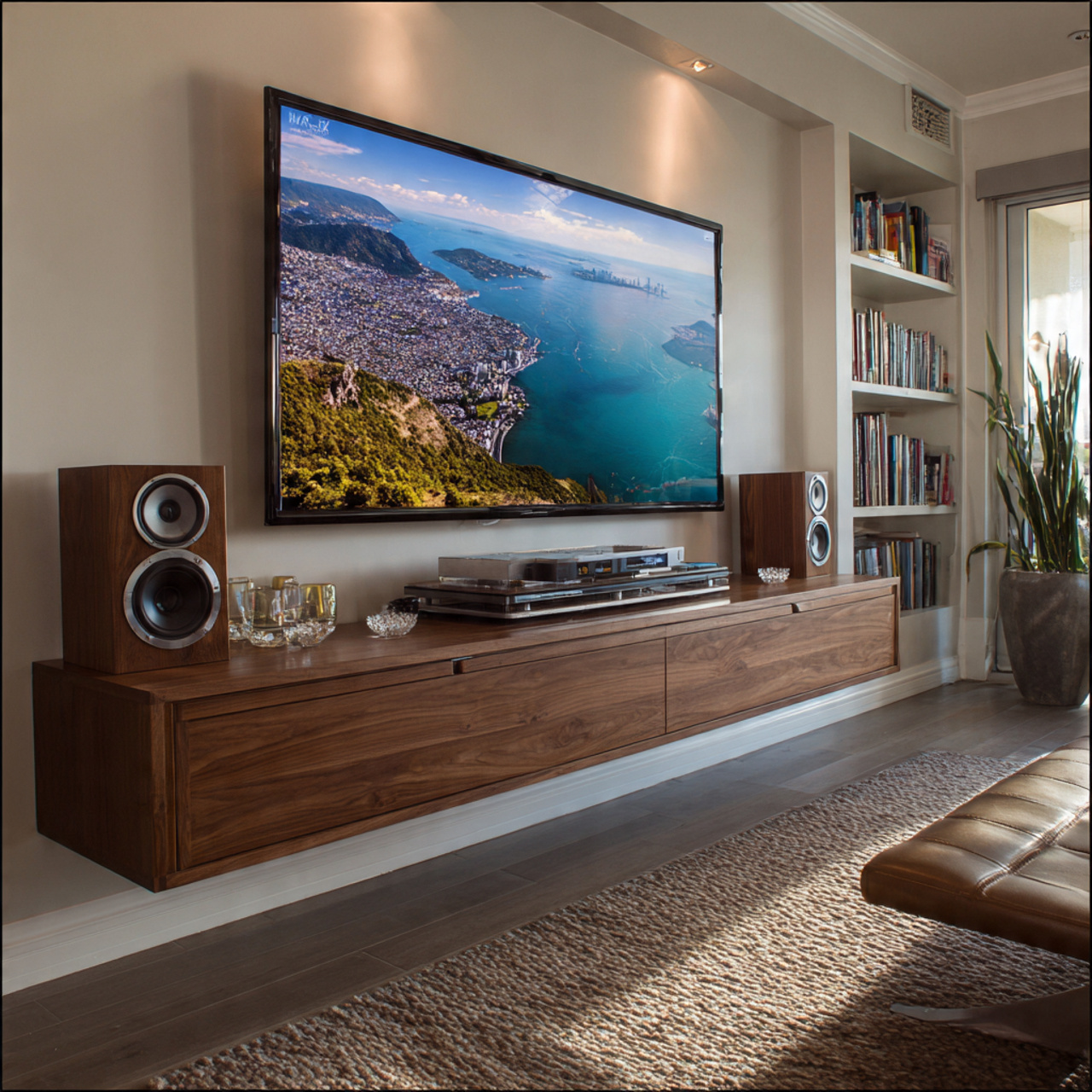
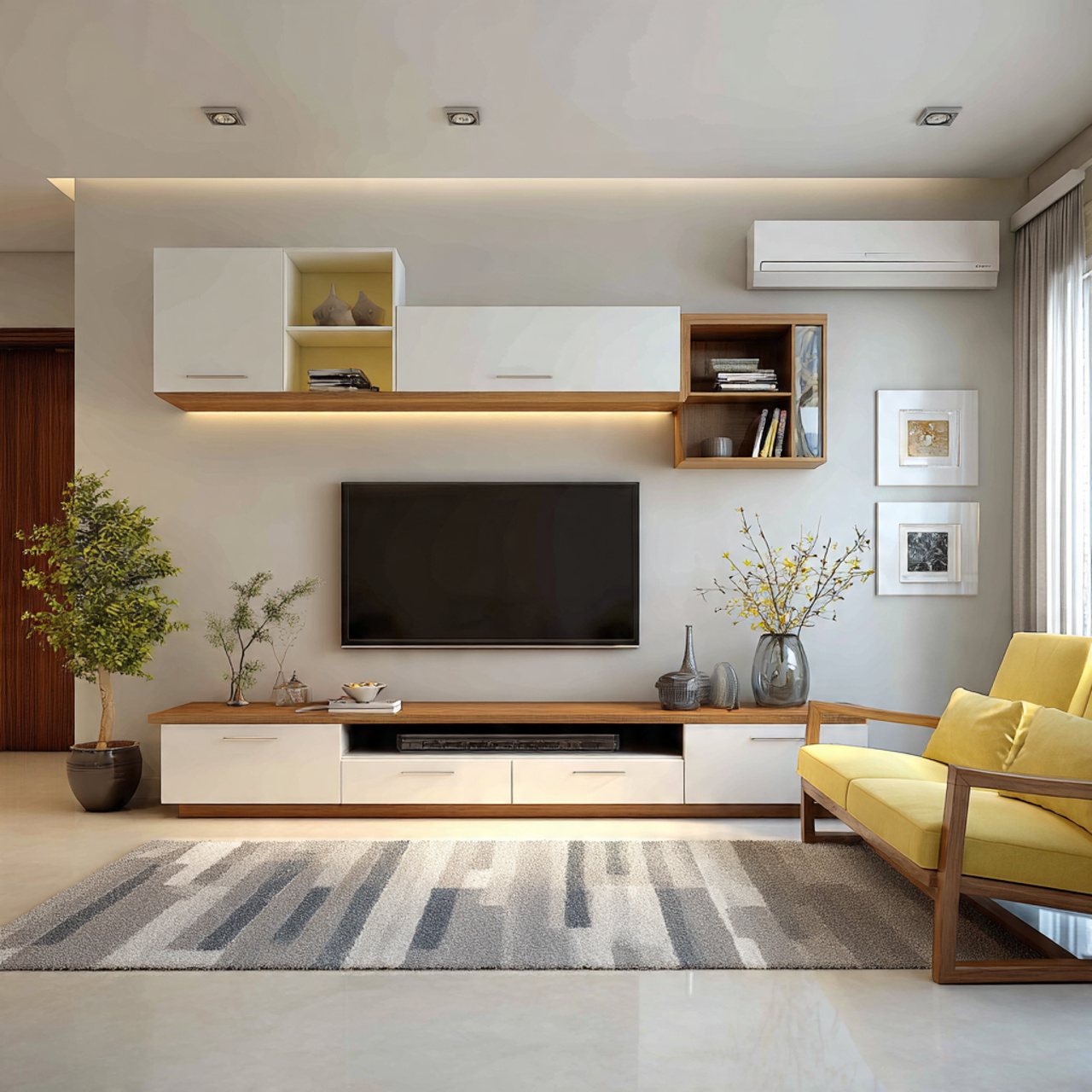
A slim wall mounted media console keeps the living room TV wall looking clean and modern. The floating design opens up floor space and makes the room feel lighter, especially in smaller layouts. A simple vase or stacked books can add a calm, styled touch without clutter.
This works because bulky TV units often make the wall feel heavy and crowded. A slim console keeps the focus on the TV wall while maintaining a more spacious feel.
You can apply this by choosing a low profile floating console in warm wood or neutral tones. Pair it with soft lighting or a textured wall for a balanced look.
Tip: Choose a console slightly wider than the TV for a more polished appearance.
A Real Living Room TV Wall Layout That Feels Calm And Cohesive
Morning light softly moves across a warm wood fluted TV wall while the rest of the room stays quiet and uncluttered. A floating cabinet beneath the television keeps the floor open, and a small ceramic piece beside the screen adds a lived in touch. In the evening, warm ambient lighting gently highlights the textures, making the room feel relaxed and comfortable for everyday moments.
The layout feels balanced with the sofa positioned directly across from the TV wall and a neutral rug grounding the space. A soft greige wall color blends everything together, while natural wood tones bring warmth without feeling heavy. The entire living room feels calm, functional, and thoughtfully designed without appearing overly styled.
Color And Material Combinations That Elevate A Living Room TV Wall
Warm Greige (#D8D2C8)
Works beautifully on TV feature walls and surrounding surfaces. Creates a calm and modern atmosphere while softening the contrast of the television. Pairs naturally with oak wood, linen textures, and matte finishes.
Light Oak Wood (#D6B48C)
Perfect for panels, floating cabinets, and vertical strips. Adds warmth and natural texture without making the room feel dark. Works well with soft beige fabrics and neutral stone materials.
Soft Beige (#E8E1D6)
Ideal for surrounding walls and ceiling areas. Creates brightness while maintaining warmth in the space. Pairs well with wood cabinetry, plaster finishes, and minimal decor.
Warm Walnut (#8C6A4A)
Best used for accents such as cabinetry or panel borders. Adds depth and contrast while keeping the space sophisticated. Works beautifully with greige walls and light neutral furniture.
Room Size And Lighting Guide For Living Room TV Wall
Small Living Rooms
Use lighter wall tones and minimal cabinetry to keep the TV wall from feeling heavy. Add soft layered lighting so shadows do not make the space feel smaller.
Large Living Rooms
Use wider panels or layered materials so the TV wall does not look too small. Add multiple lighting sources to create warmth and visual balance.
North Facing Rooms
Use warm wood tones and warm lighting to counter cooler natural light. Soft beige or greige colors help make the room feel more inviting.
South Facing Rooms
Use neutral tones and subtle textures to balance strong natural light. Avoid overly reflective finishes that can create glare around the television.
Common Living Room TV Wall Mistakes To Avoid
Making The TV Wall Too Dark
Many homeowners choose dark panels thinking it will create a dramatic effect. Over time, the space can start to feel heavy and visually smaller.
Use warm mid tone woods or soft neutrals instead to keep the room balanced and comfortable.
Overcrowding The TV Wall With Decor
It often happens when trying to fill empty wall space quickly. Too many decor pieces make the TV area feel cluttered and distracting.
Keep one or two focal elements and allow negative space to create calm.
Choosing Oversized Cabinets
Large cabinets are often selected for storage needs without considering room size. This can make the living room feel cramped and less open.
Choose floating or low profile cabinets to maintain visual openness.
Ignoring Lighting Around The TV Wall
Many living rooms rely only on ceiling lighting which creates harsh contrast. The TV area then feels disconnected from the rest of the room.
Add soft ambient lighting behind panels or beneath cabinets for a more cohesive look.
Frequently Asked Questions About Living Room TV Wall Design
How do I make a living room TV wall look more modern?
Focus on clean lines, warm neutral colors, and minimal cabinetry to create a modern look. Adding subtle textures such as wood panels or soft plaster also helps the wall feel more intentional without heavy decoration.
Should the TV wall be darker or lighter than the rest of the living room?
Lighter or mid tone walls usually work better because they keep the room feeling open and balanced. Very dark walls can sometimes make the space feel heavy unless balanced with warm lighting and soft textures.
What is the best material for a living room TV wall?
Wood, plaster, and soft textured panels are some of the most versatile choices. These materials add warmth and depth while still maintaining a calm and modern appearance.
How do I style a living room TV wall on a budget?
Simple paint in warm neutral tones combined with a floating cabinet can create a big transformation. Small additions like soft lighting or minimal decor can also improve the space without major renovation.
Should I keep decor around the TV wall minimal?
Yes, minimal styling usually works best because it keeps attention on the overall design. One or two thoughtful decor elements create a calm and balanced look without clutter.
Creating A Living Room TV Wall That Feels Calm And Modern
Living room TV wall design has a powerful impact on how the entire space feels, even though it is often overlooked during planning. When thoughtful textures, warm materials, and balanced layouts come together, the room begins to feel more comfortable, cohesive, and visually calm.
Start with one simple improvement such as adding warm wood texture or soft neutral color to the TV wall. Small changes gradually transform the living room into a space that feels more inviting, relaxed, and naturally modern while still remaining practical for everyday living.