14 Stunning Home Office Design Ideas You Will Want Now
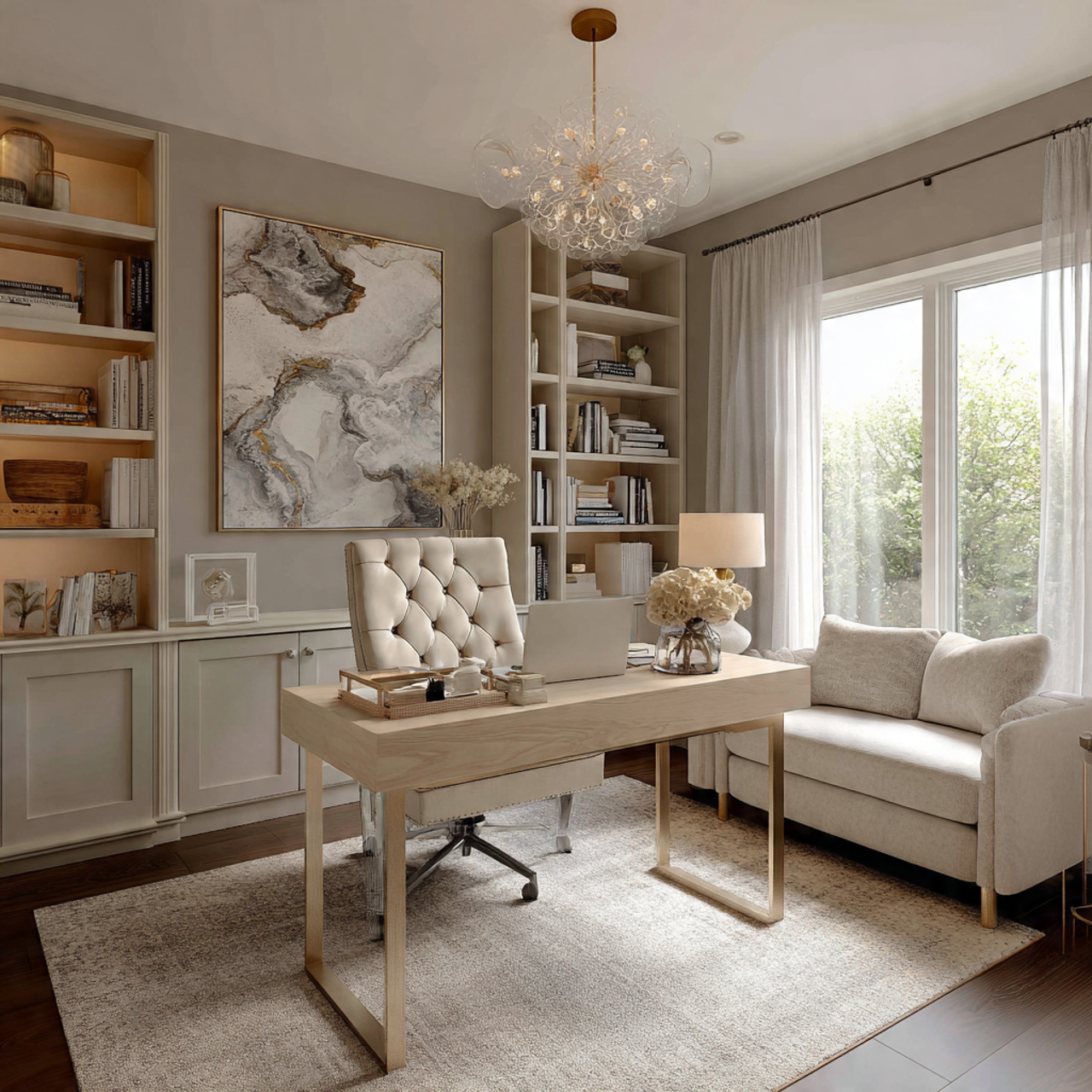
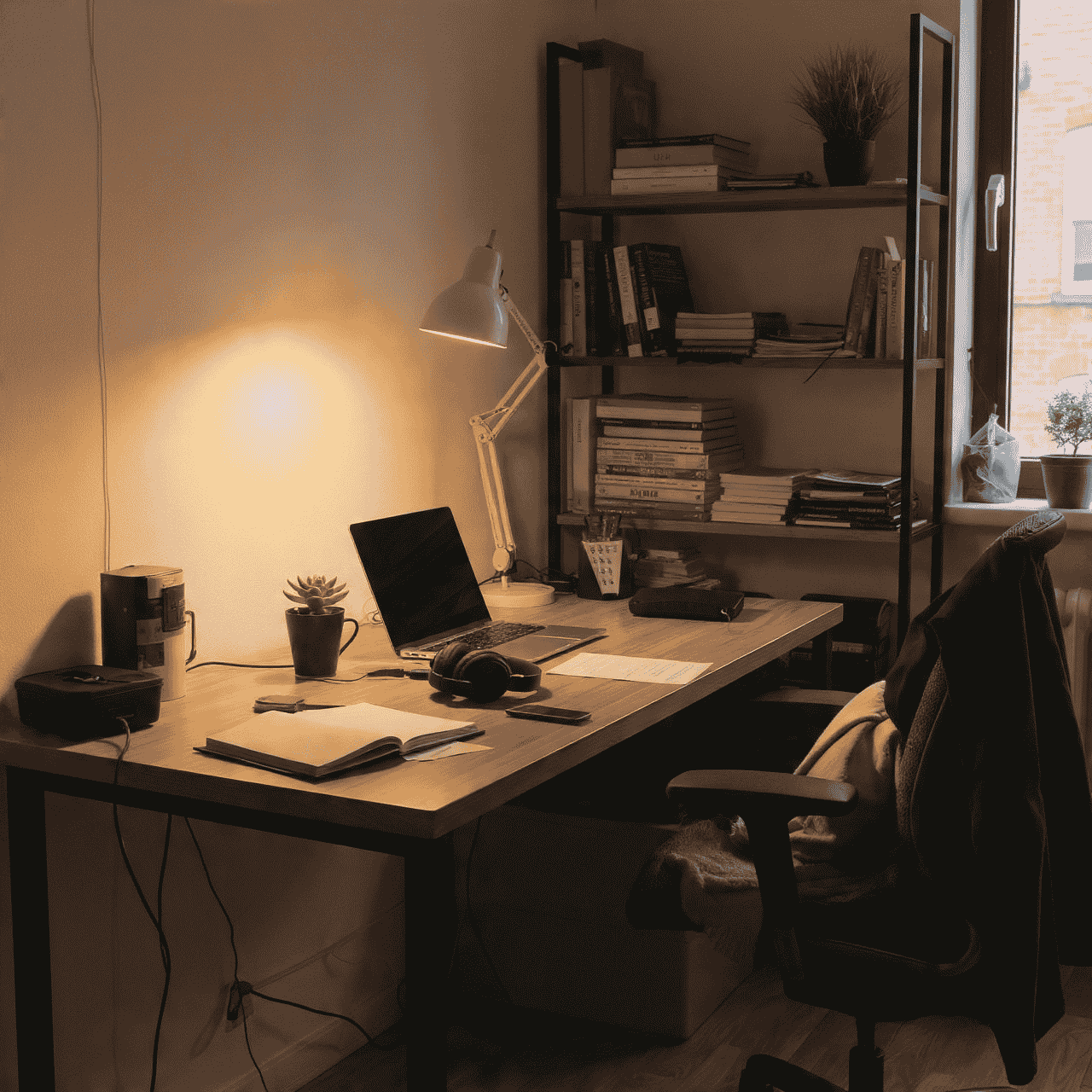
A well planned home office design can completely change how a room feels, especially in smaller homes where every corner matters. When layout, storage, and visual balance work together, even a compact space starts to feel calm, organized, and easier to use every day. A thoughtfully designed home office also helps reduce clutter and makes work feel more comfortable and intentional.
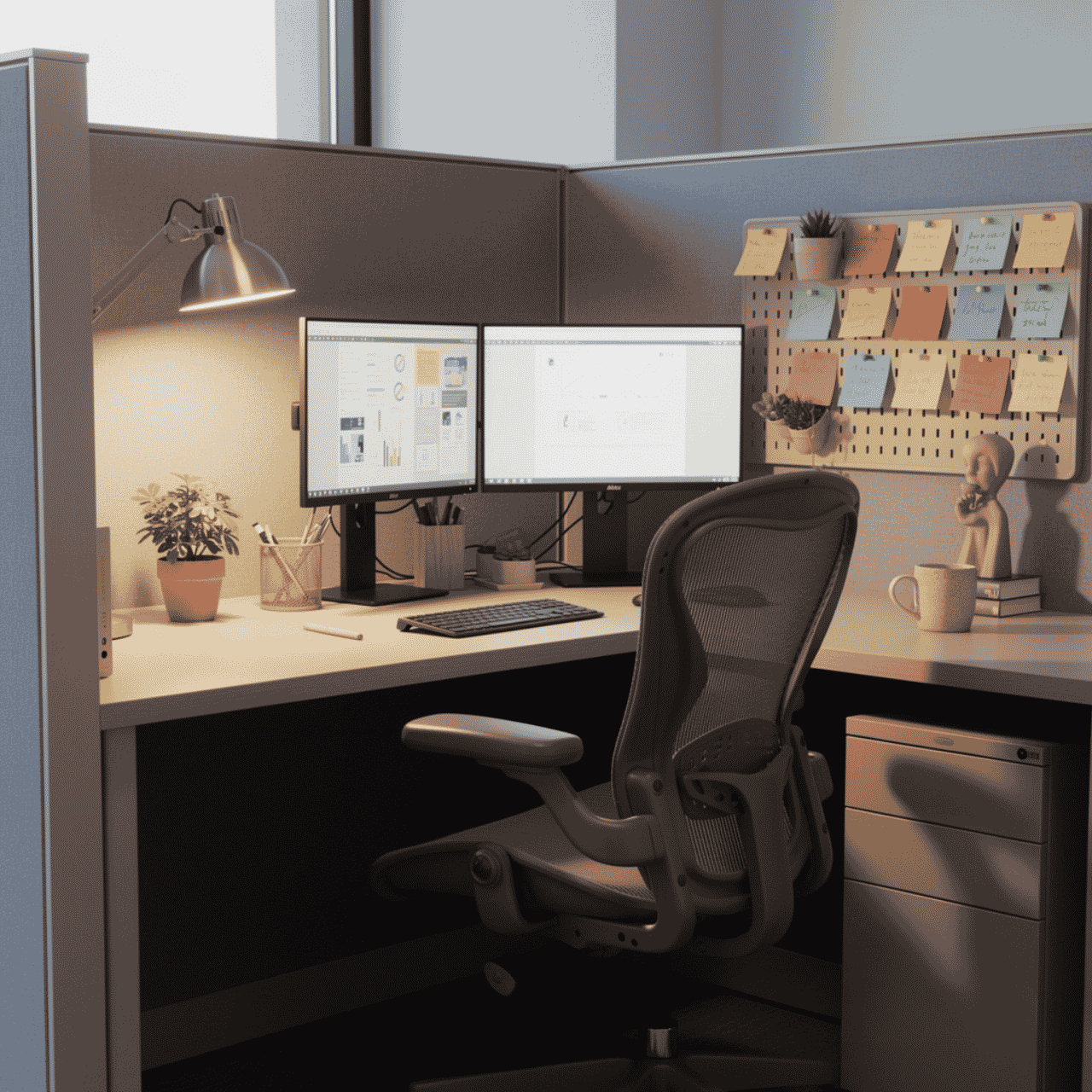
In many homes, a workspace is often added as an afterthought, which can make the room feel crowded or visually disconnected. I have noticed that when the office area is designed as part of the room rather than just placing a desk, the space immediately feels more cohesive and inviting. Small changes in layout, materials, and lighting often make the biggest difference in how productive and relaxed the space feels.
Home office design works best when layout, storage, and visual balance create a space that feels calm, functional, and naturally integrated into the room.
Why Home Office Design Matters More Than Just Setup
A home office setup focuses mostly on the desk and chair, but home office design looks at the entire room and how everything works together. When the layout, wall space, storage, and lighting are planned properly, the workspace feels more comfortable and easier to maintain over time. This approach also helps the office blend naturally with the rest of the home instead of looking like a temporary addition.
I have seen many small offices feel cramped simply because the design was not considered at the room level. Once furniture placement, wall storage, and visual balance are adjusted, even a small home office can feel open and thoughtfully arranged. A well designed workspace not only improves productivity but also makes the room feel calmer and more visually appealing.
Core Ideas Home Office Design
Small Modern Bedroom Home Office Layout
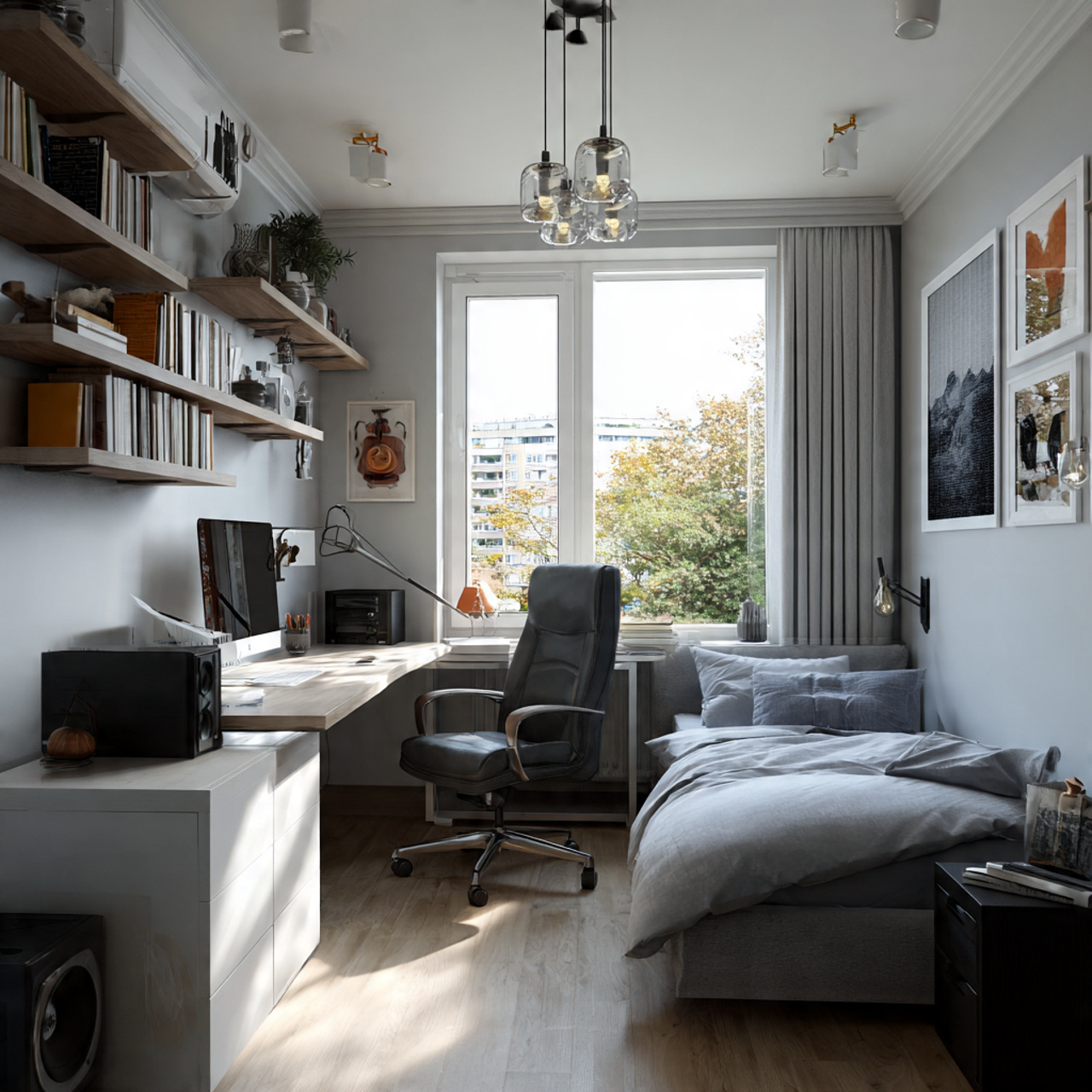
A small bedroom home office can feel calm and intentional when the desk sits along one wall while the bed remains visually separate through soft textures and balanced spacing. The room feels more organized when the workspace blends naturally instead of looking like an afterthought. Even a compact bedroom starts to feel more functional when the office area is thoughtfully integrated.
This works well because zoning the room visually reduces clutter and improves focus. I have noticed that when the desk is positioned carefully, the bedroom feels less crowded and more comfortable to use throughout the day. The balance between rest and productivity becomes easier to maintain.
Start by choosing a wall that does not interrupt movement around the bed and keep furniture visually light. Use vertical shelves or slim storage to maintain openness. Keeping the color palette consistent helps the workspace blend smoothly.
Tip: Choose a compact desk that visually disappears into the room.
Built In Home Office Wall Design
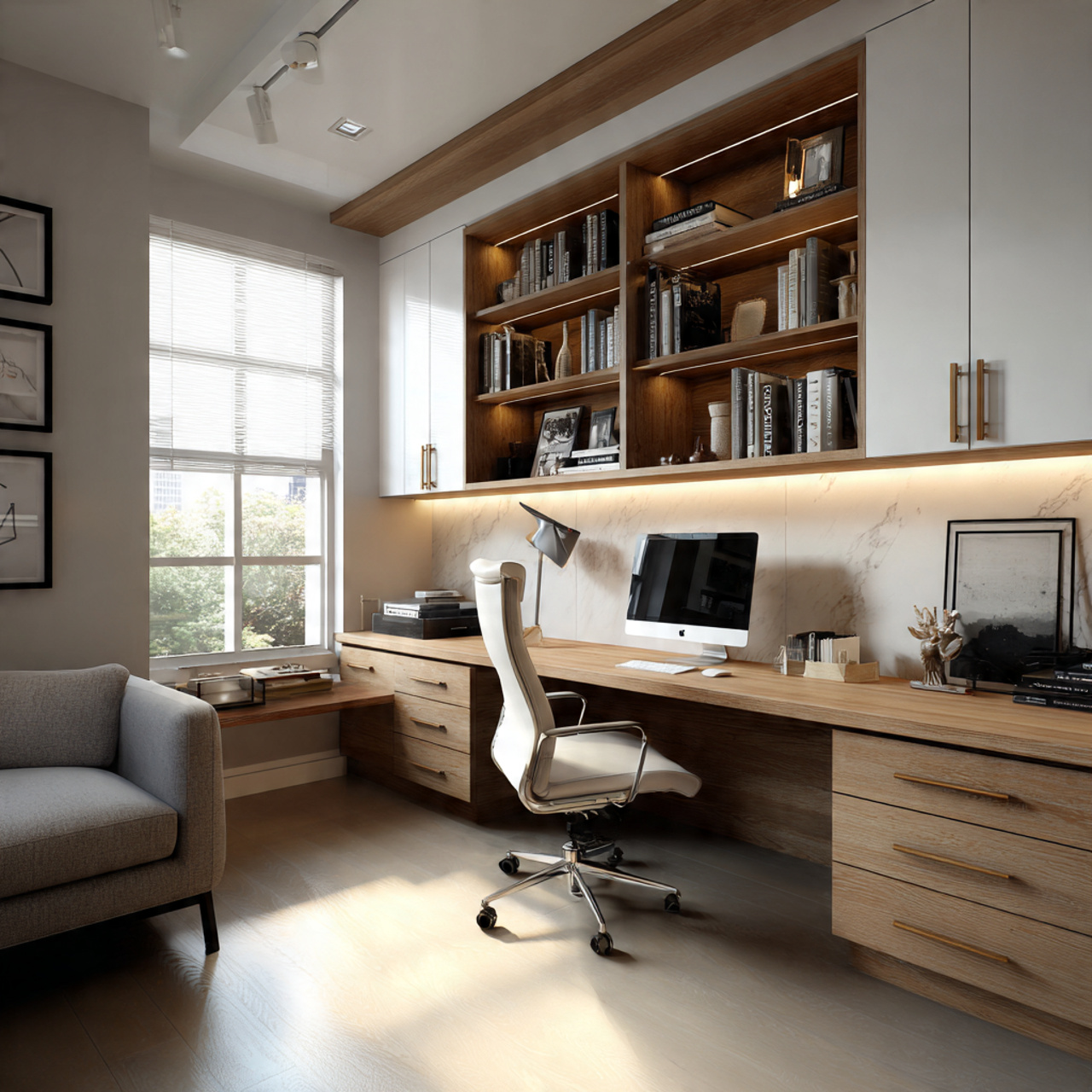
A built in home office wall instantly makes the room feel structured and thoughtfully designed. Floor to ceiling storage combined with a built in desk creates a cohesive workspace that feels permanent and organized. The room often looks cleaner and more visually balanced.
This design works because vertical storage maximizes limited space while reducing clutter. I have seen small rooms feel significantly larger when everything is integrated into one wall. Built in designs also create a professional and calm atmosphere.
Choose one wall and incorporate shelves, cabinets, and a compact desk area. Mix open shelves with closed storage to maintain balance. Soft lighting inside shelves adds warmth.
Tip: Keep the desk centered within the built in structure for balance.
Home Office Library Wall Design
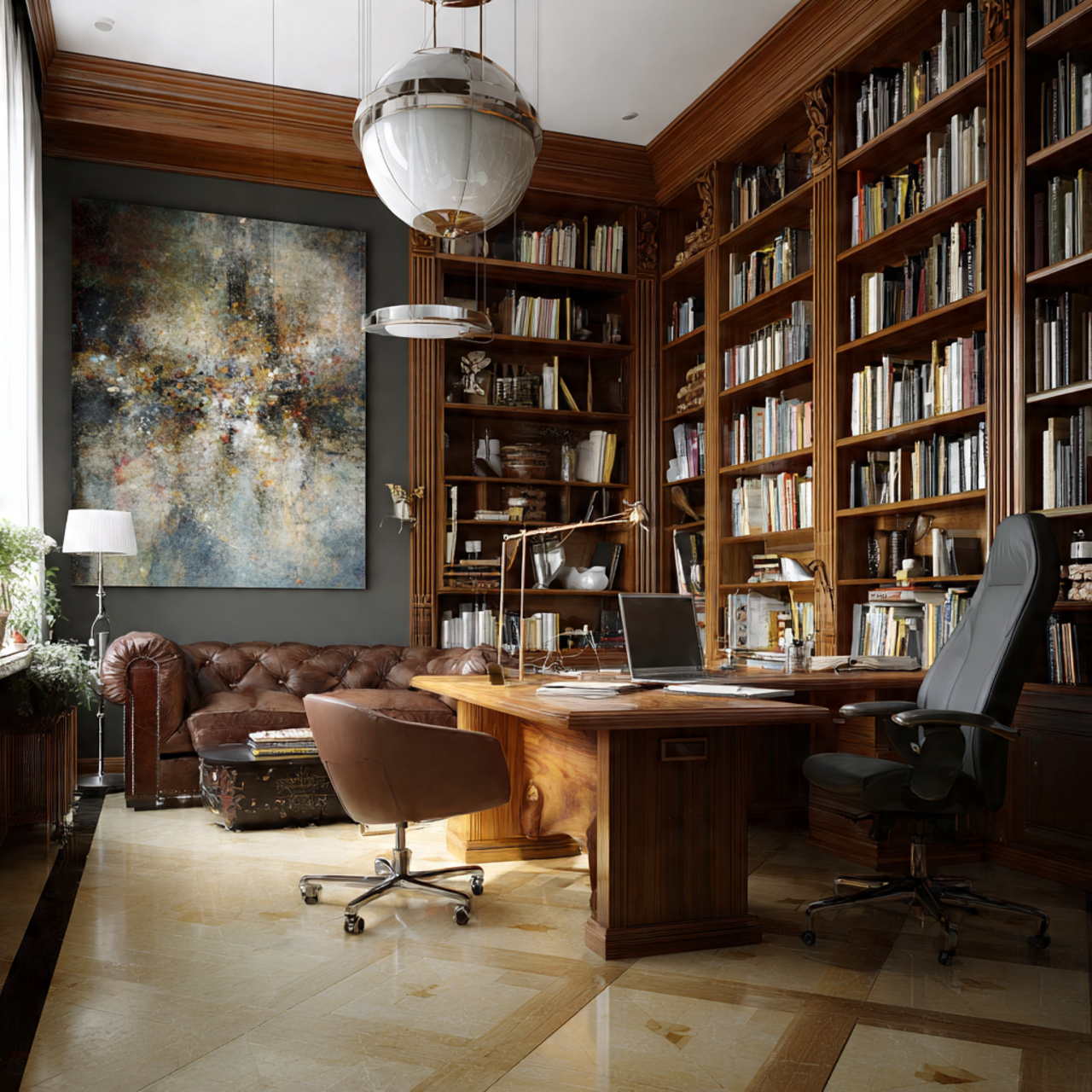
A home office library wall creates a calm and intellectual atmosphere that feels comfortable and inviting. Bookshelves surrounding a desk add depth and texture while making the workspace feel more personal. The room often feels quieter and more focused.
This works because books visually soften the workspace and reduce clutter elsewhere. I have noticed that library style offices feel more lived in and easier to maintain. The added storage also keeps the desk surface clean.
Install floor to ceiling shelves or modular bookcases behind the desk. Mix books with a few decorative objects to avoid visual heaviness. Warm lighting enhances the cozy feel.
Tip: Keep shelf styling simple to avoid visual overload.
Masculine Small Home Office Design
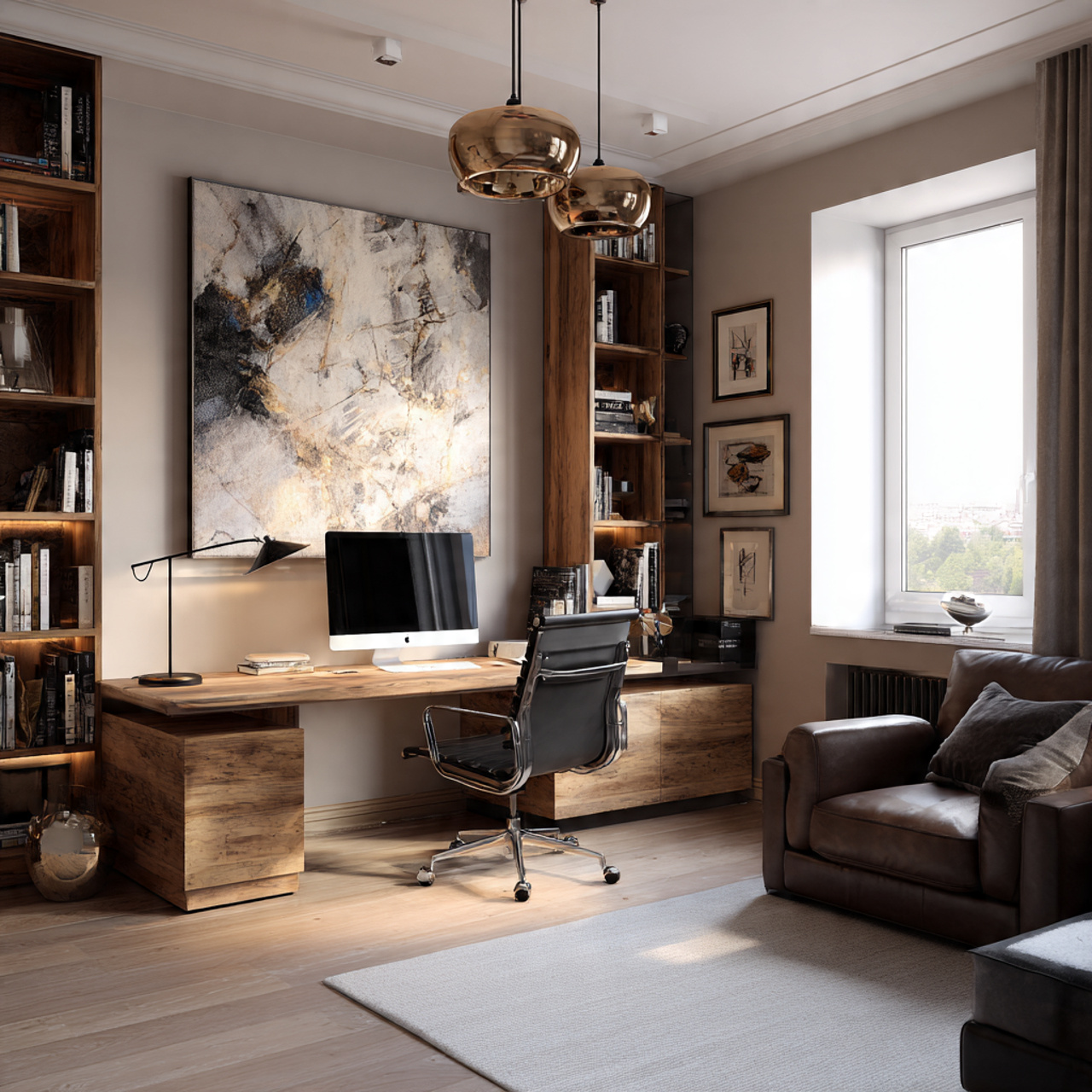
A masculine home office often features darker tones, wood textures, and clean lines that create a grounded workspace. Deep gray walls, warm wood desks, and minimal decor create a calm and focused environment. The room feels structured and distraction free.
This works well because darker palettes reduce visual noise and help maintain focus. I have noticed that masculine designs often feel more organized and professional. The simplicity also makes long term use easier.
Use dark neutral tones combined with wood finishes. Keep decor minimal and functional. Add warm lighting to soften the darker palette.
Tip: Use matte finishes to keep the space calm and refined.
Dual Workspace Small Home Office Design
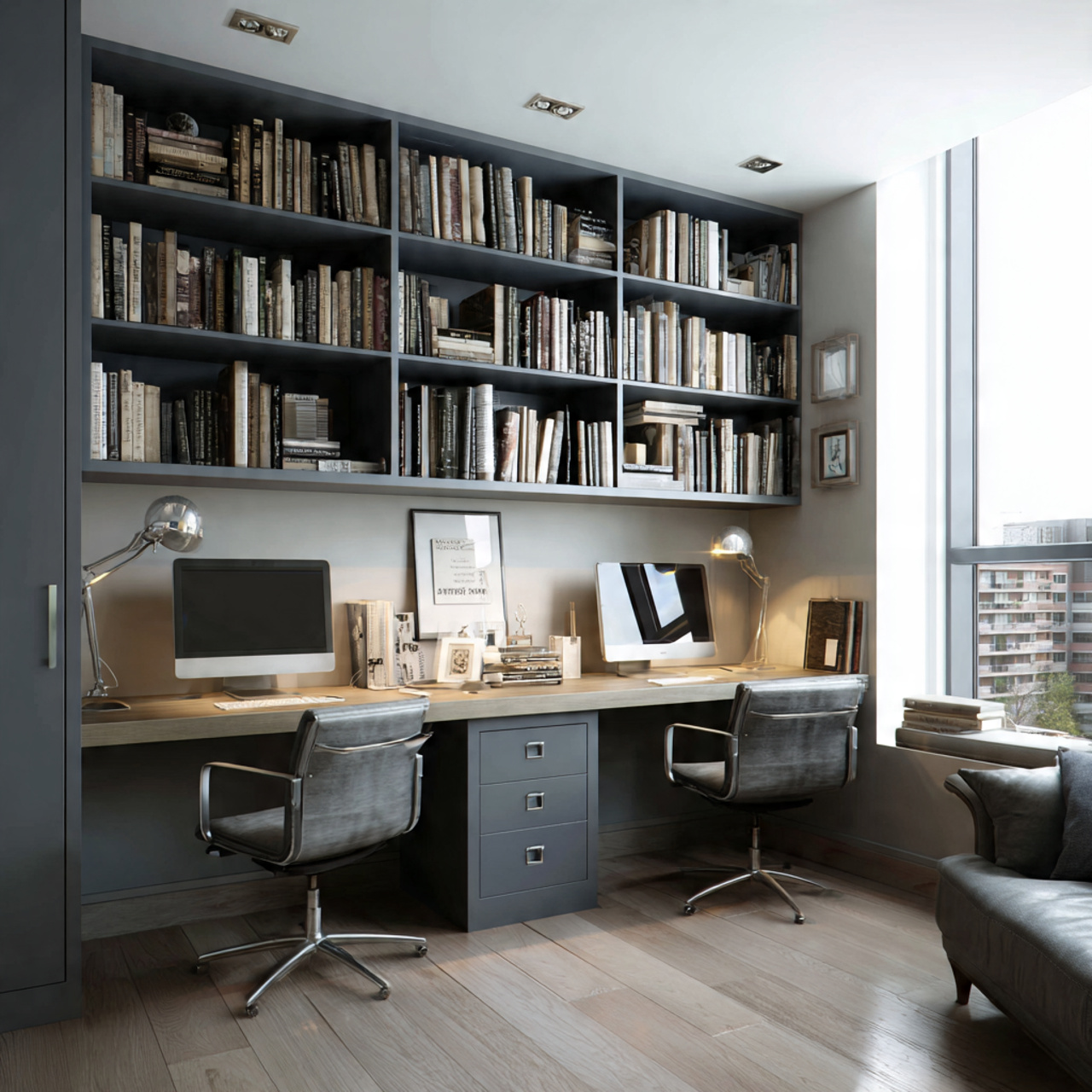
A dual workspace home office creates a shared environment that still feels organized and comfortable. Two desks placed side by side or opposite each other help define individual zones. The room feels more functional without feeling crowded.
This works because clear workspace separation improves productivity. I have noticed that shared offices feel calmer when both users have defined areas. It also prevents clutter from spreading across the room.
Choose slim desks and keep storage vertical to save floor space. Maintain similar styling for visual balance. Soft lighting across both desks keeps the space cohesive.
Tip: Keep desk sizes equal for visual symmetry.
Storage Room Home Office Combo
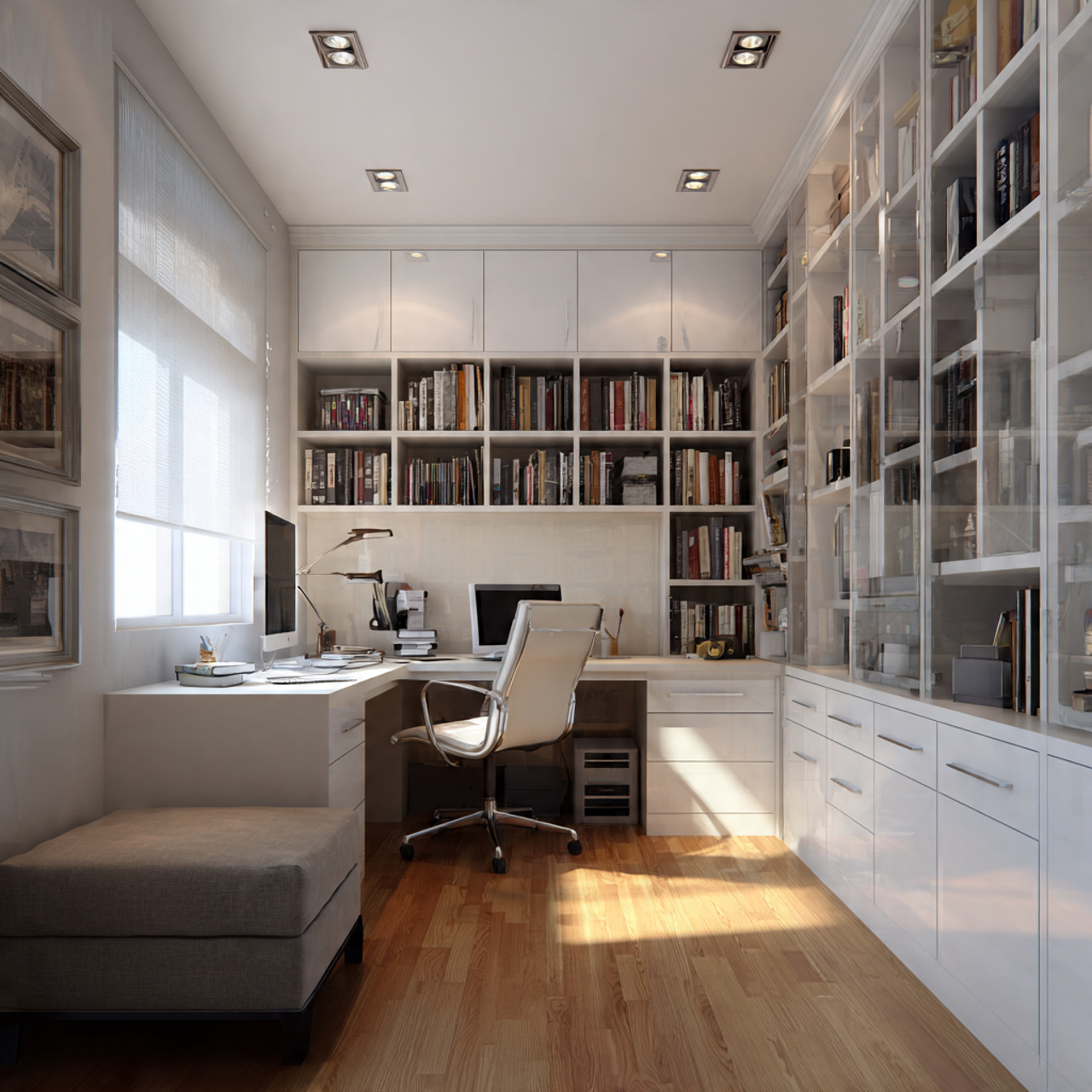
A storage room home office combo can transform an unused space into a productive workspace. Compact desks and vertical storage create a functional office inside a small utility area. The transformation often makes the space feel purposeful.
This works well because storage rooms already provide quiet and separation. I once converted a small storage space and immediately noticed improved focus due to reduced distractions. These hidden offices often become the most productive areas.
Use wall shelves and compact furniture to maximize space. Keep colors light to prevent the room from feeling cramped. Good lighting is essential.
Tip: Use wall mounted lighting to save desk space.
Contemporary Small Home Office Layout
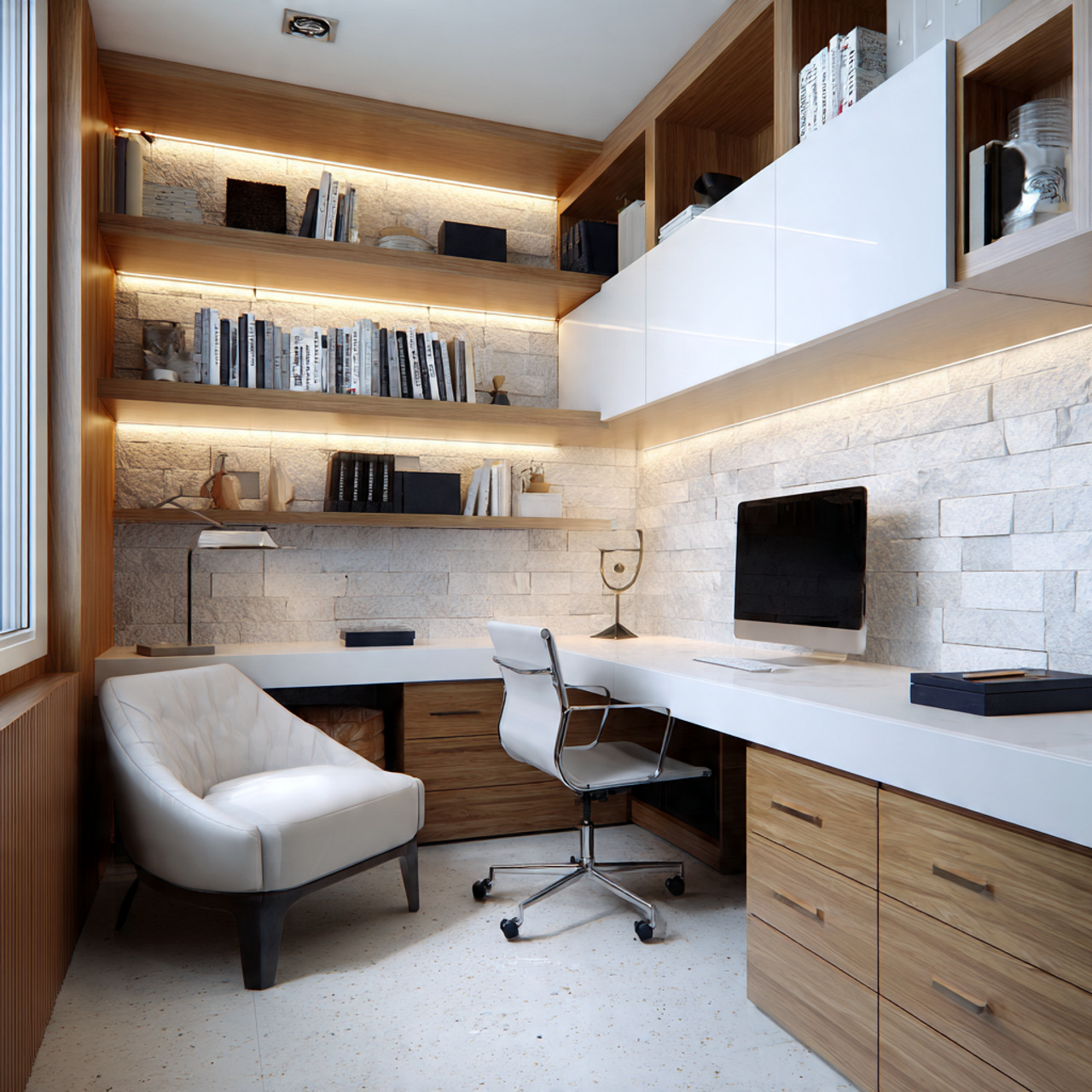
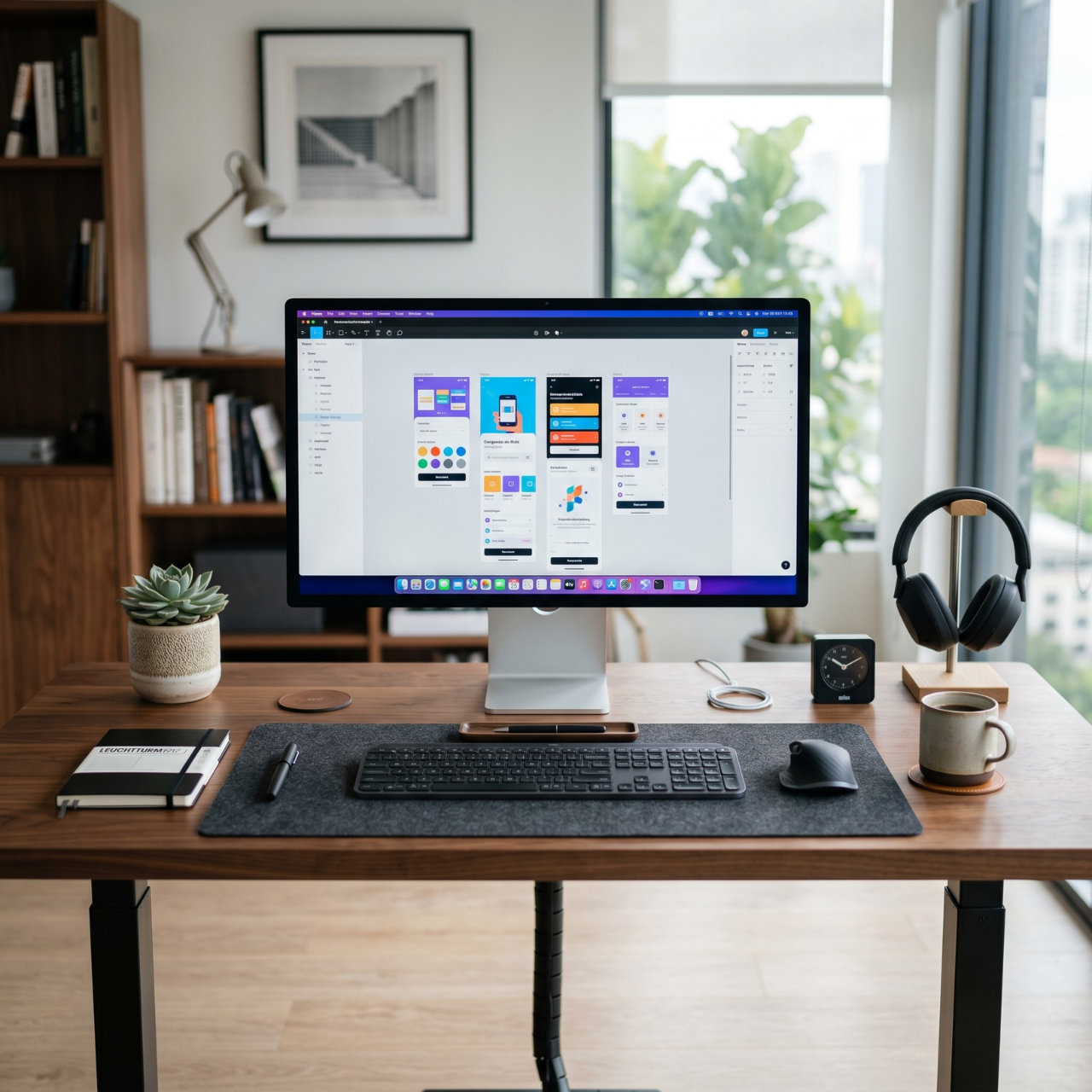
A contemporary home office layout focuses on clean lines, open space, and simple furniture. Neutral colors and minimal decor create a calm and modern workspace. The room feels fresh and uncluttered.
This works because contemporary layouts reduce distractions. I have seen small offices feel more spacious when unnecessary decor is removed. Clean layouts also improve visual comfort.
Choose simple furniture and keep surfaces clear. Use hidden storage where possible. Maintain neutral tones for cohesion.
Tip: Limit decor to two or three key pieces.
Elegant Small Home Office Room Design
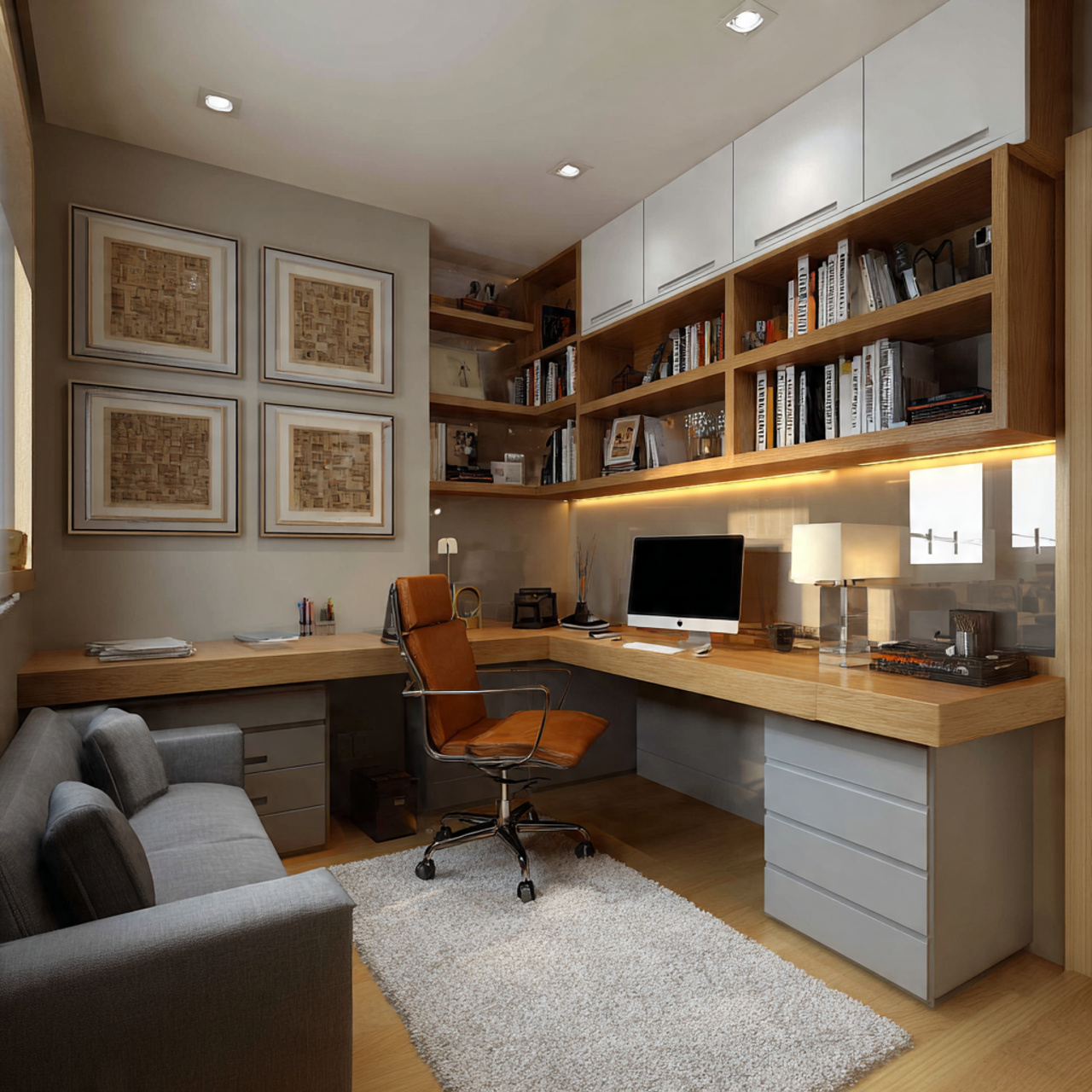
An elegant home office feels refined through soft textures, layered lighting, and subtle materials. Light wood, neutral tones, and gentle lighting create a calm and polished space. The atmosphere feels comfortable and sophisticated.
This works because elegant design reduces visual chaos. I regret once over decorating a small office which made it feel cramped, but simplifying created a calmer environment. Elegant spaces often age better.
Use soft tones and minimal accessories. Add warm lighting and subtle textures. Keep furniture simple.
Tip: Choose one statement piece instead of many small items.
Small Office Aesthetic Design
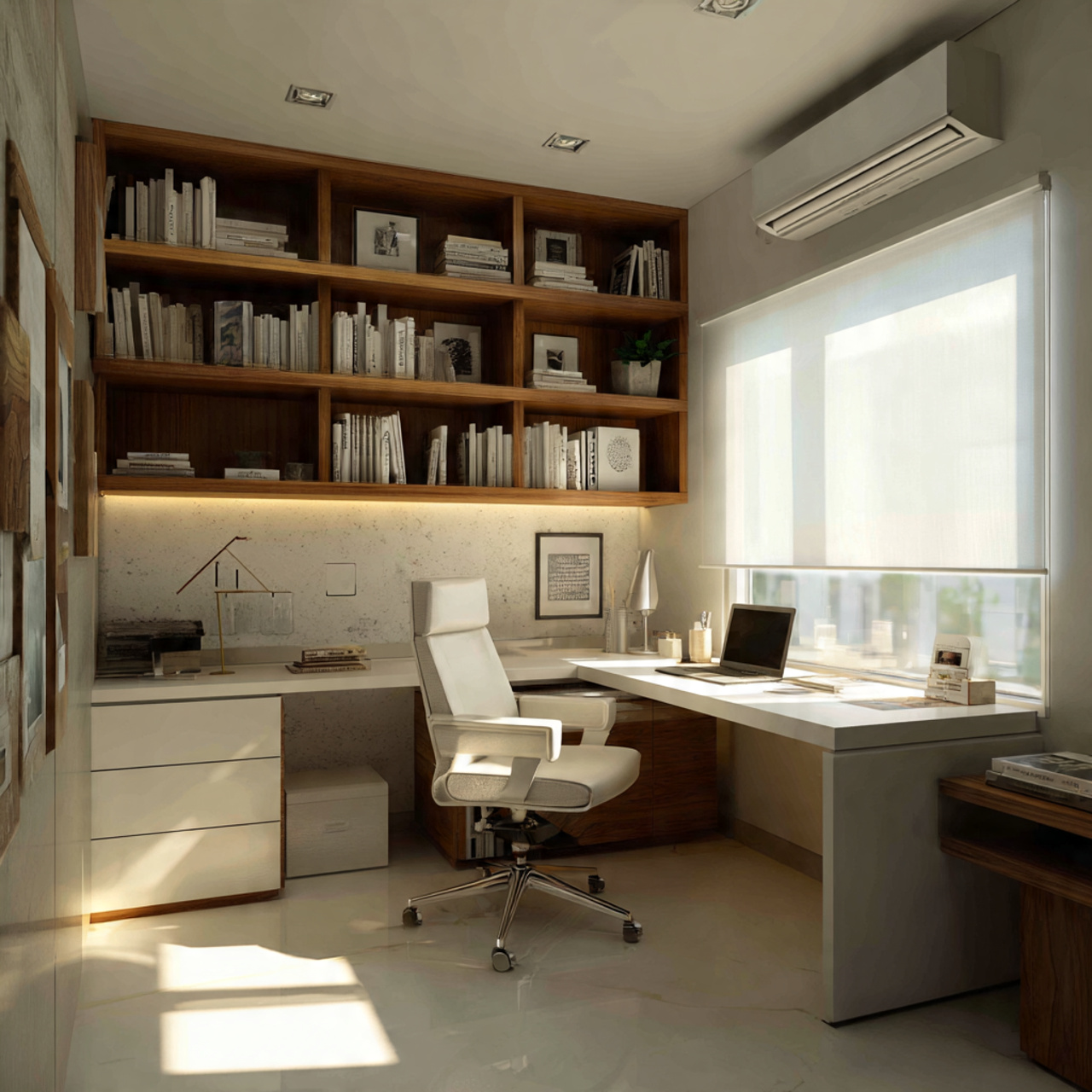
Aesthetic home offices focus on visual harmony and calming colors. Soft tones, balanced decor, and clean layouts create a relaxed workspace. The room feels inviting and comfortable.
This works because aesthetic spaces improve mood and focus. I have noticed that calm environments reduce stress during long work sessions. Balanced decor also keeps the space visually pleasing.
Choose soft color palettes and minimal styling. Keep surfaces organized. Add subtle textures.
Tip: Stick to one color palette for cohesion.
Guitar Themed Cozy Home Office
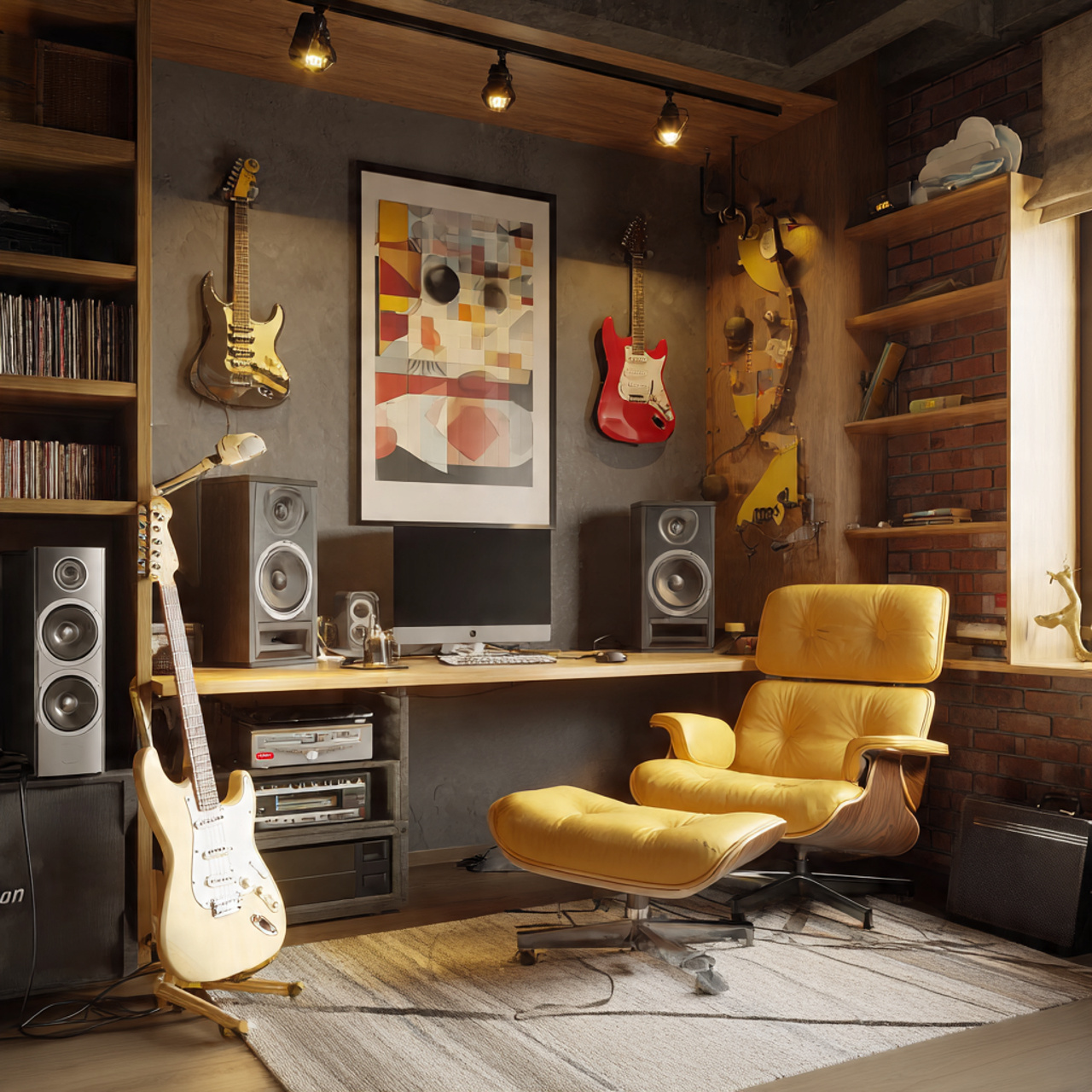
A guitar themed home office adds personality and creativity to the workspace. A guitar displayed on the wall creates a focal point while adding warmth. The room feels personal and inspiring.
This works because personal elements make the office more enjoyable. I have seen creative themed offices encourage longer and more productive work sessions. Personal decor also reduces the sterile office feel.
Display instruments neatly and keep decor balanced. Use warm lighting to enhance the cozy atmosphere. Keep furniture simple.
Tip: Use wall mounts to keep instruments safe and stylish.
Gamer Small Home Office Design
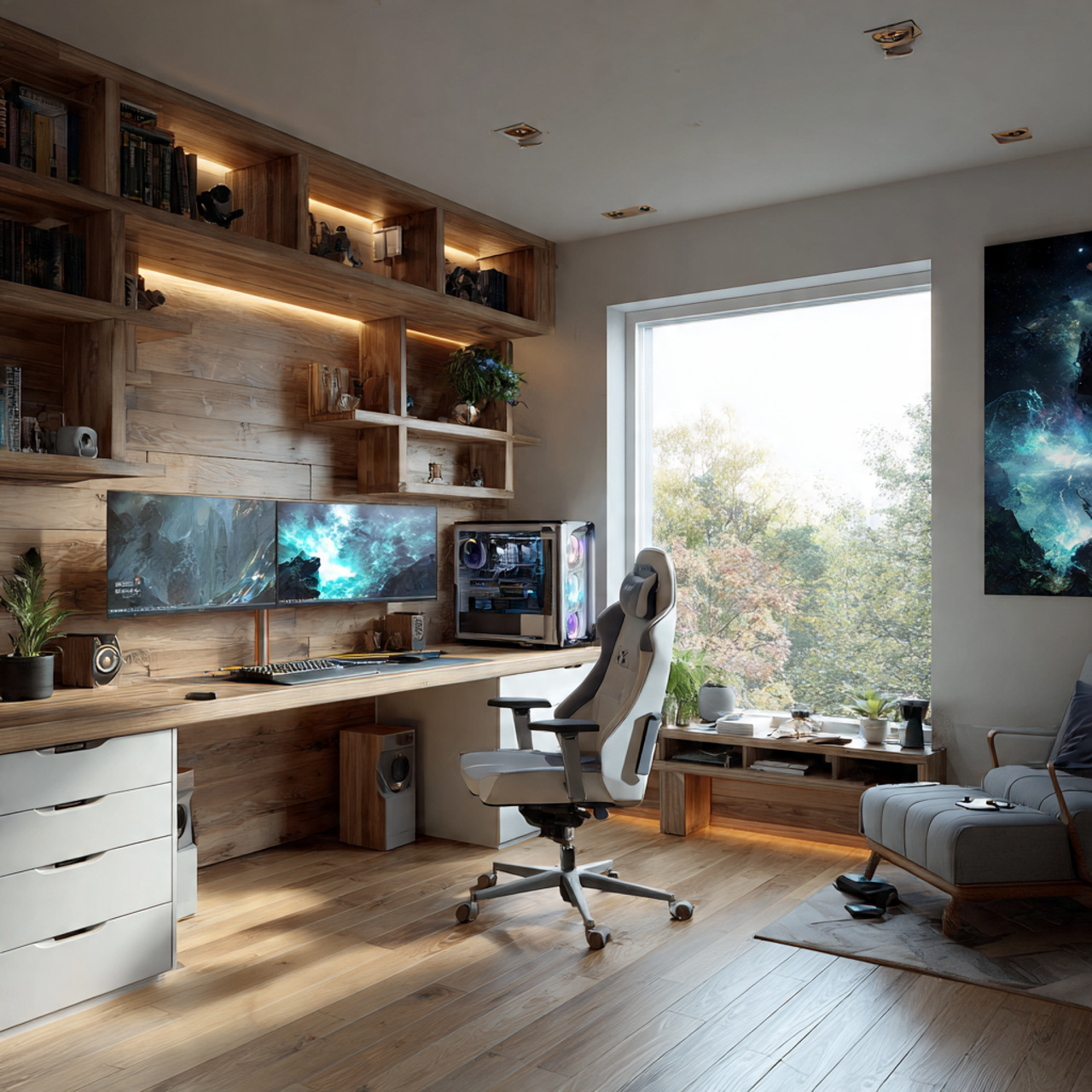
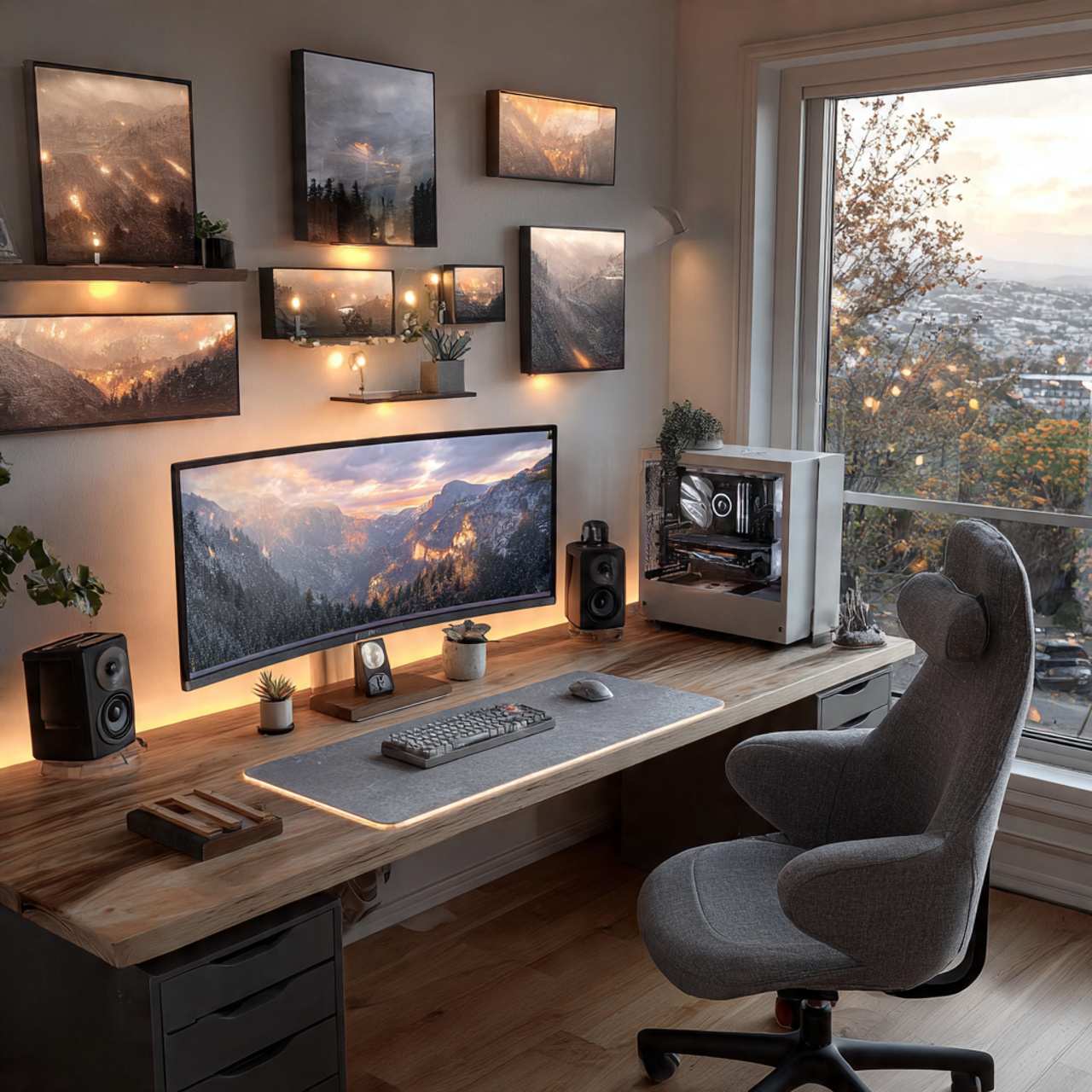
A gamer home office combines functionality with modern design. Compact desks, subtle lighting, and ergonomic chairs create a comfortable setup. The room feels energetic yet organized.
This works because gaming setups often focus on comfort and performance. I have noticed that organized gaming spaces reduce clutter. Good lighting also improves usability.
Use LED lighting carefully and keep cables hidden. Choose compact furniture. Maintain balanced layout.
Tip: Hide cables for a cleaner look.
Visit Also: Office Aesthetic
Plant Filled Small Home Office Design
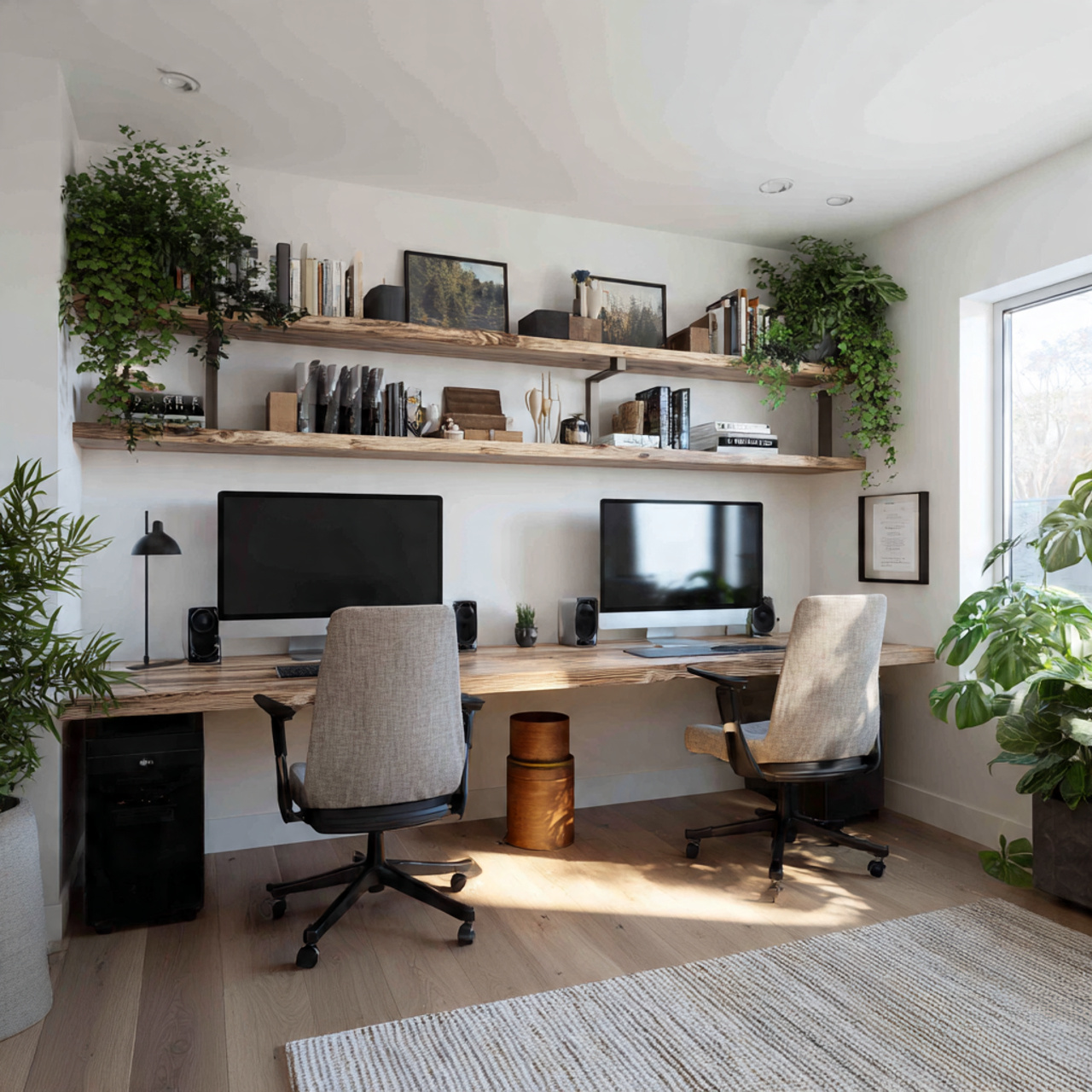
A plant filled home office creates a refreshing and relaxed environment. Greenery adds life and softens the workspace. The room feels calmer and more comfortable.
This works because plants improve atmosphere and reduce stress. I once added plants to a small office and immediately noticed the space felt more inviting. Natural elements improve visual balance.
Use small plants and vertical plant shelves. Keep placement balanced. Choose low maintenance plants.
Tip: Place plants near natural light.
Office And Library Combo Small Room
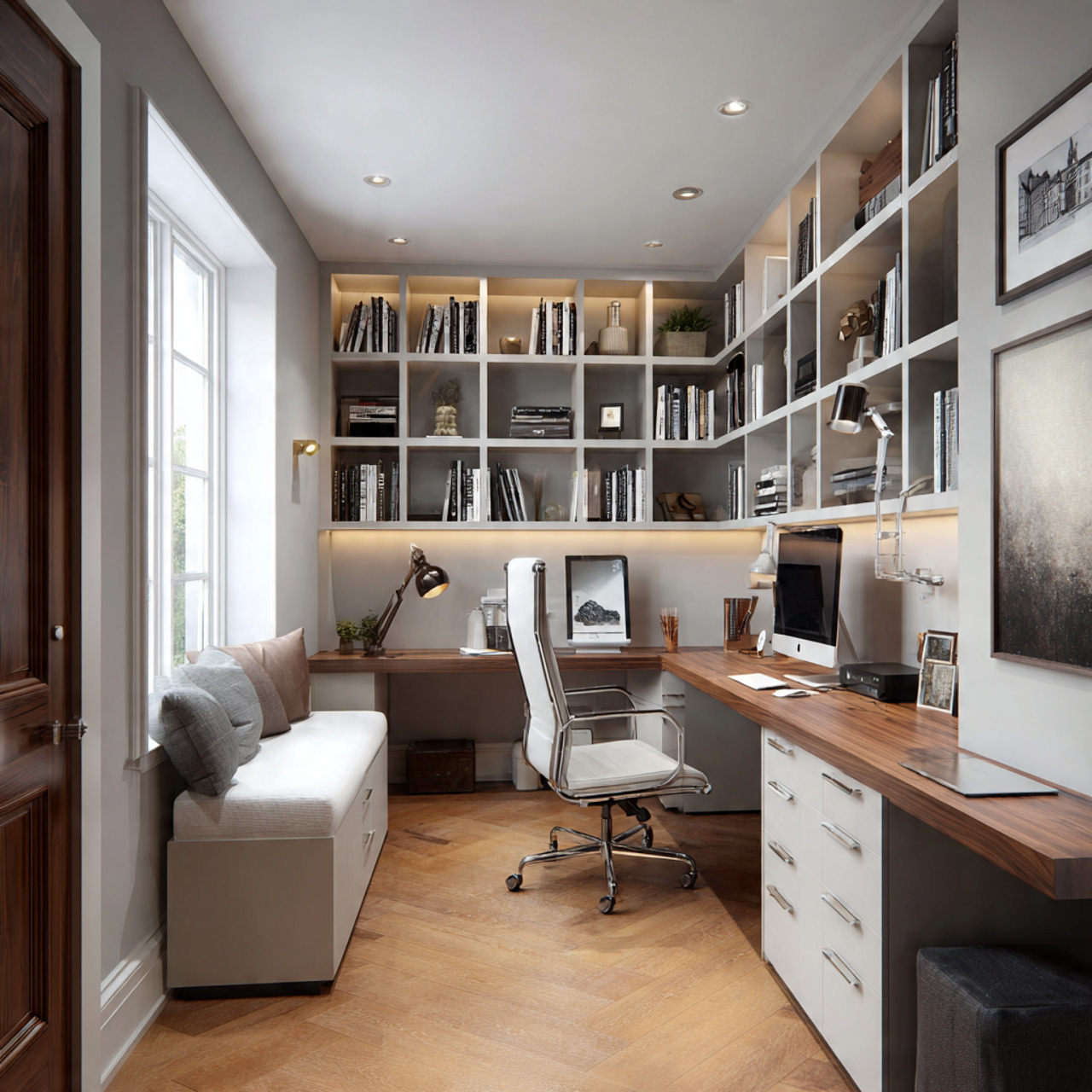
An office and library combo creates a multifunctional space that feels productive and cozy. Shelves surrounding a desk add depth and warmth. The room feels balanced and useful.
This works because combining functions saves space. I have noticed that hybrid rooms often feel more efficient. Books also soften the workspace.
Use wall shelves and compact desks. Keep styling minimal. Maintain lighting balance.
Tip: Keep shelves aligned for visual order.
Modern Small Home Office With Built In Storage
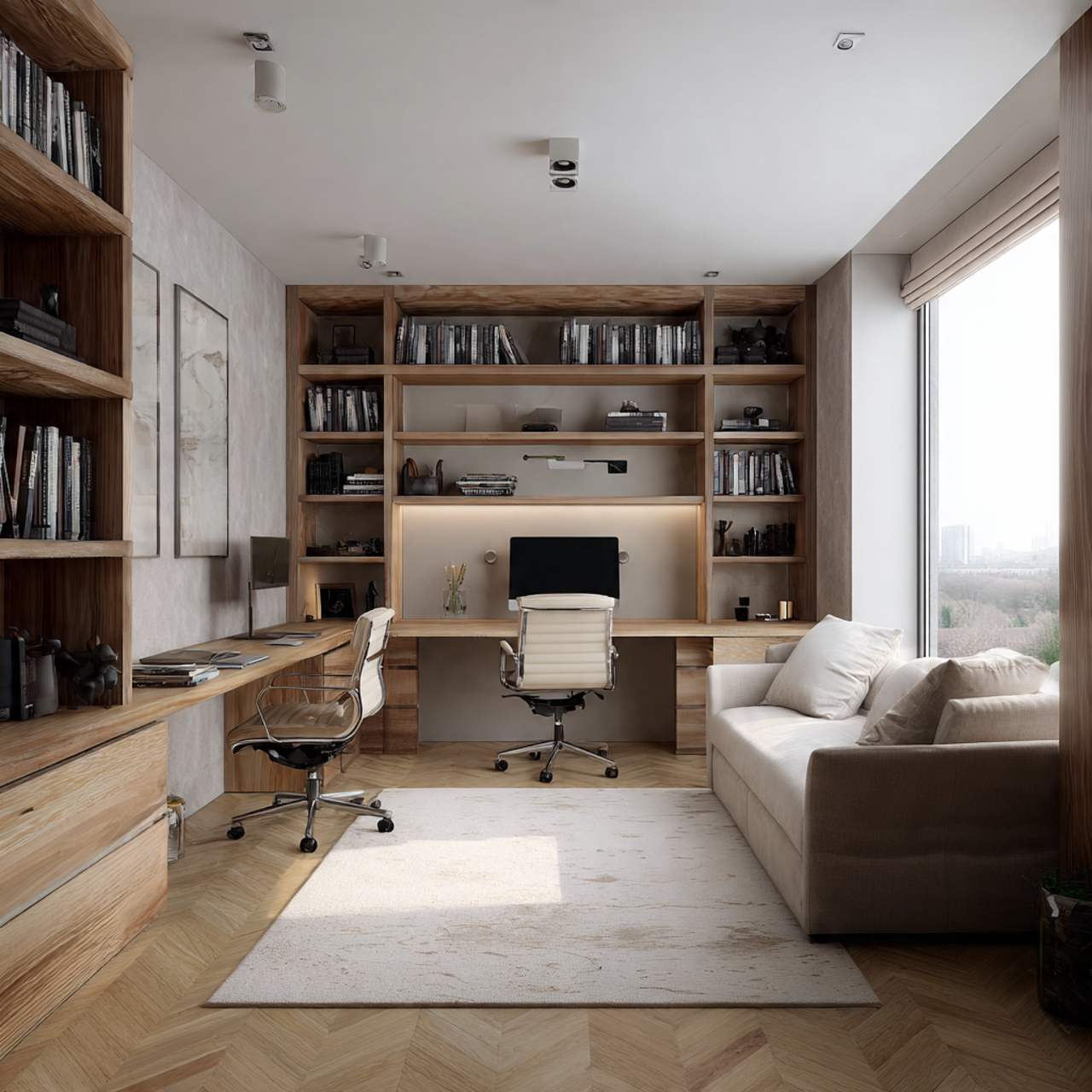
A modern office with built in storage keeps everything organized and clean. Integrated cabinets and shelves create a structured workspace. The room feels spacious and functional.
This works because built in storage reduces clutter. I have seen small rooms feel larger when storage is integrated. Clean layouts improve productivity.
Use vertical cabinets and simple desks. Keep colors neutral. Add soft lighting.
Tip: Use closed storage to hide clutter.
A Real Home Office Design Layout That Feels Balanced
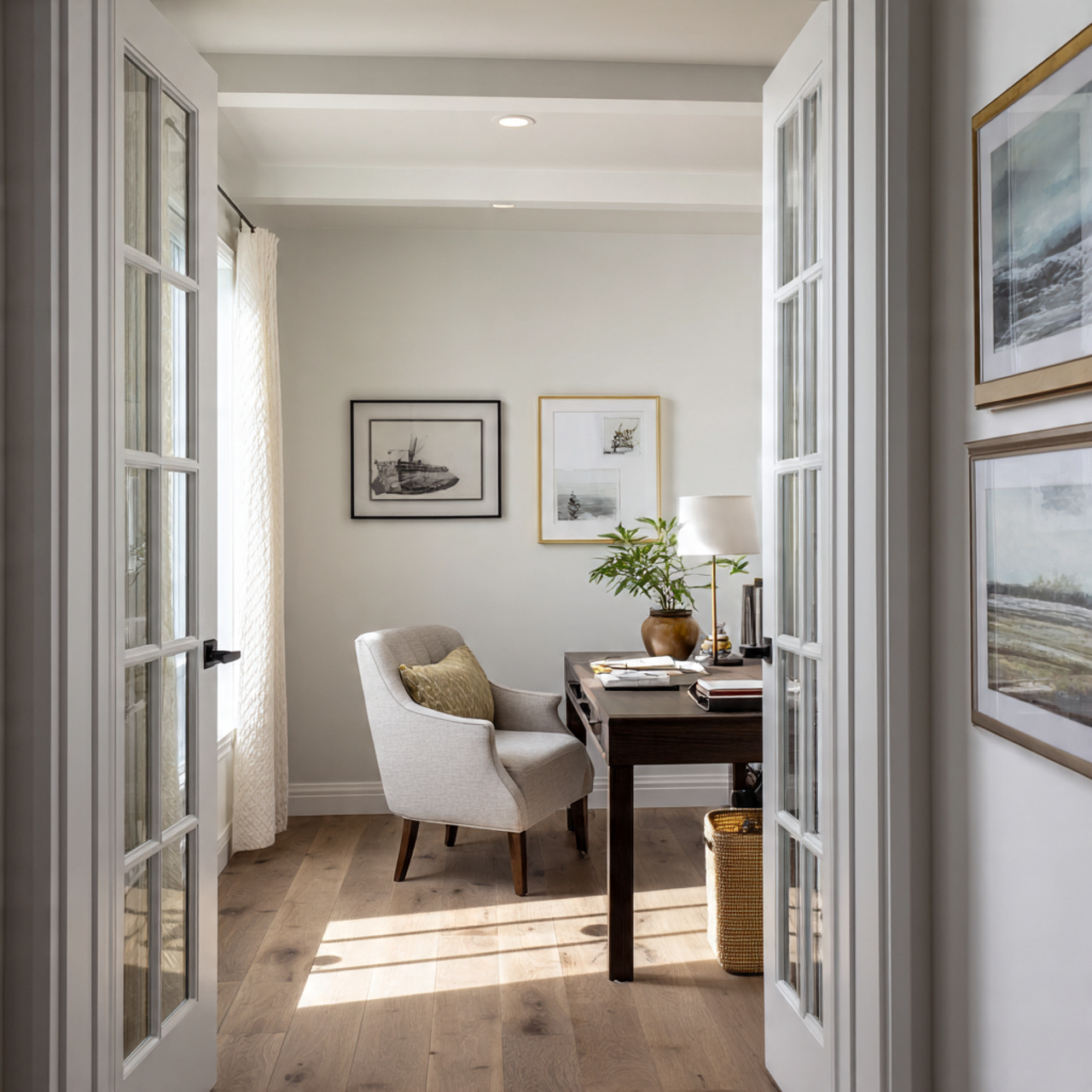
In a real home office design, the space feels strongest when the room has one clear work zone, one softer background zone, and enough breathing room to move around without friction. The best versions I have seen usually feel layered rather than crowded, with a desk, storage, and a few personal pieces working together in a quiet, natural way. When light hits the room, the wood grain, fabric texture, and wall finish all start to work together and make the space feel calm instead of flat.
The layout usually works best when the desk sits against a solid wall, shelving rises vertically beside it, and the rest of the room stays visually light so the office does not feel boxed in. That balance creates a more focused mood during work and a more relaxed feeling once the day is done. A well planned room like this feels easy to live with because it looks organized without trying too hard.
Color And Material Authority
Warm White (#F5F3EF)
Works beautifully on walls, trim, and built in storage. It creates brightness without harshness and pairs well with wood, linen, and matte black accents.
Soft Greige (#D8D1C7)
Works best on feature walls, cabinets, or larger furniture pieces. It brings a grounded, calm mood and pairs well with oak, cane, and textured fabrics.
Muted Sage (#A9B7A7)
Works well on wall panels, shelving backdrops, or accent decor. It adds a fresh, quiet mood and pairs nicely with natural wood, brass, and soft woven materials.
Walnut Brown (#6B4E3D)
Works best on desks, shelving, and statement furniture. It gives the room depth and warmth while pairing beautifully with leather, stone, and neutral upholstery
Room Size And Lighting Guide
Small Spaces
Use lighter tones, slim furniture, and vertical storage to keep the room feeling open. In a tight office, layered light matters because one harsh source can make every corner feel smaller.
Medium Rooms
Medium rooms work best when the desk zone is clear and the rest of the room still has breathing space. I have found that a soft overhead light plus one task lamp keeps the space practical without making it feel flat.
Large Spaces
Large rooms need stronger zoning so the office area does not disappear inside the room. Add layered lighting across the desk, shelves, and surrounding wall so the space feels warm and grounded.
Lighting Layers
A balanced office usually needs general light, task light, and a softer accent source. When those layers work together, the room feels easier on the eyes and more comfortable for long work sessions.
Common Mistakes
Overcrowding The Space
This usually happens when too many storage pieces or decor items are added at once. The room starts to feel heavy, and the office loses the calm focus it needs. The fix is to keep only the pieces that serve a clear purpose and leave visual space around them.
Using One Flat Light Source
This mistake usually comes from relying only on a ceiling light. The space can feel harsh, shadowy, or tiring during work, especially in the evening. The fix is to add a desk lamp or wall light so the room has depth and warmth.
Ignoring Wall Space
This usually happens when the desk is treated as the only important part of the room. The office can end up feeling unfinished because the walls are not helping with storage or balance. The fix is to use shelves, art, or built in storage to make the room feel complete.
Choosing Style Over Function
This mistake happens when the room is designed to look pretty but does not actually work for daily use. The space may look impressive for a moment, but clutter and discomfort show up fast. The fix is to choose furniture and storage that support the way the room is really used.
FAQ
How do I choose the best home office design for a small room?
Start by focusing on layout before decoration so the space feels balanced and easy to move around. I have found that using vertical storage and lighter tones helps small offices feel more open while keeping everything functional.
What colors work best for home office design?
Soft neutrals, warm whites, and muted tones usually create the most comfortable workspace. These colors reduce visual clutter and make the room feel calm during long working hours.
How can I make my home office design look more expensive?
Use layered lighting, simple furniture, and a consistent color palette to create a refined look. Even small upgrades like better lighting or textured materials can make a noticeable difference.
What is the biggest mistake in home office design?
One of the biggest mistakes is overcrowding the room with too much furniture or decor. Keeping the layout simple usually creates a more comfortable and productive workspace.
How do I make my home office feel more comfortable?
Add soft lighting, comfortable seating, and a balanced layout to improve comfort. Personal touches like books, plants, or subtle decor can also make the space feel more inviting.
Conclusion
Home office design becomes more effective when the layout, storage, and visual balance work together to create a comfortable and functional space. A thoughtful approach helps even small rooms feel more organized, calm, and easier to use every day. When the workspace is designed as part of the room rather than added later, the entire area feels more intentional and visually connected.
I have noticed that the most successful home office designs are not necessarily the largest or most decorated ones, but the spaces that feel balanced and comfortable to work in. Small adjustments in lighting, furniture placement, and color often create the biggest improvements. A well designed home office can quietly improve productivity while making the room feel more inviting and easier to enjoy daily.