14 Genius Bed Back Design Ideas That Transform Bedrooms
A thoughtfully styled bed wall often becomes the visual heart of the room. In many homes the space behind the bed is the largest uninterrupted surface, which means even small design choices can completely change how the bedroom feels. The right bed back design can quietly shape the mood of the entire space.
In my experience people often focus only on bedding and furniture, yet the wall behind the bed carries just as much visual weight. When this area receives intentional styling, the room begins to feel layered, calm, and complete rather than unfinished.
Why The Bed Back Wall Matters In Modern Bedroom Design
The bed naturally becomes the focal point of a bedroom, which means the wall behind it holds strong visual influence. A carefully designed bed back wall creates balance in the room and anchors the furniture layout so the space feels intentional.
Many modern bedrooms rely on a strong headboard wall to introduce texture, structure, or softness without overcrowding the room with extra decor. Once this wall is designed thoughtfully, the rest of the bedroom often comes together much more easily.
Beautiful Bed Back Design Ideas That Elevate Modern Bedrooms
Floor To Ceiling Upholstered Panel Bed Back Design That Feels Like A Boutique Hotel
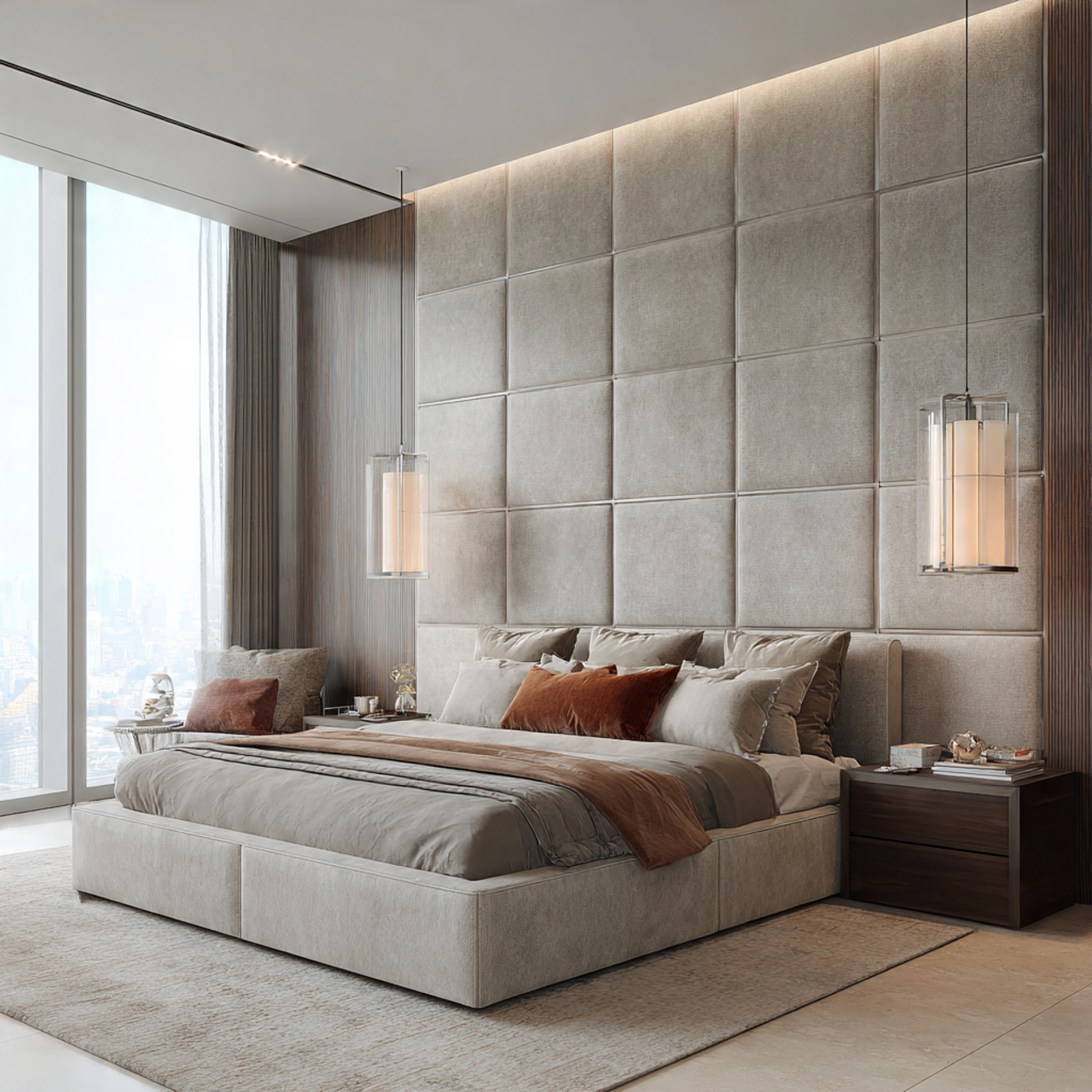
The moment you enter the room your eye lands on a tall upholstered wall rising softly behind the bed. The panels stretch upward toward the ceiling, creating a plush backdrop that feels calm and inviting. Soft fabric textures and gentle vertical lines instantly give the bedroom a hotel like atmosphere.
In real homes this type of bed back design works because it introduces both height and softness at the same time. Many bedrooms rely heavily on hard materials such as wood furniture or flooring, so fabric panels help balance those surfaces and make the room feel comfortable.
If you want to try this idea, choose a neutral fabric such as warm beige or soft taupe and extend the panels slightly wider than the bed frame. This creates a visually grounded bed wall and makes the room feel thoughtfully designed rather than crowded.
Tip: Tall upholstered panels work best when paired with simple bedside lamps and calm bedding tones.
Vertical Wood Slat Bed Back Design That Adds Natural Warmth And Texture
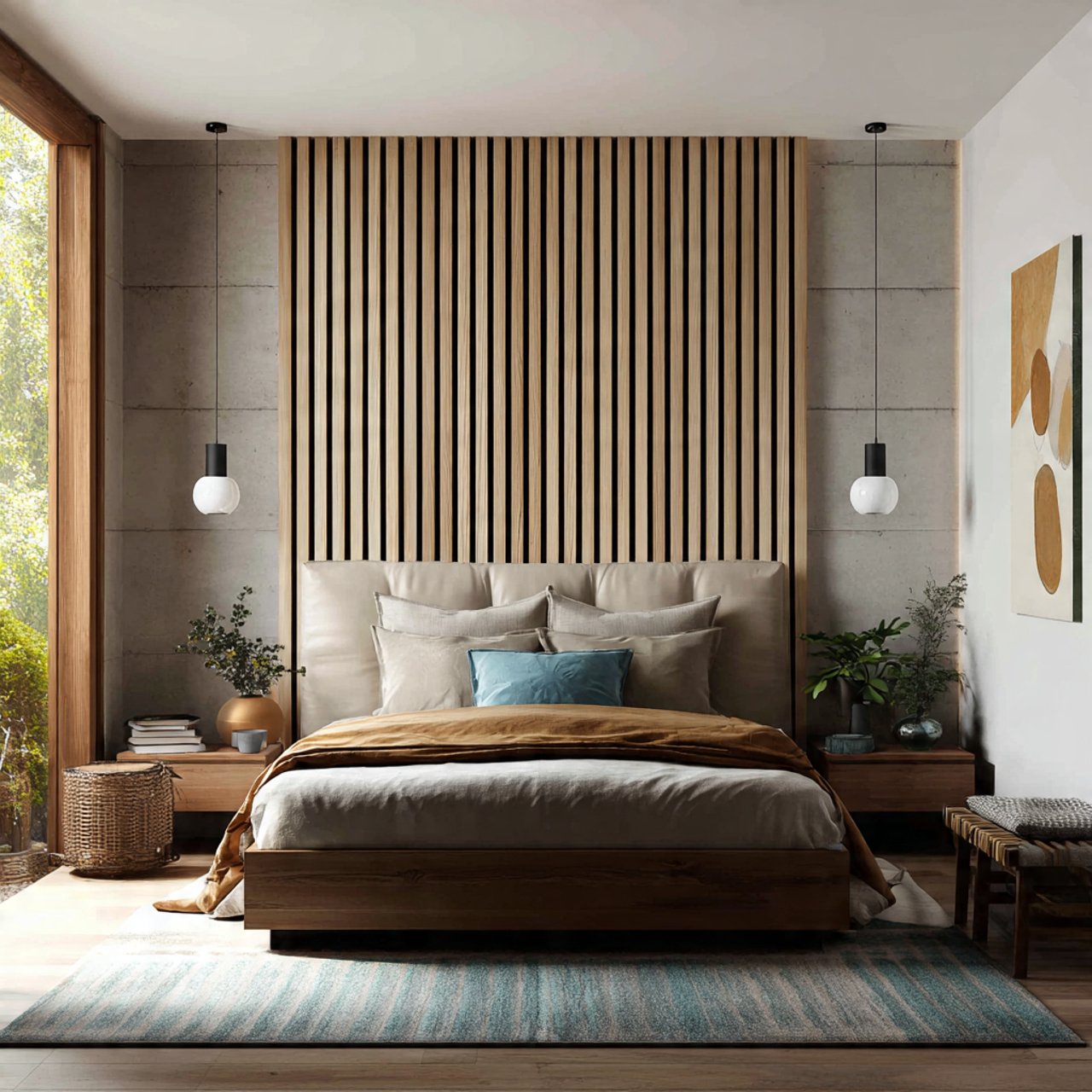
Imagine a warm wooden slat wall rising behind the bed with soft morning light passing through the room. The vertical lines quietly guide the eye upward, making the ceiling appear higher while the wood tone adds a natural warmth that painted walls often lack.
One thing I have noticed in many homes is that wood slat headboard walls introduce texture without overwhelming the room. The repeating lines feel architectural rather than decorative, which means the bedroom stays calm while still looking visually interesting.
To recreate this look, narrow wooden slats can be installed behind the bed in walnut, oak, or medium toned wood. Keeping the spacing consistent helps the wall feel intentional and modern while allowing bedding and lighting to remain the main styling elements.
Tip: Soft wall sconces placed between slats create beautiful evening lighting.
Classic Wall Molding Bed Back Design That Creates Quiet Luxury Bedrooms
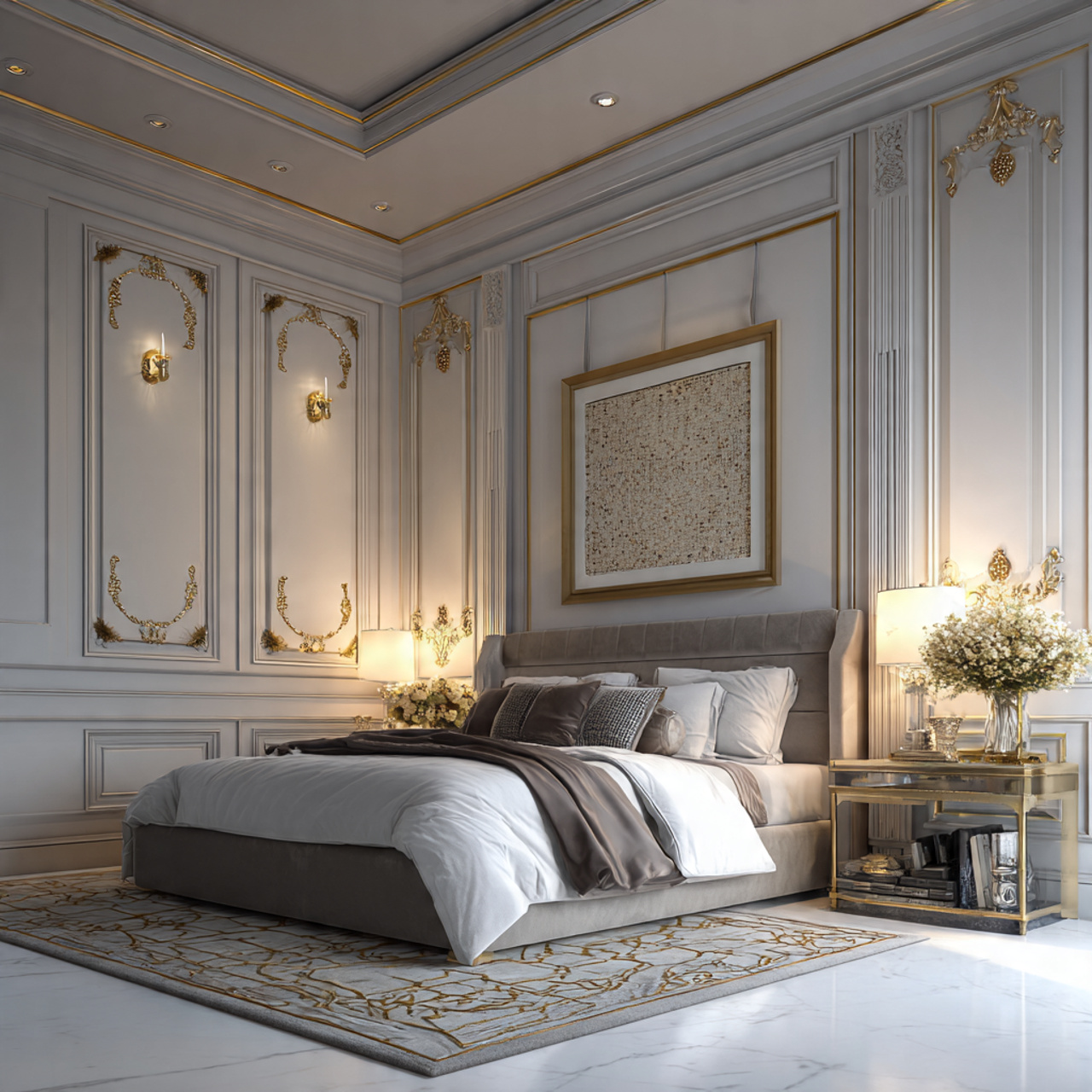
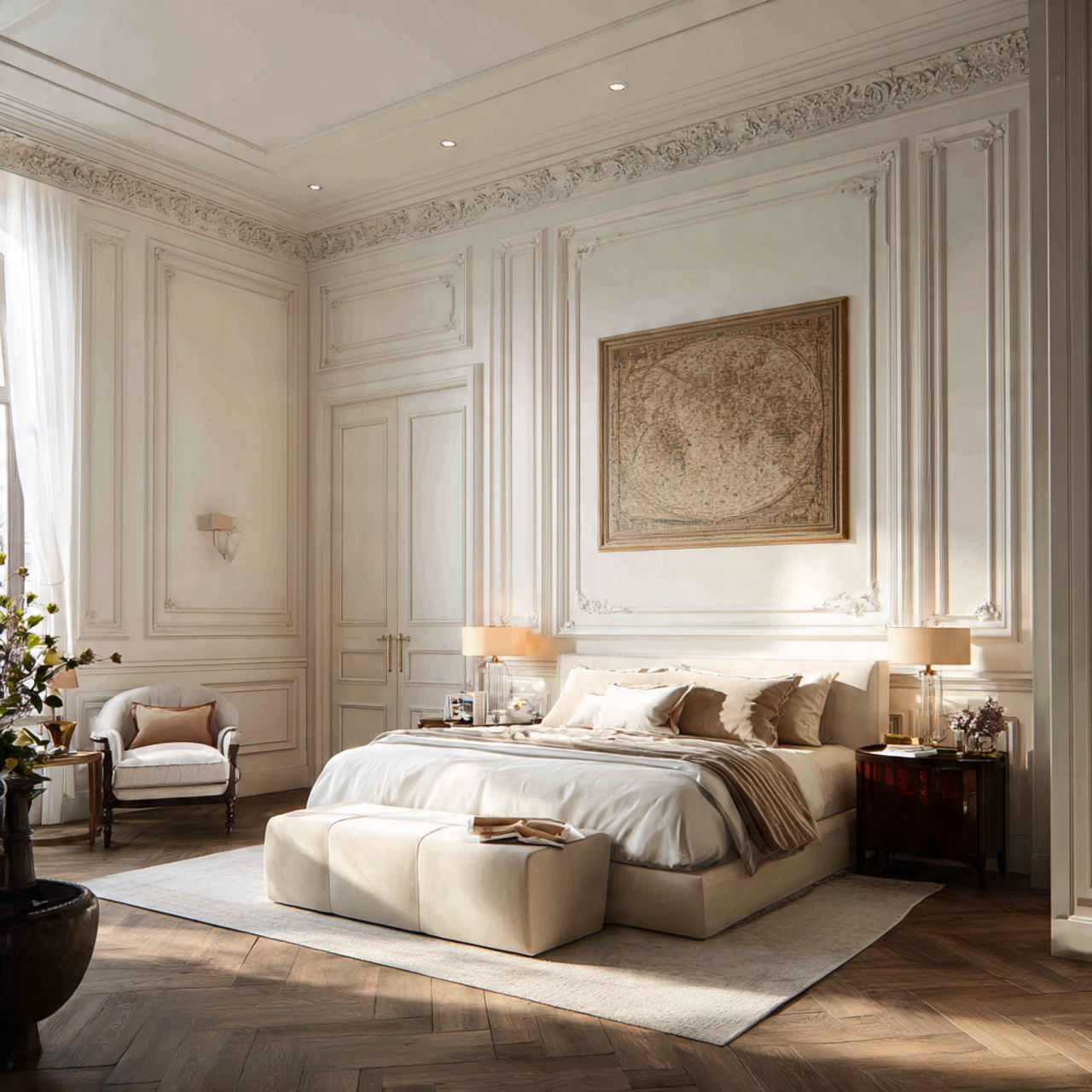
A simple wall molding design behind the bed can completely transform a plain bedroom wall. Thin rectangular frames stretch across the surface, forming subtle architectural detail that feels elegant without drawing too much attention.
Many homeowners assume wall molding only works in traditional spaces, yet it actually blends beautifully with modern bedrooms when painted the same color as the wall. The result is a calm layered surface that feels refined rather than decorative.
To apply this idea, create balanced panel shapes behind the bed and paint them in a soft neutral tone such as warm white or muted greige. When paired with minimal bedside lighting and simple bedding, the room begins to feel quietly luxurious.
Tip: Keep molding patterns symmetrical so the bed remains the clear visual center.
Curved Sculptural Bed Back Design That Softens The Geometry Of Modern Bedrooms
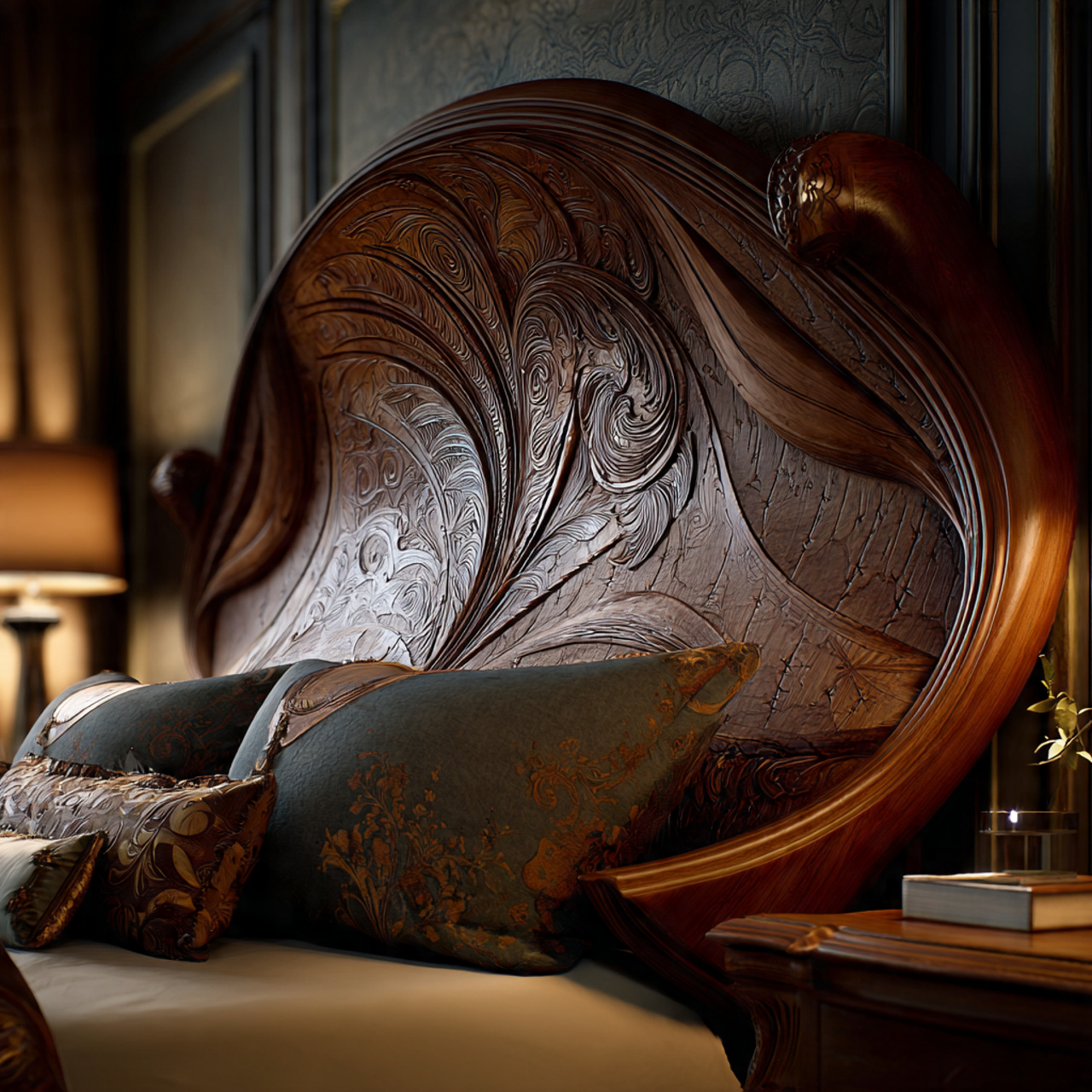
A softly curved headboard wall immediately changes the energy of a bedroom. Instead of sharp corners and straight lines, the gentle arch creates a calming focal point that feels almost sculptural behind the bed. The curve draws the eye upward while subtly framing the sleeping area.
In many modern homes bedrooms contain a lot of straight furniture lines such as wardrobes, dressers, and rectangular beds. Introducing a curved bed back design balances that geometry and prevents the room from feeling rigid or overly structured.
To apply this look, a padded curved headboard or a wall panel shaped into an arch can extend slightly beyond the bed width. Neutral upholstery works beautifully here because the shape itself becomes the design feature.
Tip: A curved headboard looks especially elegant when paired with simple round bedside lamps.
Floating Bed Back Design With Hidden LED Lighting That Creates Soft Evening Atmosphere
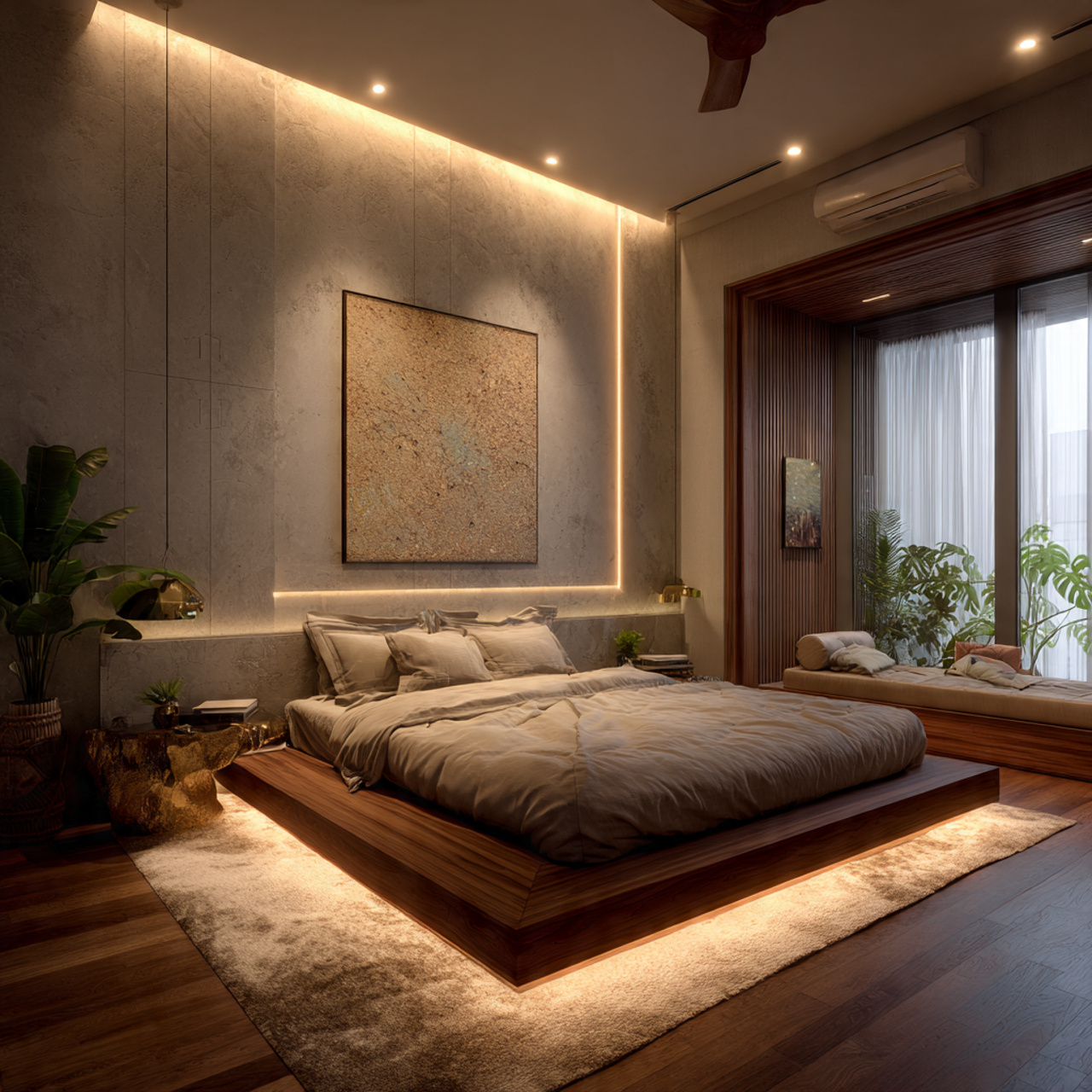
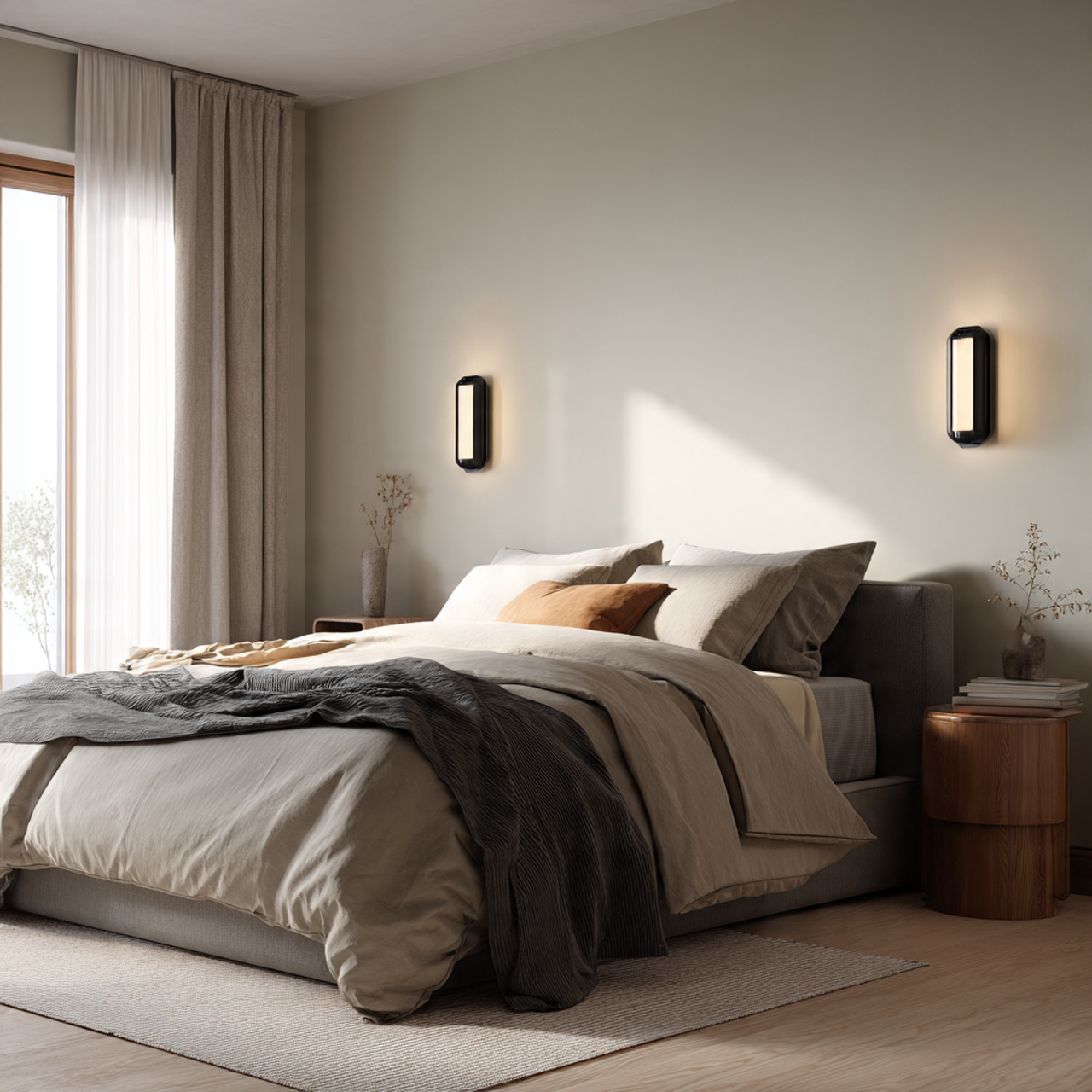
At night the bed wall glows softly with hidden lighting that spreads a warm halo across the surface. The light sits behind the headboard, producing a gentle illumination that feels calm rather than bright. This subtle glow turns the bed into the natural center of the room.
In real homes layered lighting is one of the most overlooked parts of bedroom design. Many people rely only on ceiling lights, yet soft indirect lighting behind a bed back wall can instantly introduce warmth and depth.
Creating this effect usually involves installing LED strips behind a floating headboard panel or within a recessed wall frame. When dimmable lighting is used, the bedroom can shift easily from bright daytime use to a relaxed evening mood.
Tip: Warm white lighting creates a cozy atmosphere that feels far more restful than cool toned LEDs.
Fabric Cushion Bed Back Design That Makes Bedrooms Feel Relaxed And Comfortable
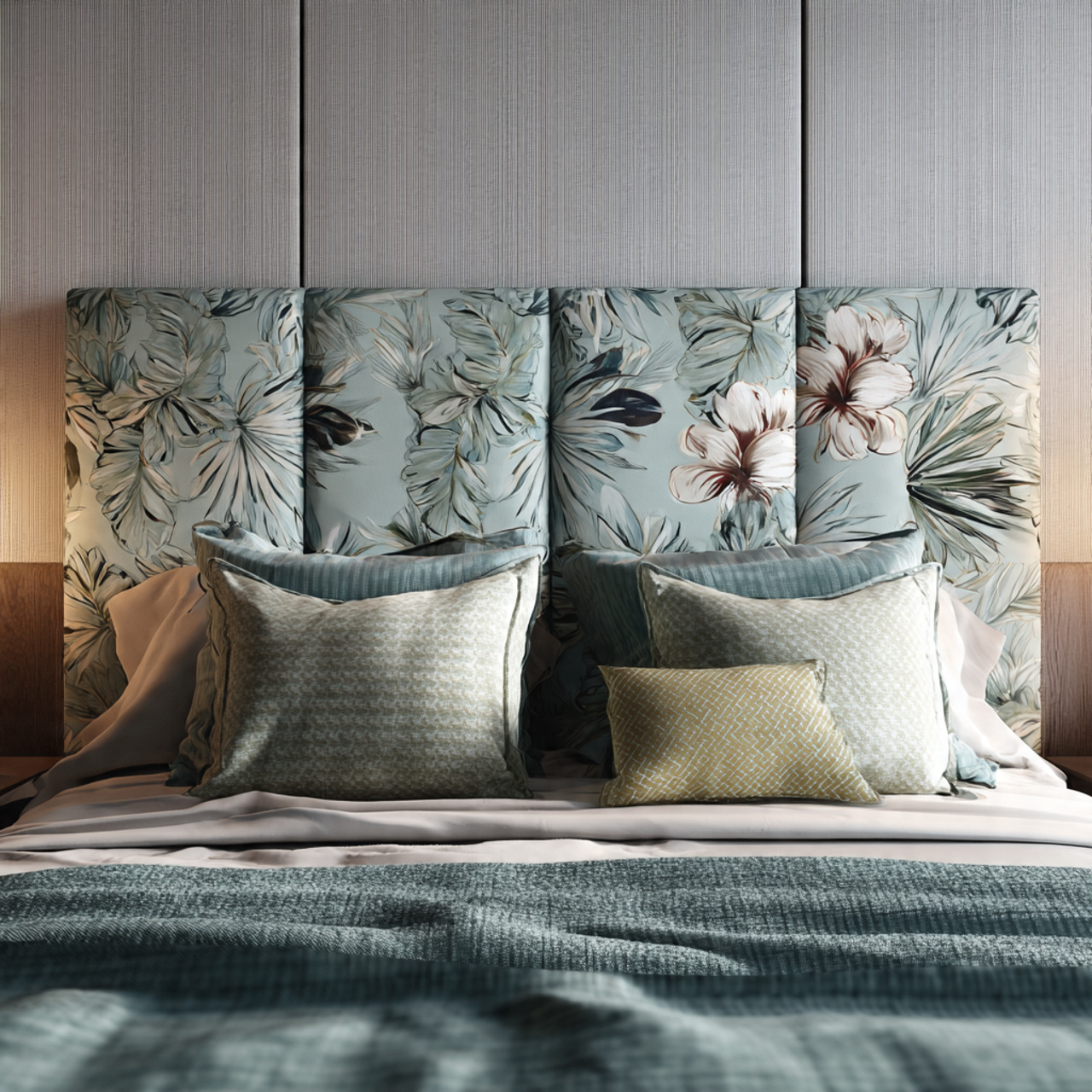
A wall of padded fabric cushions behind the bed instantly introduces a sense of comfort. Large rectangular cushions line the wall and create a soft surface that feels welcoming when sitting up to read or relax.
One thing I have noticed in many family homes is that bedrooms often double as quiet retreat spaces. A cushioned bed back wall supports this lifestyle because the soft padding turns the bed into a comfortable lounging area rather than just a place for sleeping.
To recreate the idea, individual upholstered panels or stitched fabric cushions can be mounted behind the bed. Choosing durable fabrics such as linen blends keeps the design looking relaxed while remaining practical for everyday use.
Tip: Slightly textured fabrics hide everyday wear and keep the bed wall looking fresh over time.
Built In Shelf Bed Back Wall That Combines Storage With Bedroom Styling
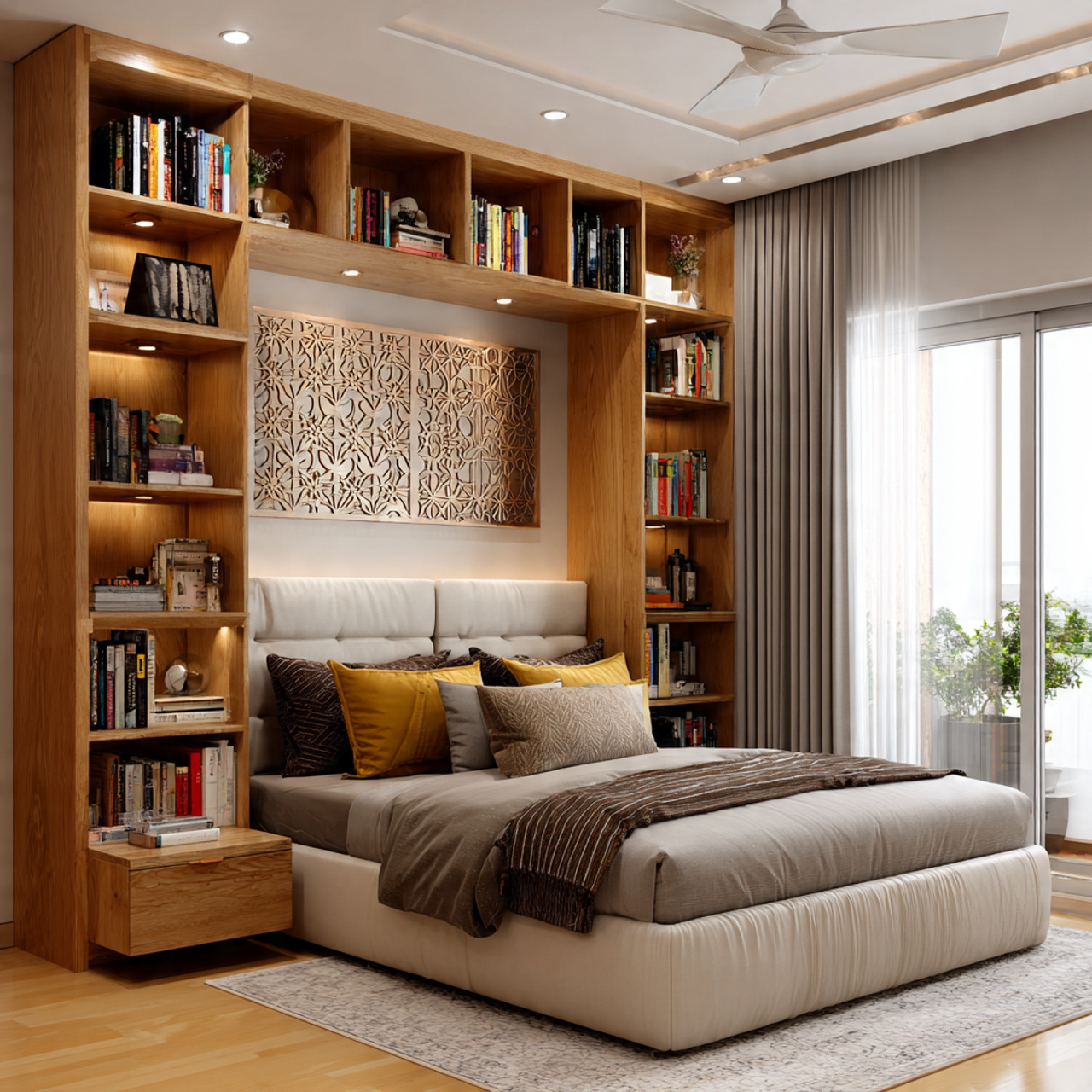
Instead of a plain wall behind the bed, built in shelving can frame the sleeping area and add quiet functionality. Narrow shelves appear on both sides or above the headboard, holding books, ceramics, and small decorative pieces.
In smaller bedrooms this approach works especially well because it removes the need for extra furniture. The bed wall itself becomes a useful storage feature while still looking thoughtfully styled.
If you try this idea, keep the shelves shallow and avoid overcrowding them with objects. A few books, a small plant, or framed artwork usually create a calmer look than filling every inch with decor.
Tip: Warm accent lighting placed within shelves makes the bed wall feel layered and inviting.
Geometric Accent Bed Back Wall That Turns The Headboard Area Into Modern Art
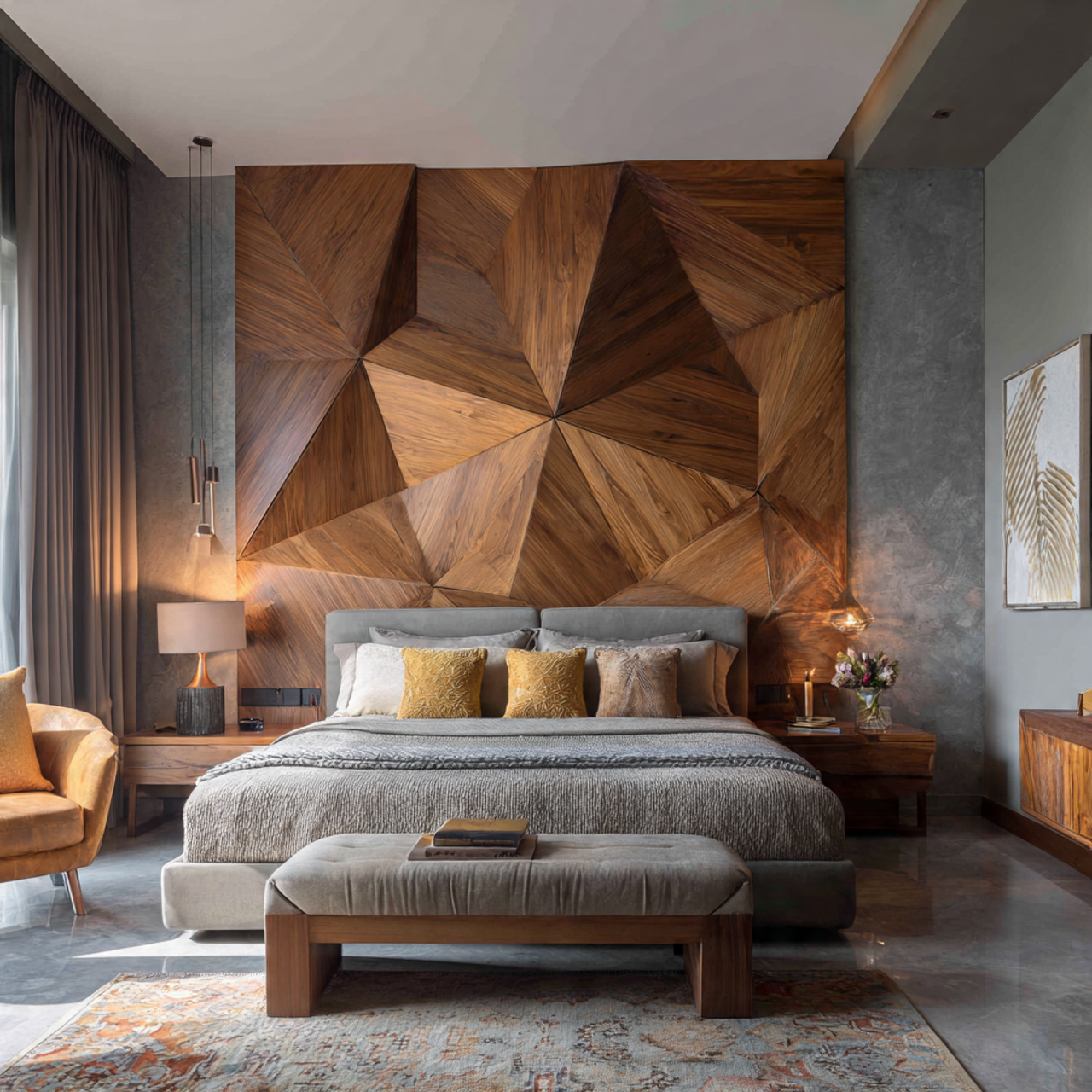
A geometric wall design behind the bed immediately adds energy to the bedroom. Angled wood panels or painted shapes create a bold pattern that transforms the wall into a piece of artwork.
Many people assume strong patterns will overwhelm a bedroom, yet when the design stays behind the bed it often becomes an elegant focal point. The rest of the room can remain simple while the bed wall carries the visual interest.
To experiment with this style, geometric patterns can be created using wood battens, painted lines, or shallow wall panels. Keeping the color palette limited helps the design stay modern rather than busy.
Tip: Pair geometric bed walls with minimal bedding so the pattern remains the main focus.
Soft Neutral Textured Bed Back Design That Creates A Calm Layered Bedroom
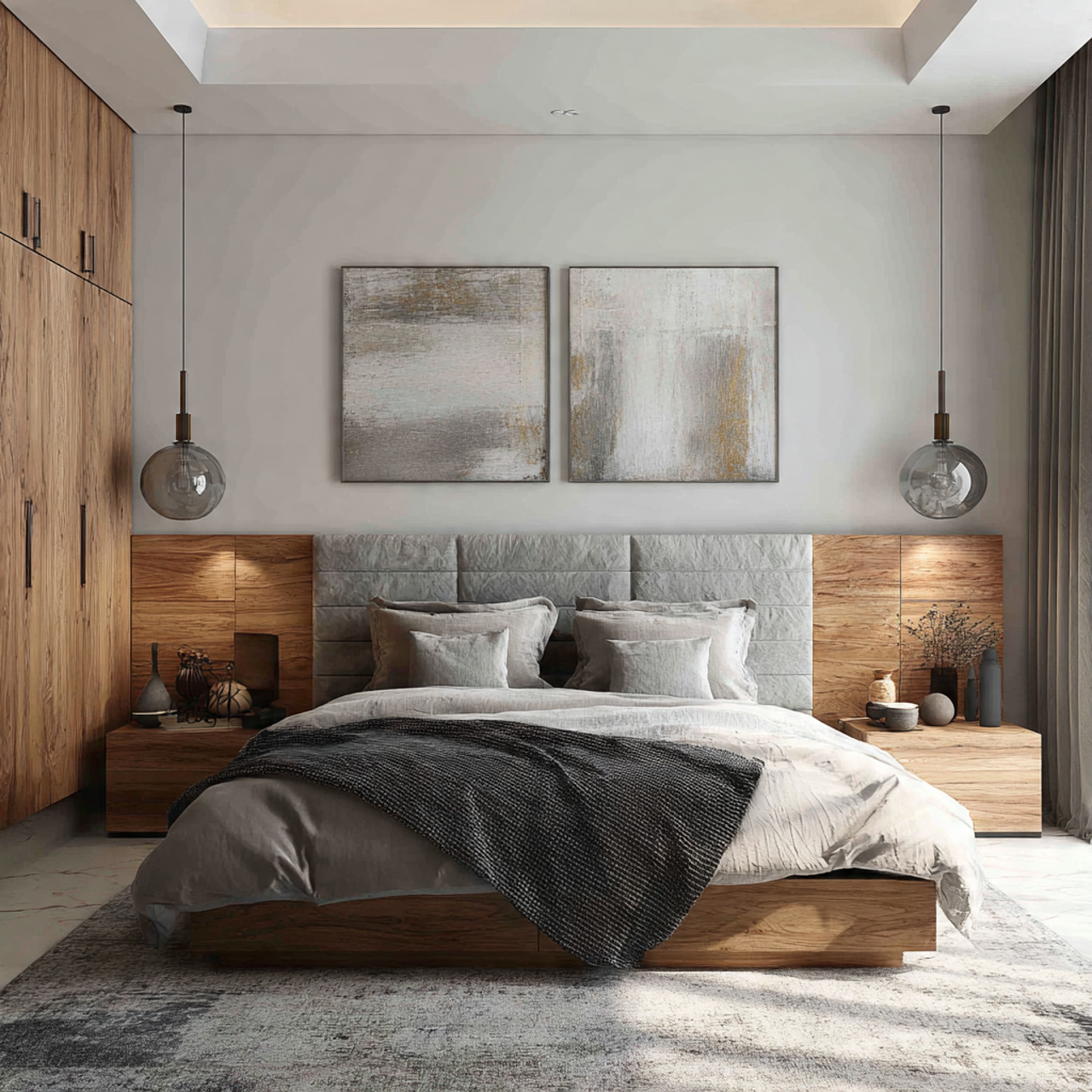
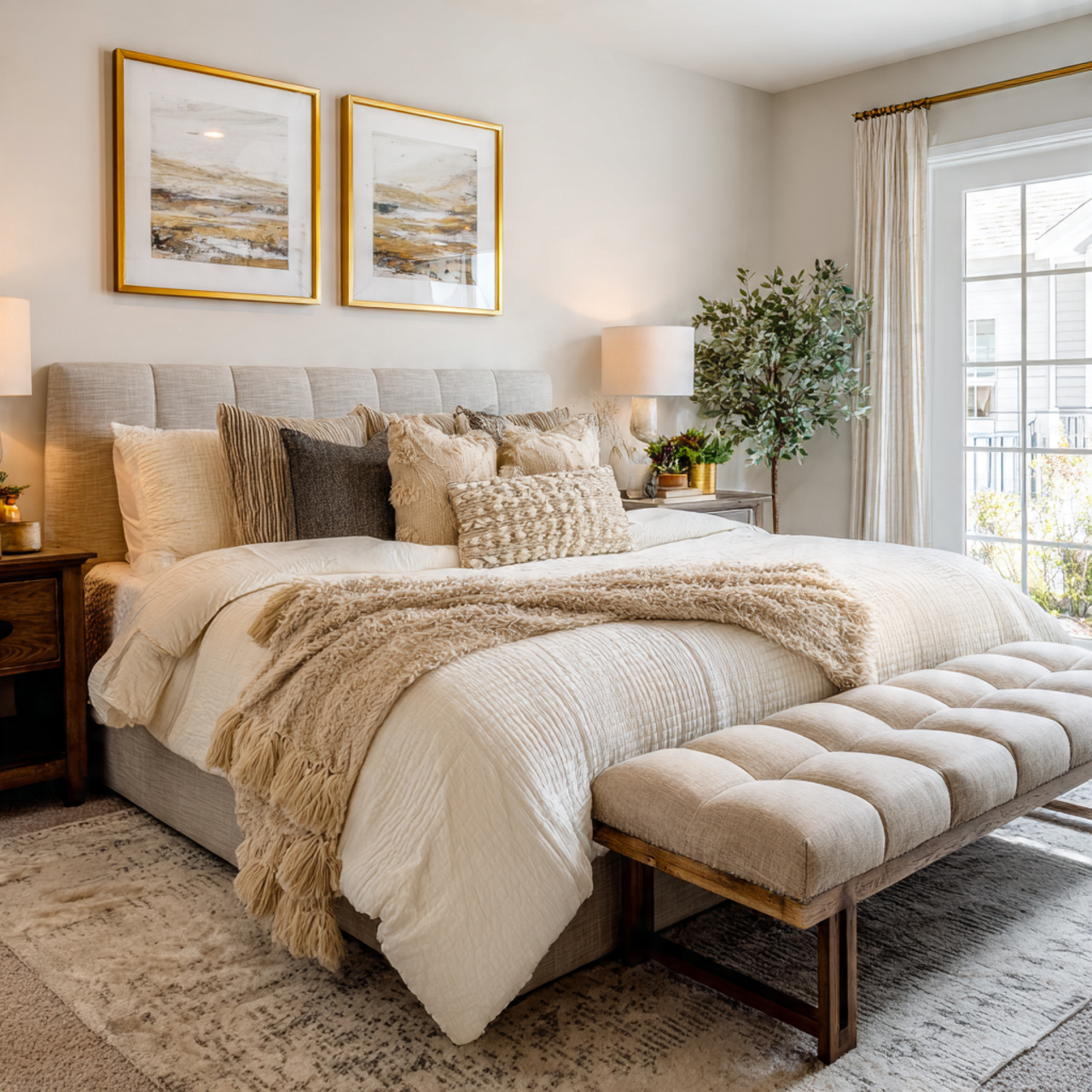
A softly textured headboard wall in gentle neutral tones can make a bedroom feel instantly peaceful. Subtle fabric panels or lightly padded surfaces stretch behind the bed, creating a calm background that allows the bedding and lighting to stand out naturally.
Many people assume bold headboards are necessary to make an impact, yet in real homes soft neutral textures often age better. Bedrooms designed this way remain visually relaxing over time instead of feeling busy or trend driven.
To achieve this look, choose layered materials such as linen panels, textured wallpaper, or padded fabric boards behind the bed. Keeping the palette within warm whites, creams, or soft taupe helps the bedroom maintain a quiet and restful atmosphere.
Tip: Pair textured neutral headboards with warm bedside lighting to enhance the softness of the wall.
Mixed Wood And Stone Bed Back Design That Adds Architectural Character
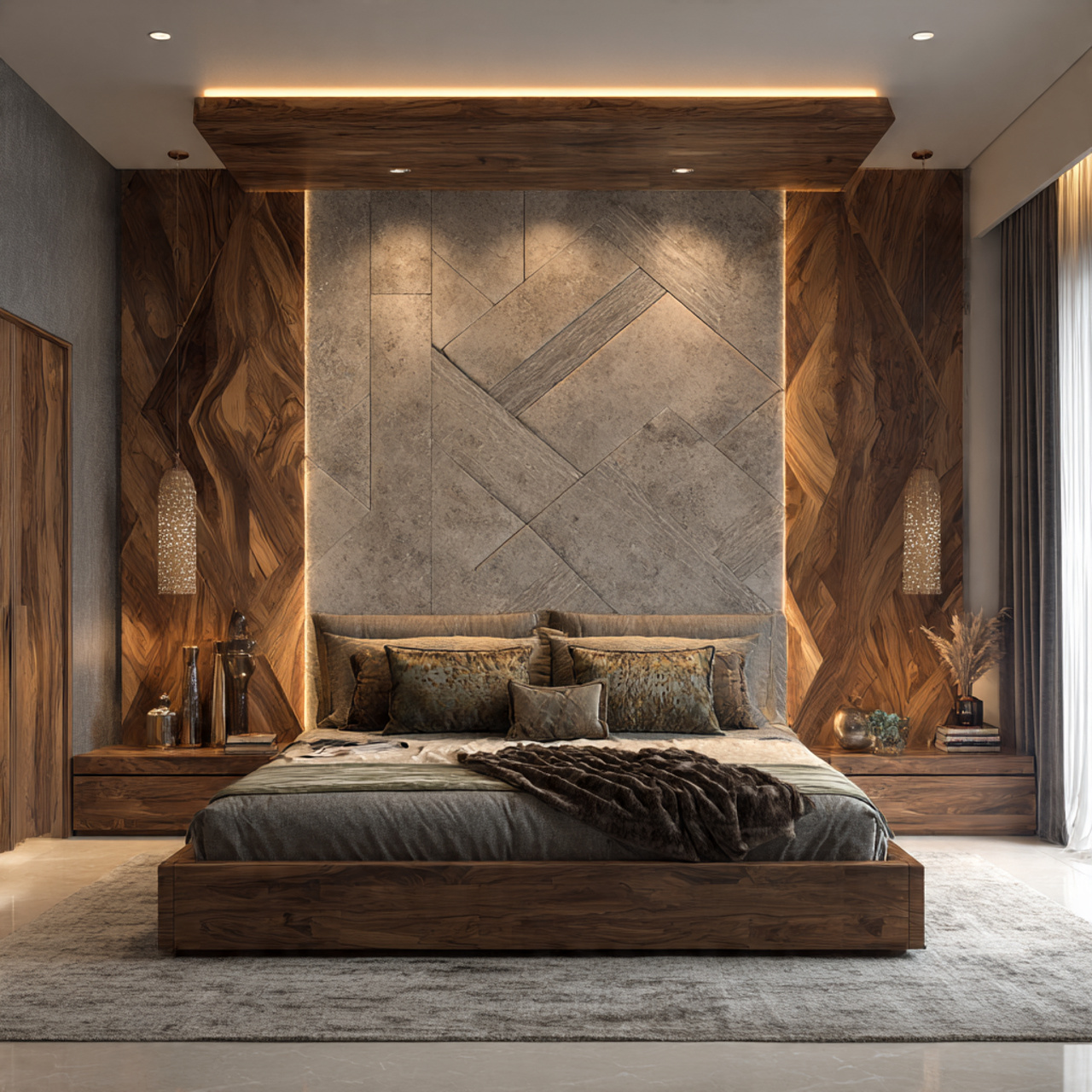
A bed wall that combines natural wood with stone instantly feels more architectural than decorative. The stone surface creates a grounded center behind the bed while surrounding wood panels add warmth and structure.
In many modern interiors designers mix materials to avoid flat looking walls. When stone and wood appear together the bedroom gains depth because the textures interact with light in different ways throughout the day.
To try this idea, install a vertical stone slab or textured stone panel directly behind the headboard area and frame it with wooden panels or slats. The contrast between the cool stone and warm wood produces a balanced and sophisticated bed back design.
Tip: Keep bedding simple when using stone walls so the materials remain the visual highlight.
Hotel Style Extra Tall Headboard Design That Elevates The Entire Bedroom
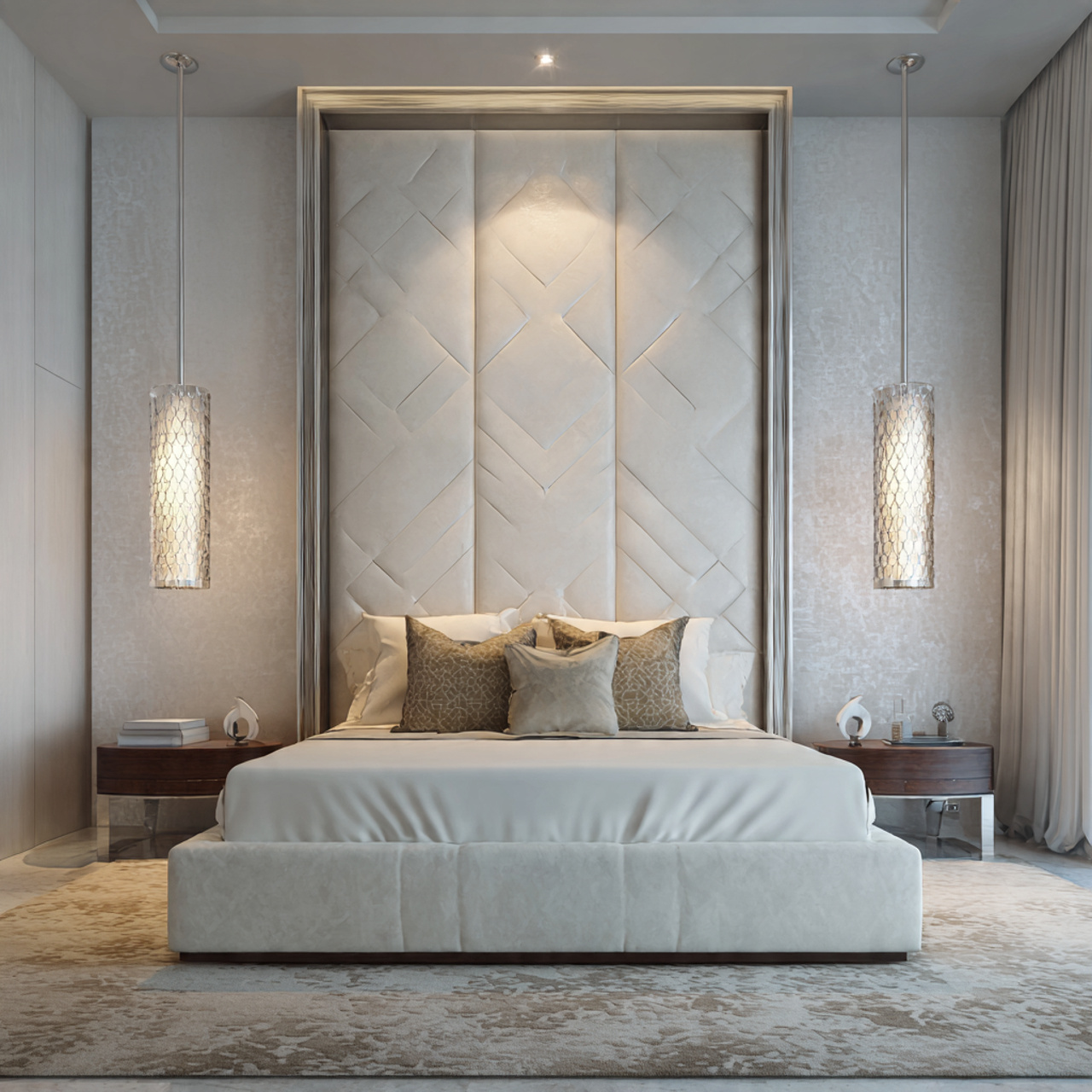
An extra tall headboard that rises well above the bed can completely transform a bedroom wall. The height naturally draws the eye upward and makes the entire room feel more spacious and refined.
One thing many people regret after designing a bedroom is choosing a headboard that feels too small for the wall. Taller headboards create a stronger focal point and prevent the bed from appearing visually lost within the room.
To recreate this hotel inspired look, select a padded headboard or extended panel system that reaches toward the upper wall. Neutral fabrics such as beige, ivory, or muted gray help the design remain timeless rather than overly dramatic.
Tip: Wide bedside tables balance the scale of tall headboards and keep the room visually grounded.
Floating Platform Bed Back Design That Feels Modern And Light
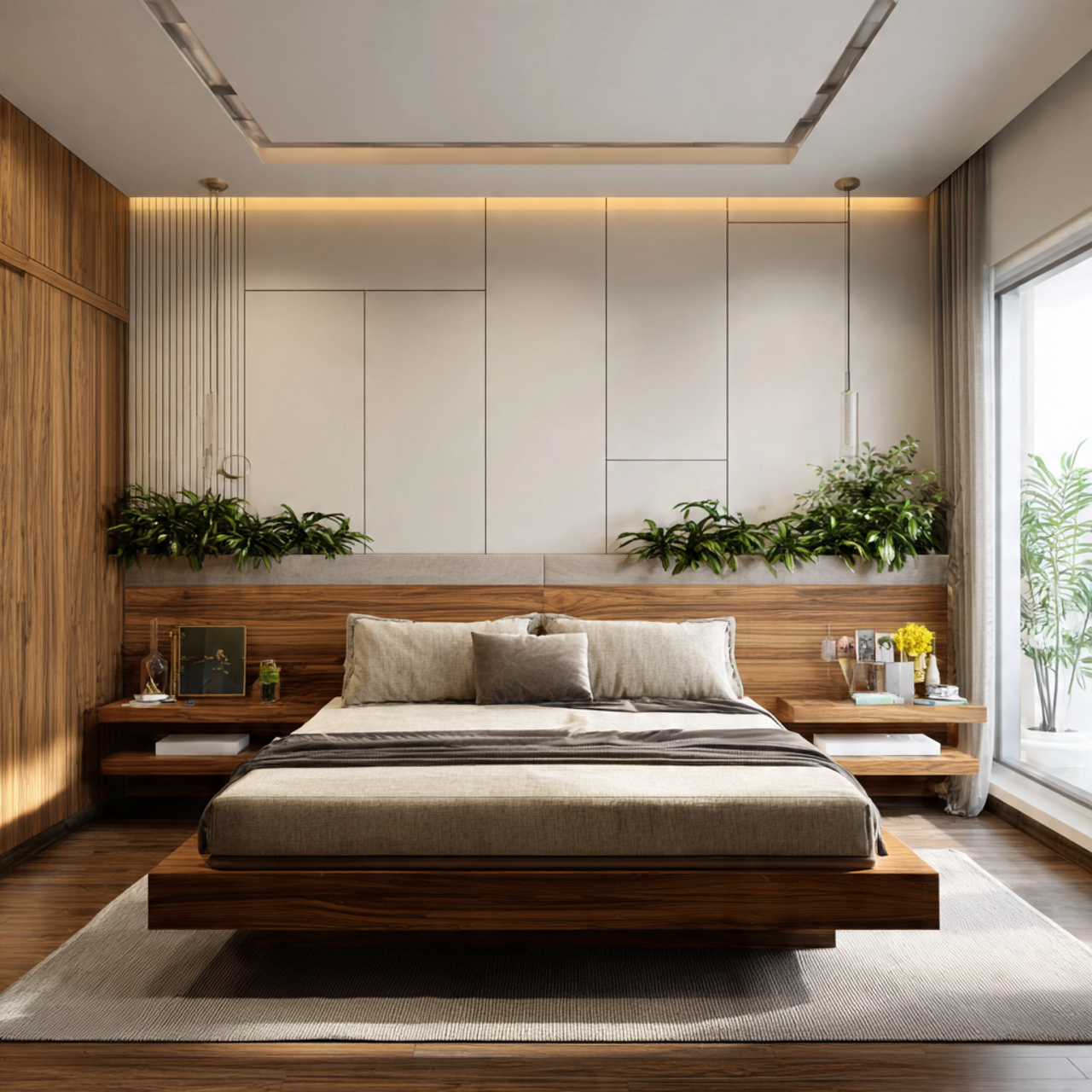
A floating platform bed connected to a simple wall panel can create a striking modern bedroom scene. The bed appears to hover slightly above the floor while the extended panel behind it anchors the sleeping area.
Many contemporary interiors favor lighter furniture profiles because they allow the room to feel more open. Floating beds achieve this effect while still maintaining a strong visual focal point behind the mattress.
If you want to explore this idea, choose a platform bed frame mounted slightly above the floor and extend a wood or upholstered panel behind it. Keeping the panel wider than the bed helps define the sleeping zone without adding bulky furniture.
Tip: Soft lighting beneath a floating bed frame can enhance the illusion of weightlessness.
Art Focused Bed Back Wall That Turns The Headboard Into A Gallery Moment
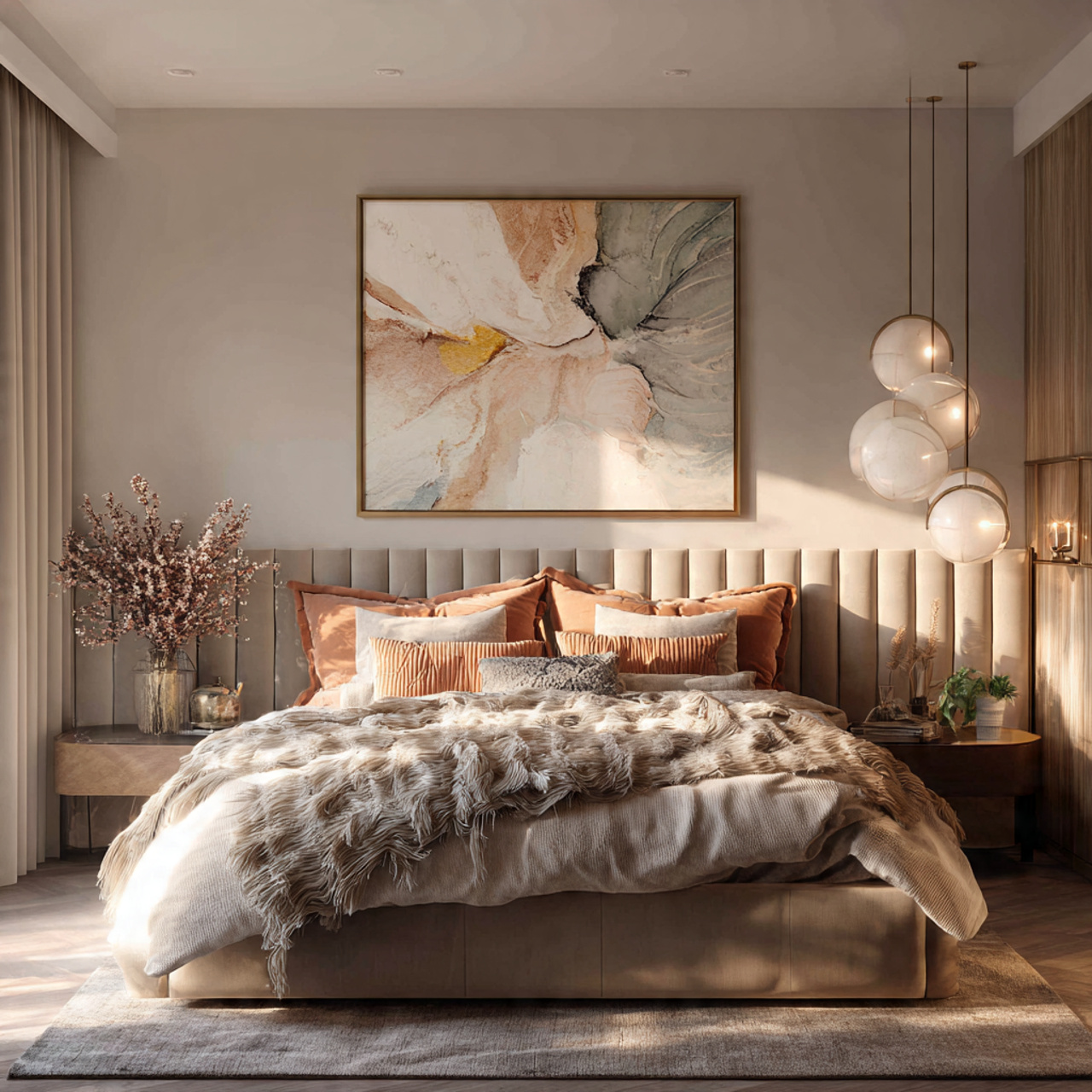
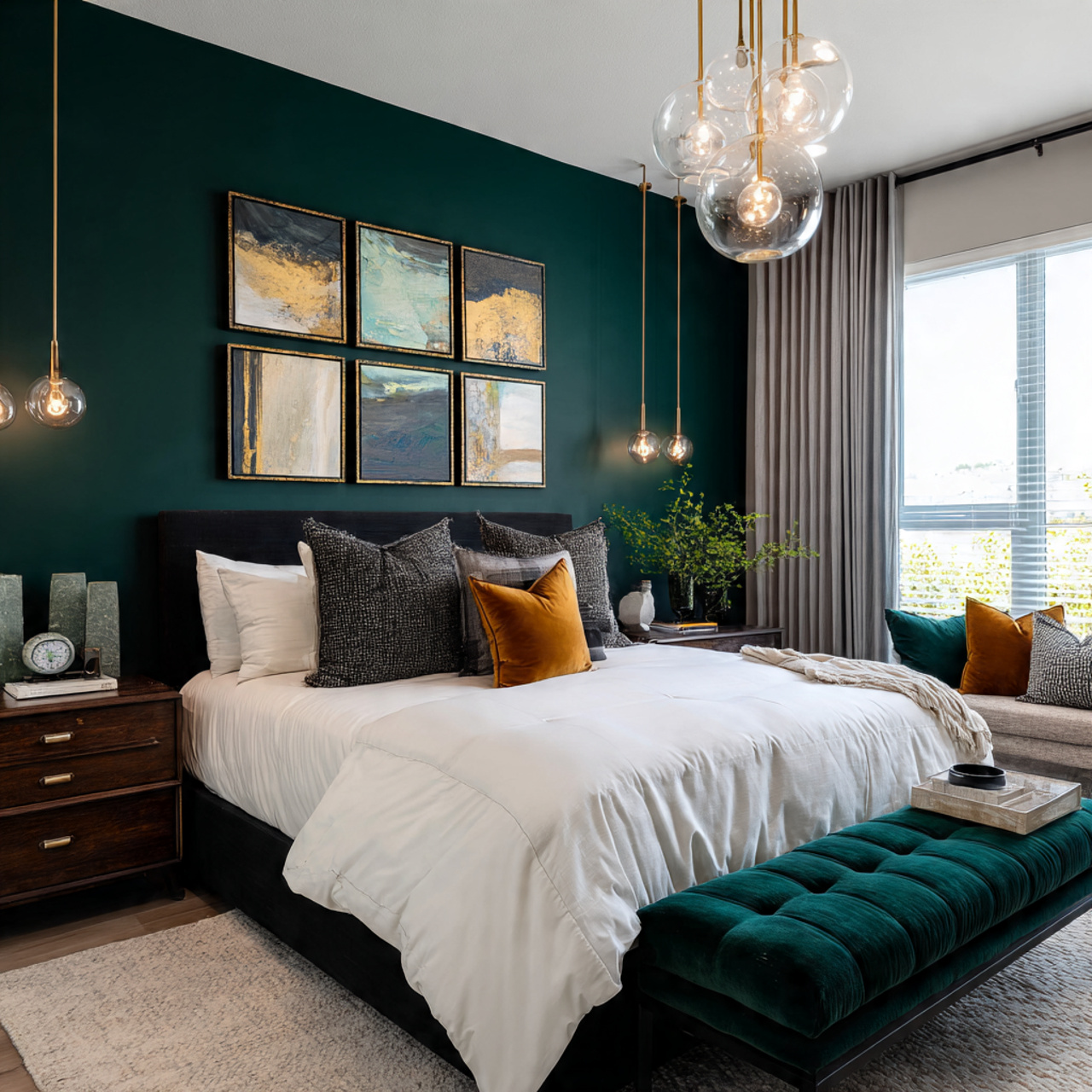
A large piece of artwork positioned behind the bed can act as the entire headboard concept. The painting or framed artwork becomes the visual centerpiece while the rest of the wall remains calm and uncluttered.
Many homeowners fill bedroom walls with multiple small decorations, yet one oversized artwork often feels more intentional. When the artwork is centered above the bed it naturally anchors the space and introduces personality without overcrowding the room.
To apply this idea, select a canvas, framed print, or mural that spans a noticeable portion of the bed width. Keeping the surrounding wall neutral allows the artwork to stand out and define the bed back design.
Tip: Artwork with soft colors often creates a more restful bedroom atmosphere.
Visit Also: Bed frame
Marble Statement Bed Back Wall That Creates A Dramatic Luxury Bedroom
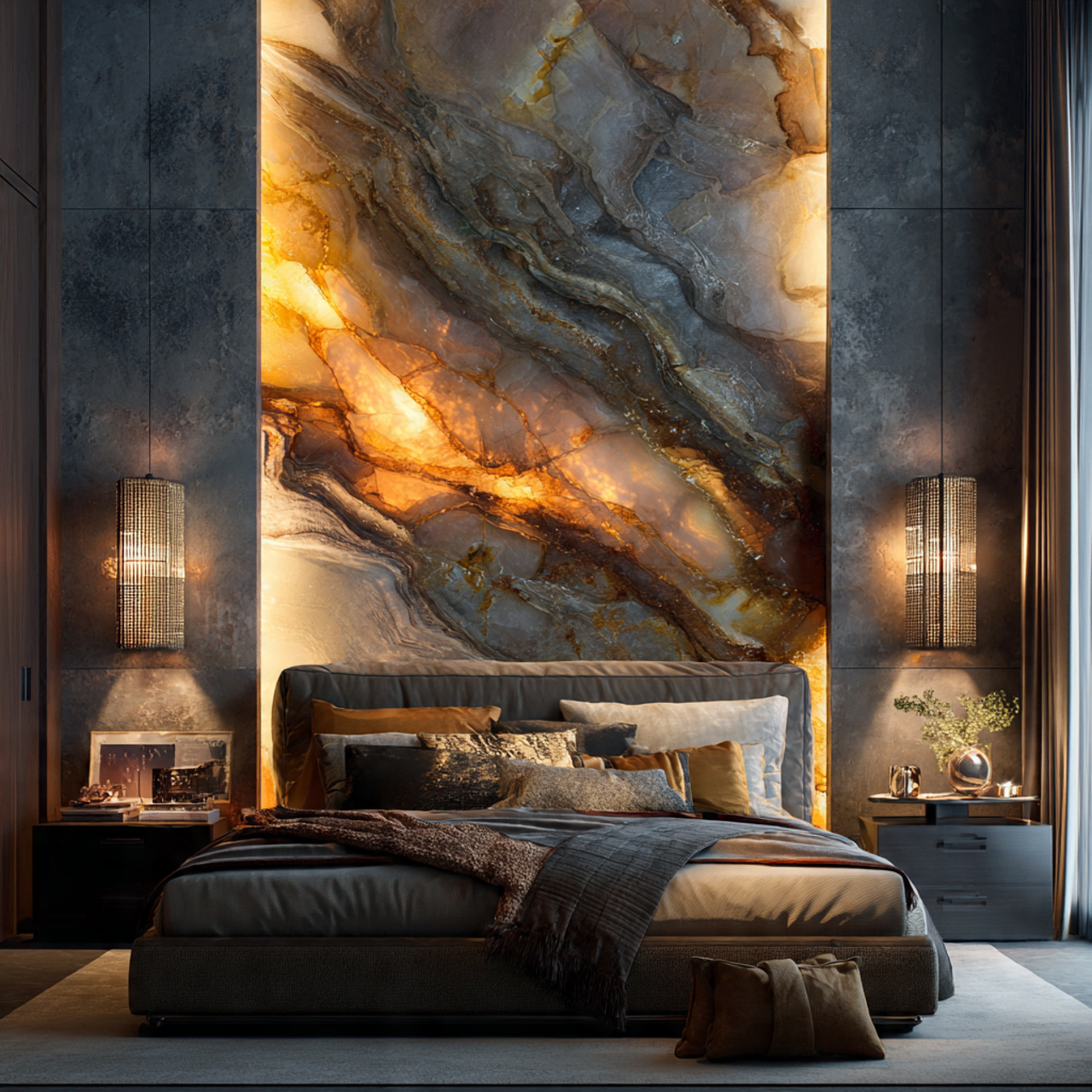
A marble slab or marble patterned wall behind the bed immediately introduces a sense of luxury. The natural veining within the stone forms a unique pattern that draws attention without needing additional decoration.
In well designed bedrooms marble often works best when treated as a statement surface rather than a background material. The bed remains simple while the stone wall provides visual drama and texture.
To bring this idea into a real home, marble panels or marble effect slabs can be installed behind the headboard area. Pairing the stone with warm lighting and soft textiles prevents the room from feeling cold.
Tip: Warm wood bedside tables soften the cool character of marble surfaces.
A Real Bedroom Example Showing How Bed Back Design Shapes The Entire Room
Imagine walking into a quiet master bedroom where the bed wall immediately draws attention without feeling overwhelming. A tall upholstered bed back panel stretches gently behind the bed while warm bedside lamps cast soft light across textured fabric and layered bedding.
The rest of the room remains calm and balanced. Neutral curtains soften the windows, a small bench rests at the foot of the bed, and a simple artwork piece above the headboard ties the entire bed back design together.
Color And Material Choices That Strengthen A Bed Back Design
Soft Warm Beige (HEX #E6DFD6)
This shade works beautifully for upholstered headboards and padded wall panels because it reflects natural light gently. It pairs well with linen fabrics, oak furniture, and warm brass lighting.
Muted Stone Gray (HEX #B8B6B1)
This color suits stone panels, marble bed walls, and textured headboards that aim for a quiet luxury mood. It blends naturally with marble, brushed metal finishes, and soft neutral bedding.
Warm Walnut Brown (HEX #6B4F3A)
This deeper wood tone works best for wooden slat headboards and architectural bed walls. Walnut pairs beautifully with leather accents, woven textiles, and soft ambient lighting.
Cream White (HEX #F3EFE7)
Cream white creates a clean backdrop for minimal bed back walls and gallery style headboard art. It works well with natural fabrics, light woods, and soft ceramic decor.
Room Size And Lighting Guide For Bed Back Walls
Small Bedroom Spaces
In smaller bedrooms it is usually best to keep the bed back design visually light so the wall does not dominate the room. Slim panels, light colors, or simple headboards help the bed wall feel intentional without making the space appear crowded.
Large Bedroom Layouts
Large bedrooms often benefit from taller bed back walls or extended headboards because they help anchor the sleeping area. Without a strong focal wall the bed can feel visually lost inside the room.
North Facing Bedrooms
North facing rooms usually receive softer daylight, so warmer materials such as wood panels or fabric headboards can prevent the wall from feeling dull. Warm bedside lighting can further enhance the depth of the bed back design.
South Facing Bedrooms
South facing rooms often receive brighter natural light during the day. Textured materials such as stone, wood, or padded panels work well here because sunlight highlights their surface details.
Common Bed Back Design Mistakes To Avoid
Choosing A Headboard That Is Too Small
Many bedrooms end up looking unfinished because the headboard does not visually match the width of the bed or the size of the wall. A small headboard often disappears visually and fails to anchor the sleeping area.
Choosing a wider or taller bed back design helps create a stronger focal point. The bed should feel connected to the wall rather than floating awkwardly in front of it.
Overloading The Bed Wall With Too Many Materials
Some homeowners mix wood panels, wallpaper, artwork, and lighting all on the same bed wall. While each element may look attractive individually, combining too many materials can make the wall feel visually chaotic.
A more effective approach is choosing one dominant element such as panels, artwork, or stone and letting it remain the main feature.
Ignoring Lighting Around The Headboard
Bedrooms that rely only on ceiling lighting often feel flat in the evening. Without layered lighting the textures of the bed back design are difficult to appreciate once the sun goes down.
Adding bedside lamps, wall sconces, or soft LED backlighting helps the bed wall feel warmer and more dimensional.
Using Overly Trend Driven Headboard Styles
Some headboard designs look exciting at first but quickly feel dated after a few years. Extremely bold patterns or very unusual shapes can become tiring over time.
Choosing balanced materials such as wood, fabric, or simple paneling tends to create a bed back design that ages more gracefully.
Frequently Asked Questions About Bed Back Design
What is the best material for a bed back design?
The best material usually depends on the overall style of the bedroom. Upholstered panels work well for cozy bedrooms while wood or stone panels suit more architectural spaces.
Can a bed back wall make a small bedroom look bigger?
Yes, the right bed back design can visually organize the room and make it feel more structured. Light colors and vertical elements such as slats or tall panels often help smaller bedrooms appear taller.
Are padded headboards practical for everyday use?
Padded headboards are often very comfortable for reading or relaxing in bed. Choosing durable fabrics such as linen blends helps them remain practical for long term use.
How wide should a bed back design be?
In many bedrooms the bed back design works best when it extends slightly wider than the mattress. This extra width visually anchors the bed and prevents the wall from feeling empty.
Is it expensive to create a stylish bed back wall?
Not necessarily, because many bed back designs can be created using simple wall panels, paint patterns, or large artwork. Even small changes behind the bed can make a bedroom feel significantly more finished.
A Simple Way To Start Improving Your Bed Back Design
Many bedrooms feel incomplete not because of furniture, but because the wall behind the bed receives little attention. When the bed back design is treated as a focal point, the entire room begins to feel more balanced, layered, and thoughtfully styled. Even subtle upgrades such as textured panels, soft lighting, or a taller headboard can quietly transform the atmosphere of the space.
If you want to improve your bedroom, start by observing the wall behind your bed and imagine how one design element could strengthen it. A well planned bed back design often becomes the visual anchor of the room and allows the rest of the decor to fall naturally into place. Small changes made thoughtfully tend to create the most lasting impact over time.